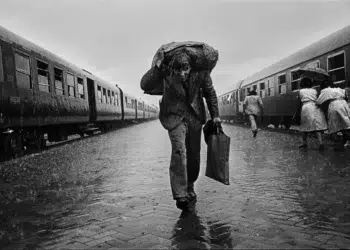

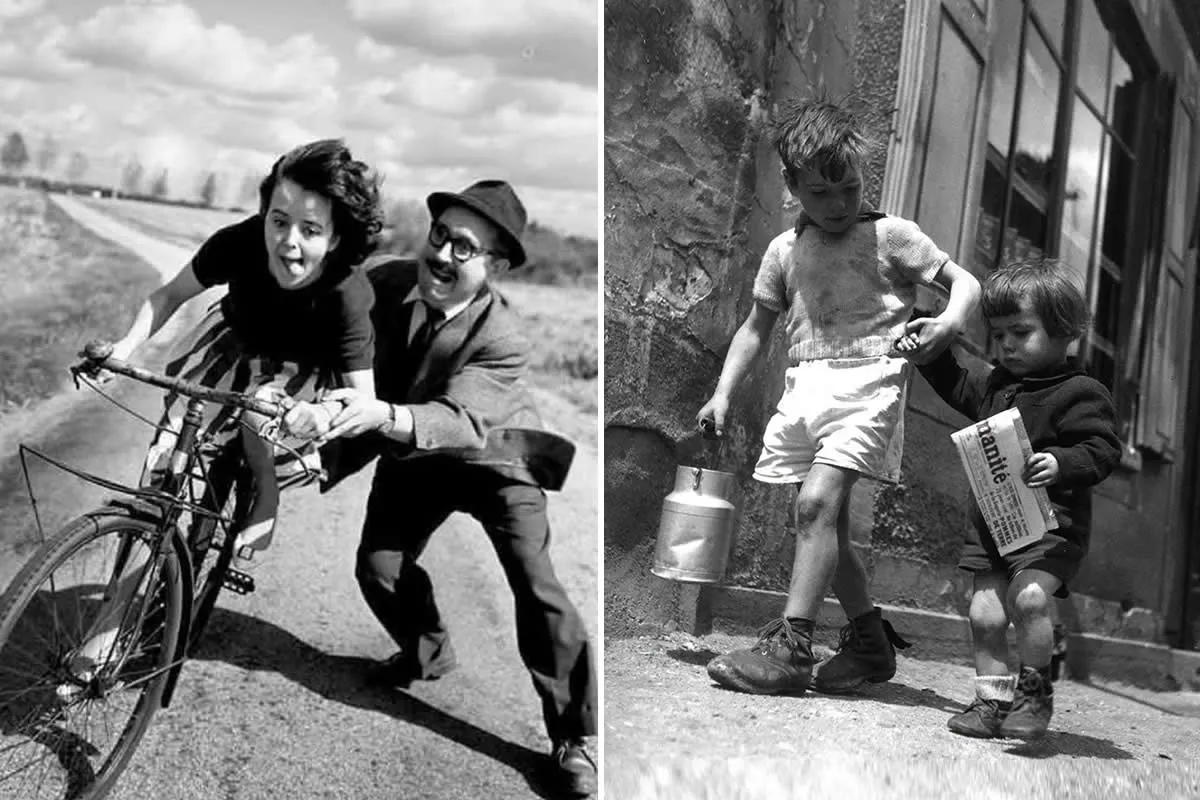
Some photographers see the world as it is, while others find the extraordinary hiding in its simplest moments. Robert Doisneau had a rare gift for doing just that. One of the most beloved figures in the history of humanist photography, this French master had an extraordinary gift for finding beauty in the everyday chaos of city life. A stolen glance between lovers, children bursting into laughter, workers taking a break, or strangers sharing a fleeting moment of kindness, Doisneau saw poetry where the rest of us might simply keep walking.
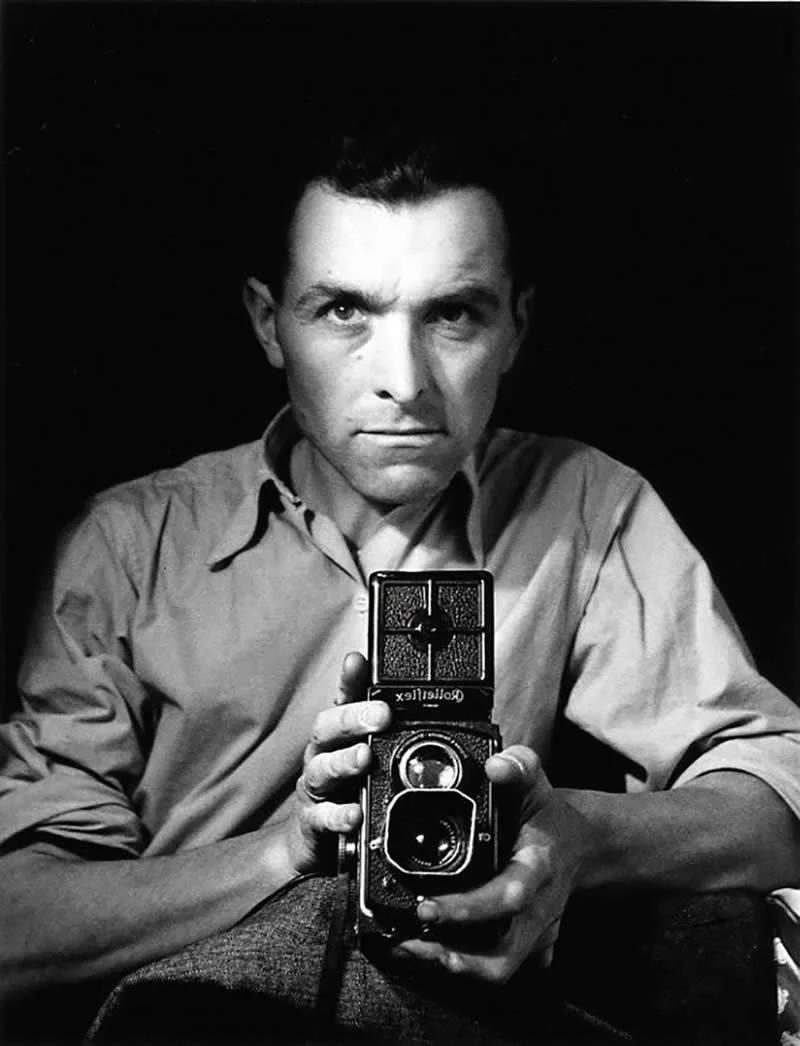
Born in 1912, Doisneau became famous for his warm, playful photographs of Paris and its working-class neighborhoods. His pictures weren’t just snapshots of a city; they were little love letters to the people who made it breathe. Working primarily in black and white, he combined gentle humor, impeccable timing, and a deeply human perspective to create images that still feel wonderfully alive decades later.
His legendary photograph Le Baiser de l’Hôtel de Ville (Kiss by the Hôtel de Ville), captured in 1950, became one of the most recognizable romantic images in photographic history. But there’s much more to his story than one famous kiss. From mischievous schoolchildren to the streets of post-war Paris, Doisneau built a remarkable visual archive of ordinary people living extraordinary little moments.
So, what made his photography so special? Let’s step into his world and discover how this master storyteller transformed everyday life into timeless art.
You can find more info about Robert Doisneau:
#1
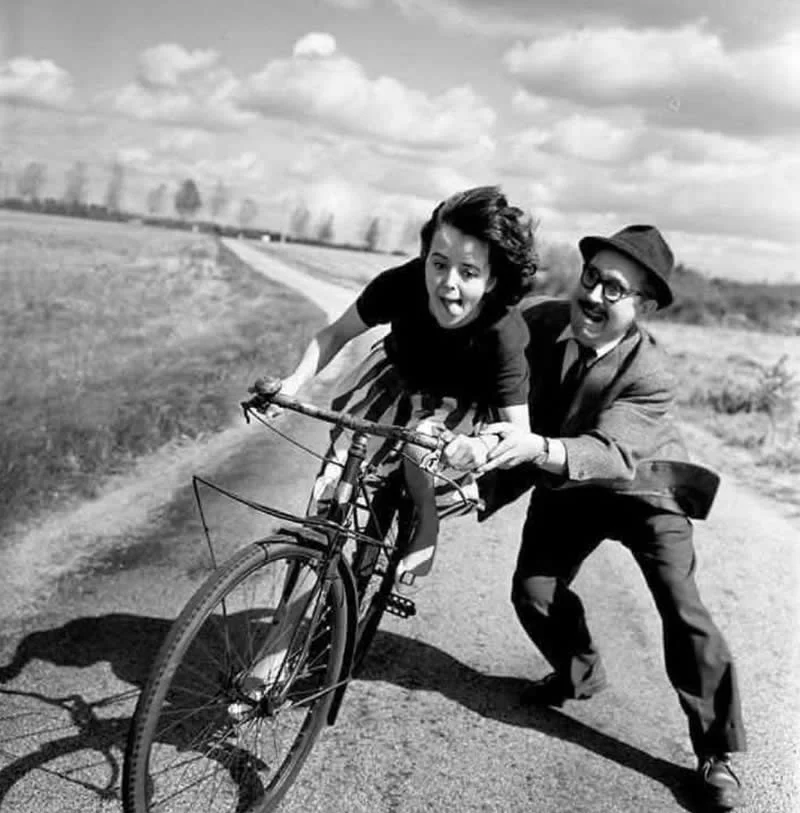
© Robert Doisneau
#2
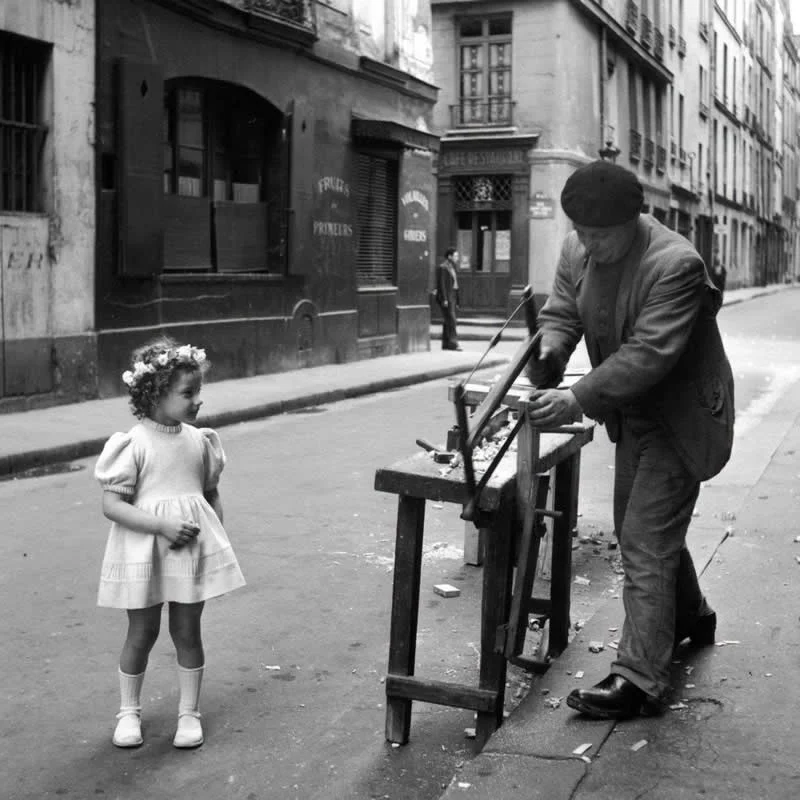
© Robert Doisneau
#3
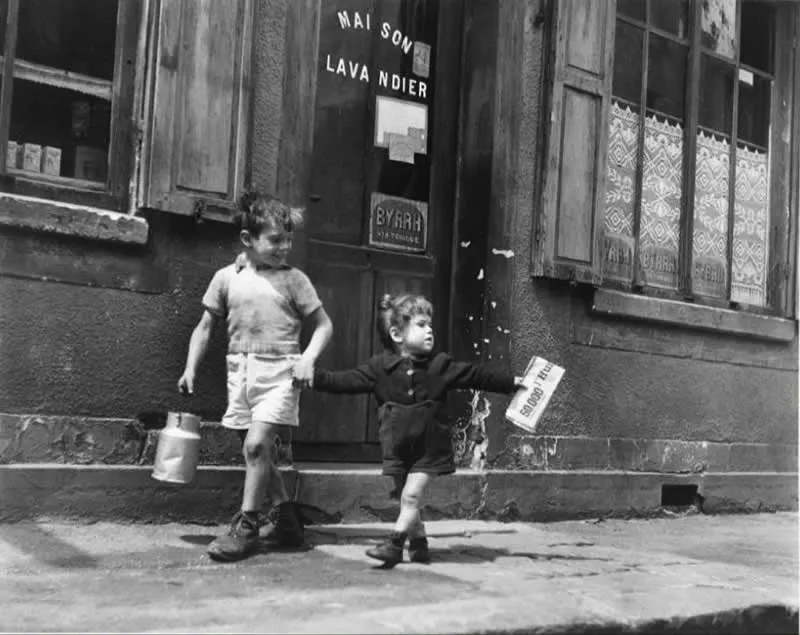
© Robert Doisneau
#4
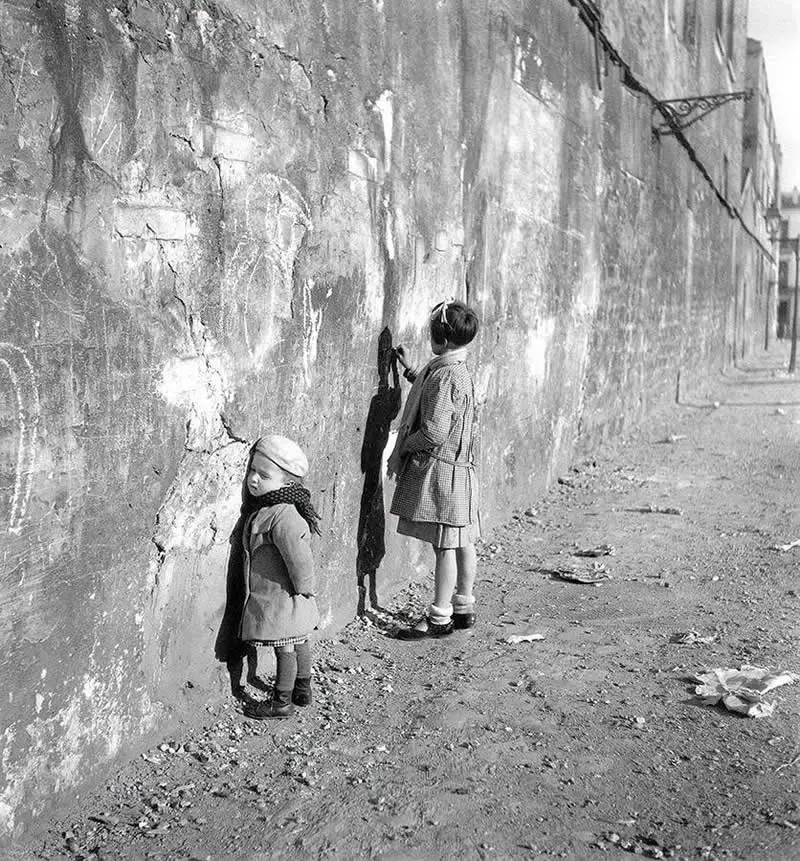
© Robert Doisneau
#5
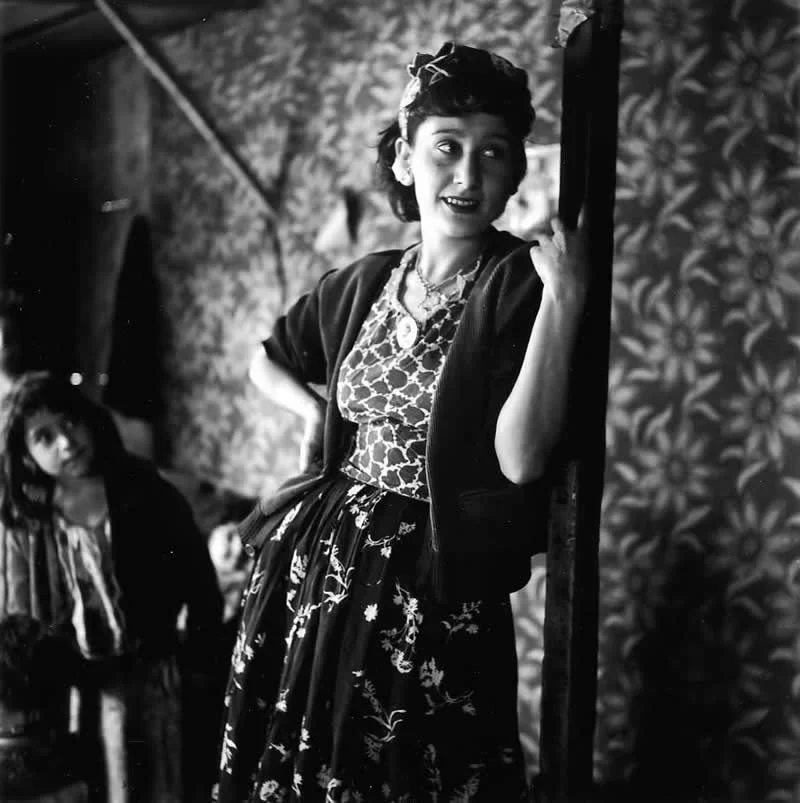
© Robert Doisneau
#6
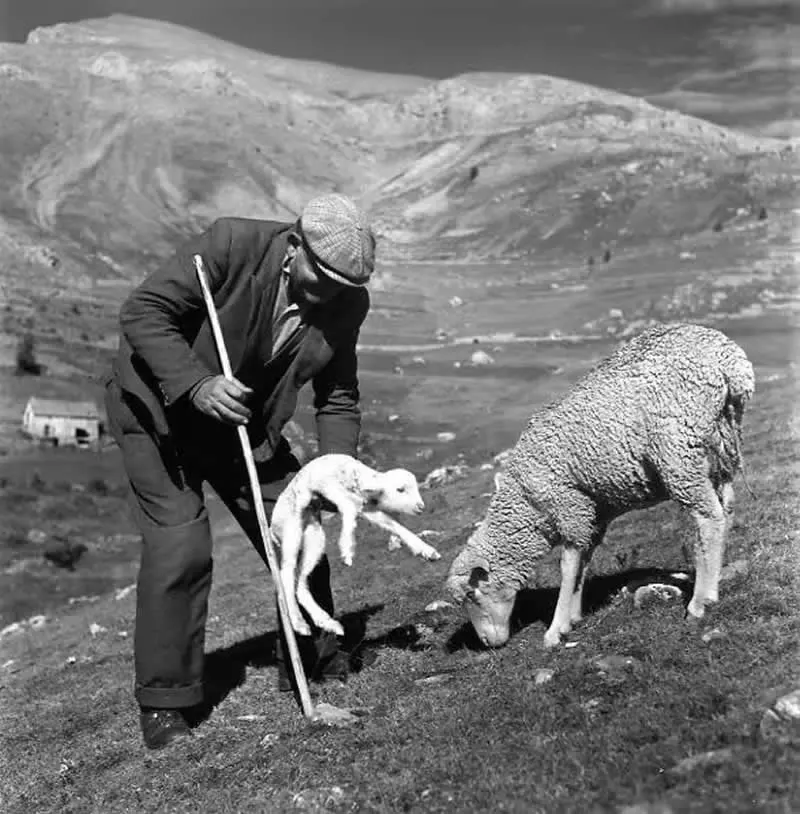
© Robert Doisneau
The Magic of Le Baiser de l’Hôtel de Ville
Few photographs have captured the world’s imagination quite like Le Baiser de l’Hôtel de Ville. Taken in 1950, the image shows a young couple kissing amid the busy streets of Paris. With pedestrians moving around them, the lovers seem to exist in their own little universe. It’s romantic, spontaneous-looking, and instantly unforgettable.
- A timeless masterpiece: The photograph became a global symbol of Parisian romance and affection.
- A commissioned assignment: Doisneau made the image during a project for Life magazine.
- Beautiful composition: The couple stands out against the lively city background.
- An enduring legacy: The photograph became one of the most reproduced images in photographic history.
- A fascinating backstory: The kiss was staged with a real couple, Françoise Bornet and Jacques Carteaud, rather than being a completely spontaneous street encounter.
The magic lies in how effortlessly the image communicates a universal feeling. Even if you’ve never visited Paris, you can understand the moment. That’s the power of Doisneau: he made a single frame feel like an entire love story.
#7
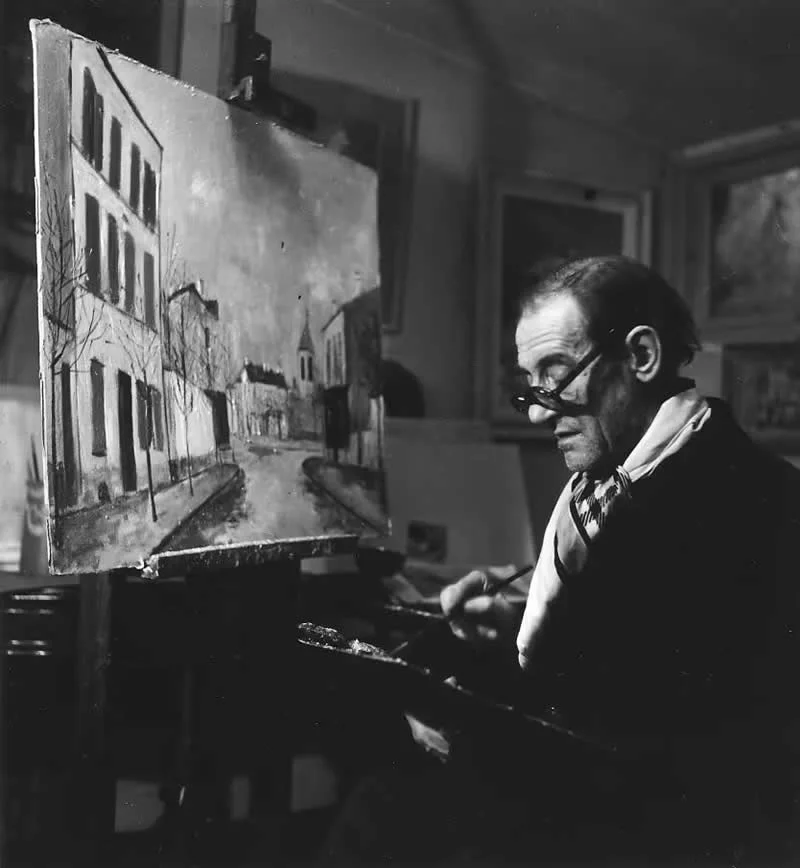
© Robert Doisneau
#8
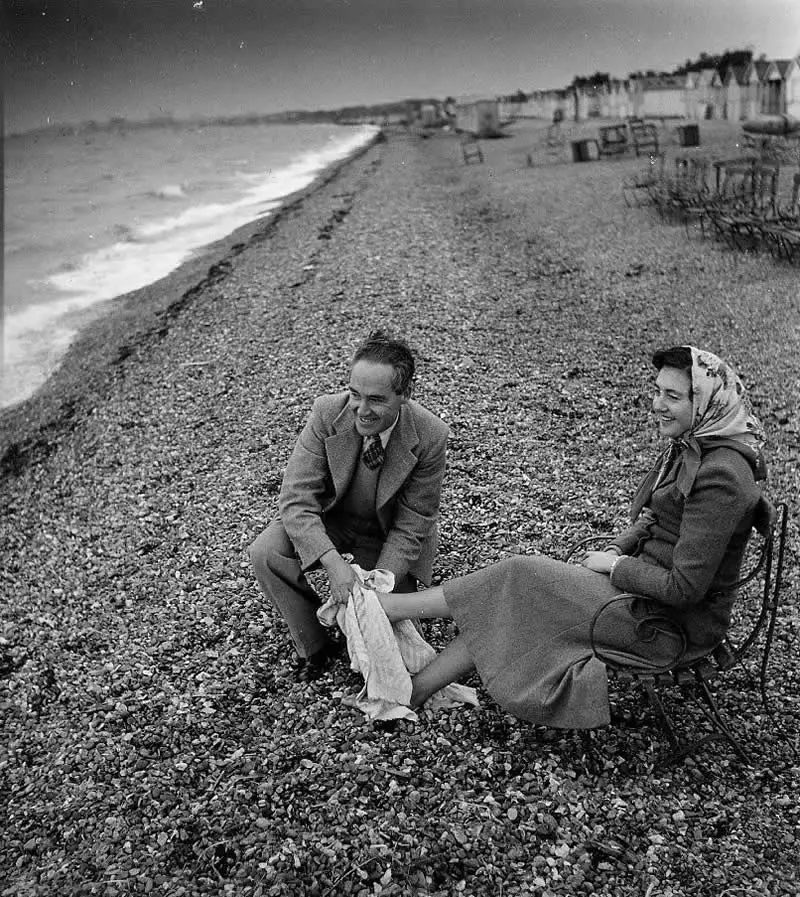
© Robert Doisneau
#9
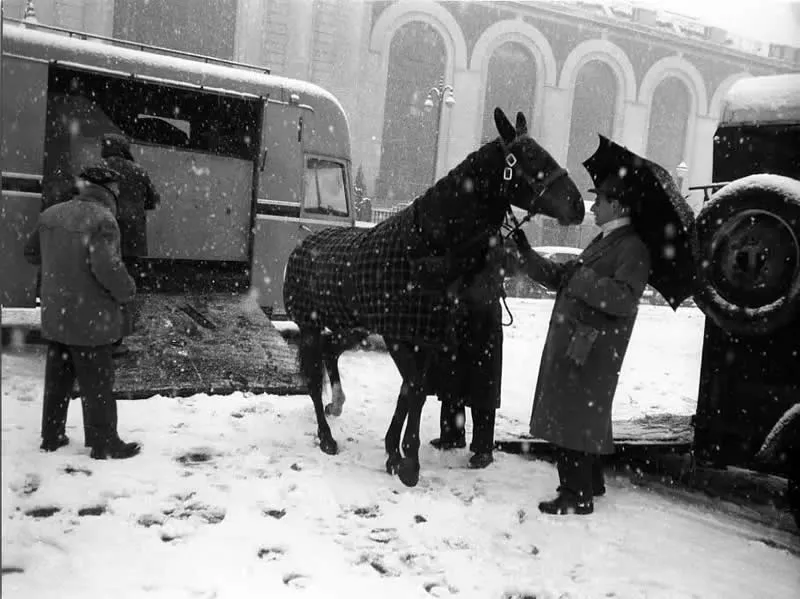
© Robert Doisneau
#10
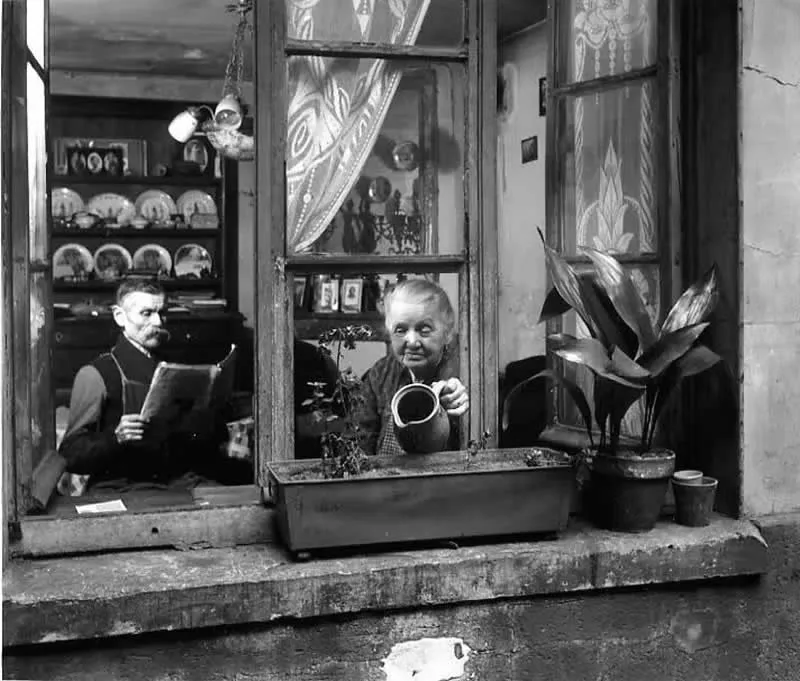
© Robert Doisneau
#11
© Robert Doisneau
#12
© Robert Doisneau
Finding Poetry in Ordinary Parisian Life
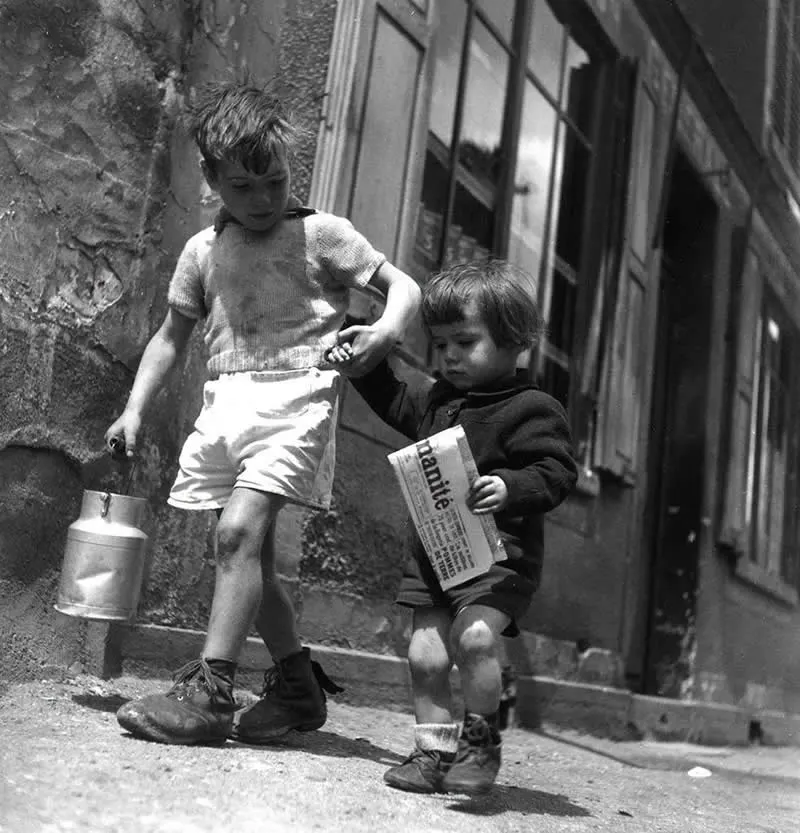
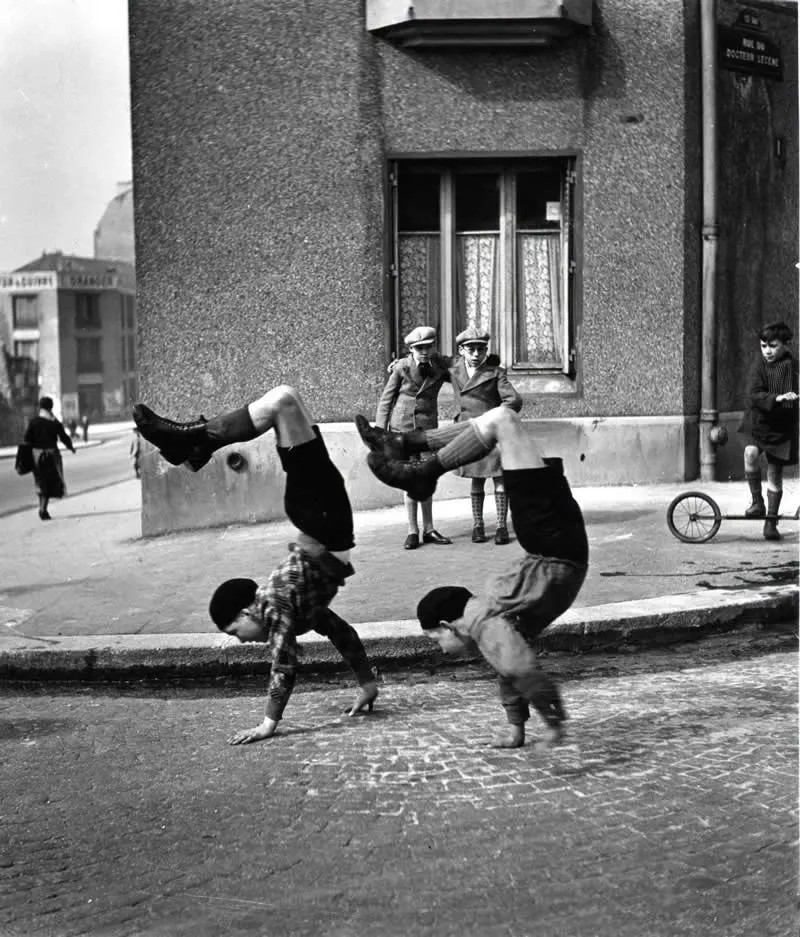
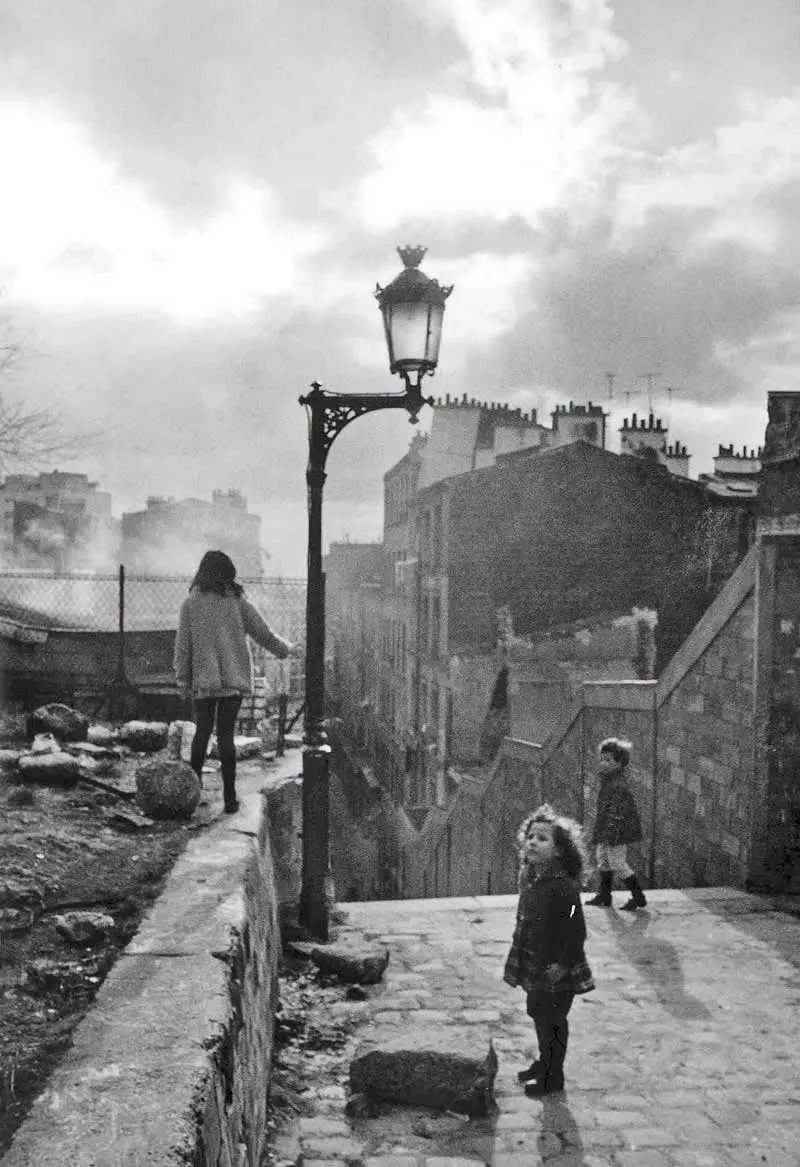
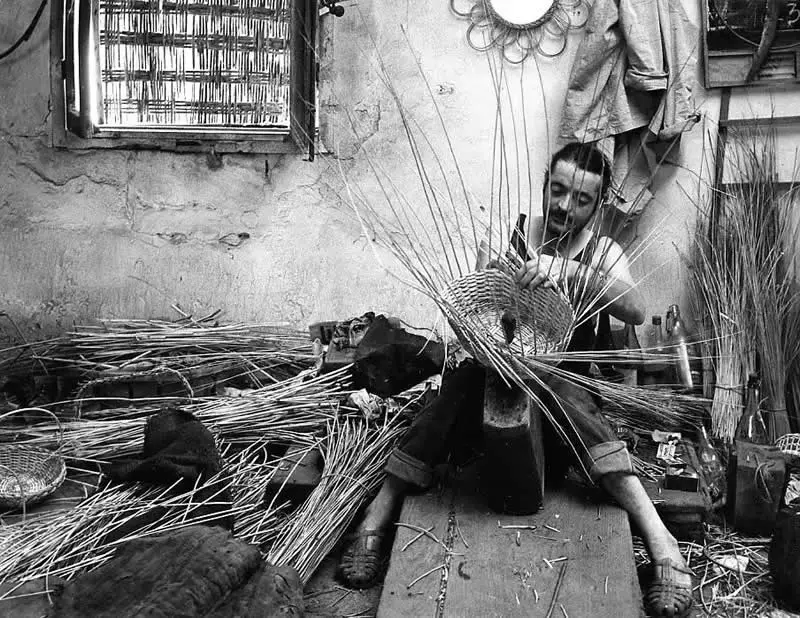
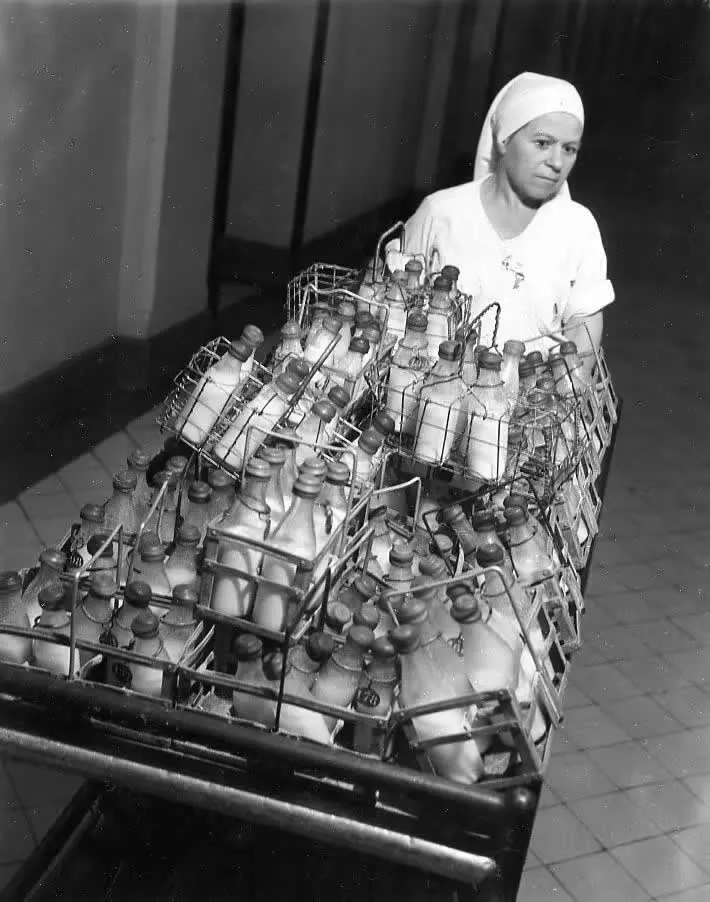
Doisneau didn’t need grand landmarks or dramatic events to make a memorable photograph. He found his inspiration in neighborhood cafés, crowded sidewalks, schoolyards, and suburban streets. His camera celebrated the people who often went unnoticed, giving everyday life the kind of attention usually reserved for history’s biggest moments.
- Street-side stories: He captured fleeting encounters that revealed the character of Paris.
- Playful children: Schoolyards and neighborhood streets became stages for curiosity and mischief.
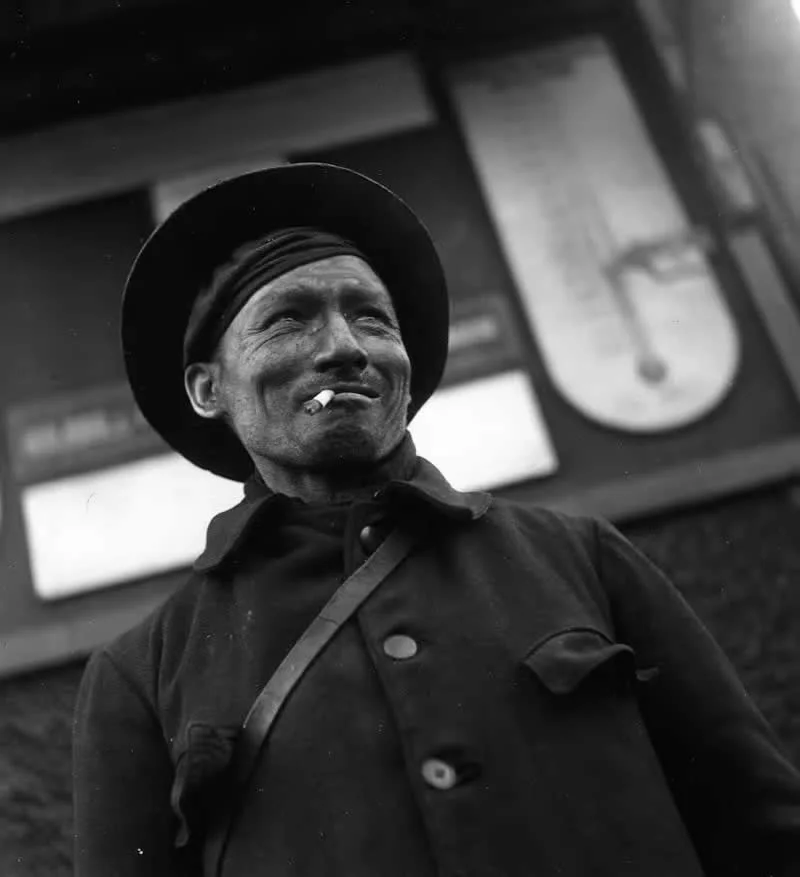
- Working-class dignity: His photographs respected ordinary people without making them feel like props.
- Suburban discoveries: He documented the banlieues, revealing life beyond the postcard-perfect city center.
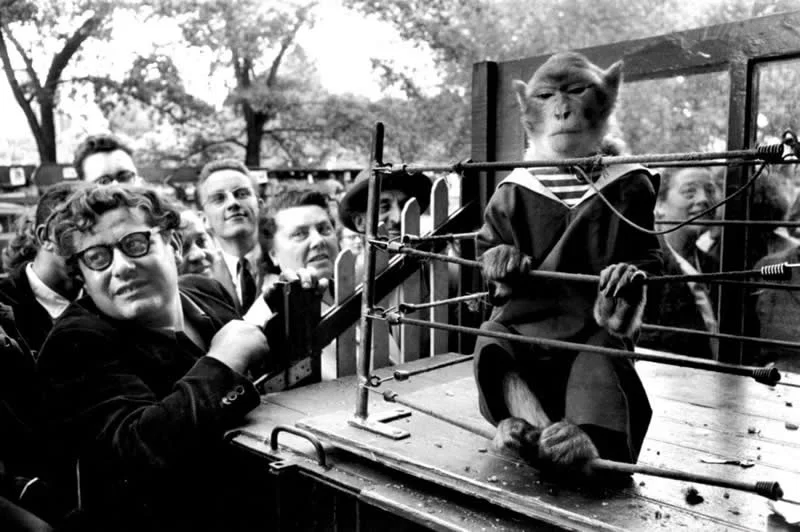
- Gentle humor: His images often contained a subtle visual joke or an unexpected twist.
What makes these photographs special is their humanity. They don’t ask viewers to admire the subjects from a distance. Instead, they invite us to recognize ourselves in them. A child’s grin, a tired worker’s expression, or two neighbors chatting on a street corner can say plenty about the human experience.
#13
© Robert Doisneau
#14
© Robert Doisneau
#15
© Robert Doisneau
#16
© Robert Doisneau
#17
© Robert Doisneau
#18
© Robert Doisneau
Mastering the Rolleiflex and the Art of Candid Photography
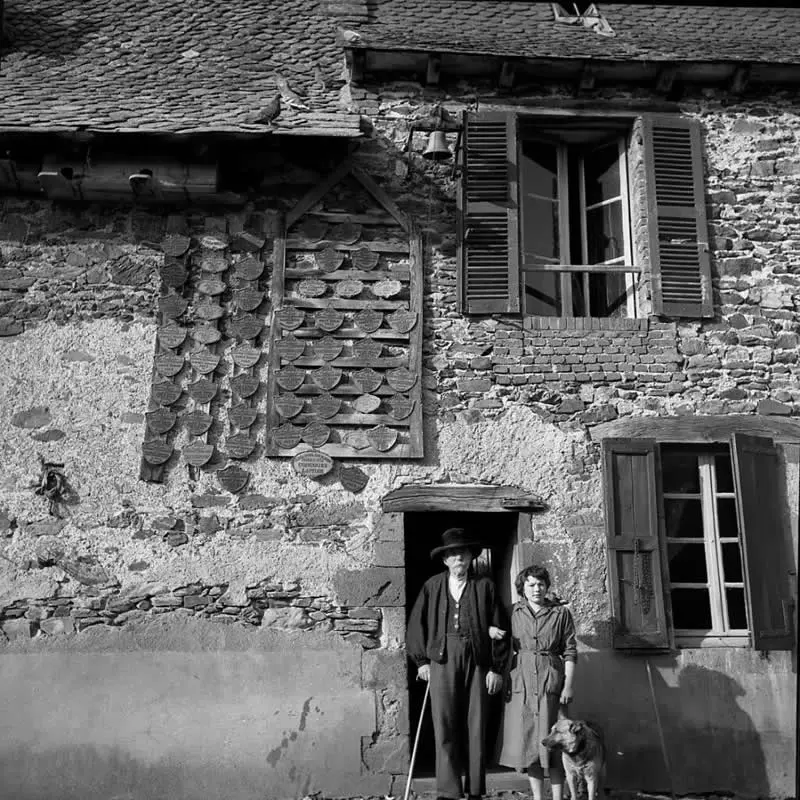
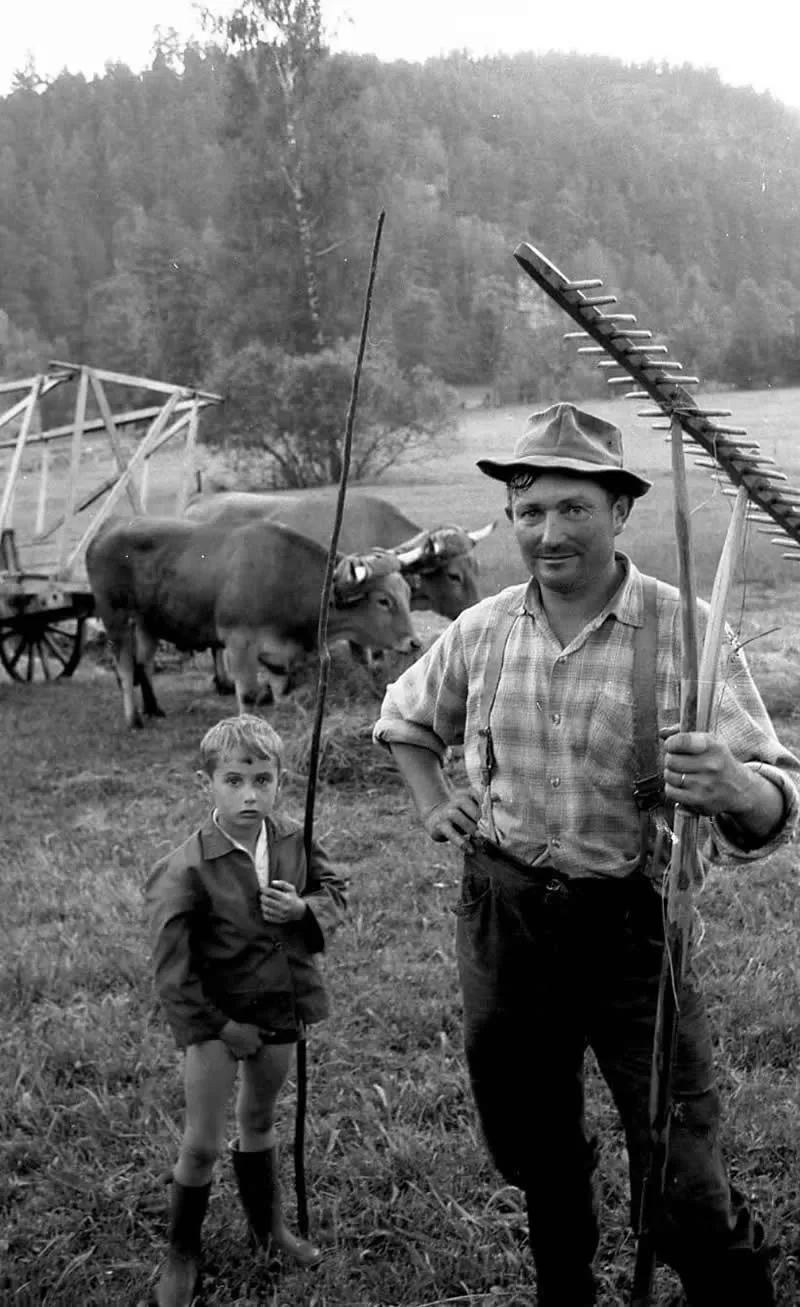
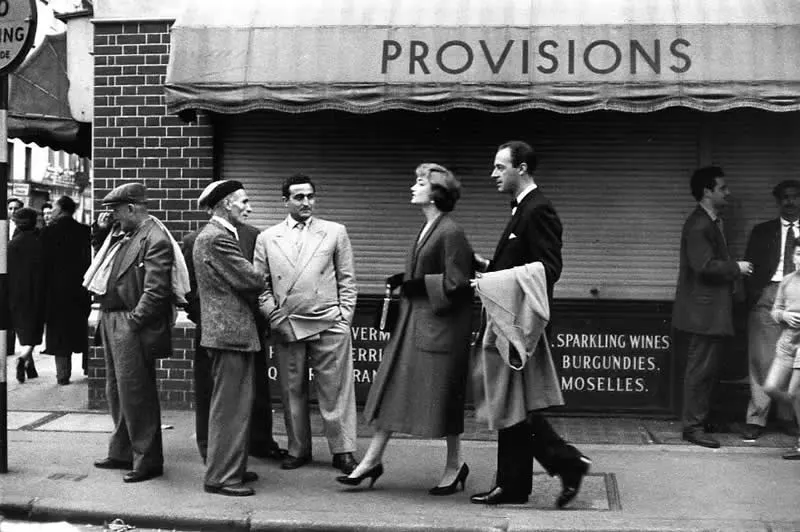
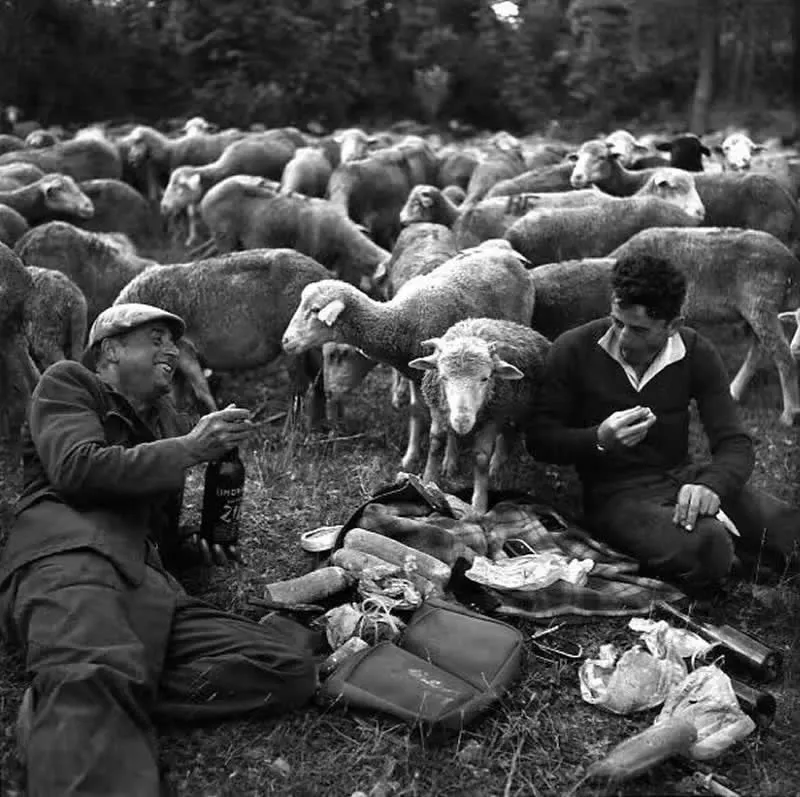
Behind Doisneau’s relaxed-looking images was a photographer who understood his equipment inside and out. He often used a Rolleiflex twin-lens reflex camera, which offered a square 6×6-centimeter format and waist-level viewing. This setup helped him observe people naturally, compose carefully, and capture the subtle gestures that gave his photographs their charm.
- Square-format storytelling: The 6×6 frame encouraged balanced, thoughtful compositions.
- Waist-level viewing: Looking down into the camera helped him photograph without constantly raising it to his eye.
- Quiet operation: The camera’s leaf shutter was relatively discreet, useful in public spaces.
- Exceptional timing: He watched for gestures, expressions, and interactions that could transform an ordinary scene.
- Intimate framing: His compositions connected people to their surroundings instead of isolating them completely.
Of course, a great camera doesn’t automatically make a great photographer. Doisneau’s real strength was his patience and curiosity. He knew when to wait, where to stand, and how to recognize a story unfolding in front of him. His work remains a brilliant reminder that photographic vision matters just as much as technical skill.
#19
© Robert Doisneau
#20
© Robert Doisneau
#21
© Robert Doisneau
#22
© Robert Doisneau
#23
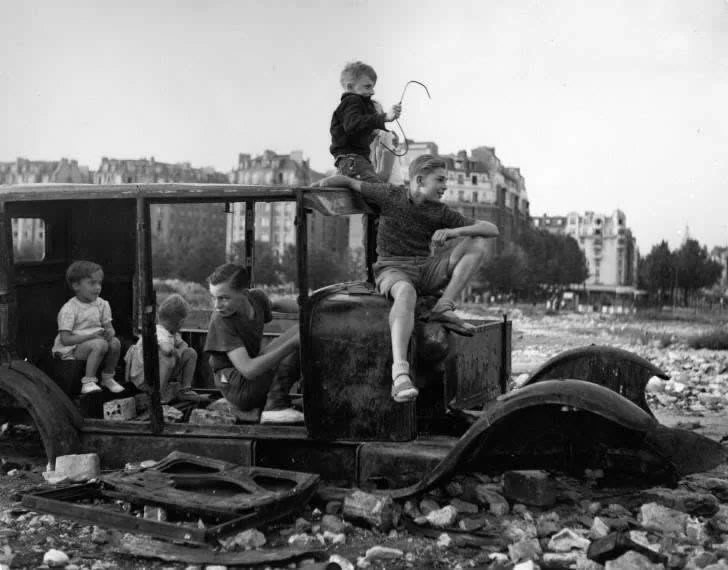
© Robert Doisneau
#24
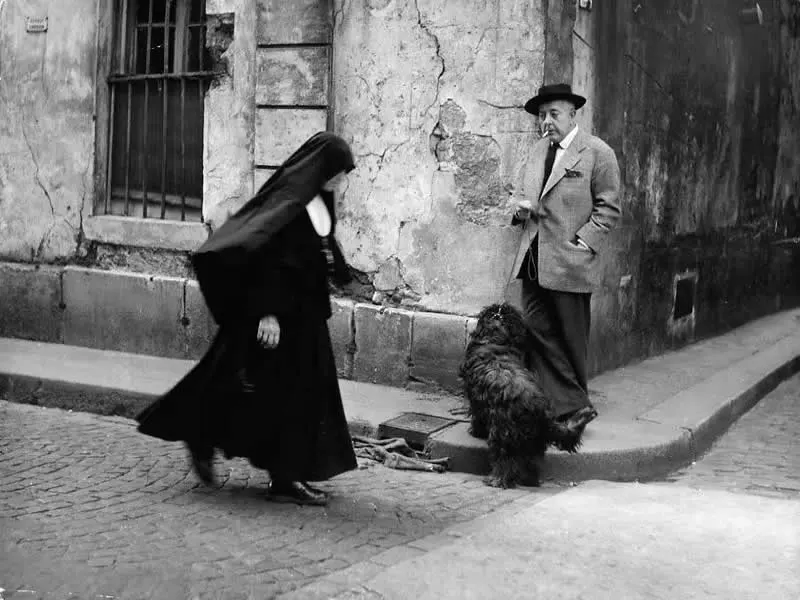
© Robert Doisneau
From Wartime Resistance to the Liberation of Paris
Although Doisneau is celebrated for humor and romance, his life unfolded during some of France’s most difficult years. During the German occupation in World War II, he used his practical skills to assist the French Resistance, including producing forged documents. He also photographed the Liberation of Paris in 1944, preserving powerful records of a city reclaiming its freedom.
- Resistance work: His technical abilities contributed to the production of false identity papers.
- A city under occupation: His wartime experience gave him a firsthand connection to Paris’s struggles.
- The Liberation of Paris: His photographs documented the historic events of August 1944.
- Photography as testimony: His images preserved moments of courage, uncertainty, and collective relief.
- A broader legacy: His archive extends beyond charming street scenes into important social and historical documentation.
These photographs reveal another side of the artist. The man who celebrated laughter and everyday tenderness also understood fear, hardship, and the value of freedom. His work reminds us that a city is more than its buildings. It’s a living community, shaped by the people who endure its darkest days and celebrate its brightest ones.
#25
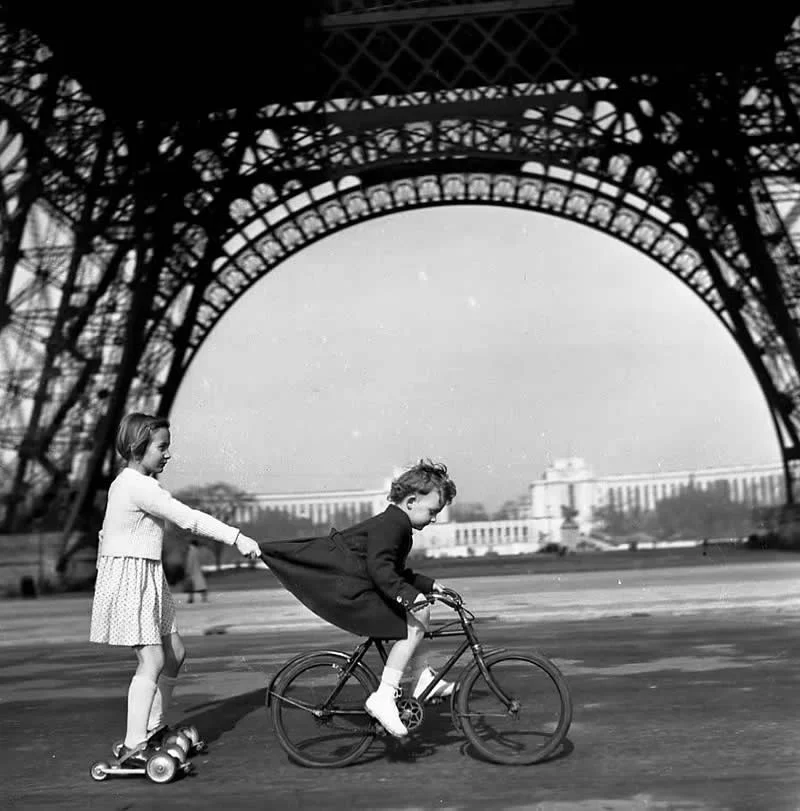
© Robert Doisneau
#26
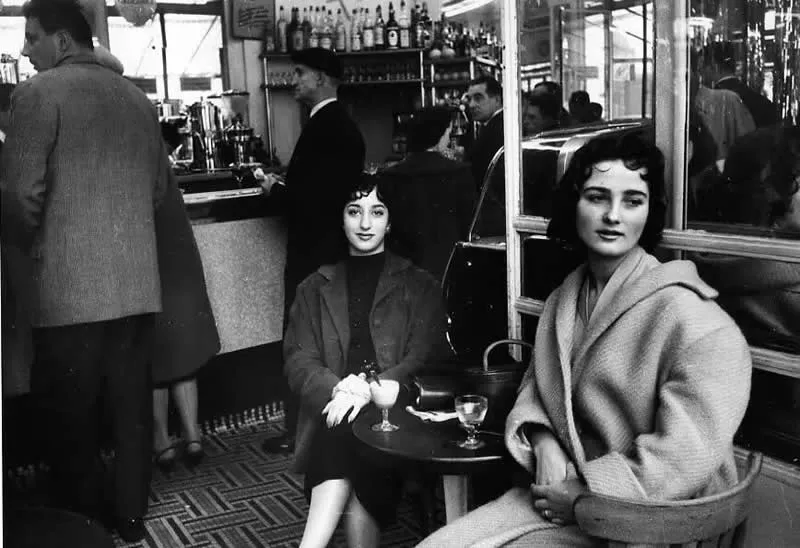
© Robert Doisneau
#27
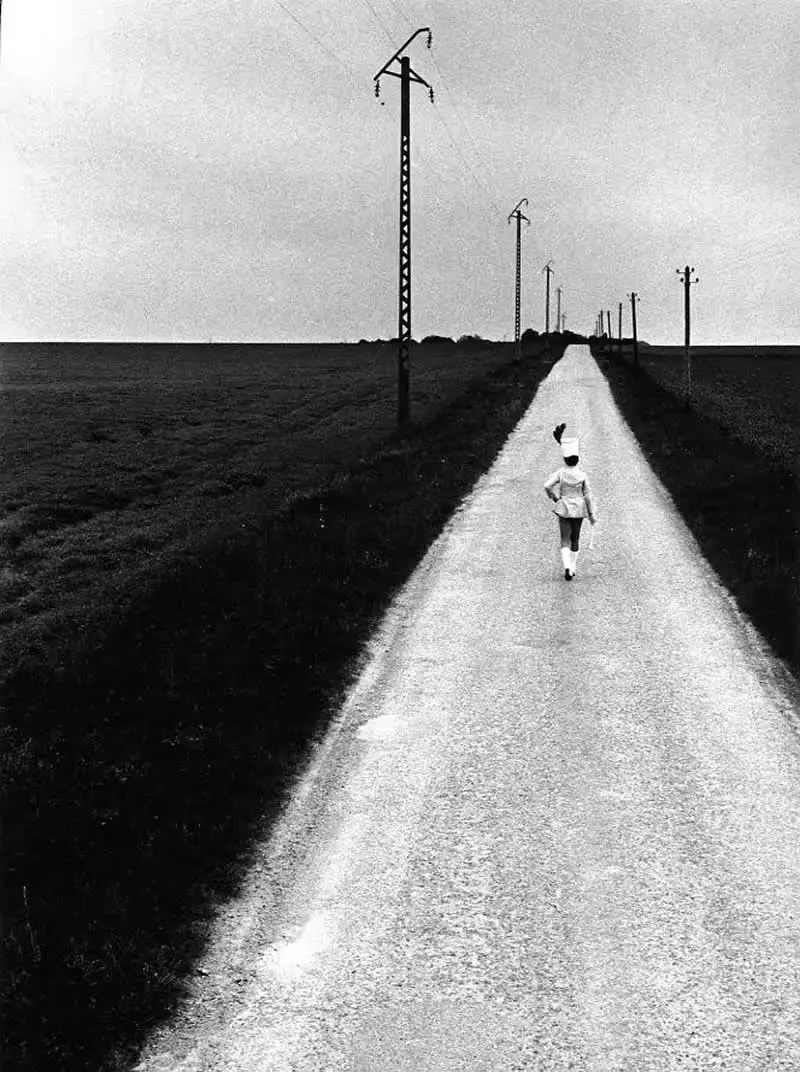
© Robert Doisneau
#28
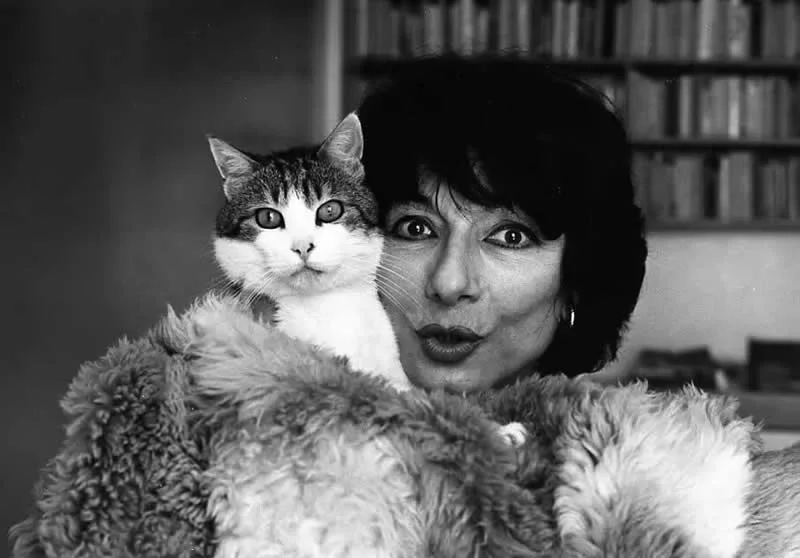
© Robert Doisneau
#29
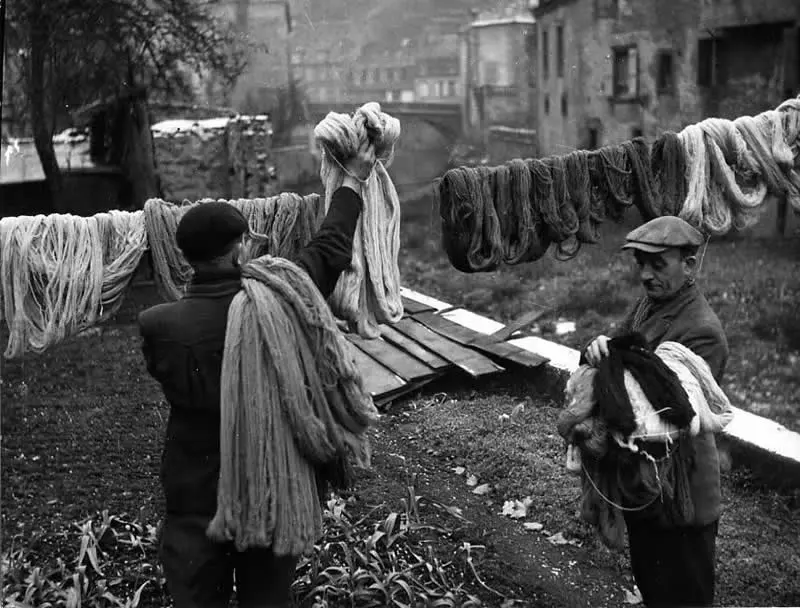
© Robert Doisneau
#30
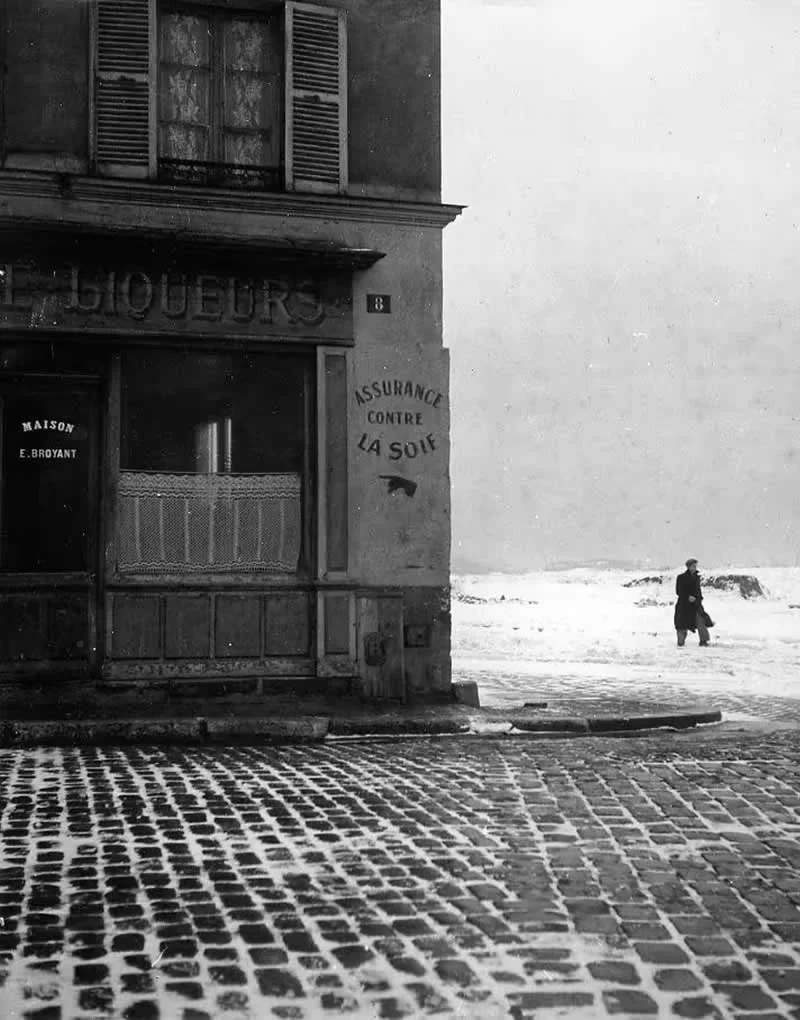
© Robert Doisneau
Fashion, Recognition, and a Lasting Photographic Legacy
Doisneau’s career stretched far beyond street photography. Through the Rapho photo agency, he worked on editorial and commercial assignments, including fashion photography for Vogue. Even in glamorous settings, he retained his playful eye. His achievements earned major honors, while exhibitions introduced his work to audiences around the world.
- Rapho agency: His long association with the agency helped bring his photographs to wider audiences.
- Fashion photography: His Vogue assignments showed that his visual storytelling worked beyond the streets.
- Prix Niépce: He received this prestigious French photography award in 1956.
- National recognition: In 1983, he received the Grand Prix National de la Photographie.
- International influence: His work featured in Edward Steichen’s landmark The Family of Man exhibition at the Museum of Modern Art in 1955.
Robert Doisneau died in 1994, but his photographs continue to connect with new generations. His greatest achievement wasn’t simply documenting Paris; it was showing the world how much tenderness, humor, and beauty can hide inside an ordinary day. For photographers today, his legacy offers a simple but powerful lesson: stay curious, pay attention, and never underestimate the stories unfolding right in front of you.
#31
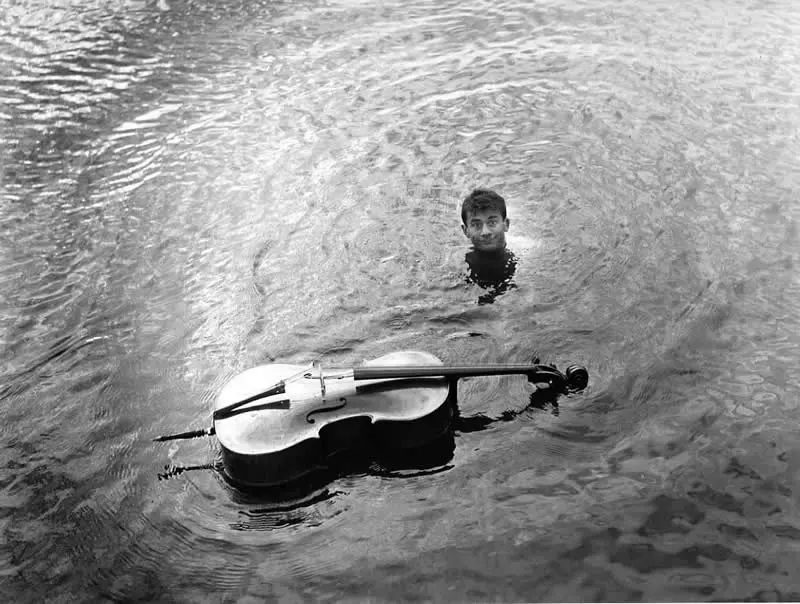
© Robert Doisneau
#32
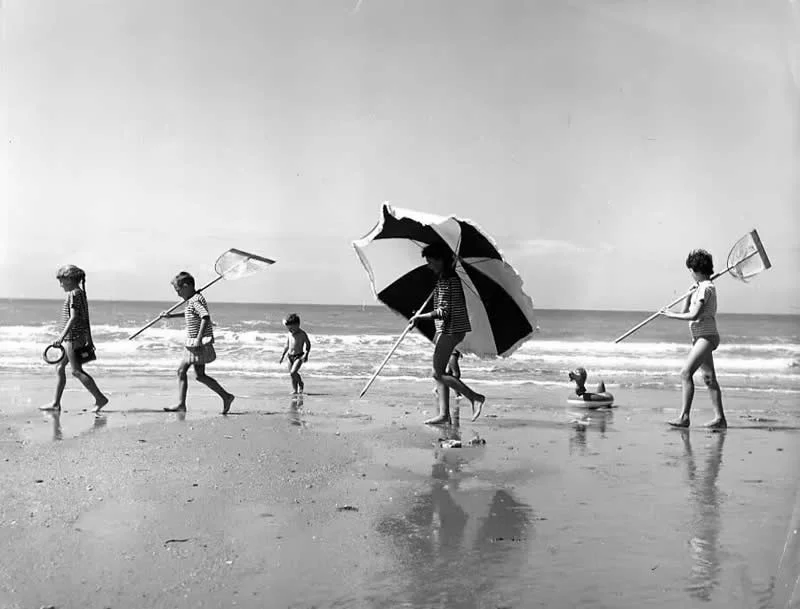
© Robert Doisneau
#33
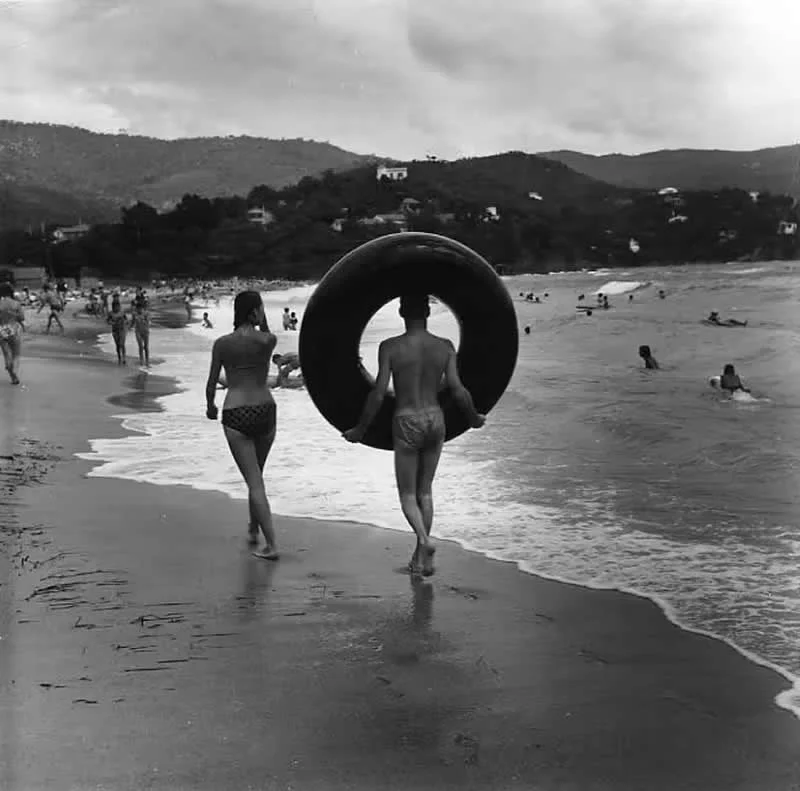
© Robert Doisneau
Summary: Why Robert Doisneau Remains a Master Photographer
Robert Doisneau transformed everyday scenes into memorable visual stories through humanist photography, poetic humor, and remarkable timing. From the iconic Kiss by the Hôtel de Ville to candid portraits of working-class Paris, his photographs celebrate human connection and preserve the spirit of twentieth-century French life.
#34
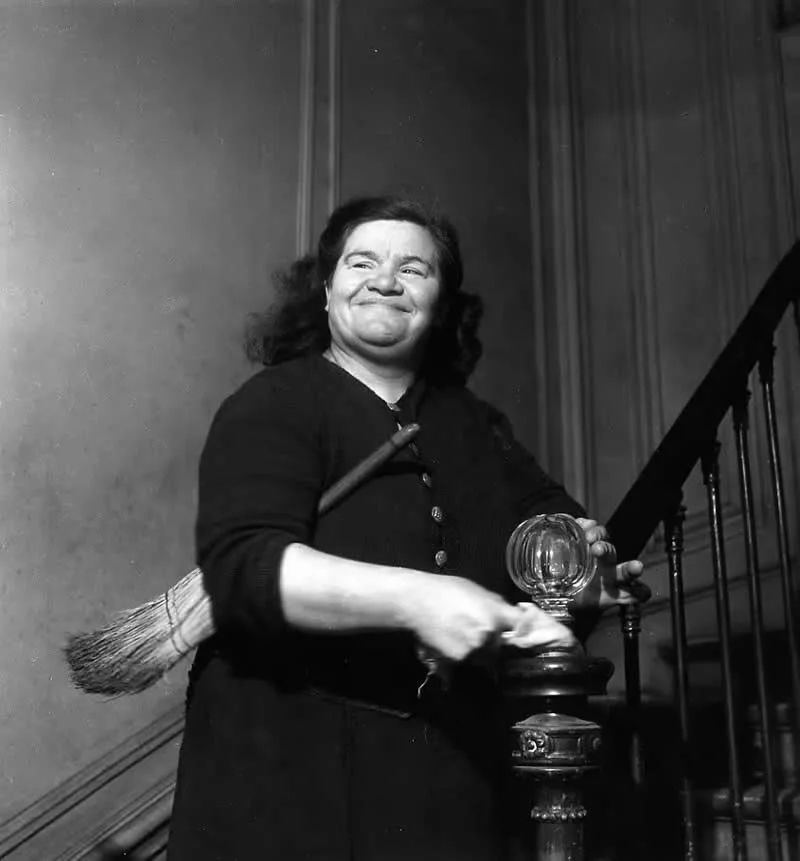
© Robert Doisneau
.#35
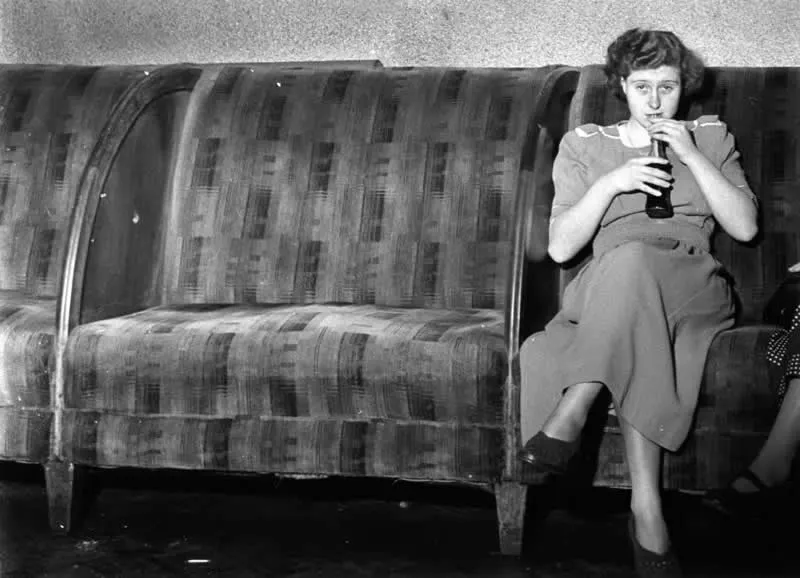
© Robert Doisneau
Frequently Asked Questions (FAQ):
Who was Robert Doisneau?
Robert Doisneau (1912–1994) was a celebrated French photographer known for humanist photography and candid scenes of everyday life. His images captured Parisian street culture, working-class communities, children, lovers, and ordinary people with warmth, humor, and remarkable storytelling ability.
What is Robert Doisneau’s most famous photograph?
His most famous photograph is Le Baiser de l’Hôtel de Ville, created in 1950. It depicts a couple kissing on a busy Paris street and became an enduring symbol of romance, affection, and the timeless charm associated with the French capital.
What camera did Robert Doisneau use?
Doisneau frequently used a Rolleiflex twin-lens reflex camera, particularly suited to medium-format square photography. Its waist-level viewing system helped him compose intimate scenes discreetly, while its square negatives encouraged balanced framing and careful attention to the relationships between subjects.
What made Robert Doisneau’s photography unique?
Doisneau combined impeccable timing, gentle humor, poetic composition, and empathy for ordinary people. Rather than chasing spectacle, he found compelling stories in everyday encounters. His photographs feel intimate and relatable, revealing the dignity, playfulness, and emotional richness of ordinary human experiences.
What is Robert Doisneau’s legacy in photography?
Doisneau’s legacy lies in his lasting contribution to humanist photography and visual storytelling. His photographs documented Parisian life, wartime history, and working-class communities while celebrating human connection. His distinctive approach continues to inspire street photographers seeking authenticity, humor, and emotional depth.