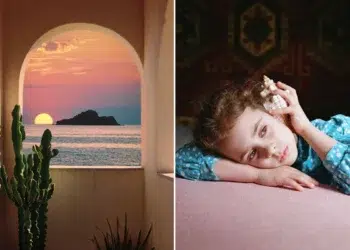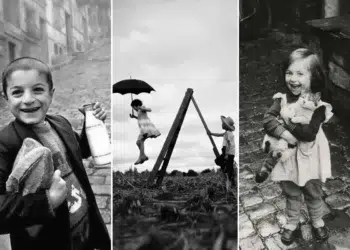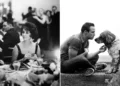
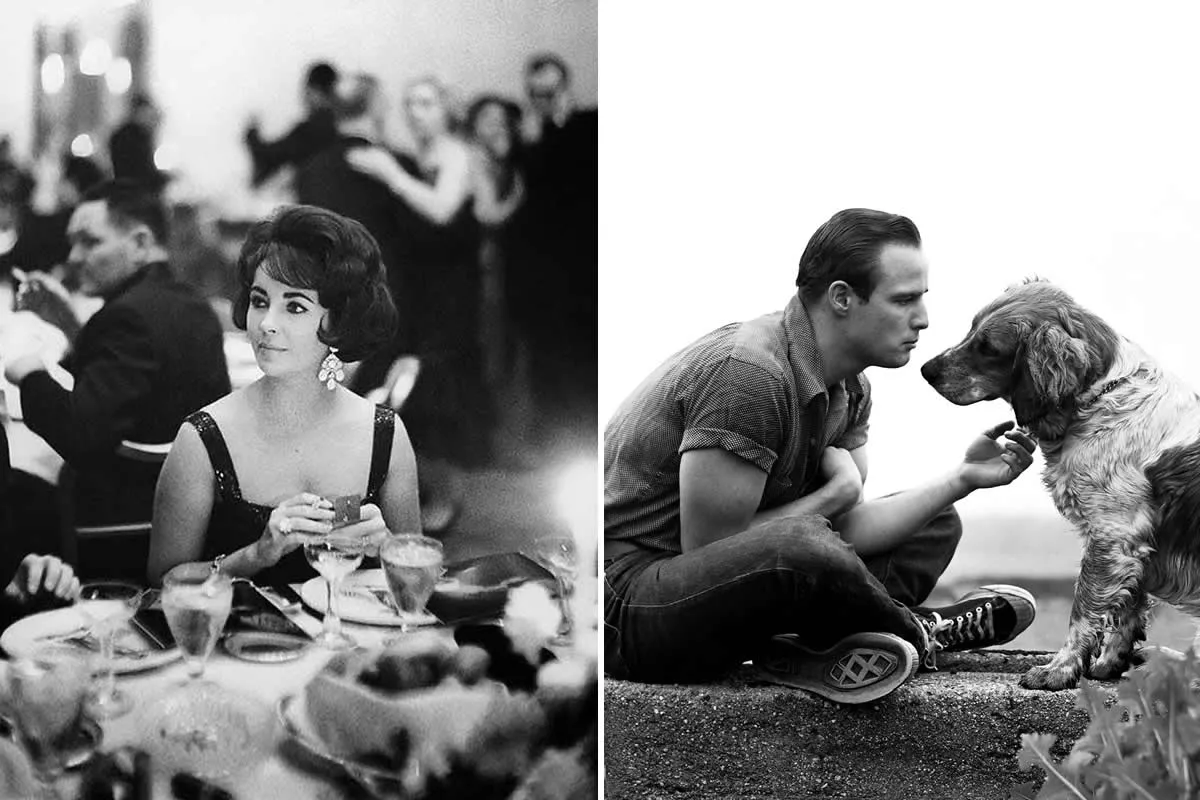
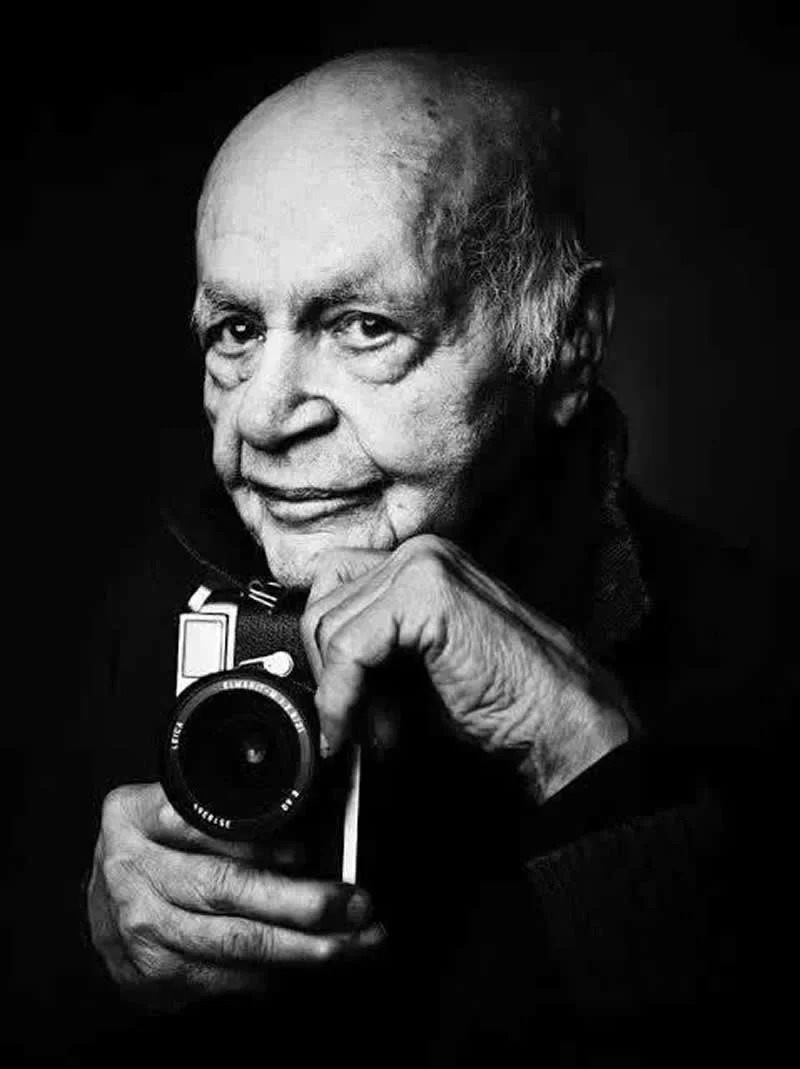
Art Shay (1922-2018) was never the kind of photographer who waited for life to pose. He went straight into the action, camera in hand, ready to catch the funny, awkward, heartbreaking, and downright unforgettable moments that most people walked right past. From the busy streets of Chicago to the faces of literary legends and sporting heroes, Shay turned everyday reality into extraordinary visual storytelling.
© Art Shay
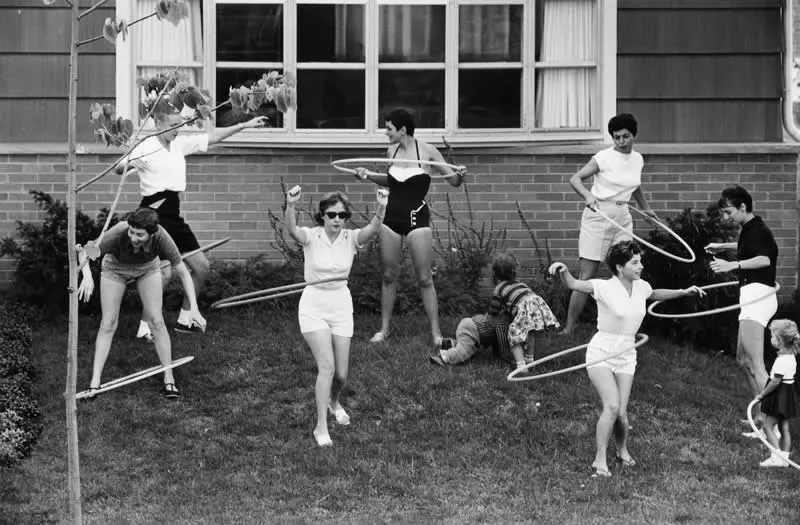
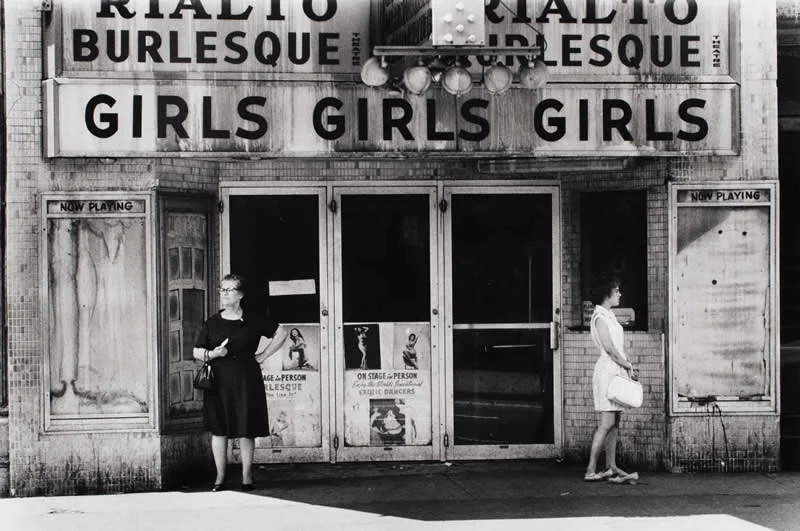
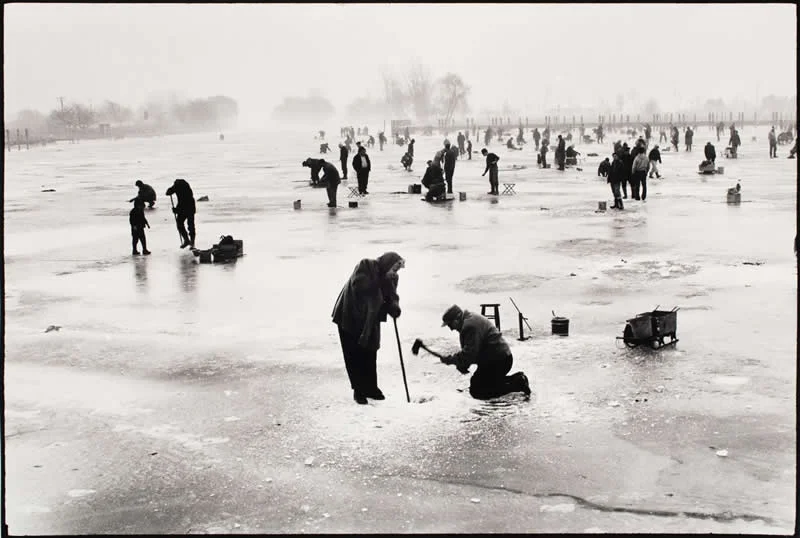
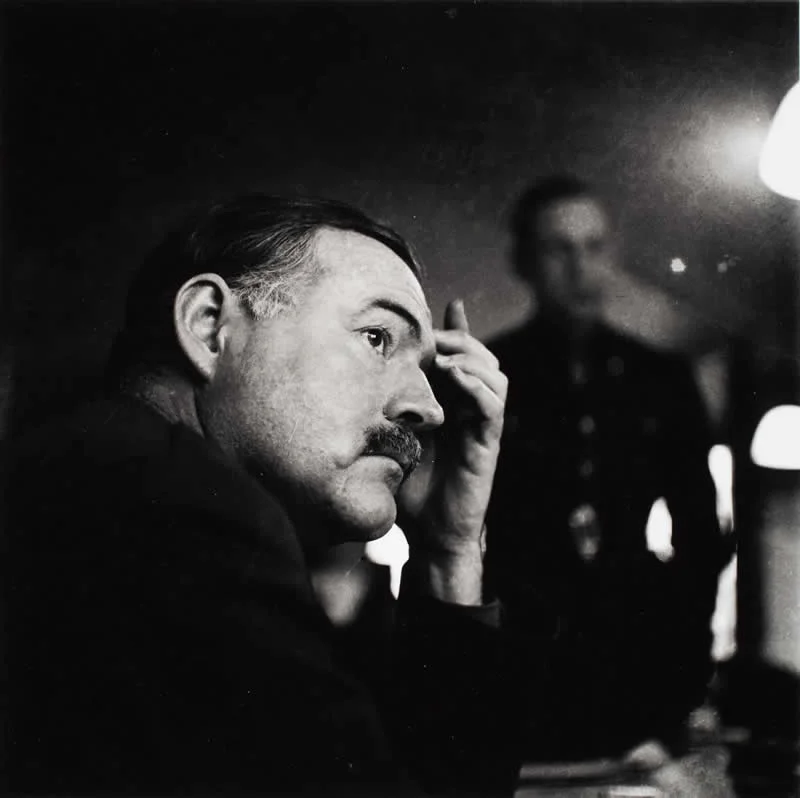
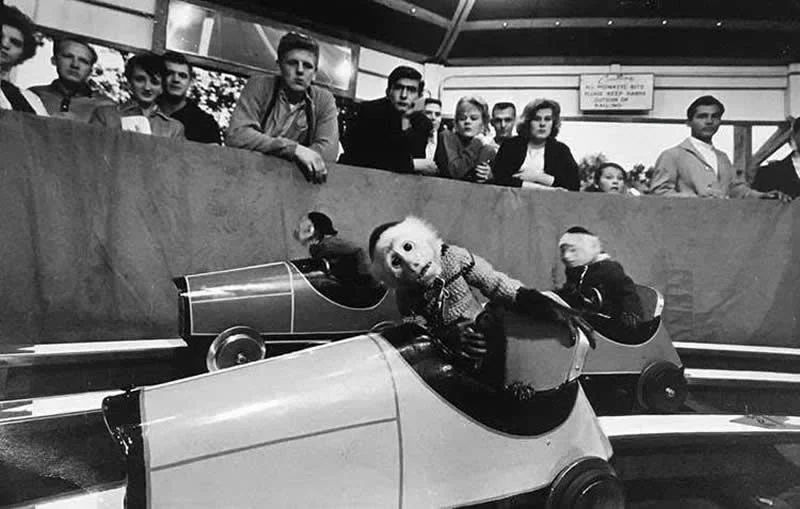
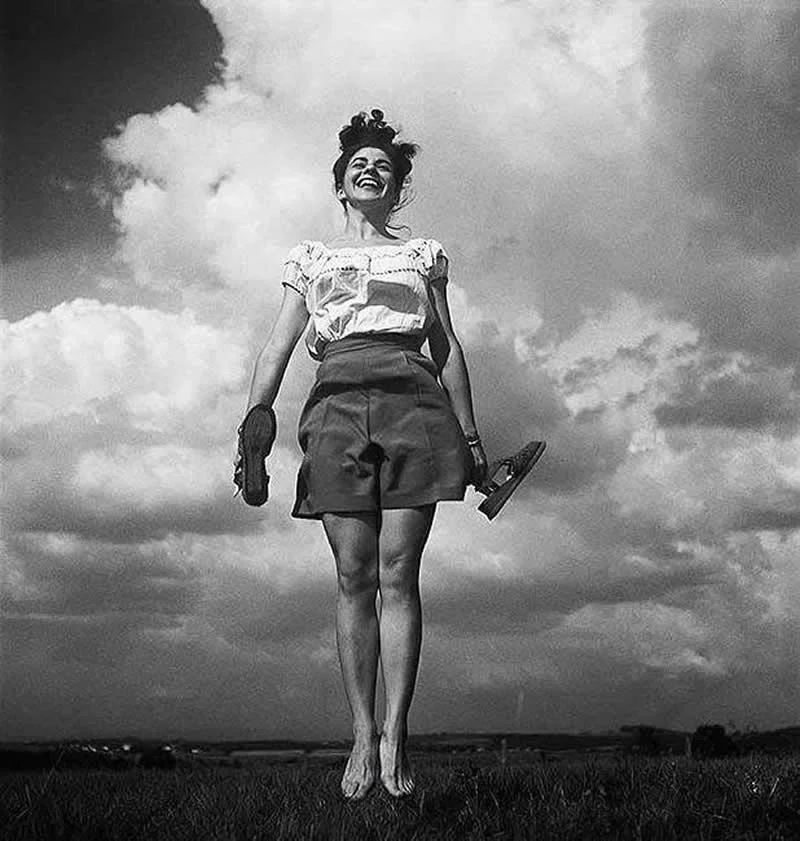
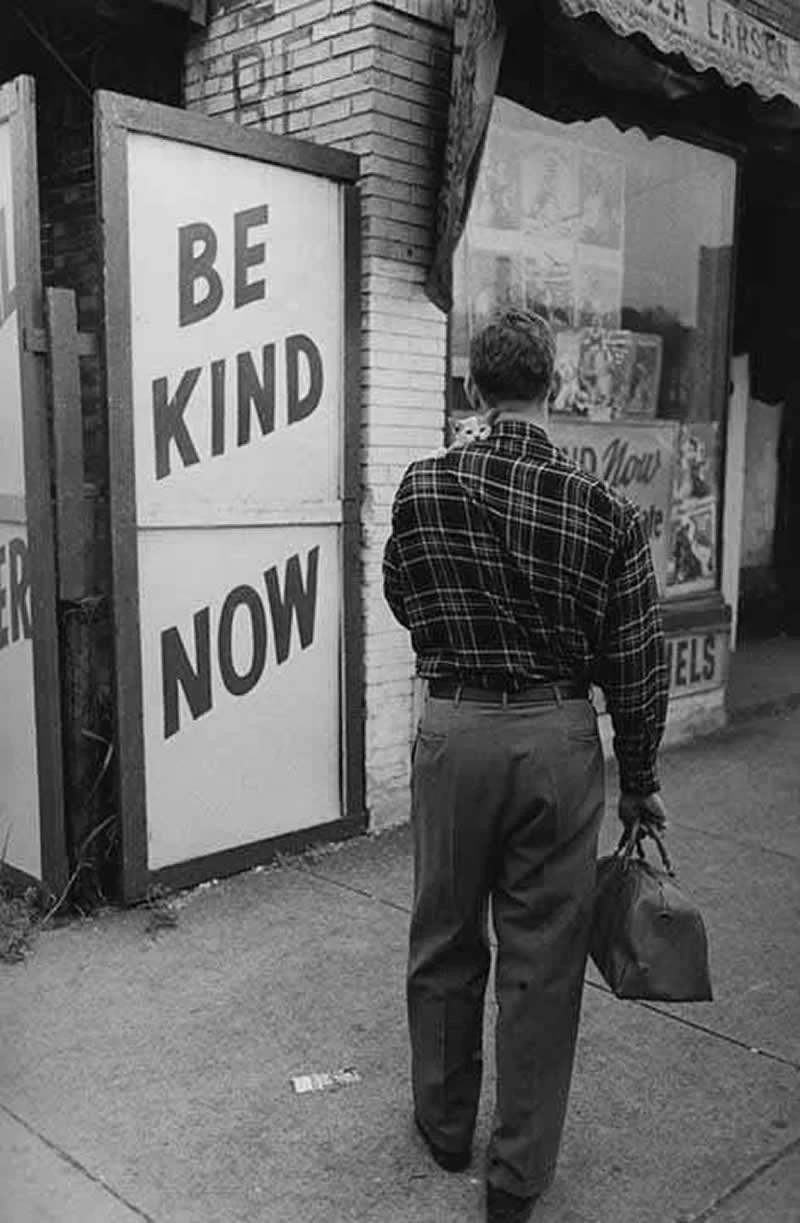
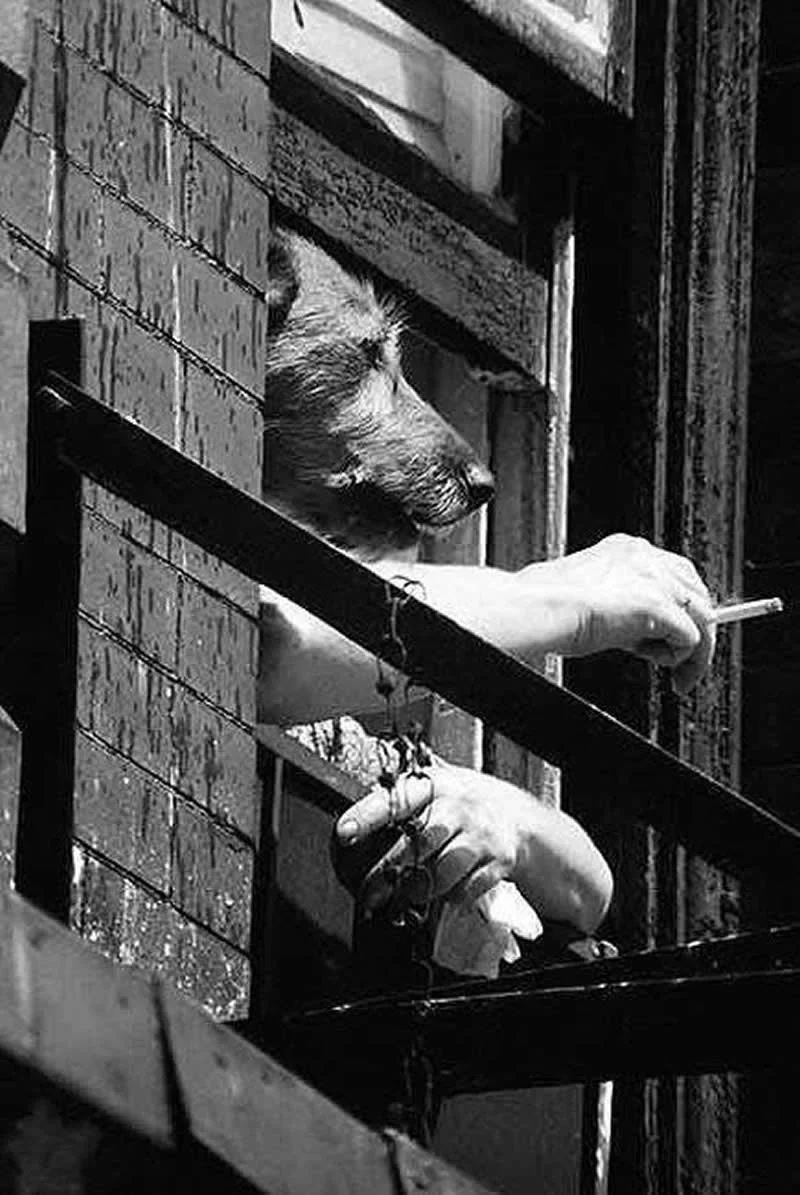
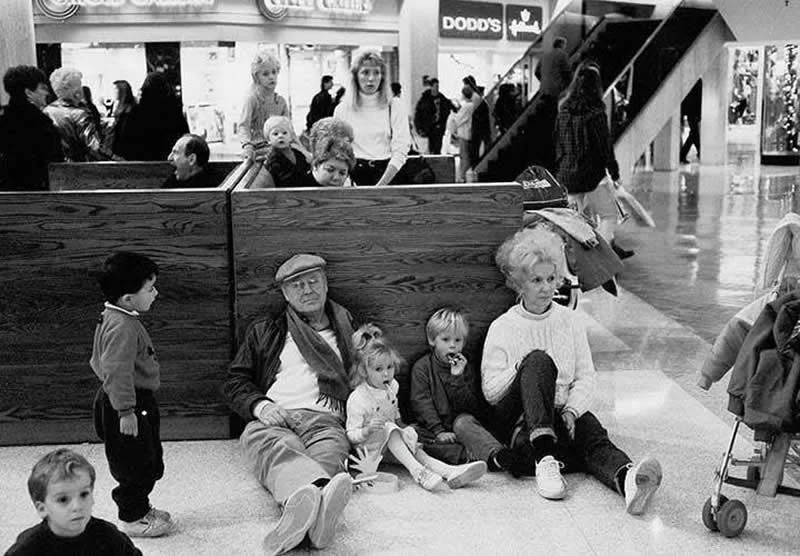
Born in 1922, Shay built a remarkable career spanning more than seven decades and became a defining photographer of post-war American life. His photographs appeared in major publications, including LIFE, Look, Sports Illustrated, Time, and Fortune. Working primarily with a handheld 35mm Leica, he developed a distinctive style built on split-second timing, crisp black-and-white imagery, and an instinct for finding humor in unexpected places.
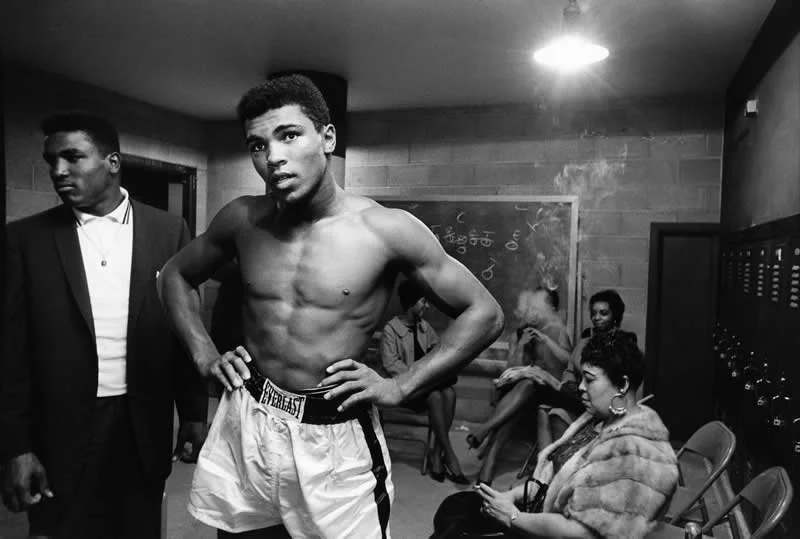
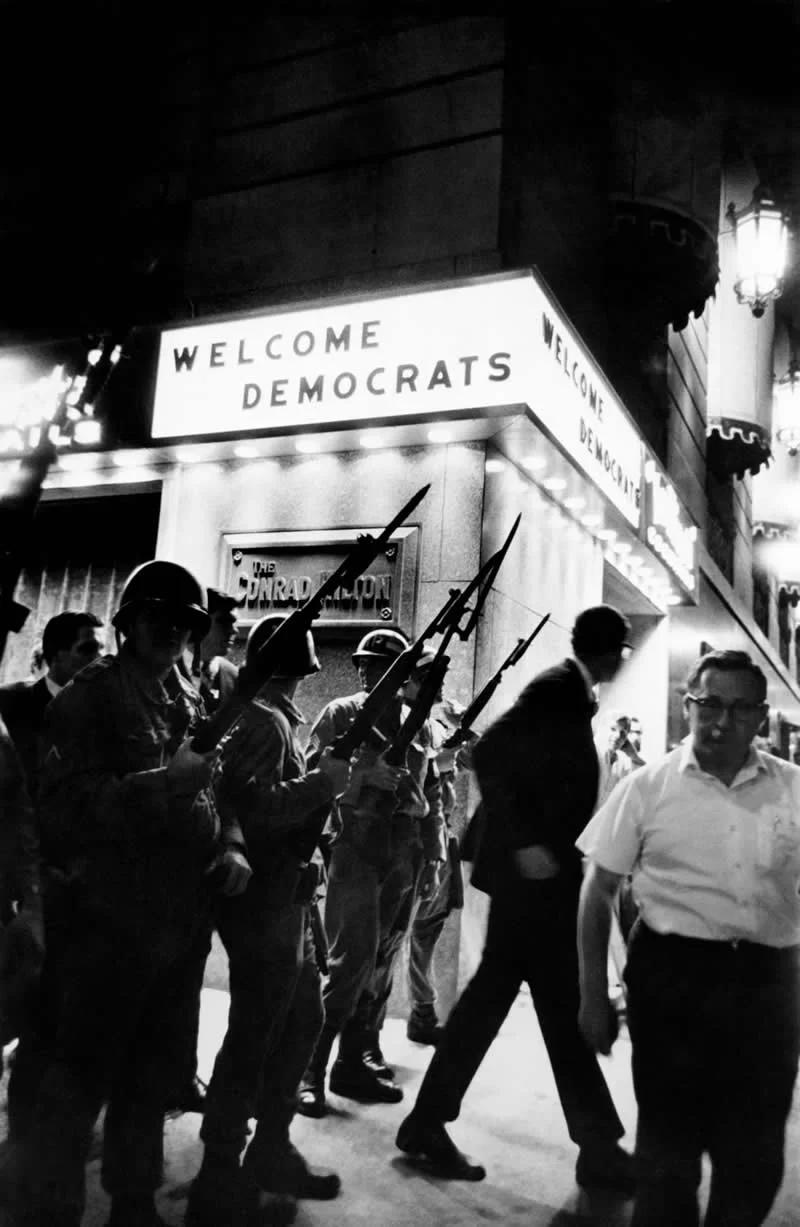
But Shay’s work went far beyond magazine assignments. He documented Chicago’s rough-edged neighborhoods alongside writer Nelson Algren, witnessed the political turmoil surrounding the 1968 Democratic National Convention, and photographed cultural icons such as Simone de Beauvoir, Marlon Brando, and Muhammad Ali. His images captured people as they were, not as they wanted to be seen.
What made Shay special? He understood that the real story often happens between the big moments. A glance, a crooked smile, a tense crowd, or an ordinary person caught in an extraordinary situation could reveal an entire world. His legacy reminds us that great photography isn’t simply about having a camera. It’s about curiosity, courage, timing, and the willingness to look at life without filters.
You can find more info about Art Shay:
#1
© Art Shay
#2
© Art Shay
#3
© Art Shay
#4
© Art Shay
#5
© Art Shay
#6
© Art Shay
Art Shay and the Raw Energy of Chicago Street Photography
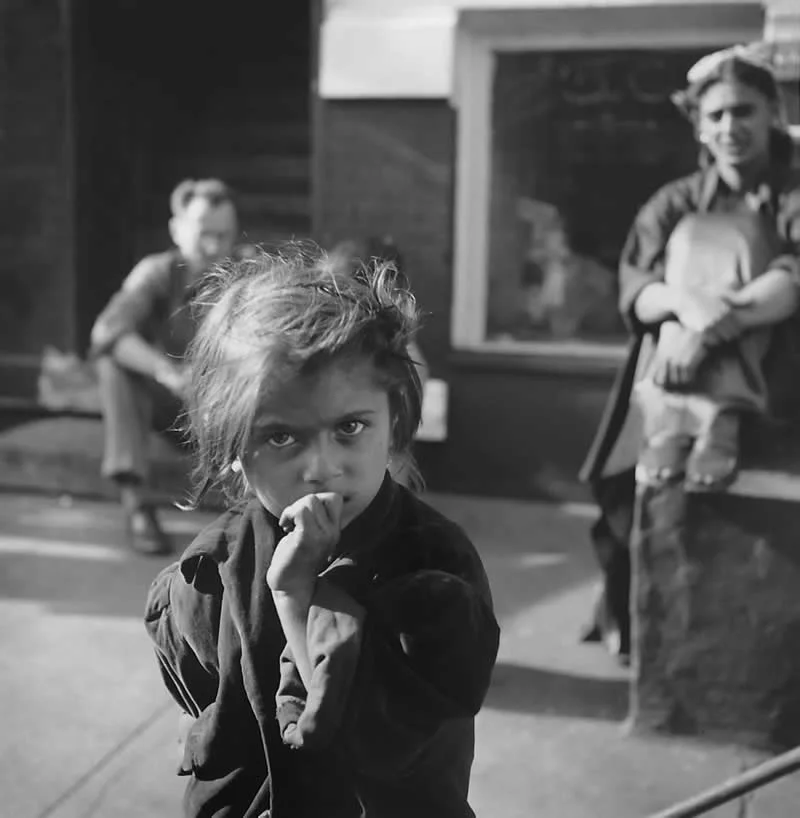
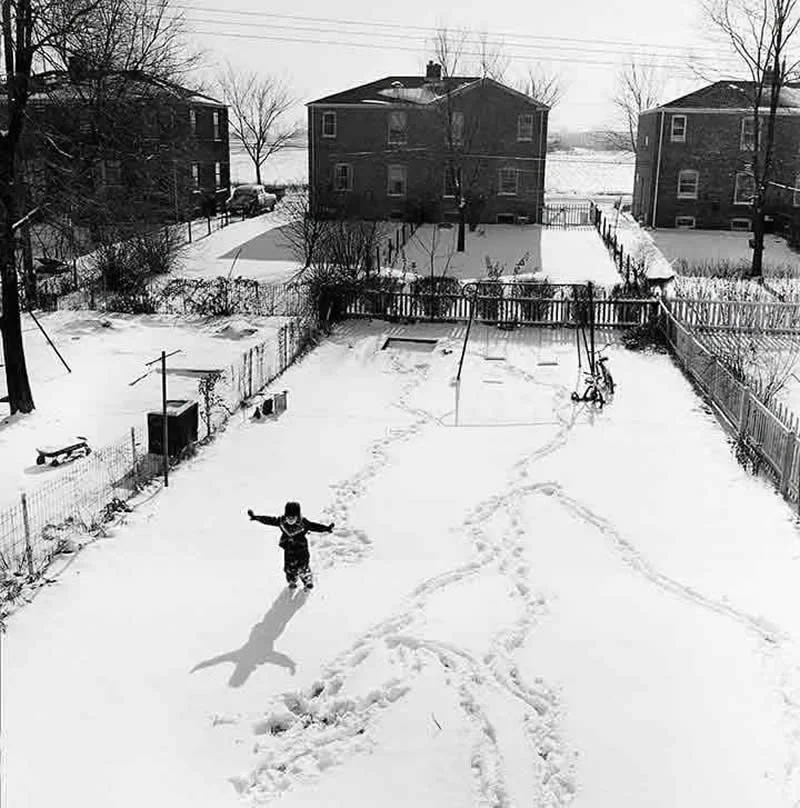
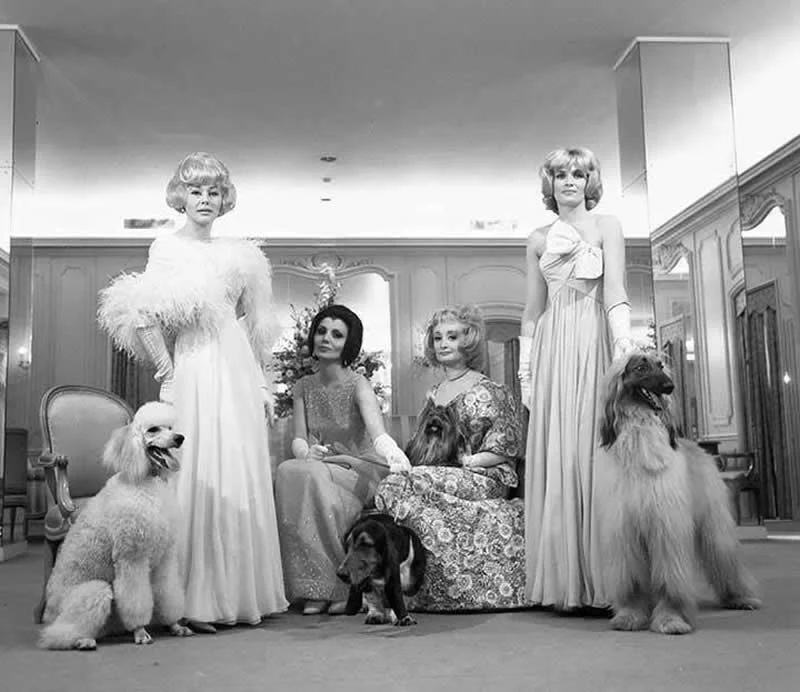
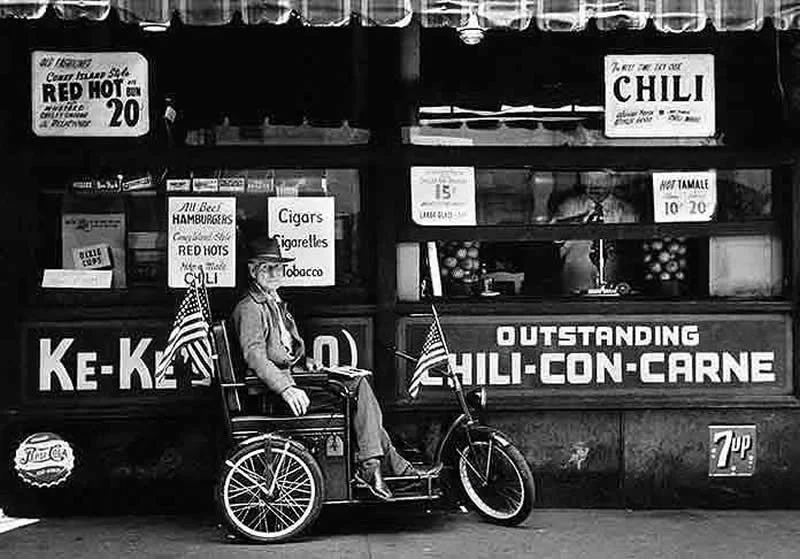
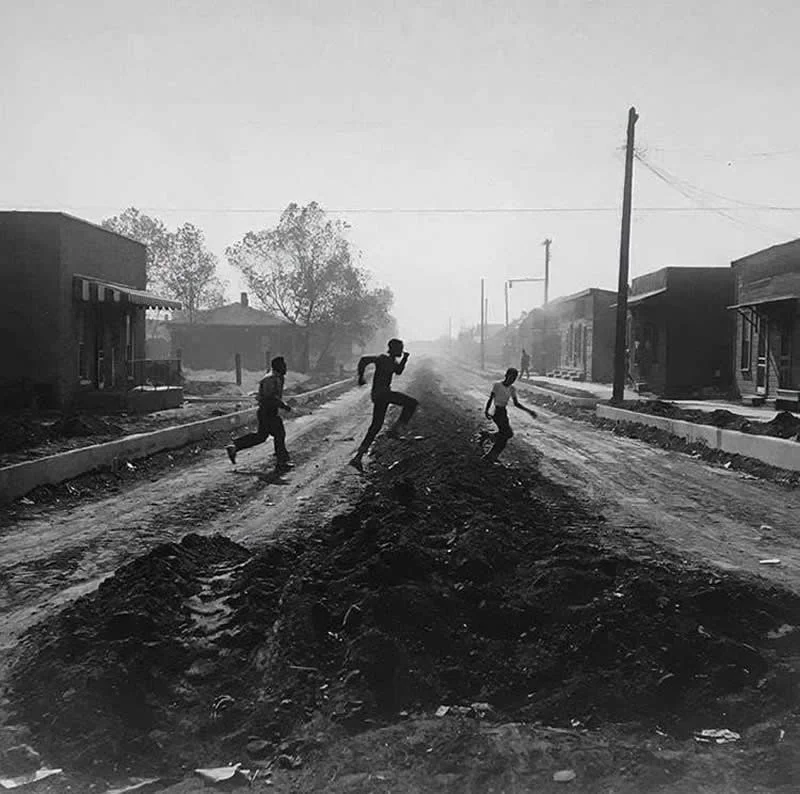
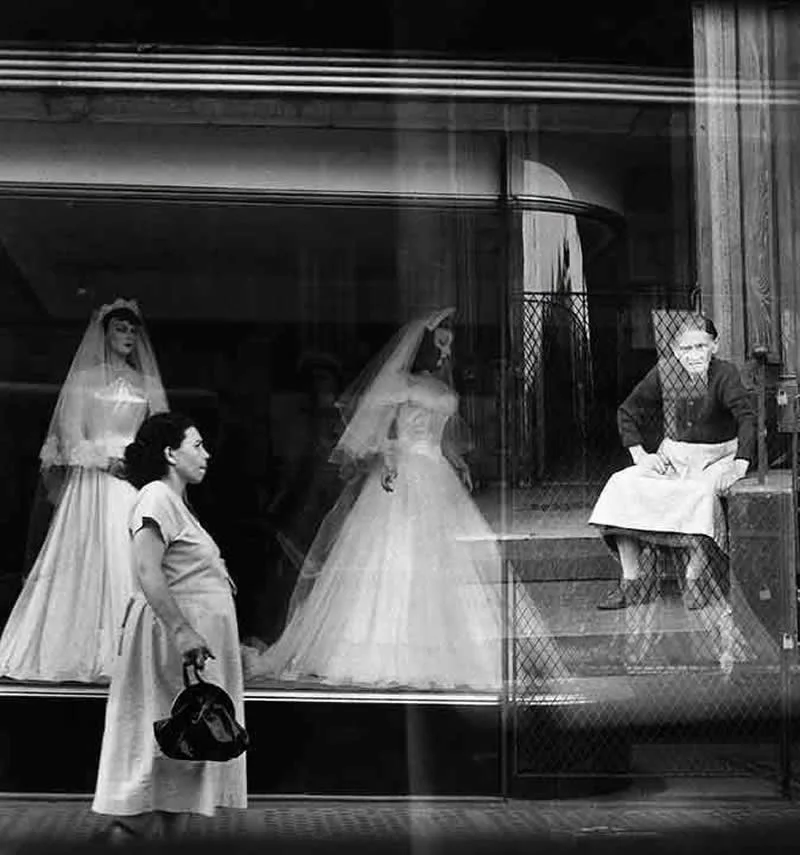
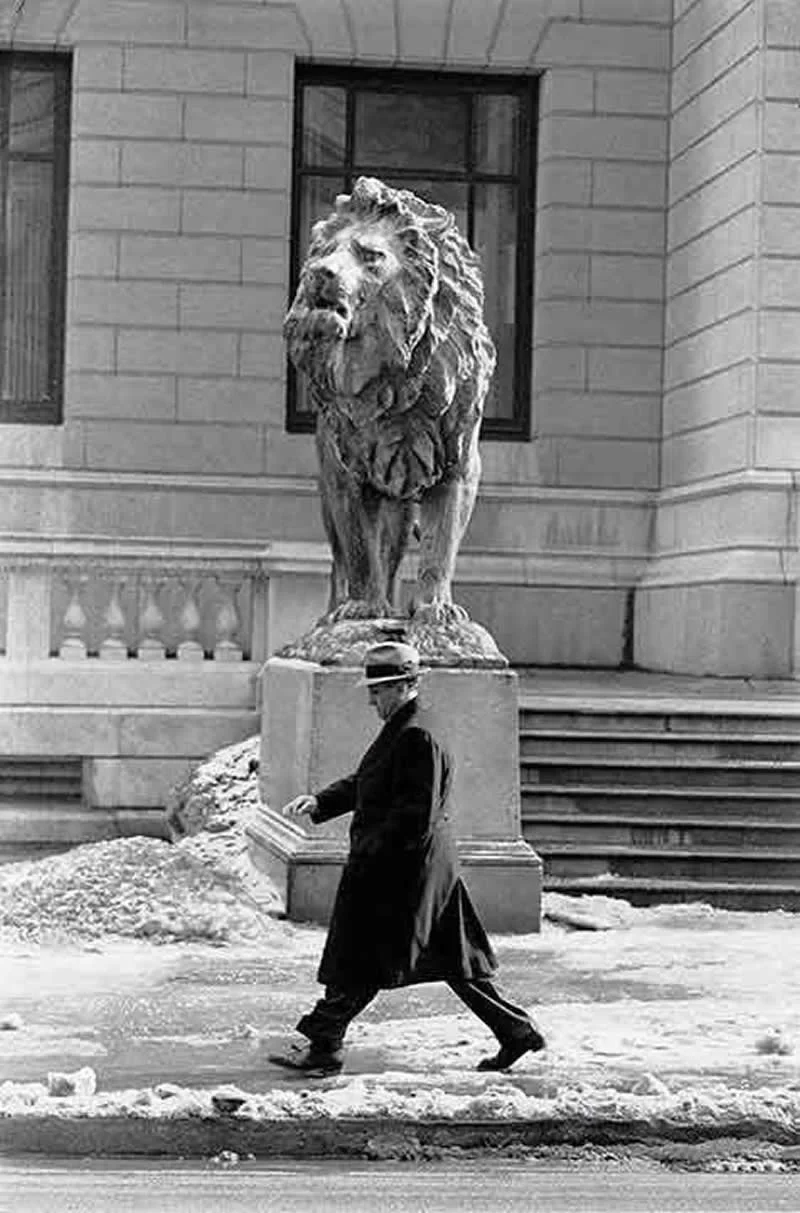
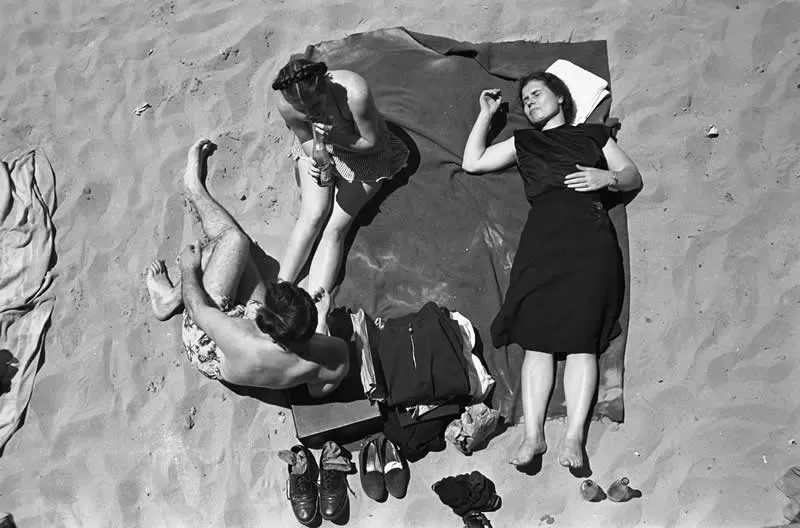
Chicago was more than Art Shay’s backdrop; it was a central character in his photographic story. He wandered through crowded sidewalks, neighborhood bars, back alleys, and overlooked corners, finding drama and humor in everyday life. His candid approach revealed a city full of contradictions, where beauty, hardship, and humanity shared the same frame.
- Get close to real life: Photograph everyday interactions rather than waiting for picture-perfect scenes.
- Look beyond landmarks: Ordinary streets often reveal more about a city than its famous attractions.
- Embrace imperfections: Uneven light, messy backgrounds, and spontaneous gestures can make images feel authentic.
- Watch people’s expressions: A fleeting glance can communicate more than a carefully arranged pose.
- Tell the whole story: Include environmental details that help viewers understand the people and places in your frame.
#7
© Art Shay
#8
© Art Shay
#9
© Art Shay
#10
© Art Shay
#11
© Art Shay
#12
© Art Shay
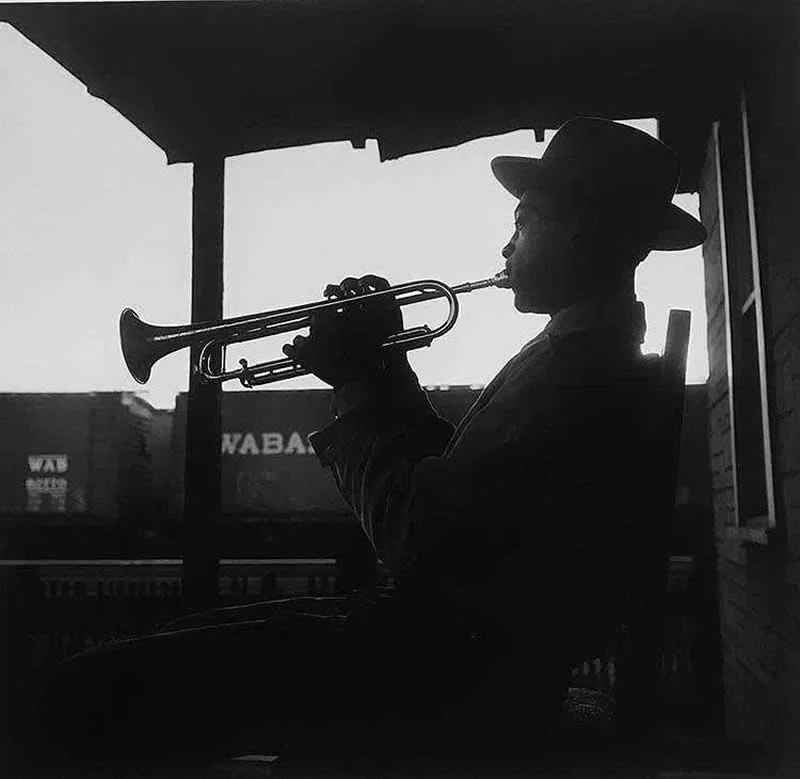
The Nelson Algren Connection: Photographing Chicago’s Hidden World
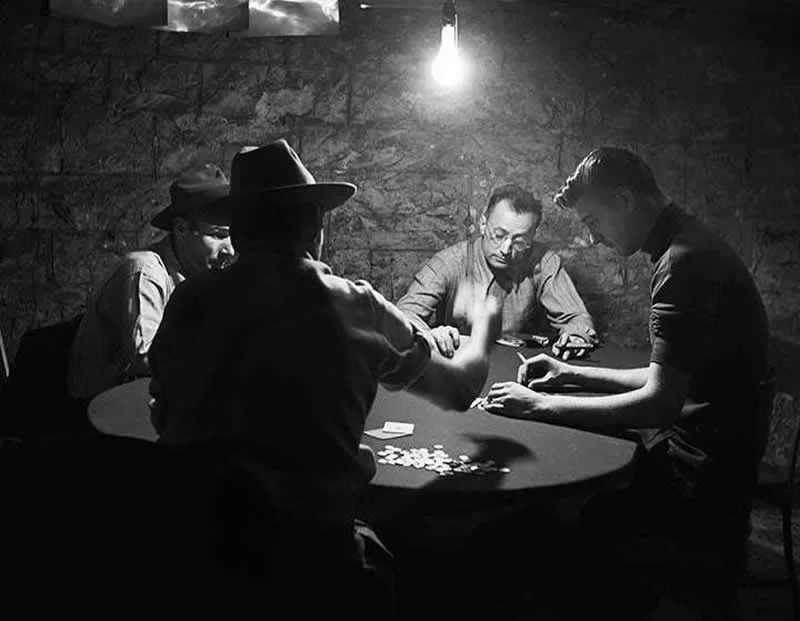
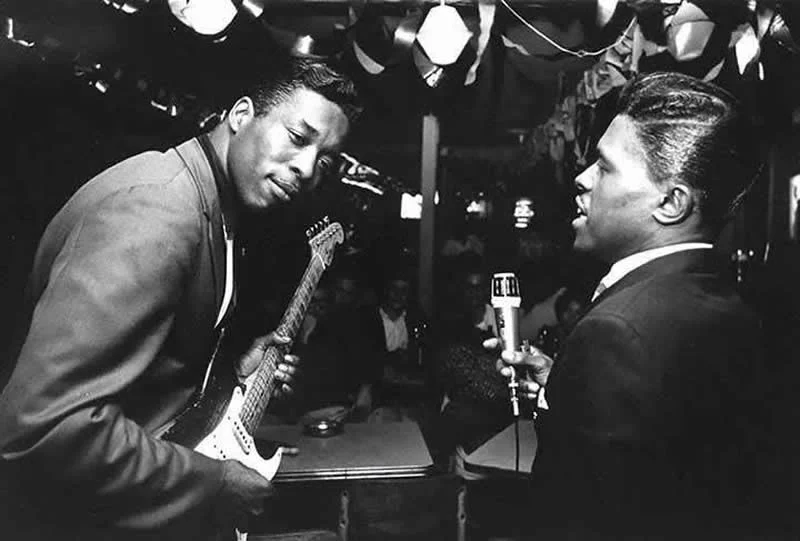
Art Shay’s friendship with writer Nelson Algren created one of the most compelling collaborations in American documentary photography. Together, they explored Chicago’s less polished side, documenting skid rows, jazz clubs, police lineups, and backstreet life. Shay’s photographs complemented Algren’s literary vision, bringing visual depth to stories about people living on society’s margins.
- Build meaningful relationships: Trust can open doors to stories that casual observation cannot reach.
- Explore overlooked communities: Seek out everyday experiences that rarely receive the spotlight.
- Pair images with stories: Captions, interviews, and personal histories can deepen a photographic series.
- Avoid easy judgments: Document people with curiosity rather than reducing them to stereotypes.
- Create long-term projects: Returning to the same places helps reveal changes, patterns, and deeper connections.
#13
© Art Shay
#14
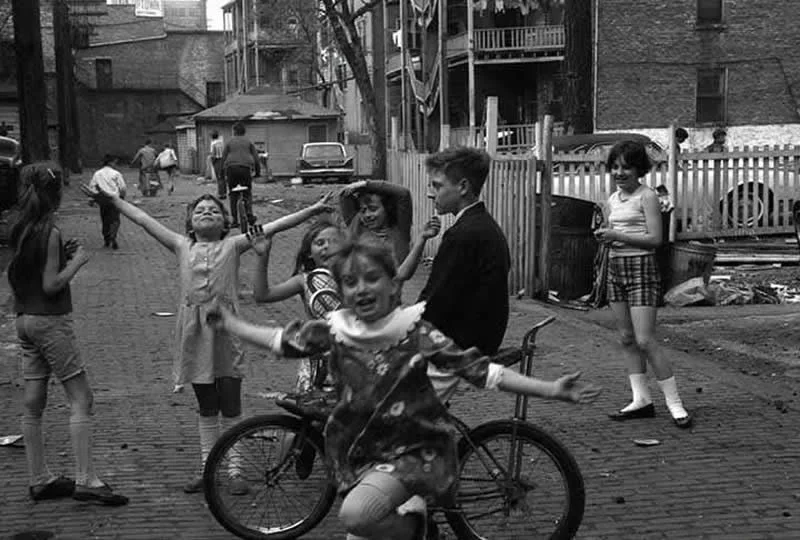
© Art Shay
#15
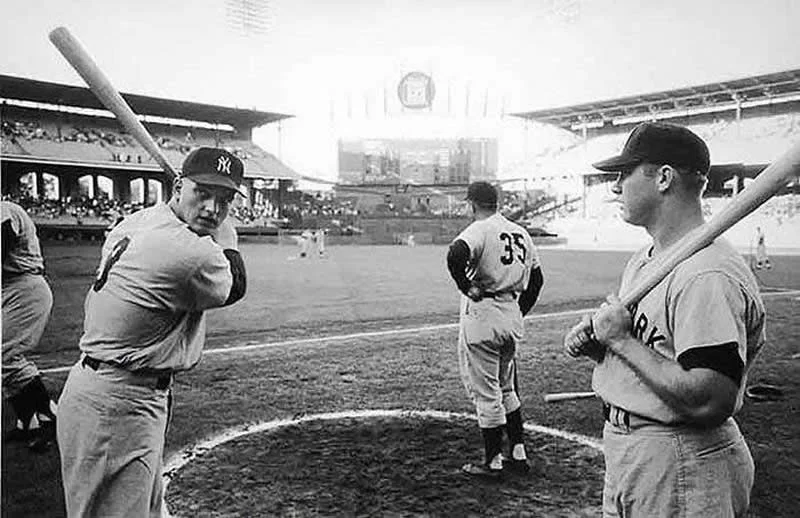
© Art Shay
#16
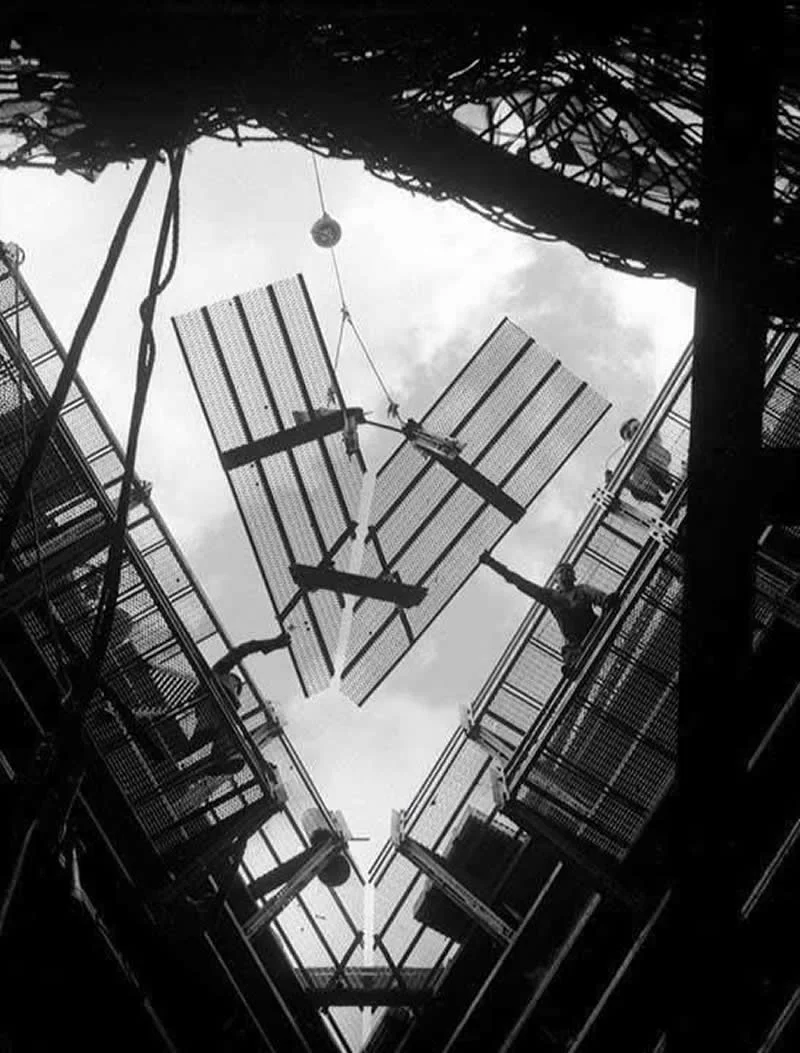
© Art Shay
#17
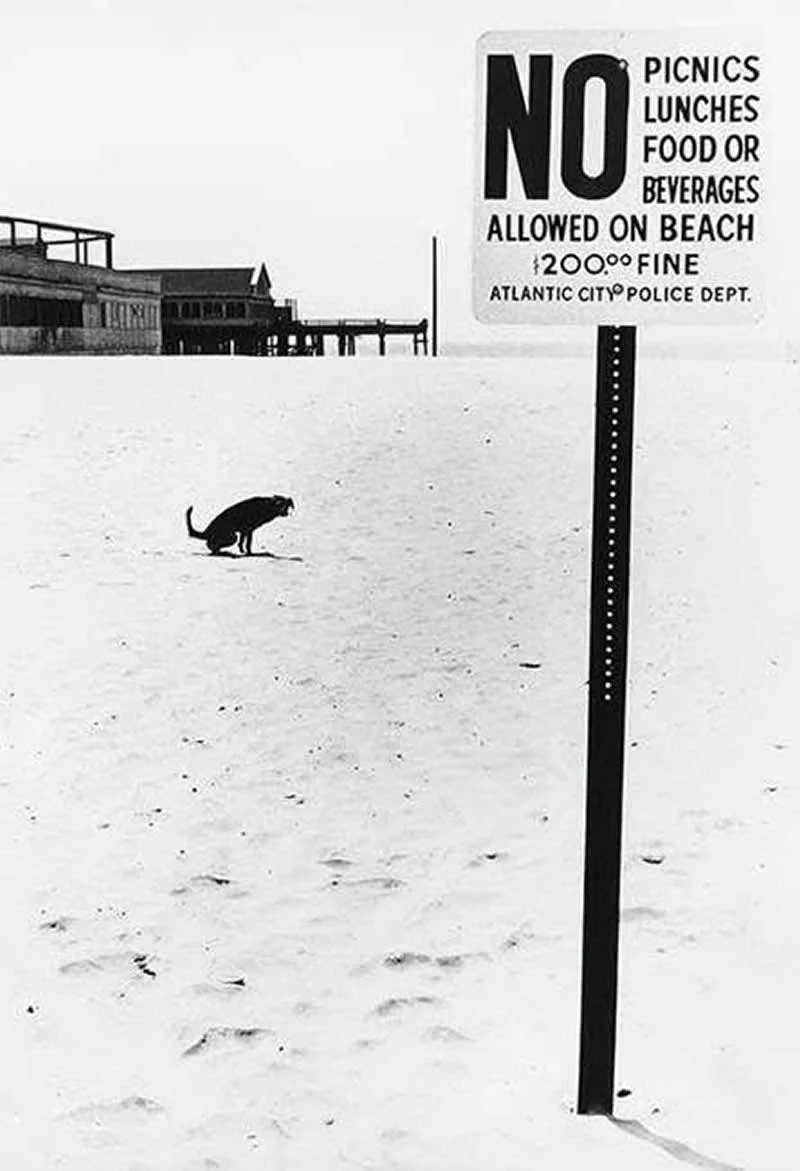
© Art Shay
#18
© Art Shay
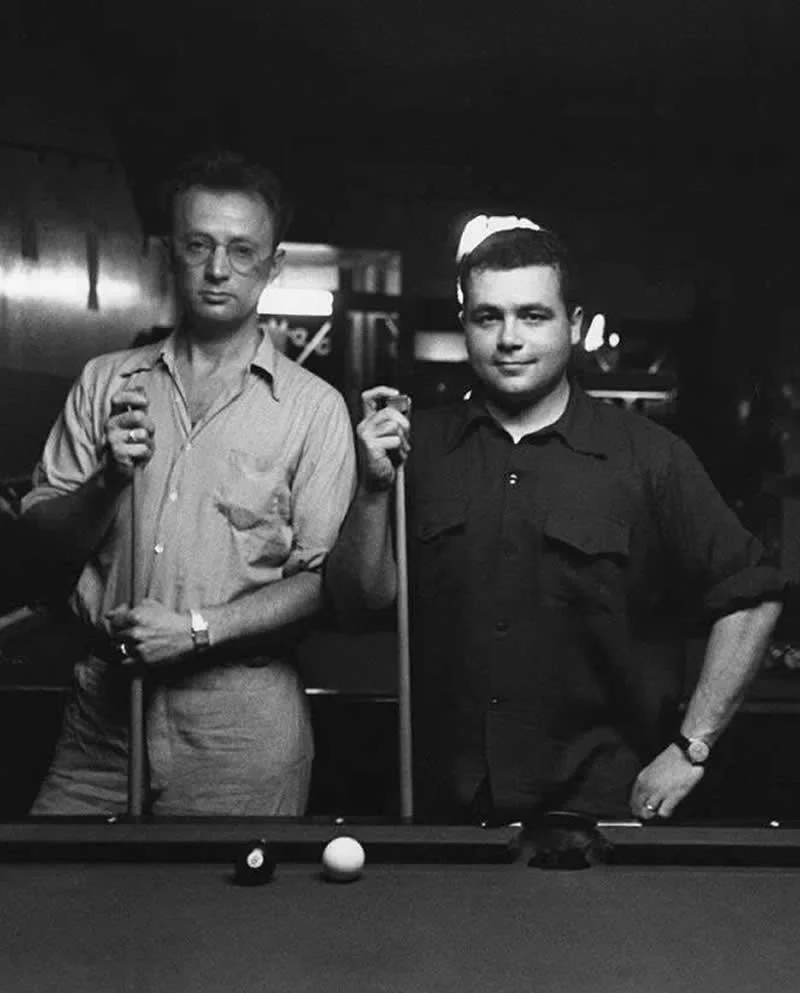
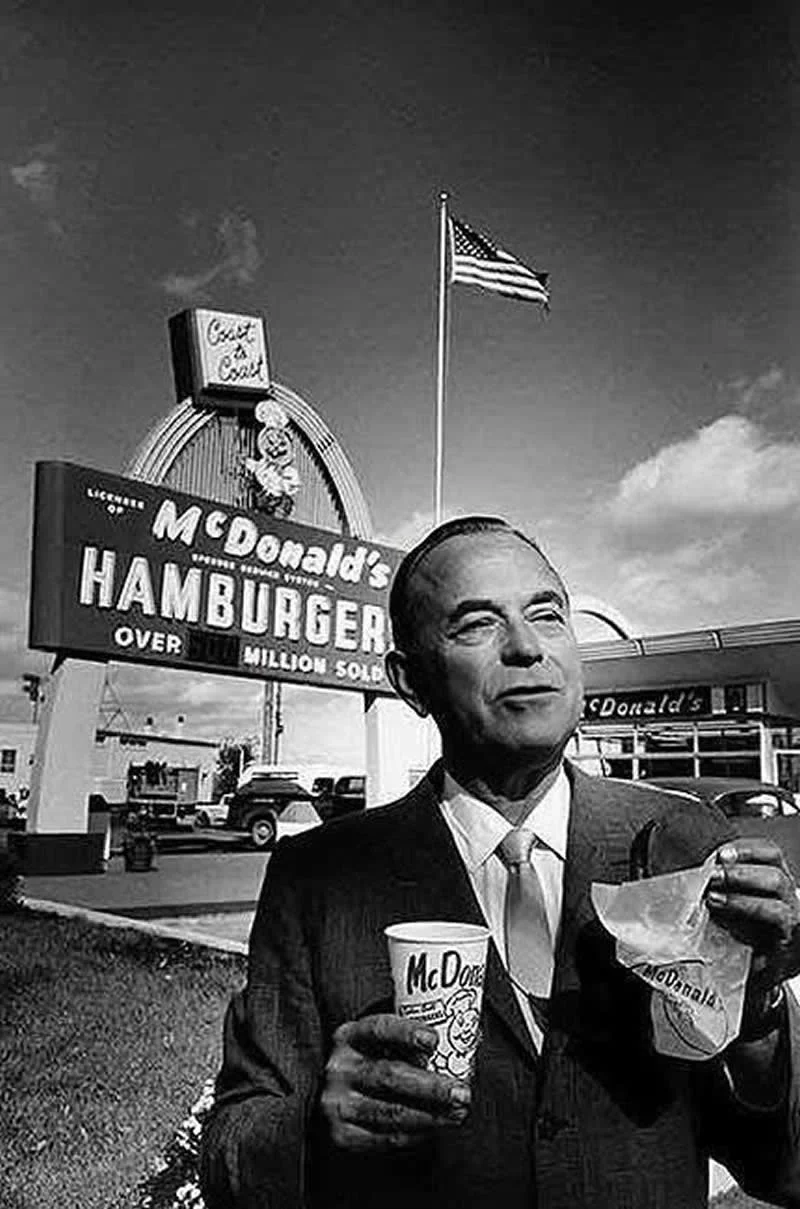
Art Shay’s Political Photography: The 1968 Chicago Convention
The 1968 Democratic National Convention became a defining moment in American political history, and Shay’s photographs captured the tension surrounding the protests and clashes outside the convention. His images documented demonstrators, police officers, and bystanders caught in a volatile atmosphere. Rather than simply recording an event, Shay showed how political conflict unfolded through individual faces and human reactions.
- Anticipate the action: Study a scene and position yourself where important moments may unfold.
- Capture multiple perspectives: Crowds, authority figures, and bystanders can reveal different sides of the same event.
- Stay alert to emotion: Fear, anger, confusion, and solidarity often tell the story behind the headlines.
- Compose under pressure: Strong framing matters even when events develop quickly.
- Respect documentary integrity: Preserve the context of events instead of manipulating scenes for dramatic effect.
#19
© Art Shay
#20
© Art Shay
#21
© Art Shay
#22
© Art Shay
#23
© Art Shay
#24
© Art Shay
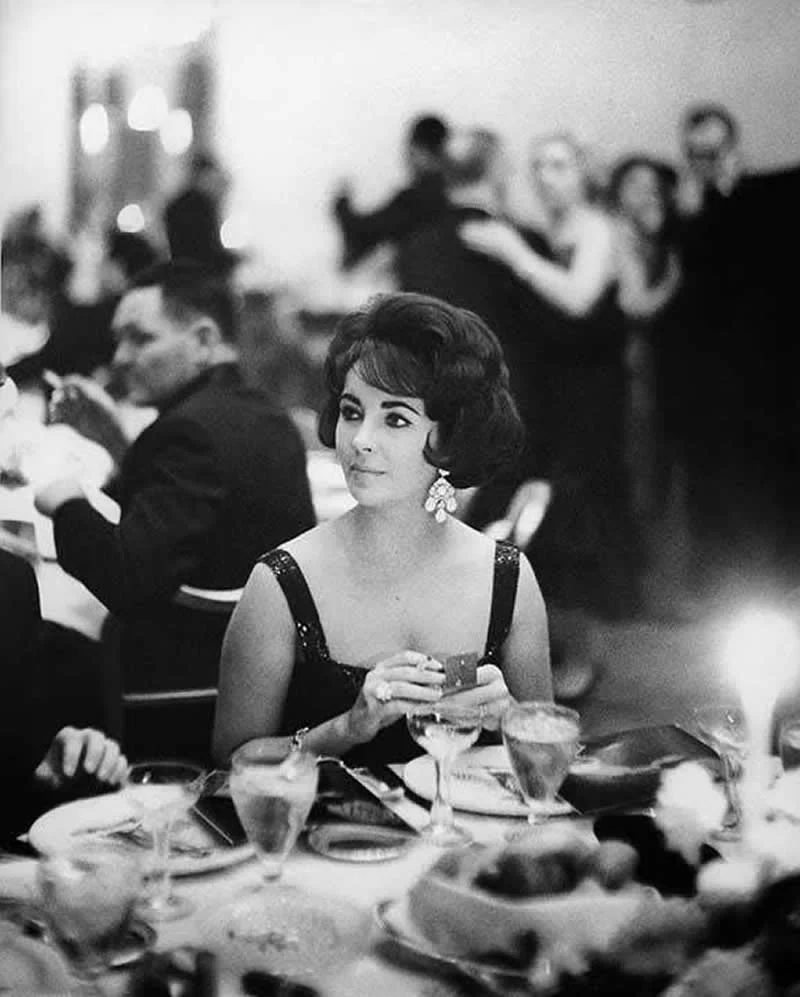
Literary Legends, Celebrities, and the Art of Candid Portraiture
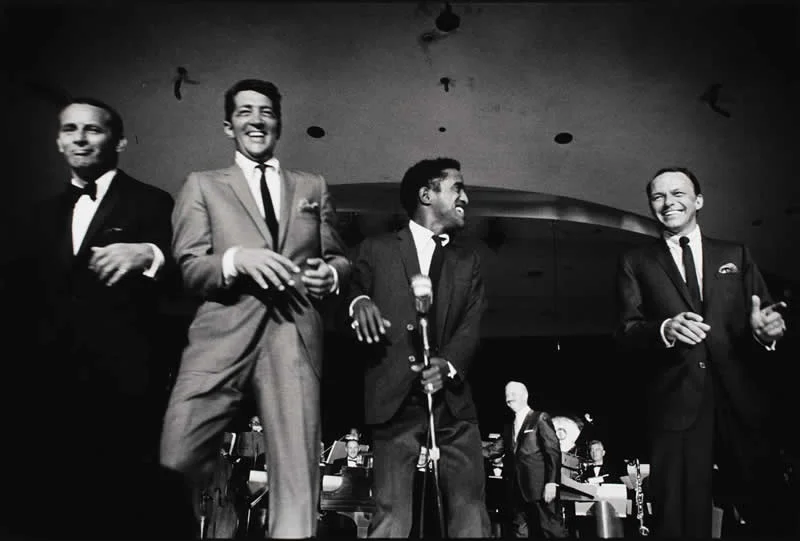
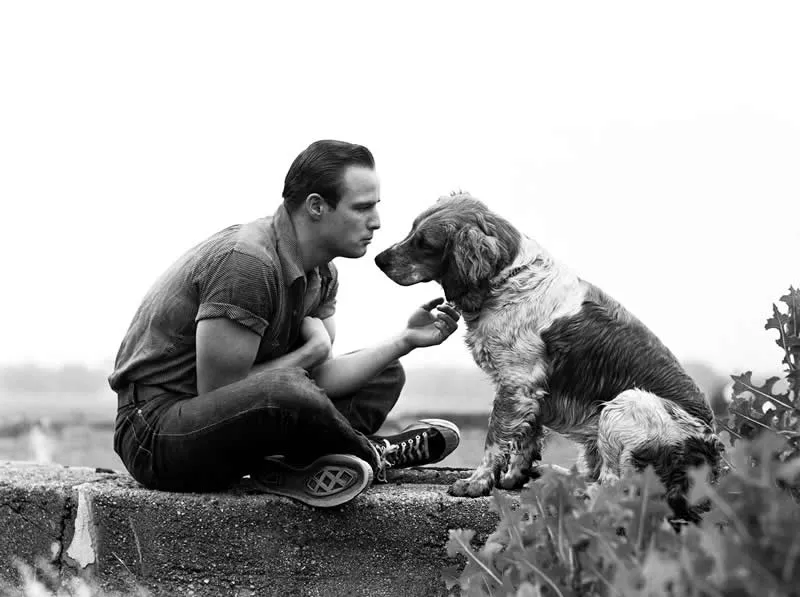
Art Shay had a rare gift for photographing famous people without letting fame overwhelm the frame. His subjects included Simone de Beauvoir, Marlon Brando, and Muhammad Ali, yet his portraits often feel intimate rather than monumental. His celebrated 1950 photograph of de Beauvoir in Algren’s Chicago apartment remains a striking example of the unusual access and personal trust that shaped parts of his work.
- Look for unguarded moments: The seconds between formal poses can reveal a subject’s personality.
- Build trust with subjects: Respectful interaction often leads to more natural photographs.
- Show character, not just appearance: Body language, surroundings, and expressions add layers to a portrait.
- Stay ready after the shutter clicks: Interesting moments often happen when people believe the session is over.
- Let subjects remain human: Famous personalities become more relatable when photographed outside their public roles.
#25
© Art Shay
#26
© Art Shay
#27
© Art Shay
#28
© Art Shay
#29
© Art Shay
#30
© Art Shay
From World War II to Sports Illustrated: Timing Under Pressure
Before becoming a celebrated photojournalist, Shay served as a navigator in the U.S. Army Air Forces during World War II, flying 52 combat missions aboard B-24 aircraft. After the war, he moved into journalism and photography, eventually contributing to Sports Illustrated from its early years. His assignments included legendary football figures, baseball rivalries, and Muhammad Ali during his rise in boxing.
- Develop fast reactions: Practice anticipating movement instead of relying on reflexes alone.
- Learn your equipment: Familiarity with your camera helps you respond without hesitation.
- Understand the subject: Knowing a sport, event, or environment helps you predict decisive moments.
- Use light deliberately: Strong shadows and clean highlights can add energy to action photographs.
- Keep shooting with purpose: Technical skill matters, but anticipation and storytelling make an image memorable.
#31
© Art Shay
#32
© Art Shay
#33
© Art Shay
#34
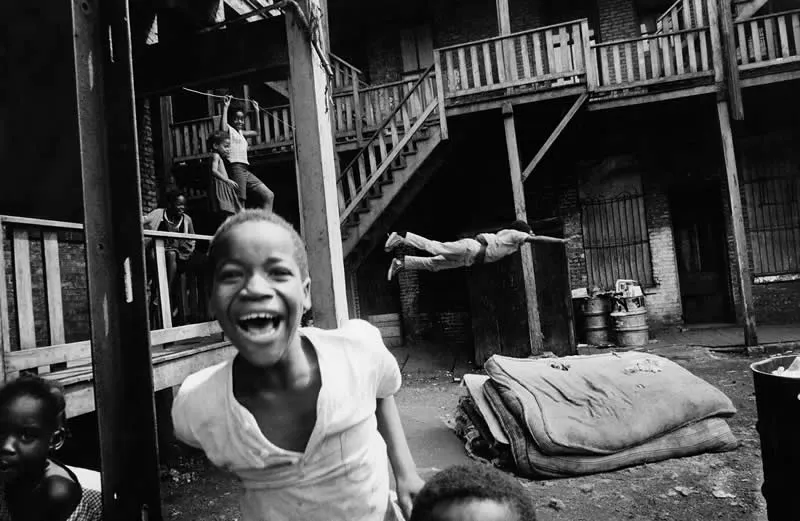
© Art Shay
Editor’s Summary: What We Can Learn From Art Shay
Art Shay teaches us that extraordinary photographs often emerge from ordinary life. His work encourages photographers to stay curious, move closer, recognize fleeting moments, and tell honest stories. His legacy reminds us that technical skill becomes meaningful when it serves human connection and a genuine understanding of the world.
- Observe deeply: Notice gestures, expressions, and overlooked details.
- Master timing: Be ready before the decisive moment arrives.
- Stay authentic: Photograph reality with honesty and empathy.
- Build connections: Trust creates opportunities for intimate storytelling.
- Keep exploring: Everyday life offers endless photographic possibilities.