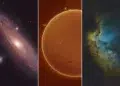

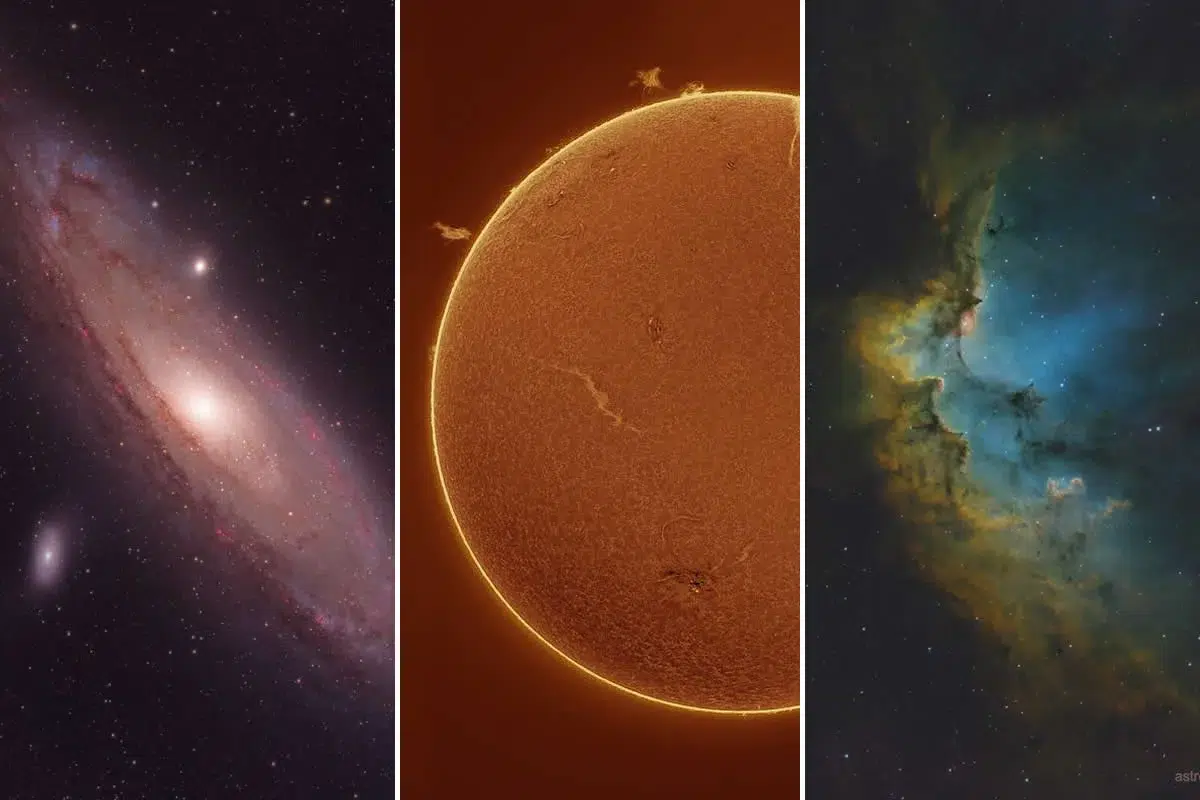
There’s something about looking up at the night sky that can make the world feel a whole lot quieter. For David Joyce, that feeling has been part of his life for years. Based in Lexington, Kentucky, David, known online as AstroDavido turned his lifelong fascination with space into a deeply personal astrophotography journey. Inspired early on by Carl Sagan, he wanted to see beyond what the human eye could pick up and discover what was hiding in the darkness.
The wild part? He doesn’t need some remote desert observatory or perfectly dark mountain to do it. David creates many of his images from suburban skies filled with light pollution, using telescopes, specialized cameras, and narrowband filters to pull faint cosmic details from the darkness.
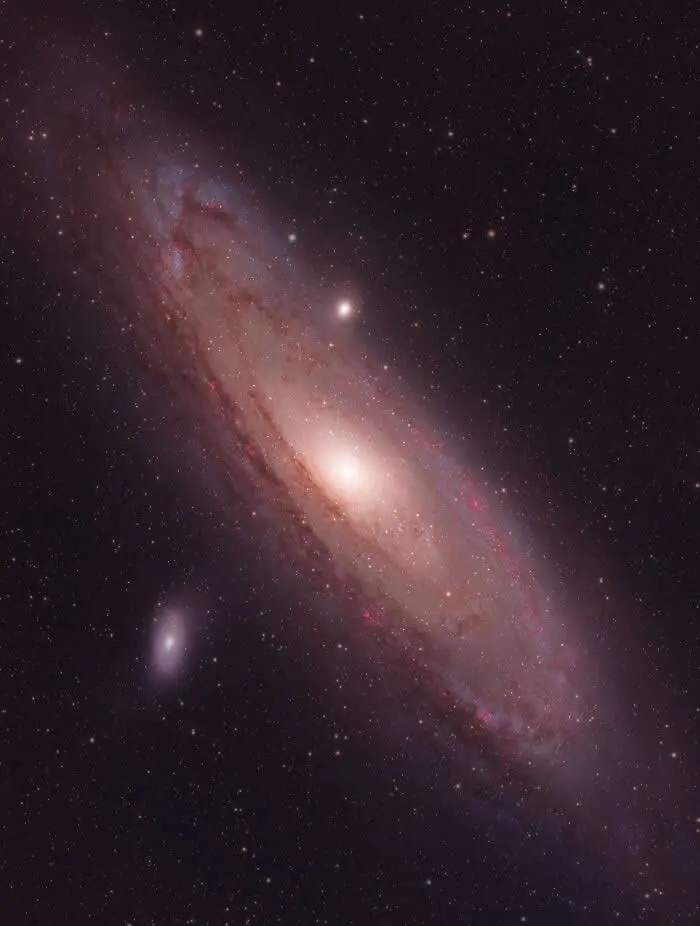
His photographs reveal galaxies, nebulae, star clusters, planets, and other distant treasures in spectacular detail. Some images require hours or even dozens of hours of exposures collected across multiple nights. The Andromeda Galaxy, for example, appears as it looked millions of years ago because its light has traveled roughly 2.5 million years to reach us.
For David, astrophotography isn’t simply about taking pictures. It’s about planning, patience, problem-solving, creativity, and that unforgettable moment when the universe finally appears on the screen.
You can find David Joyce on the web:
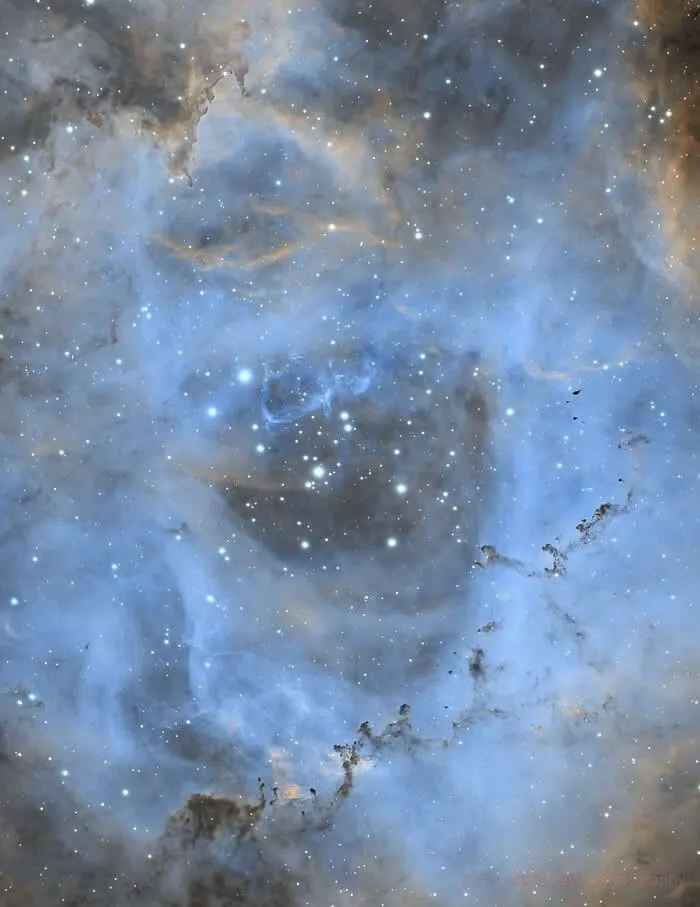
#1. Caldwell 49 – The Rosette Nebula
© David Joyce
#2. M31 – The Andromeda Galaxy
© David Joyce
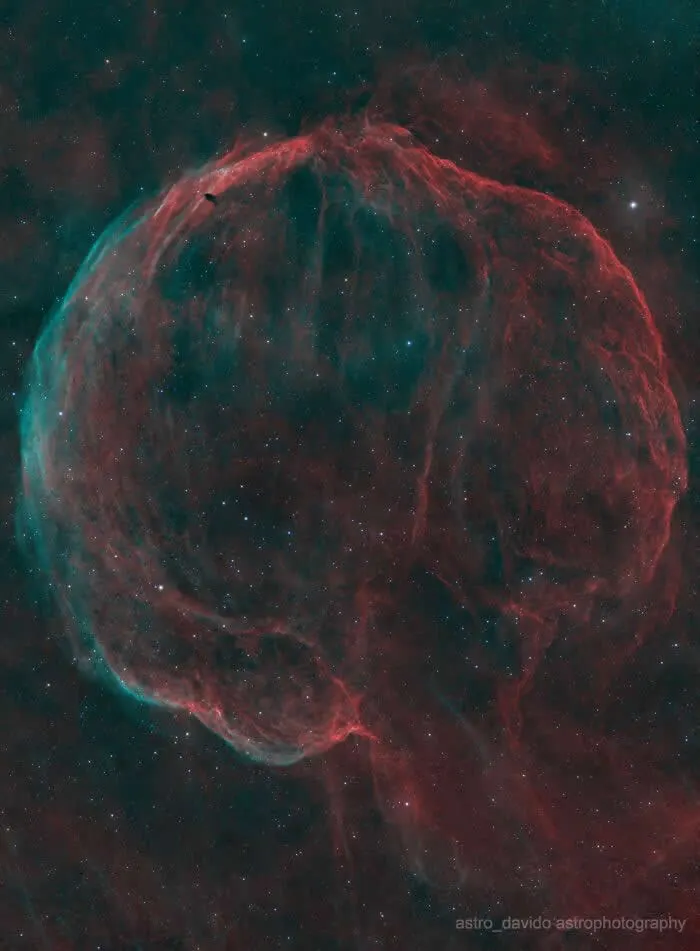
#3. Ctb1/Abell 85 – The Garlic Nebula
© David Joyce
#4. Ngc7380 – The Wizard Nebula
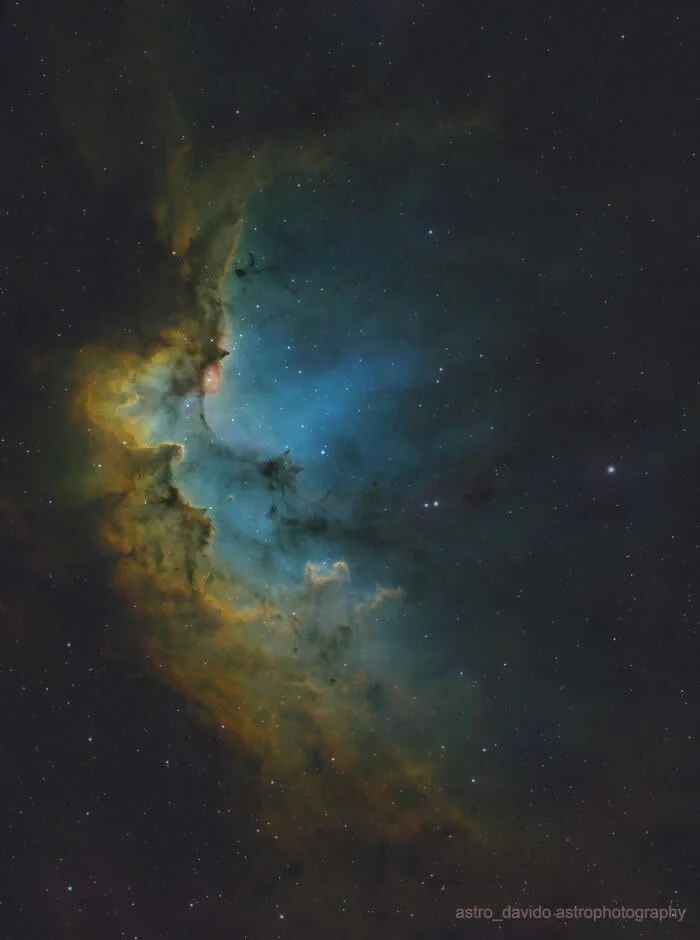
© David Joyce
#5. M92 – Globular Cluster In Hercules
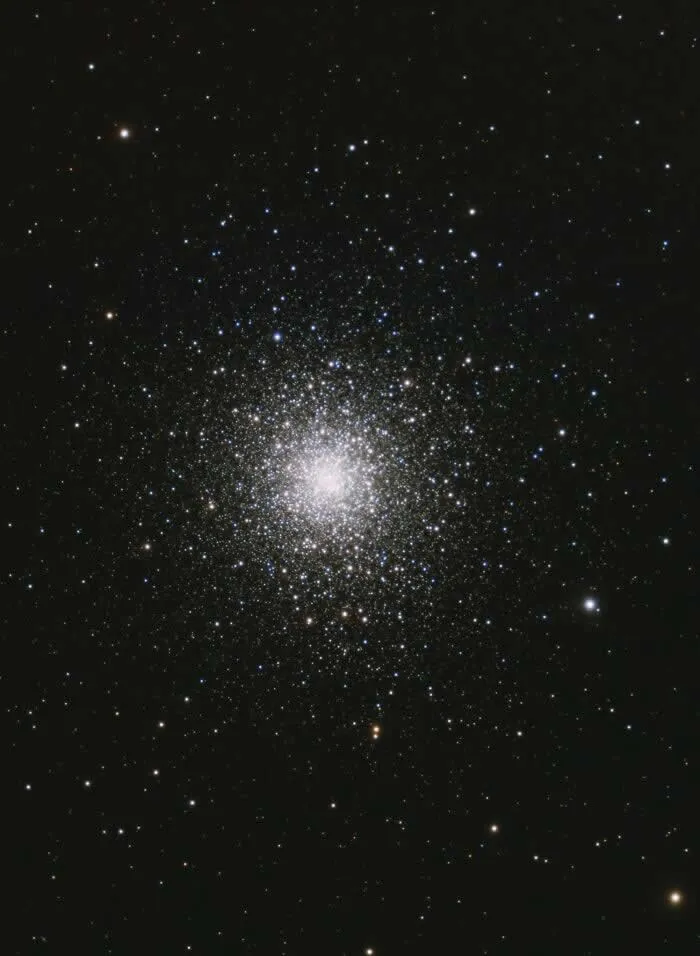
© David Joyce
#6. M104 – The Sombrero Galaxy
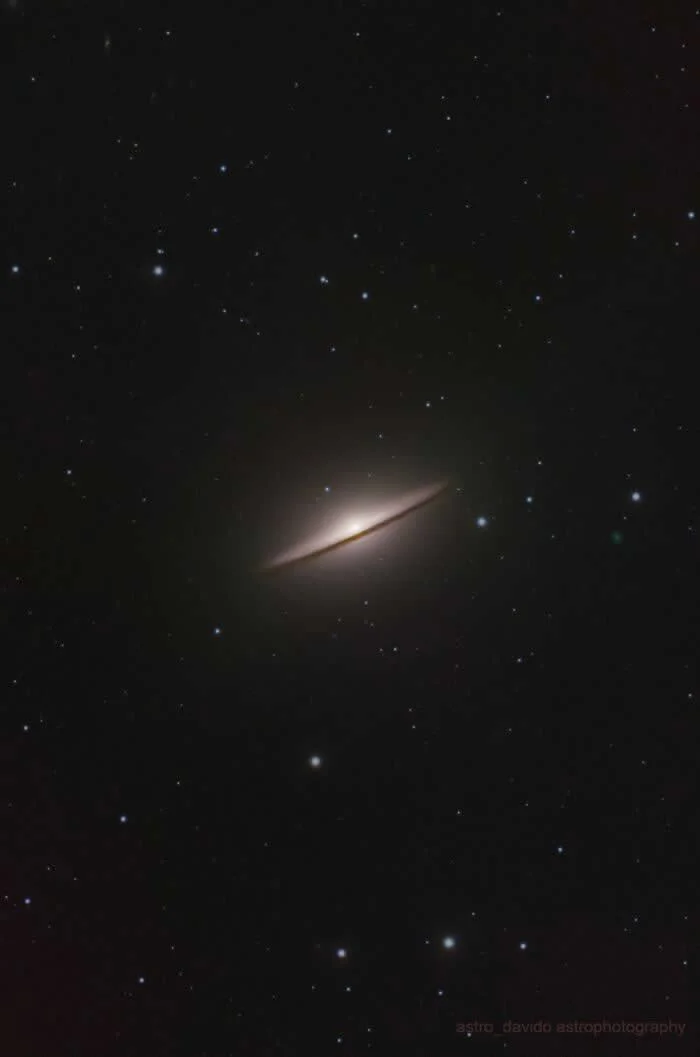
© David Joyce
From Backyard Skies to Deep-Space Discoveries
David’s story proves you don’t have to live beneath pristine dark skies to chase the cosmos. Working from Lexington, Kentucky, he photographs distant celestial objects despite suburban light pollution. His equipment and careful planning allow him to pull extraordinary details from seemingly ordinary night skies.
- David photographs from his backyard.
- Light pollution makes faint objects harder to capture.
- Specialized astrophotography equipment helps reveal hidden details.
- His images explore galaxies, nebulae, clusters, and planets.
- The process turns an everyday sky into a window to deep space.
#7. Sh2115 W/ Abell 71
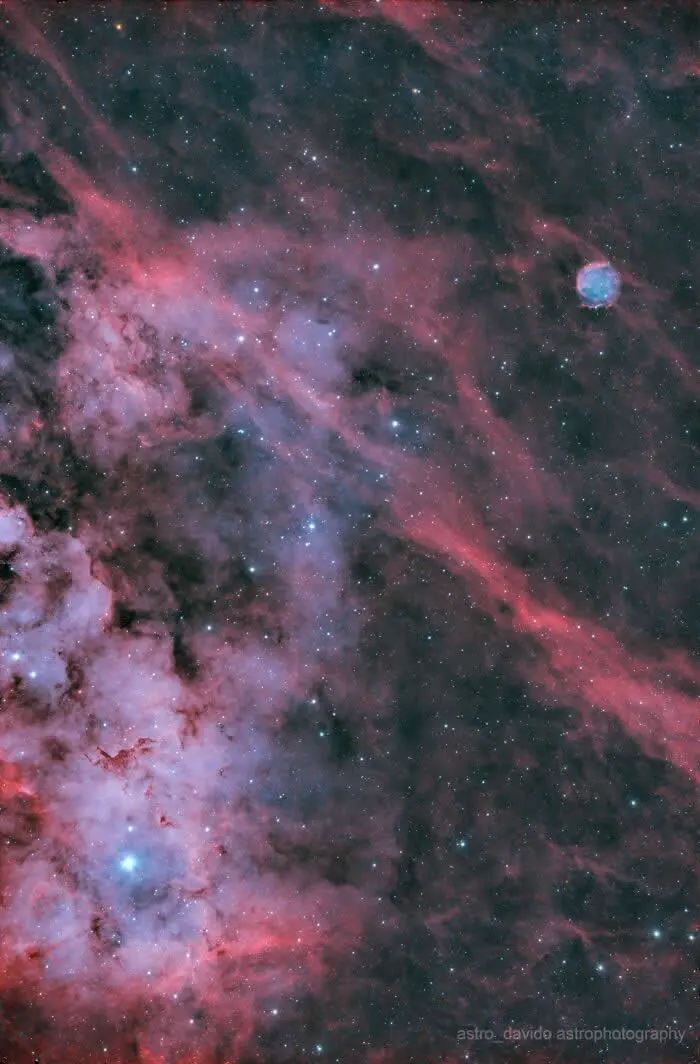
© David Joyce
#8. Ngc6960 – The Witch’s Broom Nebula
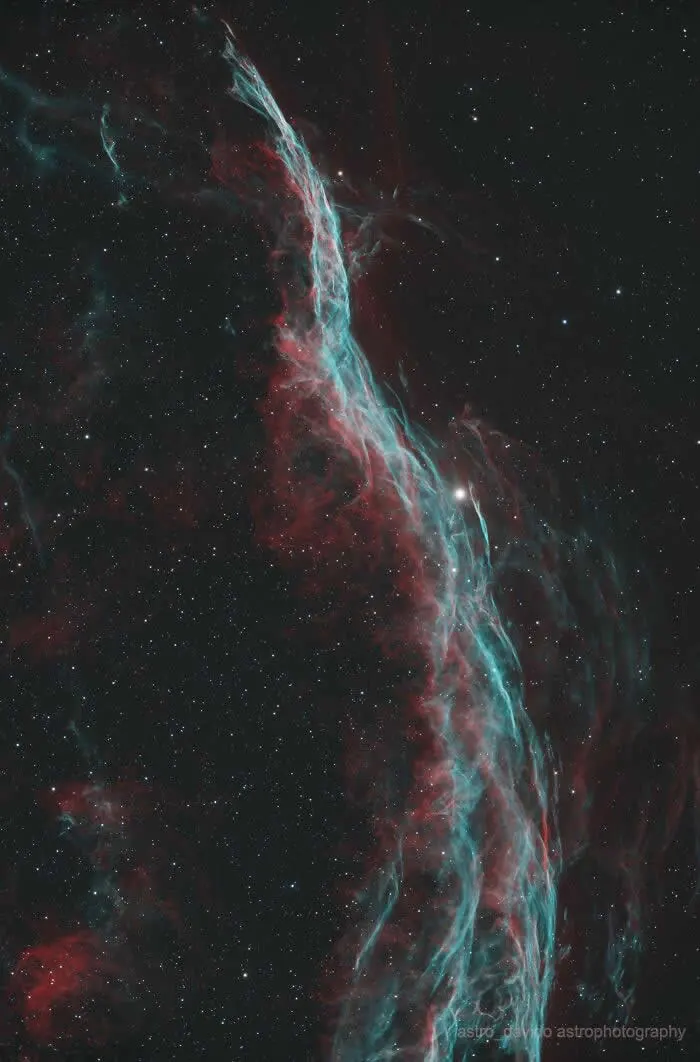
© David Joyce
#9. The Sun In Hydrogen Alpha
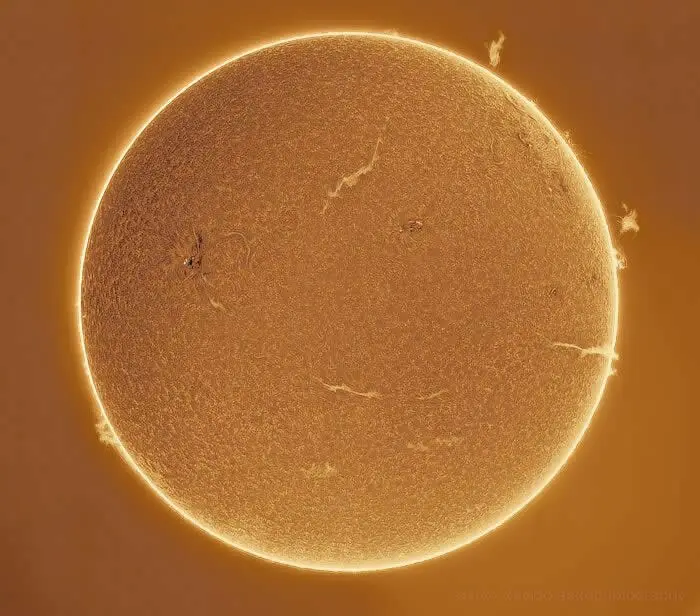
© David Joyce
#10. The Moon @ 67% With Regulus
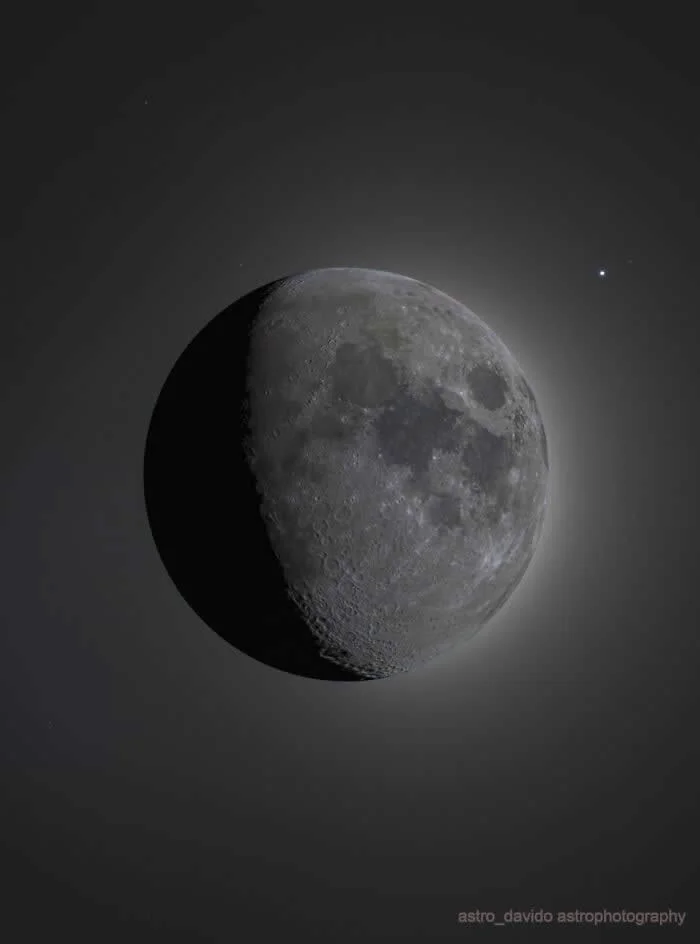
© David Joyce
#11. Ngc2264 – The Cone Nebula/Christmas Tree Cluster
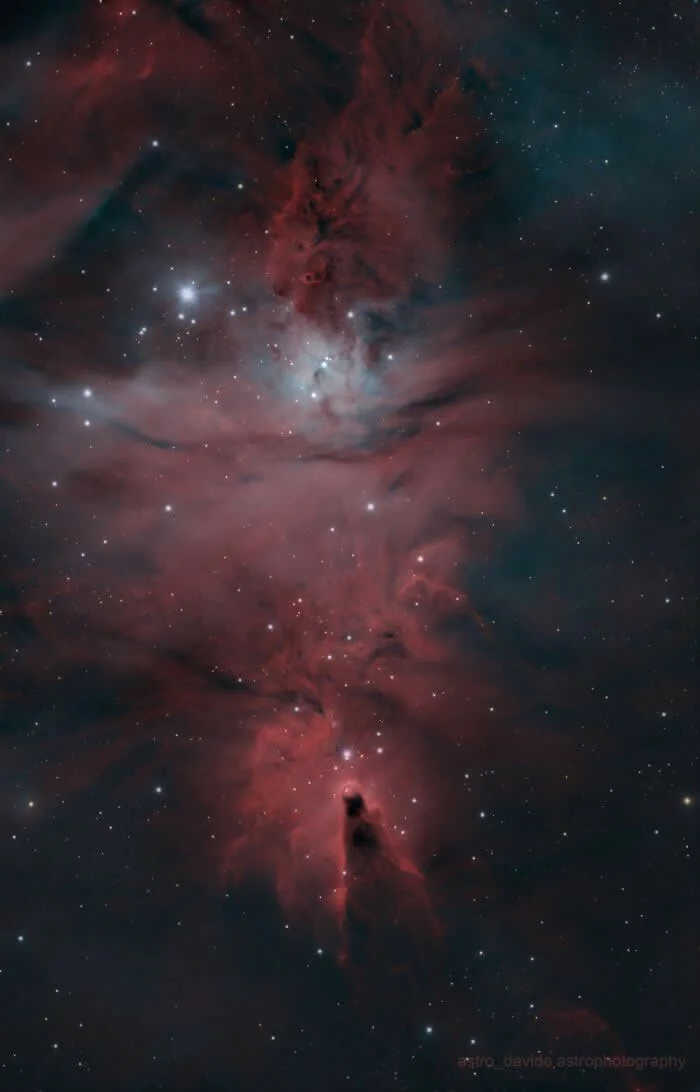
© David Joyce
#12. M8 – The Lagoon Nebula
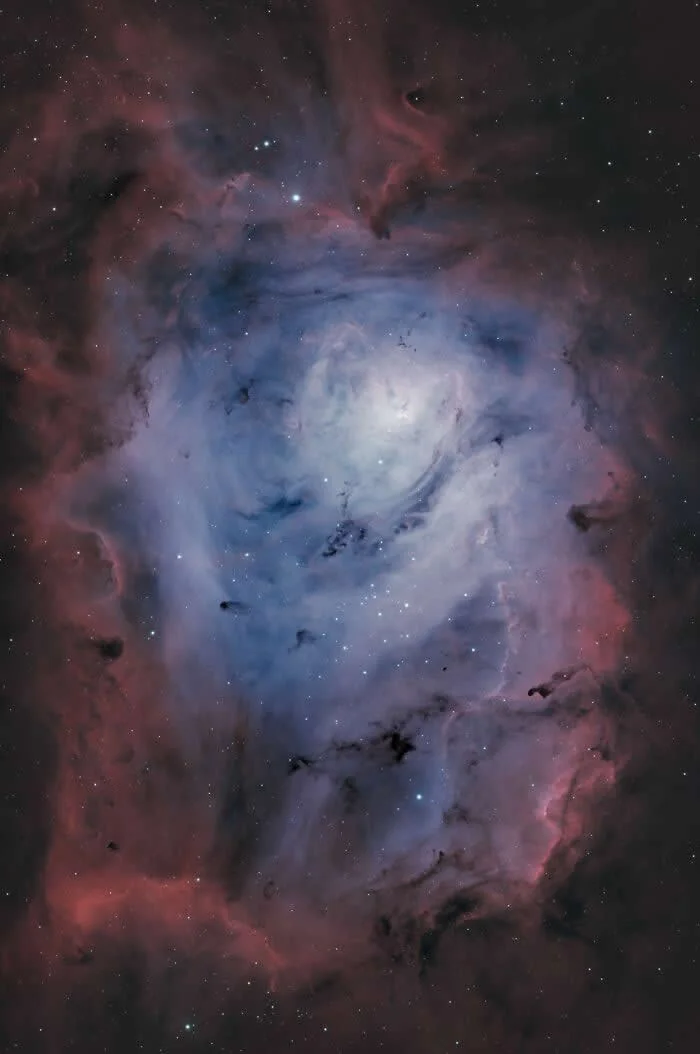
© David Joyce
The Magic of Narrowband Astrophotography
One of David’s favorite areas is narrowband nebula imaging. Using extremely narrow 3nm filters, he can dramatically reduce the effects of surrounding artificial light and isolate specific wavelengths emitted by glowing gases in space. The result is stunning: delicate structures, clouds, and intricate cosmic textures that might otherwise disappear completely.
- Narrowband filters help combat urban and suburban light pollution.
- David particularly enjoys photographing emission nebulae.
- 3nm filters isolate very specific wavelengths of light.
- Faint structures become easier to reveal during processing.
- The technique gives his images remarkable depth and contrast.
#13. Moon
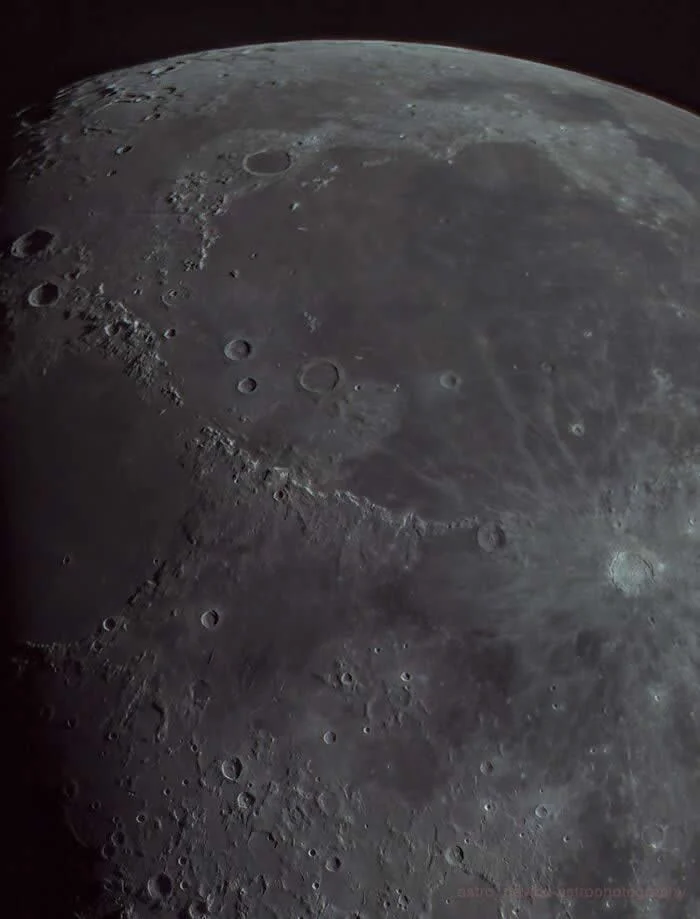
© David Joyce
#14. Ngc6888 – The Crescent Nebula
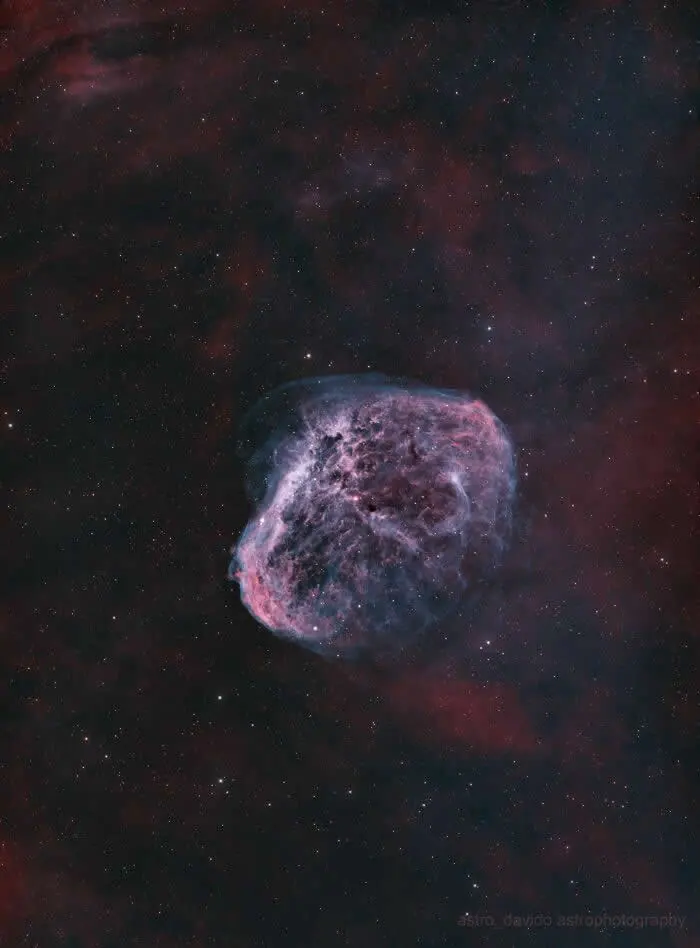
© David Joyce
#15. M17 – The Swan Nebula / Omega Nebula
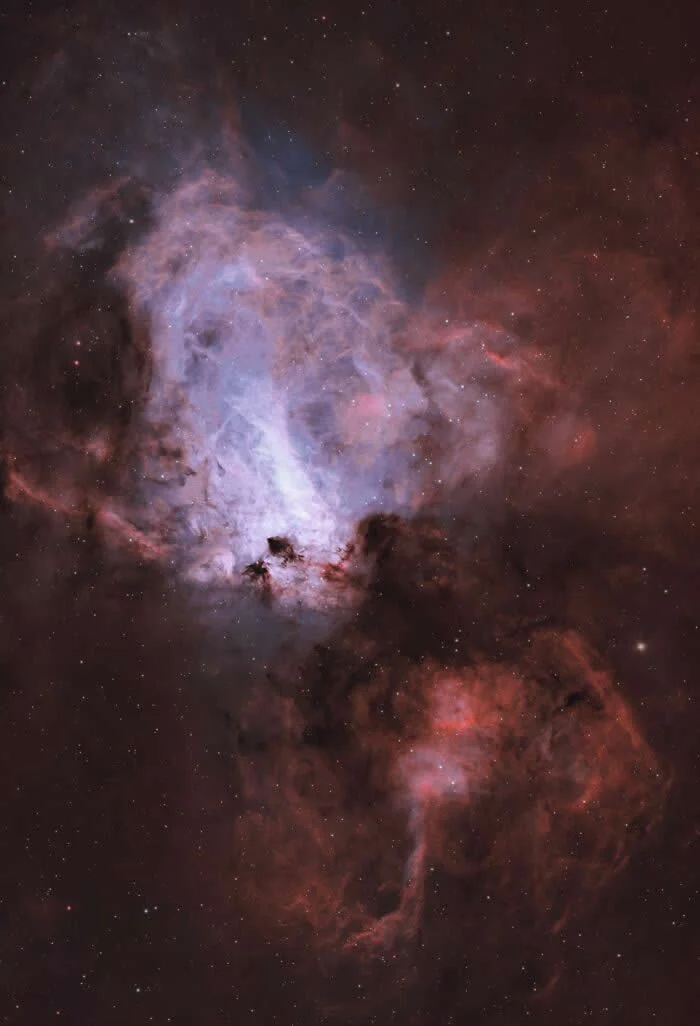
© David Joyce
#16. Ngc6543 – The Cat’s Eye Nebula
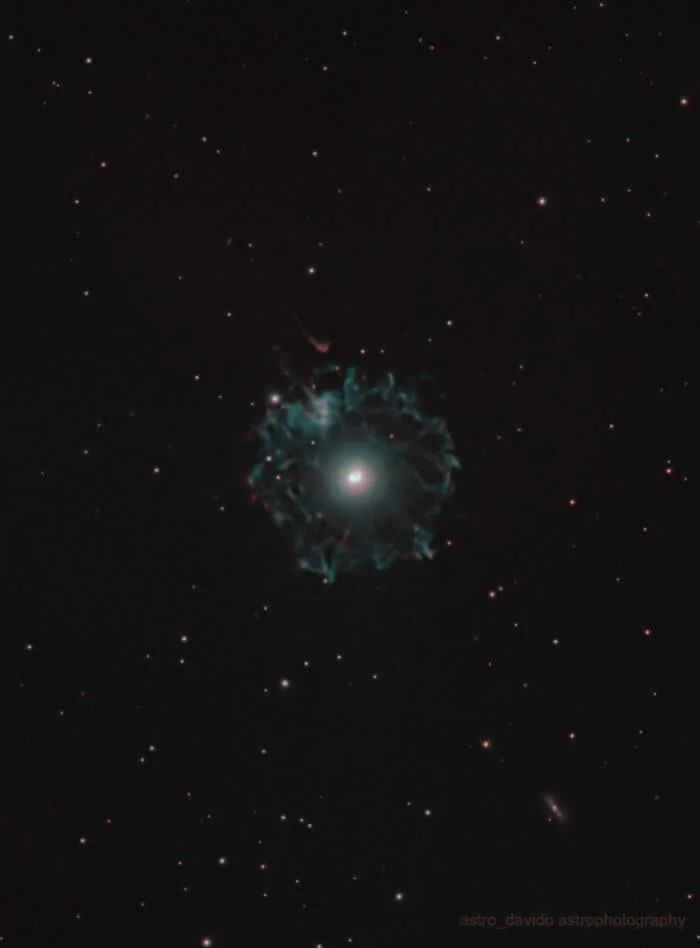
© David Joyce
#17. M101 – The Pinwheel Galaxy
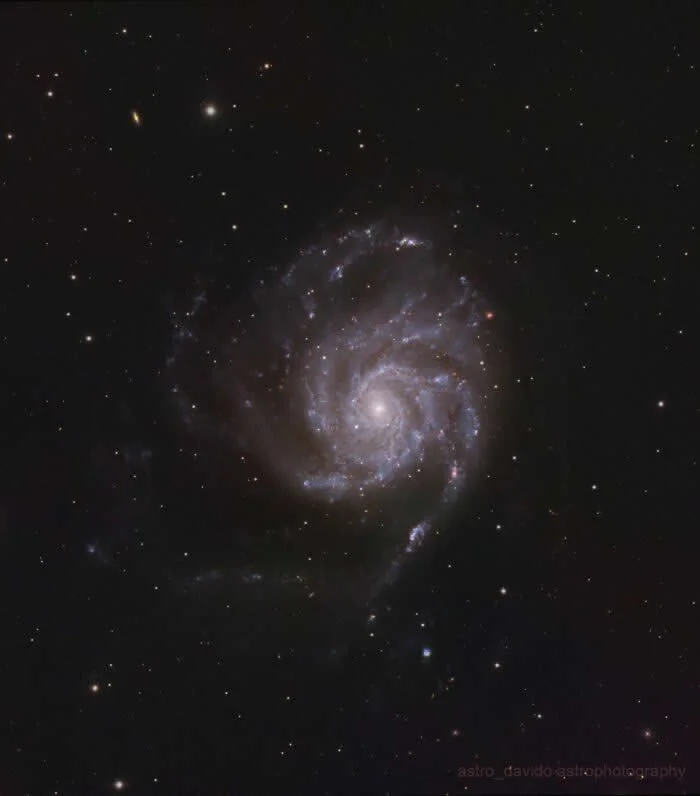
© David Joyce
#18. Ngc1499 – Closeup Of The California Nebula
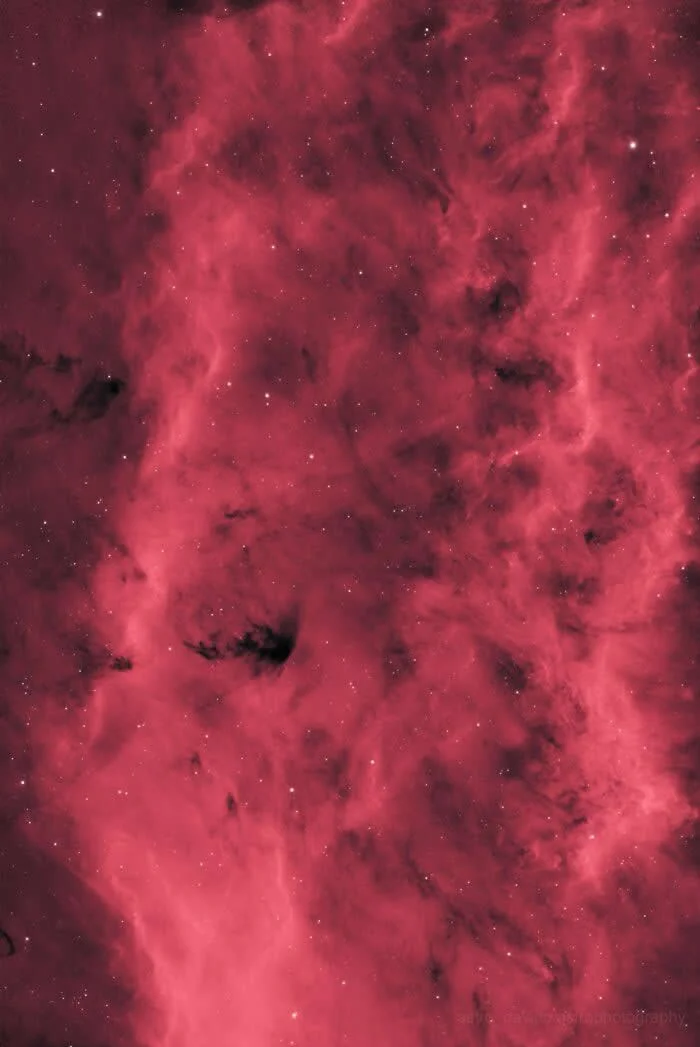
© David Joyce
Hours of Patience Hidden Inside Every Image
A spectacular astrophotograph can look effortless when you see the finished result. Behind it, though, there’s usually a serious time investment. David often collects exposures over several nights before combining them into one final photograph. Some projects have required more than 50 hours of total exposure, turning patience into part of the creative process.
- Multiple exposures combine to create cleaner images.
- Longer projects may stretch across many nights.
- Stacking helps bring out extremely faint celestial details.
- Careful data collection reduces noise and improves clarity.
- Every finished photograph represents significant time under the stars.
#19. Sh2-170 – The Little Rosette Nebula
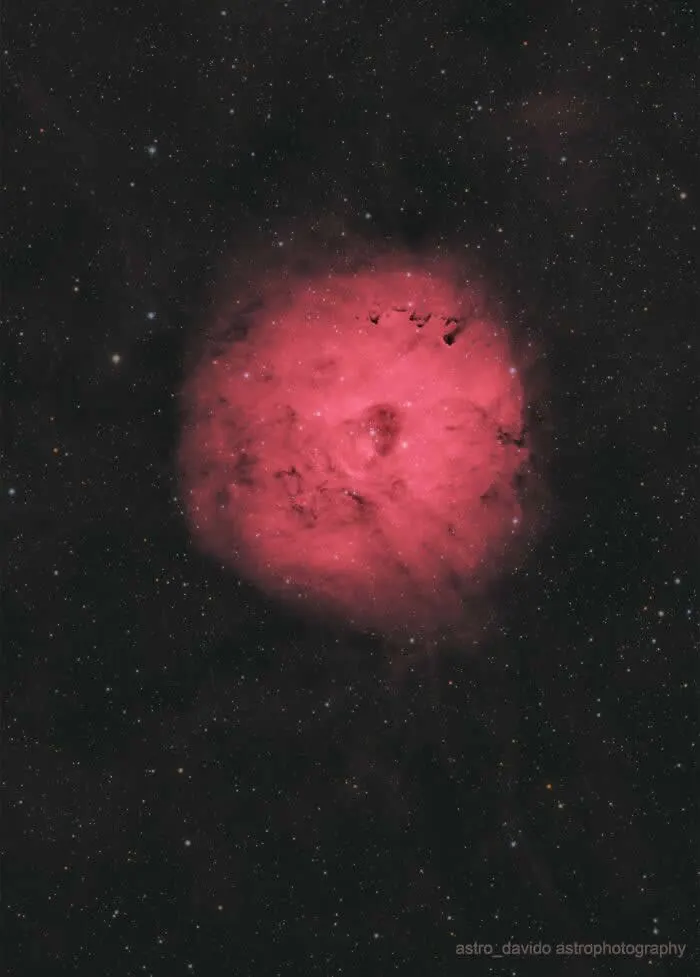
© David Joyce
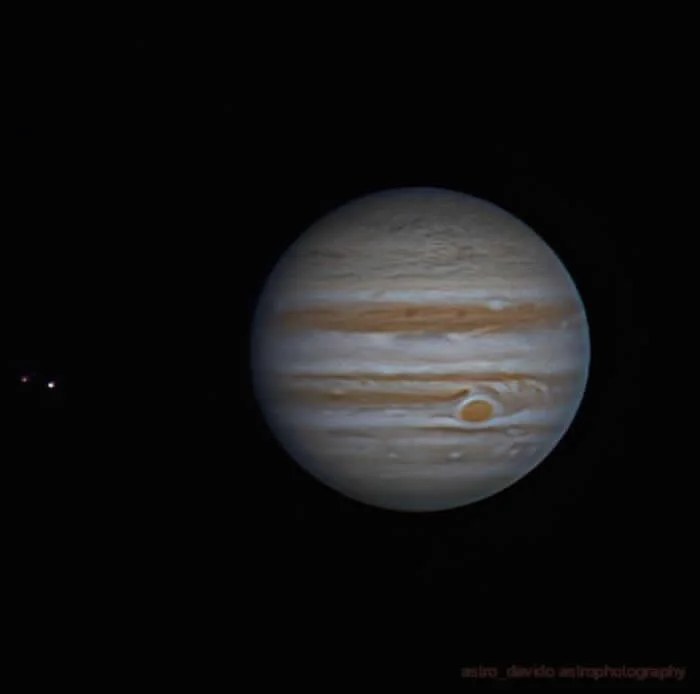
#20. Jupiter W/ Io & Europa
© David Joyce
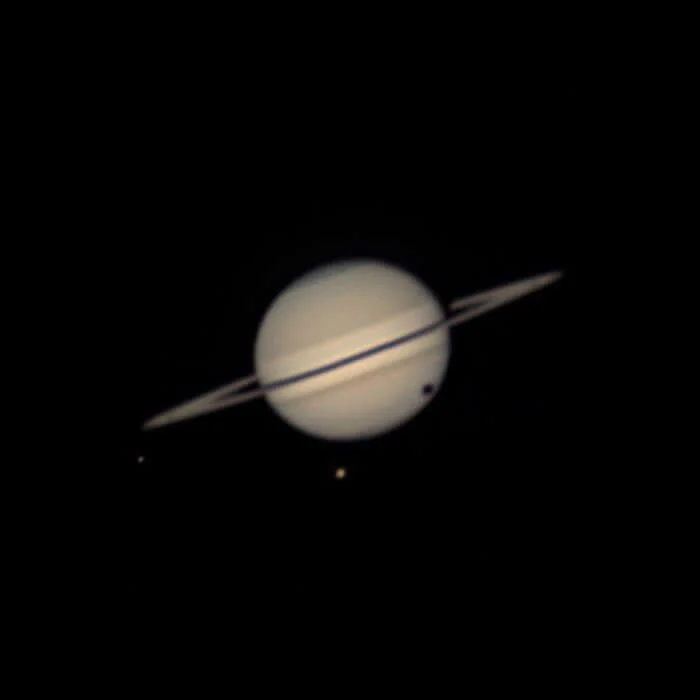
#21. Saturn W/ Dione & Titan
© David Joyce
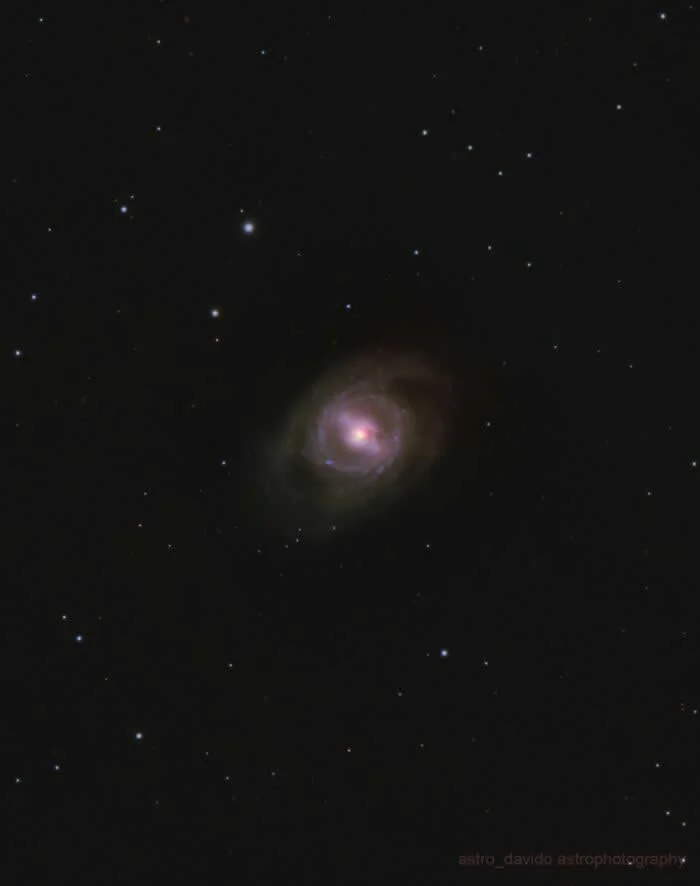
#22. M95 – Barred Spiral Galaxy In Leo
© David Joyce
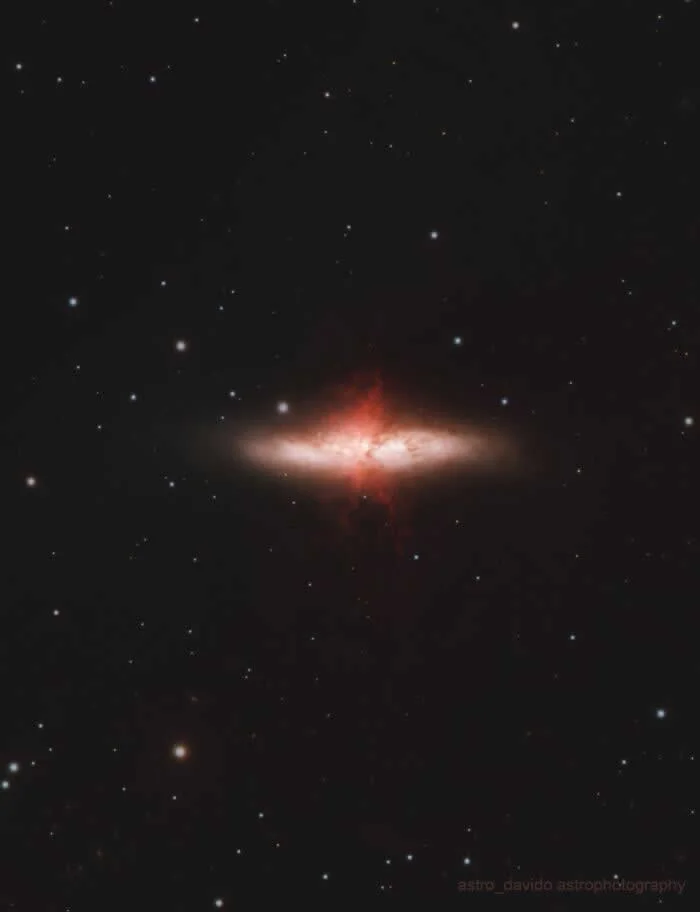
#23. M82 – The Cigar Galaxy
© David Joyce
#24. Sh2-114 – The Flying Dragon Nebula
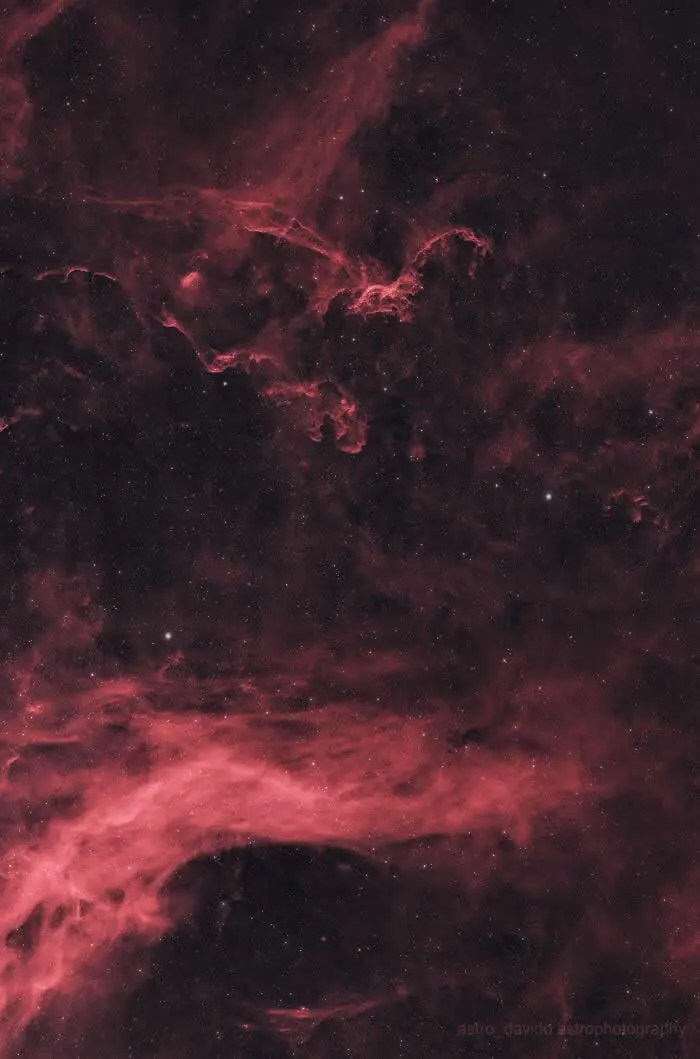
© David Joyce
When Science Meets Creativity
Astrophotography sits in a fascinating sweet spot between technology and art. David has to think like a scientist when choosing targets and equipment, but also like a photographer when composing the frame. Then comes processing, where hours of collected data become an image that feels both scientifically fascinating and visually beautiful.
- Target selection is an important part of the planning process.
- Composition still matters, even when photographing deep space.
- Equipment settings can dramatically affect the final result.
- Processing brings hidden structures and colors to the fore.
- Every image combines technical skill with artistic judgment.
#25. Sh2-54 – The Serpent Nebula
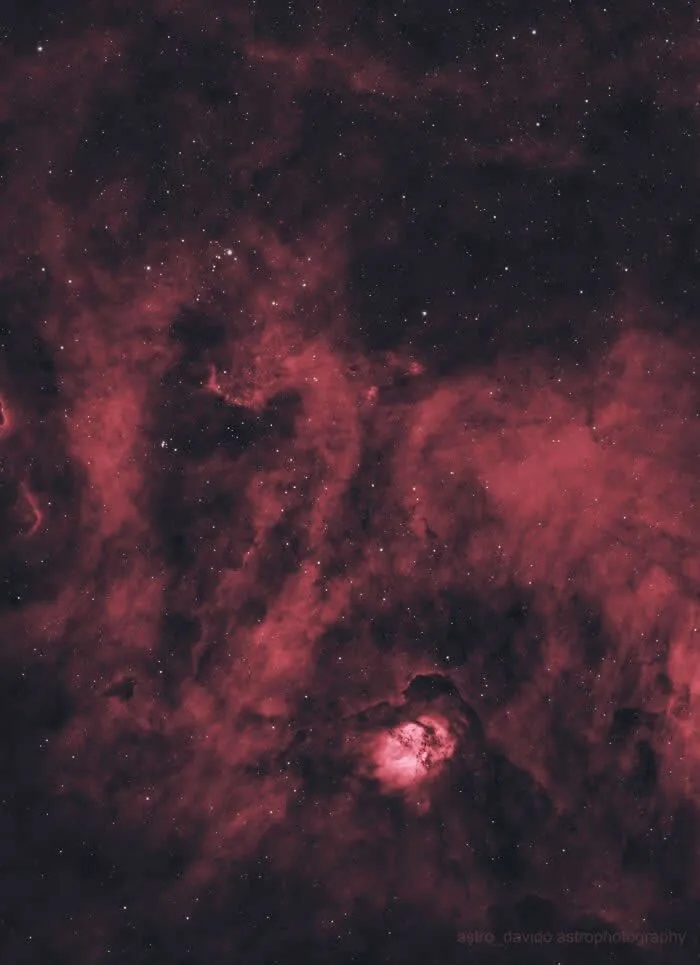
© David Joyce
#26. M12 – The Gumball Globular Cluster
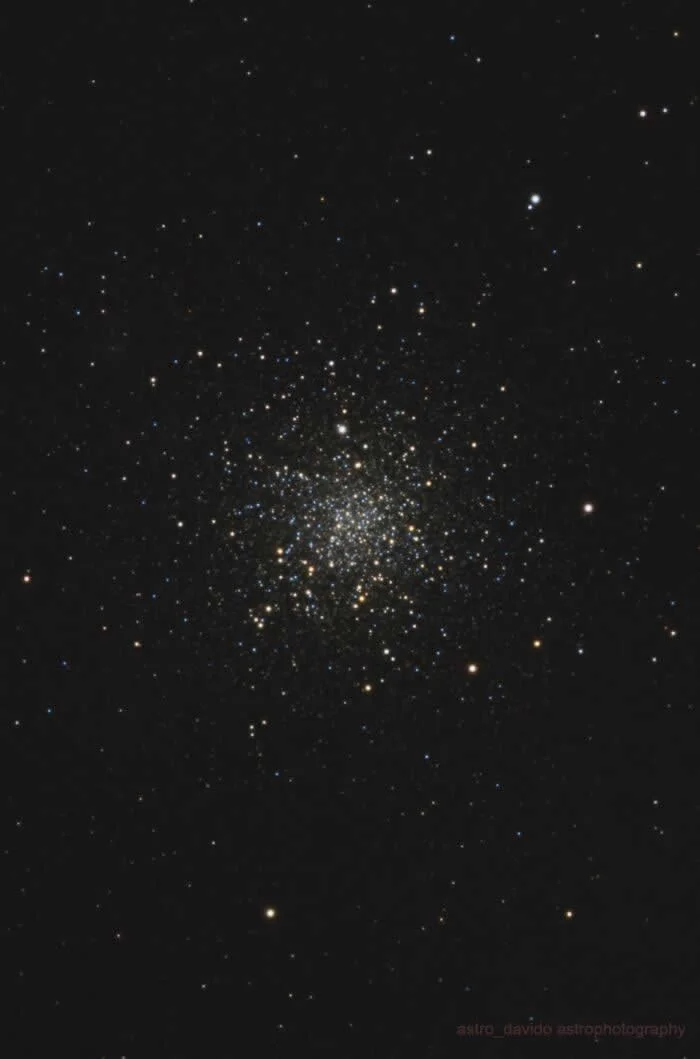
© David Joyce
#27. M57 – The Ring Nebula
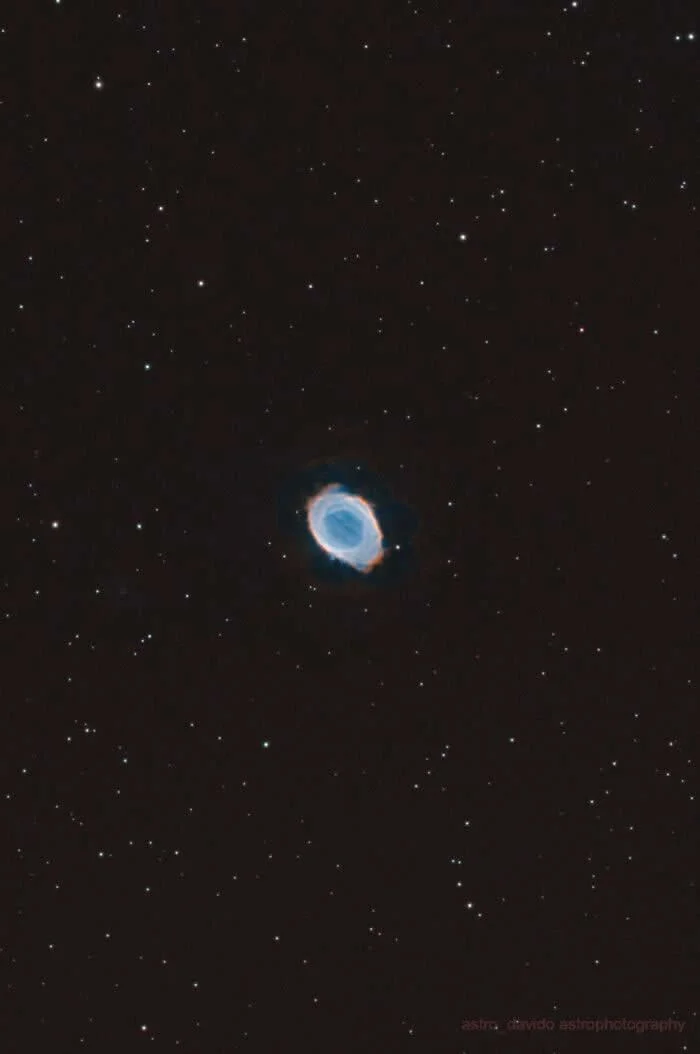
© David Joyce
#28. The Sun In Hydrogen Alpha
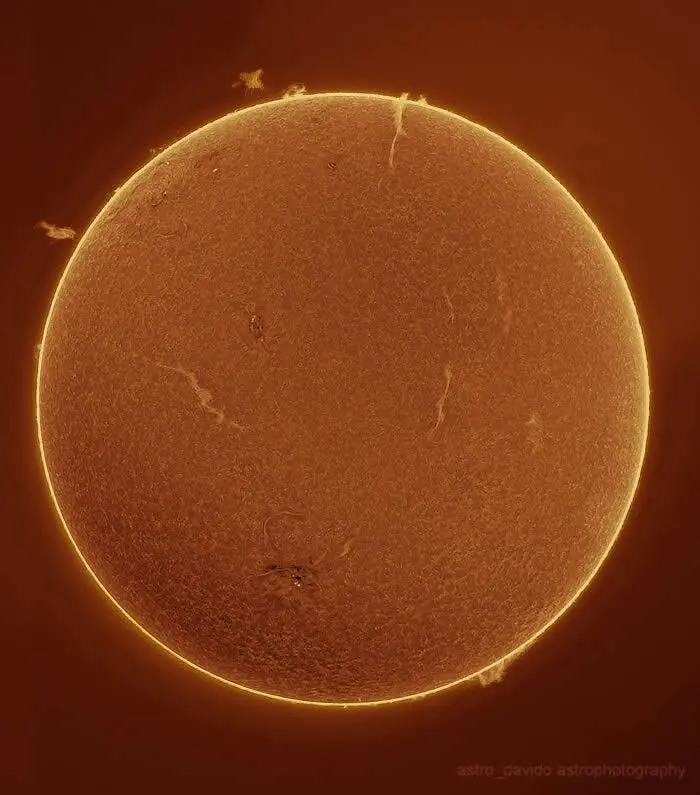
© David Joyce
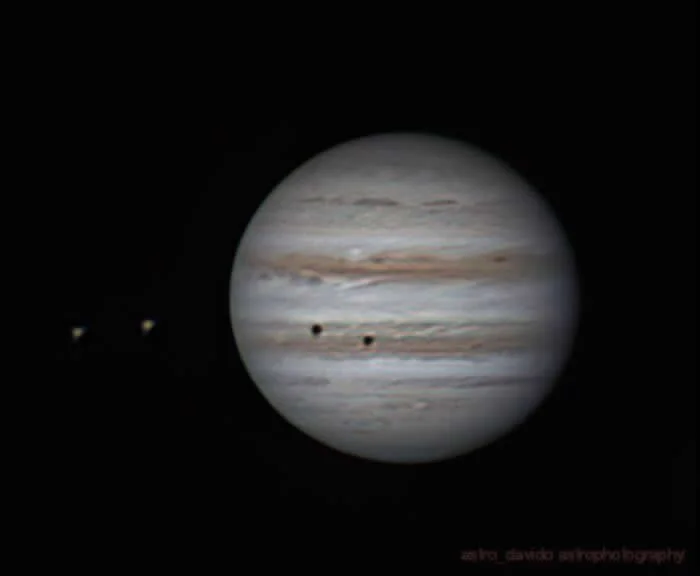
#29. Jupiter W/ Io & Europa
© David Joyce
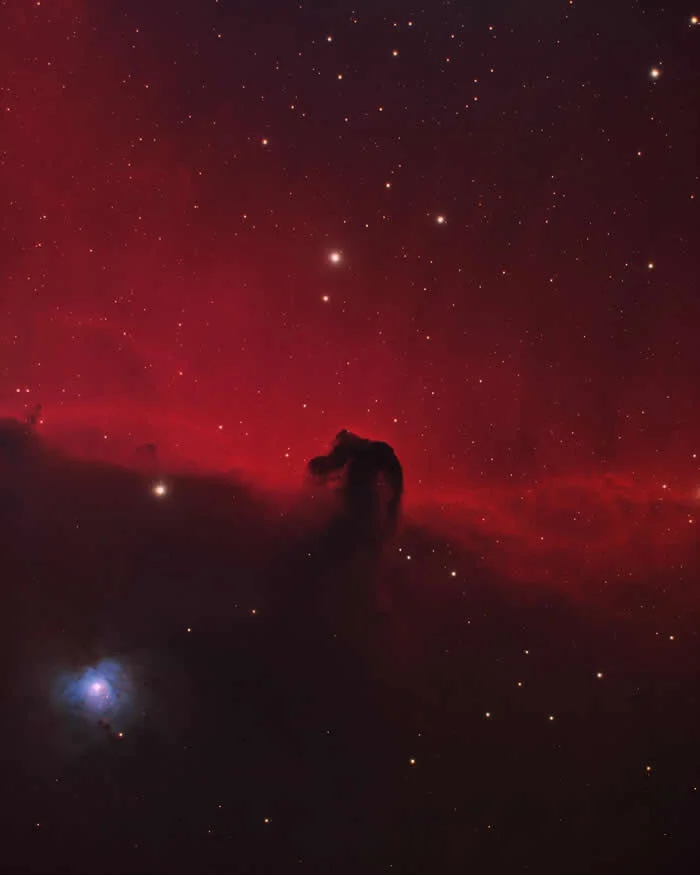
#30. IC434 – The Horsehead Nebula w/NGC2023
© David Joyce
Images That Make You Look Up
Perhaps the most powerful thing about David Joyce’s work is how personal it feels. These aren’t simply pictures of distant objects; they’re reminders of how much is happening above our heads while we go about everyday life. A backyard can become an observatory, and a quiet night can become a journey across millions of light-years.
- His photographs make distant space feel surprisingly close.
- The Andromeda Galaxy appears as it existed millions of years ago.
- Ordinary suburban skies can still reveal extraordinary objects.
- His work encourages people to become curious about astronomy.
- Most importantly, the photographs invite us to simply look up.
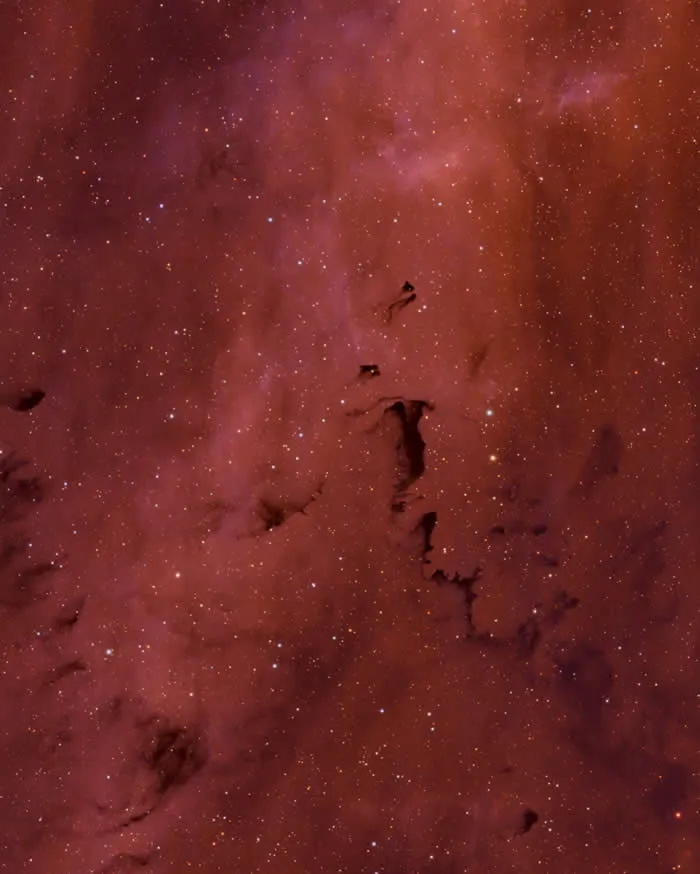
#31. This is Sh2-119, the Clamshell Nebula
© David Joyce
#32. NGC1977 – The Running Man Nebula
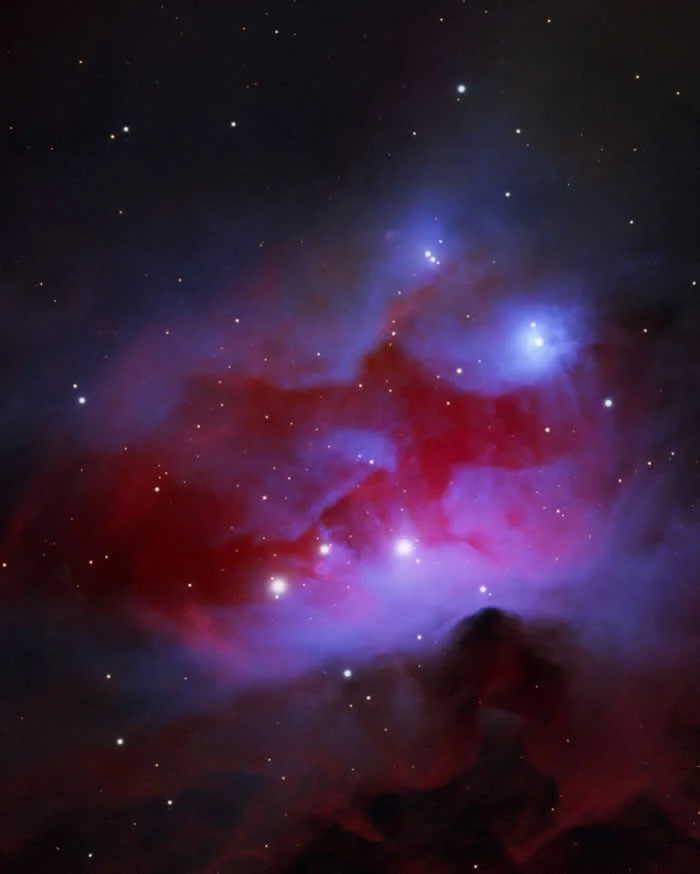
© David Joyce
#33. Our closest neighbor, yesterday morning. 238,000 miles out and still close enough to count the craters.
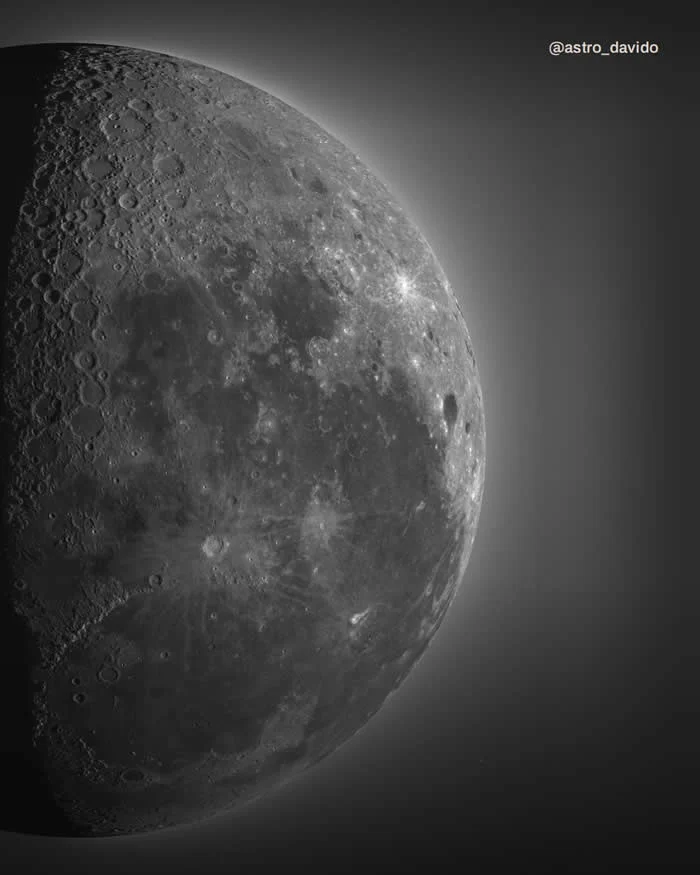
© David Joyce
#34. SH2-132 – The Lion Nebula
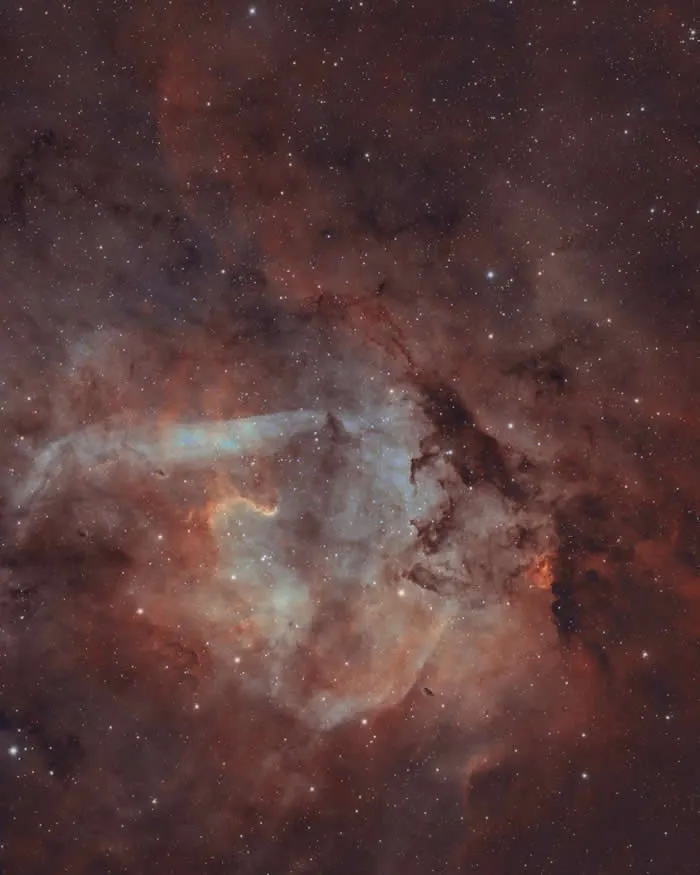
© David Joyce
#35. Sun – Taken from my backyard
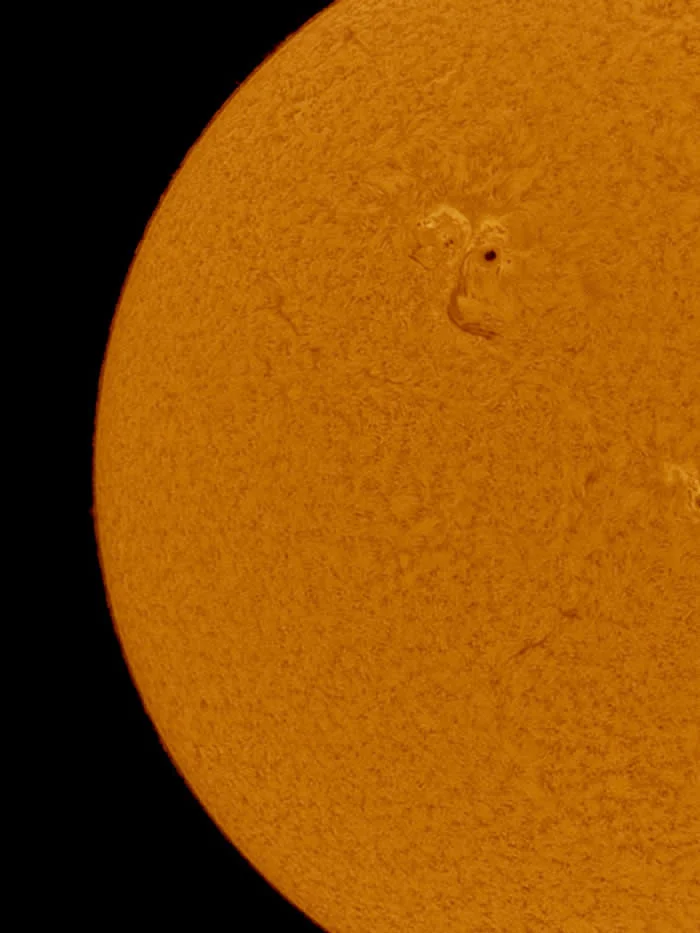
© David Joyce
Frequently Asked Questions:
Who is David Joyce?
David Joyce is a self-taught astrophotographer and web developer based in Lexington, Kentucky. Known online as AstroDavido, he photographs galaxies, nebulae, star clusters, and planets while working primarily from suburban skies.
What equipment does David Joyce use for astrophotography?
David uses telescopes, astrophotography cameras, and specialized narrowband filters. His 3nm filters are particularly useful for capturing nebulae while reducing the impact of artificial light from suburban environments.
How long does David Joyce spend creating his photographs?
Some of David’s astrophotography projects involve collecting exposures across multiple nights. A few images have required more than 50 hours of total exposure before the data could be combined and processed.
Why does David use narrowband filters?
Narrowband filters isolate specific wavelengths of light emitted by celestial objects. David uses 3nm filters to reduce light pollution and reveal faint structures in nebulae that would otherwise be difficult to capture.
What makes David Joyce’s astrophotography special?
David combines technical expertise, patience, and creative composition to photograph the universe from suburban skies. His work demonstrates that you don’t need perfect dark skies to explore distant galaxies, nebulae, planets, and stars.