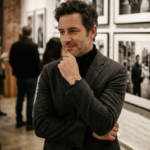
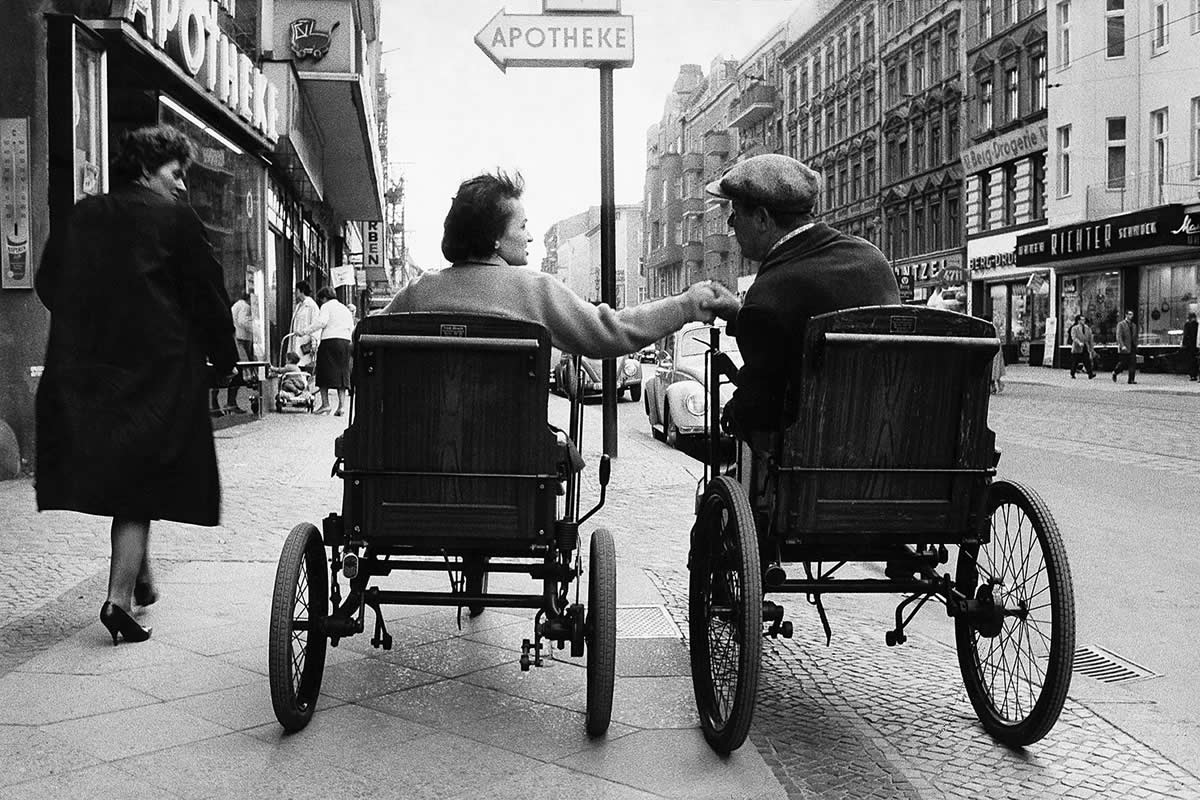
Some photographers chase the big picture. Robert Lebeck chased the moment inside it.
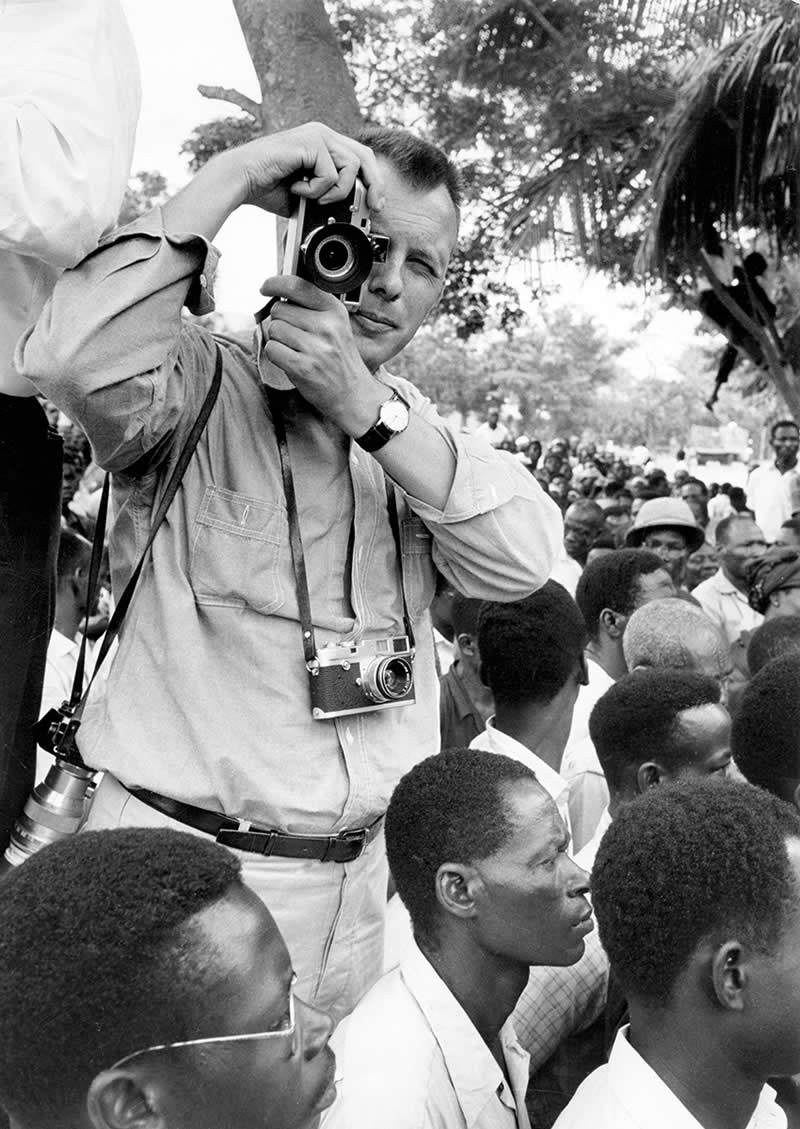
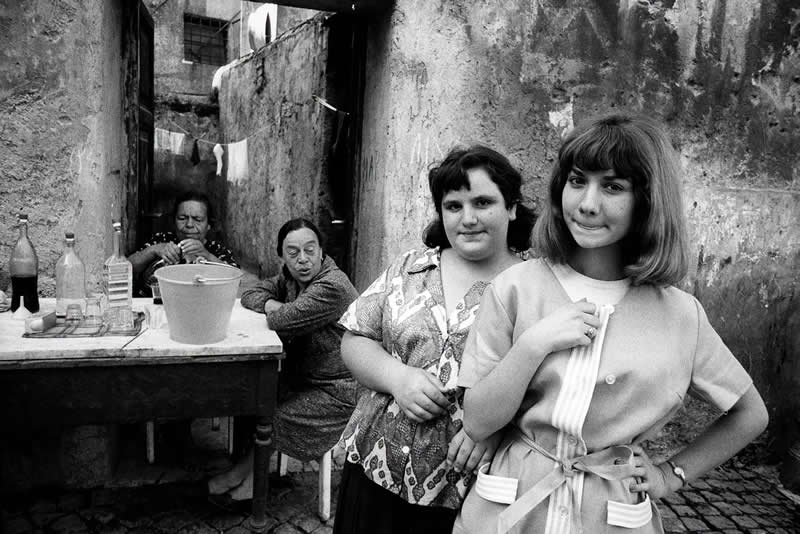
Born in Berlin in 1929, Lebeck didn’t start out thinking he’d become one of Germany’s most important photojournalists. He studied ethnology first, then moved into photography in the 1950s, documenting post-war Germany as the country wrestled with rebuilding, memory, and a rapidly changing identity. That early experience gave his work something special: he wasn’t simply looking at events; he was looking at people living through them.
© Robert Lebeck
Lebeck became internationally recognized for his reporting, particularly his work in Africa. His series Afrika im Jahre Null (Africa in Year Zero) brought global attention to his storytelling, but his photographs from the Congo’s independence struggle in 1960 became especially powerful. One image, showing a young Congolese man holding the ceremonial sword of Belgian King Baudouin, turned a split-second gesture into a symbol of an entire political era.
From 1962 onward, Lebeck worked for STERN, traveling worldwide to photograph politics, social change, artists, musicians, writers, and actors.
His pictures don’t feel like dusty history lessons. They feel alive. And that’s exactly why his photography still hits differently today.
You can find Robert Lebeck on the web:
#1
© Robert Lebeck
#2
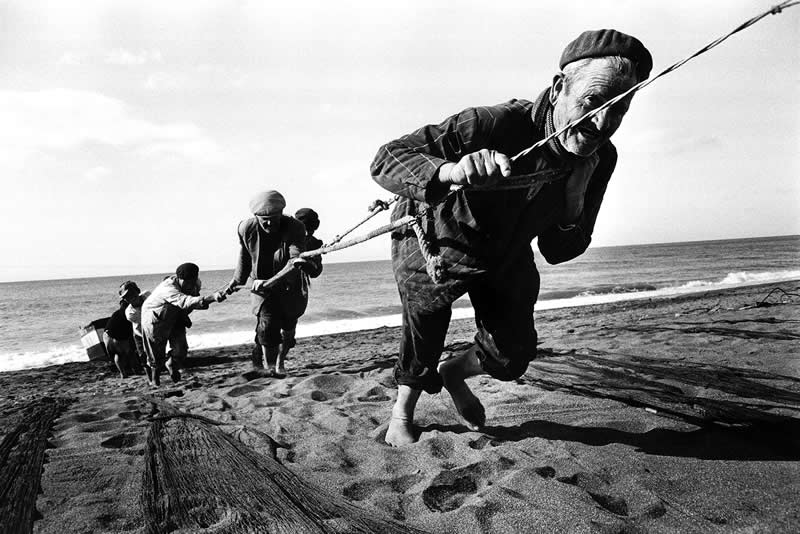
© Robert Lebeck
#3
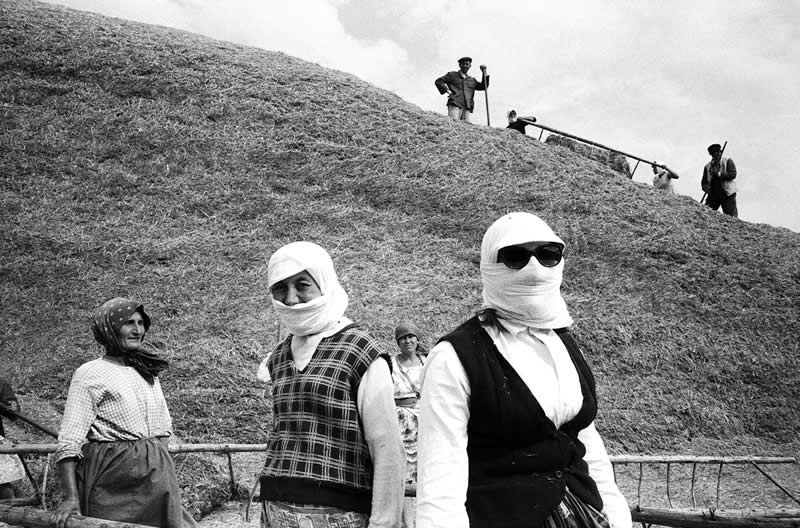
© Robert Lebeck
#4
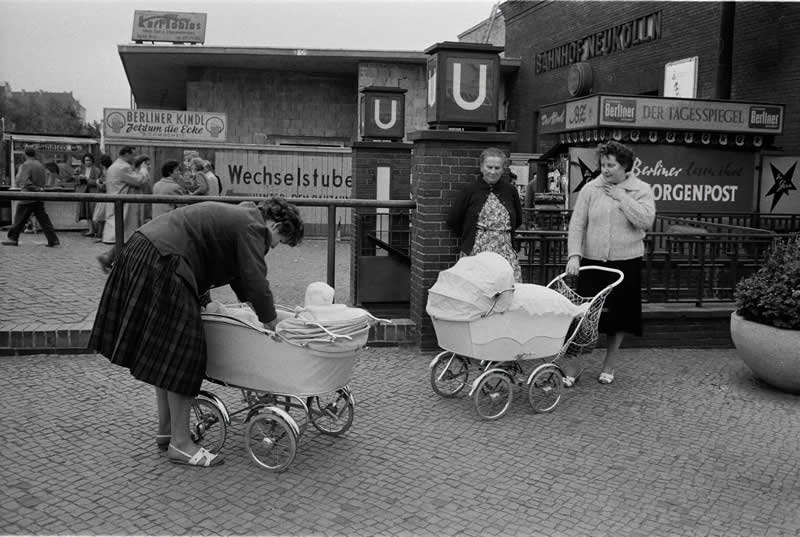
© Robert Lebeck
#5
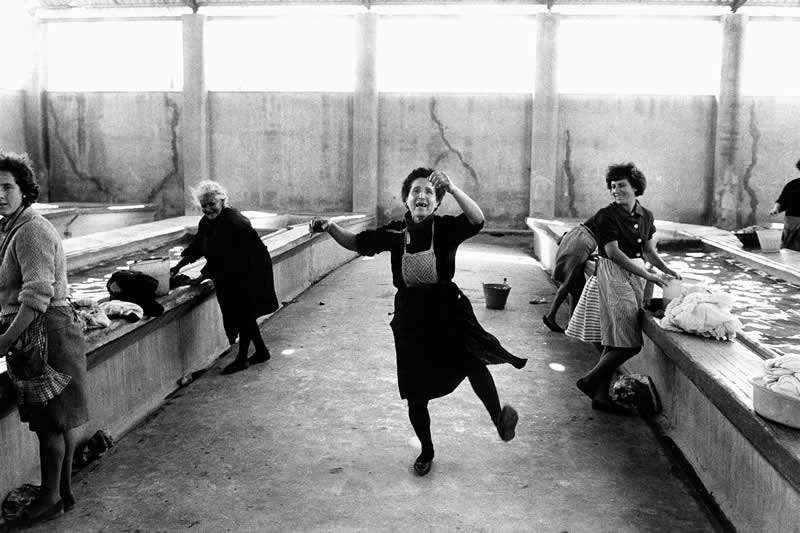
© Robert Lebeck
#6
© Robert Lebeck
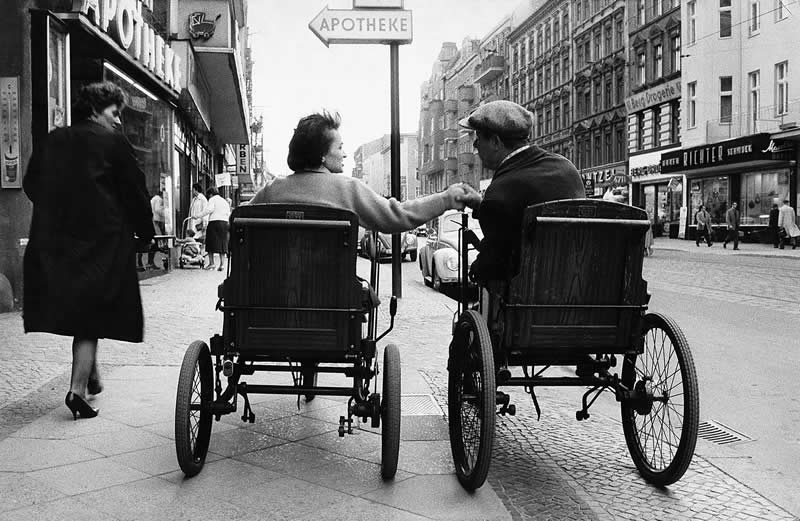
Seeing History at Street Level
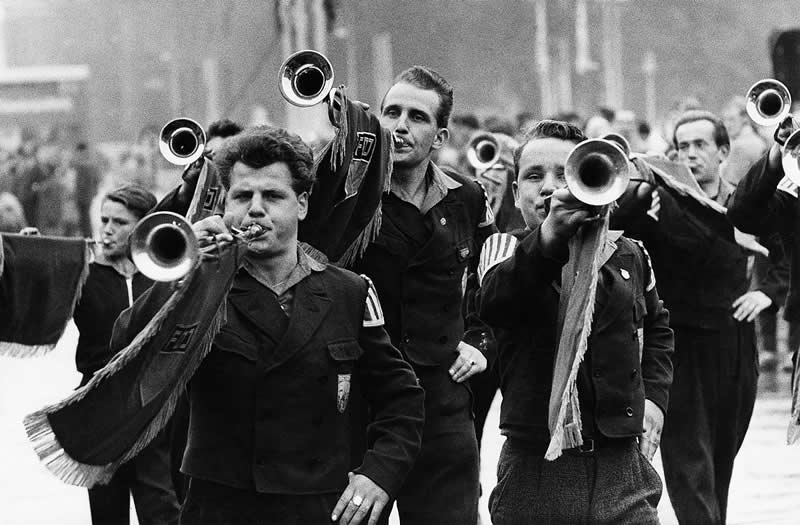
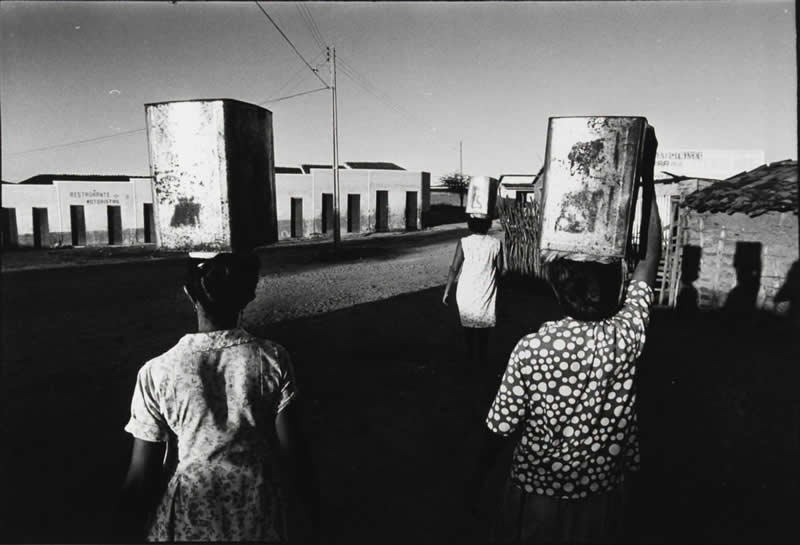
Lebeck had a knack for getting close to history without making his photographs feel stiff or overly staged. That’s harder than it sounds. Political events are usually full of speeches, flags, uniforms, handshakes, and carefully rehearsed moments. But Lebeck looked for what happened around those official scenes, the human stuff.
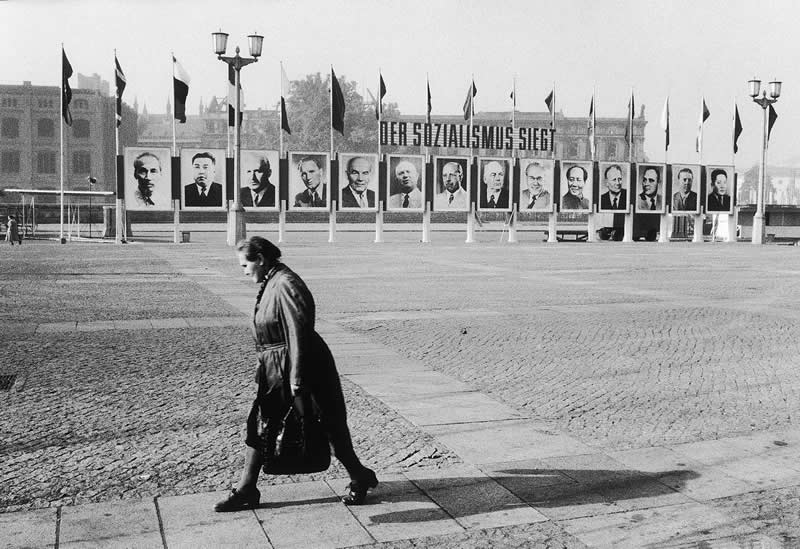
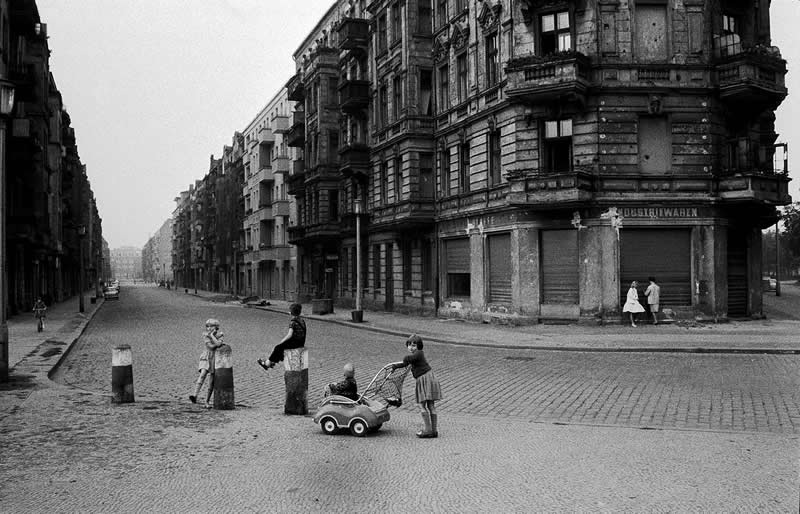
His photography from post-war Germany is a great example. Instead of simply documenting damaged buildings or reconstruction projects, he focused on the people living in that uneasy new reality. What did ordinary life look like after everything had changed?
That curiosity followed him around the globe.
In the Congo, his camera caught a moment that became far larger than the scene itself: a young Congolese man holding the sword of Belgium’s King Baudouin. The gesture was simple, almost spontaneous. Yet suddenly, you could feel the tension between colonial power and independence.
That’s Lebeck’s magic. He didn’t need to explain everything. One frame could make you stop, look again, and ask, What just happened here?
#7
© Robert Lebeck
#8
© Robert Lebeck
#9
© Robert Lebeck
#10
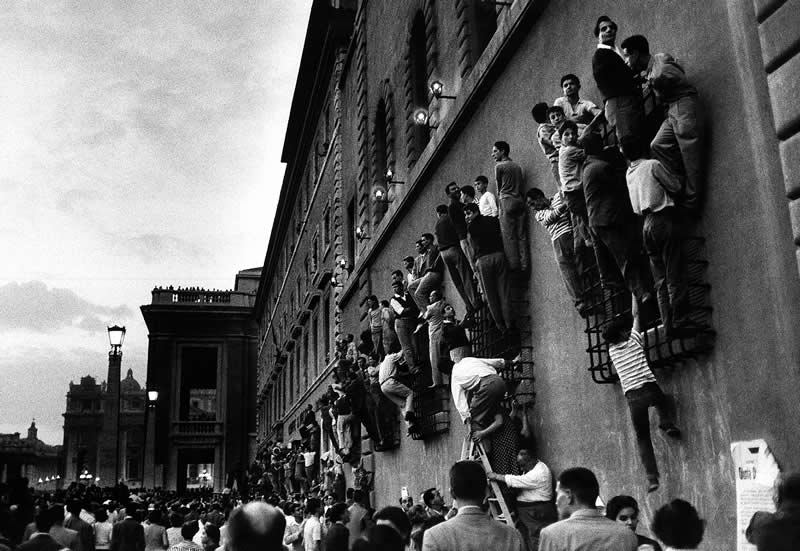
© Robert Lebeck
#11
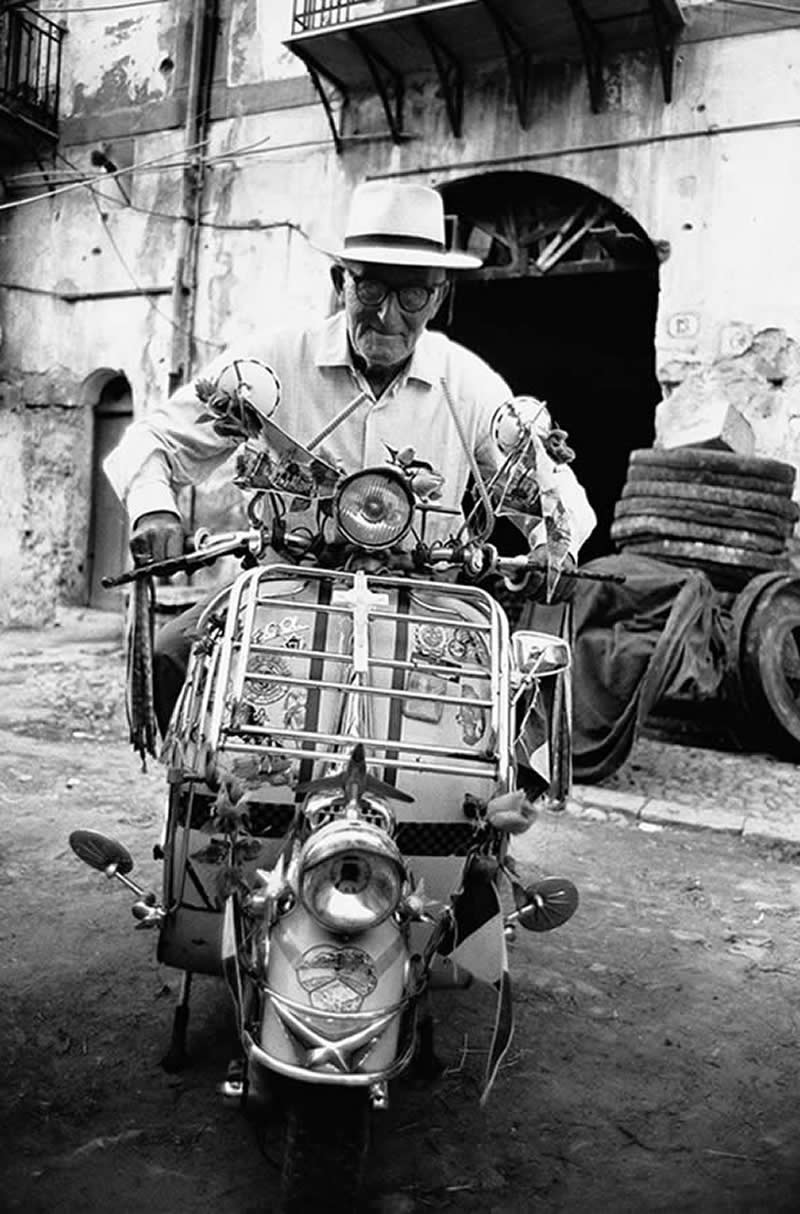
© Robert Lebeck
#12
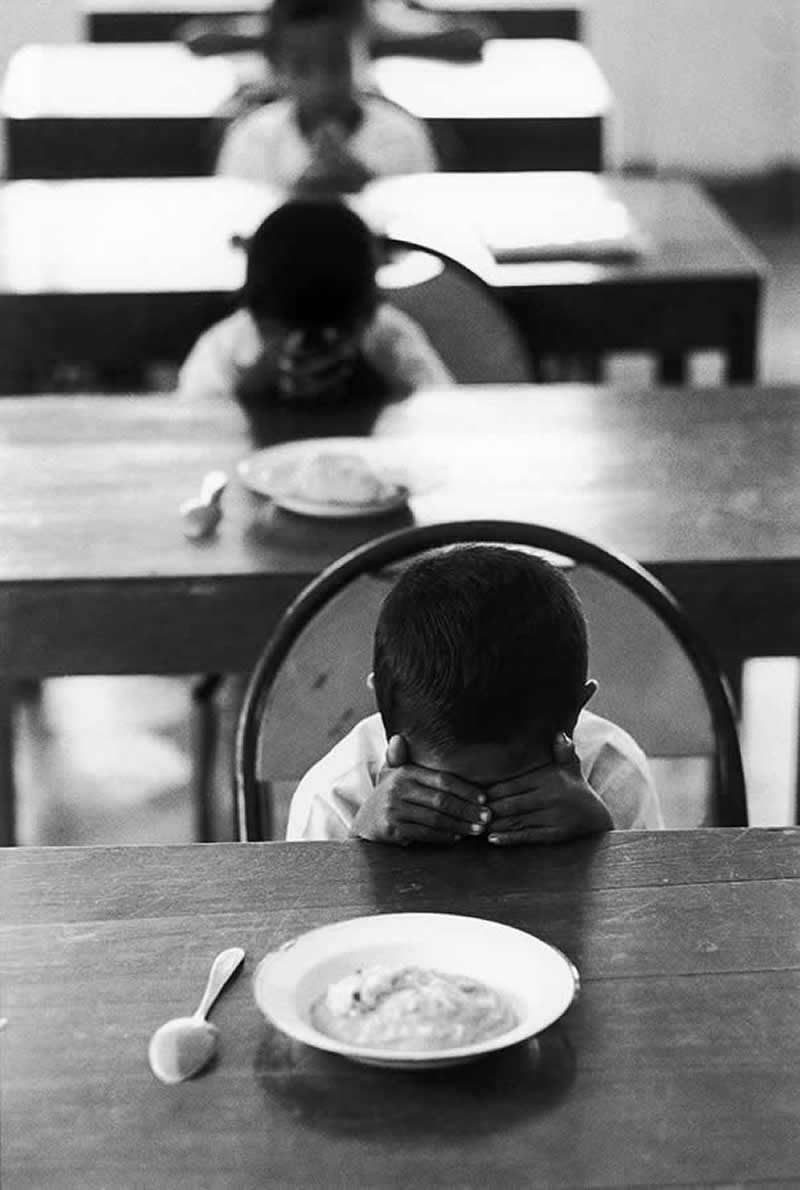
© Robert Lebeck
Africa in Year Zero
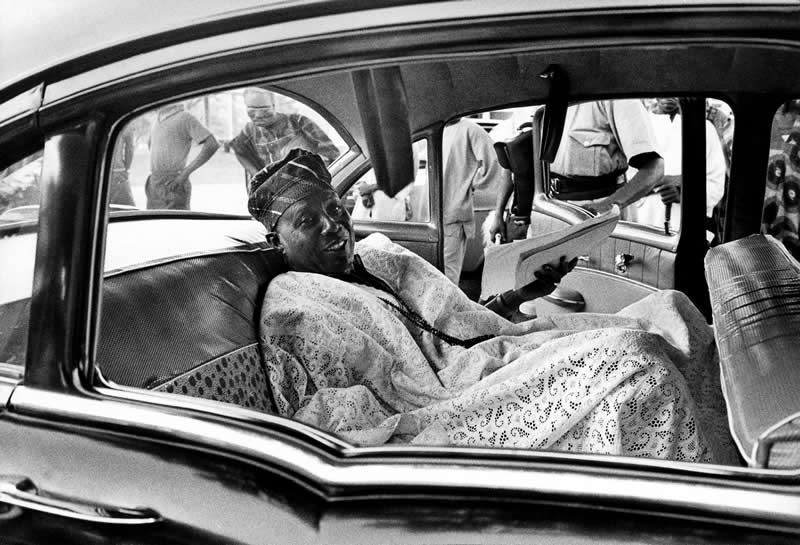
Lebeck’s international reputation grew substantially through his reporting in Africa, particularly with Afrika im Jahre Null, or Africa in Year Zero. The title itself suggests a continent standing at a historic crossroads, and Lebeck approached that changing landscape with the eye of a reporter and the curiosity of someone genuinely interested in people.
His Congo photographs from 1960 remain among his most memorable works. The country was moving toward independence from Belgian colonial rule, and the atmosphere was charged with political uncertainty and enormous social change.
Then came that unforgettable sword photograph.
A young Congolese man carries the ceremonial sword of King Baudouin, a small action loaded with symbolism. The image doesn’t need a paragraph of explanation. You see the object, the person holding it, and the historical weight hanging between them.
That’s what strong photojournalism can do. It can compress complicated politics into a single human gesture. Lebeck understood that instinctively. He photographed history, sure, but he also photographed the people who unexpectedly became part of history.
#13
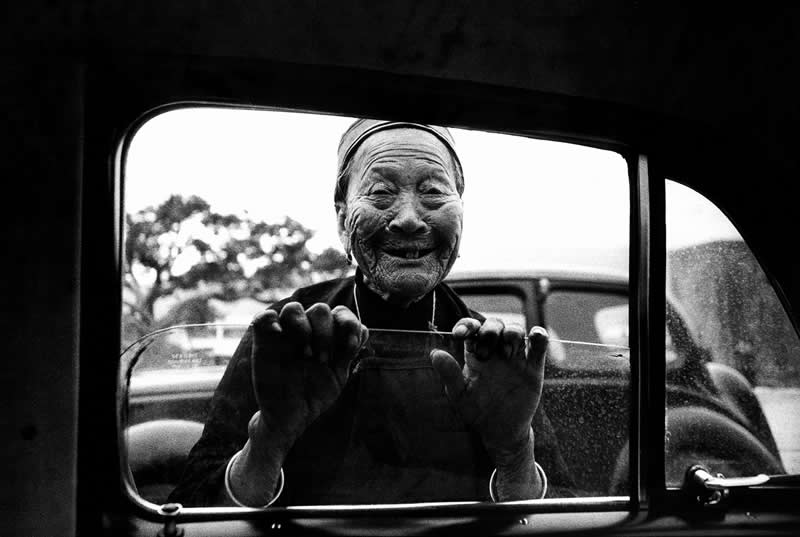
© Robert Lebeck
#14
© Robert Lebeck
#15
© Robert Lebeck
#16
© Robert Lebeck
#17
© Robert Lebeck
#18
© Robert Lebeck
The STERN Years and a World of Stories
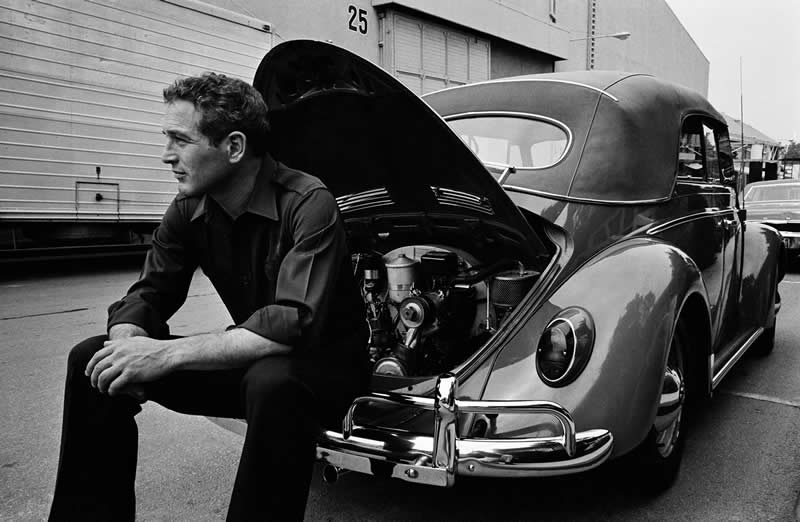
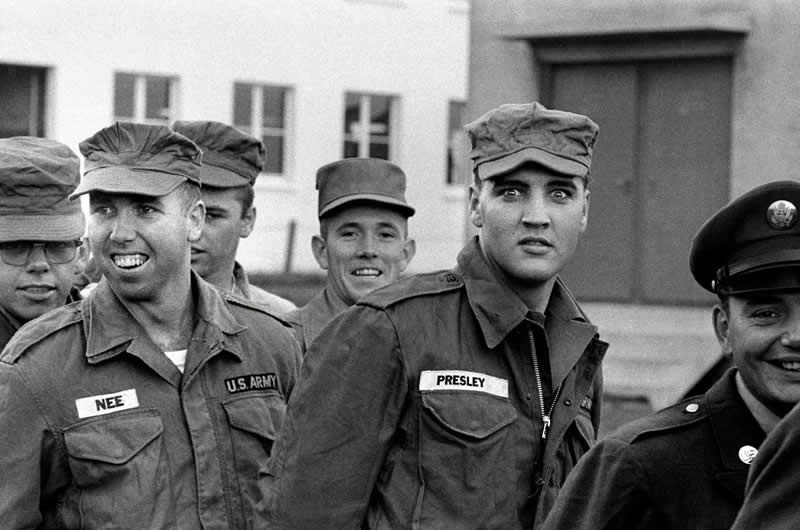
In 1962, Lebeck began working as a photojournalist for the German magazine STERN, a relationship that opened the door to decades of international assignments. He traveled widely, photographing political and social events while also turning his camera toward creative figures in art, music, literature, and film.
That range is fascinating.
One week, the subject might be a major political event. Another assignment could involve an artist or actor whose public image was already larger than life. Lebeck approached both situations with the same basic instinct: observe closely and wait for something real to happen.
He wasn’t interested in simply collecting famous faces.
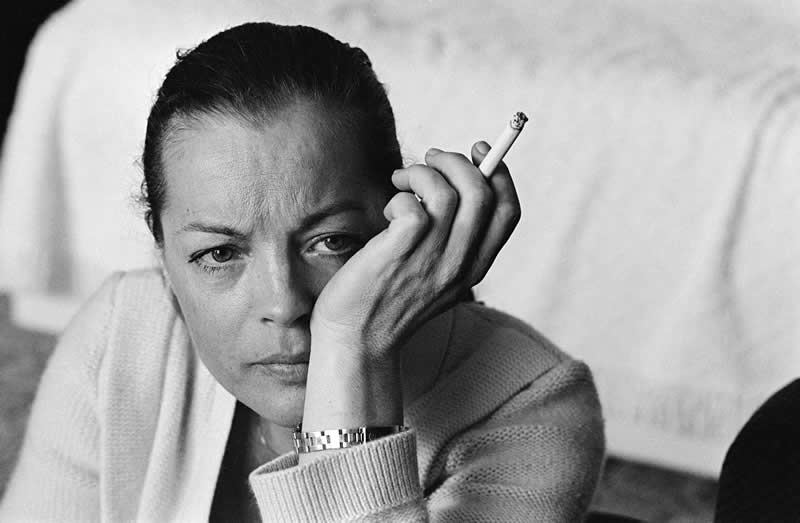
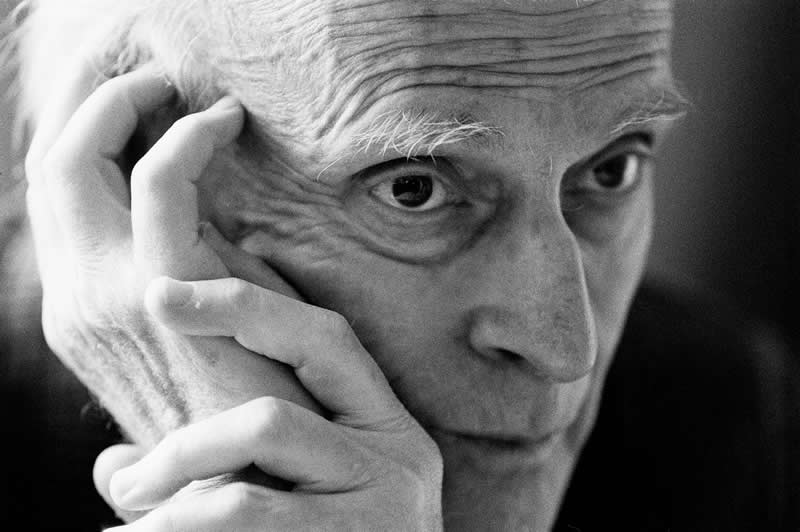
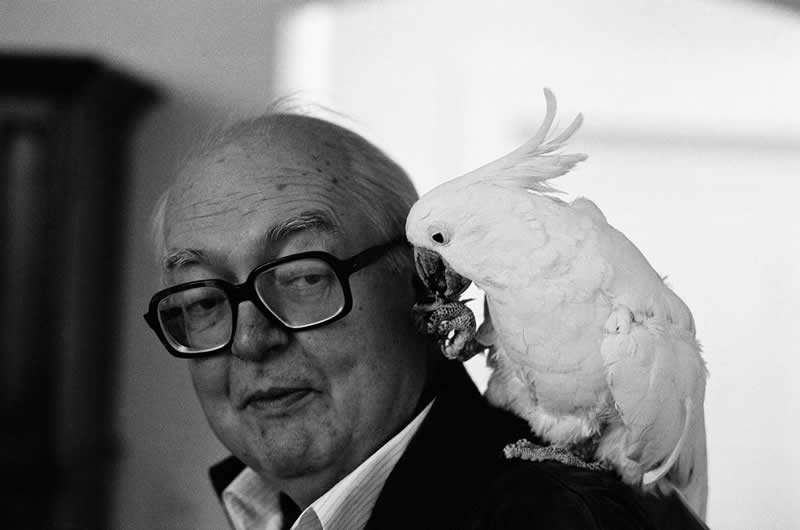
His portraits often reveal personality through gestures, expressions, posture, or the tiny details people don’t realize they’re giving away. You know that feeling when someone is posing for a picture, then relaxes for half a second? That’s often where the good stuff lives.
Lebeck knew it.
His work for STERN helped establish him as a photographer who could move between hard news and intimate portraiture without losing his visual voice.
#19
© Robert Lebeck
#20
© Robert Lebeck
#21
© Robert Lebeck
#22
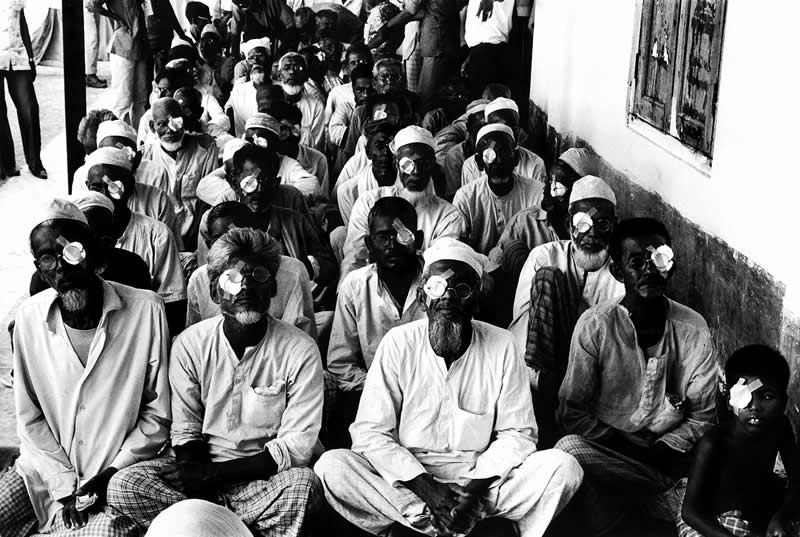
© Robert Lebeck
#23
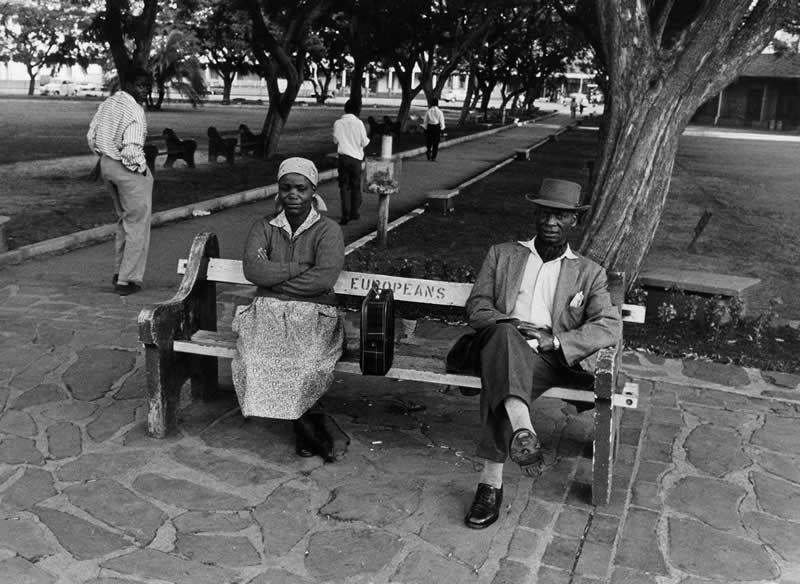
© Robert Lebeck
#24
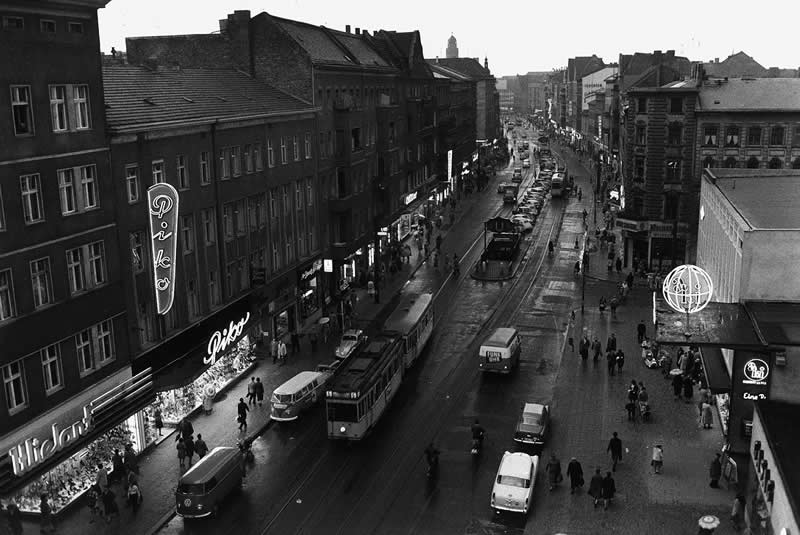
© Robert Lebeck
A Legacy Built on Moments
Lebeck died in Berlin in 2014 at the age of 85, but his photographs continue to remind us why documentary photography matters. His career stretched across post-war Germany, decolonization, international politics, social change, and the unpredictable world of culture and celebrity.
He also published numerous photography books, many of which are now out of print, while his photographs have appeared in exhibitions around the world.
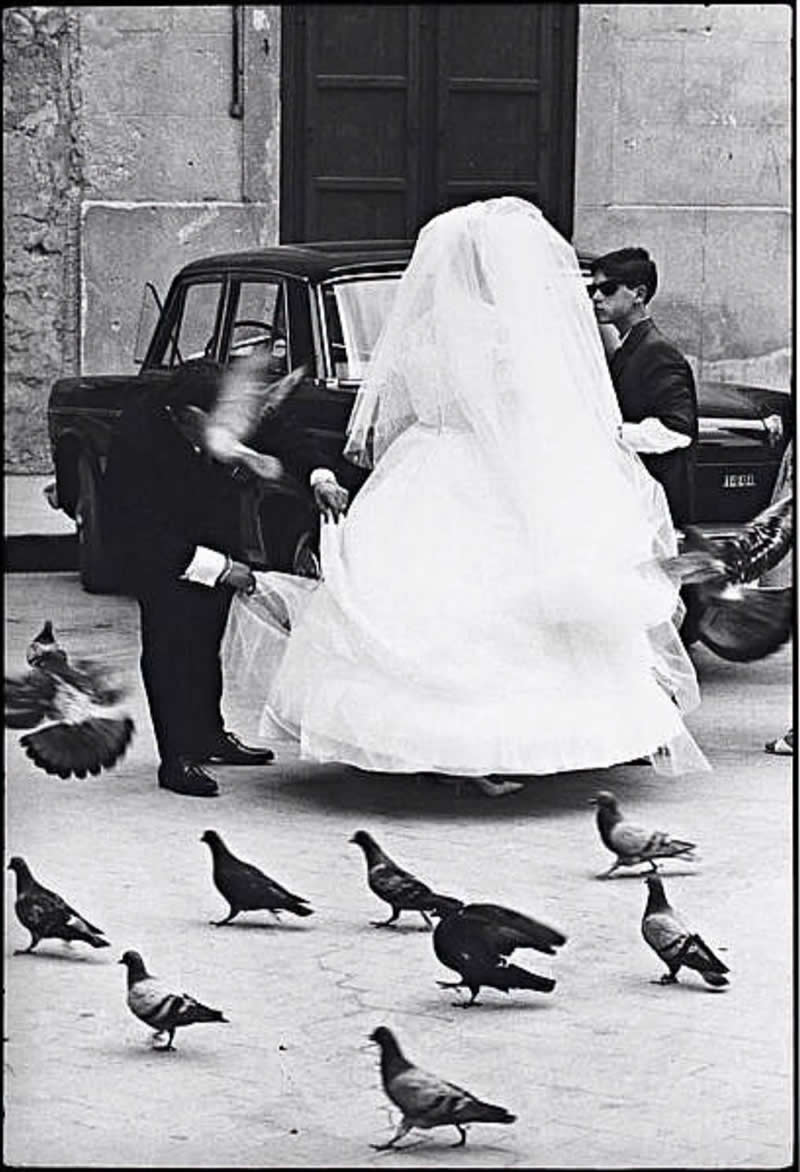
But perhaps the most interesting part of his legacy is how naturally his photographs connect the monumental with the ordinary.
History can feel impossibly huge when you read about it in books. A photograph can suddenly shrink it down to one person, one expression, one gesture, one street corner.
That’s what Lebeck did so well.
He understood that the strongest photographs aren’t always the loudest ones. Sometimes they’re quiet. Sometimes they’re weird. Sometimes they’re gone almost as soon as they appear. You just have to be there and, more importantly, know when to press the shutter.
#25
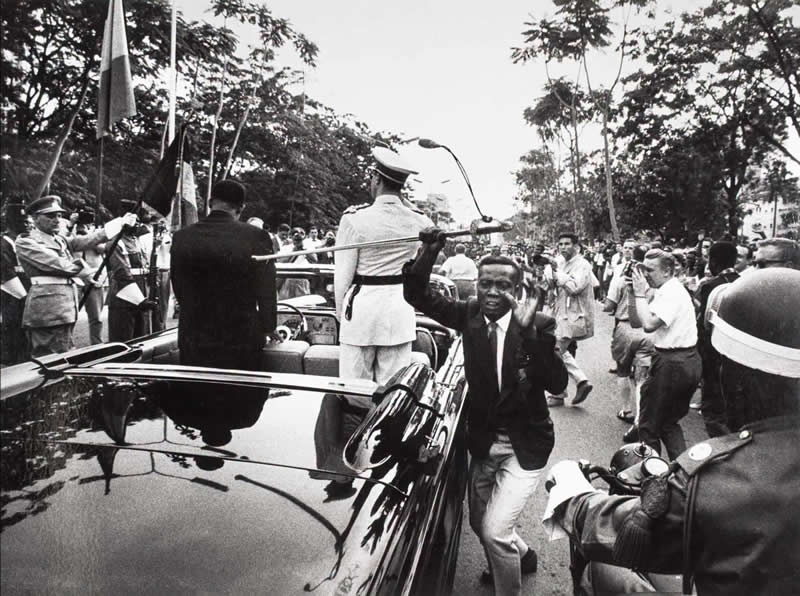
© Robert Lebeck
#26
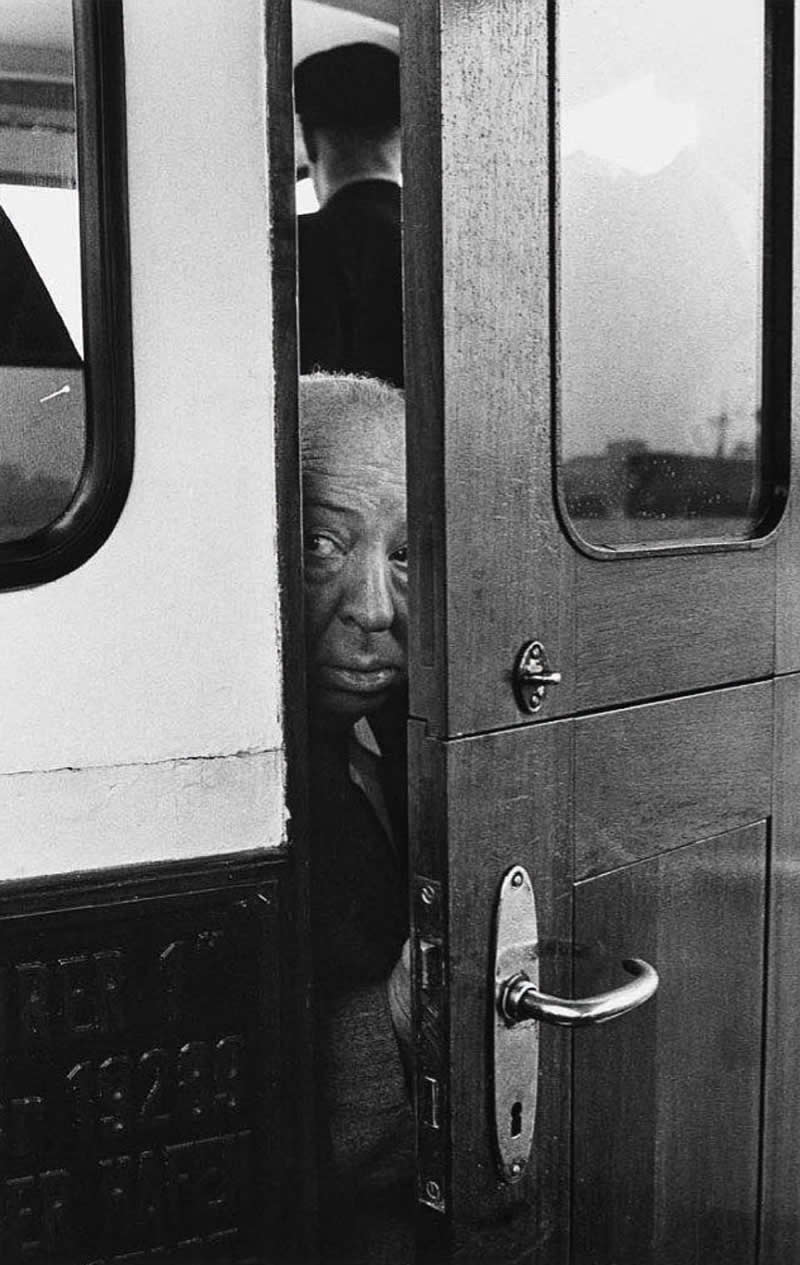
© Robert Lebeck
#27
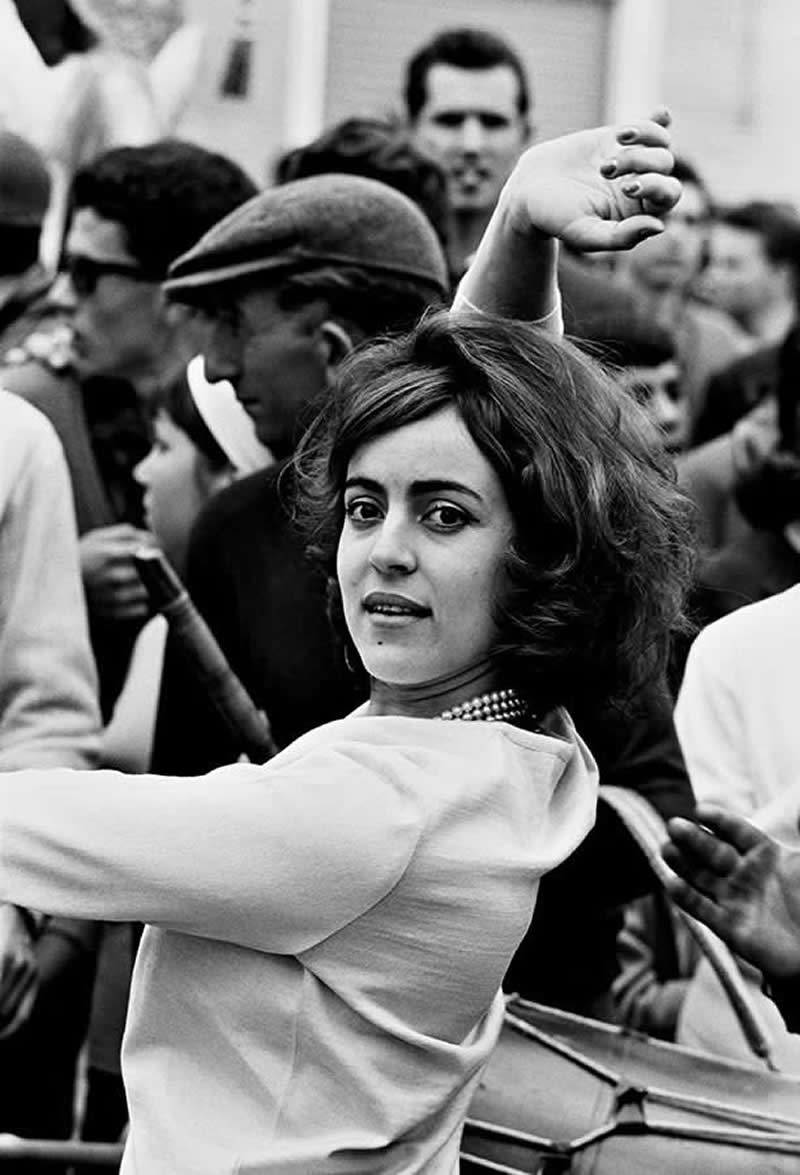
© Robert Lebeck
#28
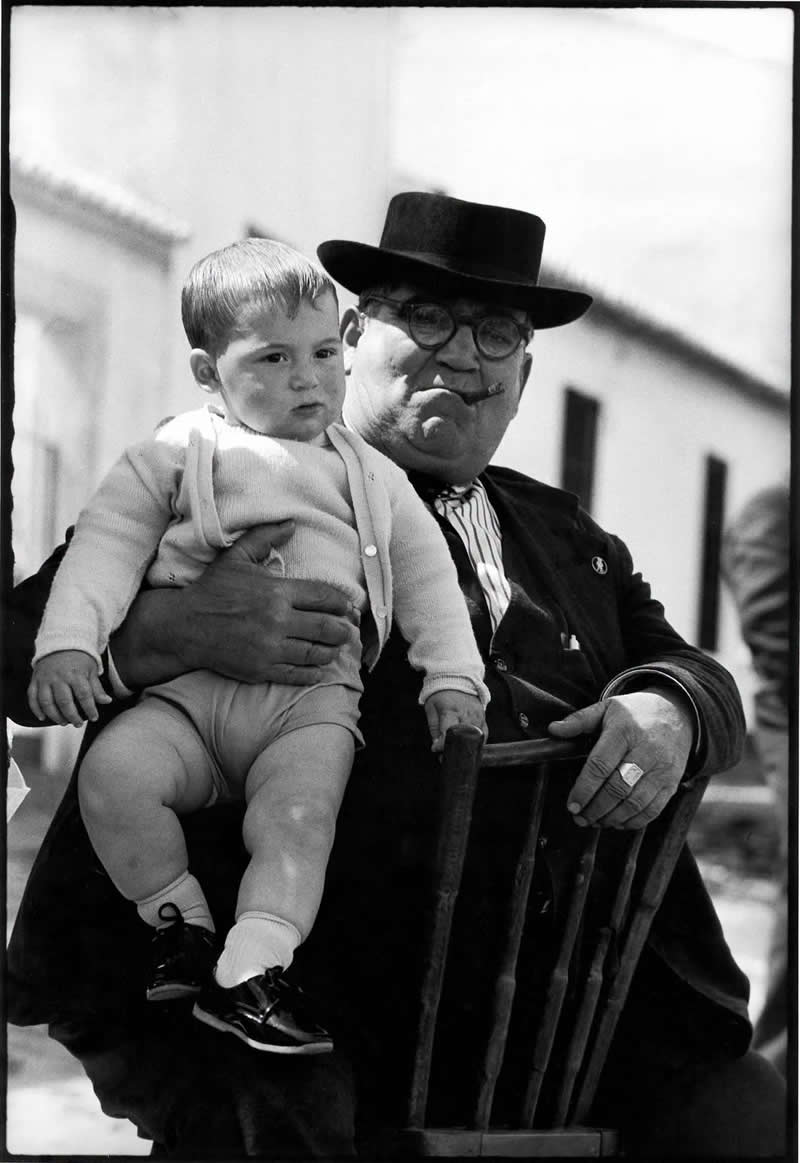
© Robert Lebeck
#29
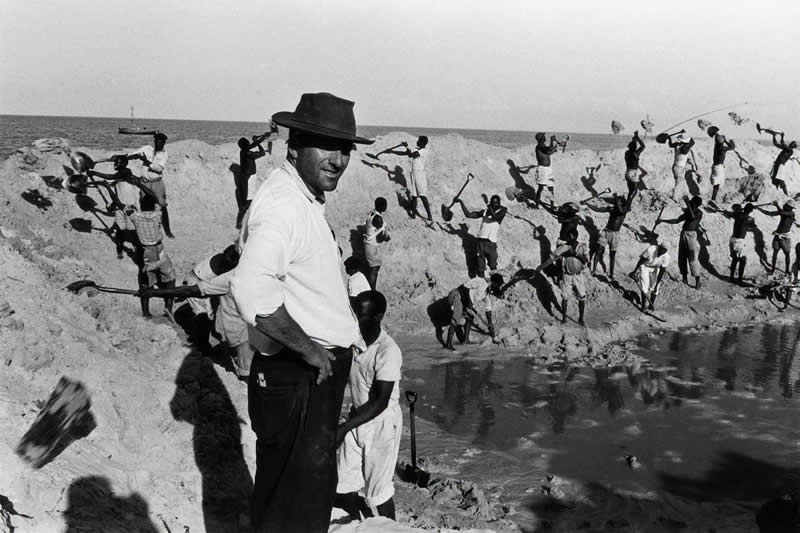
© Robert Lebeck
#30
© Robert Lebeck
Frequently Asked Questions:
Who was Robert Lebeck?
Robert Lebeck was a German photojournalist born in Berlin in 1929. He became internationally recognized for documenting post-war Germany, political and social events, African independence movements, and portraits of artists, musicians, writers, and actors during his long career.
What is Robert Lebeck best known for?
Lebeck is especially known for his photographs of Africa, including his acclaimed report Afrika im Jahre Null and coverage of Congo’s independence in 1960. His iconic photograph of a young Congolese man carrying King Baudouin’s sword remains particularly significant.
When did Robert Lebeck work for STERN?
Robert Lebeck began working as a photojournalist for the German magazine STERN in 1962. He continued producing international reportage and portraits, photographing political events and influential cultural figures across different countries and historical moments.
What did Robert Lebeck study before photography?
Before becoming a photographer, Robert Lebeck studied ethnology. His academic background likely complemented his later documentary approach, where he consistently showed a strong interest in people, cultures, social change, and the human side of major historical events.
When did Robert Lebeck die?
Robert Lebeck died in Berlin in 2014 at the age of 85. By then, he had built a major photographic legacy through international photojournalism, portraiture, photography books, magazine work, and numerous exhibitions showcasing his distinctive documentary photographs.