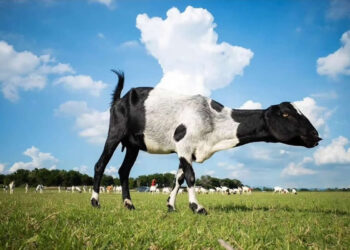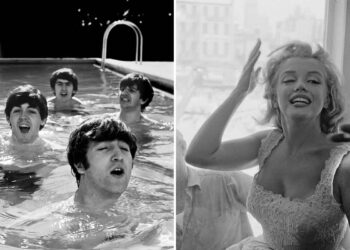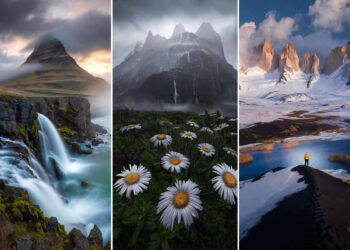
There is a quality about an old color photograph that has the power to halt you in your tracks. It might be the faded reds, the odd blue of a summer sky, or the warm yellow light falling across a person’s face. Whatever it is, such photographs don’t sound like mere dusty bits of history; they have a living feeling to them.
Even back when nobody had a camera in their pocket, photographers were forced to slow down and actually look. Film was expensive and as a result each photograph was important. You couldn’t take fifty shots and hope that one of them would turn out all right; you had to visualise the picture in your mind first, wait for the right light, observe the people, and then press the button.
The patience involved gave early color photography a special kind of magic.
Starting from their experiments with Kodachrome and early film work up to their famous street scenes, environmental portraits, and quiet portrayals of everyday life, these photographs illustrate the way legendary photographers saw the world in a different way. They paid attention to the small things that most of us pass by without noticing.
A child running across a street, a stranger appearing in perfect light, and a crowded city suddenly looking beautifully organized because of the way it is framed and composed.
It is precisely for this reason that these 40 photographs have a timeless quality; they are more than simply color photographs, for they are lessons in patience, observation, emotion, and the ability to see the extraordinary concealed within ordinary life.
#1
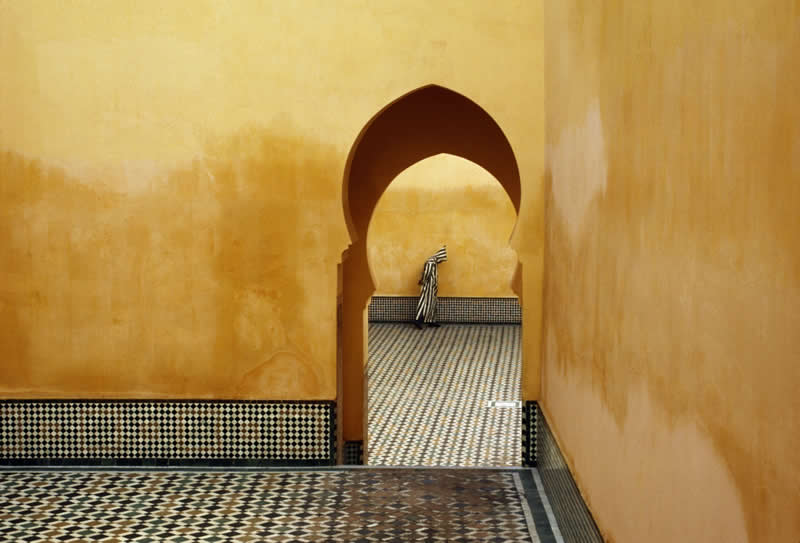
Photo by: Bruno Barbey
#2
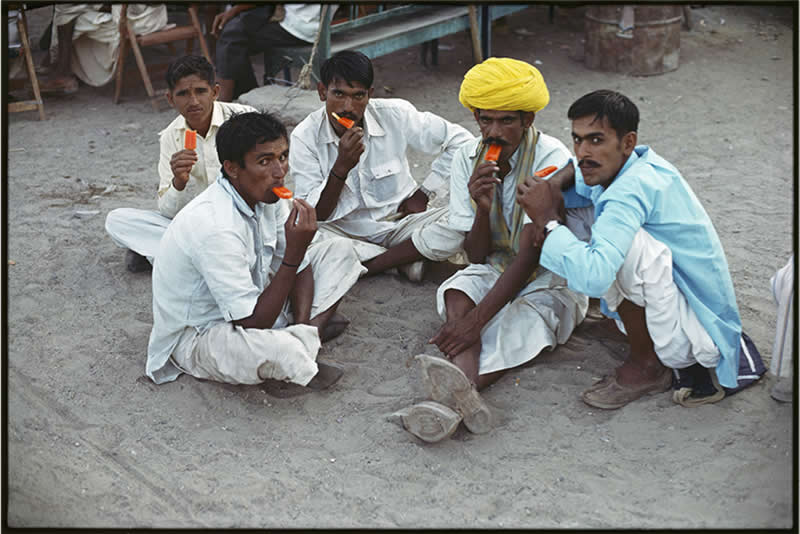
Photo by: Raghubir Singh
#3
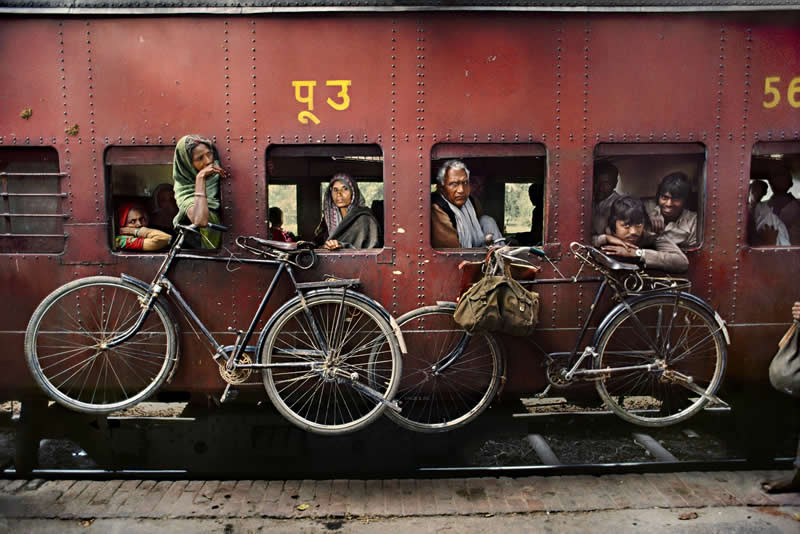
Photo by: Steve McCurry
#4
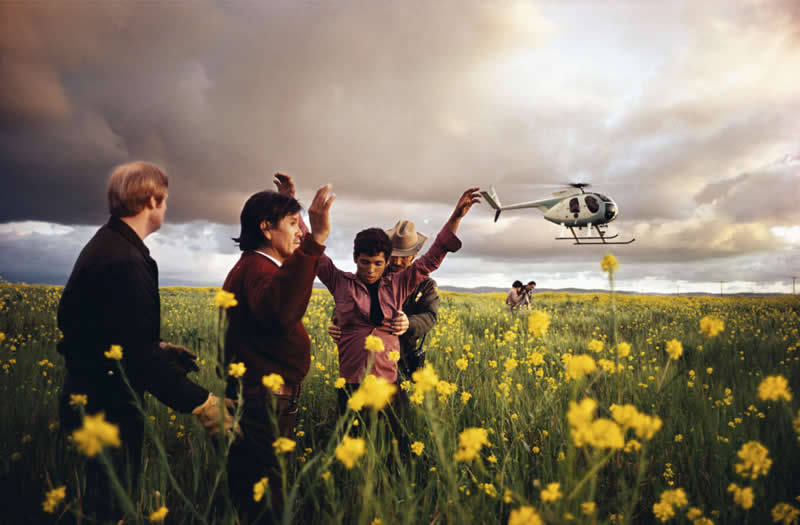
Photo by: Alex Webb
#5
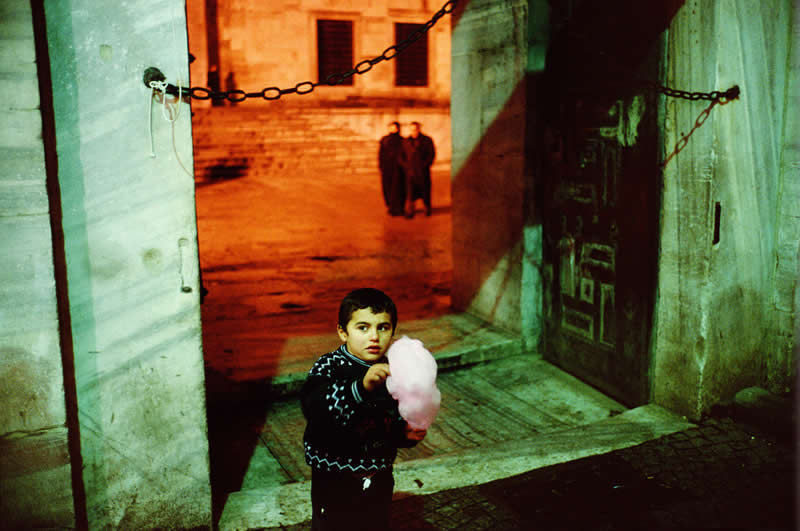
Photo by: Alex Webb
#6
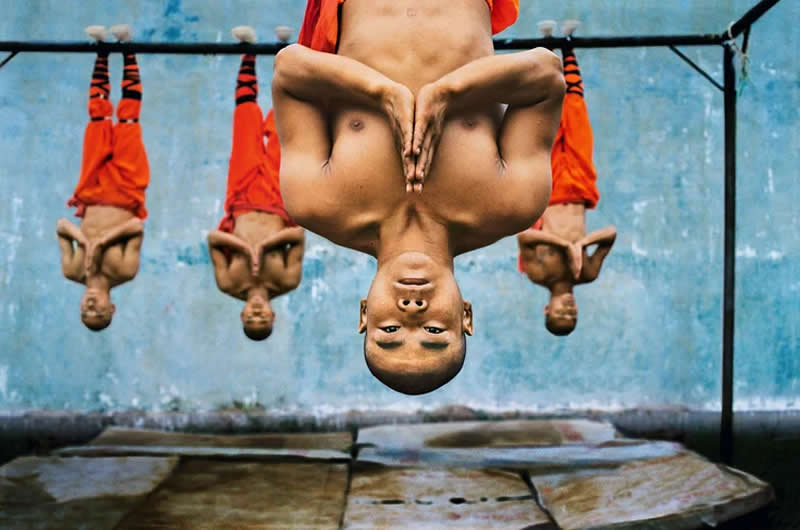
Photo by: Steve McCurry
The Magic of Early Color Film
Early color film had a magic of its own. Kodachrome, in particular, gave photographs rich colors and a beautiful sense of depth. But film wasn’t cheap, and photographers couldn’t simply spray and pray. Every frame had to count. They studied the light, watched the scene, and trusted their eyes before making that one precious exposure.
- Kodachrome magic: Rich colors gave everyday scenes a distinctive character.
- Every frame mattered: Expensive film demanded careful decisions.
- See before shooting: Photographers learned to visualize the final image.
- Natural color: Early film preserved authentic moments with remarkable warmth.
- Patience paid off: Waiting often created stronger, more thoughtful photographs.
#7
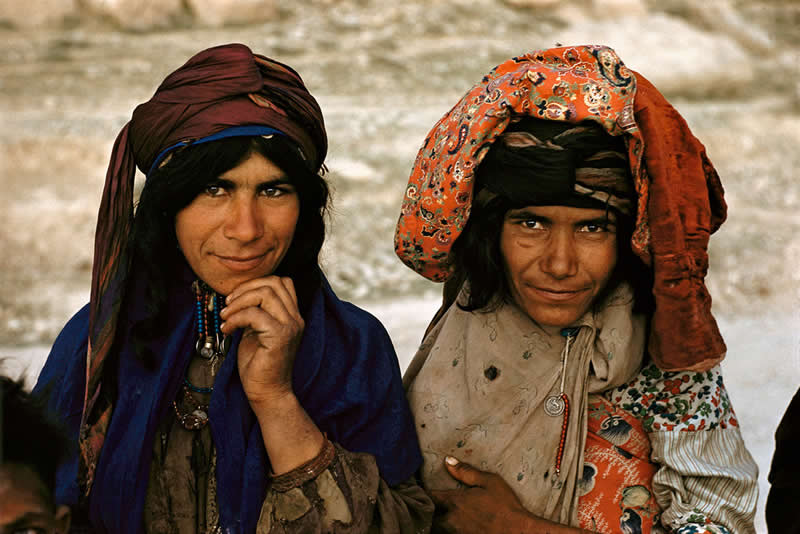
Photo by: Inge Morath
#8
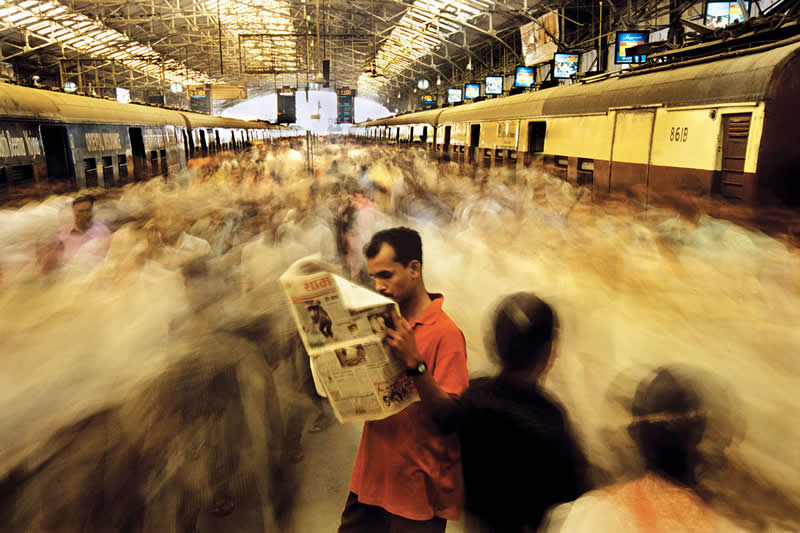
Photo by: Raghu Rai
#9
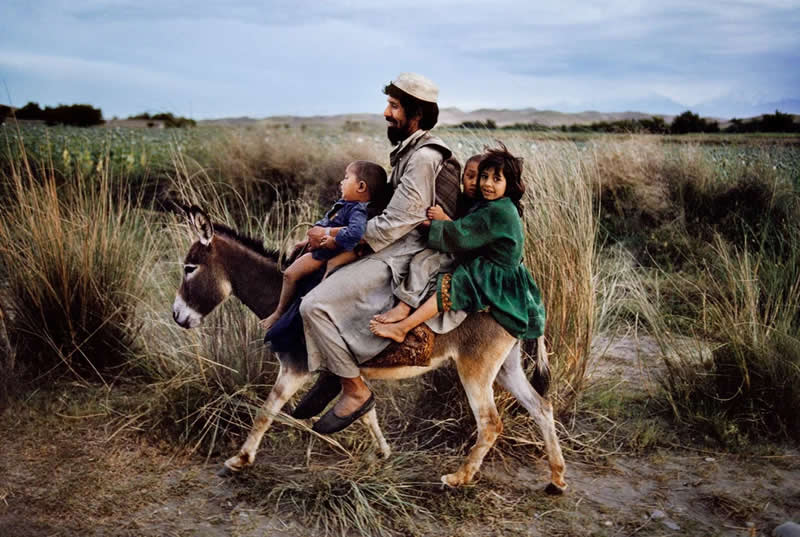
Photo by: Steve McCurry
#10
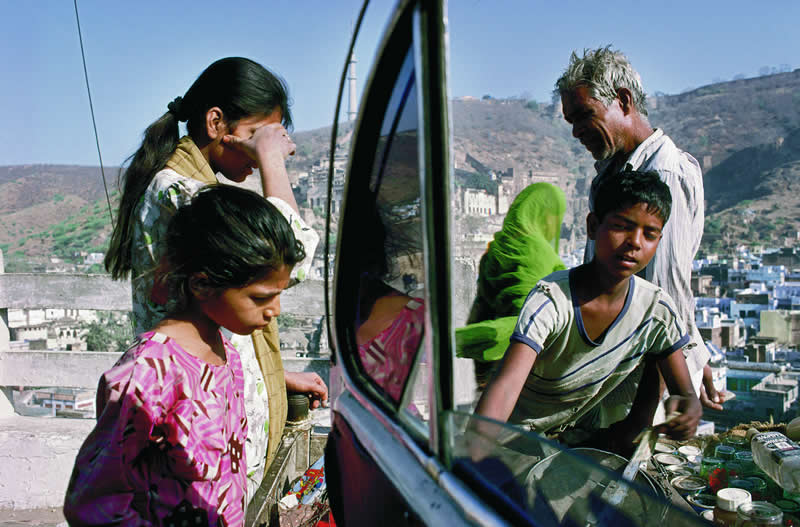
Photo by: Raghubir Singh
#11

Photo By: Saul Leiter
#12
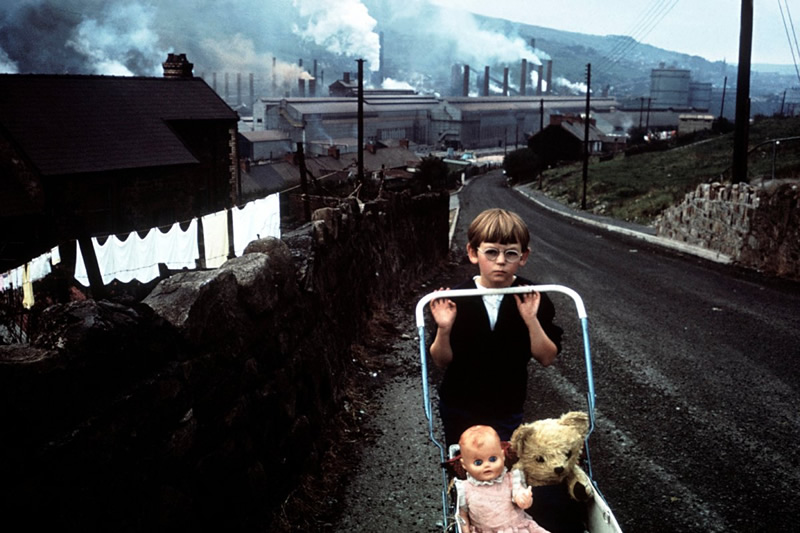
Photo By: Bruce Davidson
Legendary Eyes Behind the Lens
What makes these celebrated photographers special isn’t just their technical skill. It’s the way they looked at ordinary life. They could turn a regular street, simple portrait, or passing gesture into something unforgettable. They noticed details most people ignored and understood that sometimes the best photograph is hiding in a completely ordinary moment.
- Look differently: Great photographers see possibilities others overlook.
- Find the ordinary: Everyday life can produce extraordinary images.
- Watch closely: Small gestures often become powerful visual stories.
- Choose carefully: Position and timing can transform a scene.
- Trust instinct: Experience helps photographers recognize meaningful moments.
#13

Photo By: Alex Webb
#14

Photo By: Vivian Maier
#15

Photo By: William Eggleston
#16

Photo By: Jeff Mermelstein
#17

Photo By: Saul Leiter
#18

Photo By: Constantine Manos
Street Photography in Full Color
Street photography comes alive when color, movement, and people collide. A red coat against a gray wall, a yellow taxi under afternoon light, or strangers crossing paths can create incredible compositions. These photographers knew how to wait for those little accidents of life. They didn’t force the picture. They simply stayed alert until the street gave them something special.
- Watch the streets: Interesting photographs are happening everywhere.
- Look for contrast: Colors can instantly strengthen a composition.
- Follow movement: People naturally create rhythm inside a frame.
- Expect surprises: The best moments often happen unexpectedly.
- Stay patient: Waiting can turn chaos into a perfectly balanced image.
#19
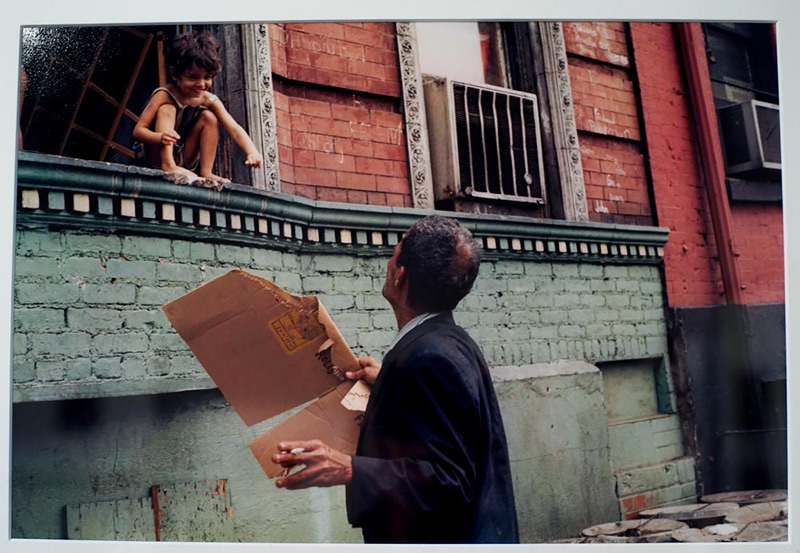
Photo By: Helen Levitt
#20

Photo By: William Eggleston
#21
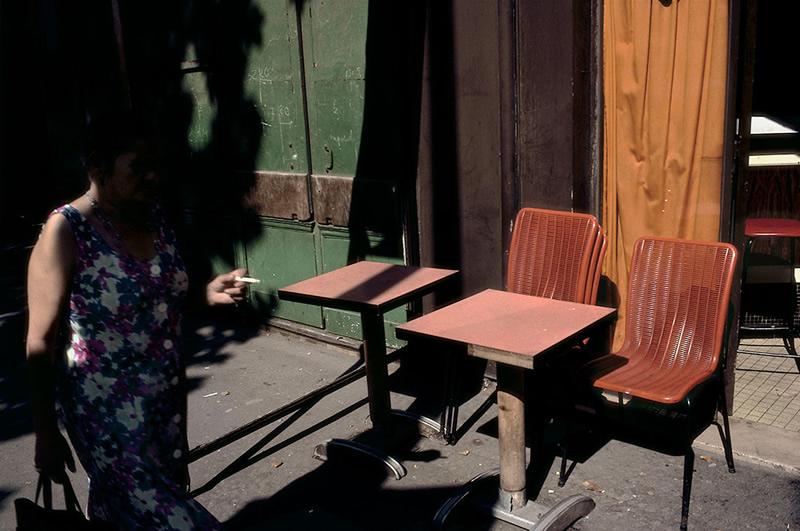
Photo By: Harry Gruyaert
#22
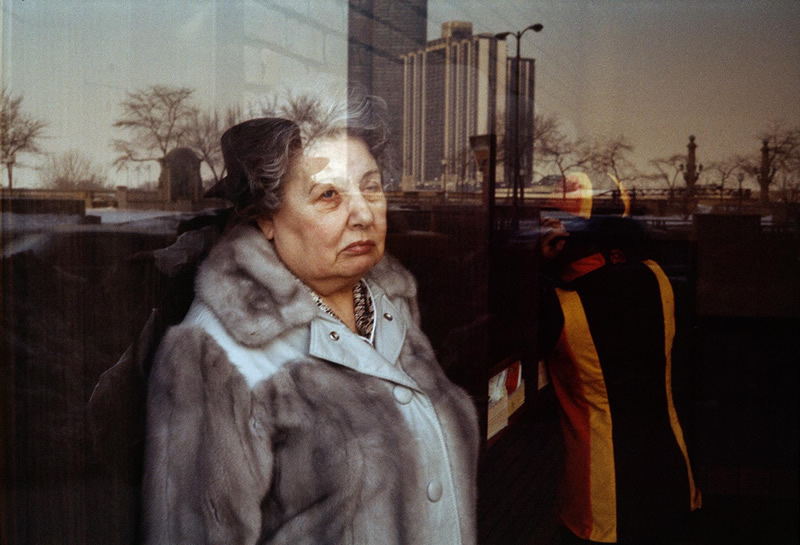
Photo By: Vivian Maier
#23
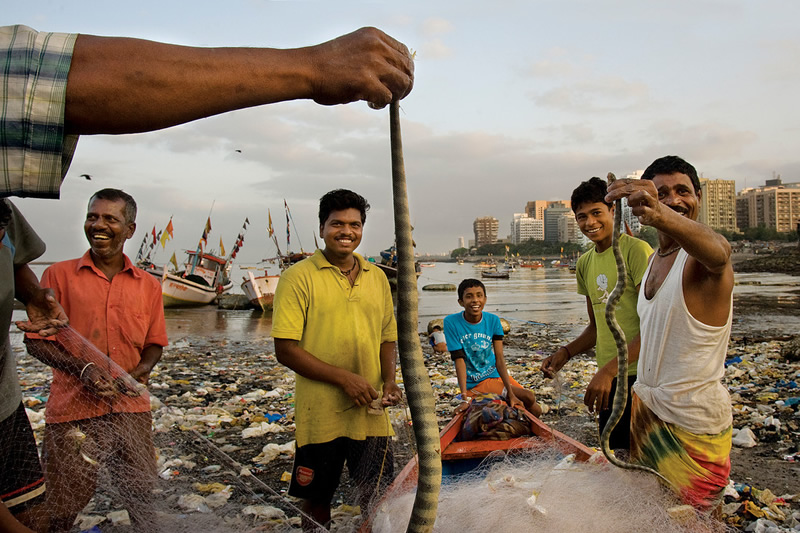
Photo By: Raghu Rai
#24

Photo By: Mark Cohen
People, Emotion, and Their Surroundings
A memorable portrait isn’t always about a person’s face. Sometimes the surroundings tell half the story. A worker beside their tools, a child outside a family home, or a traveler waiting at a station can reveal personality through context. These environmental portraits connect people with their worlds, using color, setting, expression, and body language to create deeper stories.
- Capture emotion: Expressions can communicate more than words.
- Include surroundings: Background details add context and personality.
- Watch body language: A simple gesture can reveal a powerful story.
- Use color carefully: Color can influence mood and meaning.
- Tell the bigger story: A portrait becomes richer when the environment matters.
#25
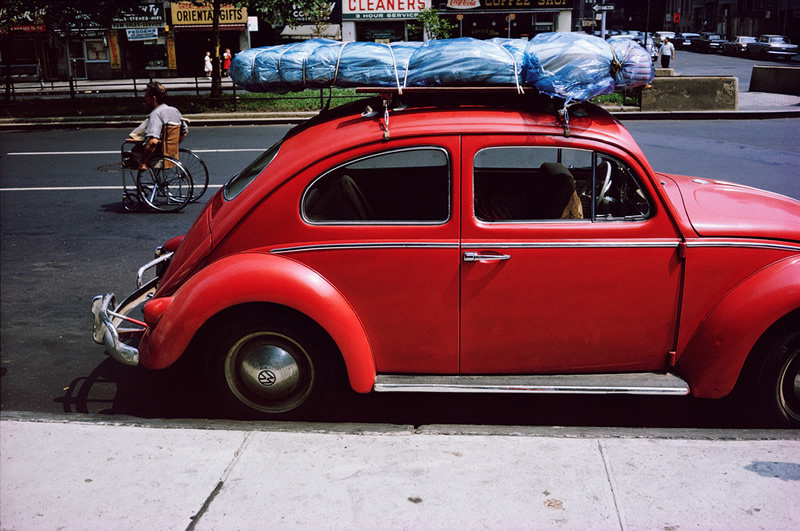
Photo By: Joel Meyerowitz
#26

Photo By: Fred Herzog
#27

Photo By: Jeff Mermelstein
#28
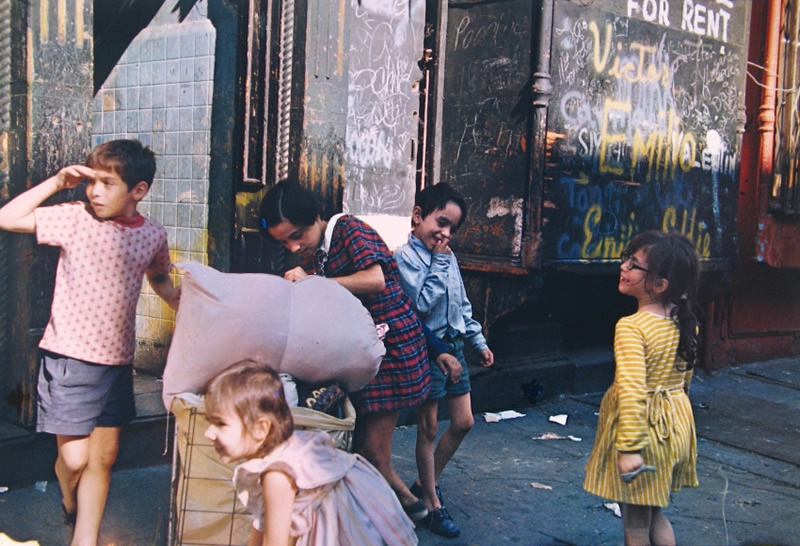
Photo By: Helen Levitt
#29

Photo By: Alex Webb
#30

Photo By: Constantine Manos
Composition, Framing, and Perfect Timing
Some photographs feel almost impossible to recreate. A person walks into a beam of light, two figures line up perfectly, or a reflection suddenly completes the composition. For film photographers, these moments required serious patience. They had to anticipate what was coming instead of shooting hundreds of frames. The result? Images built around timing, instinct, framing, and careful observation.
- Study composition: Lines, shapes, and space guide the viewer’s eye.
- Frame intentionally: Where you stand can completely change a photograph.
- Watch the light: Good light can transform an ordinary scene.
- Anticipate action: Learn to predict what might happen next.
- Capture the instant: Perfect timing can make a photograph unforgettable.
#31

Photo By: Bruce Davidson
#32

Photo By: Joel Meyerowitz
#33

Photo By: Helen Levitt
#34

Photo By: Mark Cohen
#35
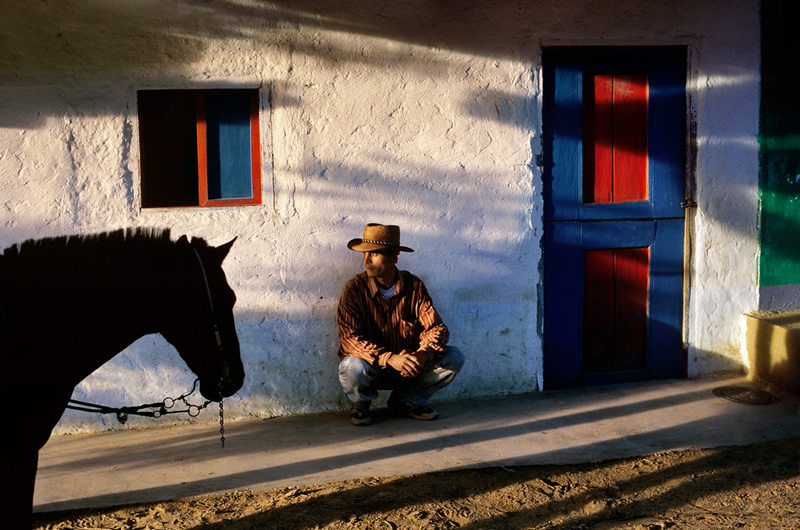
Photo By: Steve Mccurry
#36
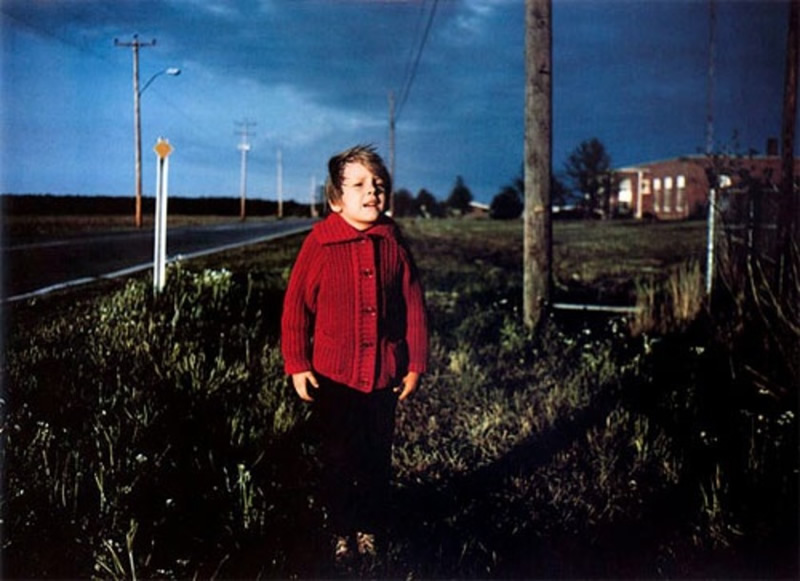
Photo By: William Eggleston
A World Captured in Color
These 40 photographs travel across cities, countries, cultures, and generations. Yet the emotions feel instantly familiar. People work, laugh, wait, travel, dream, and go about their everyday routines. That’s what makes the work of these legendary photographers so powerful. They didn’t simply document locations. They captured atmosphere, personality, history, and fleeting moments that might otherwise have disappeared forever.
- Explore the world: Every location offers a different visual story.
- Document everyday life: Ordinary moments can become historical records.
- Capture atmosphere: Color helps preserve the feeling of a place.
- Look for humanity: People connect photographs across cultures and generations.
- Preserve moments: A photograph can keep a fleeting instant alive forever.
#37

Photo By: Joel Meyerowitz
#38

Photo By: Bruce Davidson
#39
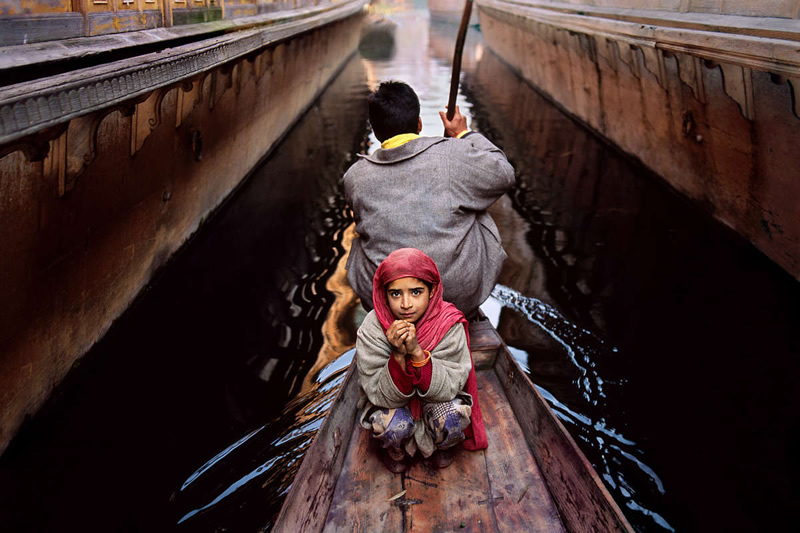
Photo By: Steve Mccurry
#40

Photo By: Constantine Manos
Editor’s Summary
These photographs remind us that great photography starts with attention, not equipment. The masters watched patiently, understood composition, recognized emotion, and waited for the right moment. Their work proves that extraordinary photographs can emerge from ordinary life when we slow down, observe our surroundings, and trust what we see through the viewfinder.
- Observe before shooting: Give the scene time to reveal itself.
- Make every frame count: Think about composition before pressing the shutter.
- Find emotion: People give photographs their human connection.
- Use the surroundings: Context can turn a simple image into a story.
- Practice patience: The perfect photograph is often worth waiting for.