
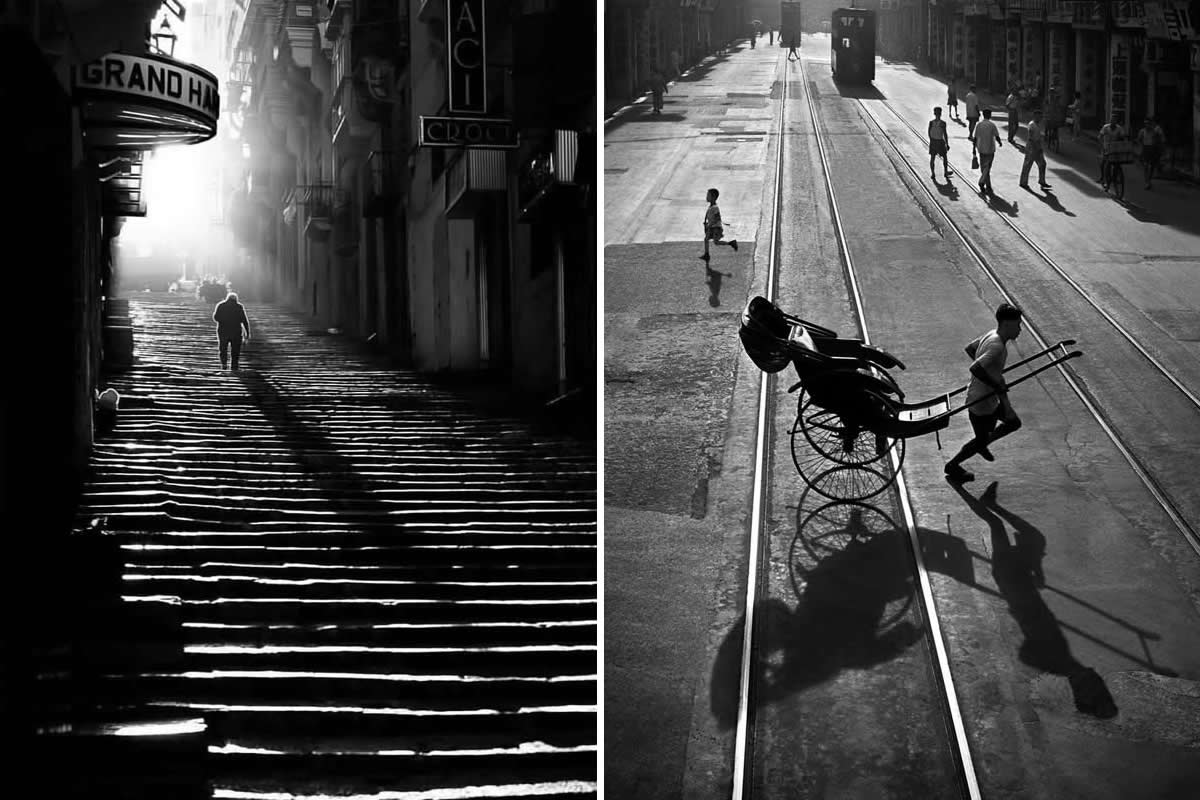
Color has a way of grabbing our attention, but take it away and something surprising happens. You begin to notice everything else. The curve of a staircase. The rhythm of repeating windows. A lone figure walking through a sea of space. Suddenly, light, shadow, and shape become the stars of the show. That’s the quiet magic of black-and-white minimalist photography.
These photographs don’t rely on flashy colors or busy scenes to make an impression. Instead, they strip away distractions and invite you to slow down. You start seeing the elegance in a single silhouette, the balance between bright highlights and deep shadows, or the powerful simplicity of one perfectly placed subject. It’s a reminder that sometimes less really does say more.
The photographers featured in this collection understand that minimalism isn’t about photographing less; it’s about showing more with fewer elements. Every line has a purpose. Every shadow adds emotion. Every space creates breathing room that allows the subject to shine. Whether captured on crowded city streets, quiet beaches, modern architecture, or endless landscapes, these images transform ordinary moments into timeless works of art.
As you browse these 35 striking black-and-white minimalist photographs, don’t rush. Let each frame settle in. You may discover that the most unforgettable images aren’t the busiest ones. They’re often the simplest, where light, shadow, and thoughtful composition tell stories that color never could.
#1
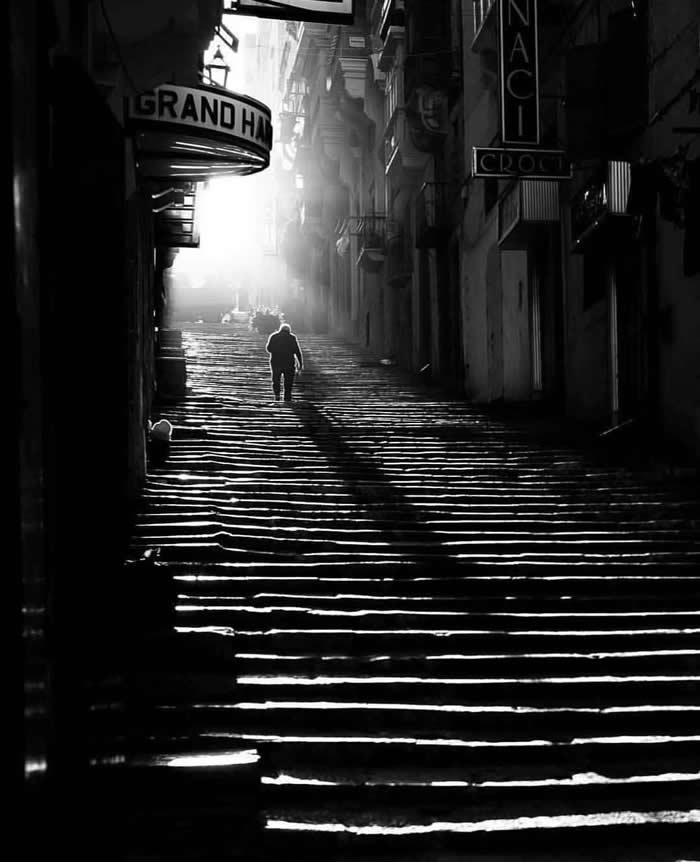
Photo by: Paul Borg Olivier
#2
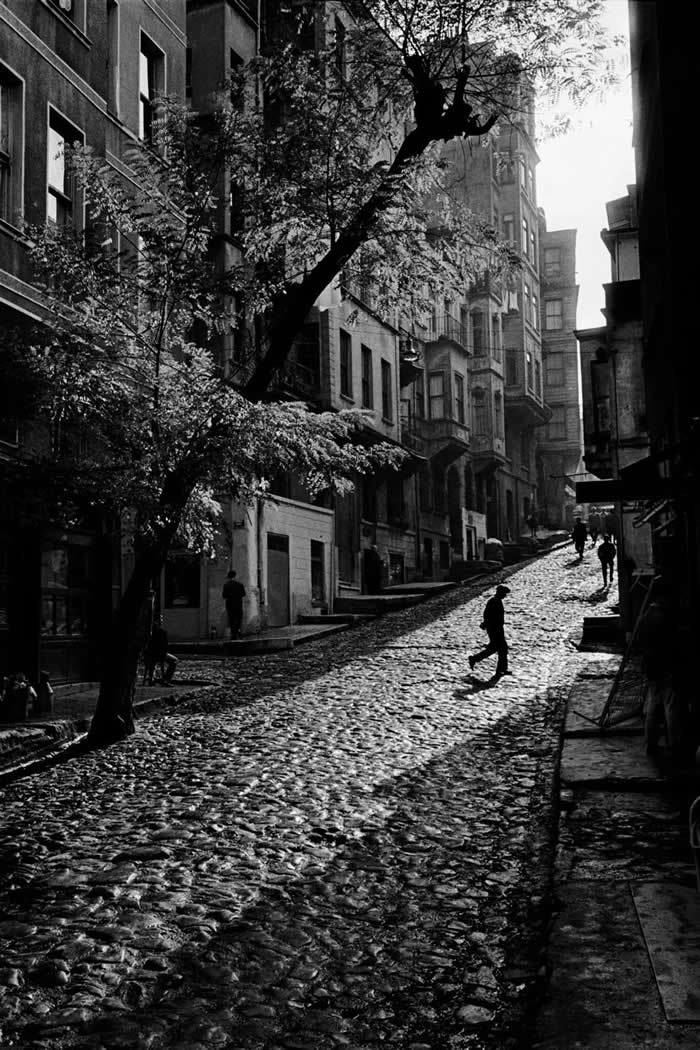
Photo by: Ara Güler
#3
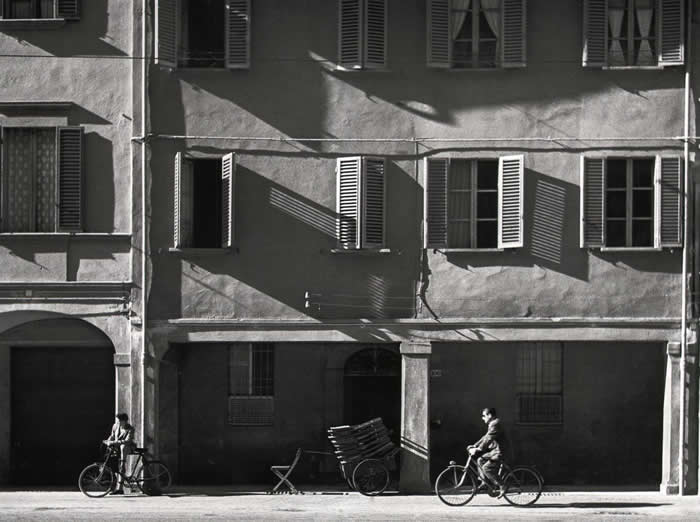
Photo by: Nino Migliori
#4
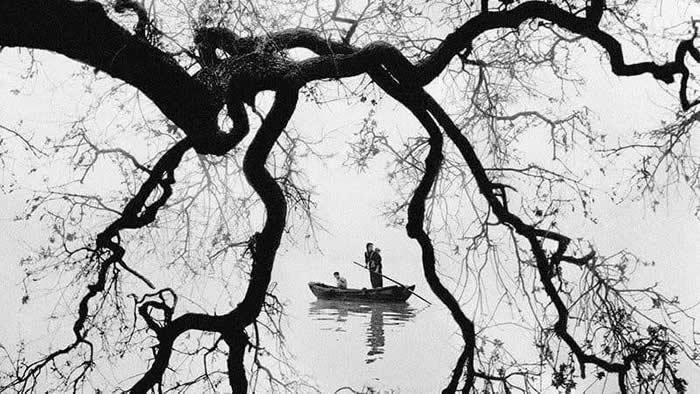
Photo by: Fan Ho
#5
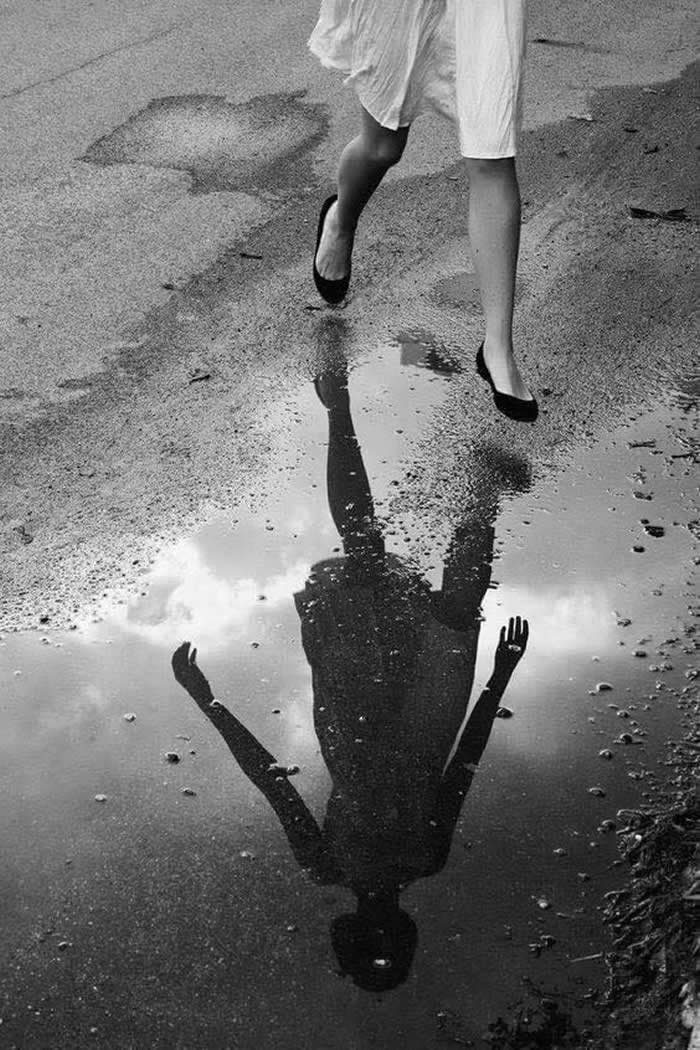
Photo by: Sara Palieri
#6
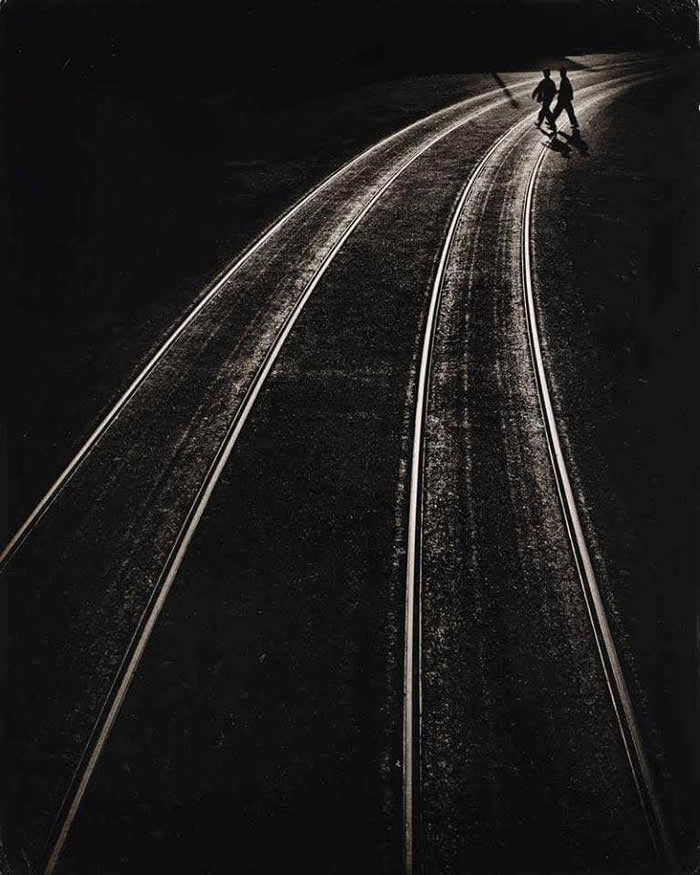
Photo by: Fan Ho
#7
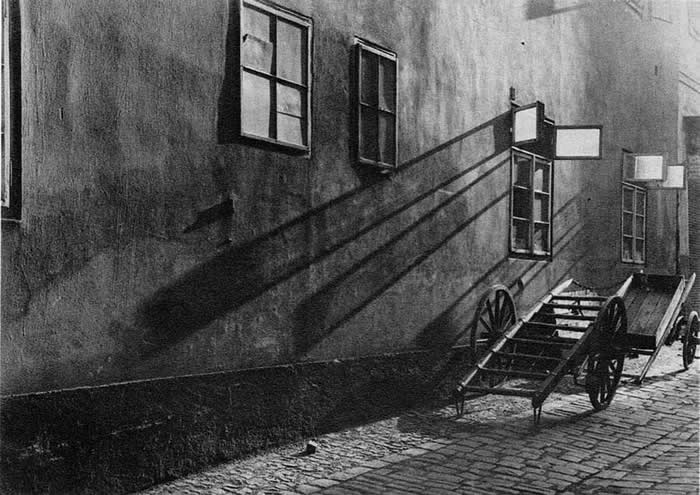
Photo by: Josef Sudek
#8
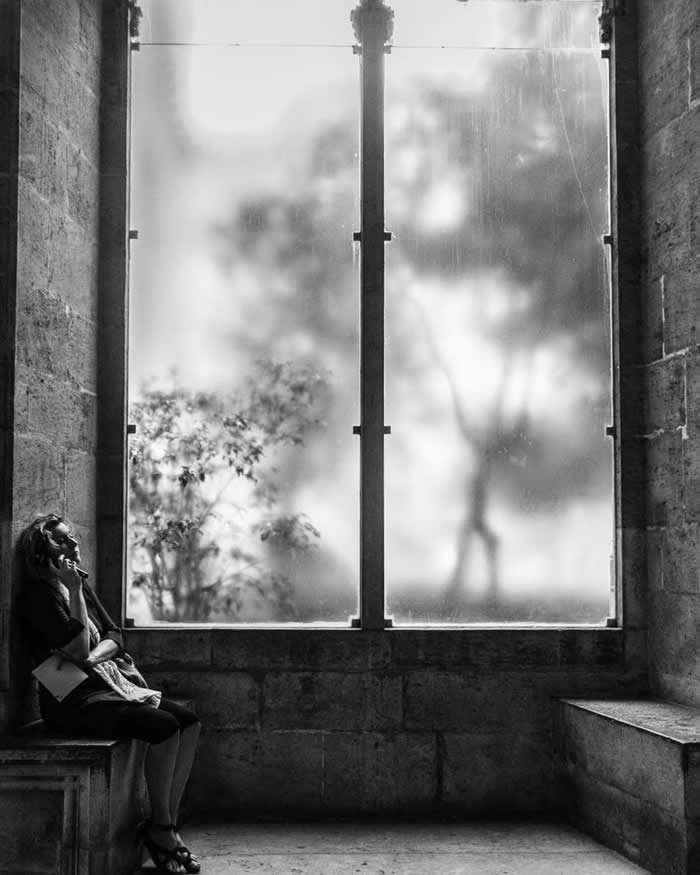
Photo by: Monica Giorgi
#9
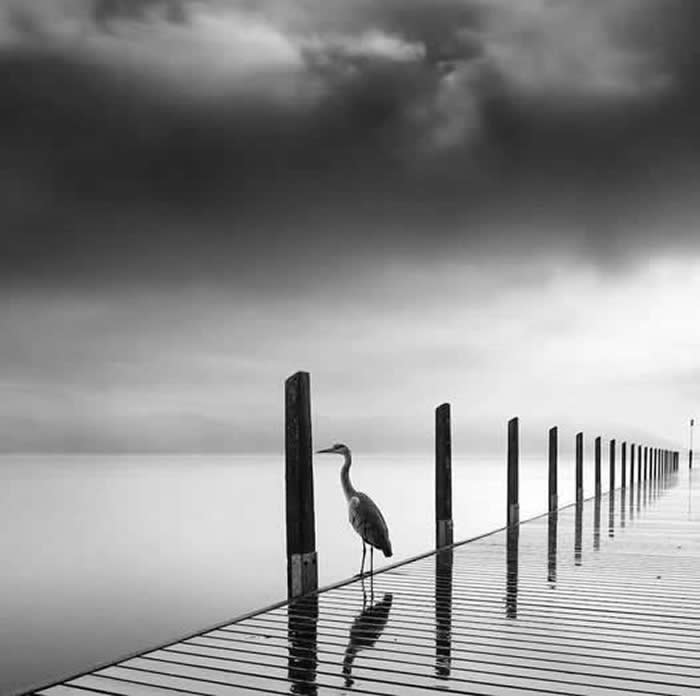
Photo by: George Digalakis
#10
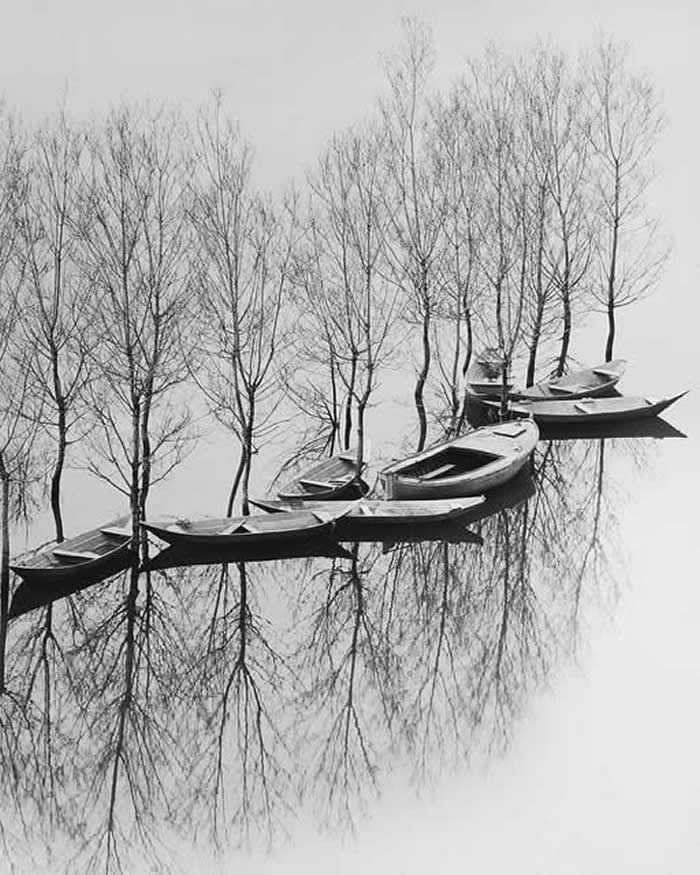
Photo by: Toni Schneiders
Simplicity Begins With Seeing Less
Minimalist photography starts long before you press the shutter. It’s about training your eyes to ignore distractions and focus on the one element that truly matters. Once you begin noticing clean lines, negative space, and bold shapes, everyday scenes suddenly become extraordinary.
Minimalist Photography Tips:
- Remove unnecessary elements from your frame.
- Look for bold geometric shapes and clean lines.
- Use negative space to emphasize your subject.
- Keep your compositions simple and uncluttered.
- Move around until the background becomes distraction-free.
#11
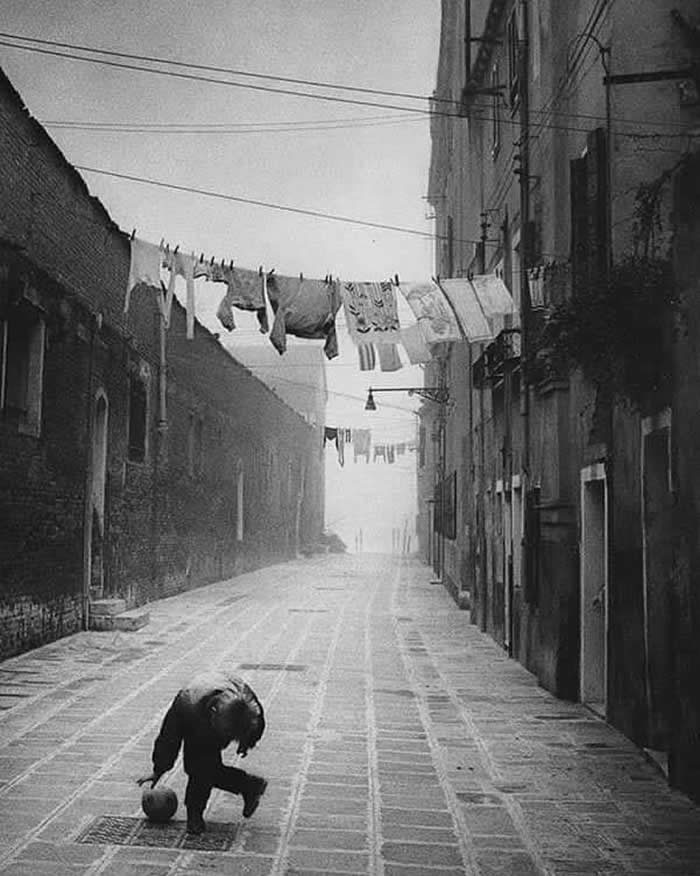
Photo by: Anders Petersen
#12
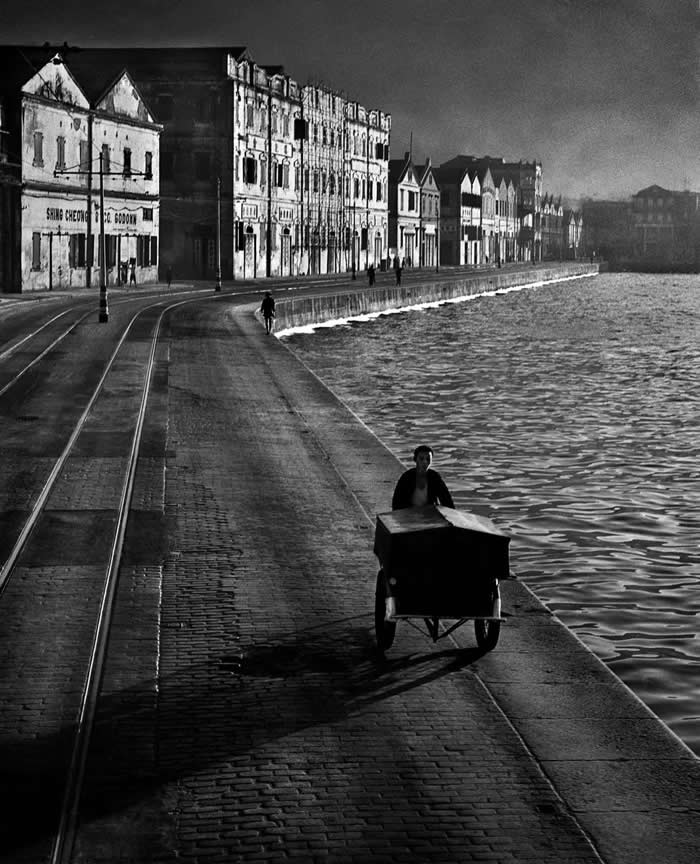
Photo by: Fan Ho
#13
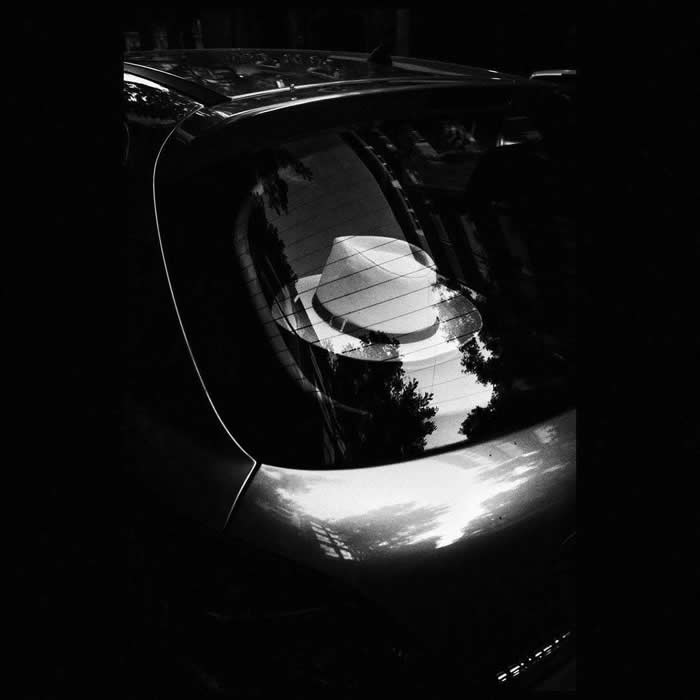
Photo by: Ricoh Gr
#14
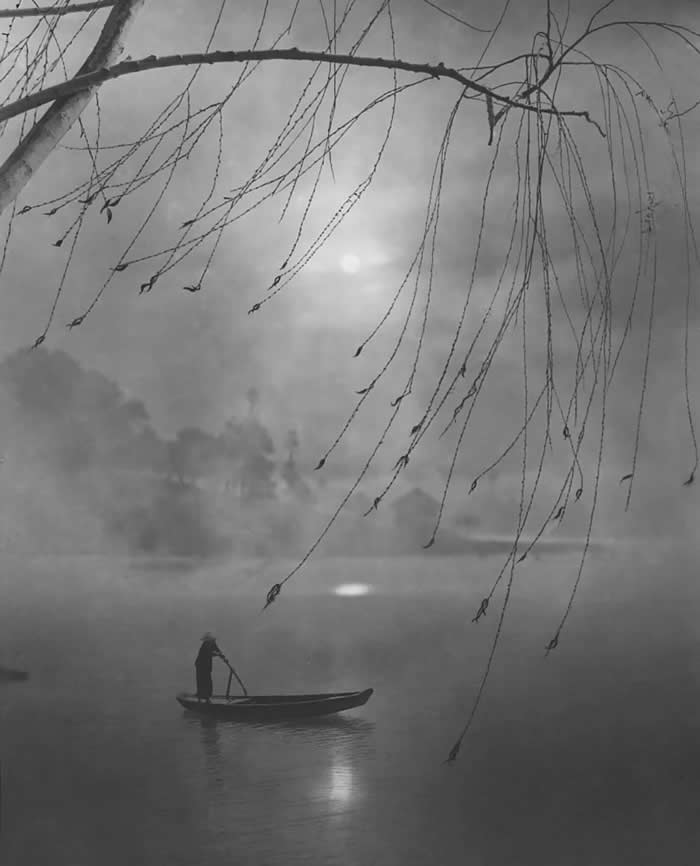
Photo by: Don Hong-Oai
#15

Photo by: Henri Cartier-Bresson
#16
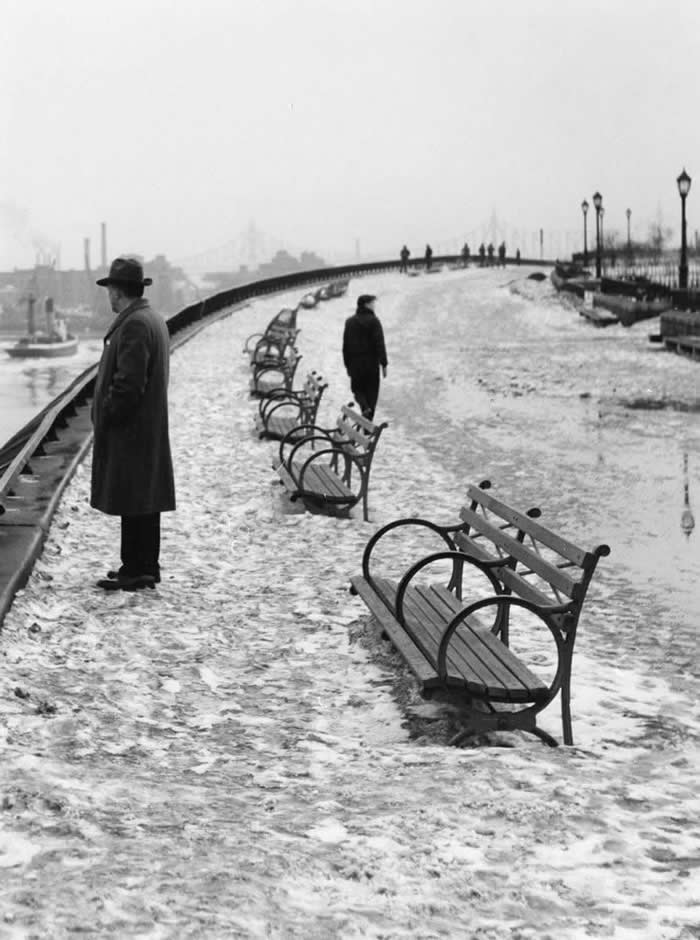
Photo by: André Kertész
#17
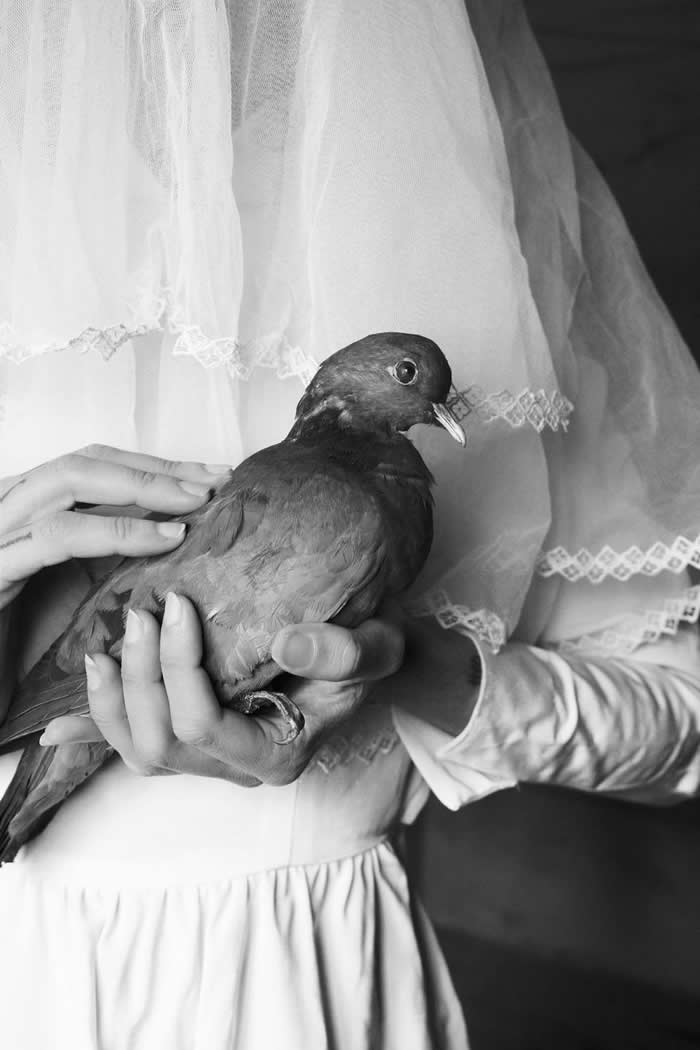
Photo by: Laura Iisalo
#18
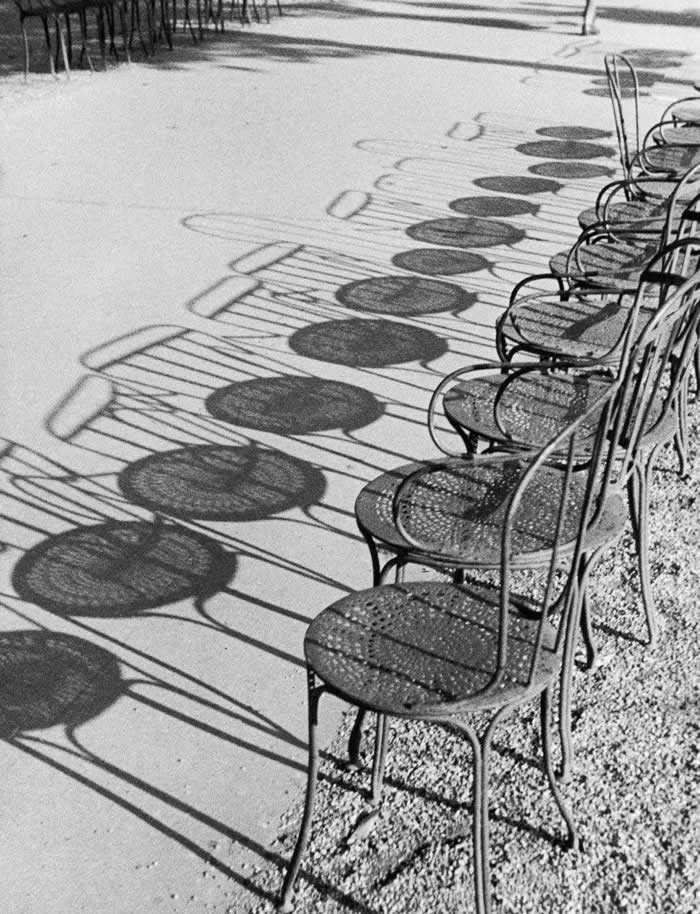
Photo by: André Kertész
#19

Photo by: Elizaveta Porodina
#20
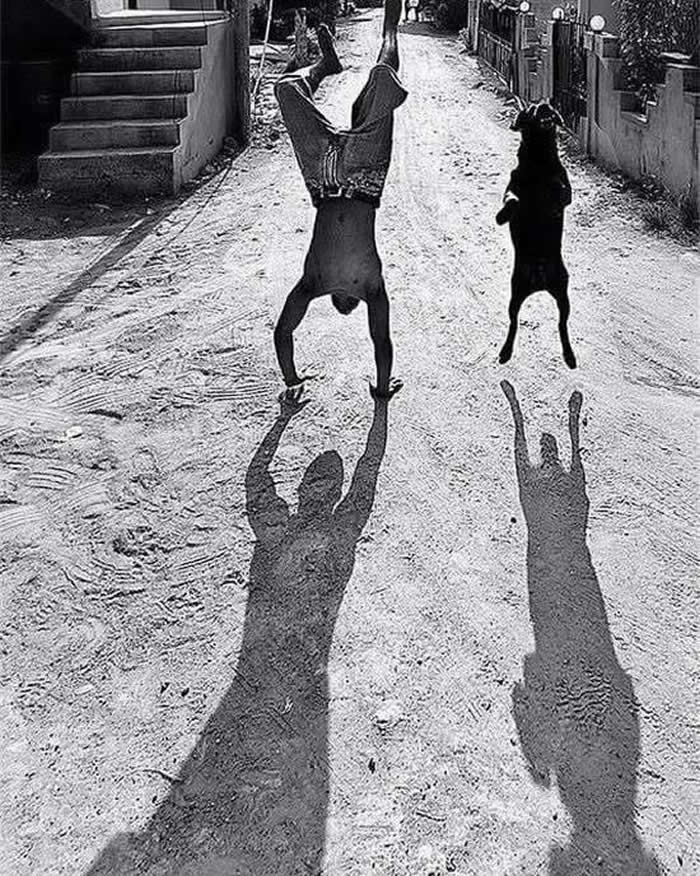
Photo by: Eduardo Gageiro
Let Light and Shadow Become Your Main Subjects
In black and white photography, light does more than illuminate—it creates emotion. Shadows add mystery, depth, and drama, while bright highlights guide the viewer’s attention. Learning to work with natural light can completely transform an ordinary photograph into a timeless visual story.
Minimalist Photography Tips:
- Shoot during early morning or late afternoon.
- Watch how shadows create patterns and texture.
- Expose carefully to preserve highlight details.
- Use side lighting for stronger contrast.
- Convert to black and white with contrast in mind.
#21

Photo by: Simon Beni
#22
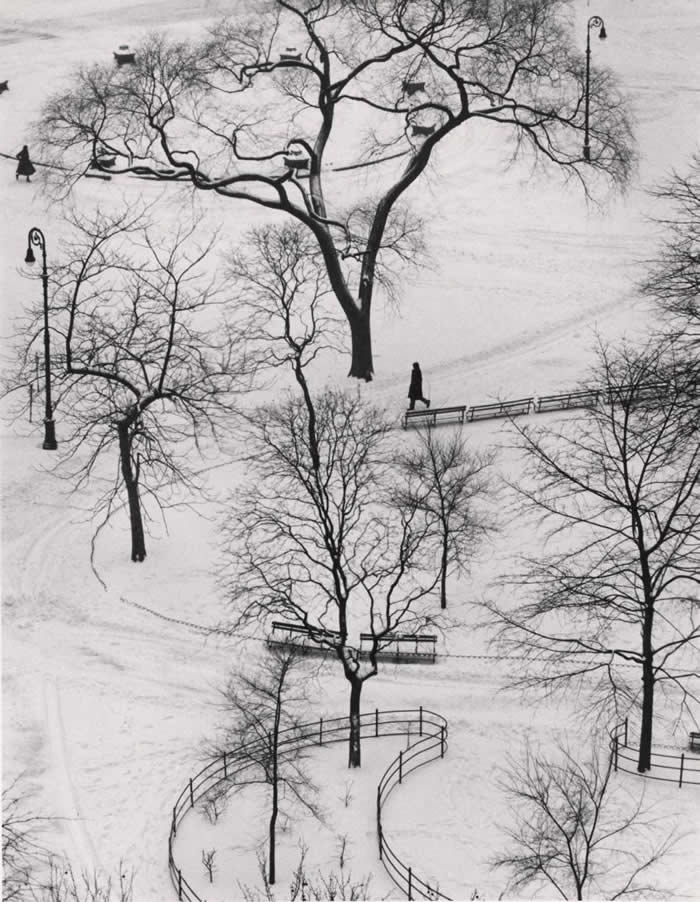
Photo by: André Kertész
#23
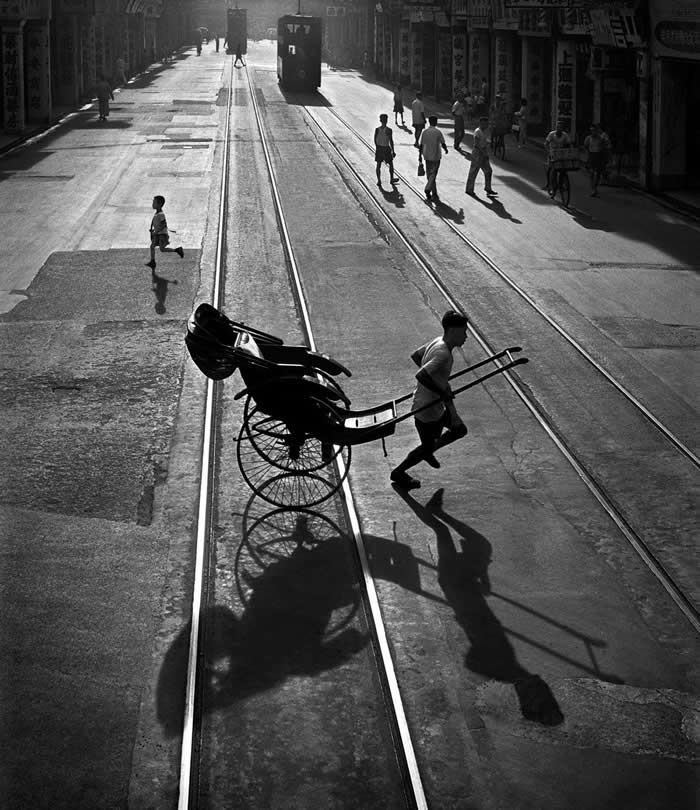
Photo by: Fan Ho
#24

Photo by: Marco Tassielli
#25
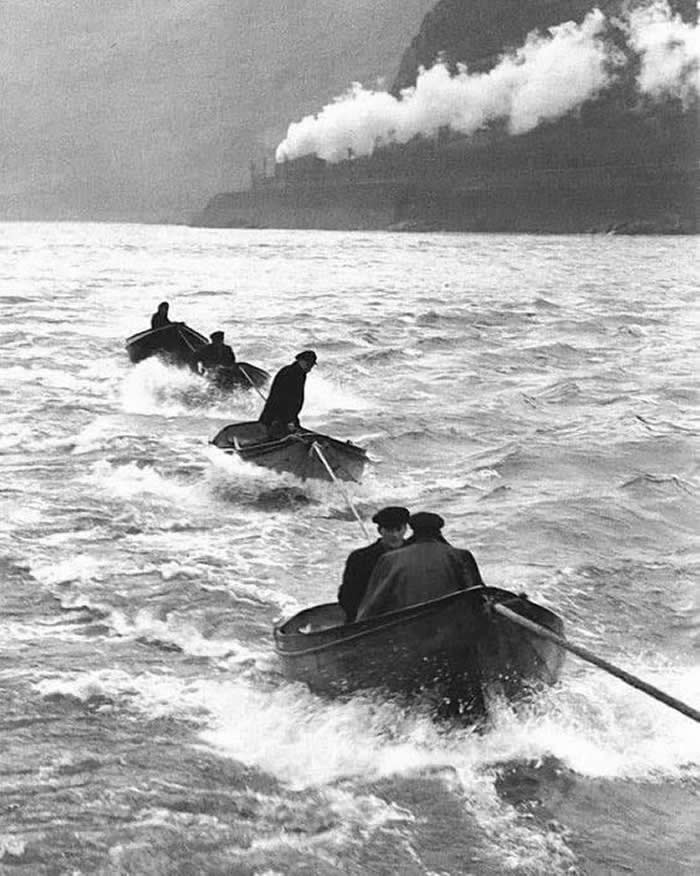
Photo by: Henri Cartier-Bresson
#26

Photo by: Kees Scherer
#27
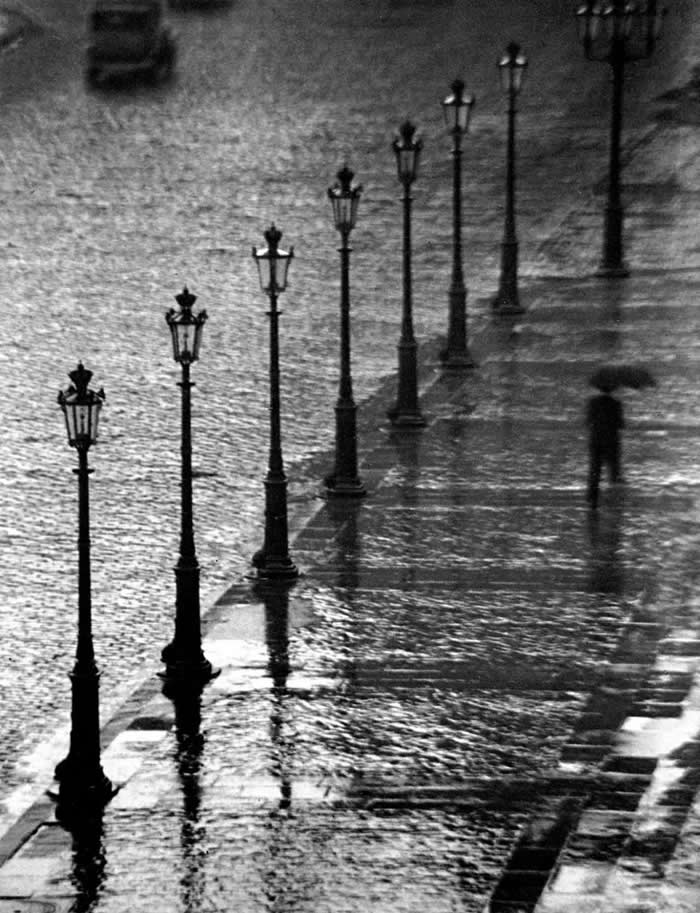
Photo by: André Kertész
#28
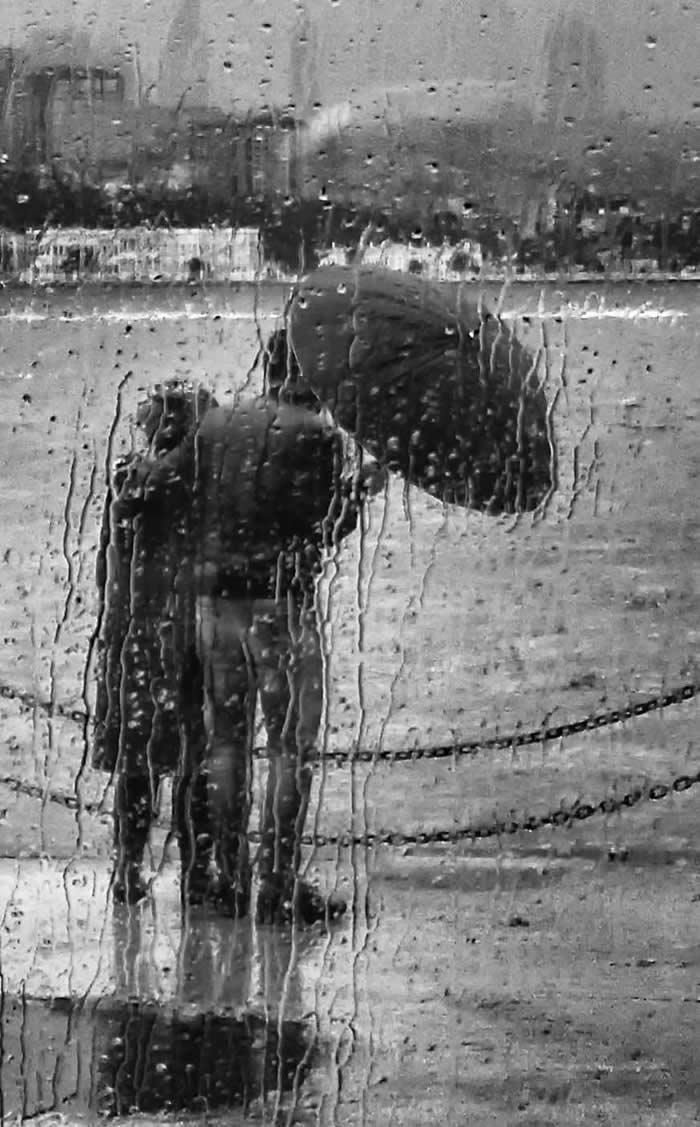
Photo by: Yaşar Koç
#29
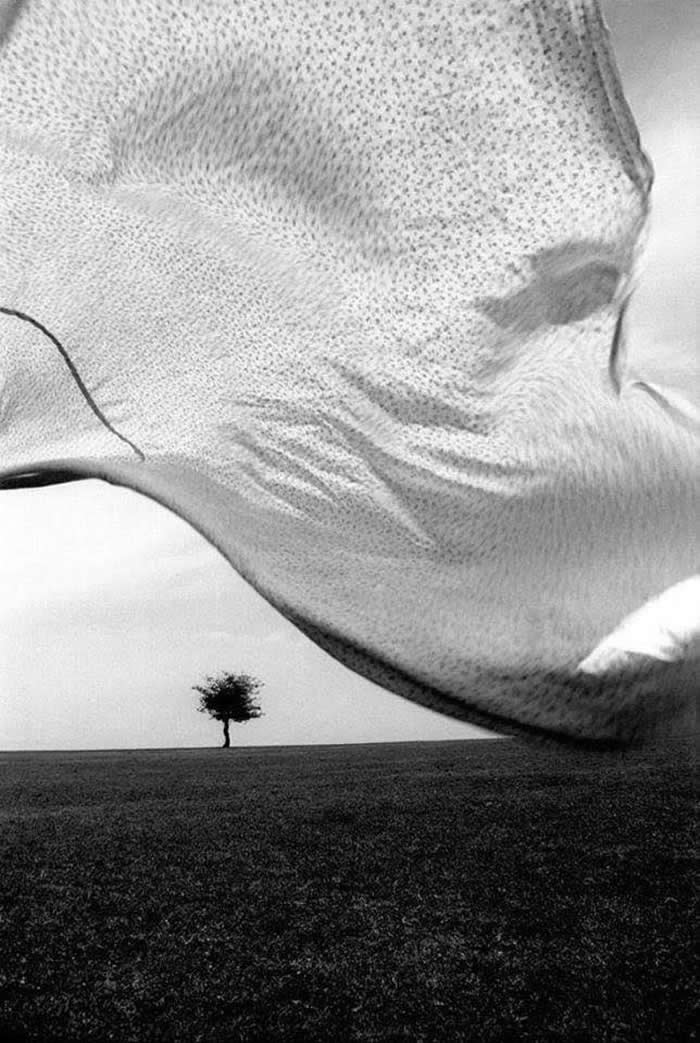
Photo by: Kourosh Adim
#30
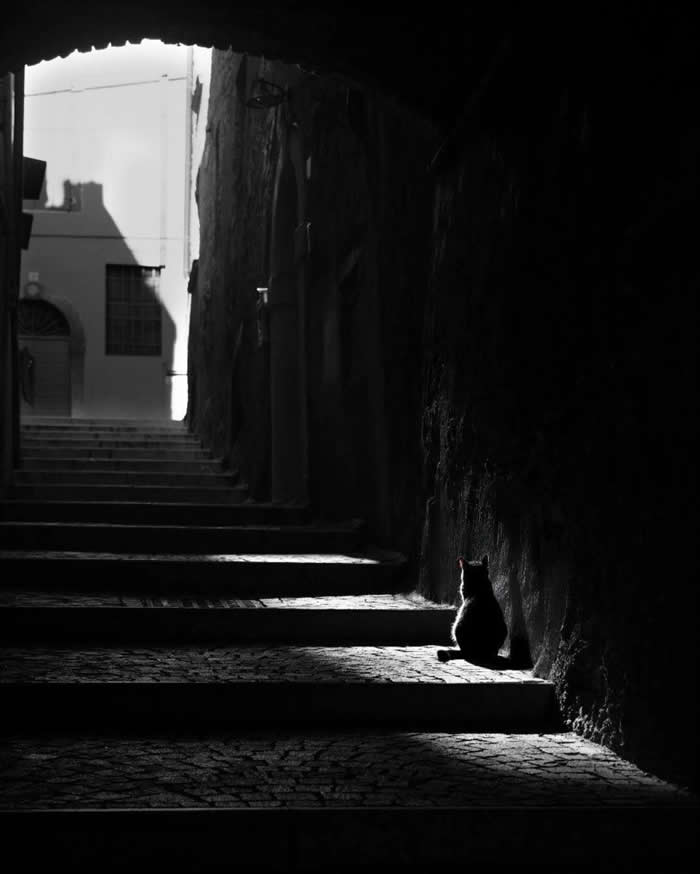
Photo by: Erik
Shape, Balance, and Patience Create Timeless Images
The strongest minimalist photographs often come from waiting rather than chasing. A single person walking into perfect light or one cloud drifting into an empty sky can completely change the composition. Great photographers know that patience is often their most valuable piece of equipment.
Minimalist Photography Tips:
- Wait for a single subject to enter your frame.
- Use symmetry whenever it strengthens composition.
- Experiment with different camera angles.
- Don’t be afraid to leave empty space.
- Review every edge of your frame before shooting.
#31

Photo by: Fernando Taborda
#32

Photo by: Oleg Golishnikov
#33
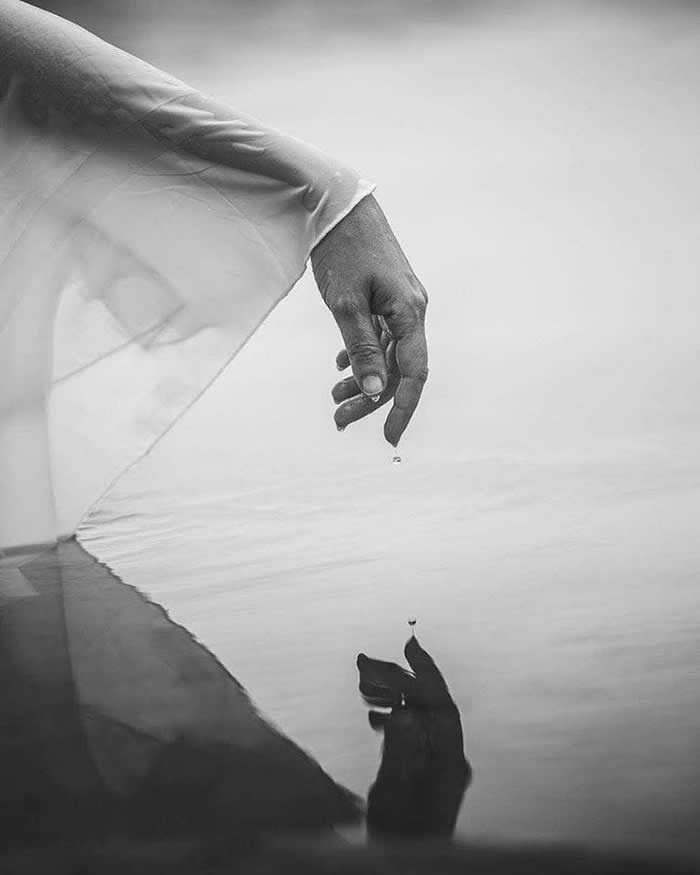
Photo by: Ana Laura Garcia
#34
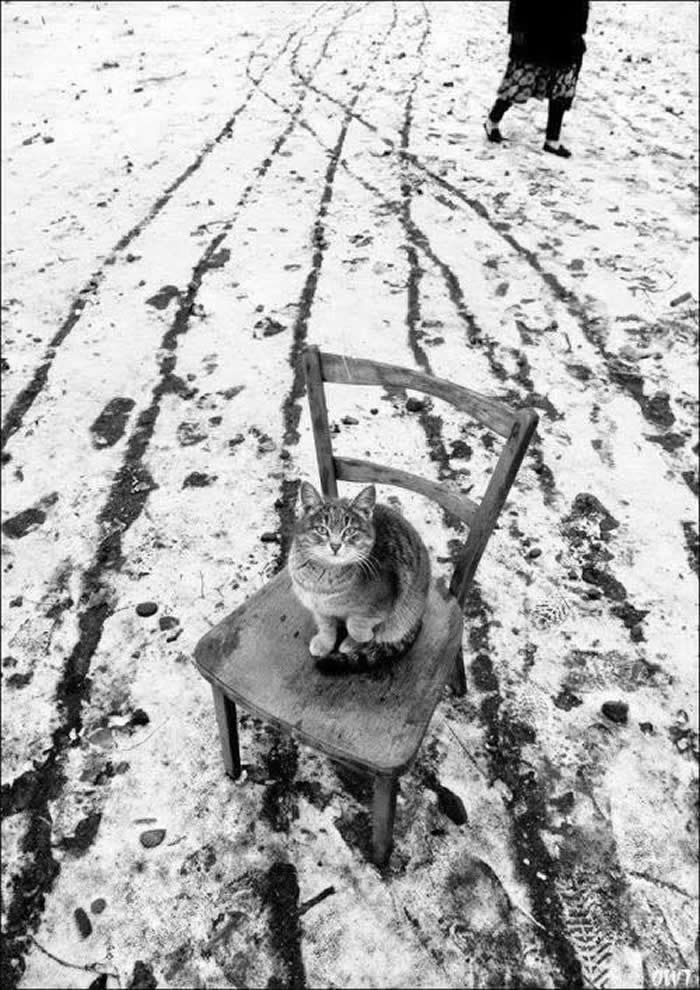
Photo by: Igor A. Andreev
#35
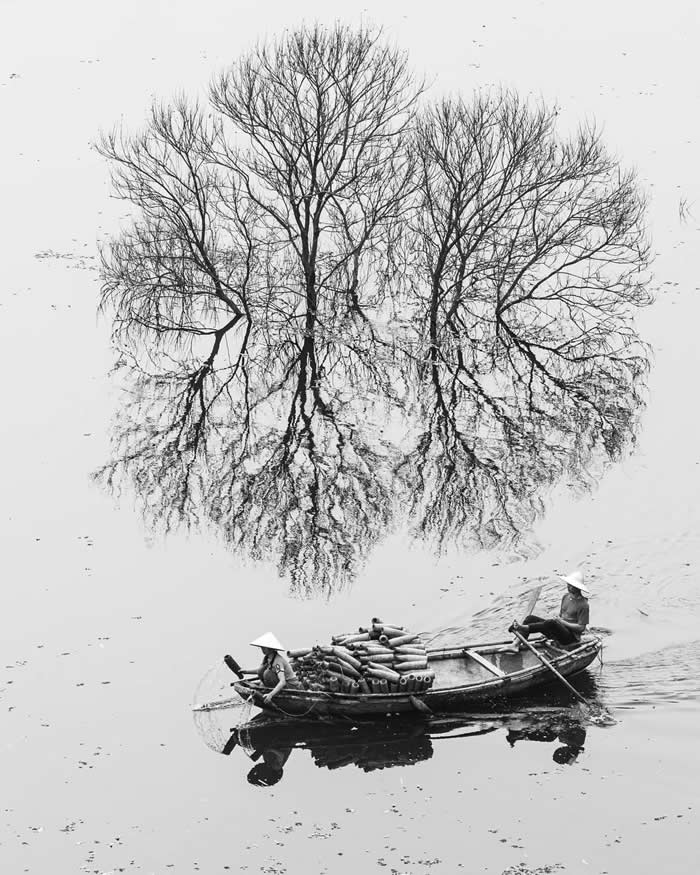
Photo by: Tran Tuan Viet
Frequently Asked Questions:
What is black and white minimalist photography?
Black and white minimalist photography focuses on simplicity by removing distractions and highlighting essential visual elements like light, shadow, shape, texture, and negative space. The goal is to create powerful, emotional images using the fewest possible components while maintaining strong visual impact.
Why does minimalist photography work so well in black and white?
Without color competing for attention, viewers naturally focus on composition, contrast, patterns, shapes, and emotion. Black and white photography enhances these elements, making minimalist images feel cleaner, more dramatic, and often more timeless than their color counterparts.
How can beginners improve their minimalist photography?
Start by simplifying every composition. Look for one clear subject, clean backgrounds, strong lines, and generous negative space. Practice observing light and shadows, and avoid adding unnecessary elements that distract from the main visual story.
What camera settings are best for black and white minimalist photography?
A low ISO ensures maximum image quality, while an aperture around f/5.6 to f/11 provides excellent sharpness. Shooting in RAW allows greater flexibility when adjusting contrast, highlights, and shadows during black and white post-processing.
What subjects are ideal for minimalist black and white photography?
Architecture, lone trees, staircases, silhouettes, bridges, beaches, mountains, street scenes, birds, and isolated people all make outstanding minimalist subjects. The key is finding simple compositions where light, shadow, and shape naturally become the strongest storytelling elements.