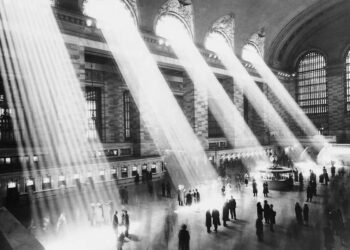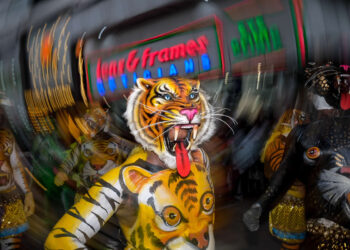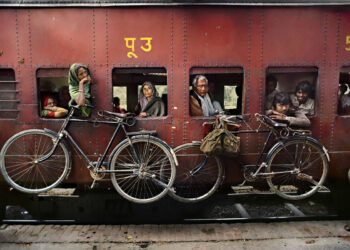
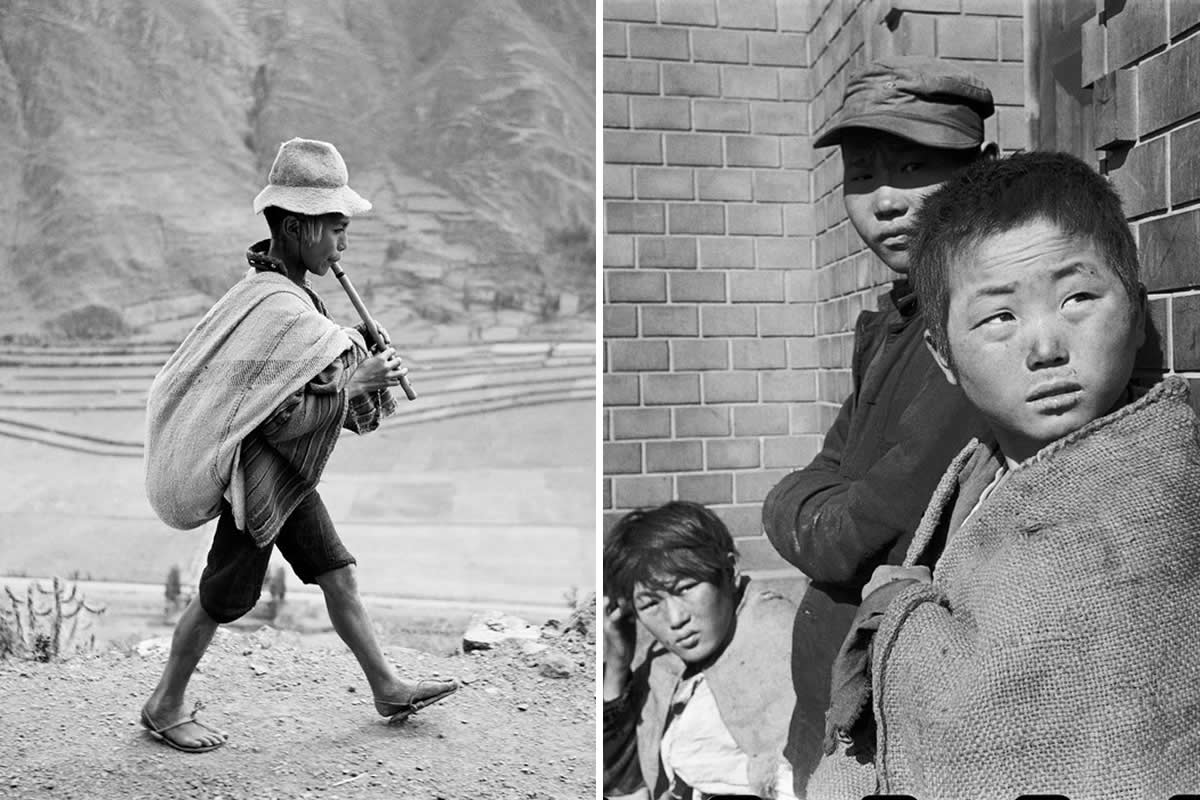
Some photographers take pictures. Werner Bischof did something deeper than that; he listened with a camera. That might sound dramatic, but once you spend time with his work, it feels like the only way to describe it. His photographs don’t shout. They don’t beg for attention with spectacle or visual tricks. They hold your gaze quietly, and then, before you realize it, they’ve pulled you into a world of grief, dignity, tenderness, and stillness. That’s a rare thing.
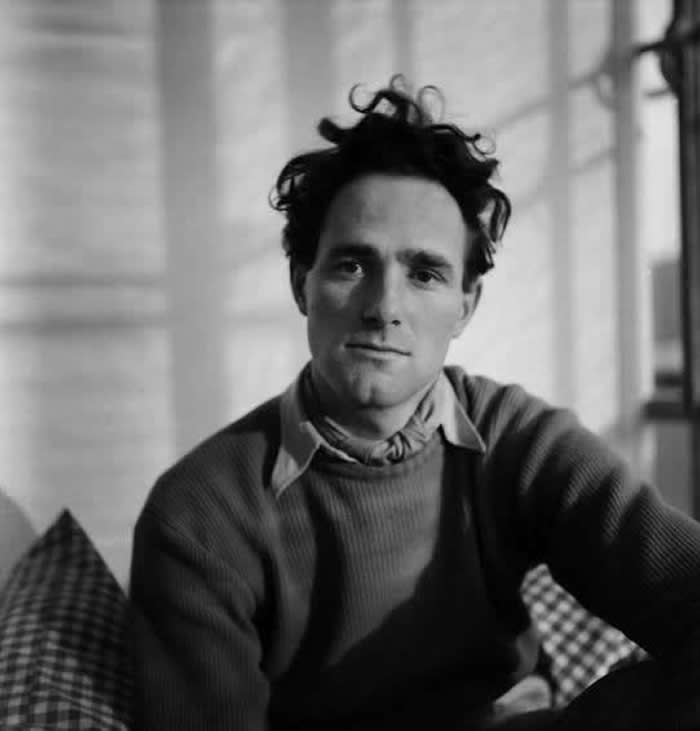
Bischof’s life reads like the kind of story photography history keeps coming back to for a reason. Born in Zurich in 1916, he started out in the polished world of fashion, design, and advertising, where control mattered, and composition was everything. But then the world broke apart. The devastation of Europe after World War II changed him, and it changed his photography too. He turned away from commercial work and toward something heavier, more human, more urgent. Not because it was fashionable. Because he believed a photographer had a responsibility to look honestly at the world and show it without cheap drama or manipulation.
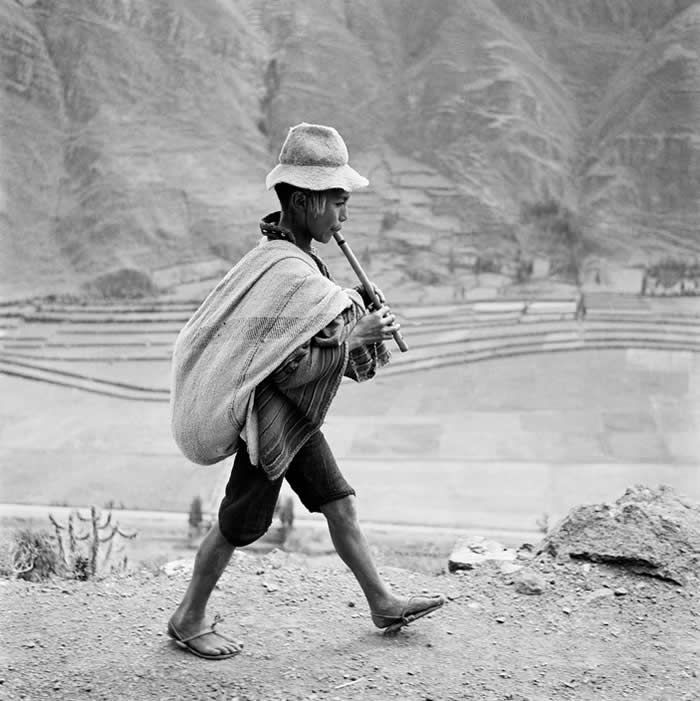
That belief shaped everything he made. Whether he was documenting postwar Europe, famine in India, life in Japan, or quiet moments in Peru, Bischof brought the same mix of compassion and precision. His images are beautiful, yes, but never empty. They carry weight. They ask you to look longer. And in a world obsessed with speed, that alone feels almost radical.
You can find more info about Werner Bischof:
#1
© Werner Bischof | Magnum Photos
#2
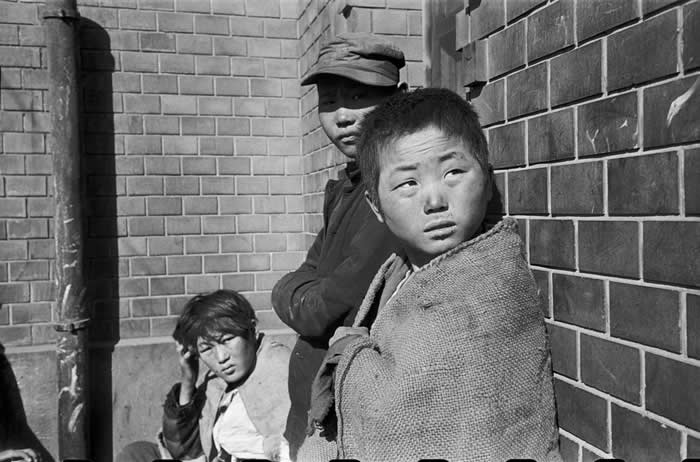
© Werner Bischof | Magnum Photos
#3
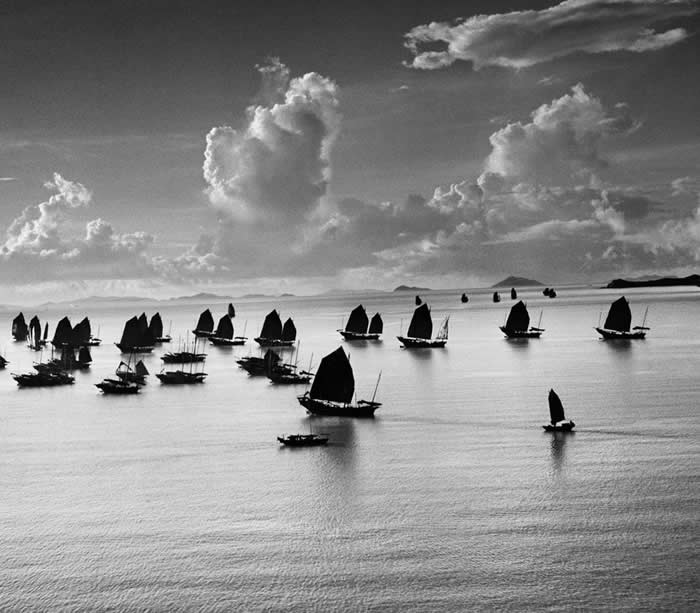
© Werner Bischof | Magnum Photos
#4
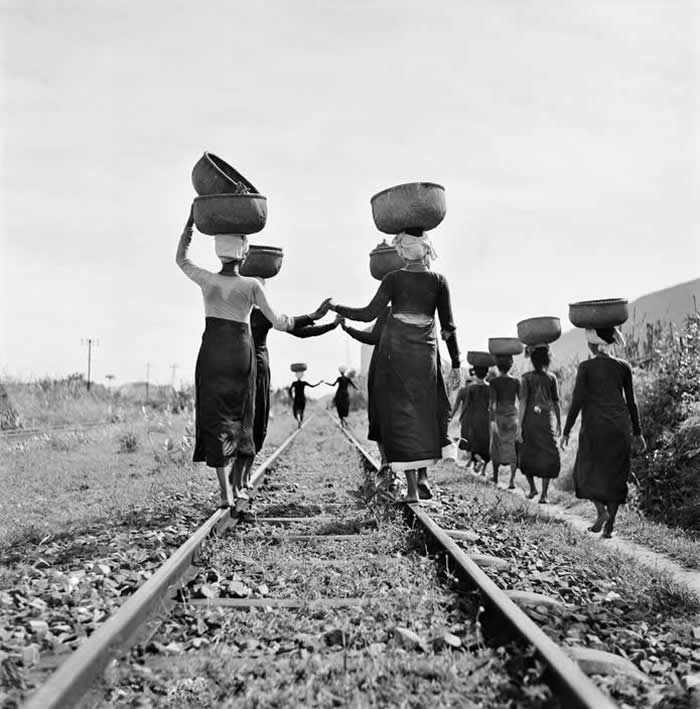
© Werner Bischof | Magnum Photos
#5
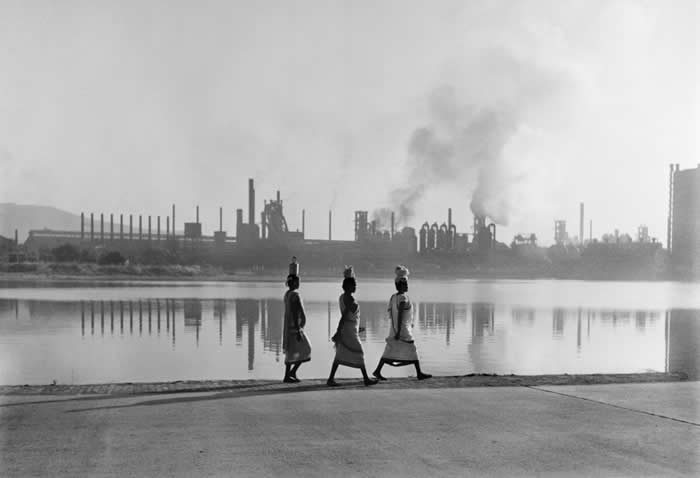
© Werner Bischof | Magnum Photos
Werner Bischof Didn’t Chase Sensation – He Chased Truth
A lot of photojournalism from the mid-20th century was built around urgency, impact, and the race to get the strongest image first. Bischof lived in that world, but he never seemed fully comfortable with its appetite for spectacle. He didn’t want suffering to become visual theater. He wanted to witness it honestly. That distinction matters, and you can feel it in his photographs.
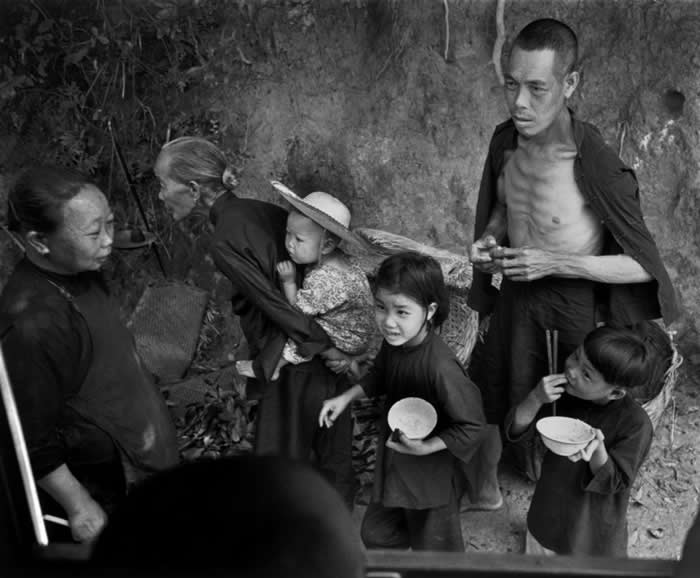
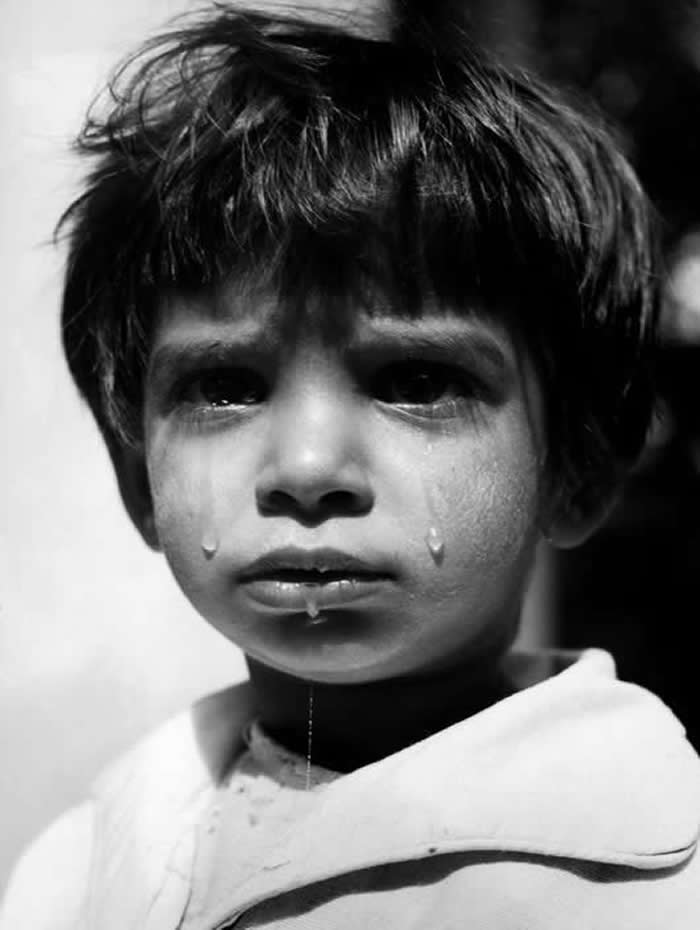
Bischof believed the photographer had a social responsibility, which sounds like a big statement until you see how he put it into practice. He wasn’t interested in twisting reality to make it louder. He looked for the emotional truth already present in the scene and trusted that to carry the image. A child in a ruined street, a mother in a famine-stricken region, a lone figure in a wide landscape, he framed these moments with care, but never with exploitation. His work has empathy without sentimentality, and that’s a hard balance to strike. He didn’t photograph people as symbols. He photographed them as human beings first.
#6
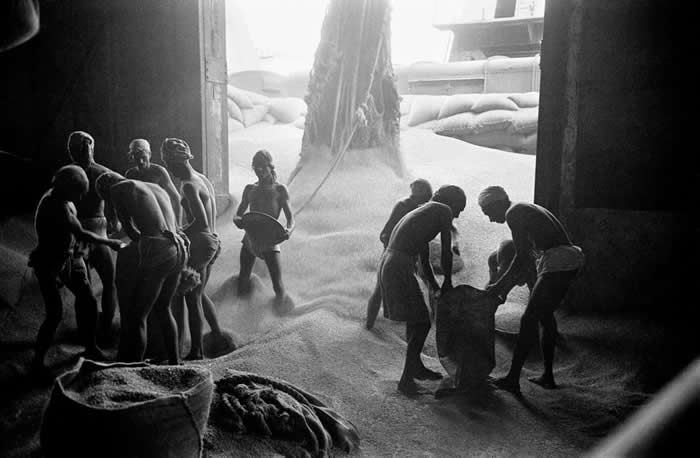
© Werner Bischof | Magnum Photos
#7
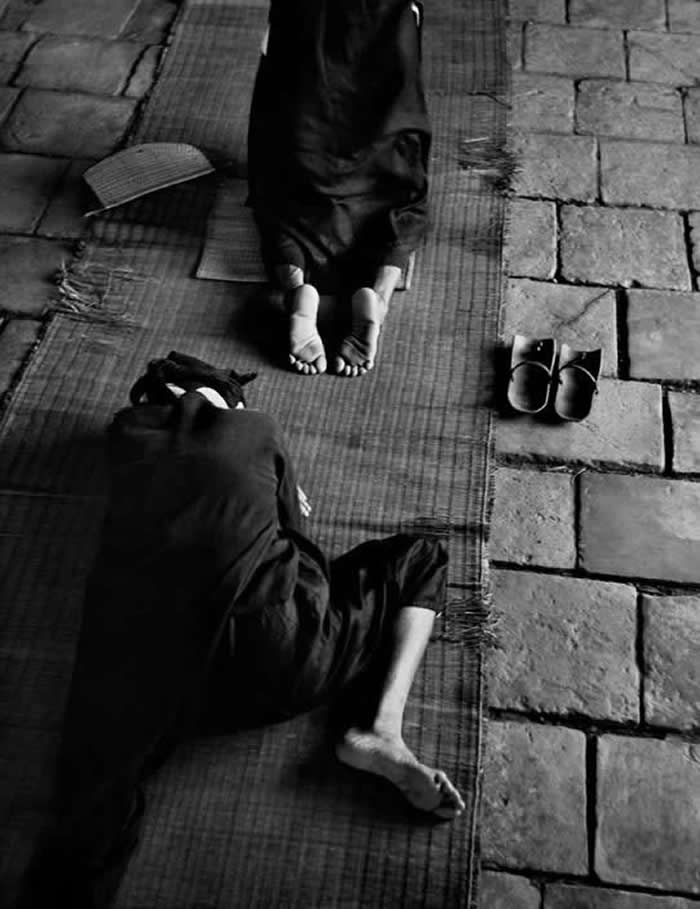
© Werner Bischof | Magnum Photos
#8
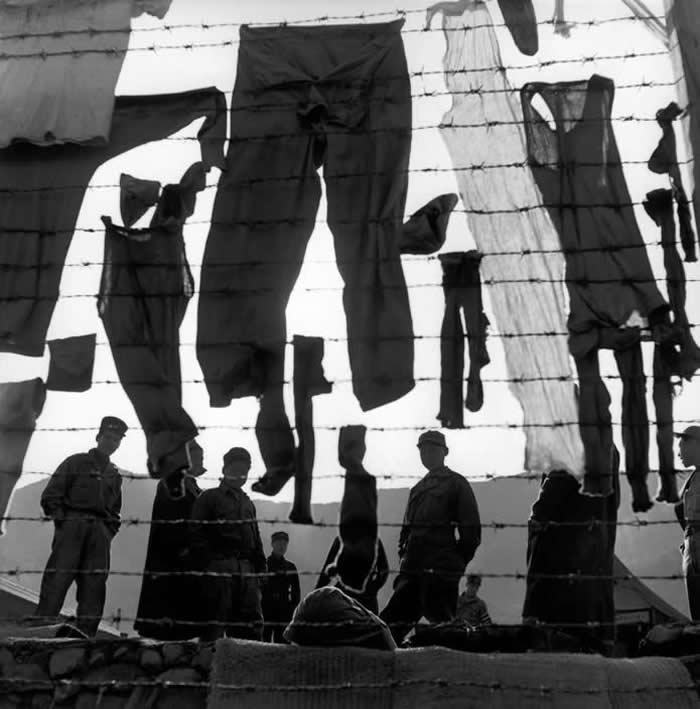
© Werner Bischof | Magnum Photos
#9
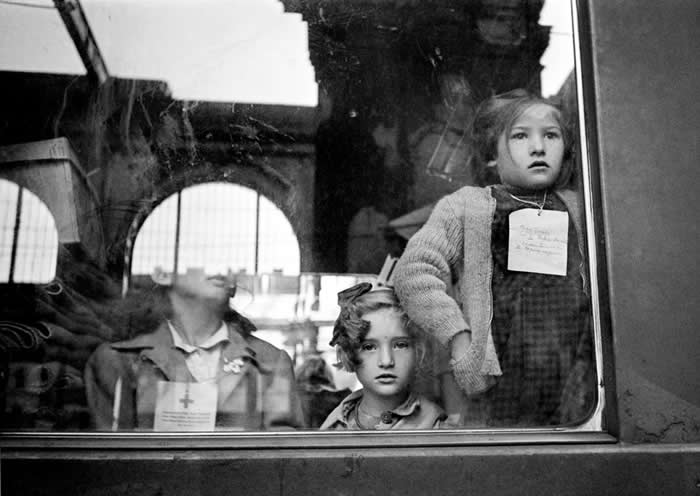
© Werner Bischof | Magnum Photos
#10
© Werner Bischof | Magnum Photos
His Early Training in Design Gave His Images Their Unmistakable Discipline
Before Werner Bischof became one of the most respected photojournalists of the 20th century, he was deeply shaped by design education. He studied photography under Hans Finsler at the School of Arts and Crafts in Zurich, and that background never left him. You can see it in almost every frame he made. The geometry is deliberate. The use of light feels measured. Even the quietest image has structure holding it together underneath the emotion.
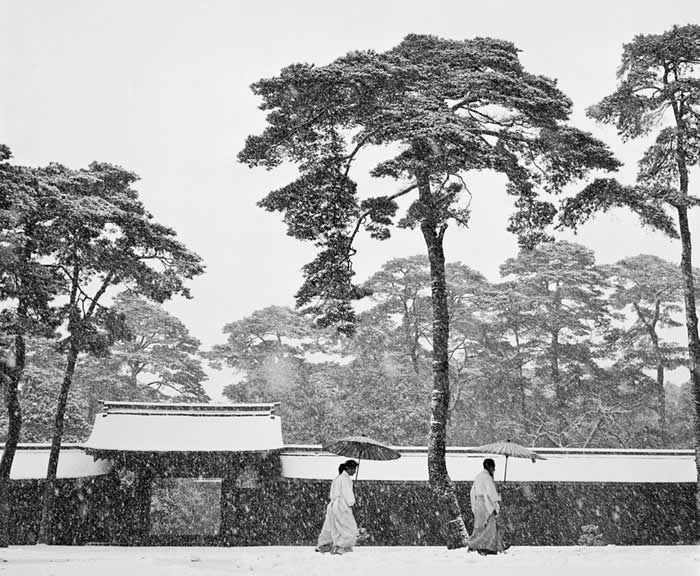
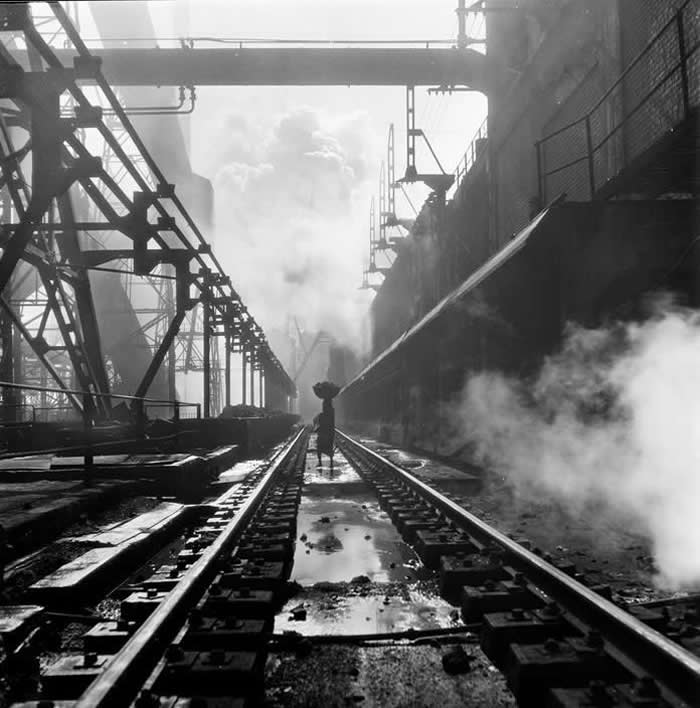
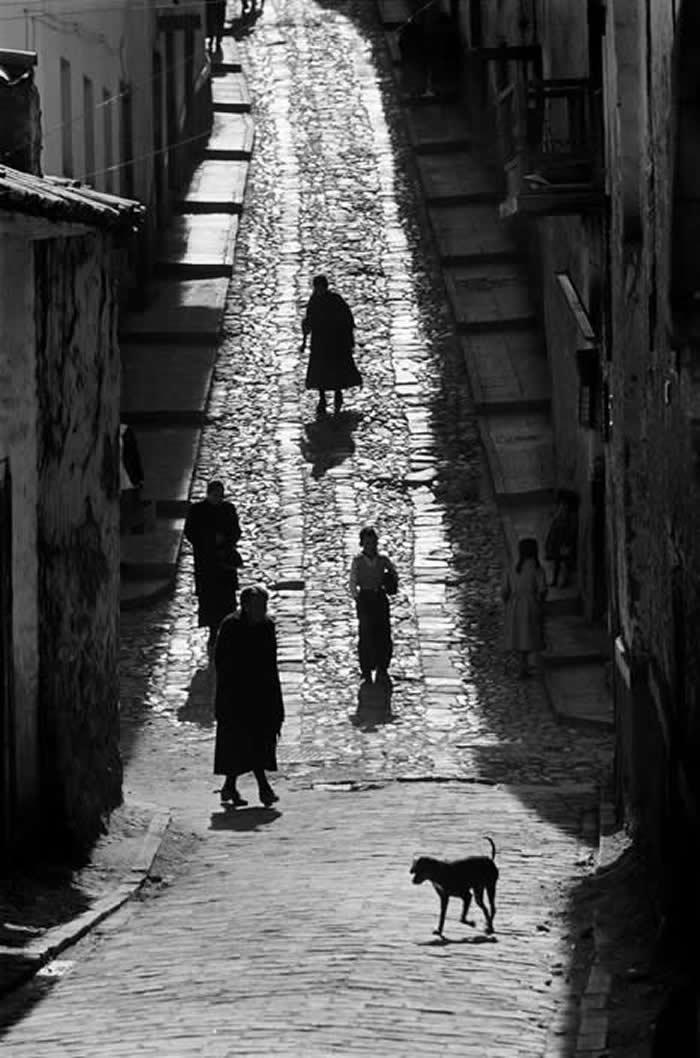
That design discipline is one of the reasons his photographs age so well. They don’t feel messy or accidental. Bischof knew how to strip a scene down to its strongest visual elements without draining it of life. A road, a wall, a shadow, a face turned toward the light, he understood how elementary forms could carry emotional force. It’s almost like he brought the visual intelligence of a studio photographer into places where life was raw and unpredictable. That combination is rare. Plenty of photographers have compassion. Plenty have formal skills. Bischof had both, and he knew how to make them work together without one overpowering the other.
#11
© Werner Bischof | Magnum Photos
#12
© Werner Bischof | Magnum Photos
#13
© Werner Bischof | Magnum Photos
#14
© Werner Bischof | Magnum Photos
#15
© Werner Bischof | Magnum Photos
The War Didn’t Just Change His Subject Matter – It Changed His Entire Purpose
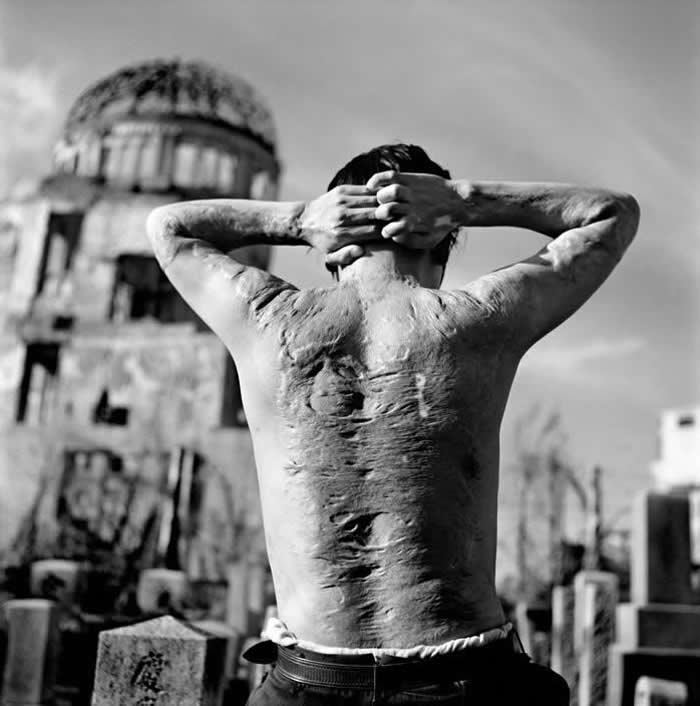
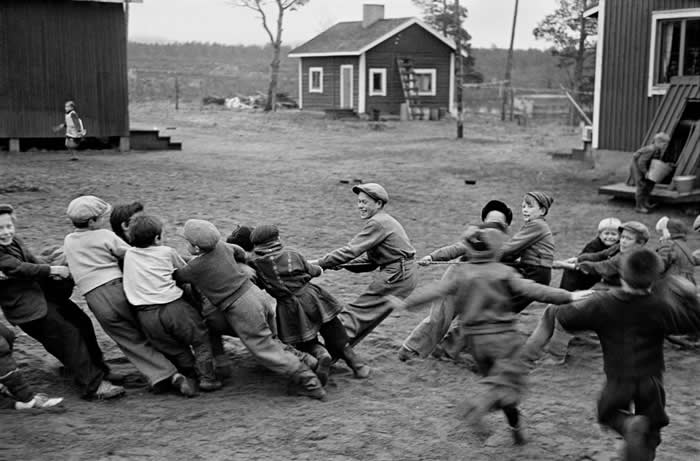
There’s a clear before-and-after line in Werner Bischof’s career, and World War II sits right in the middle of it. Before the war, he was making a name for himself in fashion and advertising photography, already showing a strong command of light and composition. But the destruction of Europe in 1945 changed the direction of his life. After witnessing the ruins, the displacement, and the sheer scale of human suffering, commercial image-making no longer seemed enough.
That shift wasn’t just professional. It was moral. Bischof moved toward documentary work because he felt compelled to respond to the world as it was, not as an idealized surface. His postwar reportage from Europe gave him international recognition, but more importantly, it revealed the photographer he was becoming: someone who could look directly at devastation without turning away, yet still photograph with grace. His pictures from that period aren’t built on shock value. They’re built on restraint, clarity, and feeling. You don’t come away thinking, “What an image.” You come away thinking, “What happened to these people?” That’s the difference.
#16
© Werner Bischof | Magnum Photos
#17
© Werner Bischof | Magnum Photos
#18
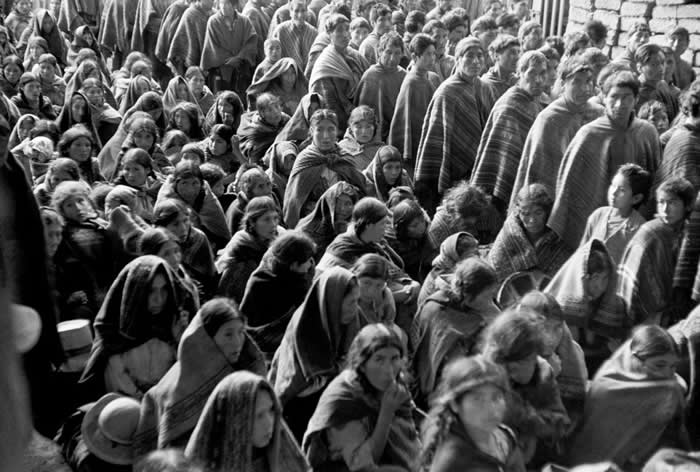
© Werner Bischof | Magnum Photos
#19
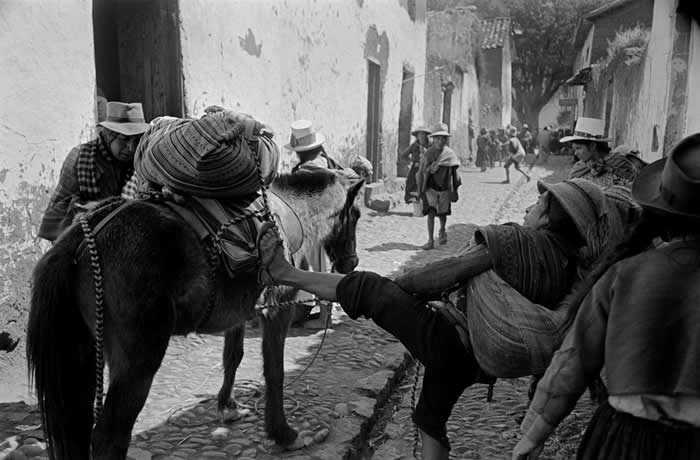
© Werner Bischof | Magnum Photos
#20
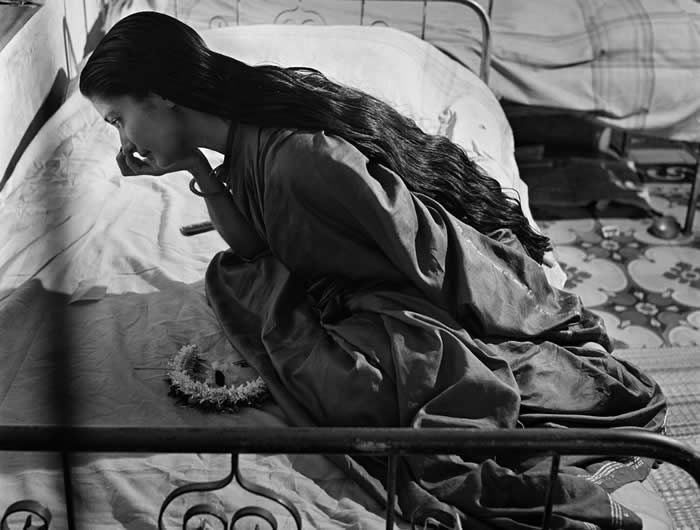
© Werner Bischof | Magnum Photos
He Traveled the World, But He Never Photographed Places Like a Tourist
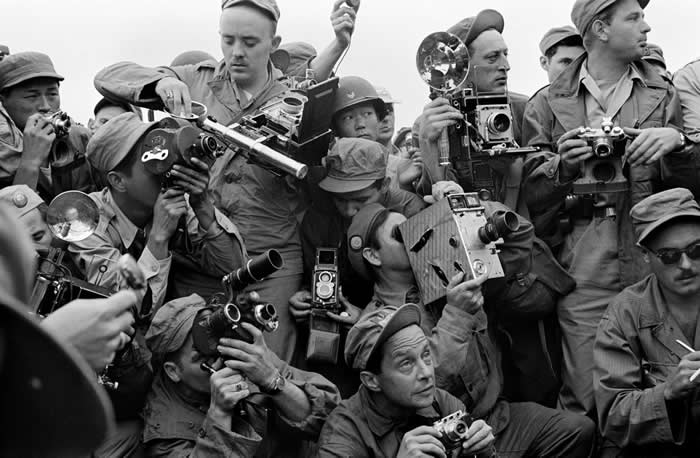
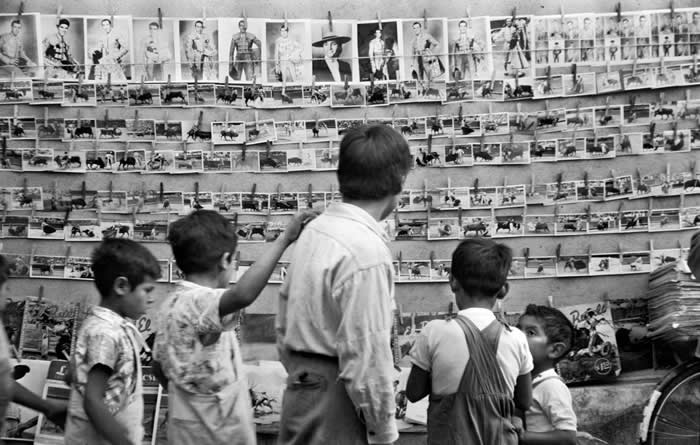
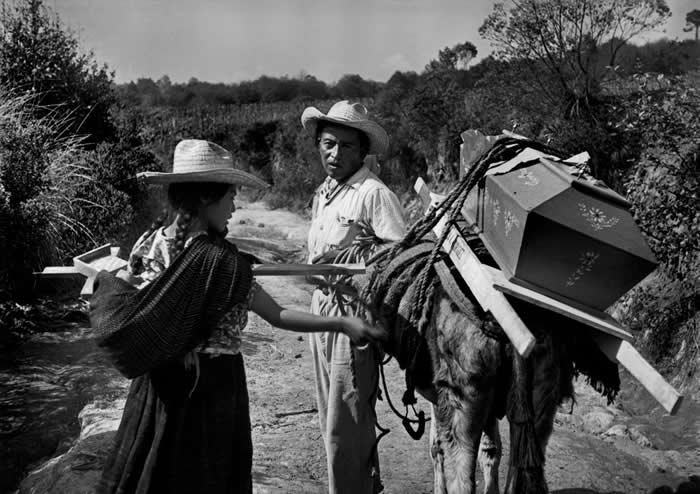
Some photographers move through countries collecting visuals the way other people collect souvenirs. Werner Bischof didn’t work like that. When he traveled through Italy, Greece, Eastern Europe, India, Japan, Korea, Hong Kong, Indochina, the United States, Mexico, and Peru, he wasn’t looking for postcard moments. He was looking for the inner rhythm of a place, the kind of truth you only get when you slow down and pay attention.
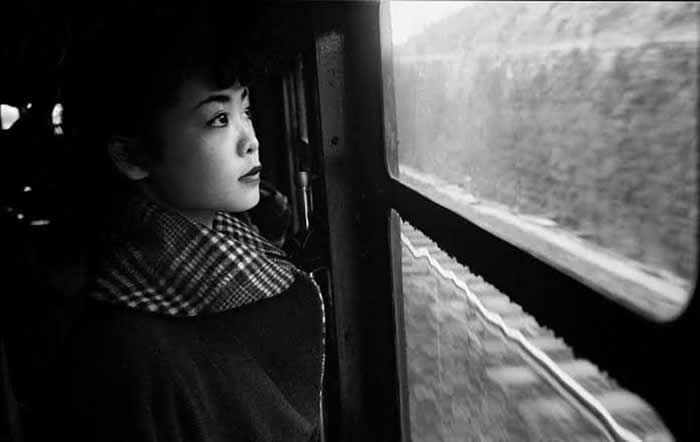
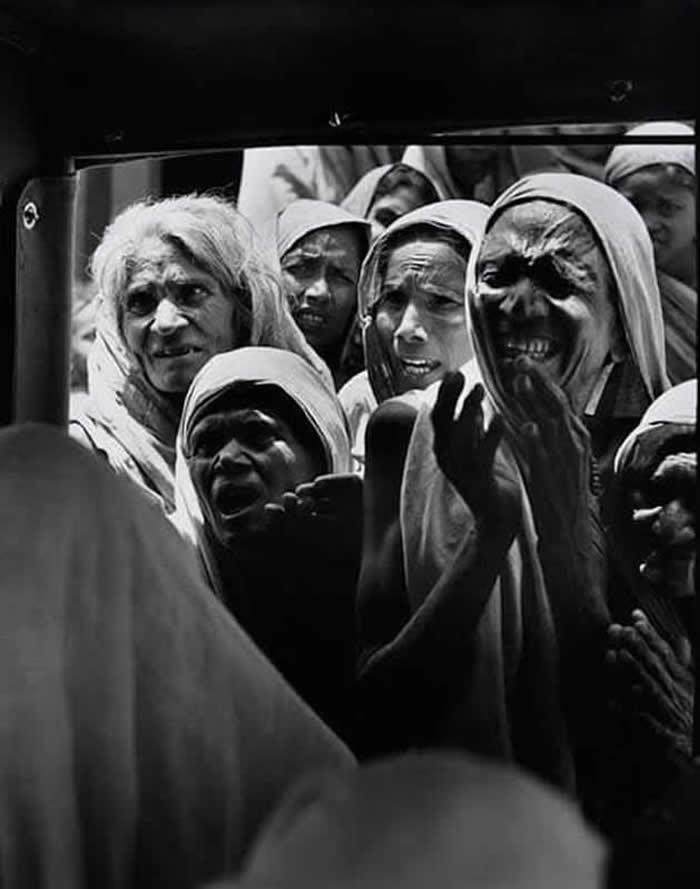
That’s why his travel-based documentary work still feels alive. He photographed people in context, not as decoration. His famine images from India, for example, are devastating, but never sensational. His photographs from Japan have a quiet elegance, shaped by observation rather than interruption. Even when covering hardship, he had a way of preserving dignity. And when he photographed everyday life, he did it with the same seriousness he brought to conflict or crisis. Bischof seemed deeply interested in how people lived, moved, worked, waited, and endured. That curiosity gave his travel photography depth. He wasn’t hunting the exotic. He was paying attention to humanity.
#21
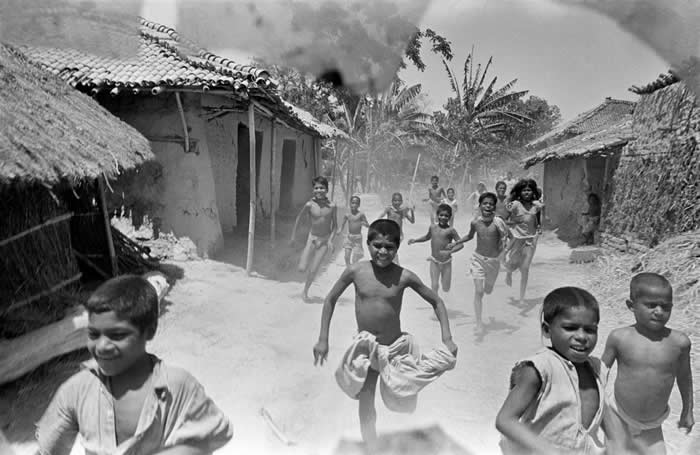
© Werner Bischof | Magnum Photos
#22
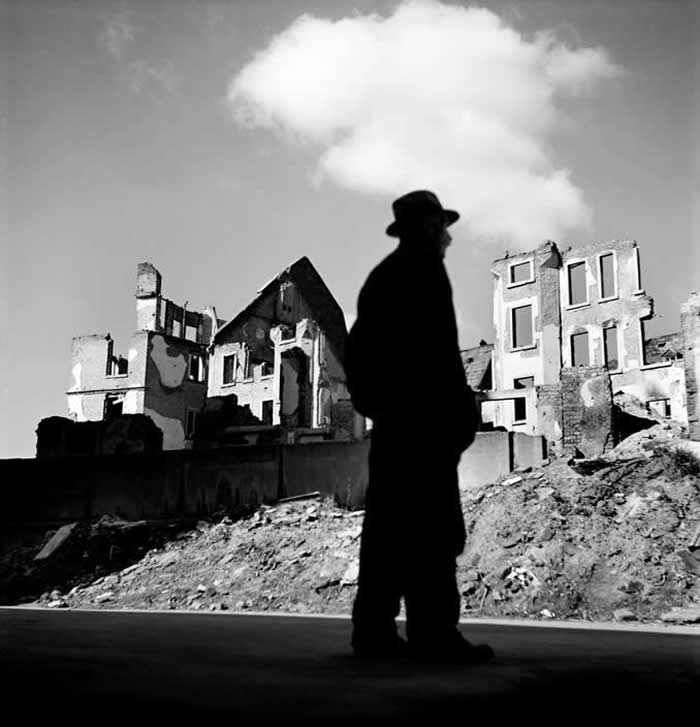
© Werner Bischof | Magnum Photos
#23
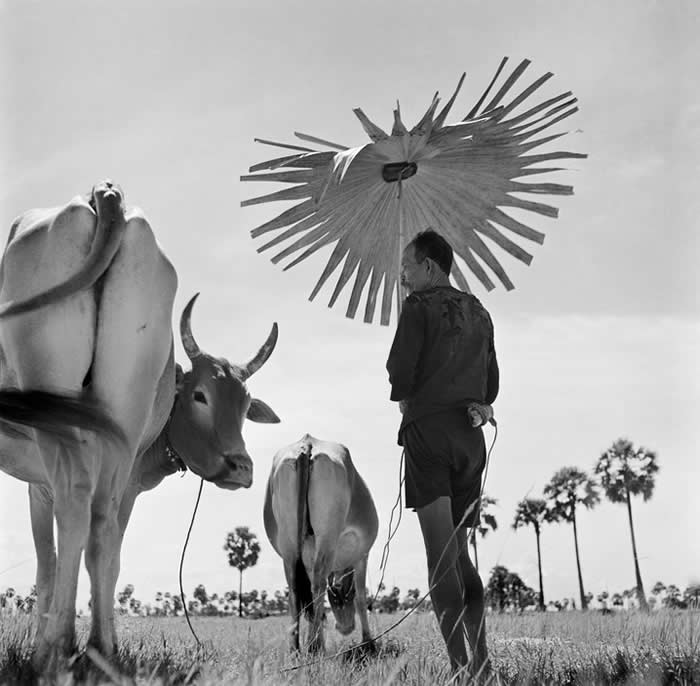
© Werner Bischof | Magnum Photos
#24
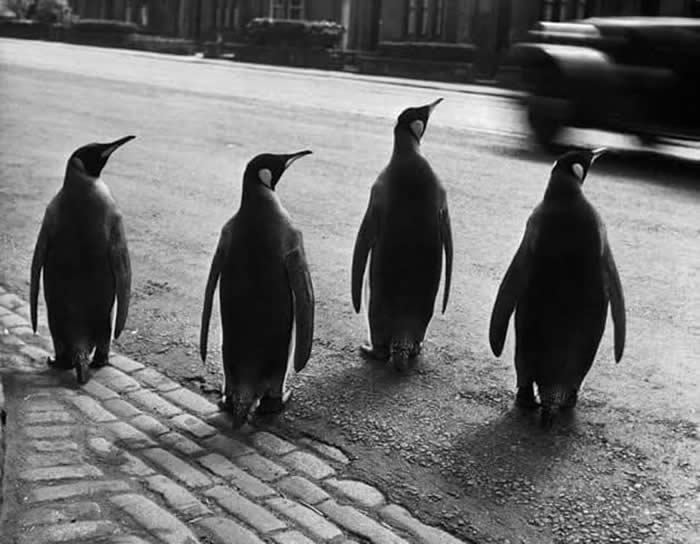
© Werner Bischof | Magnum Photos
#25
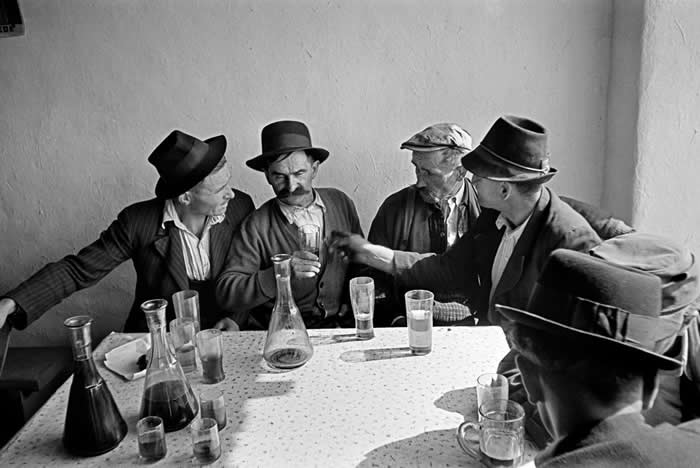
© Werner Bischof | Magnum Photos
Bischof’s Photographs Are Beautiful, But Never in a Hollow Way
This is probably one of the most fascinating things about Werner Bischof: his photographs are often stunningly beautiful, even when the subject matter is heavy. That sounds like a contradiction until you see how he handles it. He wasn’t beautifying suffering. He was using composition, light, and form to make people stop long enough to feel the full weight of what they were seeing.
There’s a real ethical tightrope there, and Bischof walked it with remarkable sensitivity. His images don’t aestheticize pain for the sake of drama. Instead, their beauty comes from order, restraint, and attention. He knew how to compose a frame so that it carried emotional gravity without collapsing into chaos. That’s why his work feels so timeless. A photograph can be formally elegant and still emotionally devastating. In fact, sometimes it’s elegance that keeps the image with you. It draws you in, and once you’re there, the reality of the subject hits harder. Bischof understood that visual beauty and moral seriousness didn’t have to cancel each other out. In his hands, they sharpened one another.
#26
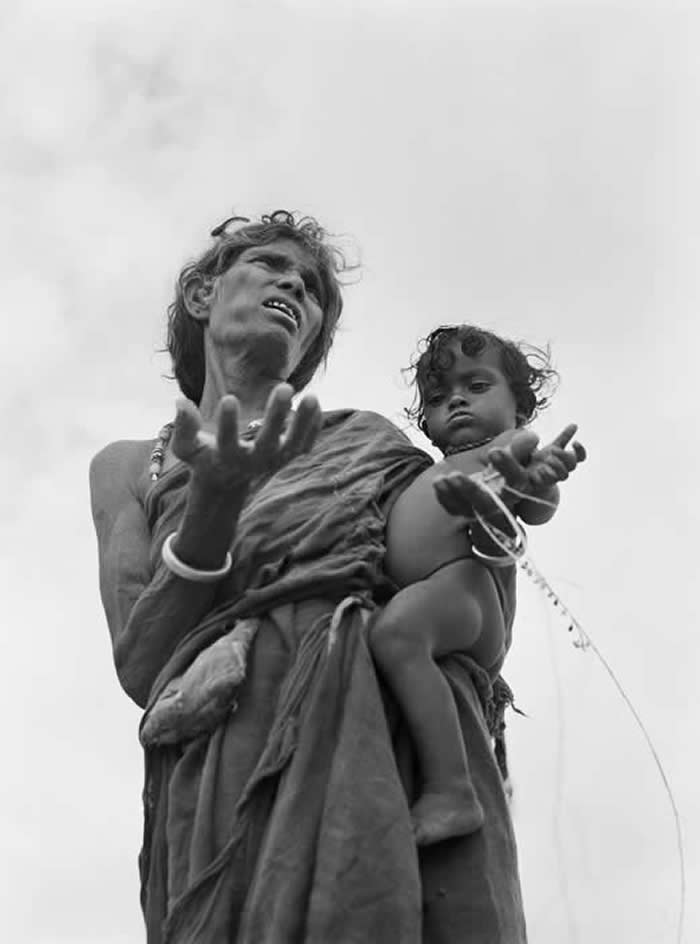
© Werner Bischof | Magnum Photos
#27
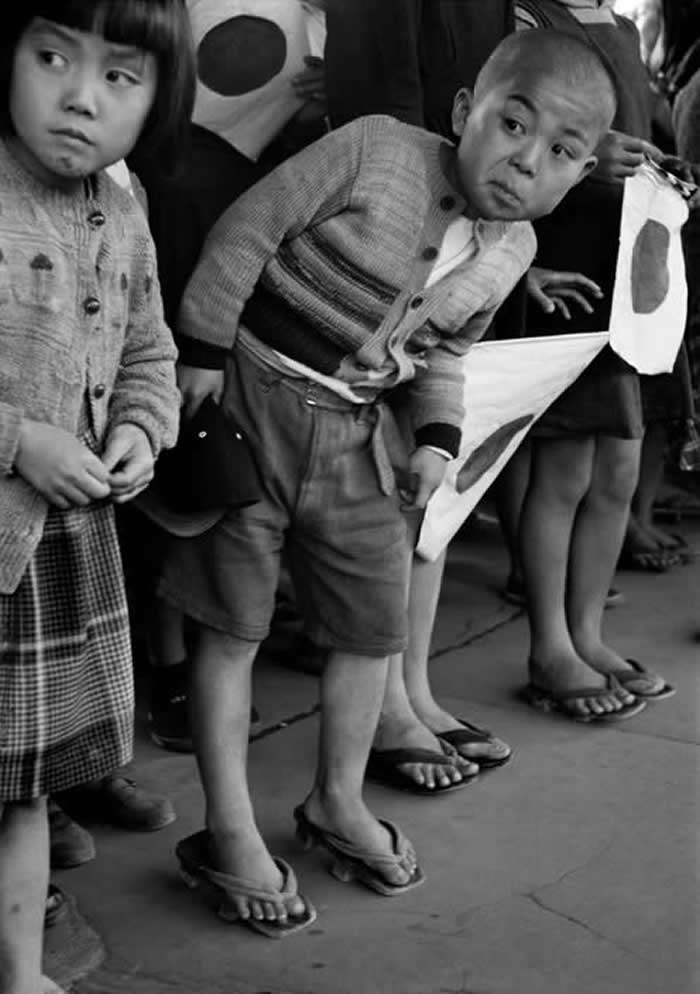
© Werner Bischof | Magnum Photos
#28
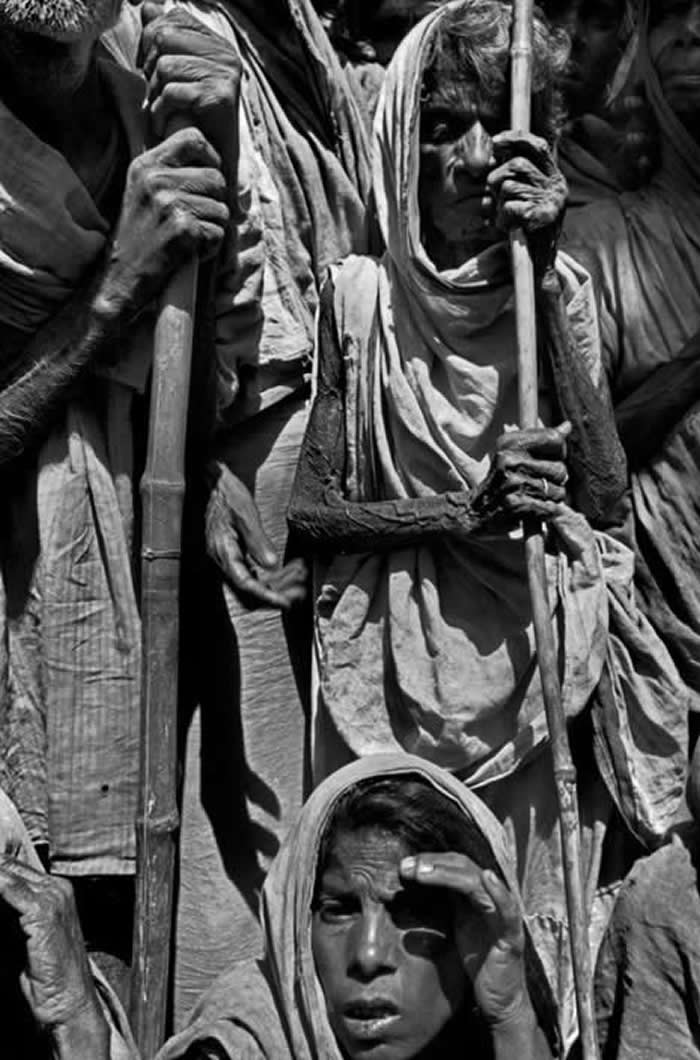
© Werner Bischof | Magnum Photos
#29
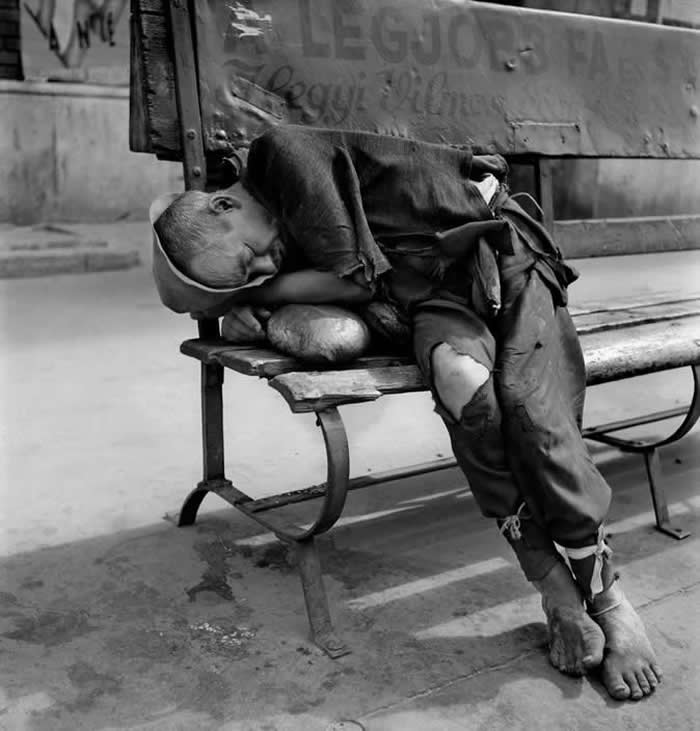
© Werner Bischof | Magnum Photos
#30
© Werner Bischof | Magnum Photos
His Legacy Endures Because He Showed That Compassion and Craft Can Coexist
Werner Bischof died far too young in 1954, in a road accident in the Andes while traveling in Peru. He was only 38. It’s one of those facts that lands with extra weight when you think about how much he had already done by then. He had photographed a shattered Europe, joined Magnum Photos, documented famine and recovery, and built a body of work that still feels startlingly modern in its ethics and emotional intelligence.
What makes his legacy last isn’t just the historical importance of the places he photographed. It’s the way he photographed them. Bischof proved that documentary photography didn’t have to choose between compassion and composition, between truth and beauty, between journalism and art. He made room for all of it. And honestly, that’s part of why his work still feels so relevant now, in a time when images are everywhere and attention spans are basically hanging by a thread. Bischof reminds us that photography can still be careful.
Still principled. Still deeply human. He didn’t just record the world; he asked us to meet it with more attention, more humility, and a little more heart. In the end, that is his lasting challenge to photographers: to keep looking closely and to keep caring while they do.
#31
© Werner Bischof | Magnum Photos
#32
© Werner Bischof | Magnum Photos
#33
© Werner Bischof | Magnum Photos
#34
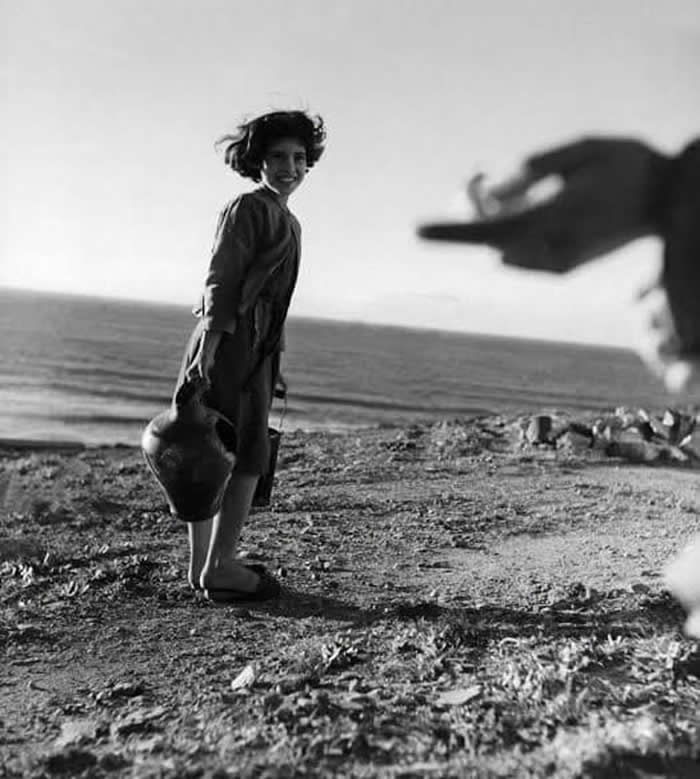
© Werner Bischof | Magnum Photos
#35
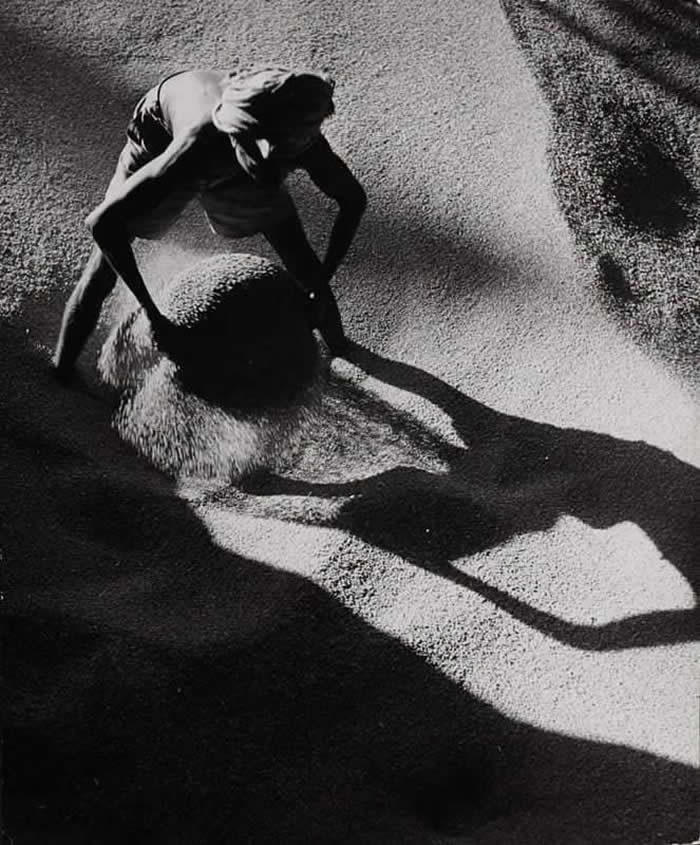
© Werner Bischof | Magnum Photos
Frequently Asked Questions:
Who was Werner Bischof?
Werner Bischof was a Swiss photographer and a leading 20th-century photojournalist. A Magnum Photos member, he became known for visual elegance and deeply human documentary work on war, poverty, culture, and everyday life.
What is Werner Bischof famous for?
He is famous for postwar photo essays, famine documentation in India, and travel reportage across Europe, Asia, and Latin America. His images stand out for compassion, formal beauty, and a refusal to sensationalize suffering.
What made Werner Bischof’s photography style unique?
Bischof blended strong design with sensitive documentary storytelling. His photographs are carefully composed, rich in light and form, yet emotionally honest. He made images feel visually refined and deeply humane without losing journalistic integrity.
Was Werner Bischof part of Magnum Photos?
Yes, Werner Bischof was one of the earliest members of Magnum Photos and the first photographer invited to join after its founding. His work fit Magnum’s humanist spirit while adding visual discipline and poetic sensitivity.
Why is Werner Bischof still relevant today?
He remains relevant because his work demonstrates how photography can be ethical, artistic, and emotionally powerful at the same time. In an age of fast images and constant noise, Bischof’s quiet, compassionate approach still feels thoughtful, necessary, and deeply modern.