There’s something different about old photographs when they’re really good. Not polished-good. Not technically perfect. I mean the kind of image that stops you mid-scroll because suddenly history doesn’t feel like a chapter in a textbook anymore; it feels alive. You’re not just looking at the past. You’re standing in it. You can almost hear the crowd, feel the dust in the street, catch the tension in someone’s face, or sense the weight of a moment before the world changed.
That’s what makes powerful historical photos so addictive. They collapse time. One frame can carry war, invention, grief, glamour, rebellion, joy, survival, and everyday life all at once. A famous leader caught off-guard. Workers standing inside a factory that helped shape an era. Families trying to live normal lives while the world around them was anything but normal. These images don’t just document events; they preserve atmosphere, emotion, and the strange little human details history books usually leave out.
The 38 photographs in this collection do exactly that. Some capture major turning points in politics, industry, and society. Others zoom in on quieter moments, street scenes, ordinary routines, or fleeting expressions that say more than a headline ever could. Together, they remind us that history wasn’t lived in black-and-white facts. It was lived by real people, in real places, one unforgettable moment at a time.
#1. Toffs and Toughs – The photo that illustrates the class divide in pre-war Britain, 1937
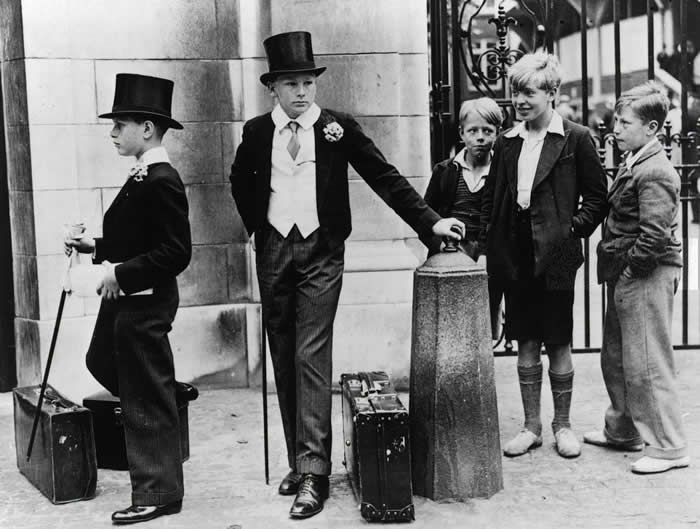
Image Source: Historic Photographs
#2. Carl Benz on the 1885 Benz Patent Motor Car, model no. 1, the first gas powered automobile
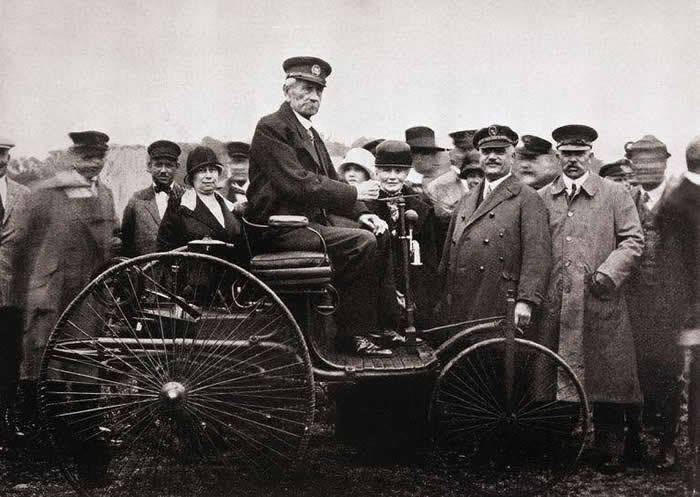
Image Source: Historic Photographs
#3. Concrete dome of the Roman Pantheon with a crack during the 1925 restoration. Almost two thousand years after it was built, the Pantheon’s dome is still the world’s largest unreinforced concrete dome
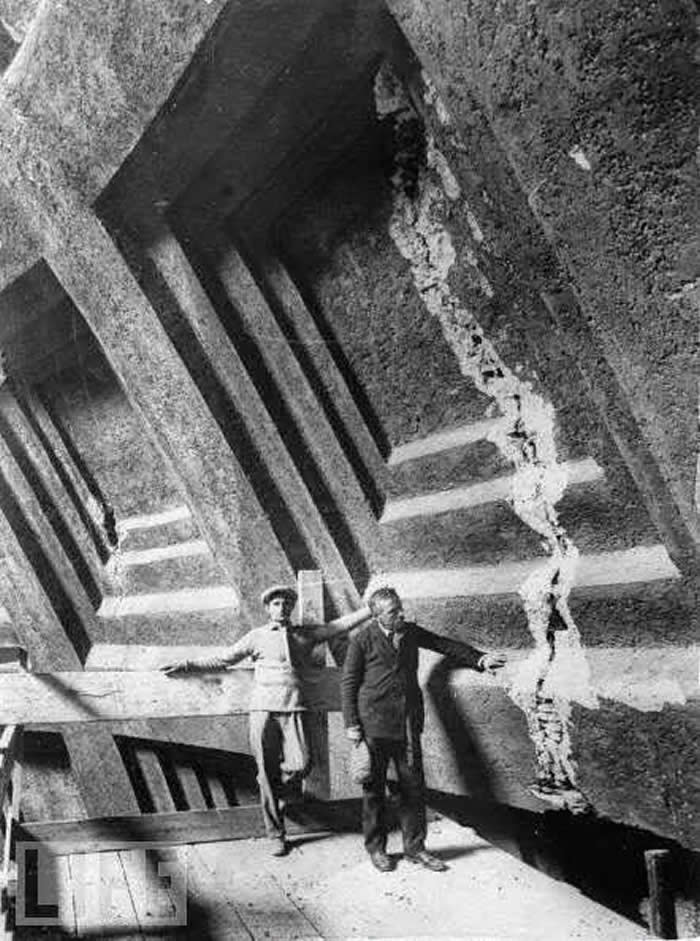
Image Source: Historic Photographs
#4. Actual photo of Albert Einstein lecturing on the Theory of Relativity, 1922. Guy in front is getting headache
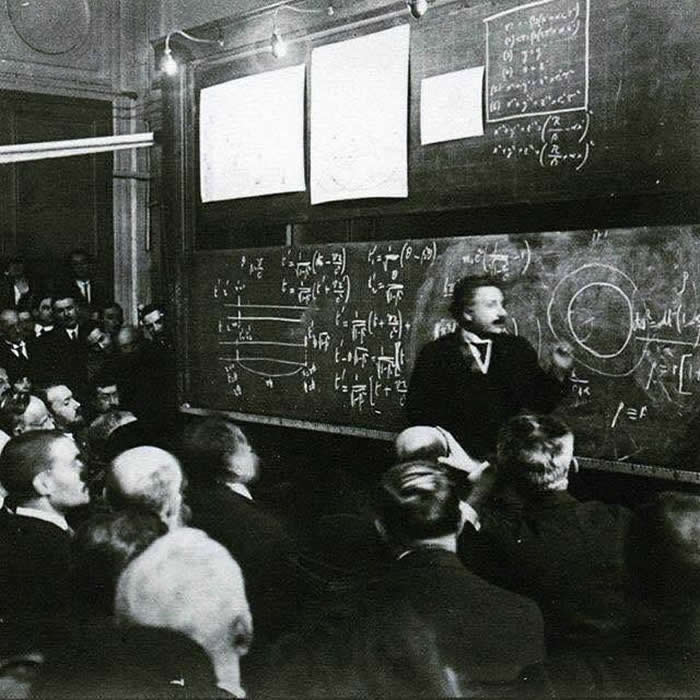
Image Source: Historic Photographs
#5. City hall moved by train 20 miles from Hemingford to Alliance Nebraska in 1899
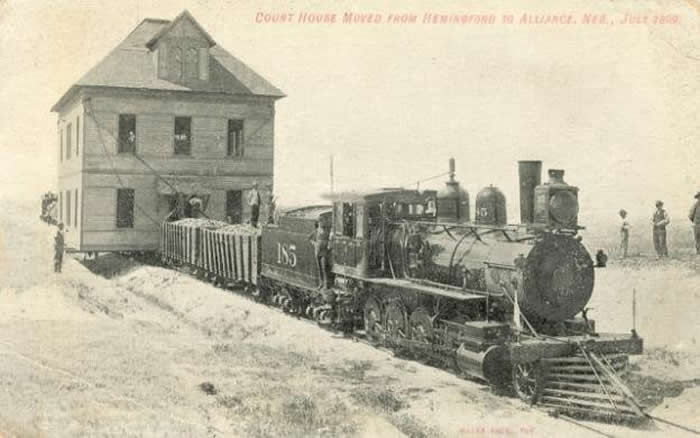
Image Source: Historic Photographs
#6. Spectators trying to get a glimpse of the Treaty of Versailles being signed, 1919
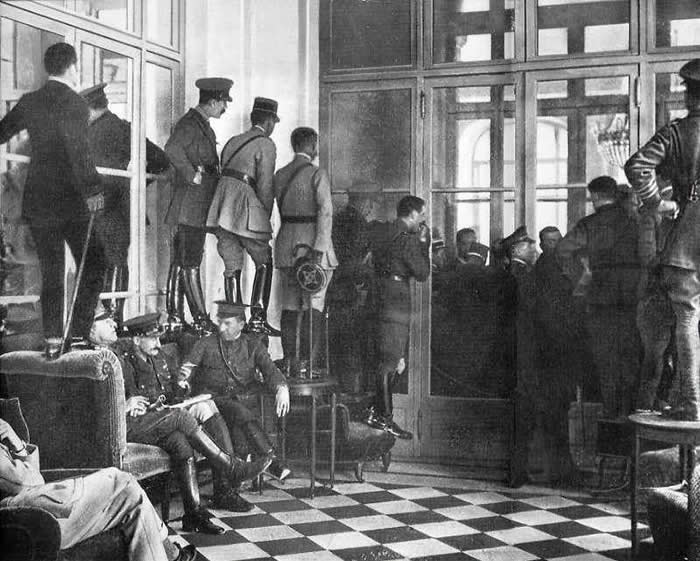
Image Source: Historic Photographs
#7. American soldiers explaining to British soldiers what the American game of baseball is like. (1940s)
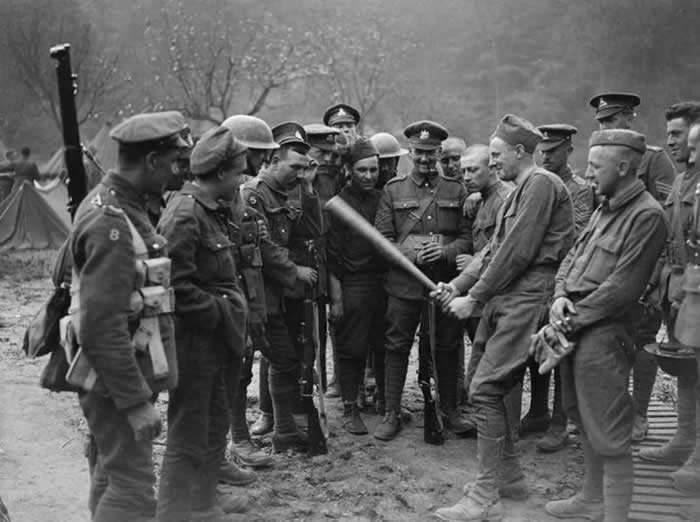
Image Source: Historic Photographs
#8. Elementary Piano Class back in 1947. Photo by Yale Joel
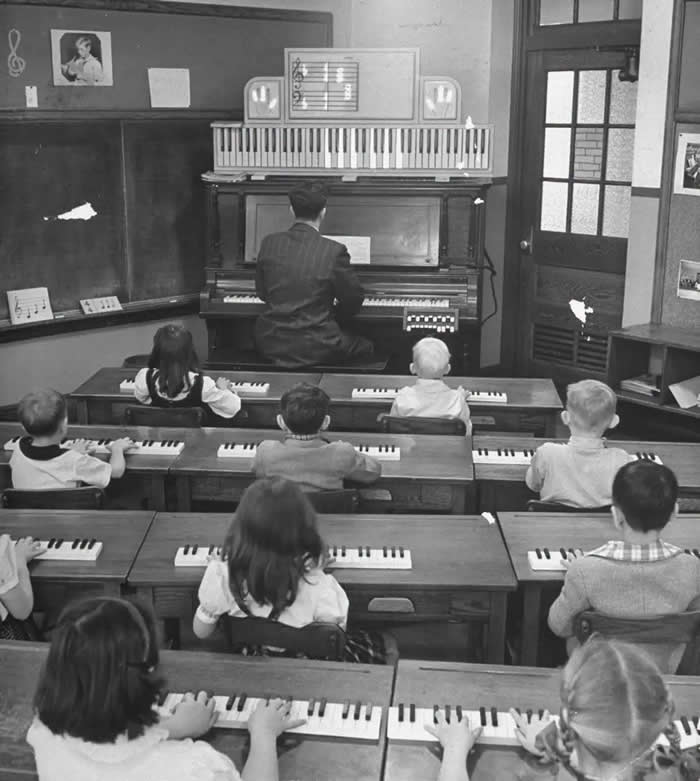
Image Source: Historic Photographs
#9. Queen Elizabeth changing a tire on a truck during WWII
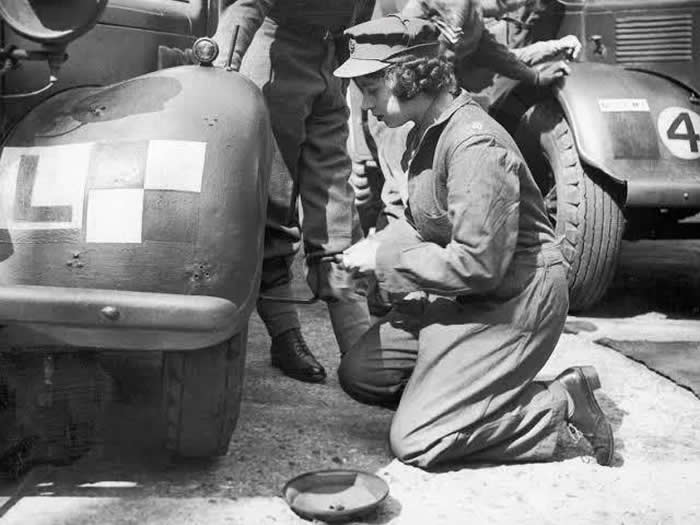
Image Source: Historic Photographs
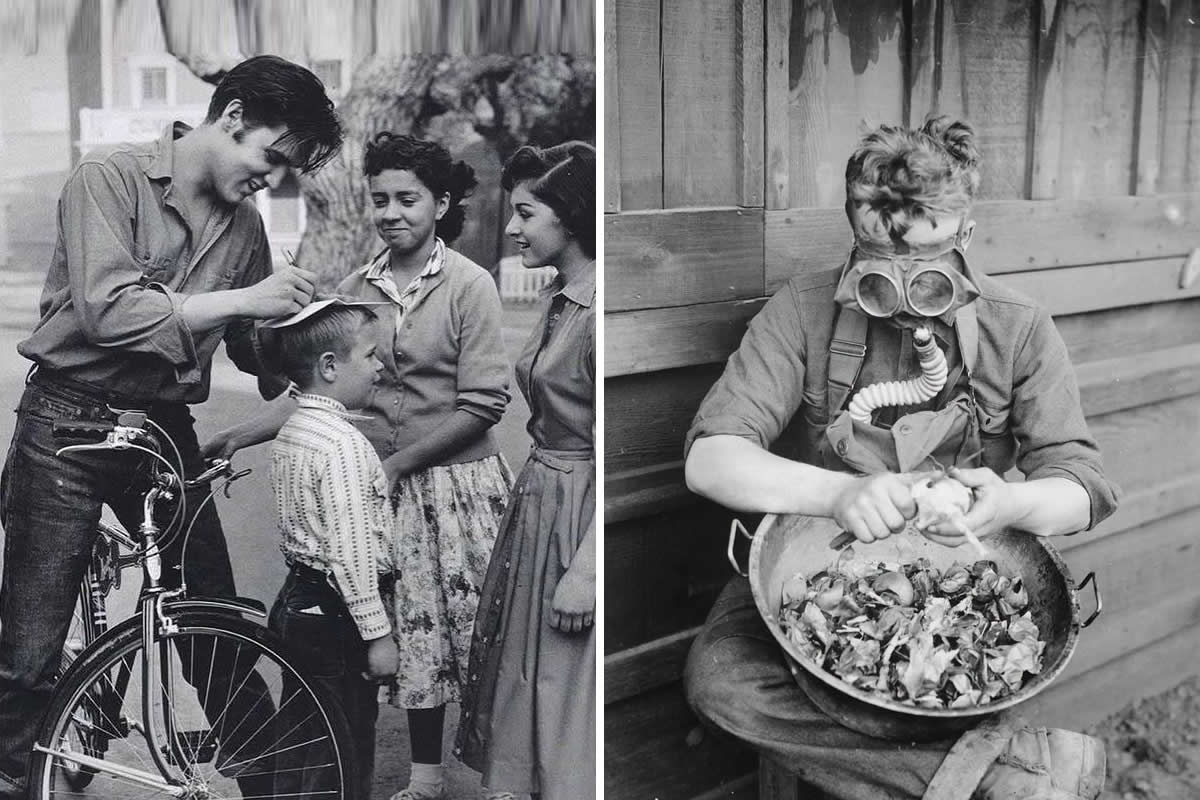
#10. An American soldier utilizes his gas mask to peel onions, San Diego, California. 1918
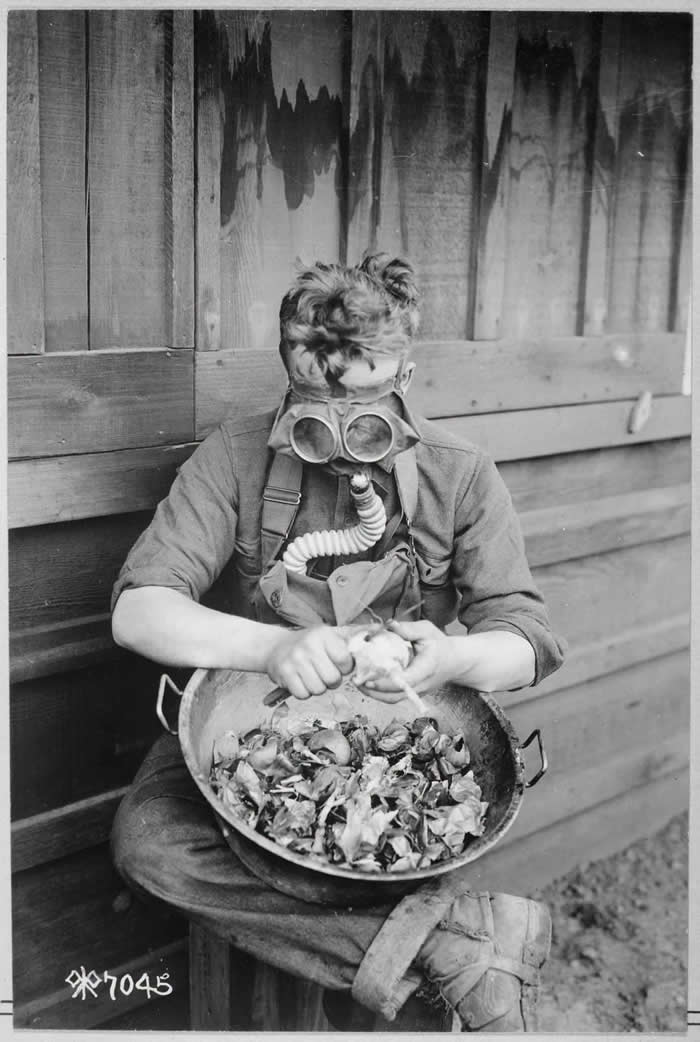
Image Source: Historic Photographs
#11. The Committee that decided on the national flag. Canada, 1964
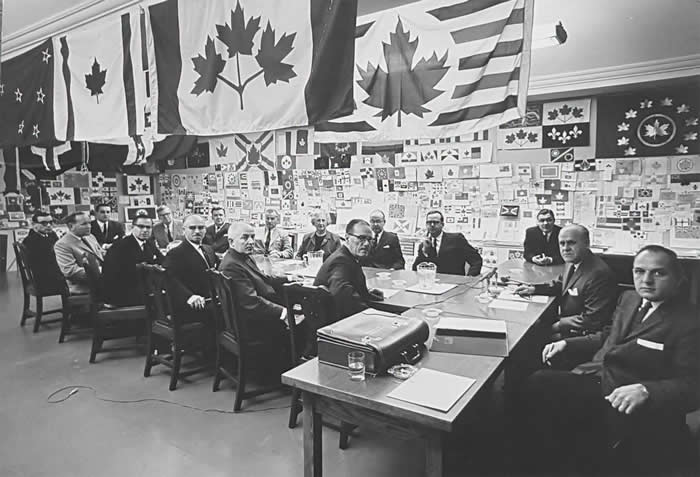
Image Source: Historic Photographs
#12. A man ahead of his time. Portable radio in a straw hat, made by an American inventor in 1931
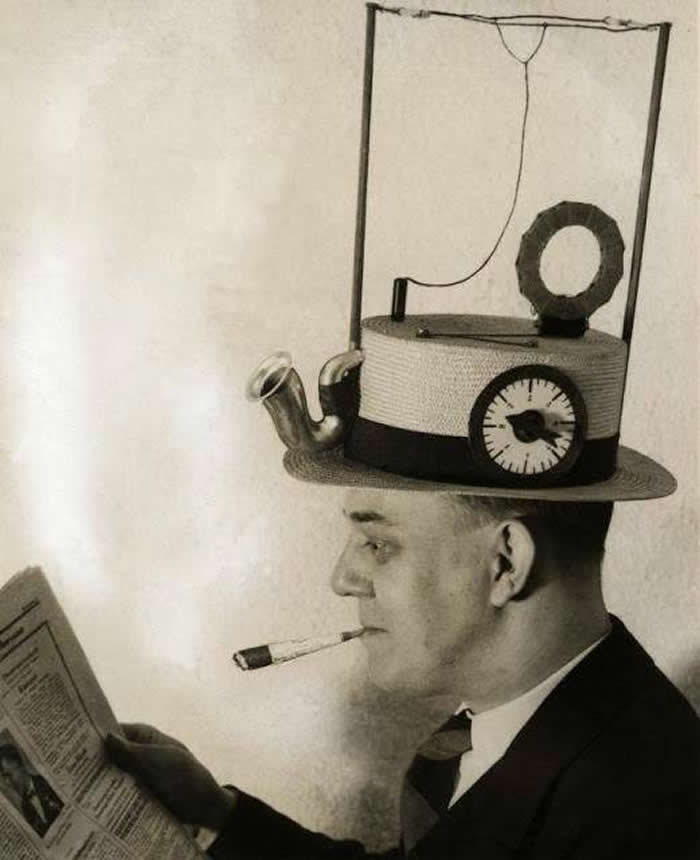
Image Source: Historic Photographs
#13. Teddy Girls in 1955 – their subculture centered around a still-bomb-damaged London
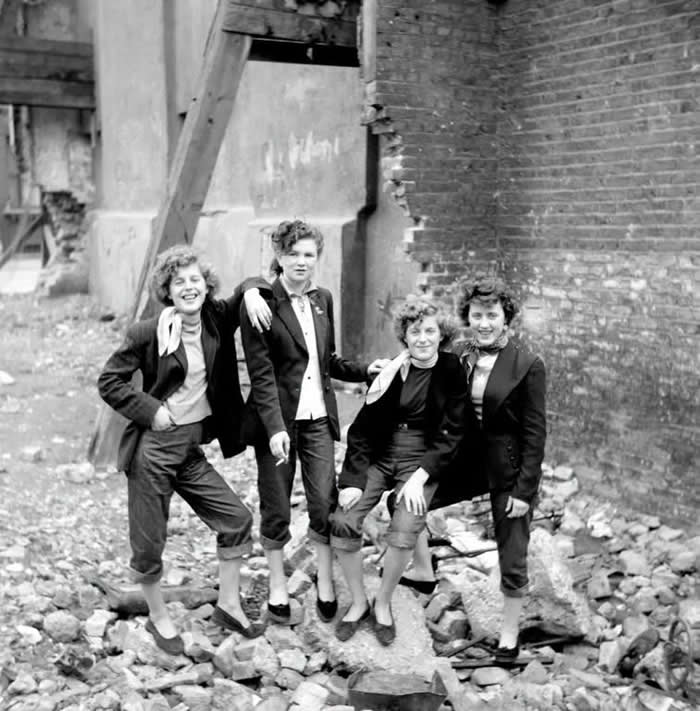
Image Source: Historic Photographs
#14. John F. Kennedy consults with his brother Robert Kennedy during campaigning. 1960
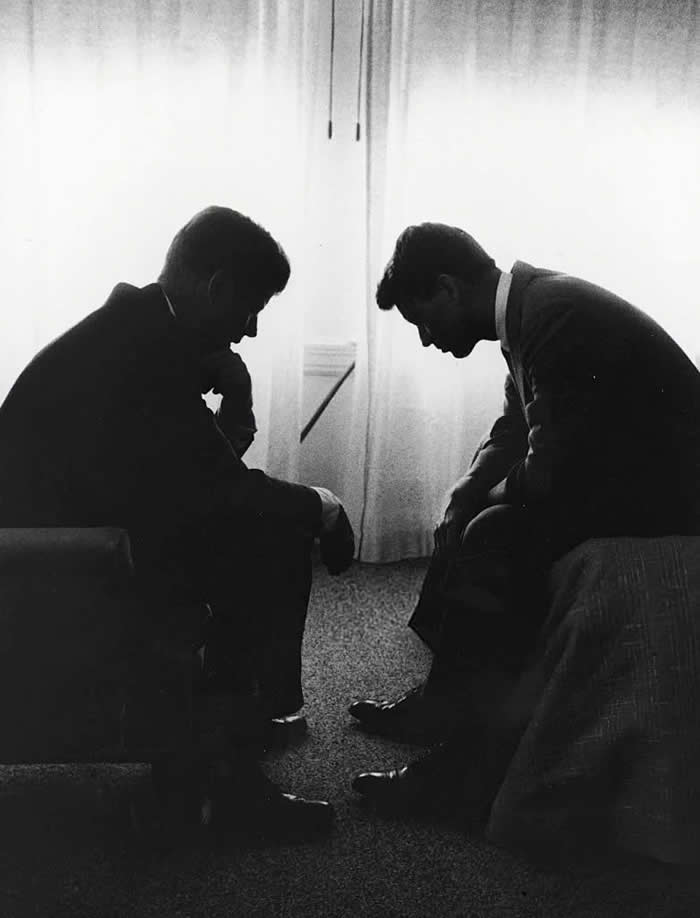
Image Source: Historic Photographs
#15. Canadian firefighters seal an oil well in Kuwait after Iraqi sabotage during the Gulf War, 1991
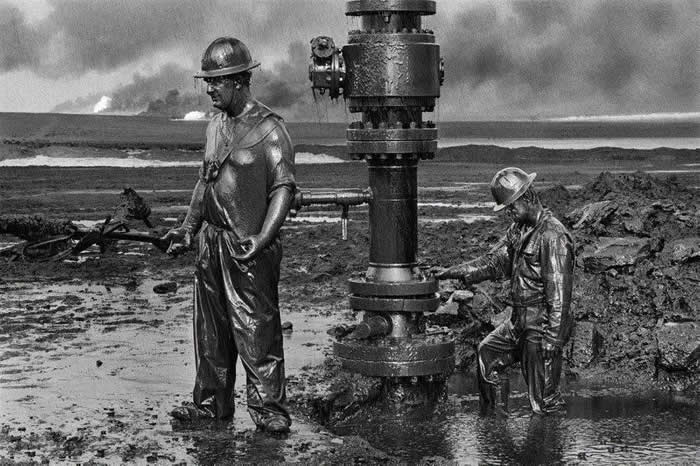
Image Source: Historic Photographs
#16. A tree house of the Koiari people, east of Port Moresby, Papua New Guinea, 1886
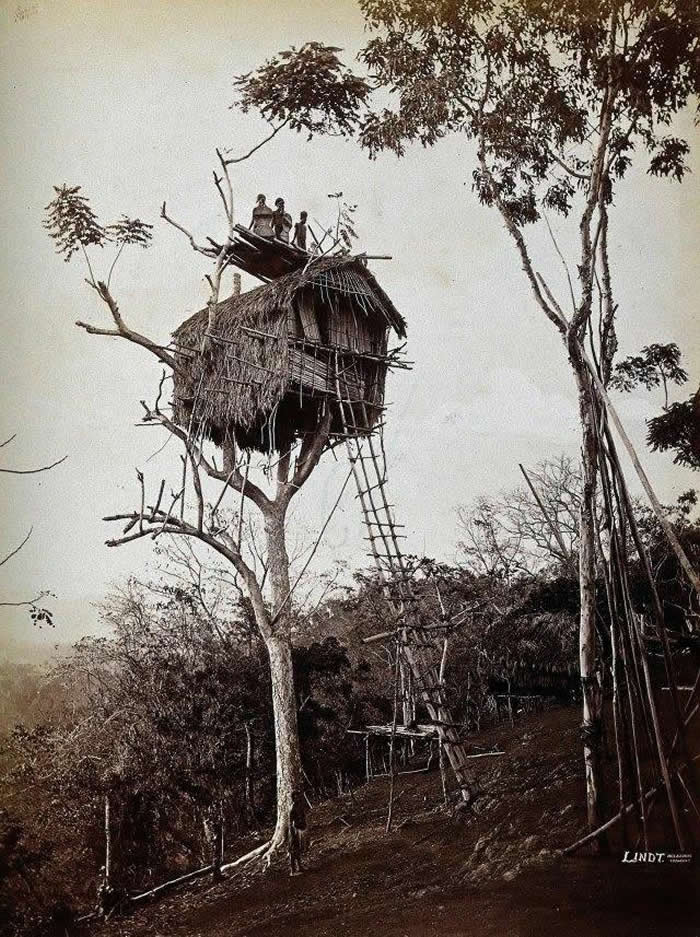
Image Source: Historic Photographs
#17. Behind the scenes of Star Wars – The Empire Strikes Back. (1980)
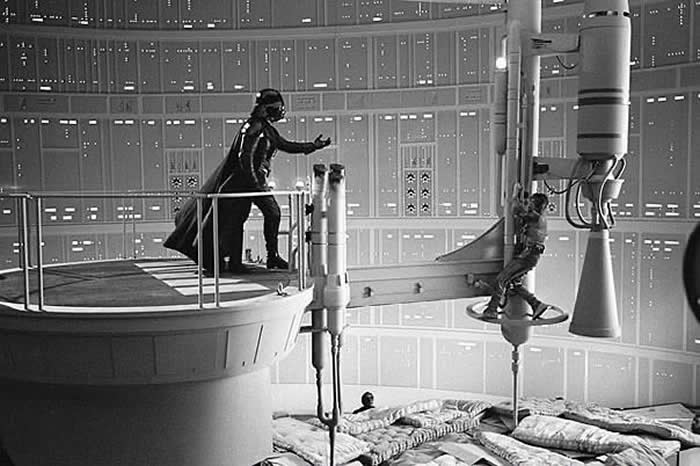
Image Source: Historic Photographs
#18. Sharing a clgarette during the Tour de France, ca. 1927
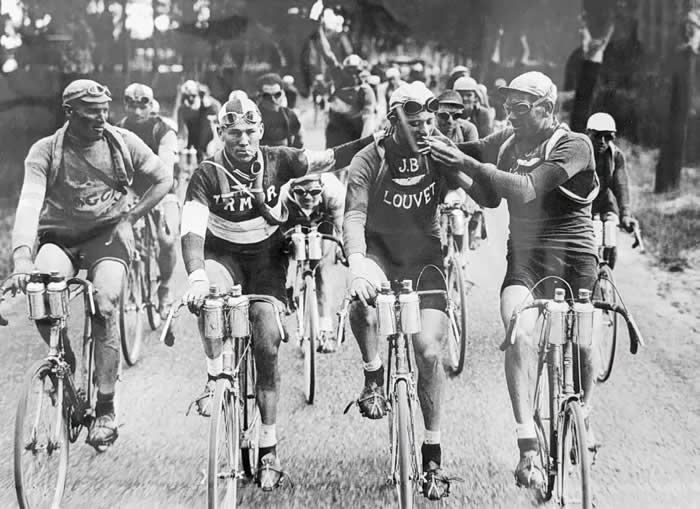
Image Source: Historic Photographs
#19. In Chicago in 1954, owners lined up with their dogs in order to receive vaccines that had been ordered by the state in response to a rabies outbreak. Some 45,000 received shots
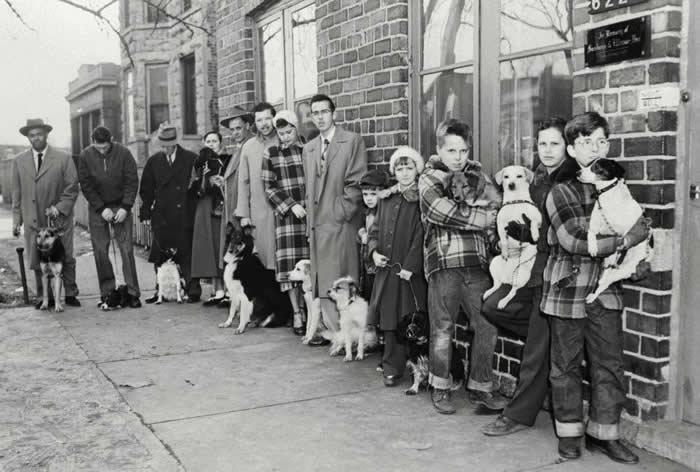
Image Source: Historic Photographs
#20. In 1912, Native American Olympian Jim Thorpe had his running shoes stolen the morning of the event. He found two mismatched shoes in the garbage, ran in them, and won two gold medals that very same day
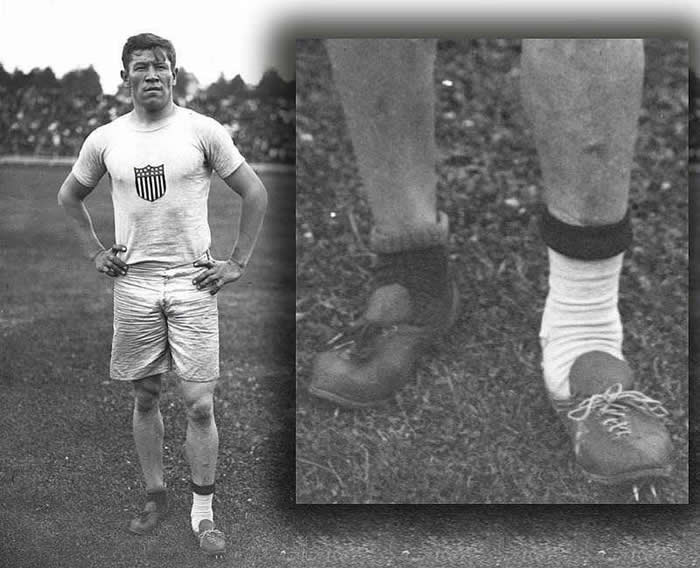
Image Source: Historic Photographs
#21. Elvis Presley signing autographs on top of a boys head, 1959
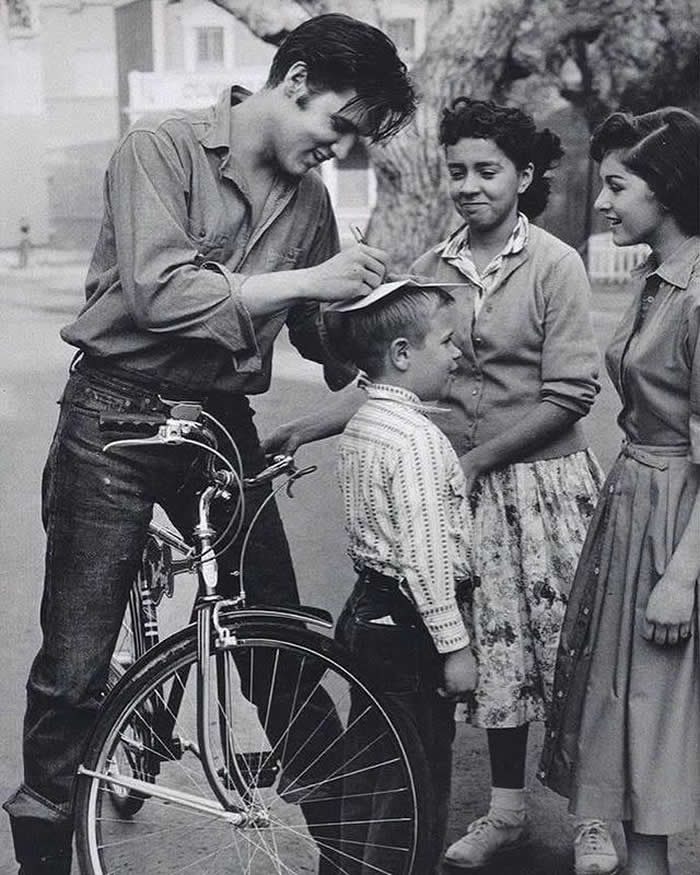
Image Source: Historic Photographs
#22. Marie Curie and daughter Irène, 1925
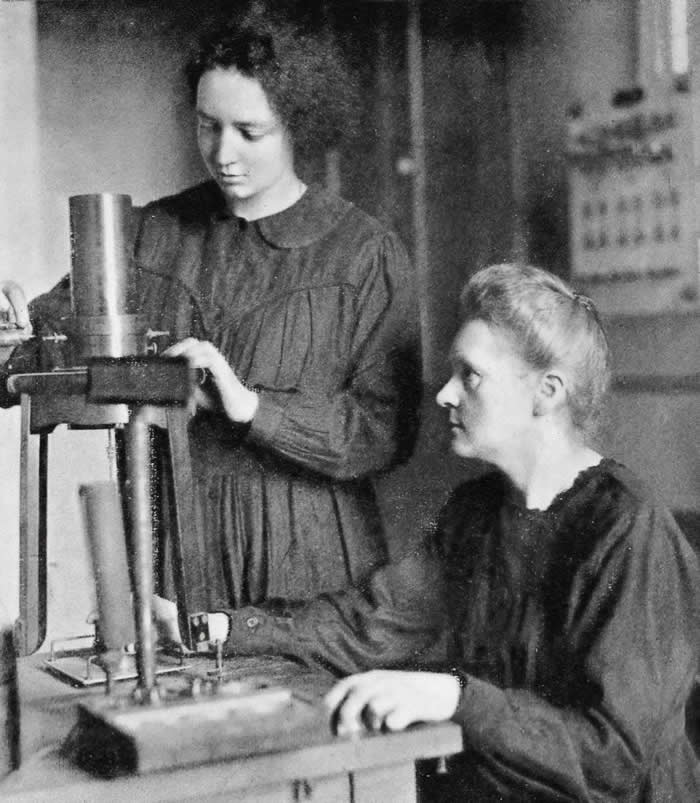
Image Source: Historic Photographs
#23. A tower built from seized barrels of alcohol awaiting destruction during Prohibition in the United States, 1929
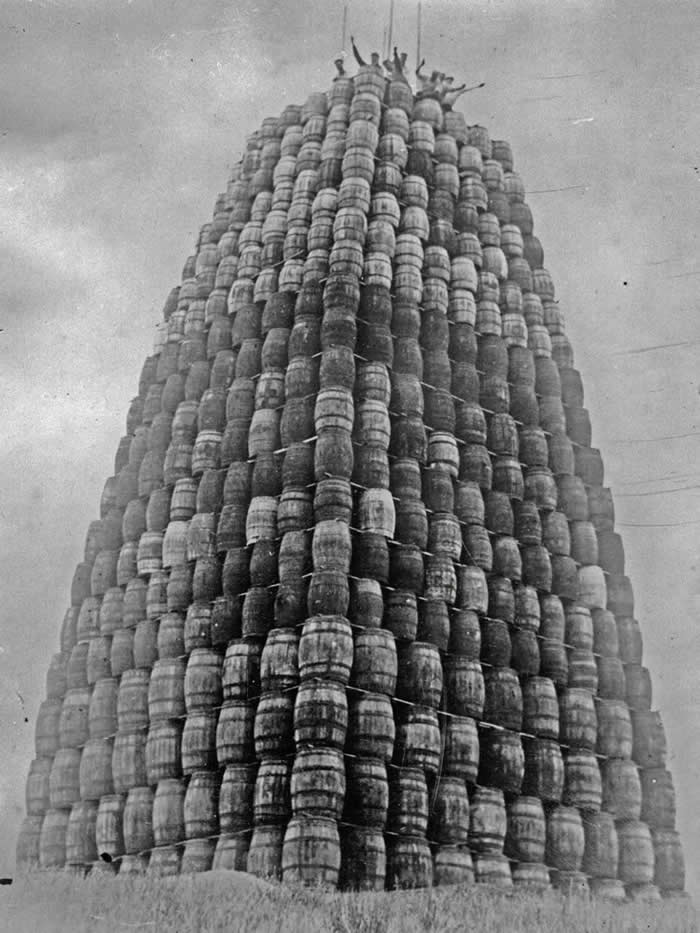
Image Source: Historic Photographs
#24. First Social Security recipient. In 1940, the government cut 65-year-old Ida May Fuller a check. It was numbered 00-000-001 – the first Social Security payout
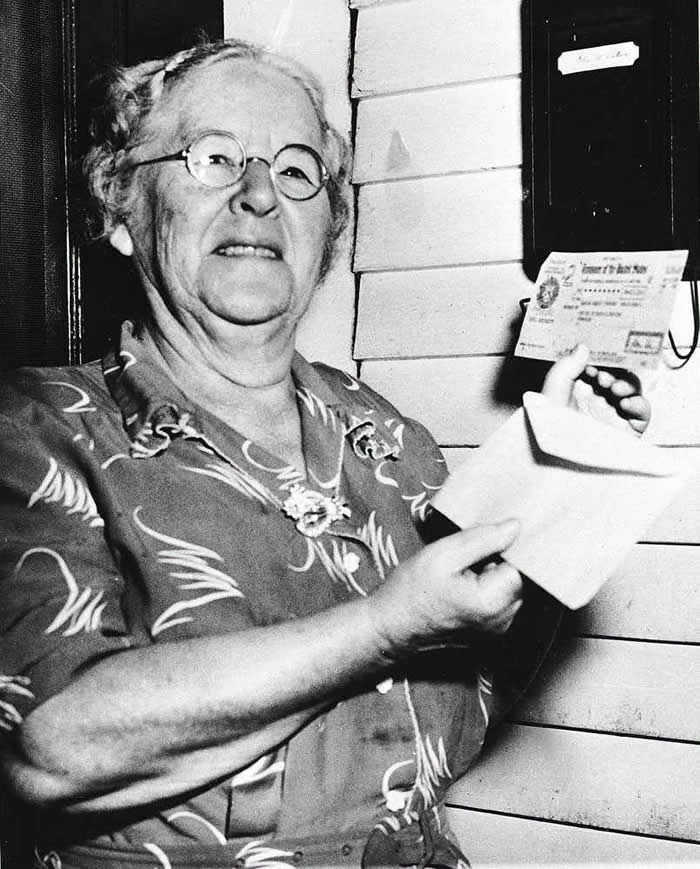
Image Source: Historic Photographs
#25. George McLaurin, the first African-American man admitted to the University of Oklahoma in 1948, was forced to sit in a corner away from his classmates
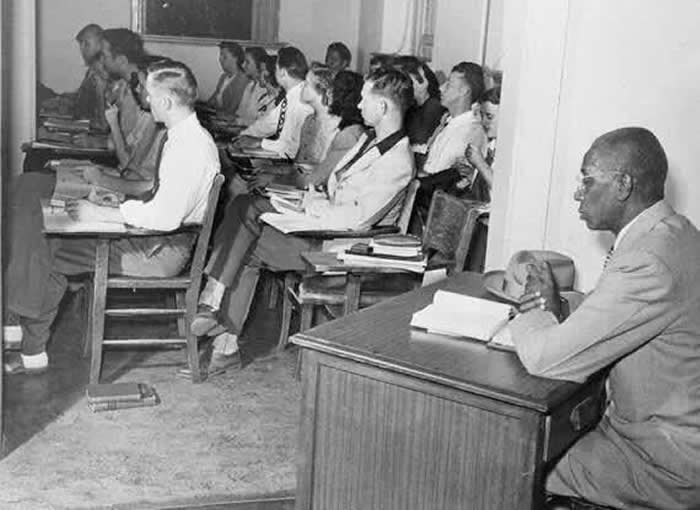
Image Source: Historic Photographs
#26. Nikita Khrushchev surrounded by people voting for his resignation, USSR, October 14, 1964
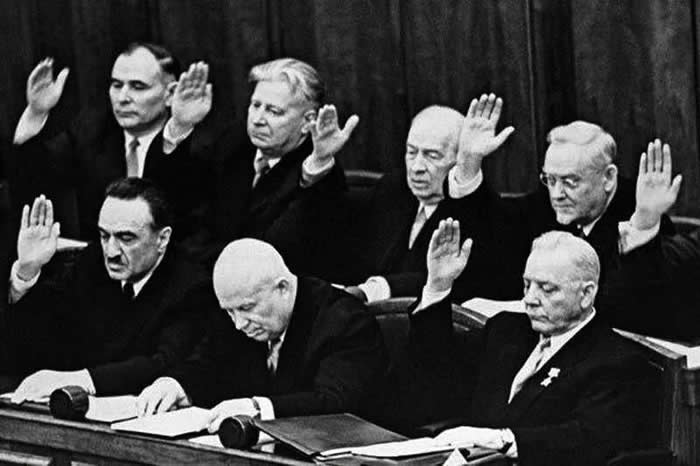
Image Source: Historic Photographs
#27. Kiev doctors on the way to Chernobyl, April 27, 1986
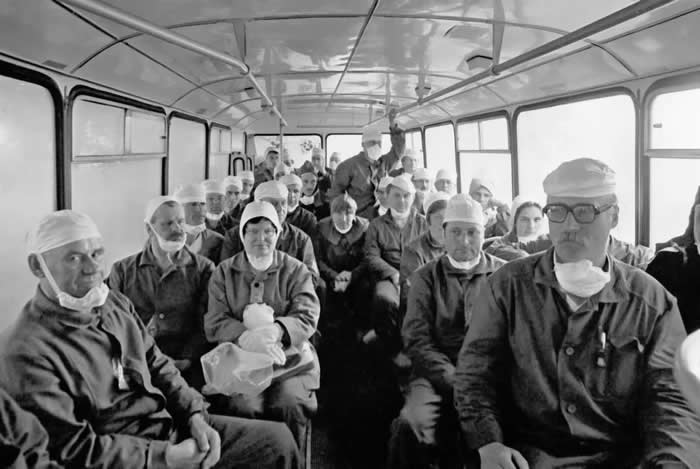
Image Source: Historic Photographs
#28. The site where the World Trade Center would soon be built, New York City, 1968
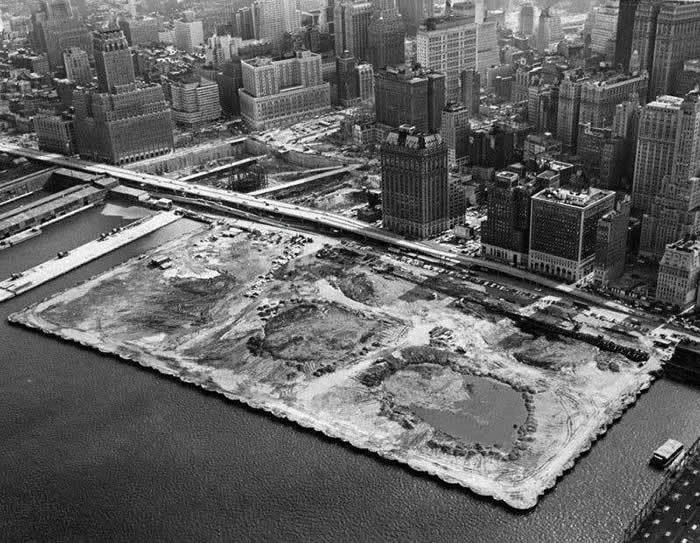
Image Source: Historic Photographs
#29. Leicester, England, 1950s. When coal was very much the number one energy source
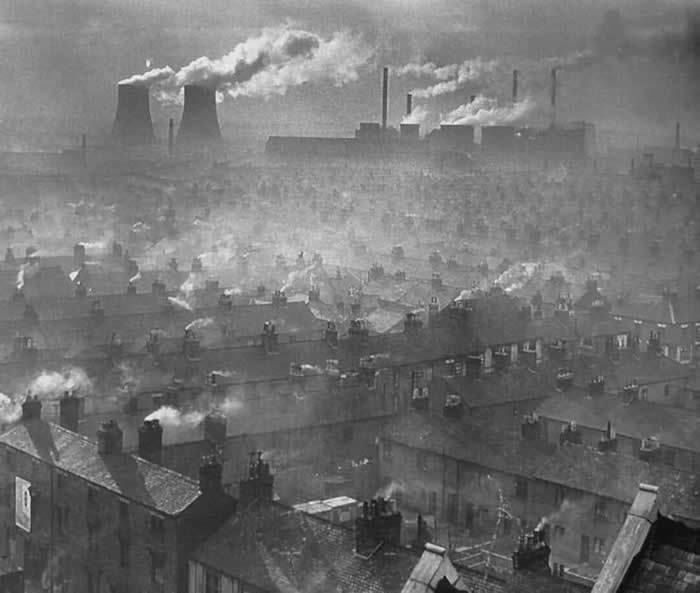
Image Source: Historic Photographs
#30. Legendary Soviet rockstar Viktor Tsoi of Kino working his day job as a stoker in a Leningrad boiler room, required by law to avoid being prosecuted for "parasitism" (1986)
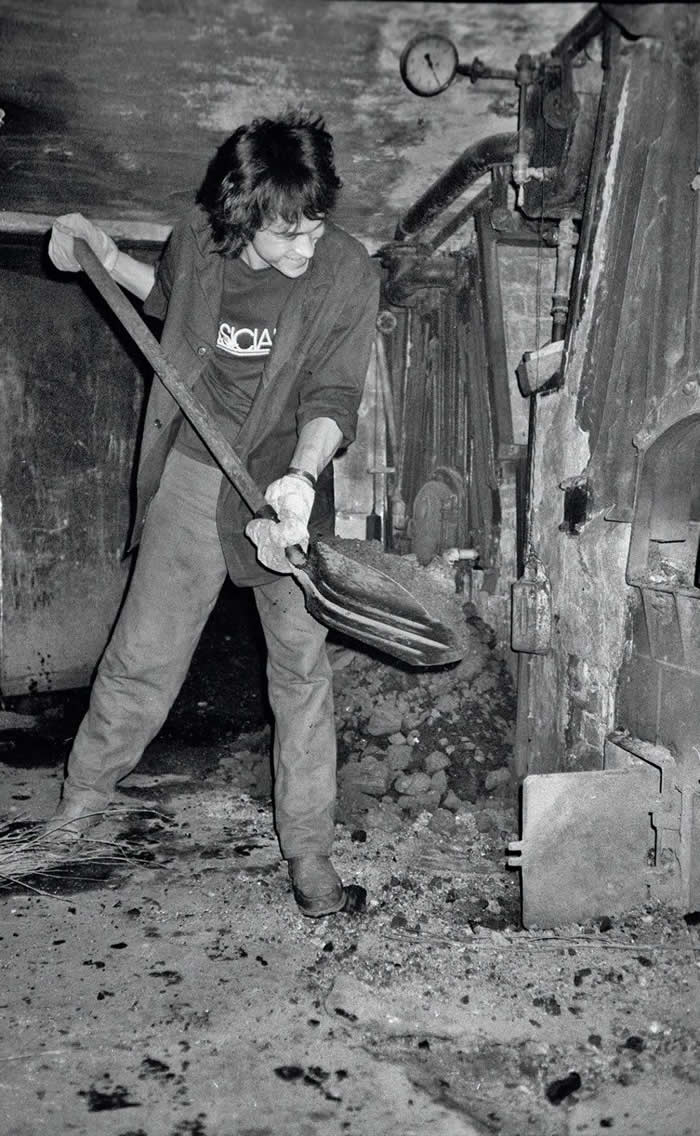
Image Source: Historic Photographs
#31. A 60-year-old man poses with his family of three in Kentucky, 1946
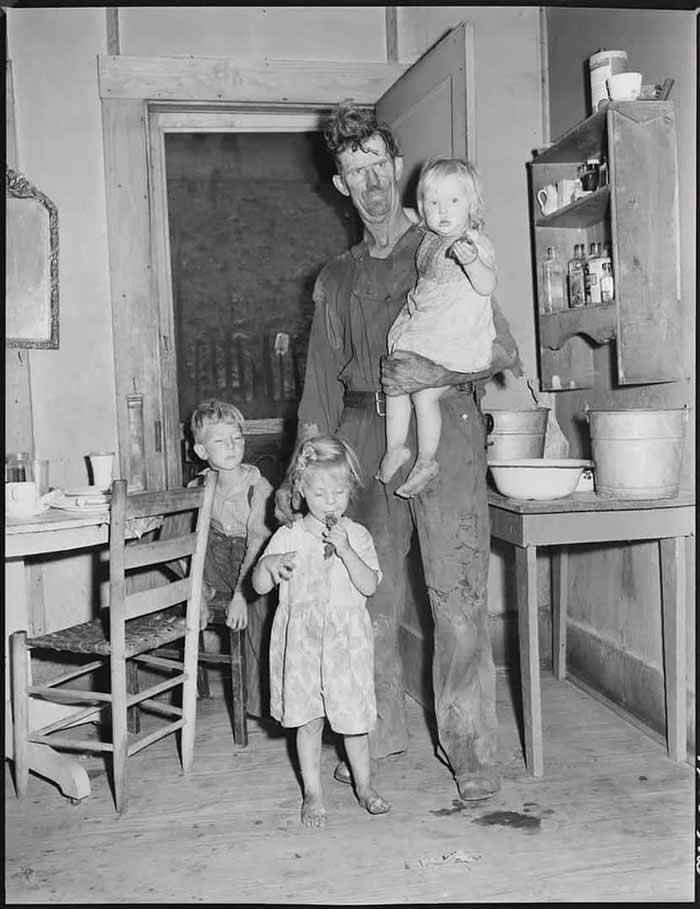
Image Source: Historic Photographs
#32. Civil war drumer boy posing on his uniform with his cap on hand, circa (1863)
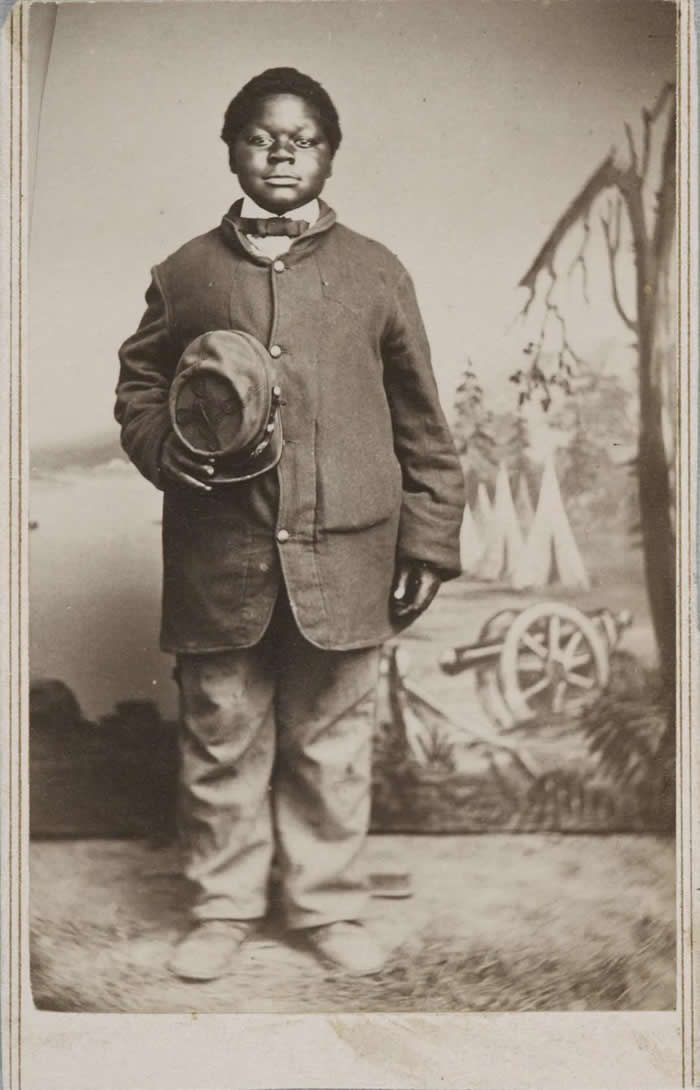
Image Source: Historic Photographs
#33. 78-year-old Robert T. Lincoln (son of Abraham Lincoln) is helped up the steps at the dedication of the Lincoln Memorial in Washington D.C., 1922
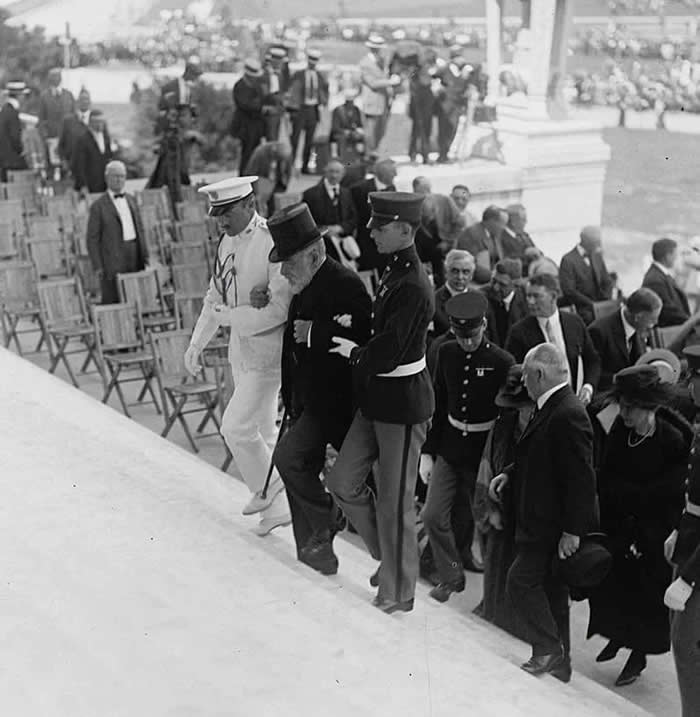
Image Source: Historic Photographs
#34. Overwhelmed by the summer heat, a man sits before a stack of saucers marking the number of drinks he had consumed so far. Paris, France, June 1941, during World War II
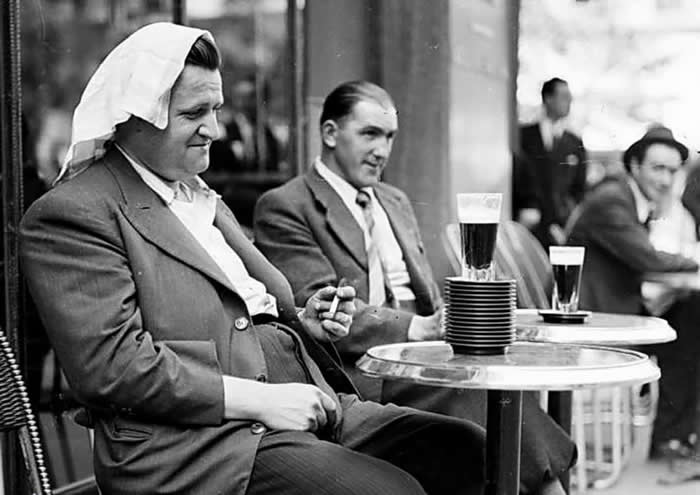
Image Source: Historic Photographs
#35. Inventor of the precast pipe trust the engineering of his invention to not be crushed by over 21 tons, Canada 1920
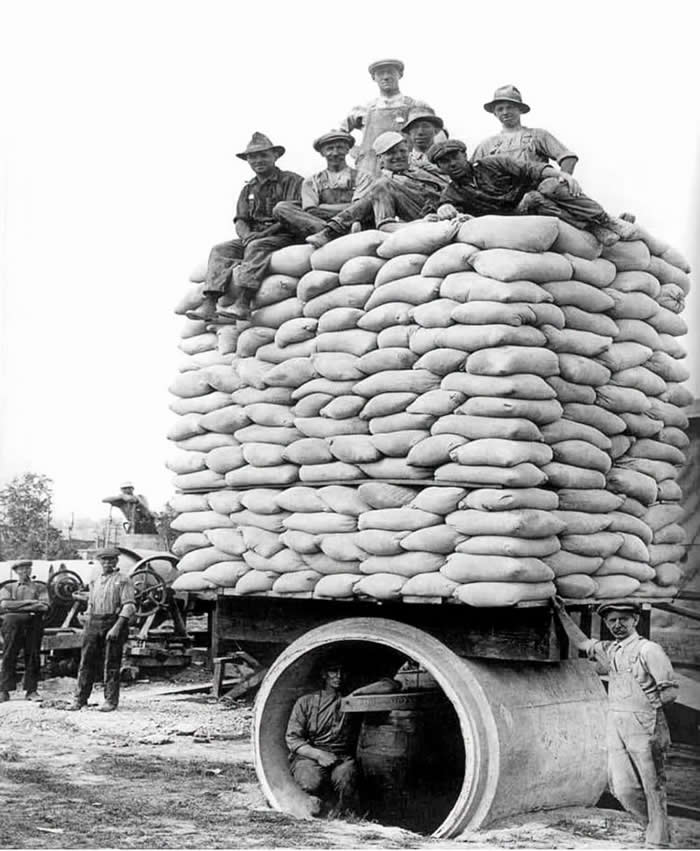
Image Source: Historic Photographs
#36. A lady in an early biker outfit rides her Pfeil motorcycle, 1905
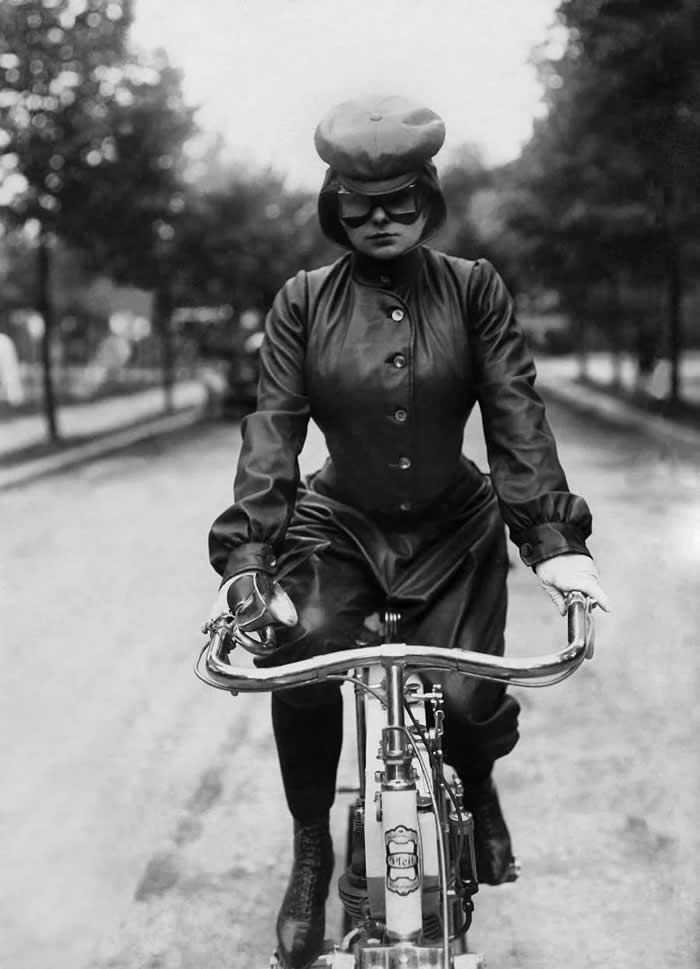
Image Source: Historic Photographs:
#37. Nacho Lopez, Mexican photographer, decided to do a social-cultural experiment and asked actress Maty Huitron to go to the market while he went back to get more roll, then he hide and took photos while he followed her, capturing the reactions of the men. Done January of 1953
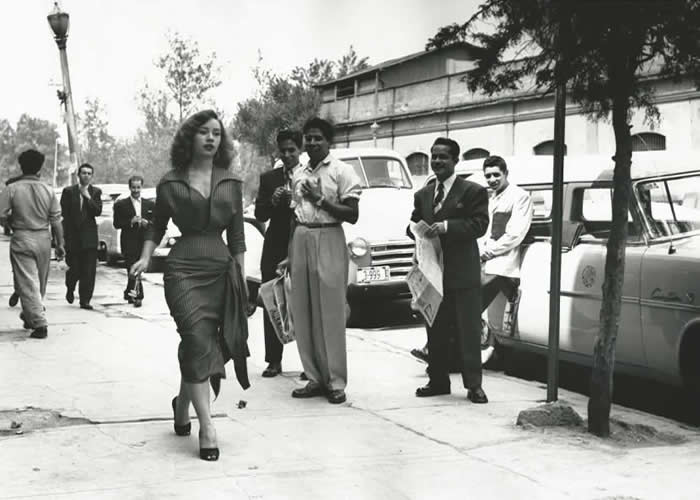
Image Source: Historic Photographs
#38. The graves of a Catholic woman and her Protestant husband, separated by a wall, Netherlands, 1888
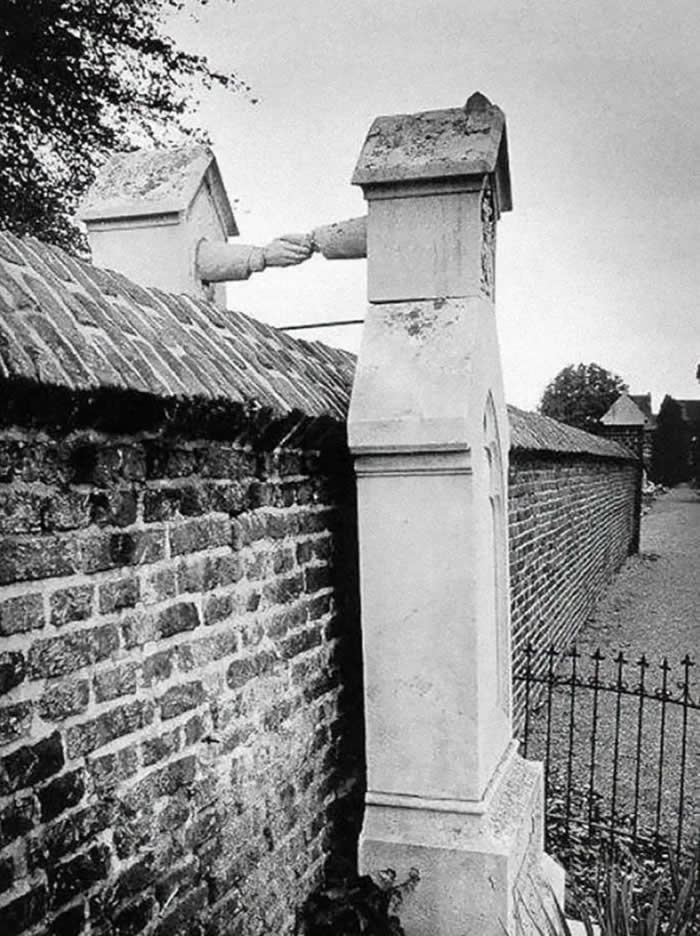
Image Source: Historic Photographs
Frequently Asked Questions:
What makes historical photos so powerful?
Historical photos feel powerful because they capture real moments with emotional weight. They preserve expressions, environments, and details that written history can’t always convey, making wars, inventions, leaders, and everyday life feel immediate, human, and far more personal than facts on a page.
Why do old photographs make history feel more real?
Old photographs make history feel real because they freeze actual people and places in time. Instead of reading about an event in abstract terms, viewers can see body language, surroundings, clothing, and emotion, which helps transform distant history into something vivid, relatable, and unforgettable.
What kinds of moments are usually featured in historical photo collections?
Historical photo collections often include wars, political events, famous leaders, social movements, inventions, industrial scenes, cultural shifts, and slices of everyday life. The strongest collections balance headline-making moments with quieter images that reveal how ordinary people lived, worked, struggled, and celebrated.
Why are forgotten historical photos important today?
Forgotten historical photos matter because they recover stories that may have slipped out of public memory. They give context to the present, spotlight overlooked people and events, and remind us that history isn’t only about major headlines; it’s also built from countless human experiences and untold moments.
How can a single historical photo tell a bigger story?
A single historical photo can suggest an entire era through visual clues, fashion, architecture, technology, expressions, and setting. One frame might hint at political tension, social change, hardship, or hope, allowing viewers to connect a small captured moment to a much larger historical narrative.