
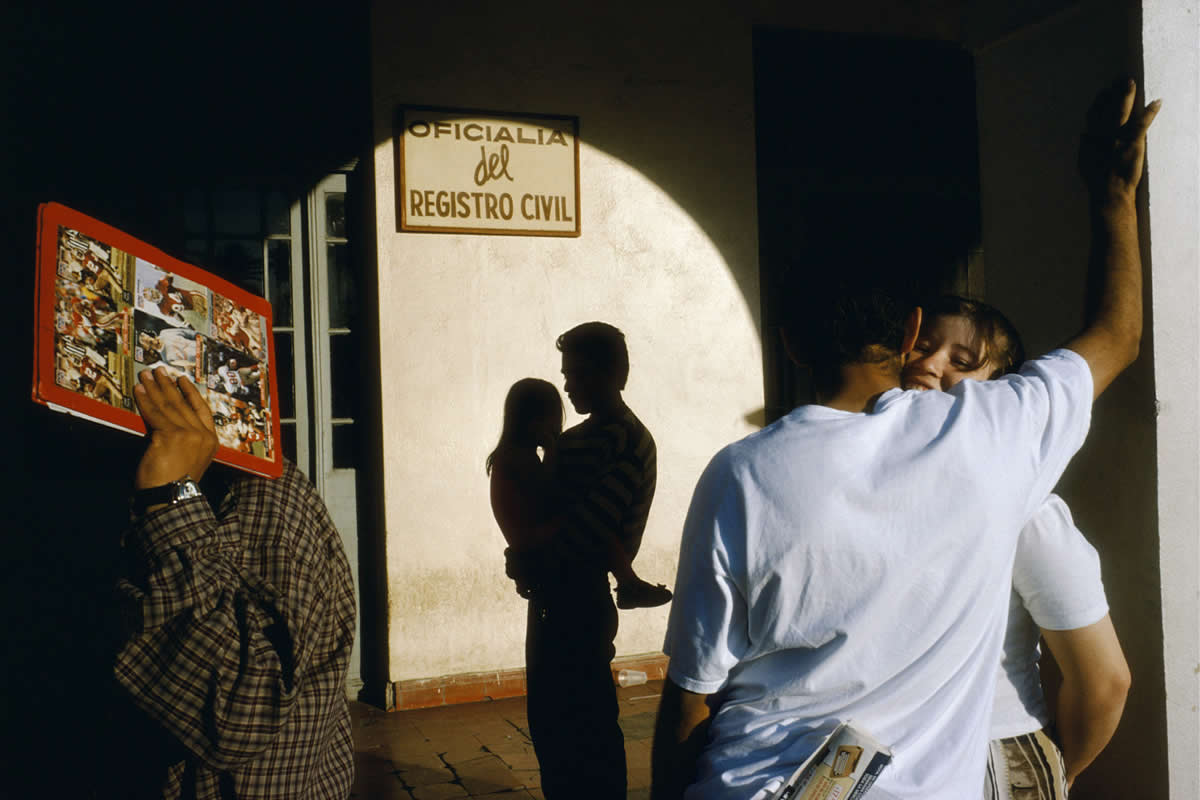
Every great street photograph starts with a simple question: what happens when light meets shadow?
I’ve spent countless hours studying the work of master street photographers, and one thing keeps showing up again and again. It’s not the camera. It’s not the lens. It’s not even the location. It’s the way these photographers use light like an architect uses lines and shapes.
When I look at the work of Alex Webb, Daido Moriyama, Joel Meyerowitz, Steve McCurry, Bruce Gilden, Martin Parr, Fan Ho and others. I don’t just see people walking through cities. I see light carving stories into ordinary streets. A bright patch of sunlight becomes a stage. A deep shadow becomes a mystery. Suddenly, a random stranger walking by looks like the main character in a movie.
That’s the magic of chiaroscuro—the artistic use of strong contrasts between light and dark. Painters like Caravaggio mastered it centuries ago, but today’s street photographers are using the same visual language in modern cities. The streets become their canvas. Buildings create giant blocks of shadow. Reflections bounce light into unexpected places. Human figures transform into graphic shapes.
What fascinates me most is how patient these photographers are. They don’t chase moments. They often wait for them. They study the geometry of a scene first and let life walk into the frame.
After analyzing thousands of street photographs, I’ve learned that great chiaroscuro photography isn’t about finding perfect light. It’s about understanding how light interacts with architecture, people, timing, and composition. Once you start seeing the city this way, every street corner becomes an opportunity.
Let’s break down the lessons these masters can teach us.
#1
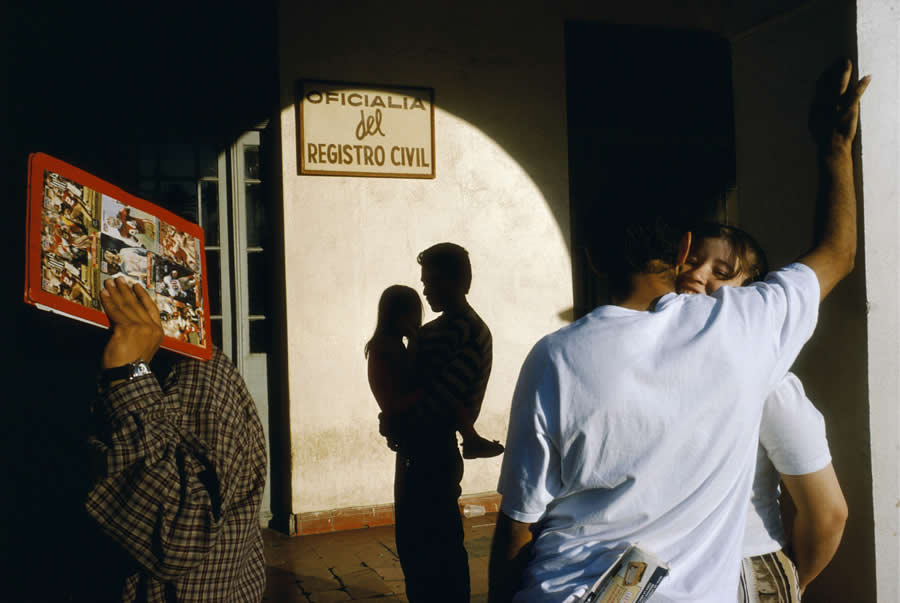
Photo by: Alex Webb
#2
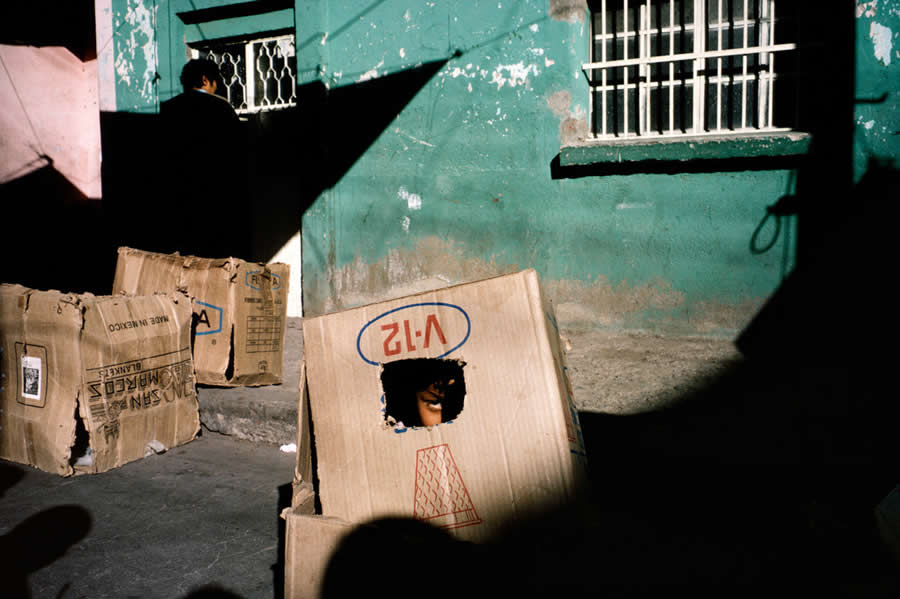
Photo by: Alex Webb
#3
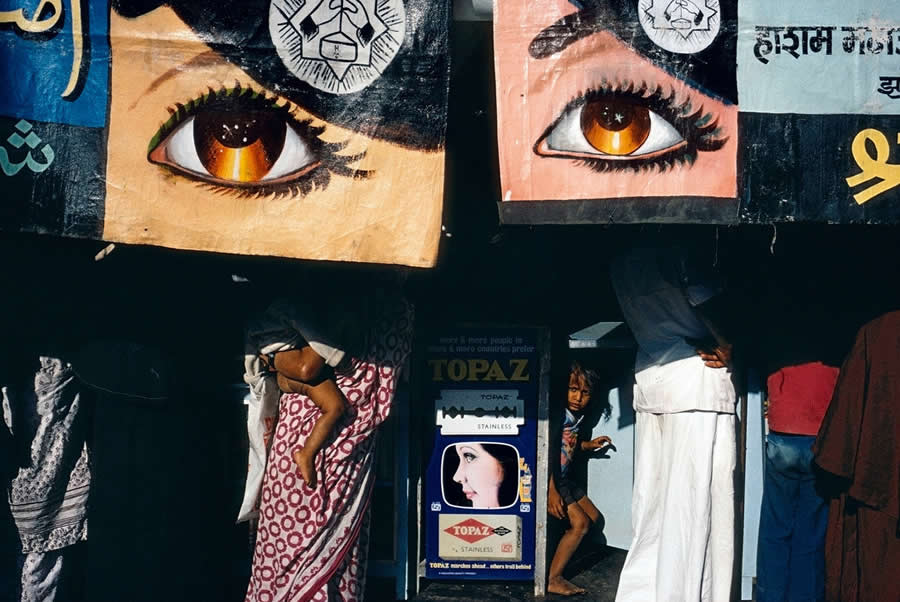
Photo by: Alex Webb
#4
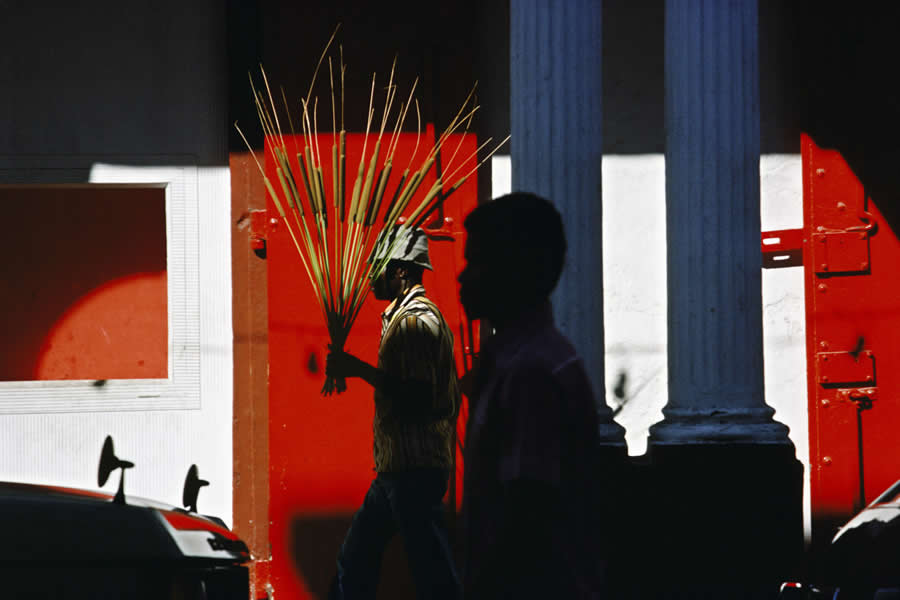
Photo by: Alex Webb
#5
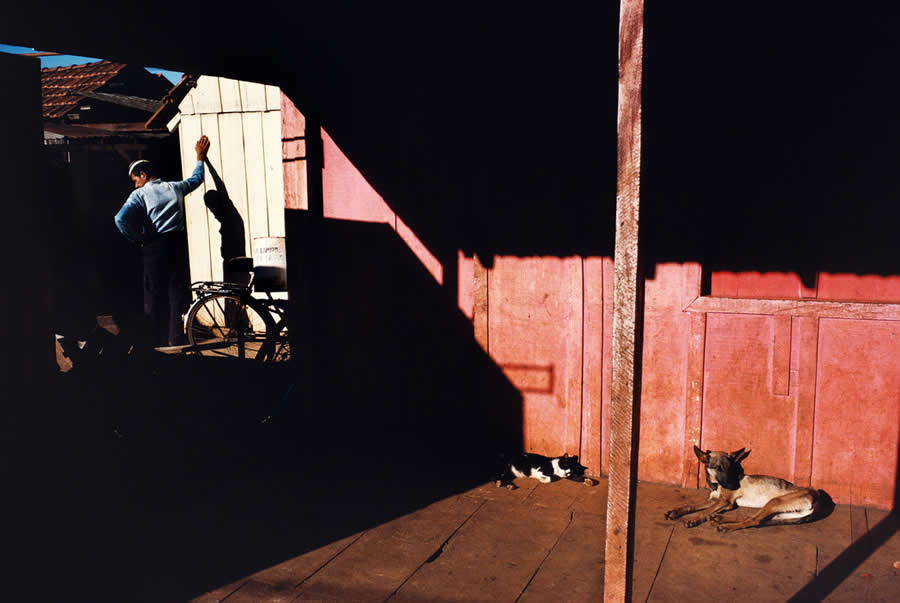
Photo by: Alex Webb
Use Architecture to Build Natural Light Traps
One thing I noticed while studying Alex Webb’s photographs is how often architecture becomes an active part of the story. Walls, doorways, staircases, and windows aren’t just backgrounds—they shape the light itself.
Webb once said, "Street photography is 99.9% about failure." That patience is what allows photographers to find those rare moments when light and human movement align perfectly.
What I Learned From the Masters:
- Look for buildings that create strong patches of sunlight and shadow.
- Arrive early and study how light moves across a location.
- Use doorways and alleyways as natural framing devices.
- Wait for subjects to enter the brightest area of the composition.
- Treat shadows as important design elements, not empty space.
When I observe Webb’s work, I see someone who understands that architecture is really a giant light-shaping tool. The city does half the work if you’re willing to wait.
#6
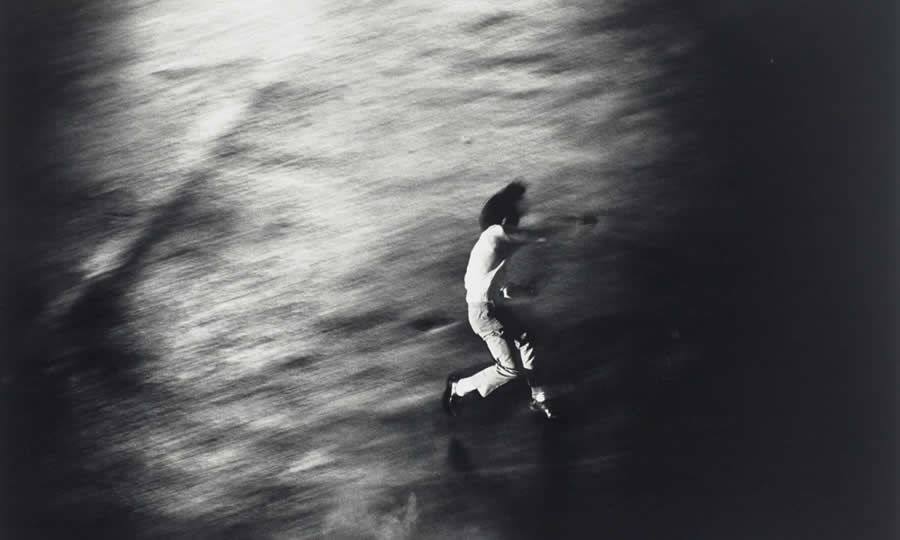
Photo by: Daido Moriyama
#7
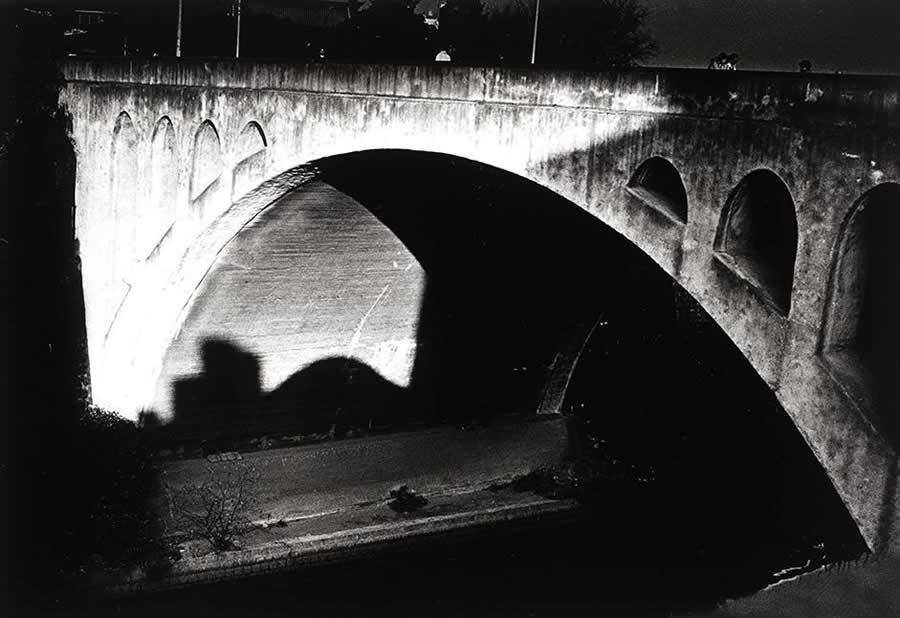
Photo by: Daido Moriyama
#8
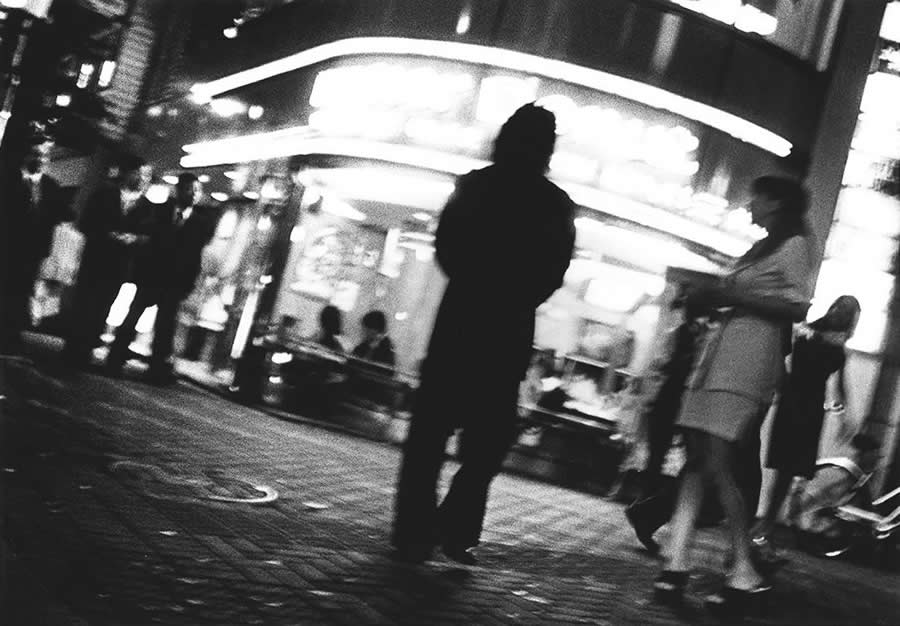
Photo by: Daido Moriyama
#9
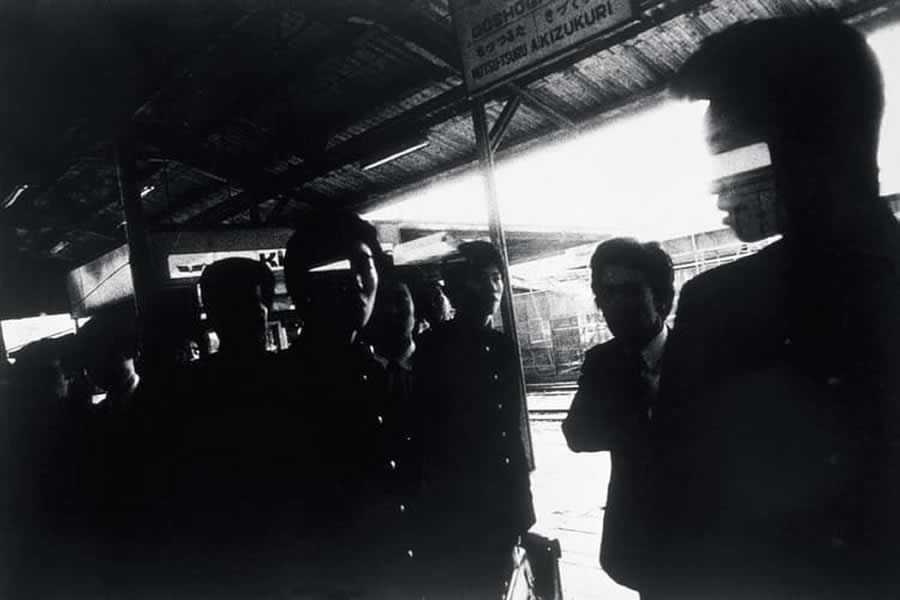
Photo by: Daido Moriyama
#10
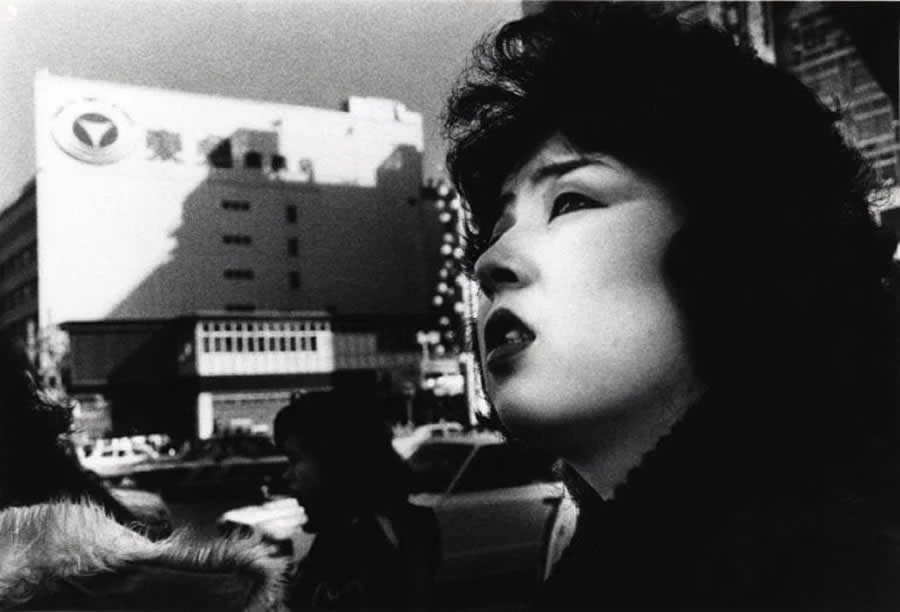
Photo by: Daido Moriyama
Let Shadows Tell Half the Story
Daido Moriyama’s photographs often feel raw, gritty, and mysterious. That’s because he embraces darkness rather than avoiding it.
One of his famous thoughts on photography is, "I want to capture the moment as it is."
When I examine his images, I notice that details disappear into shadow. Surprisingly, that’s exactly what makes them powerful. The viewer fills in the missing pieces.
What I Learned From the Masters:
- Don’t be afraid of deep blacks in your frame.
- Use silhouettes to simplify complex scenes.
- Allow parts of the story to remain hidden.
- Expose for highlights and let shadows become dramatic.
- Search for emotional tension between visible and invisible elements.
Many photographers try to reveal everything. Moriyama teaches the opposite lesson. Sometimes mystery is more compelling than information.
#11
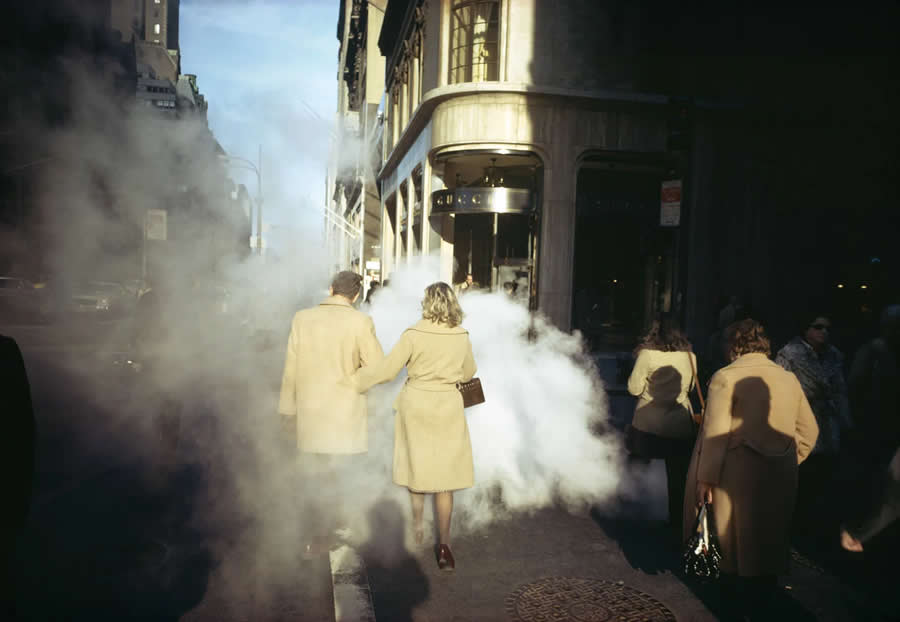
Photo by: Joel Meyerowitz
#12
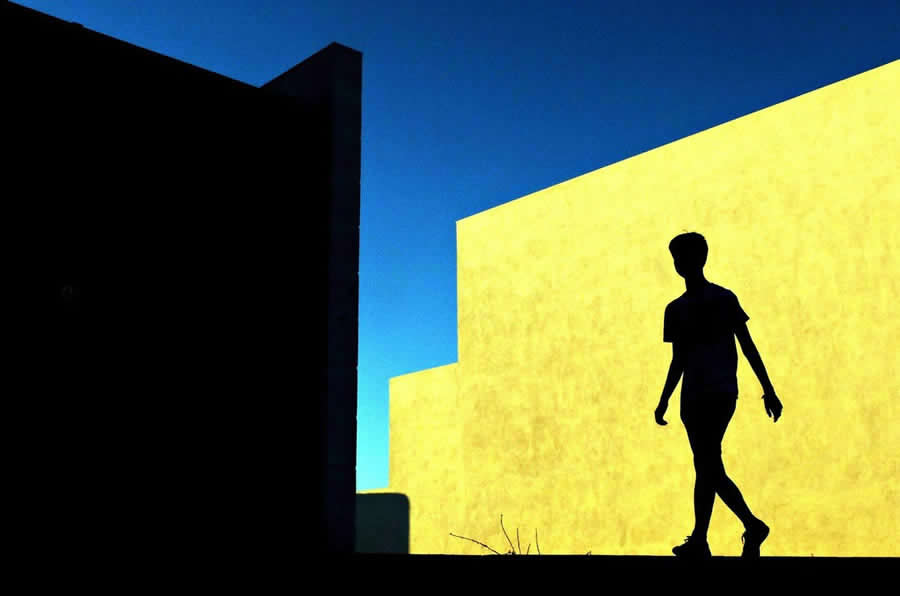
Photo by: Antonio E. Ojeda
#13
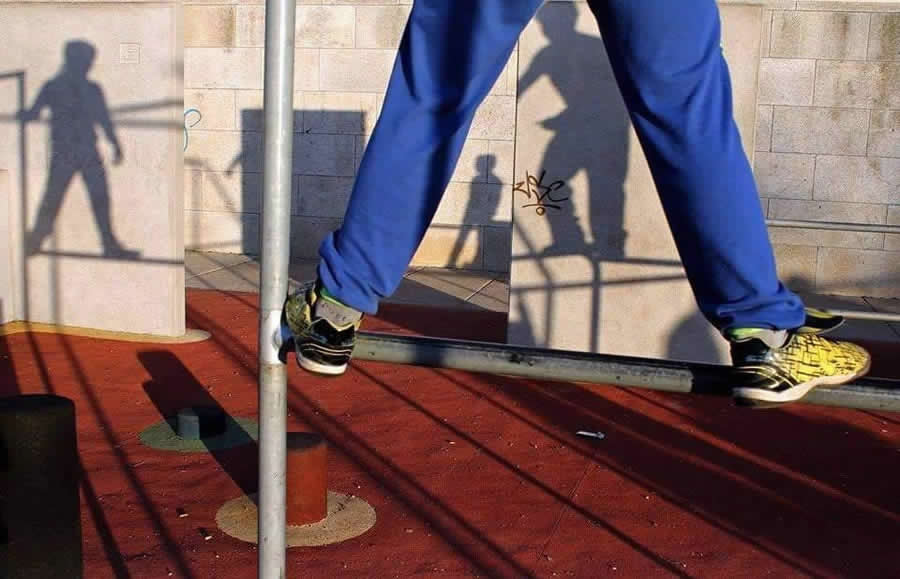
Photo by: Antonio E. Ojeda
#14
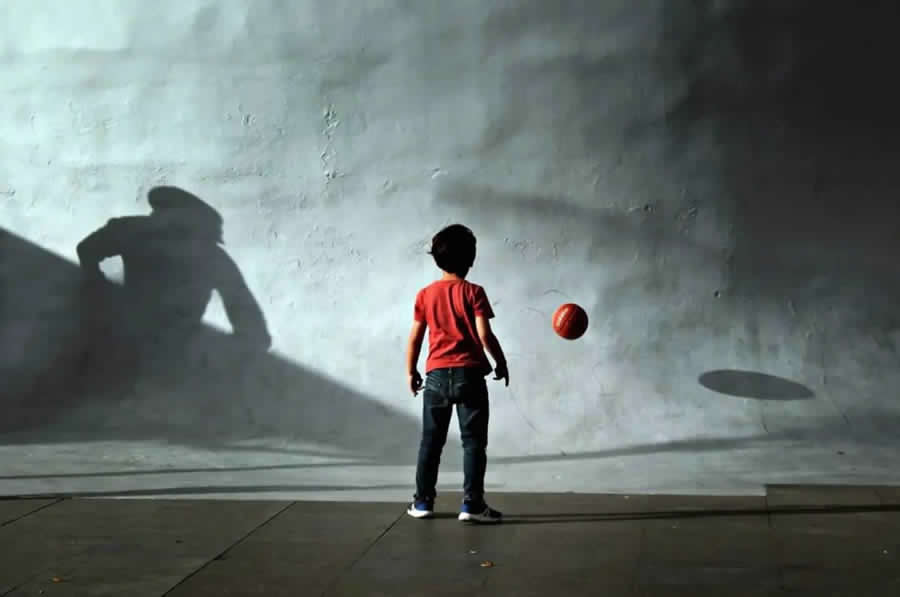
Photo by: Antonio E. Ojeda
#15
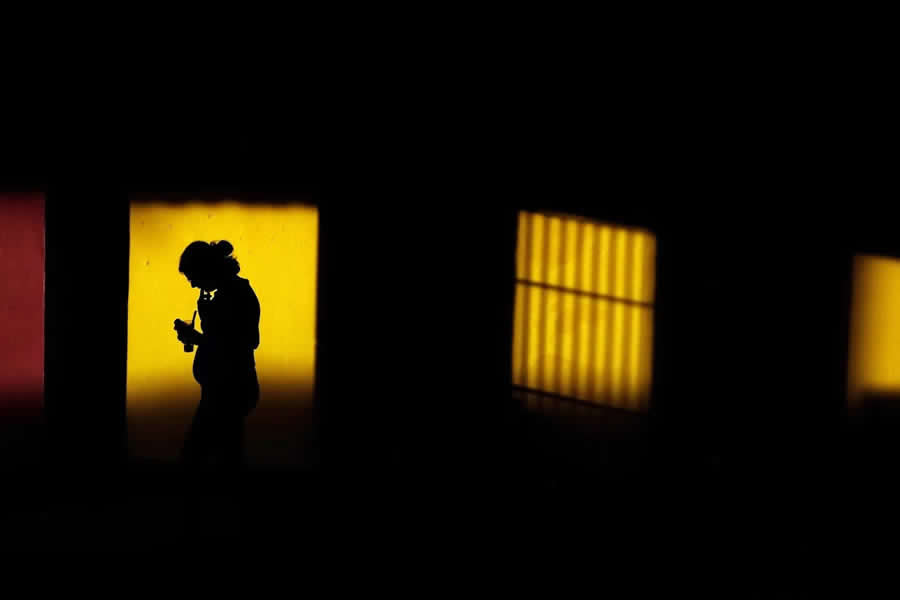
Photo by: Antonio E. Ojeda
Master Timing Like Joel Meyerowitz
Light creates the stage, but timing creates the performance.
Joel Meyerowitz famously said, "Photography is a way of learning how to die. It teaches us that everything is temporary."
That quote hits hard because street photography is really about recognizing fleeting moments. When I study his images, I see someone who understands exactly when a person, a shadow, and a beam of light will collide.
What I Learned From the Masters:
- Find the light first and wait for people second.
- Anticipate movement rather than reacting to it.
- Watch how shadows stretch and change throughout the day.
- Practice observing without constantly shooting.
- Be ready when multiple visual elements align.
One thing I constantly notice in Meyerowitz’s work is patience. Great photographs often happen after several minutes—or hours—of simply watching.
#16
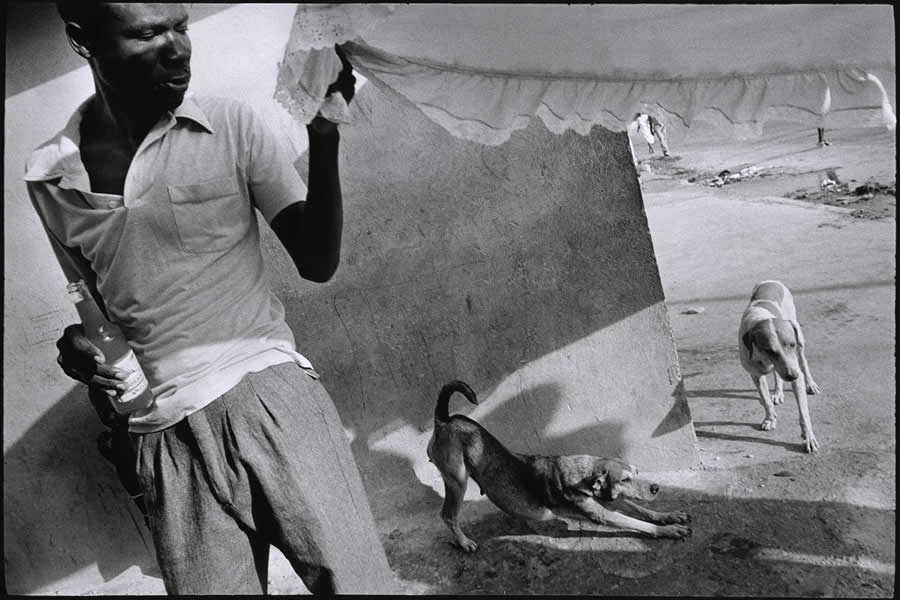
Photo by: Bruce Gilden
#17
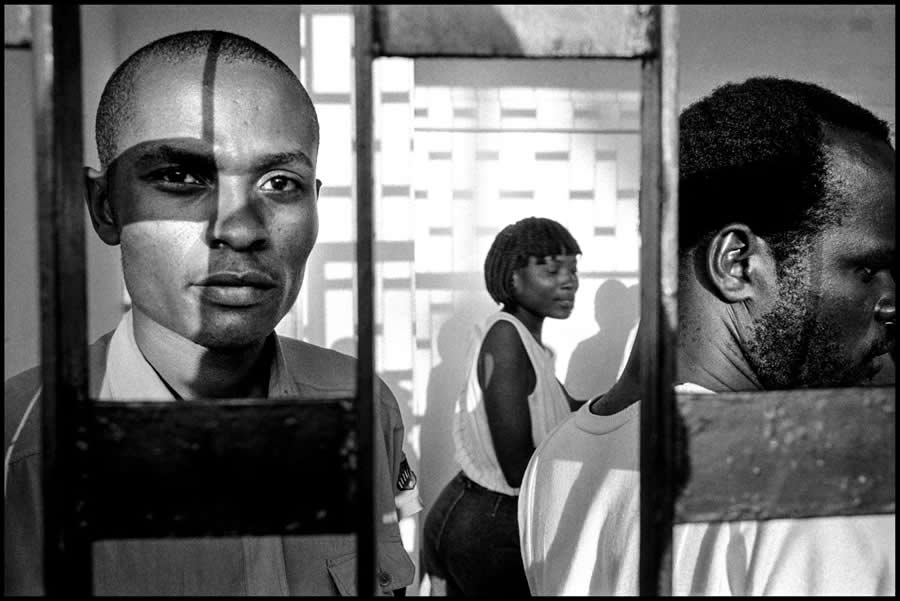
Photo by: Bruce Gilden
#18
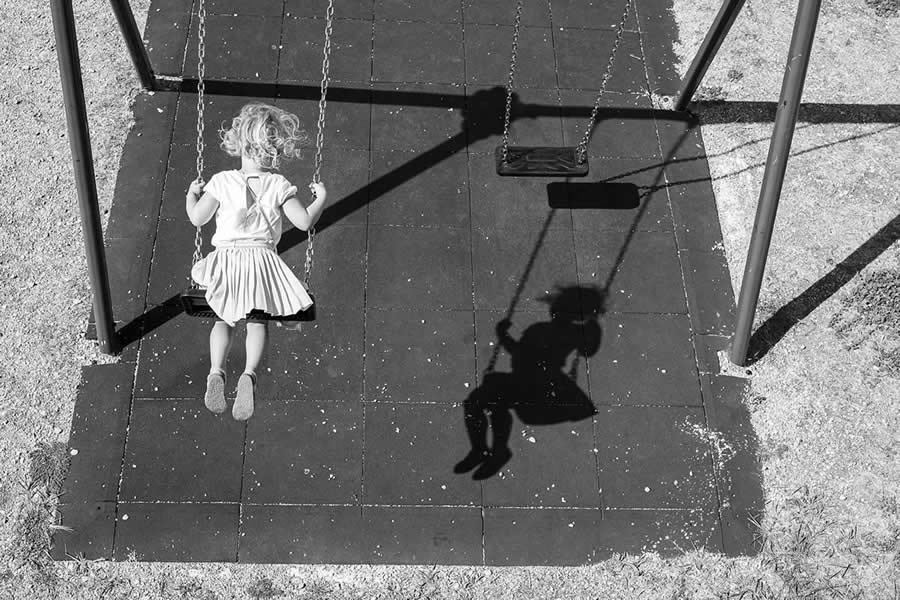
Photo by: Mary Crnkovic Pilas
#19
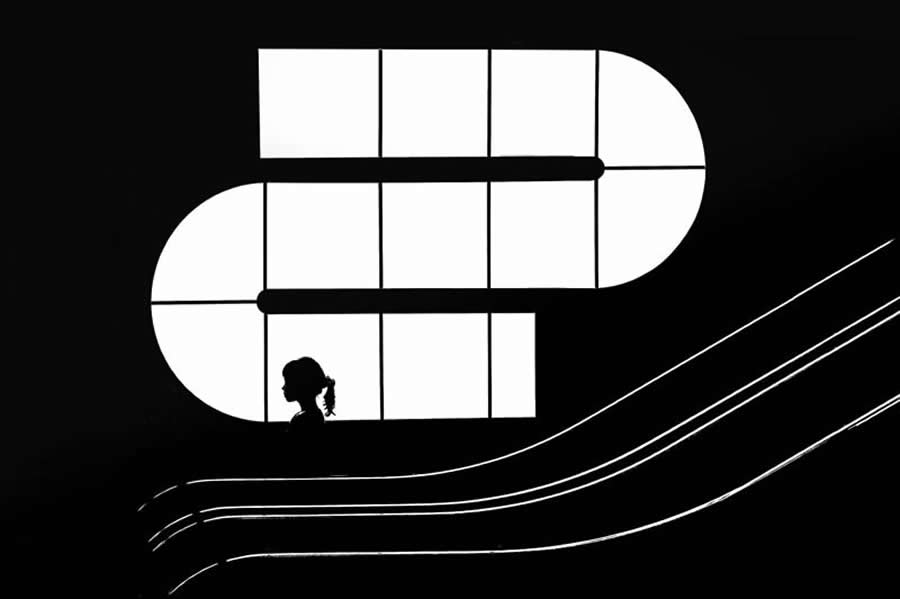
Photo by: Nugroho Irianto
#20
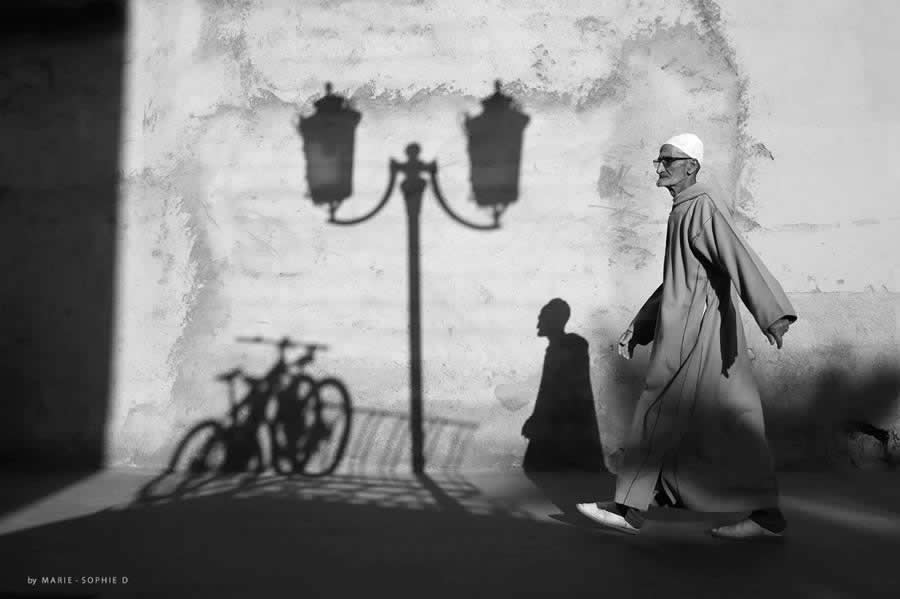
Photo by: Marie-Sophie D
Get Close and Create Visual Impact
Bruce Gilden is famous for getting incredibly close to his subjects. While his style is controversial, there’s no denying the power of his use of contrast.
His well-known advice is simple: "If your pictures aren’t good enough, you’re not close enough."
When I look at his photographs, I see harsh light, intense shadows, and faces bursting with character. The contrast isn’t subtle. It grabs your attention immediately.
What I Learned From the MastersL
- Use strong directional light to emphasize facial features.
- Look for dramatic shadow patterns across people.
- Fill the frame with visual energy.
- Focus on expressions illuminated by hard light.
- Don’t shy away from bold contrast.
Gilden reminds us that chiaroscuro isn’t always elegant. Sometimes it’s loud, aggressive, and unforgettable.
#21
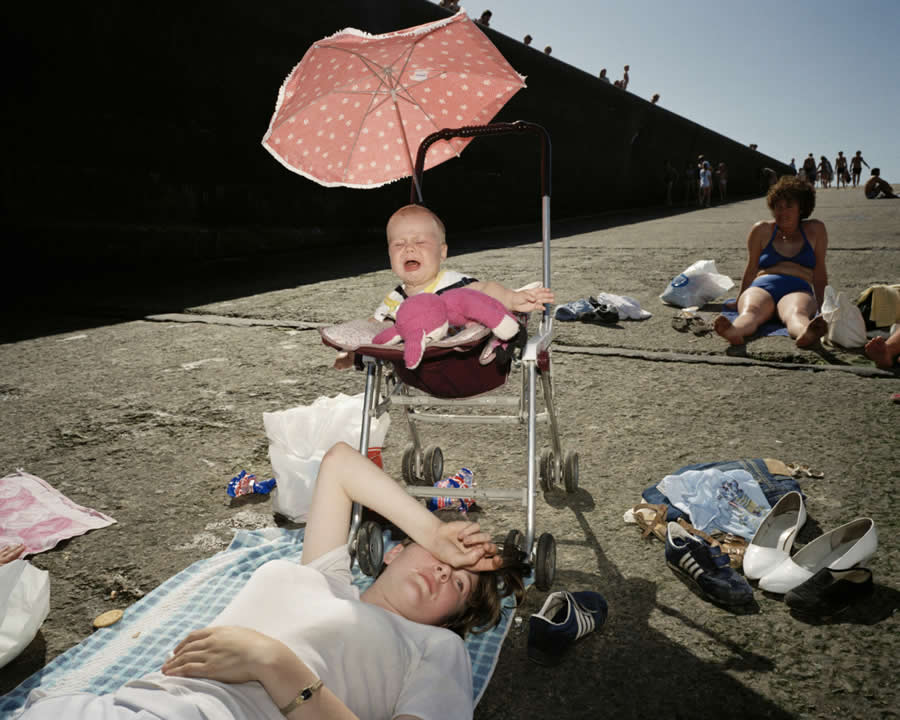
Photo by: Martin Parr
#22
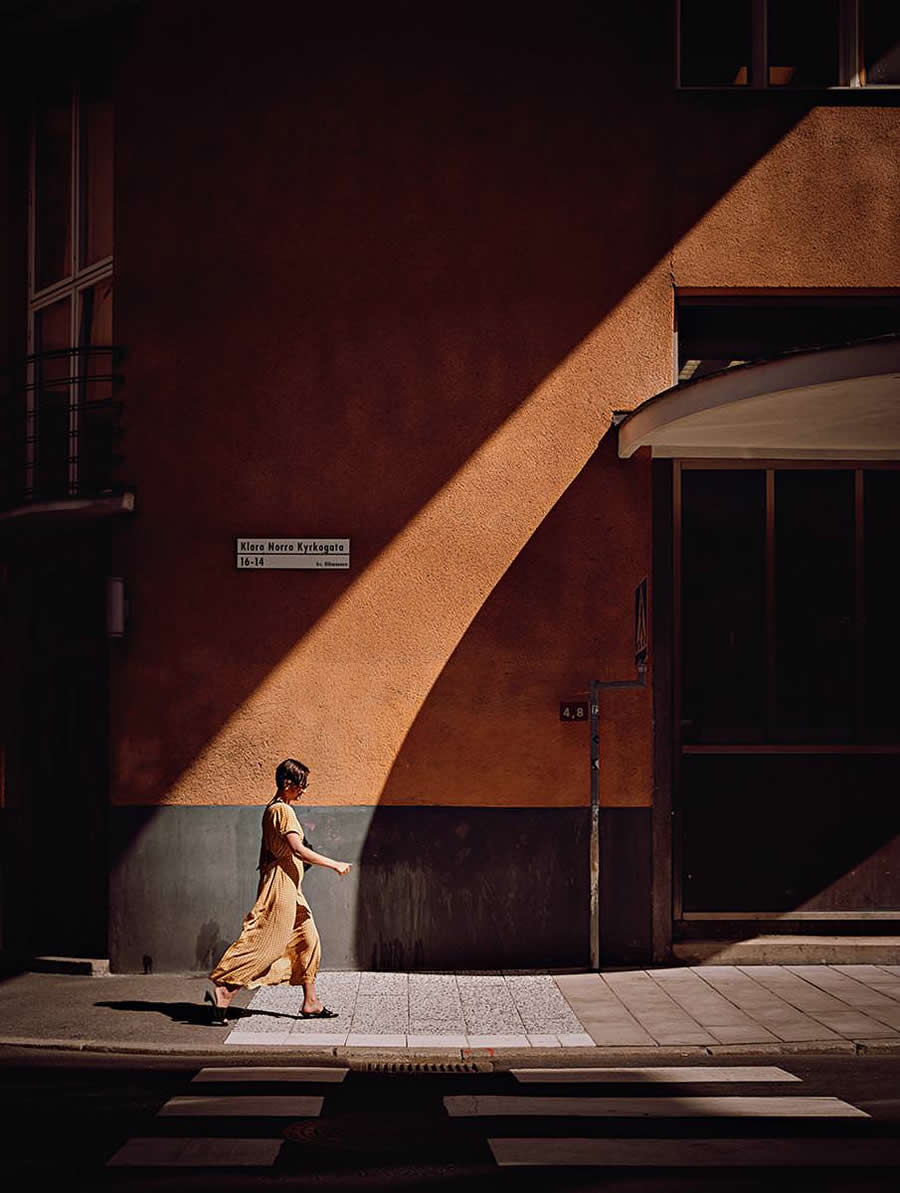
Photo by: Fredrik Axling
#23
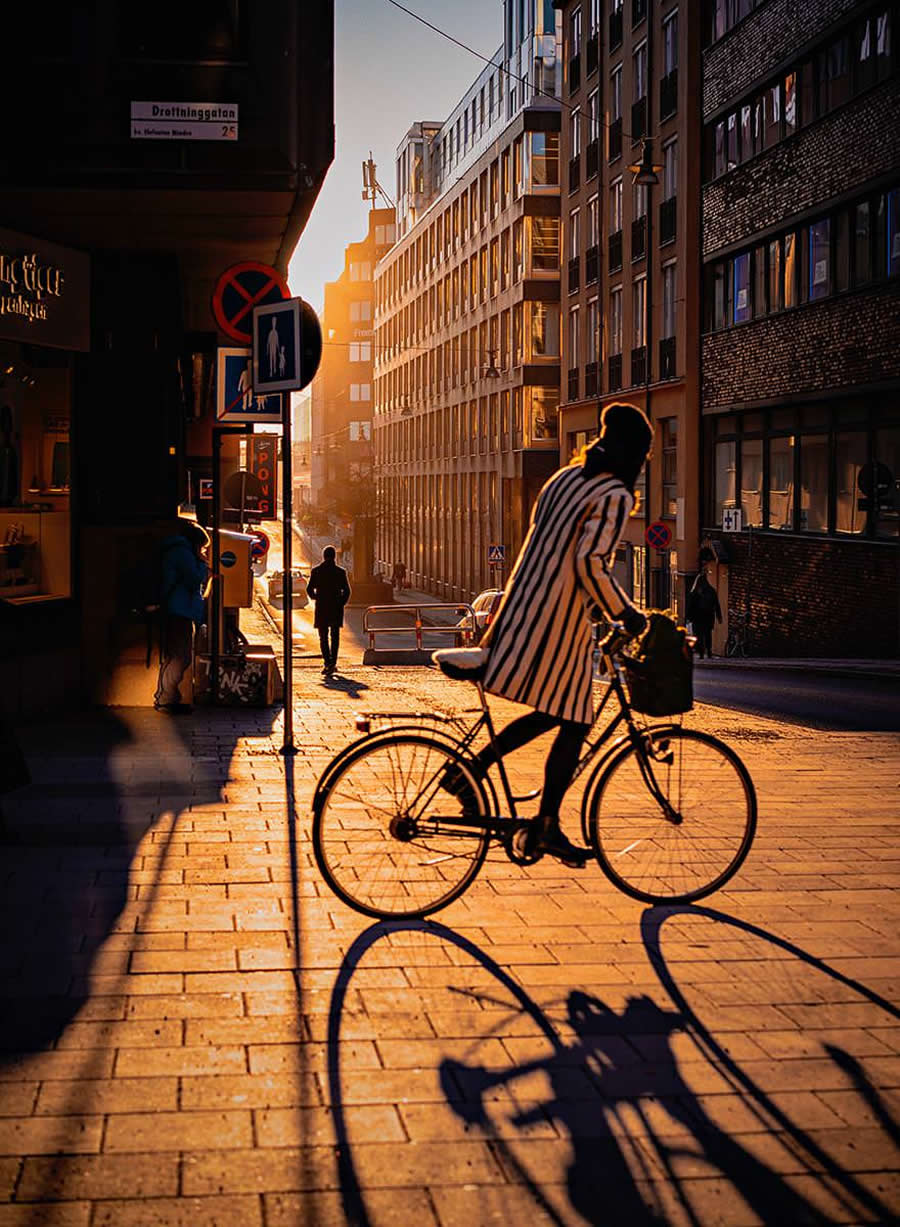
Photo by: Fredrik Axling
#24
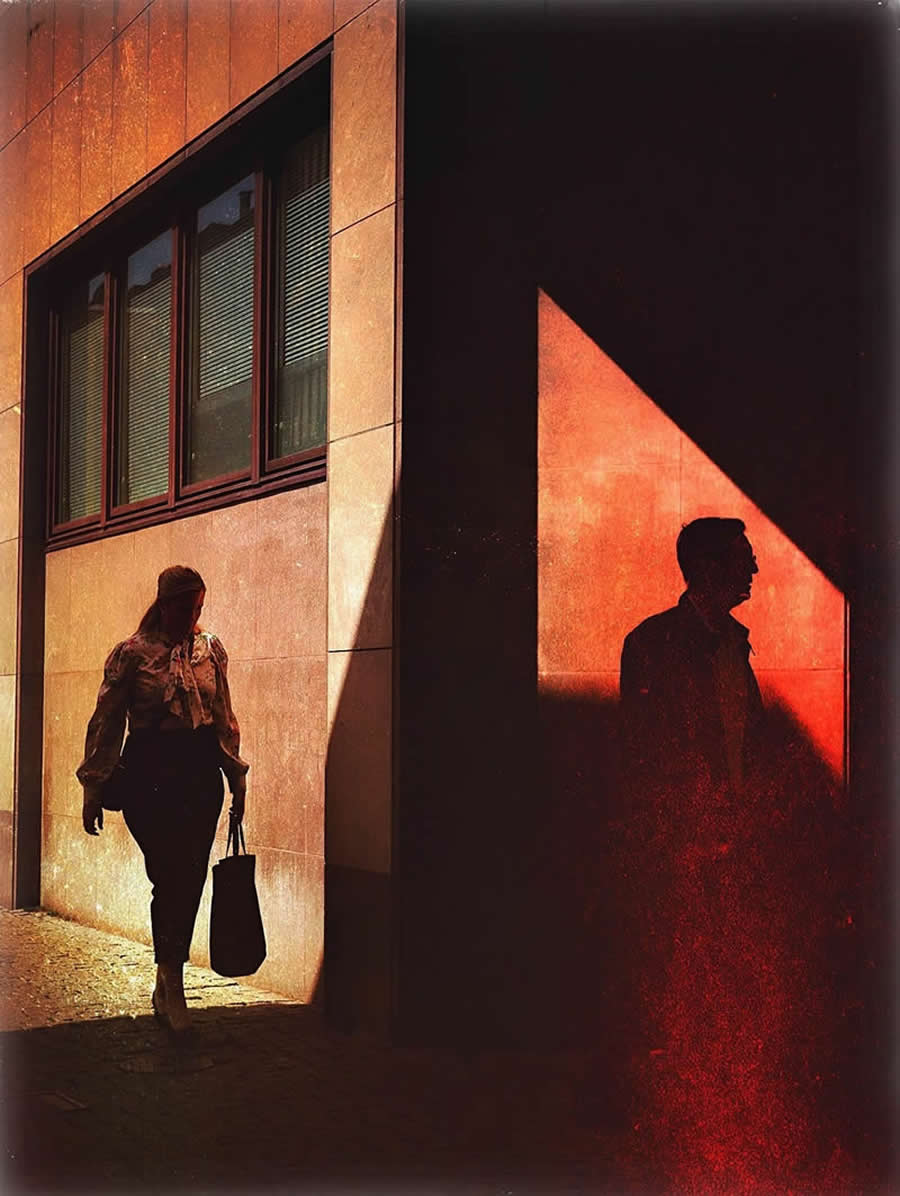
Photo by: Fredrik Axling
#25
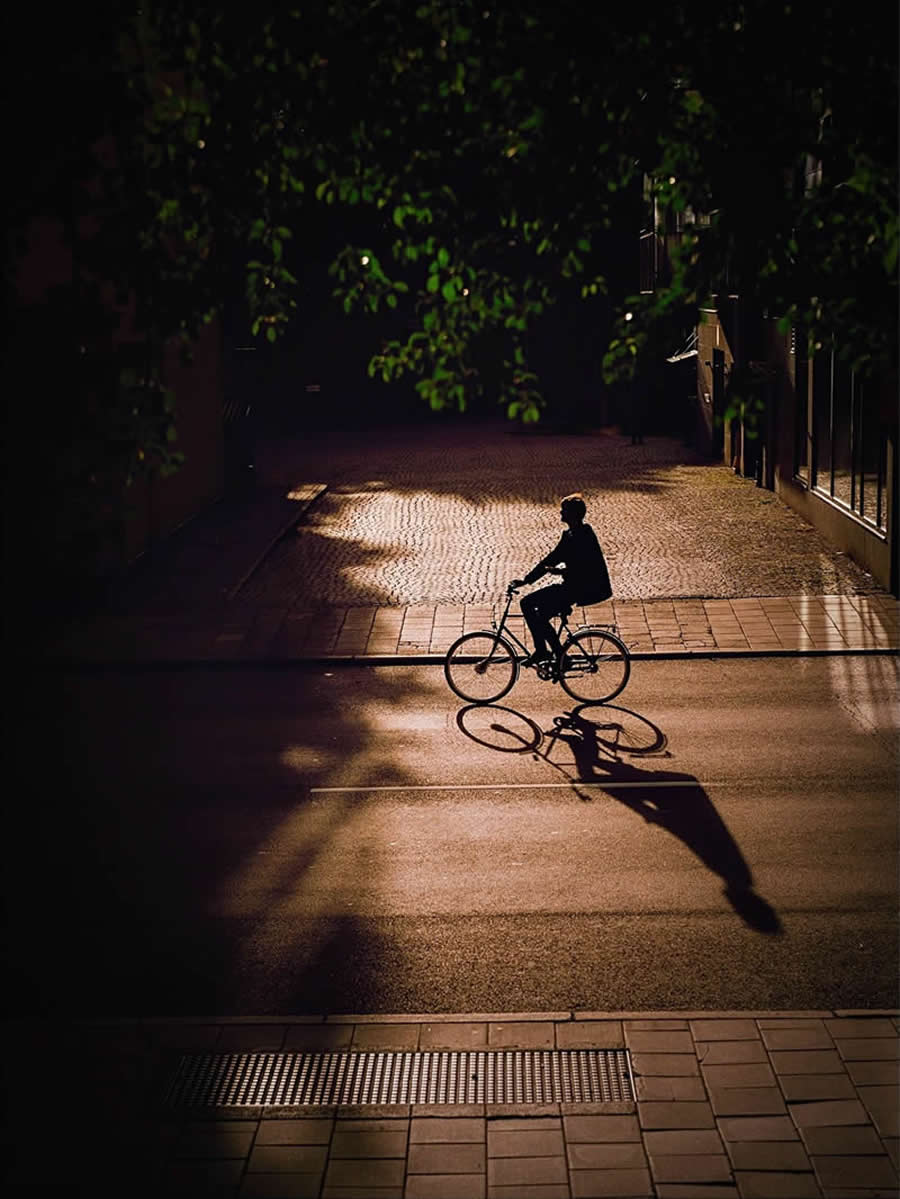
Photo by: Fredrik Axling
Layer Light, Color, and Human Stories
Martin Parr and Alex Webb approach street photography differently, but both understand visual layering.
Parr once said, "The ordinary is extraordinary."
That idea completely changed how I look at the street. Great light doesn’t need extraordinary subjects. A person carrying groceries can become fascinating if the composition, color, and shadow work together.
What I Learned From the Masters:
- Look for multiple layers of activity within one frame.
- Use color contrasts alongside light contrasts.
- Position subjects at different distances.
- Allow shadows to separate visual layers.
- Search for ordinary moments transformed by light.
When I study these photographers, I realize they’re not waiting for dramatic events. They’re waiting for ordinary life to become visually extraordinary.
#26
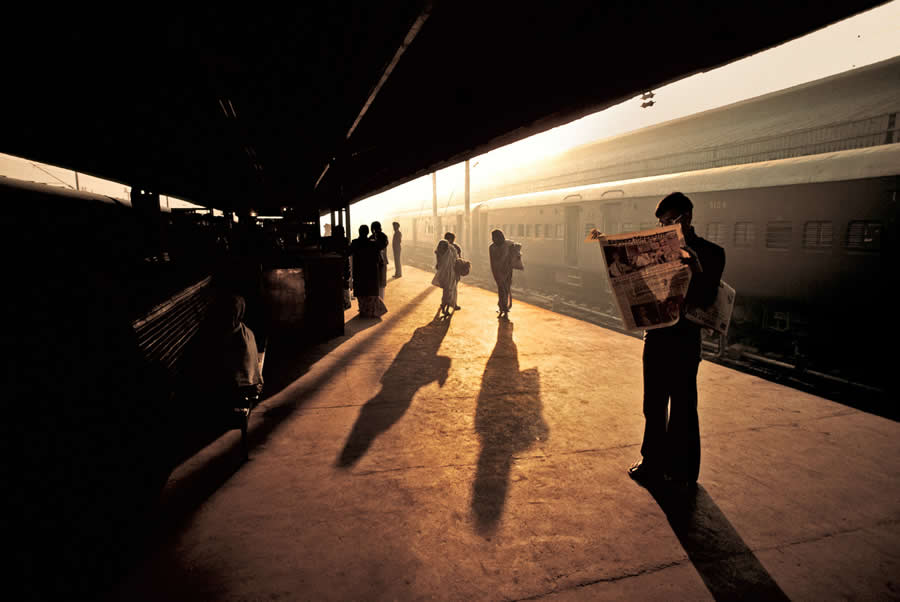
Photo by: Steve McCurry
#27
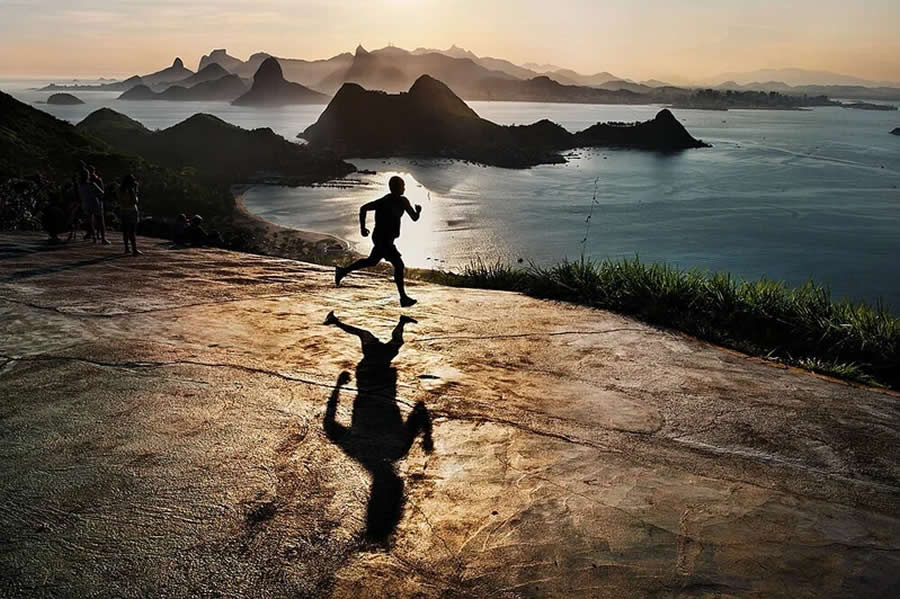
Photo by: Steve McCurry
#28
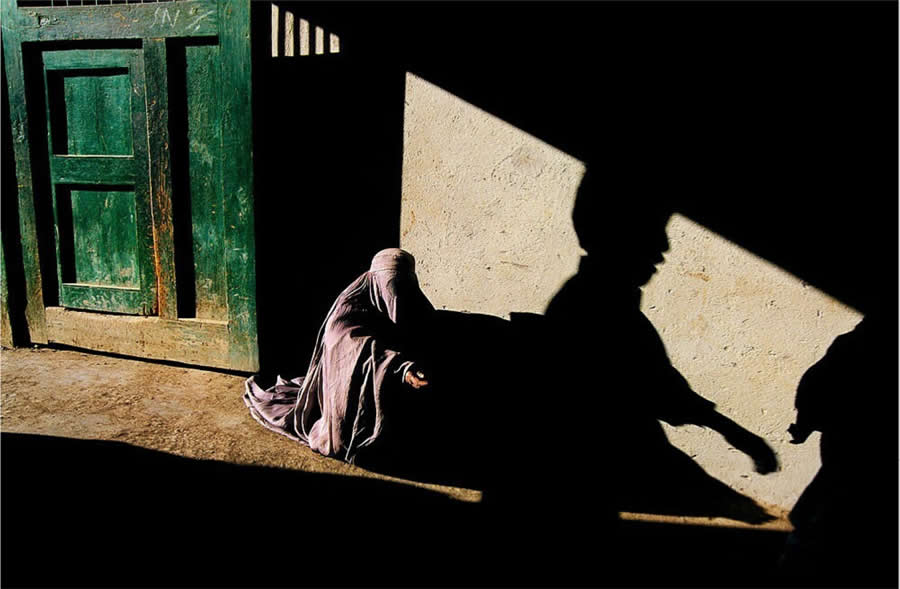
Photo by: Steve McCurry
#29
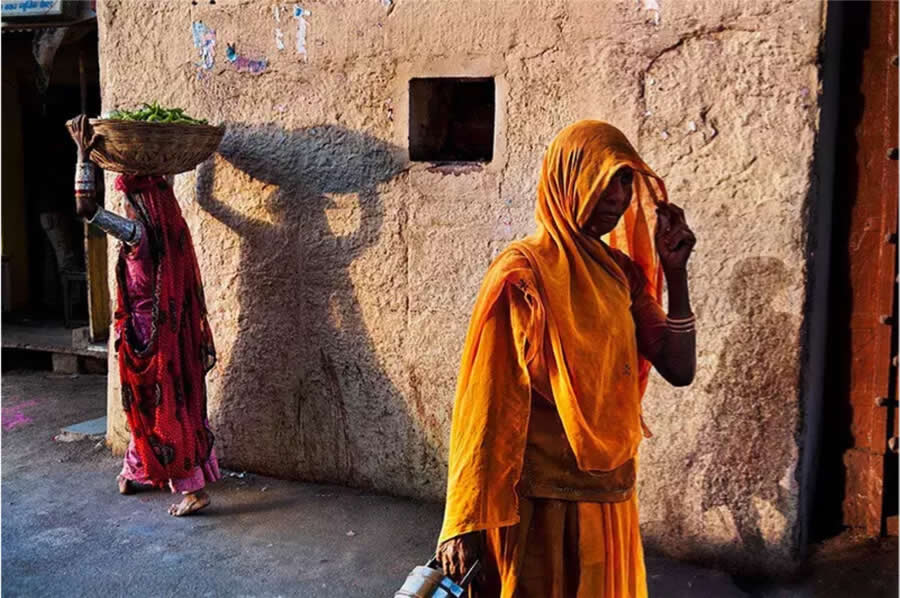
Photo by: Steve McCurry
#30
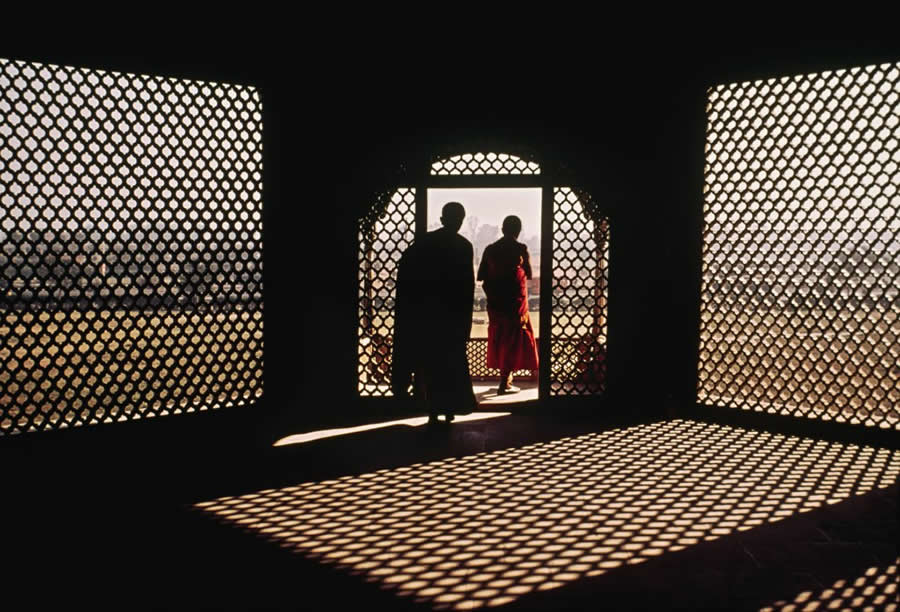
Photo by: Steve McCurry
Final Thoughts
The biggest lesson I’ve learned from studying master street photographers is that light is never just illumination. It’s structure. It’s emotion. It’s composition. It’s storytelling.
Chiaroscuro isn’t simply about dark shadows and bright highlights. It’s about understanding how those elements interact with people, architecture, timing, and patience.
The next time you’re walking through a city, stop for a moment. Look at the shadows stretching across the sidewalk. Notice how sunlight bounces off glass buildings. Watch how people move through those shapes.
You might discover what the masters already know: the street is constantly drawing geometric patterns with light. Your job is simply to recognize them and press the shutter at exactly the right moment.
#31
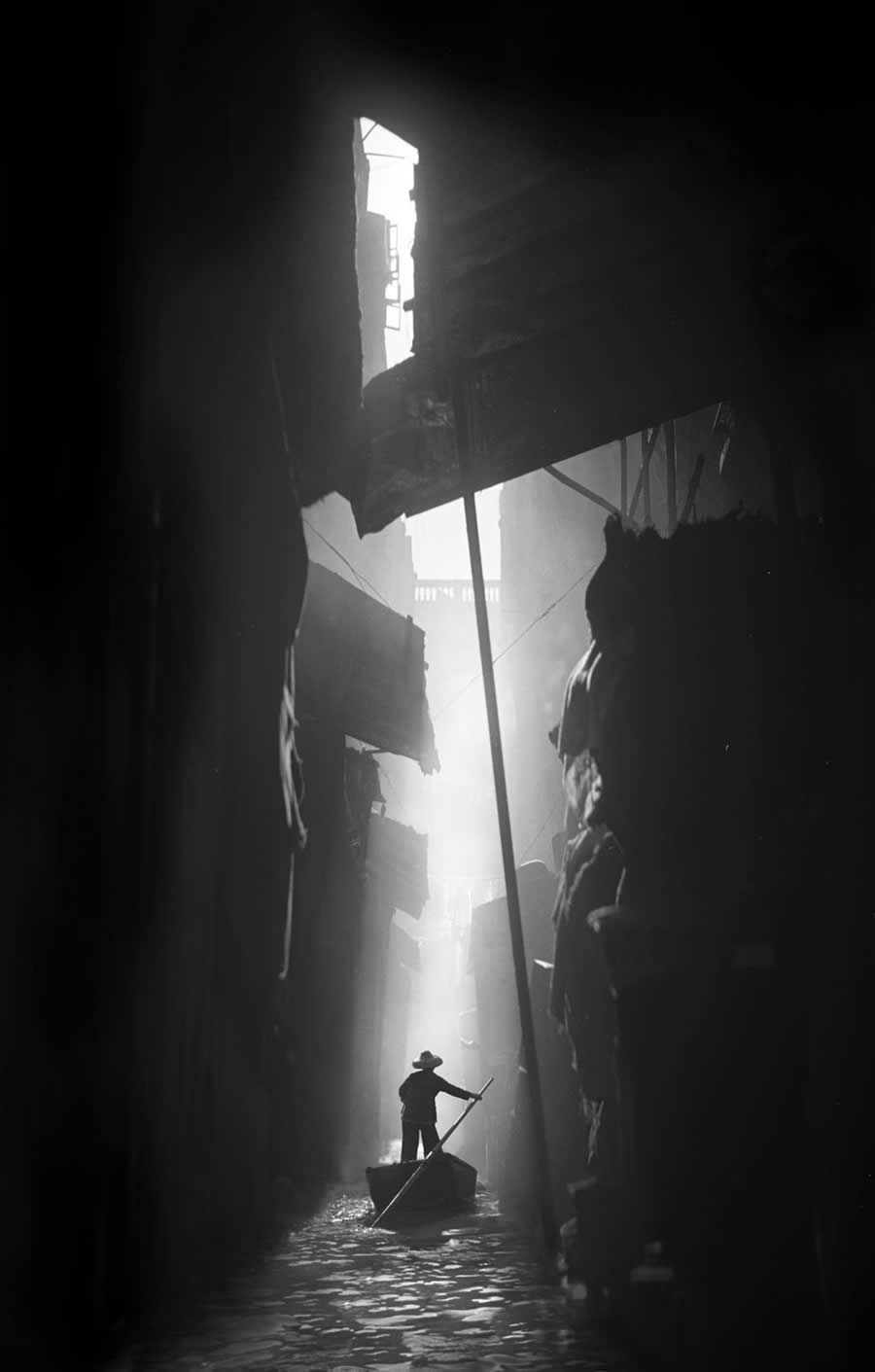
Photo by: Fan Ho
#32
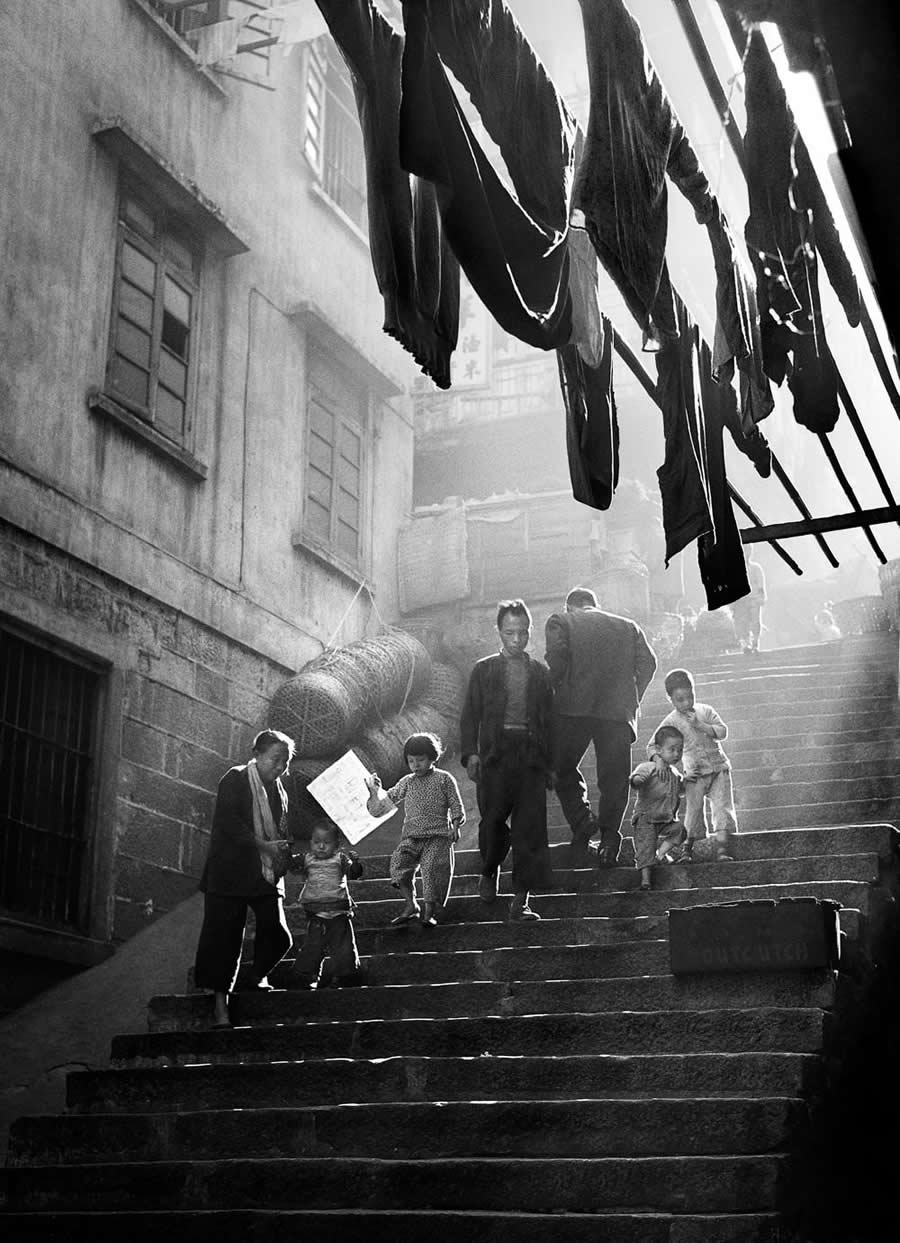
Photo by: Fan Ho
#33
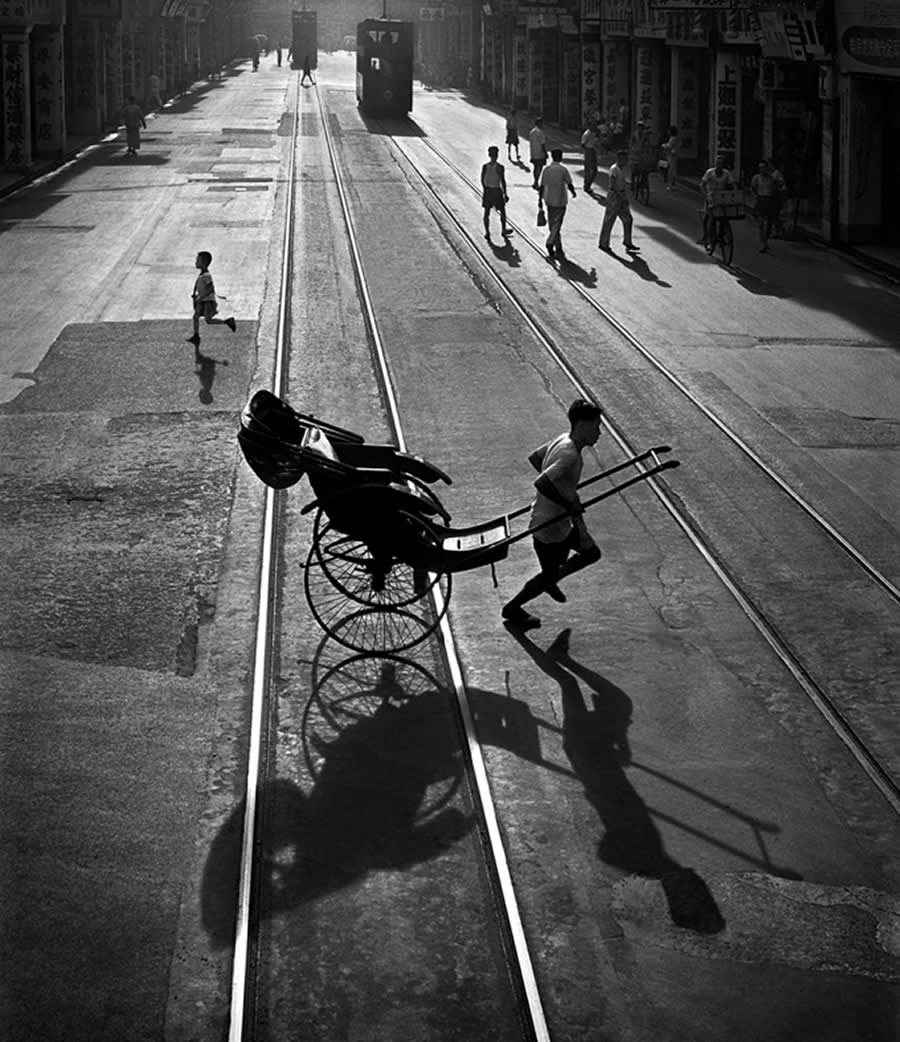
Photo by: Fan Ho
#34
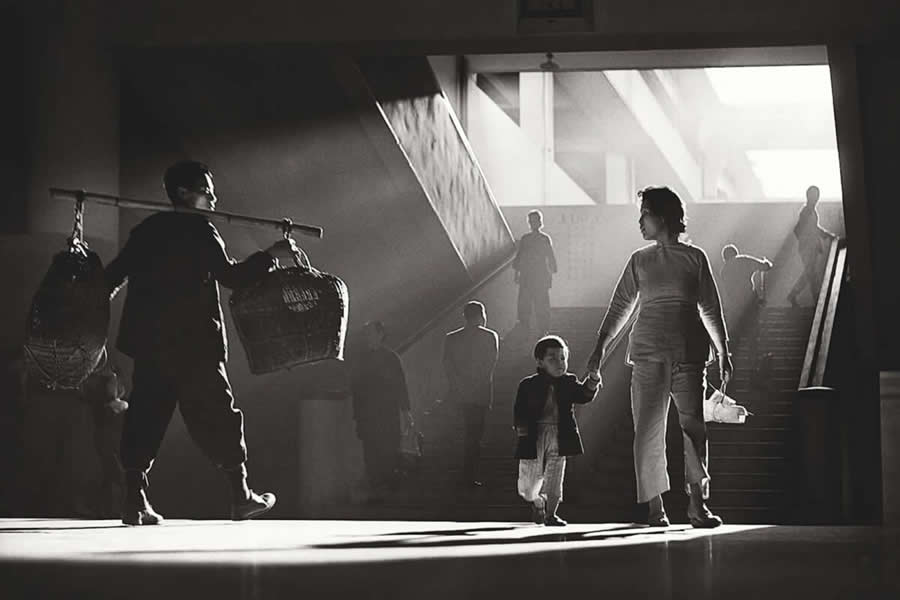
Photo by: Fan Ho
#35
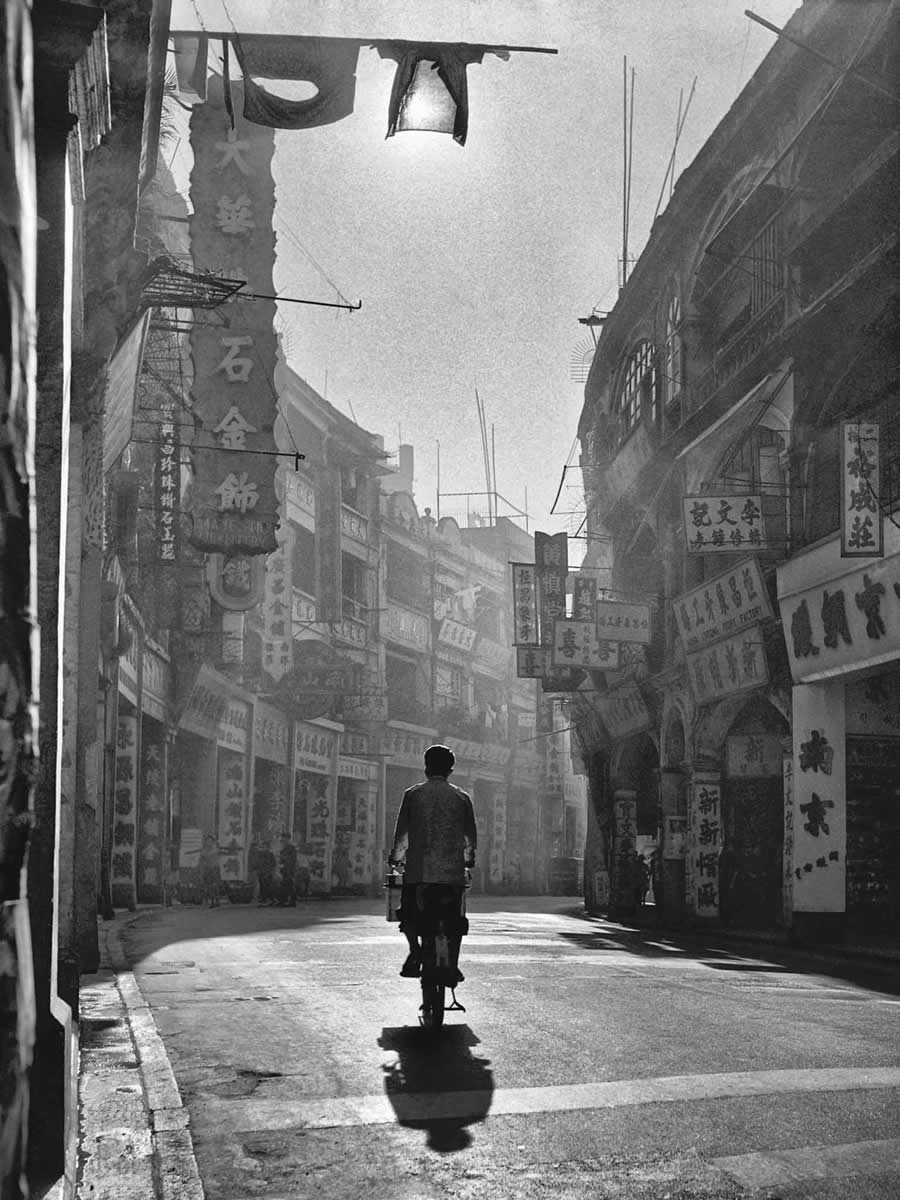
Photo by: Fan Ho
Frequently Asked Questions:
What is chiaroscuro in street photography?
Chiaroscuro is the use of strong contrast between light and shadow to create depth, mood, and visual drama. Street photographers use natural light, architecture, and timing to produce images that feel cinematic, emotional, and visually striking.
Which photographers are known for using chiaroscuro techniques?
Photographers such as Alex Webb, Daido Moriyama, Joel Meyerowitz, Bruce Gilden, and Martin Parr frequently use dramatic light and shadow. Their work demonstrates how contrast can transform ordinary street scenes into compelling visual stories.
What is the best time of day for chiaroscuro street photography?
Early morning and late afternoon often provide the strongest directional light and longest shadows. These conditions create natural contrast, helping photographers build dramatic compositions with rich highlights and deep shadows.
How can beginners practice chiaroscuro photography?
Start by observing areas where sunlight and shadow meet. Study how people move through those spaces, compose carefully, and wait patiently. Learning to recognize light patterns is often more important than camera settings.
Why is patience important in street photography?
Patience allows photographers to anticipate moments when subjects, light, composition, and emotion align perfectly. Many master photographers spend significant time observing a scene before capturing the decisive frame.