
In the rugged highlands of Georgia, where narrow roads twist through misty valleys, and winters can cut entire villages off from the world, photographer Natela Grigalashvili found stories that feel both deeply personal and universally human. Her haunting photography series about the nomadic people of Mountainous Adjara is more than a visual project; it’s a living archive of a disappearing way of life.
Mountainous Adjara, one of Georgia’s most isolated regions, still holds tightly to traditions that have faded elsewhere. Families move with cattle across mountain pastures, children travel long distances for education, and harsh winters continue to shape everyday survival. Yet behind the dramatic landscapes lies a quiet crisis. Villages are slowly emptying, young generations are leaving, and centuries-old customs are fading into memory.
What makes Grigalashvili’s work hit differently is her emotional connection to these people. Raised in rural Georgia herself, she photographs with empathy instead of distance. Her portraits feel intimate, raw, and honest, as if the mountains themselves are telling stories through human faces. Every frame carries silence, resilience, loneliness, and warmth all at once.
Through her lens, the nomads of Adjara are not frozen in time. They are living, struggling, adapting people caught between tradition and modern survival.
You can find more info about Natela Grigalashvili:
#1
#2
#3
#4
#5
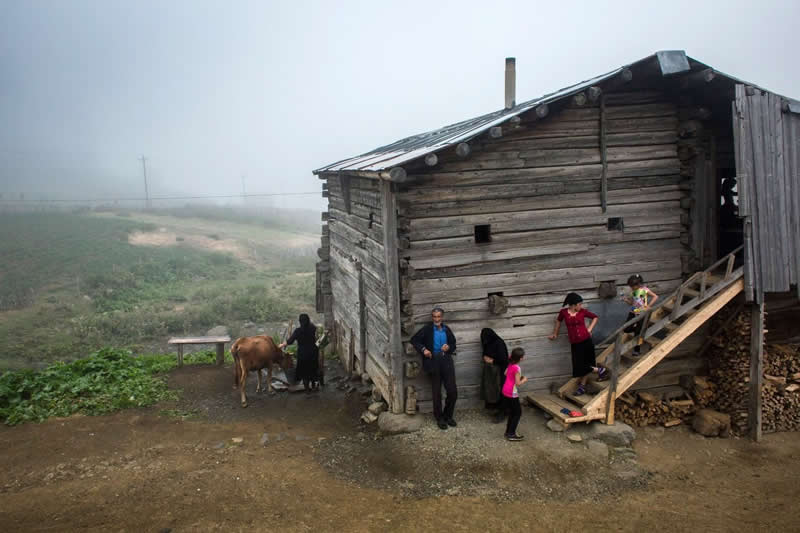
A Land Where Time Moves Differently
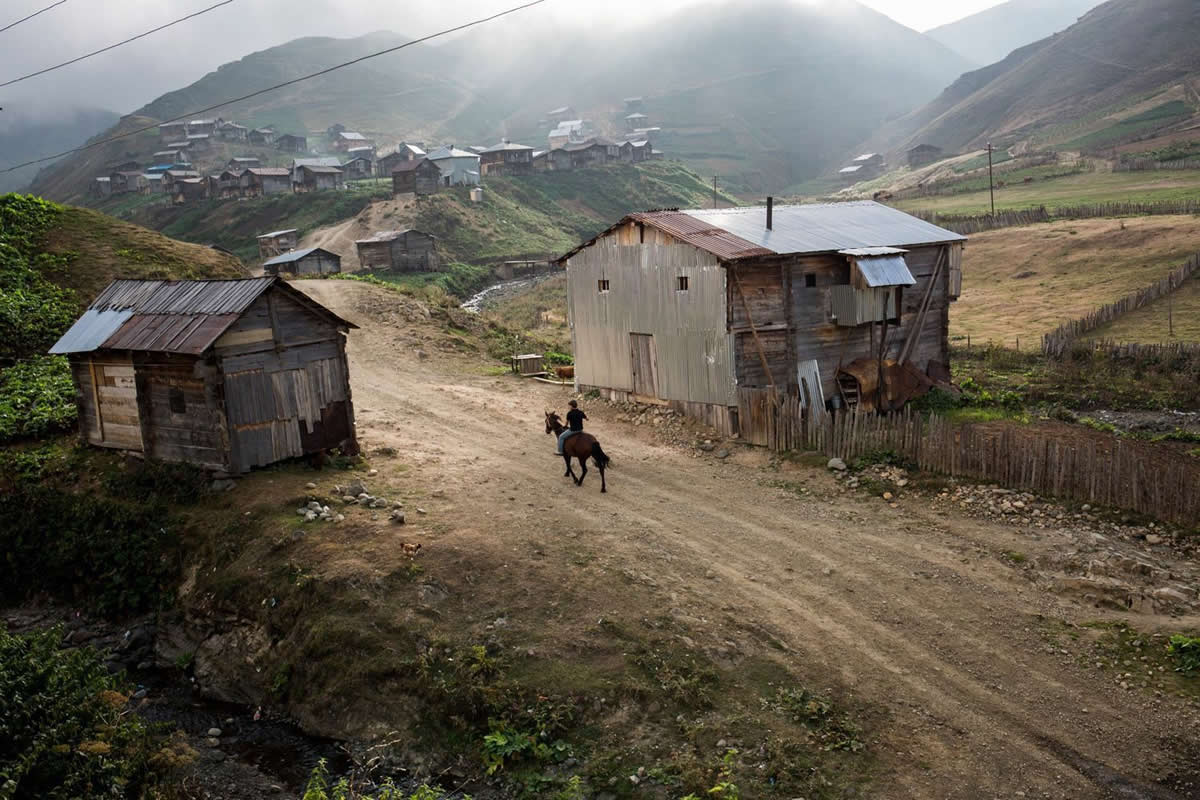
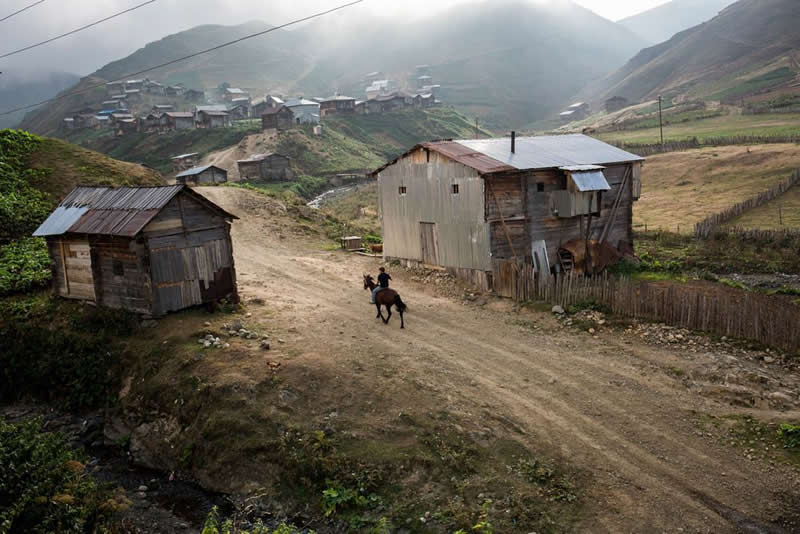
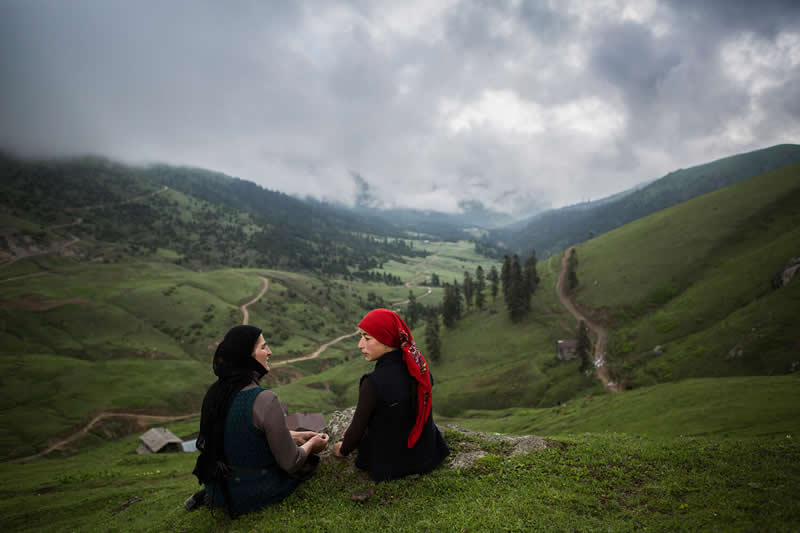
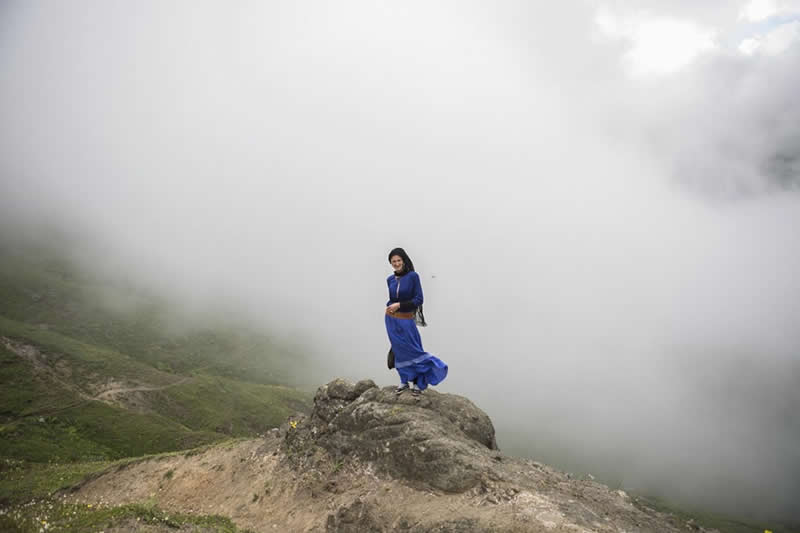
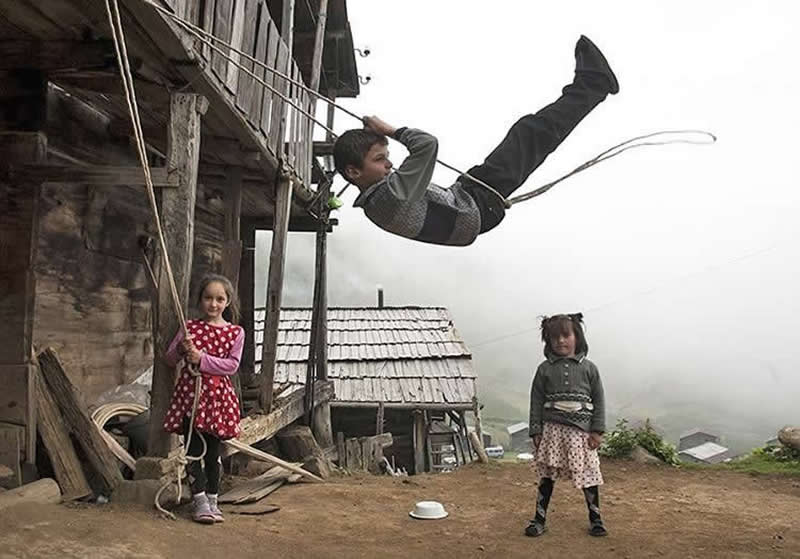
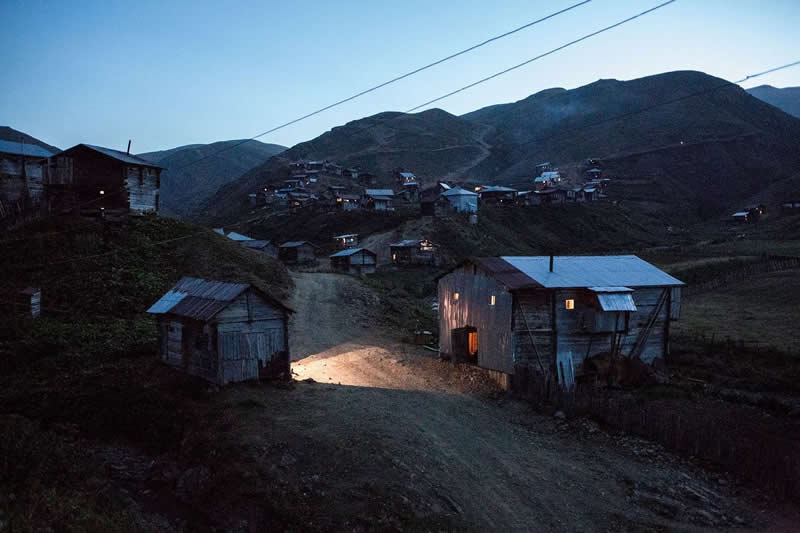
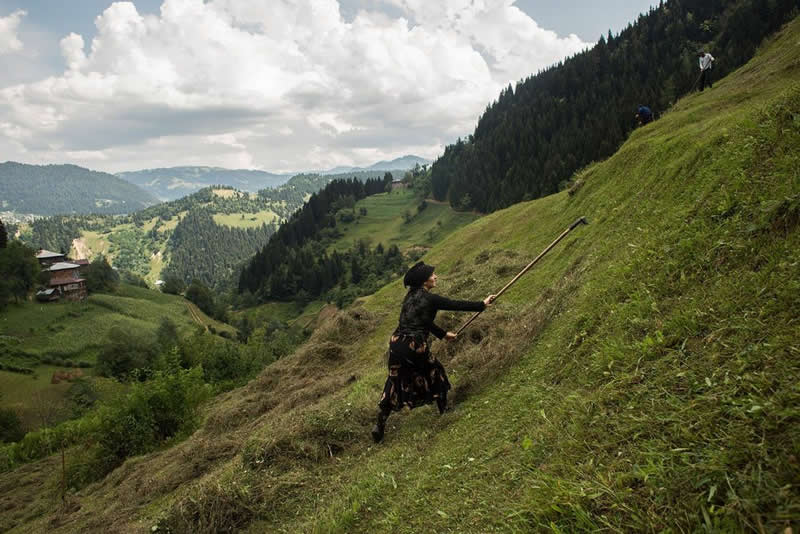
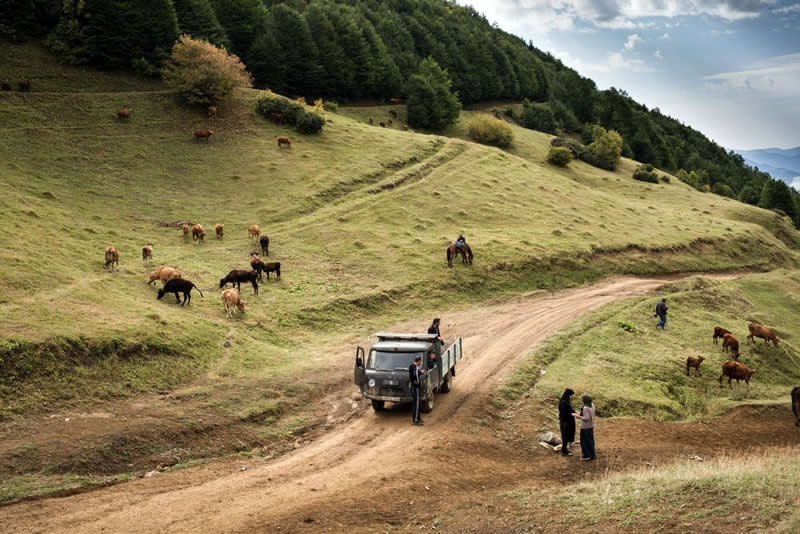
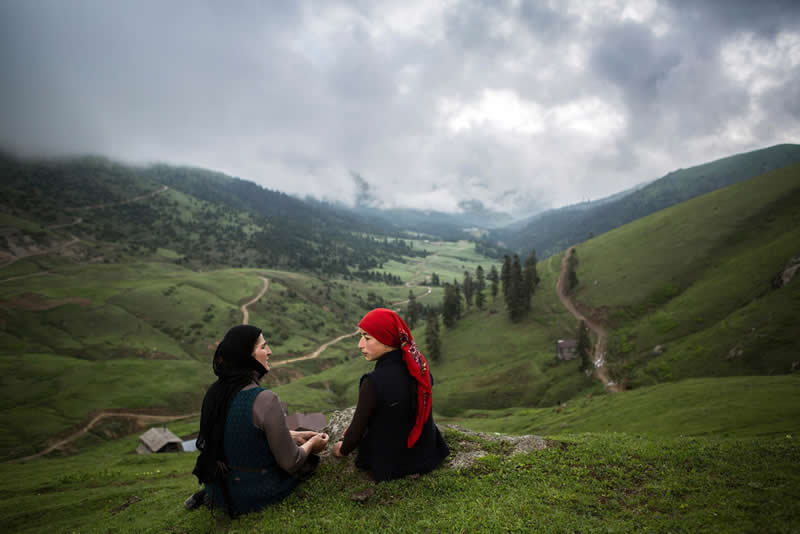
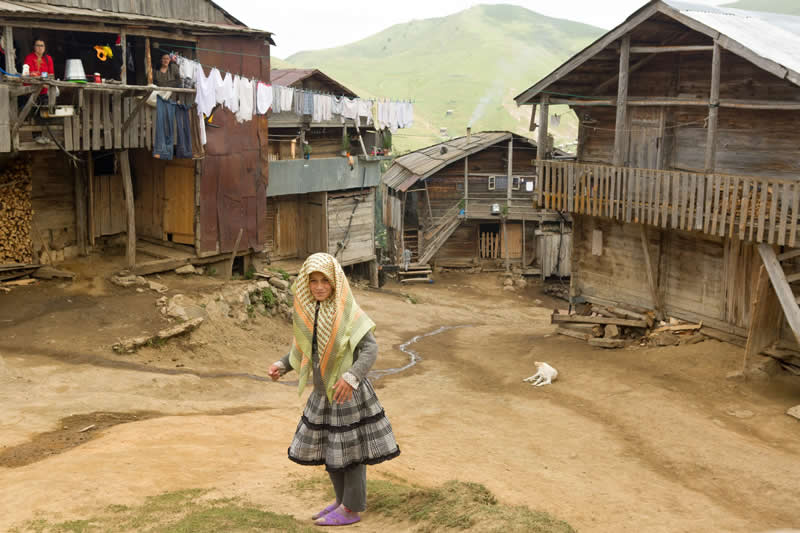
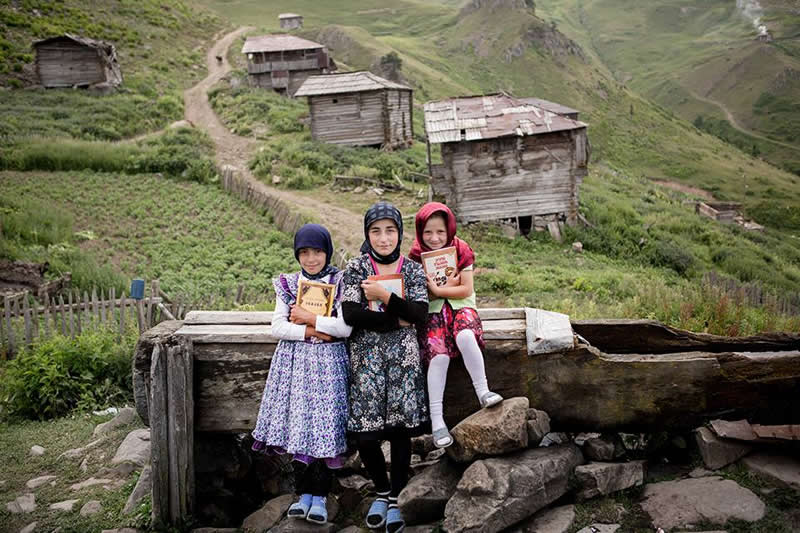
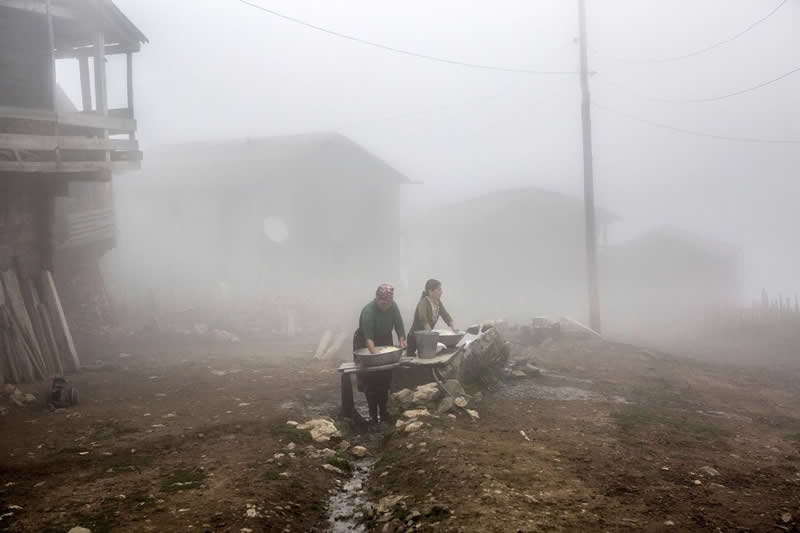
Mountainous Adjara feels like another world entirely. Villages sit high above the clouds, connected by damaged roads and surrounded by endless green slopes. Life here still follows the rhythm of seasons, livestock, and tradition rather than modern convenience. For decades, residents have dealt with limited education, poor healthcare, electricity shortages, and brutal winters that isolate them from the outside world.
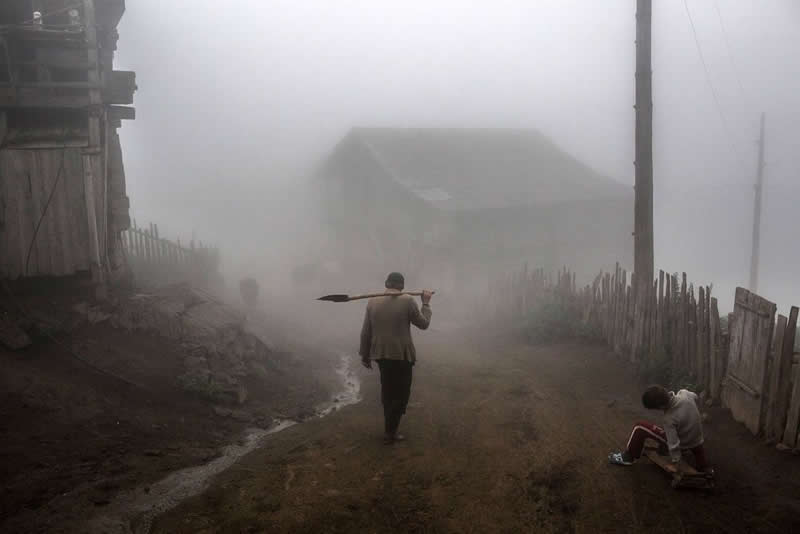
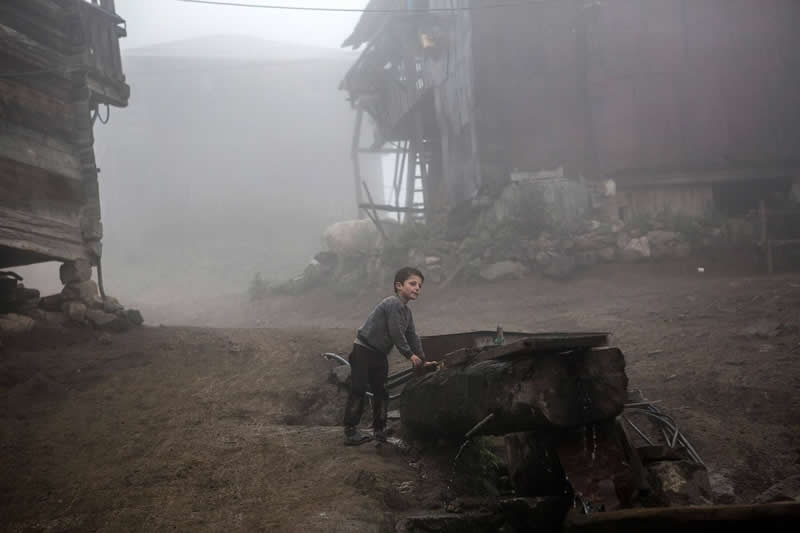
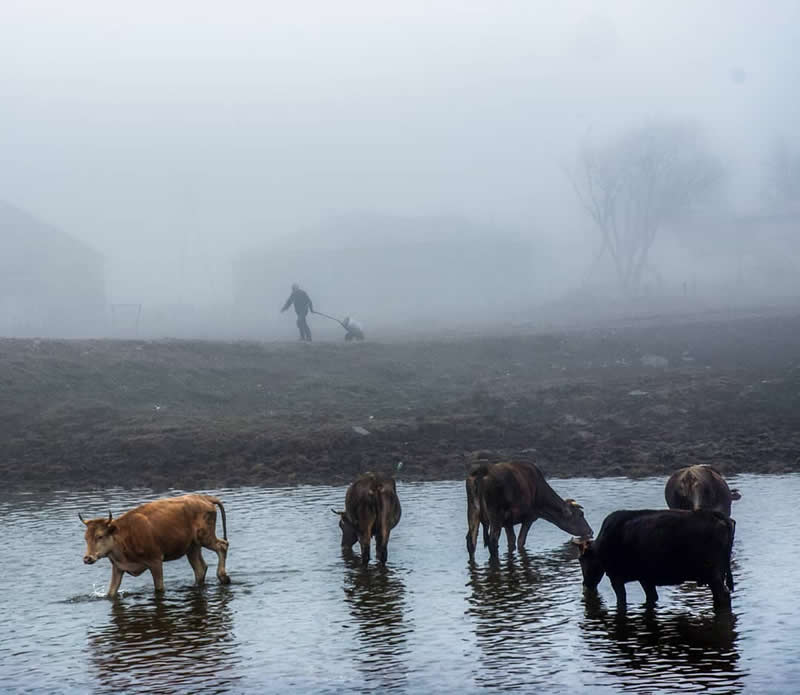
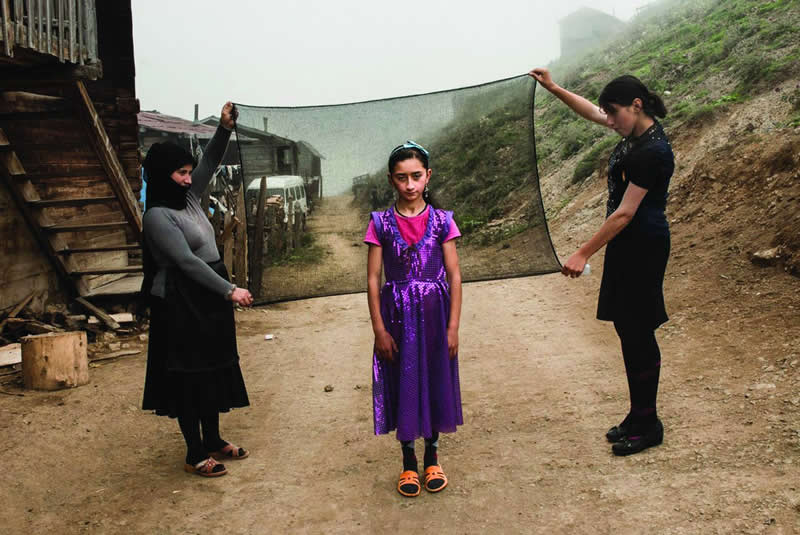
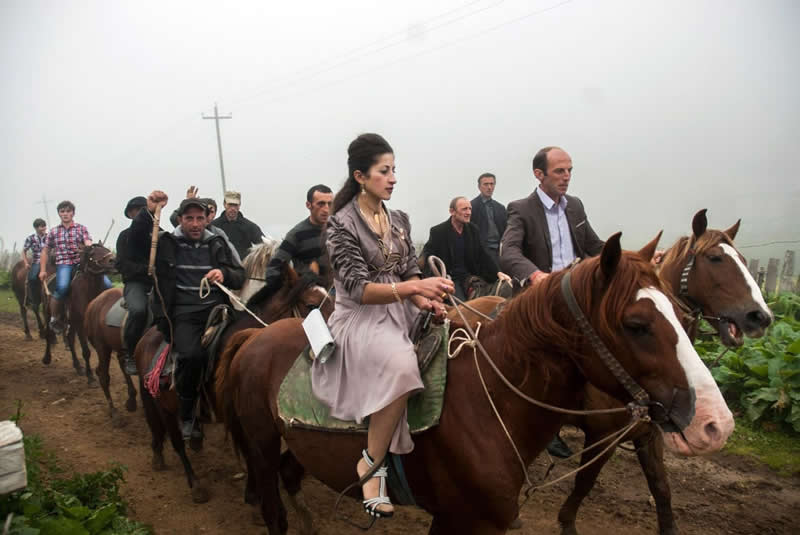
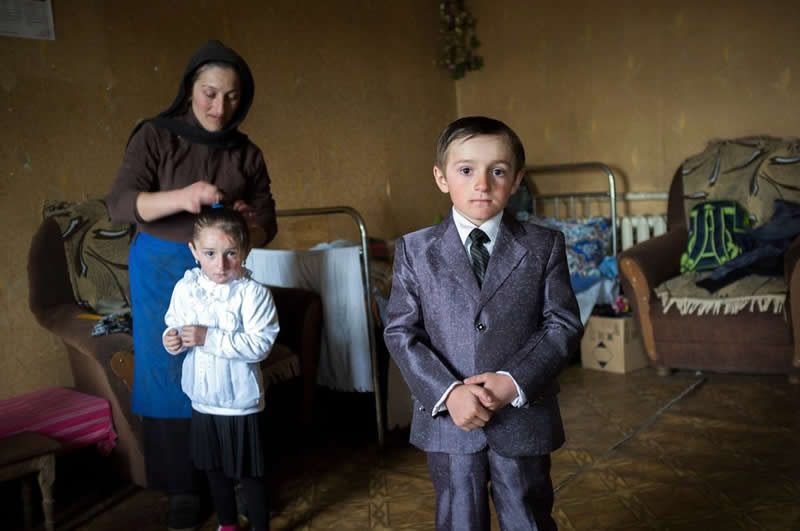
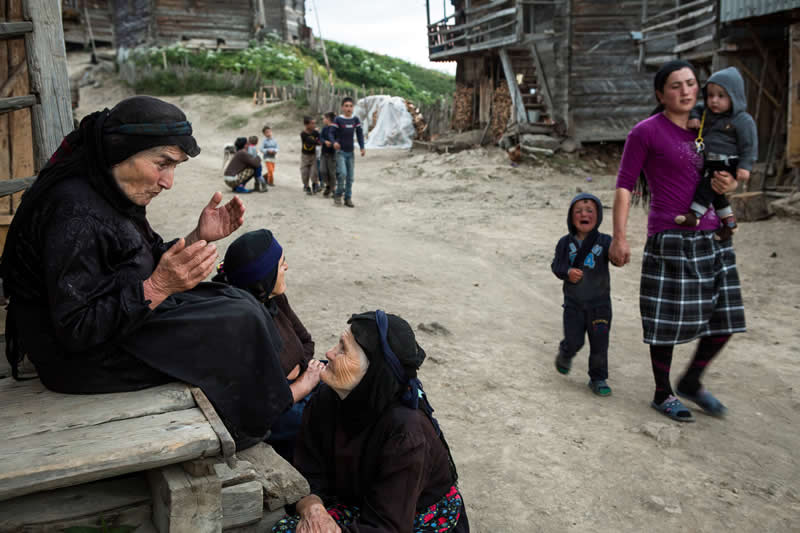
Natela Grigalashvili captures this atmosphere with cinematic intensity. Her images don’t romanticize poverty or hardship. Instead, they reveal the dignity of people who continue living with strength despite impossible conditions. Smoke rising from wooden homes, shepherds moving through fog, and children staring quietly into the camera all create a visual language rooted in truth. Her photography feels less like documentation and more like memory preserved before it disappears forever.
#6
#7
#8
#9
#10
The Deep Personal Connection Behind the Camera
For Grigalashvili, this project was never about being an observer from the outside. She grew up in rural Georgia and often speaks about feeling spiritually connected to isolated communities like Adjara. Photography became her way of reconnecting with childhood memories, forgotten traditions, and people whose lives mirrored parts of her own story.
She first picked up a camera after dreaming of becoming a documentary cinematographer. A friend handed her a cheap Soviet “Smena” camera, and that simple beginning changed her life forever. Instead of cinema, she found her voice through still photography. Her portraits now carry the emotional depth of documentary films, quiet, patient, and deeply human.
That emotional closeness is exactly why her images feel so authentic. She spends time building relationships, learning customs, and living among the people she photographs long before pressing the shutter.
#11
#12
#13
#14
#15
The Harsh Reality of Nomadic Survival
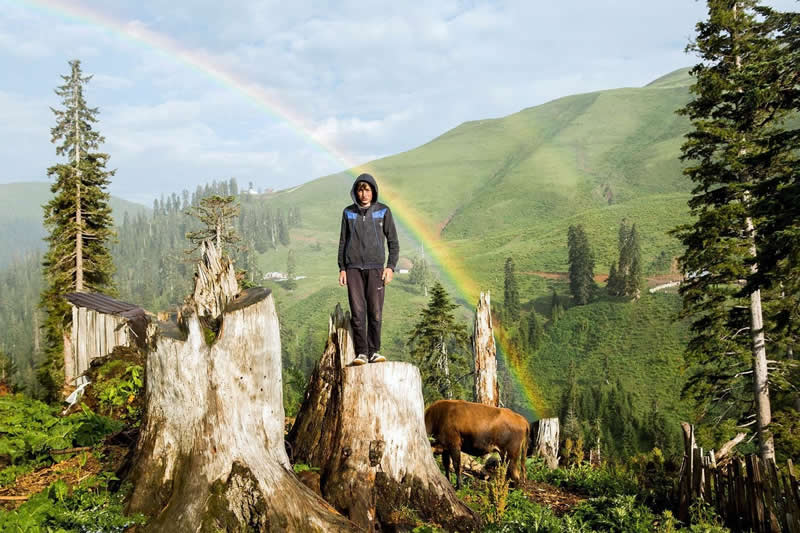
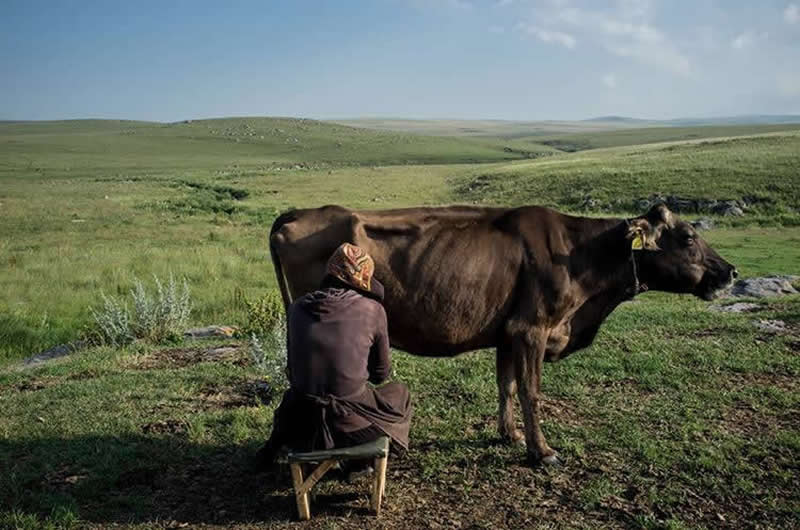
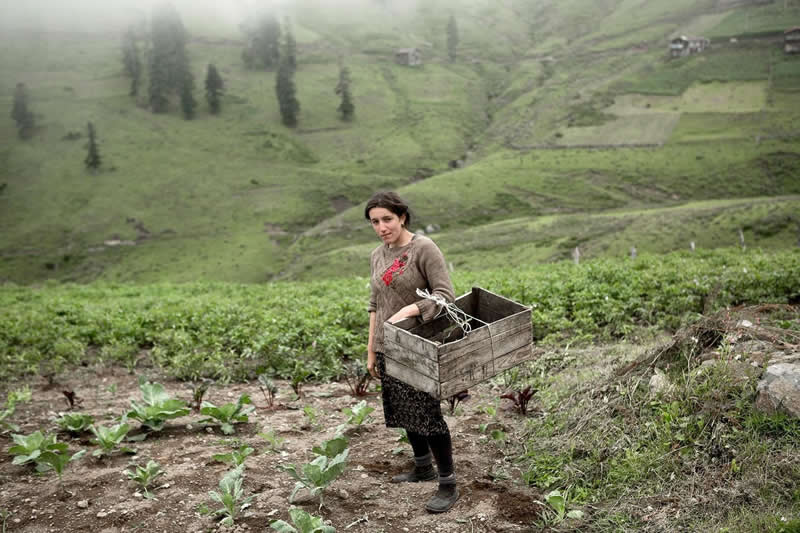
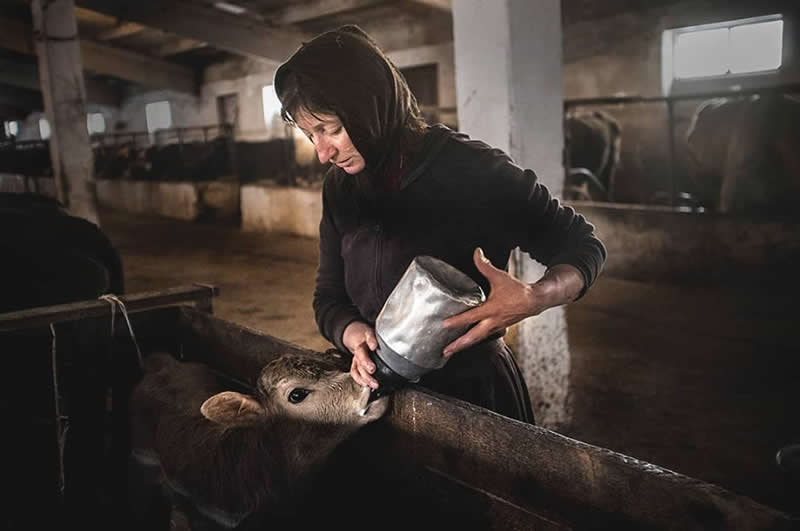
The nomadic families of Adjara continue to move cattle into mountain pastures during summer and return before winter arrives. It’s a physically demanding lifestyle that requires constant movement, endurance, and sacrifice. Yet even that centuries-old tradition is becoming harder to sustain.
Many men now travel to Turkey for seasonal work because cattle breeding alone cannot support their families. Entire villages have become nearly empty as younger generations migrate to cities in search of education, stability, and opportunity. Grigalashvili photographs this tension beautifully, the pull between preserving identity and surviving economically.
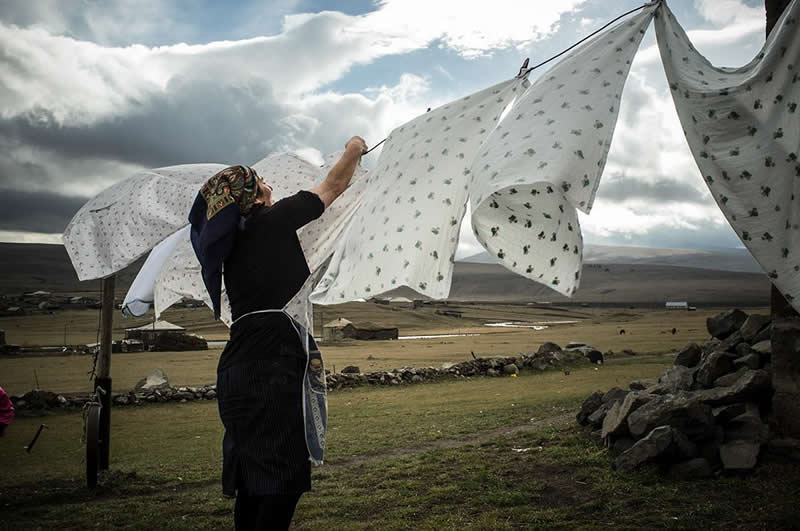
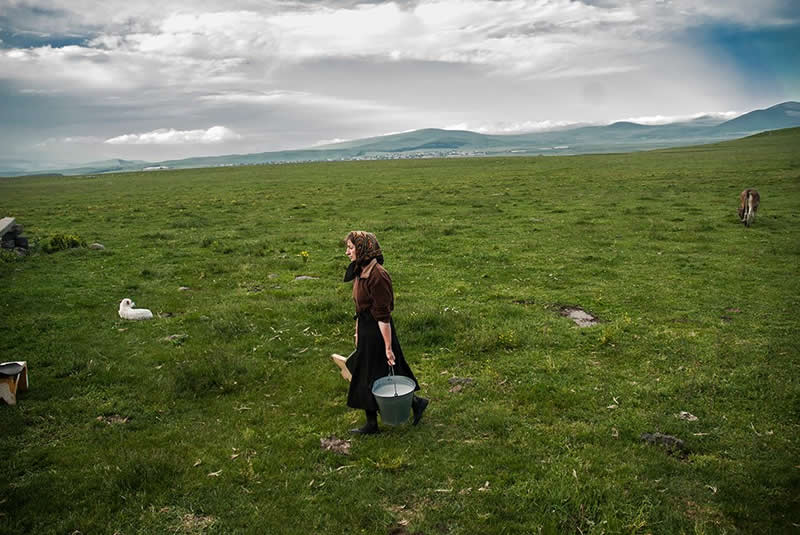
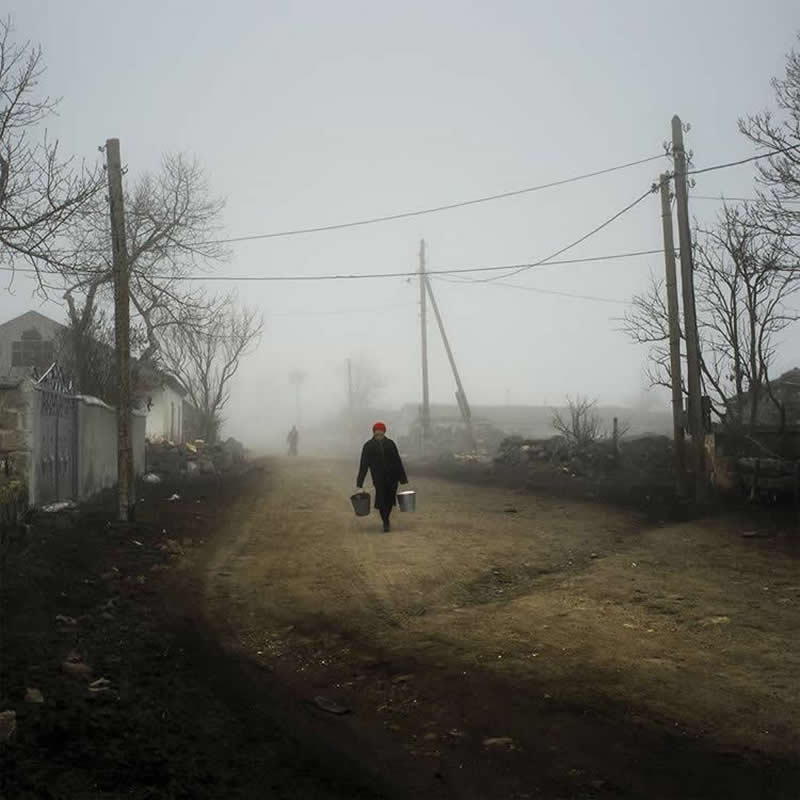
Her images often show loneliness without needing words. Empty homes, aging villagers, and isolated landscapes quietly hint at a culture fading piece by piece. But there’s also resilience in every frame. The people continue forward, carrying traditions on their backs like the mountains surrounding them.
#16
#17
#18
#19
#20
Portraits Filled With Silence, Strength, and Humanity
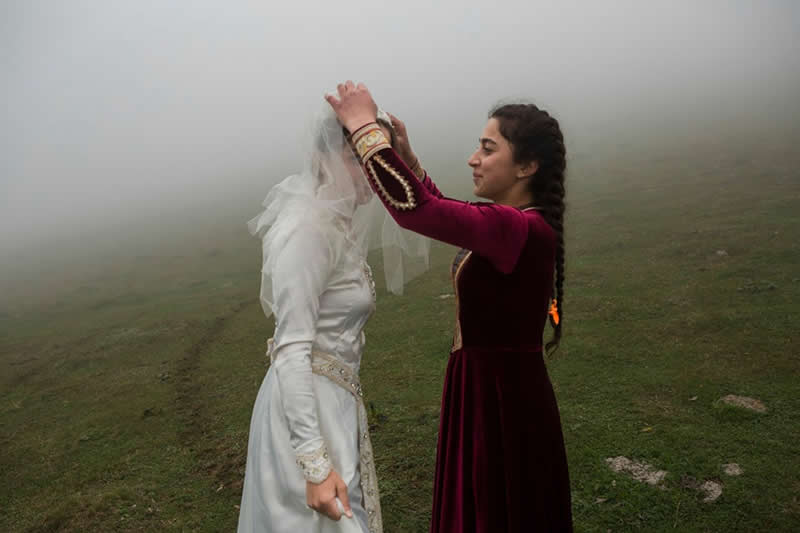
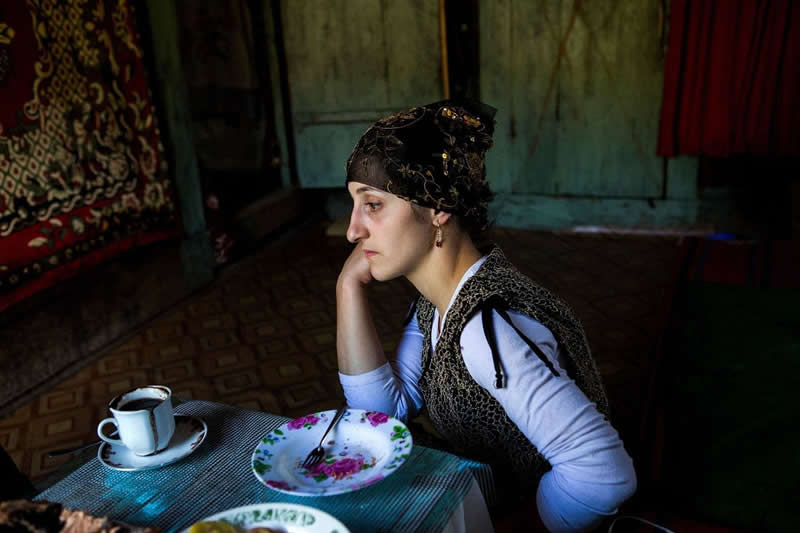
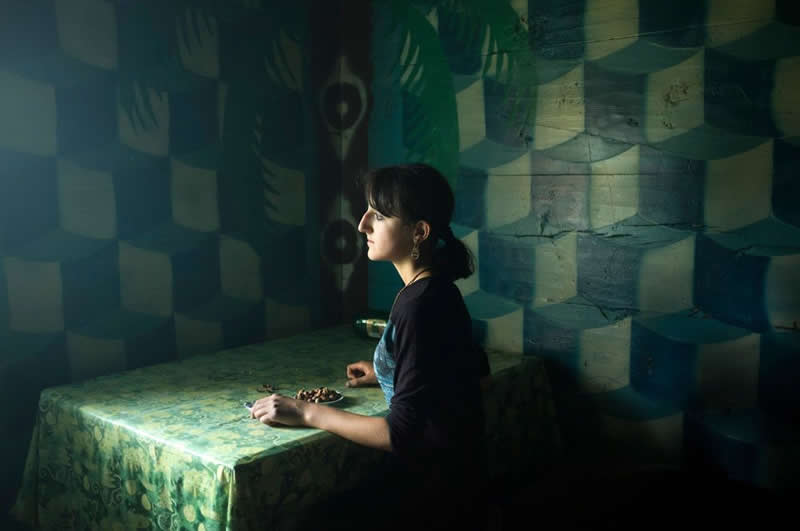
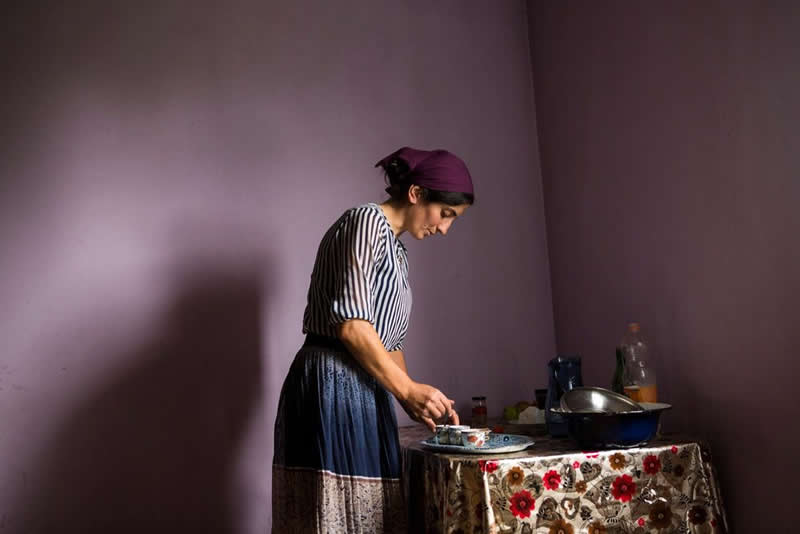
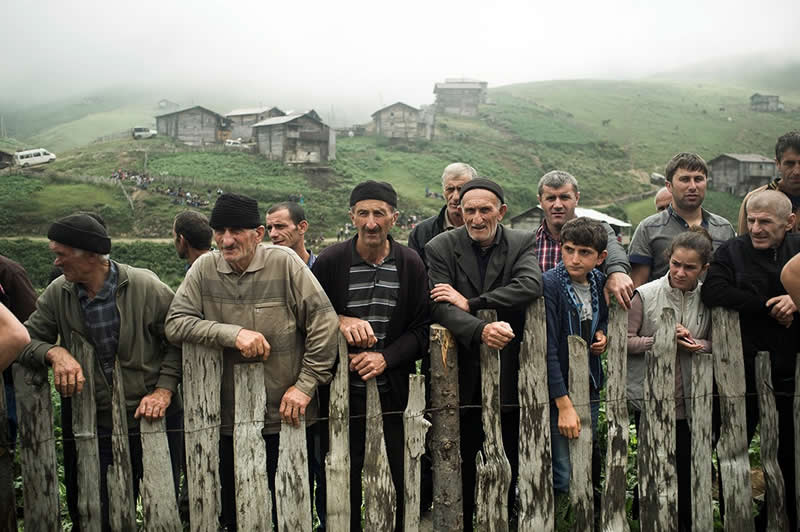
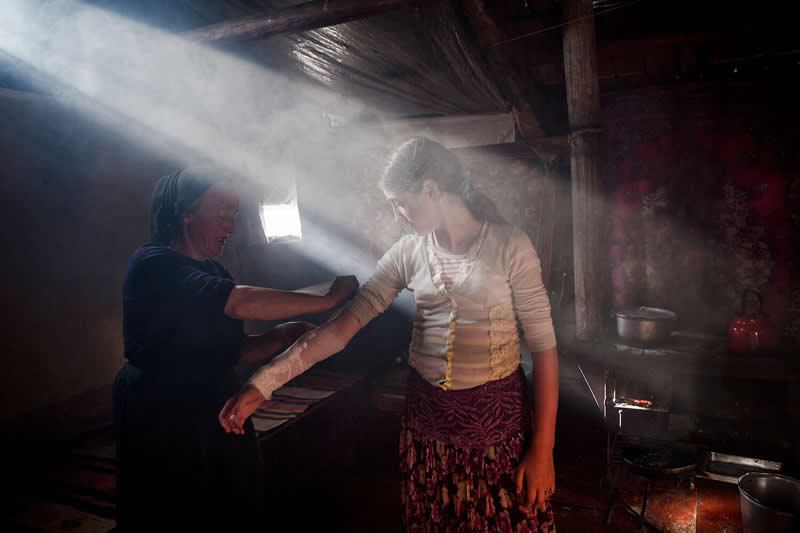
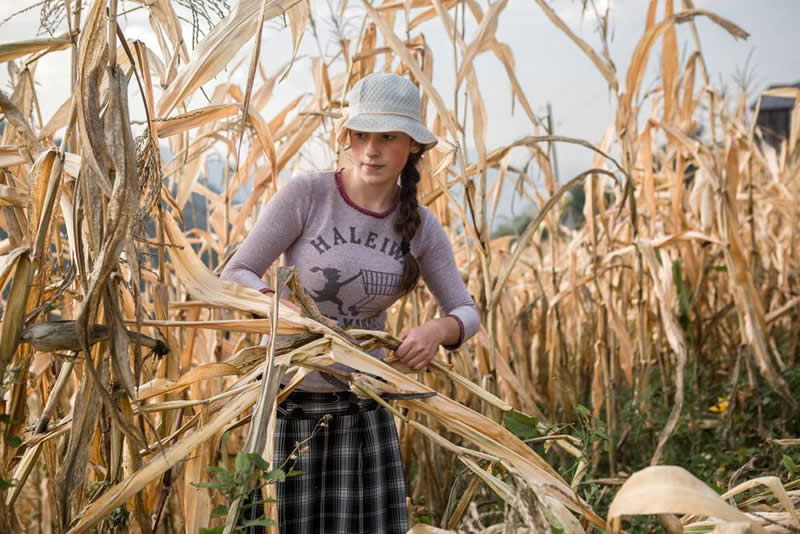
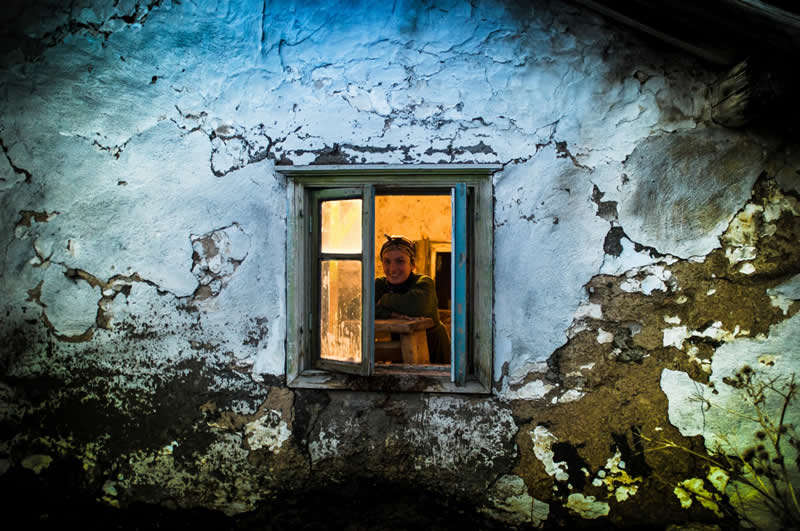
One of the most striking things about Grigalashvili’s photography is how emotionally quiet it feels. There’s no dramatic staging or forced storytelling. Instead, her portraits breathe naturally. Faces weathered by hard labor, tired eyes staring through dimly lit rooms, and families gathered in silence create an emotional honesty that hits hard.
Her use of natural light and muted tones adds to the feeling of timelessness. The mountains become more than scenery; they act like emotional landscapes reflecting the lives of the people within them. Every wrinkle, shadow, and gesture carries history.
What makes these photographs unforgettable is their humanity. They remind viewers that, behind political borders and geographic isolation, there are real people trying to hold onto their identity as the world changes rapidly around them.
#21
#22
#23
#24
#25
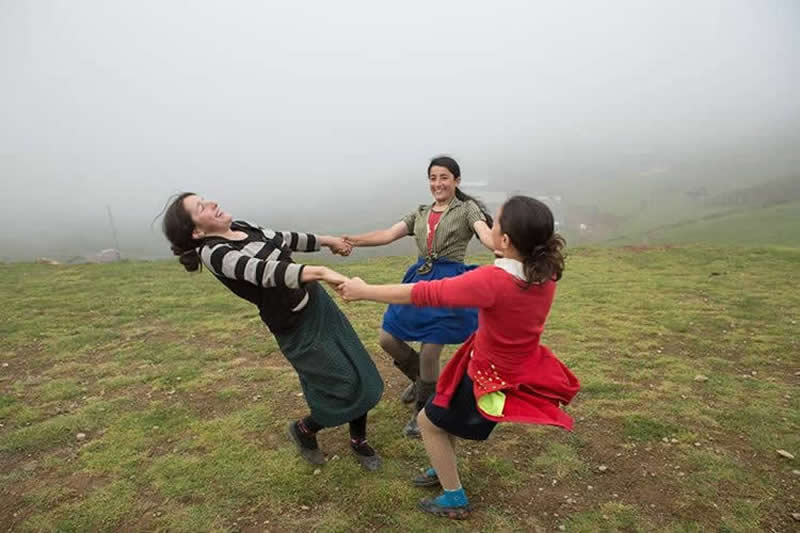
A Culture Slowly Slipping Away
Mountainous Adjara remains one of the last places in Georgia where old customs still survive strongly. Muslim traditions, seasonal migration, community relationships, and mountain lifestyles continue shaping daily life. But modernization is arriving quickly, and with it comes irreversible change.
Grigalashvili often speaks about returning to villages only to find more homes abandoned each year. Families relocate so their children can access education and opportunities unavailable in remote mountain regions. Those children rarely return permanently because city life changes their connection to the village.
Her work becomes incredibly important in this context. These photographs are not simply artistic images; they are historical evidence of a disappearing culture. Through her lens, forgotten traditions gain visibility and emotional weight before they vanish completely from modern memory.
#26
#27
#28
#29
#30
Why Natela Grigalashvili’s Work Matters Today
In today’s fast-moving digital world, photography often feels rushed and disposable. Natela Grigalashvili’s work stands in complete contrast to that culture. Her images demand patience, empathy, and emotional attention. She reminds audiences that documentary photography still has the power to preserve identity and tell stories that history might otherwise erase.
What makes her photography especially powerful is its honesty. She doesn’t chase spectacle. Instead, she focuses on everyday existence, the quiet struggle of survival, migration, tradition, and belonging. That emotional sincerity is exactly why her work resonates globally.
The nomads of Adjara may live far from modern urban centers, but their experiences speak to universal themes: displacement, memory, family, and cultural survival. Through her portraits, Grigalashvili gives these mountain communities something incredibly valuable: a voice that the world can finally see and remember.
#31
#32
#33
#34
#35
FAQs:
Who is Natela Grigalashvili?
Natela Grigalashvili is a Georgian documentary photographer known for capturing rural life and disappearing traditions in Georgia. Her work focuses on emotional storytelling, human connection, and isolated communities, especially in Mountainous Adjara, where nomadic lifestyles still survive today.
What is Mountainous Adjara known for?
Mountainous Adjara is known for its remote villages, preserved traditions, Muslim communities, and nomadic cattle-breeding lifestyle. The region’s dramatic landscapes and isolation have helped preserve old customs, though modernization and migration are causing many villages to slowly disappear.
Why are villages in Adjara becoming empty?
Many villages in Adjara are becoming empty as families move to cities or abroad in search of better education, healthcare, jobs, and living conditions. Harsh winters, damaged infrastructure, and limited opportunities make survival difficult for younger generations in remote mountain communities.
What makes Natela Grigalashvili’s photography unique?
Her photography feels deeply personal because she spends significant time building relationships with the people she photographs. Instead of staged images, she captures honest emotions, quiet moments, and everyday life with empathy, creating documentary portraits that are authentic and emotionally rich.
Why is documenting Georgian nomadic culture important?
Documenting Georgian nomadic culture is important because many traditions are disappearing due to migration and modernization. Photography preserves the memories, customs, and identities of these communities, allowing future generations to understand a unique lifestyle that may eventually vanish completely.