
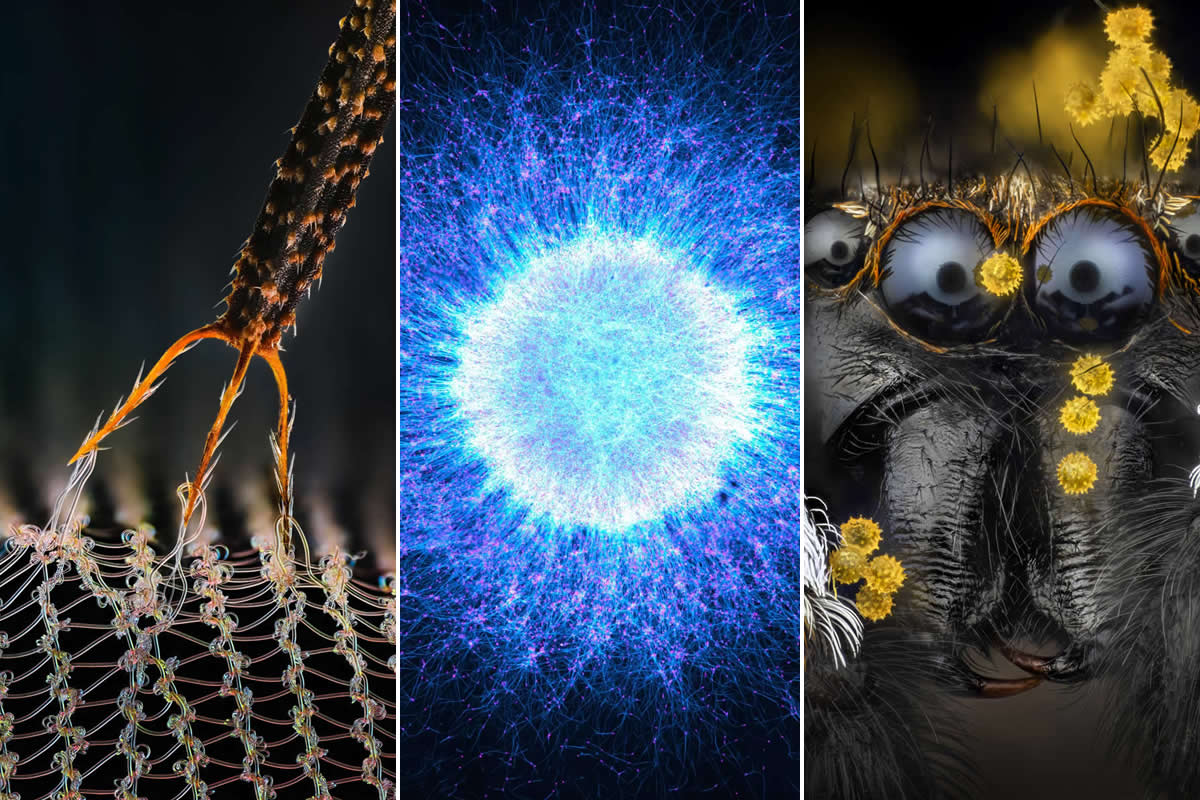
Not everything epic is big. Sometimes, the real magic lives in places you can’t even see, and that’s exactly where Evident Scientific steps in. Their Image of the Year 2026 winners pull us into a mind-blowing micro-universe where science meets straight-up art.
This isn’t your typical photography flex. These images are built in labs, not landscapes captured through lenses designed to explore cells, textures, and structures that look more like galaxies than biology. And yeah, they’re just as stunning as anything shot under a sunset.
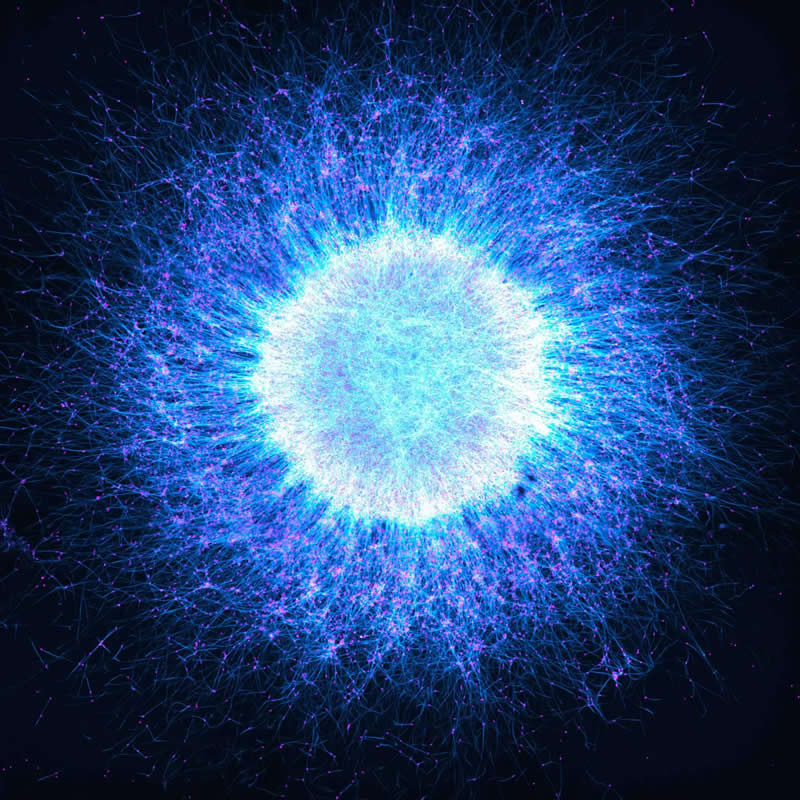
Taking the top spot is Katie Holden from the UK with her unreal piece, “Neuronal Cosmos.” It’s a hypnotic look at neurospheres, clusters of brain cells that organize themselves in patterns that seriously resemble a cosmic map. It’s giving deep space vibes, but it’s actually human biology doing its thing.
What hits hardest is how these 17 images blur the line between science and storytelling. Every frame has purpose, helping researchers understand life at a cellular level while also pulling viewers into something visually wild.
Bottom line? You’re not just looking at photos. You’re looking at a hidden universe, finally brought into focus.
You can find more info:
1. The Global Winner: "Induced pluripotent stem cell-derived neurospheres" by Katie Holden, United Kingdom
2. Materials Science Winner: "Lignin fiber: by Muhammad Tahir Khan, Ireland

Regional Award Winners
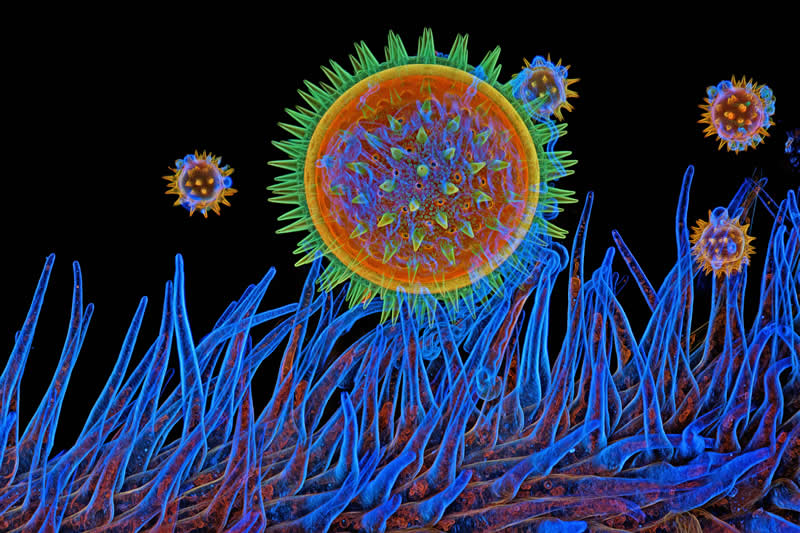
3. Americas: "Mallow pollen on stigma" by Igor Siwanowicz, USA
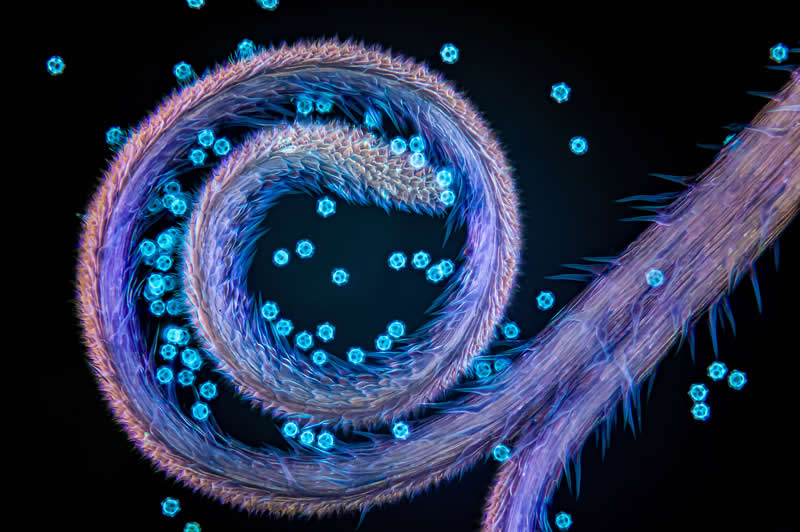
4. Europe, the Middle East, and Africa: "Stigma of chicory with pollen grains" by Gerd Günther ,Germany
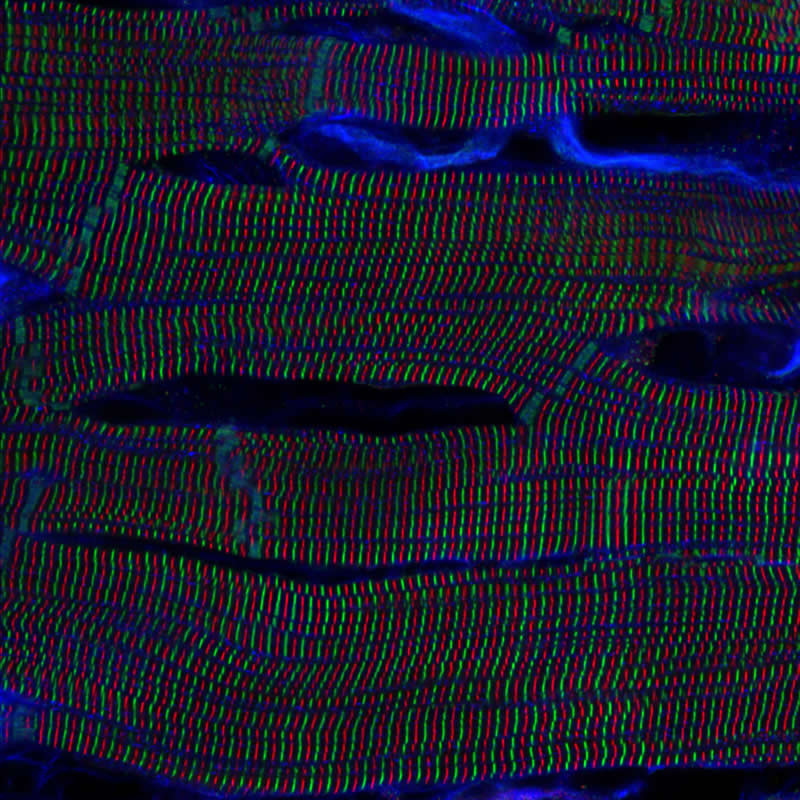
5. Asia-Pacific: "Sarcomere structures within cardiomyocytes in a rat heart" by Kentaro Mochizuki, Japan
Honorable Mentions
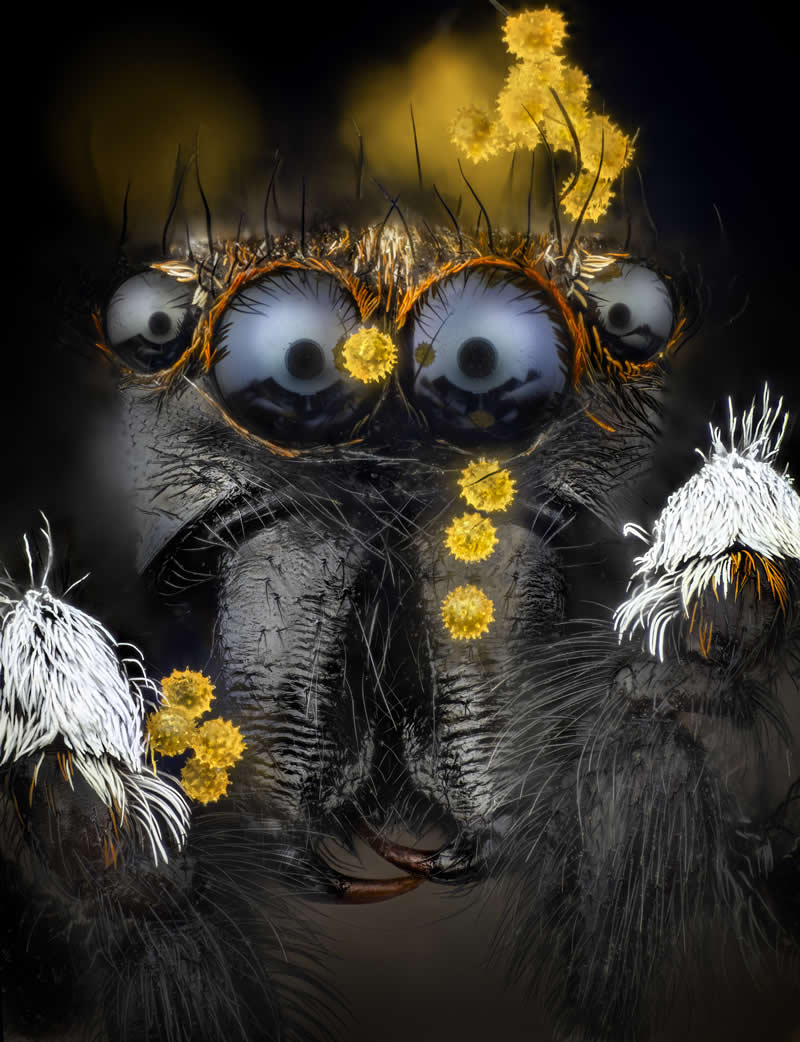
6. "Pollen grains on a jumping spider" by Javier Rupérez, Spain
7. "Mouse embryonic fibroblast" by Joe McKellar, France
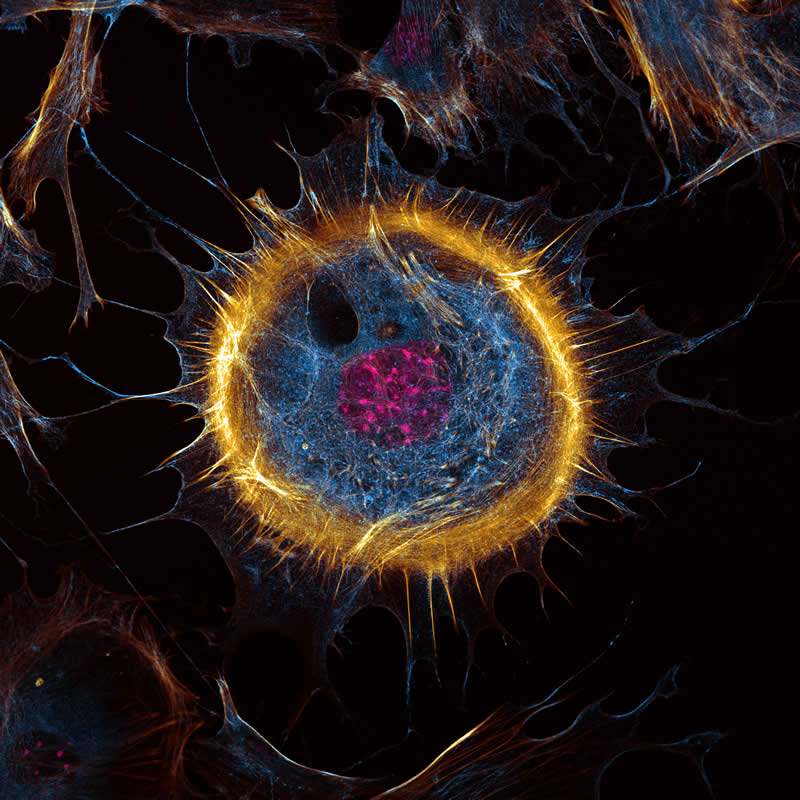
8. "GFP-positive Thy1 neuron in a tissue-cleared mouse brain" by Marko Pende, Austria
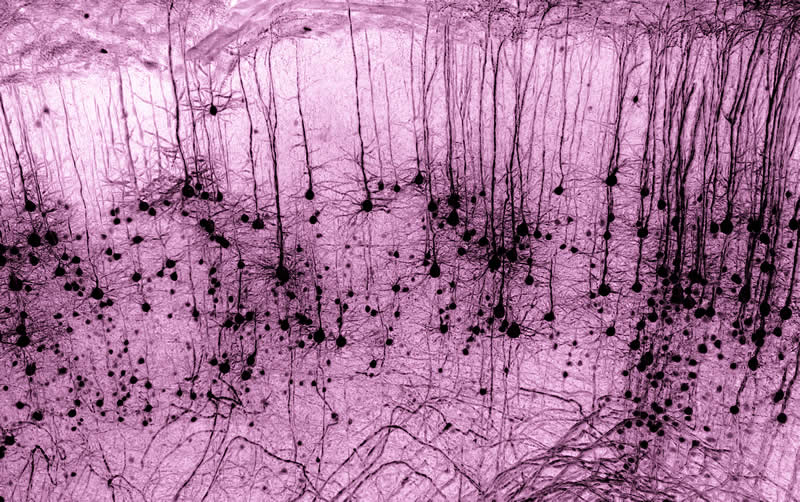
9. "Commissural axons navigating across the midline of a developing central nervous system in a chick embryo" by Alexandre Dumoulin, Switzerland
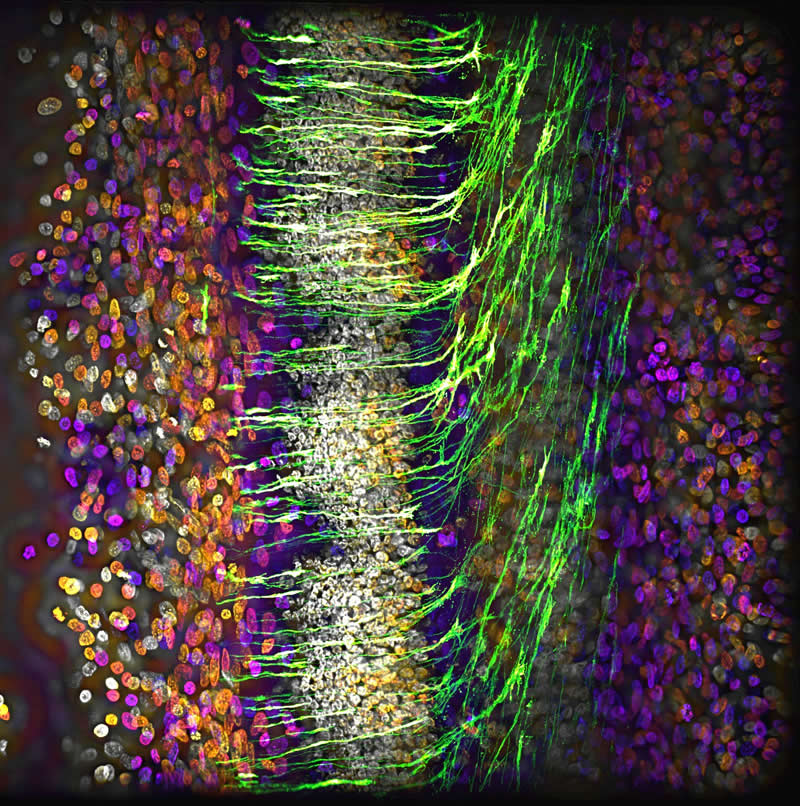
10. "Fluorescent immunostained brain tissue from an Alzheimer’s disease mouse model" by Bettina Rákóczi, Hungary
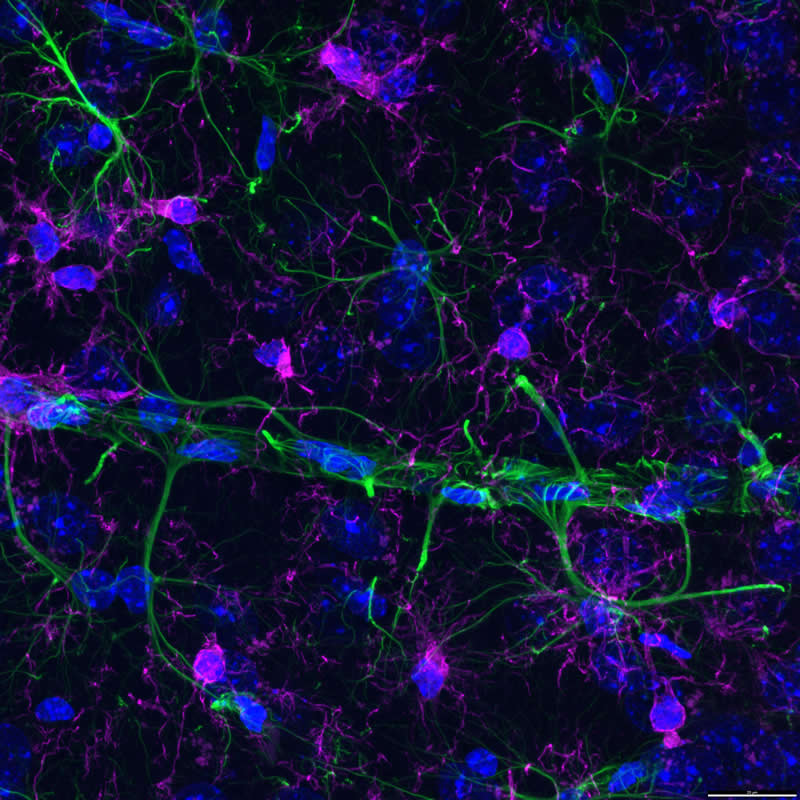
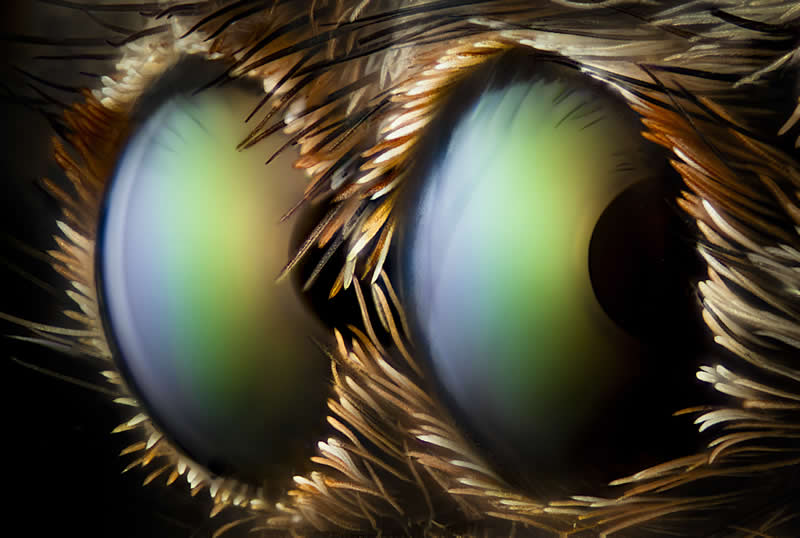
11. "Two anterior median eyes of a jumping spider" by Walter Ferrari, Argentina
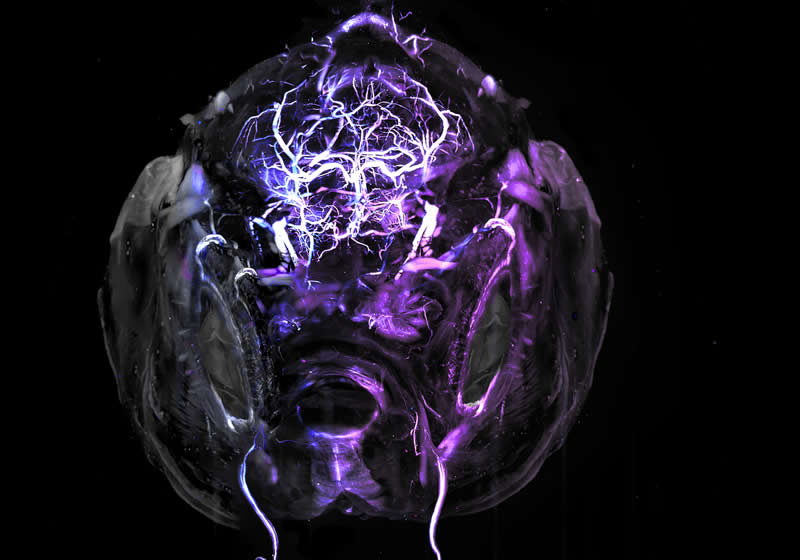
12. "Adult zebrafish brain" by Hannah Somers, United States
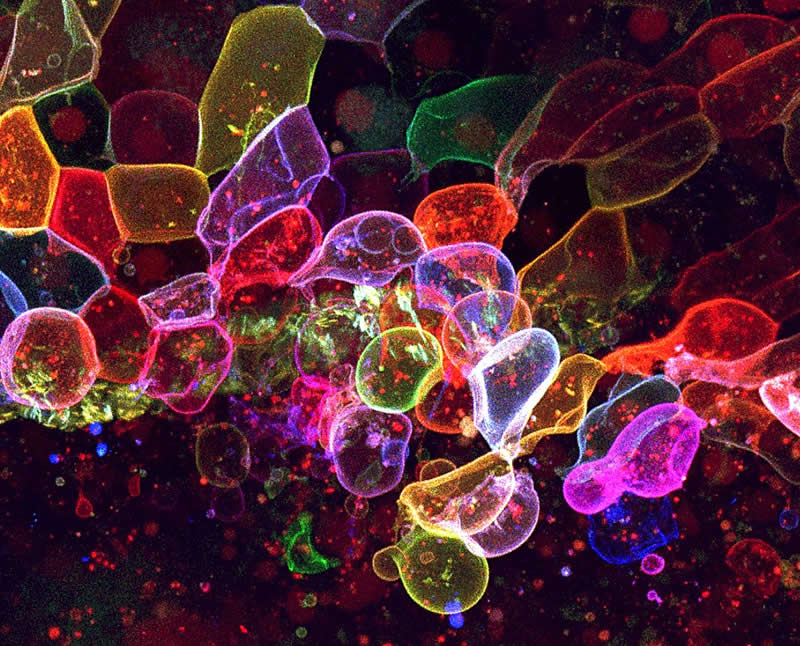
13. "Dying superficial epithelial cells during osmotic stress" by Yue Rong Tan, Taiwan
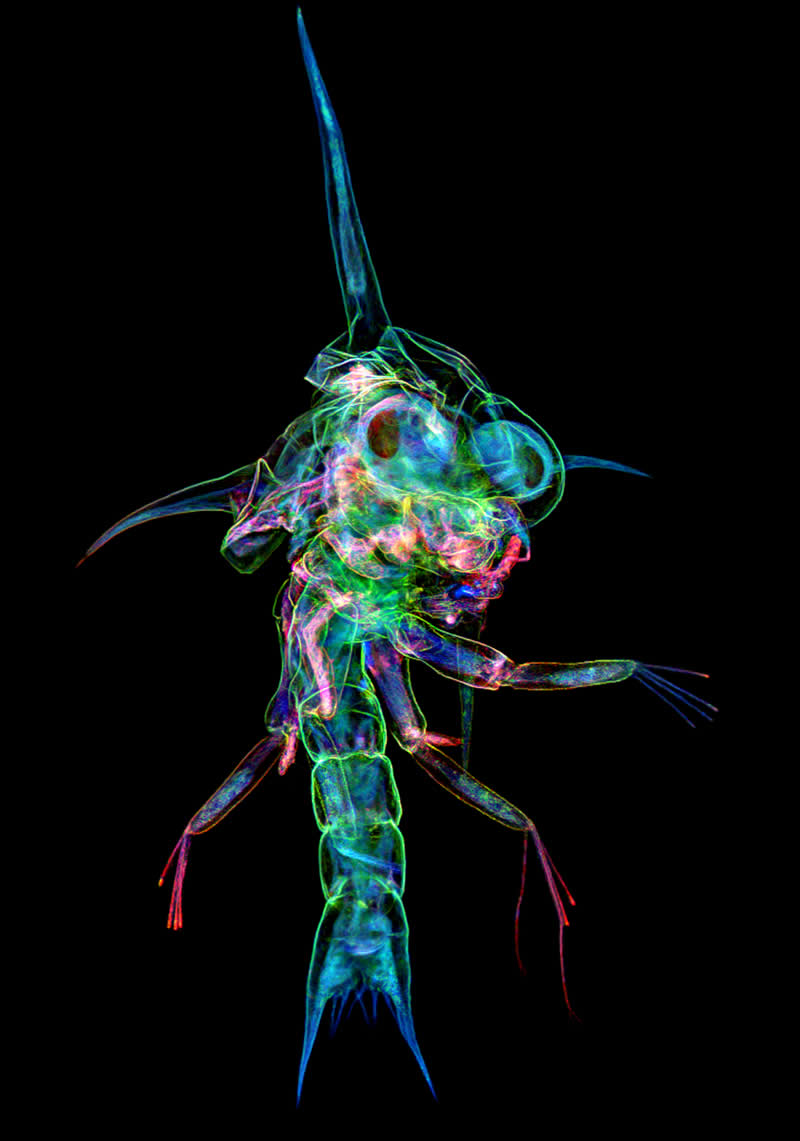
14. "Crab zoea" by Tong Zhang, Canada
15. "Bidens pilosa attached to a pair of stockings" by Hange Du, China
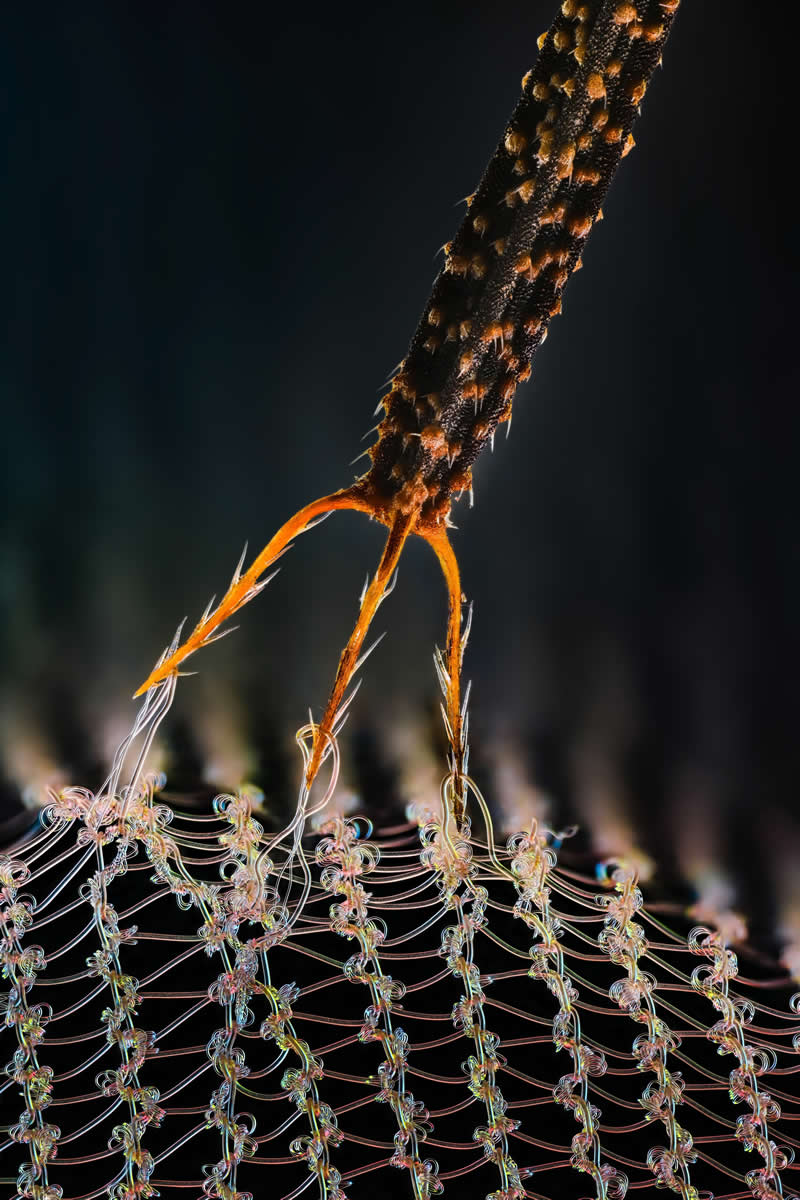
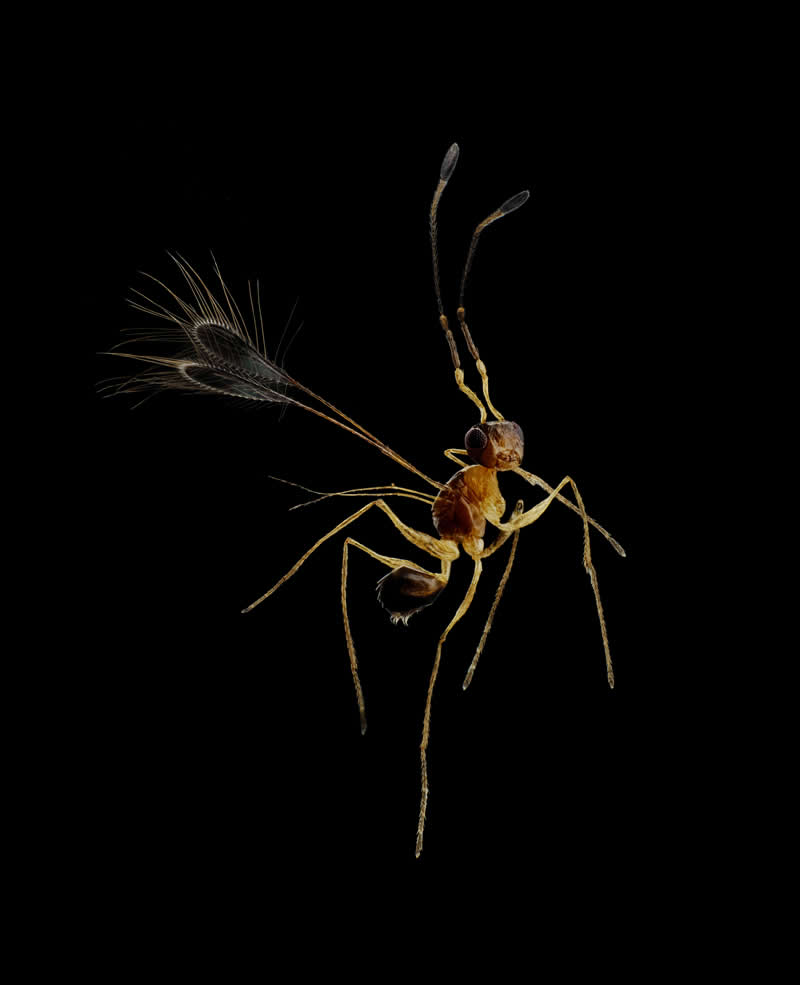
16. "Fairyfly" by Hanyang Xue, China
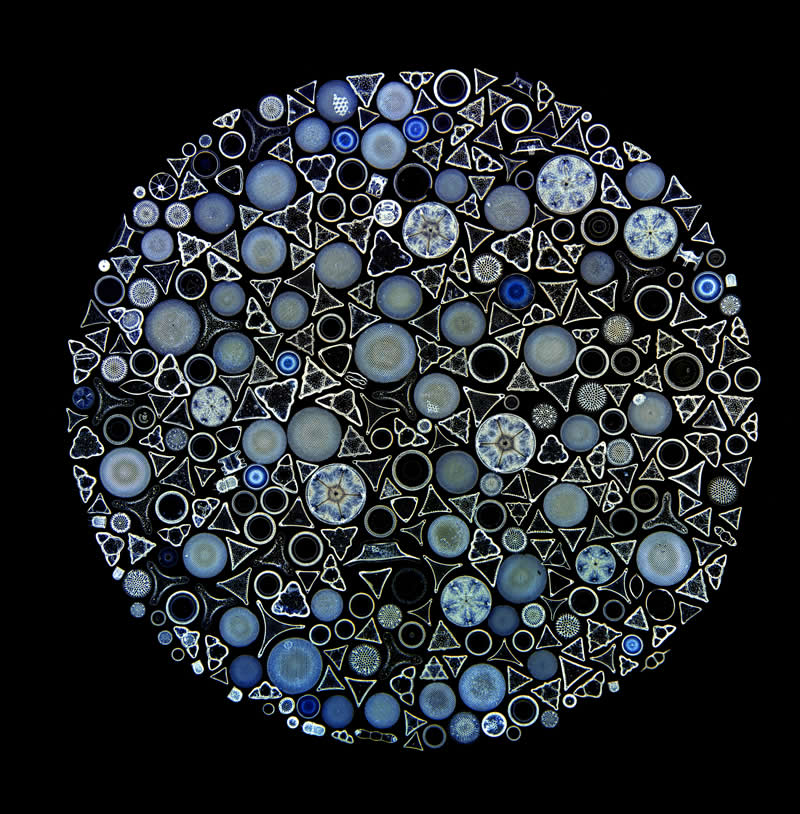
17. "Diatom arrangement" by Jan Rosenboom, Germany
FAQs:
What is Evident’s Image of the Year competition?
Evident’s Image of the Year competition celebrates excellence in scientific microscopy. It highlights images that are both scientifically meaningful and visually stunning, showcasing discoveries from researchers and imaging specialists worldwide each year.
Who won the 2026 microscope photography award?
Katie Holden from the United Kingdom won the 2026 competition with her image “Neuronal Cosmos.” Her work captures neurospheres—clusters of brain cells—arranged in patterns that resemble cosmic structures, beautifully blending science and artistic expression.
What are neurospheres in microscopy?
Neurospheres are clusters of neural stem cells that grow and organize into structures similar to parts of the human brain. Scientists study them to better understand brain development, neurological diseases, and the effects of environmental and genetic factors.
Why is microscopic photography important?
Microscopic photography helps scientists visualize structures that are invisible to the naked eye. It plays a key role in research, education, and medical discovery, while also creating visually striking images that connect science with a broader audience.
How are these microscope images captured?
These images are captured using advanced microscopes equipped with specialized lighting and imaging techniques. Scientists often enhance contrast and color to highlight specific structures, making the images both scientifically accurate and visually compelling for viewers.