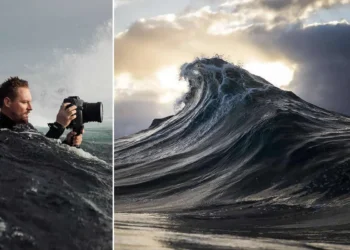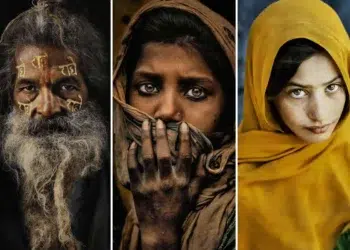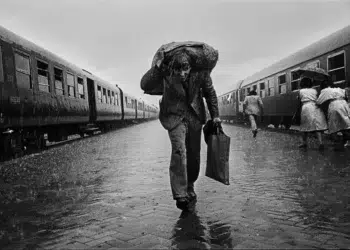

Black and white photos just hits different. No colors fighting for the spotlight, just pure emotion, sharp contrasts, and stories that grab you by the heart. It’s a visual punch: gritty war zones, silent street corners, legendary faces, and the everyday frozen in time. Monochrome always pulls you in. It never goes out of style.
Old-school photographers had no instant previews or fancy apps. Just film, instinct, and patience. Every shot was a risk, and that made it magic. The photos? Raw, honest, and more powerful than most of what we scroll through now.
The legends of photography didn’t just shoot black and white because they had to; they knew it cut straight to what mattered. It’s all about the emotion, the texture, the story. A soldier in chaos. A stolen glance. A portrait that says everything without a word. These images last because they speak to everyone, everywhere.
This collection isn’t just 32 photos; it’s a ride through history and humanity. These shots shaped eras, captured souls, and refuse to lose their punch. They’re more than pictures. They’re time machines, and they still hit home.
#1
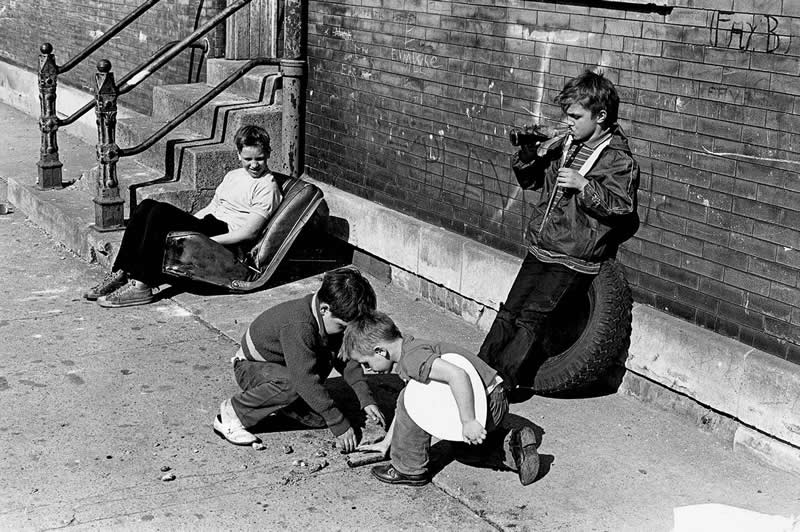
Photo by: Jay King
#2
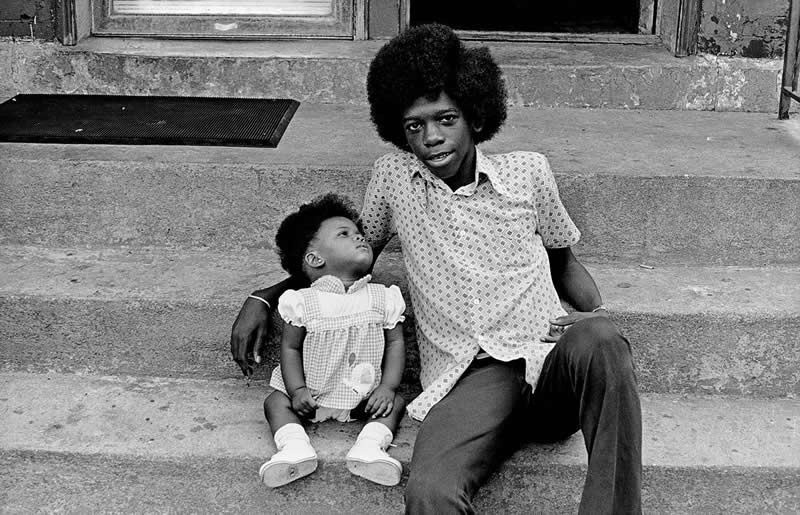
Photo by: Jay King
#3
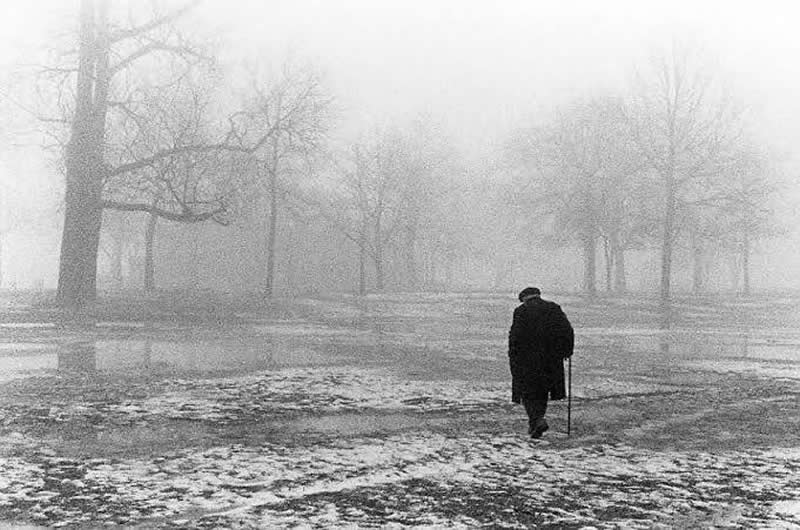
Photo by: Jay King
#4
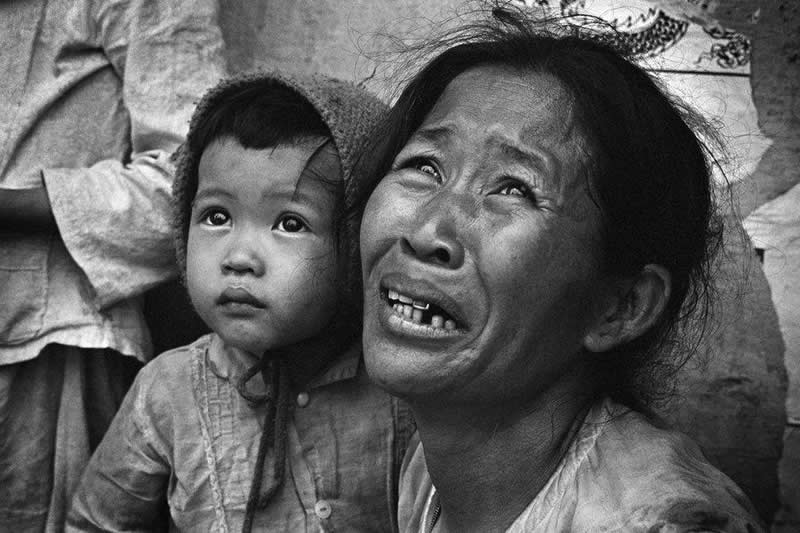
Photo by: Philip Jones Griffiths
#5
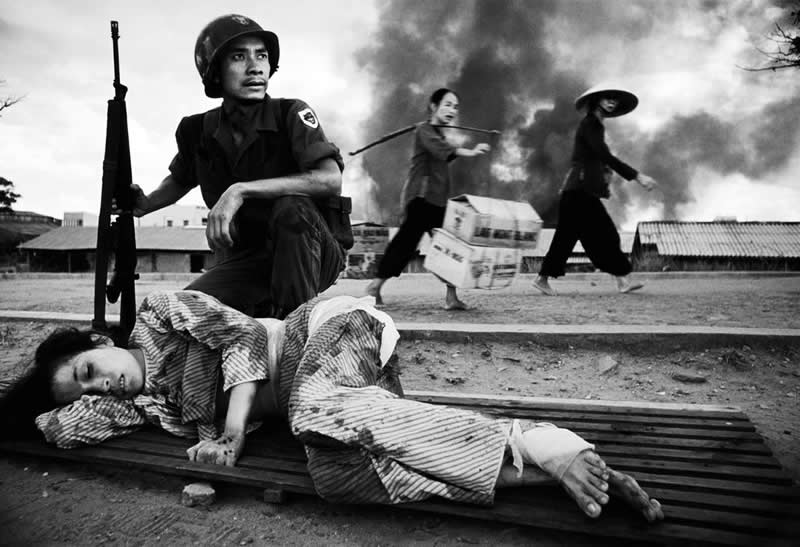
Photo by: Philip Jones Griffiths
The Power of Simplicity in Monochrome
Black-and-white photography shines with simplicity, but simple never means dull. Strip away color, and what’s left is raw, visual punch: lines, shapes, light, and shadow, all front and center. The greats knew this. Every shot was deliberate, no wasted space, every detail pulling its weight.
In monochrome, contrast is king. A single beam of light slices through the darkness, a face suddenly breaks out of the shadow, and the drama cranks up. With no color to steer you, every composition has to be razor-sharp. That’s the hallmark of a master.
This stripped-back style makes photos timeless. No color ties them to a moment; they could be from any era. That’s why they still hit home. Clean. Bold. Direct. Proof that less really is more.
#6
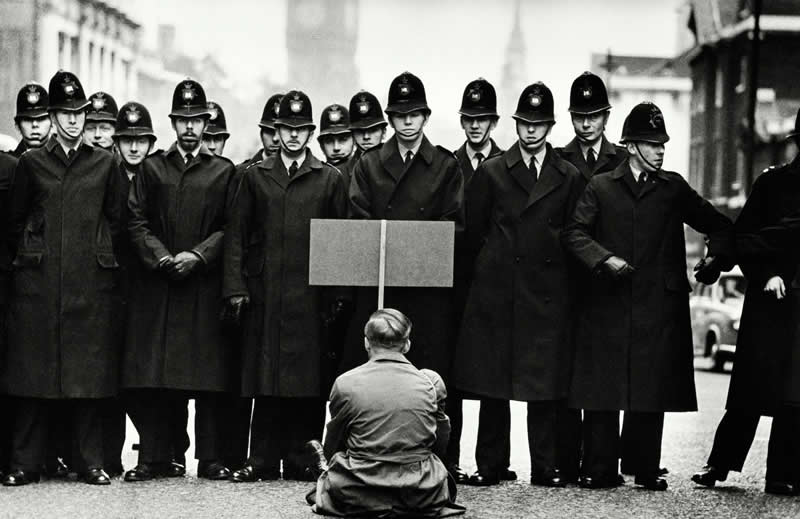
Photo by: Don McCullin
#7
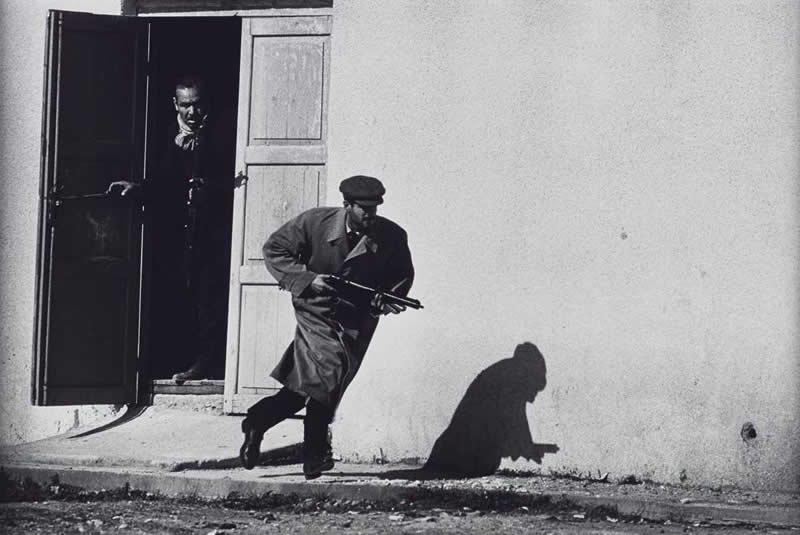
Photo by: Don McCullin
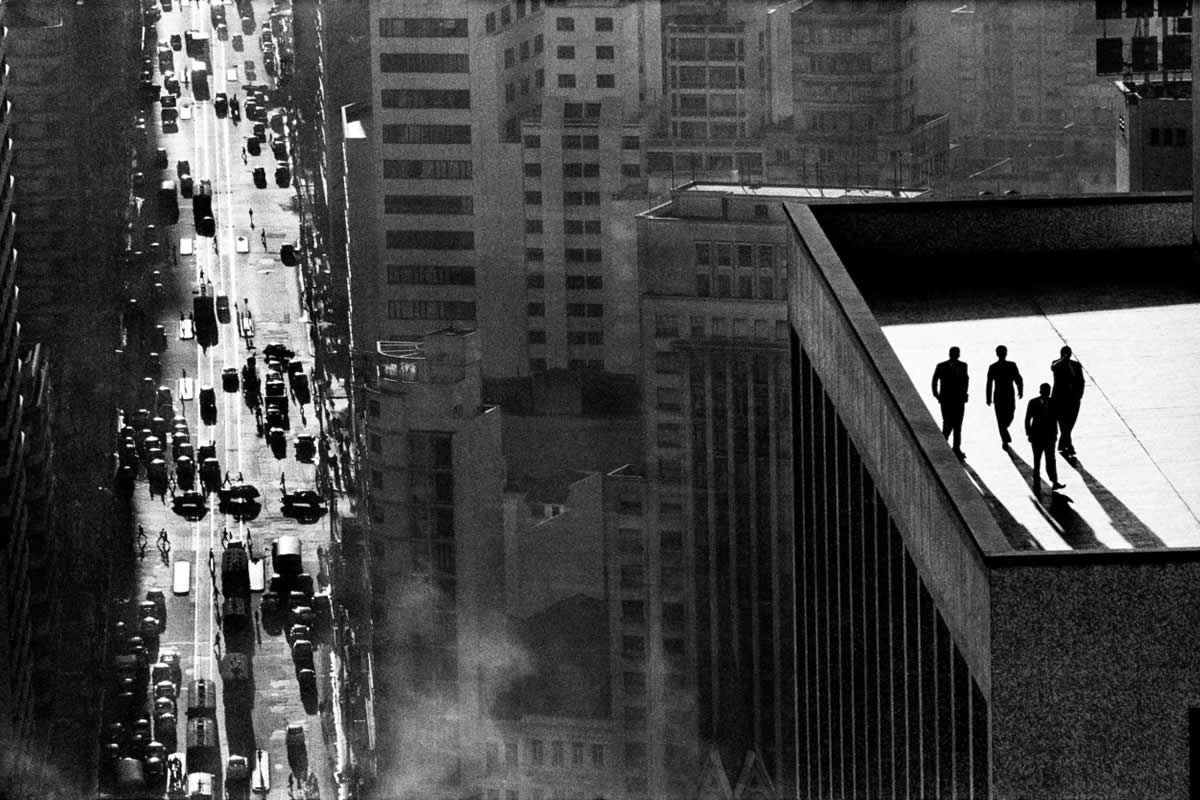
#8
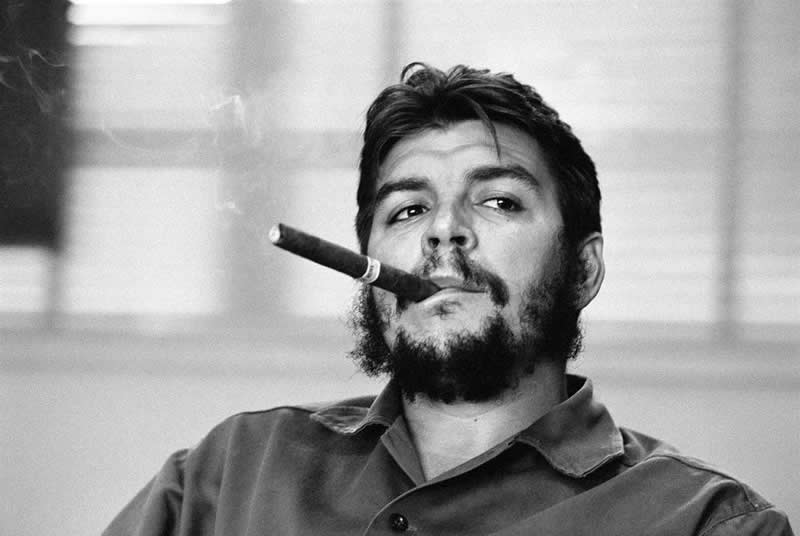
Photo by: René Burri
#9
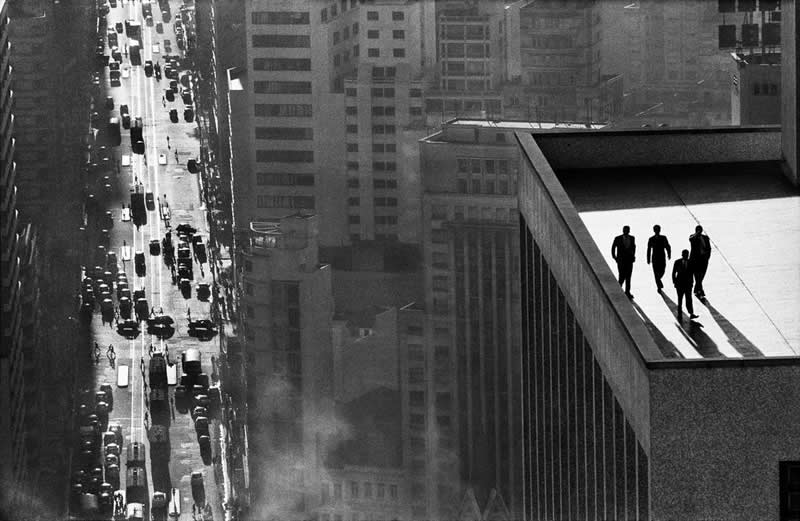
Photo by: René Burri
#10
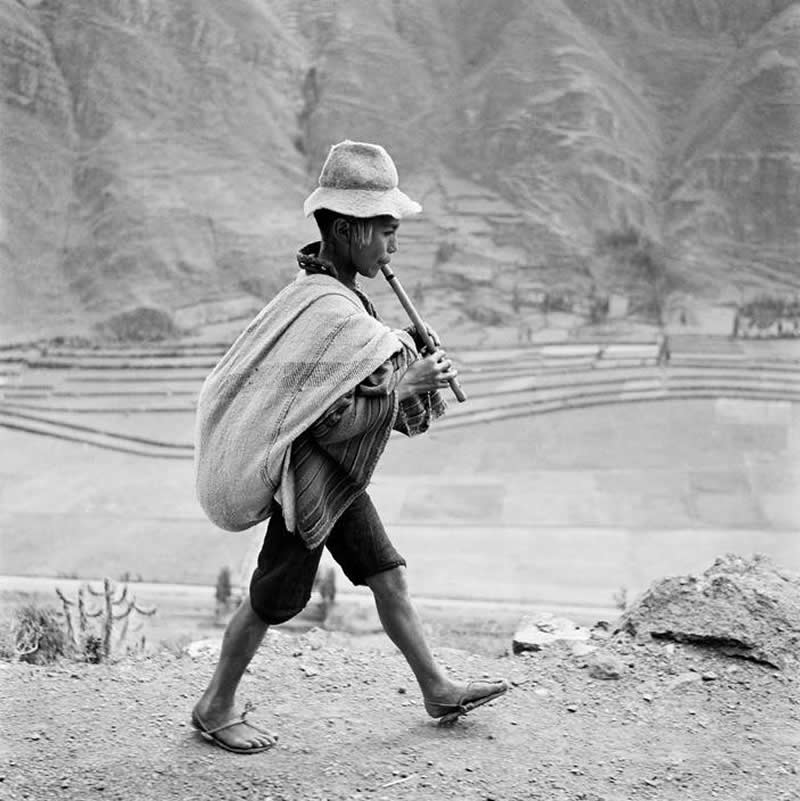
Photo by: Werner Bischof
Capturing Raw Human Emotion
Black-and-white photography cuts straight to the core. No color to soften the blow, emotion takes center stage. Every wrinkle, every stare, every silent moment packs a punch.
The best photographers focused on people, everyone from street vendors to icons. Whether candid or caught off guard, these shots feel personal. They don’t just show faces; they reveal people.
There’s a raw honesty here, unfiltered, real. In old film shots, you can almost feel the moment. That’s why these images last: they connect, human to human, across generations.
#11
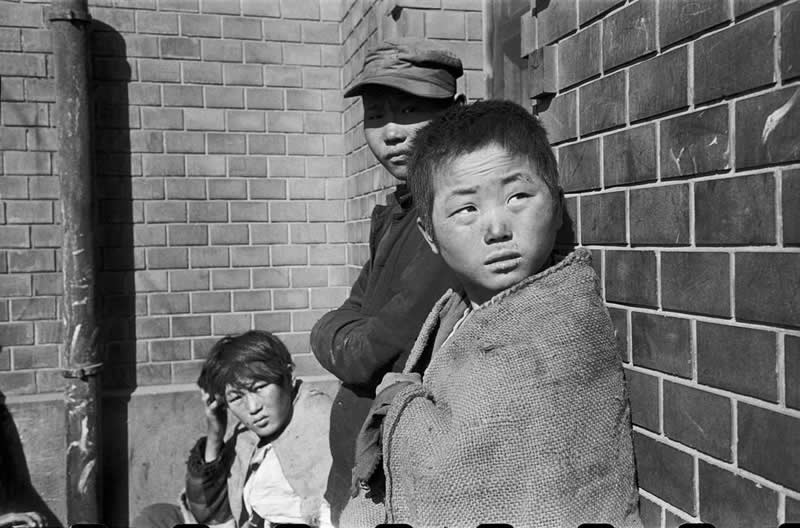
Photo by: Werner Bischof
#12
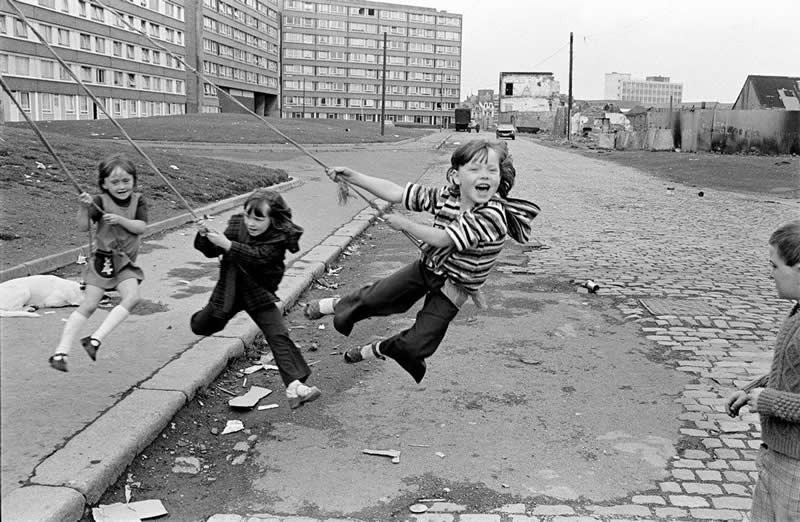
Photo by: Chris Steele
#13
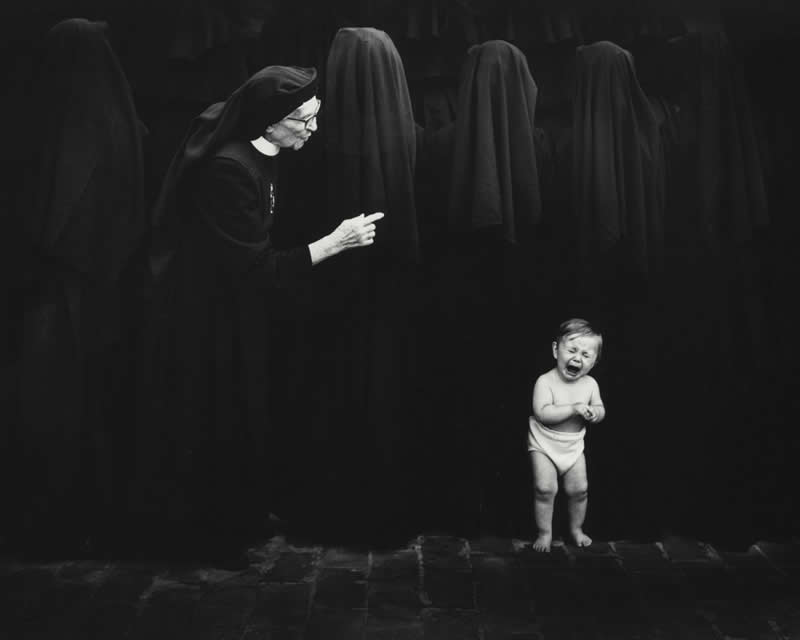
Photo by: Pedro Luis Raota
#14
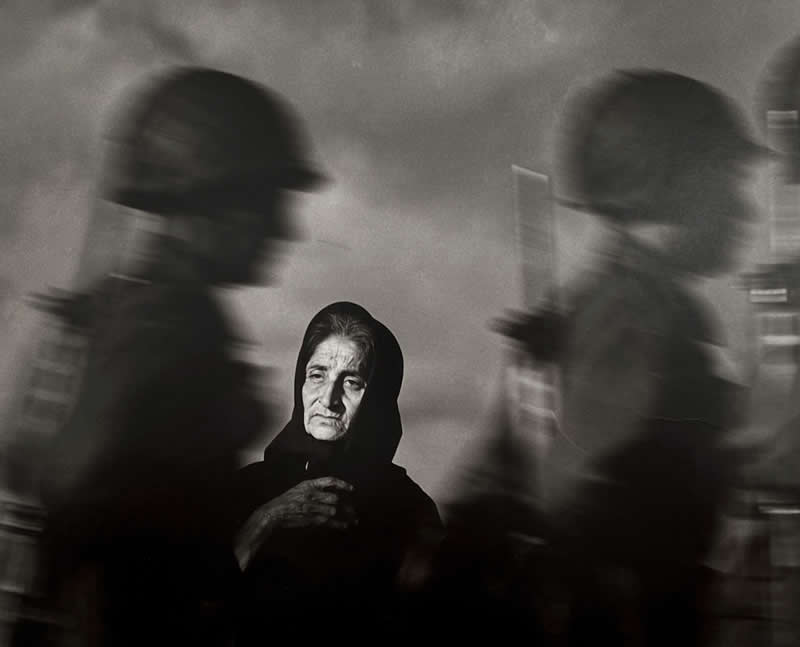
Photo by: Pedro Luis Raota
#15
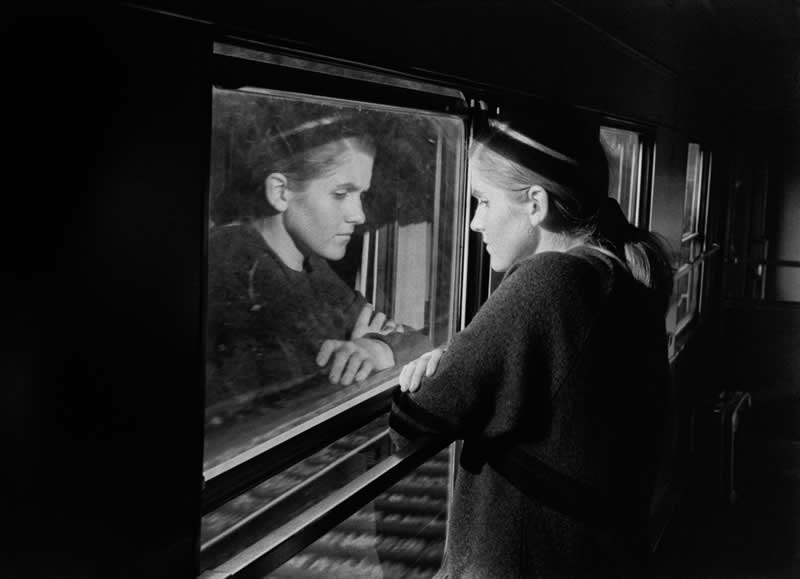
Photo by: Neal Slavin
Witnessing History Through the Lens
Some black-and-white photos are more than art, they’re history, frozen in time. Wars, protests, culture shifts, these shots don’t just show the past; they’re proof it happened.
Photographers on the frontlines risked everything to document reality. With film cameras in hand, they captured chaos, courage, and resilience. War and protest, brutality and hope, raw truth, frame by frame.
What makes these photos powerful? Pure authenticity. No staging. No filters. Just life, unedited. In black and white, every moment hits harder, and we remember why they matter.
#16
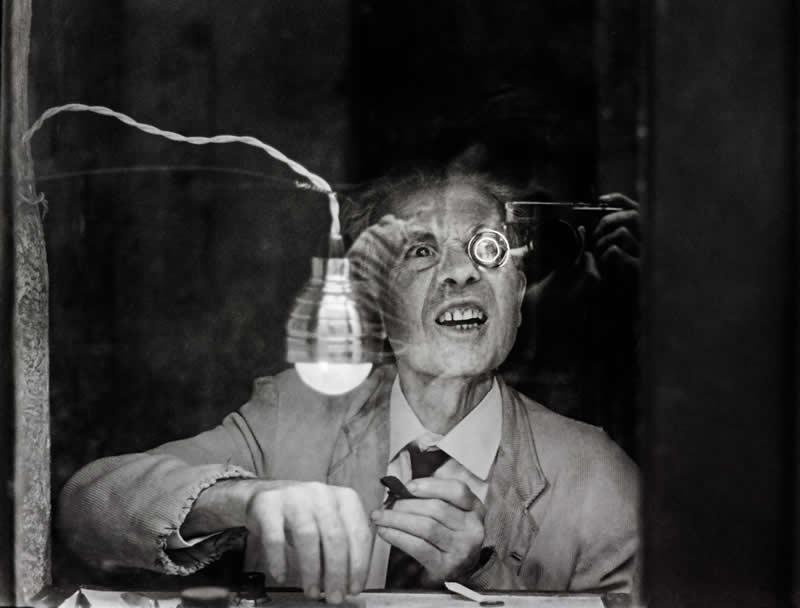
Photo by: Neal Slavin
#17
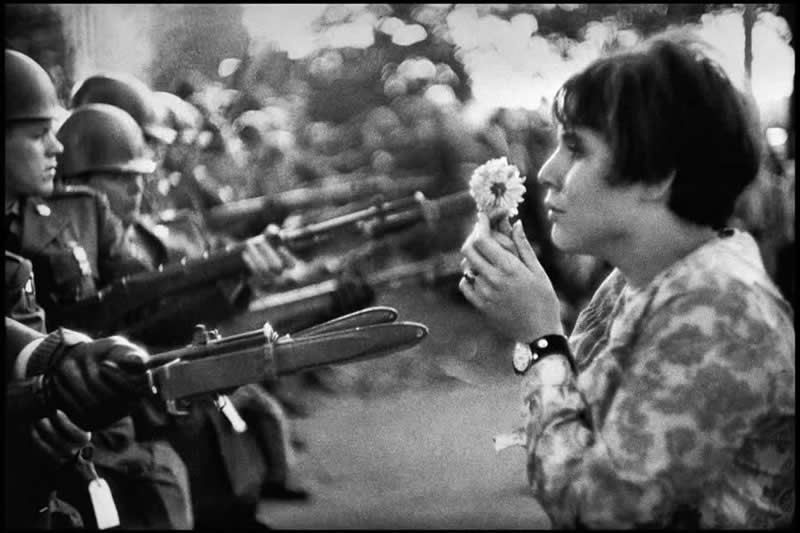
Photo by: Marc Riboud
#18
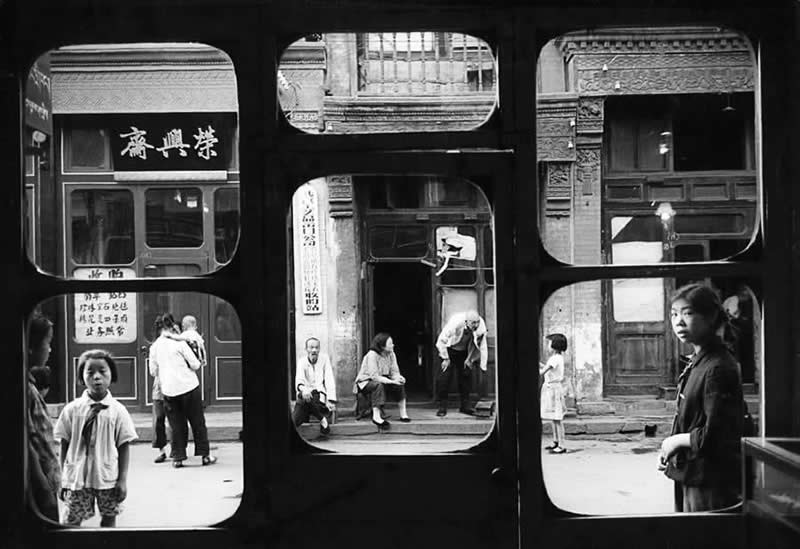
Photo by: Marc Riboud
#19
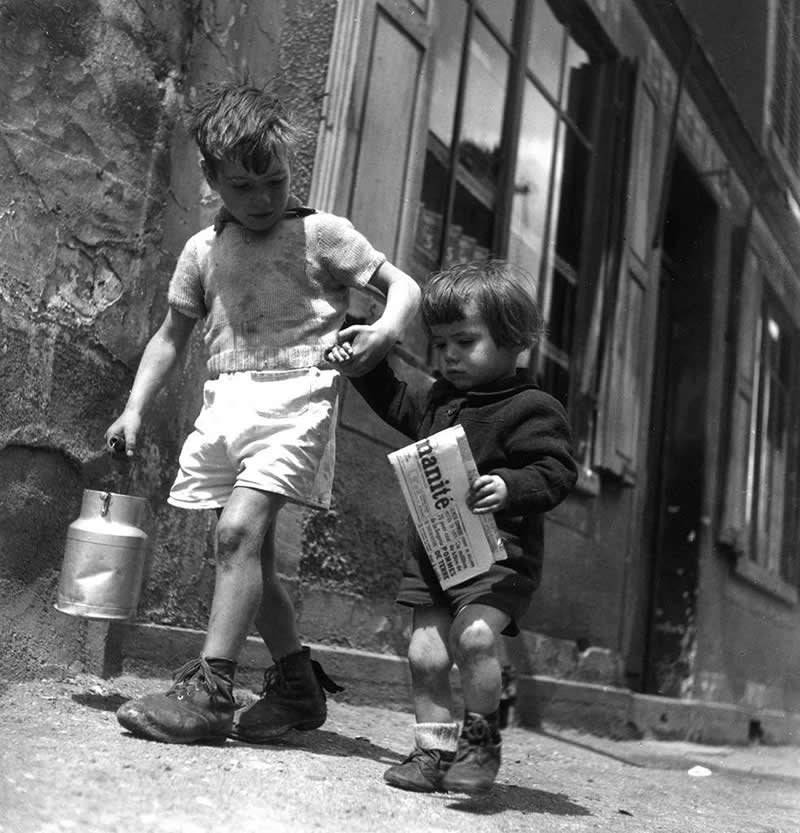
Photo by: Robert Doisneau
#20
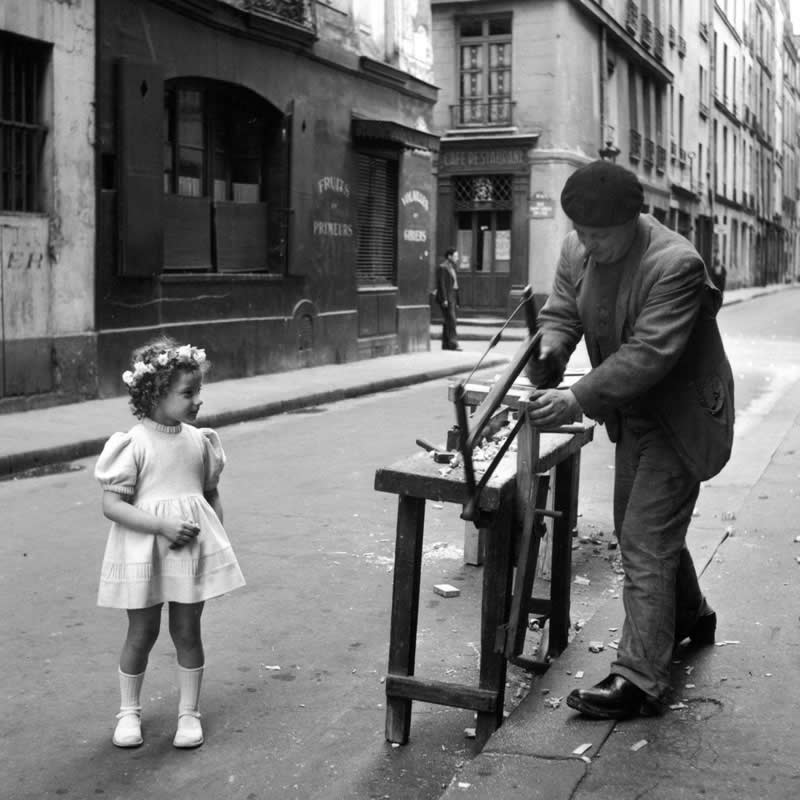
Photo by: Robert Doisneau
The Art of Composition and Contrast
If color speaks, composition and contrast are the backbone of black-and-white photography. The legends mastered every element, lines, balance, and negative space, all designed to pull your eye exactly where it needs to go.
Contrast does the heavy lifting. Light and dark create depth, drama, and mood. High contrast pops bold and intense. Softer tones? Calm or nostalgic. It’s all about controlling the light to tell your story.
Film made it tougher. Photographers had to see the world in grayscale, no guessing. That’s real craftsmanship, why these images aren’t just snapshots, but art that still inspires.
#21
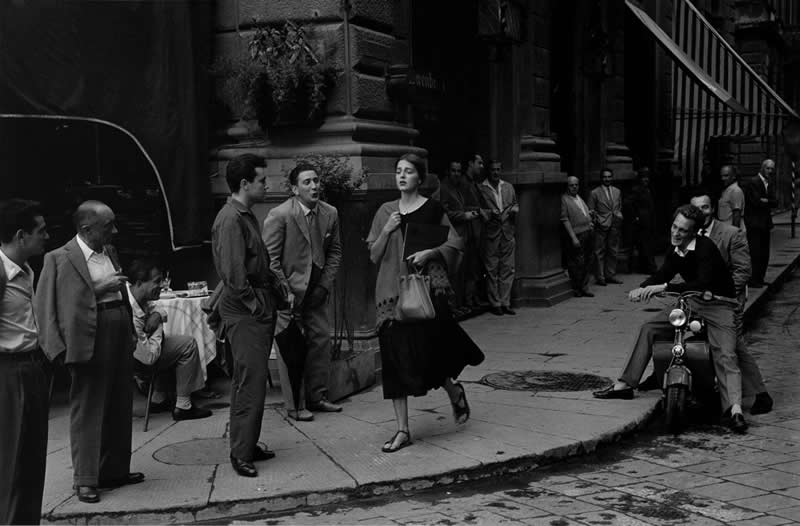
Photo by: Ruth Orkin
#22
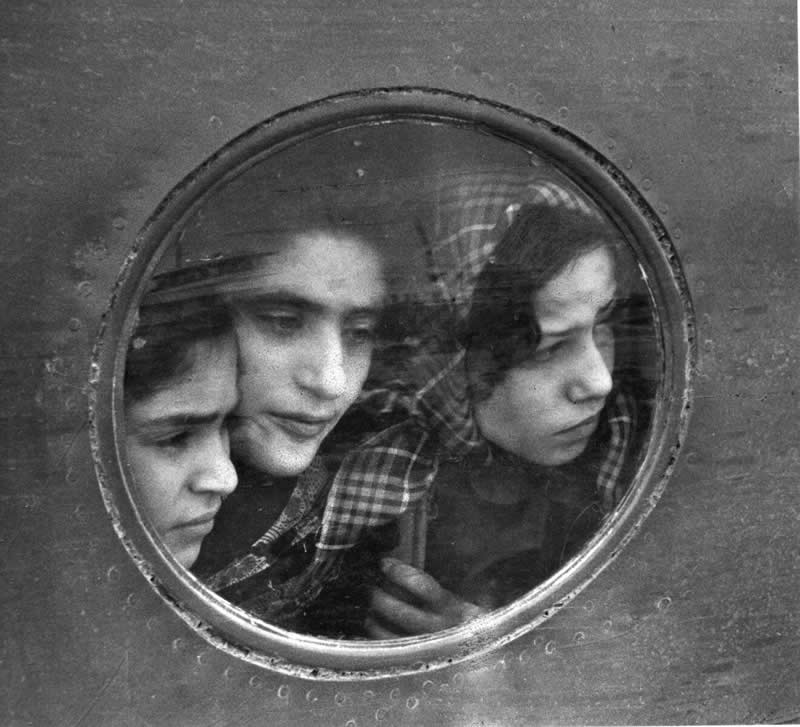
Photo by: Ruth Orkin
#23
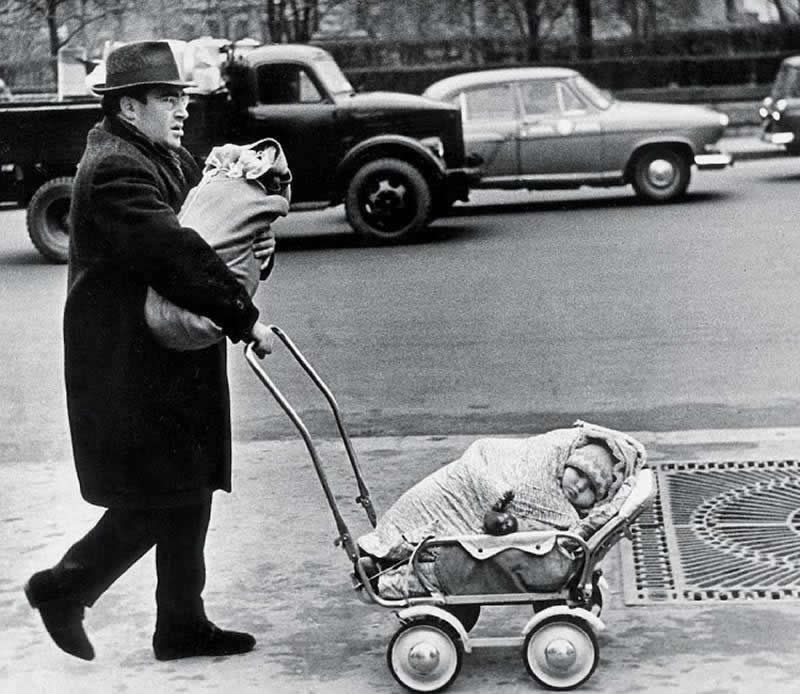
Photo by: Vladimir Lagrange
#24
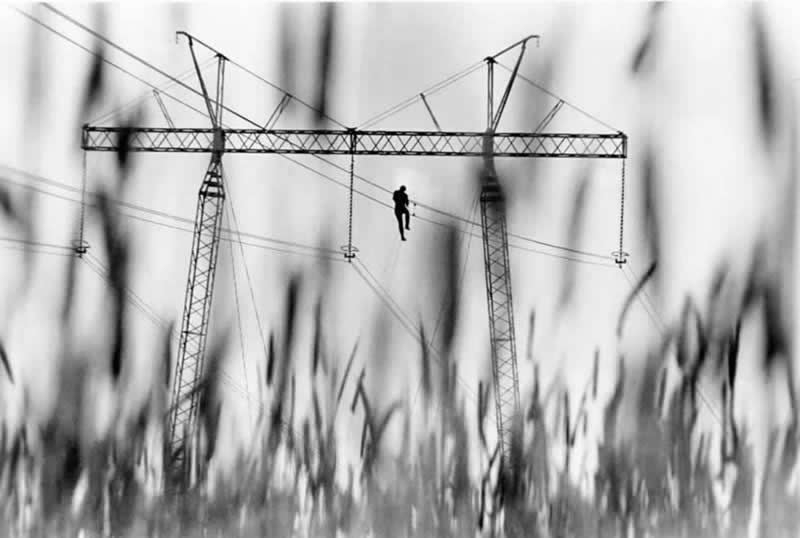
Photo by: Vladimir Lagrange
#25
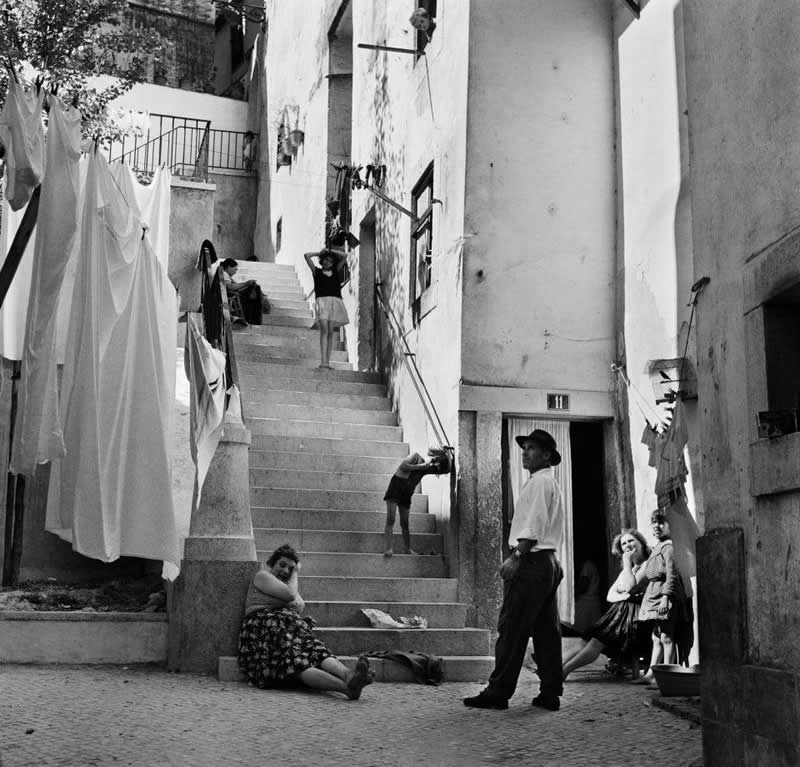
Photo by: Eduardo Gageiro
Everyday Moments Turned Iconic
Legendary black-and-white photos aren’t always about history or fame. Some of the most powerful shots come from daily life, walking, playing, and passing glances. Ordinary moments, made unforgettable.
That’s the magic. The greats saw what others missed: shadows on walls, glances between strangers, quiet pauses in busy places. These are the stories that stick.
Black and white gives daily life new depth. Scenes become poetic, reflective. Without color, it’s all about gesture, mood, atmosphere. These photos prove beauty lives in the ordinary; that’s their staying power.
#26
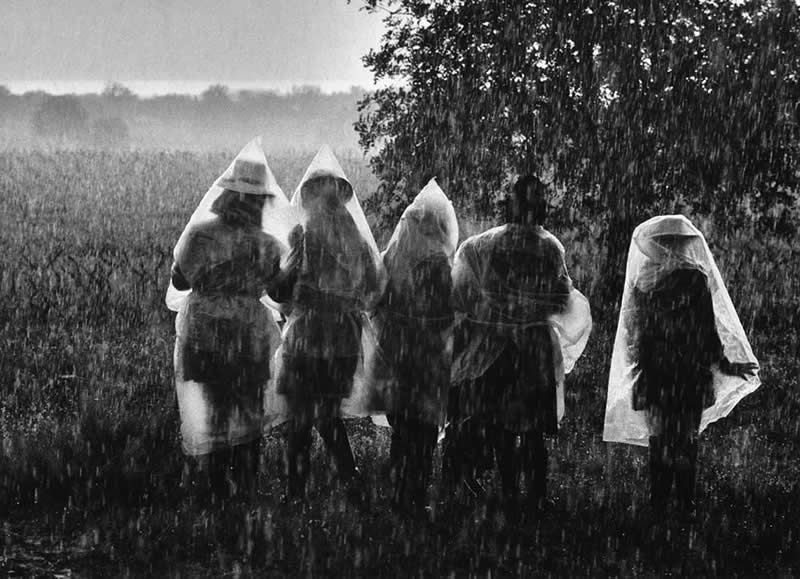
Photo by: Eduardo Gageiro
#27
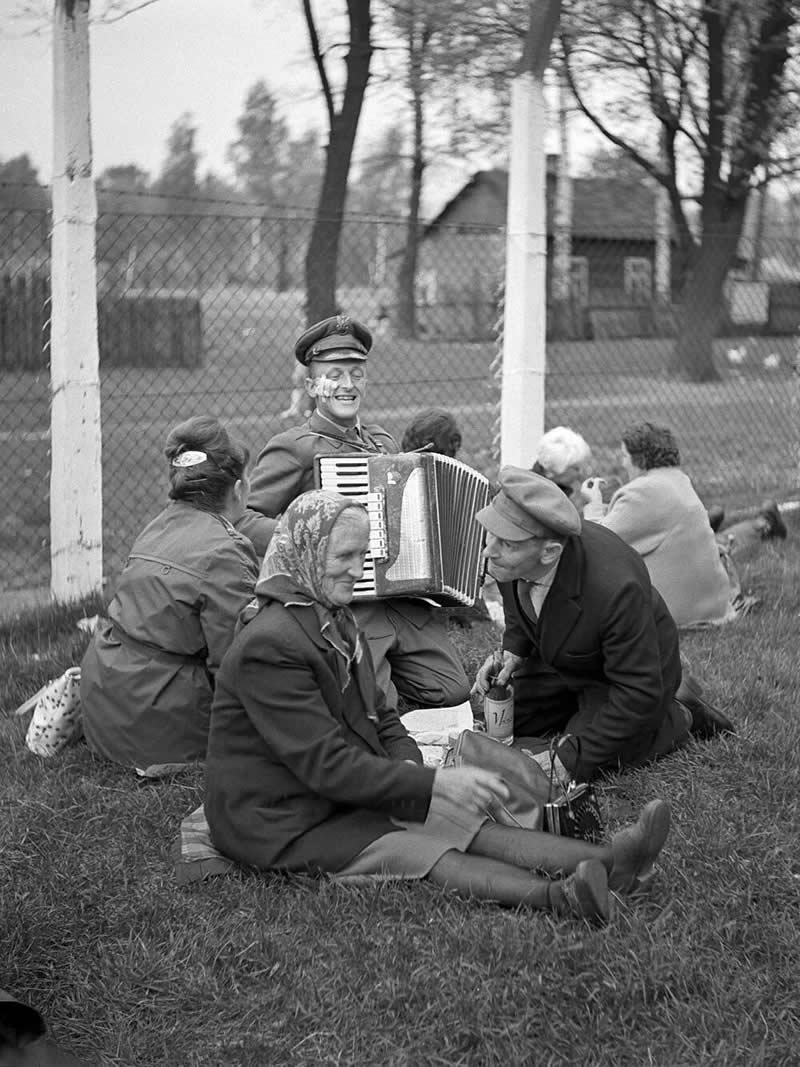
Photo by: Bogdan Dziworski
#28
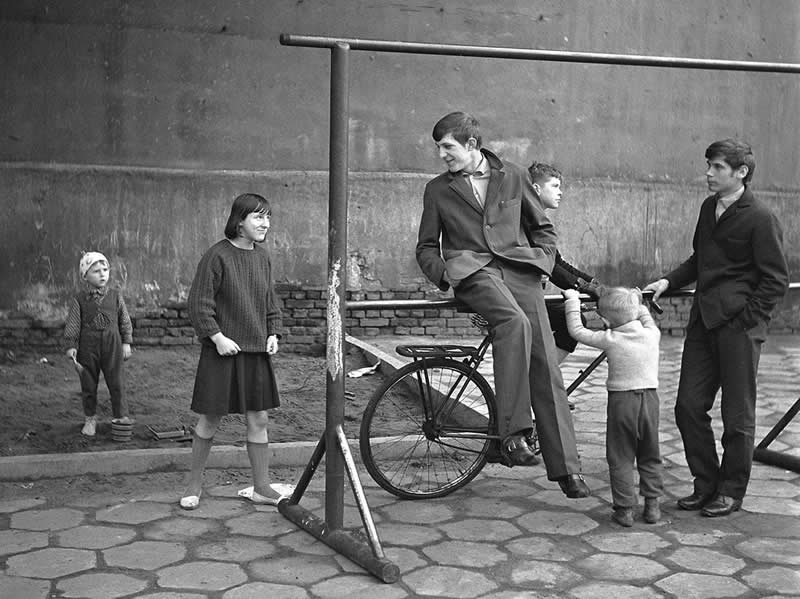
Photo by: Bogdan Dziworski
#29
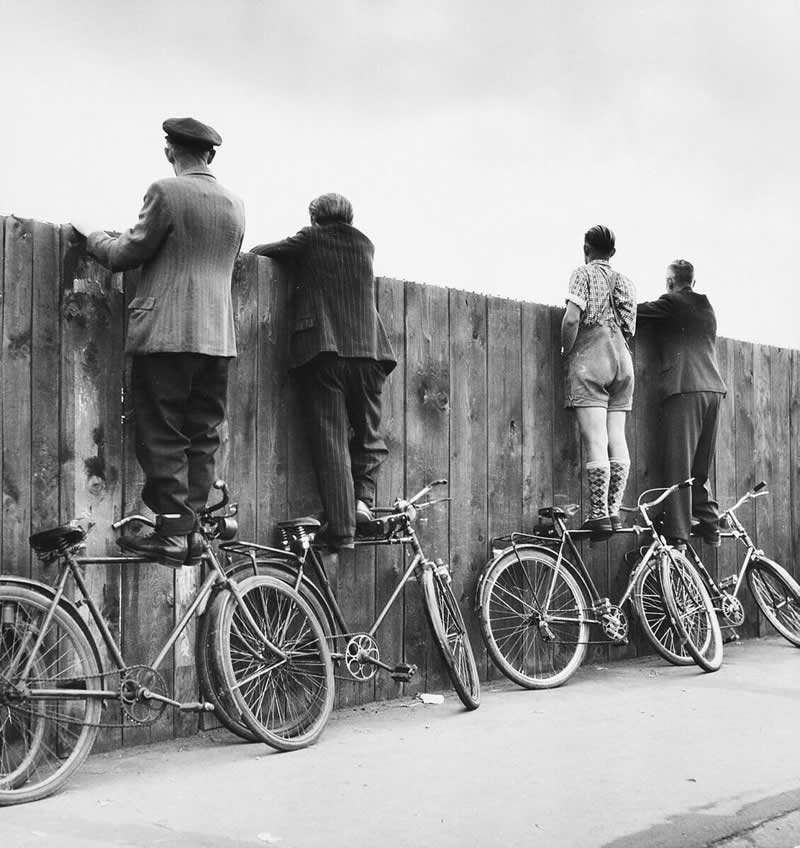
Photo by: Toni Schneiders
#30
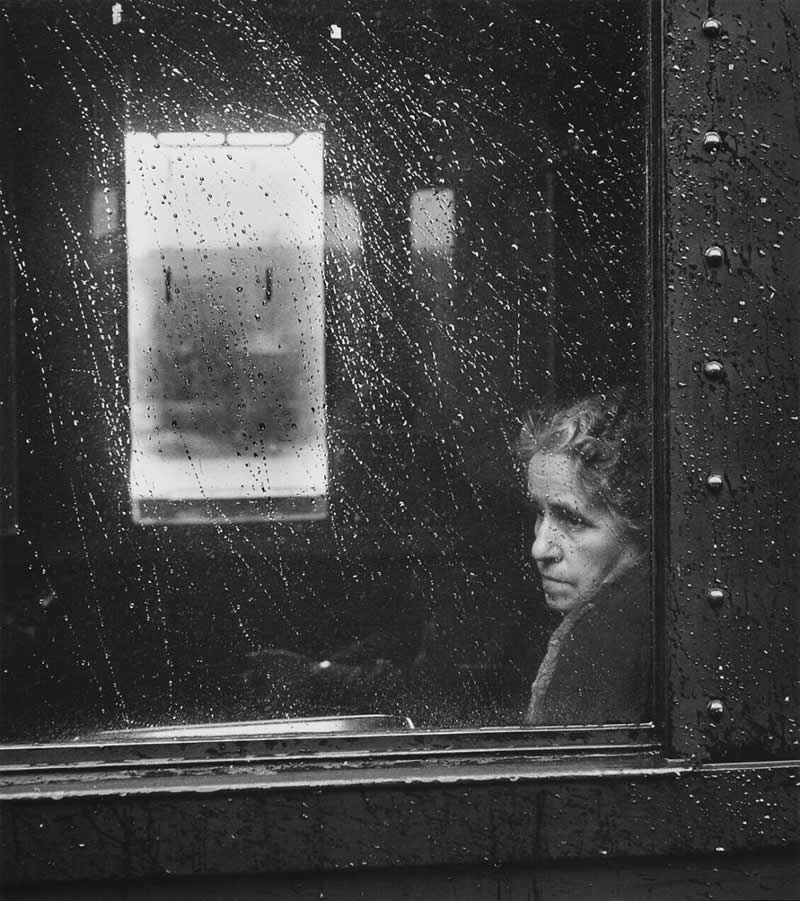
Photo by: Toni Schneiders
#31
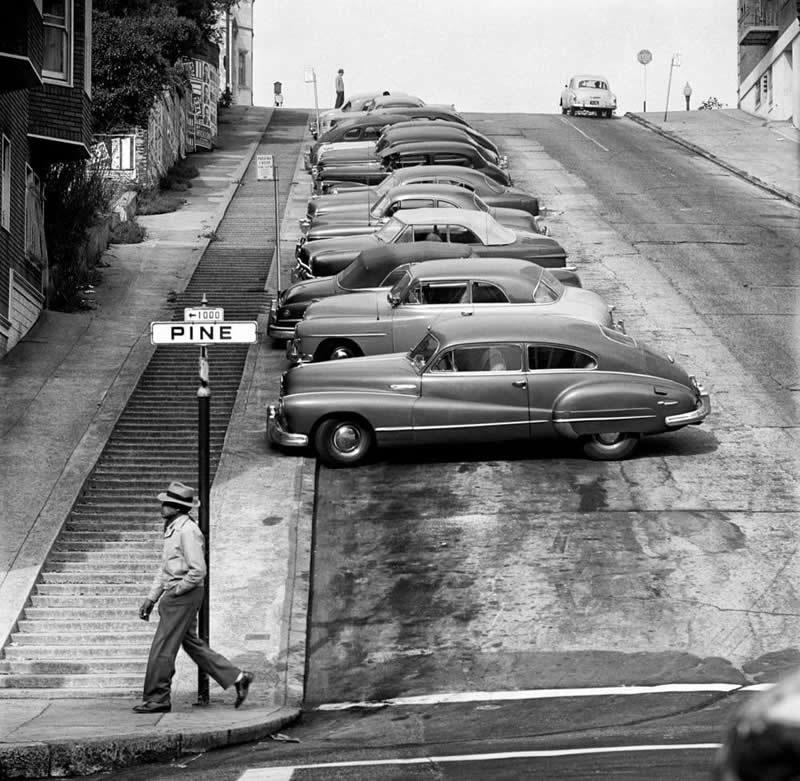
Photo by: Fred Lyon
#32
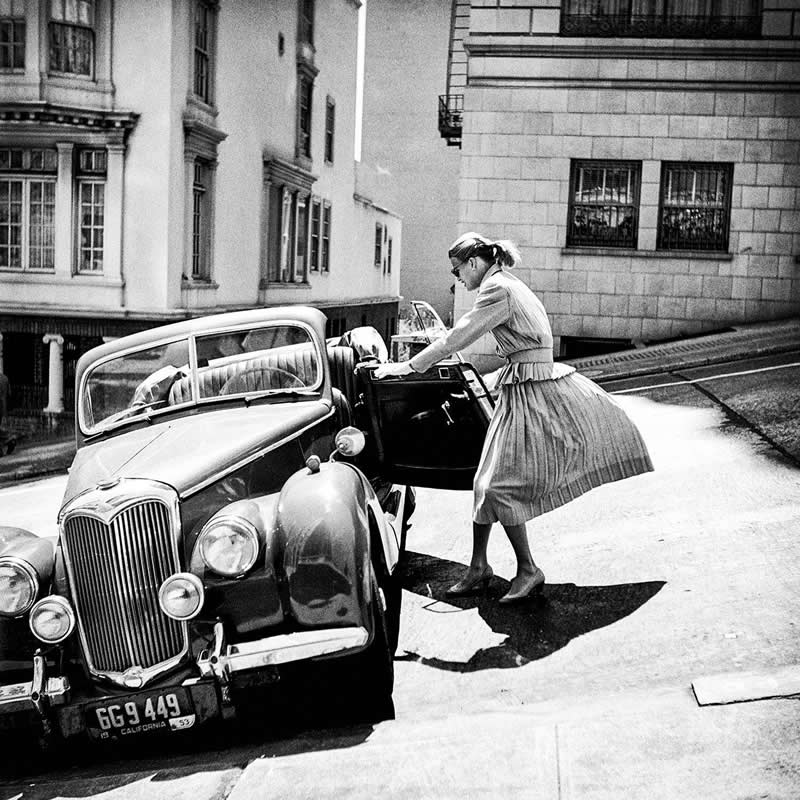
Photo by: Fred Lyon
FAQs:
Why is black and white photography considered timeless?
Black-and-white photography strips away the distractions of color, directing your attention to the heart of the image: emotion, contrast, and composition. Because of this, these photos have a classic quality that never goes out of style. They speak to people across generations and cultures with a striking, lasting impact.
What makes black and white photos more emotional?
When there’s no color to compete for your attention, you naturally pick up on facial expressions, textures, and the way light falls across a scene. This brings out the raw, real emotions in a photo, making the moment feel more honest and personal, almost as if you’re right there with the subject.
Why did early photographers shoot in black and white?
Photographers in the early days shot in black and white simply because that’s all the technology could handle. Despite this, they turned the limitation into an art form, skillfully playing with light, shadow, and composition to create photographs that still captivate us today.
How do black and white photos capture history effectively?
Black-and-white photos have a way of spotlighting the most important parts of a scene: emotion, action, and contrast. This makes historic moments come alive, feeling both dramatic and real. These images don’t just show what happened; they tell the story in a way that’s clear and unforgettable.
What can modern photographers learn from classic monochrome images?
Today’s photographers have much to gain from studying classic black-and-white images. These timeless photos are perfect lessons in composition, lighting, and storytelling. They show how to create depth and emotional impact without color, sharpening anyone’s photography skills.