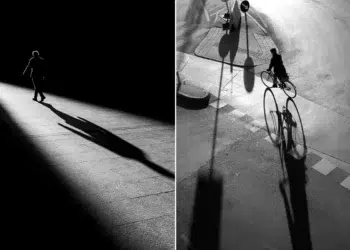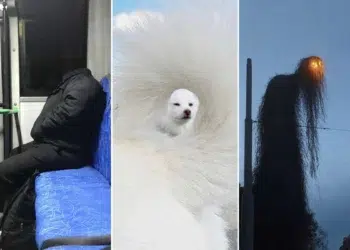
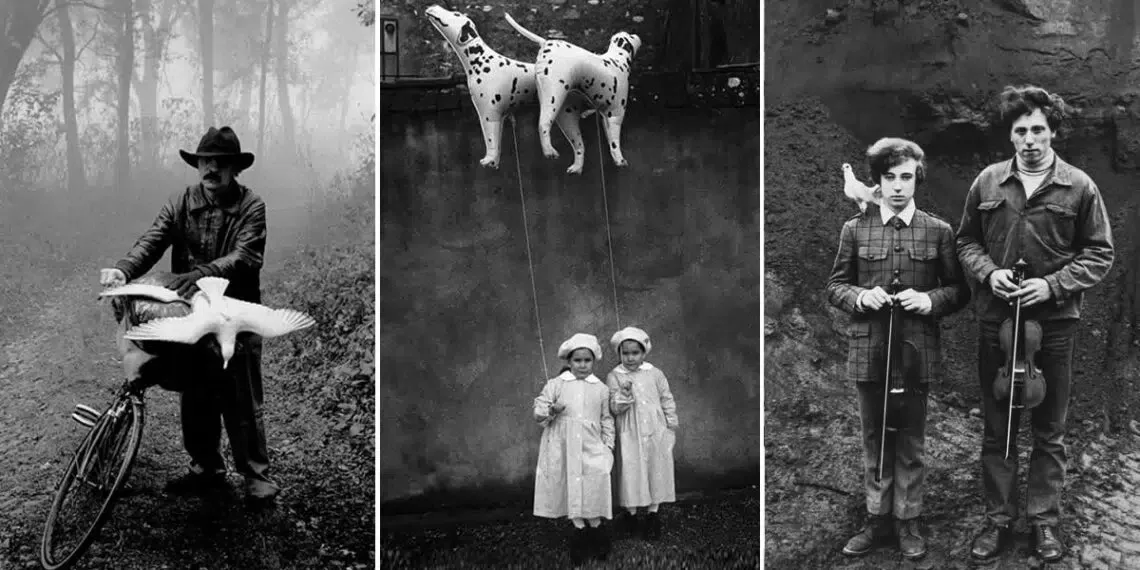
Some photographers are great at showing us the world as it is. Others seem to photograph their feelings, letting emotion shape everything they shoot. But Mario Lasalandra does something rare: he brings both together. His photos walk the line between what’s real and what’s imagined, and they leave you thinking about them long after you’ve looked away.
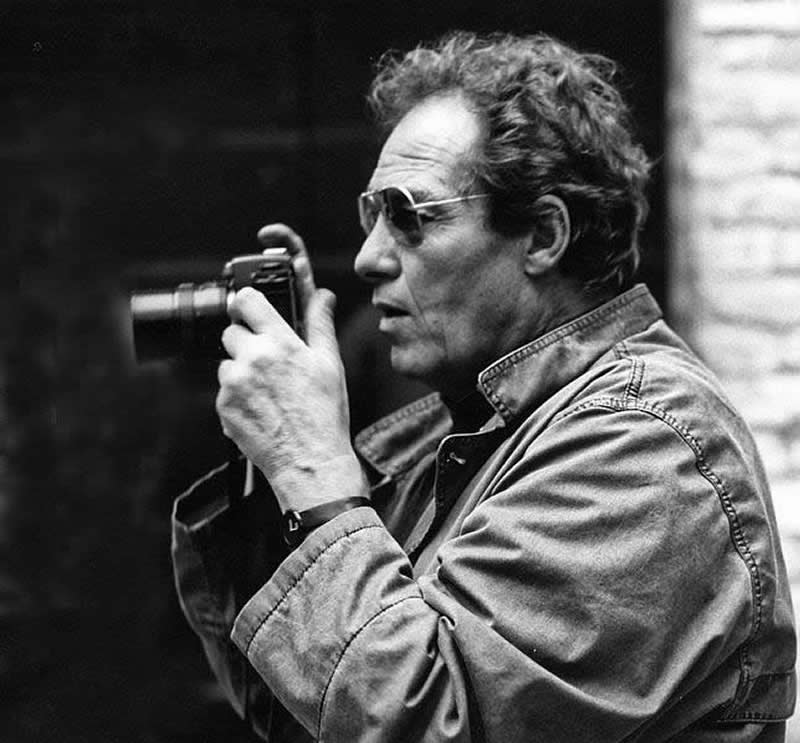
Lasalandra was born in 1933 in Este, a small town near Italy’s Euganean Hills. Creativity was in his blood; he grew up around it, and in the 1950s, he took over his grandfather Federico Tuzza’s studio. That studio was a crossroads for painting and photography. The influence was there, but what style did Lasalandra develop? All his own.
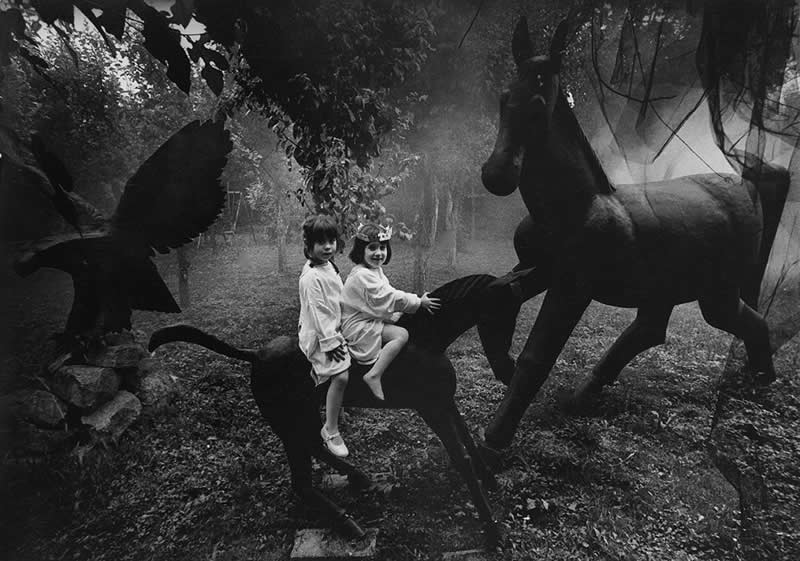
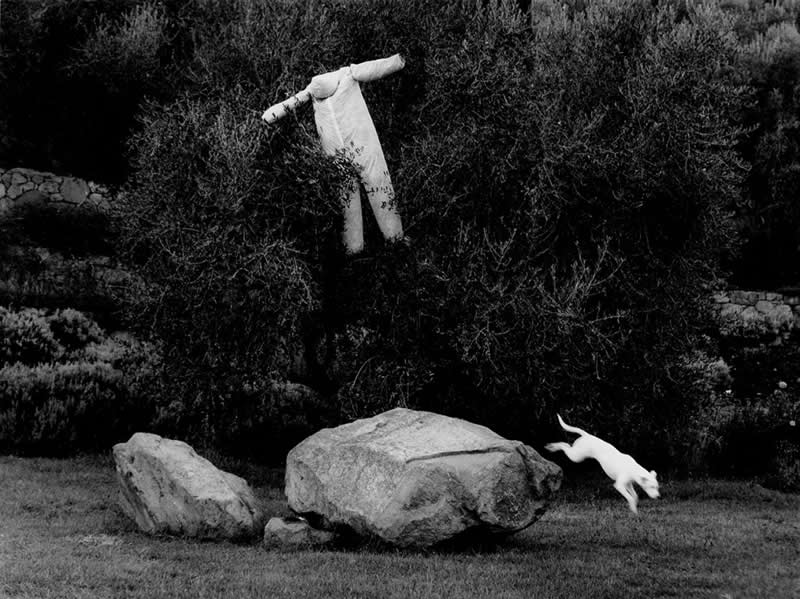
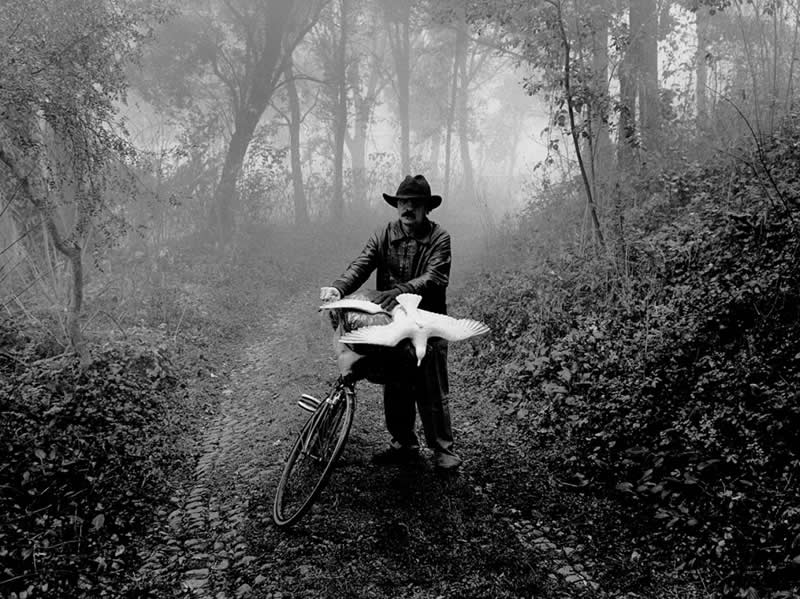
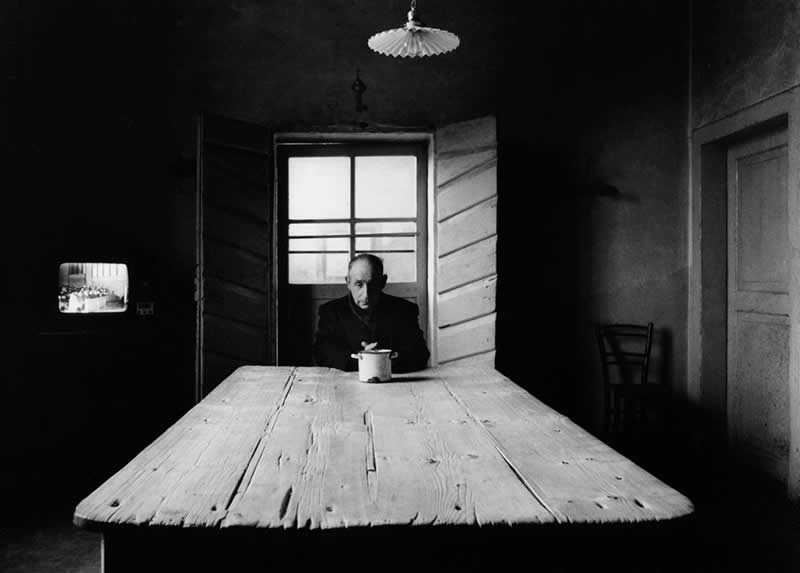
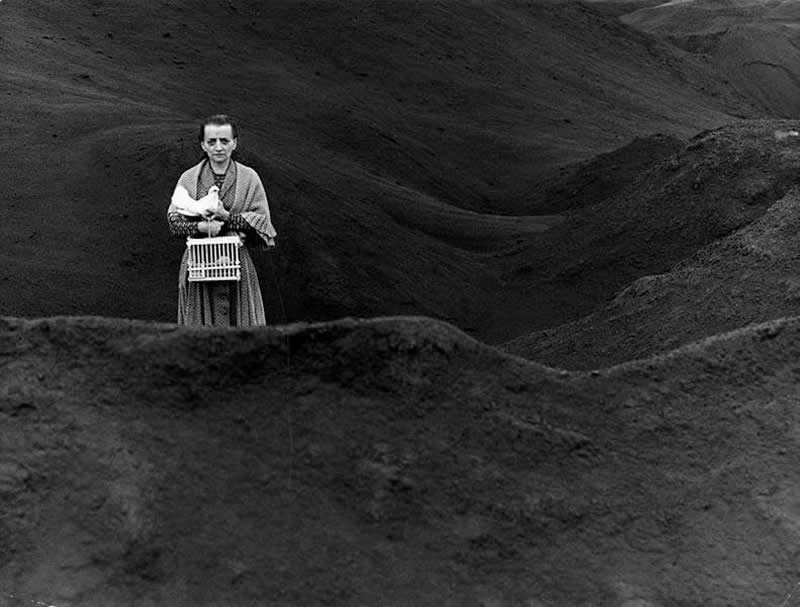
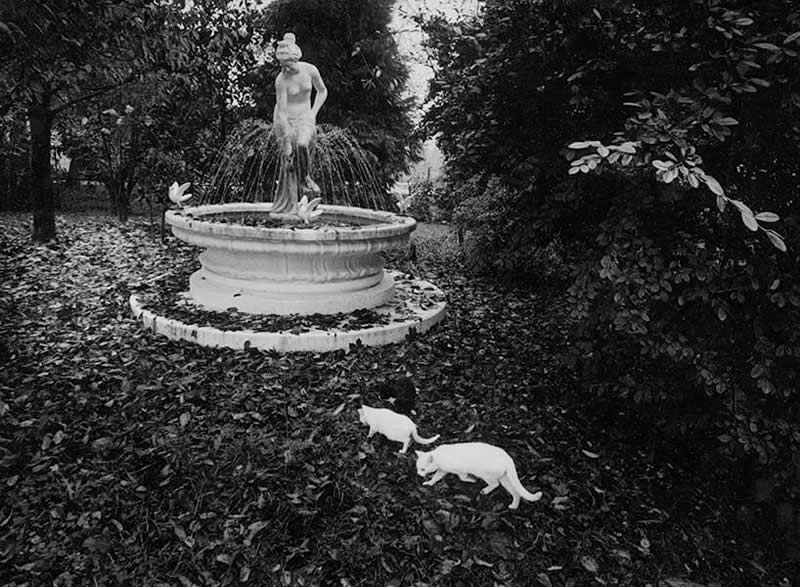
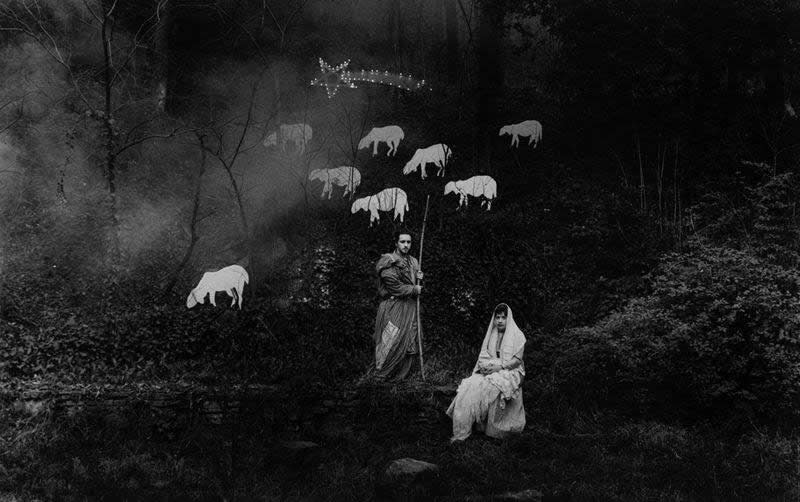
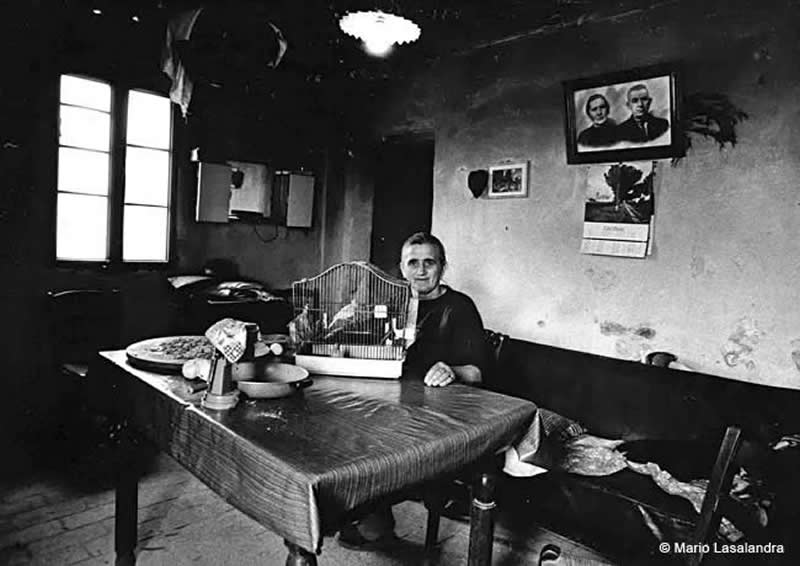
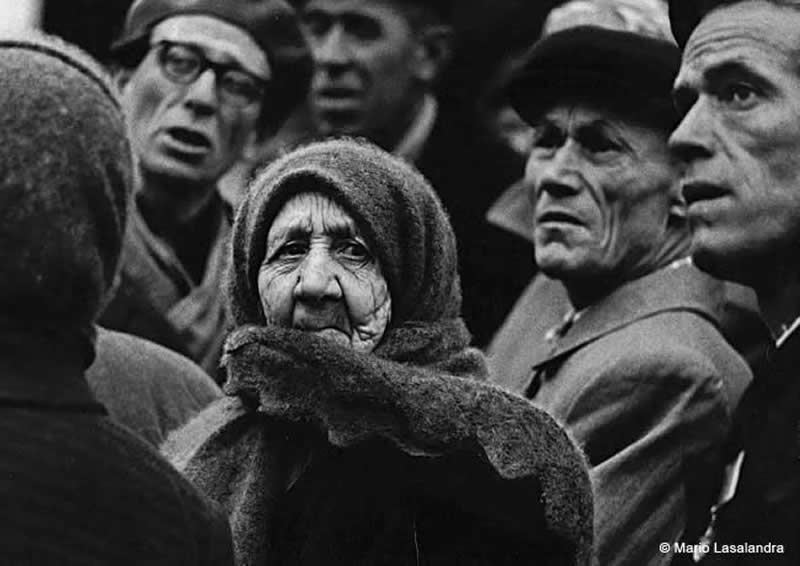
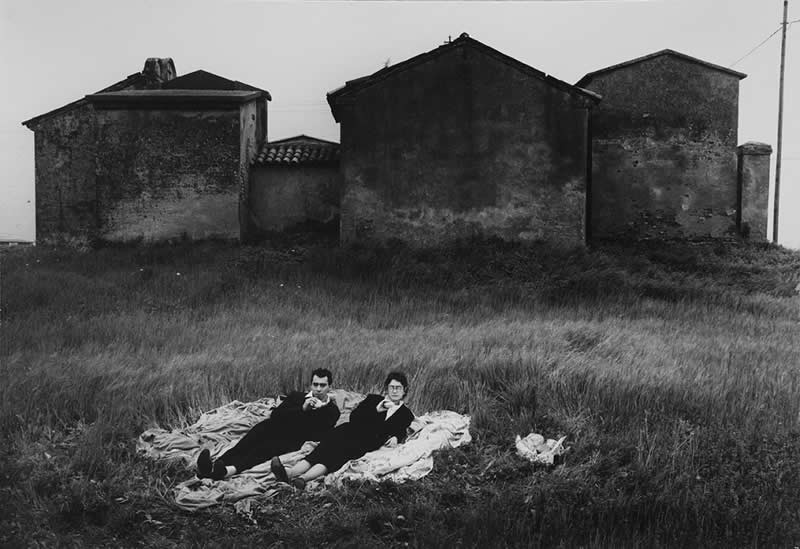
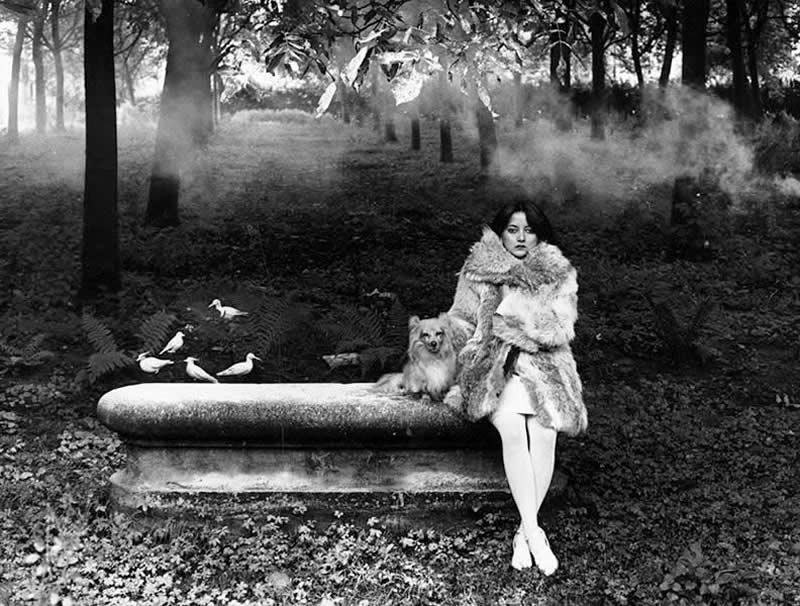
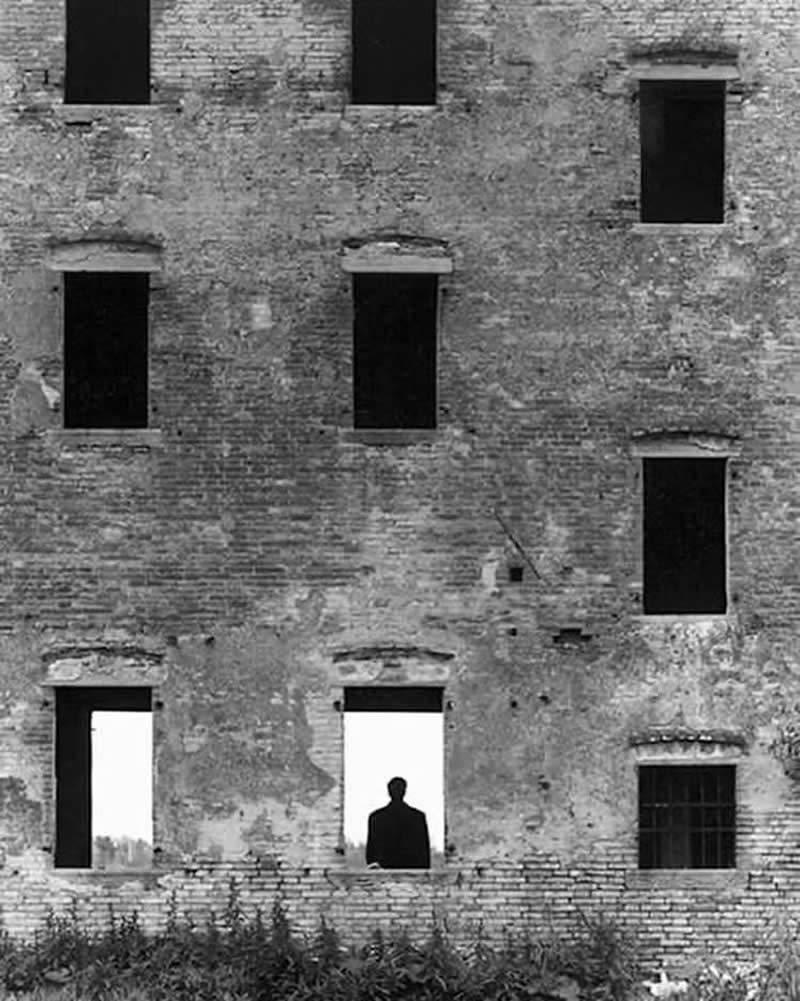
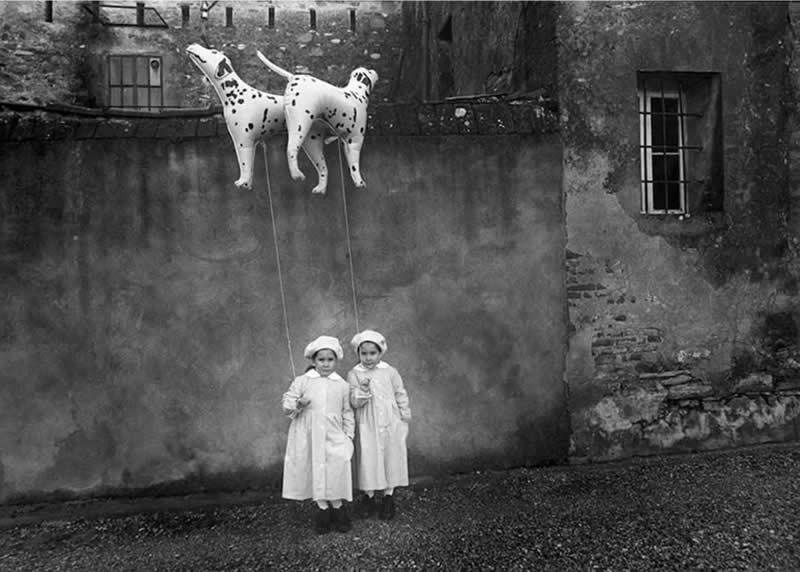
At first, Lasalandra took the usual commercial gigs. But it wasn’t long before he got restless; he started experimenting, staging images with odd, almost theatrical figures in empty, haunting places. You can spot the inspiration from early Fellini films in his work: that surreal, quirky vibe where the pictures tell stories you can’t quite pin down, but you definitely feel.
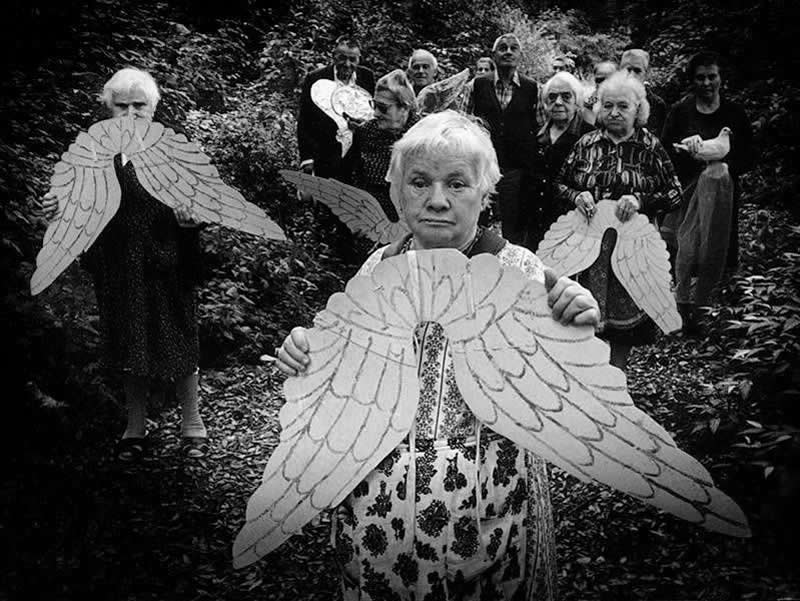
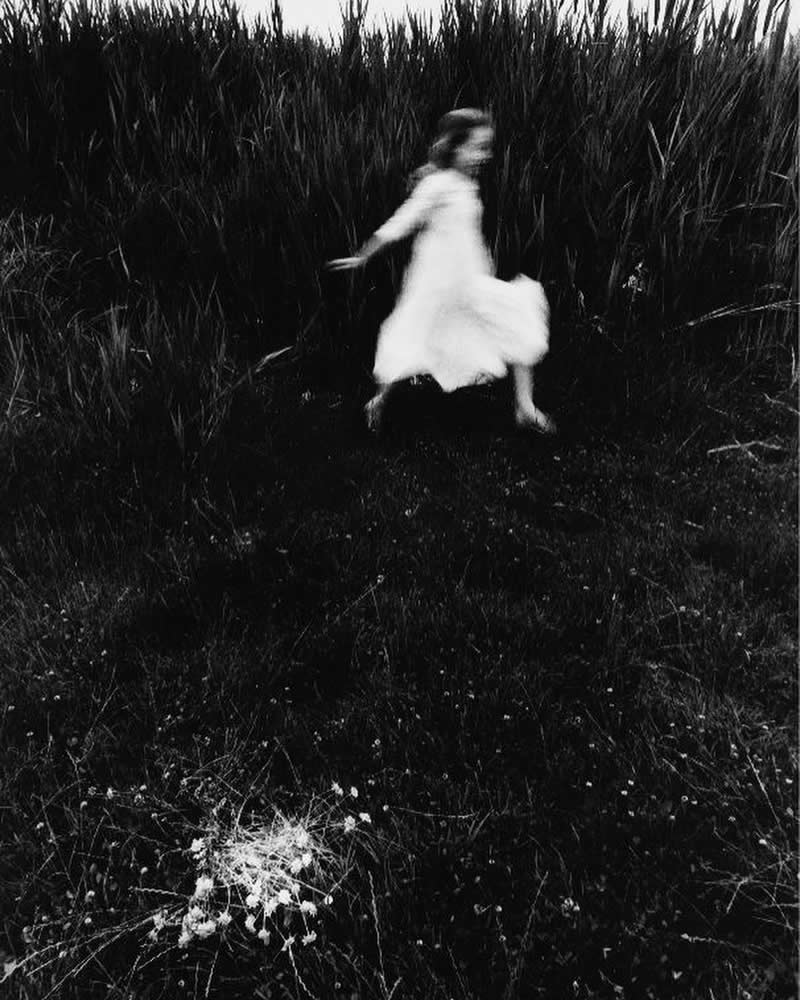
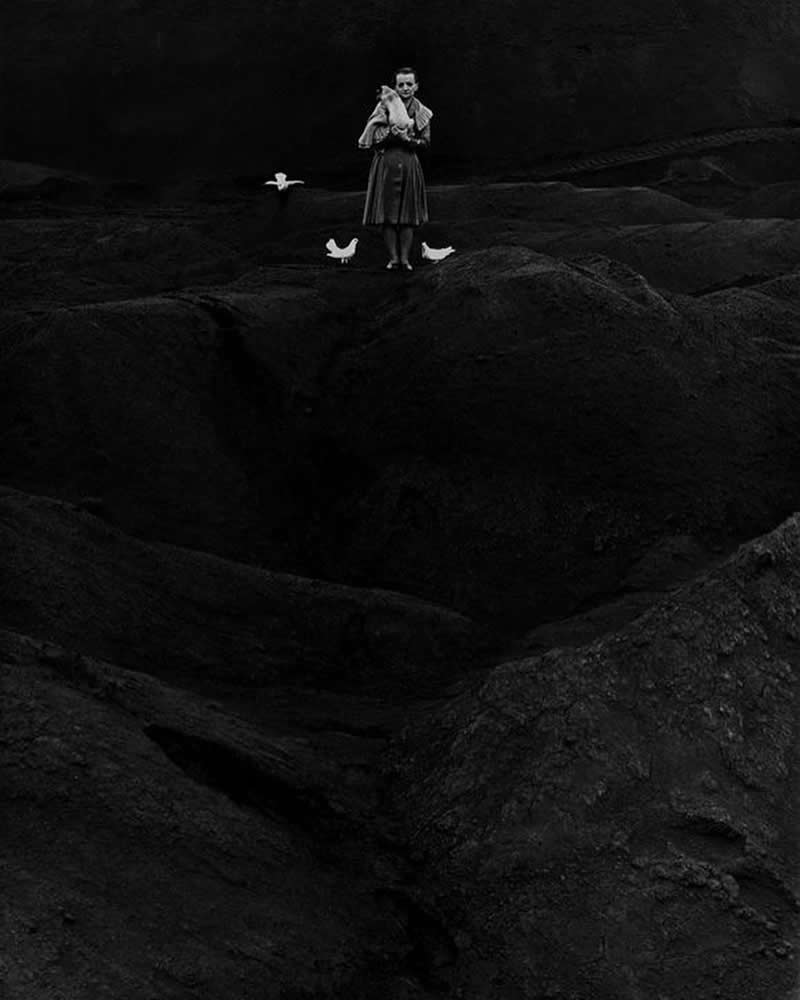
As his art grew, so did the stories he told through his lens. His photos became more layered, full of symbols, myths, and raw feeling. Angels, masks, prophets, and ghostly figures began to show up, and suddenly, photography wasn’t just about capturing a moment. For Lasalandra, it turned into something like visual poetry.
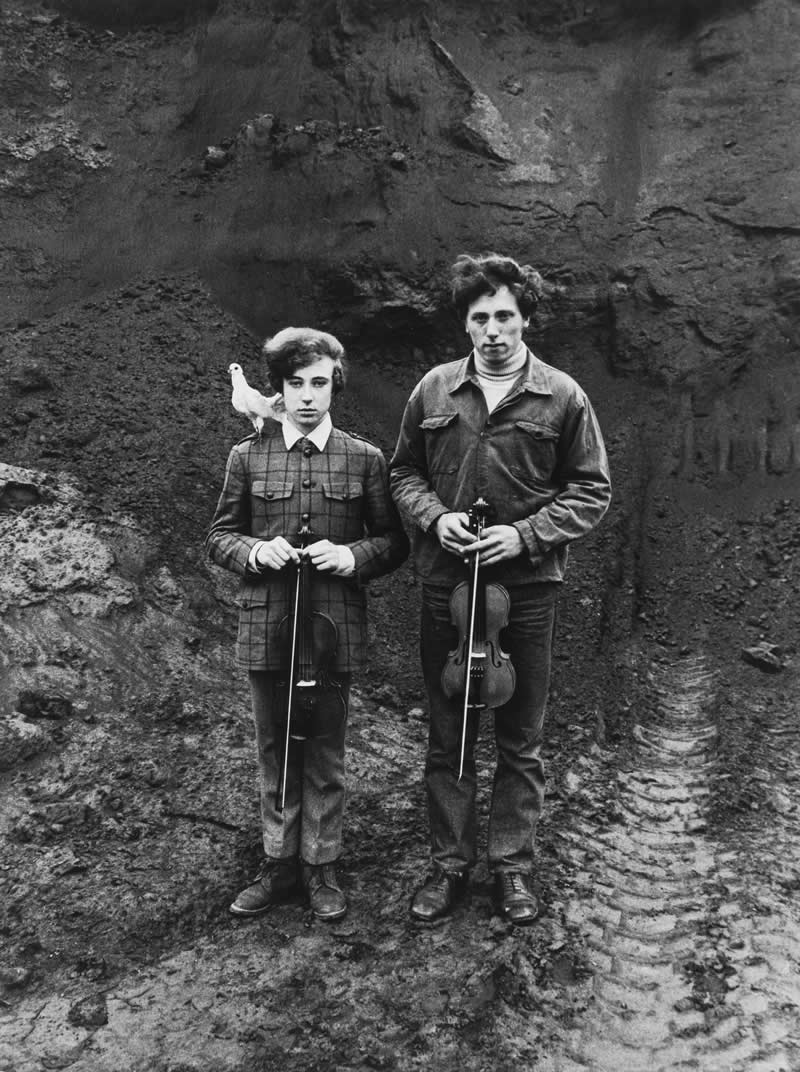
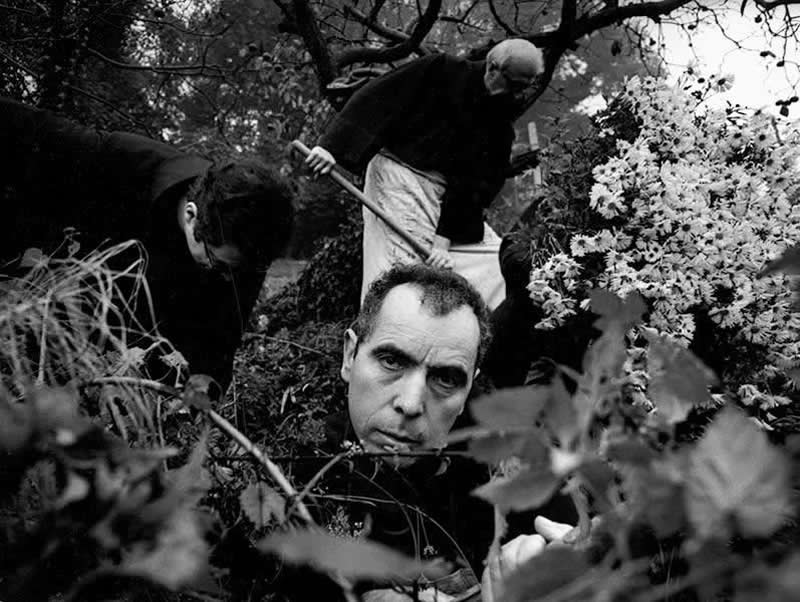
Lasalandra stands out because he doesn’t play by the usual storytelling rules. His photos aren’t about giving you clear answers; they’re about setting a mood, building an atmosphere, and leaving things open for you to interpret. Each shot feels like a piece of a dream: grounded in the real world, but always leaning toward the surreal.
Today, he’s known as one of the most original voices in modern photography. His work doesn’t just show us the world, it changes the way we see and feel it.
You can find Mario Lasalandra on the web:
#1
© Mario Lasalandra
#2
© Mario Lasalandra
#3
© Mario Lasalandra
#4
© Mario Lasalandra
#5
© Mario Lasalandra
Roots in Art and Early Influences
Mario Lasalandra got his start early, shaped by his grandfather Federico Tuzza, a painter and photographer with a knack for creativity. Surrounded by art from the jump, Mario learned quickly: real impact comes from expression, not just skill.
Taking over the family studio in the ‘50s, Mario started with commercial gigs. But routine wasn’t his style. He craved more, so he staged bold, offbeat scenes that blurred the lines between reality and imagination.
You can’t miss the stamp of Fellini’s films in Mario’s early work, think dreamlike characters, raw emotion, and empty backdrops that spark your imagination.
This wasn’t just experimenting. It was the blueprint for the visual style that made him iconic.
#6
© Mario Lasalandra
#7
© Mario Lasalandra
#8
© Mario Lasalandra
#9
© Mario Lasalandra
#10
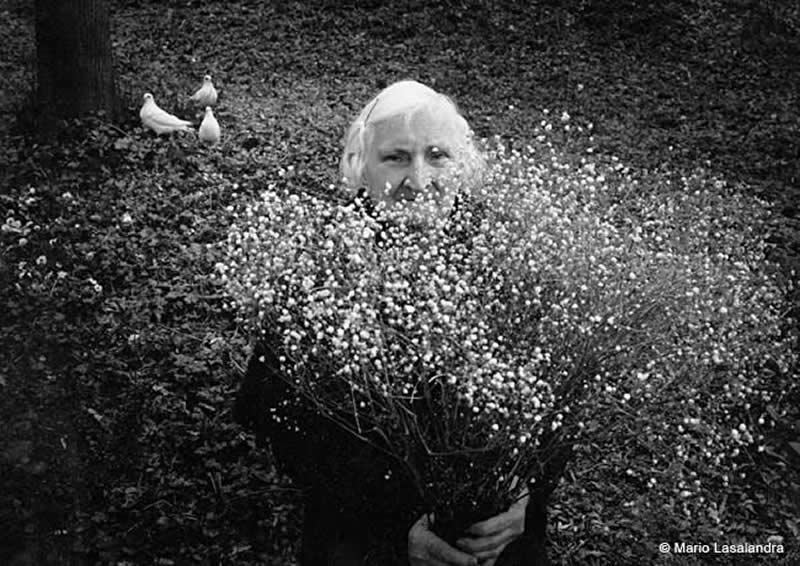
© Mario Lasalandra
Building Fantastical Narratives Through Photography
Lasalandra’s art kept leveling up; his photos grew dense with symbols and layered meanings. He started building whole worlds, not just pictures.
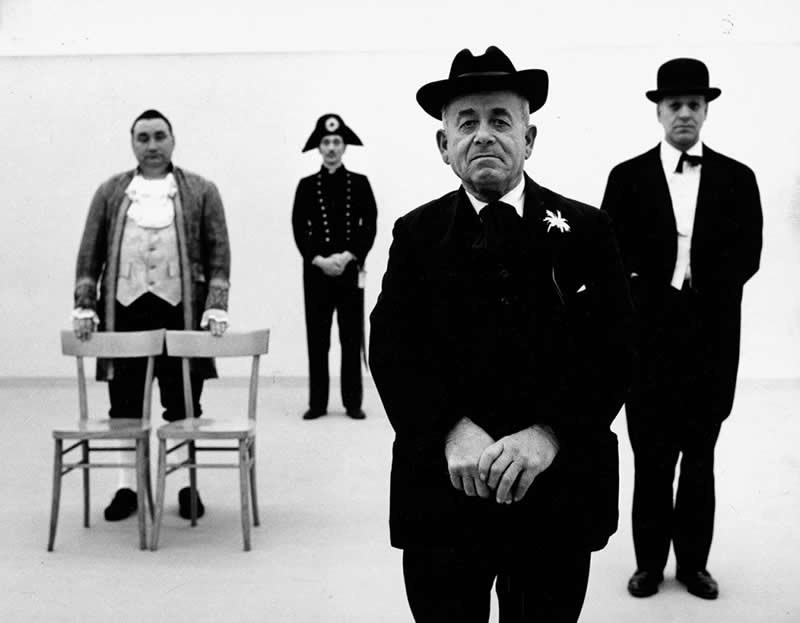
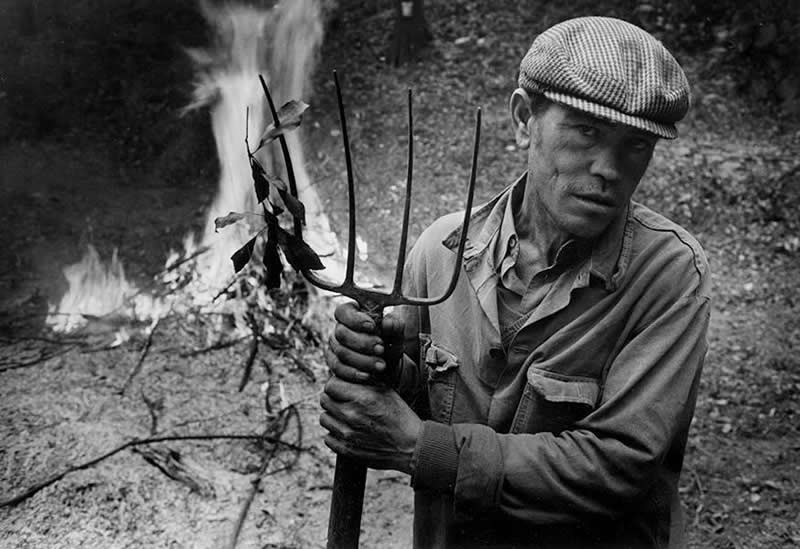
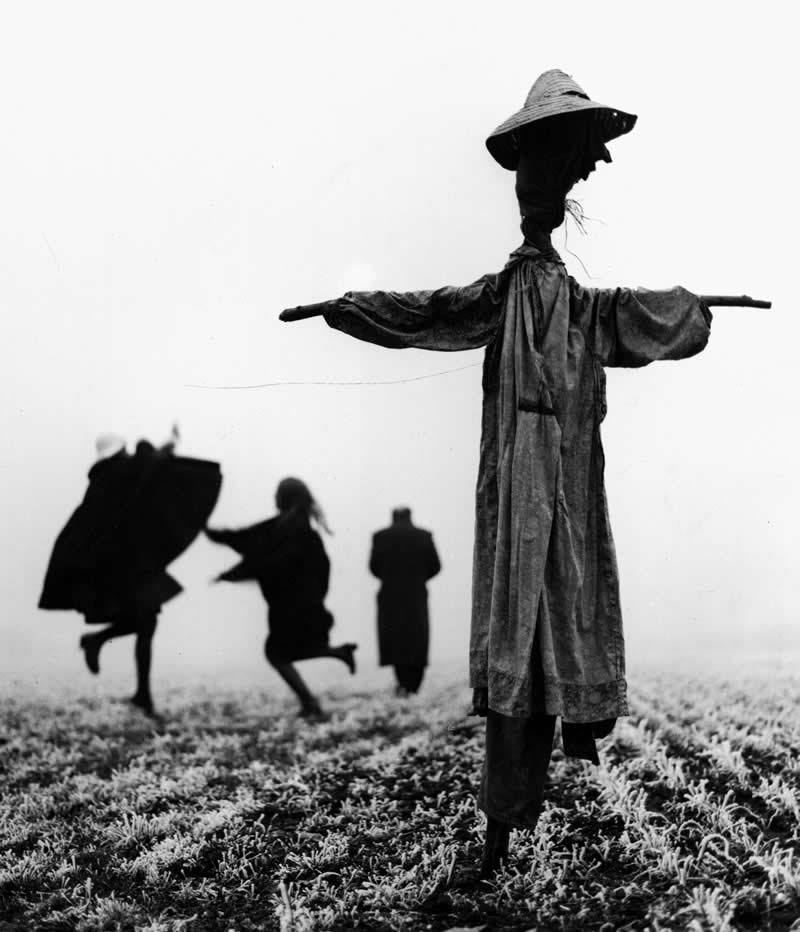
His breakthrough series Giudizio, Scarecrow, Filodrammatici, Storia di un dramma shook things up. Suddenly, his frames were crowded with angels, prophets, actors, and otherworldly beings that felt both mythical and real.
What’s wild: there’s no strict storyline. Each shot is packed with meaning, but it’s up to you to decide what it all means.
Lasalandra caught the turbulence of his era. Italy’s photo scene was in flux, and he channeled that chaos into images that buzz with emotion and symbolism.
#11
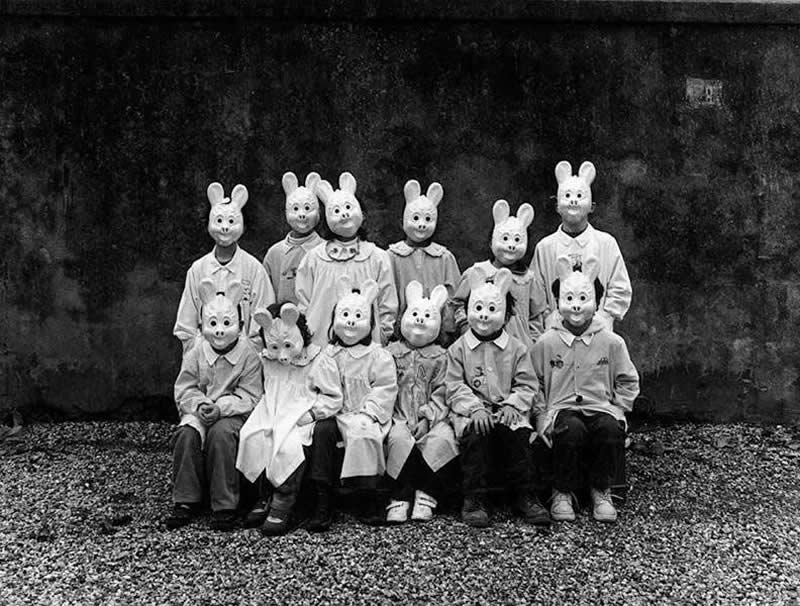
© Mario Lasalandra
#12
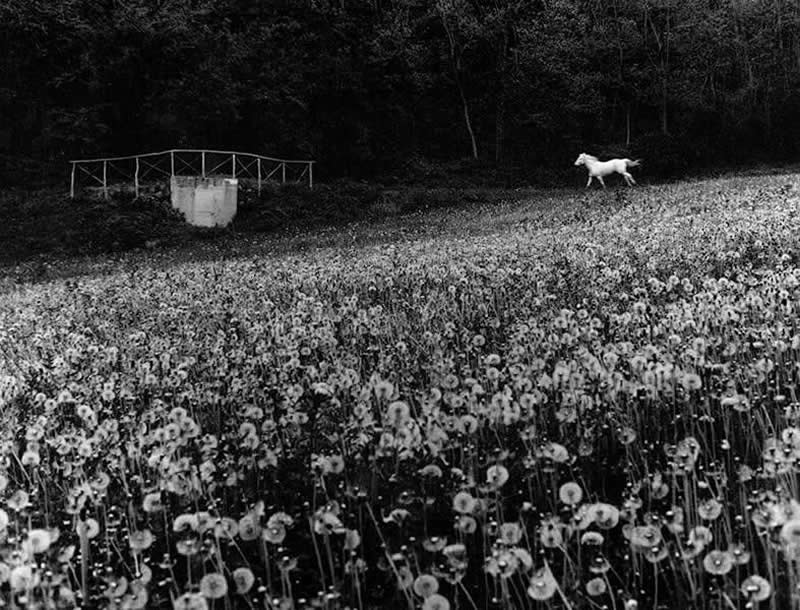
© Mario Lasalandra
#13
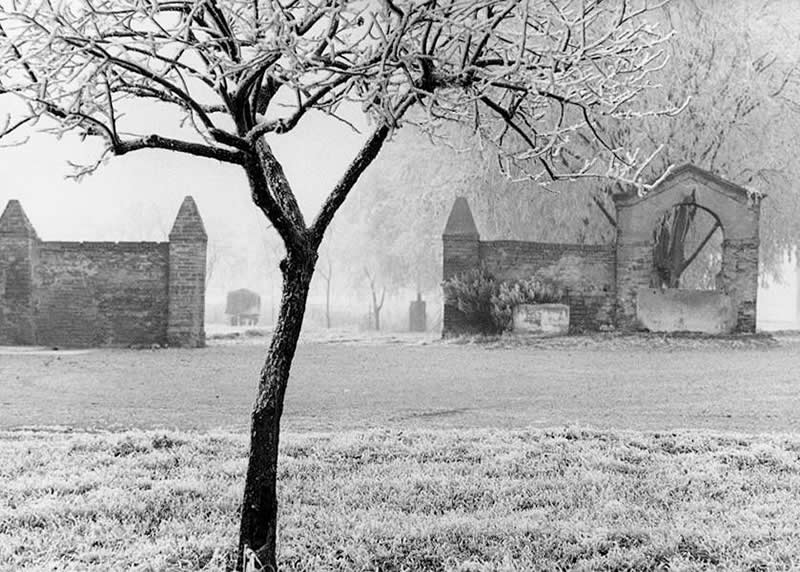
© Mario Lasalandra
#14
© Mario Lasalandra
#15
© Mario Lasalandra
A Dialogue with Photographic History
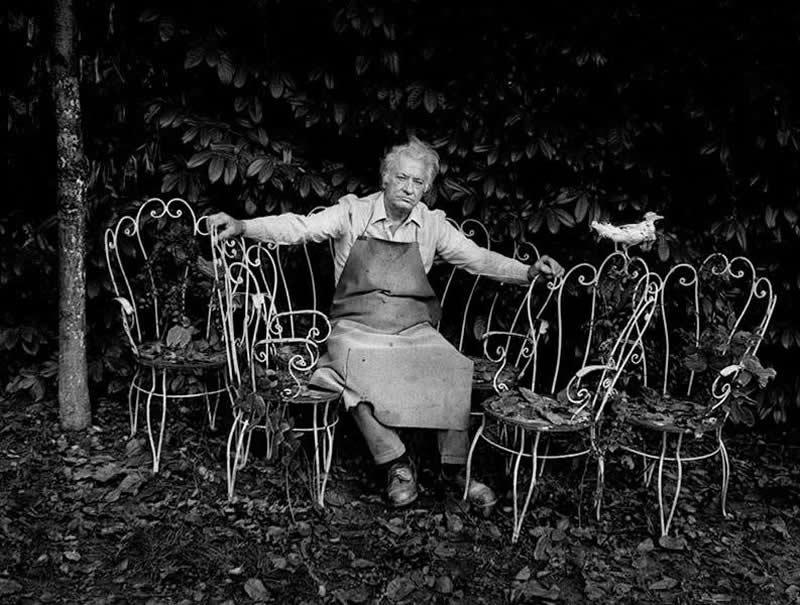
Lasalandra’s art is plugged into photography’s long history. You’ll spot throwbacks to daguerreotypes and nods to legends like Sander, Bailey, and Arbus.
But his work is original; he takes inspiration, flips it, and makes it his own. His photos feel old-school and cutting-edge at the same time.
This back-and-forth with history gives his work real depth. Every shot is part of a bigger conversation about photography itself.
He fuses old-school craft with modern vision, creating work that’s loaded with meaning, way beyond the surface.
#16
© Mario Lasalandra
#17
© Mario Lasalandra
#18
© Mario Lasalandra
#19
© Mario Lasalandra
#20
© Mario Lasalandra
Characters, Symbolism, and Emotional Instability
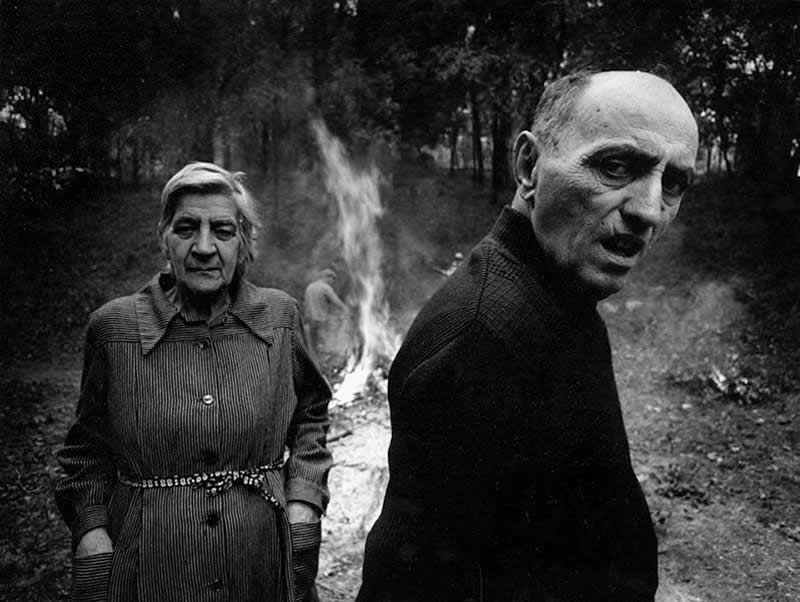
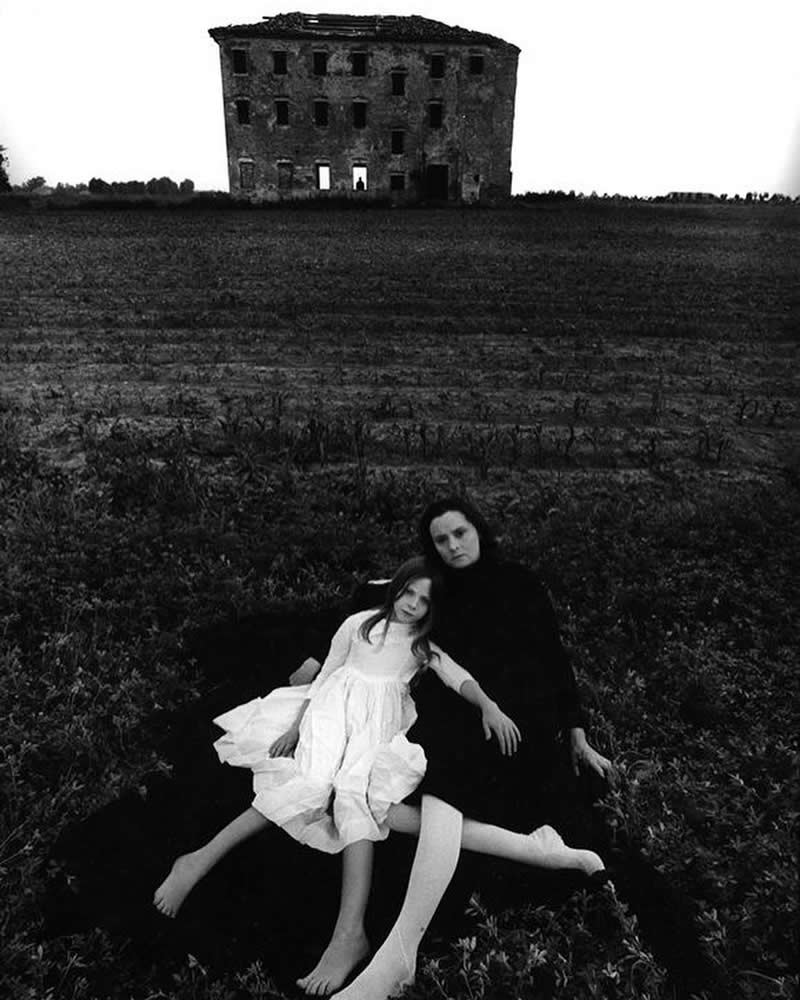
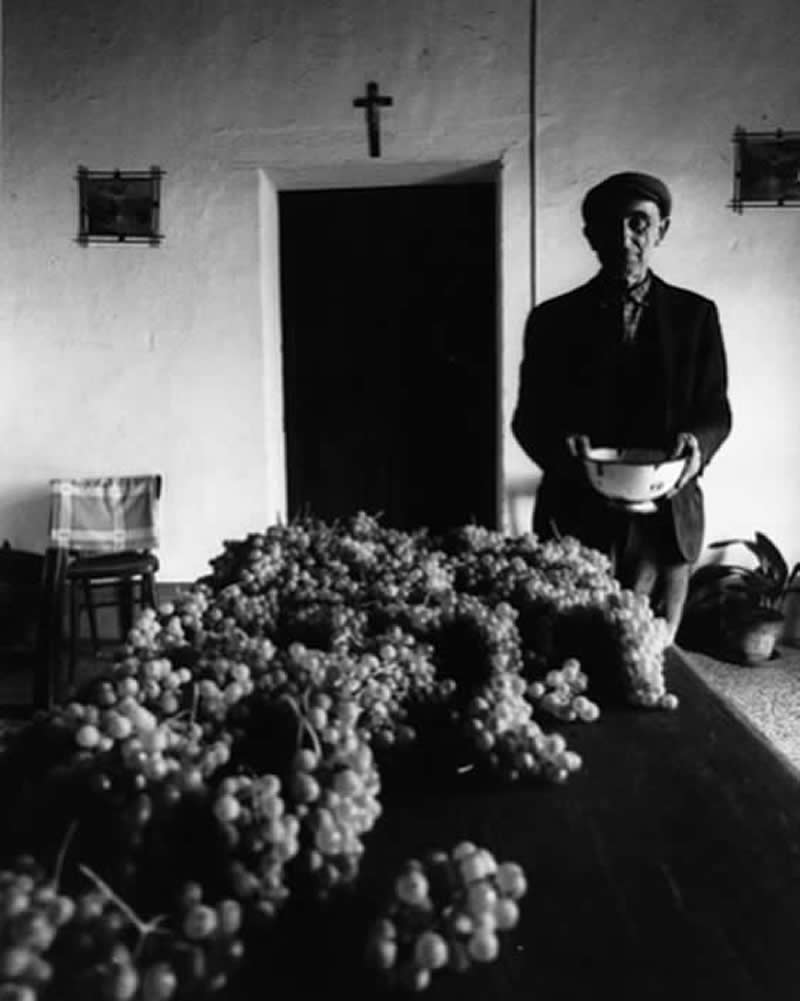
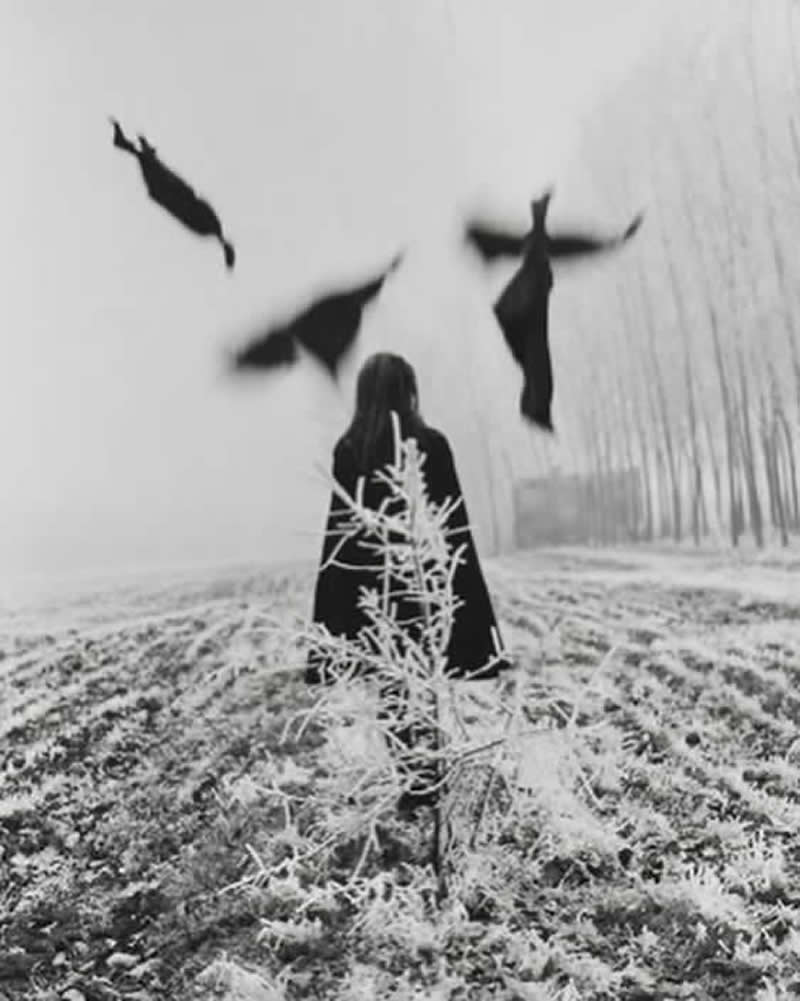
Lasalandra’s photos are full of characters never just faces, but symbols loaded with feeling and culture.
You’ll see angels, masks, performers, and ghostly shapes in strange, tense settings like something’s about to break loose.
That tension? It’s a mirror of the cultural shakeups in Italy. While photography wrestled with its identity, Lasalandra bottled the chaos in every frame.
But it’s not all chaos, there’s beauty, too. He balances wild energy with precision, making images that stick with you.
#21
© Mario Lasalandra
#22
© Mario Lasalandra
#23
© Mario Lasalandra
#24
© Mario Lasalandra
#25
© Mario Lasalandra
Legacy and Influence in Contemporary Photography
Lasalandra changed the game for modern photography. He’s more than a photographer; he’s a storyteller, a visual poet, a pioneer who ripped up the rulebook.
Photographers everywhere still look to him for inspiration, especially if they crave meaning and concept in their shots. At a time when photos are snapped and forgotten, Lasalandra reminds us: slow down, dig deeper.
His images don’t give it all away. They pull you in, make you linger, make you think. That’s rare and it matters.
His legacy lives on in galleries, books, and the artists who follow his lead. Lasalandra didn’t just take photos; he changed how we see the world.
#26
© Mario Lasalandra
#27
© Mario Lasalandra
#28
© Mario Lasalandra
#29
© Mario Lasalandra
#30
© Mario Lasalandra
FAQs:
Who is Mario Lasalandra?
Mario Lasalandra, born in Italy in 1933, is a photographer whose images are instantly recognizable for their creativity and symbolism. He’s celebrated for using photography not just to capture moments, but to tell imaginative stories, often weaving surreal ideas into his scenes. Over the years, his unique approach has helped shape the landscape of Italian photography.
What is Mario Lasalandra famous for?
Lasalandra is best known for his carefully staged photos, often populated with characters like masked figures, angels, and performers. Drawing inspiration from history and blending it with surreal storytelling, his photographs are both visually striking and full of emotion.
What influenced Mario Lasalandra’s work?
His artistic journey was shaped early on by time spent in his grandfather’s studio and by the magic of Italian cinema, especially the films of Fellini. He also drew inspiration from renowned photographers such as August Sander, David Bailey, and Diane Arbus, all of whom influenced his distinctive blend of realism and surrealism.
What are some of his notable works?
Some of his standout series are Giudizio (1967), Scarecrow (1968), Filodrammatici (1968), and Storia di un dramma (1970). Each body of work is memorable for its use of symbolic figures and a storytelling style that sparks the viewer’s imagination.
Why is Mario Lasalandra important in photography?
Lasalandra’s legacy comes from his push to turn photography into a form of conceptual art. By blending history, symbolism, and narrative, he’s inspired new generations of photographers and broadened what’s possible in the medium.