
Iman Maleki doesn’t paint to impress at first glance. His work doesn’t shout. It waits. And that’s exactly why it stays with you. Born in Tehran in 1976, Maleki’s relationship with painting started early—back when curiosity mattered more than technique and obsession mattered more than outcome. From childhood, he was drawn to realism not as imitation, but as devotion: a way of honoring light, texture, silence, and truth.
At just fifteen, Maleki began formal training under his first and only mentor, Morteza Katouzian—widely regarded as Iran’s greatest realist painter. That apprenticeship shaped everything. It grounded him in discipline, classical principles, and the idea that realism isn’t about copying reality, but understanding it deeply enough to translate its emotional weight onto canvas. By the late 1990s, Maleki was already painting professionally, while also pursuing academic studies in Graphic Design at the University of Tehran, graduating in 1999.
Exhibitions followed. Recognition followed. But Maleki never chased spectacle. Instead, he built a career rooted in consistency, patience, and teaching. In 2000, he founded Ara Painting Studio, a space dedicated not just to producing art, but to passing on knowledge. That balance—between mastery and mentorship—defines his legacy.
International acclaim arrived in 2005 when he received both the William Bouguereau Award and the Chairman’s Choice Award at the ARC Salon in the USA. Yet even with global recognition, Maleki remains deeply connected to the act of teaching, working with students several days a week and shaping the next generation of serious realist painters. His paintings feel timeless because they’re made without urgency—each one a quiet conversation between observation, emotion, and craft.
You can find Iman Maleki on the web:
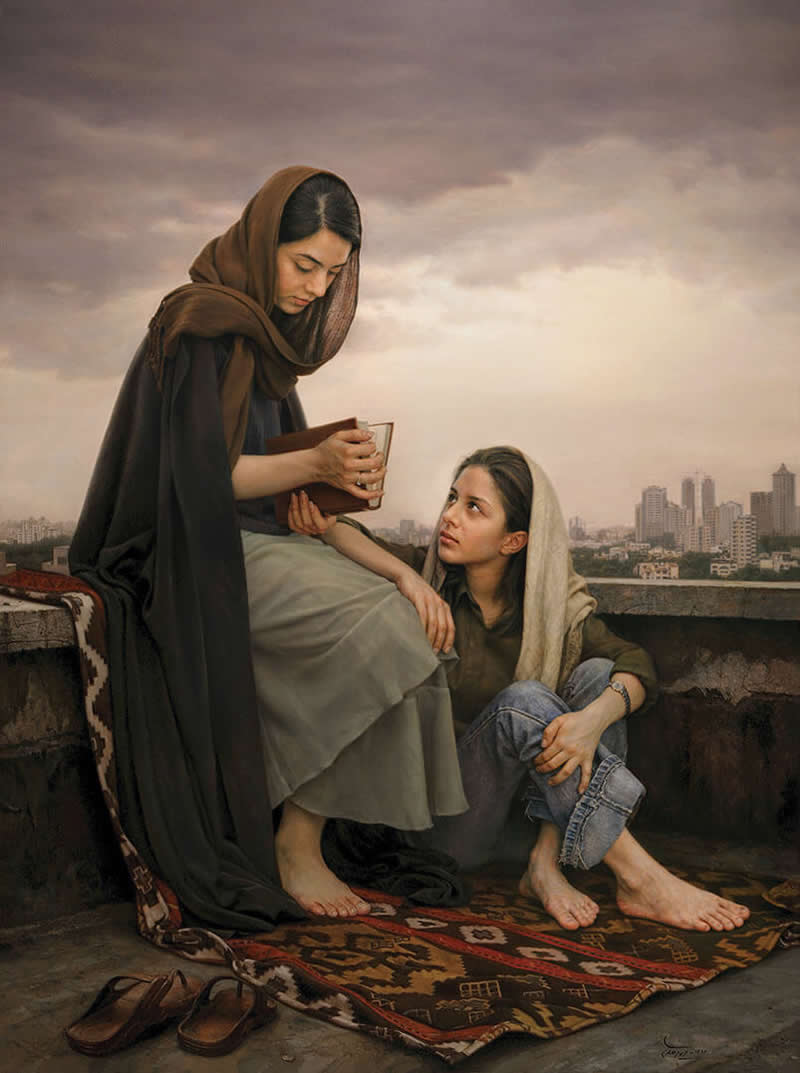
#1. Omens of Hafez, 2003 – Oil on canvas, 134 x 100 cm
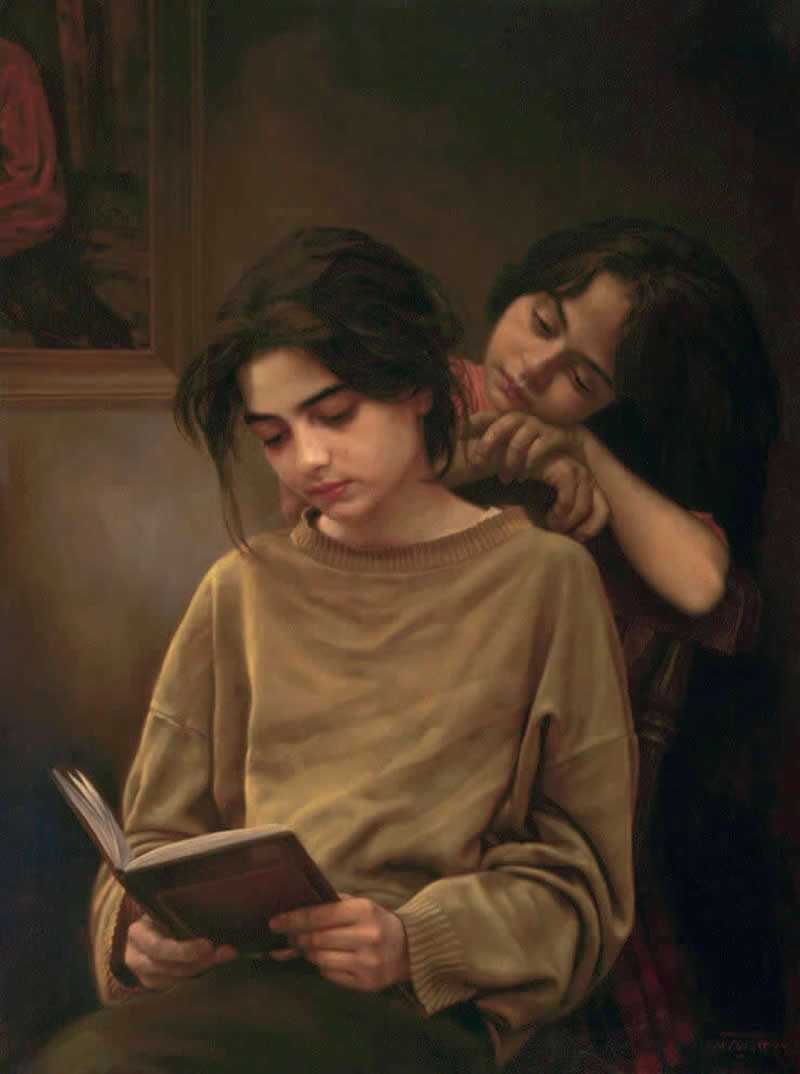
#2. Sisters and a Book, 1997 – Oil on canvas, 80 x 60 cm
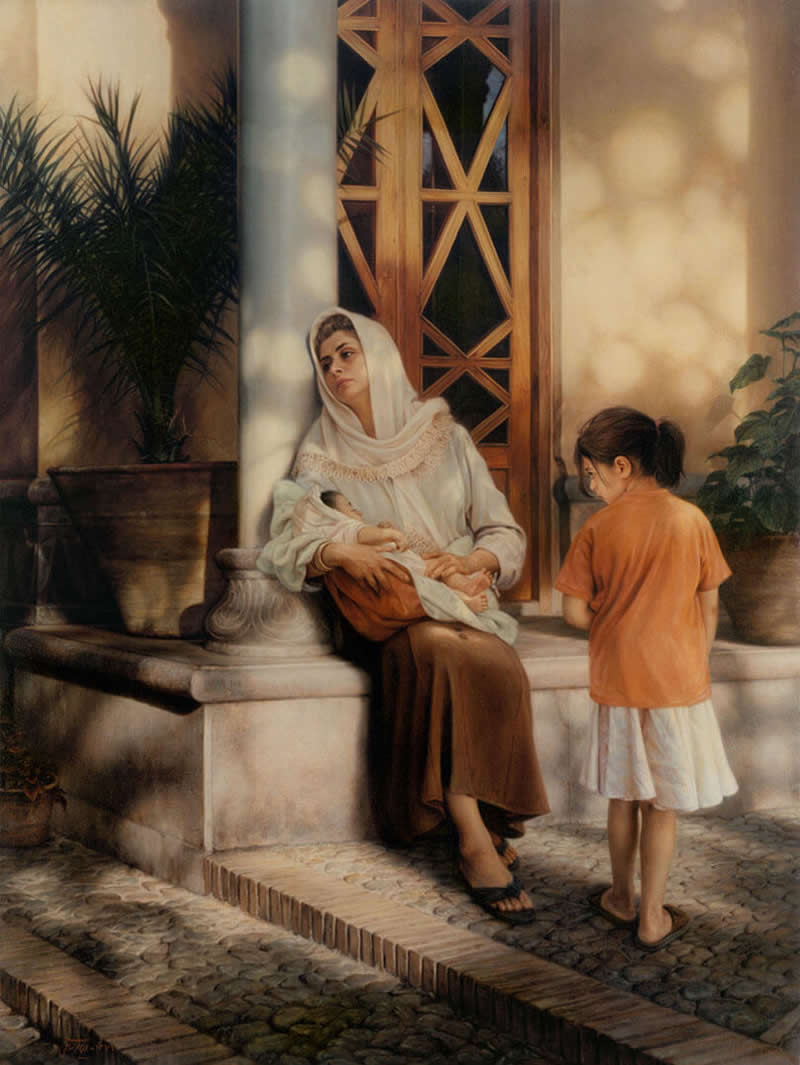
#3. Fate, 1997 – Oil on canvas, 100 x 75 cm
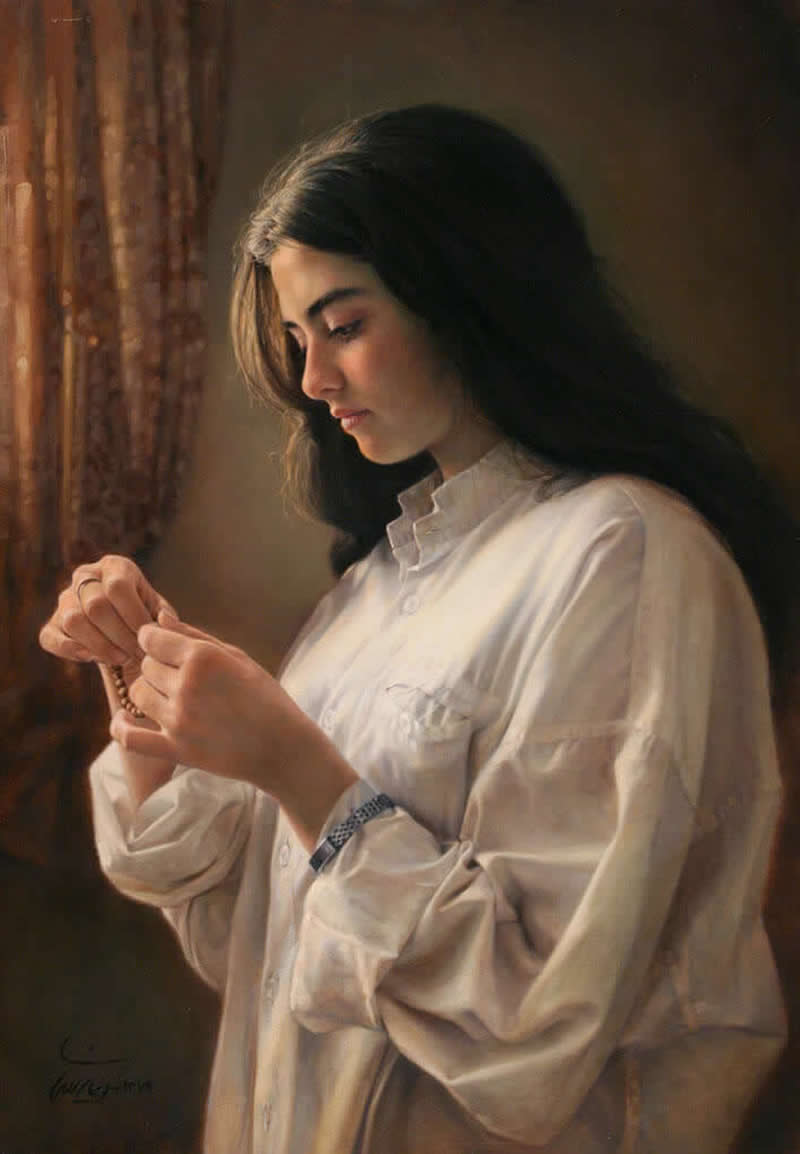
#4. A Girl by the Window, 2000 – Oil on canvas, 78 x 55 cm
#5. End of Examinations, 1998 – Oil on canvas, 80 x 60 cm
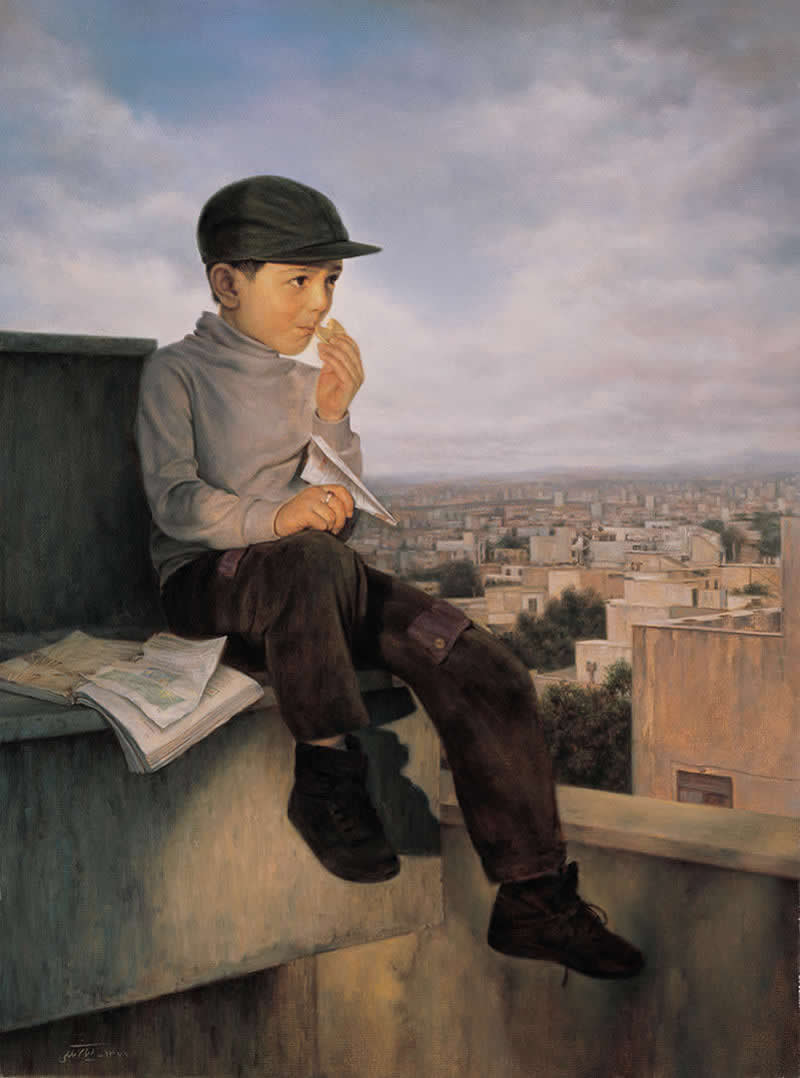
Early Foundations: Learning Realism the Classical Way
Iman Maleki’s artistic foundation is built on something increasingly rare: long-term mentorship. Studying exclusively under Morteza Katouzian gave him more than technique—it gave him philosophy. Classical realism, as Maleki learned it, is about restraint. About knowing when not to add another brushstroke. About respecting the subject rather than overpowering it.
Starting professional work in his teens forced him to mature quickly as an artist. While many painters experiment endlessly with style, Maleki committed early to realism—not as a limitation, but as a lifelong challenge. Realism leaves no room for shortcuts. Every proportion, shadow, and reflection must earn its place.
His academic background in graphic design sharpened his compositional instincts. Balance, negative space, and visual rhythm play a subtle but powerful role in his paintings. Nothing feels accidental. Even silence is designed. This early fusion of classical training and modern design thinking set the stage for a body of work that feels both traditional and quietly contemporary.
#6. Fishmonger, 1996 – Oil on canvas, 90 x 60 cm
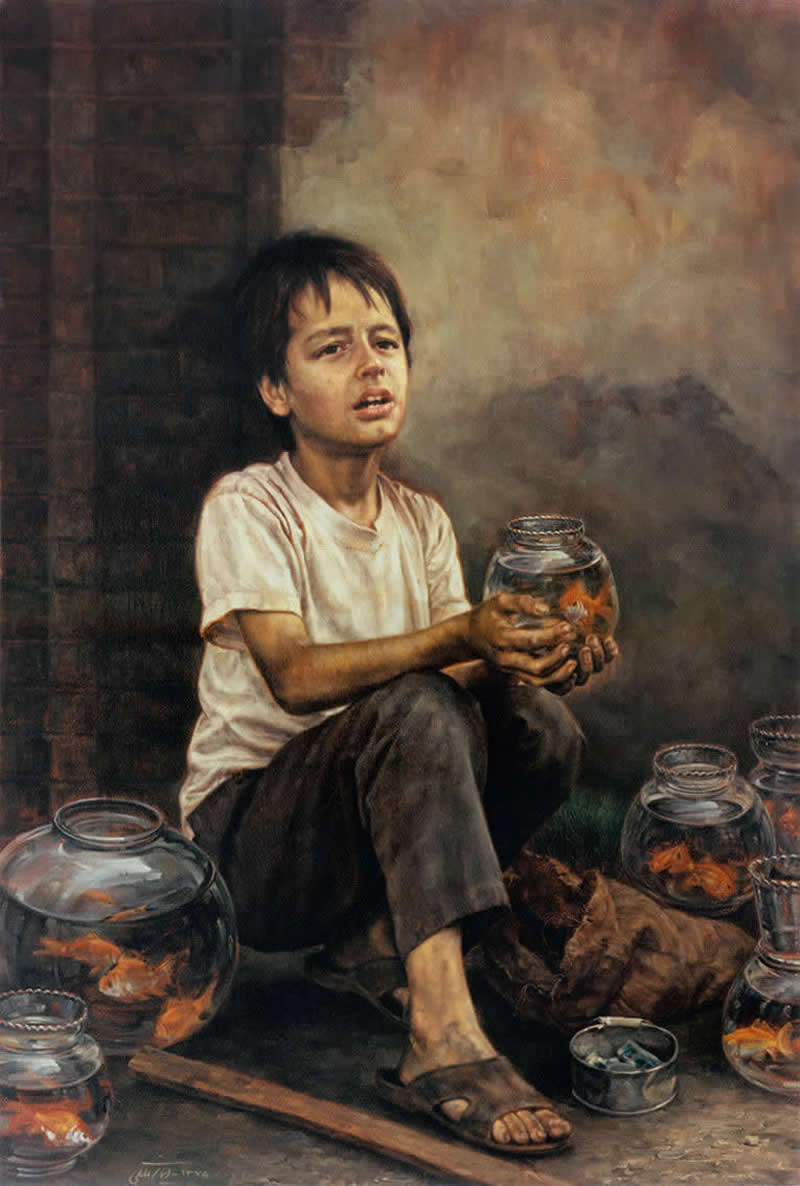
#7. Iftar, 1995 – Oil on canvas, 80 x 60 cm
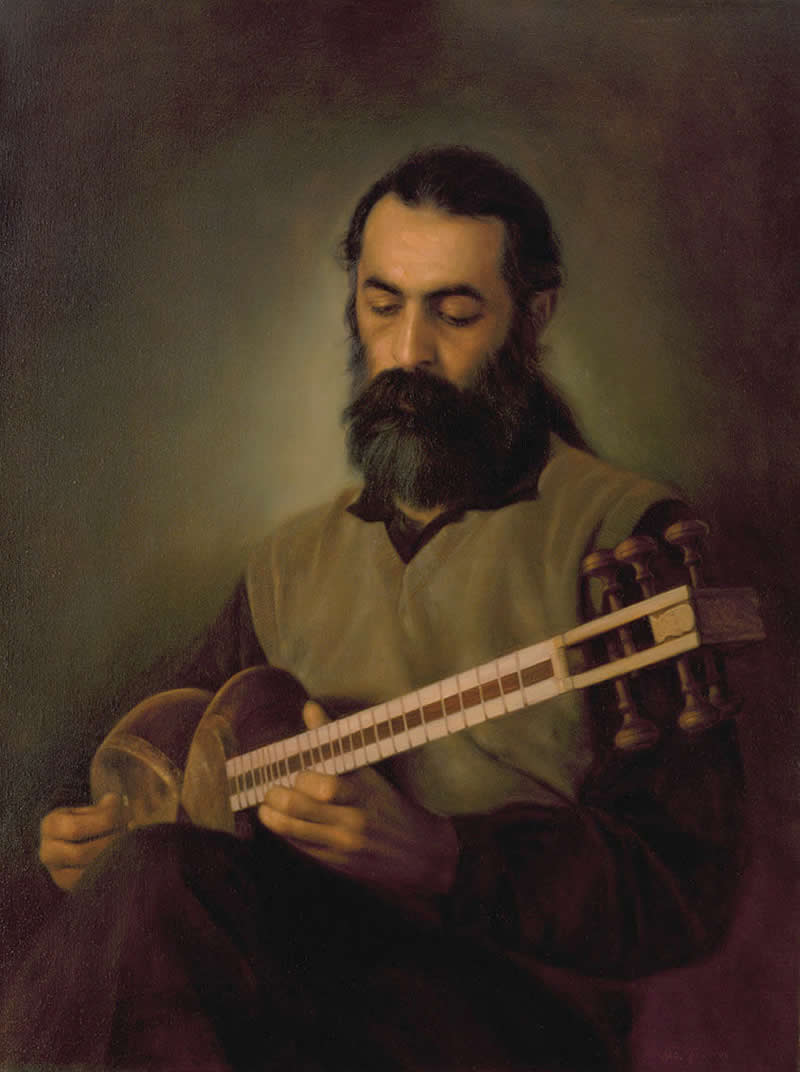
#8. A Tar Player, 1998 – Oil on canvas, 80 x 60 cm
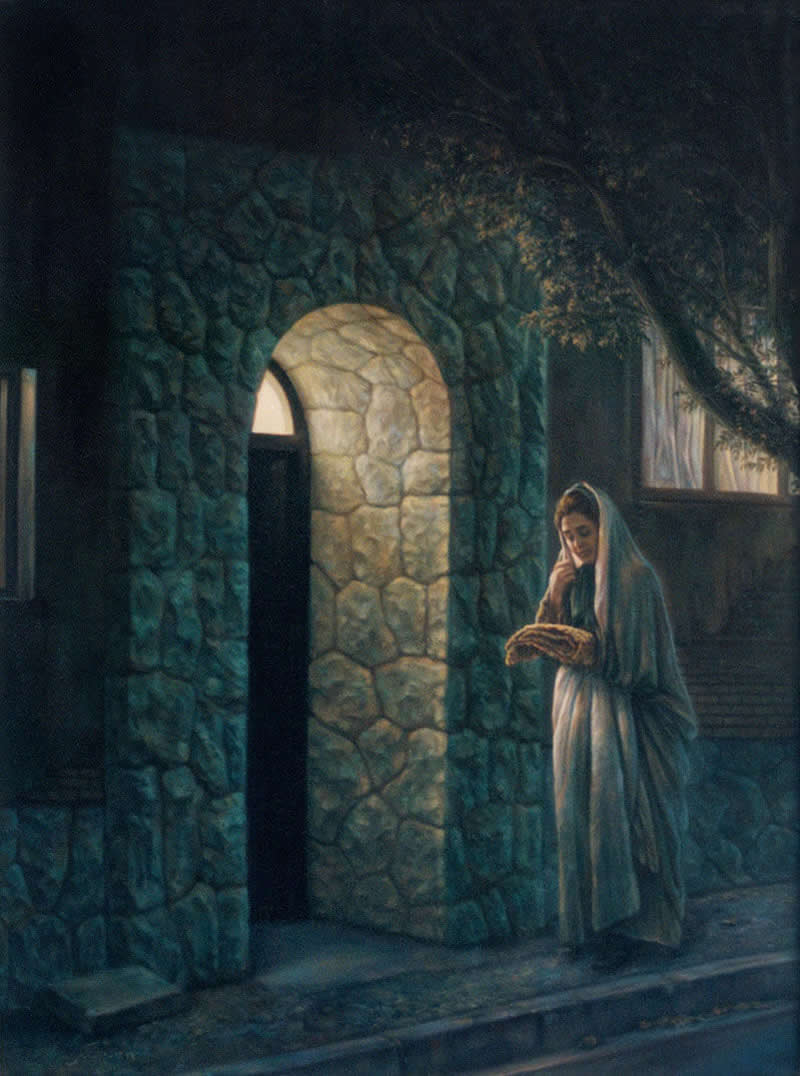
#9. Memory of that House, 2001 – Oil on canvas, 83 x 58 cm
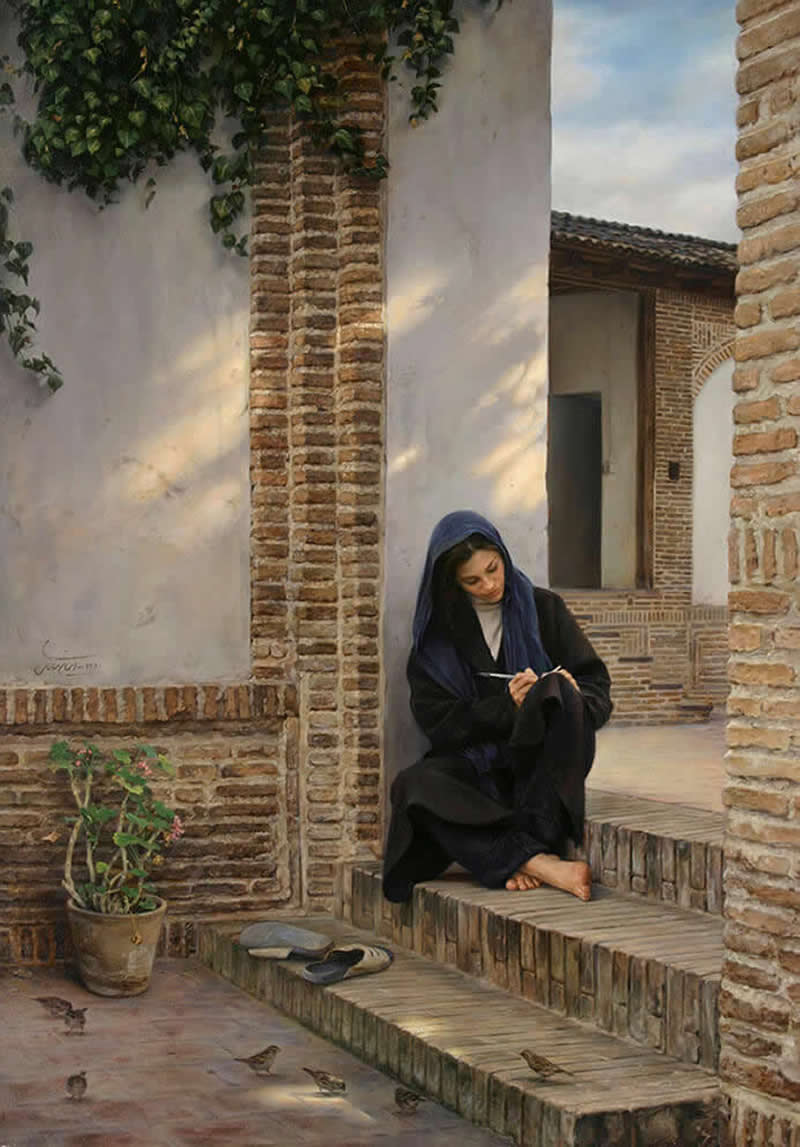
#10. An Achaemenid Soldier, 2002 – Oil on canvas, 163 x 100 cm
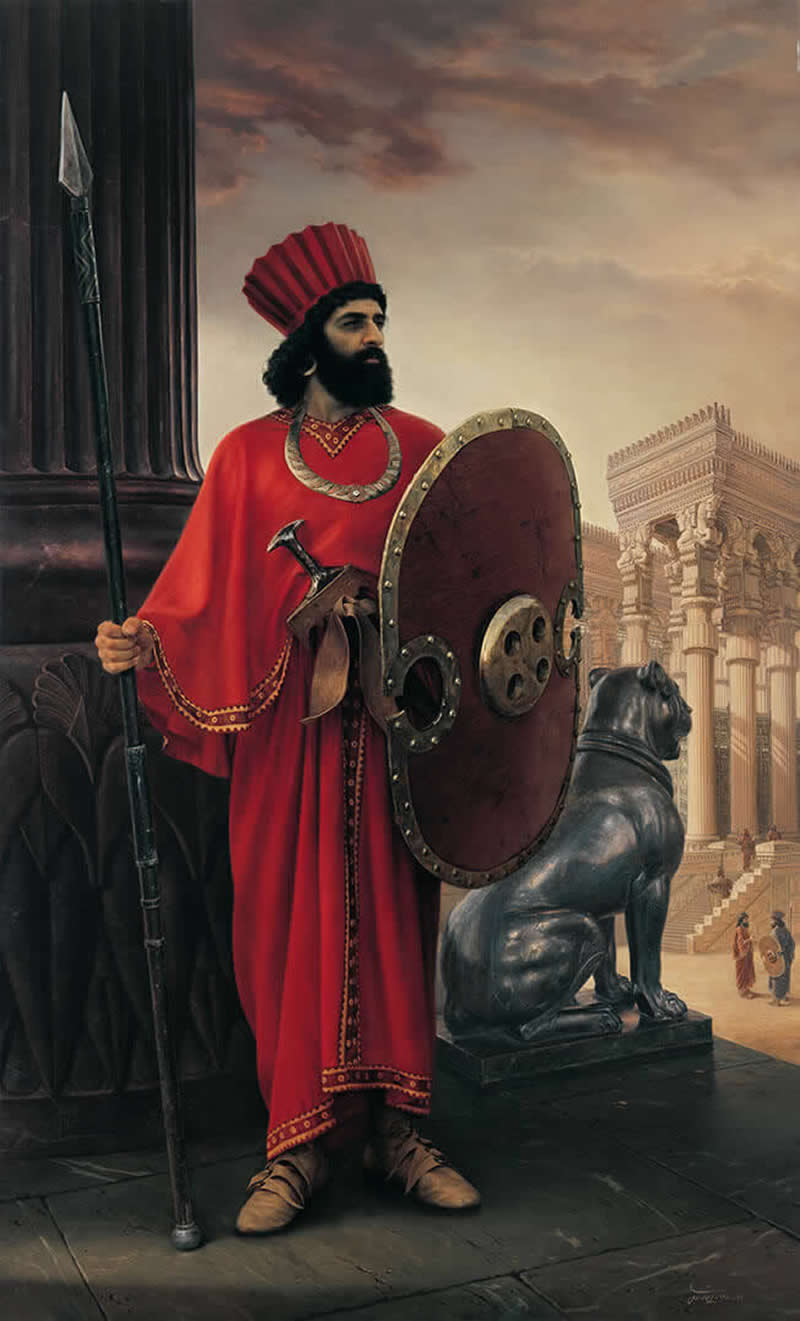
Paintings That Feel Lived-In, Not Just Looked At
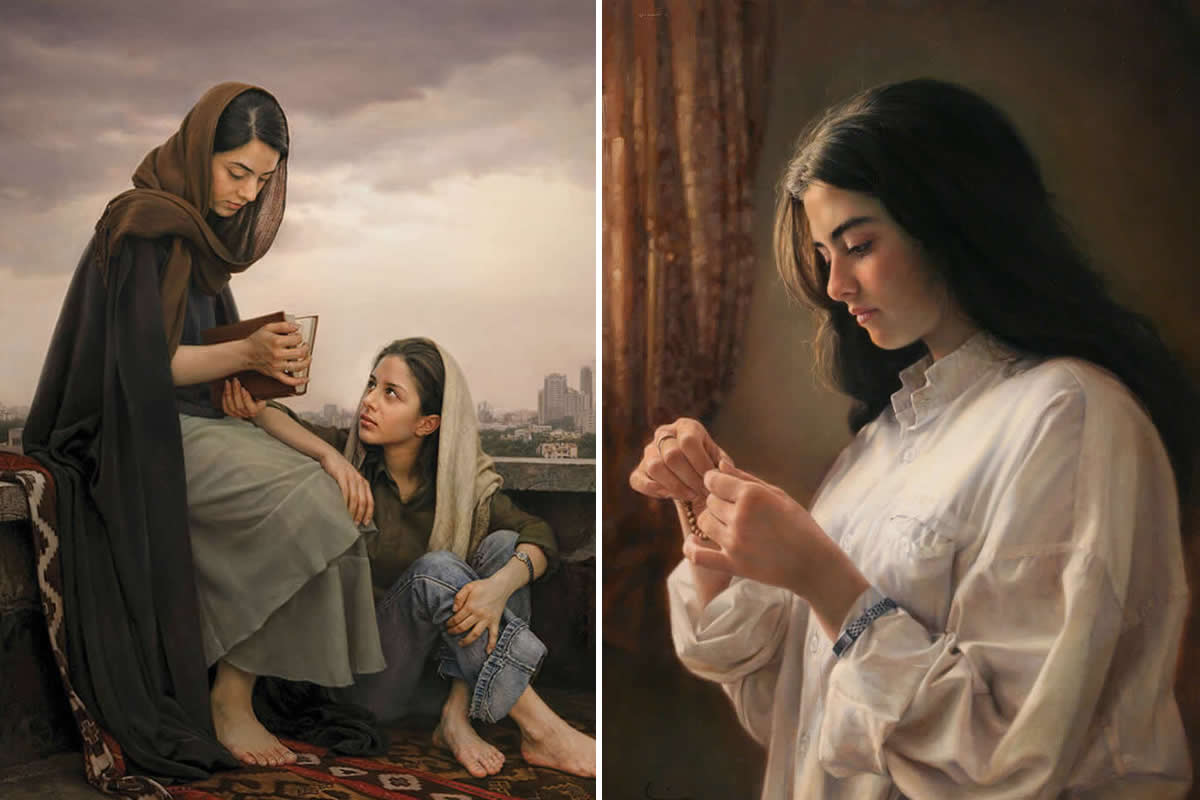
What makes Maleki’s paintings extraordinary isn’t just their technical accuracy—it’s their emotional stillness. His figures don’t pose. They exist. A woman by a window. A quiet interior. A moment mid-thought. These scenes feel lived-in, like memories you didn’t know were yours until you saw them.
Light is his secret language. He uses it not for drama, but for honesty. Soft daylight spilling across fabric, skin, or walls creates atmosphere without manipulation. His realism doesn’t aim to shock the viewer into disbelief—it invites them to slow down.
Paintings like Omens of Hafez and A Girl by the Window show his ability to blend cultural identity with universal emotion. You don’t need context to feel what’s happening. That emotional accessibility is why his work resonates internationally, far beyond Iran.
Each painting rewards time. The longer you look, the more it gives back.
#11. Emigrant, 2003 – Colored pencil on paper, 53 x 37 cm
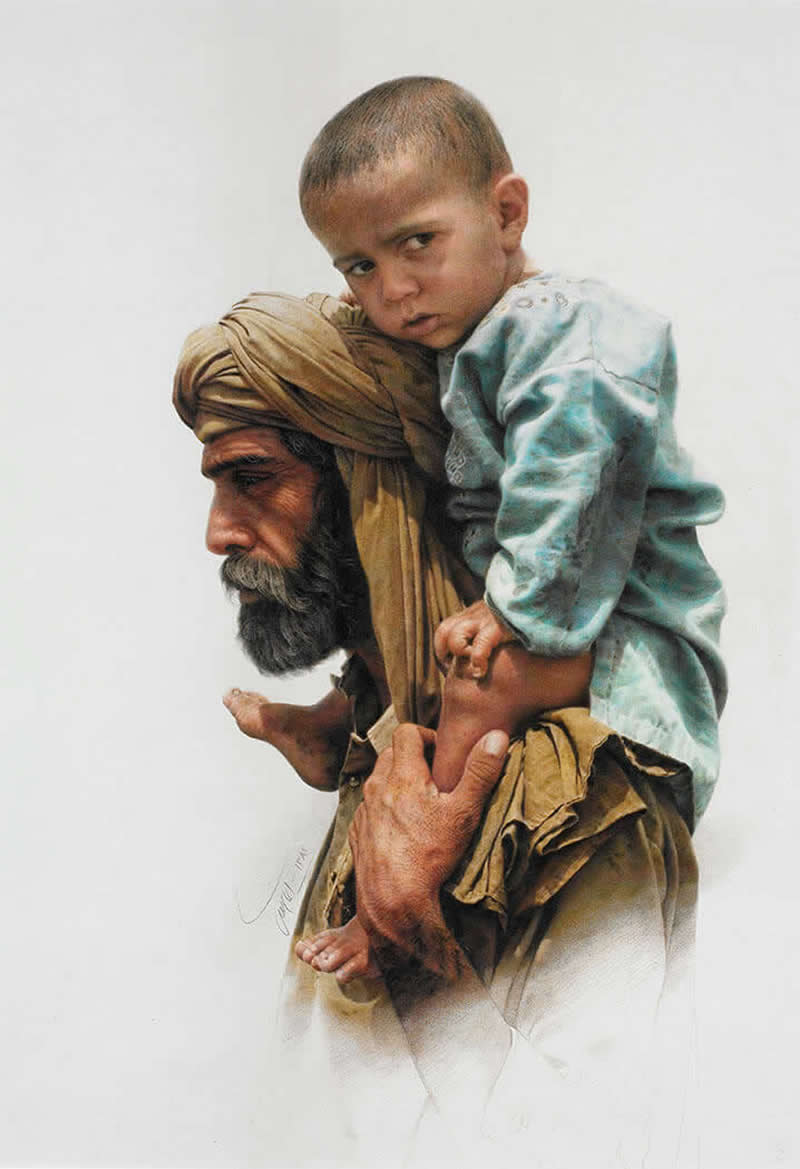
#12. The Old Album, 2006 – Oil on canvas, 110 x 85 cm
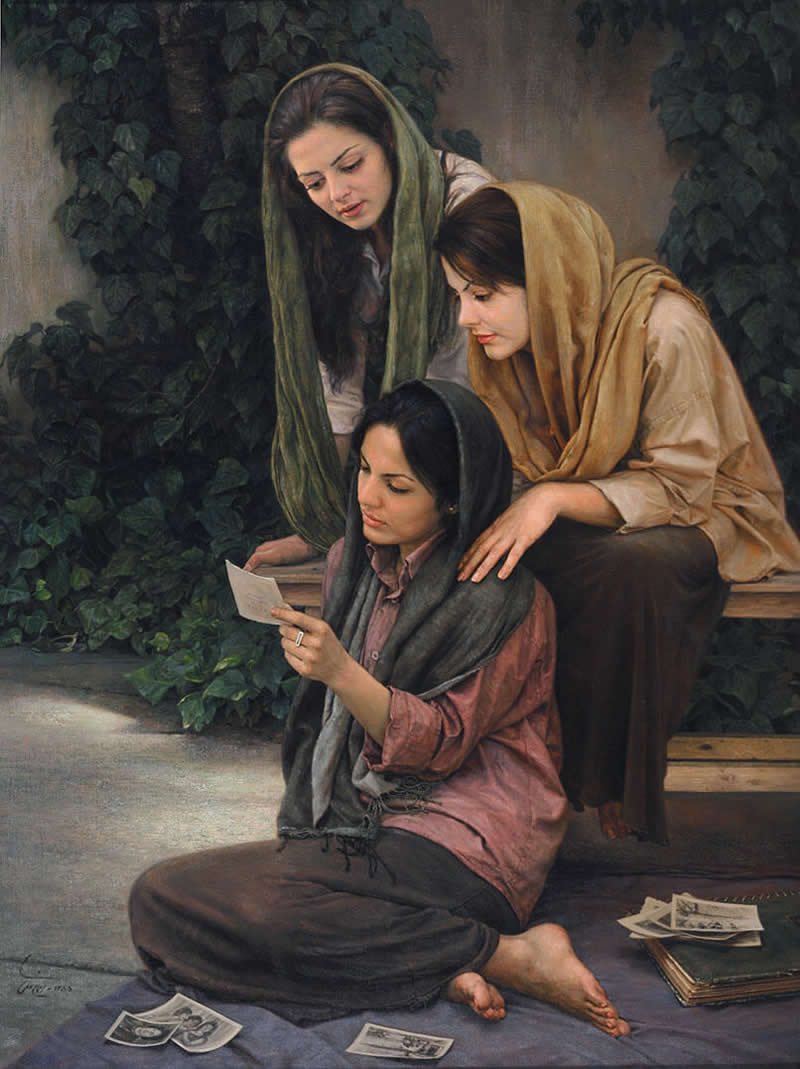
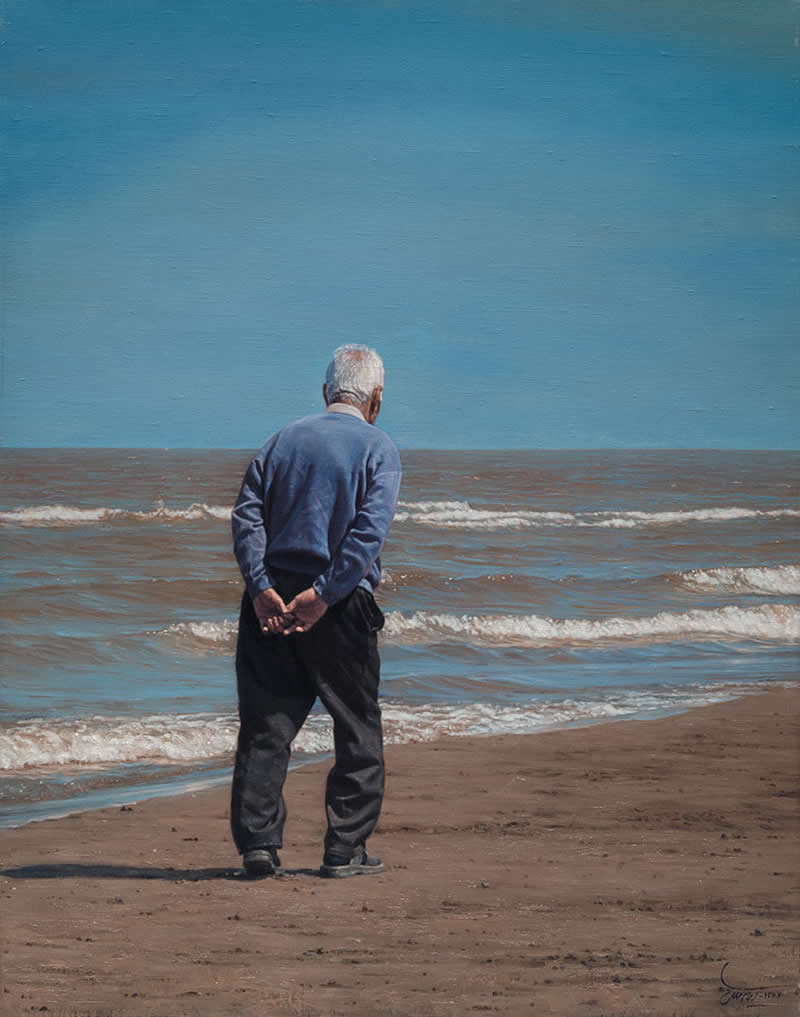
#13. Alone With Sea, 2008 – Oil on canvas, 89 x 70 cm
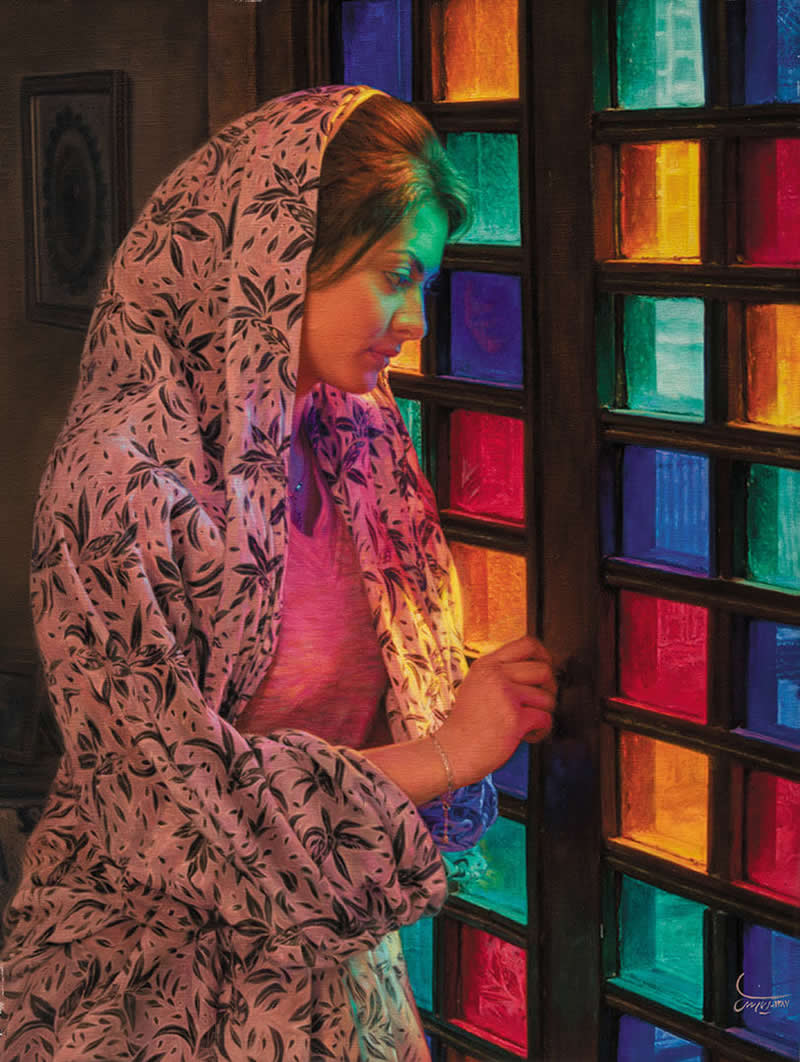
#14. Secret of Colors, 2008 – Oil on canvas, 70 x 52 cm
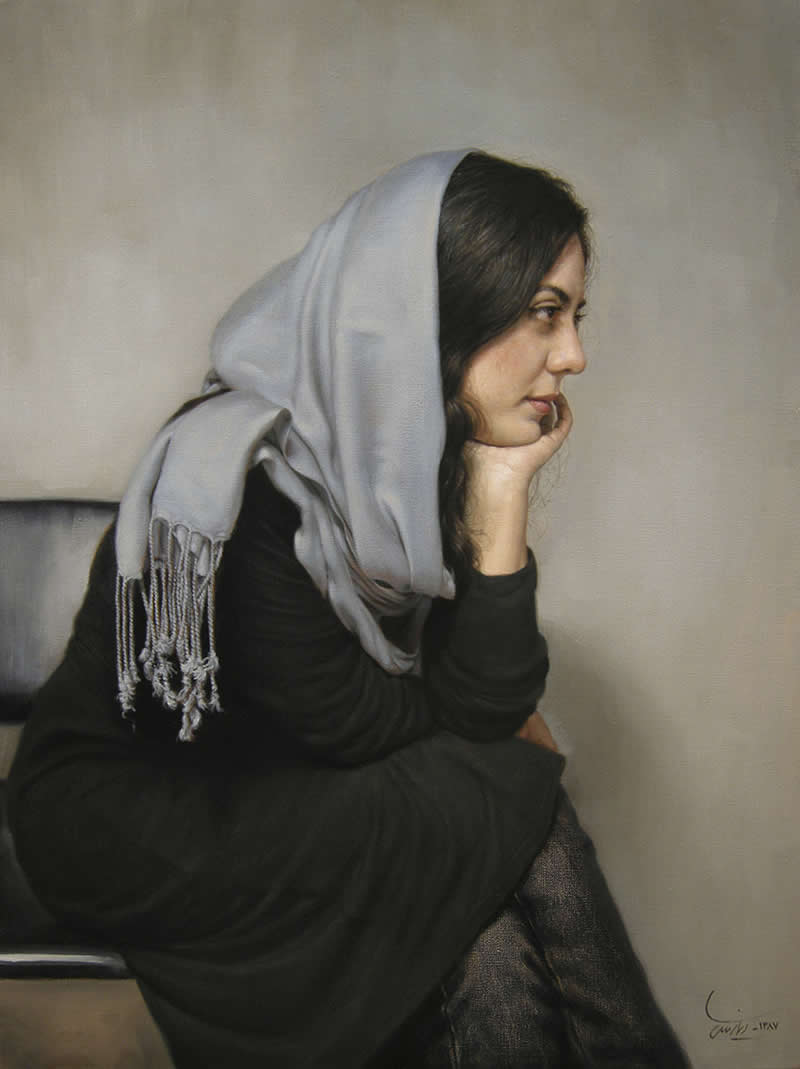
#15. Waiting, 2008 – Oil on canvas, 80 x 60 cm
International Recognition Without Losing Artistic Grounding
In 2005, Maleki’s work reached a global stage when he won major awards at the International ARC Salon in the United States. The William Bouguereau Award recognized his emotional depth, while the Chairman’s Choice Award highlighted his compositional strength. These honors placed him firmly among the world’s leading contemporary realists.
His paintings have since been exhibited internationally, including features in prominent collections such as the Farjam Collection in Dubai. He is represented by Artists Advocacy Group in the United States, expanding his reach while maintaining control over his artistic direction.
What’s striking is how little this recognition altered his path. Maleki didn’t pivot styles. He didn’t chase trends. He continued refining the same quiet realism that brought him there in the first place. That consistency is rare—and it’s why his work feels authentic rather than opportunistic.
#16. Challenge, 2009 – Oil on canvas, 83 x 60 cm
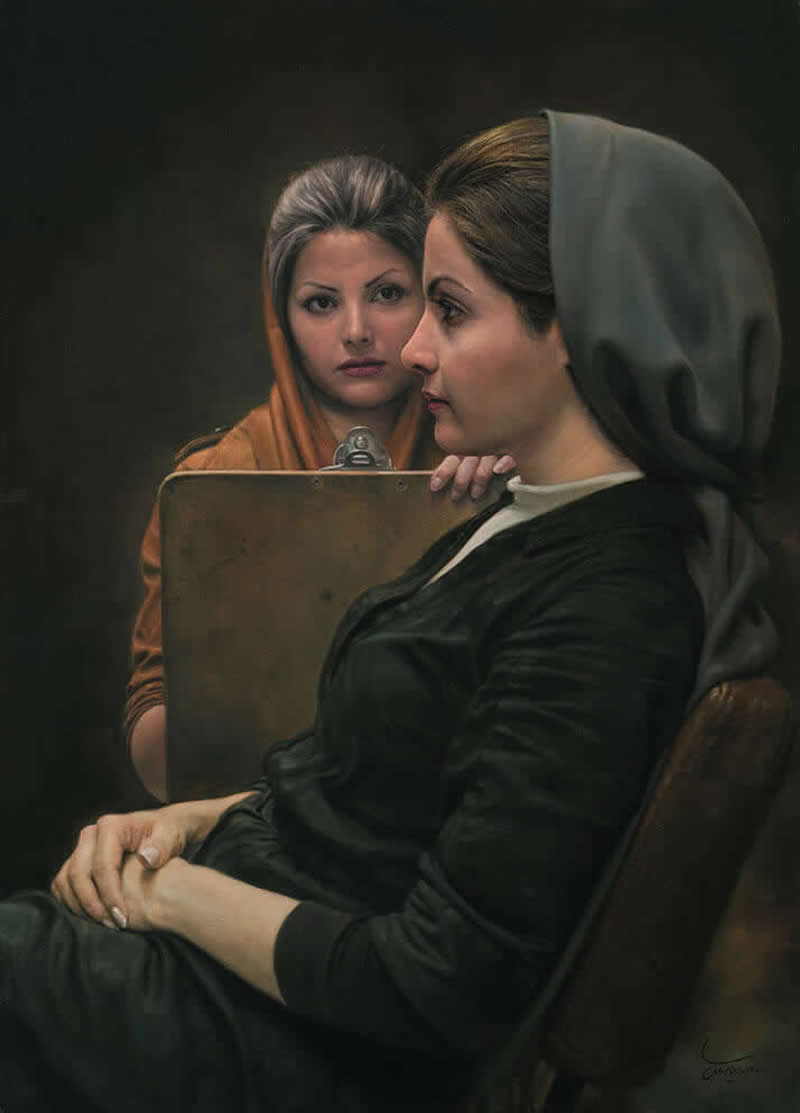
#17. A Little Hope, 2013 – Oil on canvas, 115 x 80 cm
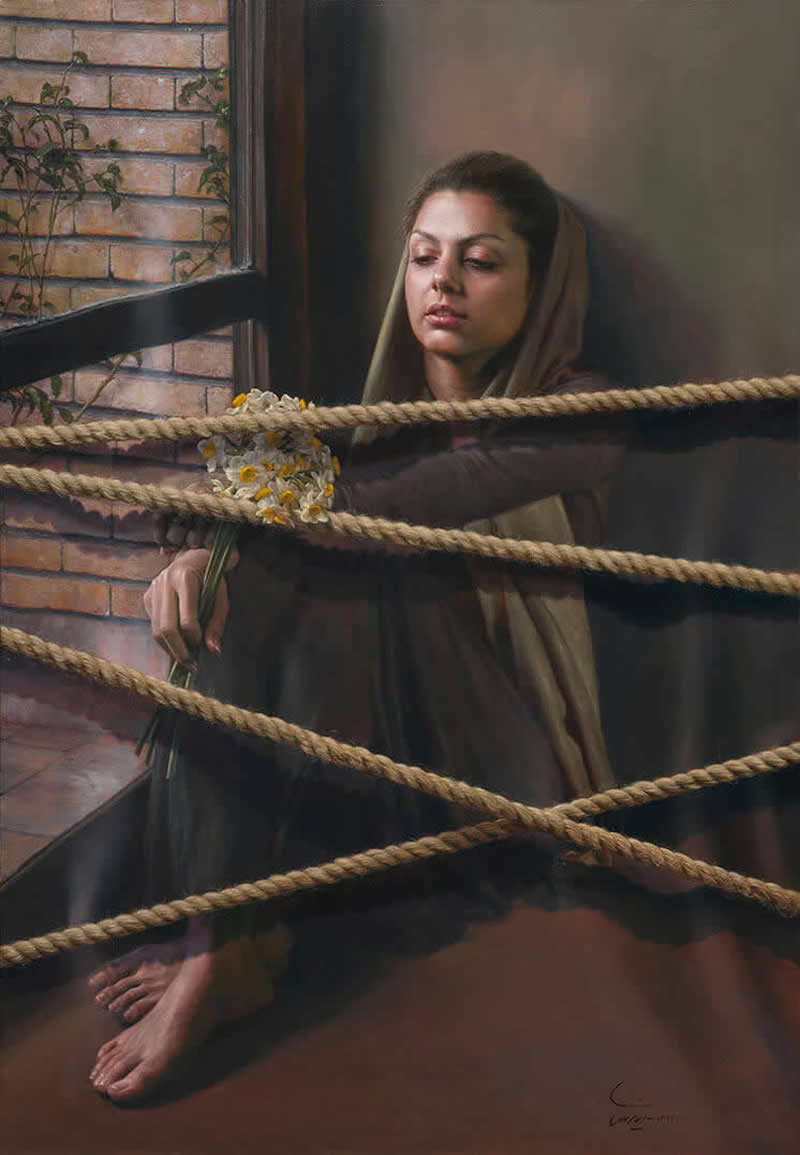
#18. Unstable Cover, 1995 – Oil on canvas, 100 x 70 cm
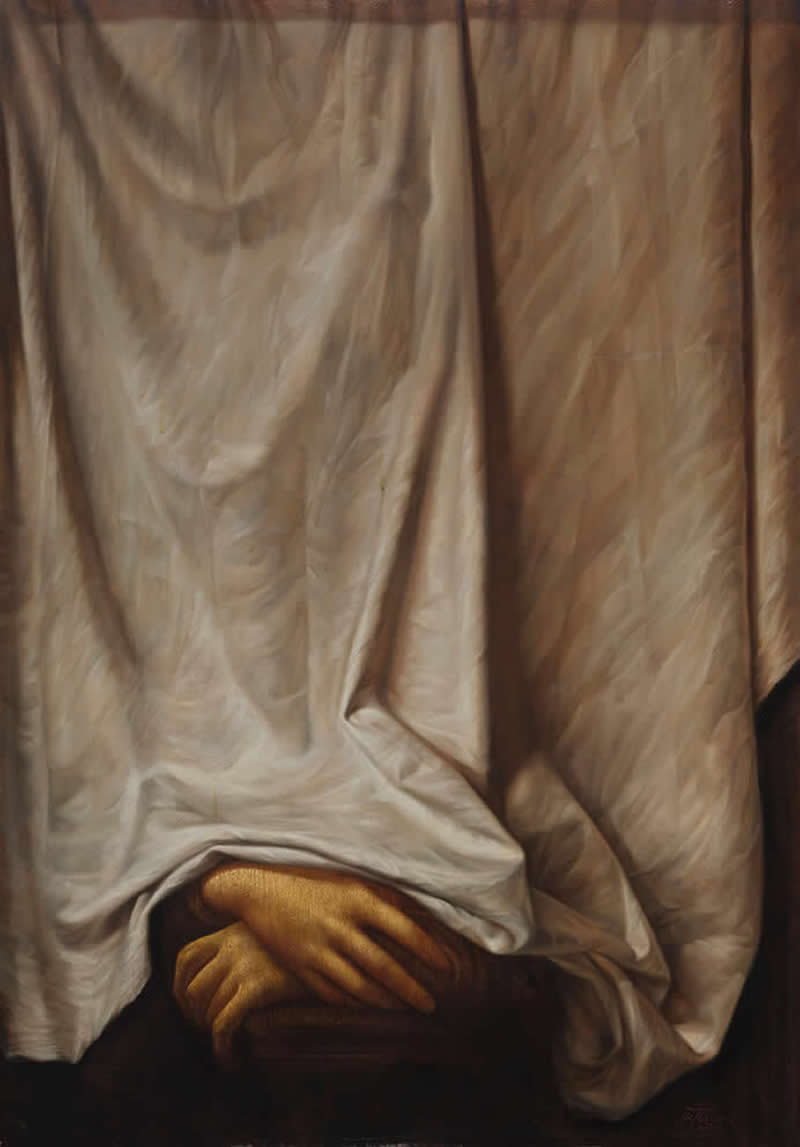
#19. Composing Music Secretly, 1996 – Oil on canvas, 100 x 70 cm
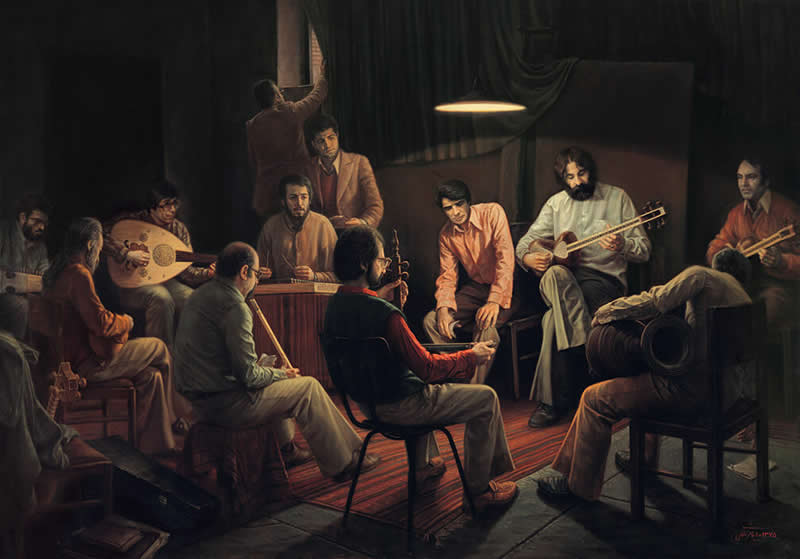
#20. Studying, 1998 – Oil on canvas, 91 x 50 cm
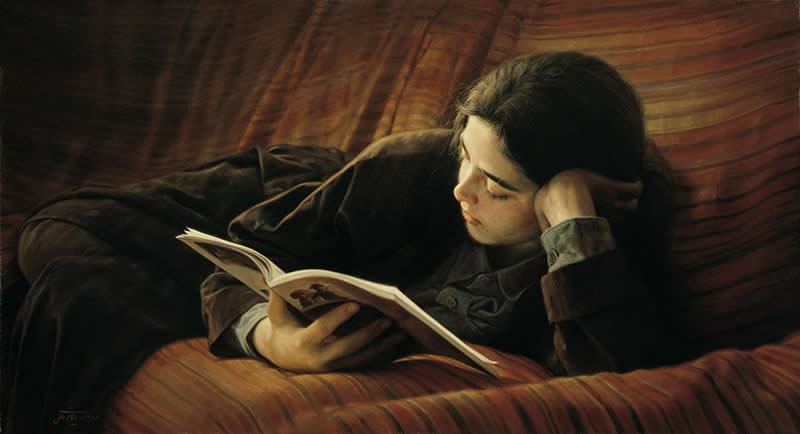
Teaching as Legacy: Passing Realism to the Next Generation
For Maleki, teaching isn’t a side project—it’s core to who he is. Since founding Ara Painting Studio, he has dedicated significant time each week to mentoring students. He teaches classical techniques, traditional values, and, most importantly, patience.
Many of his students have gone on to become outstanding artists in their own right. That ripple effect matters to him more than numbers or headlines. Teaching keeps him grounded. It forces clarity. It reinforces the idea that realism is a discipline, not a shortcut.
In an art world obsessed with speed and visibility, Maleki’s commitment to slow mastery feels radical. His legacy isn’t just measured in paintings, but in people—artists who learned to see before learning to paint.
#21. Dizziness, 1998 – Oil on canvas, 100 x 75 cm
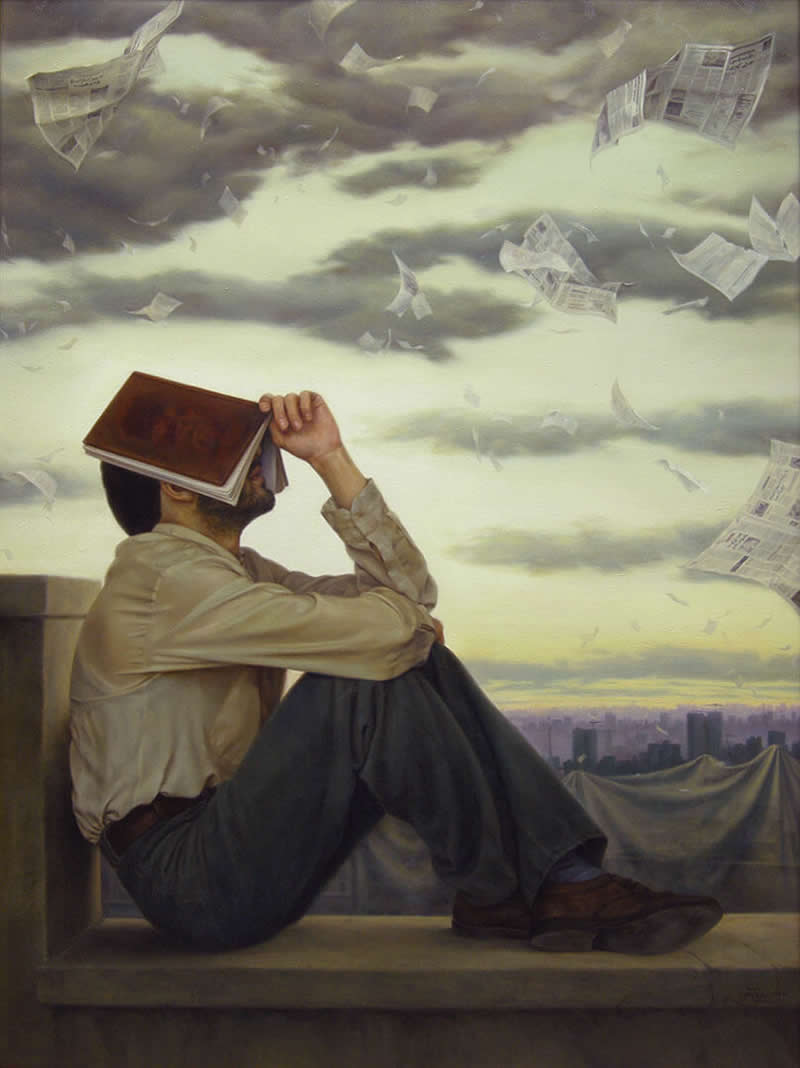
#22. Wish…, 2000 – Oil on canvas, 100 x 70 cm
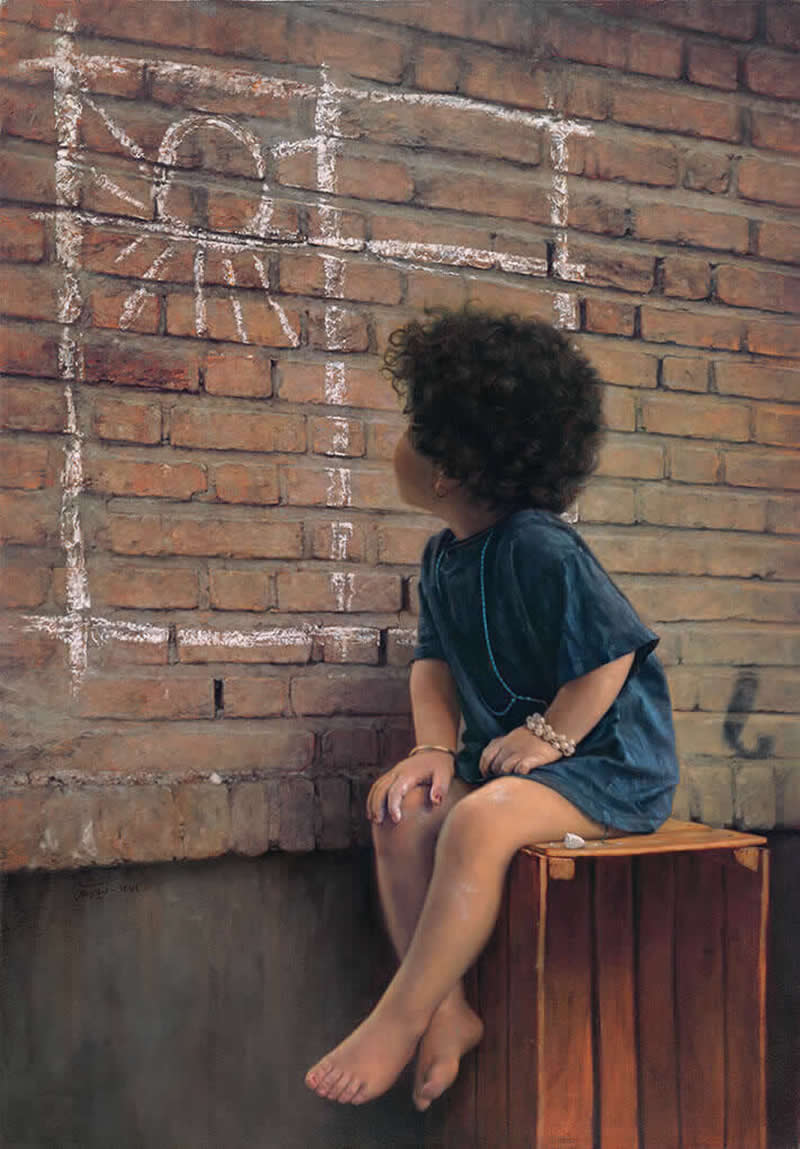
#23. The Alley, 2001 – Pastel on paper, 40 x 30 cm
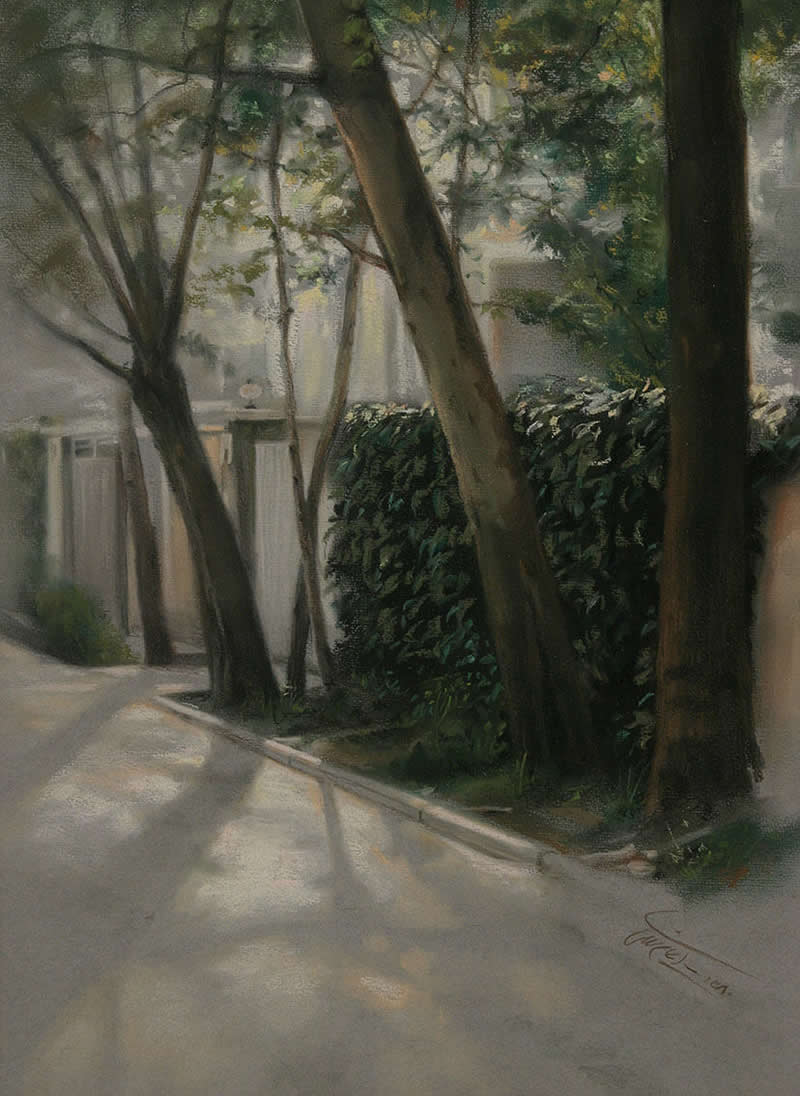
#24. Sunlight, 2004 – Oil on canvas, 107.5 x 60 cm
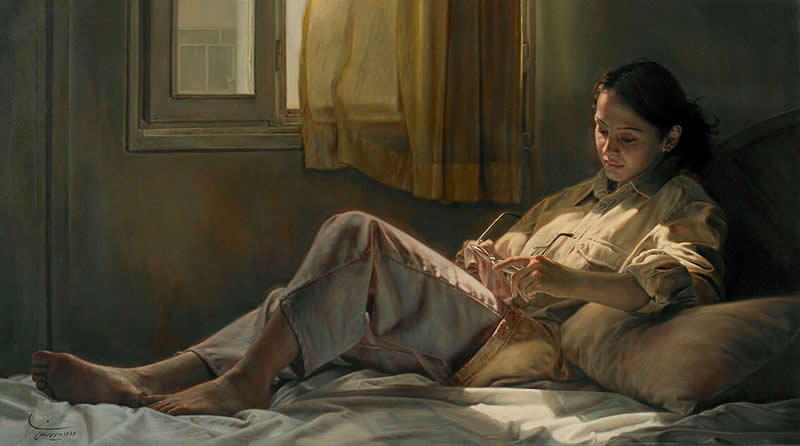
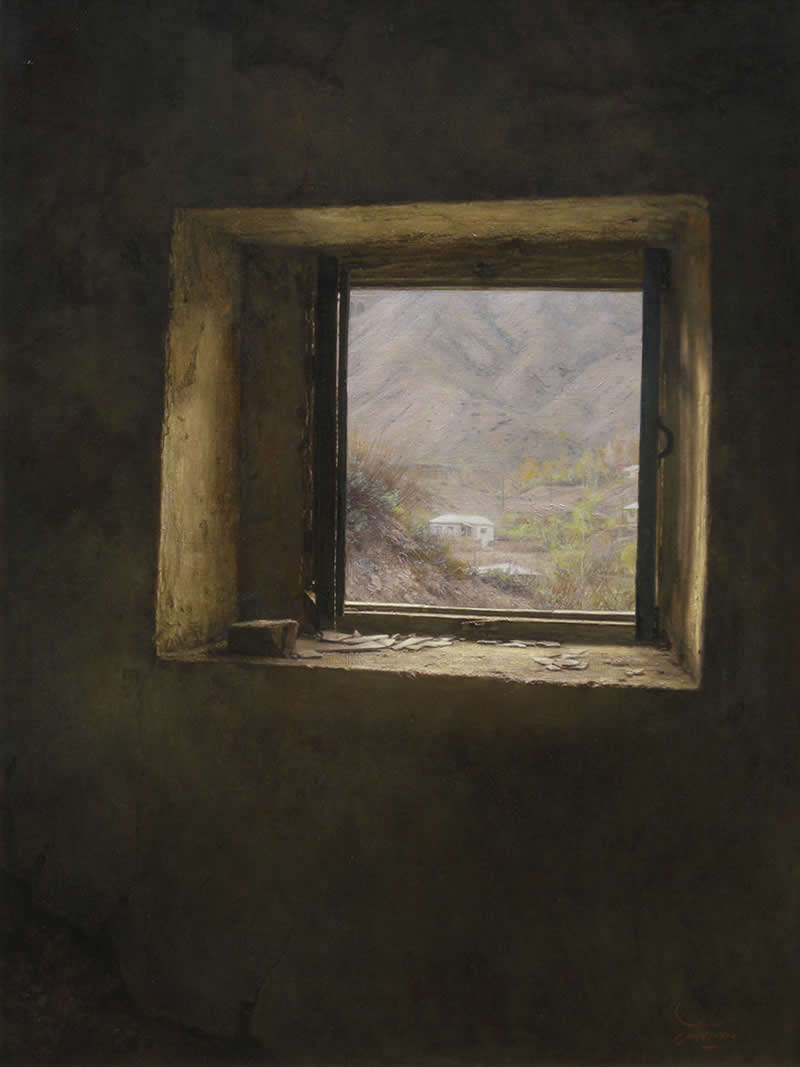
#25. The Window, 2006 – Oil on canvas, 80 x 60 cm
In Summary
Who is Iman Maleki?
Iman Maleki is an Iranian realist painter born in Tehran in 1976, known for his emotionally rich and technically precise paintings.
Who taught Iman Maleki painting?
He studied exclusively under Morteza Katouzian, one of Iran’s most celebrated realist painters.
What awards has Iman Maleki won?
He won the William Bouguereau Award and Chairman’s Choice Award at the International ARC Salon in 2005.
Where does Iman Maleki teach painting?
He teaches at Ara Painting Studio, which he founded in 2000.
What makes Iman Maleki’s paintings unique?
His work combines classical realism, emotional restraint, masterful use of light, and deep observational skill.