
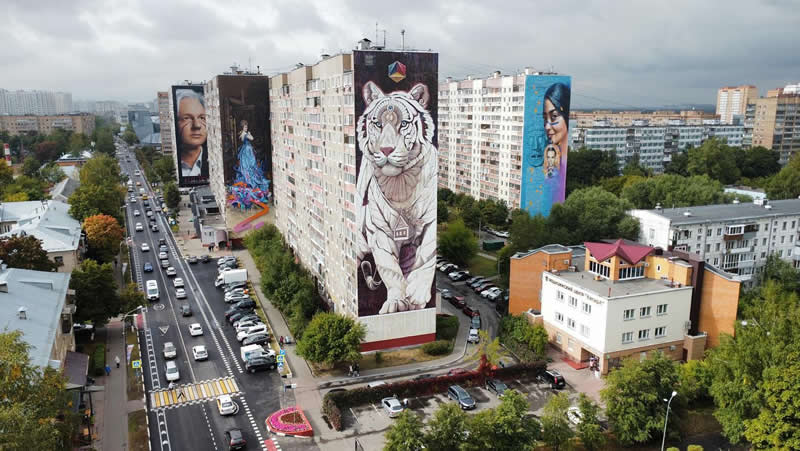
City walls usually scream concrete, chaos, and rush-hour stress—but when Alegria del Prado steps in, those walls start breathing. Founded by Mexican artist Octavio Macías Alegría and Spanish artist Ester González del Prado, this powerhouse duo has been turning blank urban surfaces into living ecosystems since 2011. What started as a shared creative exchange in Guadalajara quickly grew into a cross-continental story fueled by imagination, symbolism, and raw emotion.
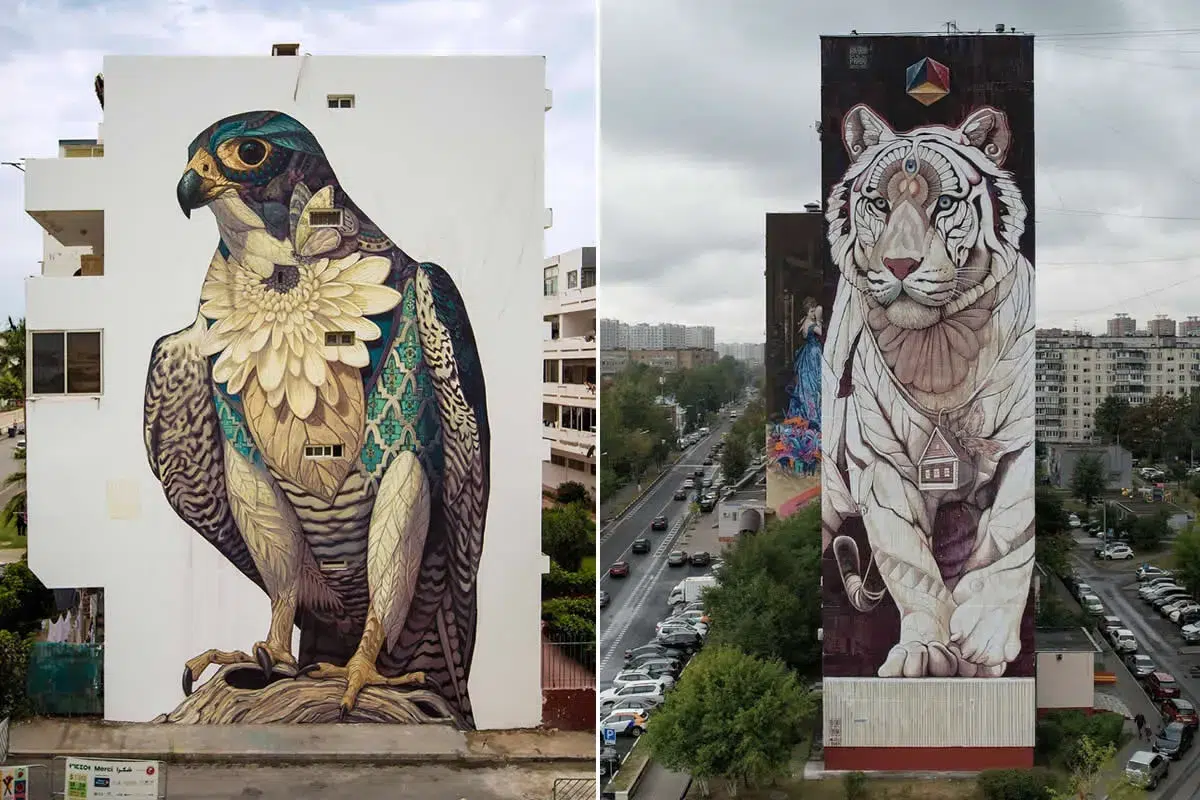
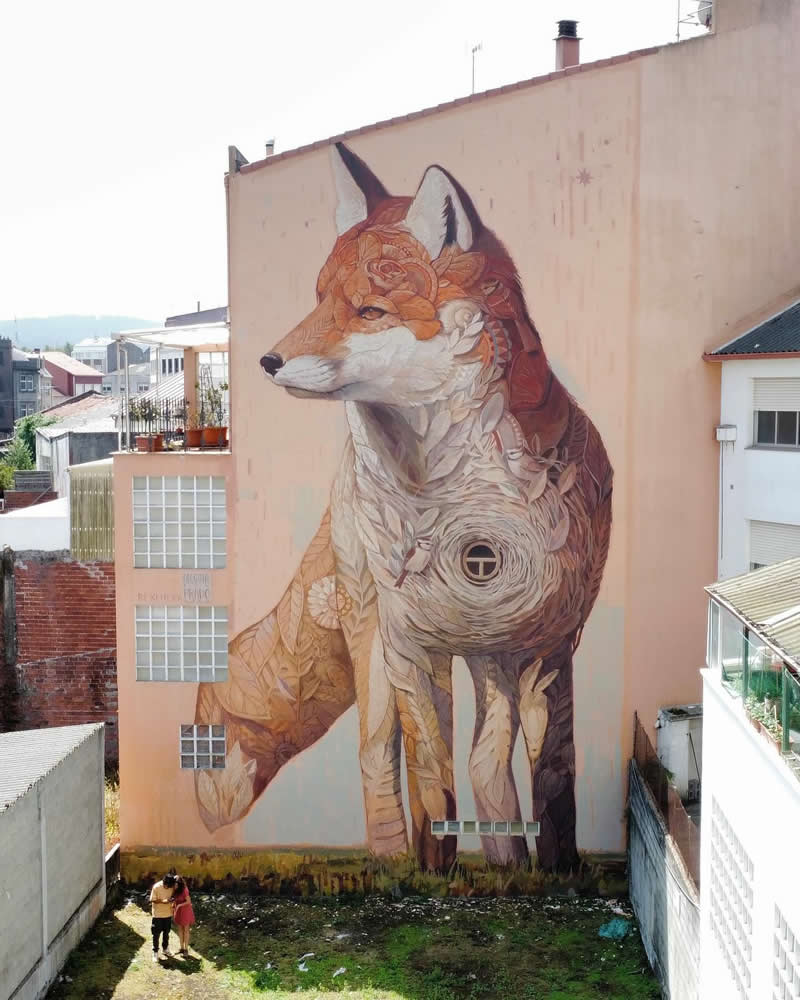
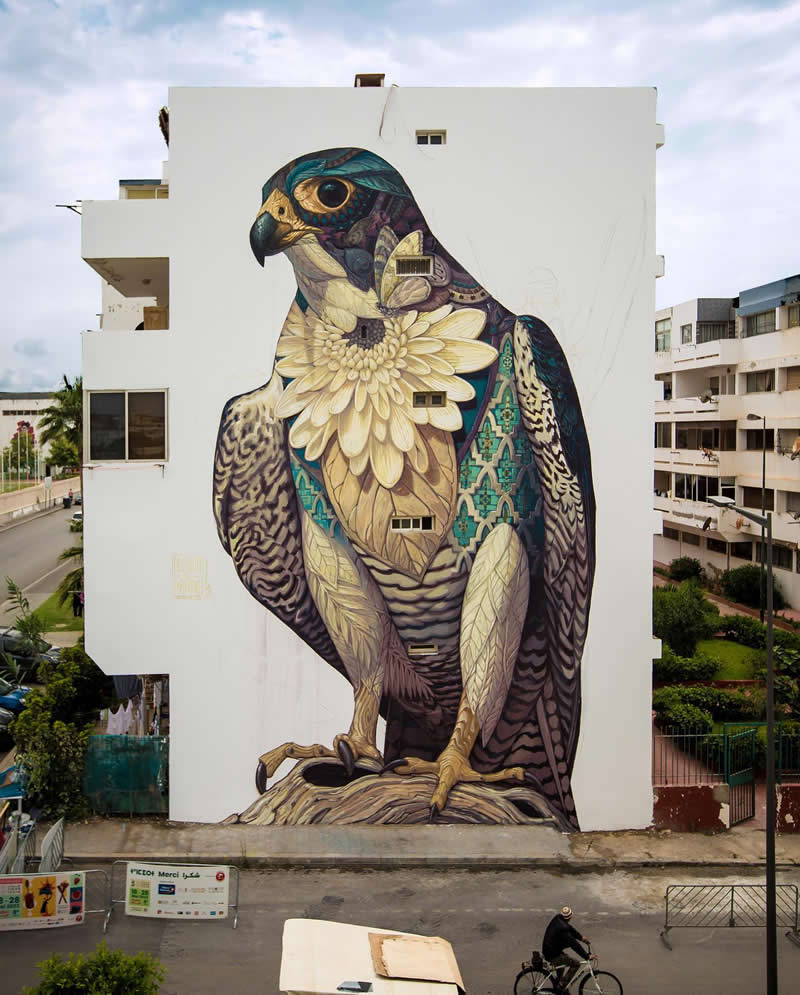
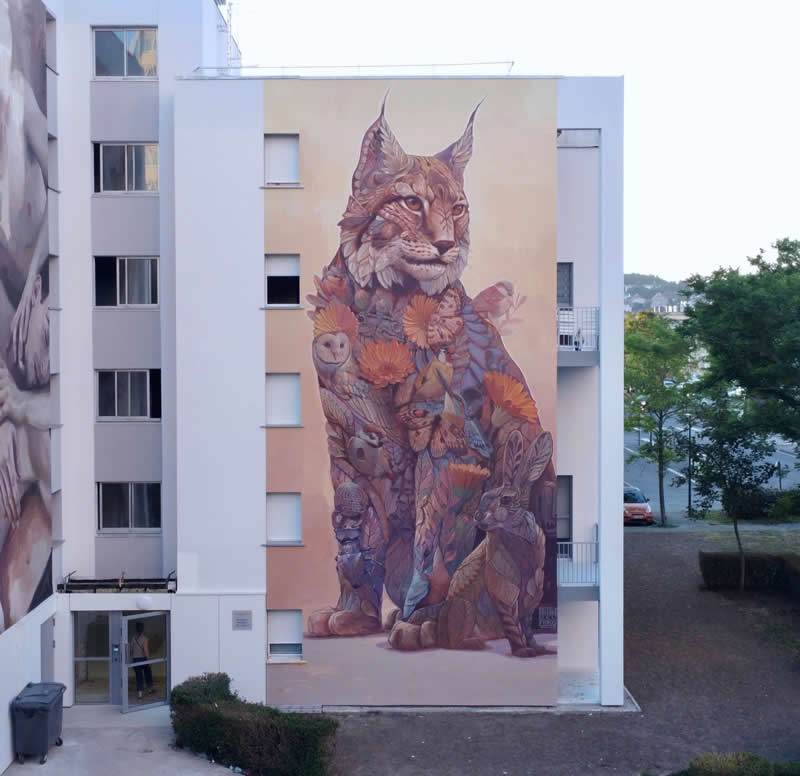
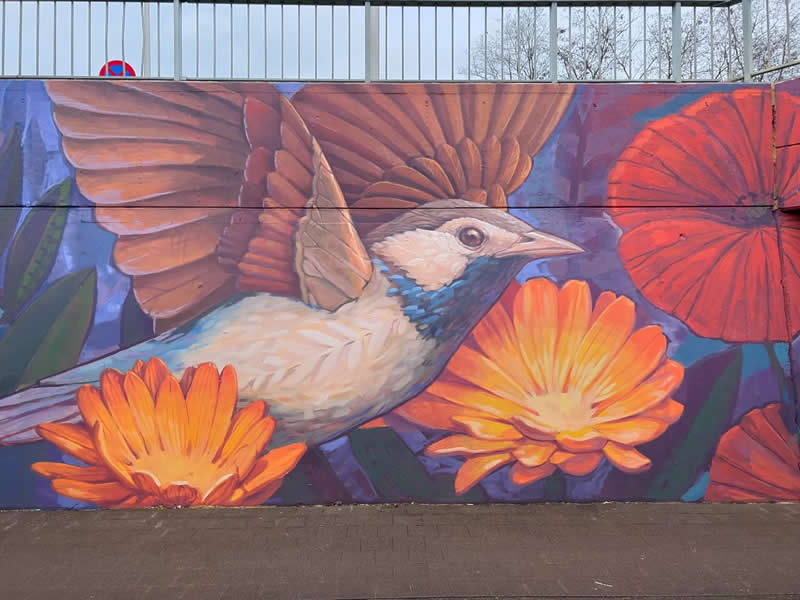
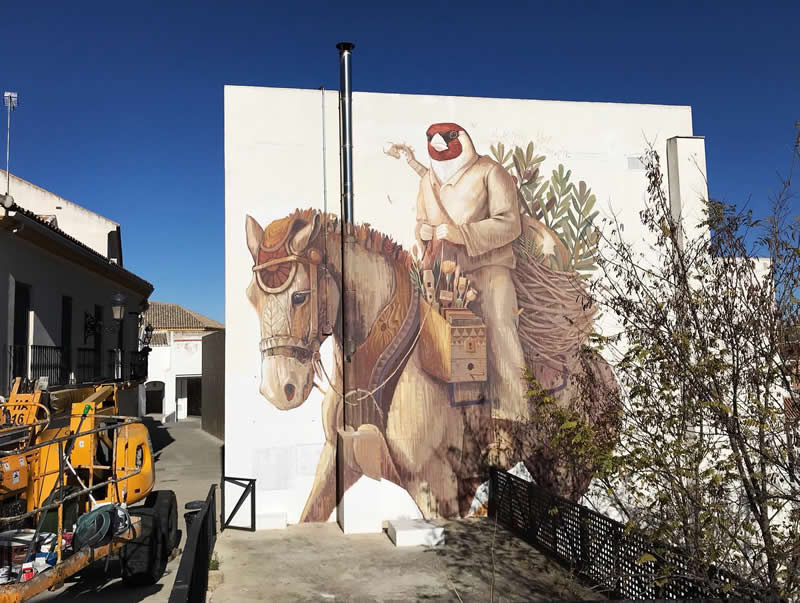
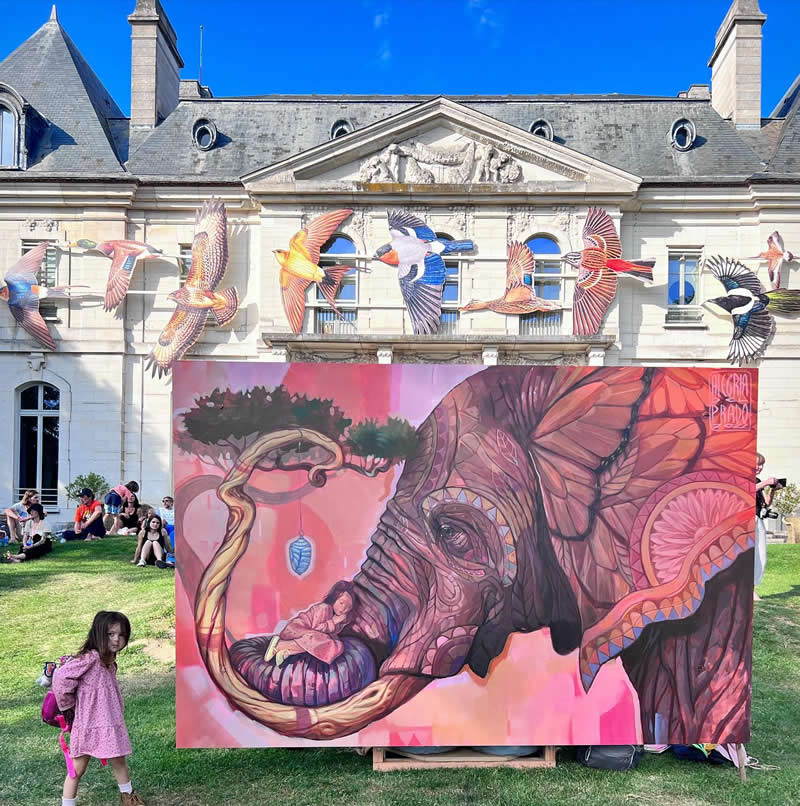
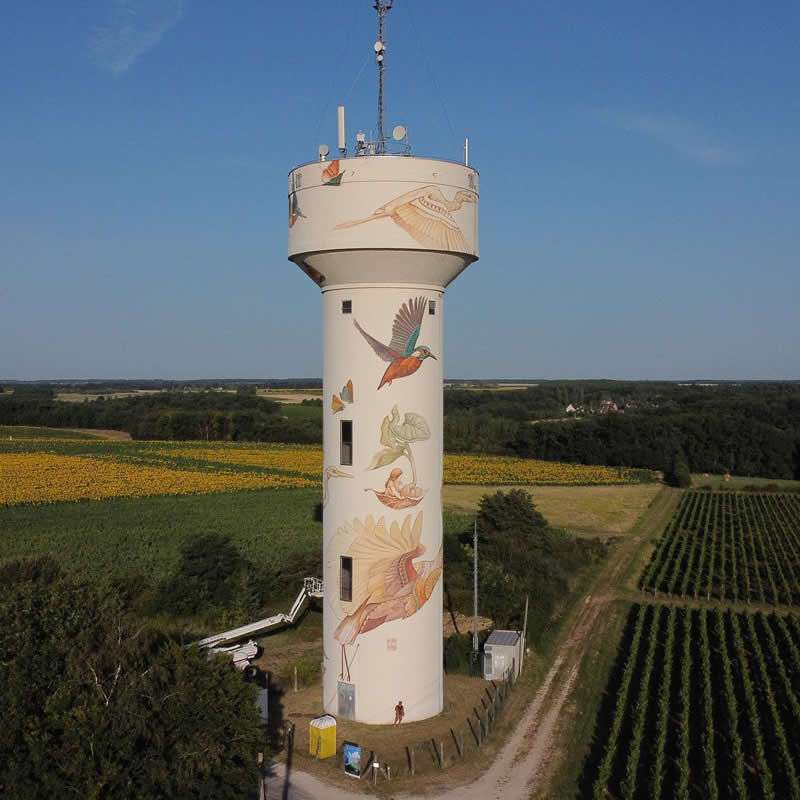
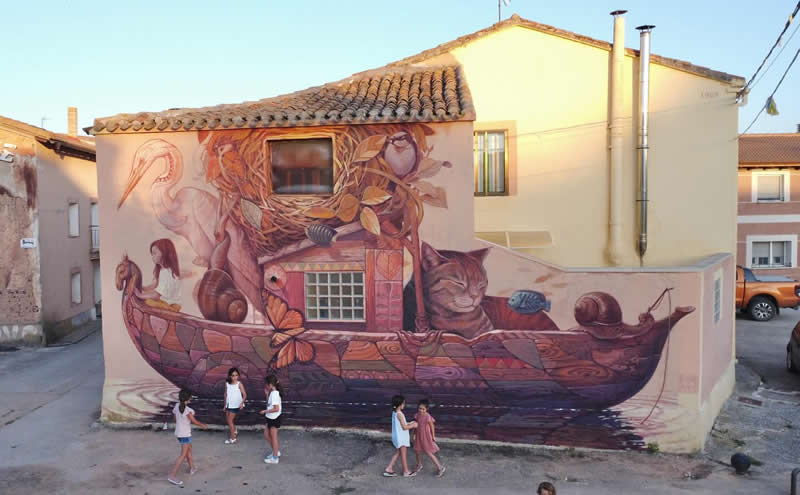
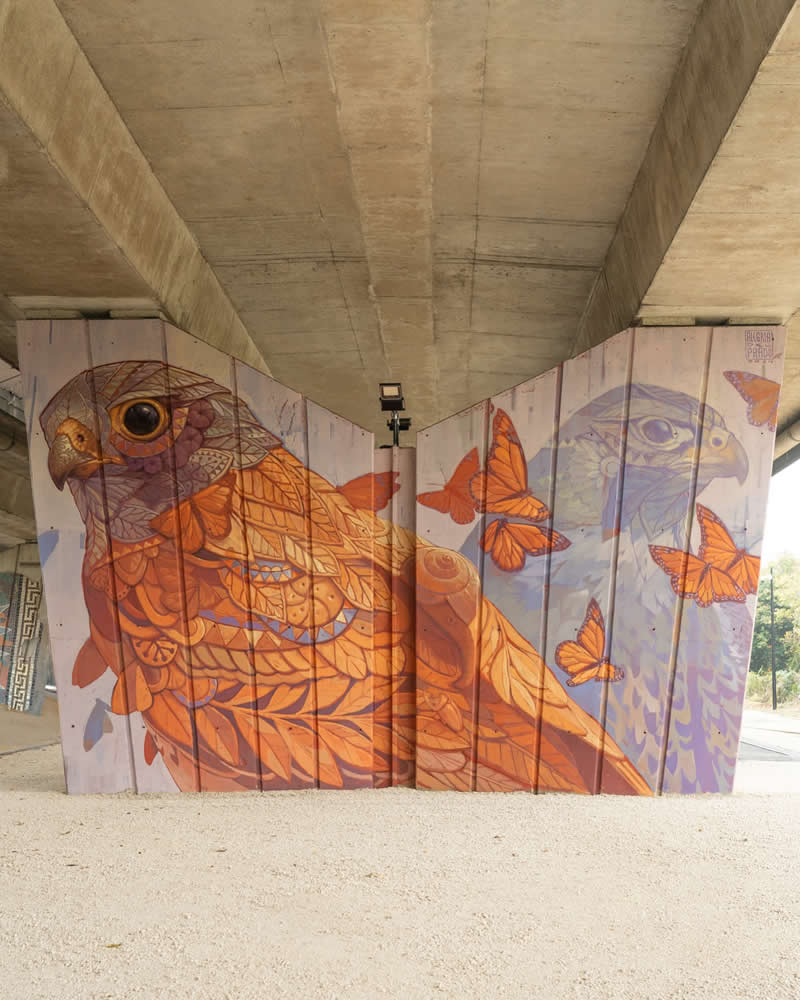
Their murals don’t just decorate cities—they interrupt them. One second you’re walking to work, the next you’re staring into the eyes of a massive lynx built from flowers, or a falcon hovering above a busy street like an ancient guardian. Alegria del Prado blends figuration and naturalism with surreal undertones, creating wildlife that feels both mythical and deeply human. Every animal carries meaning. Every color feels intentional. Every wall becomes a portal.
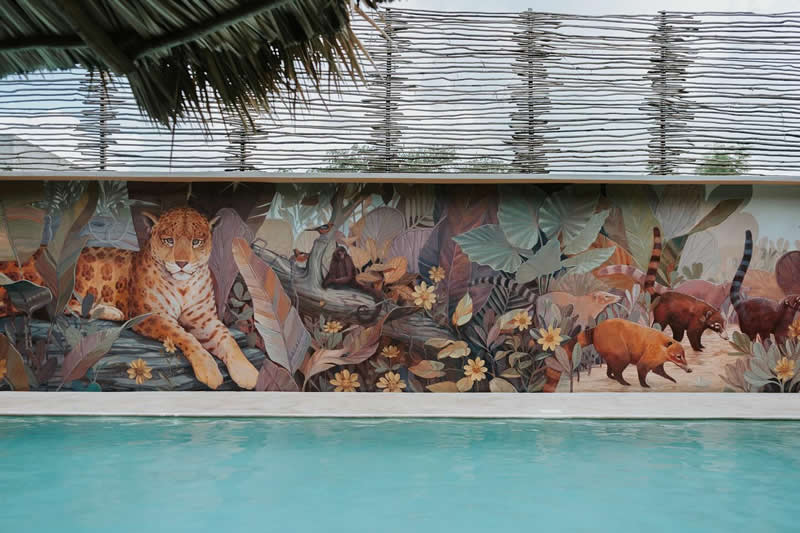
Their signature style hits hard with a controlled chromatic palette, warm earthy tones, and intricate details that reward slow looking. Animals, children, leaves, feathers, and organic symbols collide in dreamlike harmony. From Madrid to Rabat, Galicia to Italy, France, Russia, and beyond, their murals stretch across cultures while speaking a universal language—nature still matters, even in the heart of the city.
These 30 spellbinding wildlife street art murals aren’t just visually stunning—they’re reminders. Reminders of forgotten instincts, shared myths, and the quiet power animals hold as symbols of strength, resilience, and wisdom. Alegria del Prado doesn’t paint walls. They give cities their soul back.
You can find Alegria del Prado on the web:
#1.
#2.
#3.
#4.
#5.
When Wildlife Takes Over the Urban Jungle
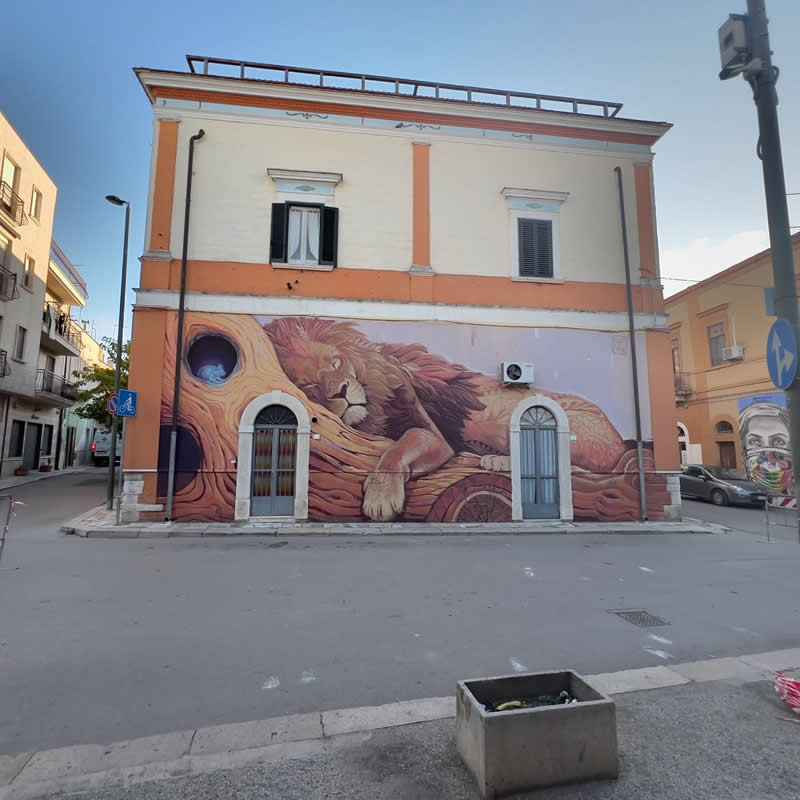
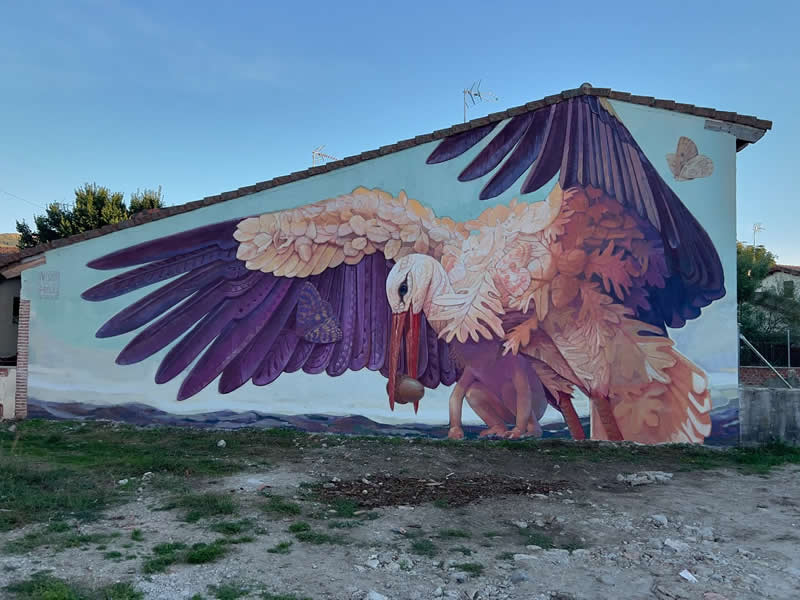
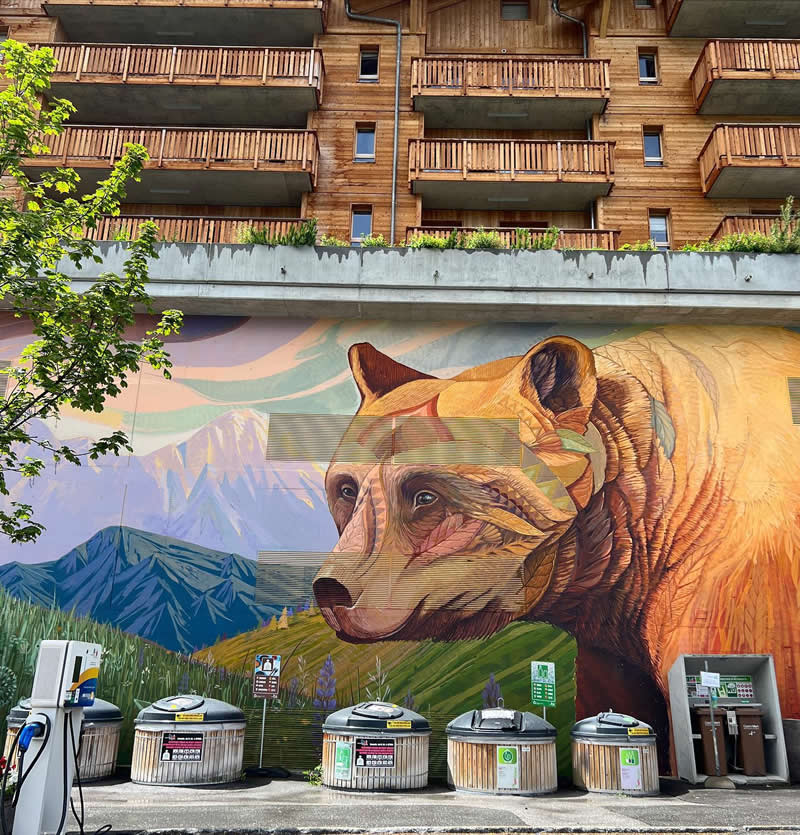
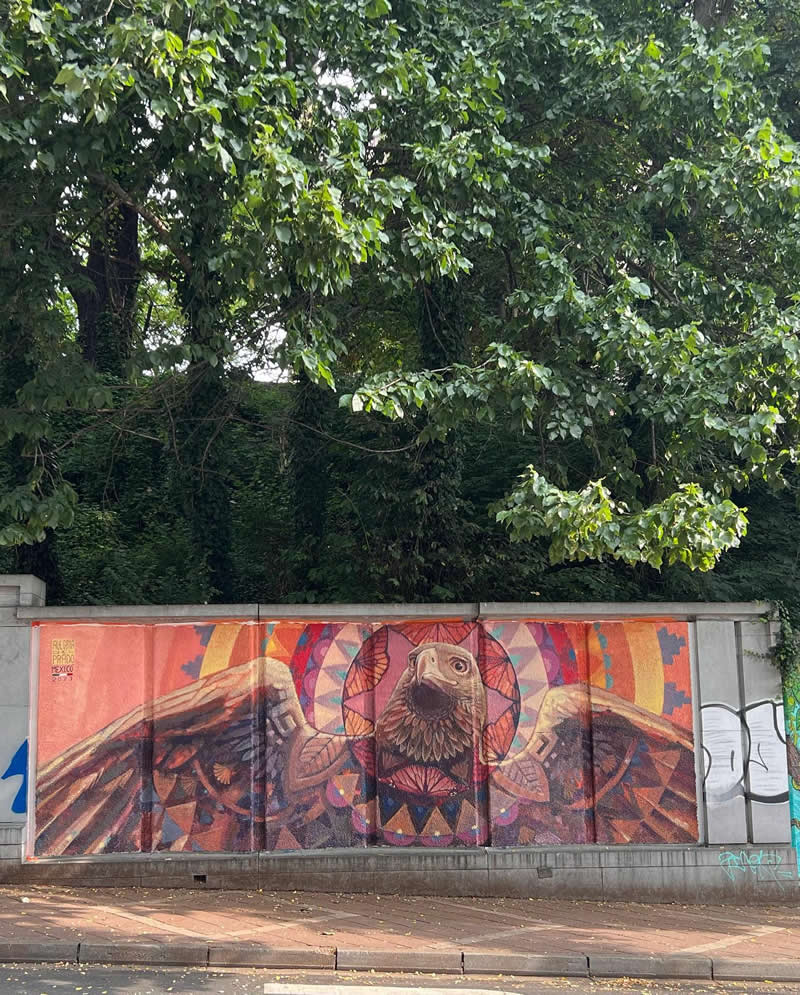
Alegria del Prado’s murals feel like nature reclaiming its territory. A massive animal doesn’t politely blend into the city—it dominates it. Their wildlife figures stretch across entire buildings, forcing commuters to slow down and actually look. A bear made of feathers and flowers in Madrid doesn’t just exist; it watches. A falcon in Rabat doesn’t decorate the street—it guards it. These murals flip the power dynamic, reminding us that cities were built on nature, not instead of it.
The scale is intentional. By making animals larger than life, the duo gives them the respect they deserve. You don’t scroll past these murals—you stop. You stare. You feel small in a good way. That’s the magic: urban walls become wild territory again.
#6.
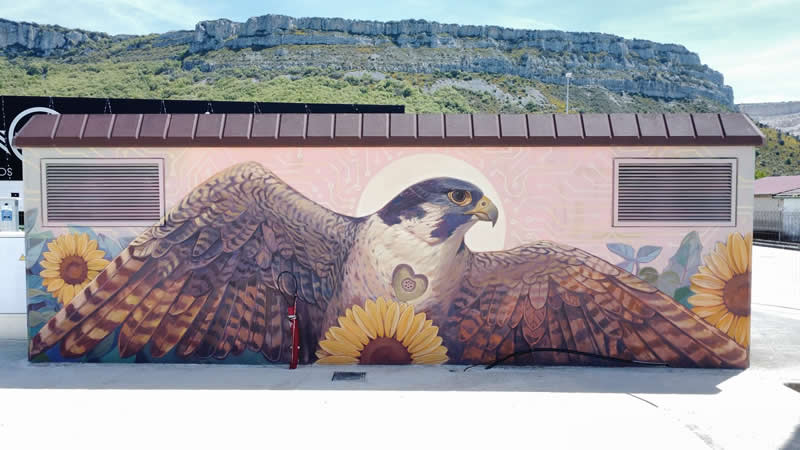
#7.
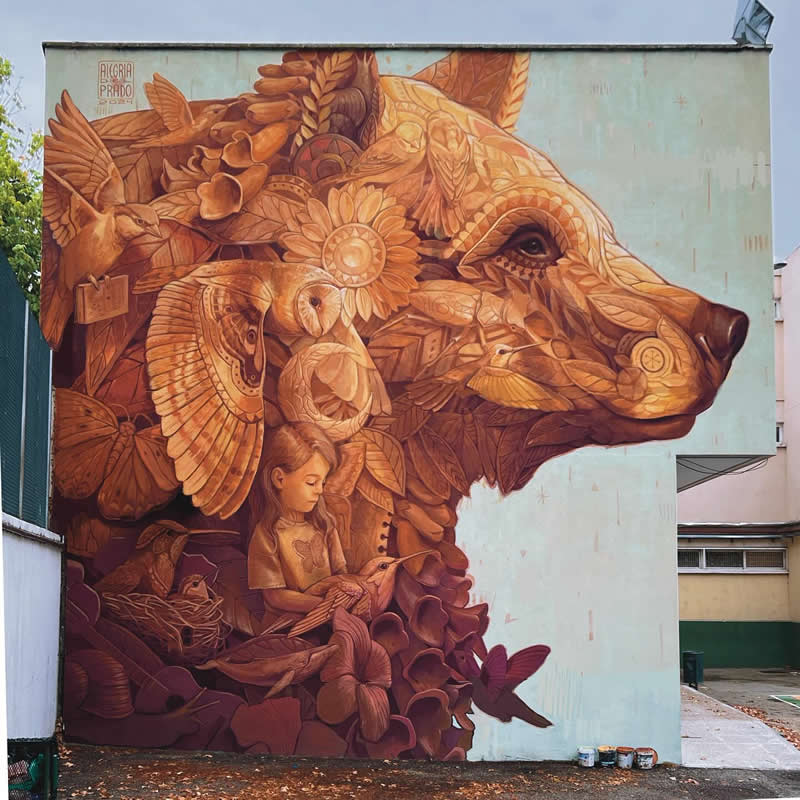
#8.
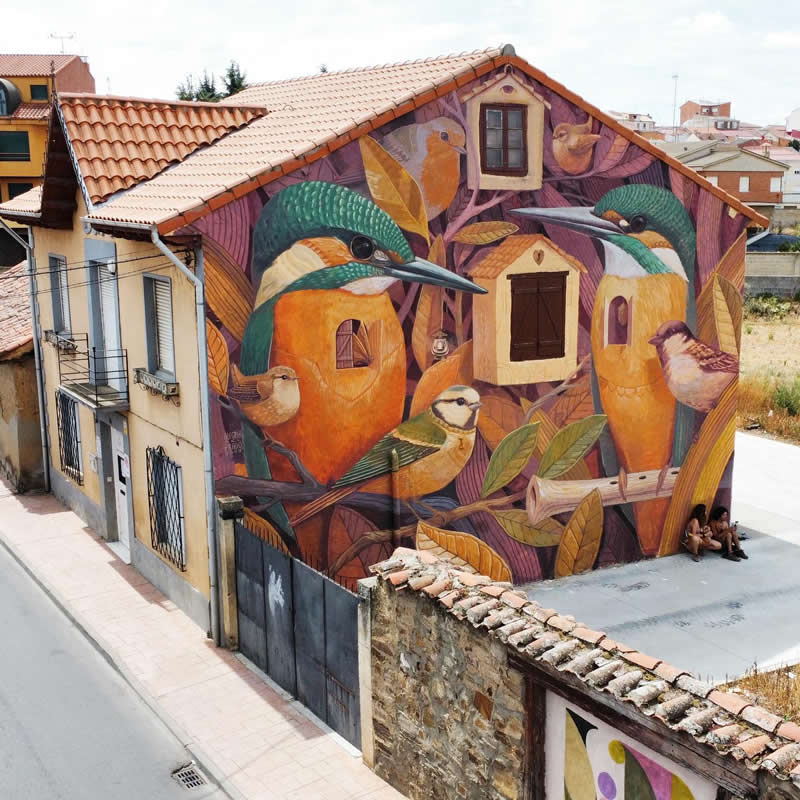
#9.
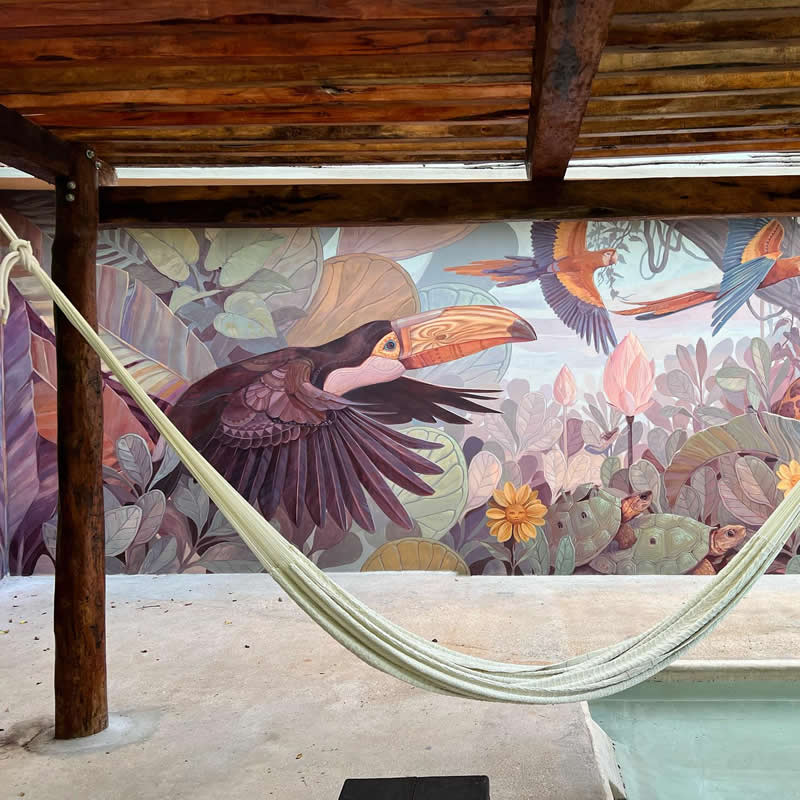
#10.
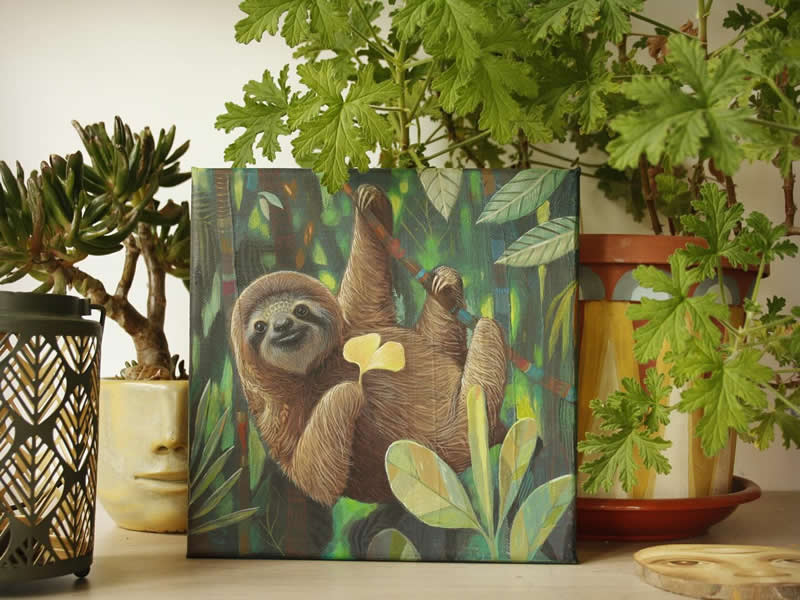
A Signature Style Rooted in Symbolism and Surrealism
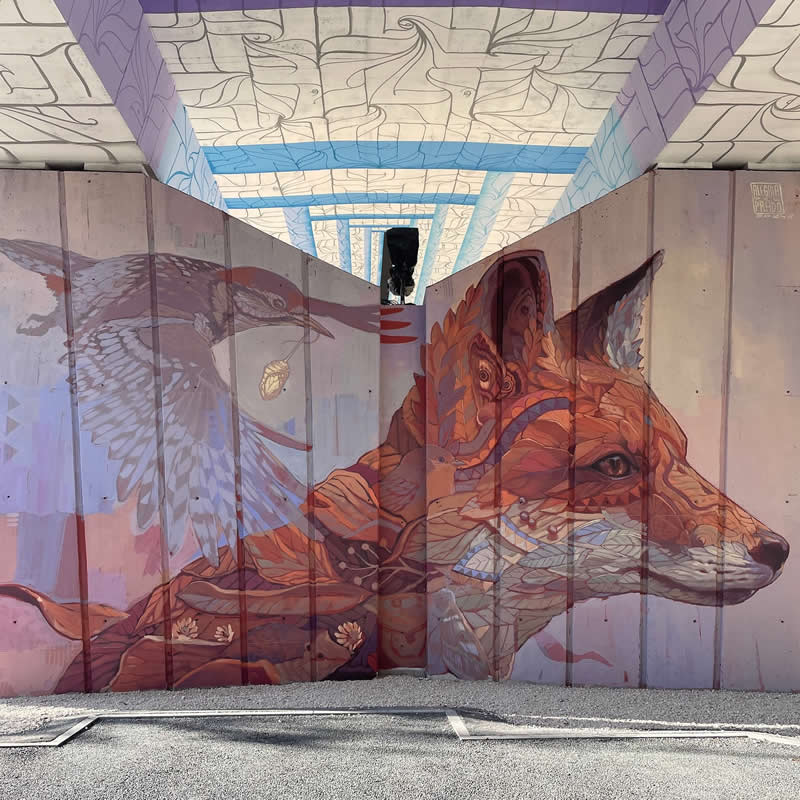
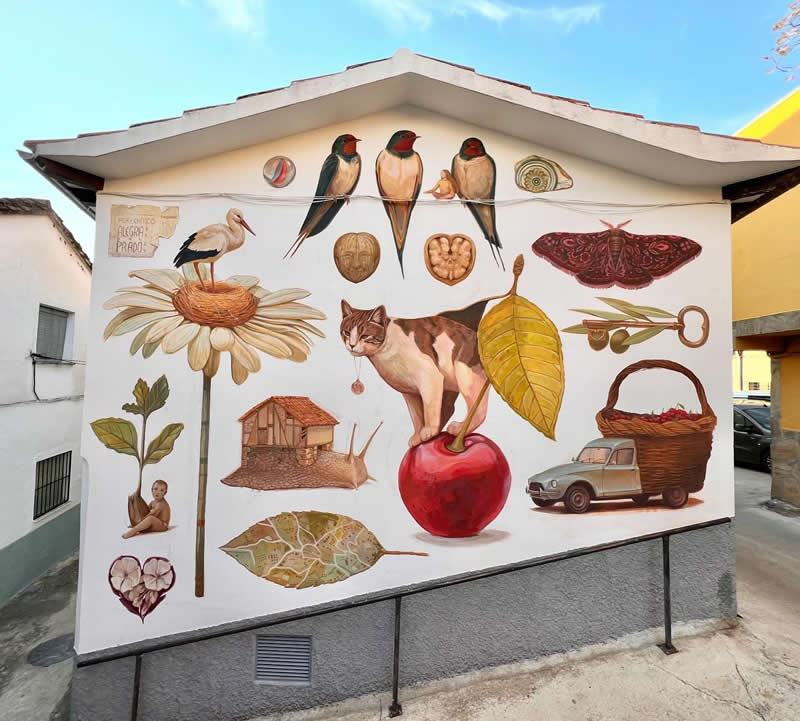
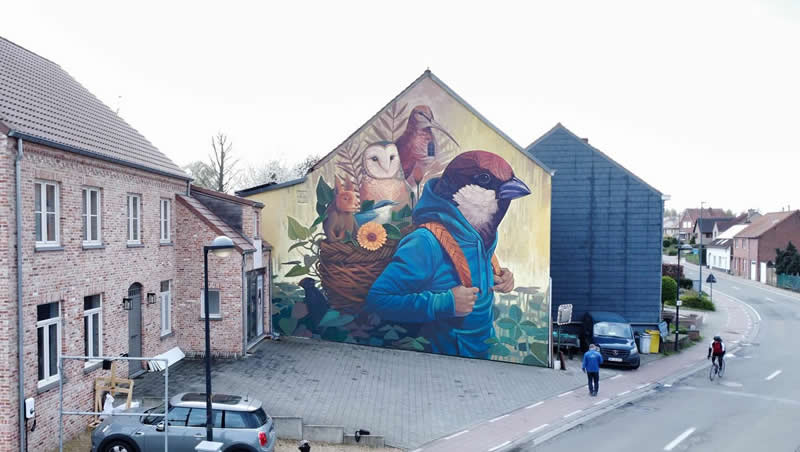
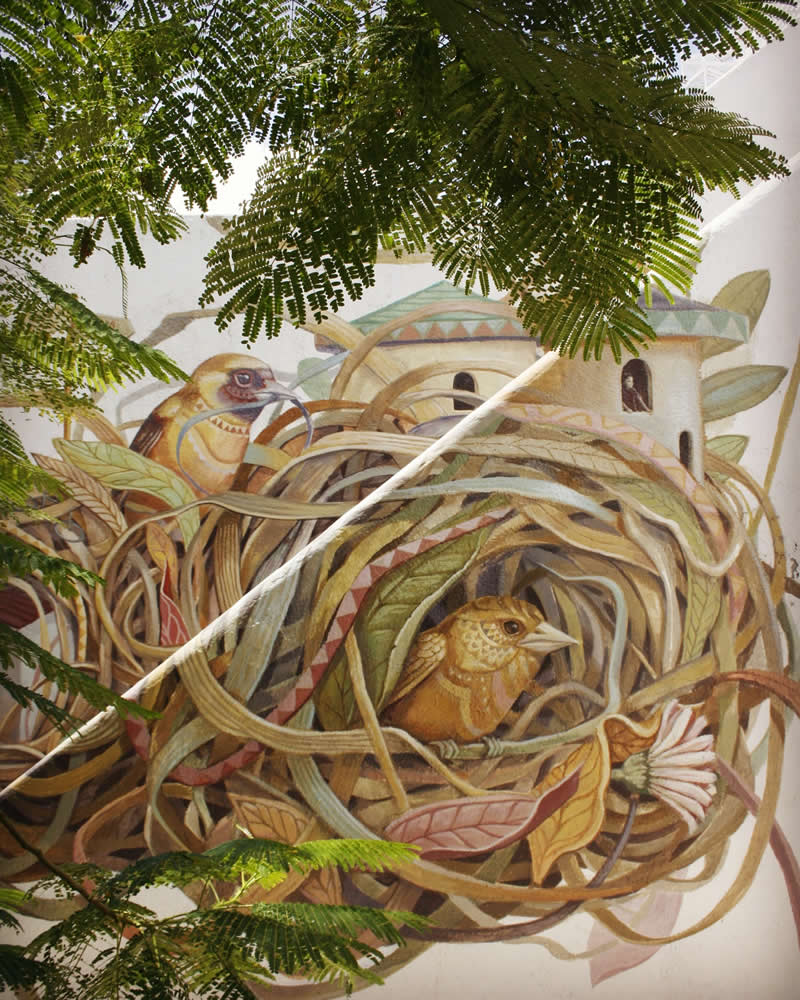
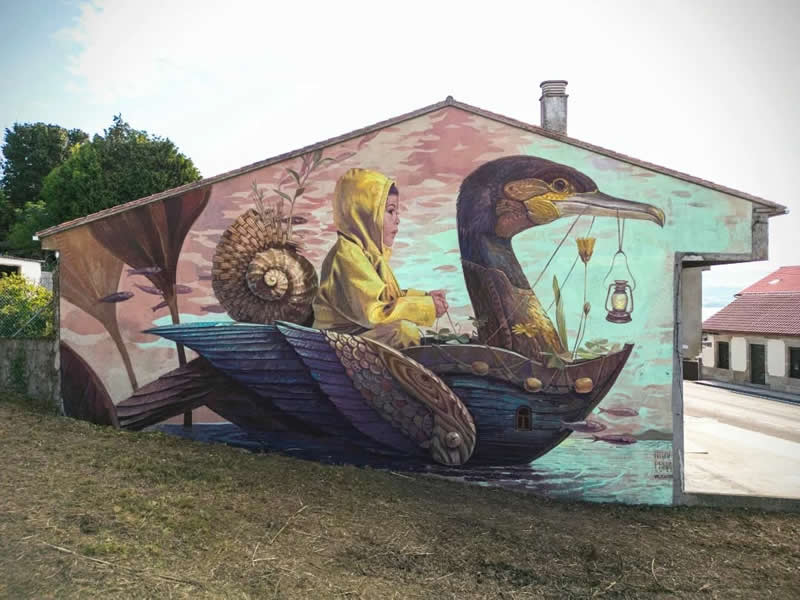
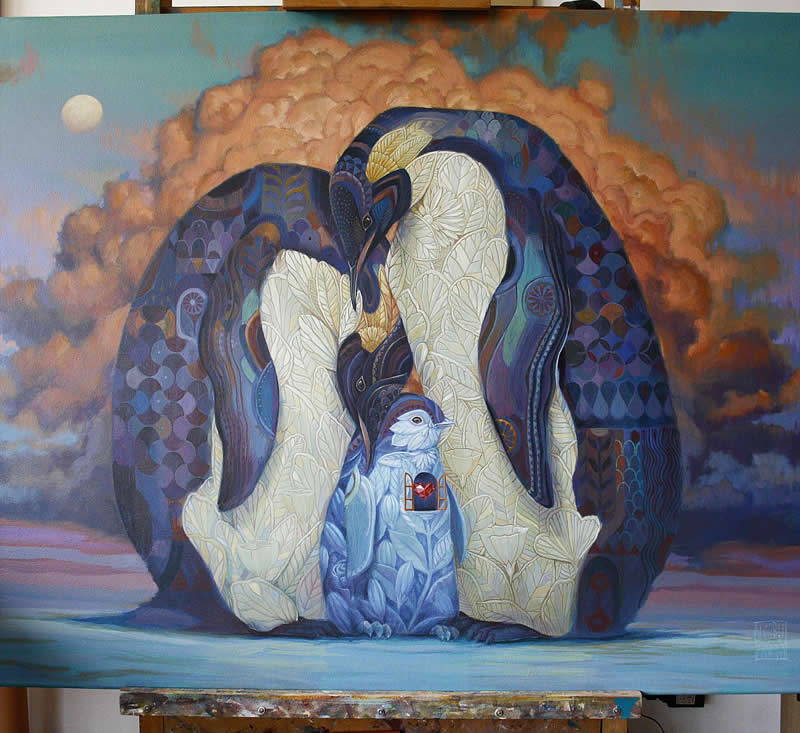
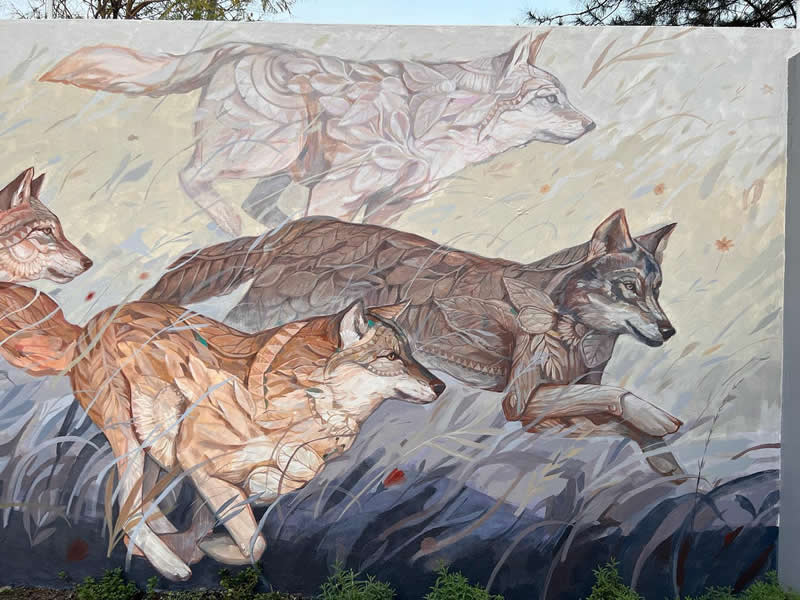
At first glance, Alegria del Prado’s work feels realistic. Look closer, and it slips into something dreamier. Their animals are built from leaves, flowers, feathers, and tiny creatures—each element loaded with meaning. Mythological beasts appear not as fantasy, but as metaphors. Strength, intuition, courage, protection—these qualities live inside their creatures.
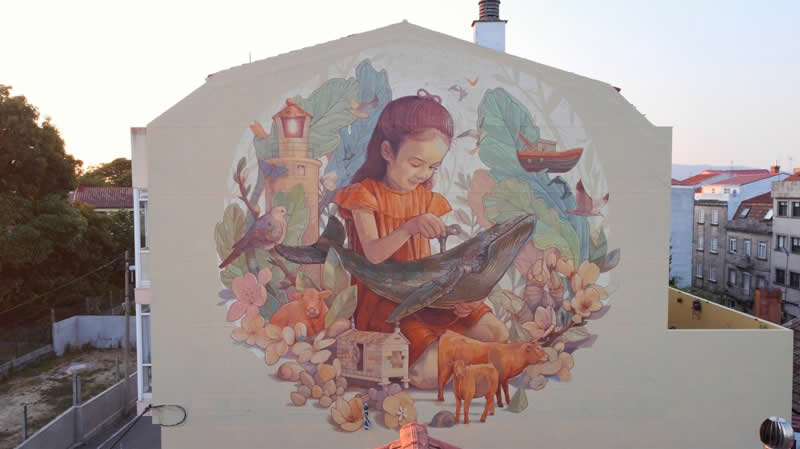
Their surrealism is subtle, never loud. It whispers instead of shouts. A child beside an animal hints at innocence and connection. Organic patterns suggest ancestry, memory, and identity. This layered symbolism turns every mural into a visual storybook—one that doesn’t tell you what to think, but invites you to feel.
#11.
#12.
#13.
#14.
#15.
Color Palettes That Feel Warm, Earthy, and Alive
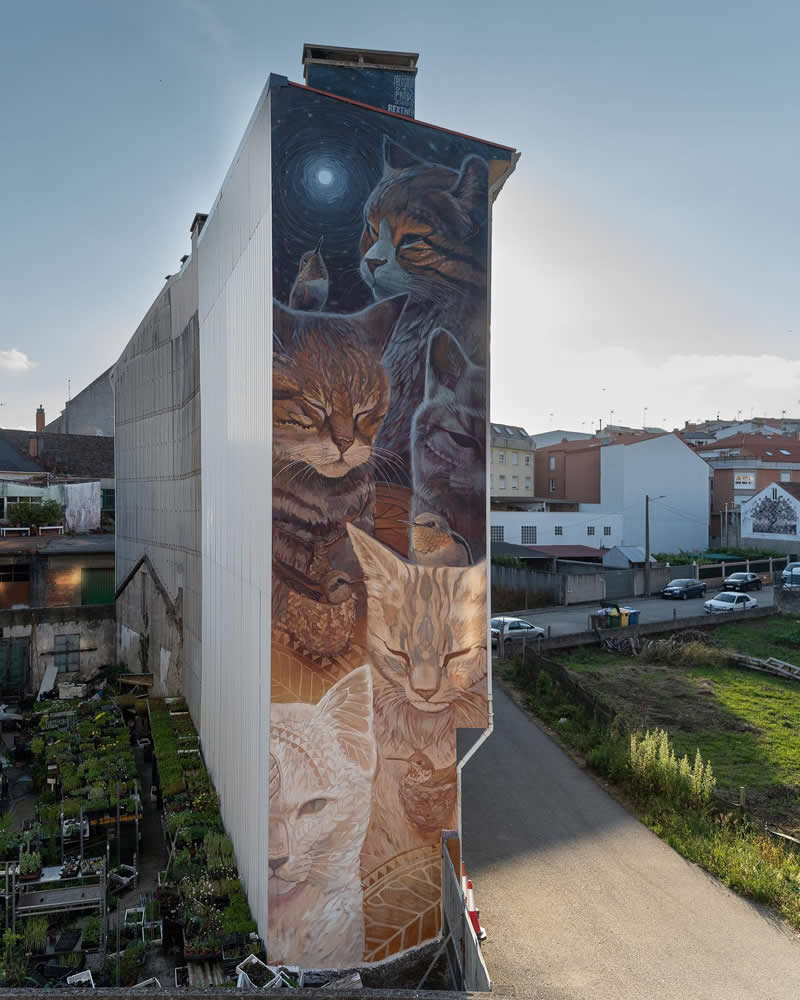
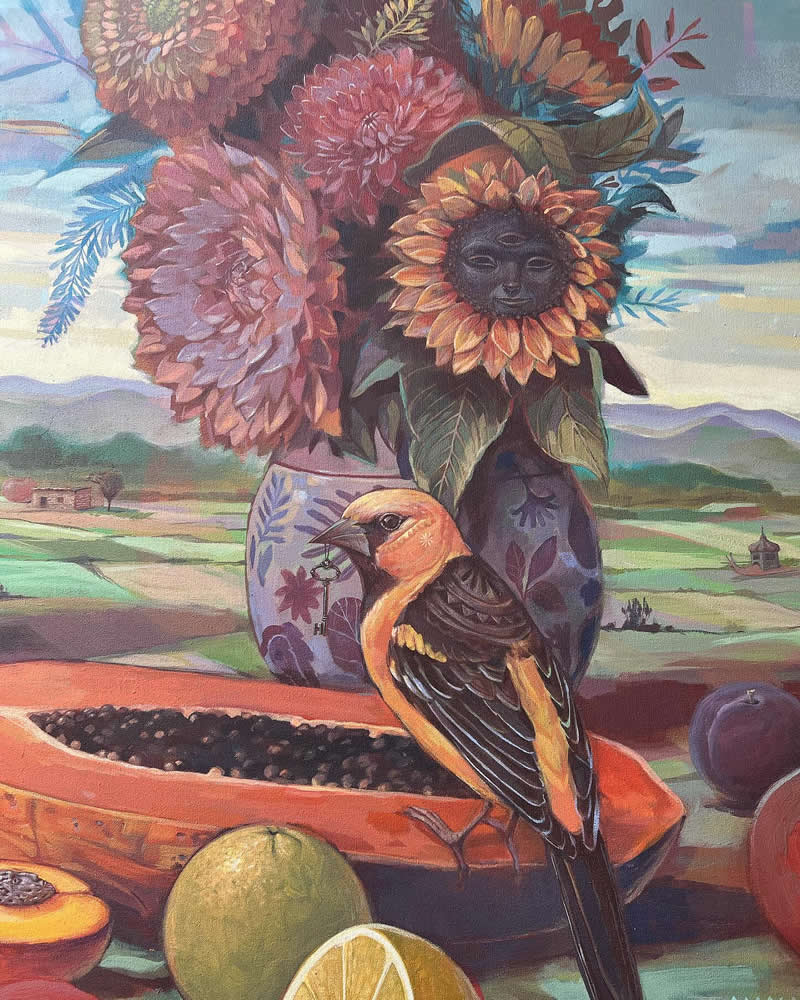
Color is where Alegria del Prado quietly flexes. They don’t chase loud neon trends. Instead, they lean into warm naturals—ochres, deep greens, soft blues, and muted reds. Their limited chromatic palette keeps the work grounded, organic, and timeless.
This restraint makes their murals feel alive rather than flashy. The colors echo soil, fur, leaves, bark, and sky. Even in dense urban settings, their murals feel like they belong. The walls don’t fight the city—they soften it. The result? Art that ages beautifully, blending into the environment while still standing out emotionally.
#16.
#17.
#18.
#19.
#20.
Murals as Cultural Bridges Across Continents
One of the wildest things about Alegria del Prado is how seamlessly their work travels. Spain, Mexico, France, Italy, Morocco, Russia—the locations change, but the soul stays consistent. Their murals absorb local culture while staying true to their identity.
Animals become universal symbols that cross language barriers. A lynx in Galicia feels just as powerful as a falcon in Rabat. Ethnic patterns, regional textures, and site-specific details allow each mural to belong to its city without losing the duo’s signature voice. It’s global street art with a human heartbeat.
#21.
#22.
#23.
#24.
#25.
Why These Murals Matter More Than Ever
In a world drowning in screens, Alegria del Prado brings storytelling back to the streets. Their murals don’t sell products or trends—they sell connection. They remind us that animals aren’t decoration; they’re mirrors. Mirrors of our instincts, fears, strengths, and forgotten roots.
These murals slow people down. They make cities feel emotional again. They create moments of pause, wonder, and reflection in places designed for speed. That’s why these 30 wildlife street art murals aren’t just beautiful—they’re necessary.
#26.
#27.
#28.
#29.
#30.
In Summary
Who is Alegria del Prado?
- Alegria del Prado is an international street art duo formed by Octavio Macías Alegría (Mexico) and Ester González del Prado (Spain).
What is their art style?
- A blend of figuration, naturalism, and subtle surrealism, featuring symbolic animals, organic elements, and warm color palettes.
What inspires their murals?
- Wildlife, mythology, nature, ethnic patterns, and symbolic storytelling rooted in emotion and human values.
Where can their murals be found?
- Spain, Mexico, France, Italy, Morocco, Russia, and many other countries worldwide.
Why are their murals significant?
- They reconnect urban spaces with nature, using large-scale wildlife art to spark emotion, reflection, and cultural dialogue.