
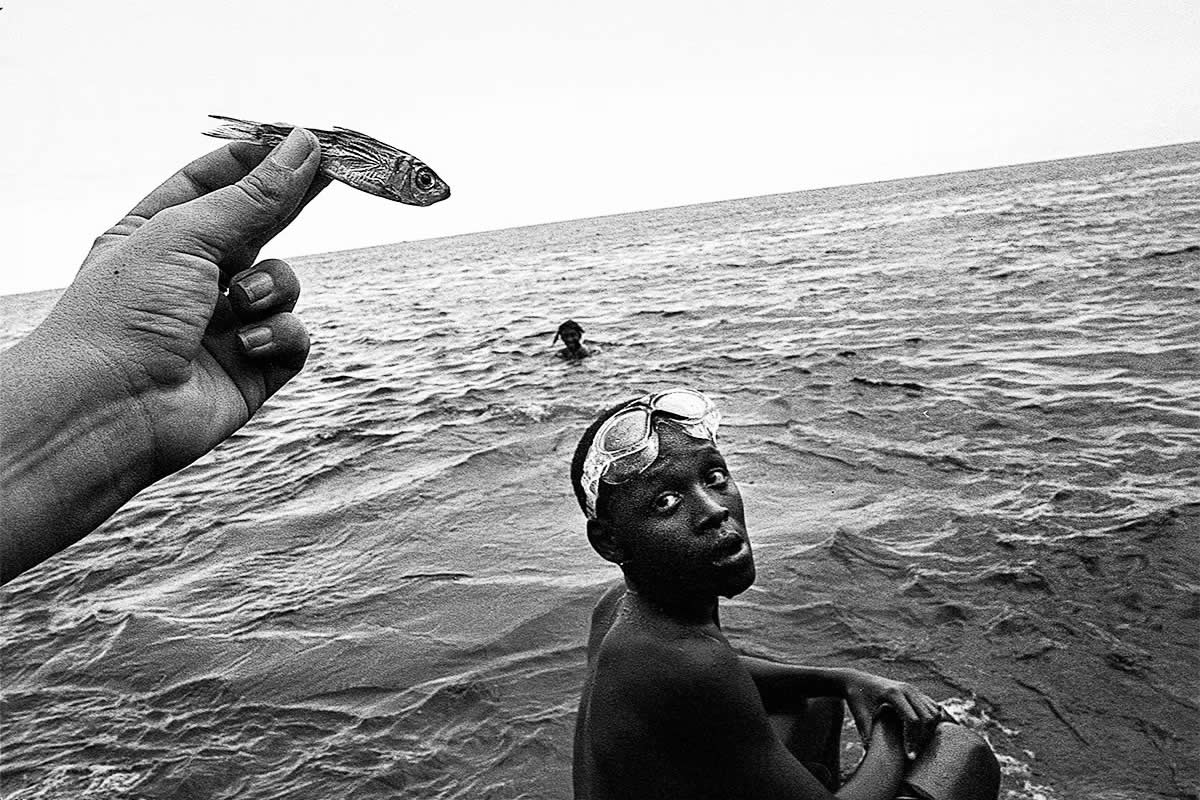
Havana isn’t loud in the way people expect. Sure, there’s music, color, chaos, and rhythm on every corner—but beneath all that noise lives something quieter, heavier, and deeply human. That’s where Lisandra Alvarez steps in. Armed with analog cameras and guided by emotion rather than formulas, Lisandra documents Havana not as a postcard, but as a lived experience. Her photographs feel like overheard conversations, stolen glances, and moments that happen when nobody’s performing for the camera.
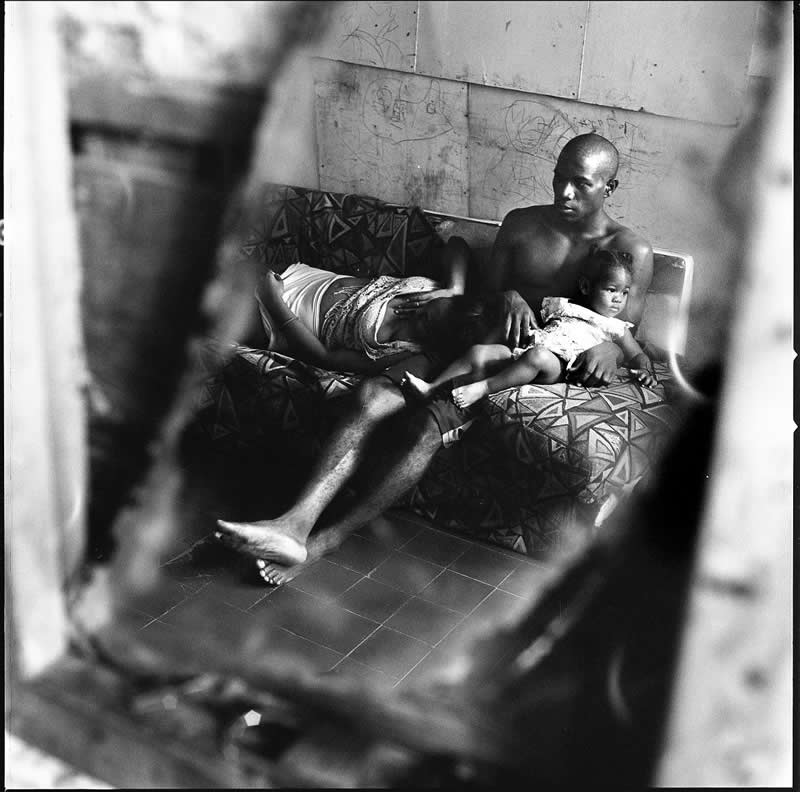
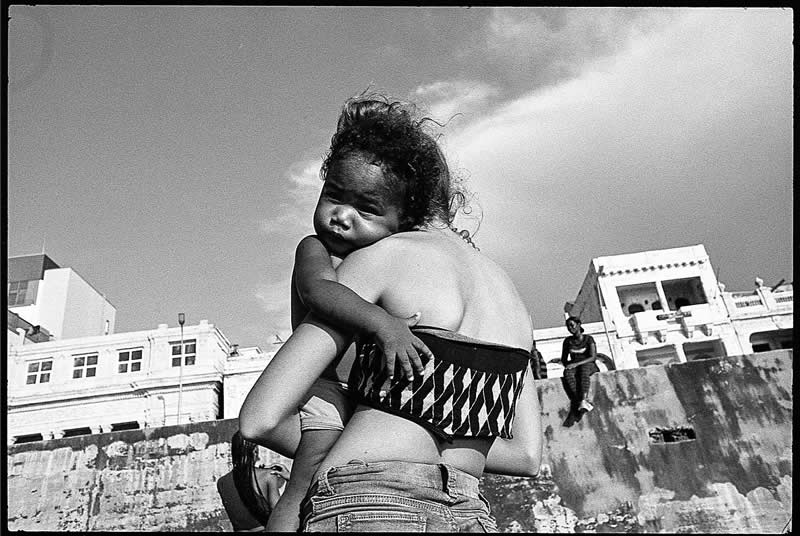
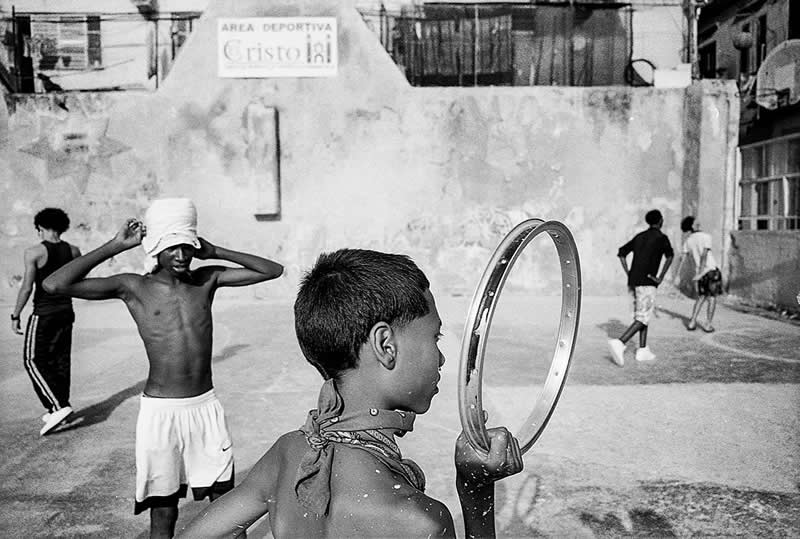
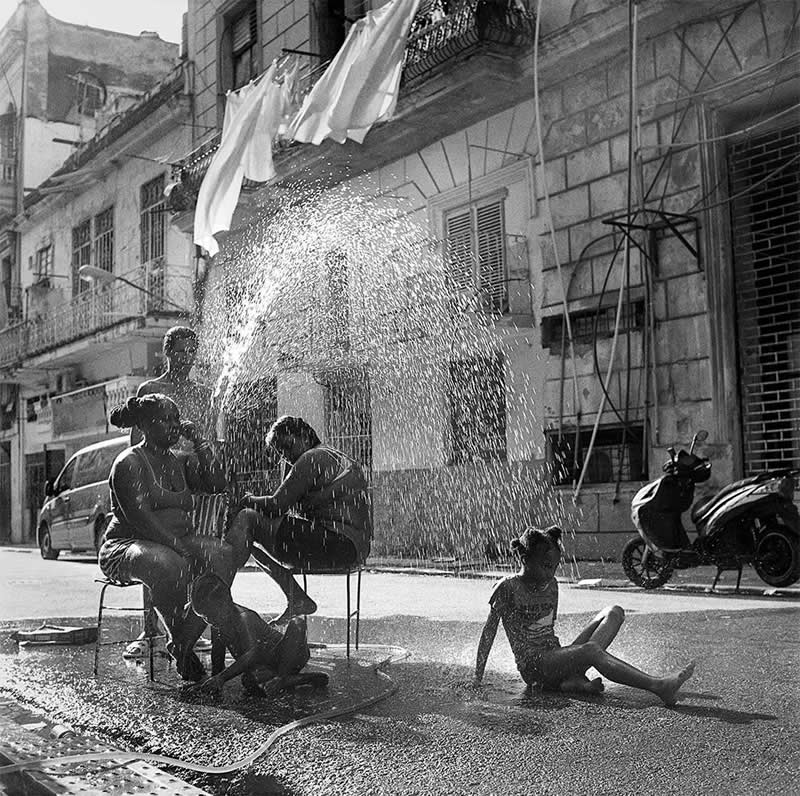
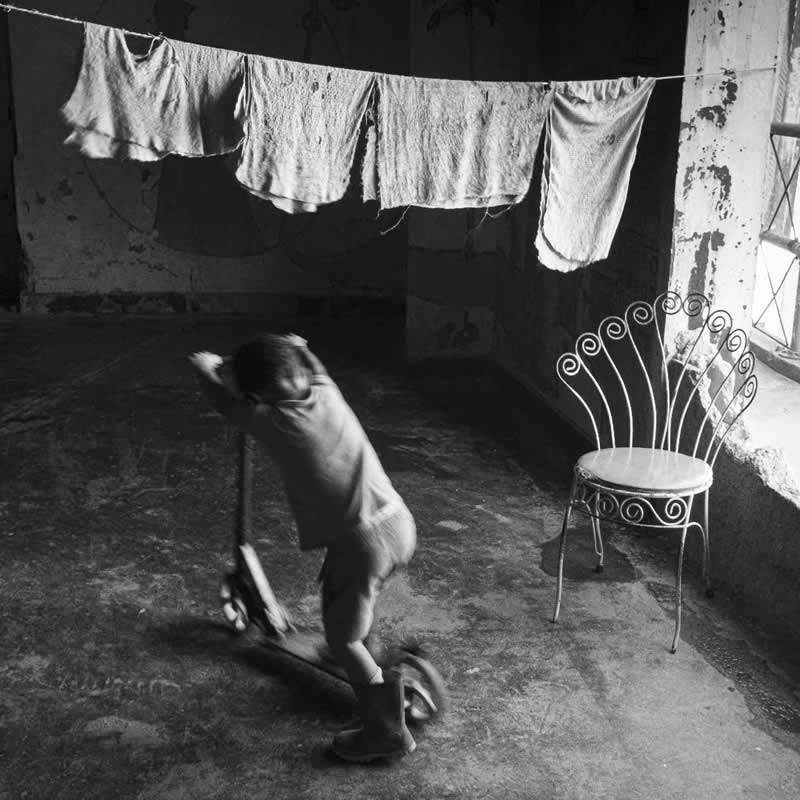
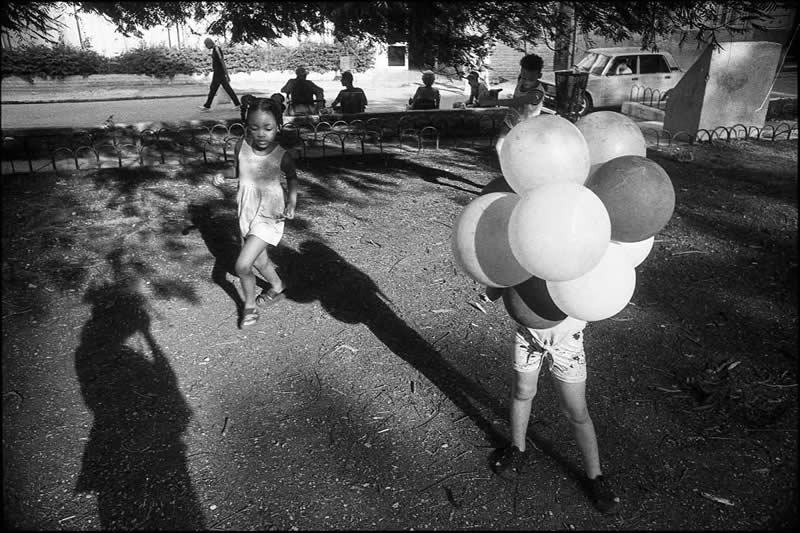
Working primarily in Centro Habana and Habana Vieja, Lisandra moves slowly through familiar streets, blending into daily life. Her documentary photography isn’t about spectacle—it’s about proximity. You feel close to her subjects because she is close to them. Whether it’s a woman pausing in a doorway, a child drifting through afternoon light, or a quiet exchange between neighbors, her images breathe with raw honesty.
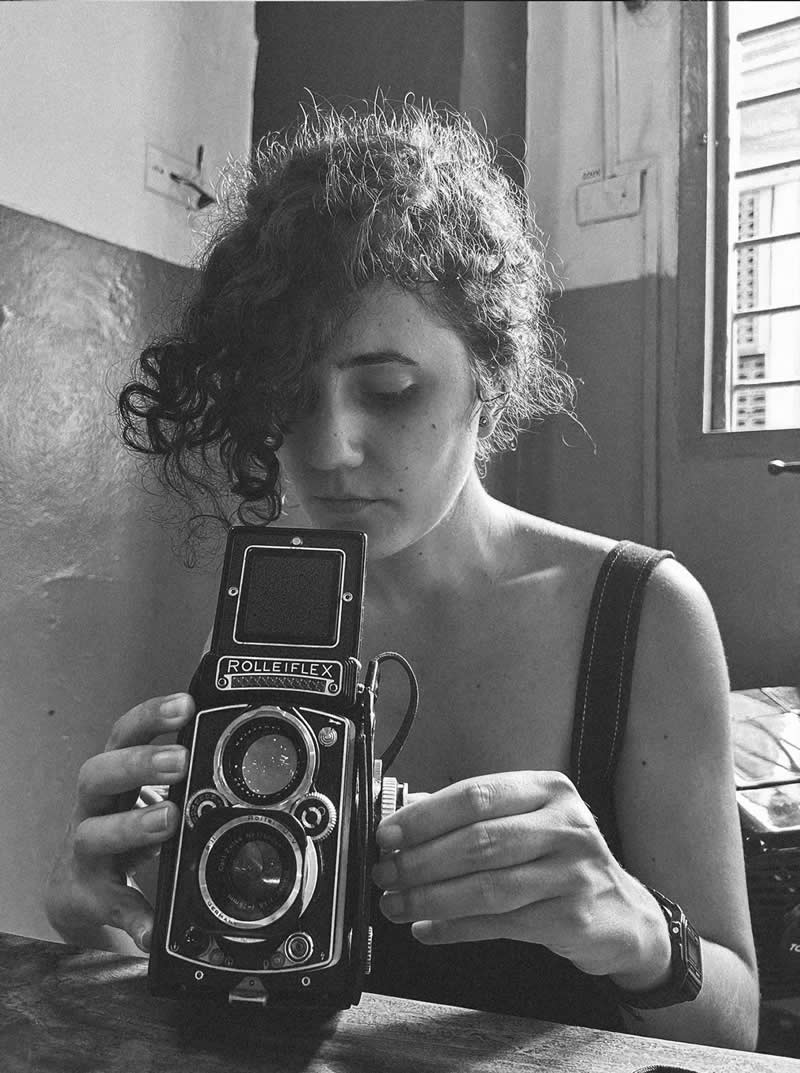
Lisandra’s background as a graphic designer and professor of typography and photography at ISDI shapes her visual language. Her frames are intentional, her compositions clean, yet never sterile. Film plays a big role here—35mm and 120mm formats give her work texture, grain, and imperfections that feel honest, almost fragile. Digital tools exist in her workflow, but emotion always comes first.
Recognition has followed naturally. From honors at the Biennale de la Fotografía to national awards in Cuba and international acknowledgment from the Leica Women Street Foto Project, her work resonates far beyond Havana. Still, her focus hasn’t shifted. She keeps coming back to people, feelings, and fleeting moments.
These 30 photos don’t shout. They whisper. They invite you to slow down, lean in, and feel Havana the way Lisandra does—one quiet, soulful moment at a time.
You can find Lisandra Alvarez on the Web:
#1
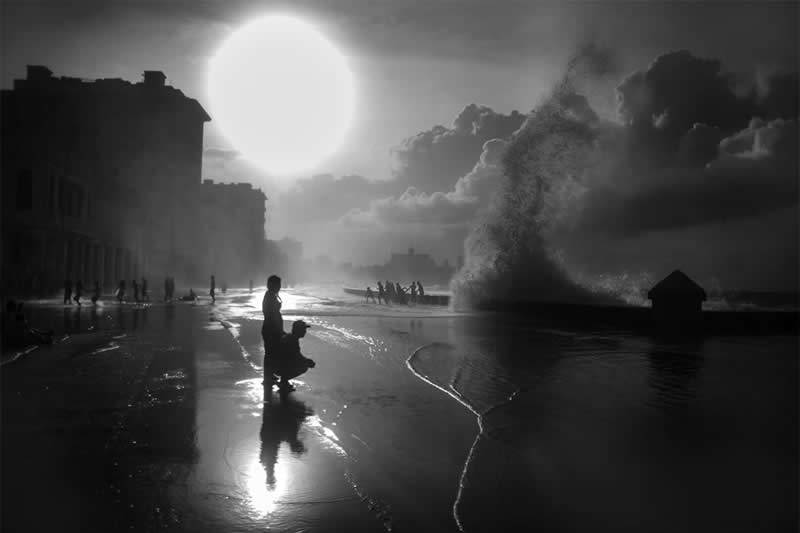
#2
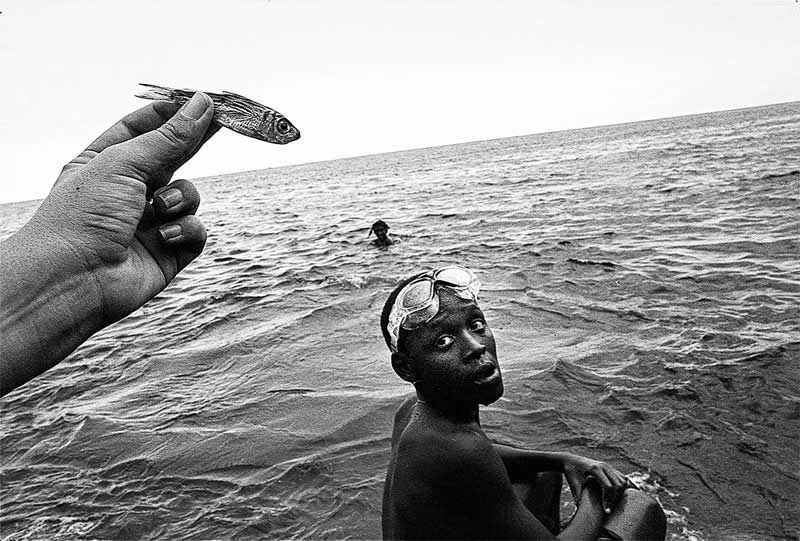
#3
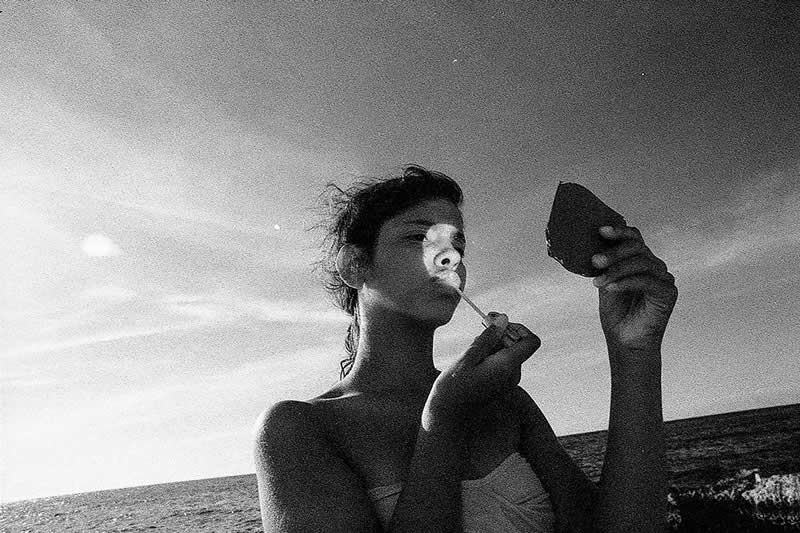
#4
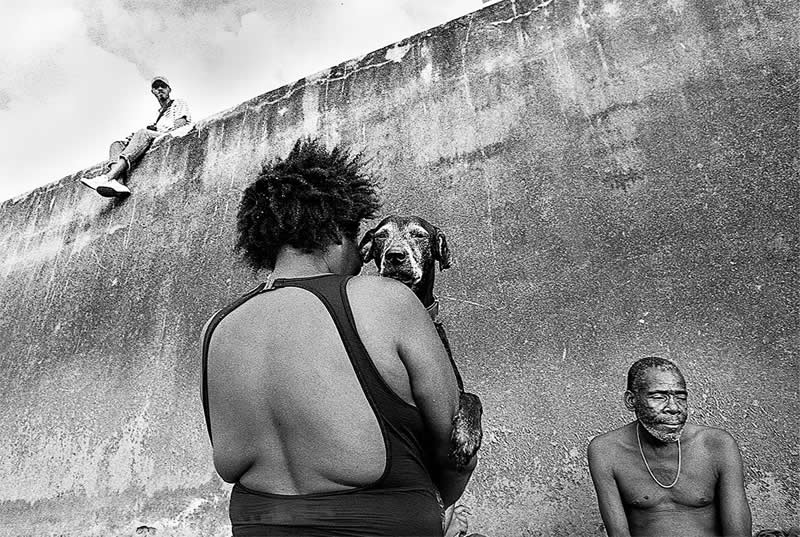
#5
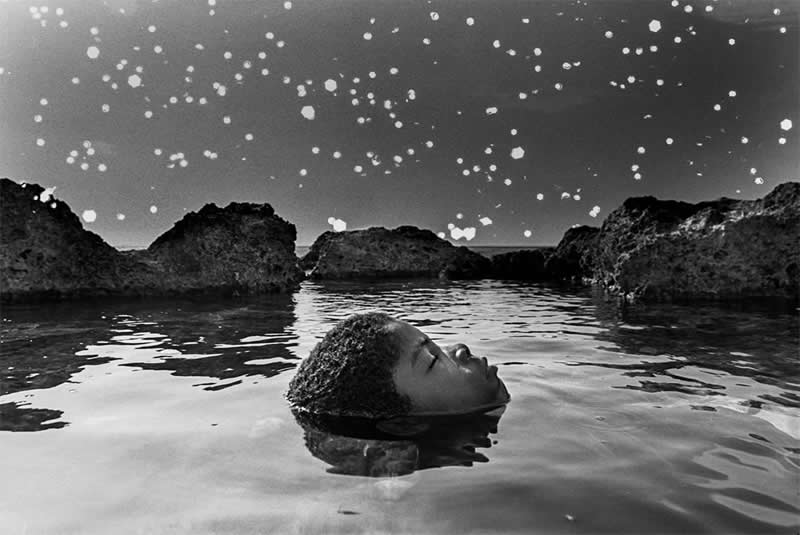
Havana Seen From the Inside Out
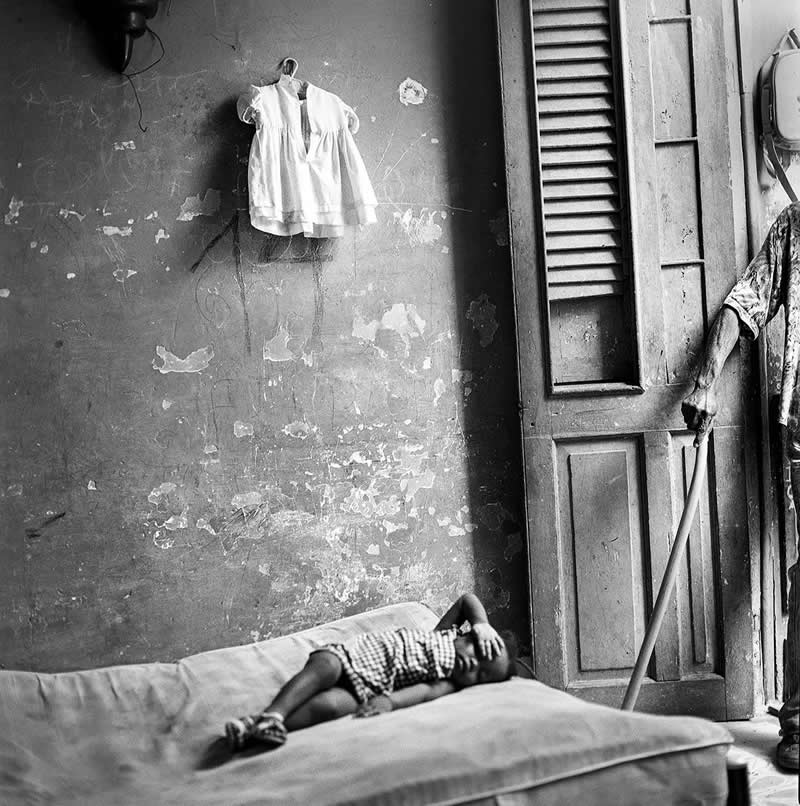
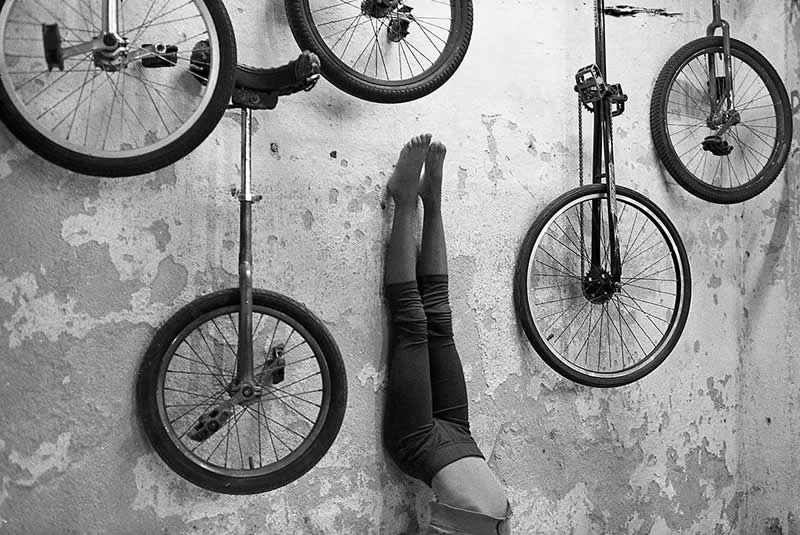
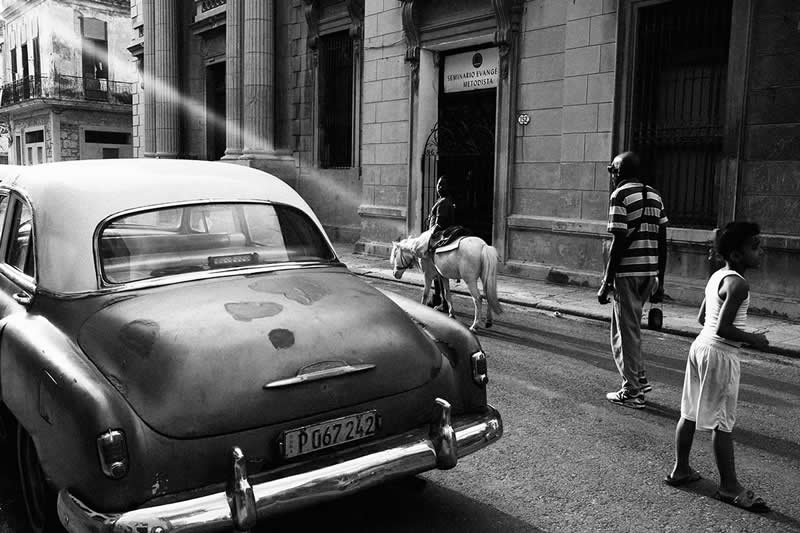
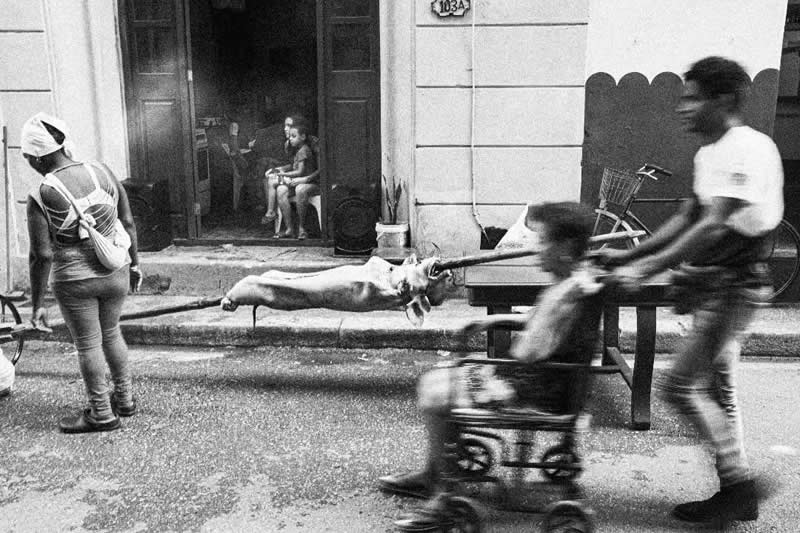
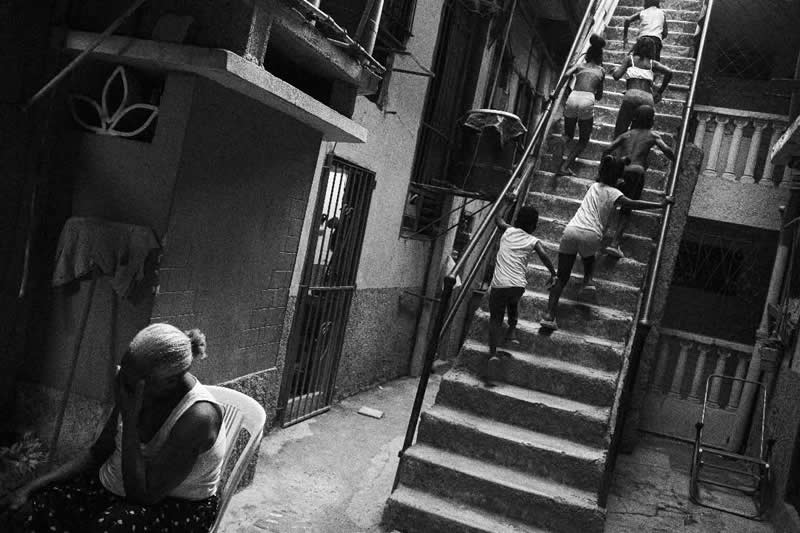
Lisandra Alvarez doesn’t photograph Havana from the outside looking in. Her work feels internal—like she’s photographing from within the city’s emotional core. Streets aren’t just backdrops; they’re extensions of the people who move through them. Walls carry history. Doorways hold stories. Light doesn’t just illuminate—it reveals mood.
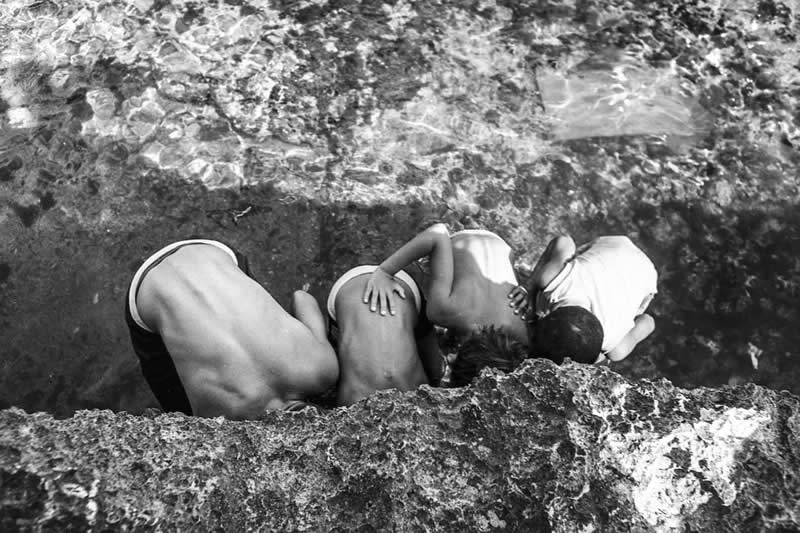
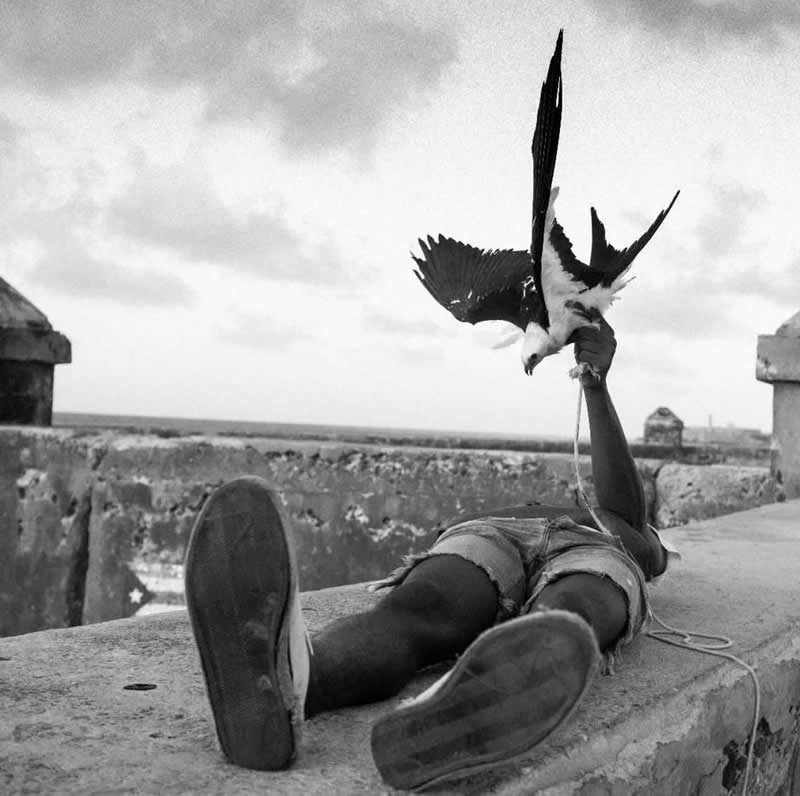
In Centro Habana especially, her camera finds moments that would otherwise disappear. A pause in motion. A breath between conversations. She’s not chasing drama; she’s letting life unfold. That patience is what makes her images feel authentic. Nothing feels staged, forced, or exaggerated.
Her documentary style strips Havana down to its essentials—people, space, time, and feeling. You sense trust between photographer and subject, a quiet understanding that allows vulnerability to surface. This is Havana lived daily, not performed for tourists or headlines. Lisandra’s work reminds us that cities are made of moments, and meaning lives in the smallest ones.
#6
#7
#8
#9
#10
Analog Film as an Emotional Language
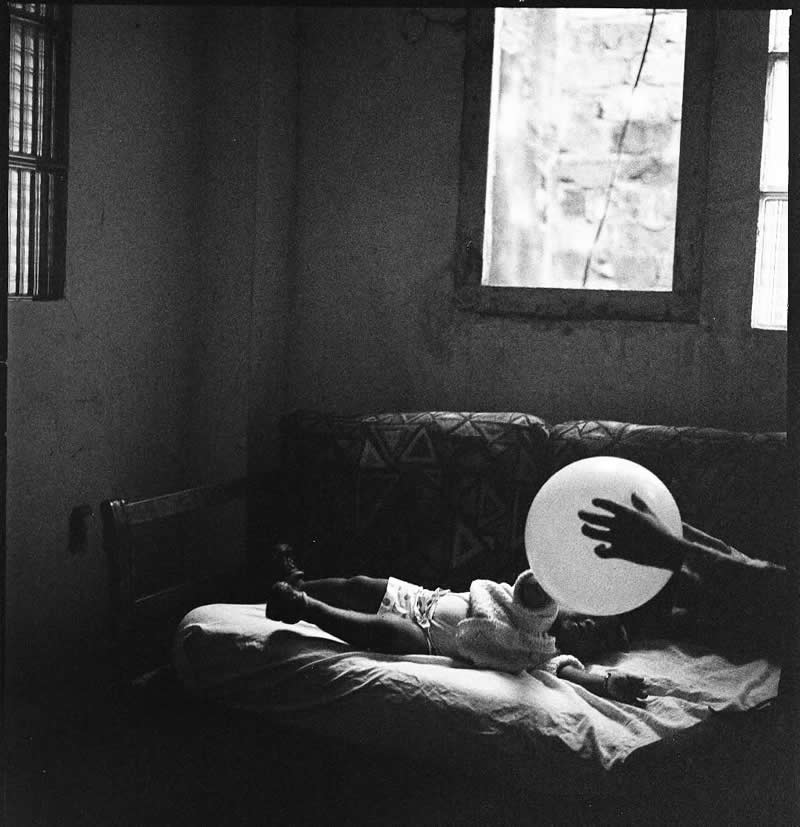
In a fast, digital-first world, Lisandra’s commitment to analog photography feels deliberate—and deeply emotional. Shooting on 35mm and 120mm film forces slowness. Each frame matters. Each click carries intention. That restraint shows up in her work, giving every photograph weight.
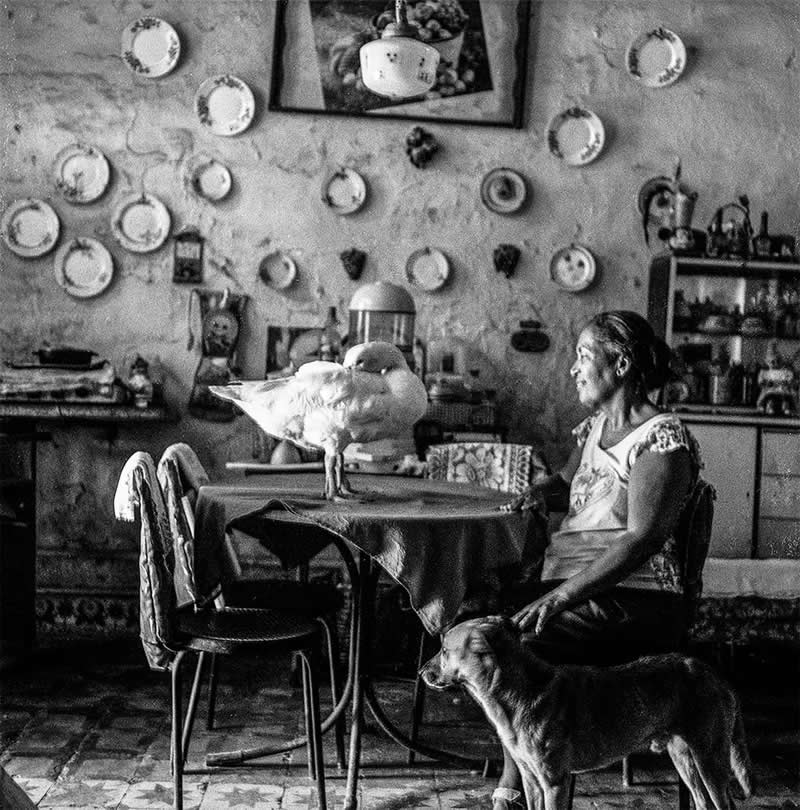
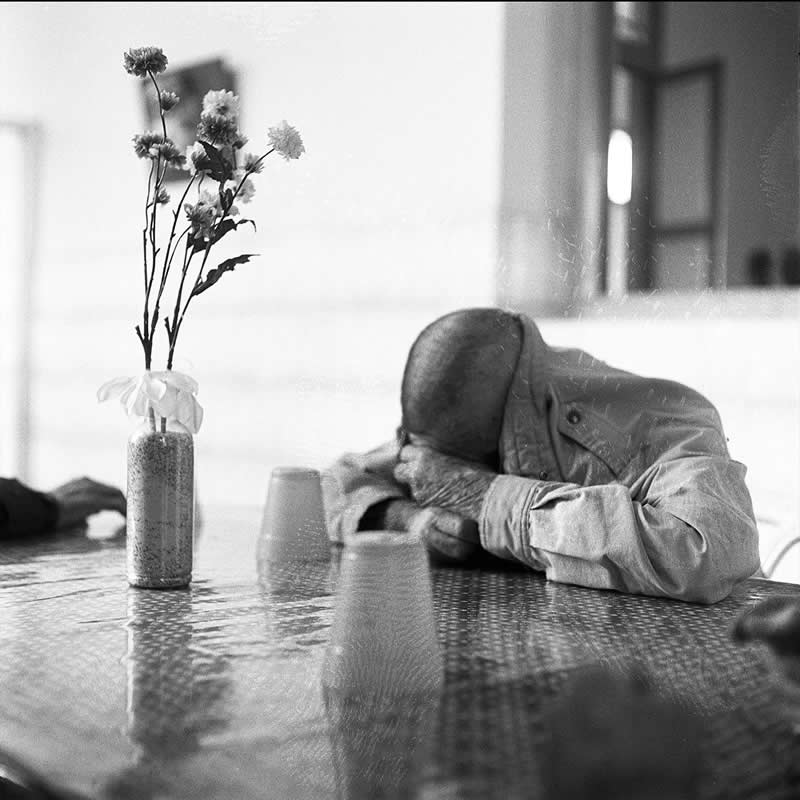
Film adds texture that perfectly matches her subject matter. Grain softens edges. Imperfections become part of the story. Light behaves differently, wrapping itself around faces and interiors in ways that feel tactile and real. Her images don’t aim for technical perfection; they aim for truth.
This analog approach mirrors her philosophy: feel first, shoot second. When Lisandra says emotion guides her photography, it’s not poetic fluff—it’s process. Film demands presence. And presence is what allows her to capture moments that resonate long after you’ve looked away.
#11
#12
#13
#14
#15
Faces, Gestures, and Unspoken Stories
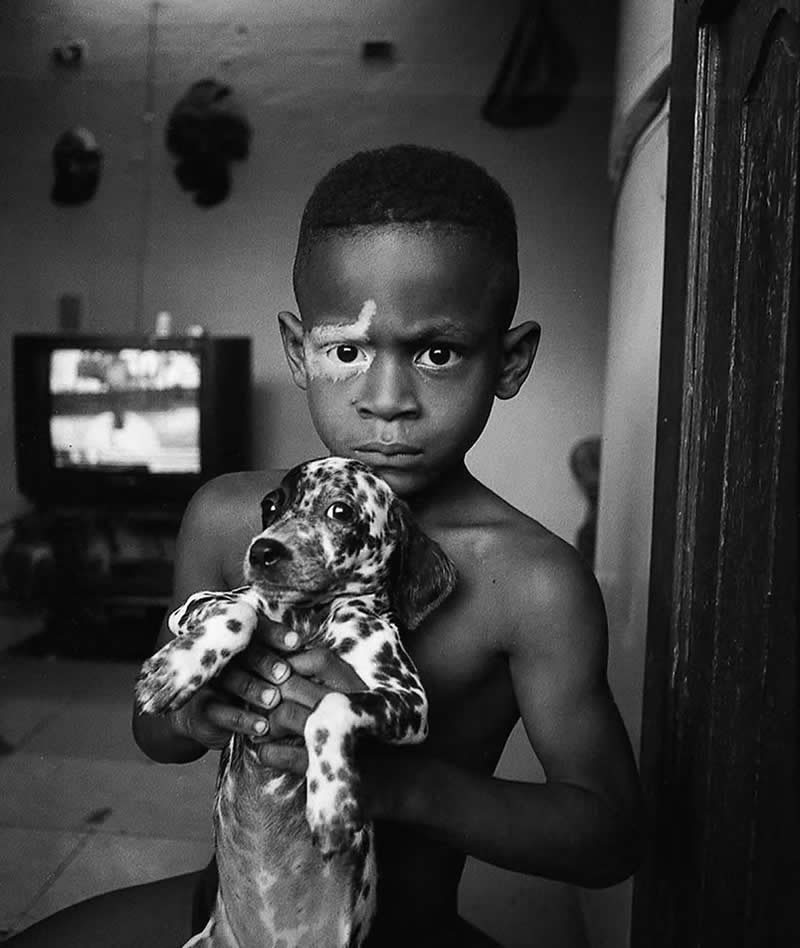
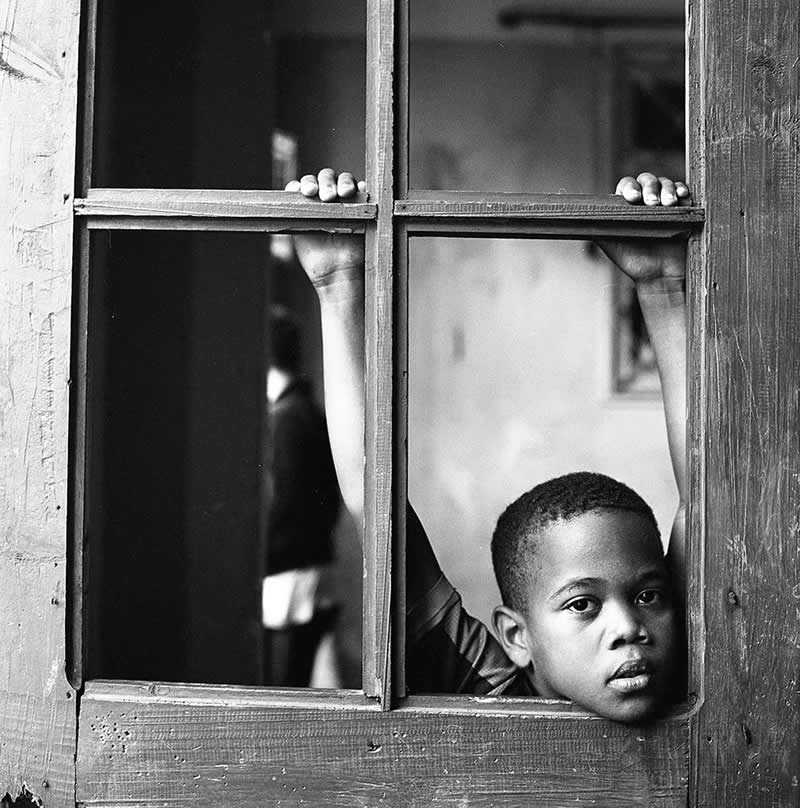
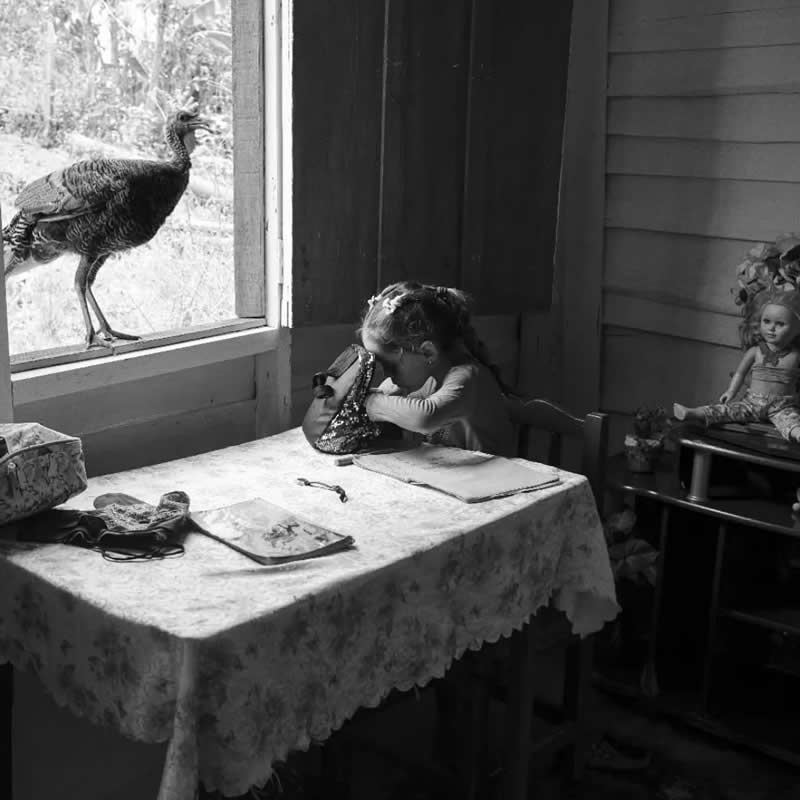
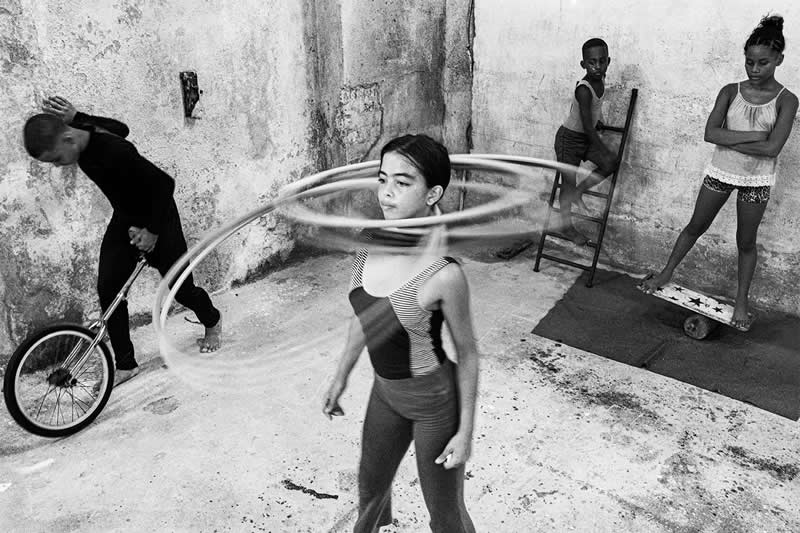
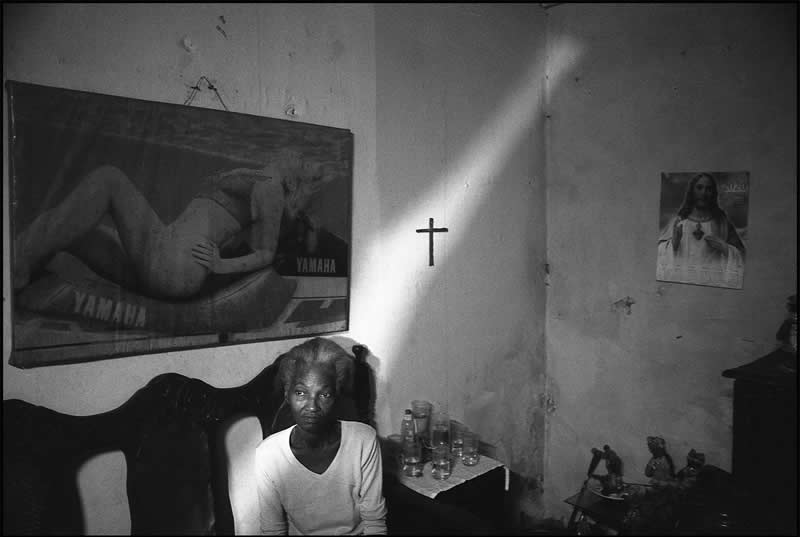
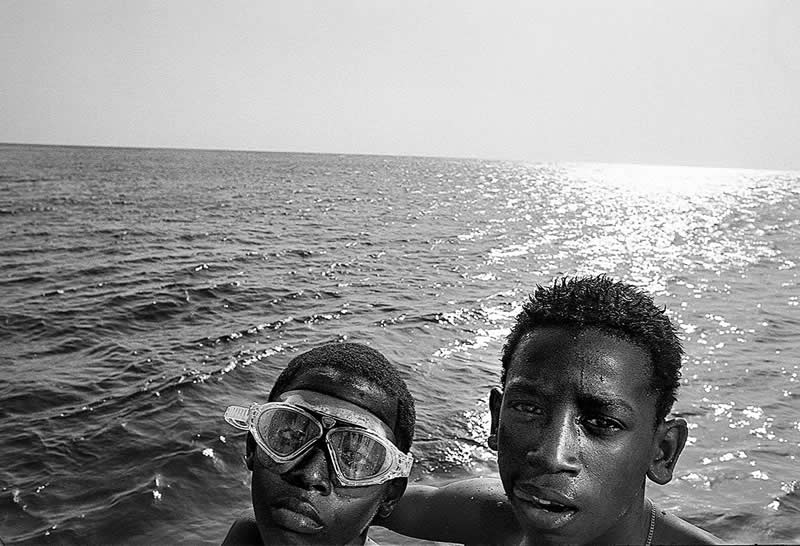
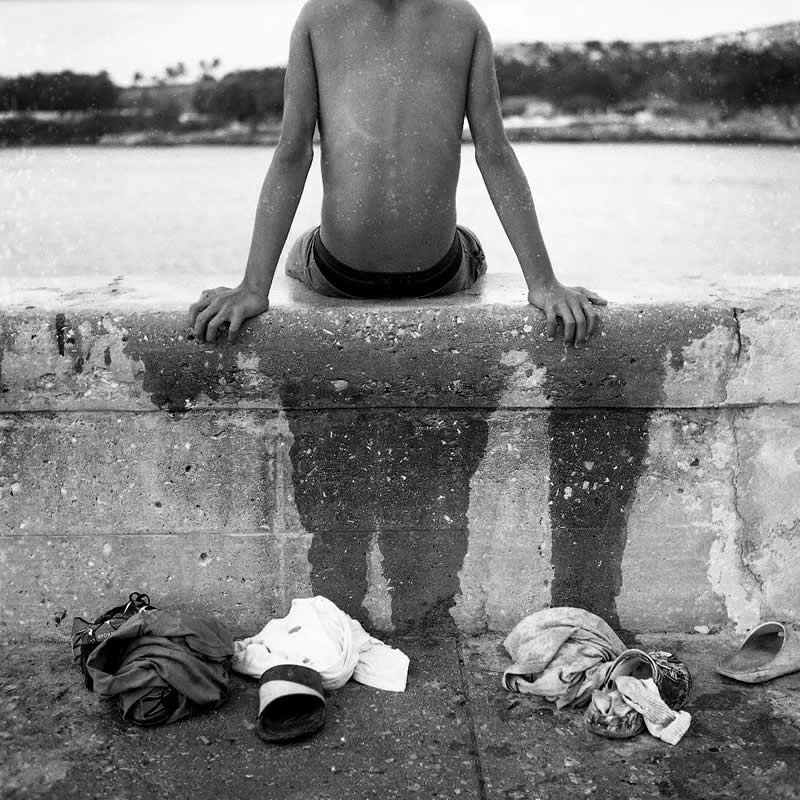
Lisandra Alvarez has a rare gift for photographing people without taking anything from them. Her portraits—formal or candid—feel respectful, intimate, and grounded. She pays attention to gestures: hands resting, eyes drifting, bodies leaning into space. These details speak louder than words.
Many of her strongest images happen in transitional moments—between actions, between emotions. A subject isn’t smiling for the camera; they’re existing. That’s where the truth lives. Lisandra doesn’t chase expressions; she waits for them.
Her work captures compassion, tenderness, sadness, and fear without exploiting any of it. Instead, she invites viewers to reflect. You don’t just see her subjects—you feel them. And in that connection, Havana becomes universal. These aren’t just Cuban stories; they’re human ones.
#16
#17
#18
#19
#20
Women, Identity, and Everyday Strength
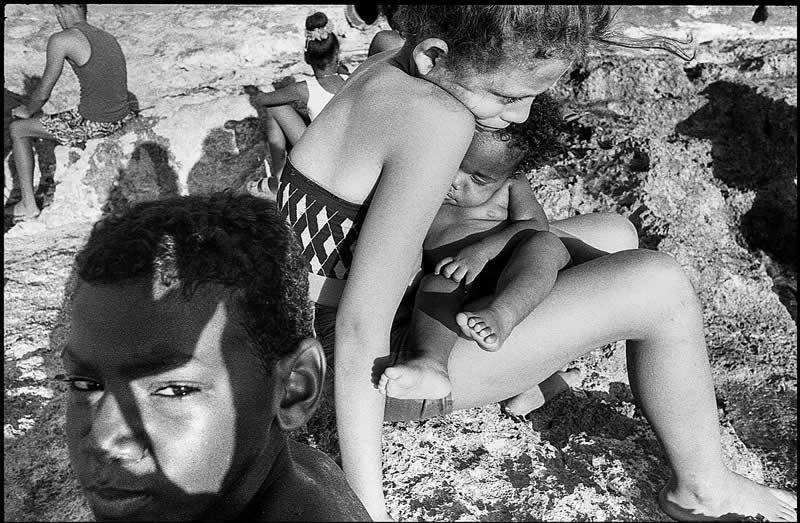
As a woman documenting daily life, Lisandra brings a deeply nuanced perspective to her work. Her images often center women—not as symbols, but as complex individuals navigating space, responsibility, and emotion. There’s strength here, but it’s quiet. It’s found in posture, gaze, and presence.
Her recognition from women-focused photography platforms isn’t accidental. Lisandra’s work resists stereotypes and refuses simplification. She shows women at rest, at work, in thought, in transition. These moments feel honest, unpolished, and powerful precisely because they aren’t dramatized.
Through her lens, identity is fluid and layered. Her photographs ask viewers to slow down and look again—to notice resilience where others might overlook it. Havana’s women emerge not as subjects of spectacle, but as anchors of daily life.
#21
#22
#23
#24
#25
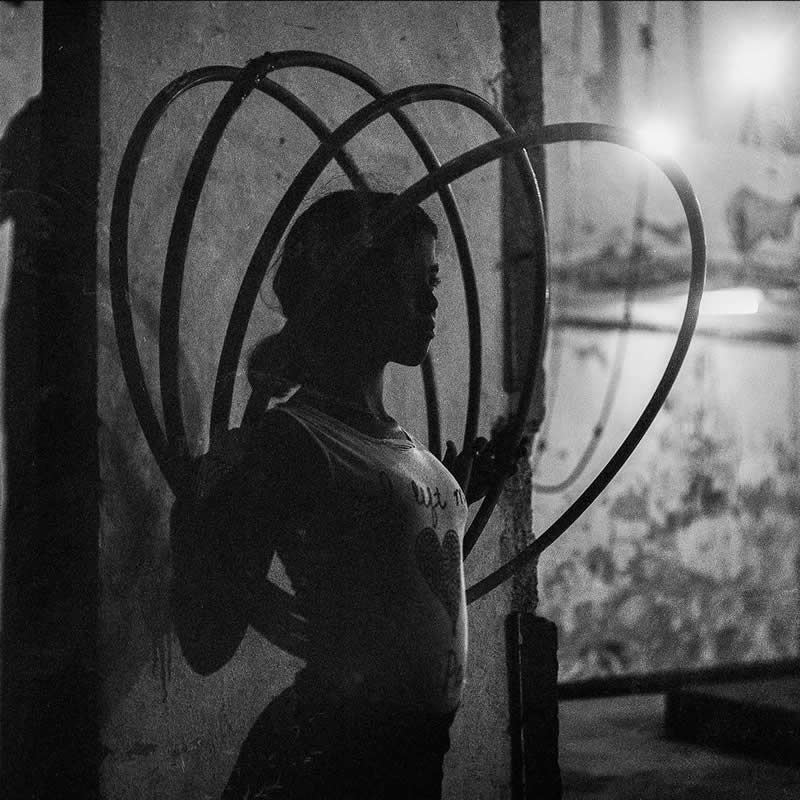
When Emotion Becomes the Frame
Lisandra once said her emotions guide her into the photograph—and it shows. Her work feels instinctive, almost intuitive. She doesn’t hunt moments; she recognizes them. When something resonates internally, she lifts the camera. That connection is what gives her images lasting impact.
Her photography is an ongoing loop—life feeding art, art feeding self-understanding. Each image feels like part of a larger conversation between the photographer, her subjects, and the viewer. These photos don’t offer easy answers; they offer space to feel.
In the end, Lisandra Alvarez isn’t just documenting Havana. She’s listening to it. And through these 30 soulful photographs, she invites us to listen too—to moments that might otherwise pass unnoticed, but once seen, stay with you.
#26
#27
#28
#29
#30
In Summary
Who is Lisandra Alvarez?
- Lisandra Alvarez is a Cuban photographer and graphic designer known for her intimate documentary photography focused on everyday life in Havana.
What style of photography does Lisandra Alvarez use?
- She primarily works with analog film (35mm and 120mm), blending documentary, street, and emotional storytelling photography.
Where does Lisandra Alvarez photograph most often?
- Her projects are mainly developed in Centro Habana and Habana Vieja, capturing daily life and human connections.
What themes define her photography?
- Emotion, intimacy, rawness, identity, and untold human stories found in everyday moments.
Why is Lisandra Alvarez’s work significant?
- Her photography offers an honest, emotional view of Havana, elevating fleeting moments into powerful visual narratives that resonate globally.