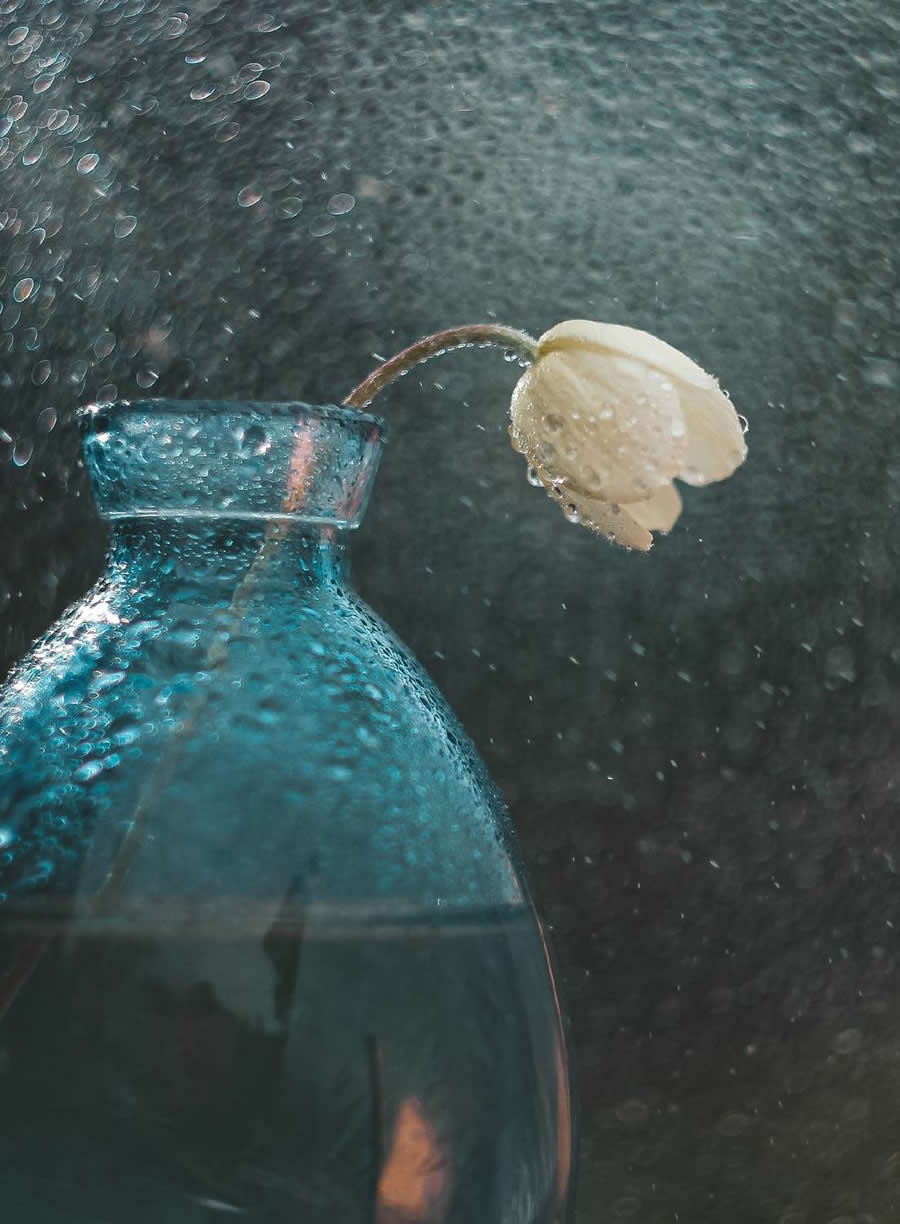

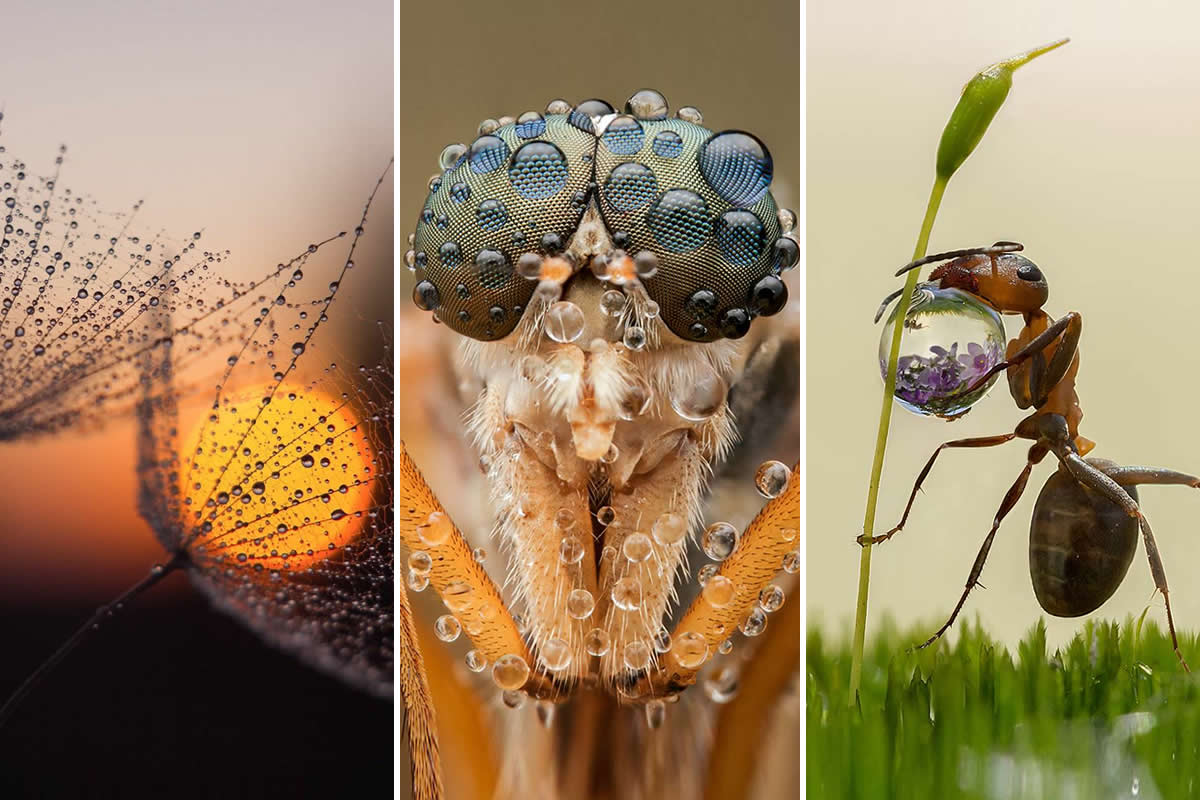
If you ever needed proof that the tiniest moments in nature carry the biggest wow factor, these 33 mind-blowing water drop macro photos will blow your socks off. Shot by insanely talented photographers from all over the world, these images are the top-winning entries from the 35 Photography Awards in the Drops category—one of the most surprisingly competitive corners of macro photography. Who knew a single droplet could steal the whole show?
Macro photography has thsis wild superpower: it turns the microscopic into the majestic. One water drop becomes a crystal ball. A blade of grass transforms into a stage. Even a speck of morning dew suddenly holds an entire universe inside it. These shots take that magic and crank it up, revealing reflections, colors, patterns, and tiny life moments you’d never spot with the naked eye.
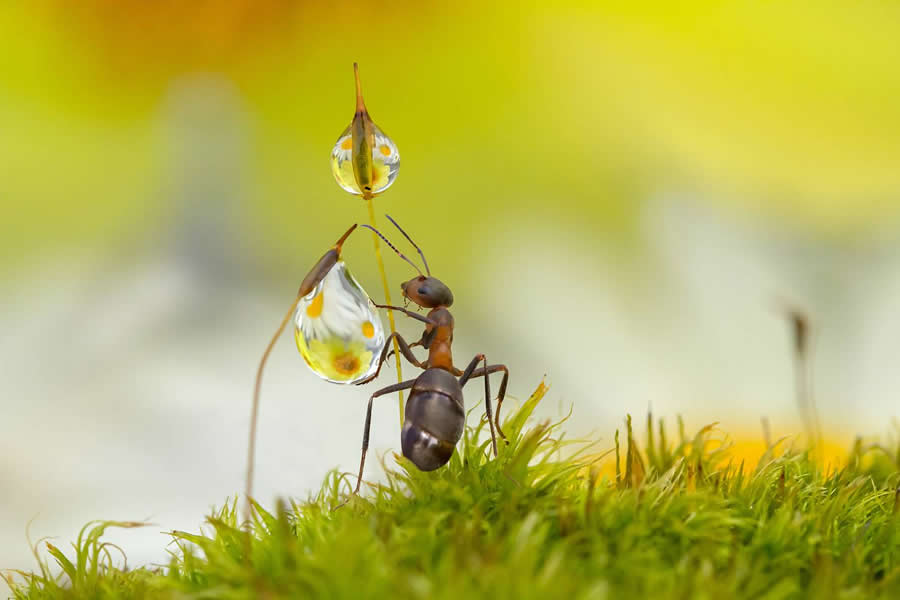
The photographers behind these masterpieces aren’t just snapping pictures—they’re creating alternate worlds. Think of a flower blooming inside a droplet, or a tiny insect mirrored perfectly within a sphere of liquid light. Every shot screams patience, timing, and that obsessive dedication only true nature lovers understand.
And here’s the fun part: if this kind of photography fires you up, the 35 Photography Awards are now accepting entries for their 11th Annual Photo Awards. Yup—your water drops, landscapes, street shots, portraits, whatever—could be the next big winner. Just hop over to their website and send in your best work.
These 33 photos don’t just show water—they show wonder. They remind us that nature’s magic isn’t always loud… sometimes it’s sitting quietly inside a drop, waiting for someone curious enough to look closer.
You can find more info:
#1. "Morning dragonfly. Photo taken early in the morning, in dewdrops" by Zaitsev Roman
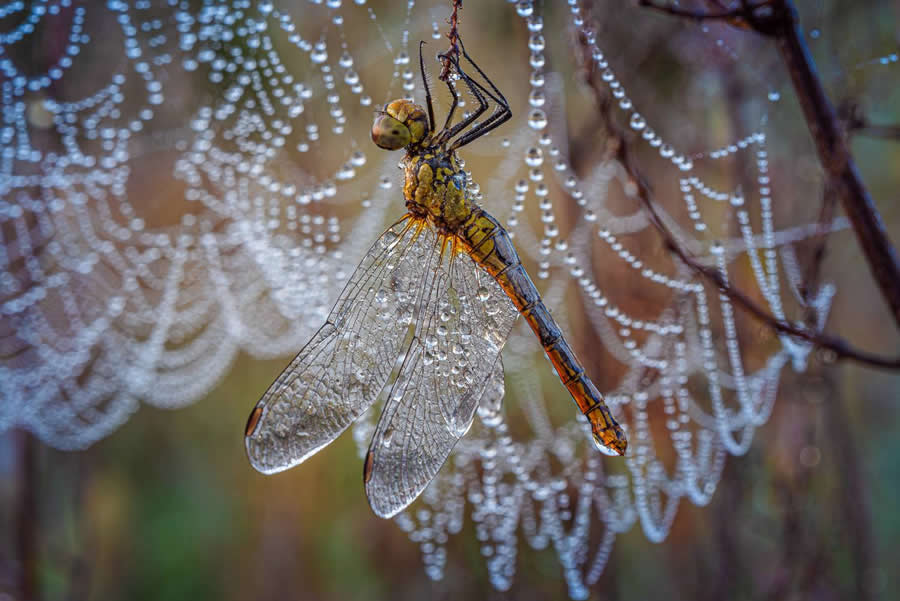
#2. "Dragonfly" by Tran The Ngoc
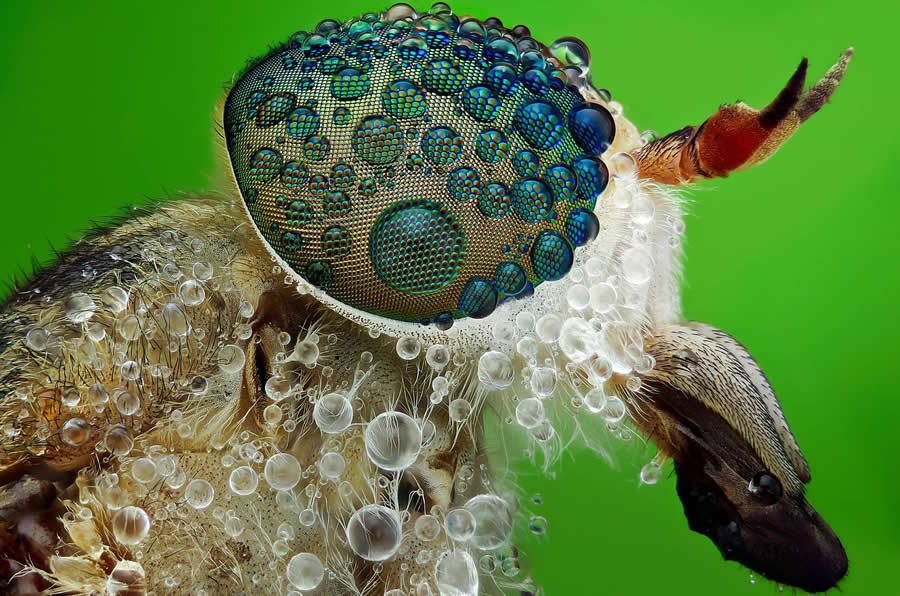
#3. "A heavy drop" by Koledova Irinav
#4. "Droplets on a leaf" by Boris Belkanija
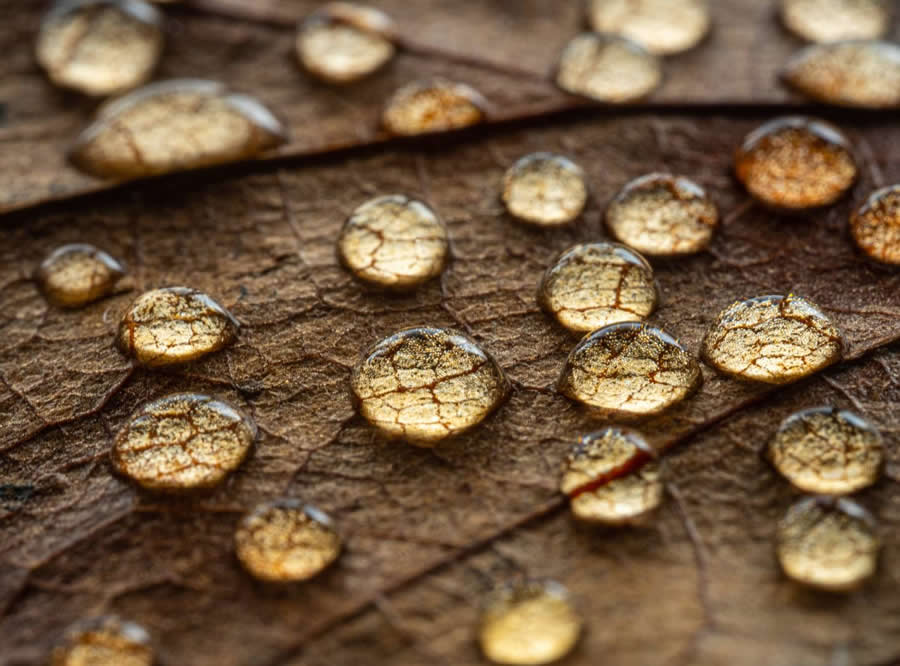
#5. "Drops on a leaf" by Nadezhda Zakharova
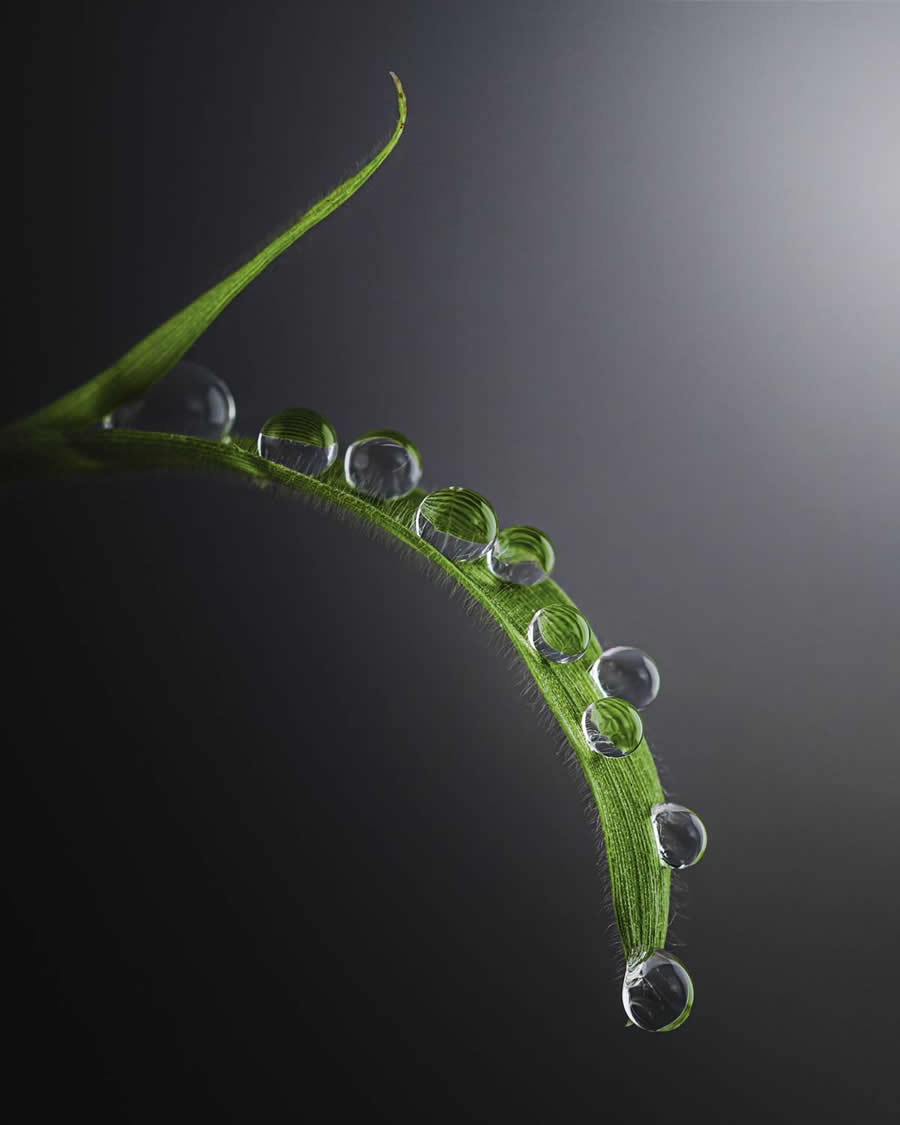
How to Capture Insects With Water Drops
- Approach slowly and shoot calmly—sudden movement scares insects away.
- Use a longer macro lens (90–105mm) to keep a comfortable working distance.
- Focus on the insect’s eye and let the water drop act as your visual bonus.
- Shoot early in the morning when insects move slowly and drops naturally form.
- Use burst mode to catch micro-movements without losing sharpness.
#6. "Robber fly" by Richard Kubica
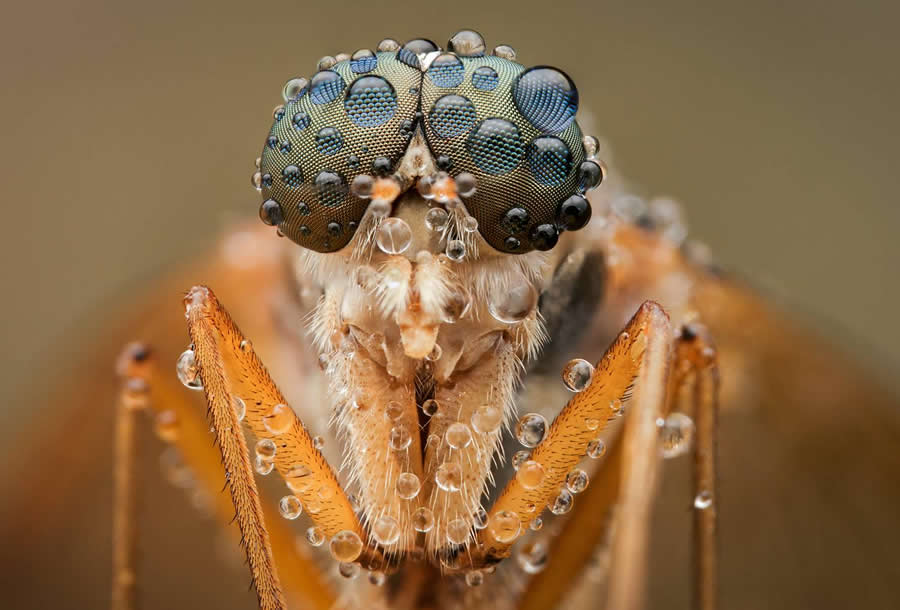
#7. "Ladybug and Drops" by Tsvetan Ganev
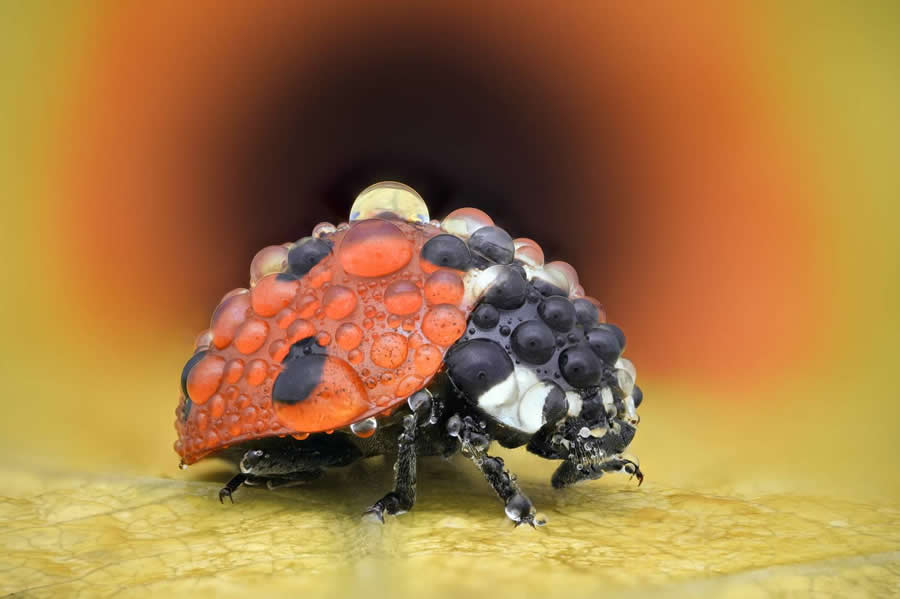
#8. "Fresh shower" by Richard Kubica
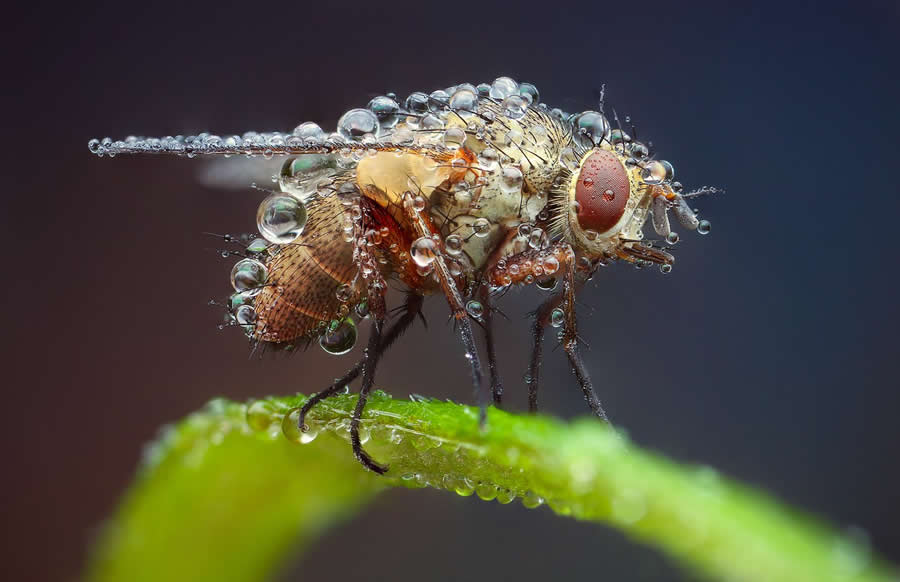
#9. "Photo" by Yuri Yuryevich Podgrushny
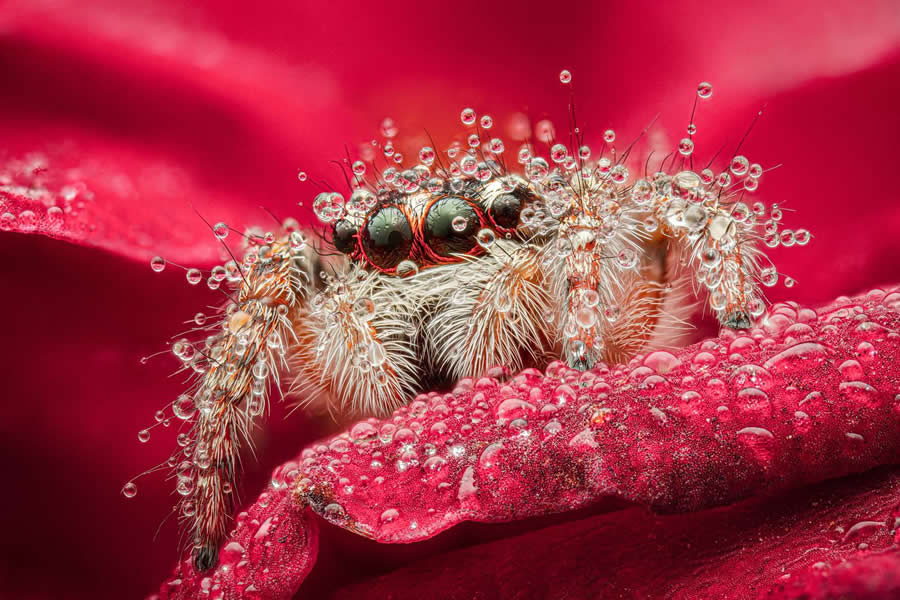
#10. "Butterfly" by Boris Novikov
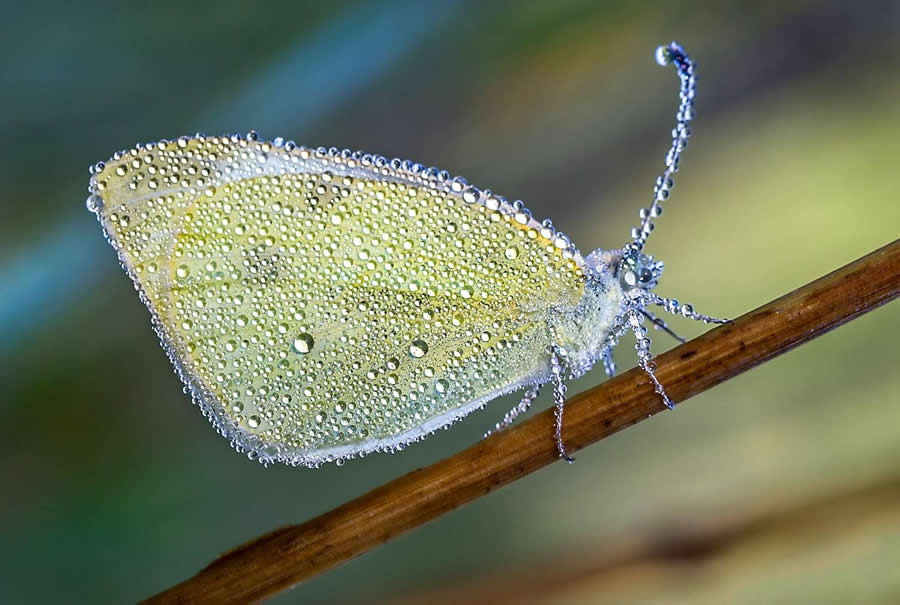
How to Shoot Morning Dew Like a Pro
- Head out at sunrise—dew forms naturally and light is soft and dreamy.
- Get low to the ground; dew looks magical from eye-level or below.
- Use a tripod to keep your framing steady in low morning light.
- Backlight the drops so they sparkle and glow against the scene.
- Try manual focus for precision—dew drops are tiny and demand accuracy.
#11. "Droplets and flowers" by Ivan Radkov
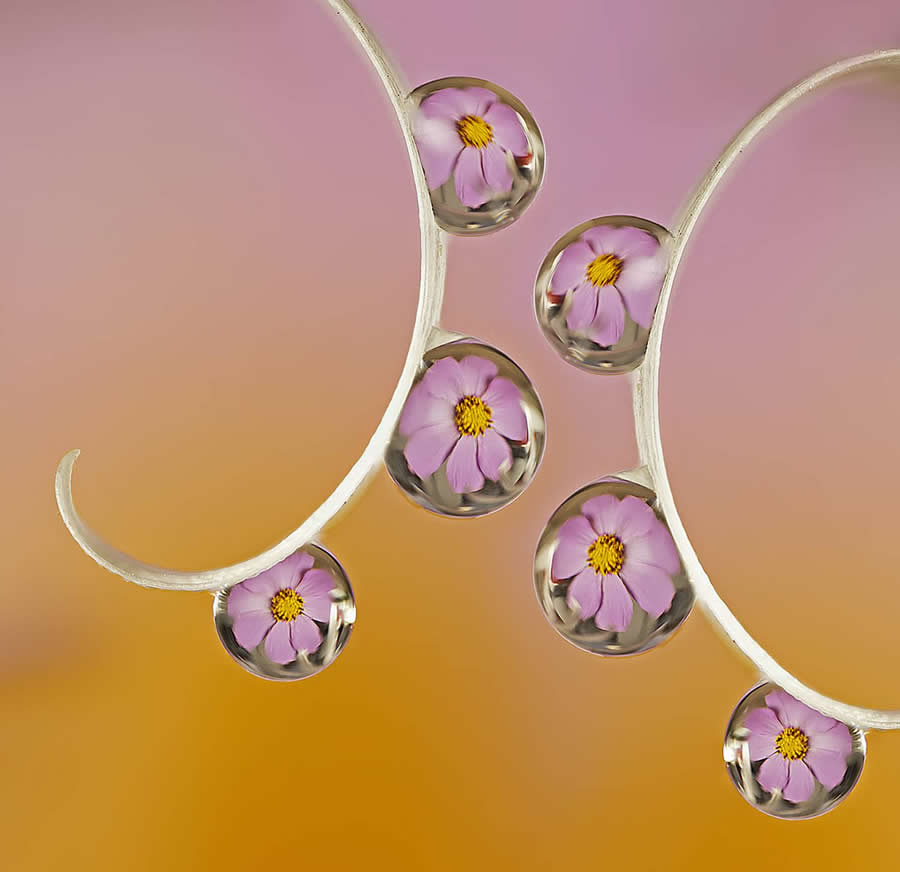
#12. "A heavy drop" by Koledova Irina
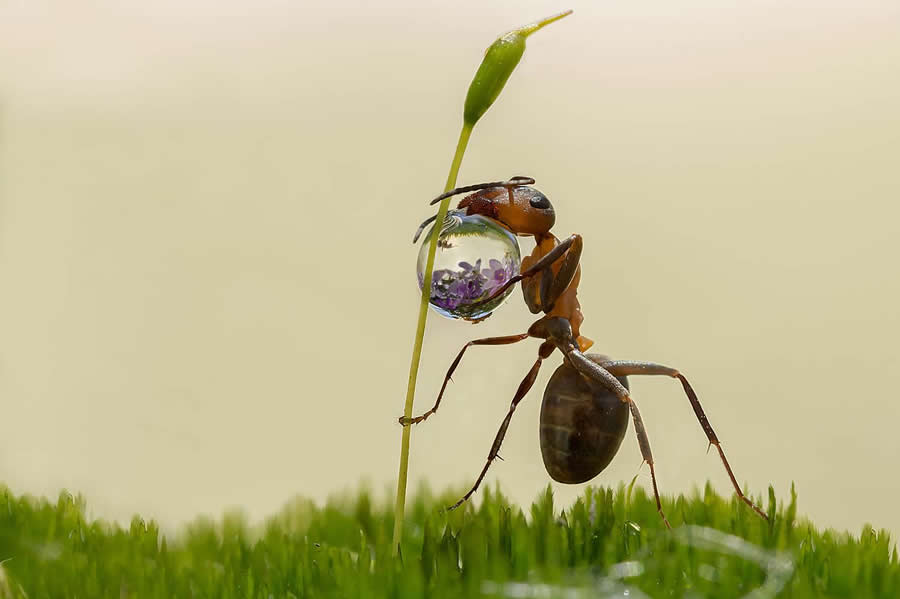
#13. "Photo" by Kasun Wickramasinghe
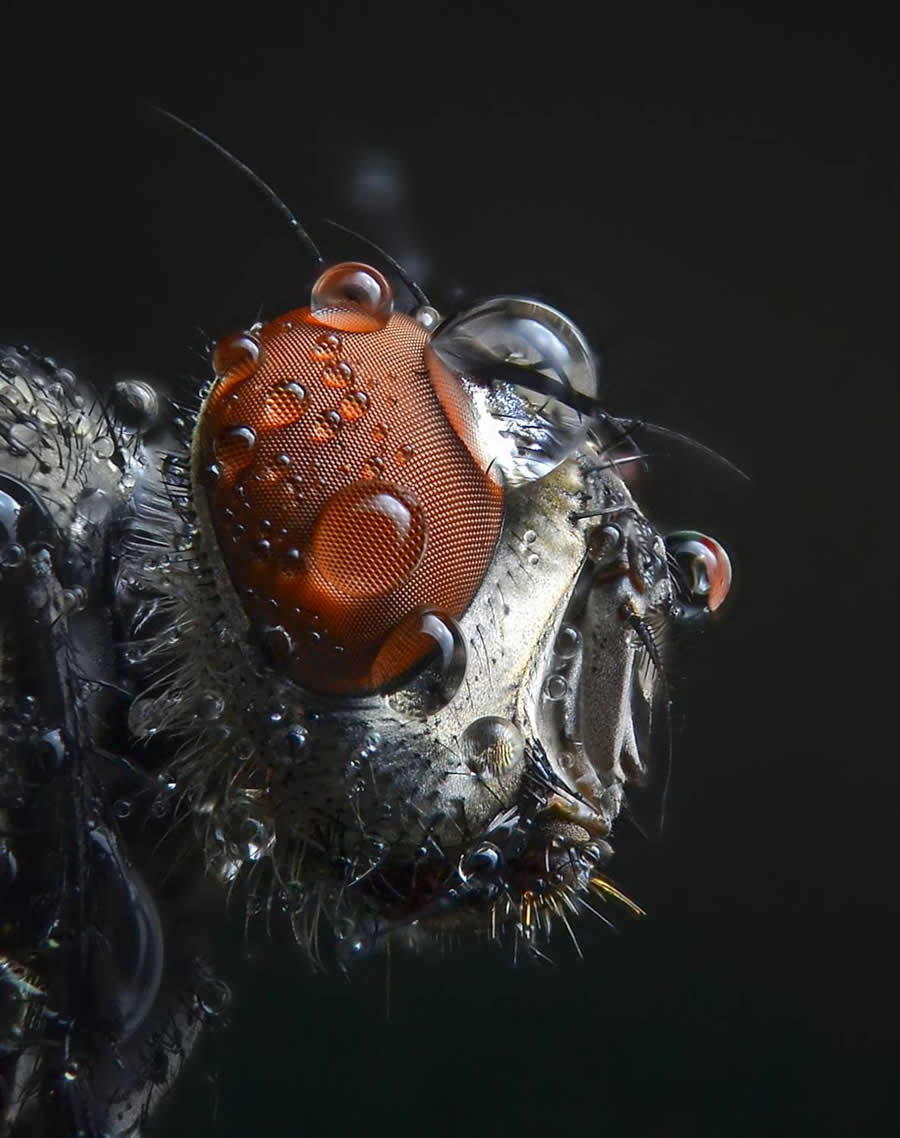
#14. "Photo" by Savchuk Anatoly
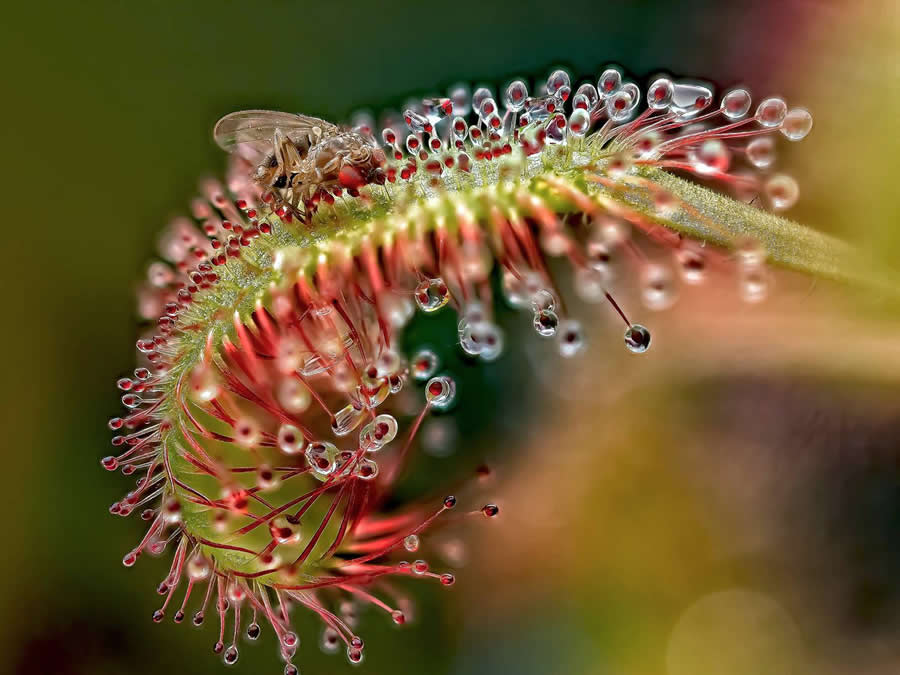
#15. "Photo" by Vladimir Zubkov
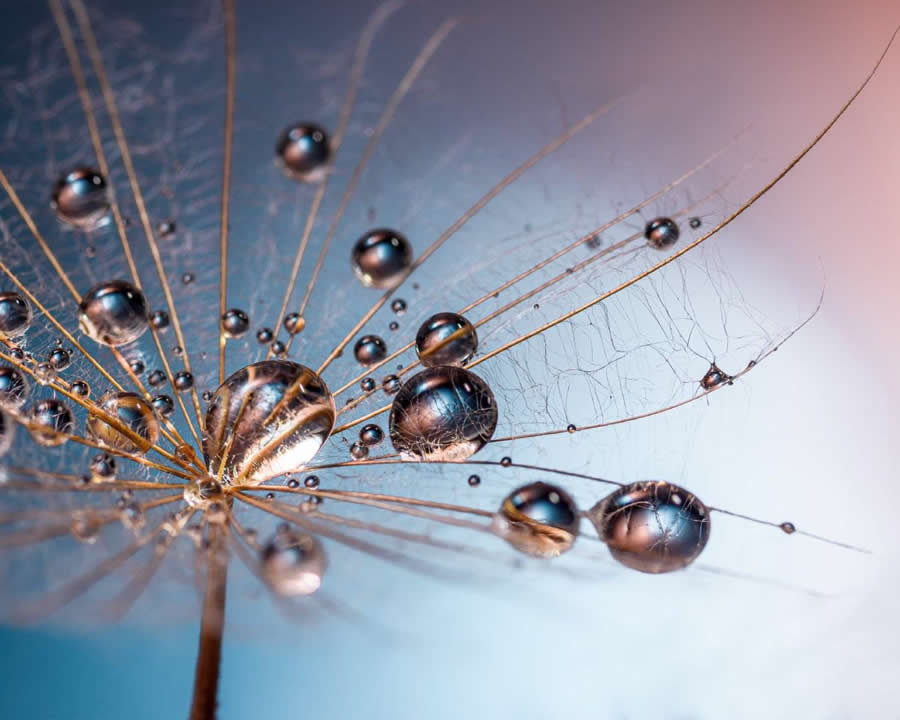
Photographing Water Drops on Flowers
- Choose flowers with bright colors or interesting textures for stronger contrast.
- Use a spray bottle if natural drops aren’t available (totally normal in macro art).
- Focus on the refraction inside the drop—flowers inside droplets look stunning.
- Use a small aperture (f/8–f/16) to keep both flower and drop crisp.
- Watch for wind—macro shots become blurry with even tiny movement.
#16. "Merry" by Yuri Afanasyev
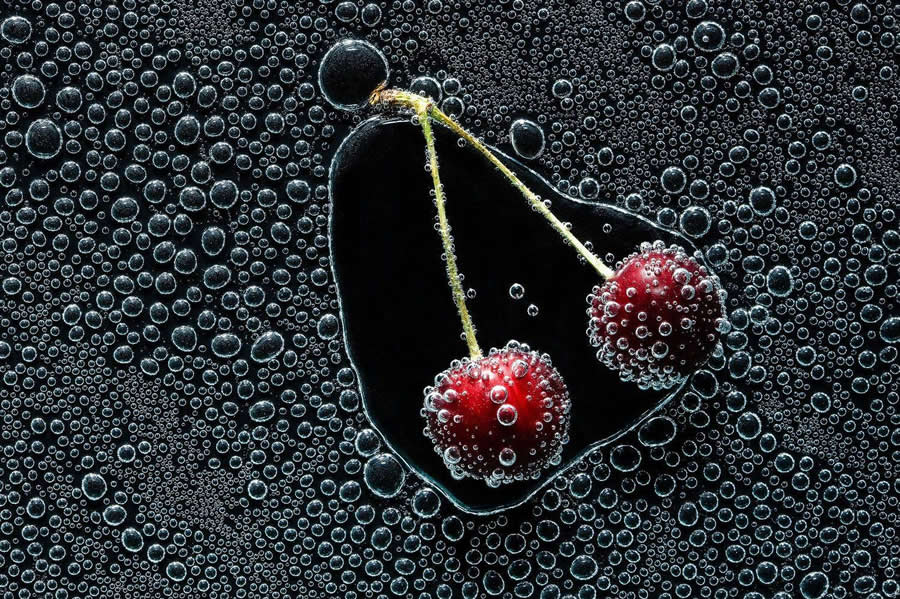
#17. "Goat’s-beard fluff at sunset" by Margarita Sidoruk
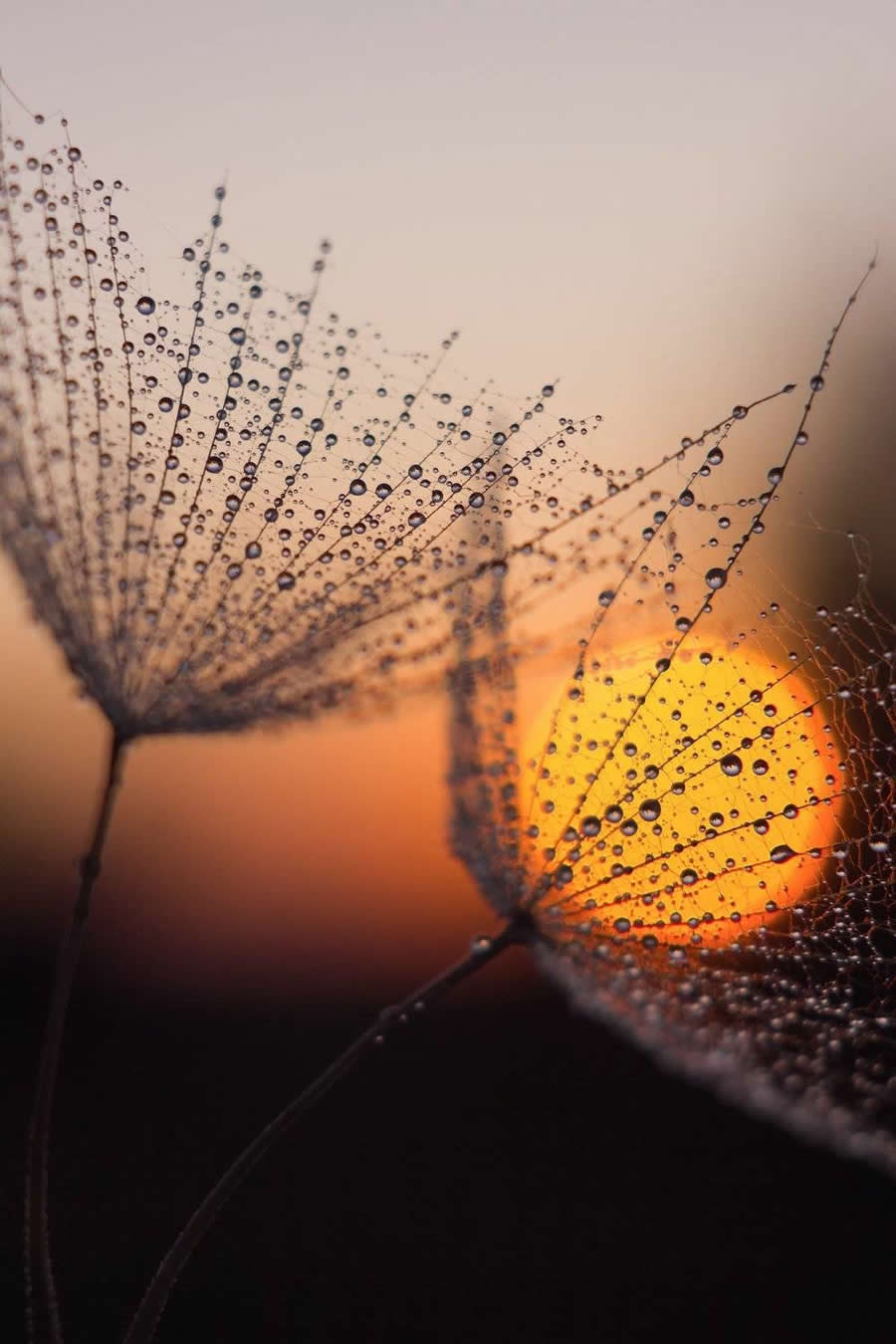
#18. "Photo" by Dace Spalvina
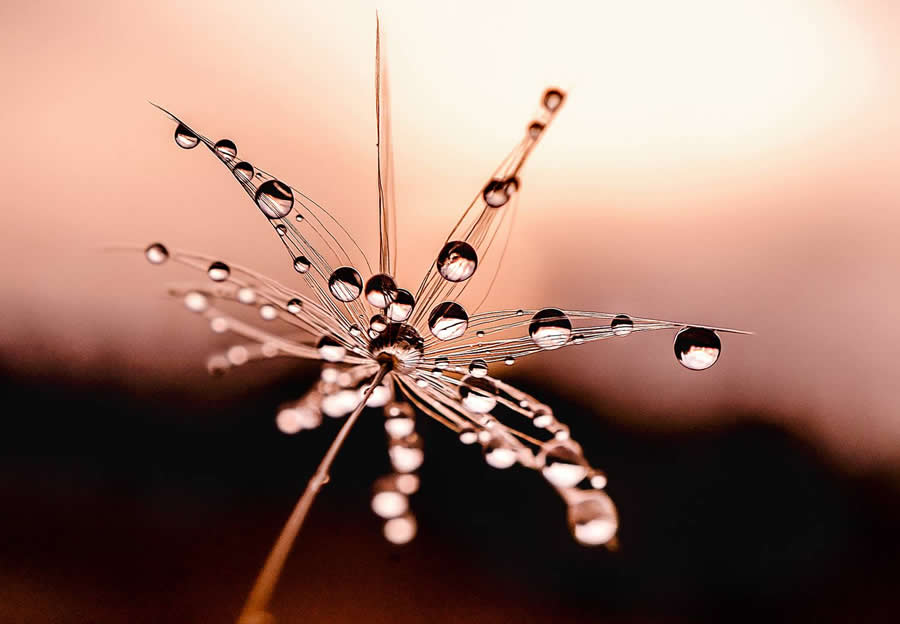
#19. "A scattering of diamonds" by Margarita Sidoruk
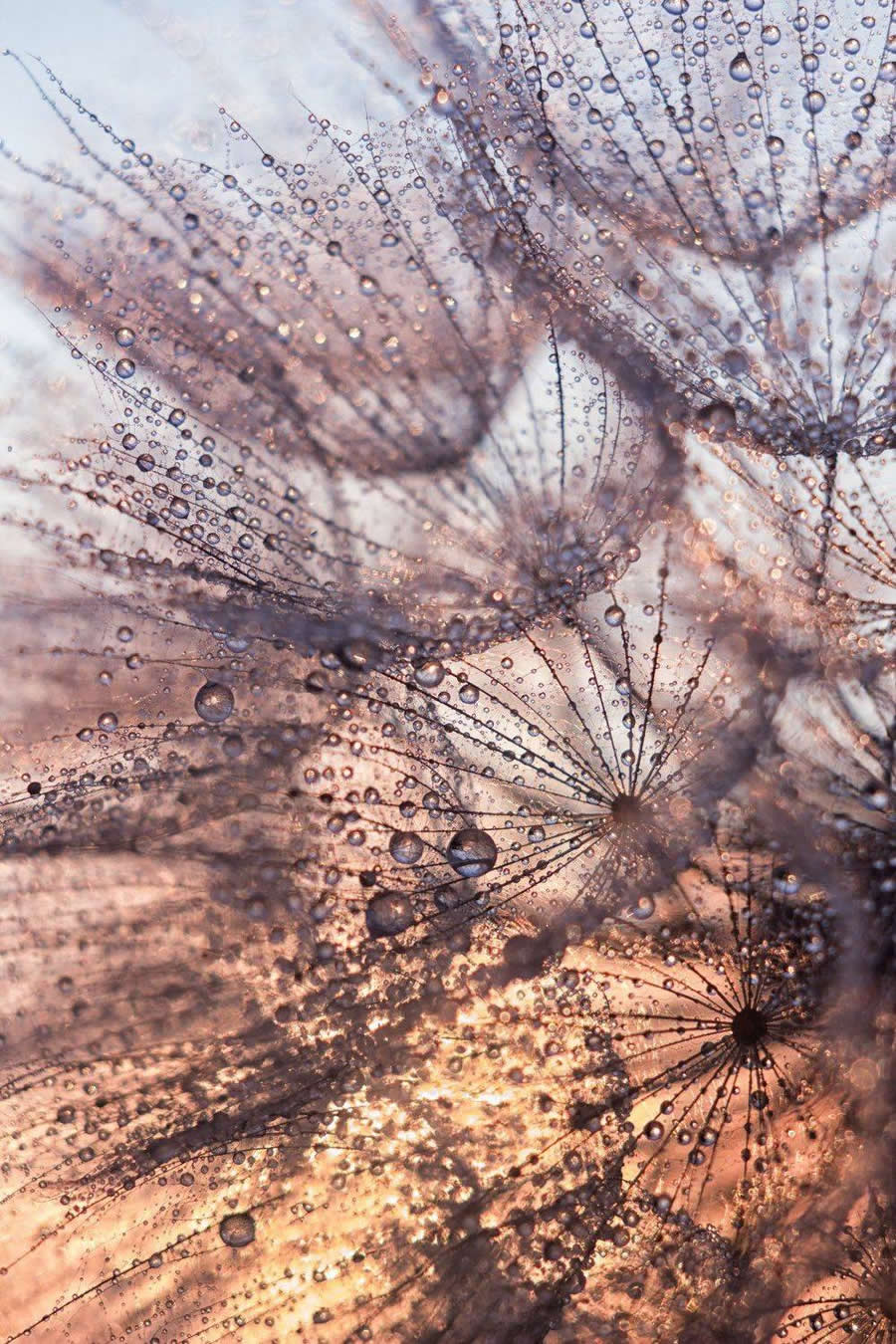
#20. "Photo" by Tran The Ngoc
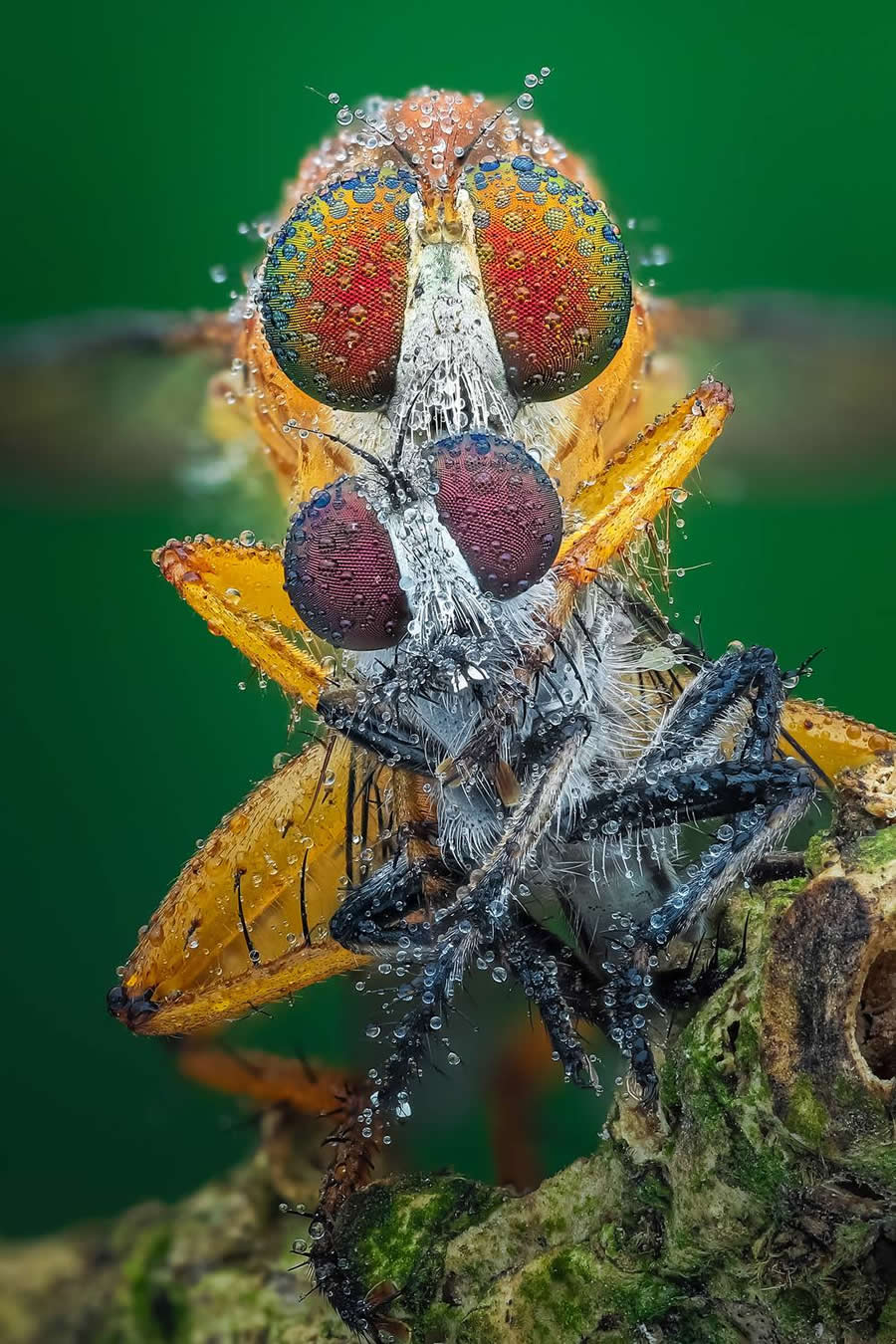
Capturing Water Drops on Leaves
- Look for leaves with veins or interesting edges to anchor your composition.
- Shoot diagonal angles to add depth and flow to the frame.
- Experiment with single drops versus clustered drops for storytelling variety.
- Use reflectors or white cards to bounce soft light onto the leaf.
- Shoot after rain or mist for natural, organic patterns.
#21. "Morning Dews" by Nadezhda Zakharova
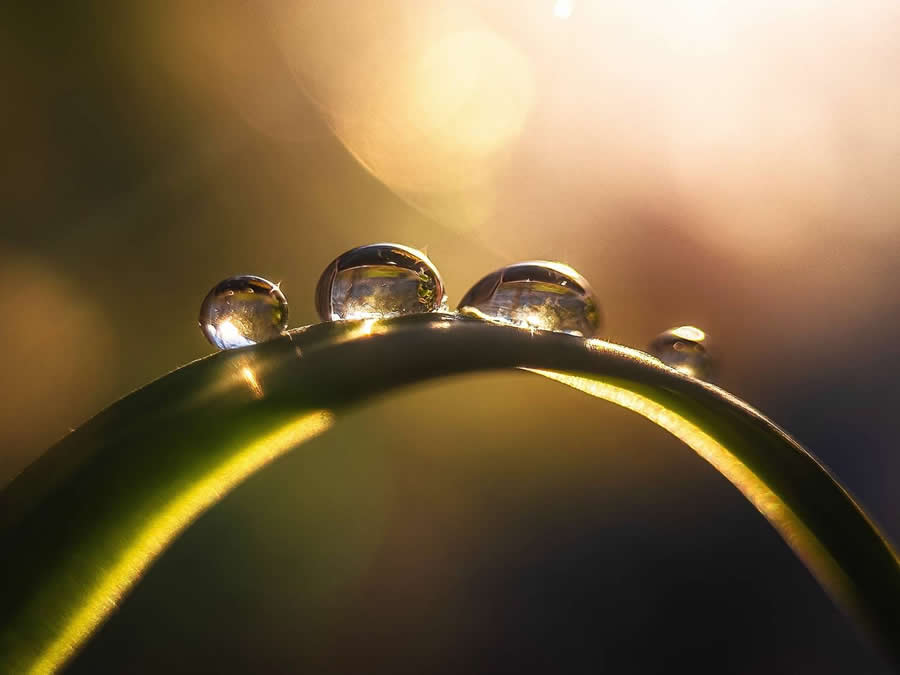
#22. "Photo" by Atul Saluja
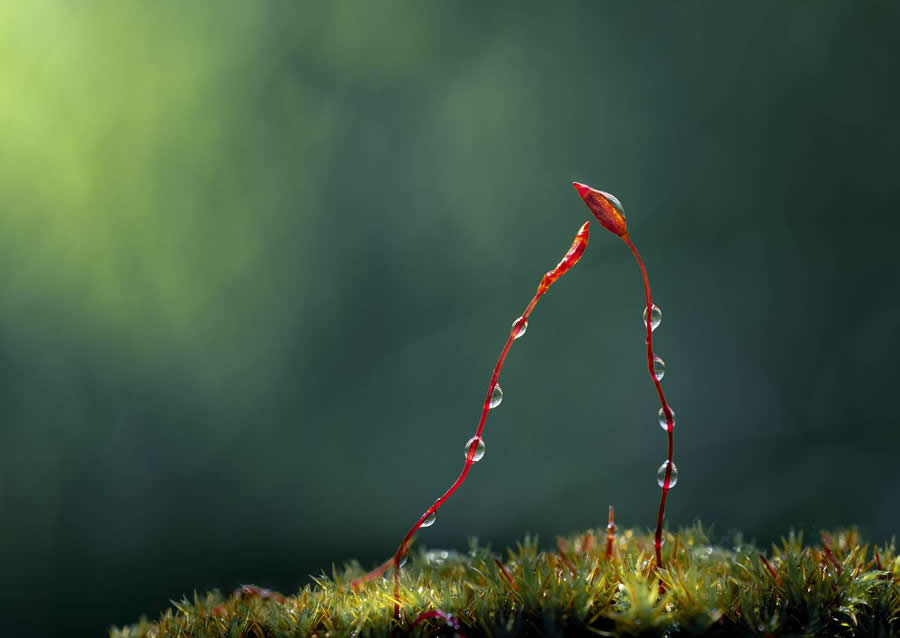
#23. "Drop and fluff" by Borovskikh Svetlana
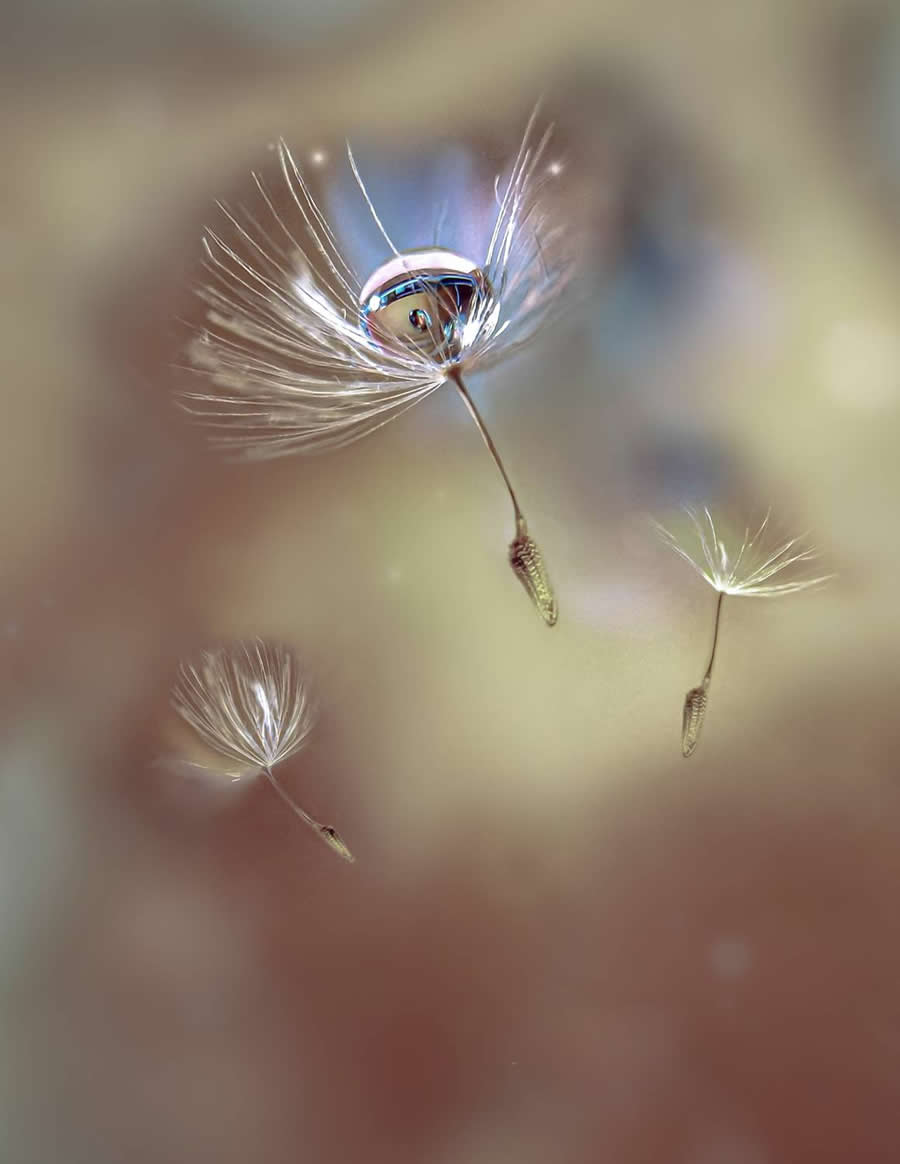
#24. "Photo" by Tatyana Maksakova
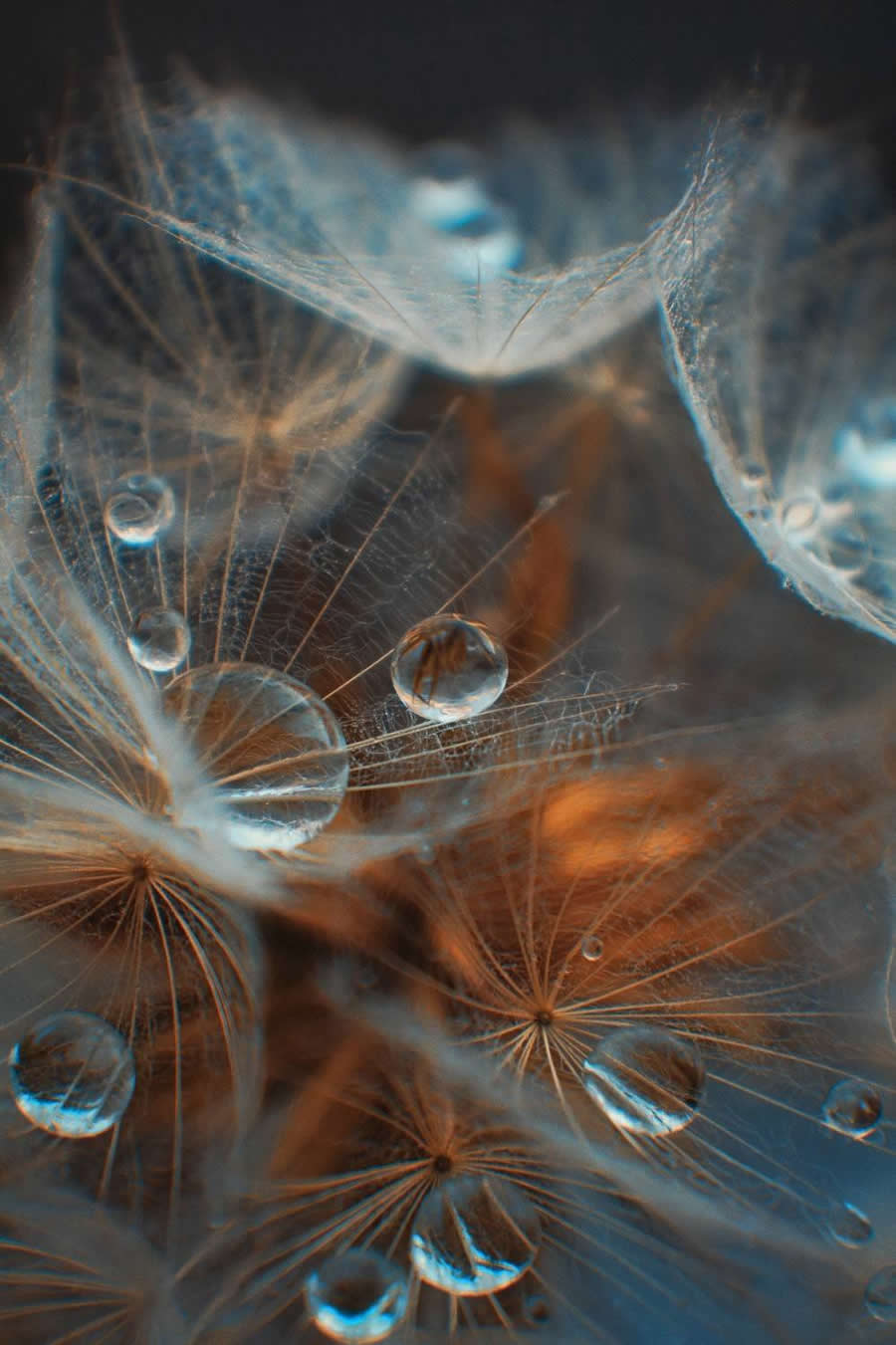
#25. "Photo" by Margarita Sidoruk
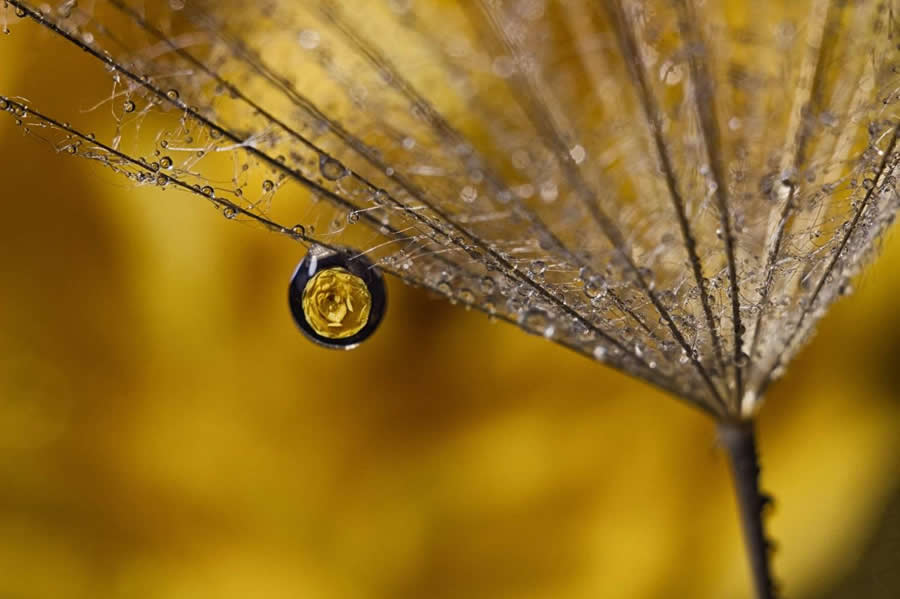
Using Sunrise and Sunset for Stunning Water Drop Shots
- Golden hour warms the scene and makes drops glow like tiny lanterns.
- Position the drop between you and the sun to catch radiant highlights.
- Try silhouettes—drops look dramatic against a lit horizon.
- Change angles constantly; the sun changes the look of every micro-movement.
- Watch flare and haze; use your hand or lens hood to control stray light.
#26. "Photo" by Anferow Lana
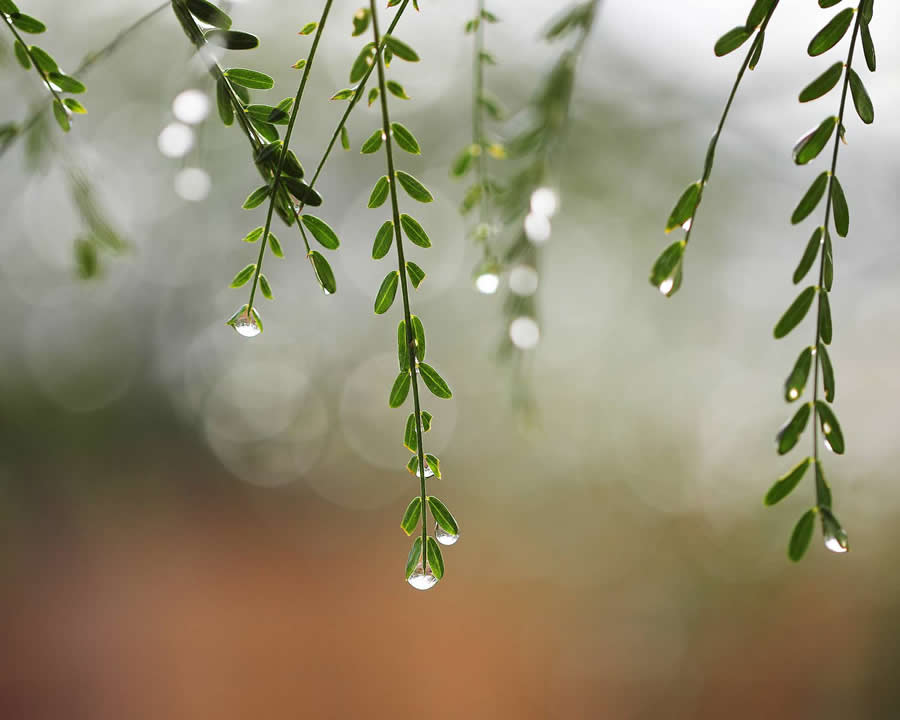
#27. "Photo" by Lapshina Vladlena
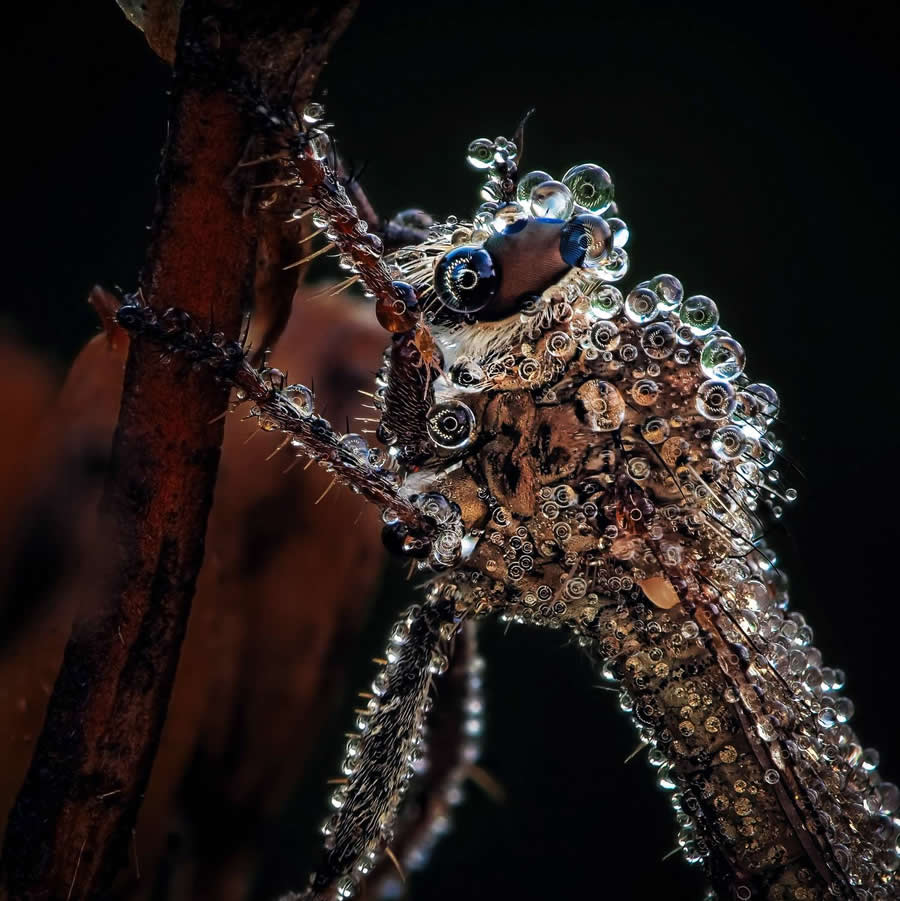
#28. "Photo" by Alexander
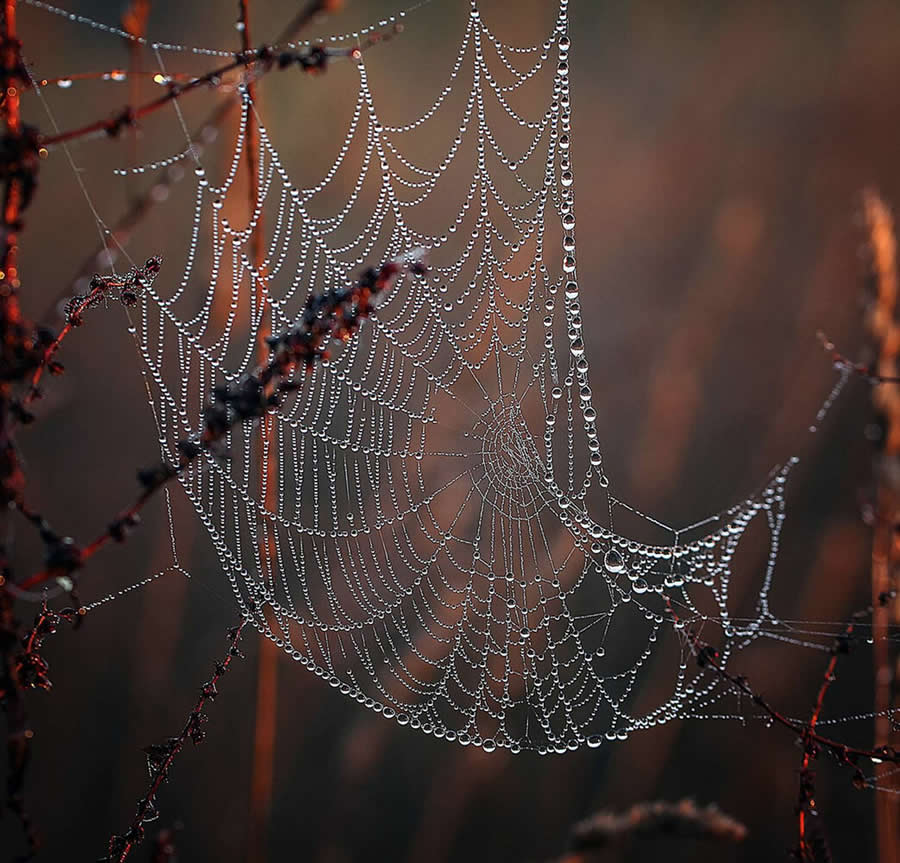
#29. "Bee in Petunia Flower" by Yuri Yuryevich
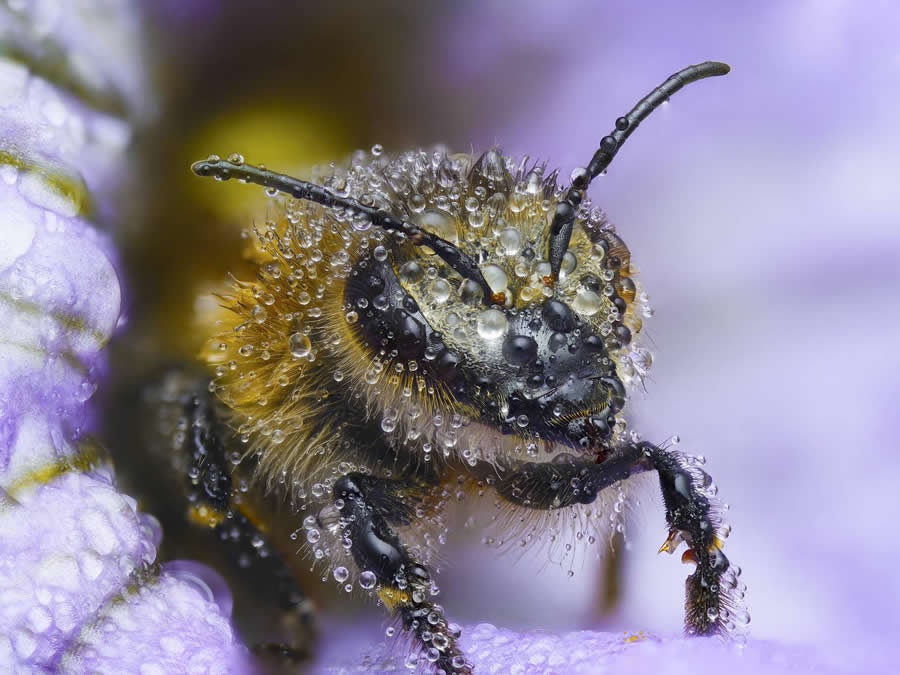
#30. "Photo" by Kukhta Maria
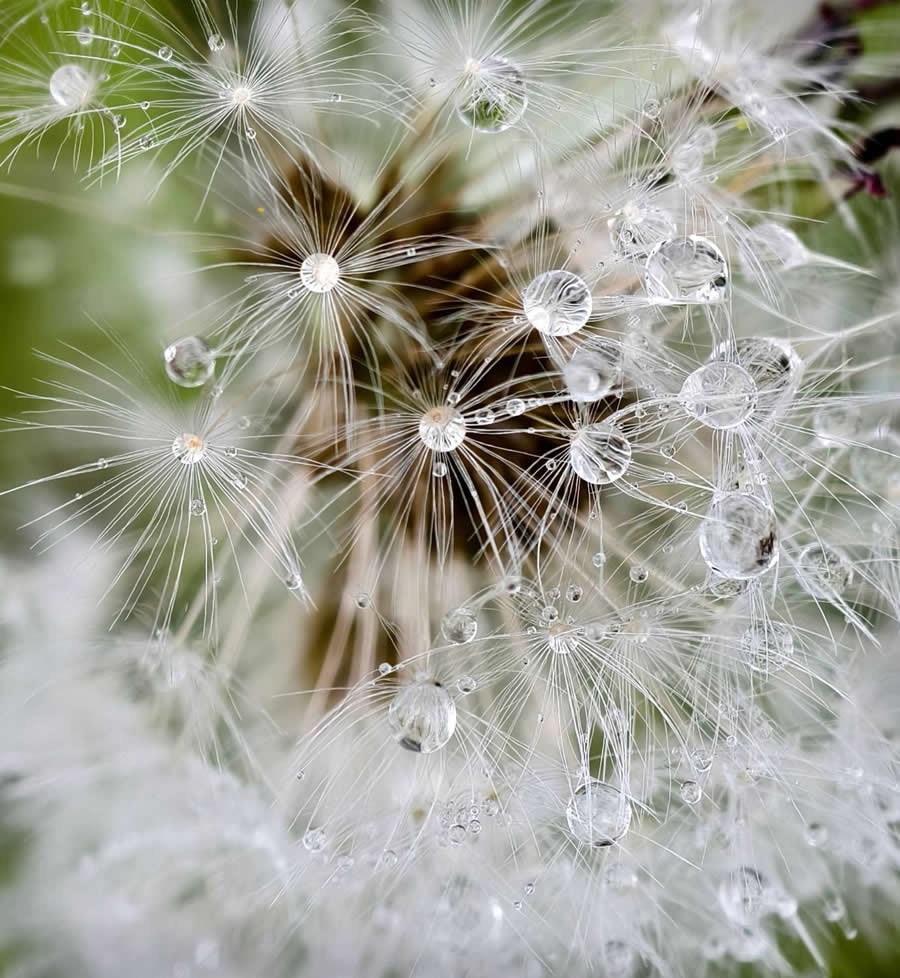
The Importance of Light + Ideal Camera Settings
- Use diffused natural light for soft, dreamy drops without harsh reflections.
- For sparkly drops, aim for directional side light to boost texture.
- Start with settings: f/8–f/16, 1/160s–1/250s, ISO 100–400.
- Use manual focus for accuracy—autofocus often struggles at extreme close range.
- Stabilize your setup with a tripod or macro rails for razor-sharp results.
#31. "Fathead in the morning" by Boris Novikov
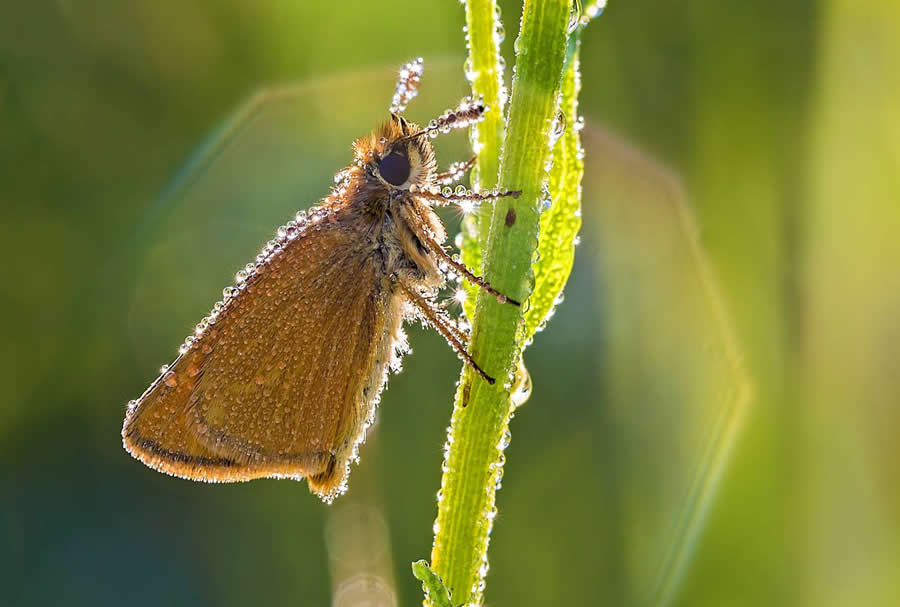
#32. "Photo" by Elvira Kurochkina
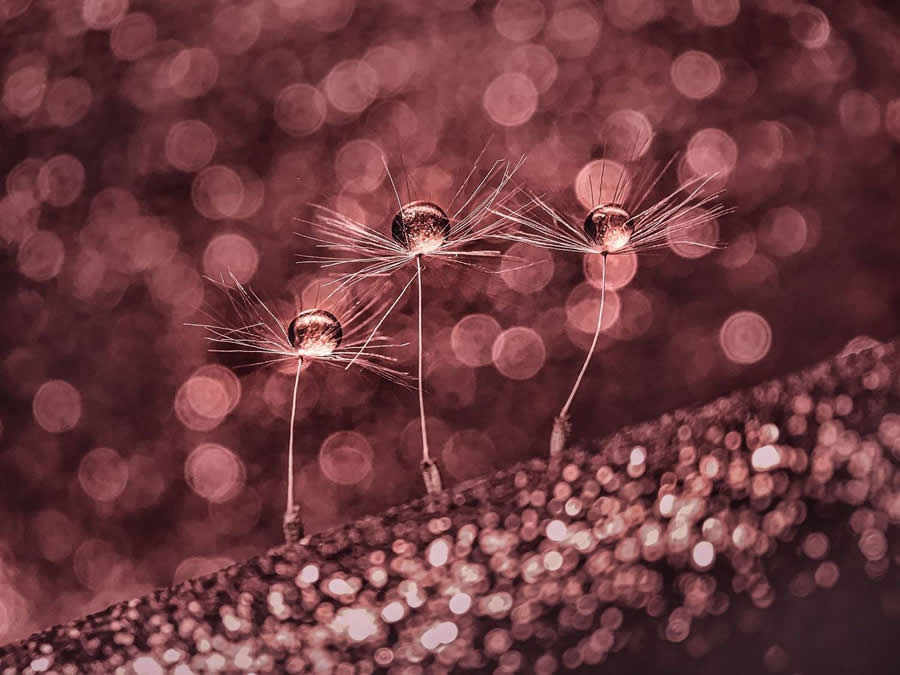
#33. "Photo" by Ekaterina Kolot