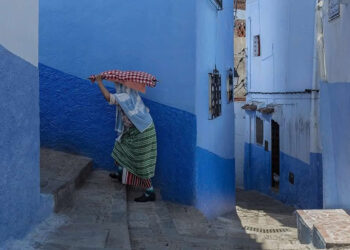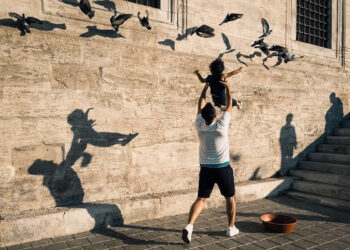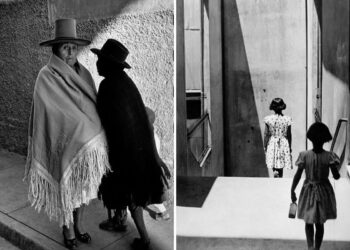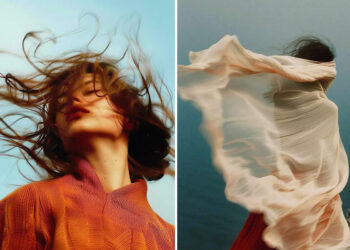

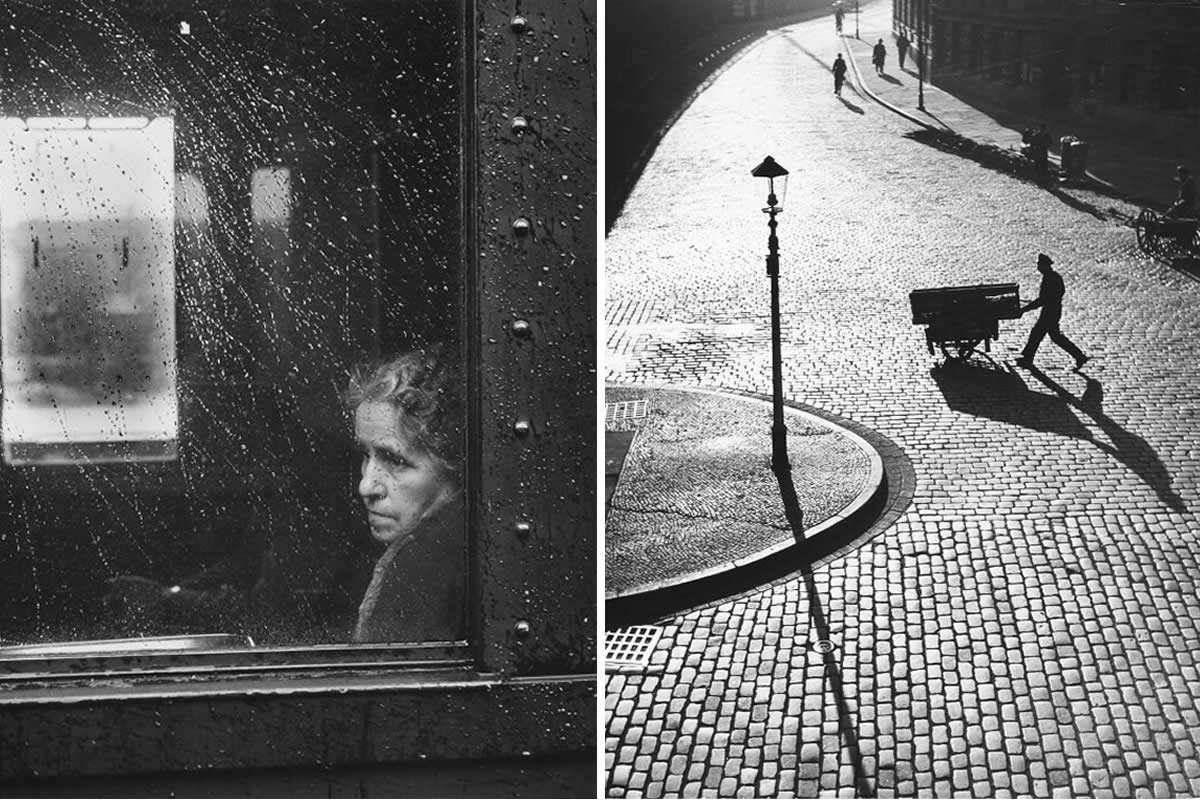
Born in 1920, Toni Schneiders stands tall as one of the true masters of 20th-century German photography. His work didn’t just document a world rebuilding after war—it helped redefine how photography could think, feel, and see again. At a time when images were still haunted by propaganda and shallow post-war optimism, Schneiders chose a different path: clarity over noise, empathy over spectacle, and form over illusion.
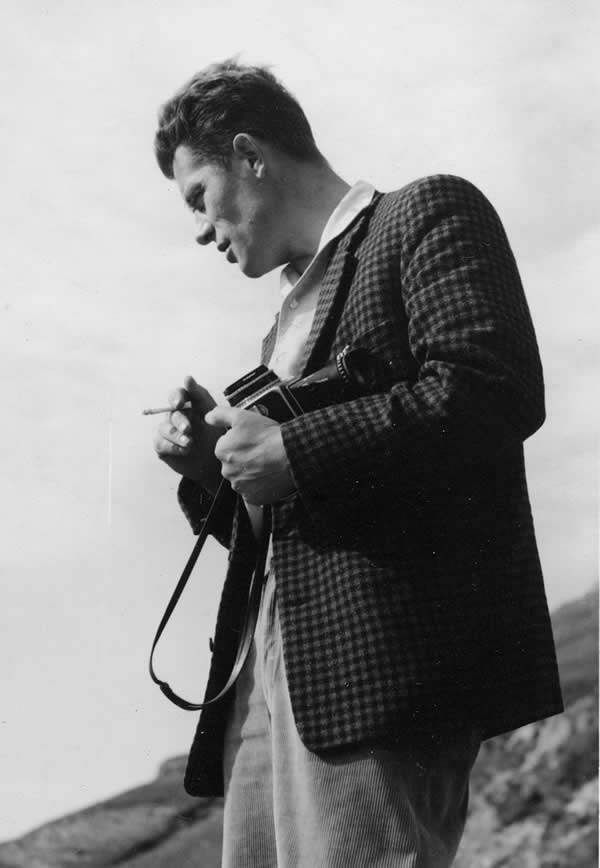
In 1949, Schneiders became a founding member of the influential fotoform collective. This group rejected both the visual manipulation of the Nazi era and the overly pleasant imagery that followed the war. Instead, fotoform embraced artistic rigor, abstraction, and a return to photography as a serious visual language. The result? International recognition and a fresh visual identity for modern German photography.
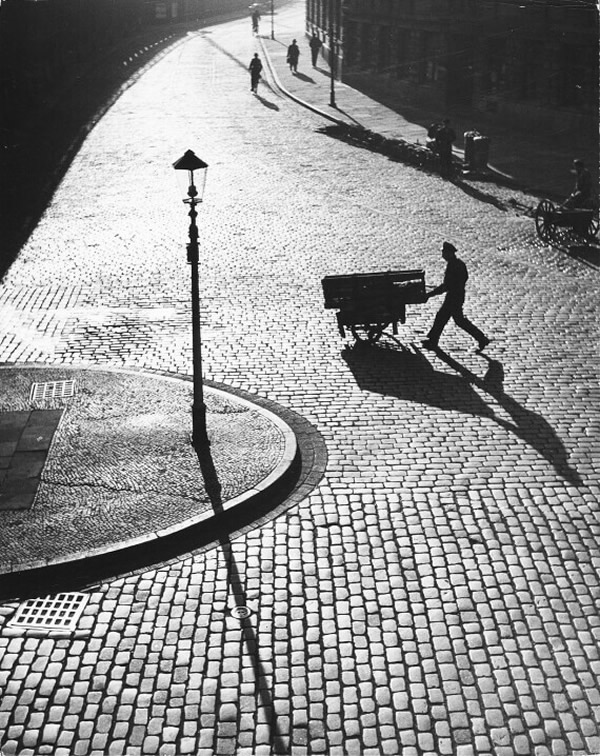
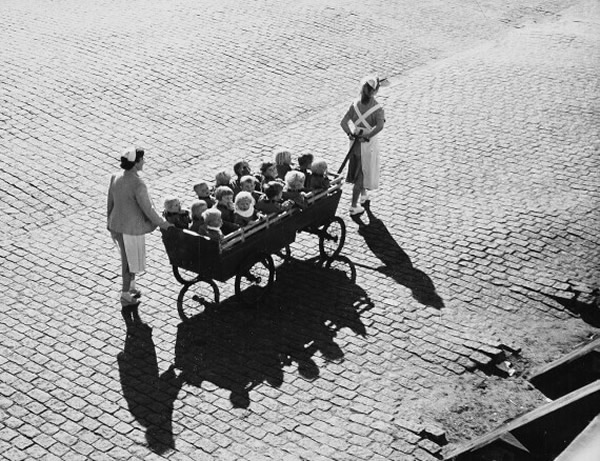
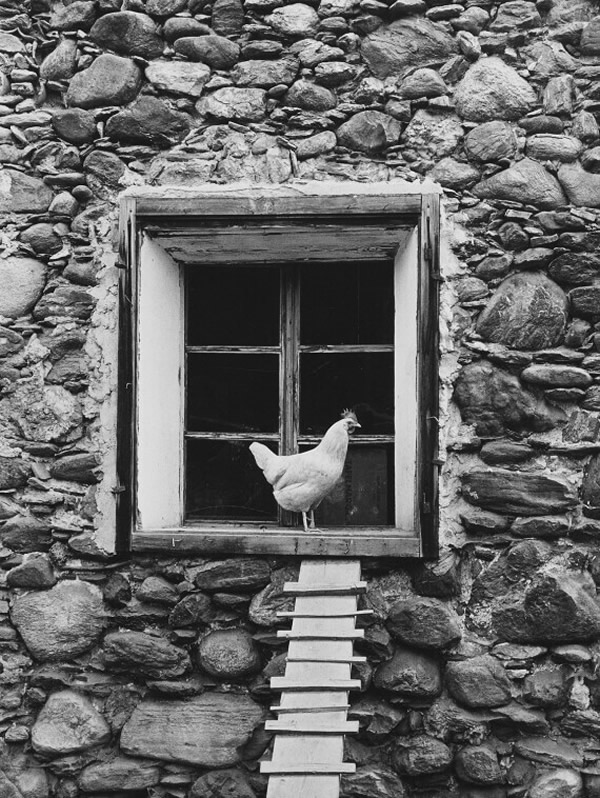
What makes Schneiders’ work hit differently—even decades later—is balance. His photographs are technically precise, carefully composed, and rooted in the principles of New Objectivity. But they’re never cold. There’s humanity in them. Sometimes quiet and melancholic. Sometimes poetic. Sometimes unexpectedly playful. Always honest.
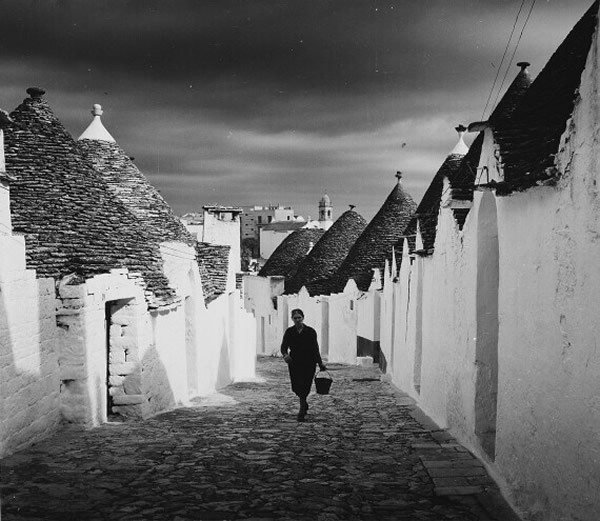
Across landscapes, portraits, still lifes, and everyday scenes, Schneiders stripped images down to their essentials—light, structure, rhythm—while never losing sight of the human presence within the frame. His work appeared in more than 200 illustrated books, influencing generations of photographers who learned that discipline and emotion don’t cancel each other out—they elevate each other.
This article explores how Toni Schneiders reshaped post-war photography, blending formal rigor with empathy, and why his work still feels sharp, relevant, and deeply satisfying to look at today.
More Info:
#1
© Toni Schneiders
#2
© Toni Schneiders
#3
© Toni Schneiders
#4
© Toni Schneiders
#5
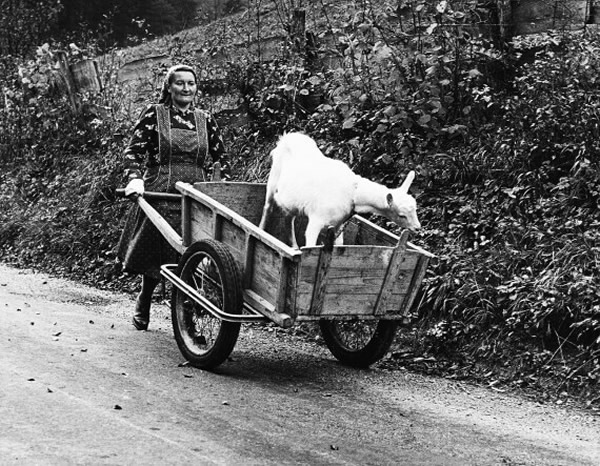
© Toni Schneiders
Breaking Free: The fotoform Revolution
After World War II, photography in Germany faced an identity crisis. Enter Toni Schneiders and the fotoform group. Their mission was bold: free photography from propaganda and empty aesthetics, and rebuild it as an autonomous art form.
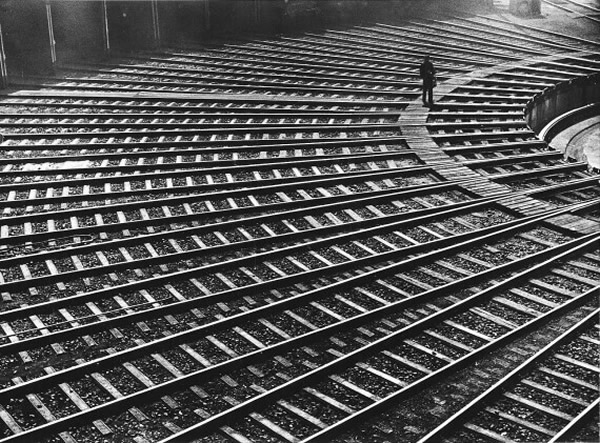
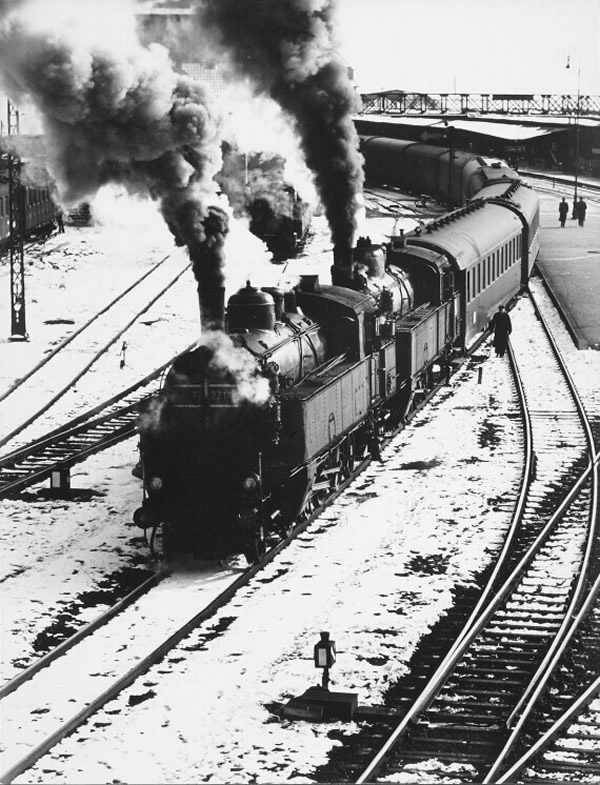
Schneiders embraced abstraction, strong geometry, and experimental composition—drawing inspiration from the New Objectivity movement of the 1920s while pushing it forward. These images didn’t spoon-feed meaning. They demanded attention. Lines mattered. Shadows mattered. Structure mattered.
But fotoform wasn’t about rebellion for rebellion’s sake. It was about responsibility. Schneiders believed photography should think critically, not decorate reality. That mindset helped German photography reclaim credibility on the global stage—and set a standard that still resonates today.
#6
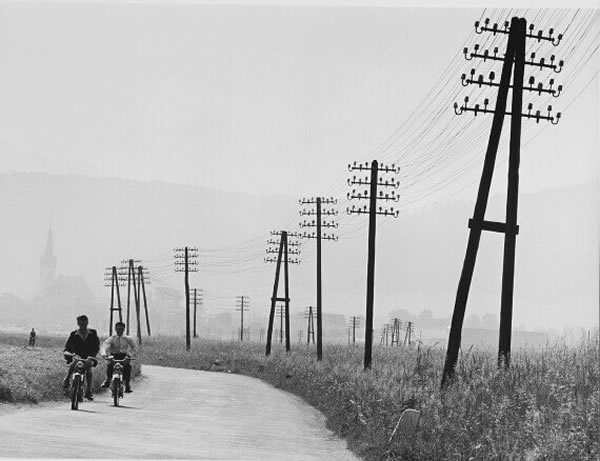
© Toni Schneiders
#7
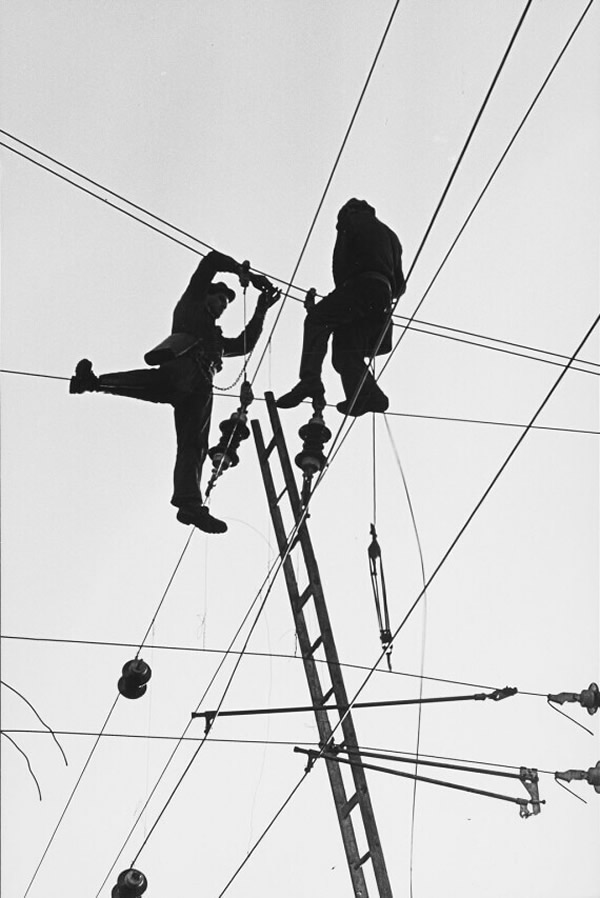
© Toni Schneiders
#8
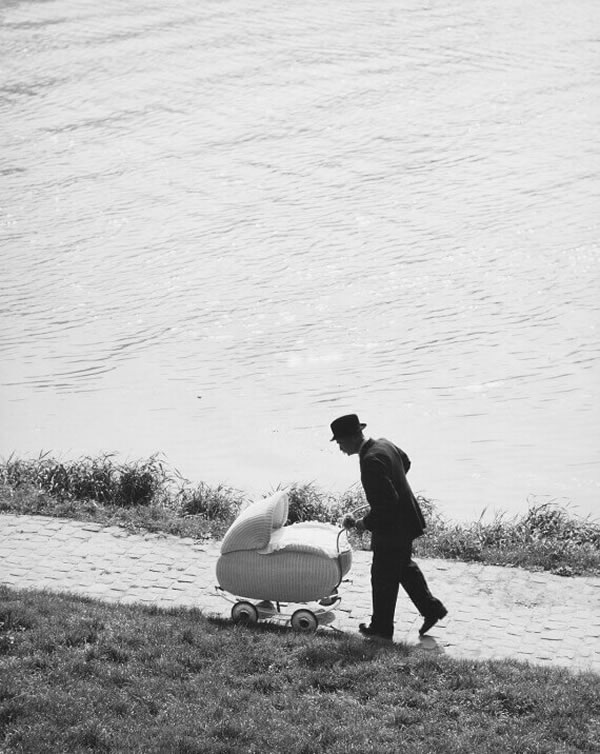
© Toni Schneiders
#9
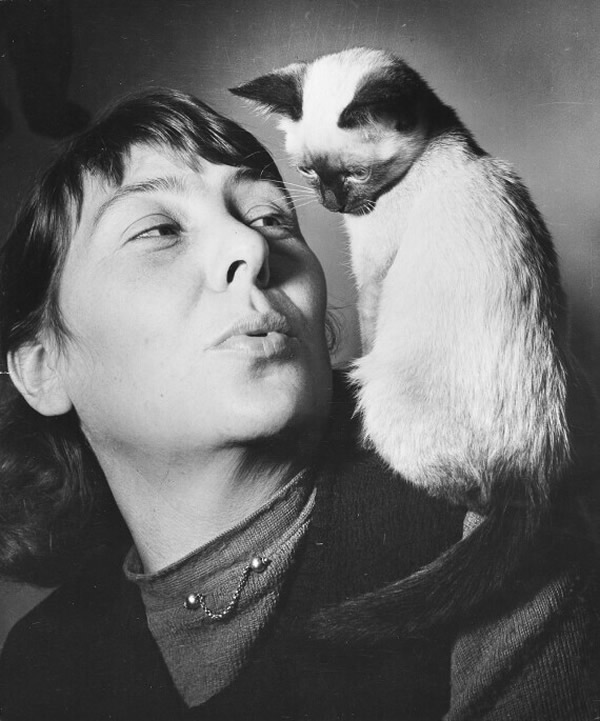
© Toni Schneiders
#10
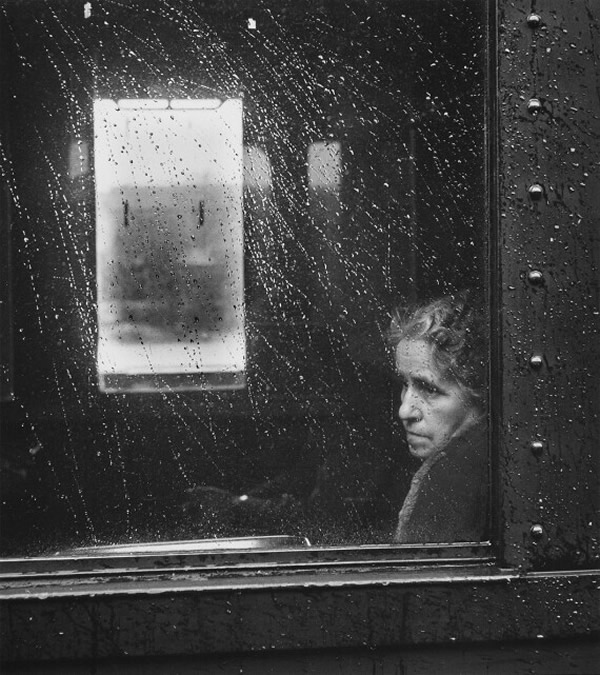
© Toni Schneiders
Formal Rigour Meets Emotional Intelligence
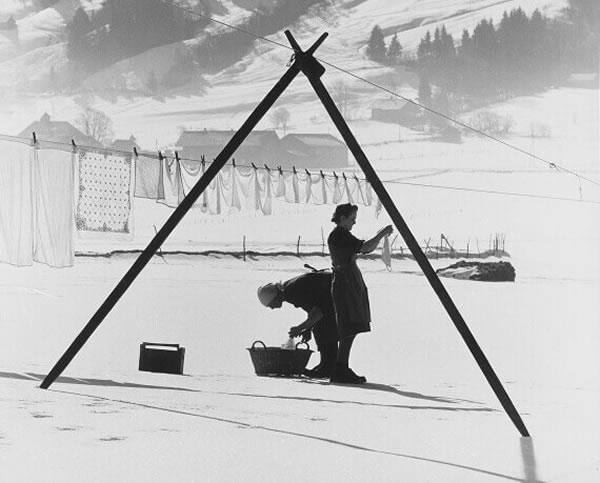
Toni Schneiders was a master of control. His lighting is precise. His compositions are clean. Every element in the frame earns its place. But what truly sets his work apart is emotional intelligence.
Even in highly structured images, there’s warmth. A sense of curiosity. A quiet empathy for his subjects. Schneiders photographed people not as symbols, but as individuals—sometimes joyful, sometimes introspective, sometimes gently humorous.
This fusion of discipline and feeling is rare. Many photographers lean one way or the other. Schneiders lived comfortably in the middle, proving that formal rigor doesn’t kill emotion—it sharpens it. His photos invite you to slow down, look closer, and feel without being told what to feel.
#11
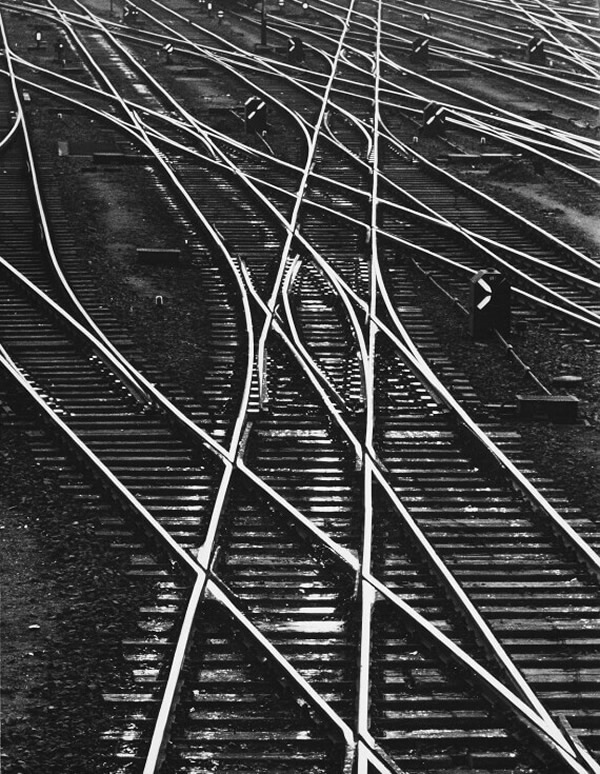
© Toni Schneiders
#12
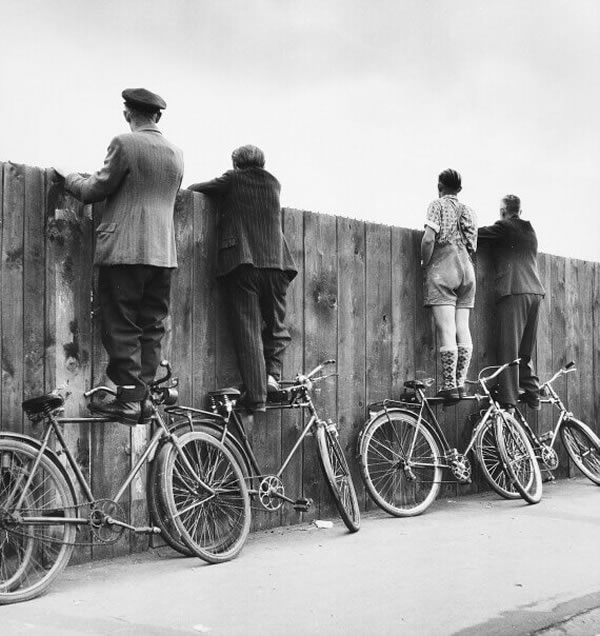
© Toni Schneiders
#13
© Toni Schneiders
#14
© Toni Schneiders
#15
© Toni Schneiders
A Personal Eye Within a Modern Framework
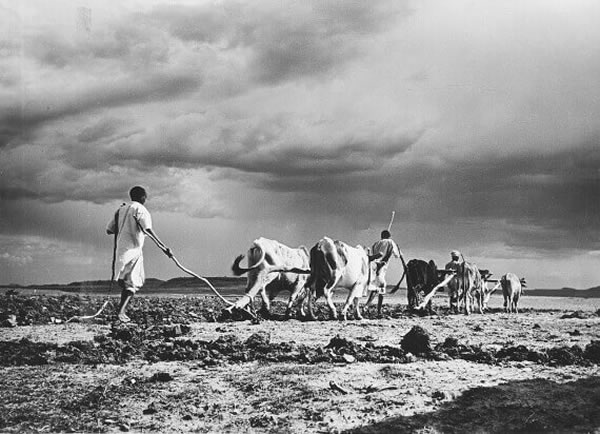
While deeply rooted in modernist principles, Schneiders never became mechanical or predictable. His work carries a personal signature—subtle wit, poetic restraint, and a deep respect for the everyday.
Whether photographing architecture, landscapes, or human figures, he found meaning in simplicity. No visual clutter. No unnecessary drama. Just clarity. This approach allowed his images to age gracefully. They don’t scream for attention—they reward it.
Schneiders proved that modern photography didn’t need to abandon humanity to be intellectually rigorous. His work feels thoughtful, alive, and deeply considered—a reminder that great photography comes from seeing clearly and caring deeply.
#16
© Toni Schneiders
#17
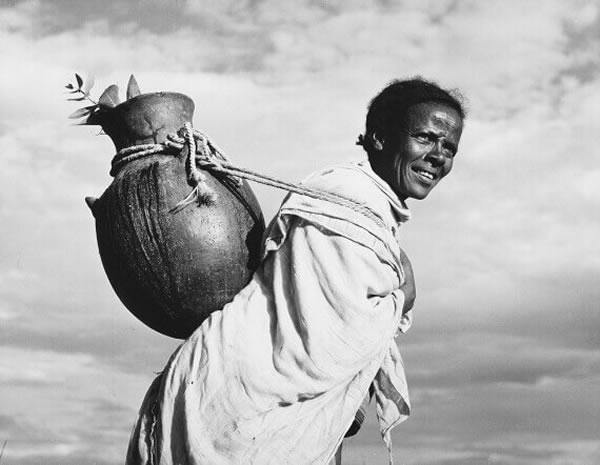
© Toni Schneiders
#18
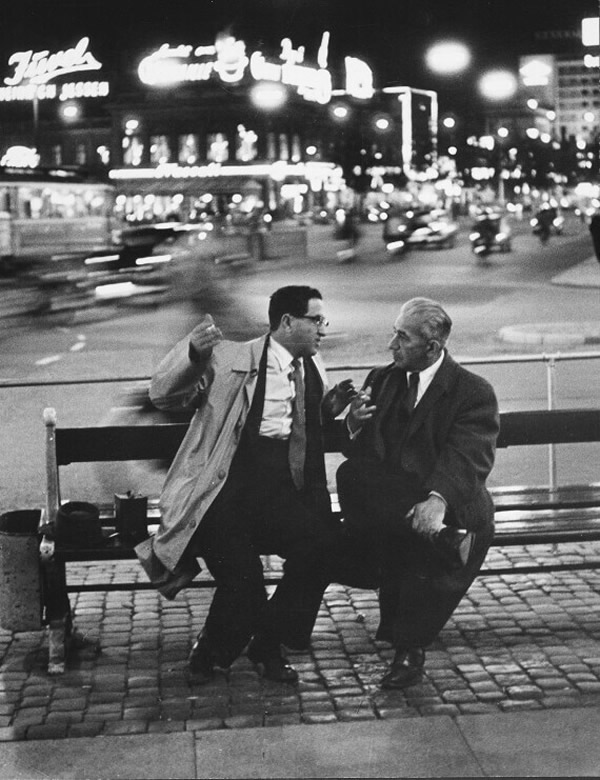
© Toni Schneiders
#19
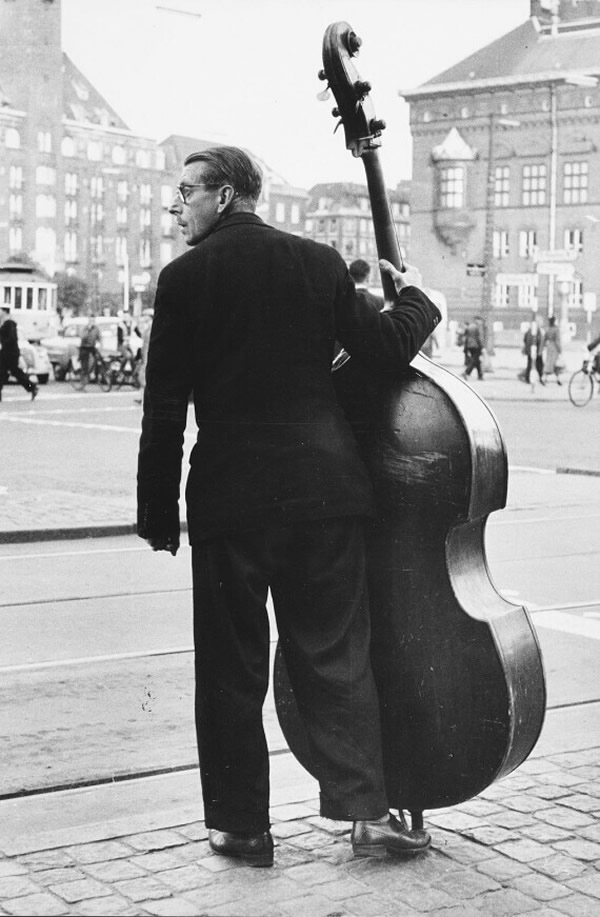
© Toni Schneiders
#20
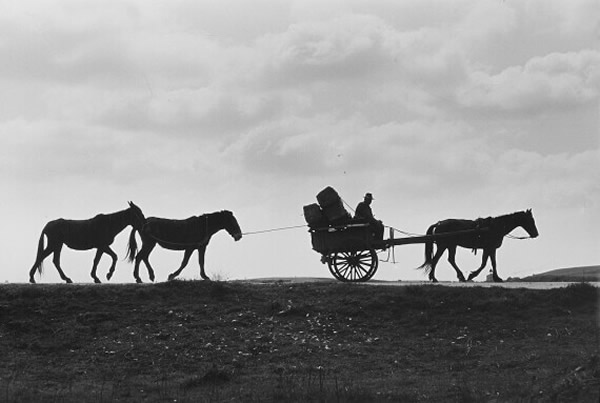
© Toni Schneiders
Why Toni Schneiders Still Matters Today
In an era of visual overload, Toni Schneiders feels more relevant than ever. His work reminds us that restraint is powerful. That form matters. That empathy and discipline can coexist beautifully.
Photographers today—especially those tired of trends and gimmicks—can learn a lot from Schneiders’ approach. He trusted the image. He trusted the viewer. And he trusted that honesty would outlast hype.
That’s why his photographs remain a pleasure to experience. They don’t age—they mature. And in a fast-moving digital world, that kind of timeless clarity is rare.
#21
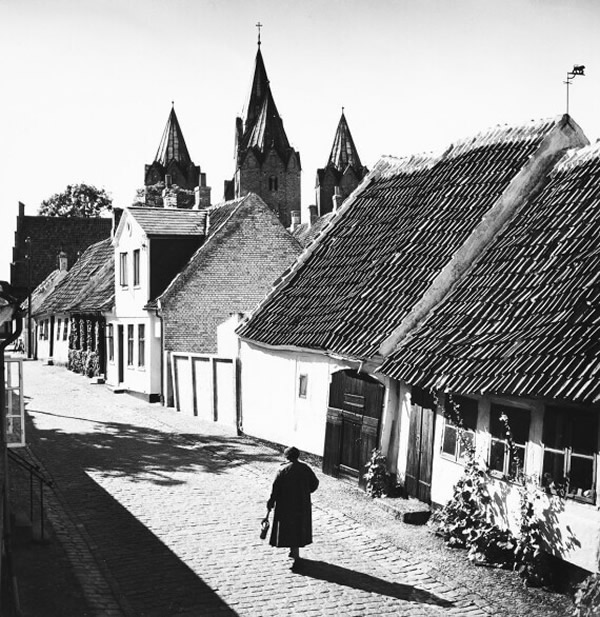
© Toni Schneiders
#22
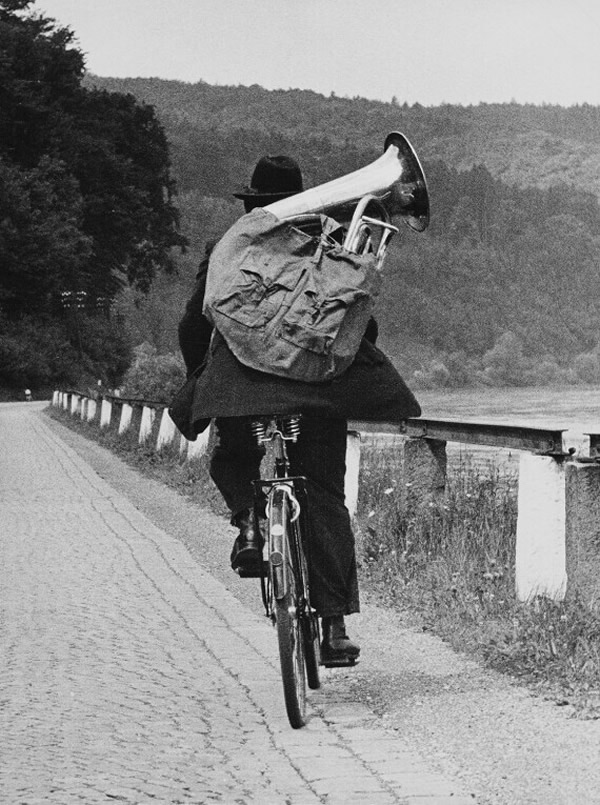
© Toni Schneiders
#23
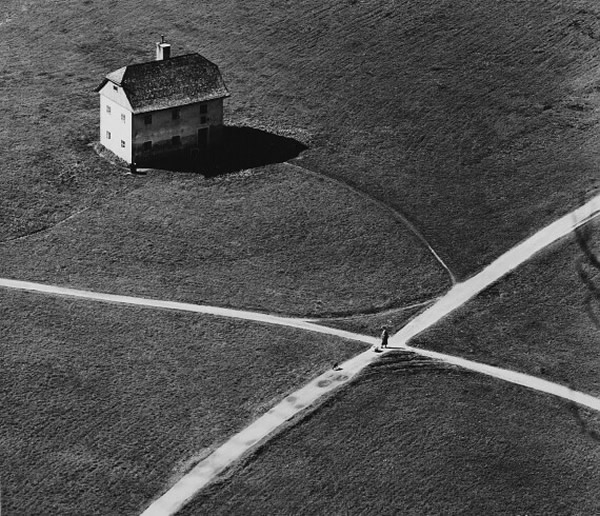
© Toni Schneiders
#24
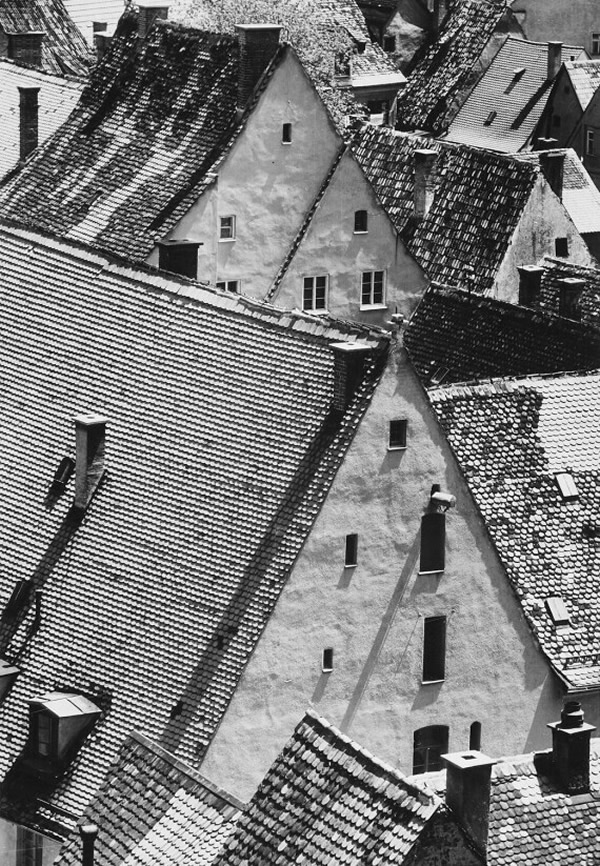
© Toni Schneiders
#25
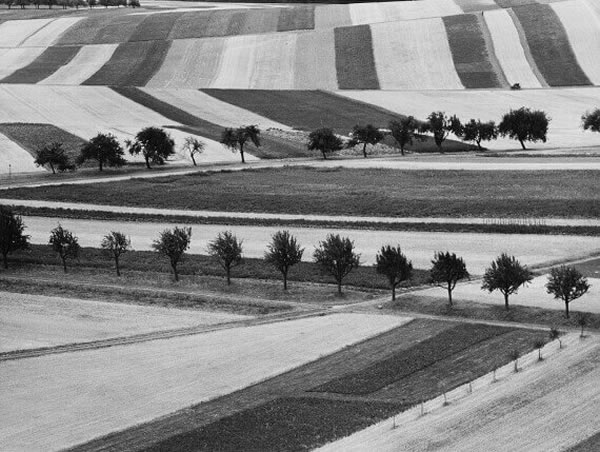
© Toni Schneiders
In Summary
Who was Toni Schneiders?
- Toni Schneiders was a major 20th-century German photographer known for blending formal rigor with emotional depth.
What is Toni Schneiders best known for?
- He is best known for his role in founding the fotoform group and helping renew German photography after World War II.
What style of photography did Toni Schneiders practice?
- His work combined New Objectivity principles, abstraction, precise lighting, and empathetic storytelling.
Why is Toni Schneiders important in photography history?
- He helped move photography away from propaganda and superficial aesthetics toward artistic independence and intellectual rigor.
Are Toni Schneiders’ works still influential today?
- Yes. His balance of structure, clarity, and humanity continues to inspire photographers and visual artists worldwide.