
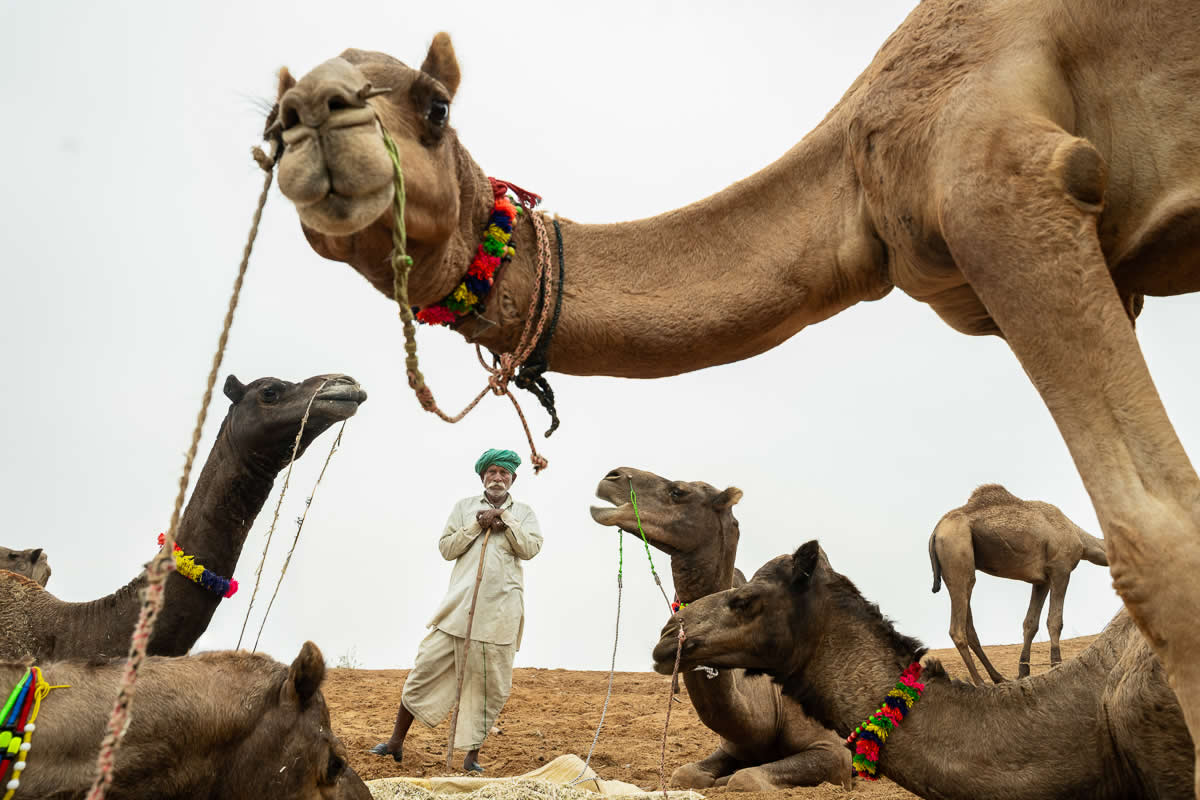
Pushkar isn’t just an event you attend—it’s an experience that grabs you by the senses and refuses to let go. Once a year, this quiet desert town in Rajasthan transforms into a living, breathing stage where ancient rituals, nomadic lifestyles, and raw human emotion collide in a whirlwind of dust and devotion. The Pushkar Mela isn’t about spectacle alone; it’s about rhythm—the rhythm of footsteps in the sand, prayers carried by the wind, and camels moving like giants across a sunburnt landscape.
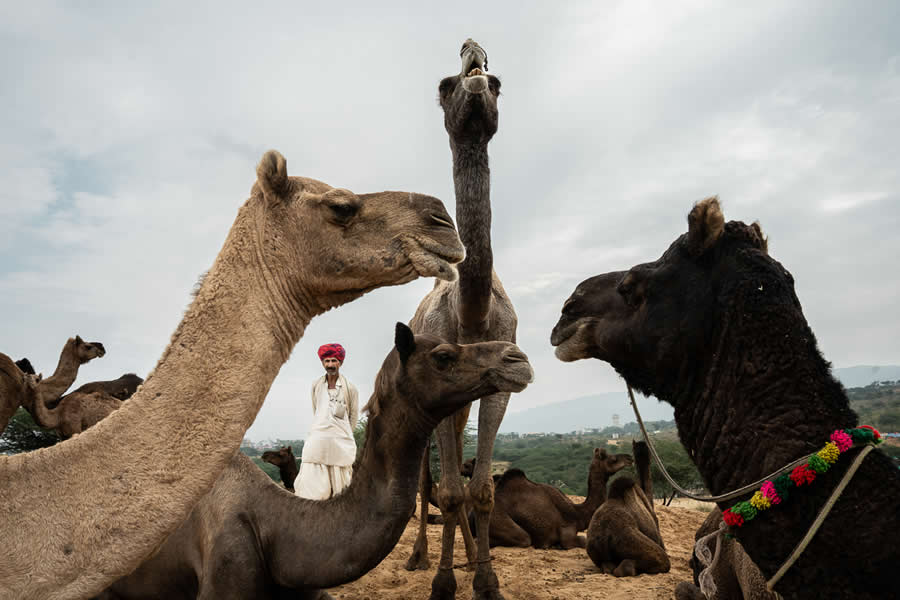
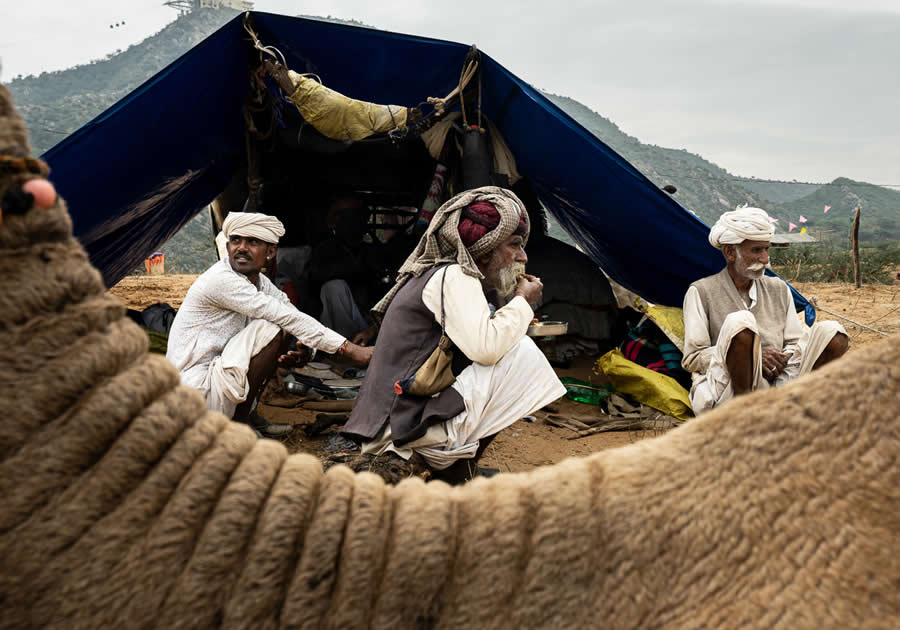
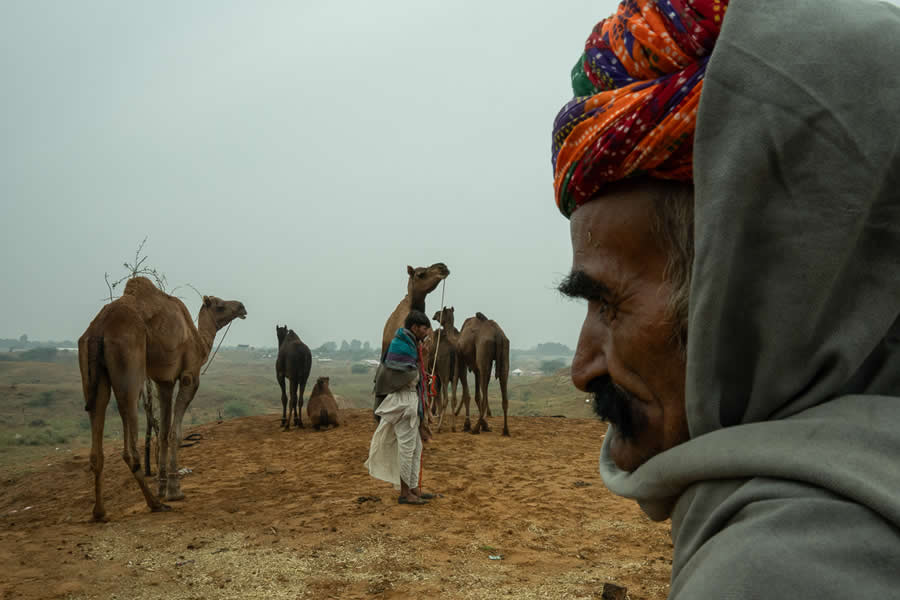
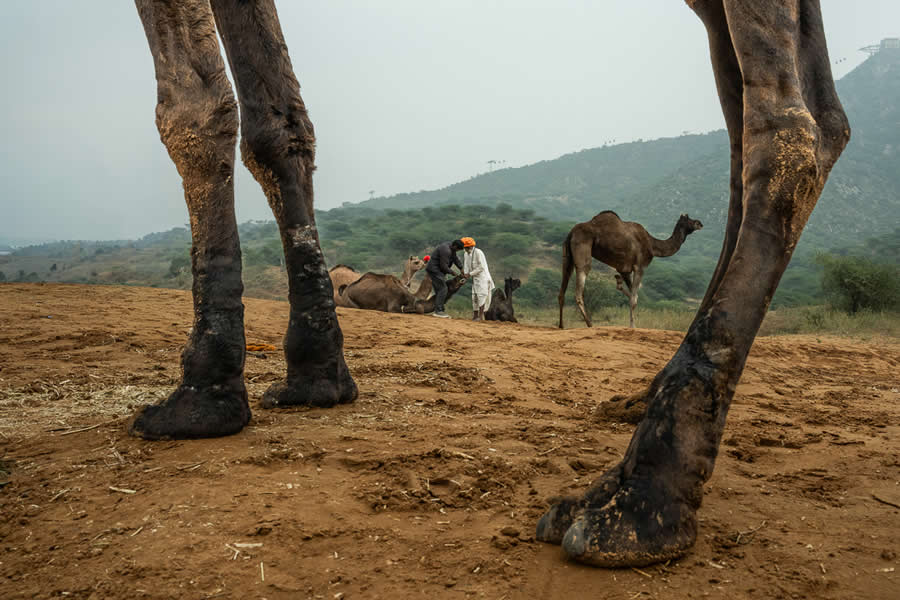
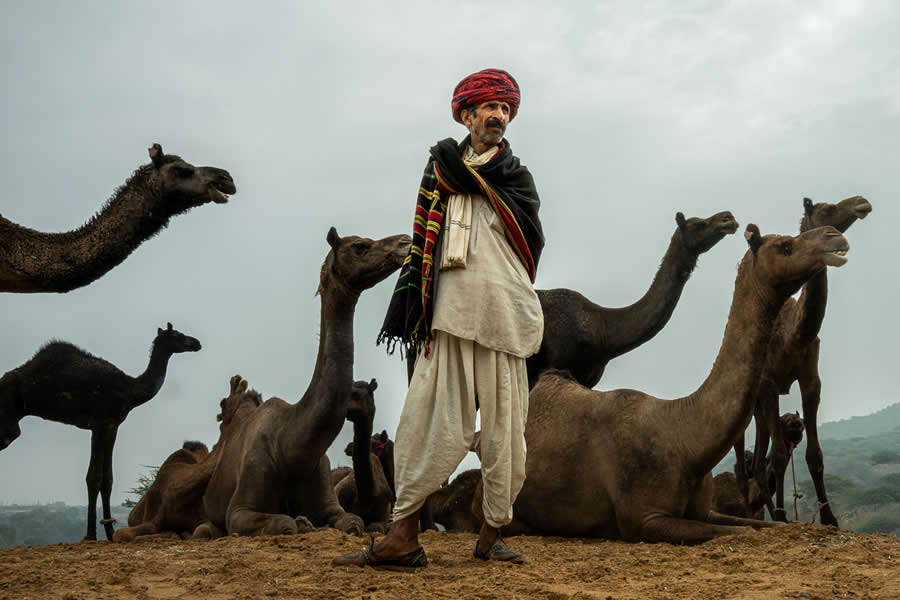
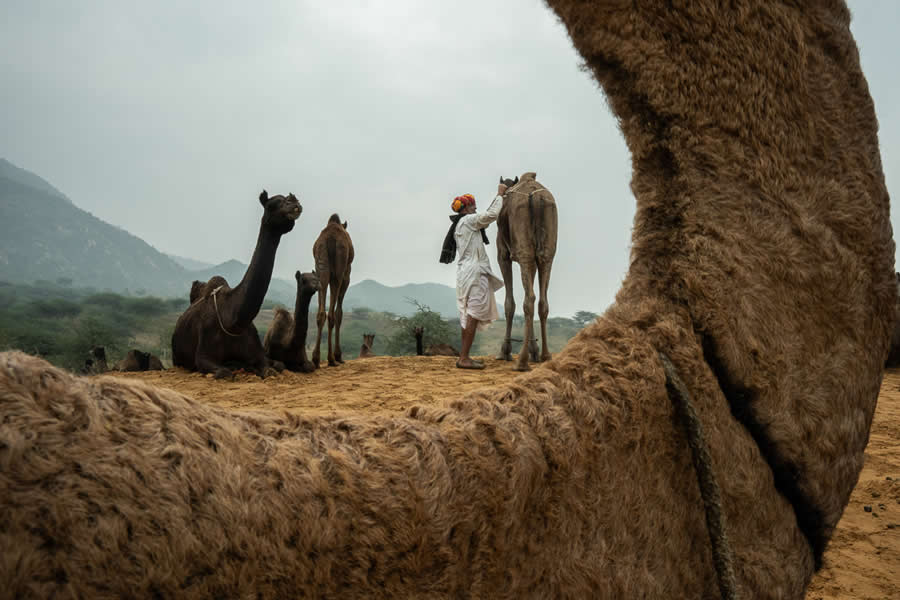
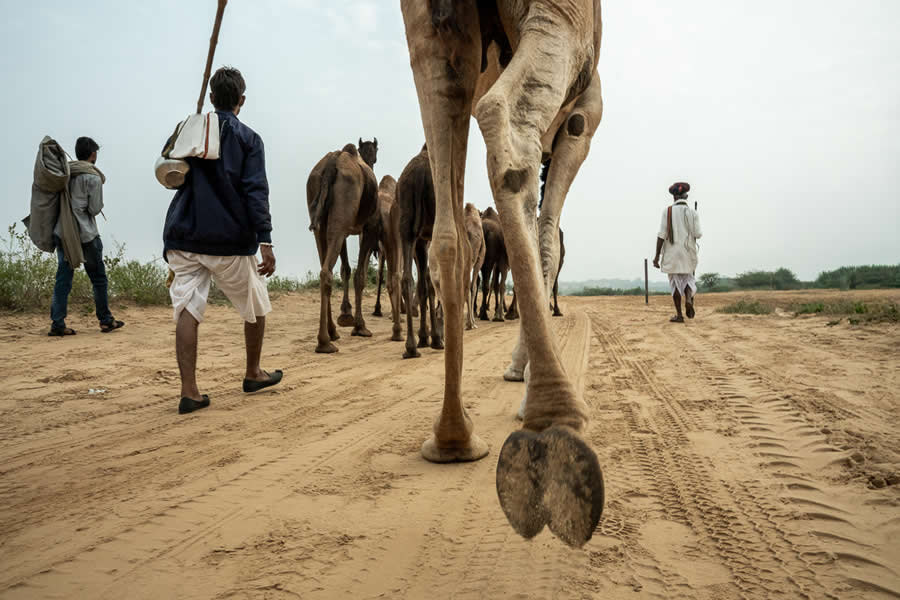
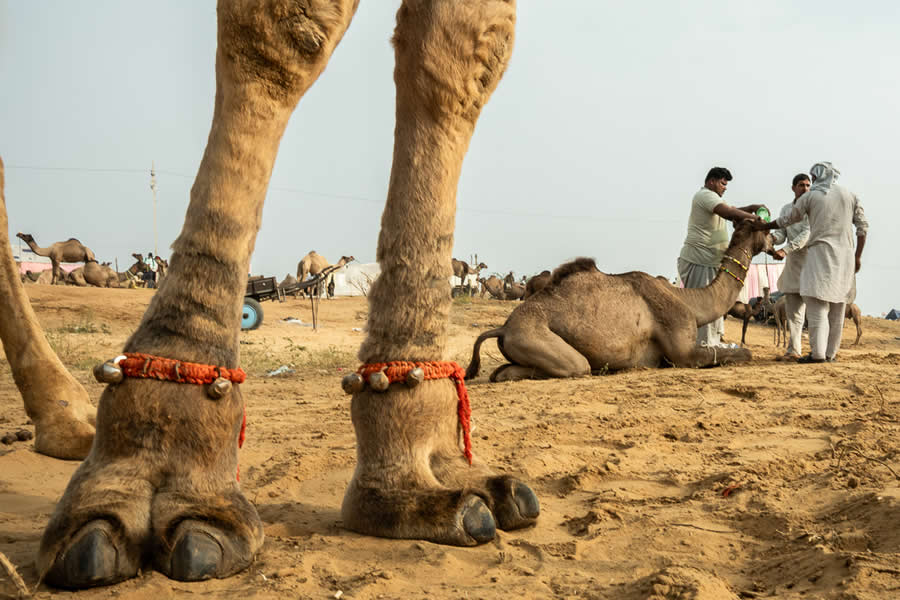
In Through the Giants’ Gate, photographer Salih KM takes a bold visual detour. Instead of shooting the festival head-on, he lowers the lens—often framing scenes through the towering legs of camels. These “giants” become gateways, shaping how we see the world beneath them. From this perspective, Pushkar feels massive yet deeply personal. The scale is overwhelming, but the emotions are intimate.
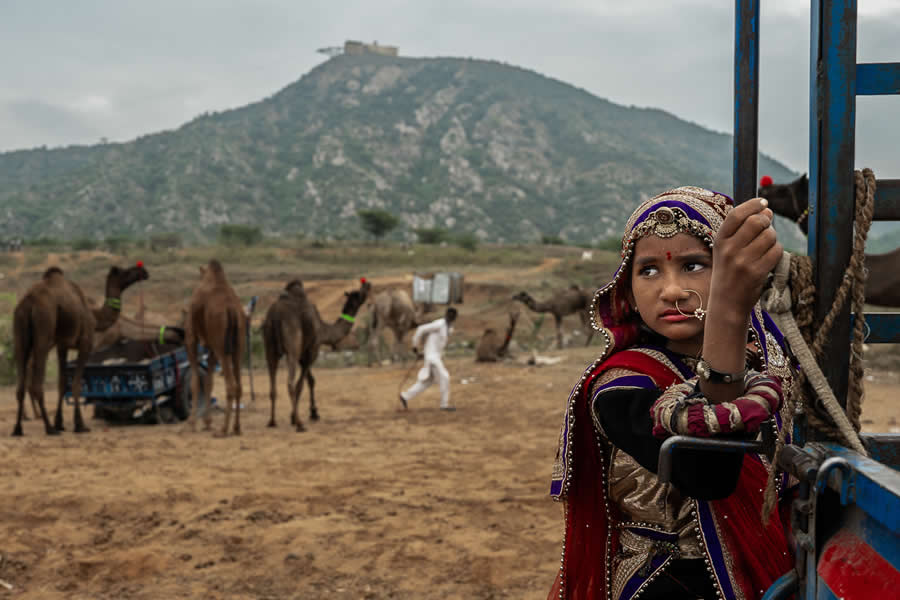
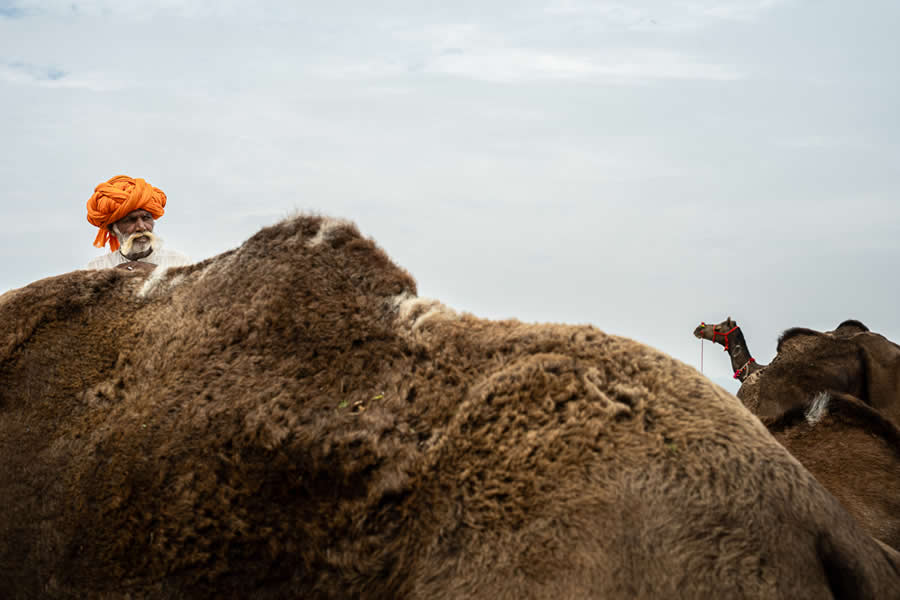
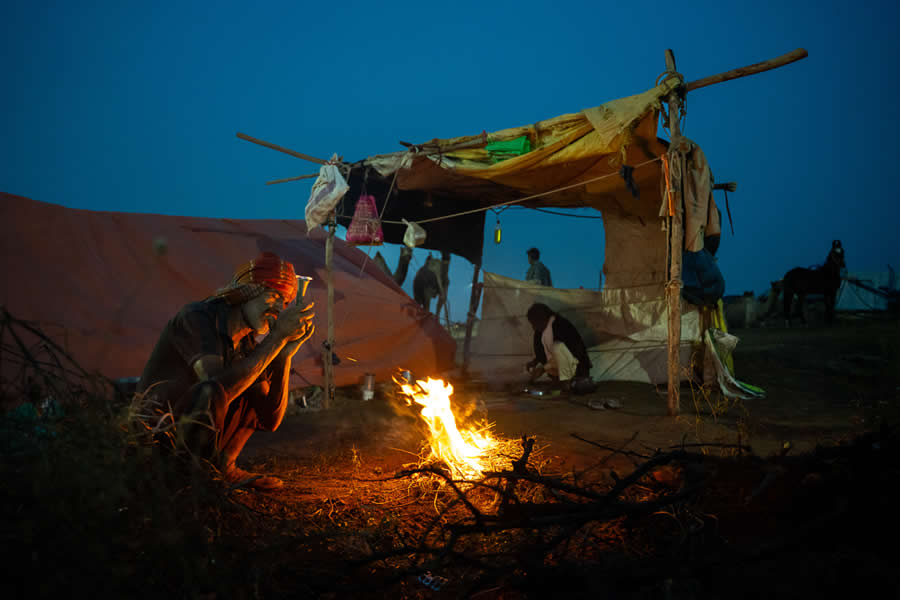
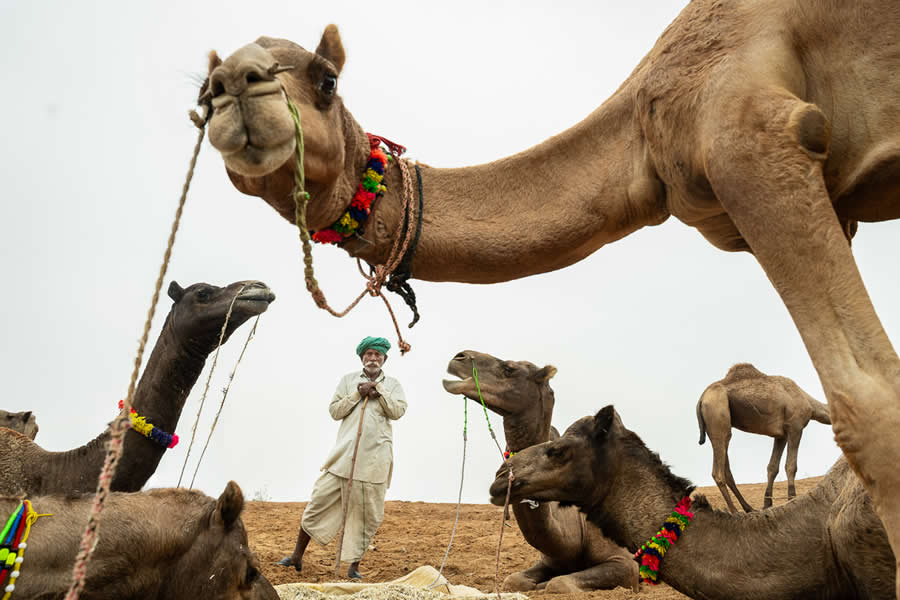
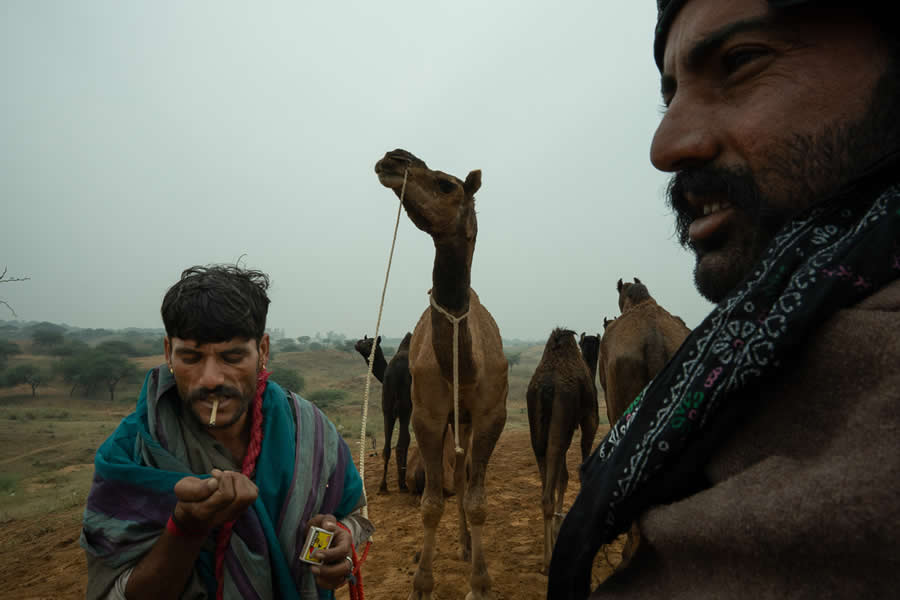
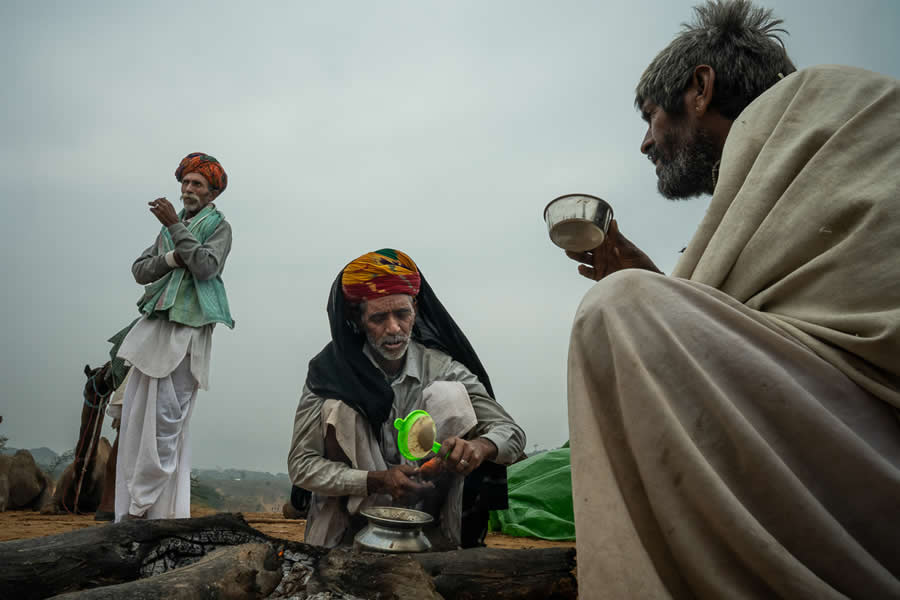
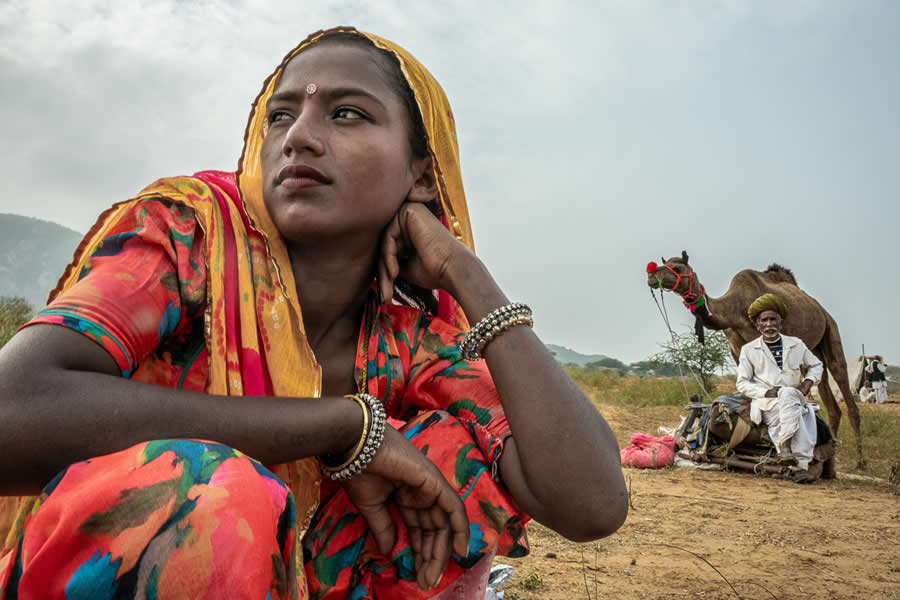
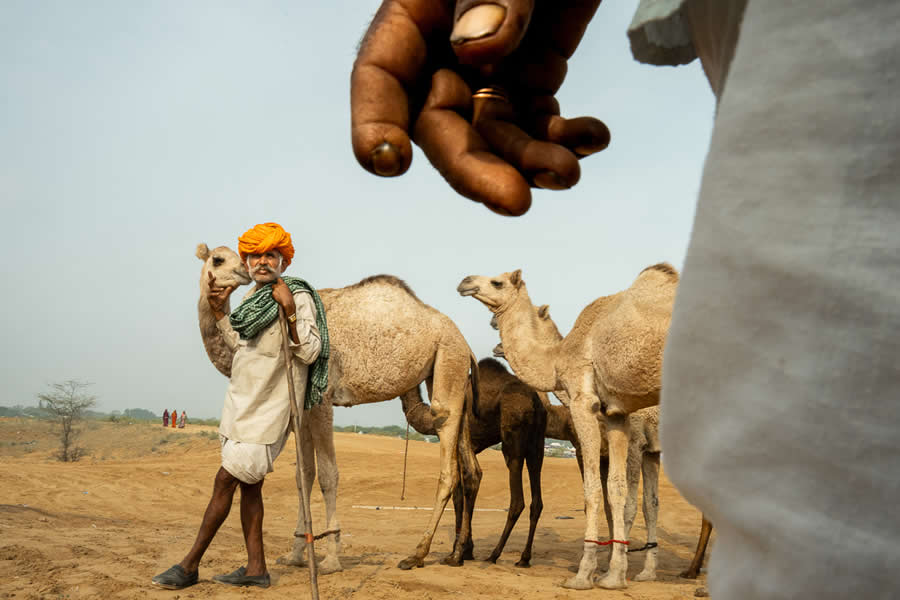
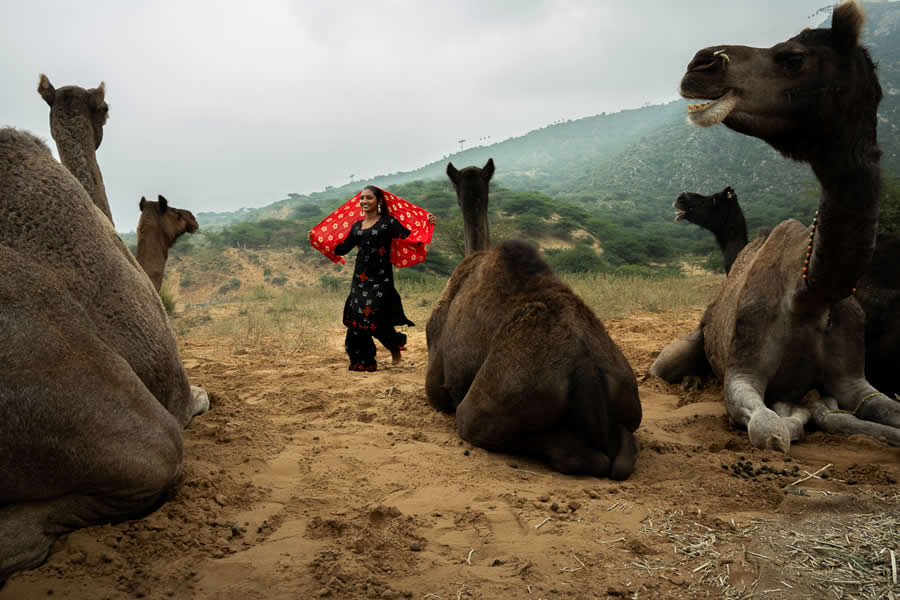
What truly elevates this series is the connection between nomadic herders and their camels. This isn’t a surface-level interaction; it’s a lifelong partnership built on trust, survival, and respect. Salih’s compositions are tight, intentional, and loaded with atmosphere. The colors of turbans cutting through beige dust roads, the emotions of people with background of camels, and the quiet pauses between chaos all come together with stunning balance. Each frame feels lived-in, not staged—like the camera was allowed into moments that usually pass unseen.
These 22 photographs don’t just document Pushkar Mela—they translate its soul. They tell stories of heritage carried forward, of traditions that refuse to fade, and of a bond between man and beast that still defines life in the desert. This is Pushkar seen differently, and felt deeply.
You can find Salih KM on the Web:
#1
#2
#3
#4
#5
Framing Pushkar Through the Giants
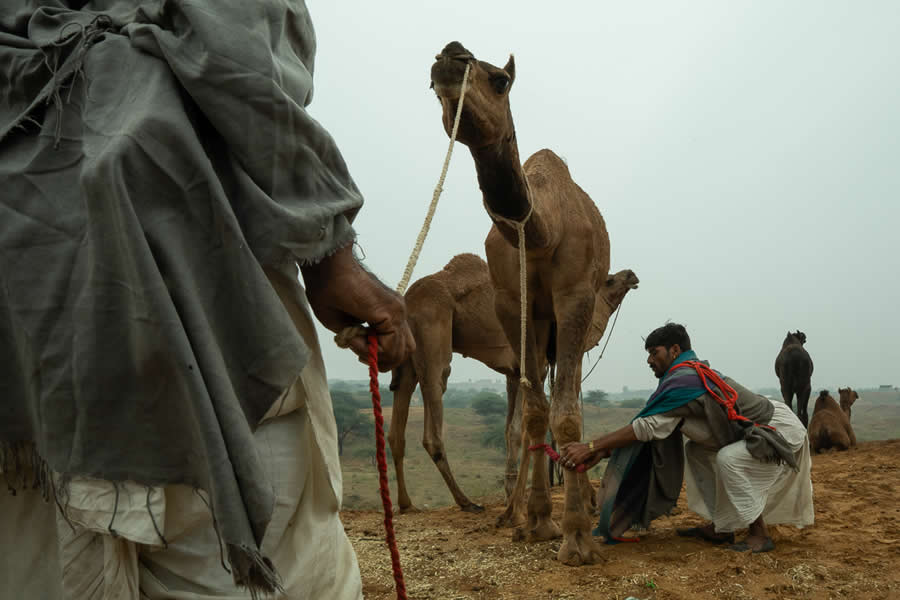
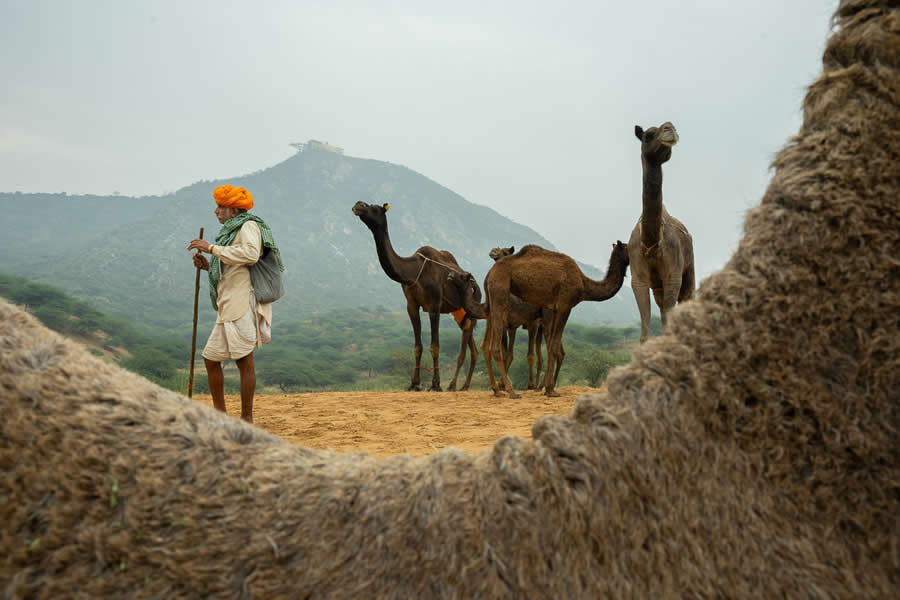
Perspective is everything, and this series proves it. By shooting through the legs of camels, Salih KM flips the visual narrative of Pushkar Mela. Suddenly, the camels aren’t just part of the scene—they are the frame. These towering animals create natural borders that pull the viewer straight into the heart of the festival.
From this low-angle viewpoint, the desert stretches endlessly, people appear smaller, and the environment feels almost cinematic. Dust swirls, robes flow, and light cuts through in unexpected ways. It’s a reminder that sometimes the most powerful stories come from angles people rarely bother to explore. This approach doesn’t just show Pushkar—it immerses you in it, making you feel like you’re standing right there on the sand, looking up at a world shaped by giants.
#6
#7
#8
#9
#10
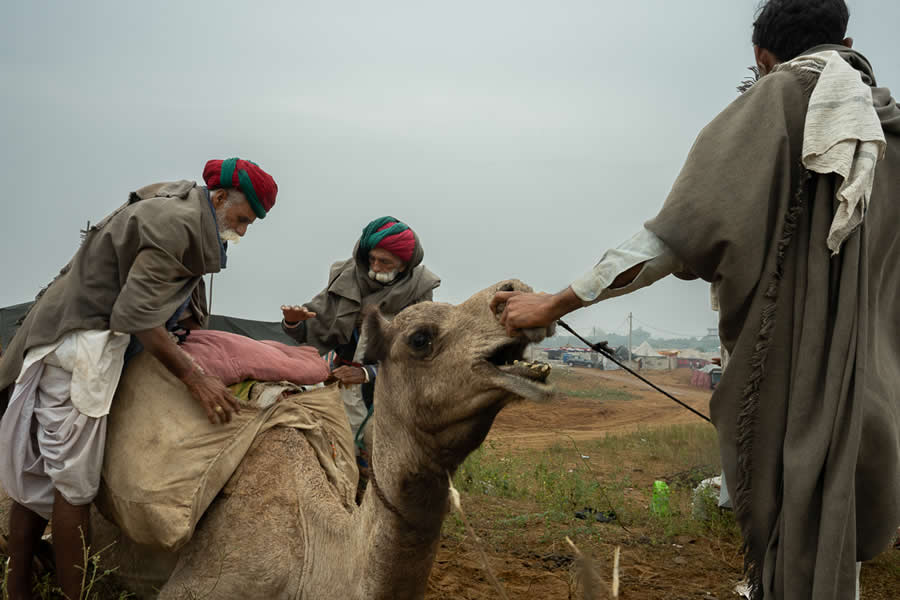
The Silent Language Between Herders and Camels
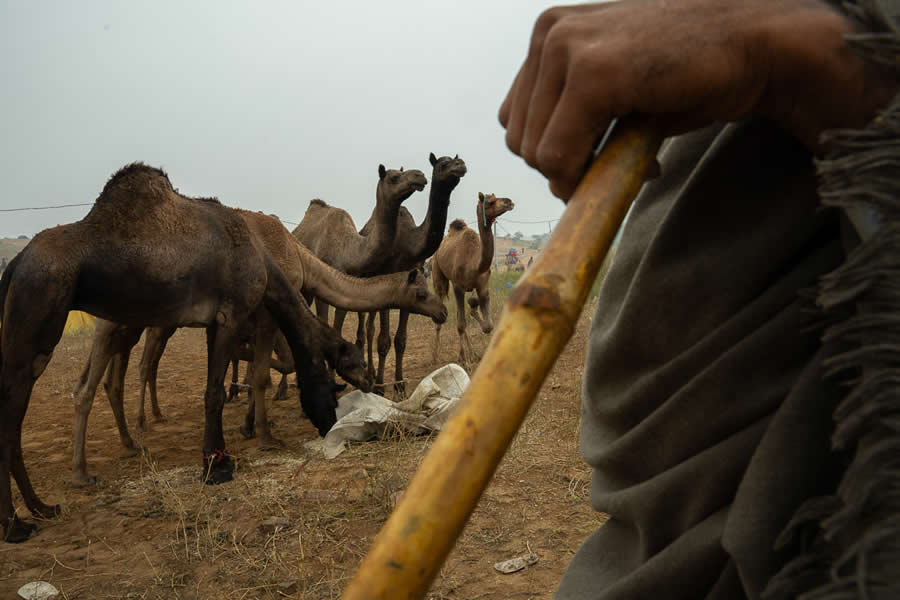
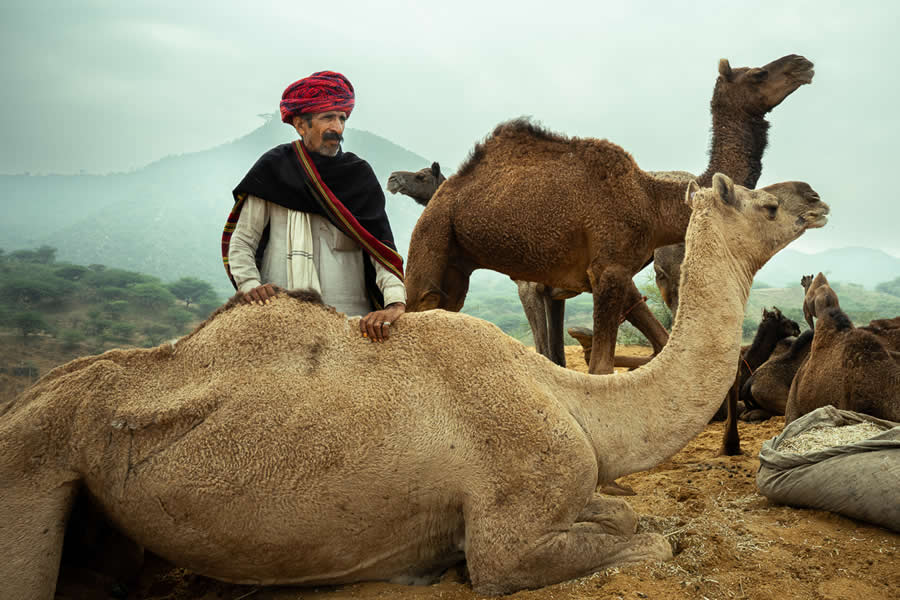
At the core of Pushkar Mela is a relationship that doesn’t need words. The bond between nomadic herders and their camels is quiet, instinctive, and deeply rooted in survival. Salih’s photos capture these moments with sensitivity—hands resting on rough skin, shared pauses, and eyes locked in mutual understanding.
There’s no drama forced here, no exaggerated emotion. Just real life unfolding. These camels aren’t decorative icons; they’re working partners, companions through harsh terrain and unpredictable days. The intimacy in these frames feels earned, built over years of dependence and respect. In a fast-moving world, this connection feels grounding—almost rebellious in its patience. The images remind us that some relationships are defined not by noise, but by trust and time.
#11
#12
#13
#14
#15
Color, Chaos, and the Soul of Rajasthan
Pushkar Mela is pure visual energy, and this series leans into it hard. Bursts of color from turbans, weathered faces lit by harsh sun, and dust roads glowing in golden light create a palette that feels both wild and timeless. Salih’s compositions balance chaos with clarity—every frame feels intentional, never overcrowded.
The magic lies in the details: a splash of red against neutral sand, a silhouette cutting through dust, a moment of stillness amid nonstop motion. These images show Rajasthan not as a postcard, but as a living culture—messy, vibrant, and proud. Pushkar becomes more than a location; it becomes a character, breathing life into every photograph and leaving a lasting impression long after the dust settles.
#16
#17
#18
#19
#20
About the Photographer
Salih KM is a Street and Travel photographer currently based in Doha, Qatar, originally from Kerala, India. His work focuses on human narratives, captured through candid moments and strong environmental context. He has been featured by the World Photography Organisation and Street Photography International (SPI), and has received multiple awards celebrating cultural storytelling and visual depth.
#21
#22
In Summary
What is “Through the Giants’ Gate” about?
- It’s a photo series documenting Pushkar Mela through unique low-angle perspectives, focusing on camels and nomadic life.
Why are camels central to this Pushkar Mela series?
- Camels symbolize survival and tradition, and are used as visual frames to show scale and intimacy.
What makes these Pushkar photos unique?
- The ground-level composition, strong framing, rich colors, and focus on human-animal bonds set this series apart.
Who is Salih KM?
- A Street and Travel photographer known for candid storytelling and internationally recognized cultural work.
What themes do the photos explore?
- Heritage, survival, tradition, human connection, and the living spirit of Rajasthan.