
Every year, science drops a little magic into the world through images — and in 2025, that magic hit a whole new level. The Royal Society Publishing Photography Competition invited scientists from across the globe to send in photos representing Astronomy, Behaviour, Earth Science and Climatology, Ecology and Environmental Science, and Microimaging. The results? Straight-up visual storytelling from the front lines of discovery.
These winning and runner-up images aren’t just pretty pictures — they’re windows into moments most of us never get to witness. Think: spider threads so delicate they look like silver strings from another universe, glaciers glowing like frozen blue cathedrals, moth wings showing off microscopic architecture, and neurite networks branching like tiny cosmic maps. Every photo hits with that “wow, science is wild” kind of energy.
A massive shoutout goes to the judges — Professor Jon Blundy FRS, Professor Duncan Mackay, Professor Ulrike Muller, and Hugh Turvey, the Science Chair of the Royal Photographic Society. They sifted through countless entries, searching for images that didn’t just look stunning but also said something powerful about the way our world works. Their eye for detail is the reason these finalists shine so brightly.
What makes this competition so special is the blend of art and science. These scientists aren’t just researching — they’re documenting the universe with the heart of storytellers. From galaxies to microorganisms, the winning shots remind us that beauty isn’t reserved for the big and dramatic. Sometimes it’s hiding in a wing, a thread, a cell… or a single moment of behavior caught at exactly the right second.
These images don’t just inform — they inspire.
You can find more info:
#1. Competition winner: "Mesmerizing spider threads" by Dr Martín J. Ramírez. Sample obtained by Dr Jonas Wolff
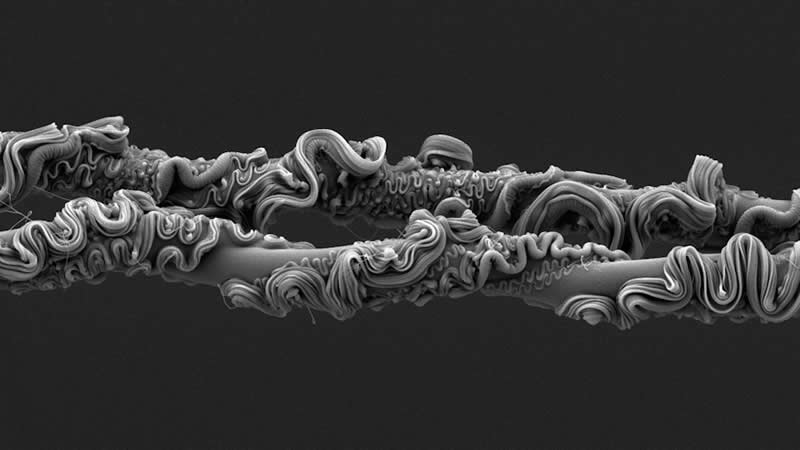
"The image shows two exceptional silk threads of the Australian net-caster spider, Asianopis subrufa. Unlike typical web-builders, this spider holds a specialized, sticky net between its four front legs. When an unsuspecting insect approaches, the spider rapidly expands its net and casts it over the prey, a maneuver that demands dramatic extensibility from the supporting lines at the sides of the sticky net.
These threads are composed of an elastomeric core encased in a sheath of harder fibers of varying sizes; the result is a structure that is both strong and stretchy. The mesmerizing, looping fibers in the image capture the eye with their meandering fiber bundles, which shift in their complex winding from large to small scales. The image covers 50 microns in width and was captured using a Zeiss GeminiSEM 360 field-emission scanning electron microscope under high vacuum and after coating of Au-Pd. Minimal adjustments of curves and cropping were applied via Adobe Photoshop."
#2. Astronomy winner: :Dancing on the Edge of Fire" by Imran Sultan
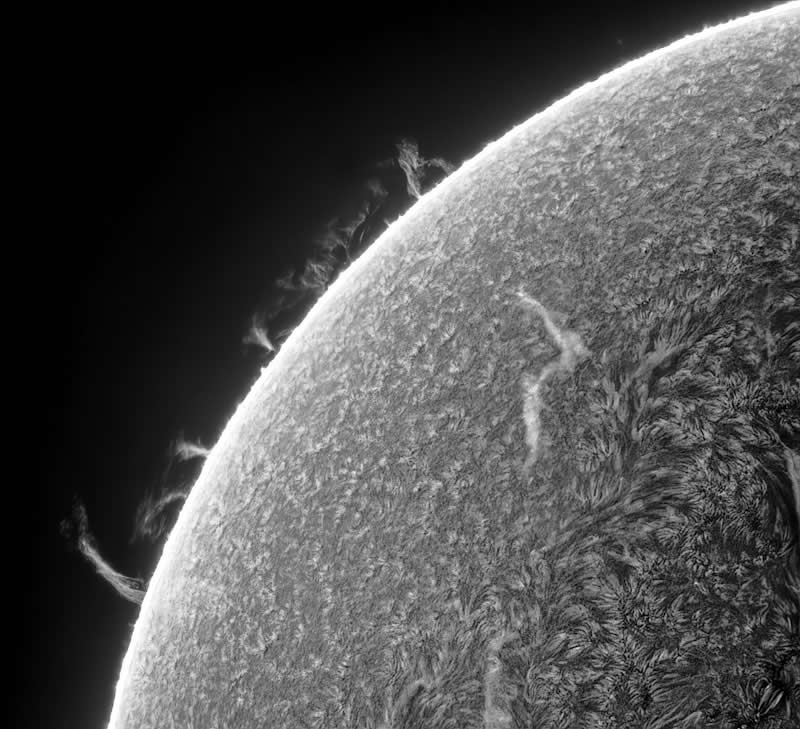
"With the Sun near the peak of its 11-year solar cycle, 2024 offered breathtaking views of solar activity, from sunspots to towering prominences several times the size of the Earth. On July 26, I observed the Sun in Hydrogen-alpha light, revealing the dynamic solar chromosphere and intricate prominences dancing along the limb. In order to see the rich details of the chromosphere, imaging in a narrow band of red hydrogen-alpha light (0.3-0.5 angstroms) while rejecting all other sunlight is crucial.
The image represents about one minute of frames that have been stacked to maximize the signal-to-noise ratio. To bring out the features of the chromosphere, I inverted the image. Equipment: Svbony SV503 80ED 80mm refractor with focal reducer and UV/IR cut filter, Daystar Quark H-Alpha Solar Filter, Star Adventurer GTi mount, ZWO ASI533MC Pro (1720 30ms frames captured with FireCapture and stacked with AutoStakkert). Processing: ImPPG: deconvolution; Adobe Photoshop: levels, curves."
#3. Behaviour winner: "Prairie Chicken Jump Off" by Peter Hudson
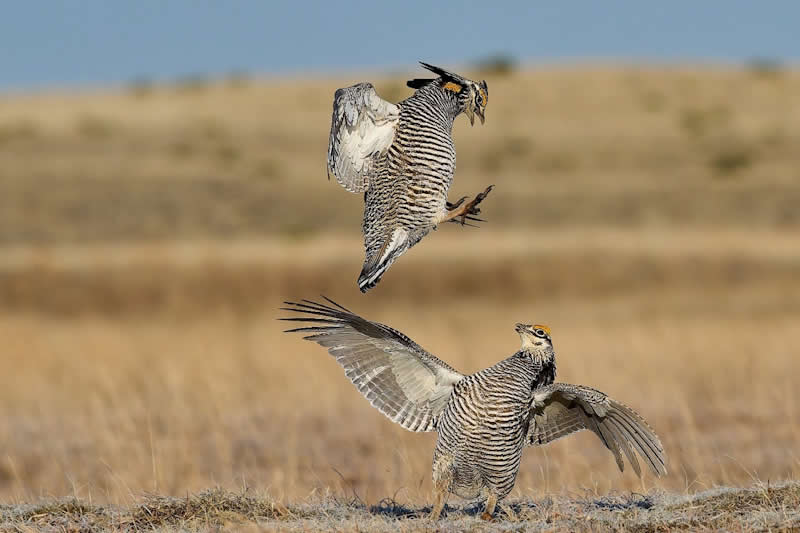
"The majority of grouse species exhibit lekking behavior, where males compete in communal arenas for females. These male Greater Prairie Chickens (Tympanuchus cupido) demonstrate the characteristic aerial combat of the smaller grouse species – one bird launches into the air attempting to strike its opponent before landing and triggering a reciprocal jump attack. Early biologists interpreted this as straight male-male competition somewhat resembling medieval tournaments, where the winning male claims the female.
However, it is now apparent that this is really female choice, and the females evaluate males across multiple behavioral and morphological traits. Younger males tend to be on the edge of the lek and as they age they tend to move into central locations, and these older males are often the individuals the female select. Interestingly if a female selects a male for copulation, then the other females nearby will also select the same male. Within a season, males consistently defend the same location and engage the same territorial neighbors, forming predictable rival pairs that surprisingly tolerate each other when females are absent.
When females are absent, they will sit and face off in a relaxed manner and then only start fighting when a female arrives on the lek. This complex social dynamic illustrates how sexual selection creates an elaborate behavioral system that extends far beyond simple dominance hierarchies to encompass nuanced social relationships, sophisticated female assessment, and these are dynamic both in space and time. Equipment: SONY A1 1/8000s, ISO 800, f4."
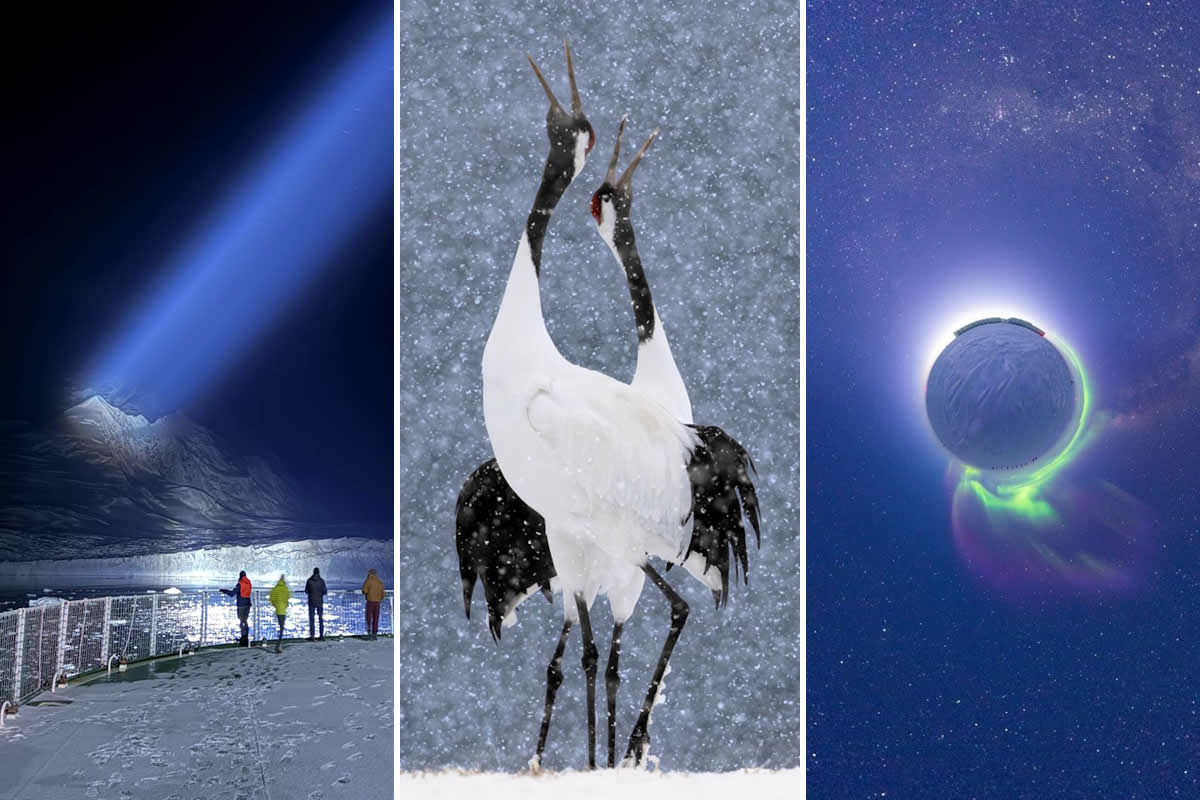
#4. Earth Science and Climatology winner: "Scanning glaciers in the Antarctic winter" by Michael Meredith
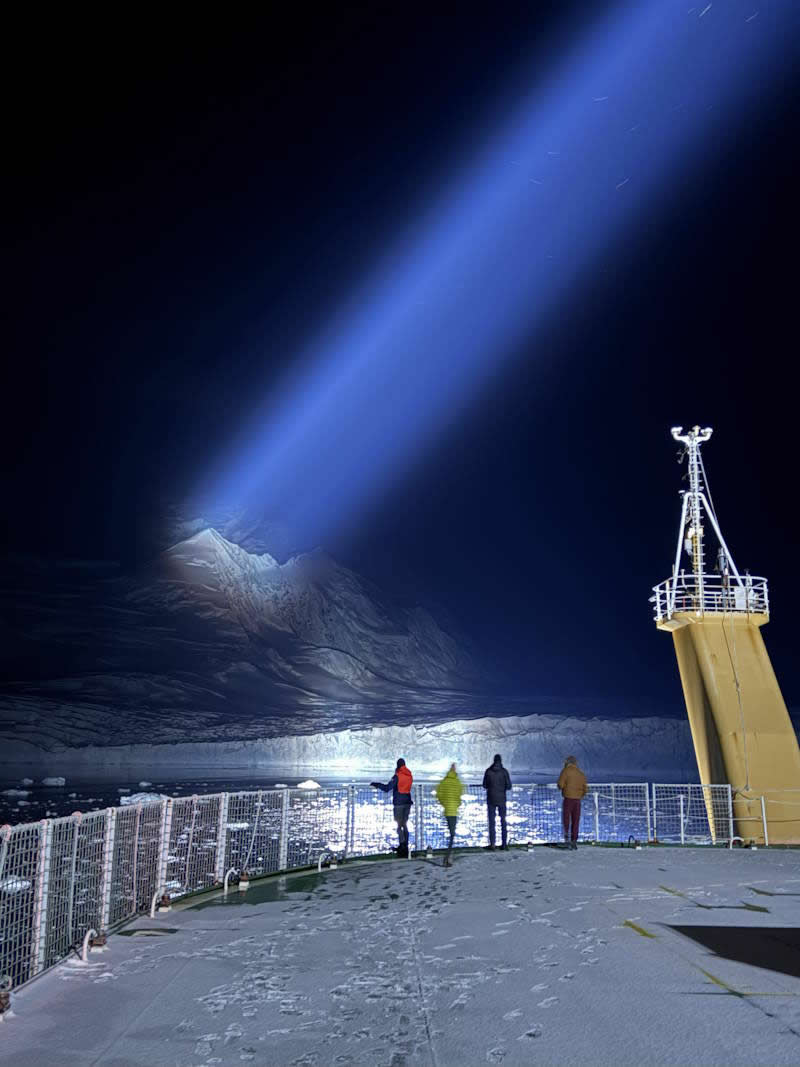
"Antarctic glaciers strongly influence the ocean, providing freshwater and nutrients to the sea when they melt, and pushing up sea levels globally. They are also vulnerable to ocean warming, becoming more unstable and calving more frequently. To understand better how these key processes work, and what are their implications for climate, sea level rise and ocean ecosystems, we ventured to the Antarctic on the UK polar research vessel RRS Sir David Attenborough.
This was a rare wintertime expedition, during which we surveyed a number of glaciers and measured the ocean adjacent to them, often in darkness and in frigid temperatures. The photo was taken during this wintertime campaign, in a key location called Börgen Bay on the Antarctic Peninsula. The glaciers here are retreating rapidly, linked to strong warming in the ocean and atmosphere.
Our measurement campaign involved manoeuvring the ship close to these glaciers, so that oceanographic instruments could be deployed at the same time as determining the glacier characteristics. The photo shows the ship’s searchlights picking out features of the William Glacier in Börgen Bay, while scientists and field staff observe. A dramatic calving of this glacier was observed later the same night. Photo taken in May 2025 with an iPhone 16 Pro Max on standard Photo setting. No post-processing applied."
#5. Ecology and Environmental Science winner: "Amphibian galaxy" by Filippo Carugati
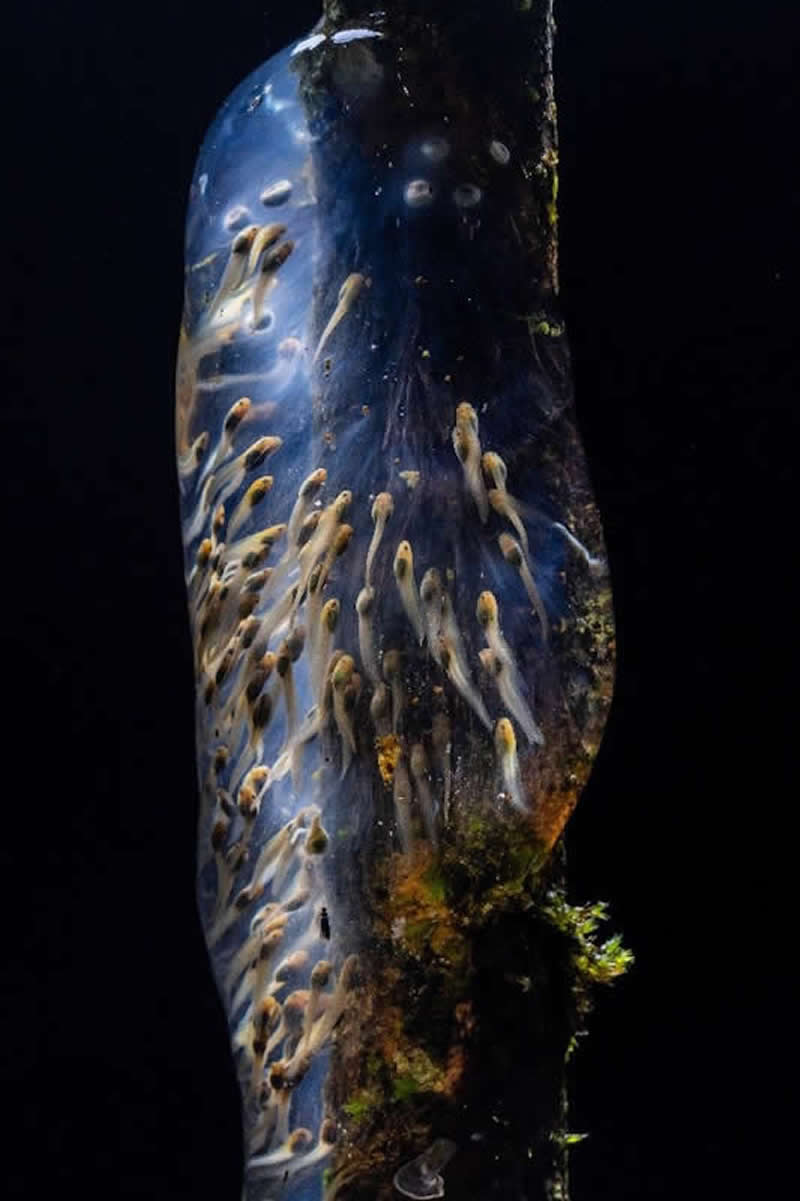
"Conducting fieldwork during cyclone season gave me the opportunity to witness a wonderful natural spectacle: Malagasy frogs’ mass reproduction. The Maromizaha rainforest (Madagascar), where I spent six months collecting data for my PhD thesis, hosts an outstanding richness of amphibians, with at least 74 endemic species. For many Malagasy frogs, reproduction peaks correspond with Winter months, a period characterized by higher temperatures and intense rainfalls.
During my nocturnal explorations of rivers and wet areas, I had the chance to observe a wide range of reproductive behaviours that characterized each frog species. In particular, I was deeply impressed by the variability in shapes, colours, and sizes of the numerous egg clutches deposited on leaves, branches, and even trunks. In this shot, I documented in situ one of these stunning encounters: a large egg clatch (20-30 cm), probably deposed by a Guibemantis liber frog, hanging to a small trunk next to a little pond.
Inside this egg aggregation, several tadpoles were swimming peacefully through the gelatinous substance that mainly composed this structure. Using an external remote-controlled flash, I light the subject from behind, enhancing the shapes of the group of tadpoles converging and, at the same time, the colourful mixture within the gelatine, which suggest a cosmic appearance. Canon R7, Canon 100 macro f2.8, remote-controlled flash with softbox. Post-production: slight levels adjustments."
#6. Astronomy runner-up: "Between Auroras and Dawn – A South Pole Sunrise After the Longest Night on Earth" by Dr Aman Chokshi
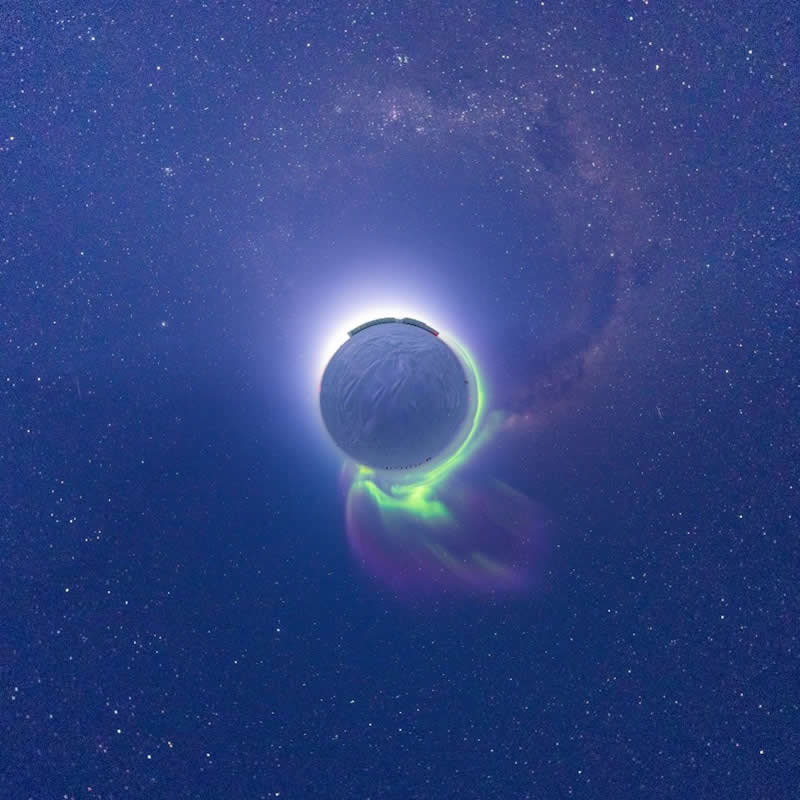
"Captured during my year-long winterover at the Amundsen-Scott South Pole Station, this image marks a singular moment — the return of the Sun after six months of polar night. At the geographic South Pole, the Sun rises only once per year, following a season of silence, stars, and unbroken darkness. The green and magenta aurora australis along the base are created as charged solar particles interact with Earth’s magnetic field. Above, the Milky Way sweeps across the Southern sky.
At the centre sits the South Pole Station, a hub for astrophysics, climate, and atmospheric research. Encircling it are the flags of the twelve original signatories of the Antarctic Treaty — a symbol of peaceful international scientific cooperation. I used a custom heated, foam-insulated camera to shoot a full 360° panorama over several minutes, battling temperatures below –70°C with severe wind chill.
The images were stitched and projected into a stereographic “little planet” to evoke the deep isolation of this environment — a tiny human presence dwarfed by cosmic and atmospheric forces. As an astronomer studying the early universe, I found this scene deeply resonant: a frozen horizon yielding to light, mirroring the emergence of structure in the cosmos.
In this single frame, auroras, stars, and sunlight converge — a fusion of Earth, sky, and space in one of the planet’s most extreme scientific frontiers. My image was shot using a Sony A7R IV camera, with a Sony FE 14mm f/1.8 GM lens."
#7. Behaviour runner-up: "The Snake That Flies" by Irina Petrova Adamatzky
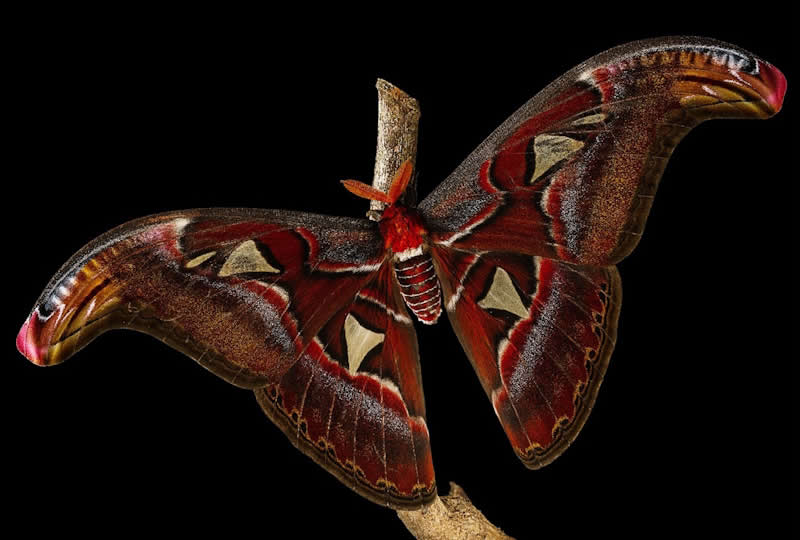
"The Atlas moth (Attacus atlas) is a master of deception. At up to 30 cm across, it is one of the largest moths in the world—yet its size alone doesn’t keep it safe. Look closely at the tips of its wings and you’ll see the shapes of two snake heads. This mimicry is no accident: birds, the moth’s main predators, instinctively avoid snakes. In this way, the moth borrows the fearsome image of a reptile to guard its short adult life.
Unlike most insects, adult Atlas moths never eat. Their mouths are sealed, surviving only on energy stored as caterpillars. They have just two weeks to find a mate, lay eggs, and protect their future offspring. Every moment counts. I photographed this individual under controlled light against a black background to highlight its wing patterns without distractions.
I could capture both the delicate scale texture and the lifelike “snake” details in crisp focus. This still portrait reveals an extraordinary behavioural adaptation: survival through disguise. Camera and lens used: Sony Alpha A7R IV, Laowa 100mm f/2.8."
#8. Earth Sciences and Climatology runner-up: "Where Fog Becomes Drinking Water: Four Decades of Science, Community, and Fog-Harvesting in the Atacama Desert" by Felipe Ríos Silva
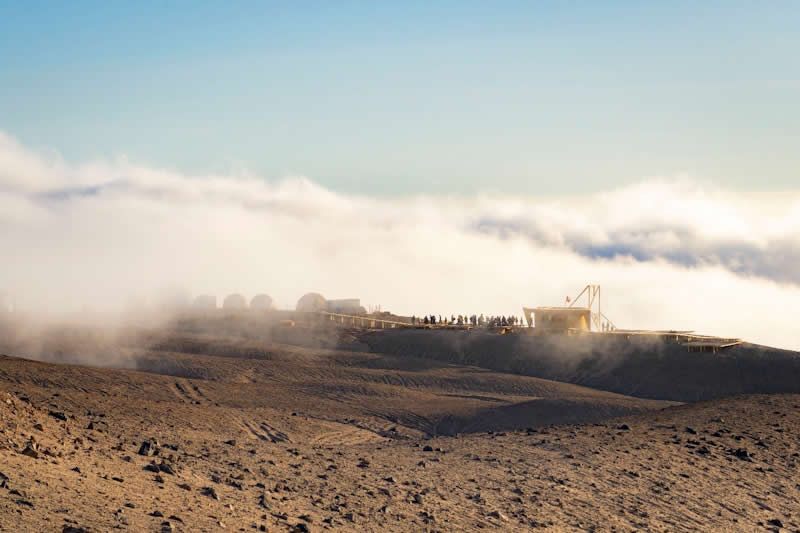
"Nearly four decades ago, researchers from the Institute of Geography at Pontificia Universidad Católica (UC) of Chile asked themselves whether it was possible to study coastal fog with a single purpose: to help and provide drinking water to the coastal communities of the Atacama Desert. Today, the foundations of those early ideas are bearing fruit. The UC Atacama Desert Center, founded in 2006, brings together a diverse group of researchers working in various fields, including meteorology, natural resources, ecology, and fog water governance.
At the same time, the study areas have progressively evolved into research stations, such as the Atacama UC Station, a site that welcomes visitors from diverse backgrounds—from school and university students to national and international researchers, and, of course, undergraduate geography students from UC. For fourth-year geography students, this station represents a unique opportunity to engage with the scientific study of coastal fog and immerse themselves in the realities of rural communities living along the Atacama Desert coast.
This experience not only strengthens their academic and scientific training but also prepares them to become better decision-makers and resource managers in the future. In the photograph, the Atacama UC Station is seen alongside a group of fourth-year geography students, enveloped by a stratocumulus cloud drifting in from the coast.
As this cloud meets the Coastal Range, it transforms into the very fog that, decades ago, inspired the first researchers to look beyond the mist—driving them, even today, to work for and with the community. My photograph was taken with a Sony Alpha 7III camera and a Sony 24–105mm f/4 lens."
#9. Ecology and Environmental Science runner-up: "Lessons from a Forgotten Dance – Inspiration from Ainu culture to reflect on our human-nature-relationship" by Kees Bastmeijer
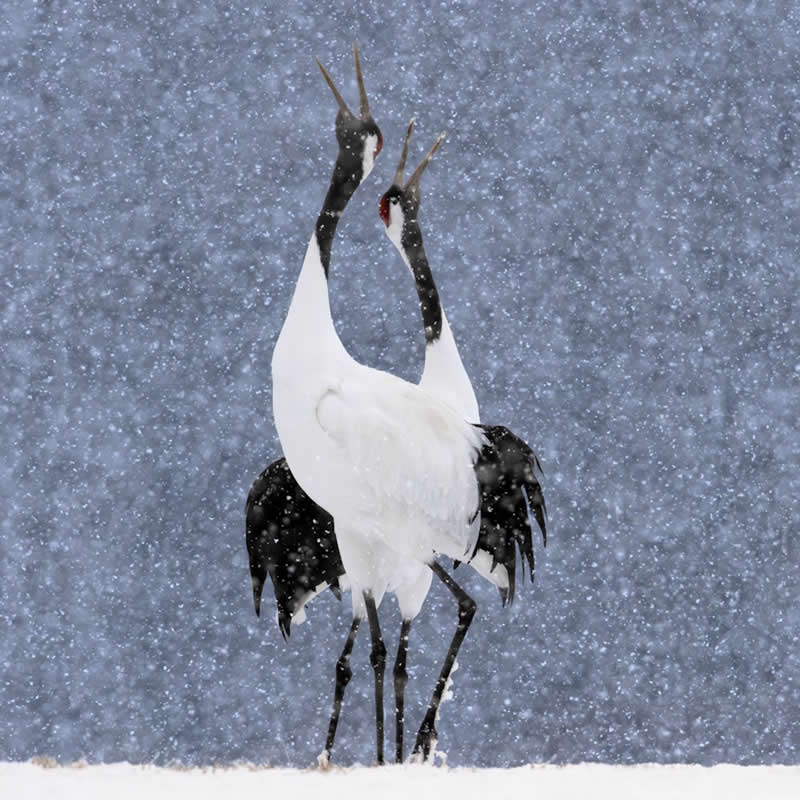
"The dances of Japanese cranes are the subject of a rich selection of ecological research (see, for instance, Kohei F Takeda et al., Uncoordinated dances associated with high reproductive success in a crane, Behavioral Ecology, 30/1(2019) 101–106, https://doi.org/10.1093/beheco/ary159), but my main interest lies in the role of these birds and their dances in the culture of Japan’s Indigenous people, the Ainu.
From my research as a professor of nature conservation law, I know that much of the existing nature conservation law is ineffective and, as a result, biodiversity and wilderness continue to be under pressure. Ultimately, the cause of this can be traced back to the failure to accord sufficient weight to natural values in Western decision-making processes, which makes it impossible to control the cumulative effects of our actions on these values. Indigenous cultures, for instance through their tales, songs, dances and unwritten rules, can inspire people from Western countries to think about human-nature relationships.
I would like to start a project in which my photography of red-crowned cranes in Hokkaido is connected with the knowledge of Ainu scholars on crane related tales, songs, and dances of the Ainu, with the aim to a) contribute to efforts to introducing people to Ainu culture, and b) inspiring people to reflect on their human-nature relationship through Ainu worldviews. The photograph has been made with a Fujifilm X-T4 camera and a Fujifilm XF150-600 mm lens (at 467 mm, time 1/1900 sec, ISO 4000 and aperture f10)."
#10. Microimaging runner-up Neurite Nexus: "The Blueprint of Motion" by Swetha Gurumurthy
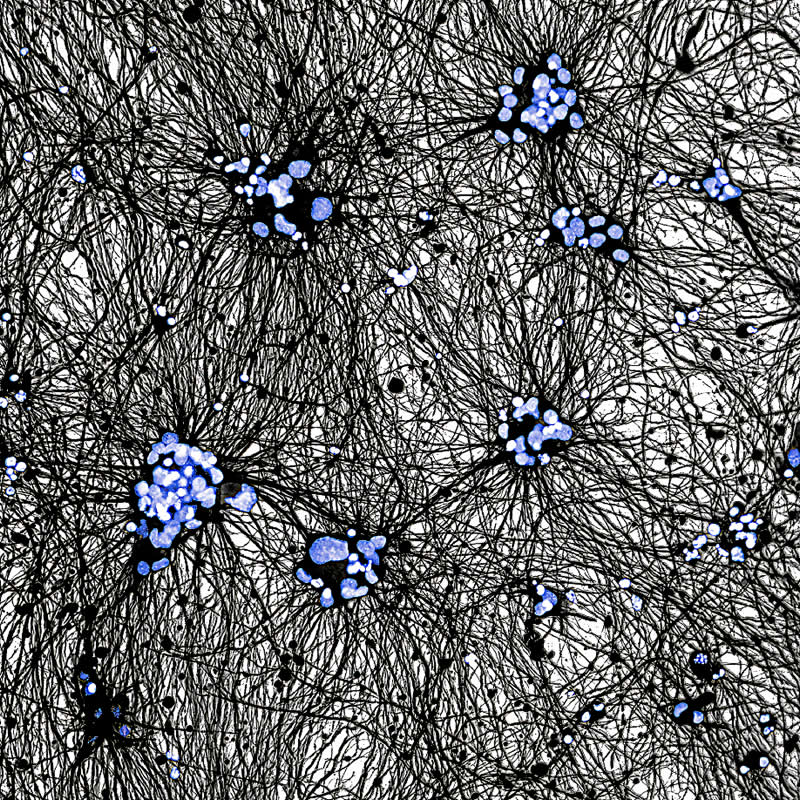
"Research project in collaboration with Dr Kyle Denton. This photograph unveils the elegant complexity of the human motor neurite network—thin, branching “highways” that connect individual nerve cells and enable movement. The striking web of black on white is a delicate network of motor neuron extensions, visualized using a special stain called TUJ-1 that highlights young nerve fibers.
These connections are foundational for muscle control, and studying them helps researchers better understand how neurodegenerative diseases, such as Amyotrophic Lateral Sclerosis (ALS), disrupt communication in the nervous system. The image was captured by differentiating human induced pluripotent stem cells (hiPSCs) into motor neurons in vitro. Skin cells from ALS patients were reprogrammed into induced pluripotent stem cells and guided through developmental stages to become neurons.
The neurite network was stained with TUJ-1 and imaged at 20x objective using a Biotek Cytation 10 confocal microscope. Staining these fragile neurites required extraordinary precision to preserve their integrity. Ten individual z-slices were taken to capture each focal plane of the three-dimensional neurites. Post-processing with GEN5 image analysis software involved projecting the z-slices to create the final image, which was deconvoluted to enhance sharpness and resolution.
The final image applied a black-and-white palette (inverted grayscale), clearly displaying neurites as black structures against a white background, with the DAPI nucleus shown in blue. This neural “cityscape” represents the beauty and fragility of our nervous system, inviting viewers to appreciate the infrastructure that enables us to move and interact with the world."