
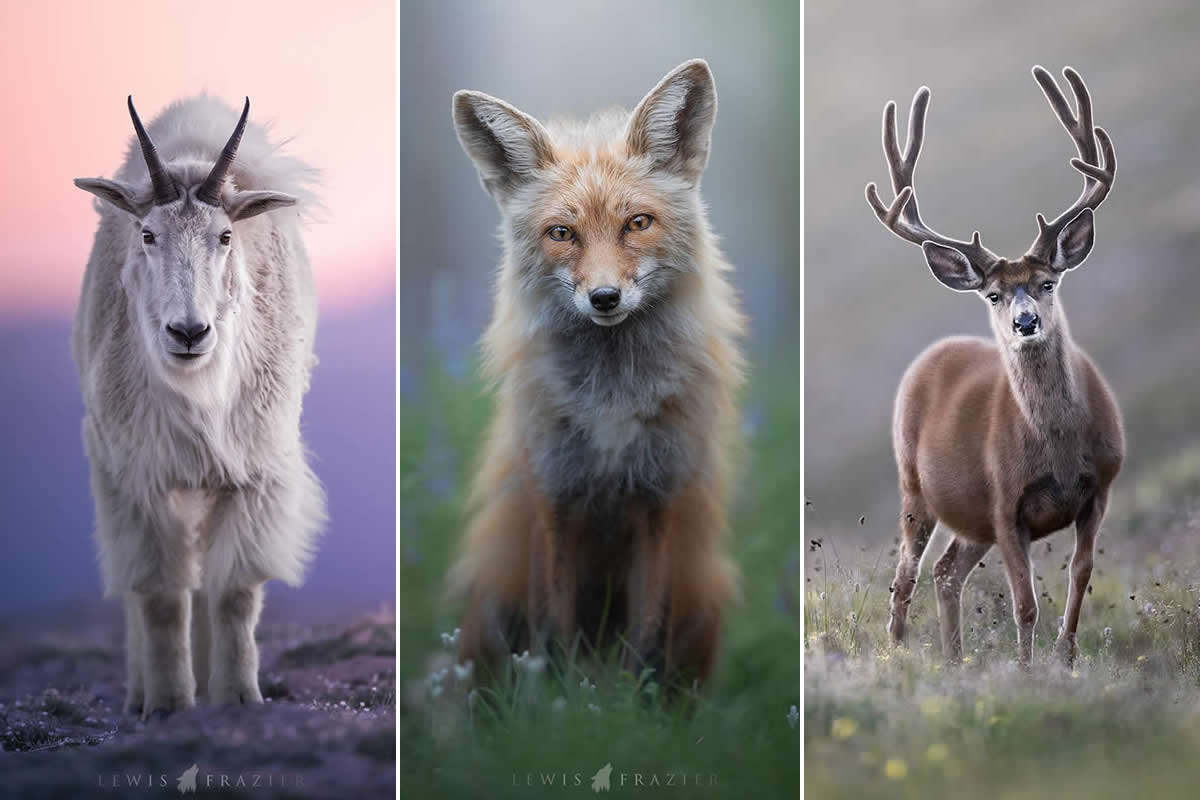
Wildlife photography usually hits us with adrenaline—speed, teeth, talons, chaos. But Lewis Frazier plays a different game. His images slow your breathing. They ask you to pause. They live in that rare space where silence feels louder than sound and stillness carries weight. These 30 dreamlike wildlife photographs aren’t about spectacle—they’re about connection. About the quiet bond between observer and subject, between humans and the wild world we’re still learning how to respect.
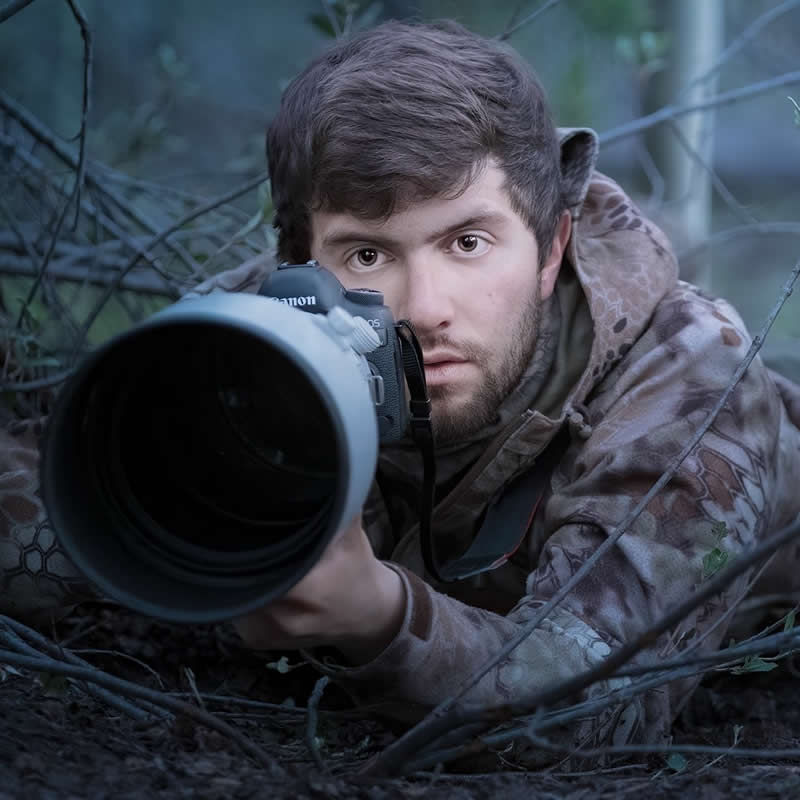
Frazier’s work leans into softness—creamy bokeh, gentle color palettes, shallow depth of field, and insane detail that makes fur, feathers, and eyes feel touchable. But don’t get it twisted: behind that calm vibe is risk, patience, and thousands of hours spent waiting in the dirt, snow, and shadows. Lewis has spoken openly about how failure—not success—shaped his career. Early on, fear made him grab the first safe shot. Later, growth came when he learned to wait, to risk missing the image entirely in pursuit of something more honest, more emotional, more alive.
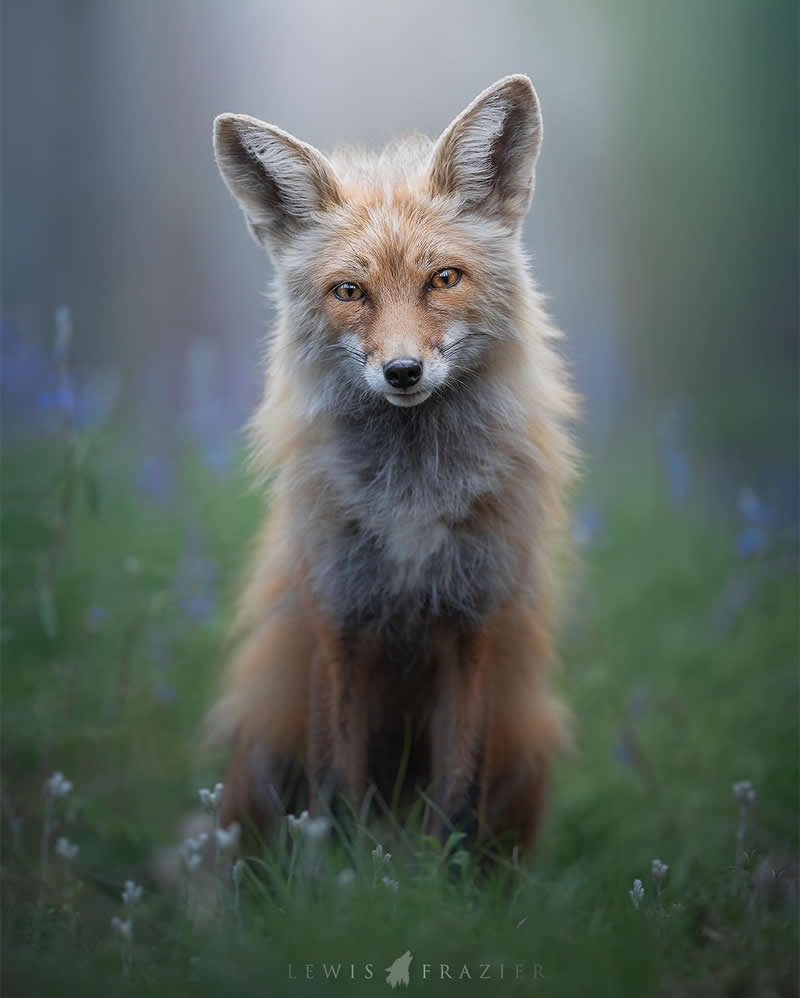
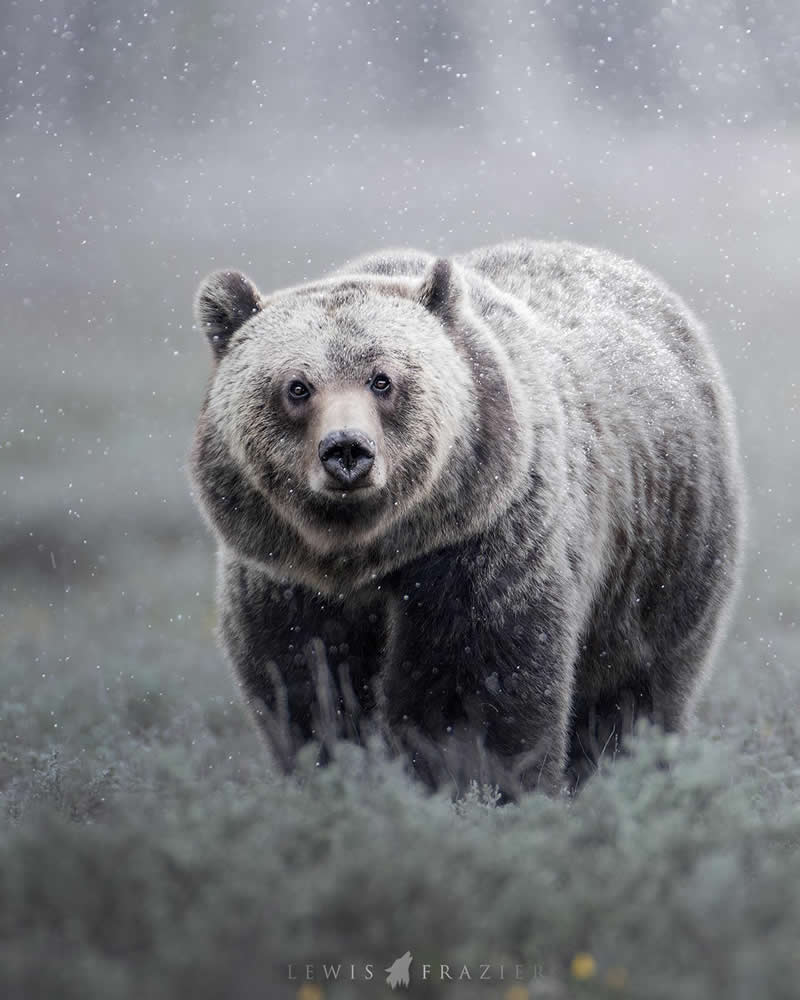
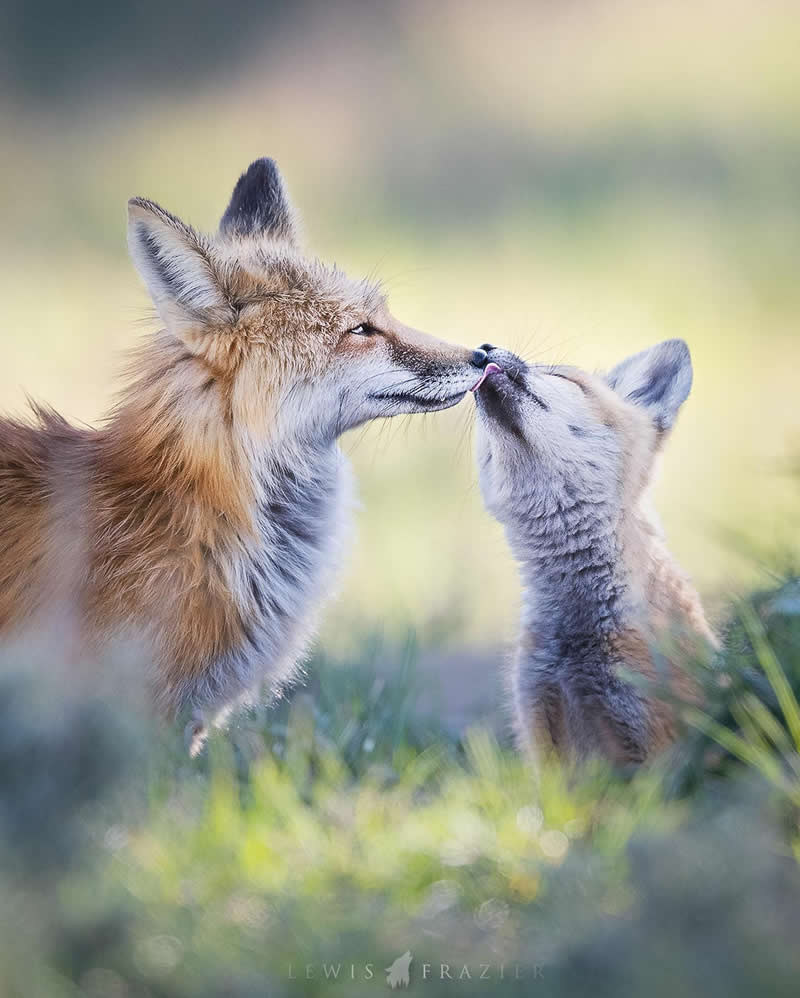
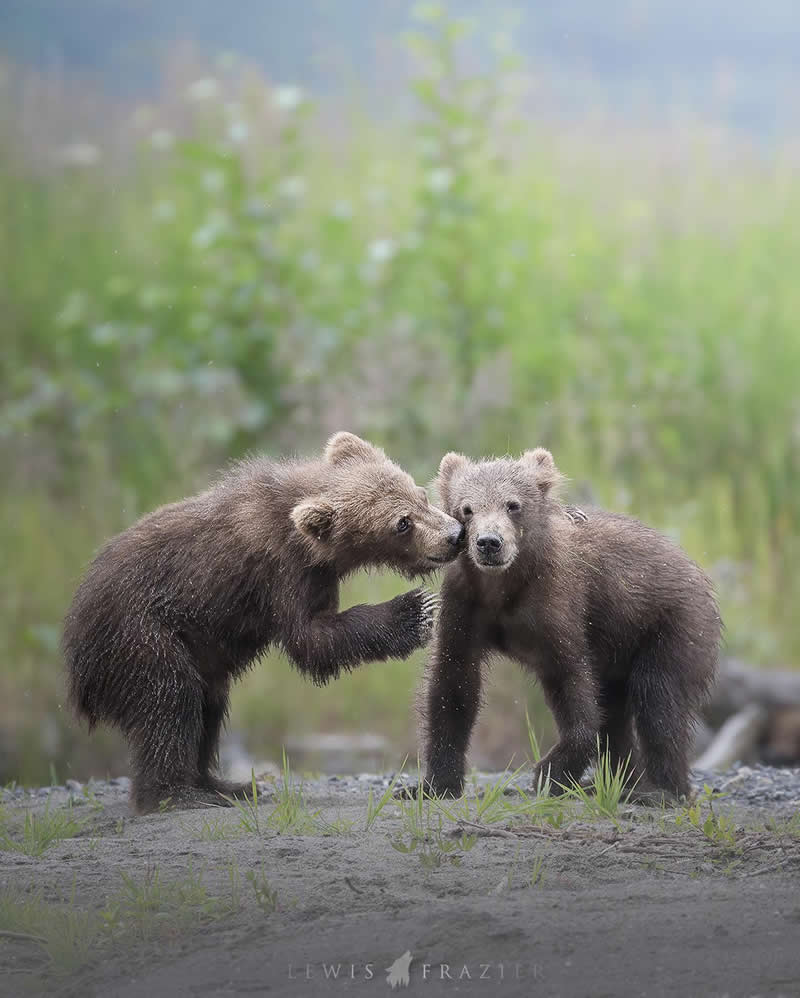
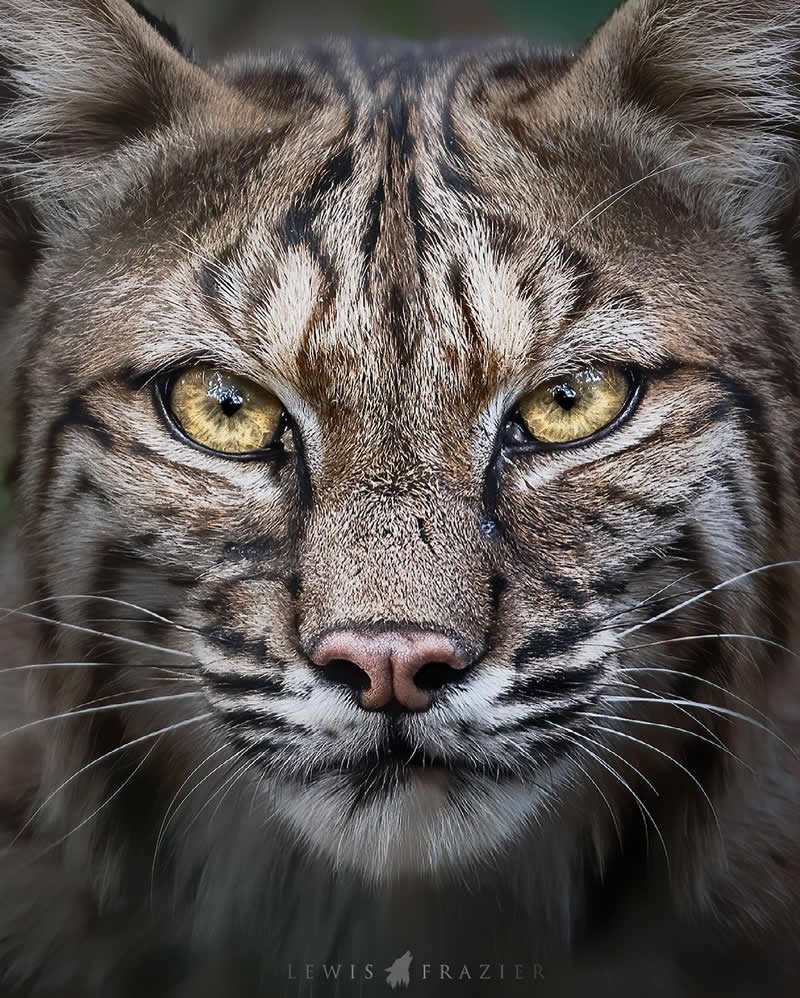
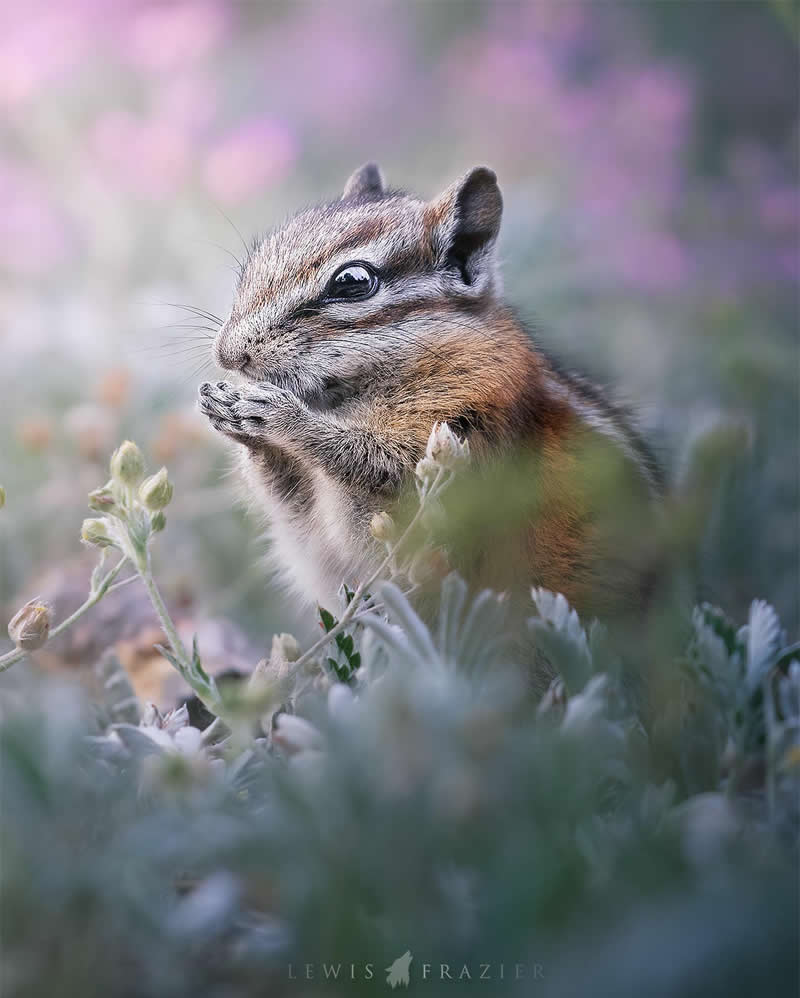
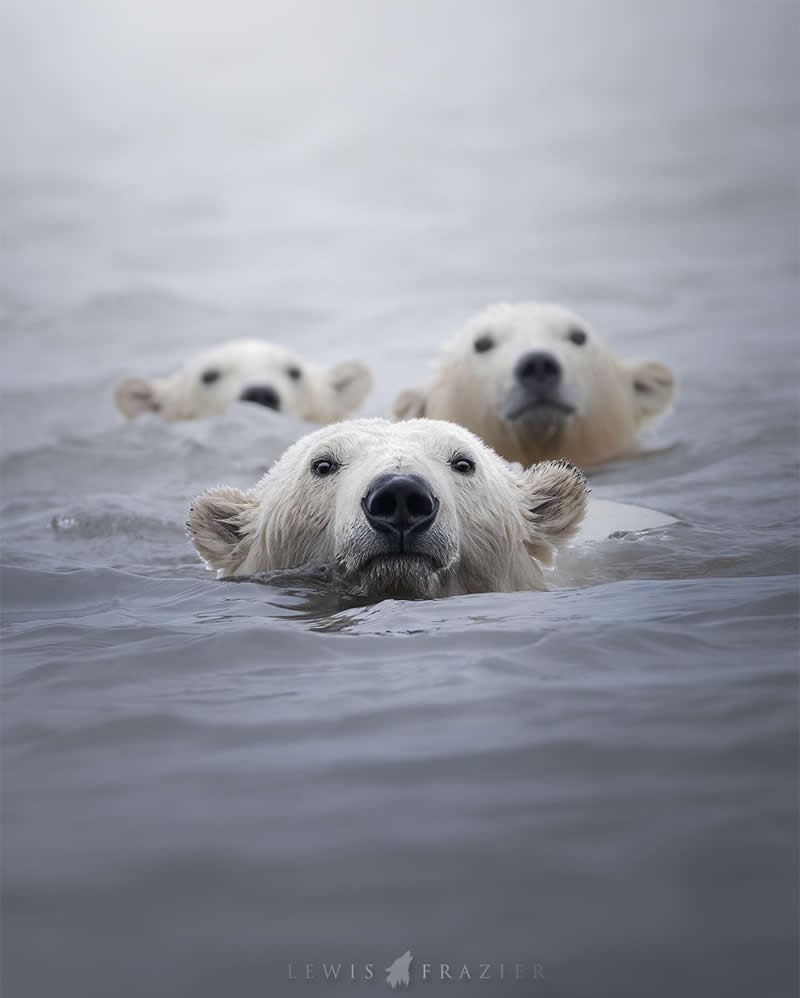
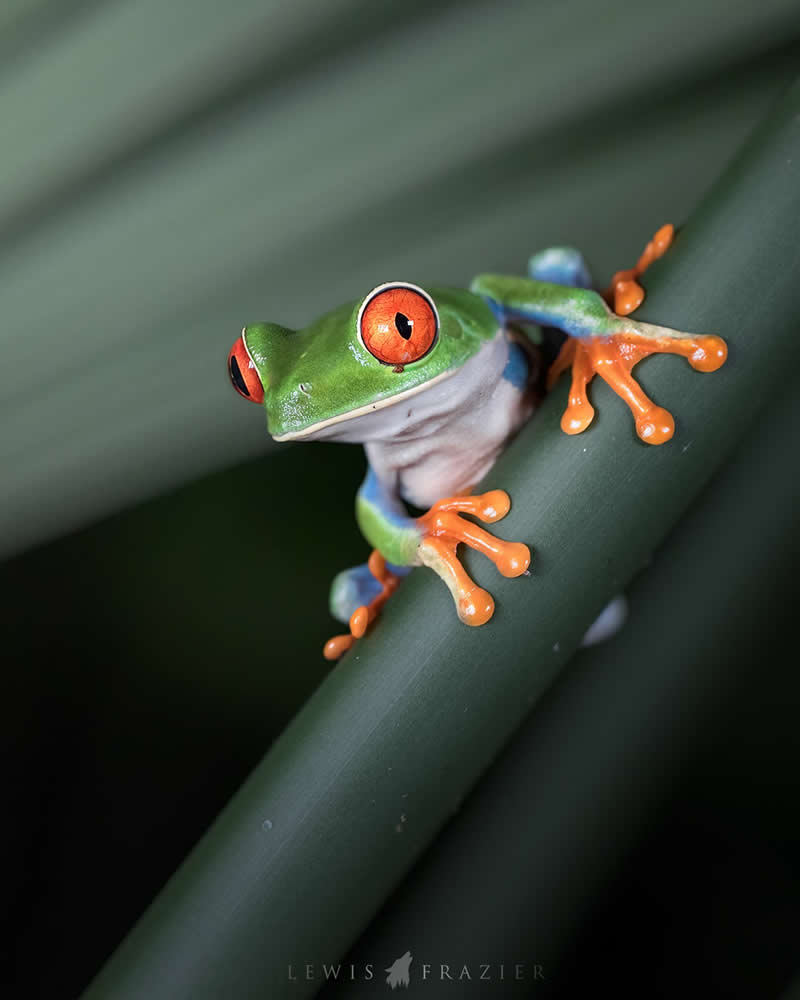
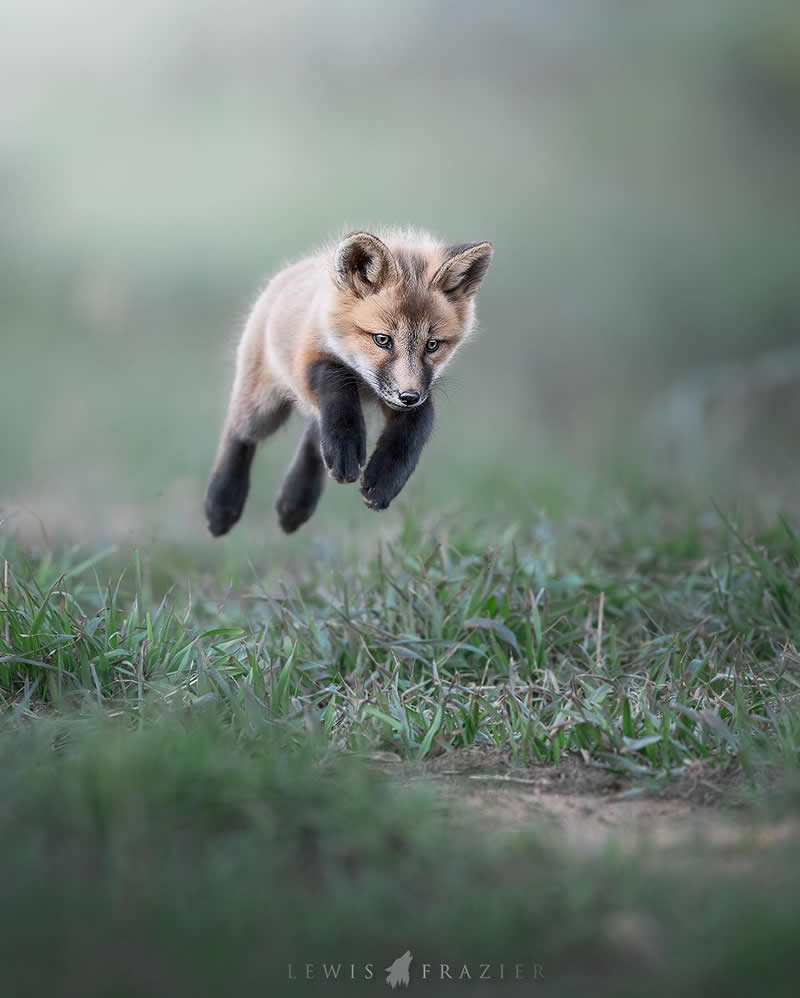
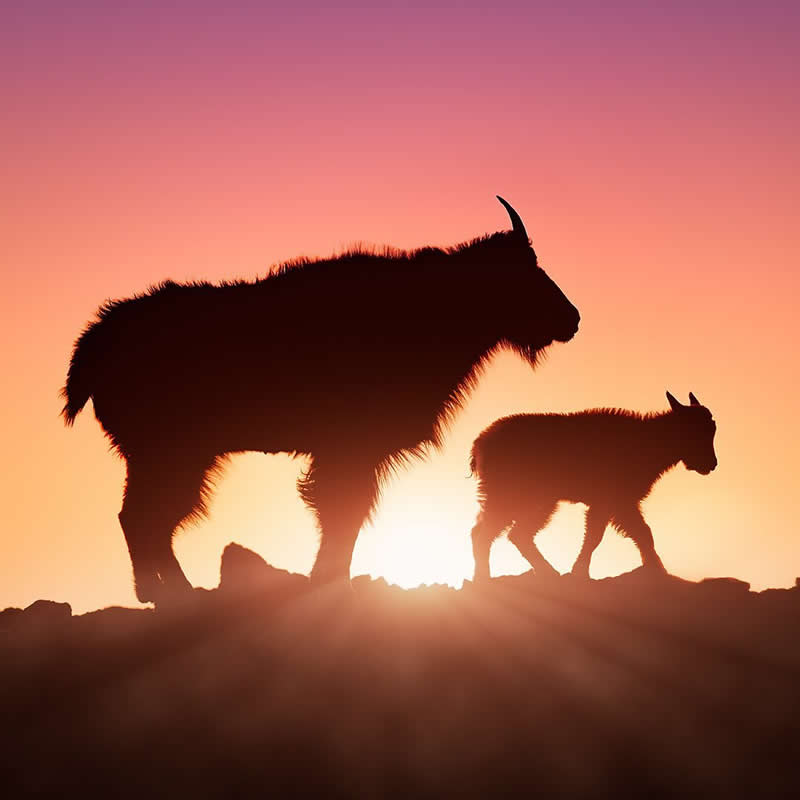
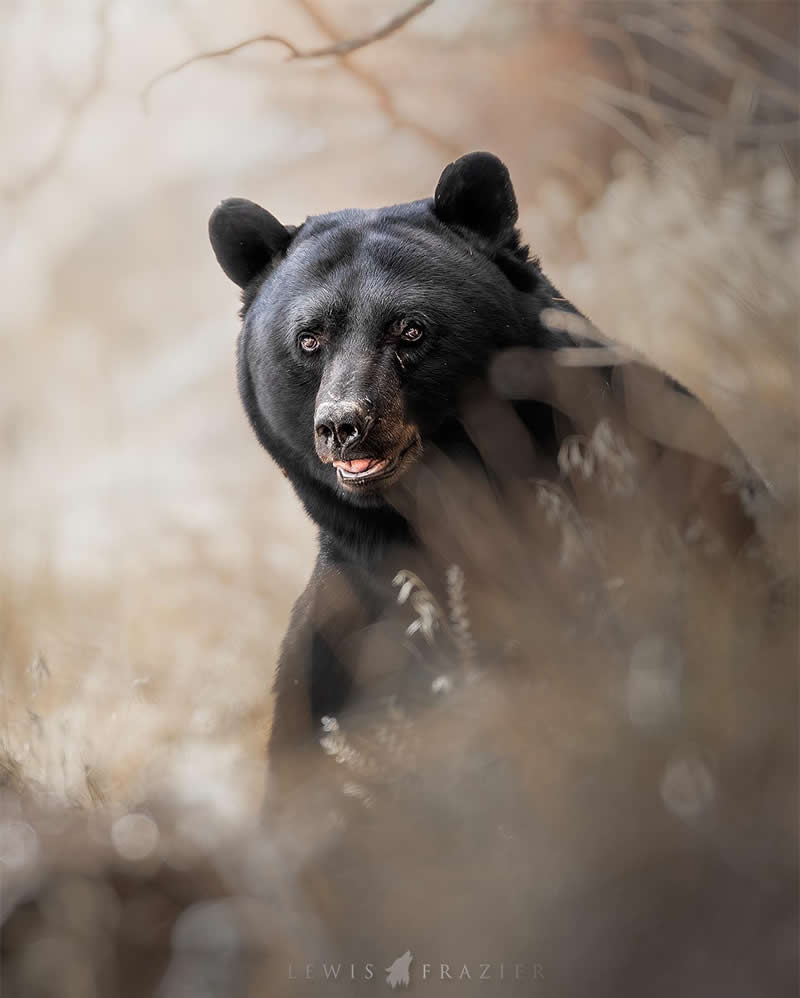
That mindset shows up in every frame here. These photos don’t feel staged or rushed. They feel earned. A bear caught in a tender, almost human moment. A tiny animal radiating strength. A close-up portrait that reveals personality, vulnerability, and soul. Nothing forced. Nothing loud. Just pure presence.
At its core, this collection is a reminder: wildlife photography isn’t about domination or trophies. It’s about listening. Respecting boundaries. Letting nature lead. Lewis Frazier’s images invite us into the wild without disturbing it—and in doing so, they quietly change how we see the world.
You can find Lewis Frazier on the web:
#1
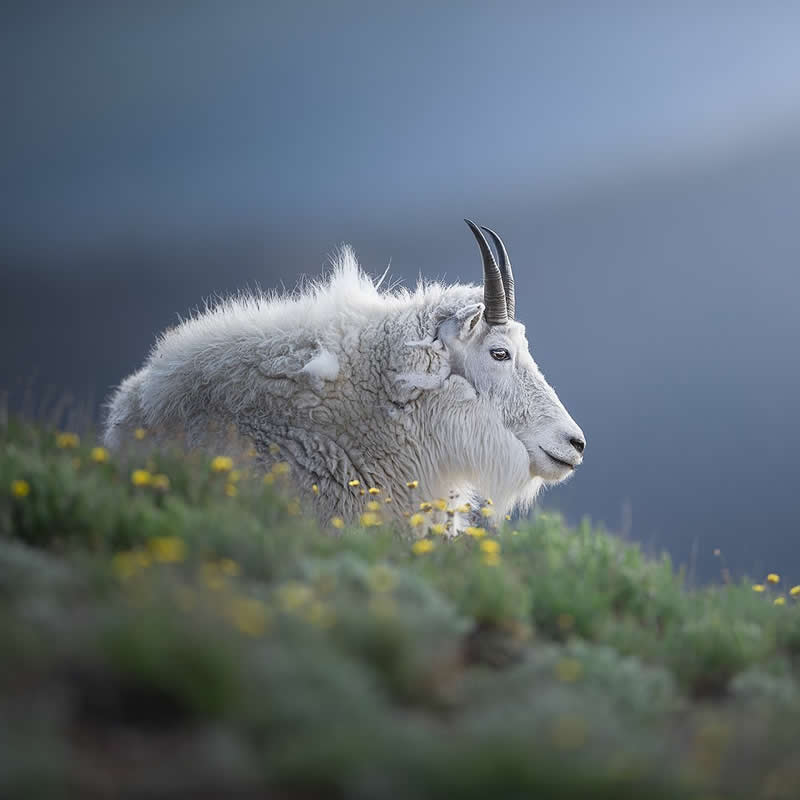
#2
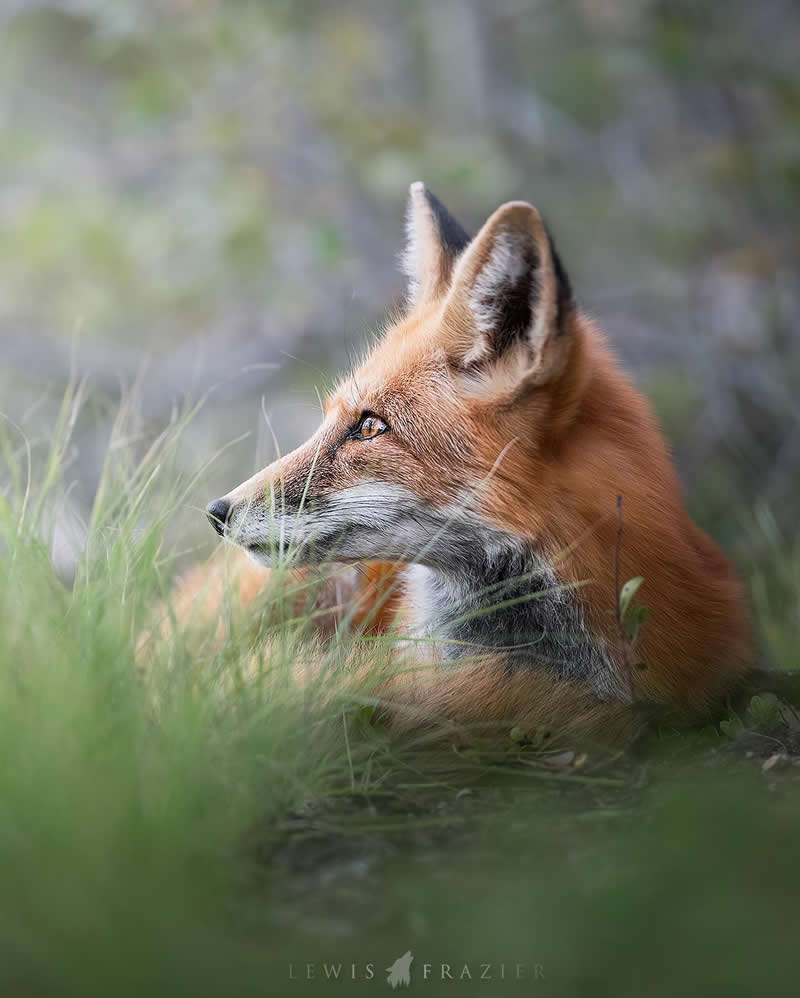
#3
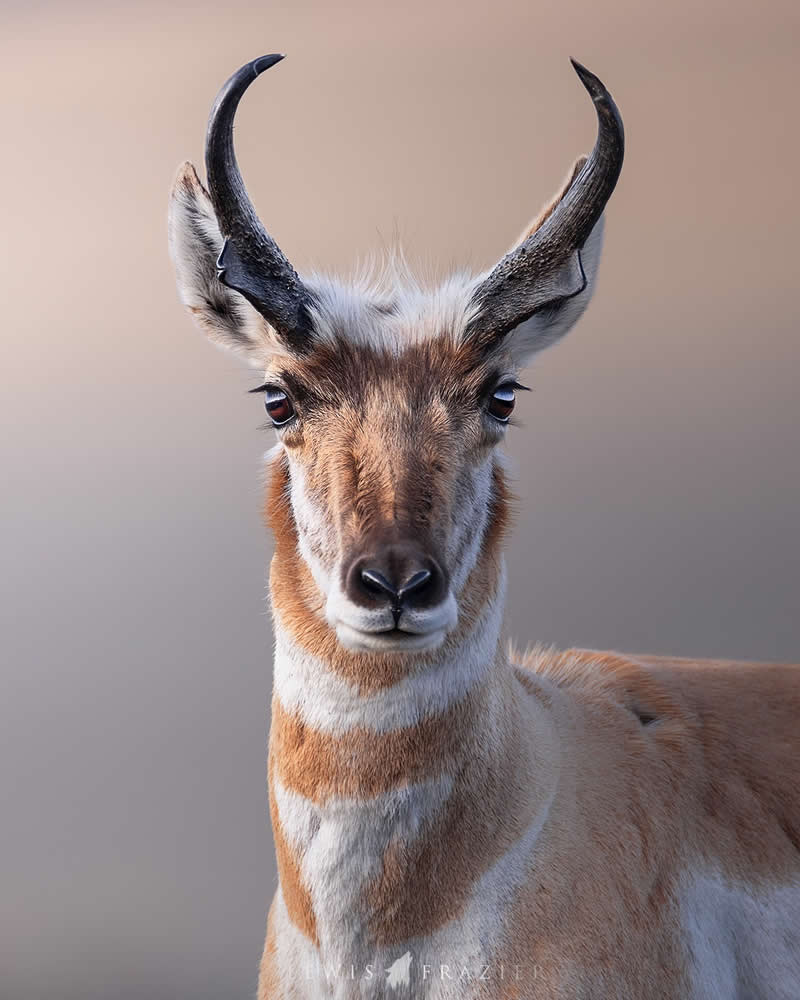
#4
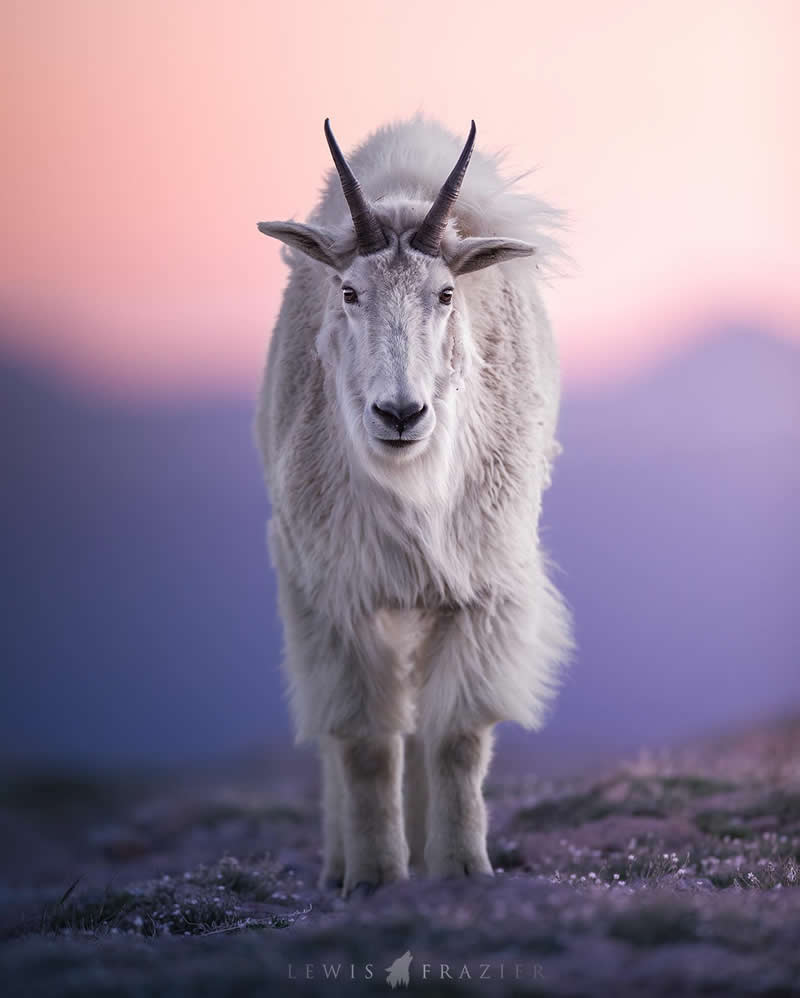
#5
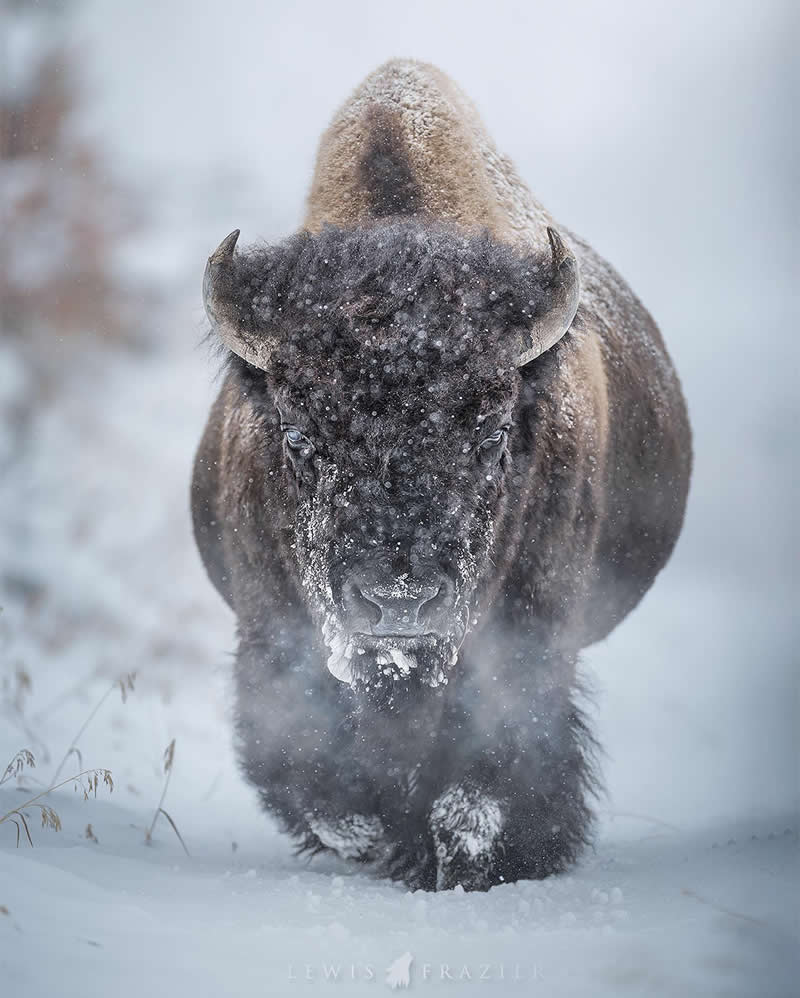
The Power of Stillness in a Noisy World
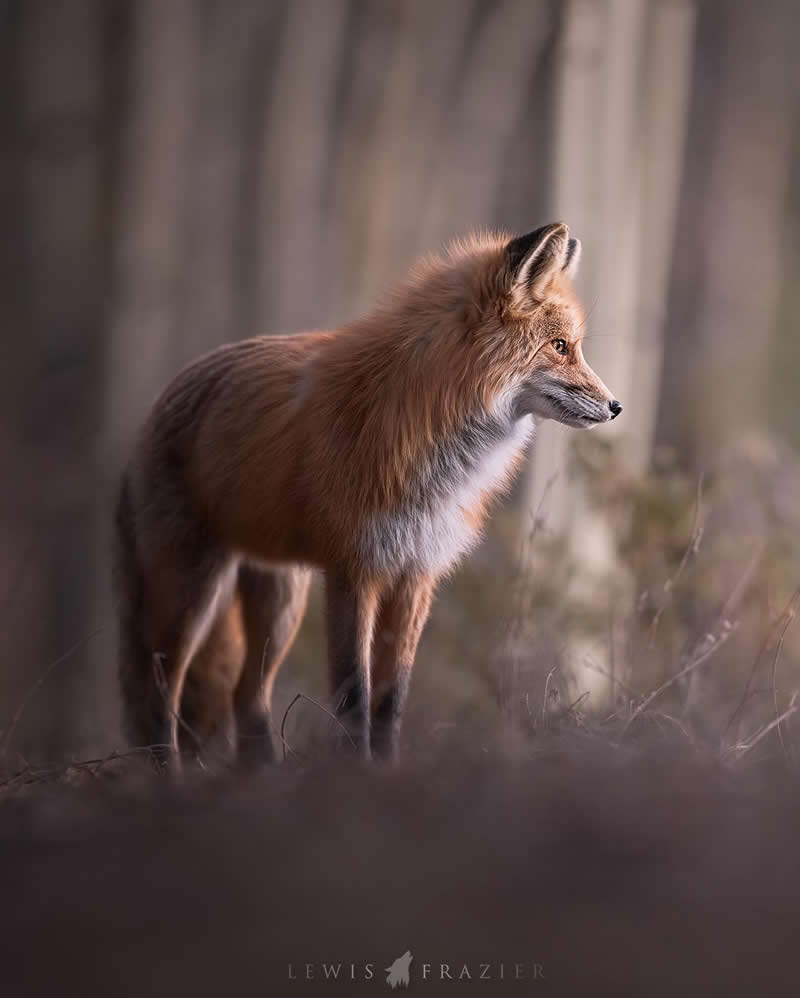
In a culture obsessed with speed, Lewis Frazier’s images feel rebellious. He embraces stillness as strength, letting calm moments speak louder than action ever could. These photographs prove that wildlife doesn’t need chaos to be compelling. A steady gaze, a relaxed posture, or a quiet breath can hold more emotional weight than a chase scene. Lewis waits for those in-between seconds—the ones most people overlook.
That patience creates images that feel intimate and soulful, like you’re sharing a private moment with a wild creature rather than spying on it. The stillness isn’t empty; it’s loaded with presence, awareness, and respect. This is wildlife photography that doesn’t shout—it resonates.
#6
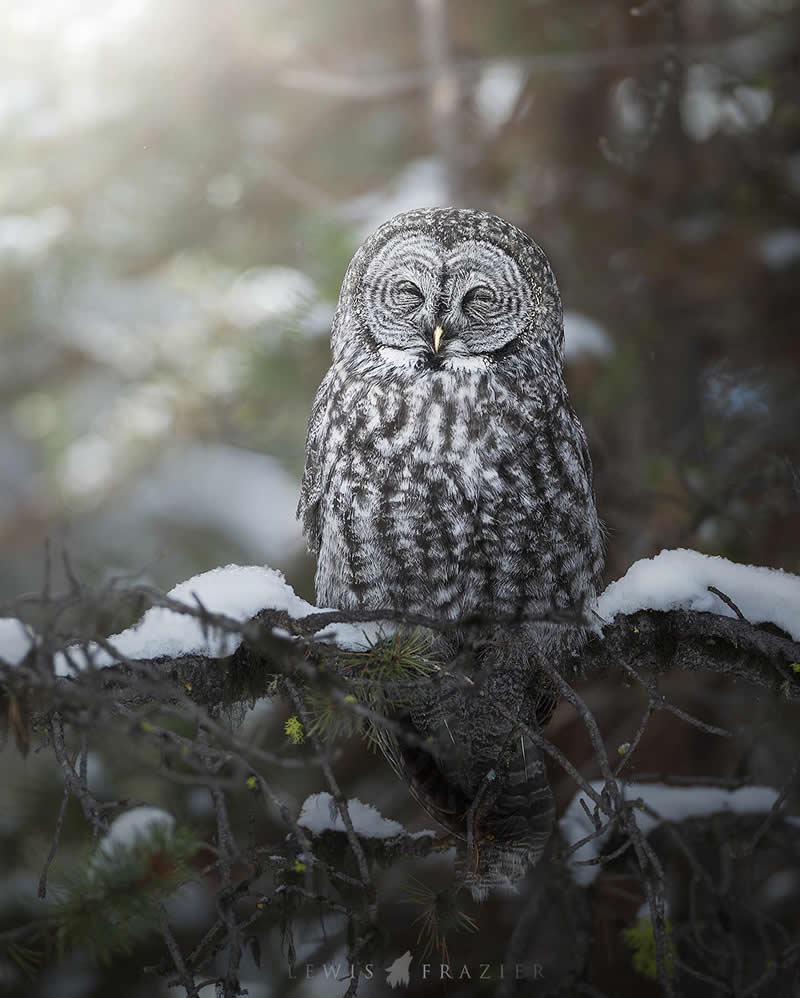
#7
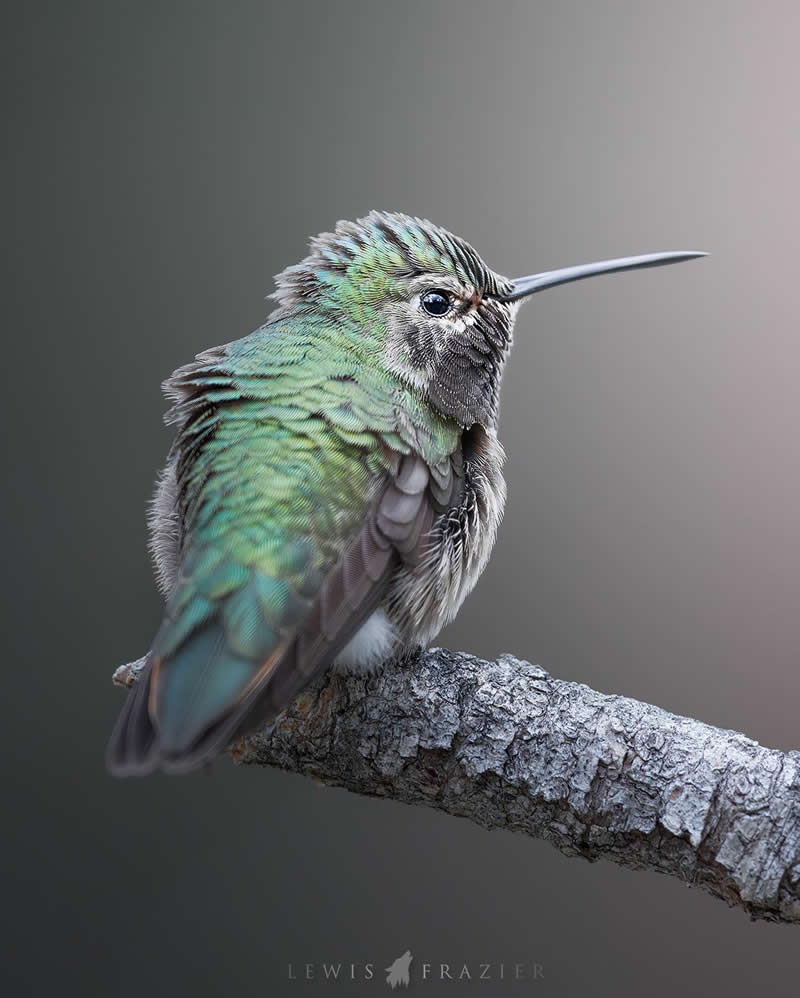
#8
#9
#10
Dreamlike Light, Color, and Soft Focus
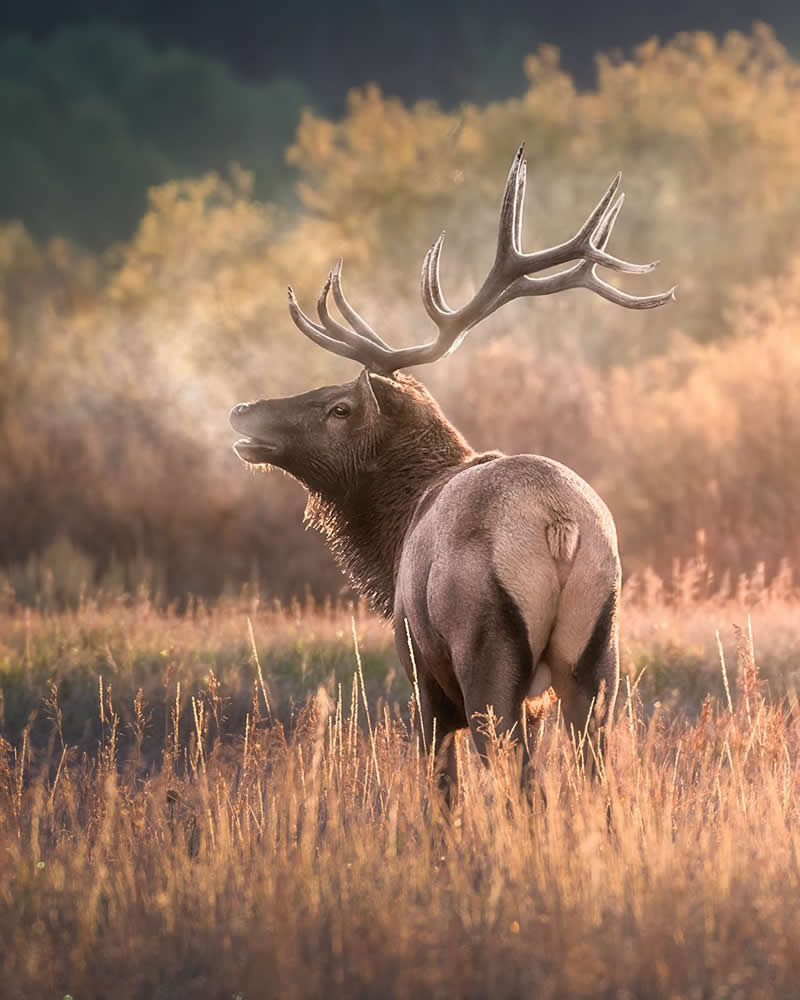
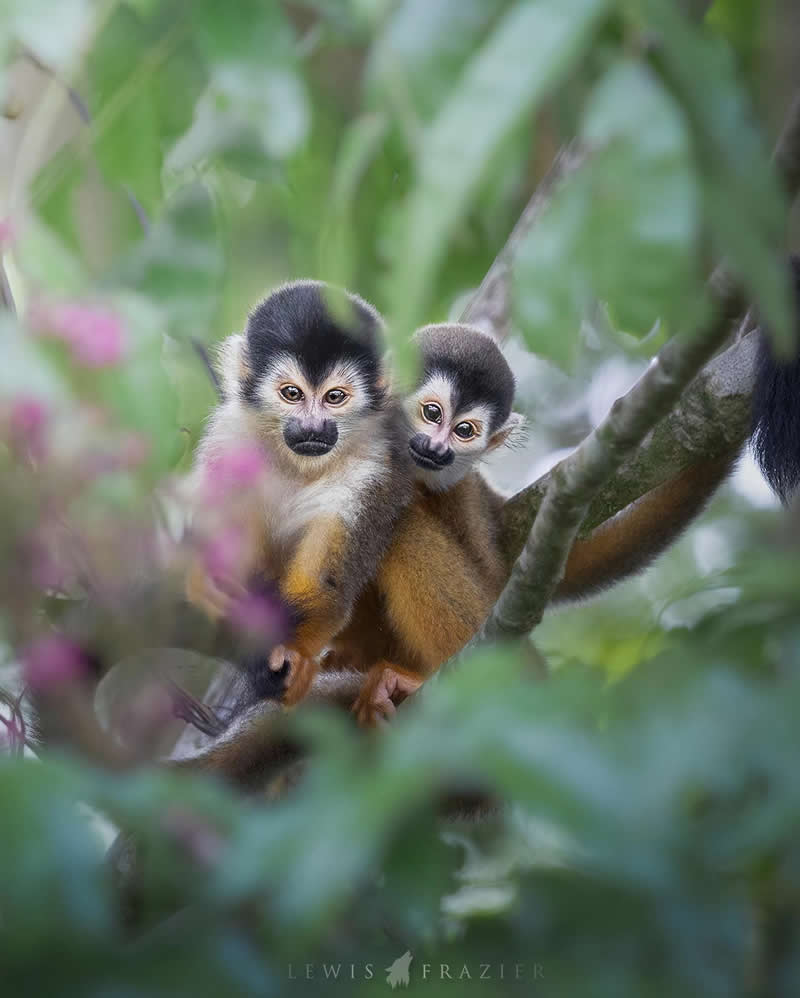
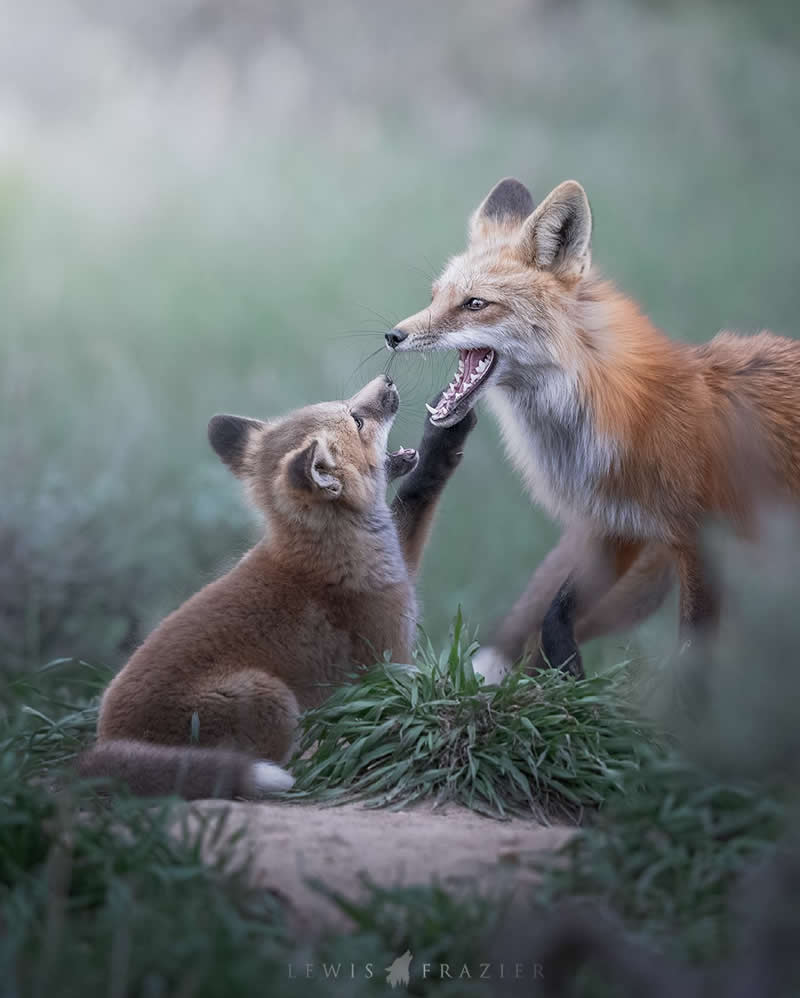
One of the first things that hits you is the visual mood. Lewis uses light like a storyteller, not a technician. Soft highlights, muted tones, and buttery bokeh create a dreamlike atmosphere that pulls you in emotionally. Colors feel intentional but never overworked. Shadows fall gently.
Details pop without screaming for attention. This approach turns real wildlife encounters into almost painterly scenes—still grounded in reality, but elevated by mood and restraint. It’s not about showing everything; it’s about showing just enough. The result is imagery that feels timeless, calm, and deeply human.
#11
#12
#13
#14
#15
Close-Up Wildlife Portraits That Feel Personal
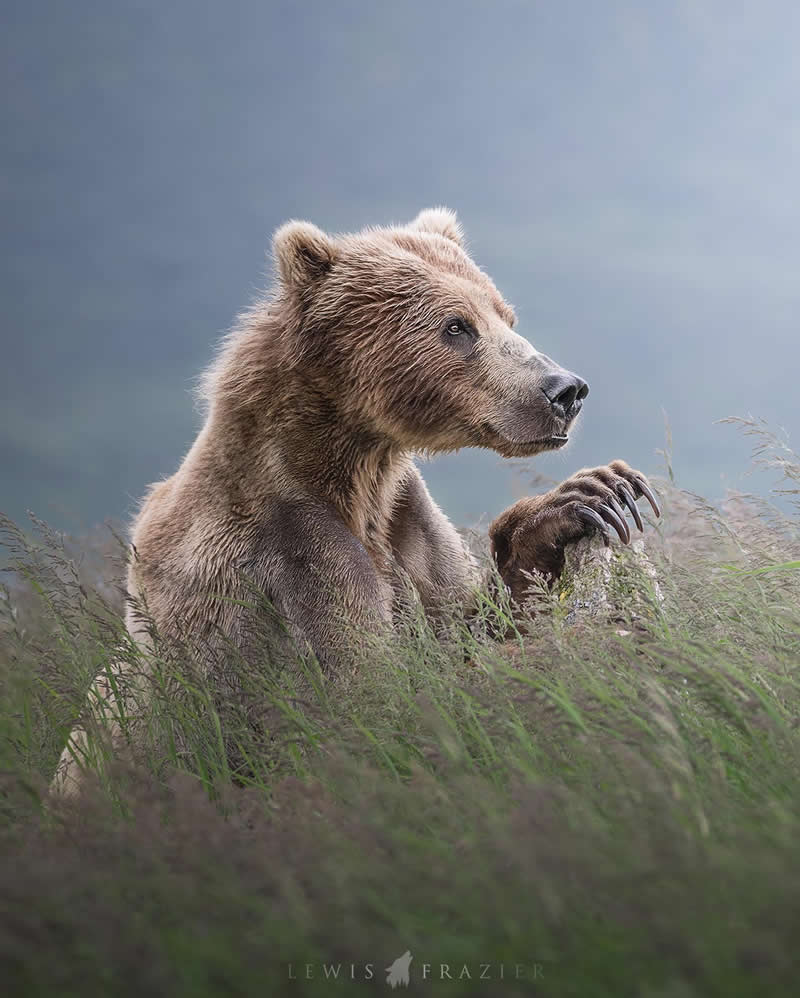
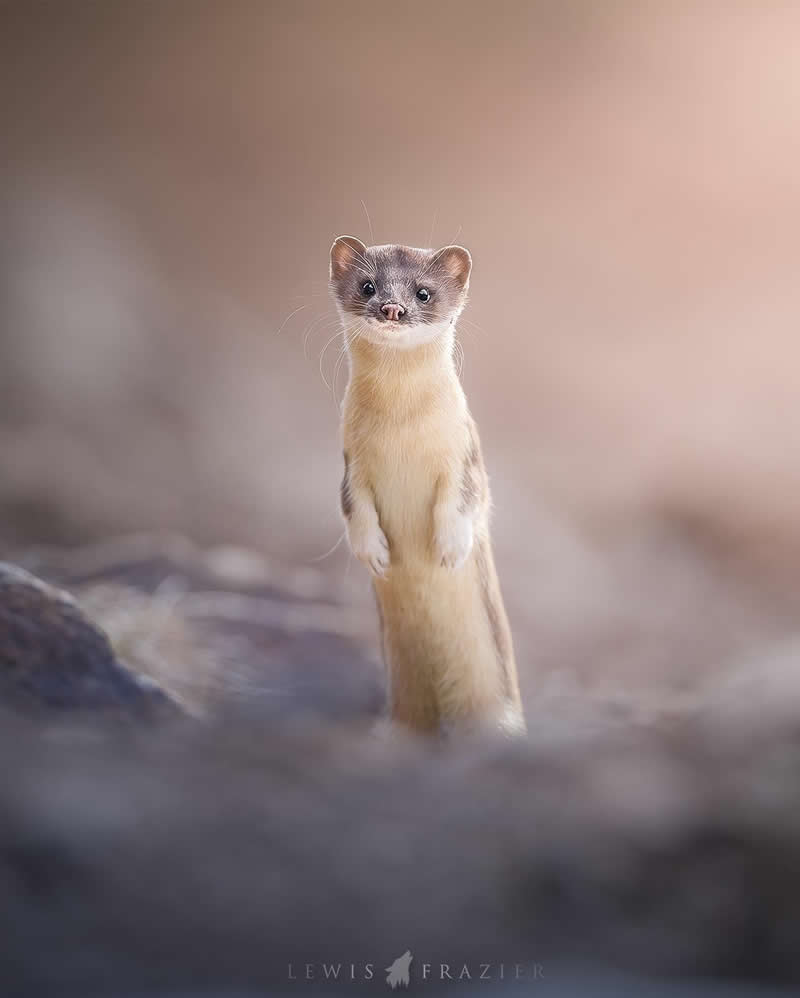
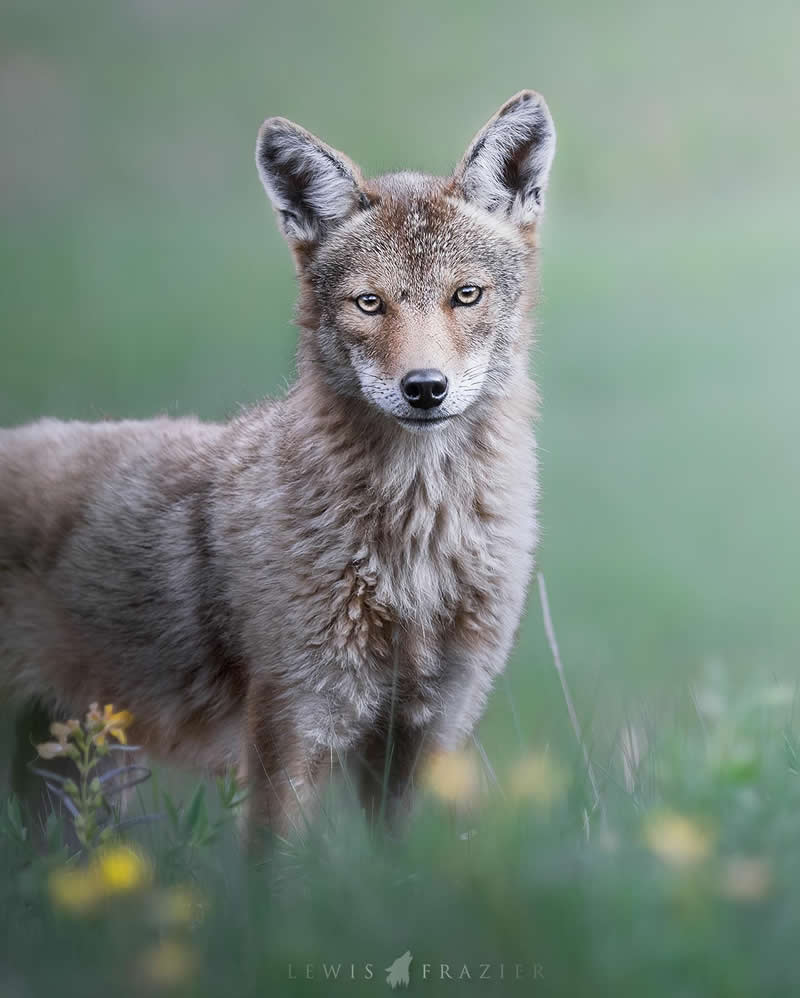
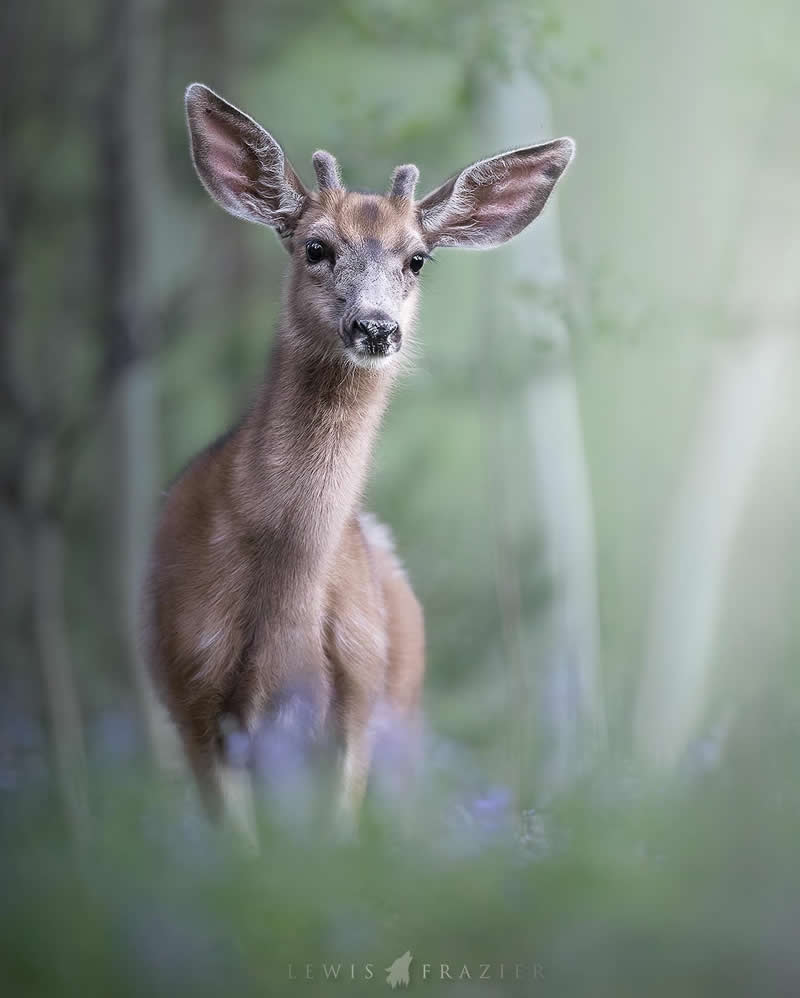
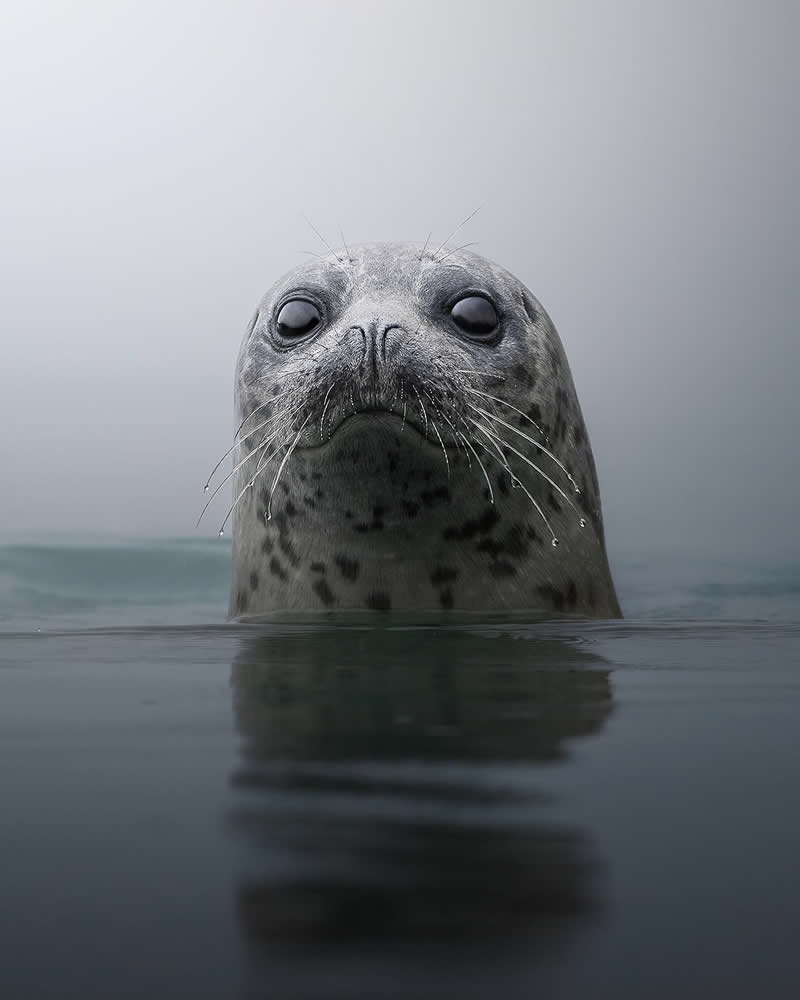
Lewis Frazier’s close-up wildlife portraits are where the magic really lives. These aren’t just animals in frame—they’re individuals. You see character in their eyes, emotion in their posture, and stories written into tiny details. Getting this close isn’t just about focal length; it’s about trust, ethics, and knowing when not to push further.
Lewis prioritizes the animal’s comfort over the shot, even if that means walking away empty-handed. That respect shows. These portraits don’t feel invasive—they feel invited. And that’s why they hit so hard.
#16
#17
#18
#19
#20
Risk, Failure, and Waiting for the Right Moment
Behind every calm image is a storm of decision-making. Lewis has shared how embracing failure transformed his work. Early fear led him to shoot too soon. Growth taught him to wait—even if it meant losing the moment entirely. That risk is baked into these photos.
Sometimes the animal moves away. Sometimes the light fades. Sometimes nothing happens. But when it does? The payoff is unreal. These images are the result of patience meeting courage—the willingness to fail in pursuit of something meaningful. It’s a mindset that turns missed shots into stepping stones.
#21
#22
#23
#24
#25
Ethical Wildlife Photography Above All Else
At the heart of Lewis Frazier’s work is a hard line: wildlife must remain wild. No image is worth stress, harm, or disruption. His photographs prove you don’t need to cross ethical boundaries to create powerful art. In fact, respecting those boundaries often leads to deeper, more honest images.
This philosophy shapes everything—from composition to distance to timing. It’s not about ego or likes; it’s about stewardship. And in a world where nature feels increasingly fragile, that approach matters more than ever.
#26
#27
#28
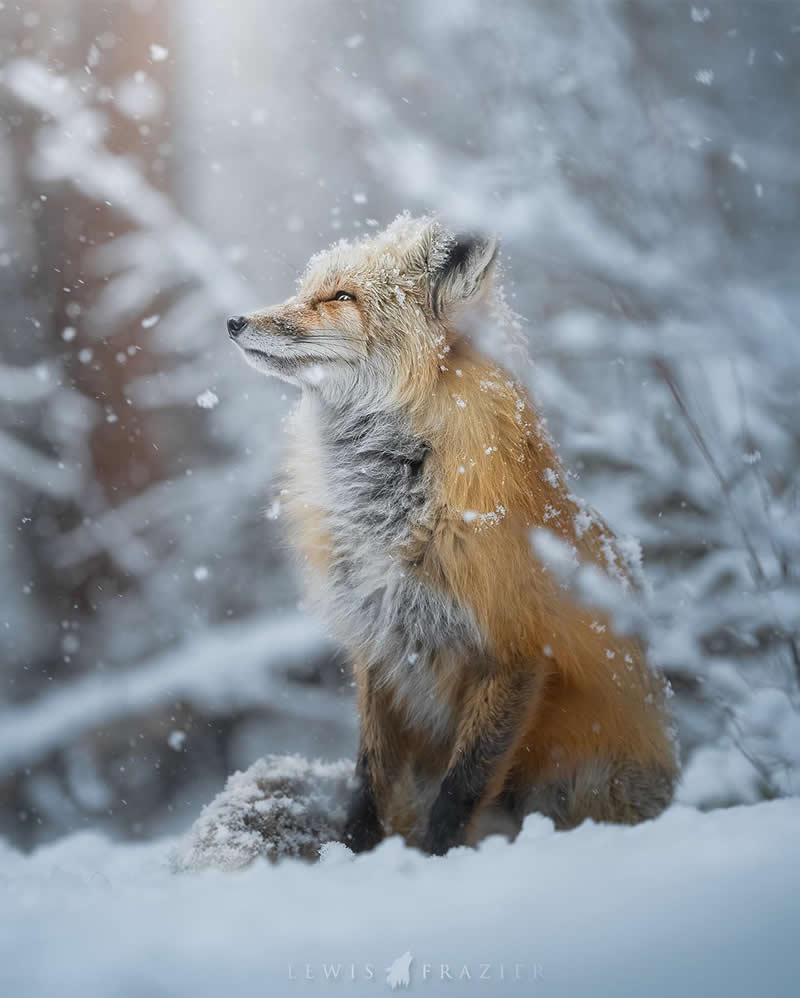
#29
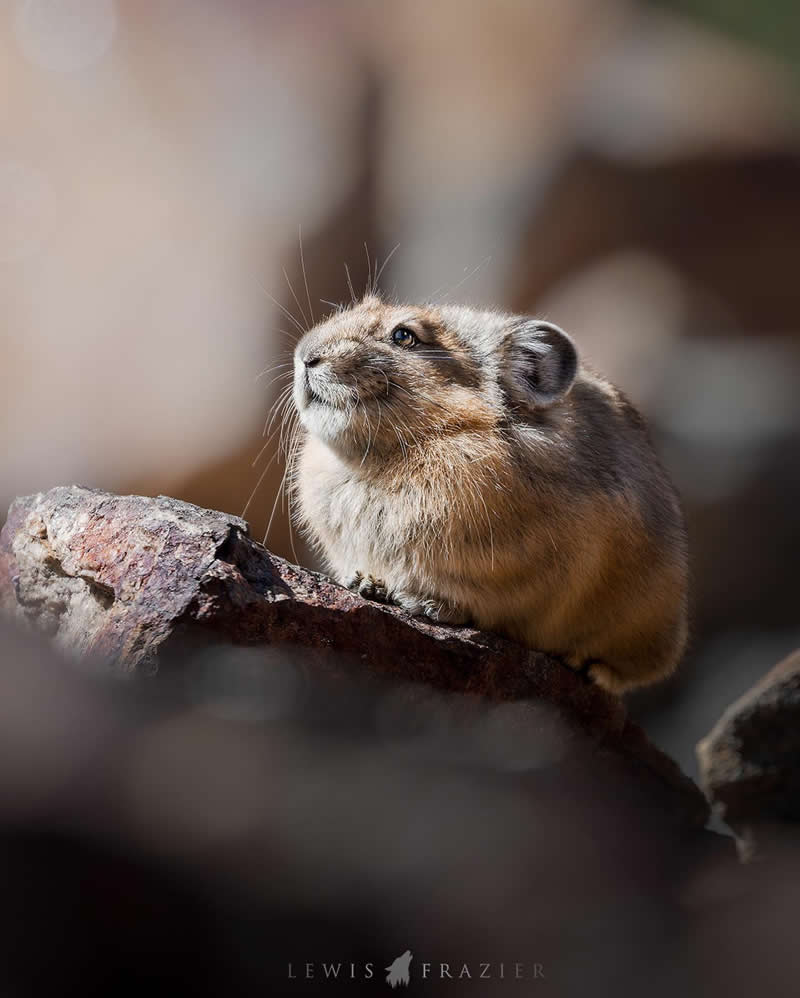
#30
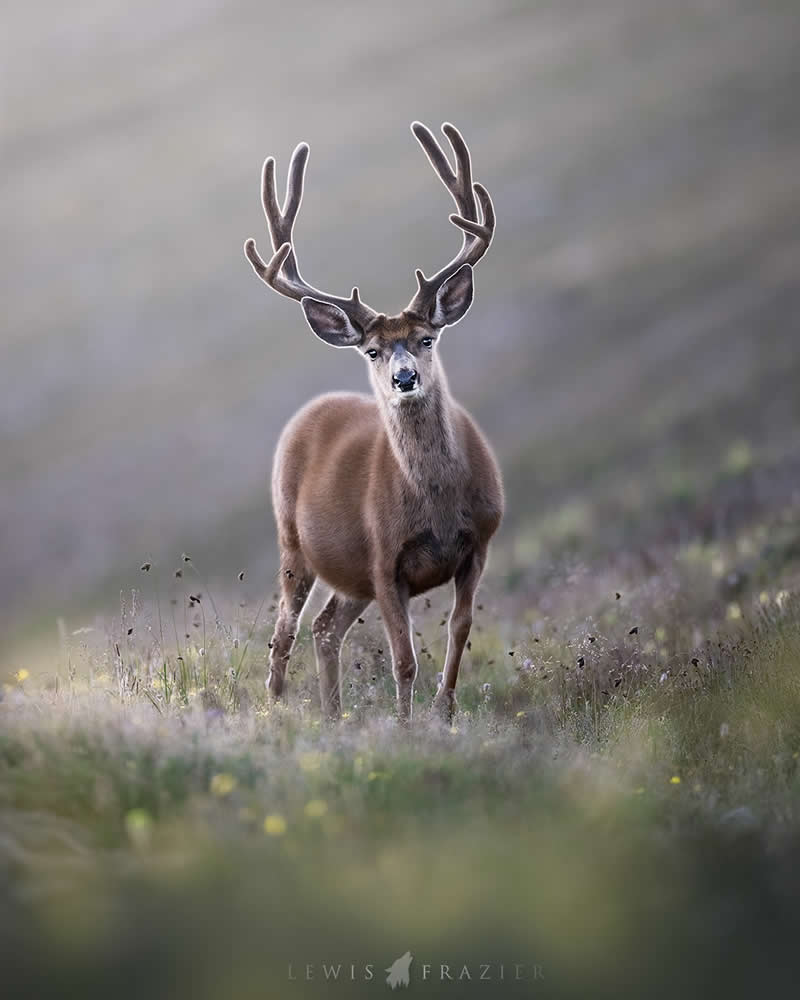
In Summary
Who is Lewis Frazier?
- Lewis Frazier is a wildlife photographer known for capturing soulful, ethical, and dreamlike moments in nature.
What makes these wildlife photos unique?
- They focus on stillness, emotion, soft light, and intimate moments rather than action or aggression.
What style defines Lewis Frazier’s photography?
- Dreamlike visuals, close-up wildlife portraits, shallow depth of field, and a calm, storytelling approach.
Does Lewis Frazier photograph wildlife ethically?
- Yes. He prioritizes animal welfare over getting the shot, even if it means missing an opportunity.
What is the main message of this photo series?
- Nature doesn’t need to be loud to be powerful—quiet moments often say the most.