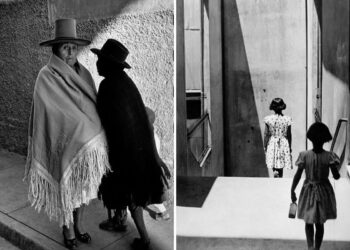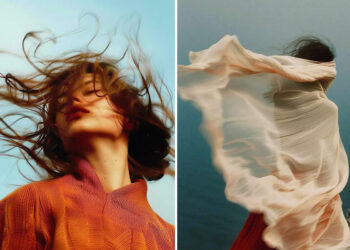


There’s a reason film refuses to fade away. In a world obsessed with speed, sharpness, and endless edits, analog portrait photography slows everything down—and that’s exactly where the magic lives. These portraits don’t just show faces; they carry weight, mood, and memory. You can feel the pause before the shutter clicks. You can feel the human behind the camera.
Shot on both black-and-white and color film, these portraits breathe in a way digital rarely does. The grain isn’t a flaw—it’s a heartbeat. The contrast feels intentional, the shadows feel alive, and the highlights glow with restraint. Every frame feels earned, not sprayed and picked later. Film demands patience, and these portraits reward it with soul.
Black-and-white film strips portraits down to their emotional core. No distractions, no noise—just eyes, light, texture, and truth. Wrinkles tell stories. Expressions linger longer. Meanwhile, color film brings a softer kind of nostalgia. Muted tones, gentle skin colors, and imperfect hues give each image a warmth that feels deeply human, like flipping through an old family album you didn’t know you needed.
What really sets these portraits apart is the composition and framing. Nothing feels rushed. Nothing feels accidental. Subjects sit comfortably in their own space, allowing silence, vulnerability, and presence to take center stage. These images don’t scream for attention—they pull you in quietly and refuse to let go.
Film portraits remind us that photography isn’t about perfection. It’s about feeling. About connection. About that split second where everything aligns—light, subject, emotion—and becomes timeless. These 35 analog portraits prove one simple truth: trends come and go, gear evolves, but film? Film never loses its soul.
#1

Photo by: @e.amirmohammad
#2

Photo by: @bettershootfilm
#3

Photo by: @chogiseok
#4

Photo by: @johnthatcher
#5

Photo by: @dianasfilmdiary
Choose the Right Film Camera for Portrait Work
- Start with manual 35mm or medium-format cameras (Pentax 67, Mamiya RB67, Nikon F series) for full creative control
- Prime lenses (50mm, 85mm, 105mm) deliver natural perspective and beautiful subject separation
- Mechanical cameras help you slow down and shoot with intention
- Medium format adds richer tonal depth and smoother skin rendering
- A reliable light meter—built-in or handheld—is essential for consistent results
#6

Photo by: @adamcemal
#7

Photo by: @la_melancolia
#8

Photo by: @analogueportrait
#9
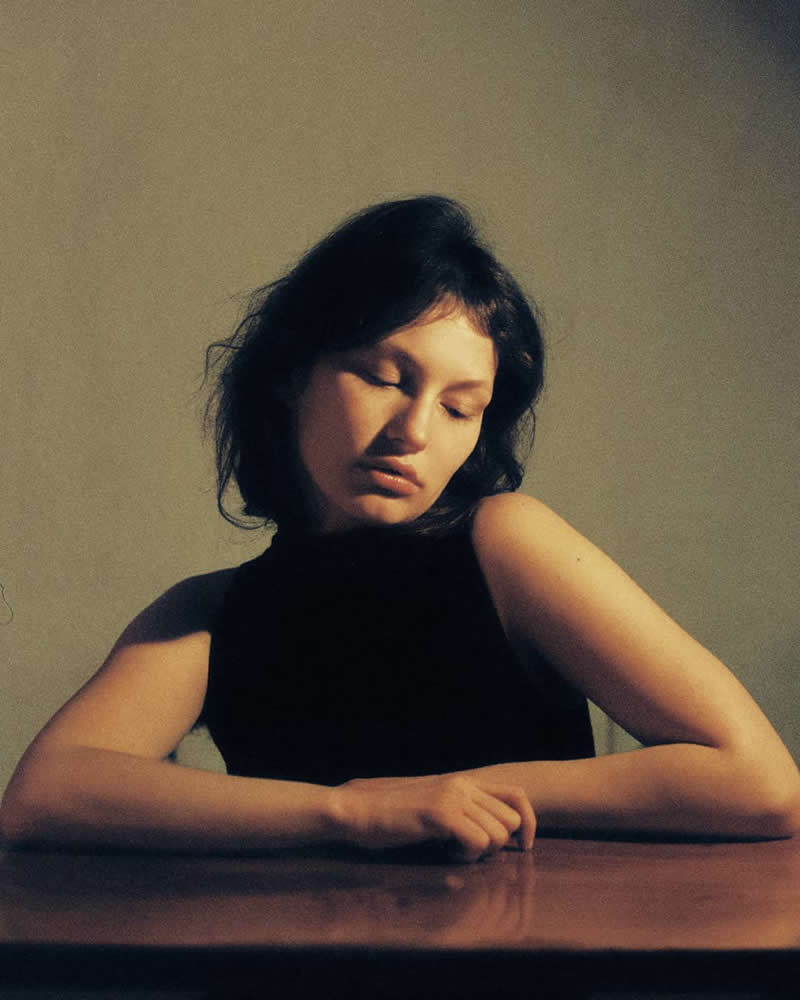
Photo by: @lucasottone
#10

Photo by: @coda_ps
Dial In Film Settings for Skin and Mood
- Slightly overexpose color negative film (by 1 stop) for creamy skin tones
- Use ISO 100–400 films for clean grain and controlled contrast
- Shoot black-and-white film at box speed until you master exposure
- Wider apertures (f/1.8–f/2.8) help isolate emotion and soften backgrounds
- Shutter speed should stay above 1/125 to avoid motion blur in portraits
#11

Photo by: @seanpconaty
#12
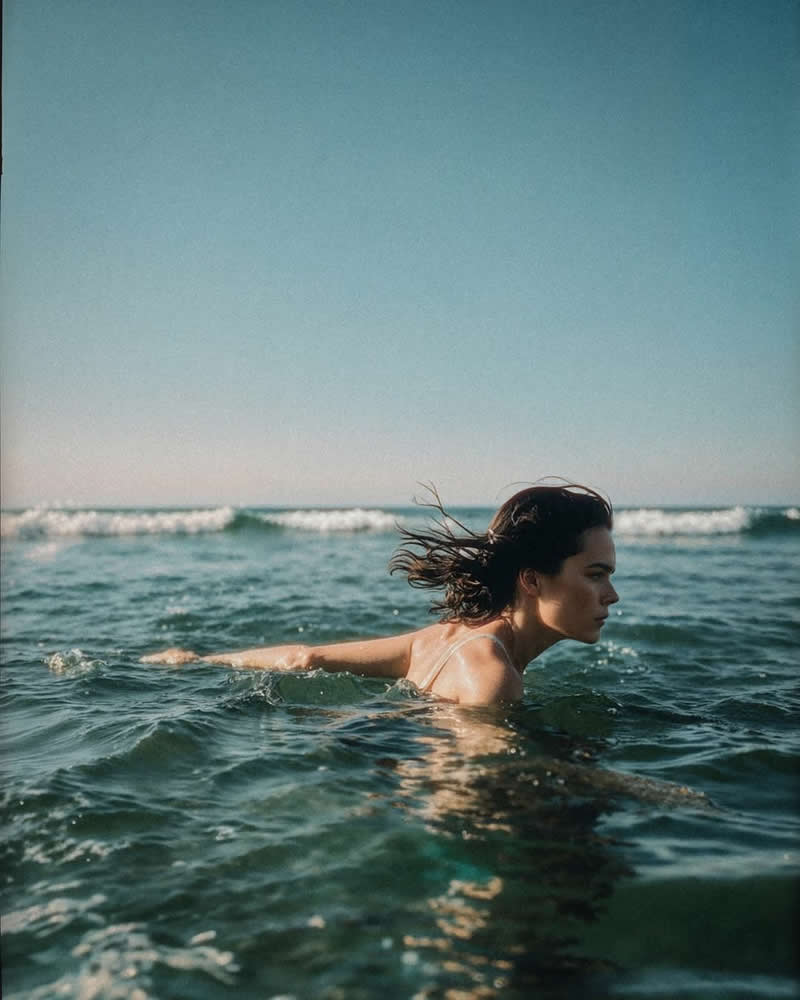
Photo by: @mikael_lichtberg
#13

Photo by: @irinavorotyntseva
#14
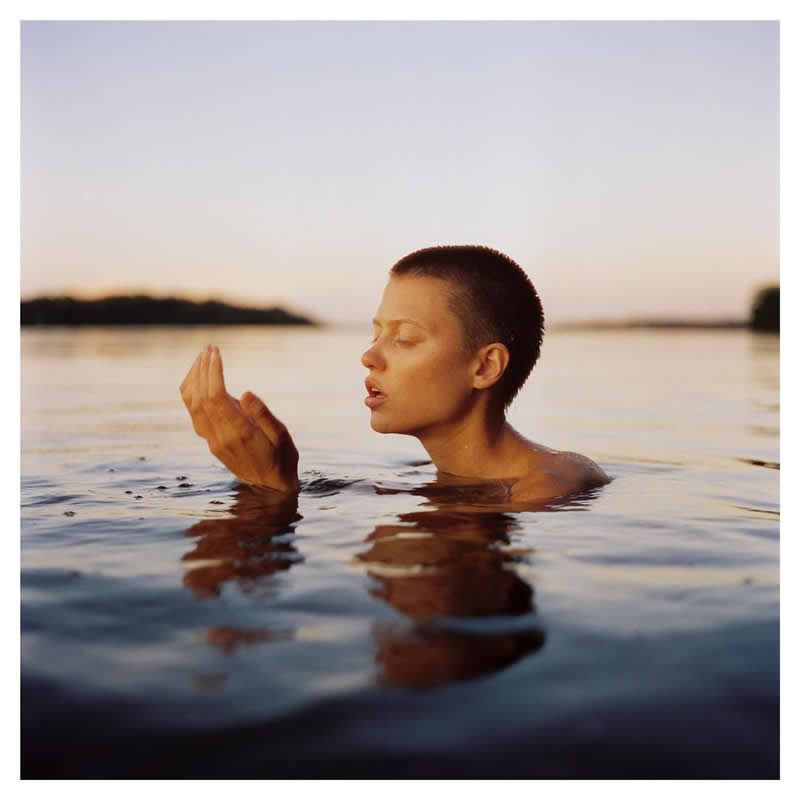
Photo by: @samcstreet
#15

Photo by: @cult.class
Master Composition and Framing on Film
- Frame tighter—film rewards intentional composition
- Leave negative space to let the subject breathe emotionally
- Use doorways, windows, and shadows to naturally frame faces
- Align eyes near the upper third for visual balance
- Don’t overshoot—every frame should have a purpose
#16

Photo by: @monica_figueras
#17

Photo by: @lalovenenoso
#18

Photo by: @alecoletta
#19

Photo by: @giuliabersani
#20

Photo by: @jaydenju_
Shooting Outdoor Film Portraits
- Golden hour light is film’s best friend—soft, directional, forgiving
- Use open shade to avoid harsh contrast on faces
- Watch backgrounds closely; film captures clutter honestly
- Backlight subjects for glowing edges and dreamy highlights
- Wind, dust, and motion add organic imperfections film loves
#21

Photo by: @sixe
#22

Photo by: @__zhuravlev
#23

Photo by: @jacobingle
#24

Photo by: @you.co.co
#25

Photo by: @crisjrey
Shooting Indoor Film Portraits
- Window light beats artificial light—position subjects side-on
- Push film (ISO 400 → 800 or 1600) when light is low
- Embrace shadows; film handles darkness with character
- Use reflectors instead of flash to maintain natural mood
- Indoor portraits thrive on stillness and patience
#26
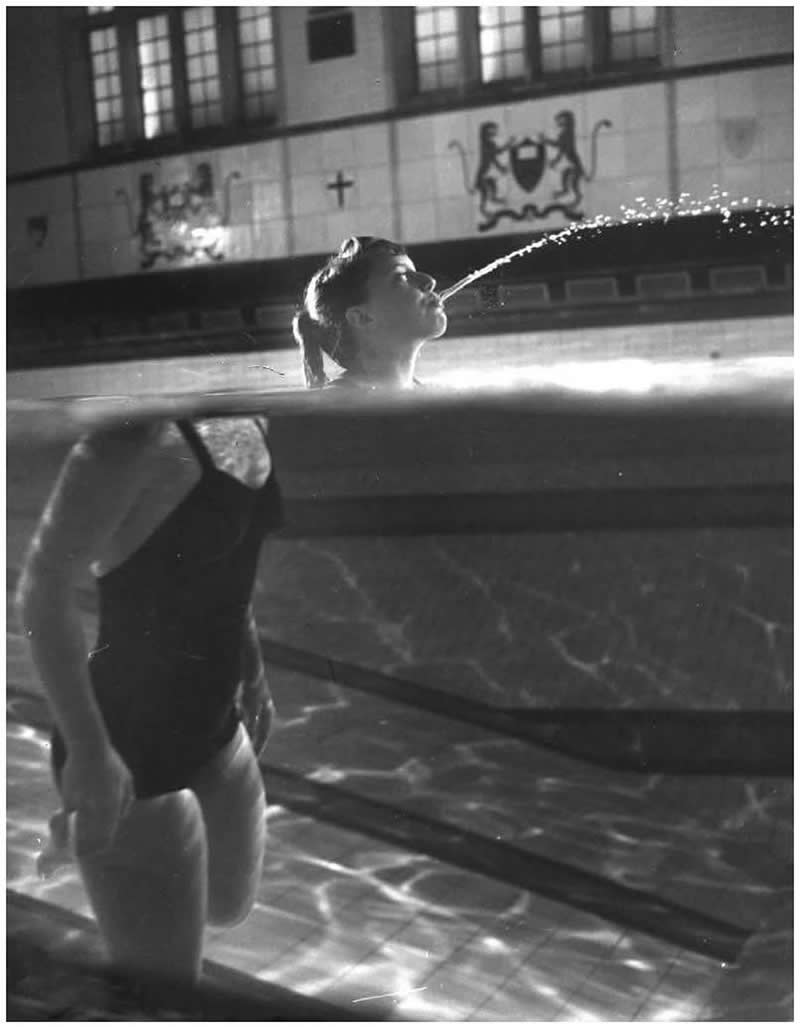
Photo by: @analogueportrait
#27

Photo by: @hercosyframes
#28

Photo by: @victorgonzalezfoto
#29

Photo by: @coda_ps
#30

Photo by: @nandahagenaars
Darkroom & Film Development for Soulful Results
- Consistent development keeps skin tones predictable
- Push or pull film deliberately to shape contrast
- Dodge and burn subtly to guide attention to the face
- Avoid over-clean prints—grain equals texture and life
- Let imperfections stay; they tell the story of the process
#31

Photo by: @jone.reed
#32

Photo by: @georg.kritsch
#33

Photo by: @valeriapaal
#34

Photo by: @image_anzai
#35

Photo by: @dominikfriess