

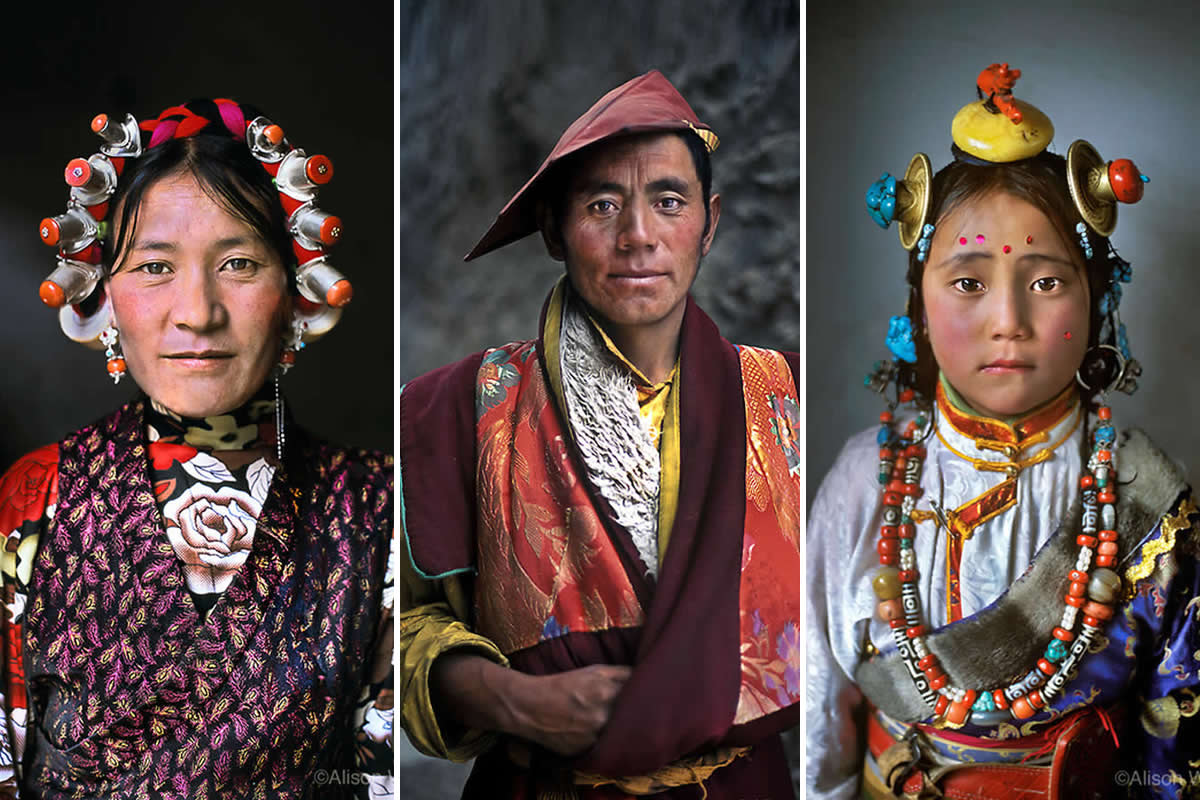
Some portraits don’t just show you a face—they hand you a lifetime. That’s exactly what happens when you step into this powerful series of 20 portraits of Tibetan nomads captured by Alison Wright, an award-winning documentary photographer whose work has long focused on endangered cultures and the human condition.
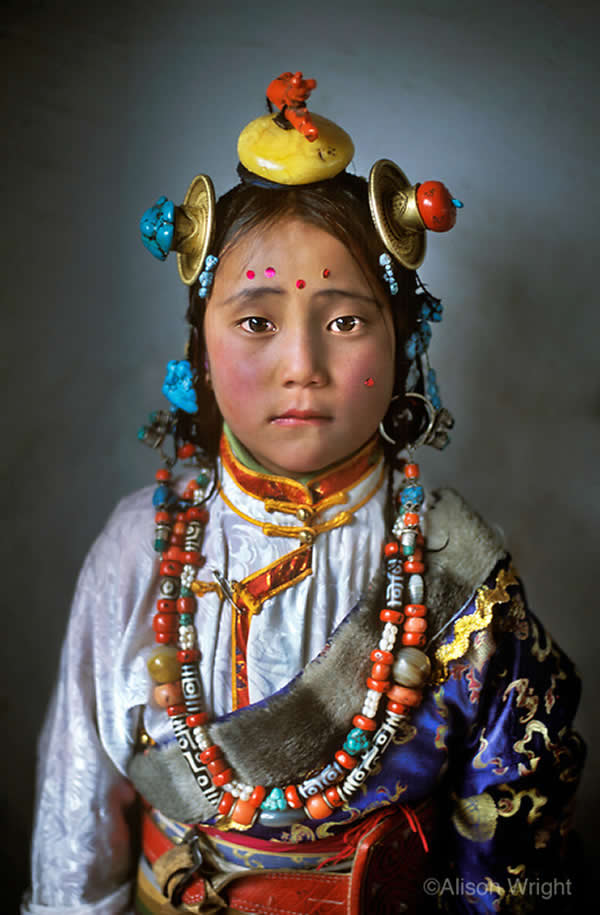
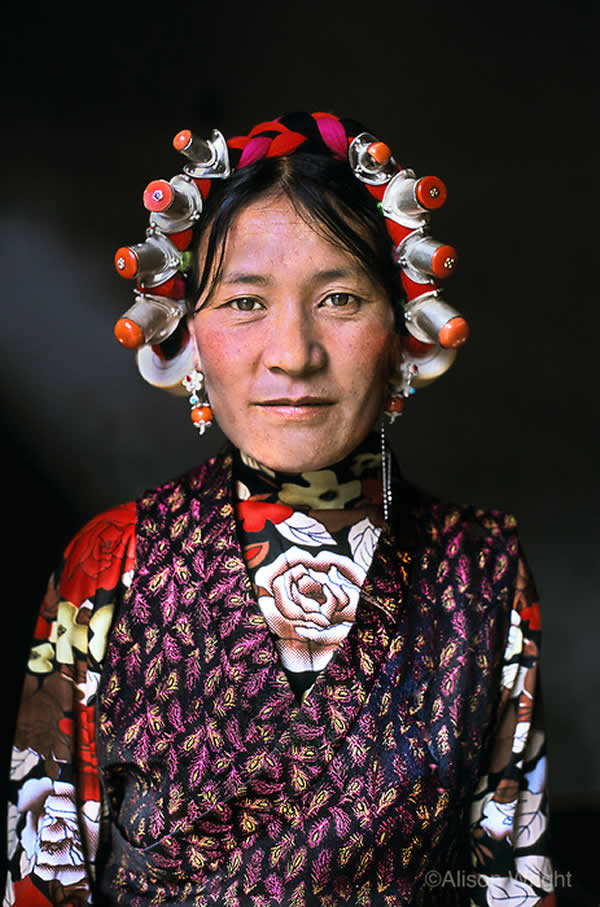
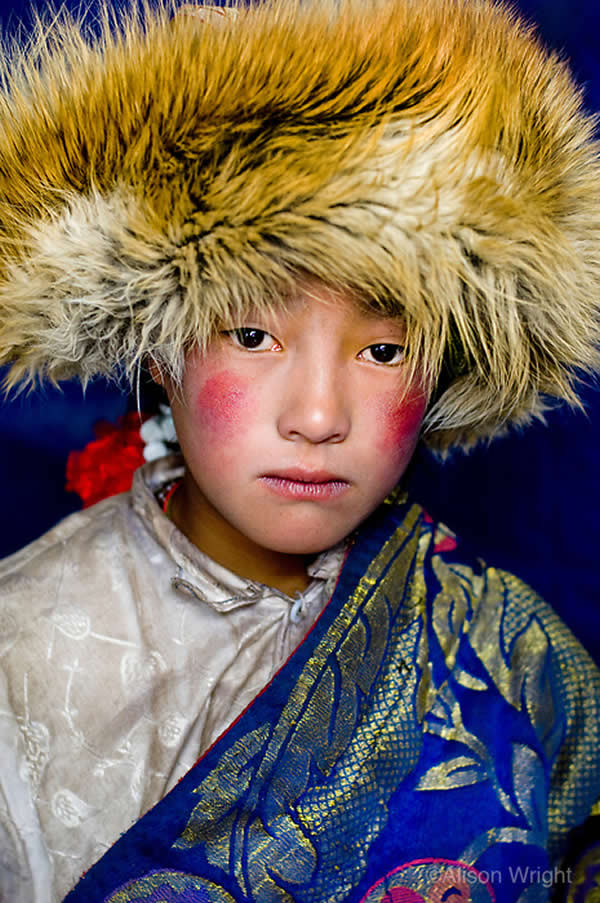
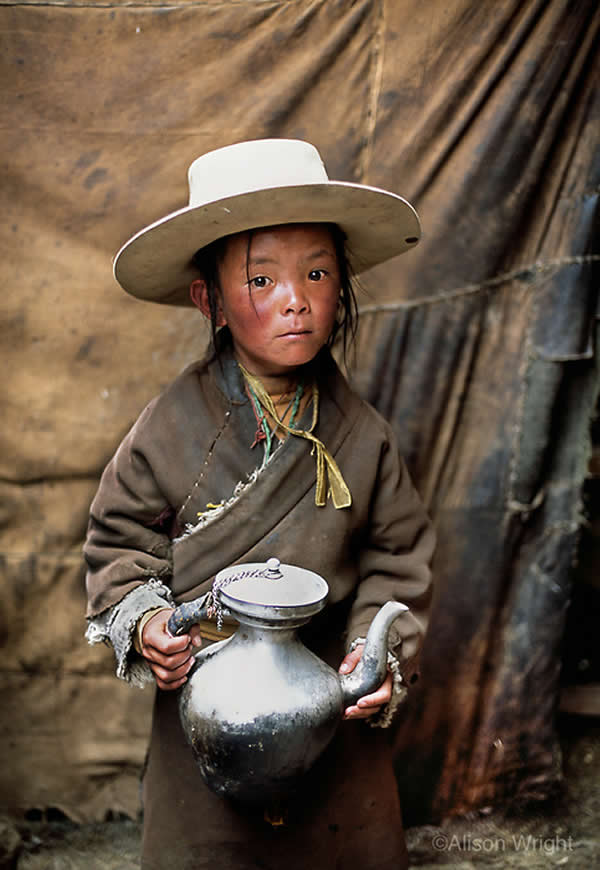
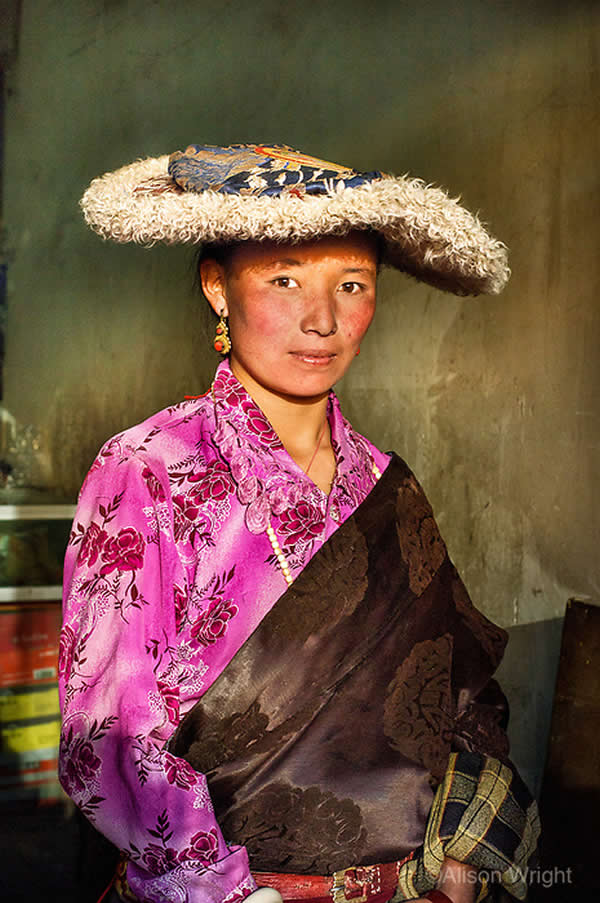
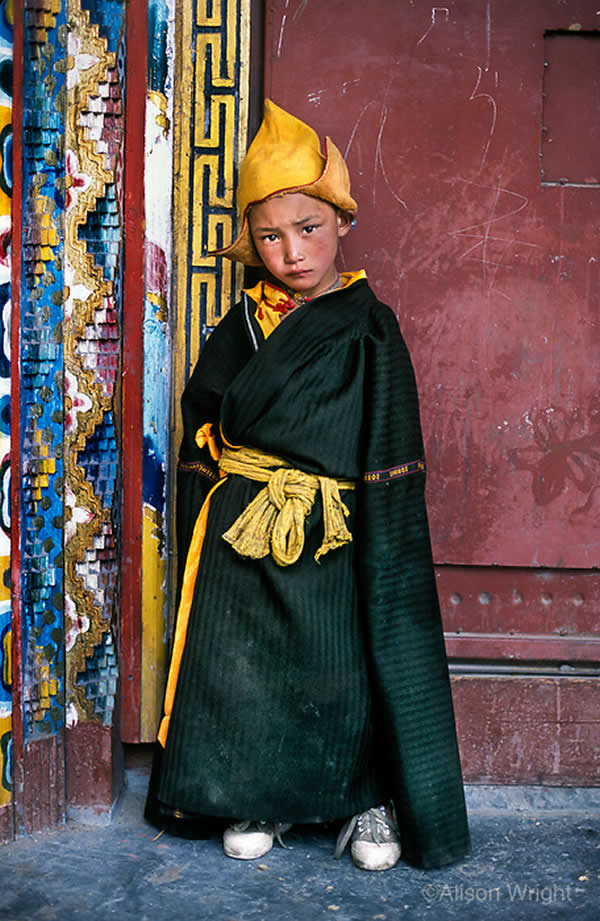
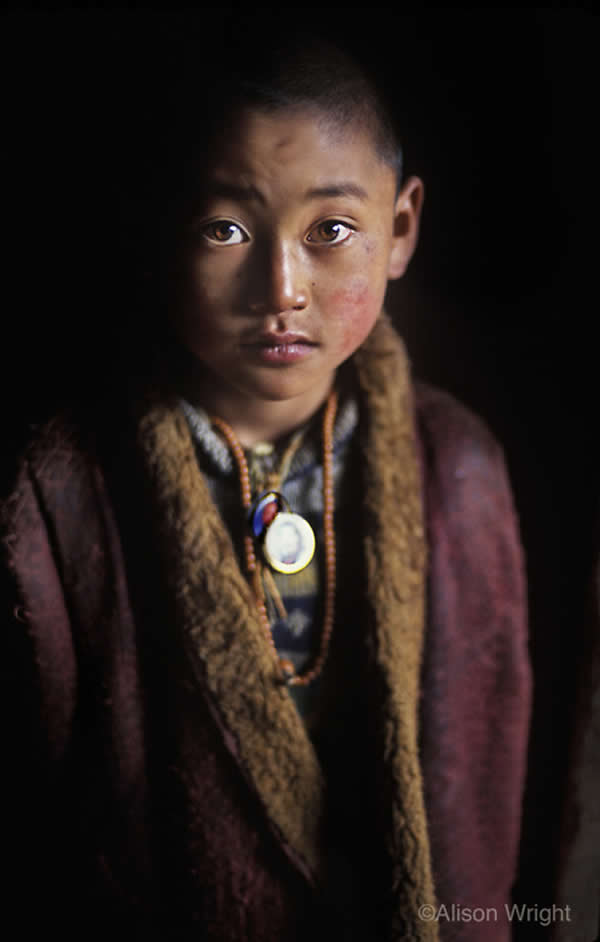
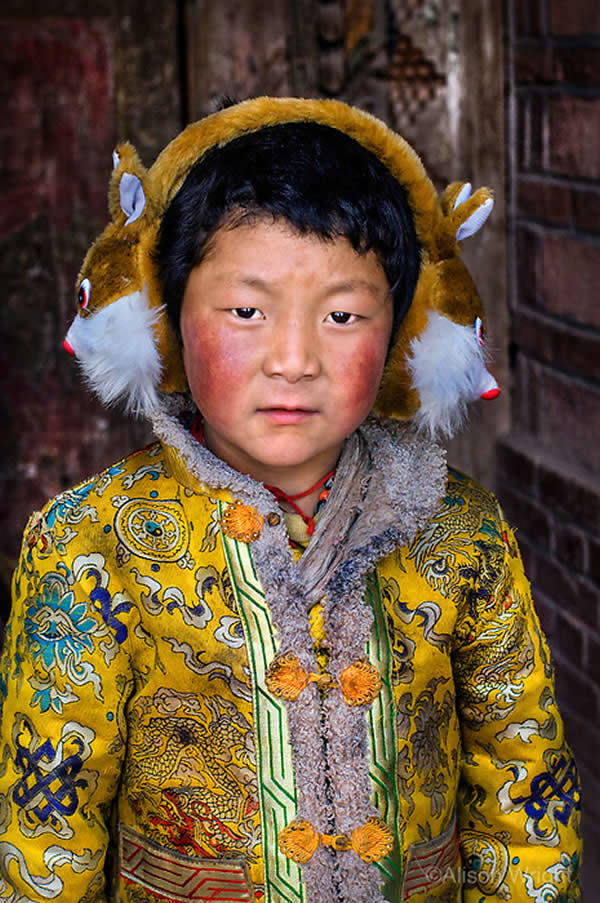
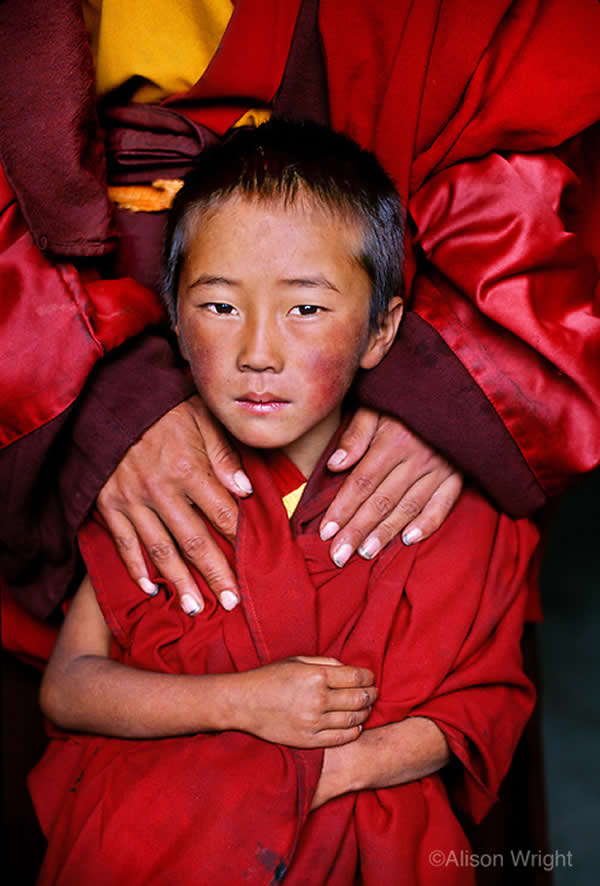
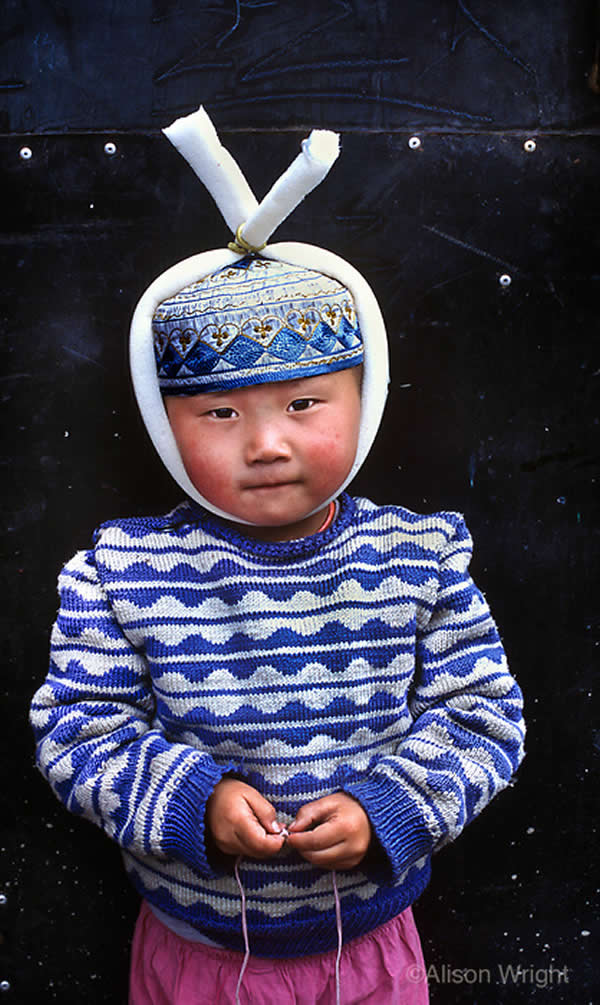
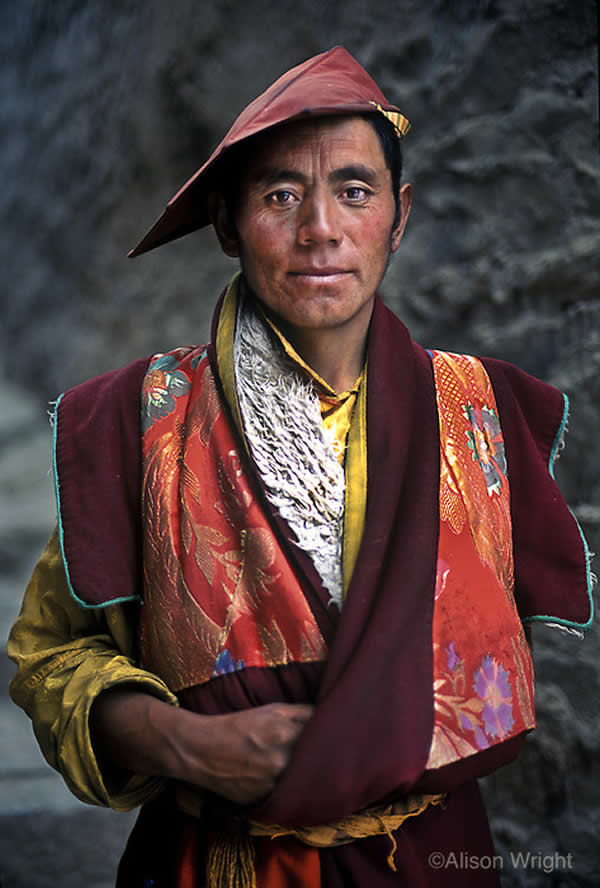
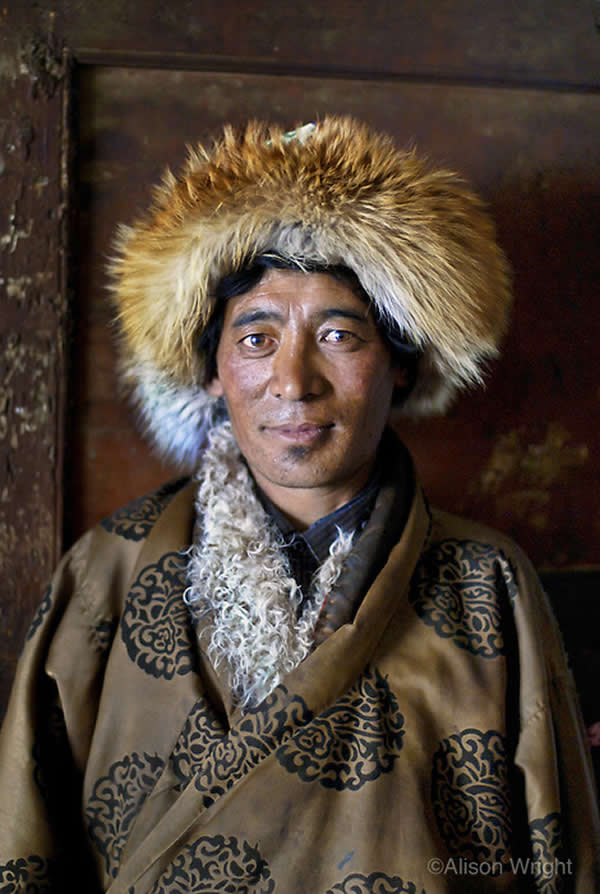
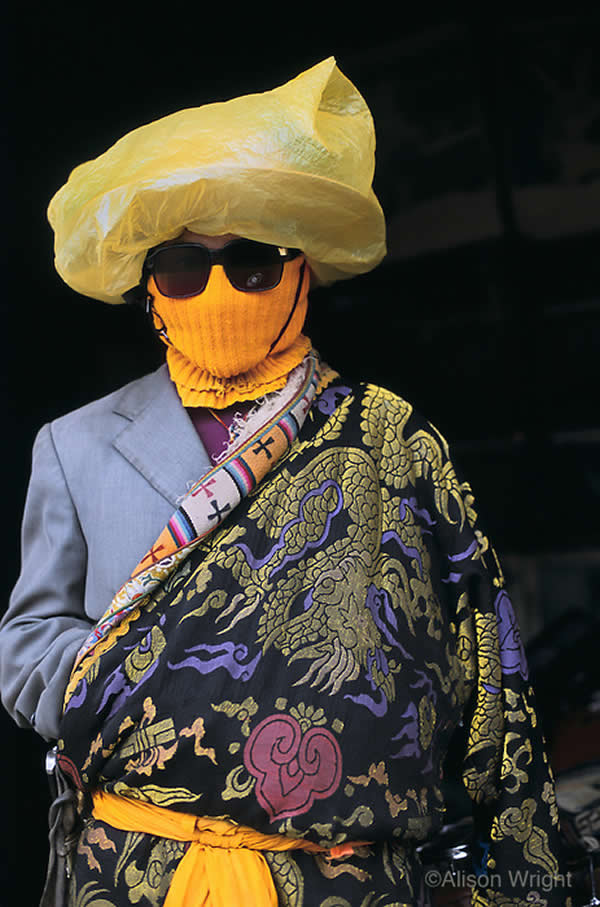
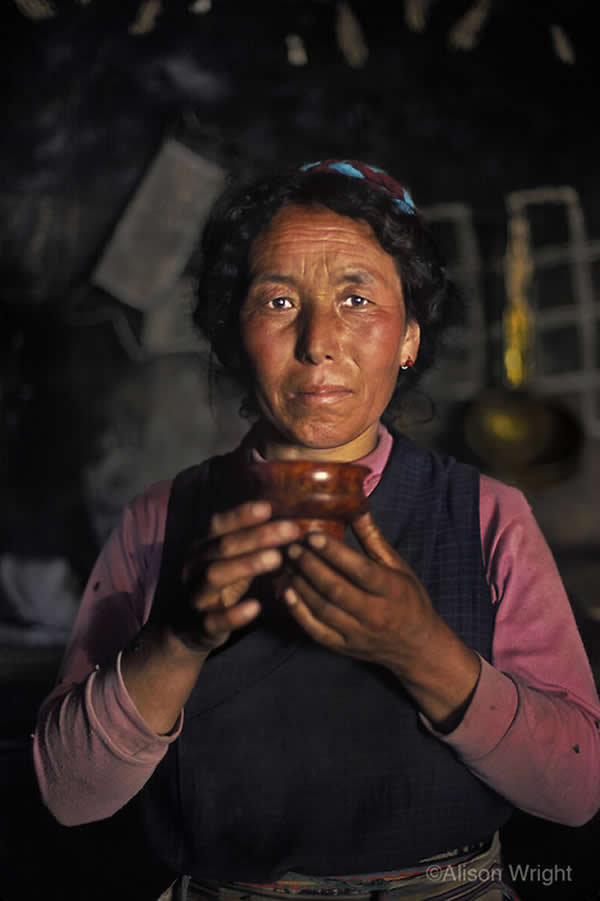
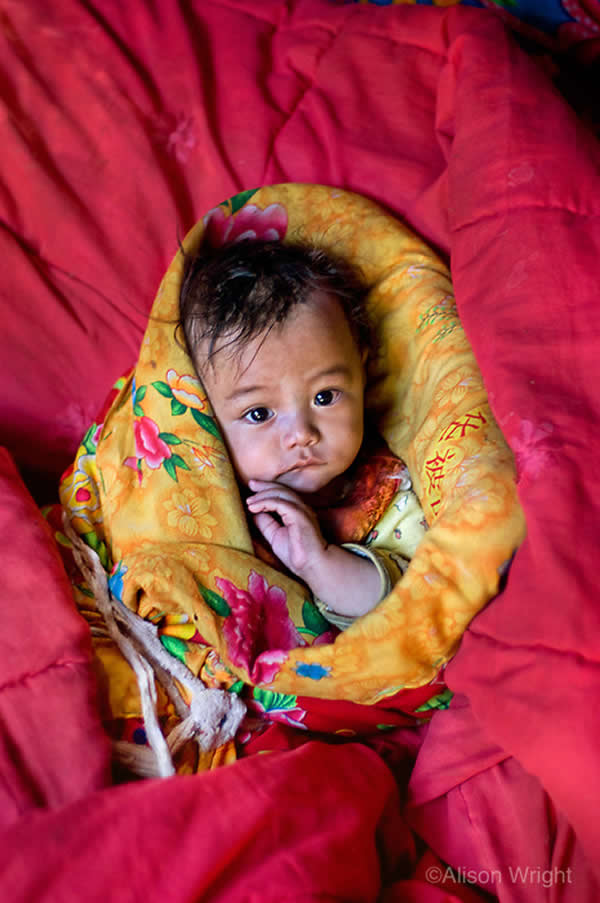
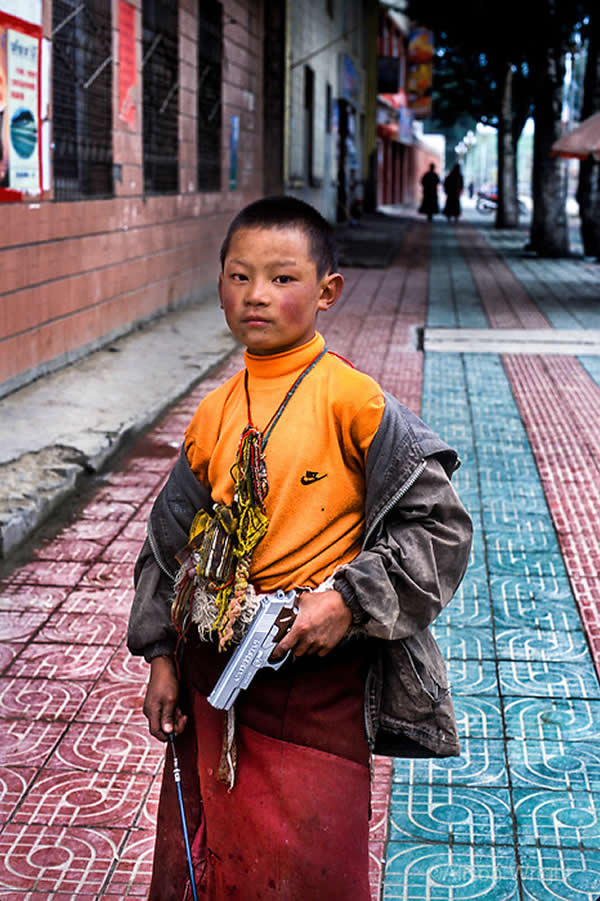
These images were photographed in and around monasteries in Litang, a high-altitude region where life moves to the rhythm of the land. Here, children, women, and men stand wrapped in vibrant traditional clothing—thick fabrics, layered textures, and colors shaped by climate, culture, and centuries of survival. Their faces feel open, innocent, weathered, and wise all at once. No performance. No posing for effect. Just presence.
Alison Wright has spent more than two decades documenting Tibet and the Tibetan diaspora, her lens has been especially drawn to nomadic communities living far from modern convenience. “I have such admiration for people who live off the land and are self-sufficient,” she says—and that respect radiates through every frame. These portraits don’t look at the nomads; they stand with them.
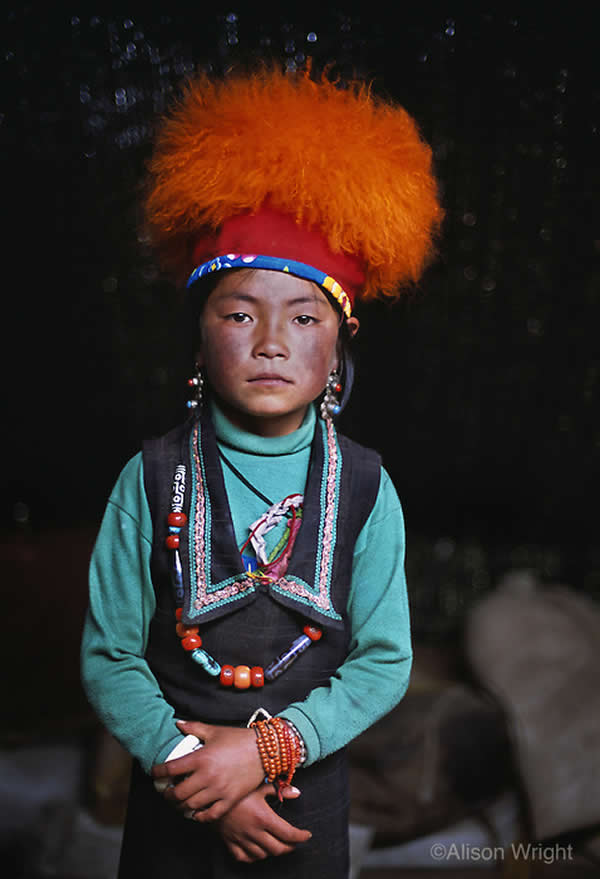
What makes this series hit hard is its honesty. There’s no exotic gloss, no dramatized hardship. Instead, you feel resilience without bravado, tradition without nostalgia, and dignity without explanation. The quiet confidence in a child’s stare. The strength in a woman’s posture. The calm endurance written across an elder’s face.
In a fast-moving world obsessed with what’s new, these portraits remind us of something deeper: culture survives through people. Through faces. Through the decision to keep living in harmony with the land, no matter how harsh or remote it may be.
You can find Alison Wright on the Web:
#1
© Alison Wright
#2
© Alison Wright
#3
© Alison Wright
#4
© Alison Wright
#5
© Alison Wright
Portraits Rooted in Land, Faith, and Daily Survival
These portraits are inseparable from the land they rise from. Tibetan nomads don’t just live on the plateau—they live with it. You see that relationship etched into their expressions. The mountains, the cold winds, the open skies—they all leave a mark.
Photographed near monasteries in Litang, these images blend spiritual grounding with everyday endurance. Faith isn’t staged here; it’s woven quietly into life. The nomads’ gazes feel steady, almost timeless, shaped by routines passed down for generations. Alison Wright’s approach is patient and respectful, allowing each subject to stand as they are—no forced drama, no visual noise.
The result? Portraits that feel grounded and deeply human, where resilience doesn’t shout but hums steadily in the background.
#6
© Alison Wright
#7
© Alison Wright
#8
© Alison Wright
#9
© Alison Wright
#10
© Alison Wright
Clothing as Culture, Color as Identity
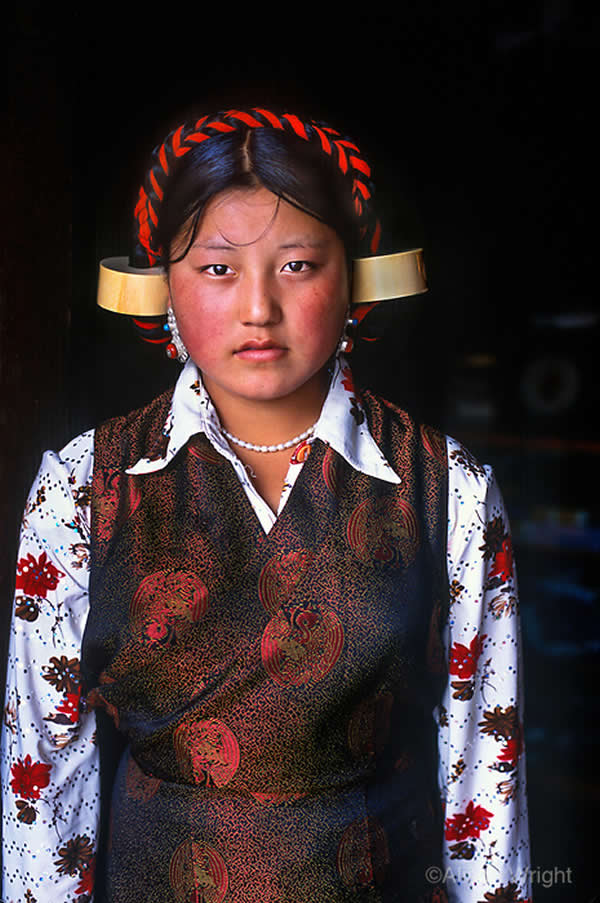
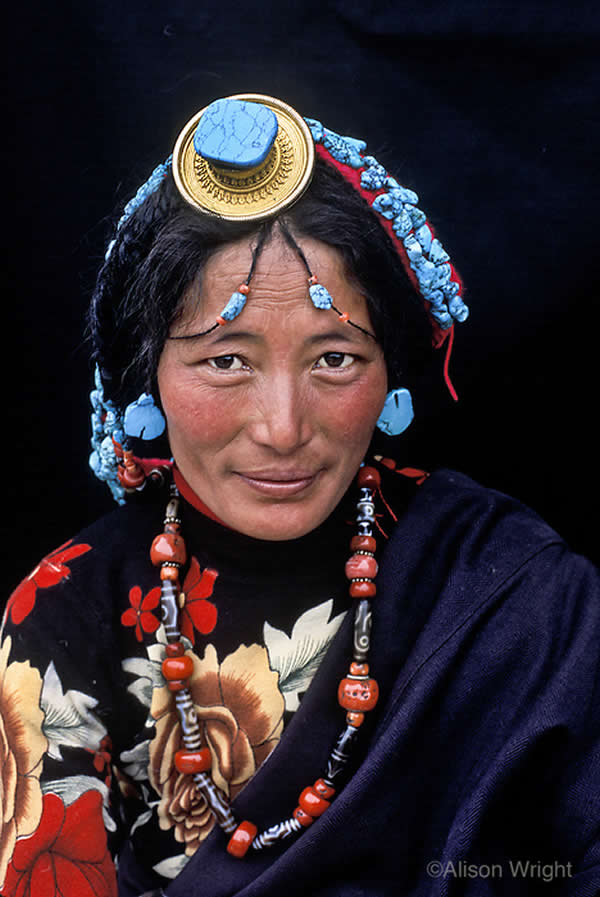
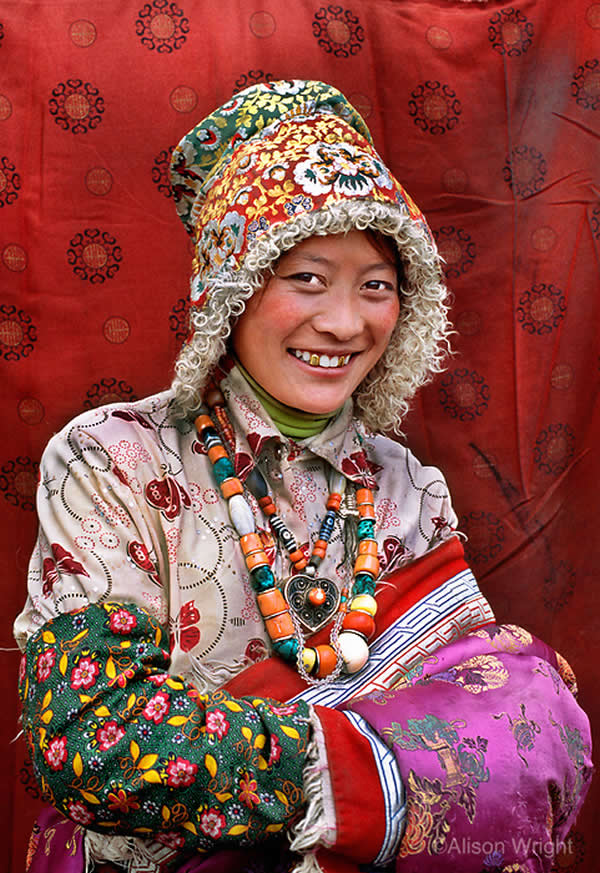
One of the first things that grabs you in this series is the clothing. Thick robes, layered fabrics, bold colors—each piece tells a story. These aren’t costumes. They’re tools for survival, expressions of identity, and symbols of tradition all rolled into one.
Children wrapped in oversized garments, women adorned with jewelry that speaks to lineage, men wearing clothes shaped by work and weather—every detail matters. Alison Wright’s portraits honor these elements without fetishizing them. The colors pop, but they never overpower the people wearing them.
Instead, the clothing becomes a visual language, quietly saying: this is who we are, and this is how we belong here. It’s culture worn with confidence, not for display, but for life.
#11
© Alison Wright
#12
© Alison Wright
#13
© Alison Wright
#14
© Alison Wright
#15
© Alison Wright
Why Alison Wright’s Work Matters Now More Than Ever
In a world racing toward uniformity, Alison Wright’s work stands as a visual reminder of what’s at risk of disappearing. She has photographed in over 150 countries, contributing to publications like National Geographic, Time, Smithsonian, and The New York Times, but her long-term commitment to Tibet sets her apart.
Her portraits don’t just document—they preserve. They create space for empathy, understanding, and respect. By focusing on nomadic communities who live self-sufficiently and close to nature, Wright challenges modern ideas of progress and success.
These images matter because they slow us down. They ask us to look longer, feel deeper, and remember that resilience doesn’t always come with noise—it often comes quietly, wrapped in tradition.
#16
© Alison Wright
#17
© Alison Wright
#18
© Alison Wright
#19
© Alison Wright
#20
© Alison Wright
In Summary
Who photographed these Tibetan nomad portraits?
- These portraits were captured by award-winning documentary photographer Alison Wright, known for documenting endangered cultures worldwide.
Where were these Tibetan nomad portraits taken?
- The photos were taken near monasteries in Litang, Kham, Eastern Tibet.
What makes these portraits unique?
- They focus on honest expressions, traditional clothing, and the deep connection between nomadic people, culture, and land—without staging or exaggeration.
Why does Alison Wright focus on Tibetan nomads?
- She deeply admires self-sufficient communities who live off the land and has spent over two decades documenting Tibetan culture and identity.
What themes define this portrait series?
- Resilience, tradition, cultural preservation, spirituality, and the human connection to nature.
