
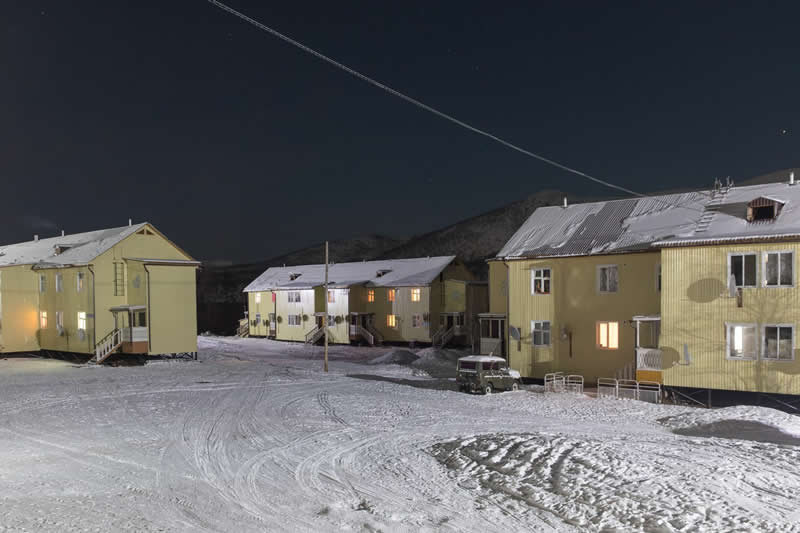
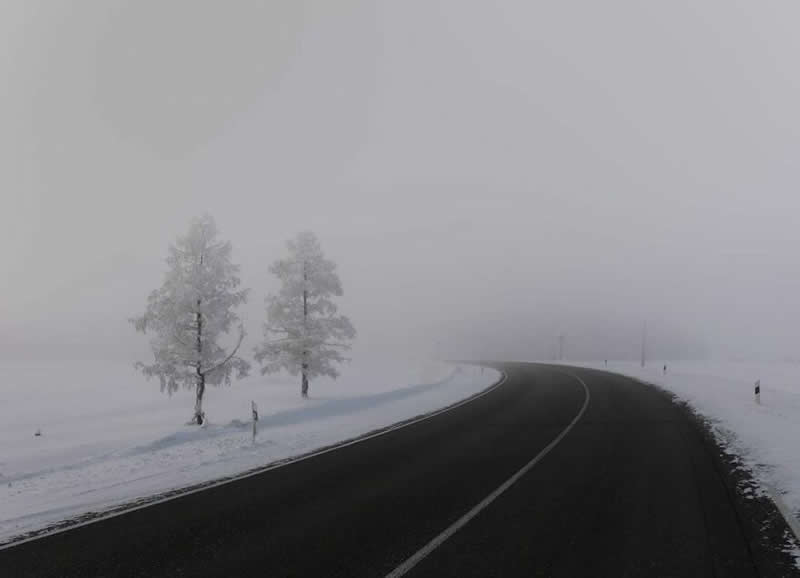
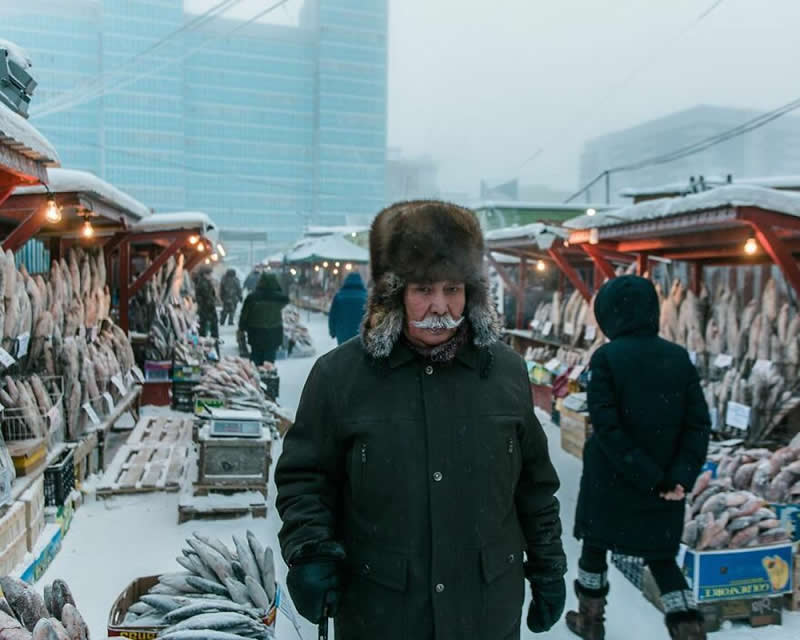
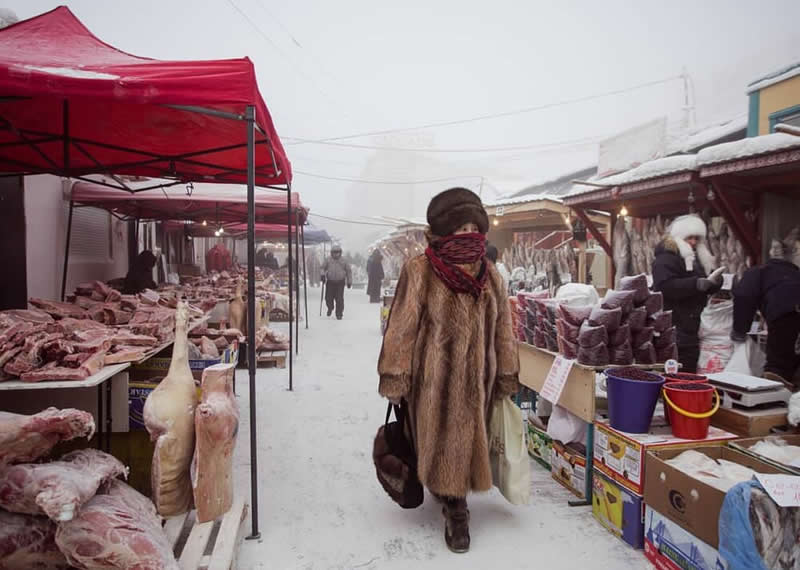
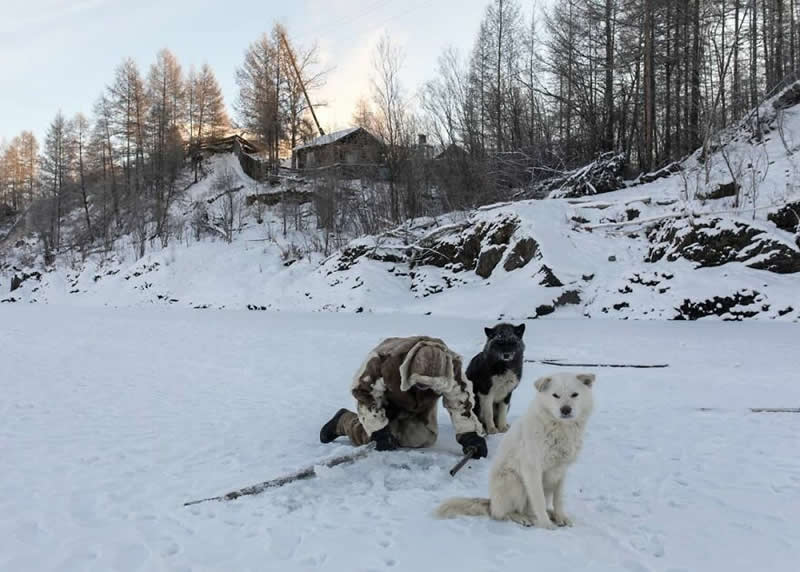
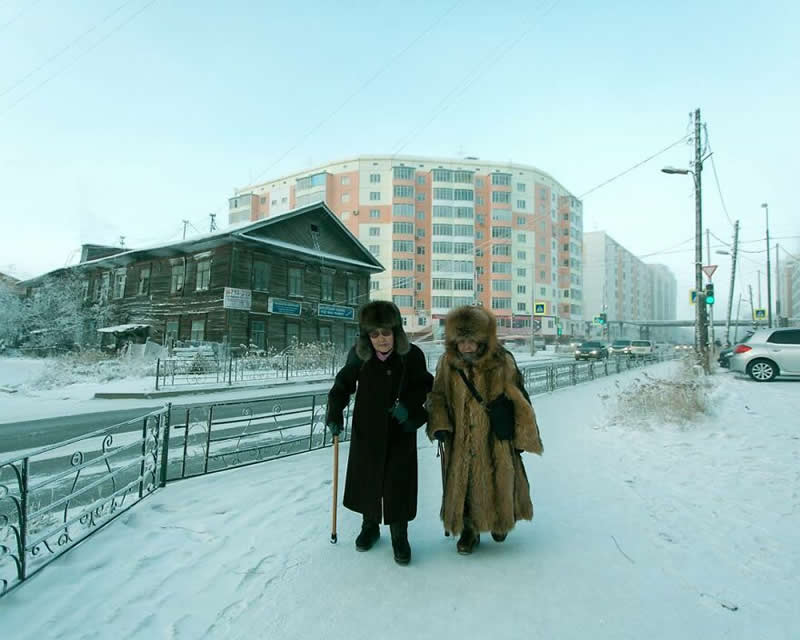
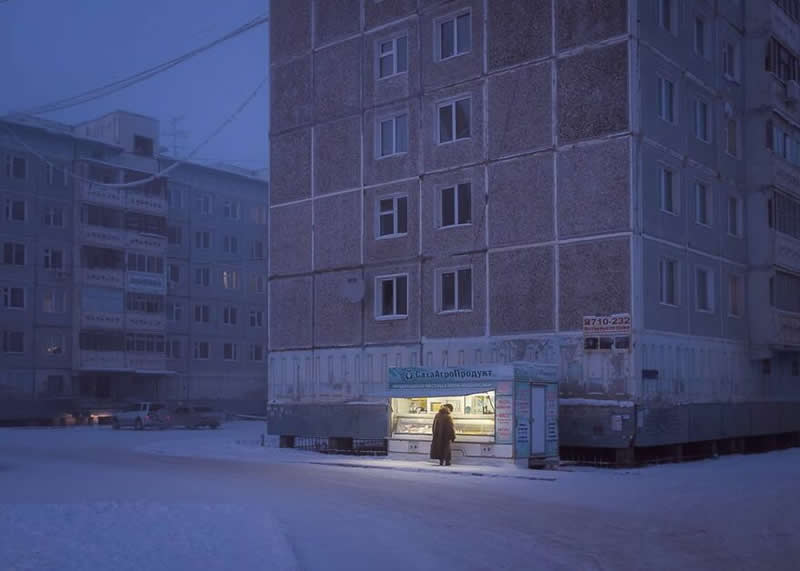
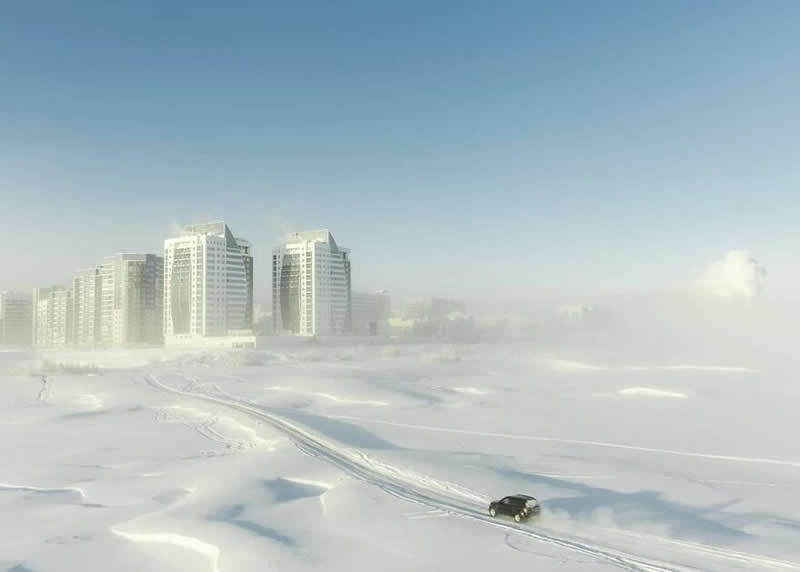
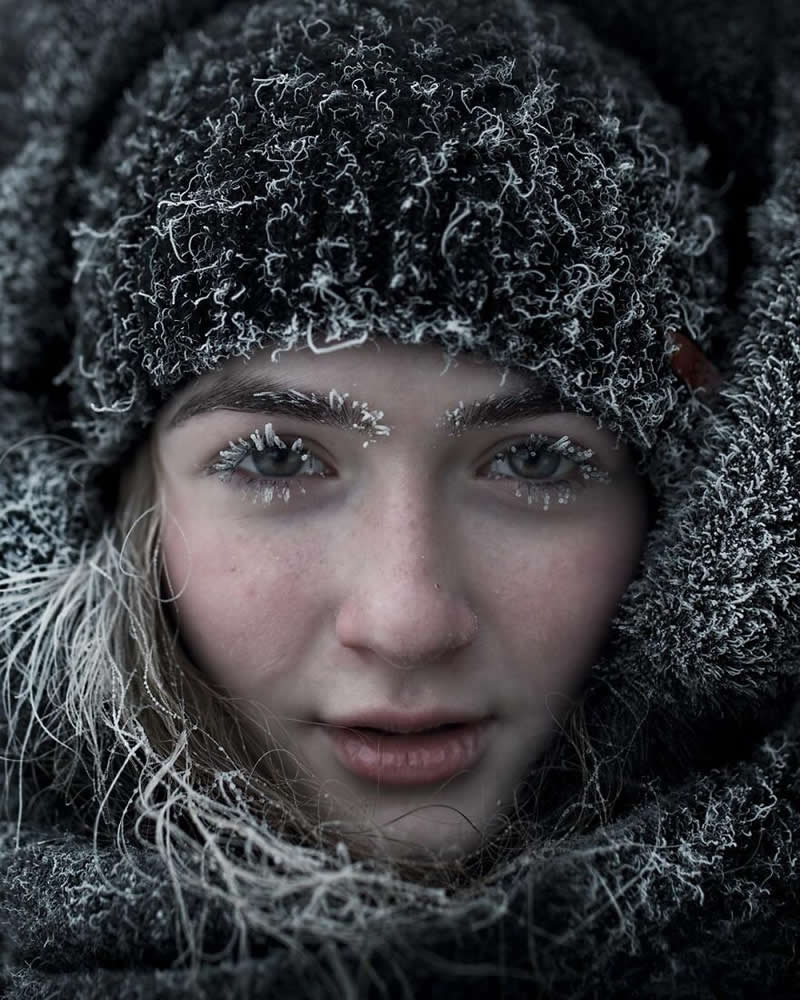
There’s cold, and then there’s Yakutsk cold — the kind of freeze-your-eyelashes, don’t-breathe-too-fast kind of cold that can drop below –60°C without even saying sorry. Yet somehow, life doesn’t just survive there — it thrives. And no one captures that paradox better than photographer Alexey Vasyliev, a native of this ice-ruled city tucked just 450 km south of the Arctic Circle.
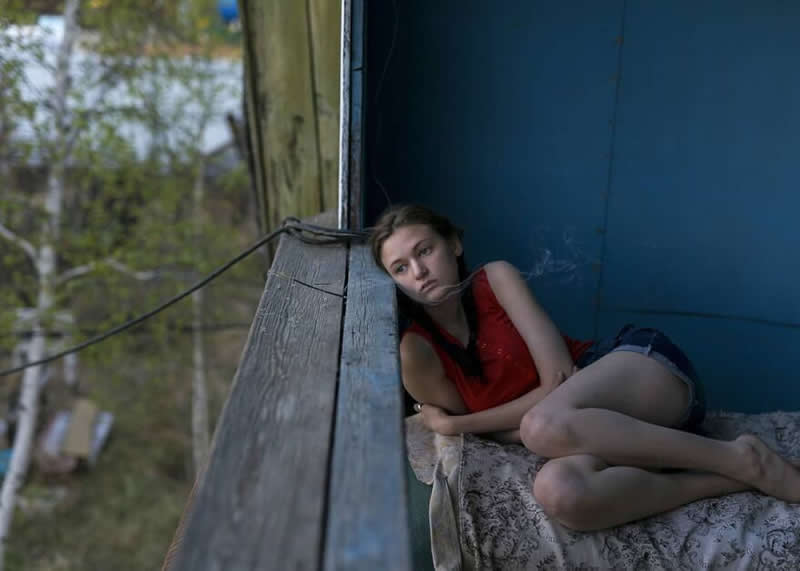
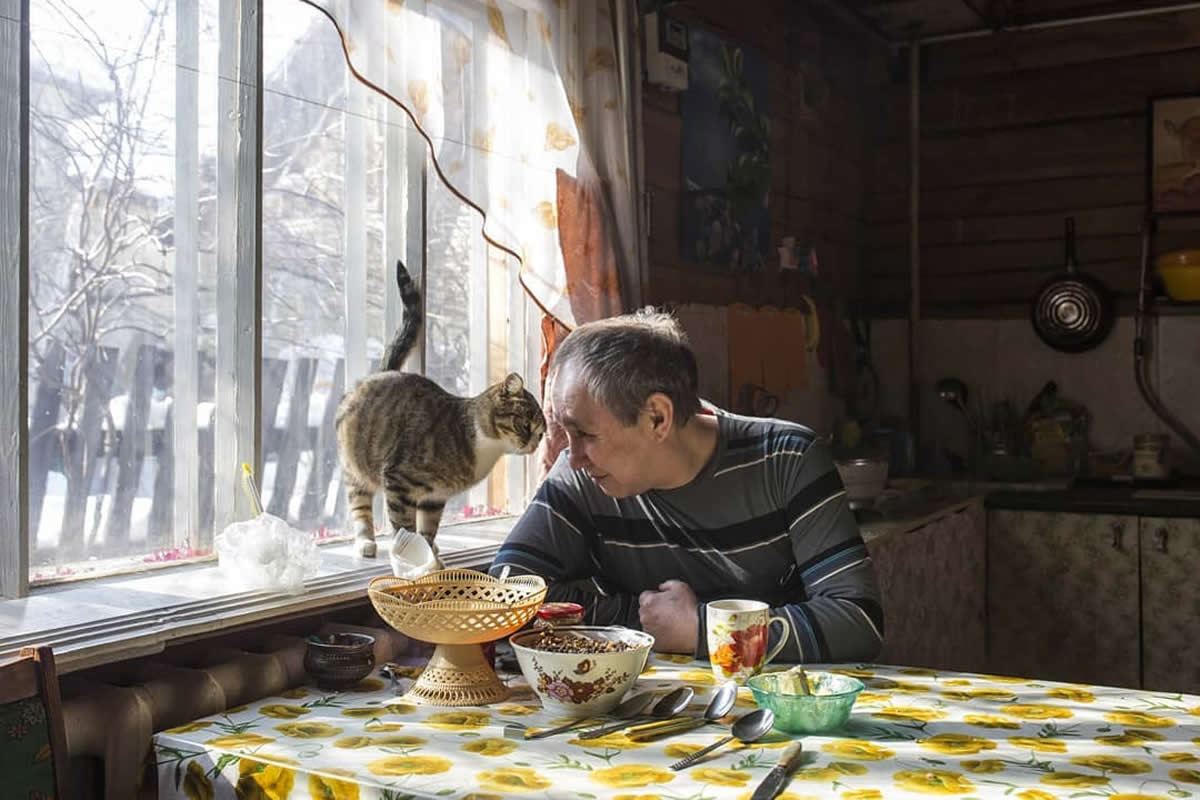
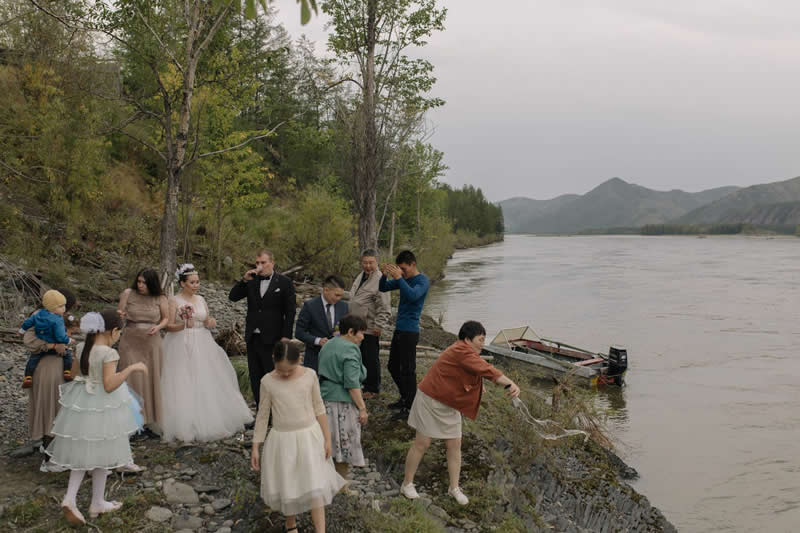
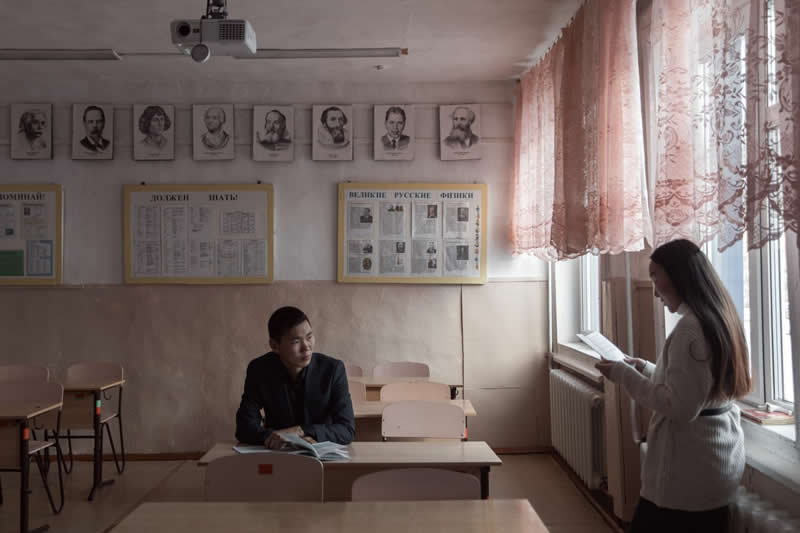
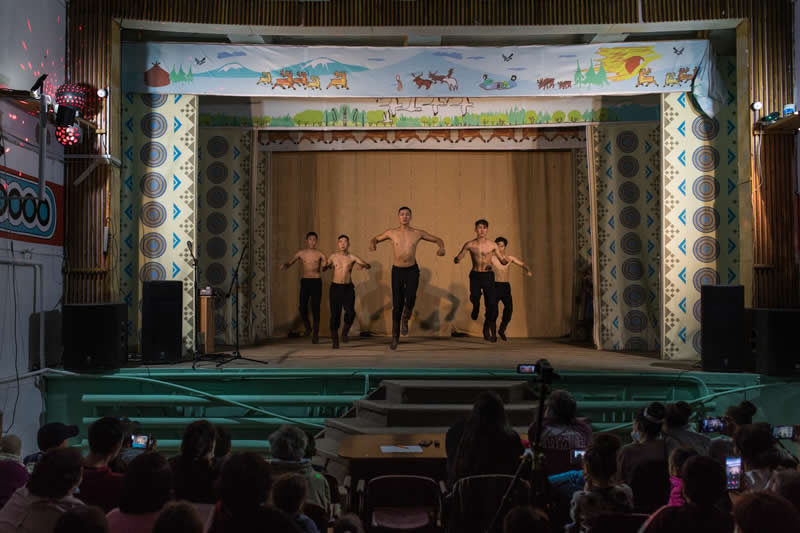
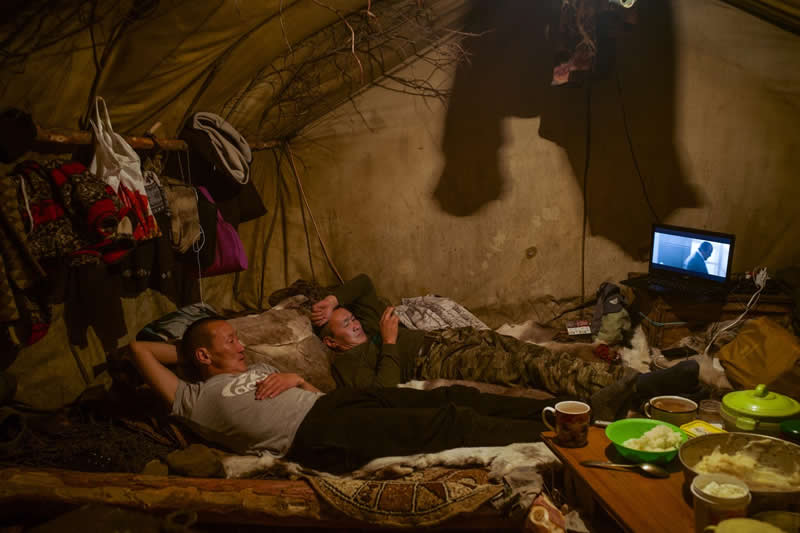
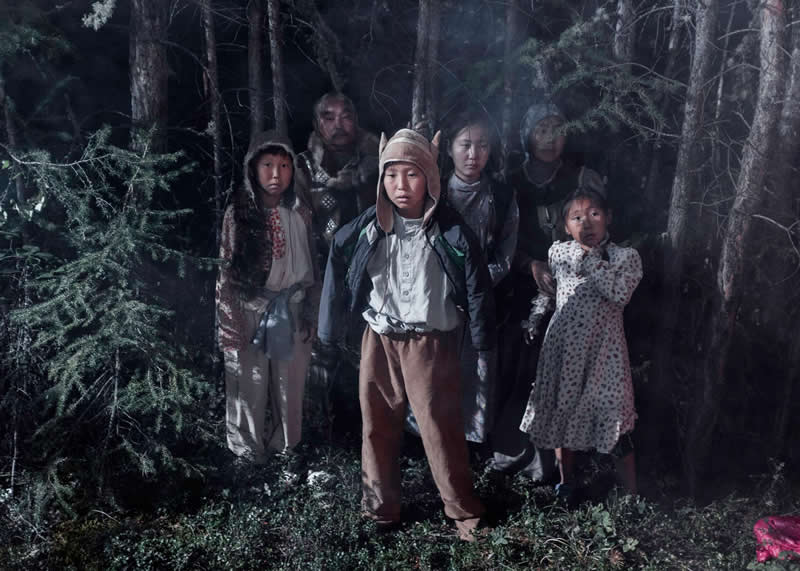
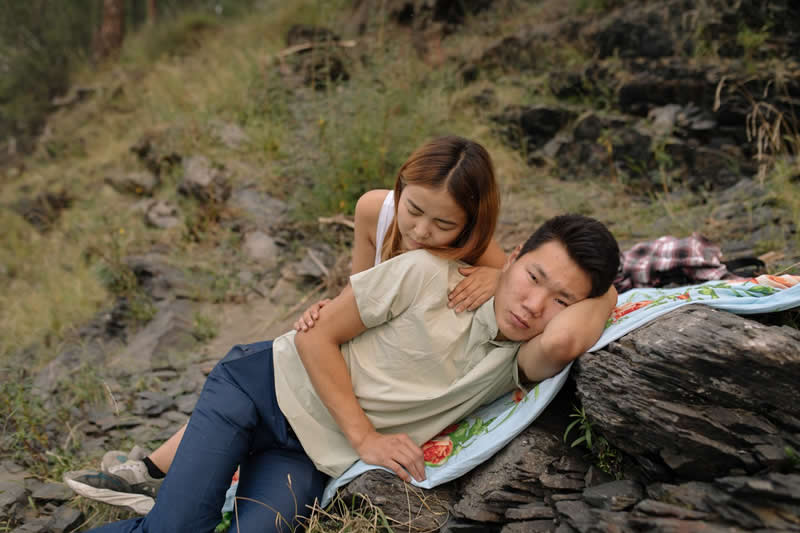
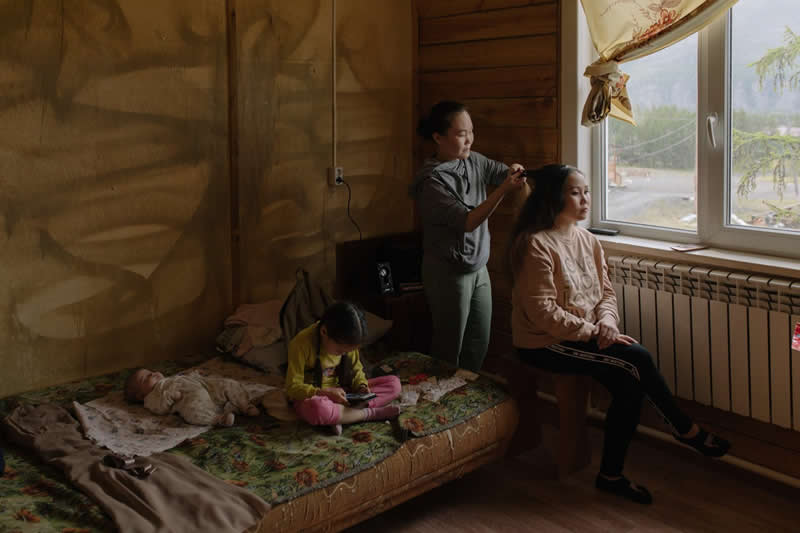
For Vasyliev, Yakutsk isn’t a headline or a shocking climate stat — it’s home. It’s where he grew up eating ice cream outside in winter, trekking through snow to meet friends, and living a childhood that felt surprisingly “normal” despite the bone-deep frost. But the Yakutsk he photographs today isn’t just about winter grit or weather extremes. It’s about people, especially the Evens — an indigenous community whose identity has been reshaped by modern pressures, fading traditions, and the intense tug-of-war between past and present.
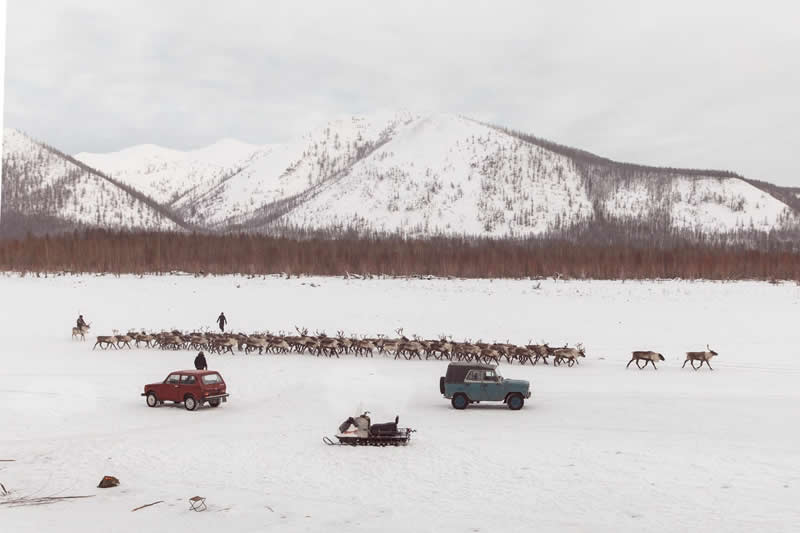
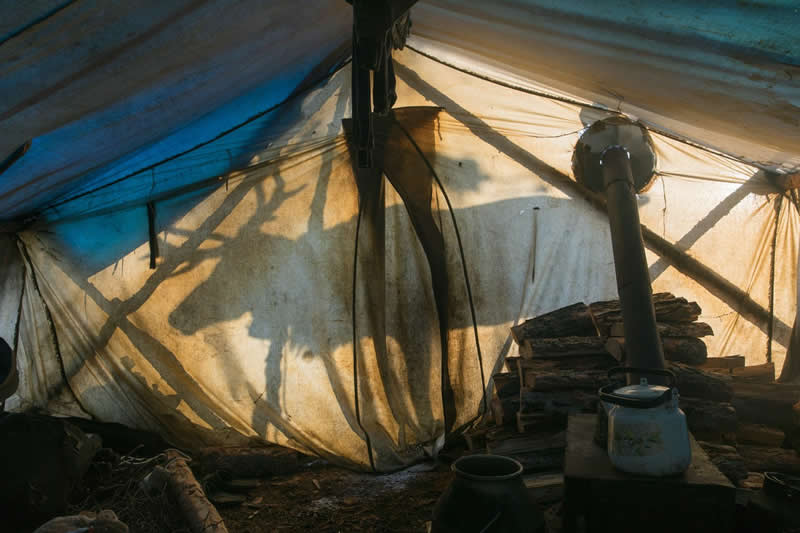
Once known as the reindeer people, the Evens lived nomadically for centuries, moving with the rhythm of herds, seasons, and survival. But Soviet influence pulled them into settlements, shifting their livelihoods from reindeer breeding to agriculture and cattle work. Those changes didn’t just alter routines — they rewired culture.
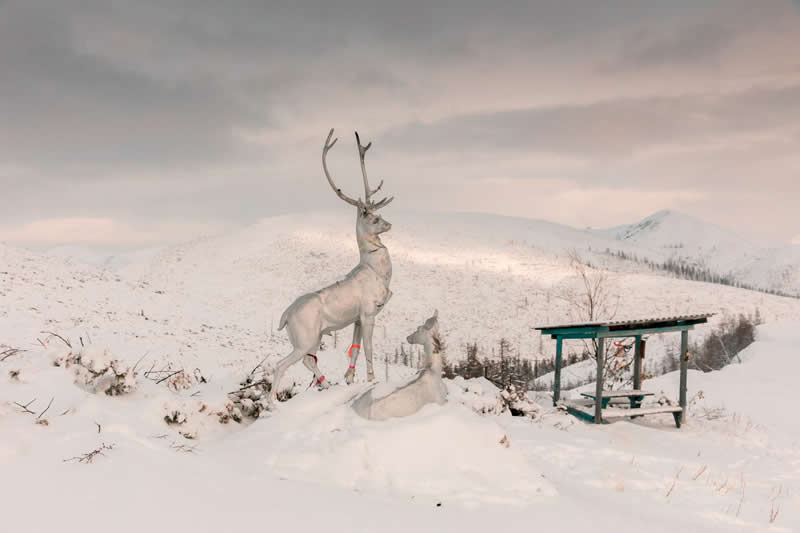
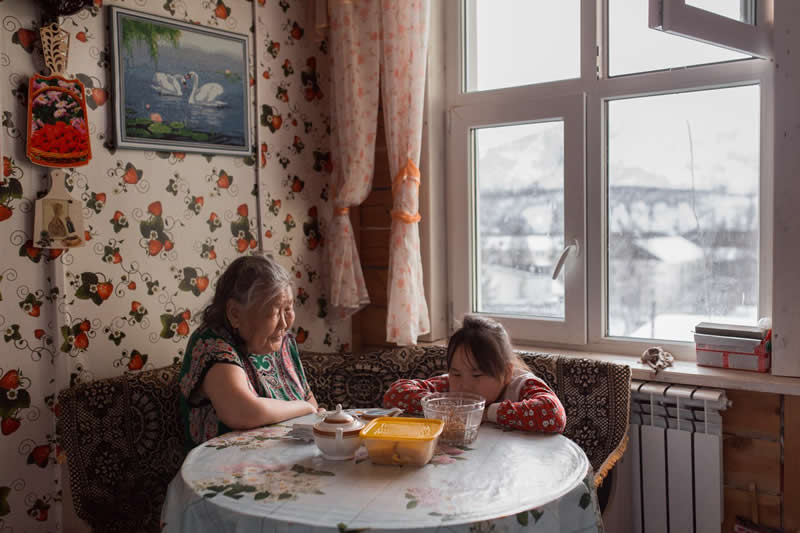
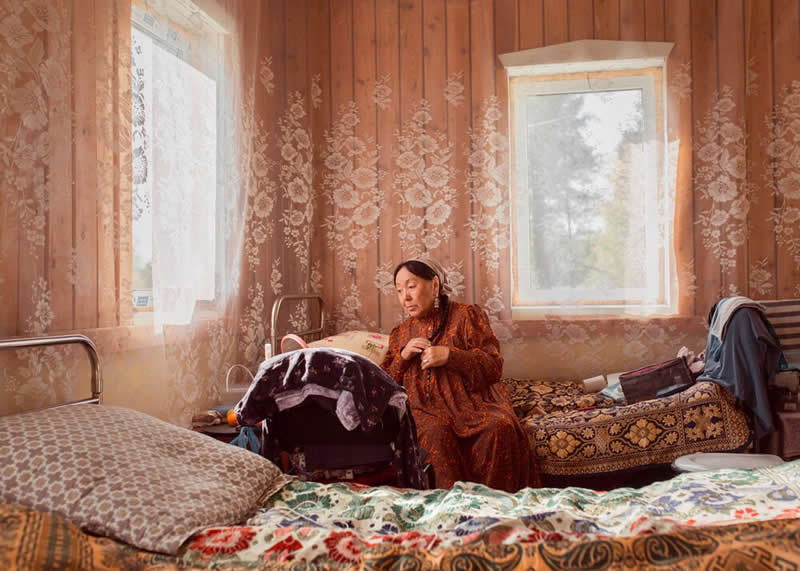
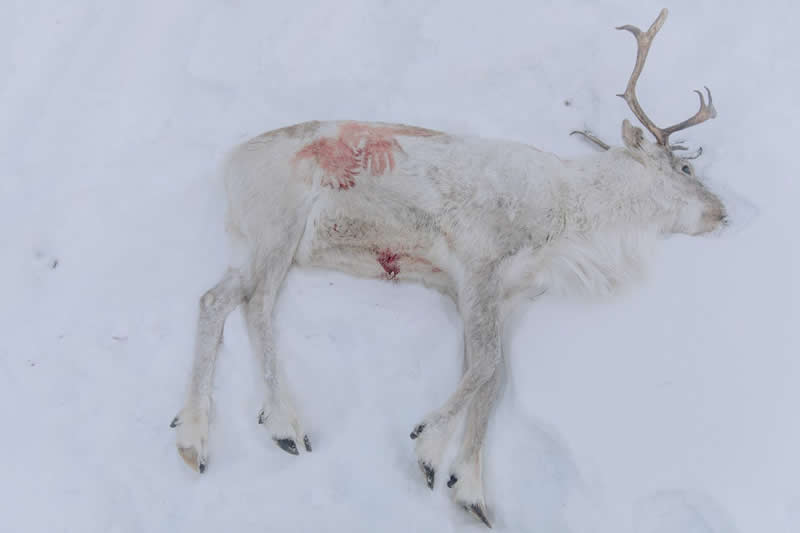
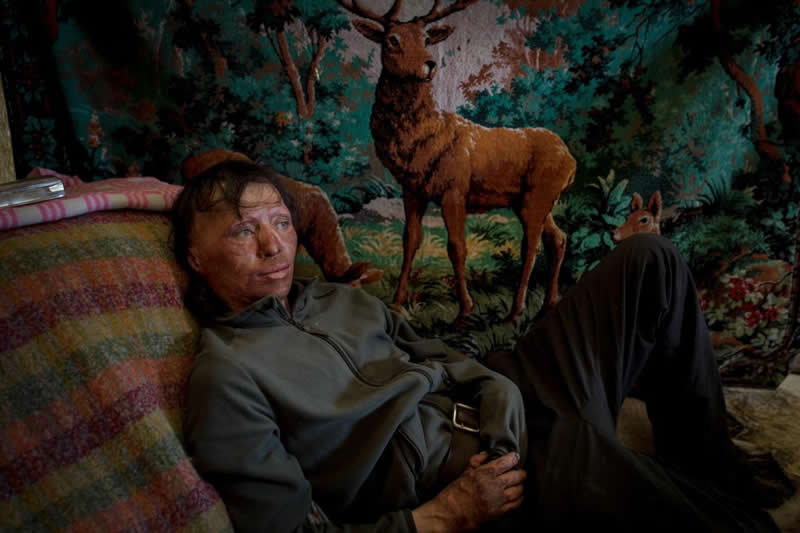
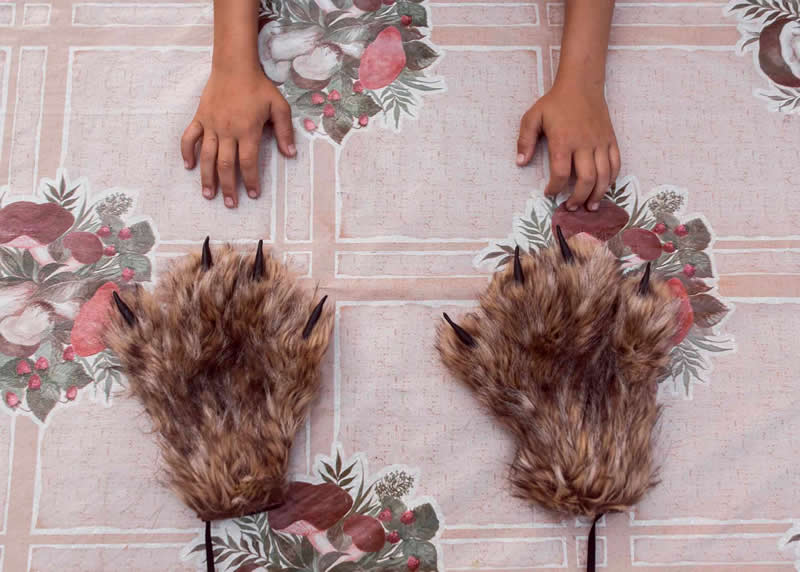
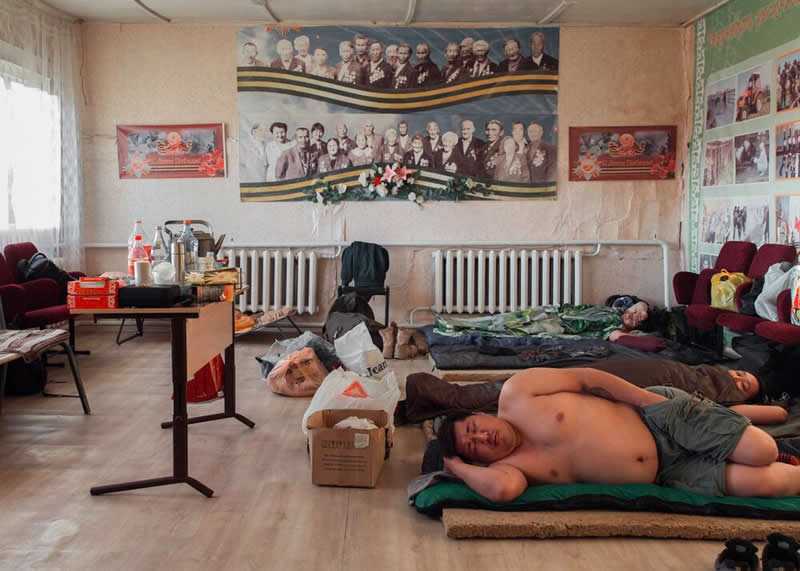
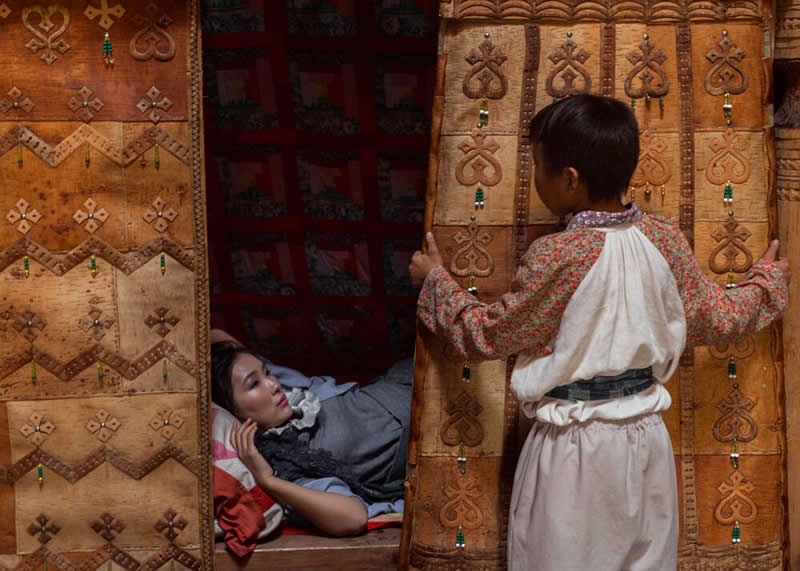
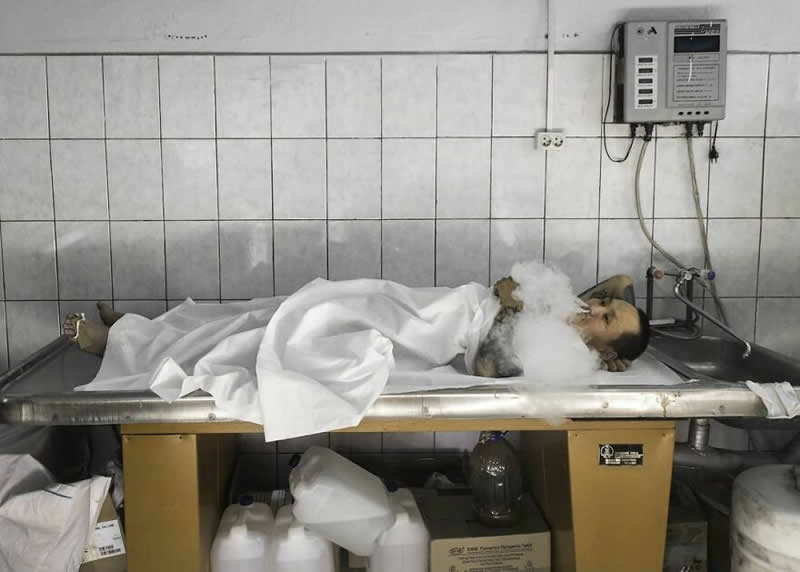
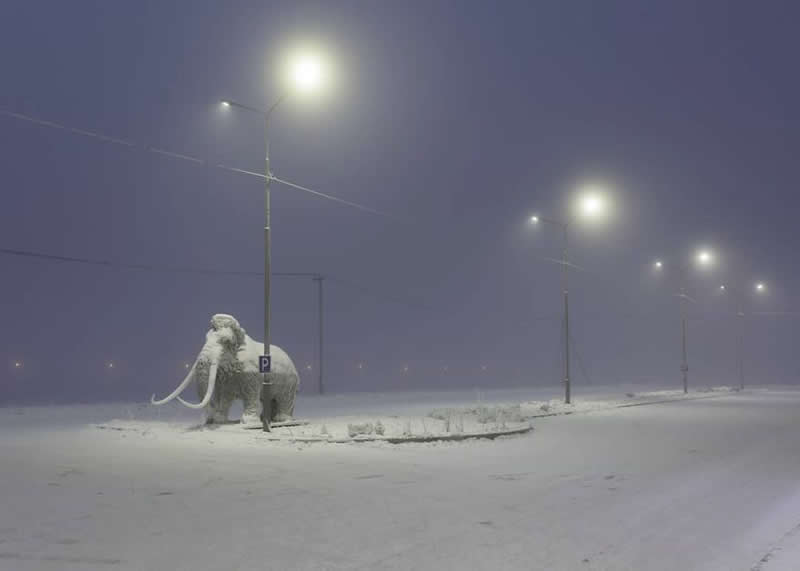
Through his 35 photos, Vasyliev doesn’t just show landscapes or portraits. He shows a culture in mid-transformation. Deer statues replacing real herds. Tapestries standing in for traditions that once lived outdoors. And a dead deer — a chilling symbol of the slow fading of identity.
His work isn’t doom and gloom; it’s honest. It’s the story of a people navigating modern life while trying not to lose the heartbeat of who they are. And in the coldest city on Earth, that story deserves to be told before it freezes over.
You can find Alexey Vasilyev on the Web:
#1
#2
#3
#4
#5
#6
#7
#8
#9
#10
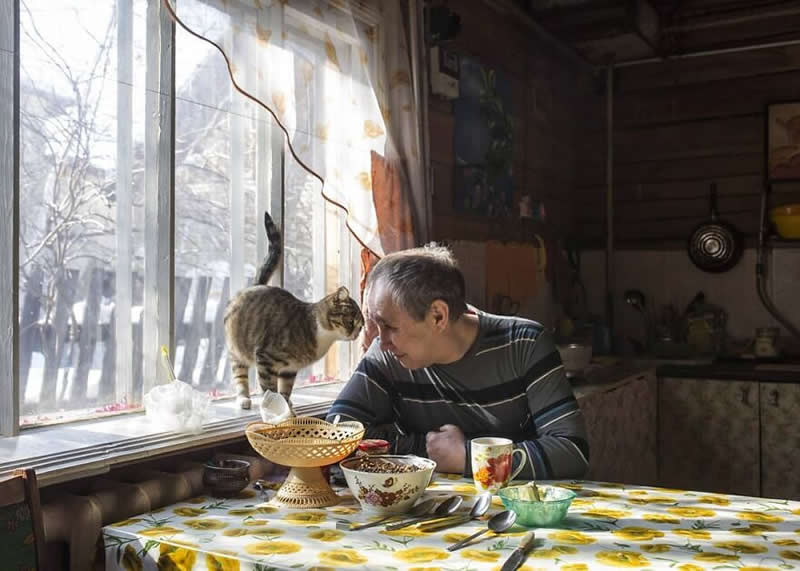
Growing Up in the Coldest City: A Childhood Shaped by Ice and Imagination
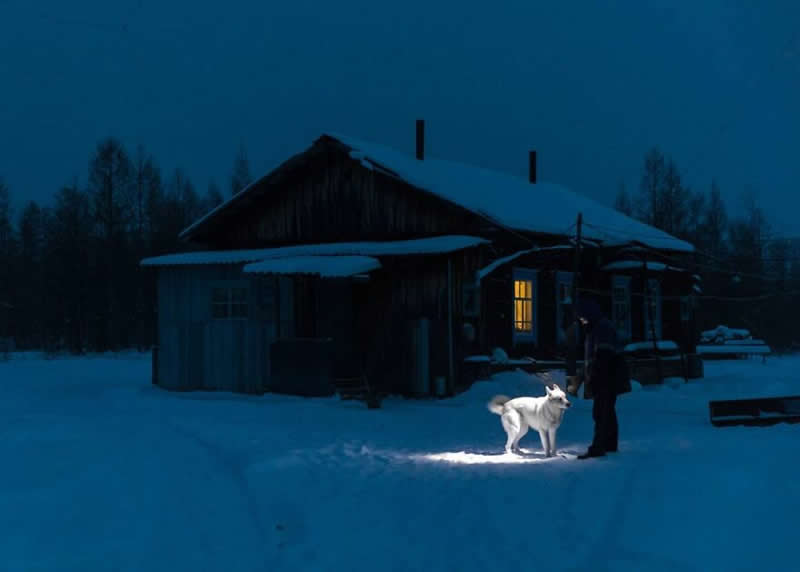
Vasyliev’s story begins where most people wouldn’t even dare to vacation — Yakutsk, the planet’s unofficial freezer. Yet for him, it was pure childhood magic. Temperatures dropping below –60°C didn’t stop him from running around outdoors, playing in snowdrifts taller than he was, or hiking to grab ice cream with friends like it was no big deal. That’s the beauty of childhood: the body may feel the cold, but the spirit rarely notices.
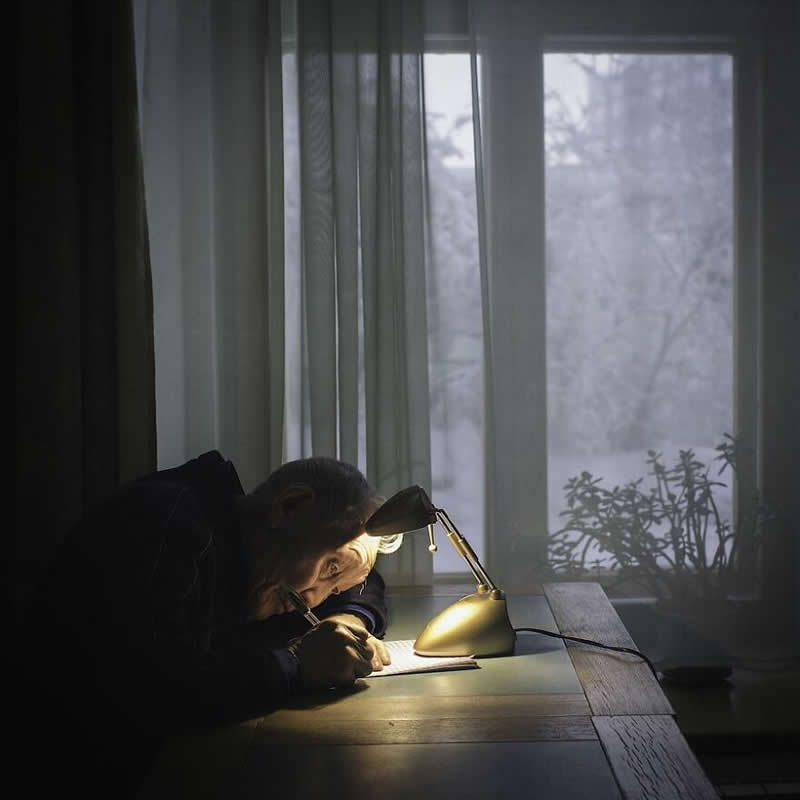
His early years built the foundation for the photographer he would become — someone who sees beyond harsh conditions into the heart of the people living there. What outsiders view as extreme, he sees as everyday life wrapped in resilience and routine. This perspective gives his work its honesty. He’s not dramatizing Yakutsk; he’s documenting its real soul — strong, steady, and surprisingly warm in all the right places.
#11
#12
#13
#14
#15
#16
#17
#18
#19
#20
Documenting the Evens: An Indigenous Culture Caught Between Past and Progress
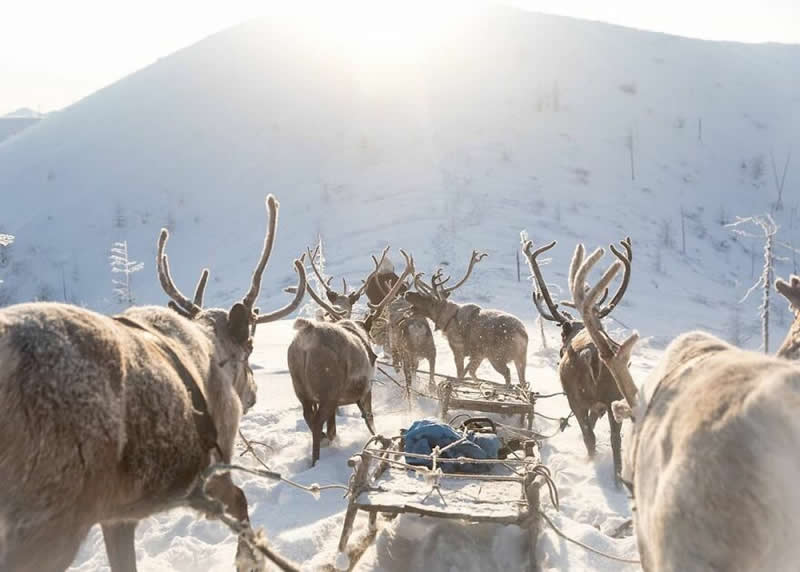
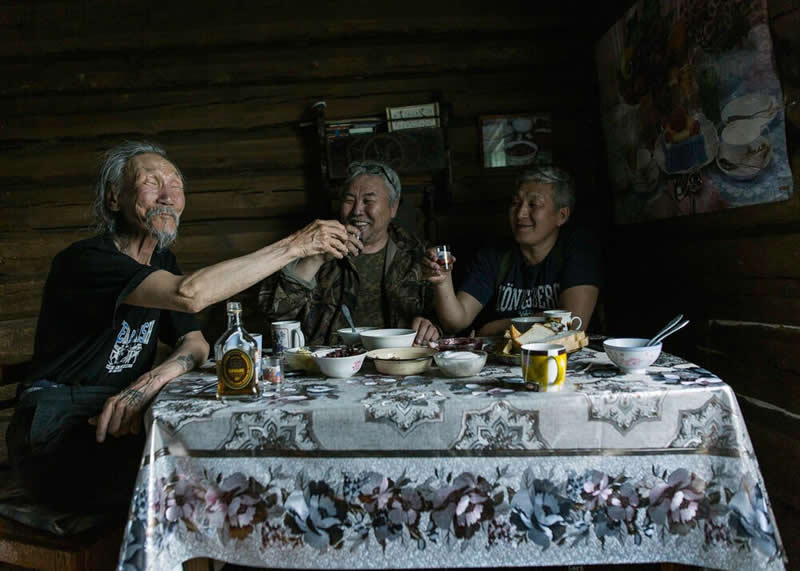
When Vasyliev turned his lens toward the Evens, he wasn’t chasing exotic stories — he was telling the story of neighbors, ancestors, and a people standing at a cultural crossroads. For centuries, the Evens were reindeer herders, hunters, and nomads who lived fully in sync with the Arctic wilderness. But modern society — especially Soviet influence — rewrote their rhythm. Settlements replaced migratory routes, agriculture replaced herding, and tradition began slipping from daily life.
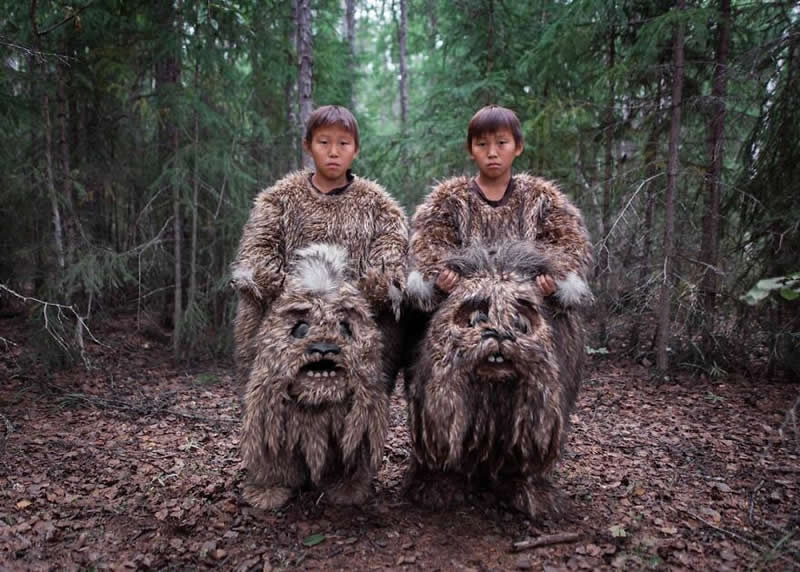
Vasyliev’s images capture that quiet tension: the younger generation leaning toward city life, while the elders watch sacred practices fade. Deer motifs still appear everywhere, but more as symbols than lived reality. The reindeer, once holy and central to life, is now drifting into memory. His photos don’t accuse or romanticize; they observe. They show a culture trying to hold onto its roots while walking into a world changing faster than the Arctic wind.
#21
#22
#23
#24
#25
#26
#27
#28
#29
#30
The Visual Symbolism: Deer, Memory, and the Slow Erosion of Identity
One of the most striking elements in Vasyliev’s documentary work is the recurring presence of the deer — but not in the way you’d expect. Instead of real herds roaming frozen landscapes, we see deer as statues, wall hangings, tapestries, carved ornaments, and in one haunting image, a dead deer laid out like a silent warning.
For the Evens, deer were once sacred — not just animals but lifelines, spiritual symbols, and cultural anchors. Their disappearance from daily life speaks louder than words. Vasyliev uses these visuals to highlight a deeper truth: identity doesn’t vanish overnight; it fades one generation at a time.
His 35 photos become a visual archive of what’s slipping away. Not to mourn, but to remember. Not to accuse, but to spark awareness. Because in Yakutsk, where even breath turns to ice, memory itself is fragile — and preserving it becomes an act of love.
#31
#32
#33
#34
#35