
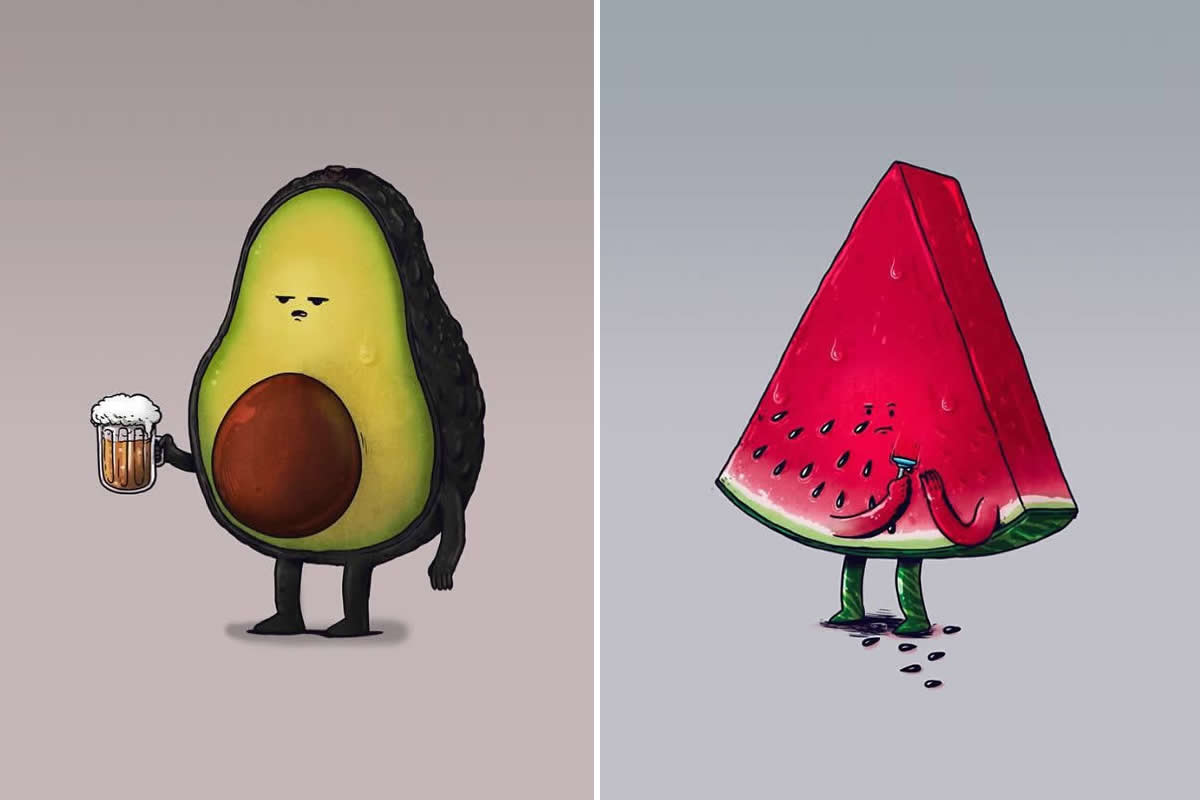
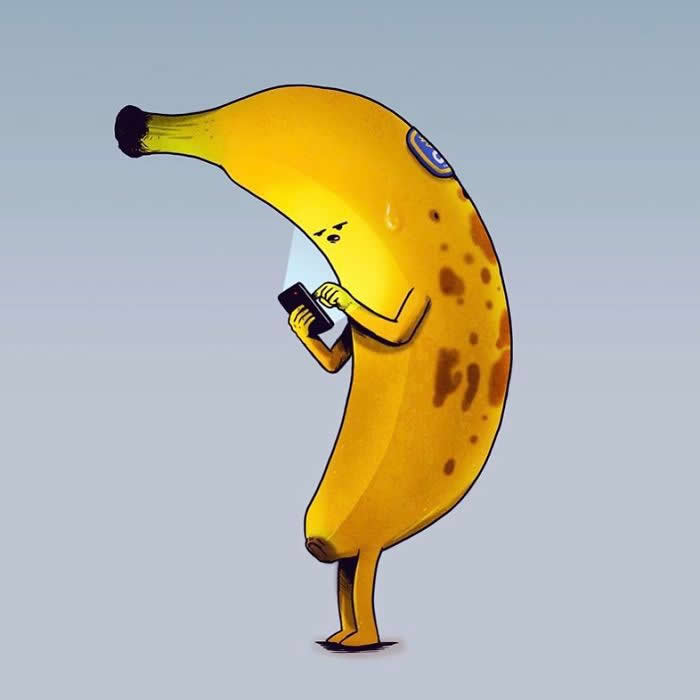
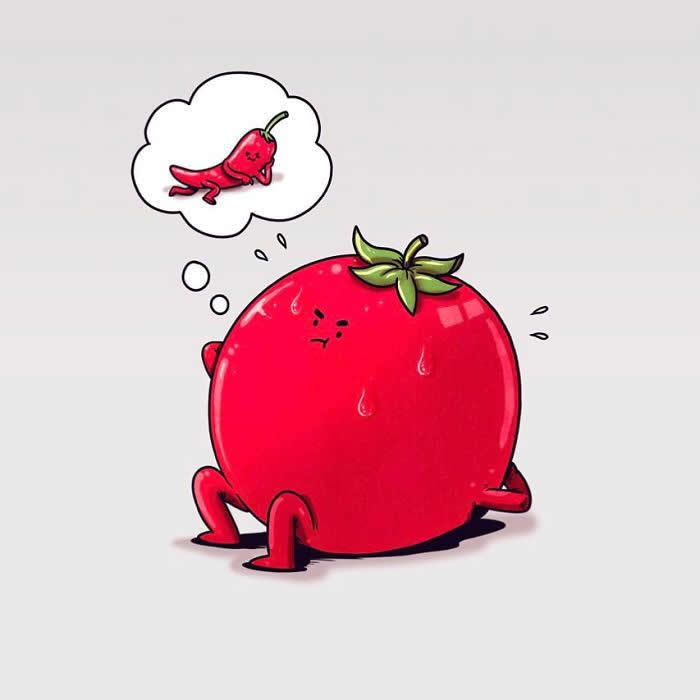
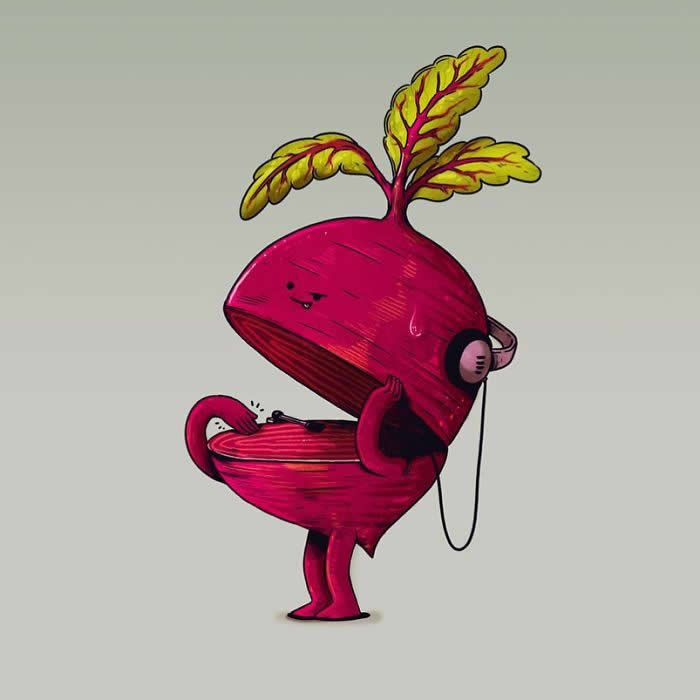
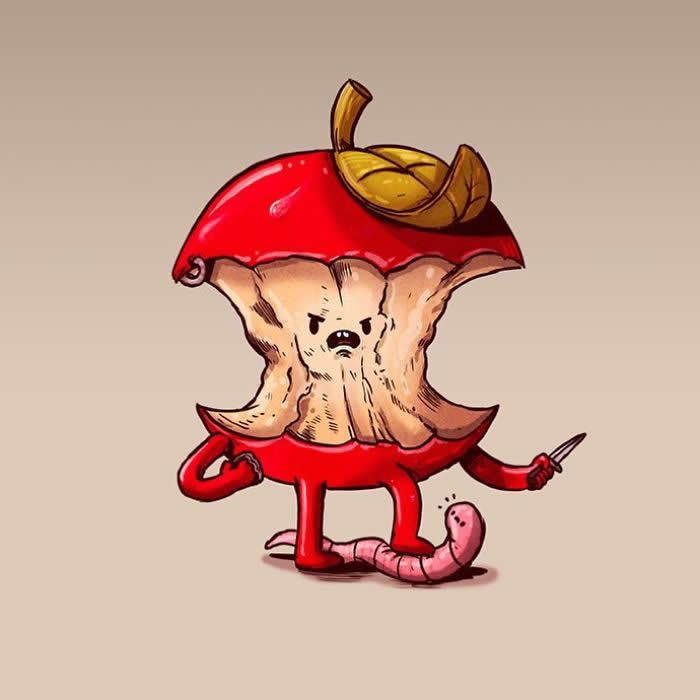
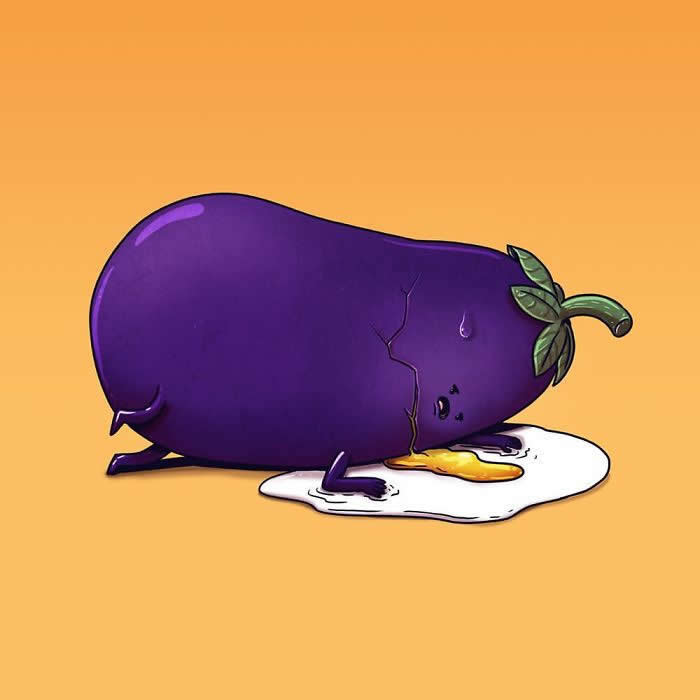
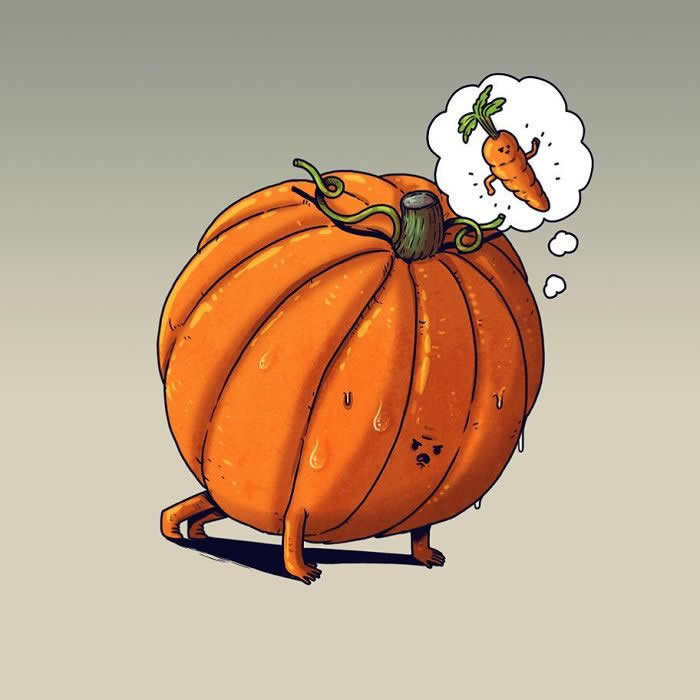
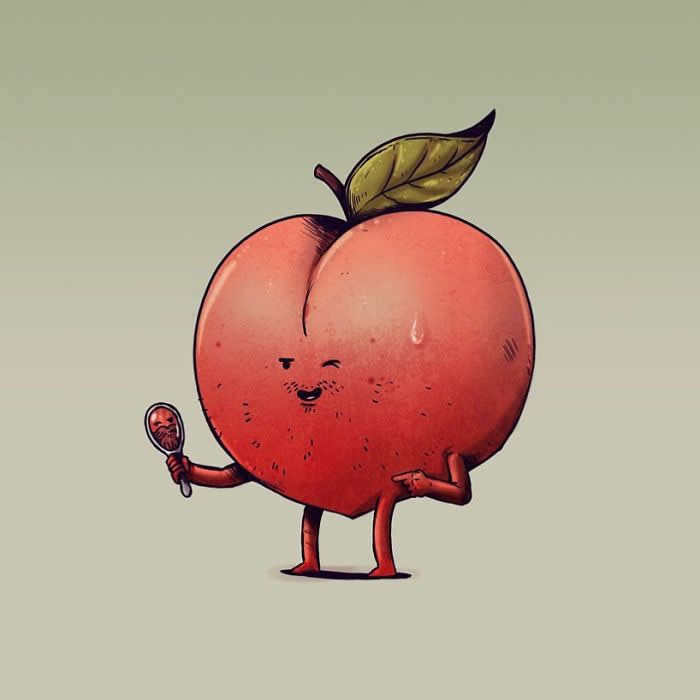
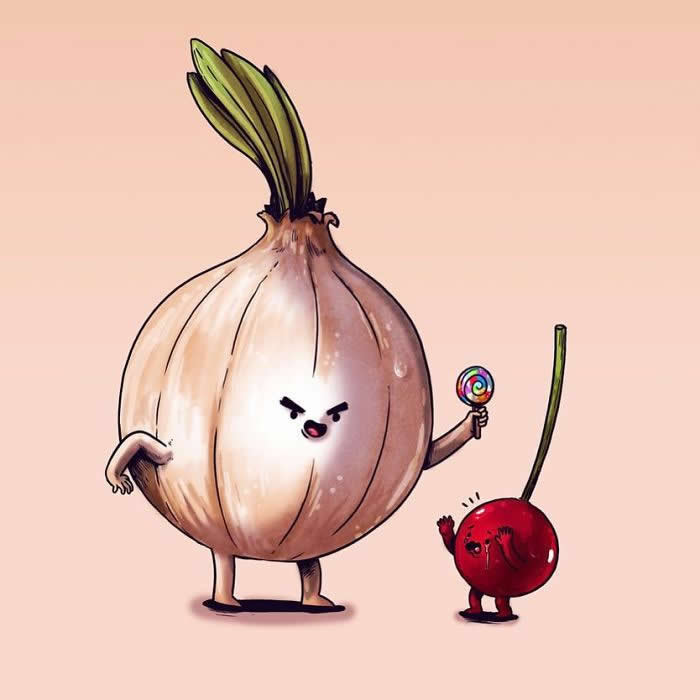
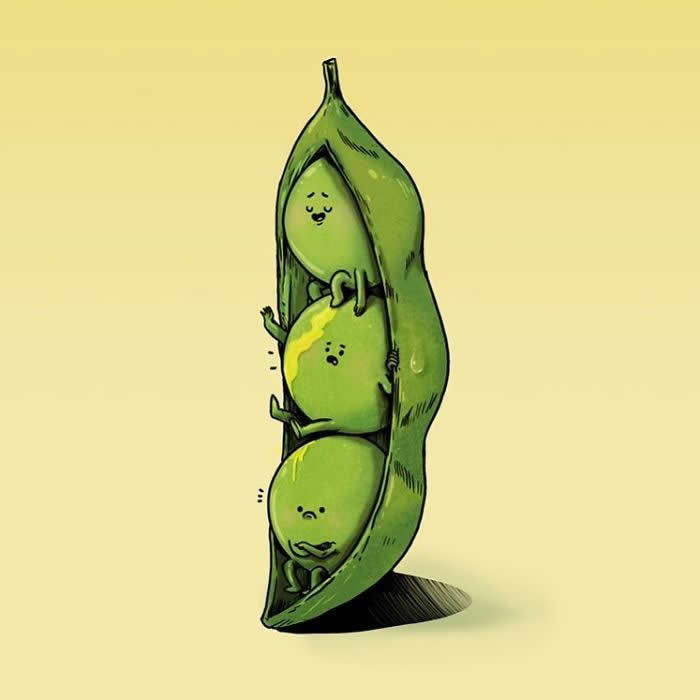
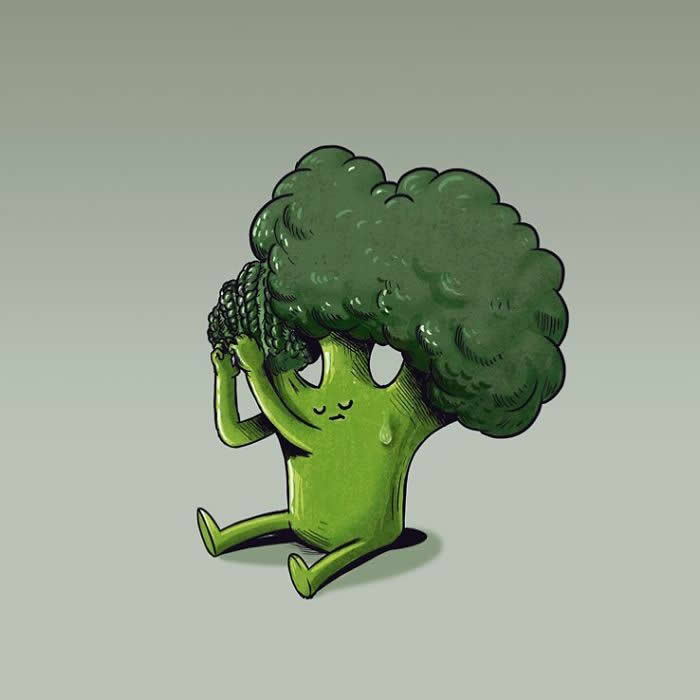
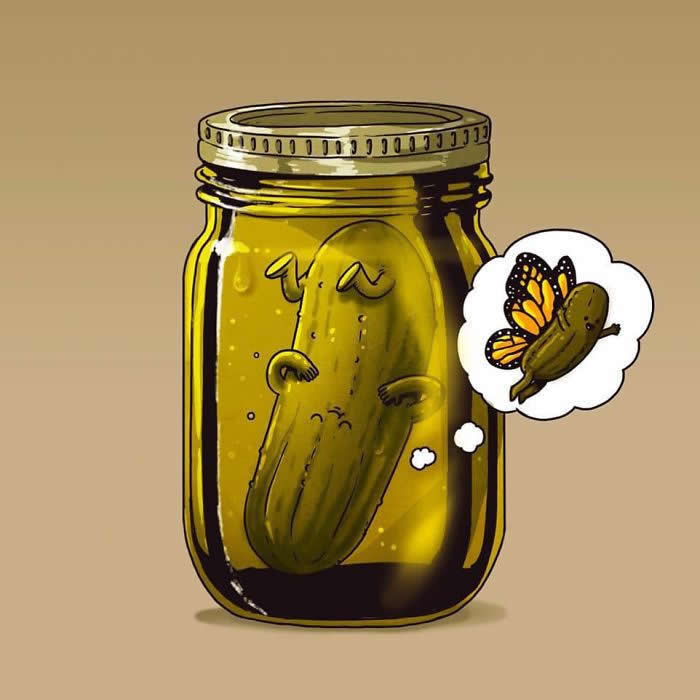
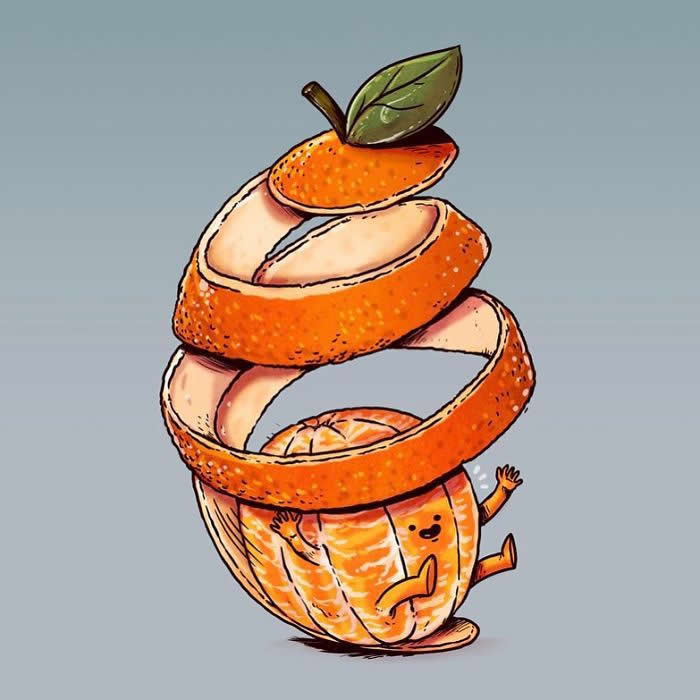
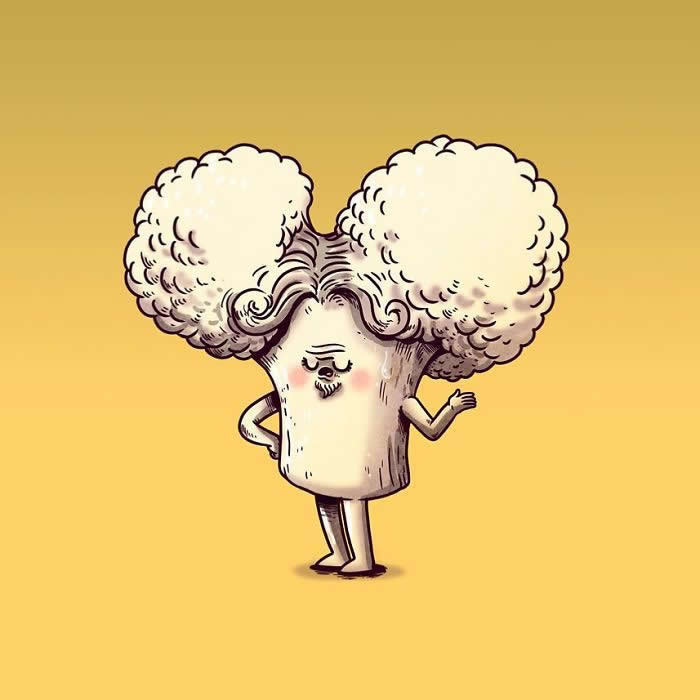
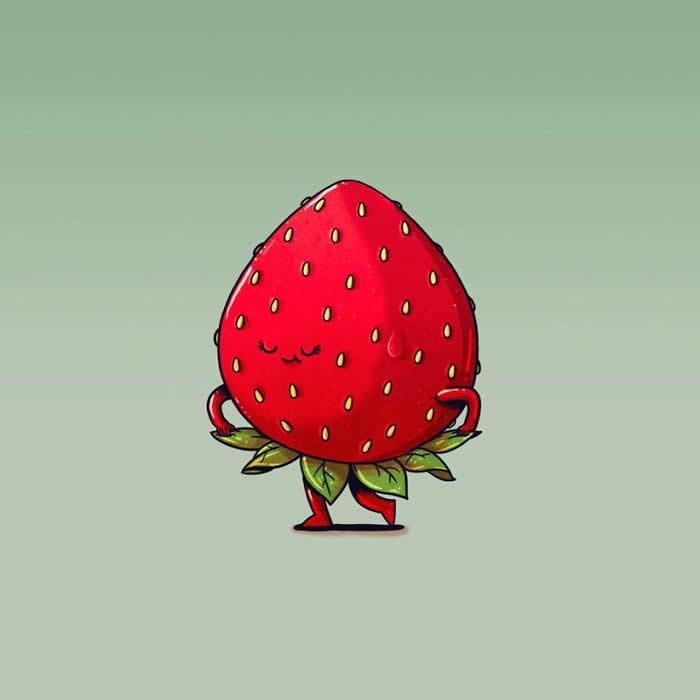
At first glance, they look innocent. A banana. A carrot. A strawberry just minding its own business. But look closer, and suddenly these fruits and veggies are having full-blown existential crises — stressing about life, work, relationships, and the everyday chaos we all know too well.
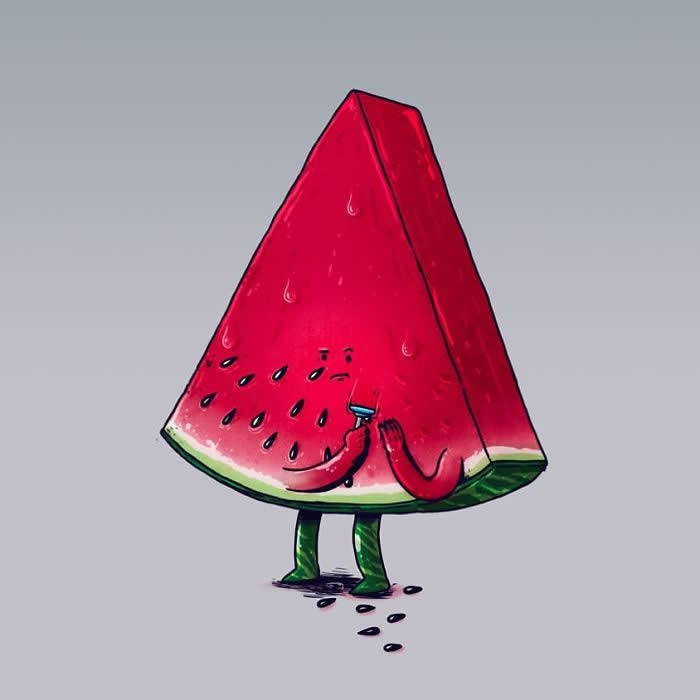
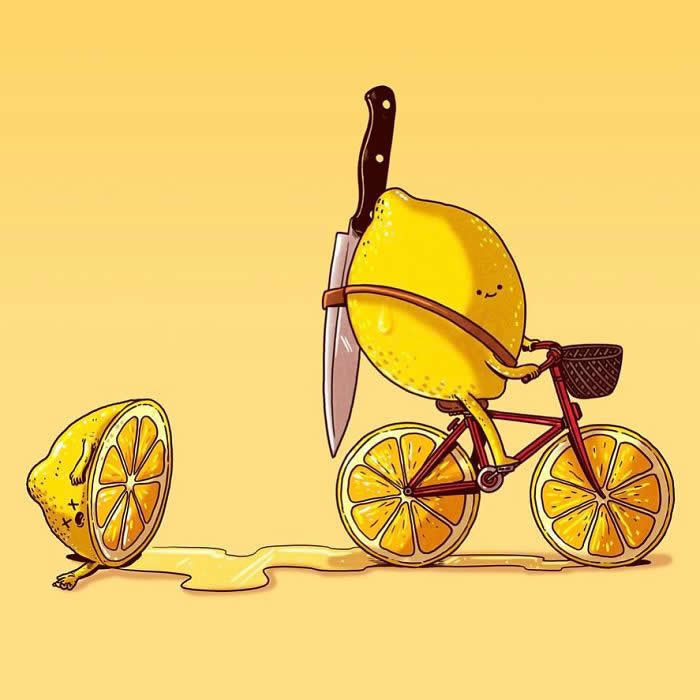
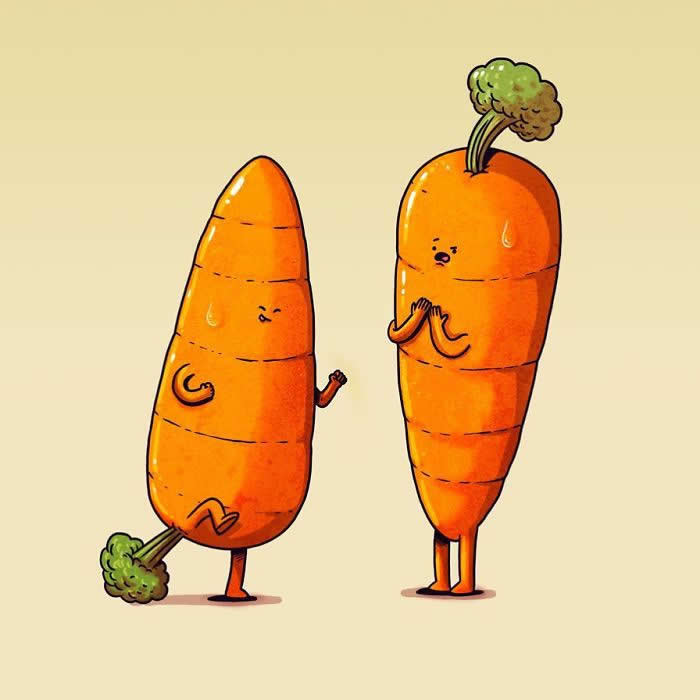
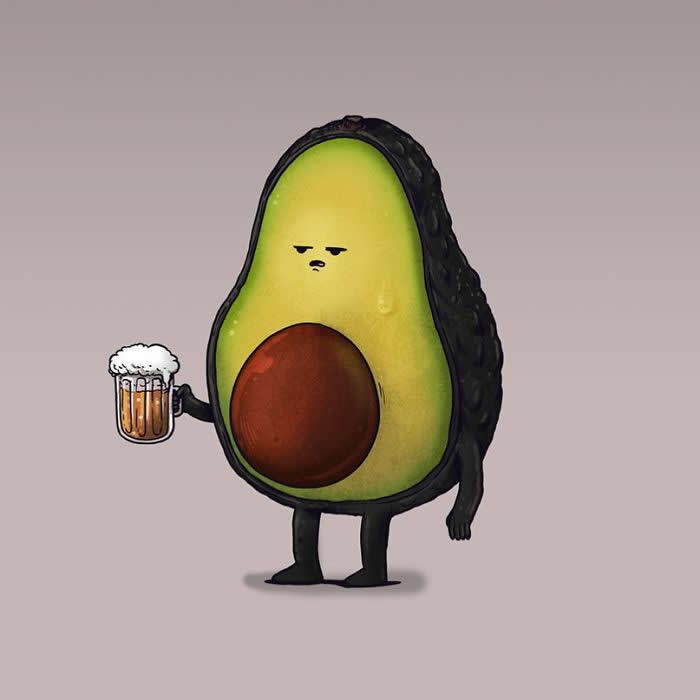
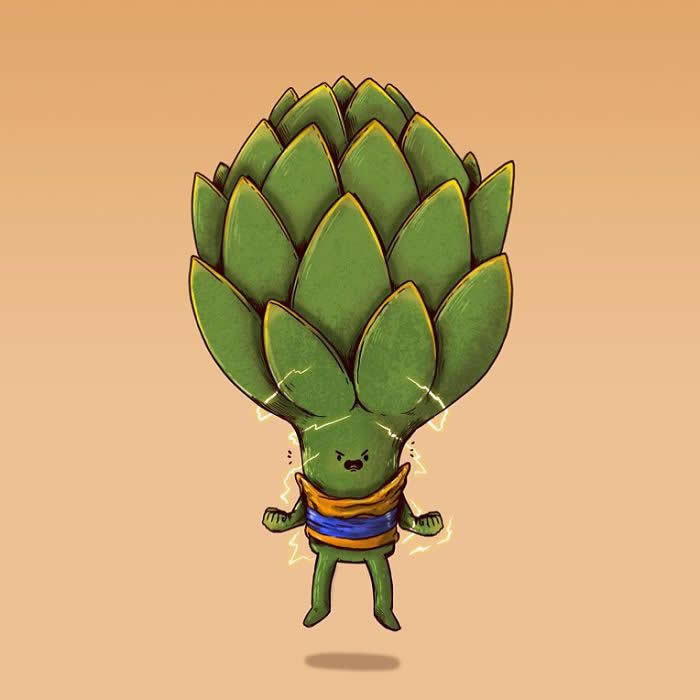
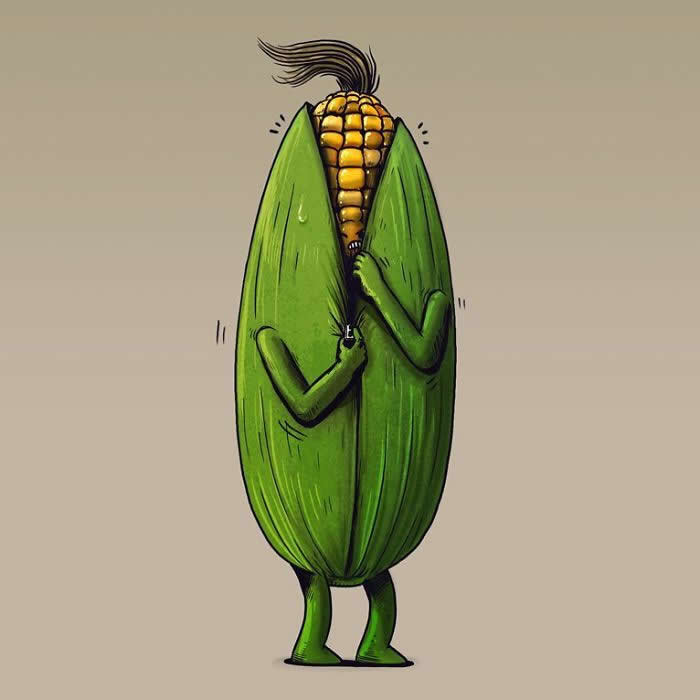
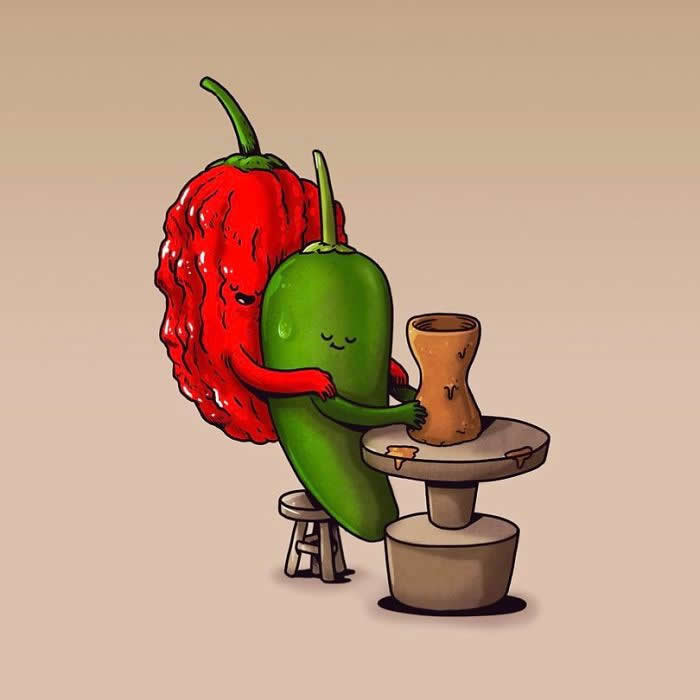
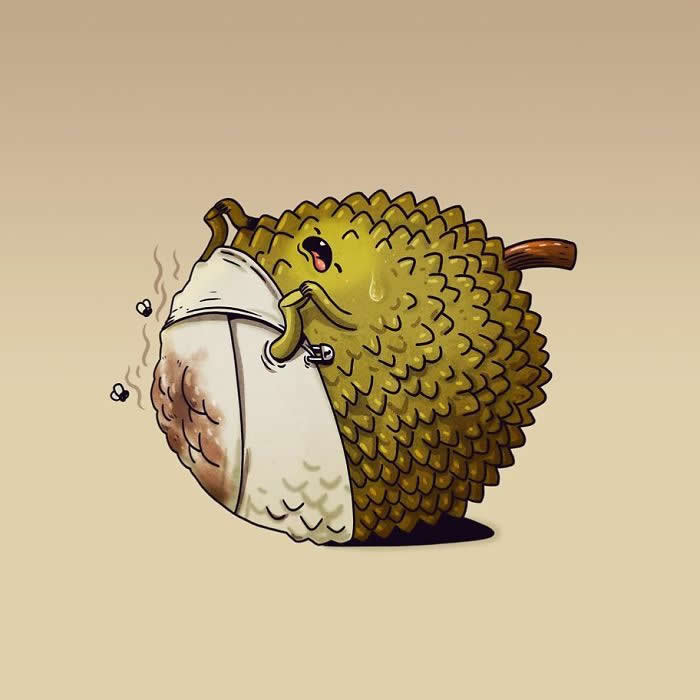
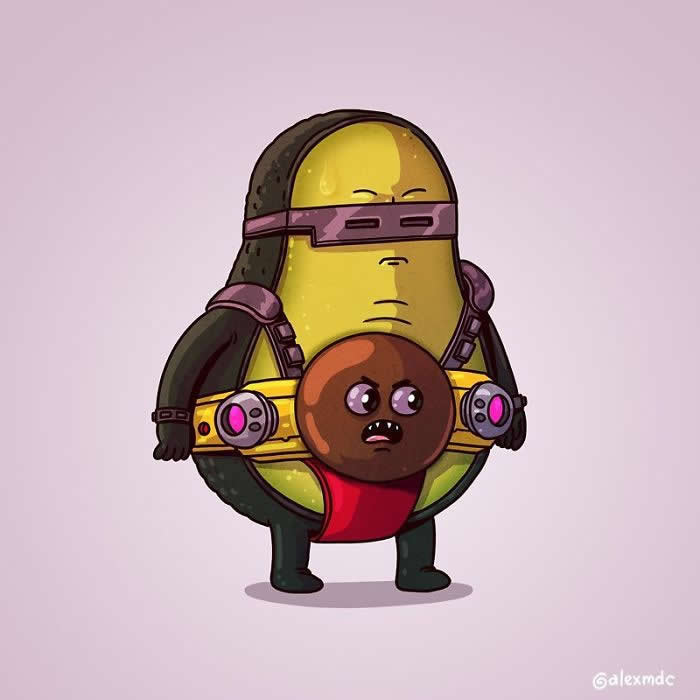
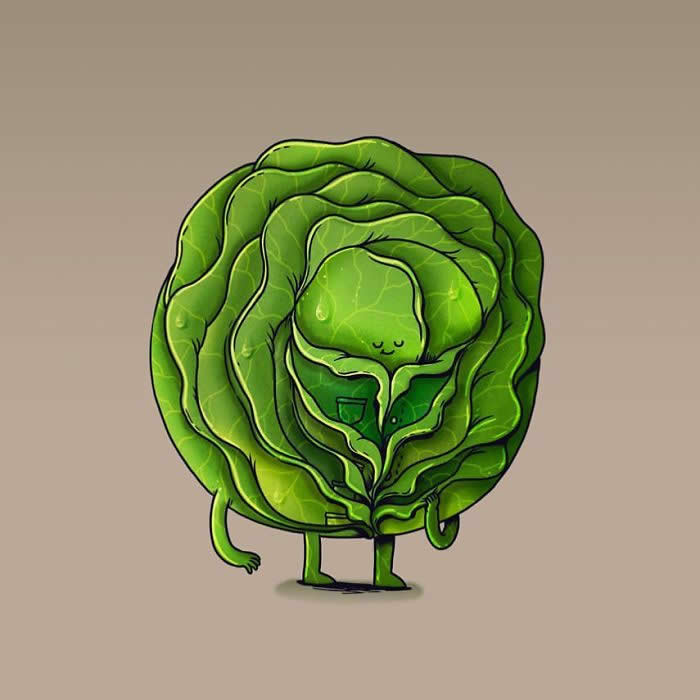
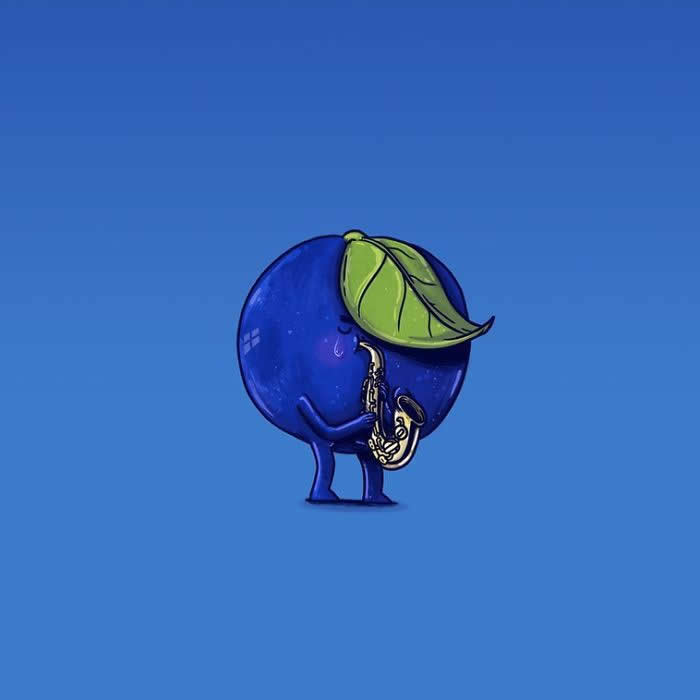
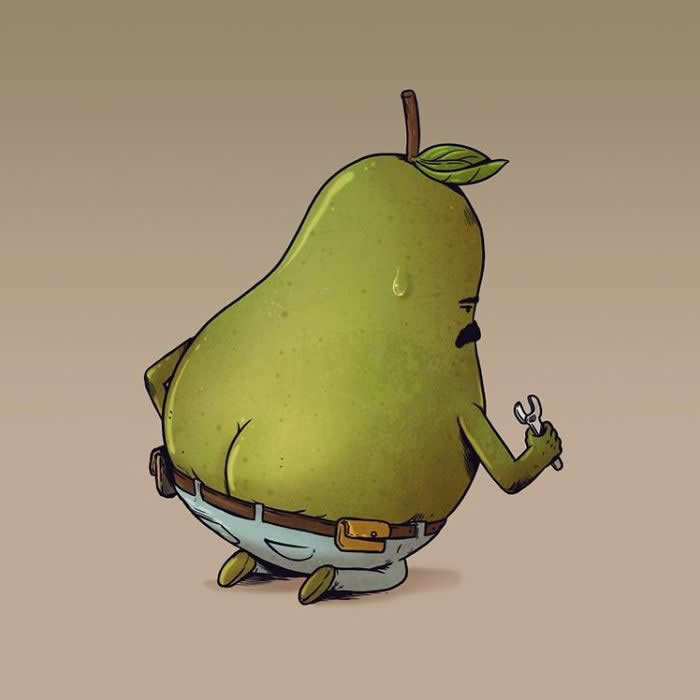
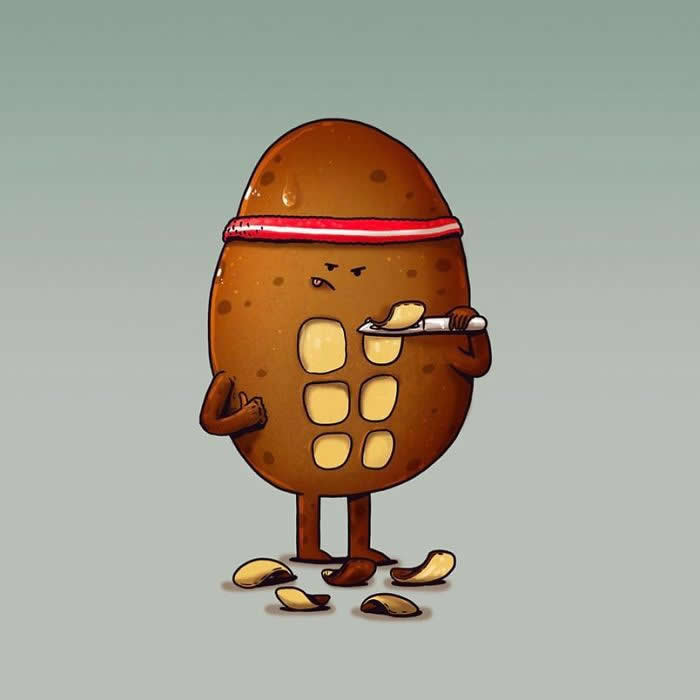
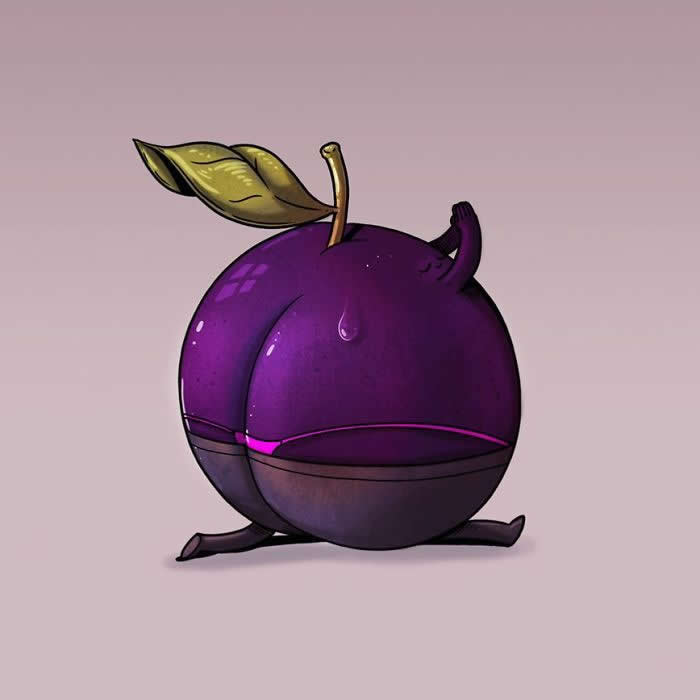
That’s the magic behind The Freshest Foods, a brilliantly funny illustration series by Alex Solis that turns ordinary produce into painfully relatable characters. These aren’t just cute drawings meant to get a quick laugh. They’re clever, self-aware, and quietly observant — the kind of humor that hits because it feels true.
Alex Solis is an illustrator, 3D sculptor, and b-boy who’s no stranger to viral art. But with this series, he stepped away from pop culture references and challenged himself to do something simpler — and honestly, smarter. Instead of superheroes or movie icons, he looked at the most basic objects possible: fruits and vegetables. Then he asked one simple question: What if these had our problems?
The result is a collection that feels lighthearted on the surface but deeply human underneath. These illustrations tap into daily anxieties, insecurities, burnout, and social pressure — all wrapped in bright colors and playful compositions. You laugh first, then pause, then laugh again because… yeah, that’s you.
For Alex, art has always been a lifeline. Growing up in a humble environment, creativity wasn’t a hobby — it was survival, expression, and purpose. Today, his work reaches millions, not because it’s loud or flashy, but because it’s honest. He treats his online presence like an ongoing art show — a place to share ideas, jokes, and moments that connect.
And that connection is exactly why The Freshest Foods works so well. It reminds us that humor doesn’t need to be complicated to be powerful. Sometimes, all it takes is a stressed-out fruit having a very human day.
You can find Alex Solis on the web:
#1.
#2.
#3.
#4.
#5.
When Simple Ideas Turn Into Smart Humor
What makes The Freshest Foods so effective is its simplicity. Alex didn’t start with a grand concept or a deep narrative arc. He started with a carrot. Then a few quick sketches. Then a question: What’s the most human problem this object could have?
That’s where the brilliance lies. These illustrations don’t try too hard. They’re not over-designed or packed with visual noise. Each piece delivers one clear joke — and lands it cleanly. A fruit feeling insecure. A veggie dealing with pressure. A piece of produce just tired of everything.
Alex has openly said that part of the challenge was proving to himself that he could create engaging art without leaning on pop culture. And honestly, that challenge paid off. By stripping things down to basic forms and relatable emotions, the humor becomes universal. You don’t need context. You don’t need explanation. You just get it.
That’s smart art. And even smarter comedy.
#6.
#7.
#8.
#9.
#10.
Fruits and Veggies as Mirrors of Modern Life
There’s a reason these illustrations hit so close to home. They reflect modern life in a way that feels effortless. Burnout. Comparison. Anxiety. Self-doubt. Social pressure. It’s all there — just wearing peels and stems instead of human faces.
Alex doesn’t exaggerate these emotions. He presents them casually, almost quietly, which makes them even more relatable. These fruits and veggies aren’t screaming for attention. They’re just… dealing with stuff. And that’s what makes them feel real.
In a culture obsessed with perfection and productivity, seeing a banana struggle or a tomato feel overwhelmed feels oddly comforting. It’s humor that doesn’t punch down or try too hard to be edgy. Instead, it gently pokes fun at shared experiences we all recognize.
That balance — between humor and empathy — is what elevates this series from funny drawings to meaningful visual storytelling.
#11.
#12.
#13.
#14.

#15.
Creativity Beyond Pop Culture Comfort Zones
For an artist known for pop-culture-driven work, stepping away from familiar territory isn’t easy. But The Freshest Foods exists because Alex wanted to prove something — not to the internet, but to himself.
He wanted to explore ideas that others might overlook. To take everyday objects and squeeze originality out of them. And that takes courage. Alex has openly admitted that not every idea lands — and that’s okay. Some concepts might feel dumb to one person and brilliant to another.
That mindset is refreshing. It shows a willingness to experiment, to fail publicly, and to keep creating anyway. In an era where artists feel pressure to constantly go viral, Alex focuses on exploration instead of perfection.
And ironically, that’s exactly what makes this series resonate so widely.
#16.
#17.
#18.
#19.
#20.
Art as Survival, Expression, and Growth
For Alex Solis, art has never been optional. It’s been there through hard times and good ones — a constant in a life that didn’t always come with many options. That background shows in his work.
You can feel the honesty in these illustrations. They don’t come from a place of trend-chasing. They come from lived experience, day-to-day thoughts, and quiet observations about the world around him.
Alex describes his art as a “window of expression” — a way to process what’s happening internally and externally. That’s why even the simplest jokes feel personal. There’s intention behind the humor.
As artists grow, they have to adapt. Styles shift. Platforms change. Audiences evolve. But Alex’s work shows that staying curious and true to yourself is still the strongest foundation.
#21.

#22.
#23.
#24.
#25.
From Illustrations to an Independent Creative Brand
Beyond illustrations, Alex has taken his creativity into the real world through his independent brand, Oddworx. From t-shirts and stickers to figurines, his characters live beyond the screen.
That move feels natural. These illustrations are designed to be shared, worn, collected, and laughed at repeatedly. They’re not just internet jokes — they’re visual ideas that translate across formats.
What’s inspiring is how Alex approaches growth. He understands that artists need to adjust, adapt, and stay uncomfortable to keep evolving. It’s an ever-changing job, and that unpredictability is what keeps things exciting.
At the end of the day, The Freshest Foods isn’t just about fruits and veggies. It’s about creativity, risk, humor, and the beauty of finding meaning in simple things.
#26.
#27.
#28.
#29.
#30.
In Summary
Who is Alex Solis?
- Alex Solis is an illustrator, 3D sculptor, and b-boy known for humorous and relatable visual art.
What is The Freshest Foods series?
- It’s a collection of illustrations showing fruits and vegetables dealing with everyday human problems.
Why are these illustrations so popular?
- They combine simple visuals with deeply relatable humor that reflects modern life.
Is The Freshest Foods inspired by pop culture?
- No. The series was created to move away from pop culture and explore original ideas.
Does Alex Solis sell products based on his art?
- Yes. He runs an independent brand called Oddworx featuring merchandise inspired by his work.