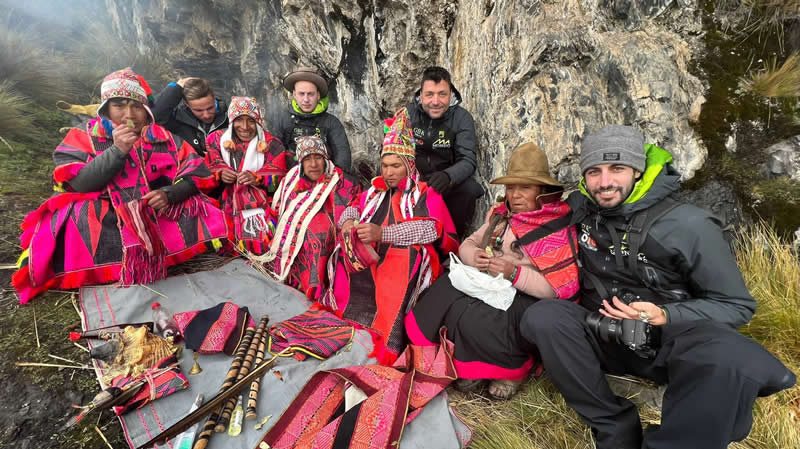

Some journeys change your portfolio. Others change you. When Alessandro Bergamini traveled deep into the Andes, high above the clouds and far from the modern world, he stepped into a reality that felt untouched by time. At over 4,000 meters above sea level, nestled between glaciers and mist-filled valleys, live the Q’eros—one of the last communities still deeply connected to ancient Inca traditions and the raw power of nature.
This is not a place with electricity, running water, or Wi-Fi. Instead, it runs on ancestral wisdom, spiritual belief, and an unbreakable bond with the land. The Q’eros speak the ancient Inca language, wear handwoven garments rich with meaning, and live in harmony with Pachamama—Mother Earth—and the Apus, the sacred mountain spirits that watch over them. Every movement, ritual, and color carries intention. Nothing is random. Everything matters.
For Alessandro, this project was never about quick shots or surface-level documentation. It was about presence. About slowing down, sharing meals, joining community work, and being invited into spiritual ceremonies rarely seen by outsiders. Through this immersion, his camera became a bridge—connecting worlds, histories, and generations.
Alessandro Bergamini, born in 1986 in Finale Emilia, Modena, has spent over a decade documenting tribal and ethnic communities in the most remote corners of the planet. His work focuses on authenticity—revealing cultural diversity with respect, patience, and emotional depth. With Q’eros Beyond the Clouds, his photography moves beyond visuals into something deeper: preservation.
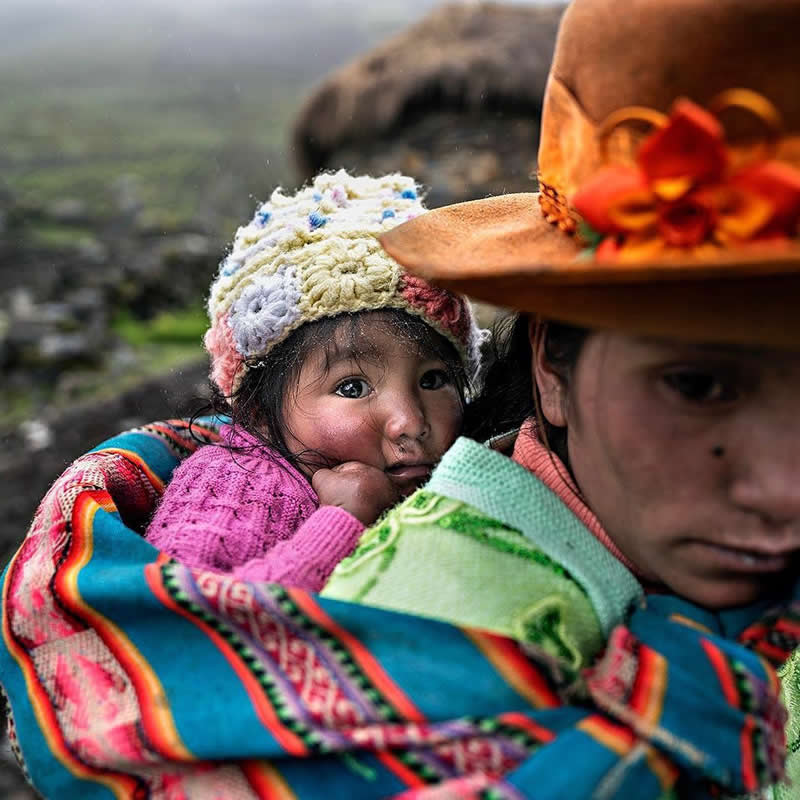
These 30 powerful photos don’t just show a people—they honor them. They capture a living culture rooted in spirituality, resilience, and harmony with nature. This is storytelling at altitude, where every frame carries the weight of centuries and the quiet wisdom of the ancestors.
You can find Alessandro Bergamini on the Web:
#1
#2
#3
#4
#5
#6
#7
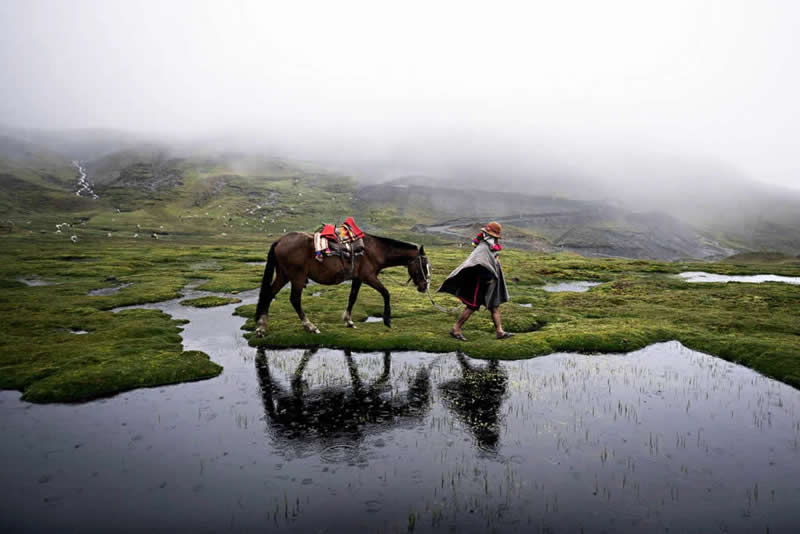
Life Beyond the Clouds: A World Untouched by Time
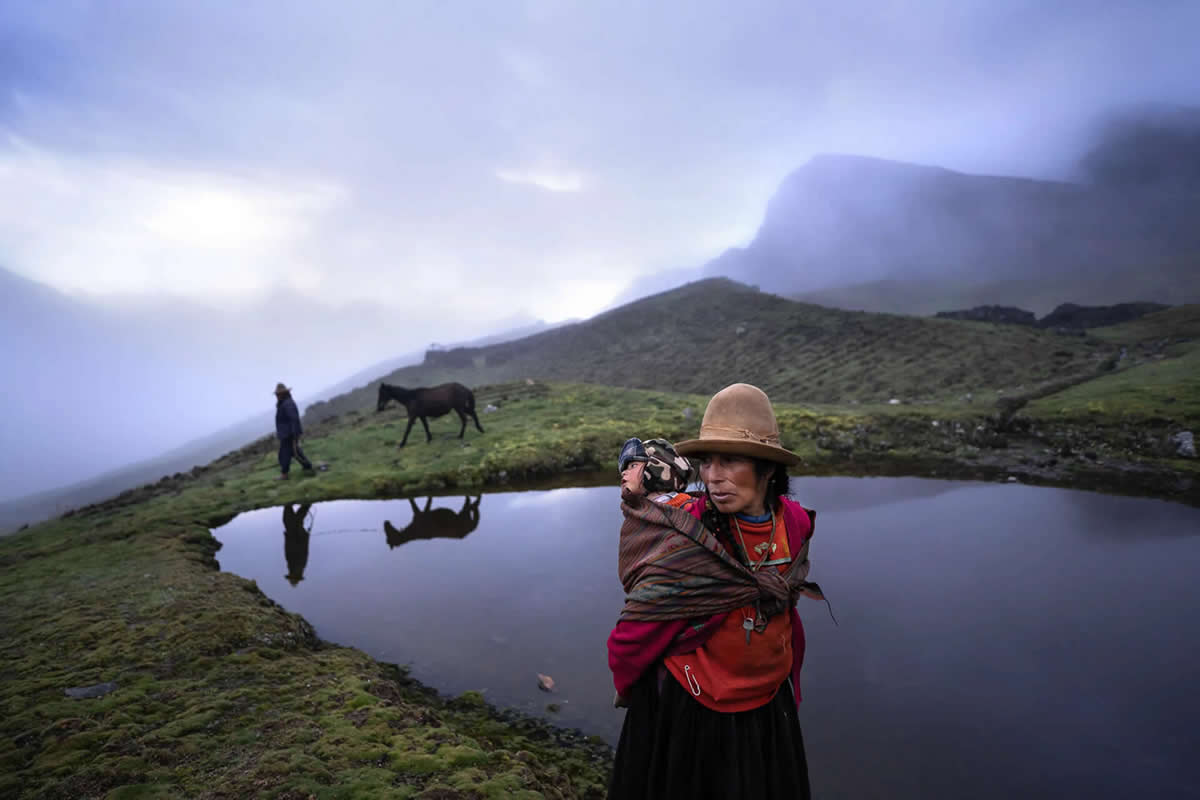
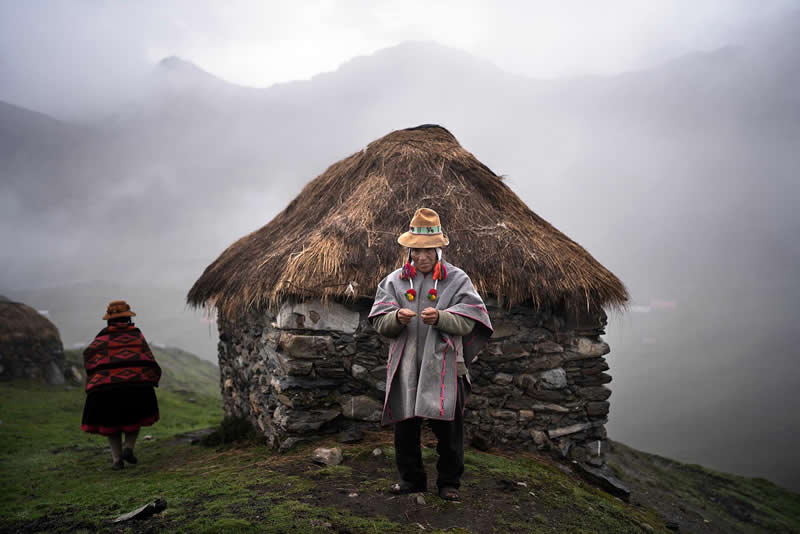
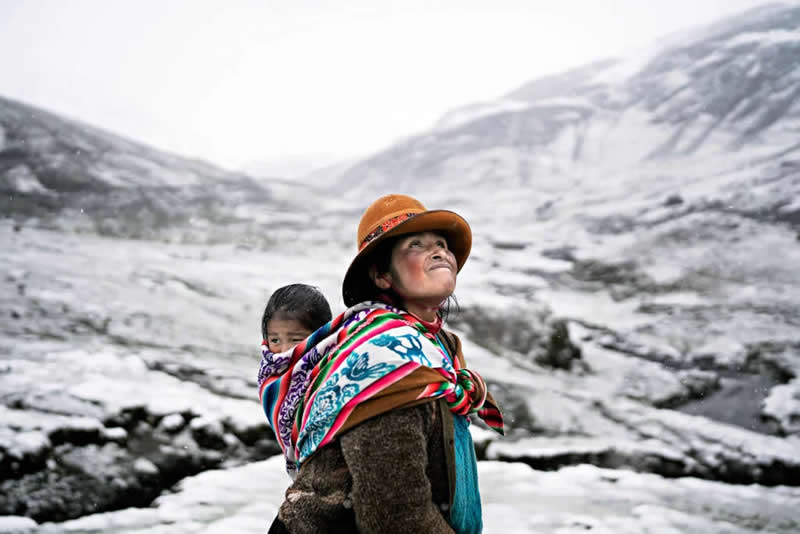
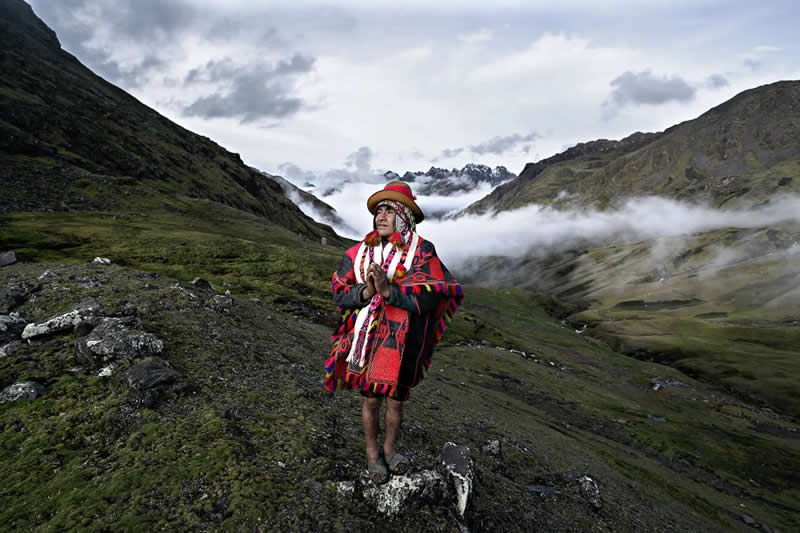
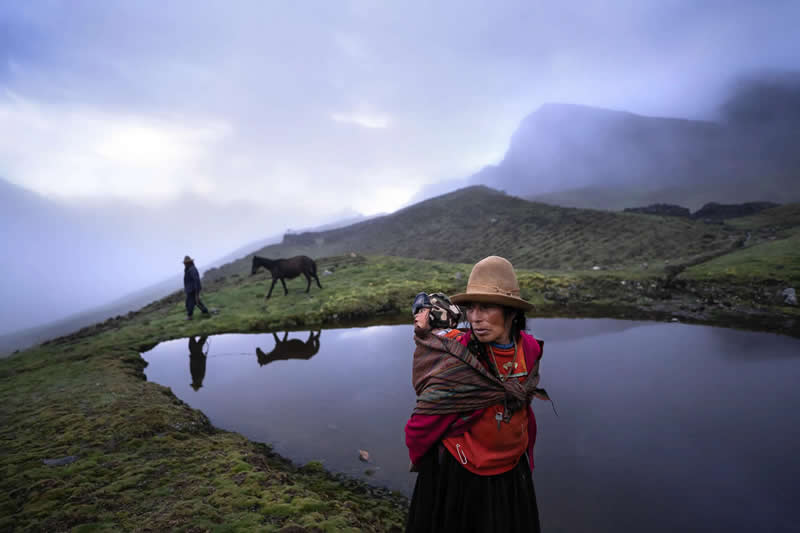
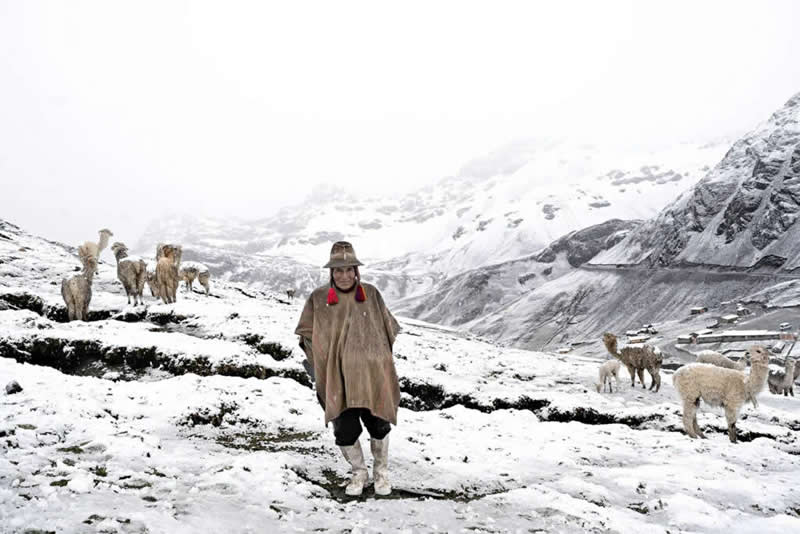
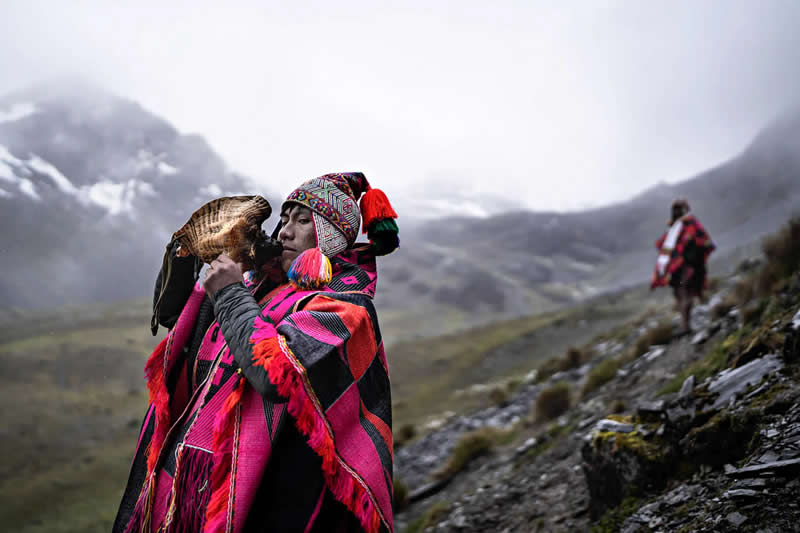
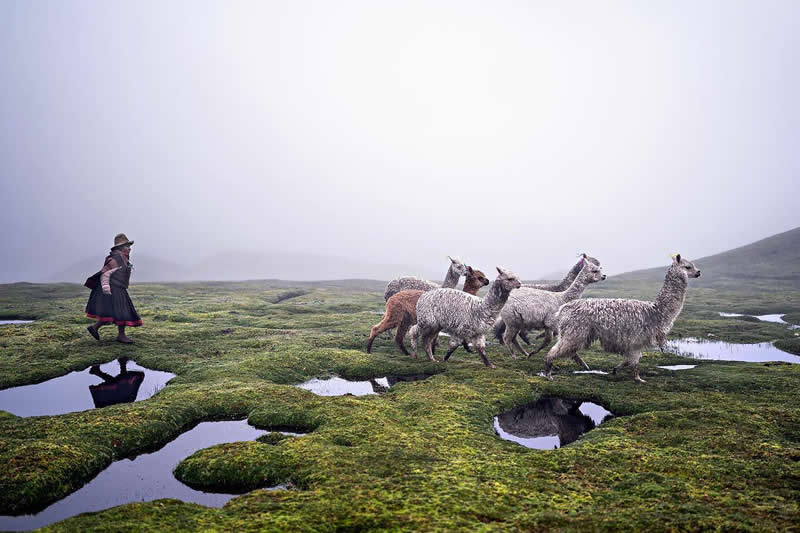
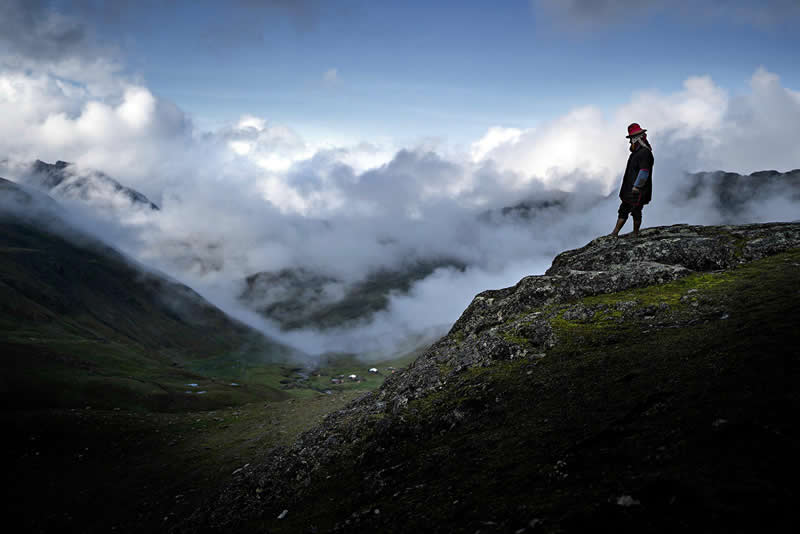
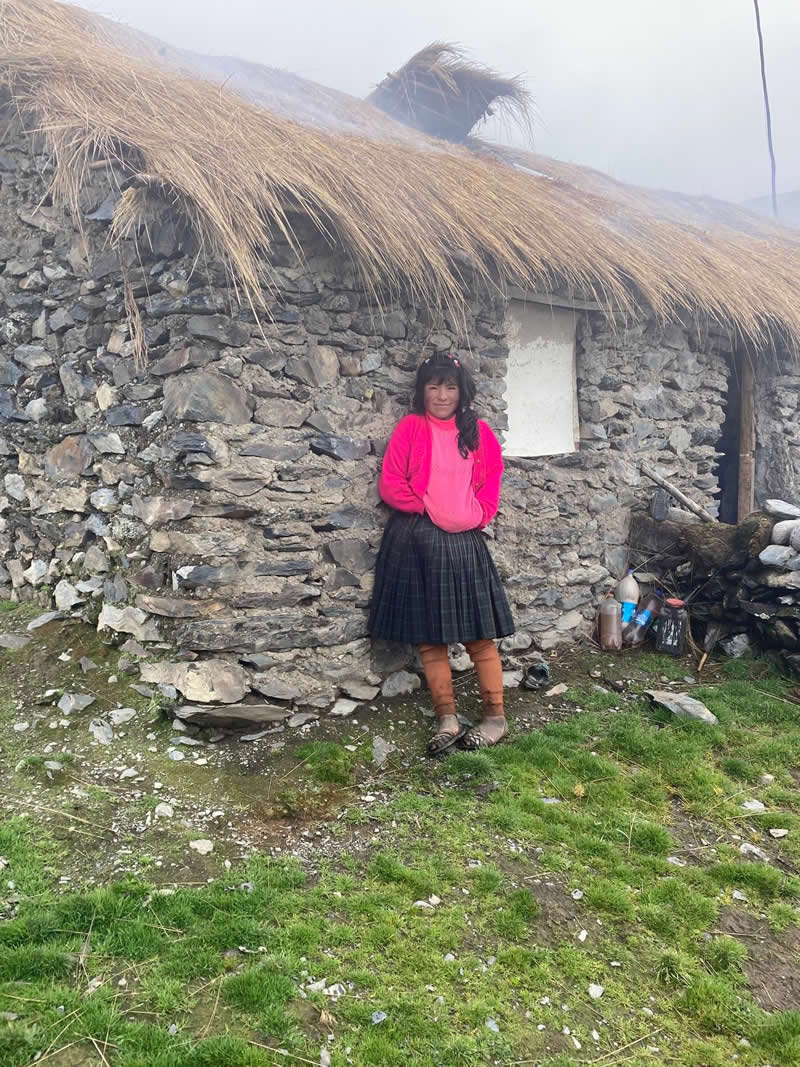
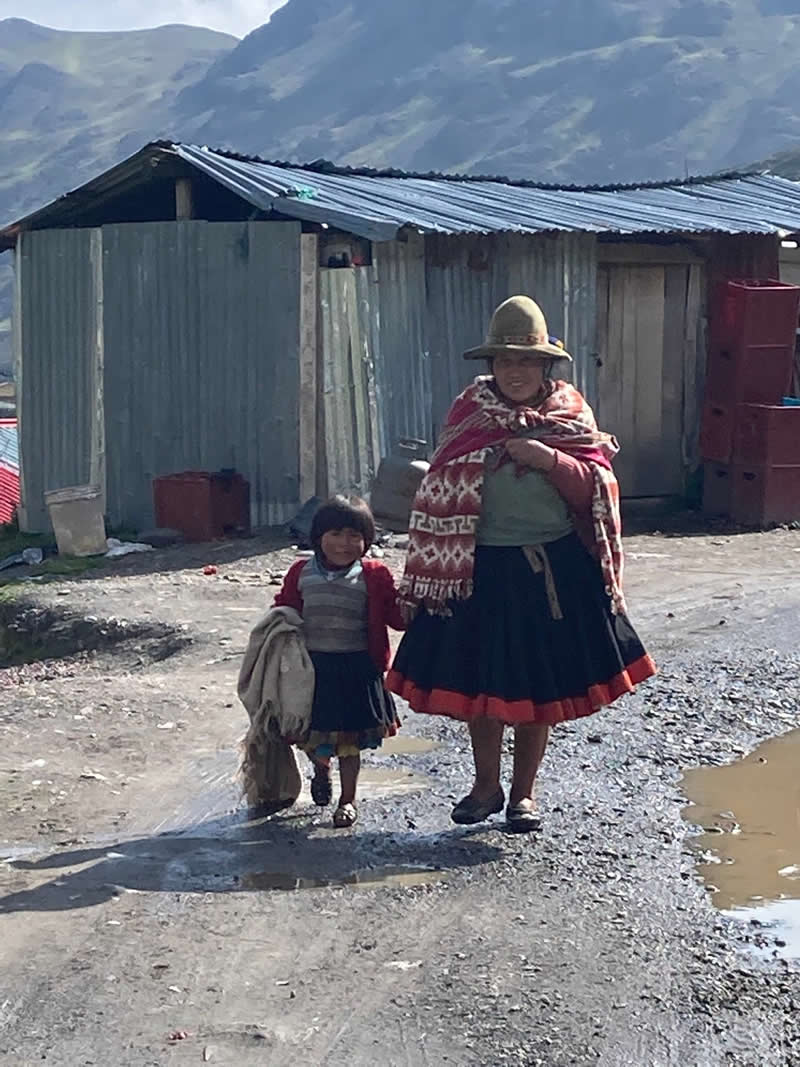
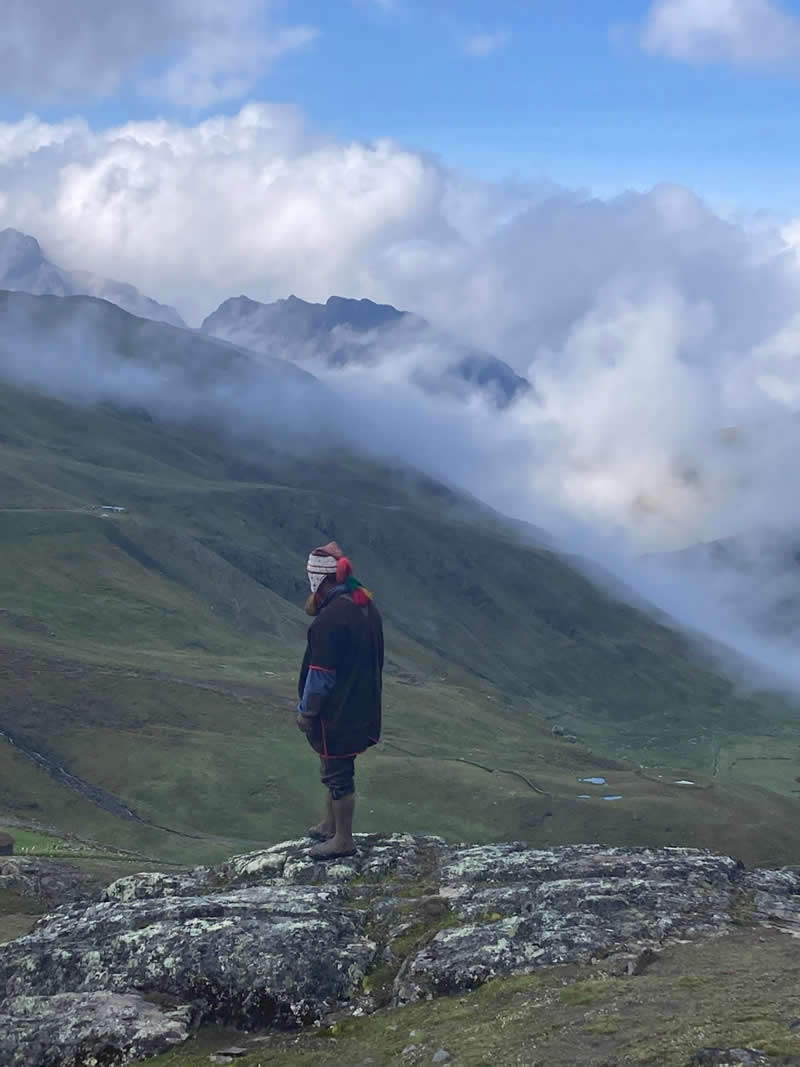
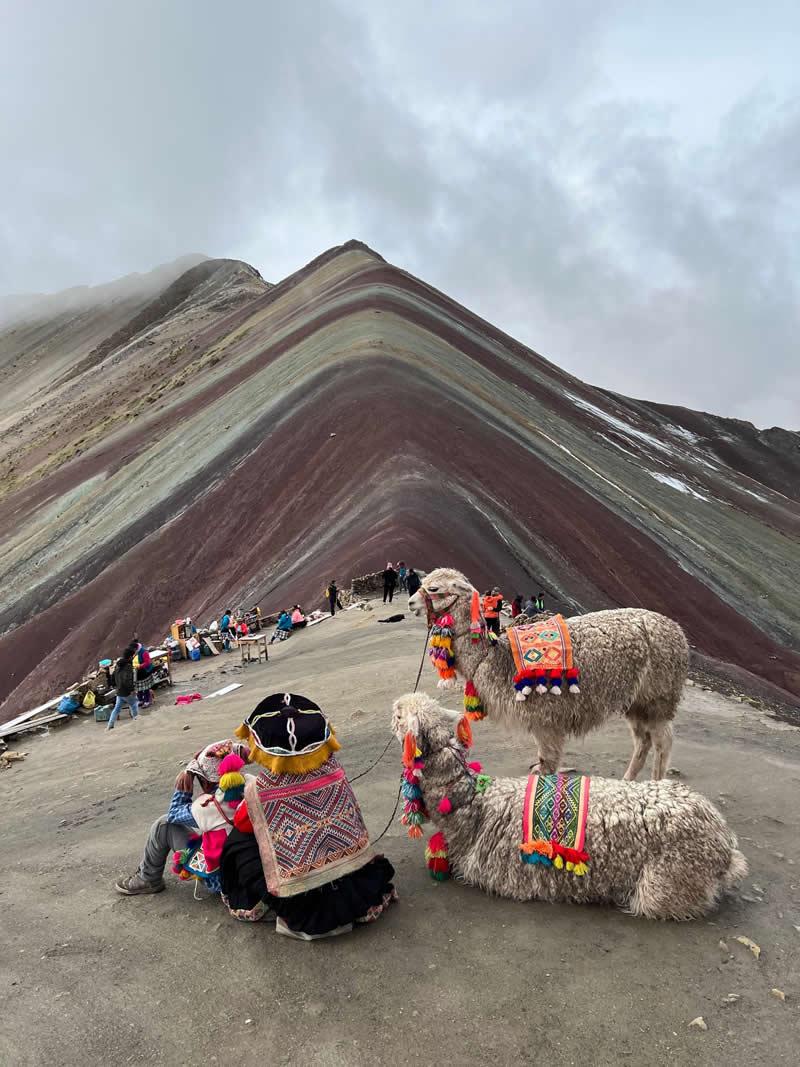
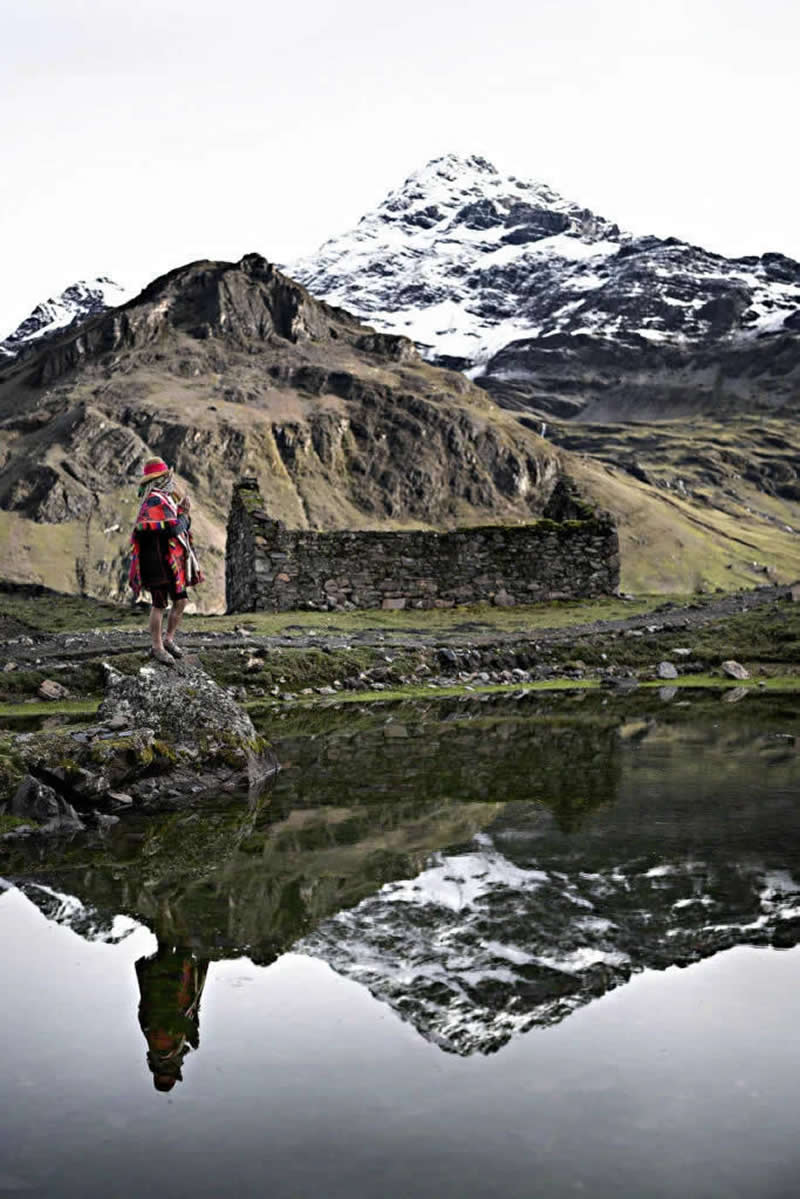
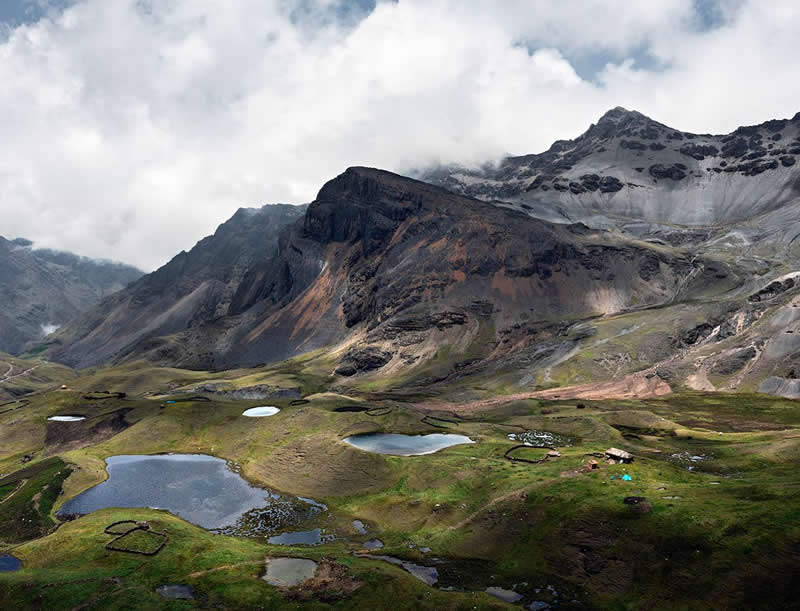
Living among the Q’eros feels like stepping into another dimension—one where modern noise disappears and life moves to the rhythm of nature. Alessandro’s photos capture this rare stillness with honesty and respect. Stone villages cling to mountainsides. Clouds drift through daily life. Glaciers loom silently in the background, reminding you just how extreme—and beautiful—this environment is.
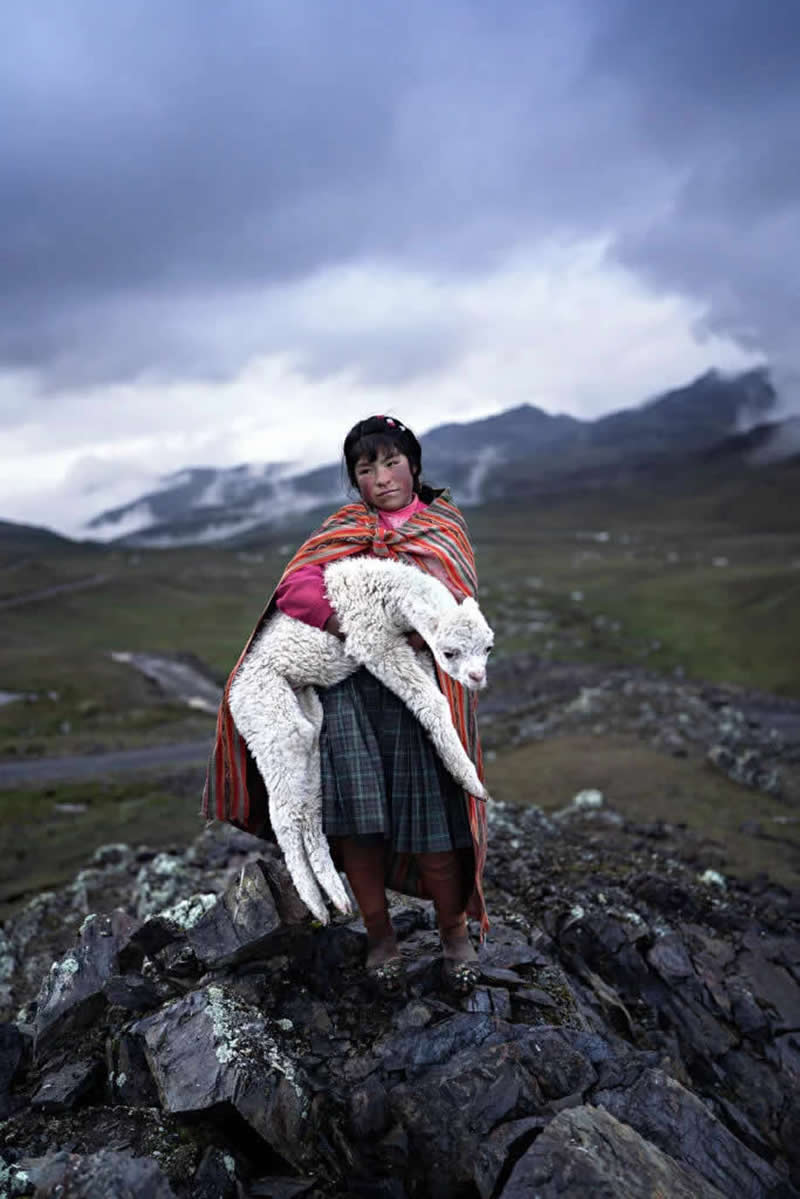
There’s no rush here. No excess. Just survival shaped by centuries of knowledge passed down through generations. Alessandro’s framing emphasizes scale: small human figures against massive landscapes, reinforcing the humility with which the Q’eros live. These images don’t romanticize hardship—they reveal strength, balance, and resilience.
Through natural light and thoughtful composition, Alessandro allows viewers to feel the altitude, the cold air, and the quiet dignity of a community that thrives without modern comforts, guided instead by tradition and trust in the land.
#8
#9
#10
#11
#12
#13
#14
Threads of Meaning: Weaving Stories Into Color
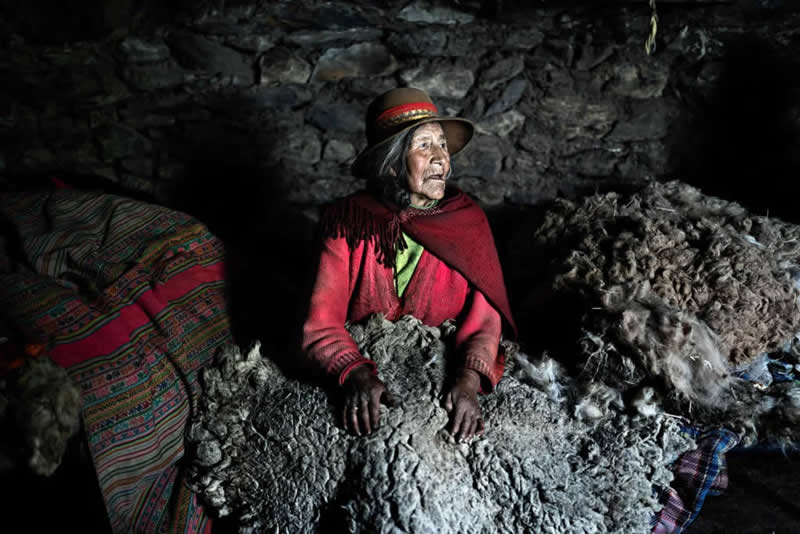
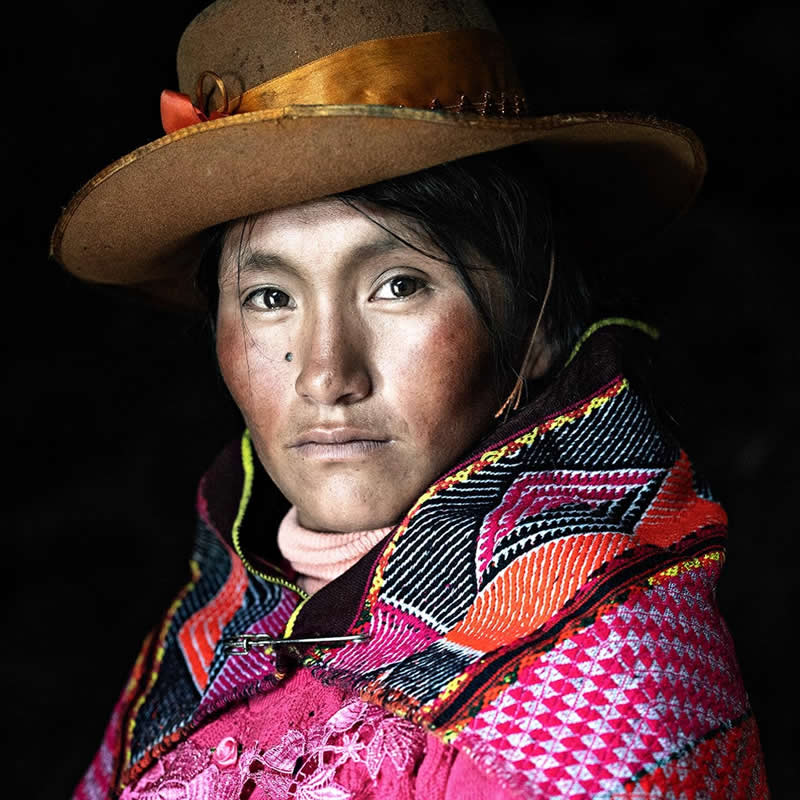
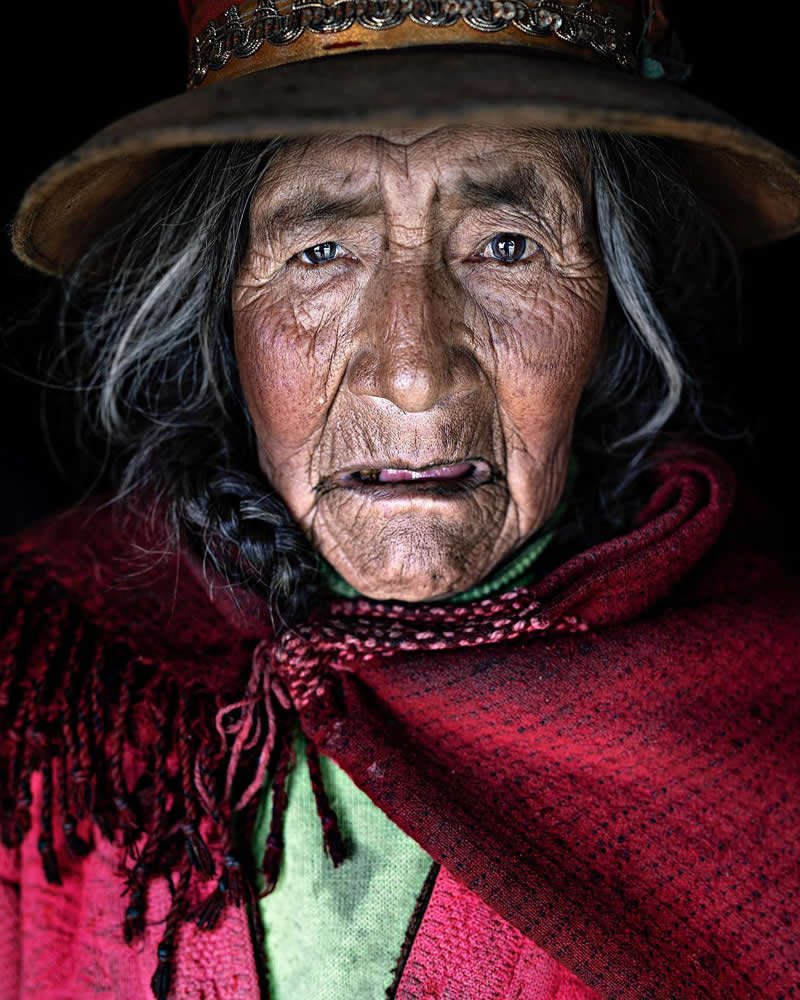
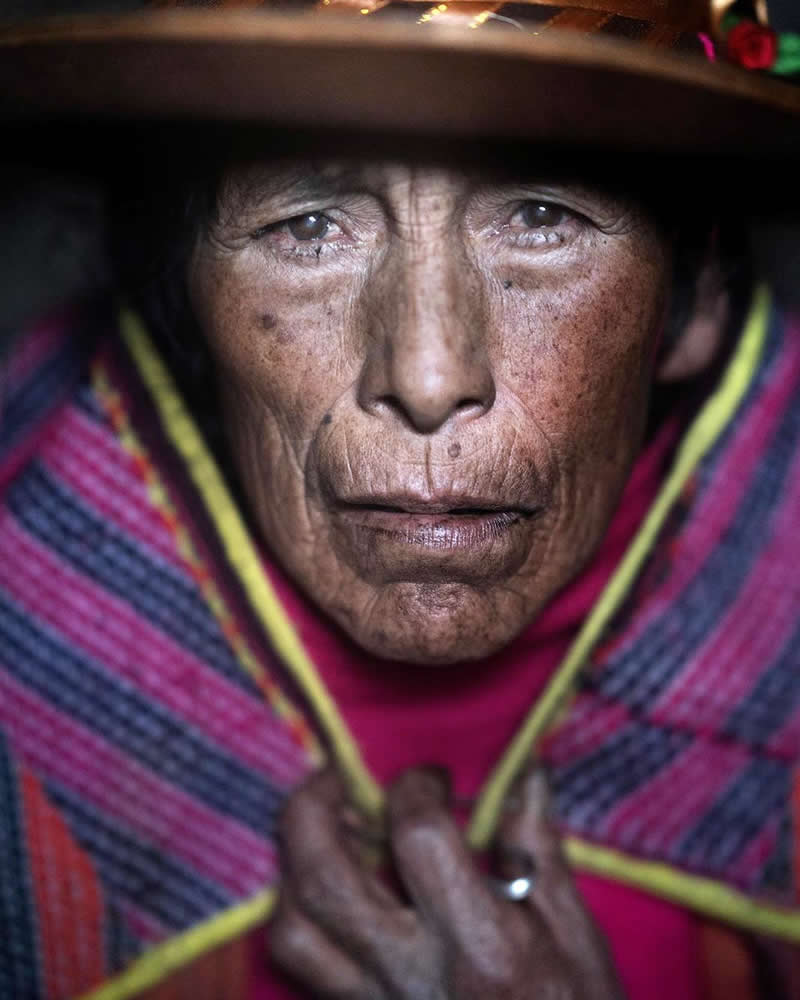
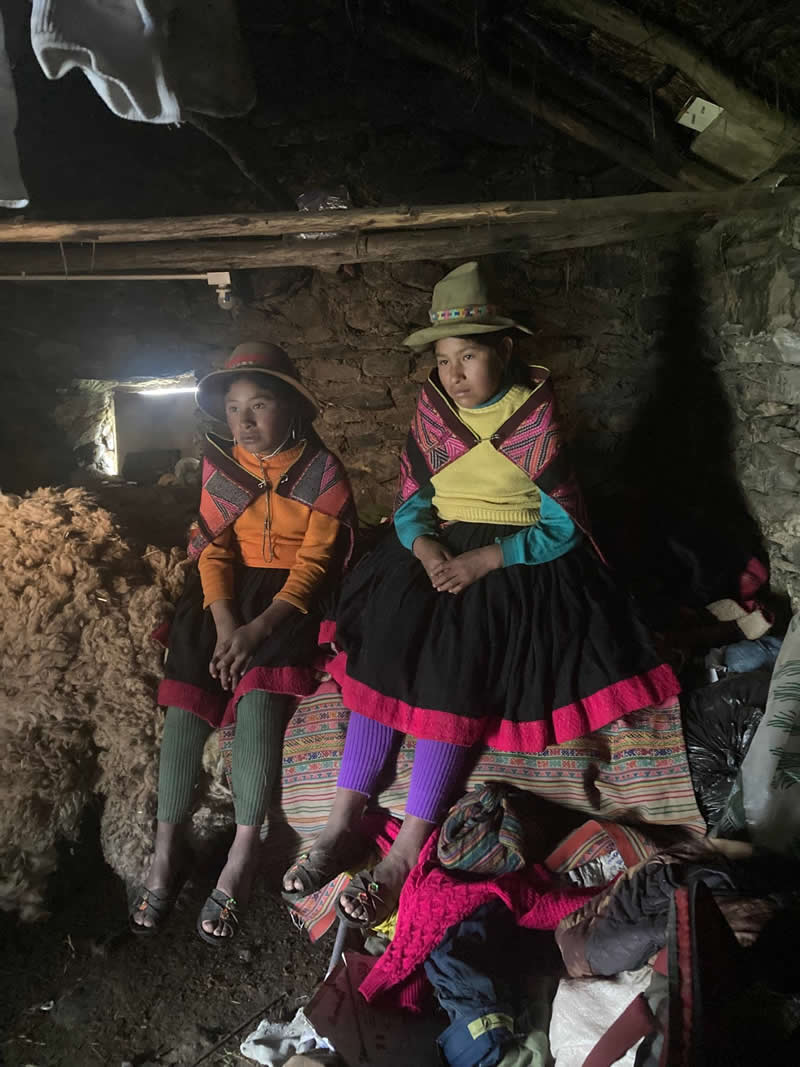
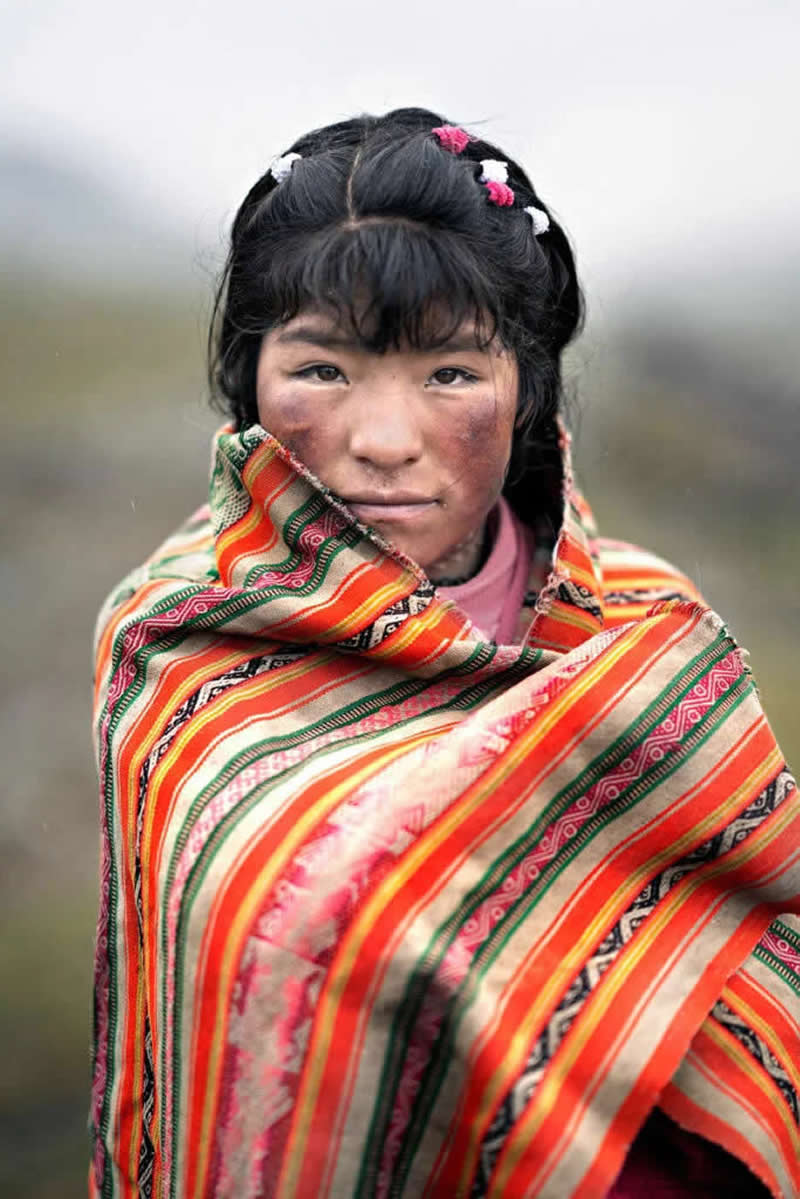
Alpaca wool is more than clothing for the Q’eros—it’s language, history, and identity woven into fabric. Alessandro’s photographs zoom in on textures, hands, and patterns, revealing how every thread tells a story. Reds, blues, yellows—each color holds spiritual and cultural meaning, created using natural dyes from plants, roots, and insects.
Weaving is one of the most respected ancestral arts, and Alessandro captures it not as a craft, but as a living archive. His close compositions spotlight the intimacy of the process: weathered hands working with care, fabric catching mountain light, garments moving with the wind.
These images celebrate patience and precision in a world obsessed with speed. They remind us that beauty doesn’t come from machines—it comes from memory, skill, and deep respect for tradition. In Alessandro’s frames, textiles become visual poetry, stitched with heritage and pride.
#15
#16
#17
#18
#19
#20
#21
Sacred Rituals and the Wisdom of the Ancestors
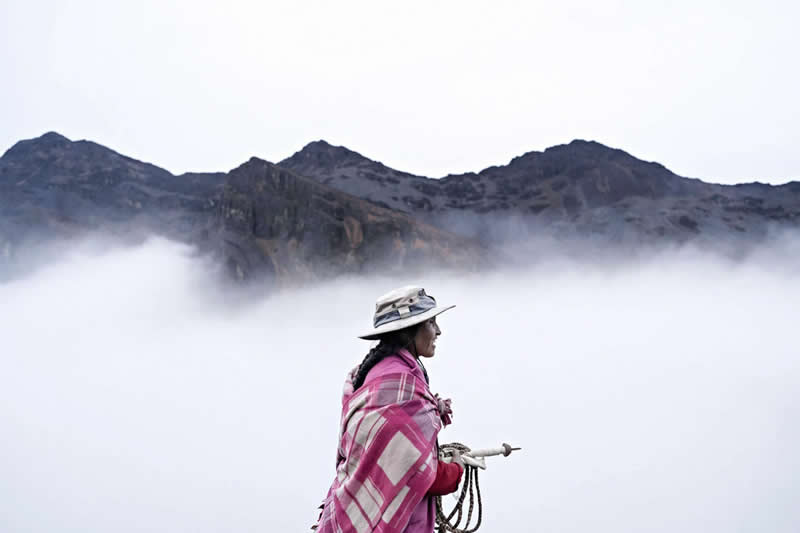
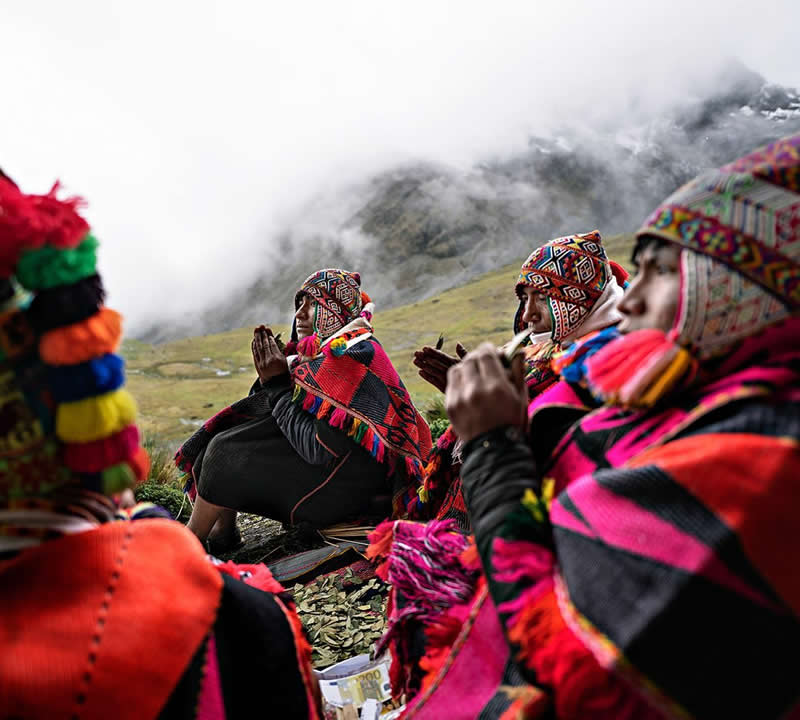
Spirituality is woven into every part of Q’eros life, and Alessandro approaches it with rare sensitivity. His photographs of ceremonies feel intimate yet respectful, never intrusive. The Q’eros believe in Pachamama and the Apus—mountain spirits who protect and guide them—and their rituals are acts of gratitude, balance, and devotion.
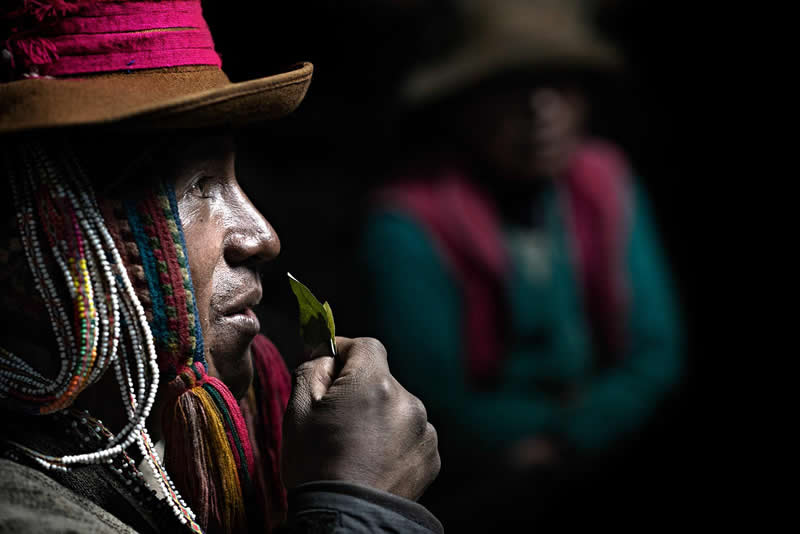
One of the most powerful moments documented is the despacho, a sacred offering made with coca leaves, flowers, and symbolic objects. Alessandro captures the quiet focus, the reverence, and the emotional weight of these rituals, often using soft light and shallow depth to draw attention to gestures and expressions.
These images go beyond belief systems. They speak about connection—to the Earth, to ancestors, and to each other. Through Alessandro’s lens, spirituality becomes universal, reminding us that wisdom doesn’t fade—it lives on through those who choose to honor it.
#22
#23
#24
#25
#26
#27
#28
#29
#30