

Let’s be real—2026 is not playing around when it comes to camera tech. Best cameras of 2026 lineup feels like the industry collectively said, “Alright, let’s flex.” Whether you’re a street shooter chasing raw moments, a filmmaker obsessed with buttery motion, or a hybrid creator juggling reels, docs, and stills, the cameras dropping now are smarter, faster, and way more intuitive than anything we were rocking a few years ago.
What’s wild is how AI-driven autofocus, next-gen sensors, and creator-first ergonomics have gone mainstream. Stuff that used to be “pro-only” is now baked into mid-range bodies. Eye tracking doesn’t miss. Low-light performance is straight-up ridiculous. And video? We’re talking cinematic color science, internal RAW, and heat management that finally keeps up with long shoots. No more babying your gear.
But here’s the thing—more options don’t make choosing easier. Every brand is swinging hard, and each camera is tuned for a different kind of shooter. Some are compact beasts built for daily carry. Others are absolute tanks designed for high-res commercial work. And then there are hybrids that blur the line between photo and cinema so well, you barely notice the switch.
That’s why this list exists. Not hype. Not spec-sheet fluff. Just real-deal cameras that actually make sense in 2026—based on performance, reliability, and how they fit into real creative workflows. If you’re thinking about upgrading your gear this year, consider this your no-nonsense roadmap. These are the cameras worth your money, your time, and your trust.
1) Canon EOS R6 Mark III
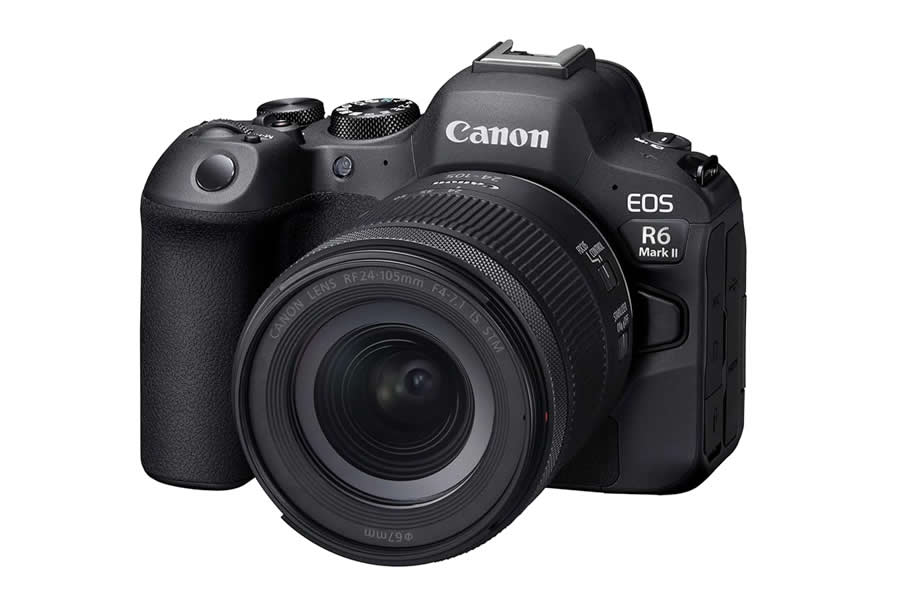
The Canon EOS R6 Mark III is all about balance. It’s fast, crazy reliable, and tuned for shooters who need results now. Canon doubled down on autofocus intelligence and low-light performance, making this camera a go-to for weddings, events, wildlife, and hybrid creators. It doesn’t scream flashy—it just delivers, every single time. If you shoot moments that don’t repeat, this camera feels like a safety net you’ll never want to give up.
Key Features:
- Advanced AI subject detection AF
- Improved full-frame sensor with better DR
- 4K video with refined heat control
- In-body image stabilization (IBIS)
- Dual card slots for backup security
Why You Should Have It:
- Autofocus rarely misses
- Excellent in low light
- Perfect hybrid photo/video balance
- Rock-solid build quality
- Reliable for paid work
2) OM System OM-3
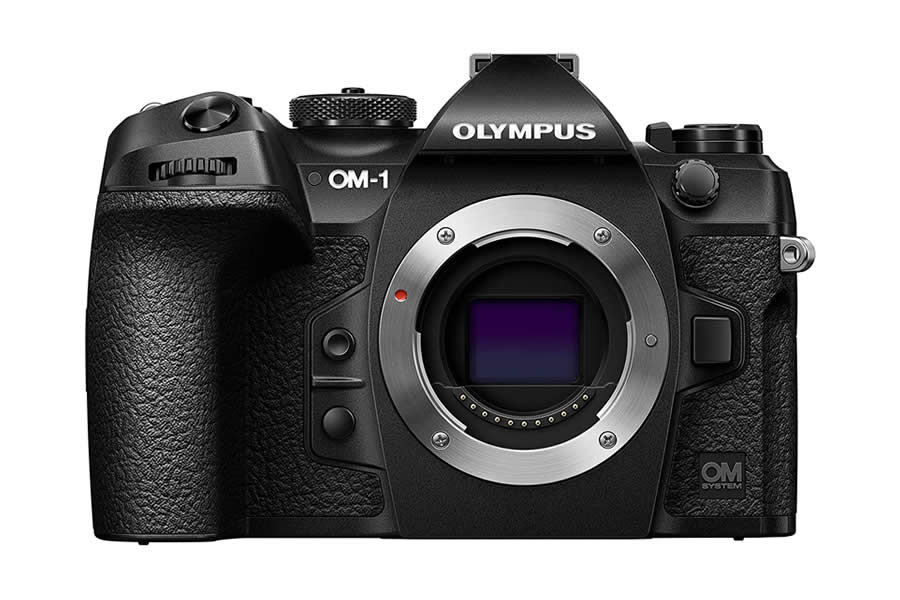
The OM-3 is proof that small cameras can punch way above their weight. Built for adventure and street shooters, this Micro Four Thirds beast is lightweight, weather-sealed, and insanely fast. Computational photography is where it shines—letting you pull off shots that feel borderline impossible handheld. If you travel light but think heavy about image quality, the OM-3 is your silent assassin.
Key Features:
- Stacked MFT sensor
- Class-leading IBIS
- Computational shooting modes
- Pro Capture technology
- Extreme weather sealing
Why You Should Have It:
- Ultra-portable setup
- Insane stabilization
- Perfect for travel and street
- Fast burst shooting
- Tough as nails
3) Sony a7C II
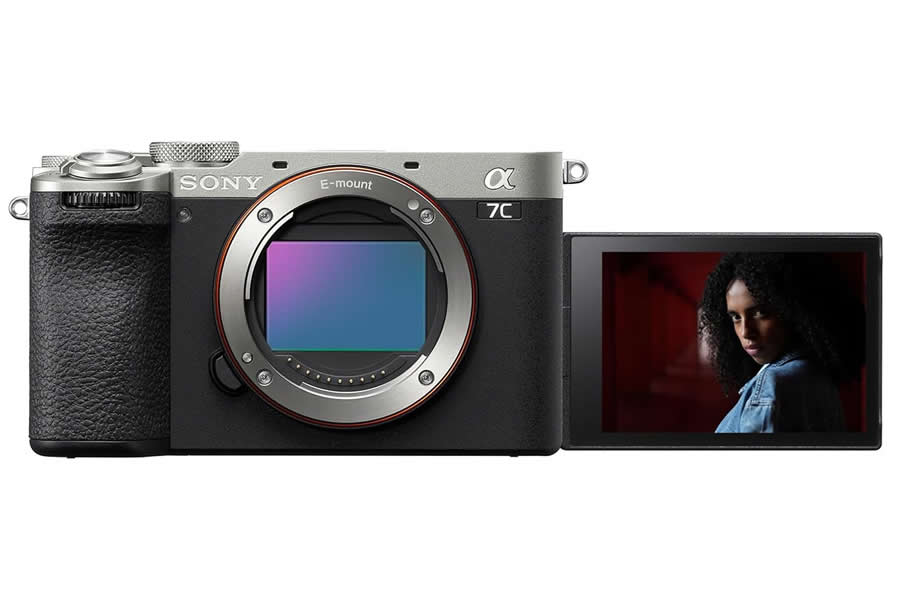
Sony’s a7C II is made for creators who want full-frame power without the bulk. It’s compact, stylish, and stacked with Sony’s latest AF tech. This camera thrives in fast-paced, everyday shooting—street, travel, lifestyle, and video content. It’s basically a full-frame camera pretending to be small, and doing a damn good job at it.
Key Features:
- Full-frame sensor
- AI real-time tracking AF
- Compact rangefinder-style body
- 4K video with S-Cinetone
- Flip-out touchscreen
Why You Should Have It:
- Easy daily carry
- Killer autofocus
- Great for YouTube & reels
- Lightweight full-frame option
- Modern color science
4) Panasonic Lumix DC-S1RII
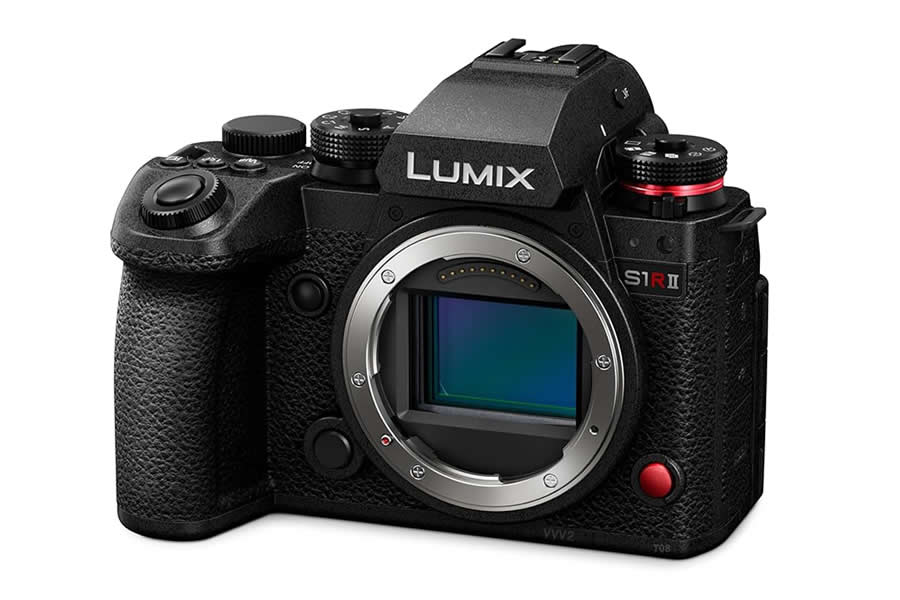
This one’s for the detail freaks. The S1RII is all about resolution, color depth, and professional control. Panasonic refined its high-res sensor while finally nailing autofocus performance. Landscape, studio, and commercial shooters will feel right at home here. It’s not casual—it’s intentional, powerful, and built for creators who obsess over every pixel.
Key Features:
- Ultra-high-resolution full-frame sensor
- Phase-detect AF upgrade
- 8K video support
- Pro-grade body design
- Advanced color profiles
Why You Should Have It:
- Massive detail output
- Excellent dynamic range
- Serious video tools
- Built for studio work
- Professional reliability
5) Nikon Z50II
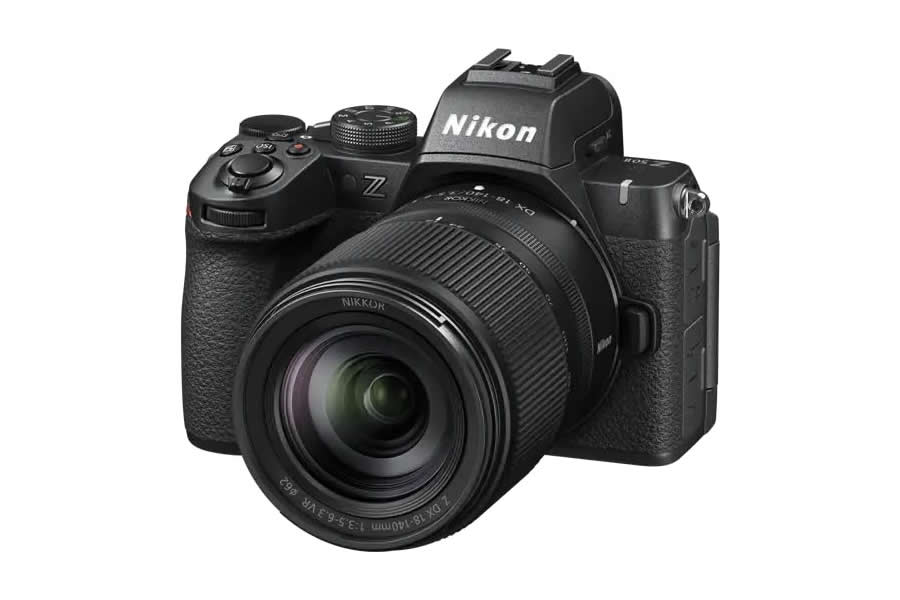
The Z50II proves APS-C isn’t “entry-level”—it’s efficient. Nikon sharpened autofocus, improved ergonomics, and boosted video performance. This is a camera made for learning fast and growing even faster. If you’re upgrading from a smartphone or DSLR, this one hits that sweet spot between power and simplicity.
Key Features:
- APS-C sensor
- Improved subject detection AF
- Lightweight mirrorless body
- 4K video recording
- Z-mount lens compatibility
Why You Should Have It:
- Affordable upgrade path
- Easy to learn
- Solid image quality
- Compact and travel-friendly
- Great lens ecosystem
6) OM System OM-1 Mark II
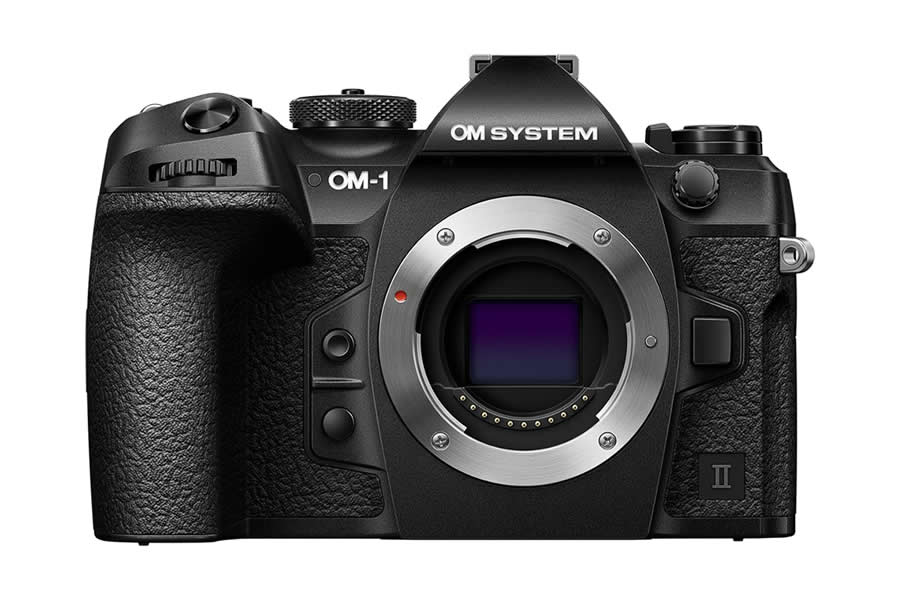
The OM-1 Mark II is a speed demon. Designed for wildlife and action, it locks onto subjects instantly and keeps firing without hesitation. The rugged body and insane stabilization make it perfect for unpredictable environments. This camera doesn’t slow down—and neither should you.
Key Features:
- Stacked MFT sensor
- Advanced subject AF
- 120fps burst shooting
- Industry-leading IBIS
- Weather-sealed magnesium body
Why You Should Have It:
- Incredible speed
- Lightweight telephoto setups
- Ideal for wildlife
- Excellent battery efficiency
- Built for harsh conditions
7) Nikon ZR
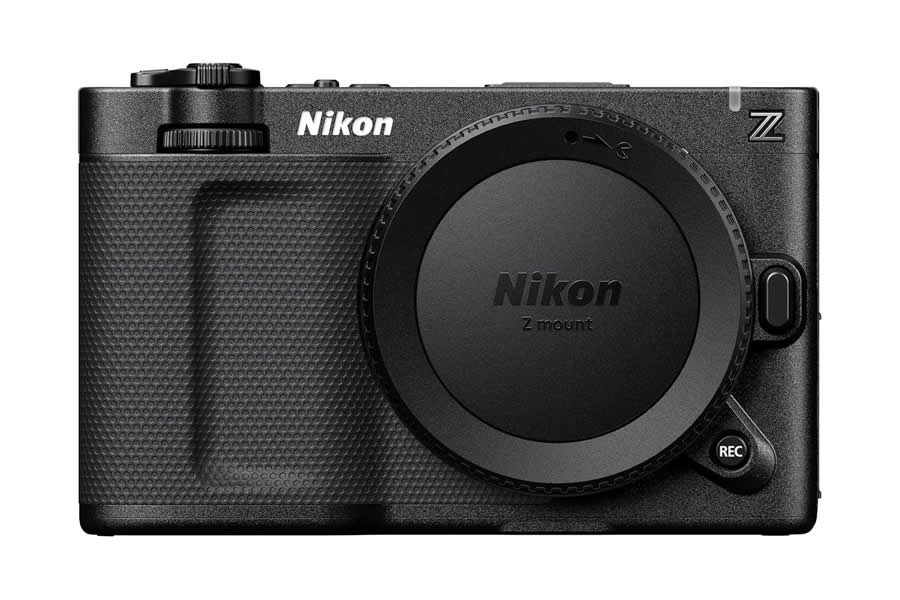
The Nikon ZR is Nikon’s bold hybrid move—bridging cinema and stills in one serious body. It’s designed for creators who switch between photo and video constantly. Color science, dynamic range, and ergonomics are clearly tuned for storytelling. This camera feels like Nikon saying, “We see content creators now.”
Key Features:
- Hybrid-focused full-frame sensor
- Internal RAW video
- Advanced cooling system
- Pro video codecs
- Robust Z-mount support
Why You Should Have It:
- Seamless hybrid workflow
- Cinematic color science
- Reliable for long shoots
- Pro video tools
- Strong lens options
8) Sony a7 V
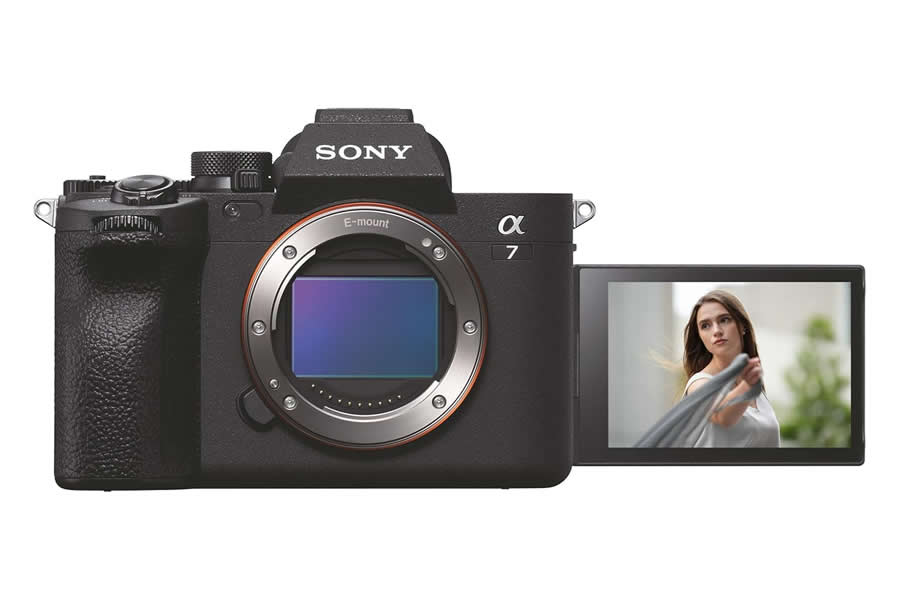
The a7 V is the definition of evolution done right. Sony refined everything—AF accuracy, image processing, video handling—without overcomplicating the camera. It’s a workhorse built for photographers and filmmakers who want consistency and speed. No drama. Just results.
Key Features:
- Next-gen full-frame sensor
- AI-powered autofocus
- Improved rolling shutter control
- 4K video with high bitrates
- Enhanced menu system
Why You Should Have It:
- Reliable all-rounder
- Best-in-class autofocus
- Great for paid gigs
- Strong video performance
- Massive Sony ecosystem
9) Ricoh GR IV Monochrome
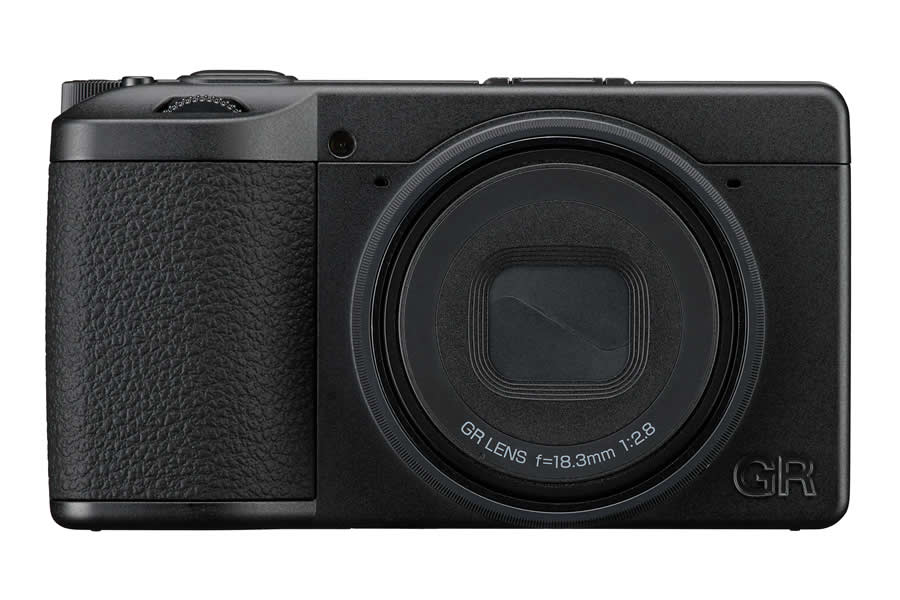
This camera is pure soul. The GR IV Monochrome strips photography back to emotion, contrast, and storytelling. No color distractions—just light and shadow. Street photographers will fall hard for this one. It’s pocketable, discreet, and absolutely ruthless in how it captures real life.
Key Features:
- Monochrome APS-C sensor
- Fixed GR lens
- Ultra-compact body
- Fast startup time
- Snap focus mode
Why You Should Have It:
- Ultimate street camera
- Stunning B&W tones
- Pocket-friendly design
- No creative distractions
- Cult-level shooting experience
10) Nikon Z5II
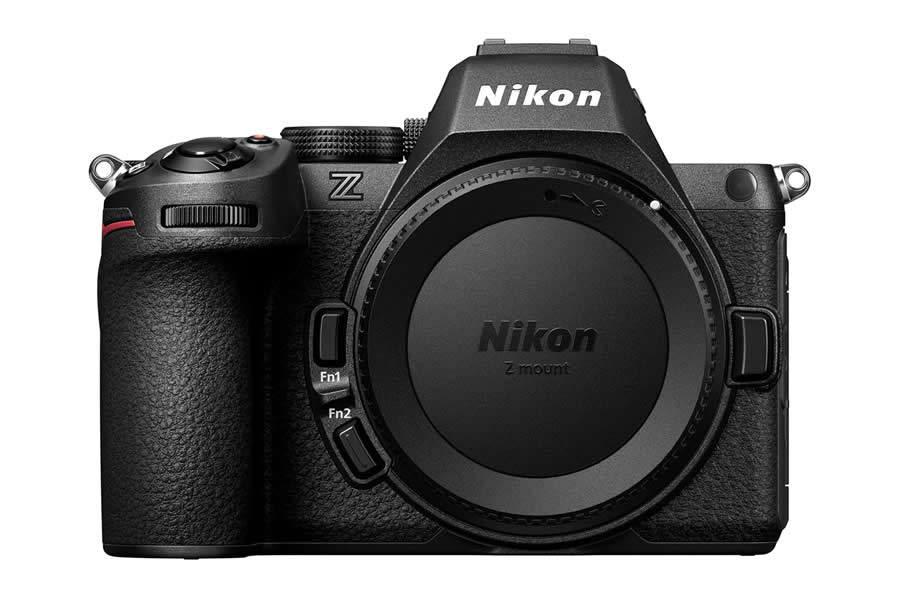
The Z5II is the smart upgrade choice. Nikon improved speed, autofocus, and video while keeping the price reasonable. It’s aimed at creators who want full-frame quality without going broke. Simple, clean, and dependable—this camera just makes sense.
Key Features:
- Full-frame sensor
- Improved AF system
- Dual card slots
- Solid 4K video
- Weather-sealed body
Why You Should Have It:
- Affordable full-frame
- Reliable performance
- Great image quality
- Strong build
- Ideal long-term investment
In Summary
What is the best camera to buy in 2026?
- The best camera depends on your needs, but top picks include Canon EOS R6 Mark III for reliability and Sony a7 V for all-around performance.
Are mirrorless cameras worth upgrading to in 2026?
- Absolutely. Mirrorless cameras now offer better autofocus, video quality, and portability than ever before.
Which camera is best for street photography in 2026?
- The Ricoh GR IV Monochrome and Sony a7C II are excellent choices for street shooters.
What camera is best for video creators in 2026?
- Panasonic S1RII and Nikon ZR stand out for professional video features and color science.
Should beginners upgrade to full-frame cameras in 2026?
- Beginners can start with APS-C models like Nikon Z50II, but full-frame options like Nikon Z5II offer long-term value.