
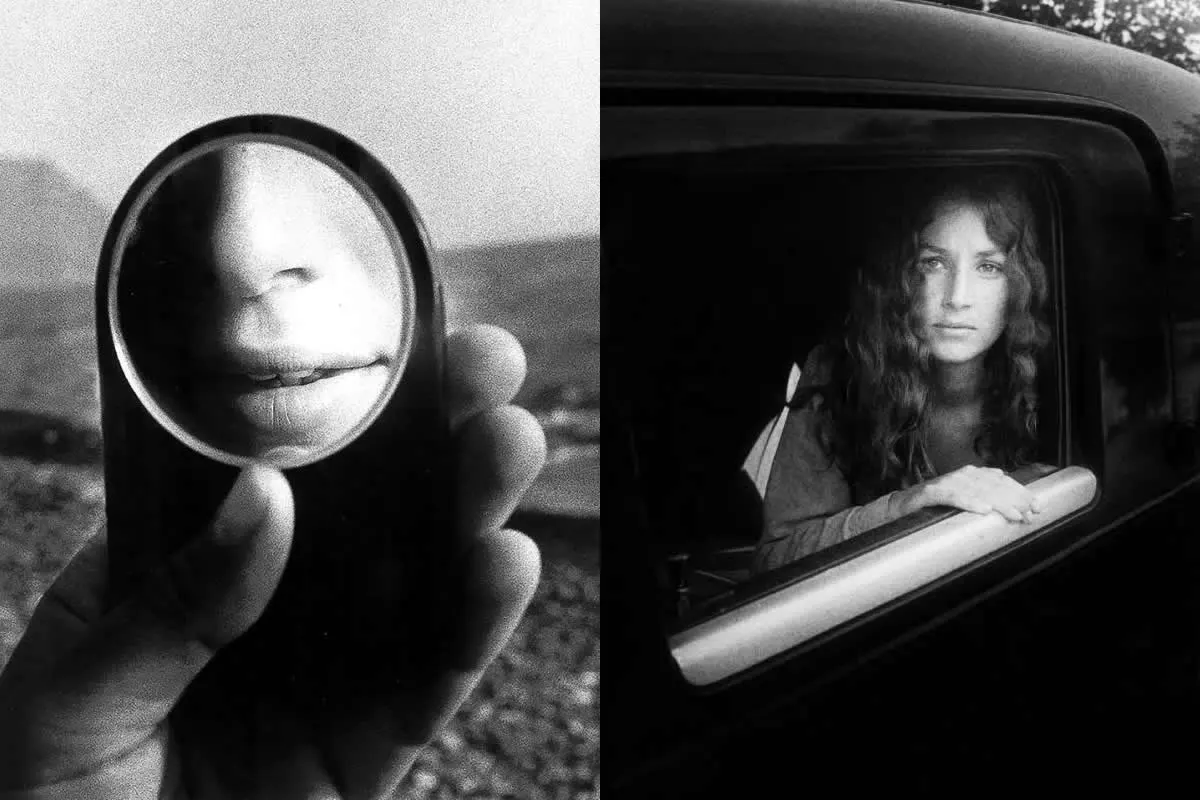
Some photographers capture the world as it appears. Ralph Gibson makes us look twice. One of America’s most influential fine art photographers, he turns ordinary objects, fleeting gestures, and familiar places into mysterious visual stories. His photographs rarely explain themselves; instead, they draw us into bold shadows, unexpected angles, and beautifully fragmented scenes.
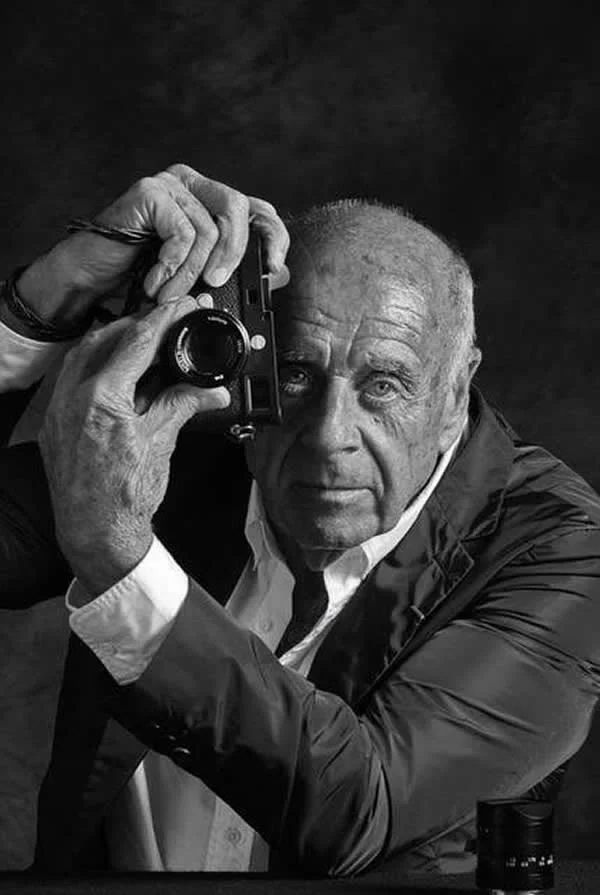
© Ralph Gibson
Born in Hollywood, California, on January 16, 1939, Gibson grew up around the film industry. His father worked as an assistant director to Alfred Hitchcock, giving him an early glimpse of visual storytelling. Gibson later studied photography while serving in the U.S. Navy and at the San Francisco Art Institute. He went on to assist masters Dorothea Lange and Robert Frank before developing a style unmistakably his own.
Known for high-contrast black-and-white images and landmark photobooks such as The Somnambulist, Gibson shows how even a single small detail can hold an entire world of meaning.
You can find more info about Ralph Gibson:
Ralph Gibson: A Visionary Who Redefined Black-and-White Photography
From Hollywood beginnings to international recognition, Ralph Gibson has built an extraordinary legacy through surreal compositions, dramatic shadows, and unconventional perspectives. His remarkable journey, iconic photobooks, and distinctive artistic approach reveal how everyday details can become powerful visual stories that challenge perception and celebrate photographic creativity.
#1
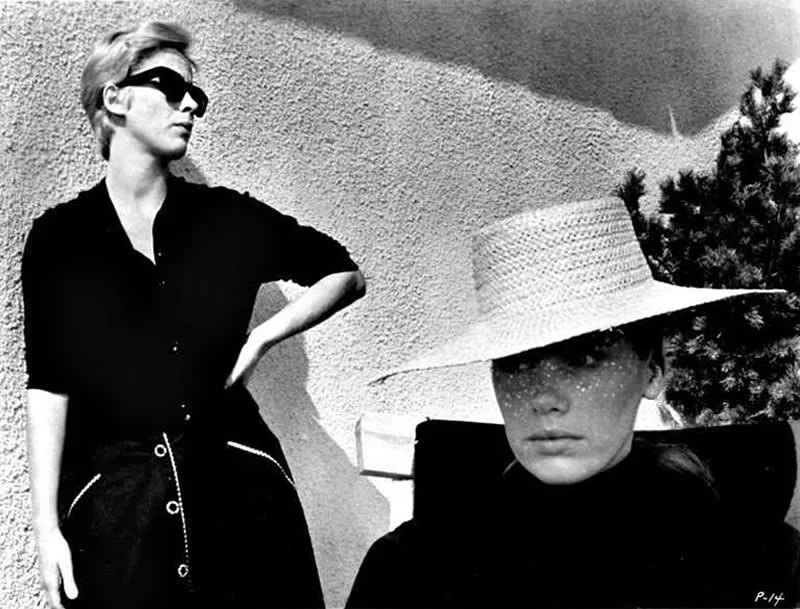
© Ralph Gibson
#2
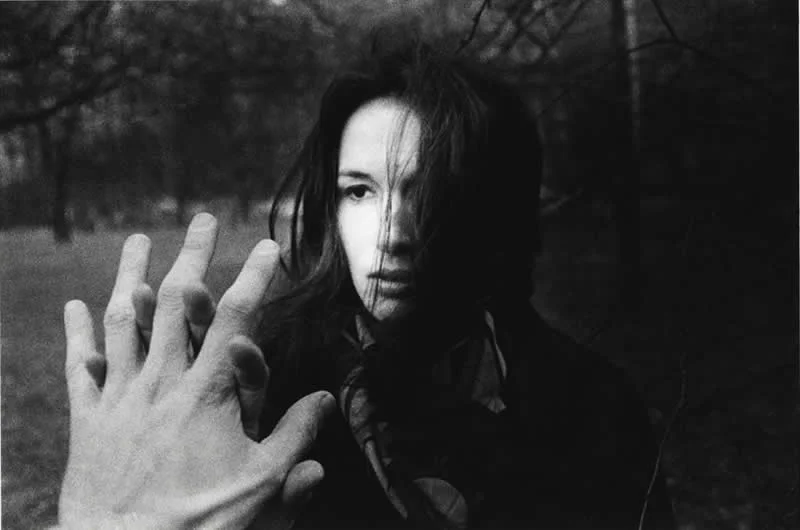
© Ralph Gibson
#3
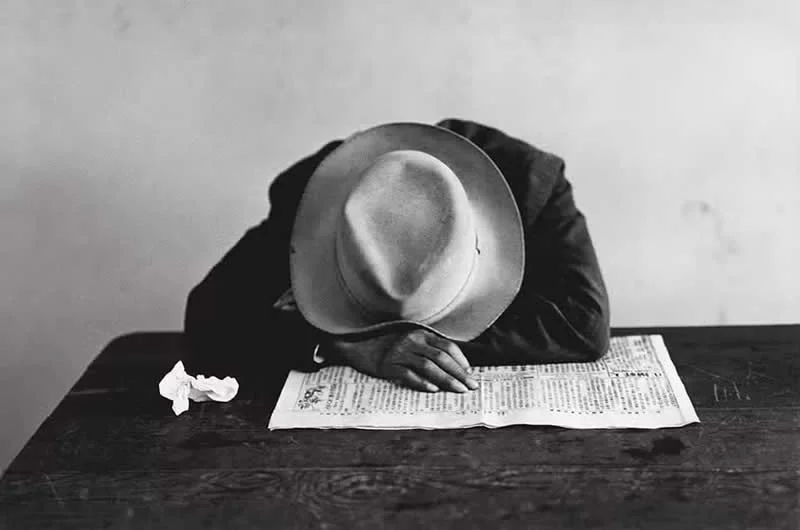
© Ralph Gibson
#4
© Ralph Gibson
#5

© Ralph Gibson
#6
© Ralph Gibson
From Hollywood Roots to a Life Behind the Camera
Born into a world influenced by cinema, Ralph Gibson developed an early fascination with visual storytelling. His father’s connection to Alfred Hitchcock’s filmmaking world introduced him to the power of images. However, Gibson eventually discovered photography as his own creative language, setting the foundation for an extraordinary artistic journey.
- Early influences: Growing up around Hollywood filmmaking helped shape his visual imagination.
- Photography education: He studied photography while serving in the U.S. Navy and later attended the San Francisco Art Institute.
- First professional experiences: He assisted legendary documentary photographer Dorothea Lange in San Francisco, gaining valuable experience and artistic perspective.
#7
© Ralph Gibson
#8
© Ralph Gibson
#9
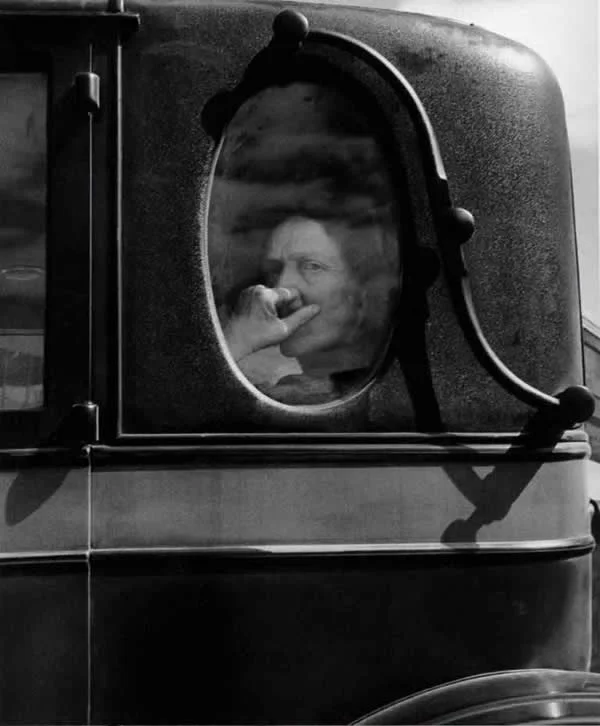
© Ralph Gibson
#10
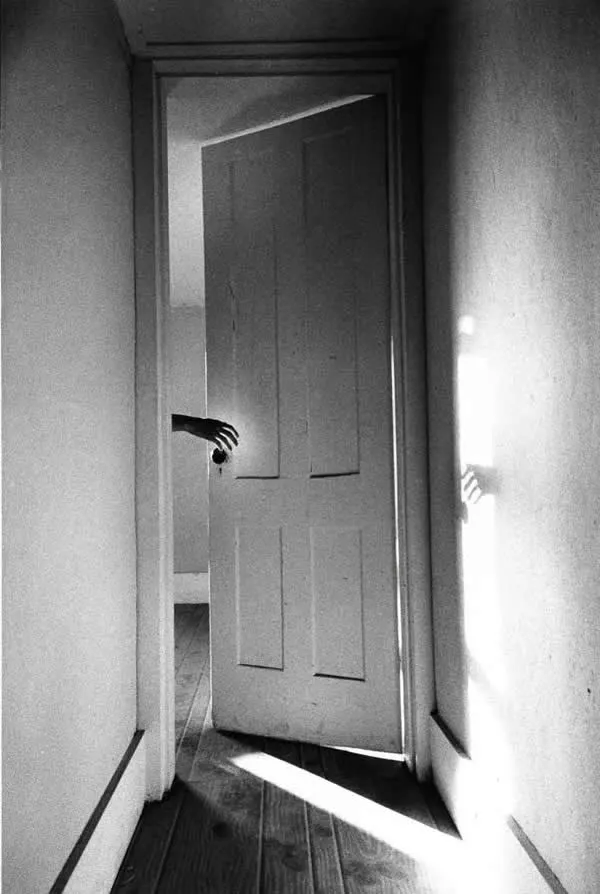
© Ralph Gibson
#11
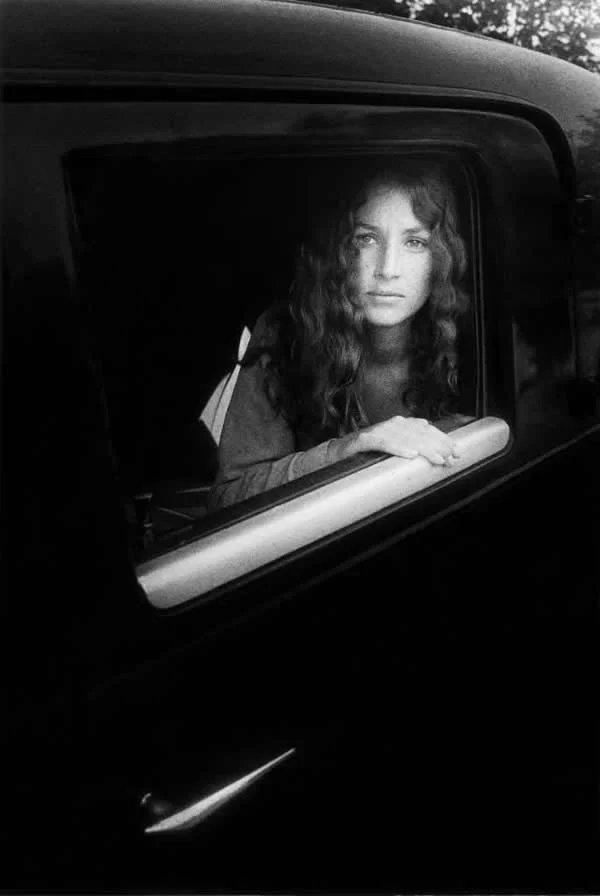
© Ralph Gibson
#12
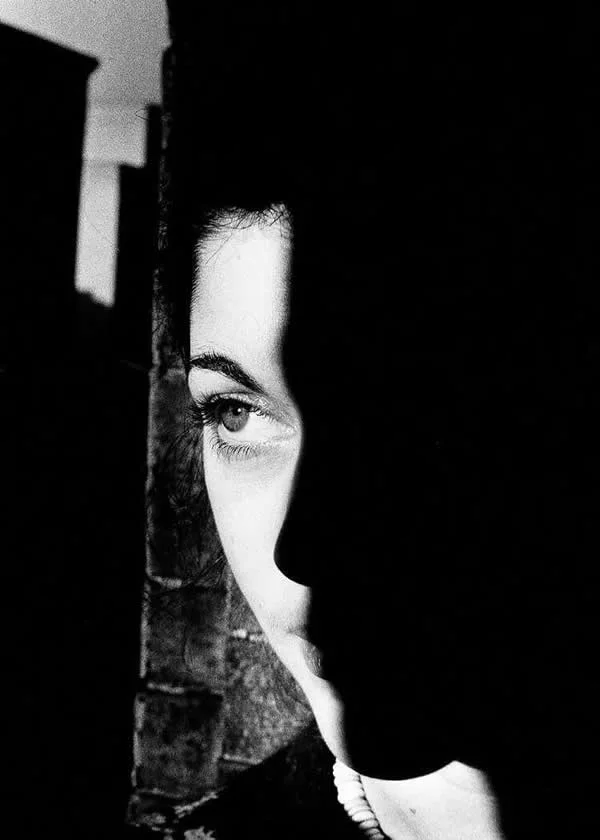
© Ralph Gibson
Finding His Own Language Through Black-and-White Photography
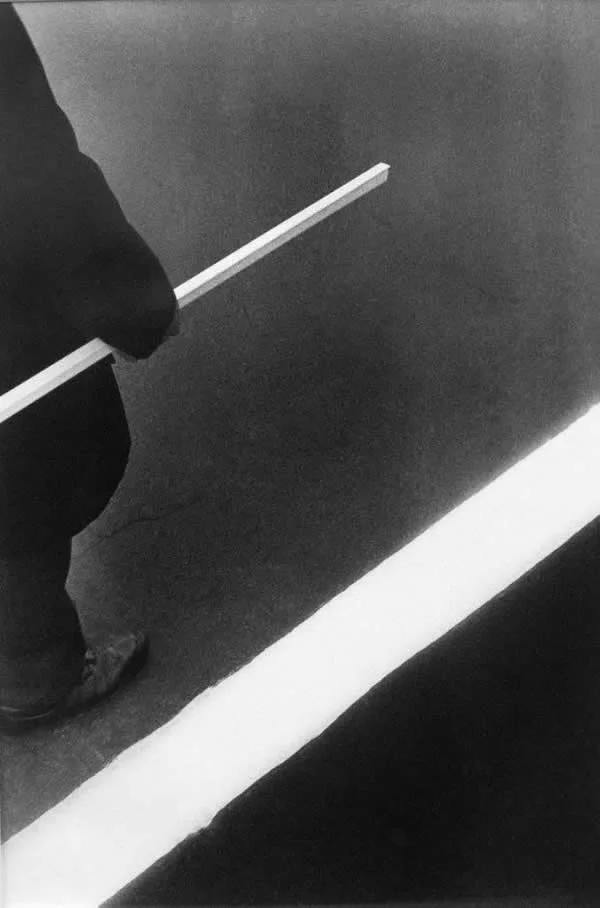
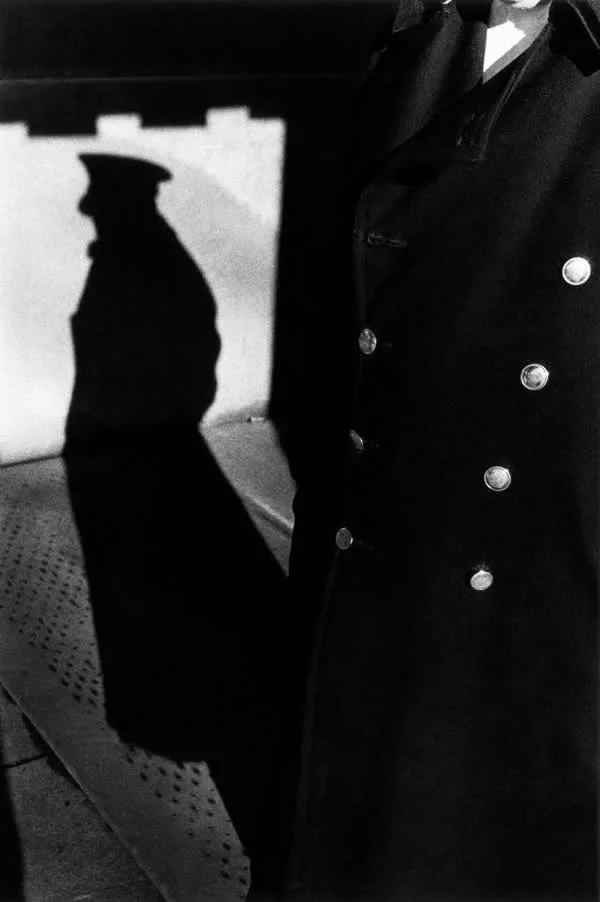
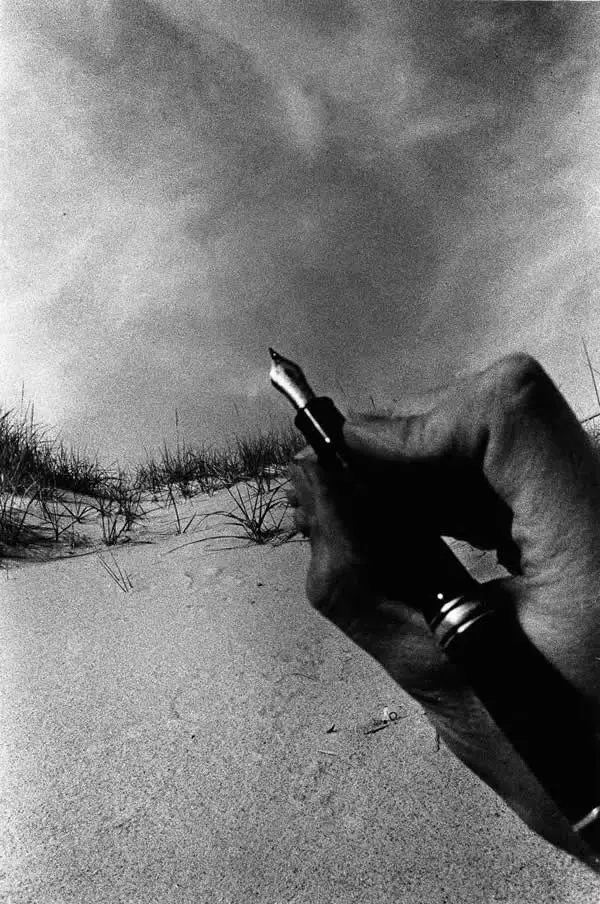
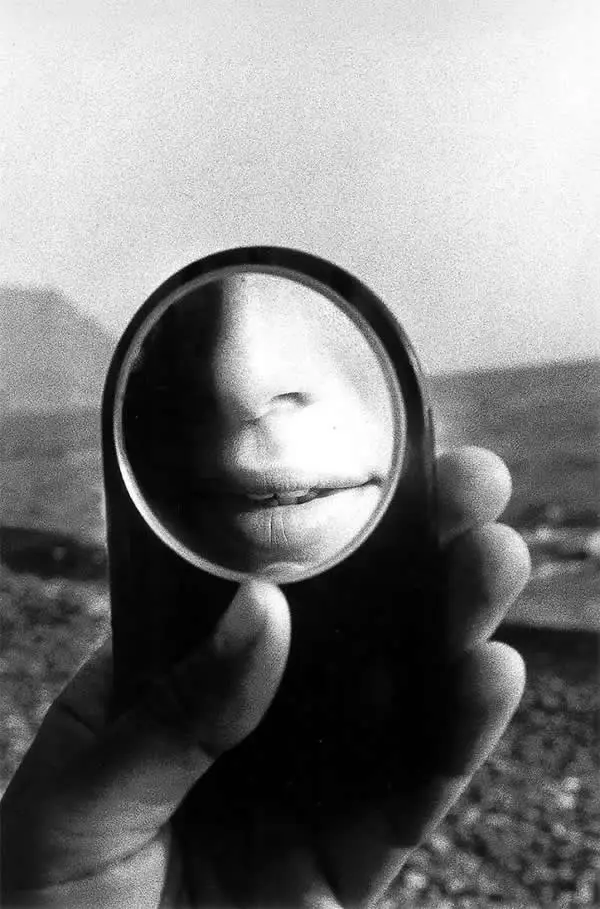
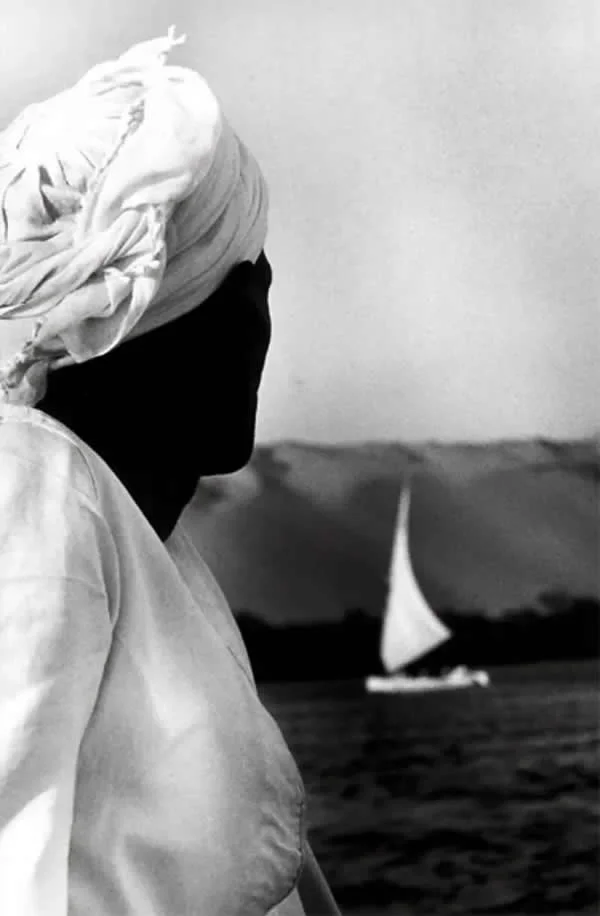
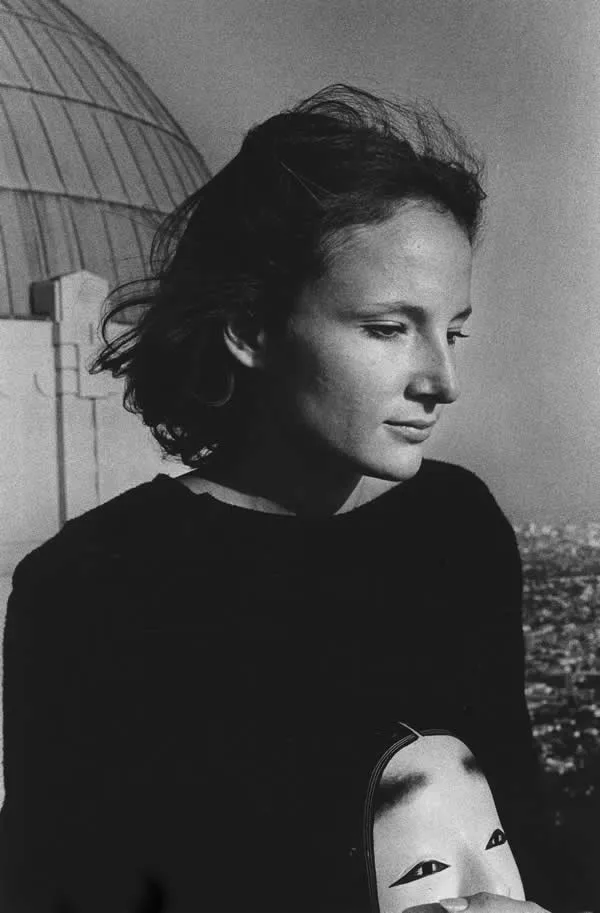
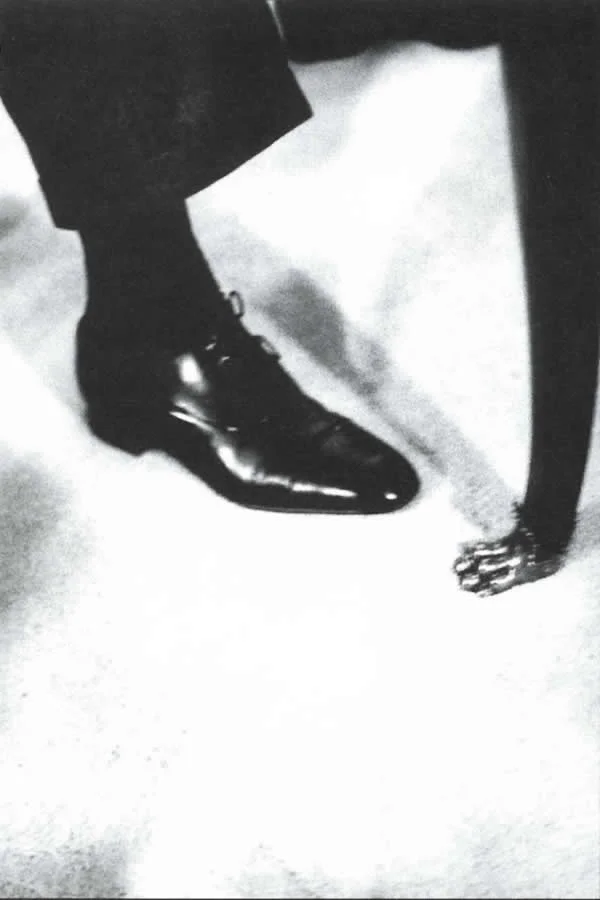
Gibson gradually moved away from conventional documentary storytelling, developing a visual approach that felt mysterious, intimate, and sometimes surreal. His photographs rely on dramatic lighting, unusual framing, and carefully isolated details. Rather than explaining a scene, he leaves enough visual clues for viewers to create their own interpretations.
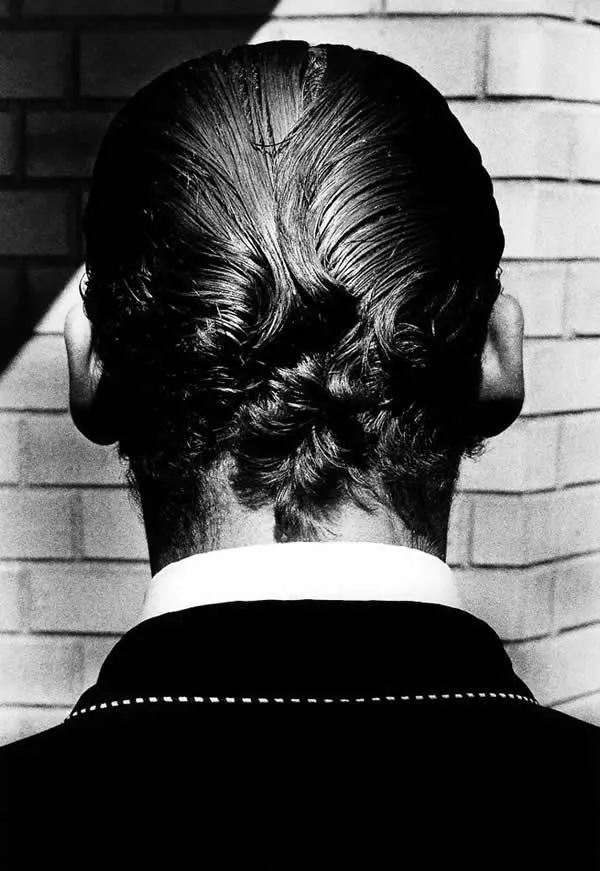
- High-contrast imagery: Deep blacks and brilliant highlights give his photographs an unmistakable visual identity.
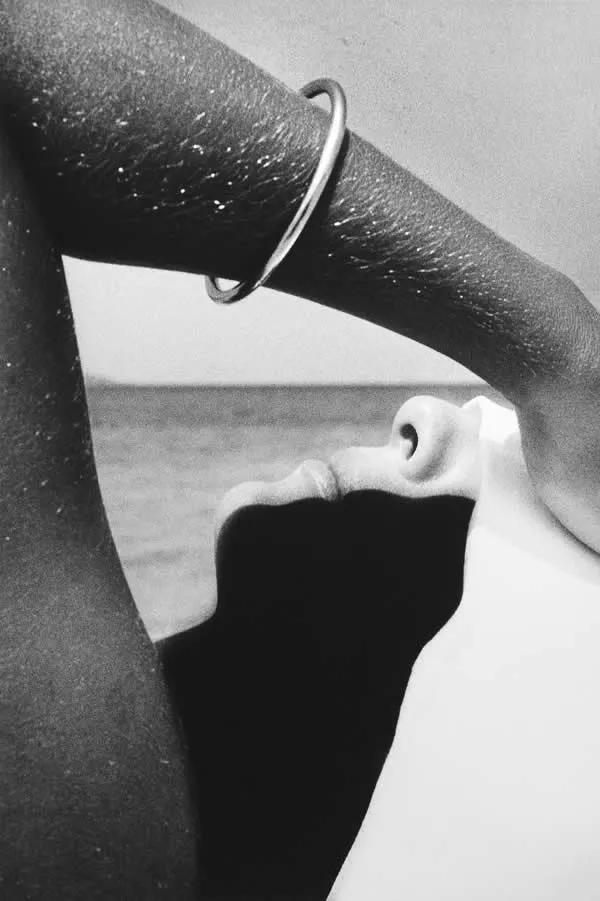
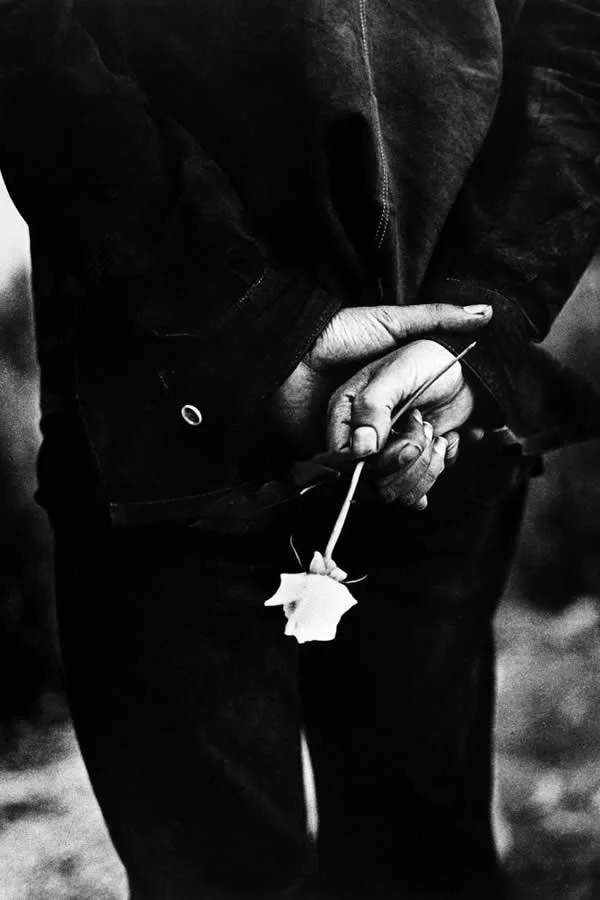
- Fragmented compositions: Cropped faces, hands, objects, and architectural details become fascinating photographic subjects.
- Surreal storytelling: His images often explore dreams, subconscious thoughts, desire, and the mystery of everyday life.
#13
© Ralph Gibson
#14
© Ralph Gibson
#15
© Ralph Gibson
#16
© Ralph Gibson
#17
© Ralph Gibson
#18
© Ralph Gibson
The Somnambulist and the Birth of Lustrum Press
In 1970, Gibson published The Somnambulist, a groundbreaking photobook that helped establish his reputation as an independent artistic voice. Through his own publishing venture, Lustrum Press, he created opportunities for photographers to present their work beyond traditional gallery spaces, making photobooks an important part of his creative legacy.
- The Somnambulist: This influential 1970 publication introduced audiences to his distinctive dreamlike photographic language.
- Lustrum Press: Gibson founded the publishing house to produce ambitious photography books and support independent photographic expression.
- A lasting collection: He has published more than 40 monographs, demonstrating his deep commitment to the photobook as an art form.
#19
© Ralph Gibson
#20
© Ralph Gibson
#21
© Ralph Gibson
#22
© Ralph Gibson
#23
© Ralph Gibson
#24

© Ralph Gibson
An Unmistakable Approach to Light, Shadows, and Composition
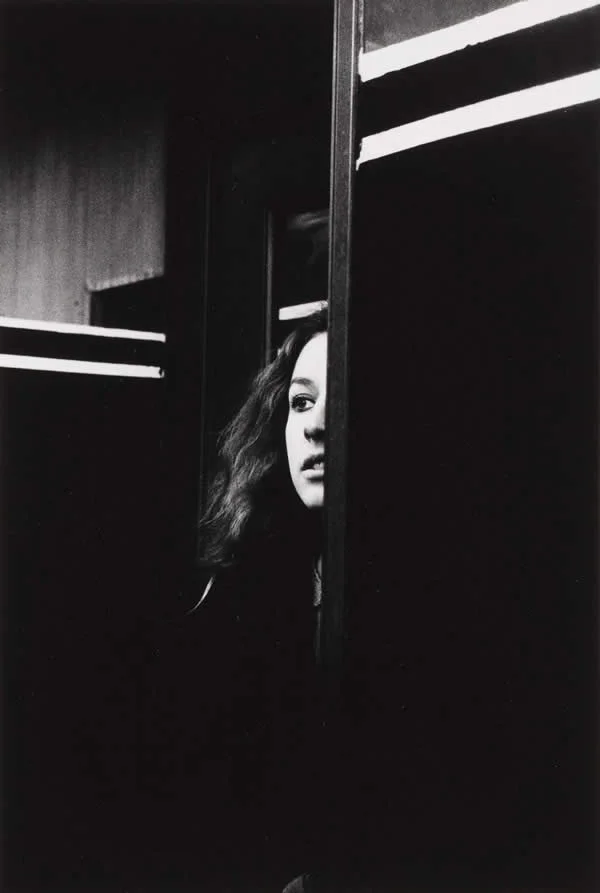
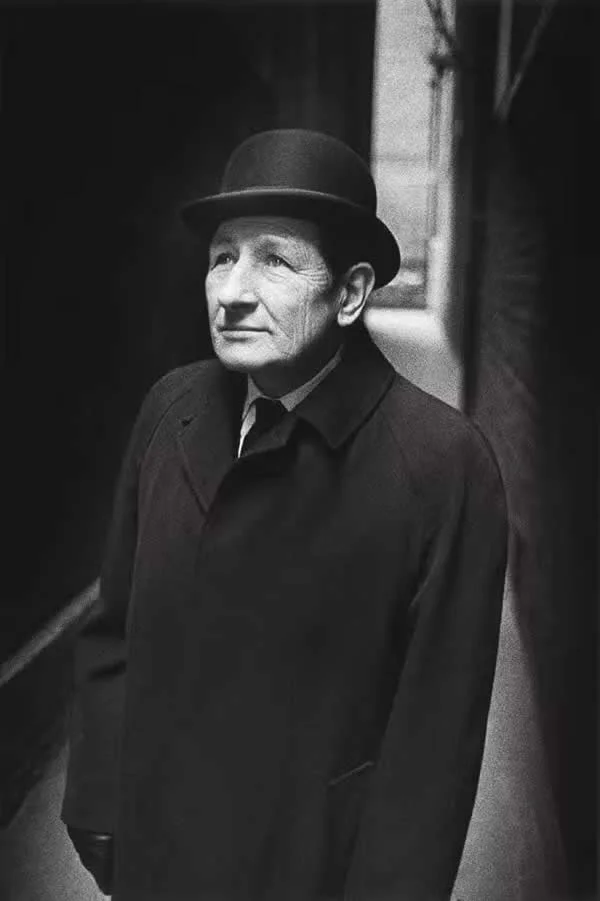
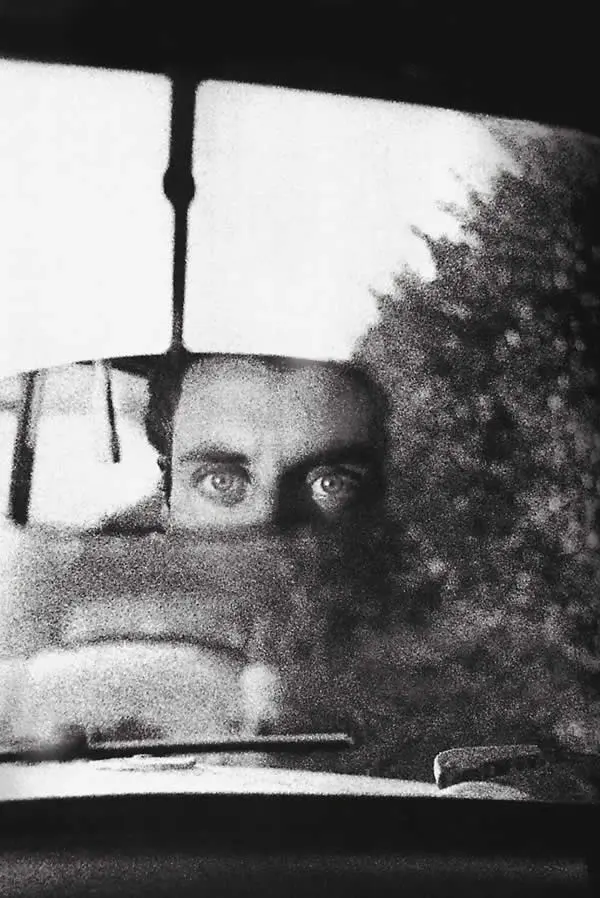
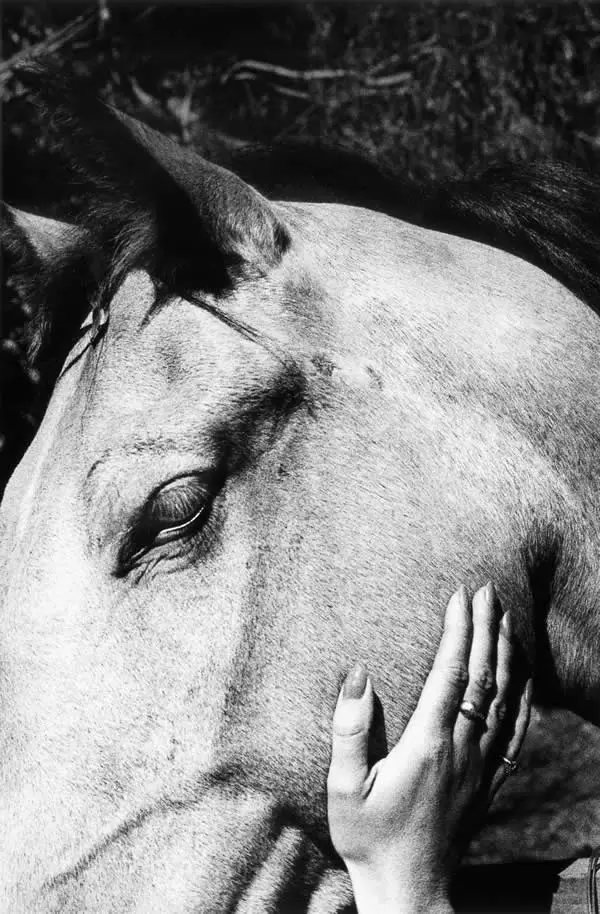
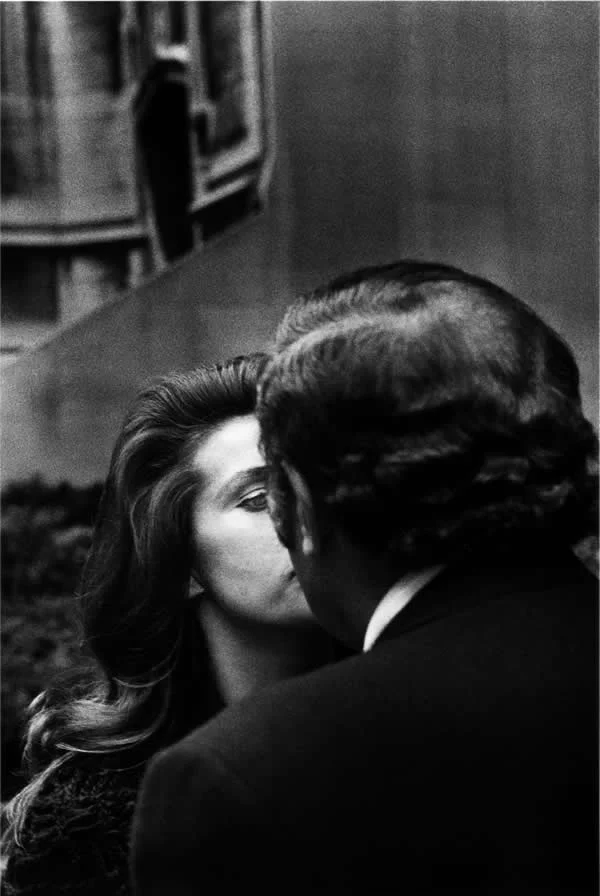
What makes Gibson’s photographs so compelling is his ability to make ordinary subjects feel extraordinary. A hand against a wall, a mysterious reflection, or a face disappearing into darkness can become a complete visual narrative. His minimalist approach proves that powerful photography doesn’t always need complicated subjects or elaborate settings.
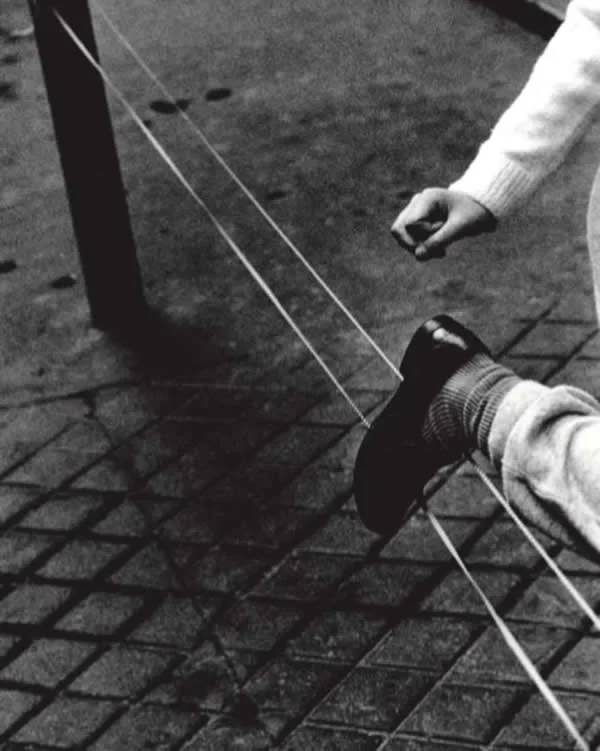
- Geometric minimalism: Bold lines, unusual angles, and carefully balanced shapes define many of his compositions.
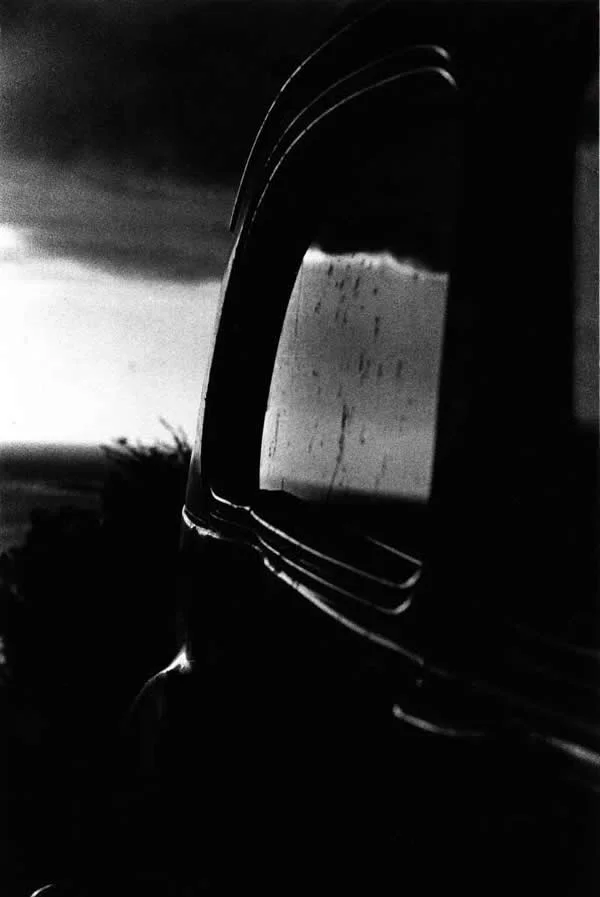
- Masterful lighting: Strong directional light creates tension, depth, and striking visual contrasts.
- Intimate details: He frequently uses close-up framing and unconventional perspectives to reveal beauty in overlooked moments.
#25
© Ralph Gibson
#26
© Ralph Gibson
#27
© Ralph Gibson
#28
© Ralph Gibson
#29
© Ralph Gibson
#30
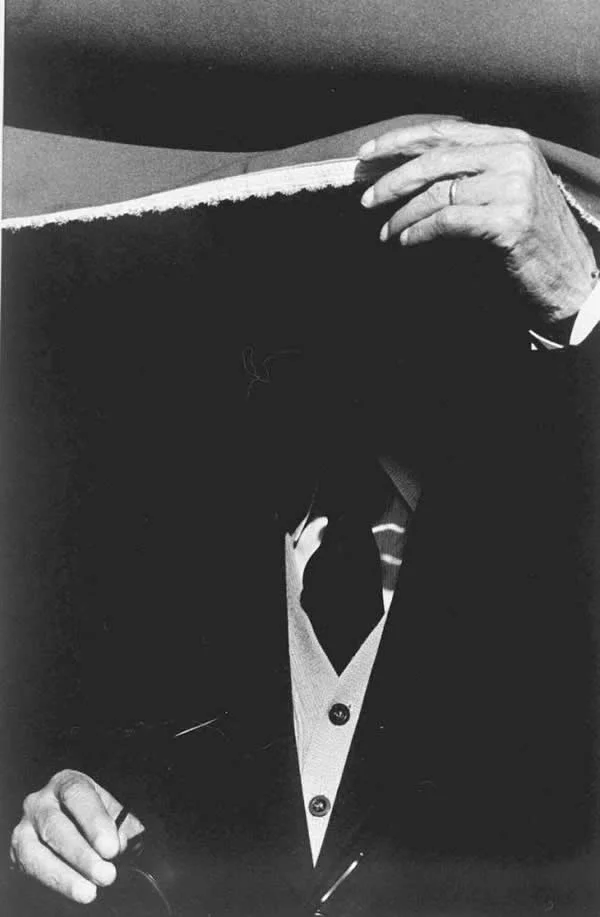
© Ralph Gibson
International Recognition and a Remarkable Photographic Legacy
Over the decades, Ralph Gibson has earned international recognition for his contribution to fine art photography. His work has appeared in hundreds of museum collections and countless exhibitions worldwide. From prestigious photographic honors to international cultural distinctions, his career reflects an enduring influence on generations of visual artists.
- Major honors: He received fellowships from the Guggenheim Foundation and the National Endowment for the Arts.
- International recognition: France appointed him Commander of the Order of Arts and Letters in 2000 and Knight of the Legion of Honor in 2018.
- Recent achievements: He entered the International Photography Hall of Fame in 2019 and the Leica Hall of Fame in 2021, and received the Royal Photographic Society’s Centenary Medal in 2023.
#31
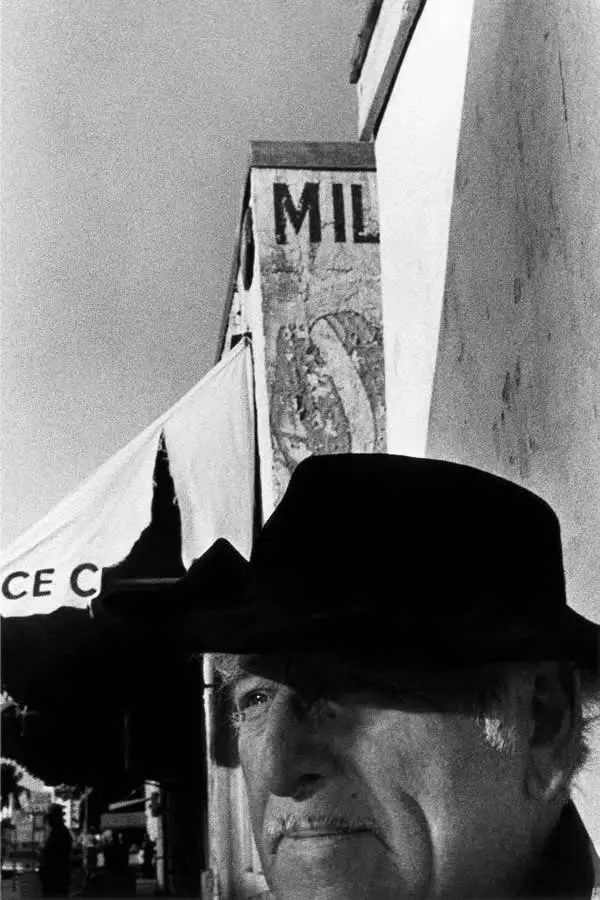
© Ralph Gibson
#32
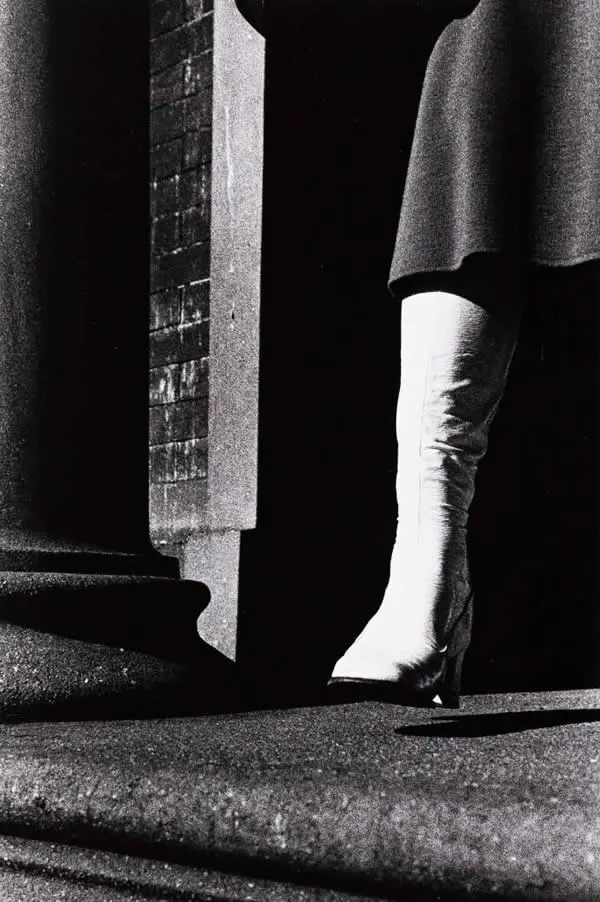
© Ralph Gibson
#33
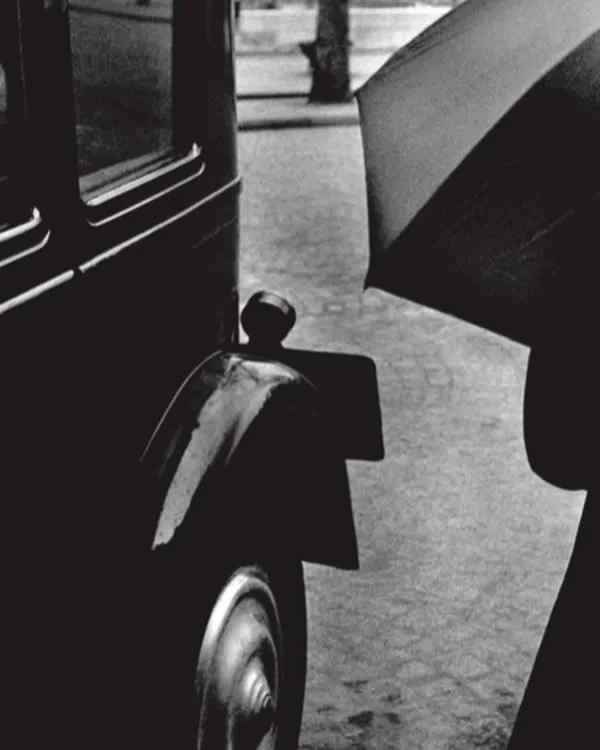
© Ralph Gibson
#34

© Ralph Gibson
#35
© Ralph Gibson
Editor’s Feedback:
Ralph Gibson’s photography is a beautiful reminder that a great photograph doesn’t always need an obvious story. His ability to transform ordinary details into mysterious visual experiences is simply remarkable. We love his fearless approach to composition, light, and shadows. Which photograph caught your attention the most? Share your thoughts!
Frequently Asked Questions (FAQ):
Who is Ralph Gibson?
Ralph Gibson is an American fine art photographer, publisher, and visual artist celebrated for his surreal black-and-white photography. His distinctive compositions explore light, shadows, human forms, and everyday objects through unusual perspectives and abstract visual storytelling.
What is Ralph Gibson famous for?
Ralph Gibson is famous for his high-contrast black-and-white photographs, surreal compositions, and mysterious visual narratives. His work frequently features fragmented subjects, dramatic shadows, geometric forms, and intimate details that encourage viewers to interpret images beyond their literal appearance.
What is Ralph Gibson’s most famous photobook?
The Somnambulist, published in 1970, is among Ralph Gibson’s most influential photobooks. Released through his publishing venture, Lustrum Press, it introduced his distinctive photographic language and became an important milestone in independent fine art photography.
What photography equipment does Ralph Gibson use?
Ralph Gibson is closely associated with Leica M rangefinder cameras and traditional black-and-white film photography. His minimalist visual approach emphasizes careful framing, available light, strong tonal contrast, and decisive compositions rather than relying on complicated equipment or elaborate techniques.
What makes Ralph Gibson’s photography unique?
Ralph Gibson’s photography stands out through its surreal atmosphere, dramatic shadows, extreme close-ups, and unconventional compositions. He transforms familiar subjects into mysterious visual experiences, allowing viewers to discover personal meanings through abstraction, symbolism, texture, and carefully controlled light.