
What happens when you press the shutter at exactly the right moment and somehow end up with something that looks like it belongs inside an old European museum? That’s the magic behind Accidental Renaissance paintings.
These photographs weren’t painted by an Old Master. Nobody spent months layering pigments onto a canvas. They’re real moments, captured in real places, yet their composition, lighting, subjects, and atmosphere can feel remarkably close to artwork from the 14th through 19th centuries.
A group of people gathered naturally might create a perfect triangular composition. A shaft of sunlight cutting through a dark room can suddenly produce dramatic chiaroscuro. Soft edges, atmospheric backgrounds, unusual perspectives, and carefully balanced figures can make an ordinary scene feel almost timeless.
And that’s what makes these images so fascinating. You don’t need a castle, a royal family, or a dramatic historical event. Sometimes, all you need is beautiful light and a photographer who knows when to hit the shutter.
From Renaissance-inspired compositions to moments that echo Baroque drama, Neoclassical balance, and Romantic atmosphere, these 32 real photos show how surprisingly close photography and classical painting can get.
Take a look. You might never see everyday light the same way again.
#1. Accidental Renaissance
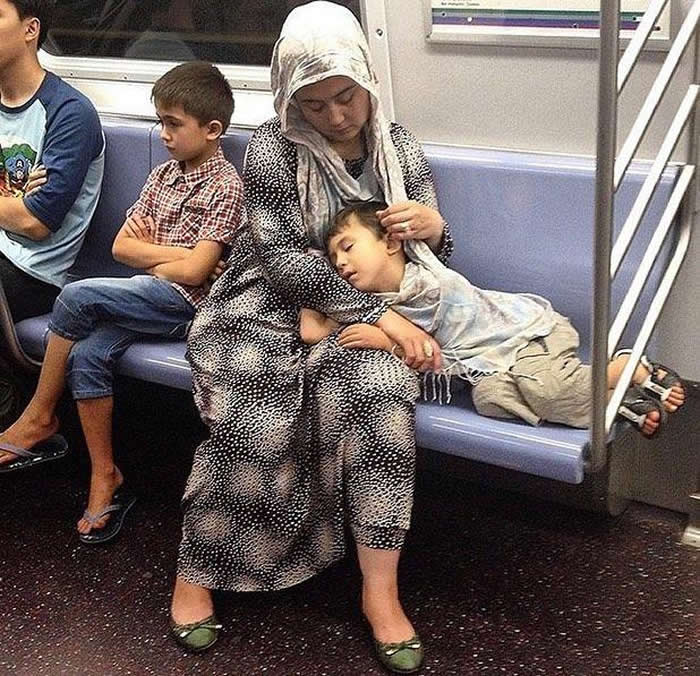
Image Source: GlitteringHotel8383
#2. The Flock
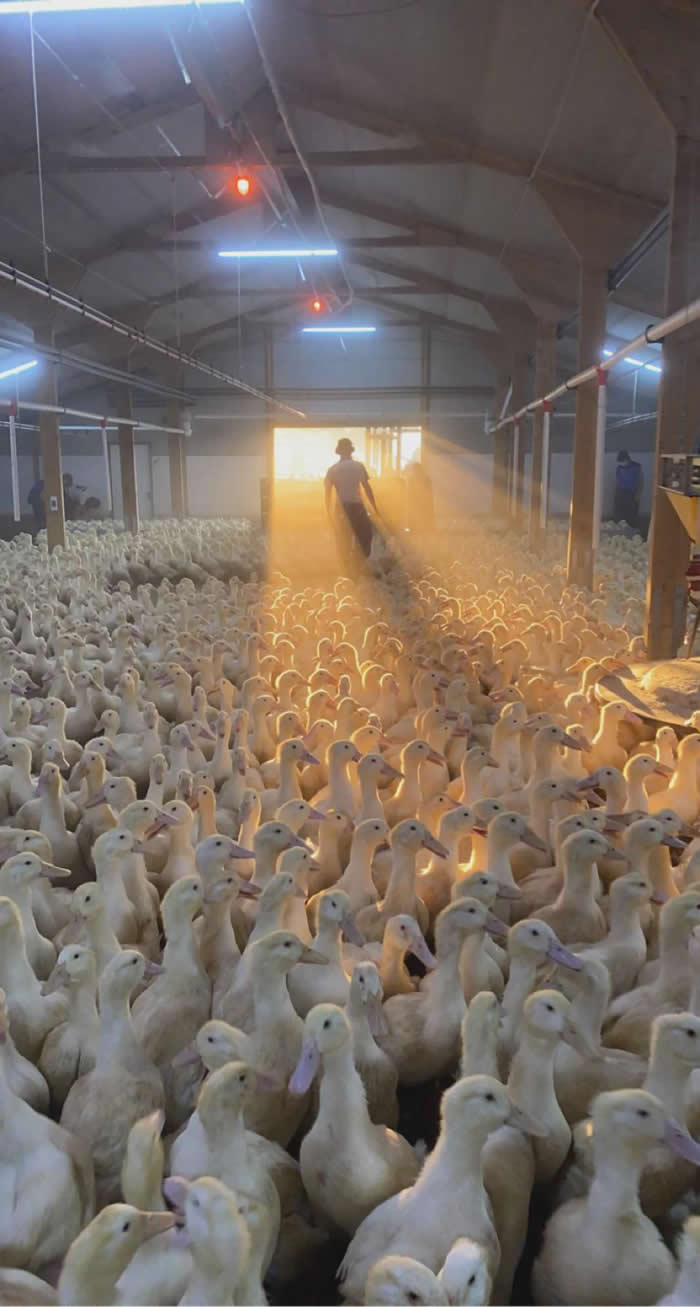
Image Source: ChinaCatProphet
#3. His majesty demands the door to be opened
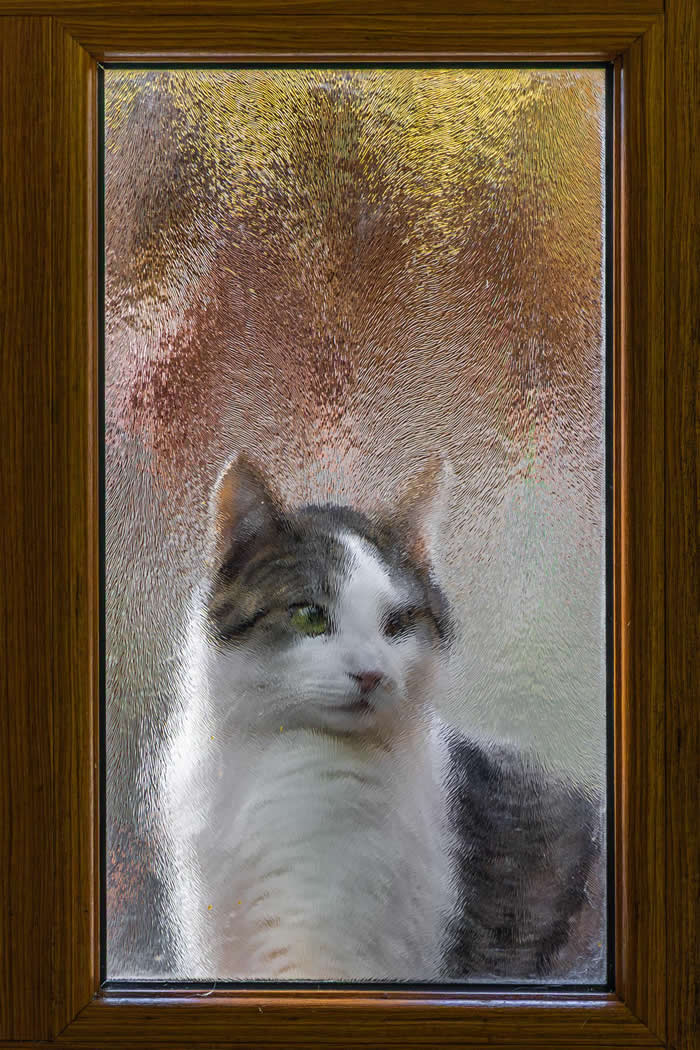
Image Source: Quaxli
#4. My wife just out of the shower checking email
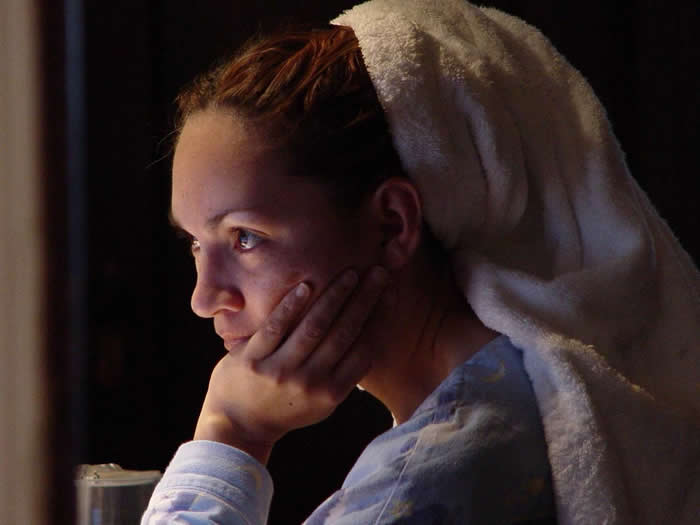
Image Source: mikelgan
#5. My window’s view looks like a painting
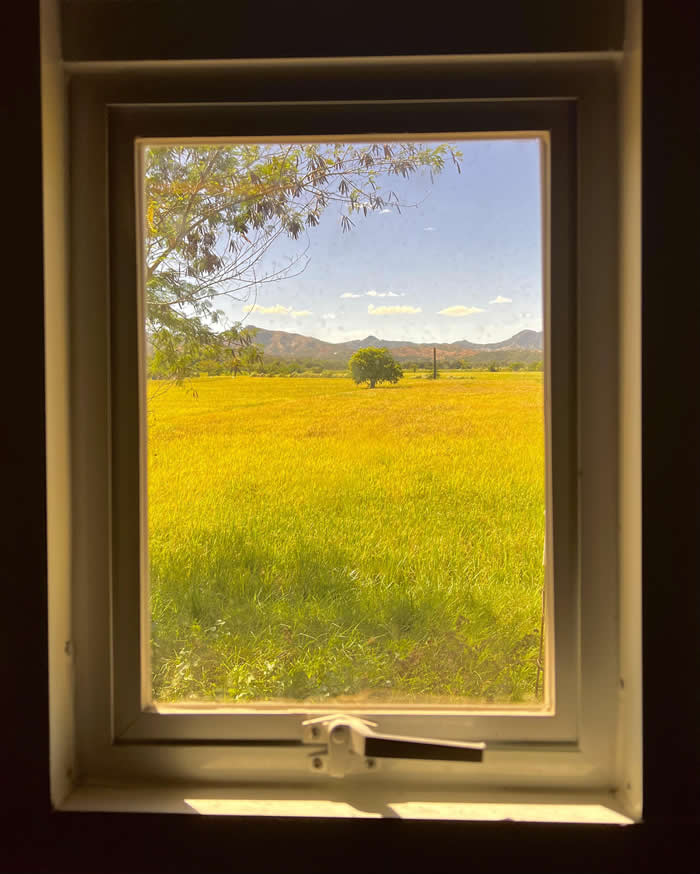
Image Source: InspectorConfident55
#6. Battle at the bars
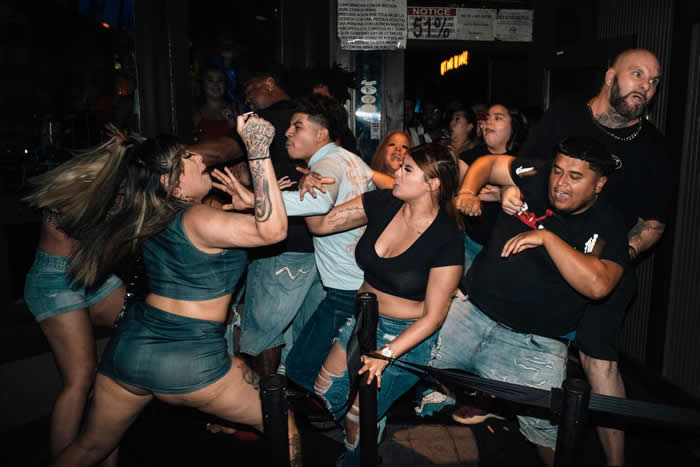
Image Source: toastbrigade
When Ordinary Moments Become Classical Scenes
The beauty of Accidental Renaissance photography is that the subjects don’t have to be extraordinary. A person sitting beside a window, workers gathering together, or strangers crossing a street can suddenly resemble figures from a centuries-old painting. The secret often lies in how everything falls into place.
- Triangular compositions naturally guide the eye through multiple subjects.
- Balanced positioning can make everyday scenes feel deliberately staged.
- Foreshortening adds depth and a dramatic sense of perspective.
- Asymmetrical framing creates the kind of visual tension found in classical art.
- Golden Ratio-inspired arrangements can make an image feel naturally harmonious.
#7. A photo I took of the flowers at my Nana’s funeral looks like a painting
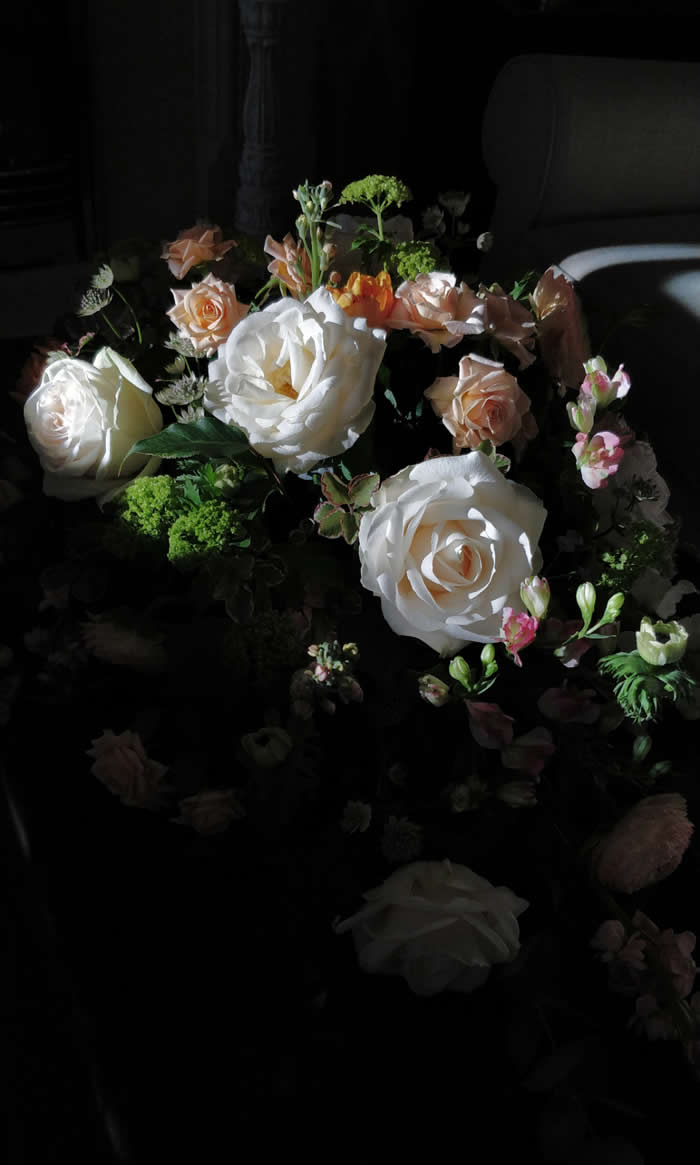
Image Source: xanbod
#8. My Girl Friend send me a picture of her breakfast
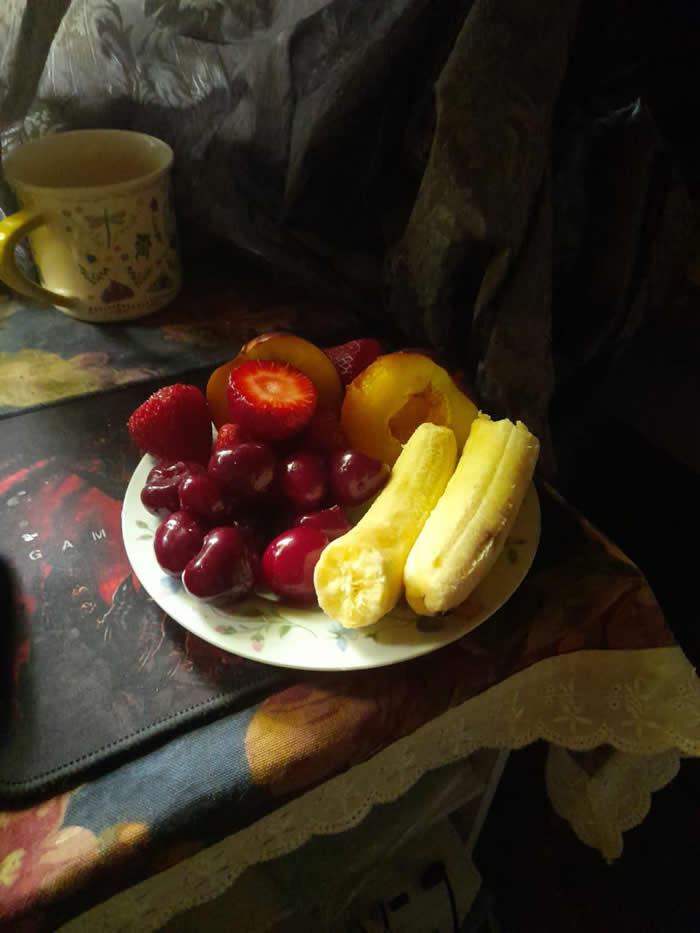
Image Source: manjarcolun
#9. The Market
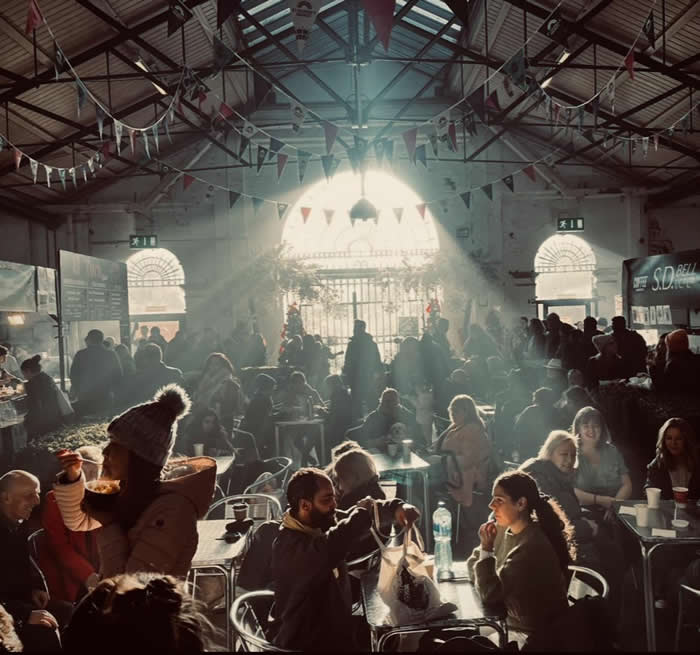
Image Source: oysters-in-my-pocket
#10. Quenching the thirst of the people
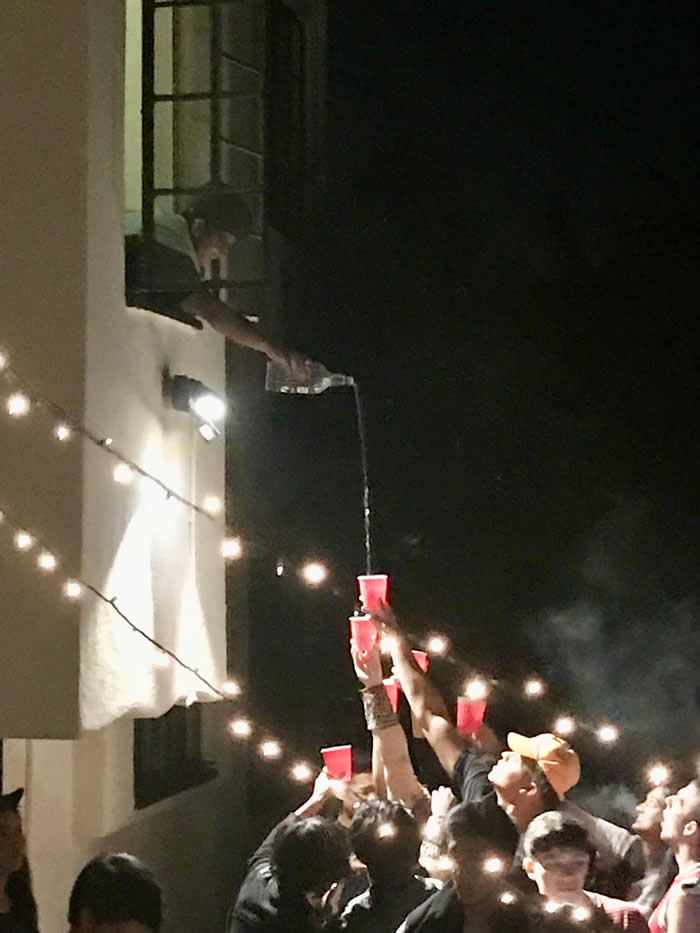
Image Source: filmhistoryreplay
#11. Should I paint this photo I took? Did not stage this BTW
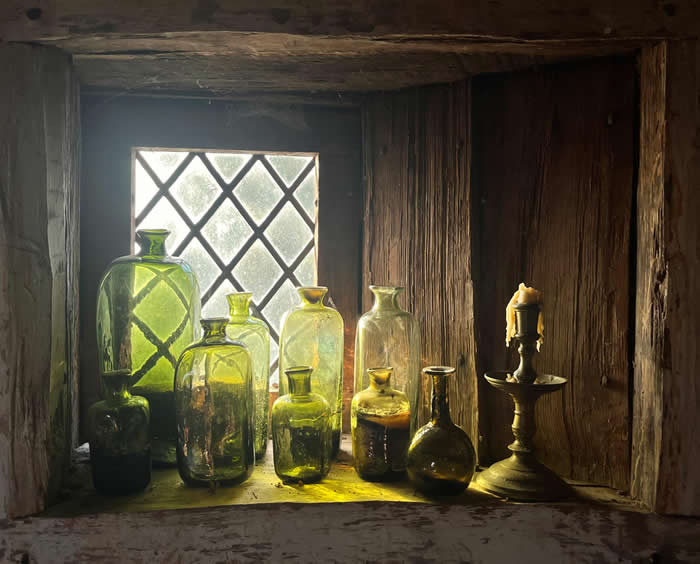
Image Source: Deadpotato420
#12. Sunday Roast Boiled Over
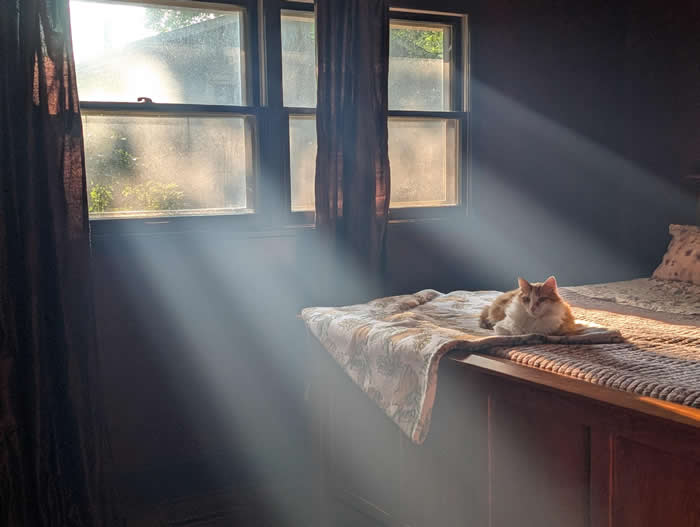
Image Source: oyasuloumi
The Drama of Light and Shadow
If there’s one thing that can instantly give a photograph a Renaissance or Baroque feeling, it’s dramatic lighting. Strong highlights emerging from deep shadows create an almost theatrical mood. A simple beam of sunlight can transform a familiar room, street, or landscape into something surprisingly cinematic.
- Chiaroscuro creates powerful contrast between light and darkness.
- Sfumato-like softness can gently blur edges and transitions.
- Window light often creates beautifully controlled illumination.
- Deep shadows add mystery and visual weight.
- Directional sunlight can turn ordinary subjects into dramatic focal points.
#13. Made the most of burning my dinner the other night. Loved how the smoke caught the light
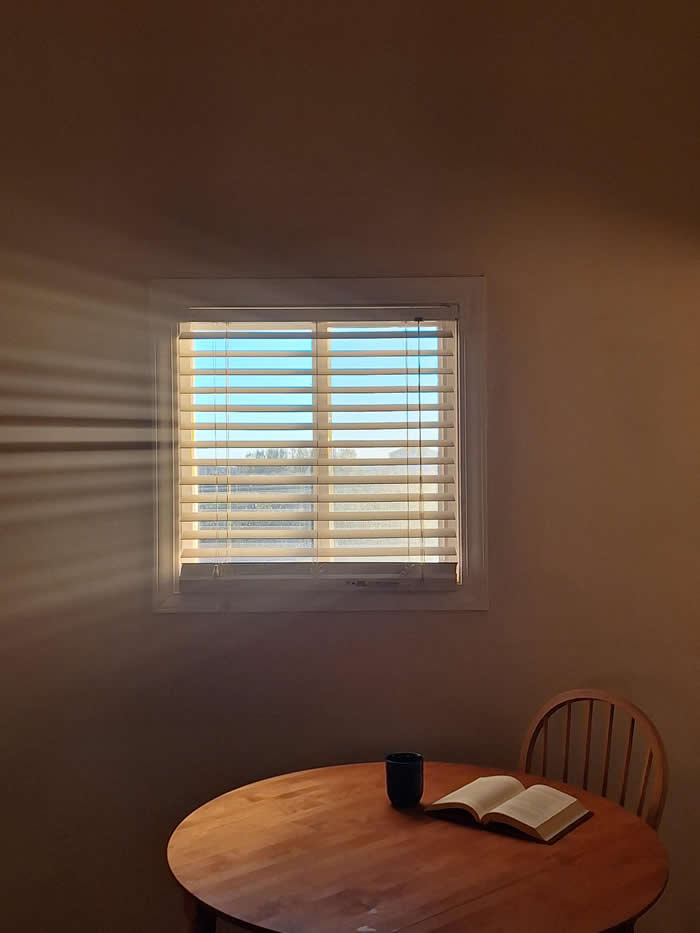
Image Source: sliger0
#14. Woman sits by the window of a Lviv-bound train. AP
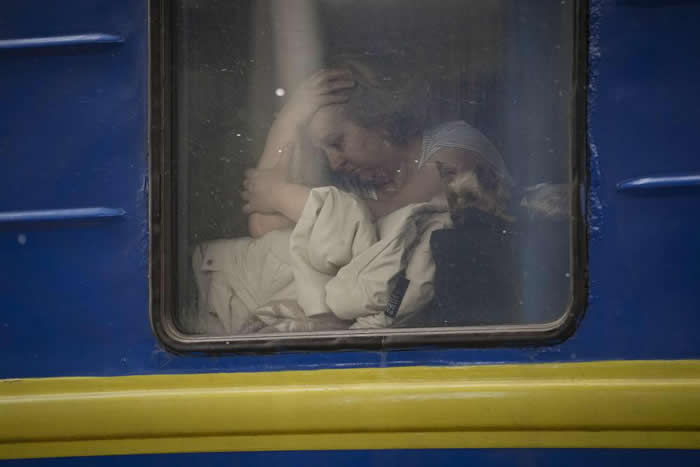
Image Source: fleece_white_as_snow
#15. Something
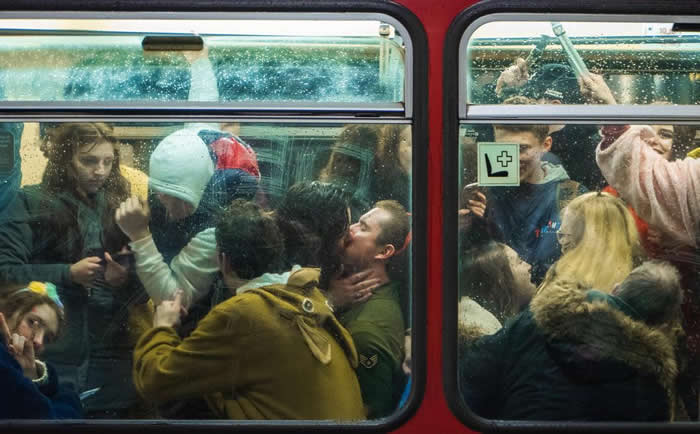
Image Source: Nearby_Respond2900
#16. Firefighters taking a break out west
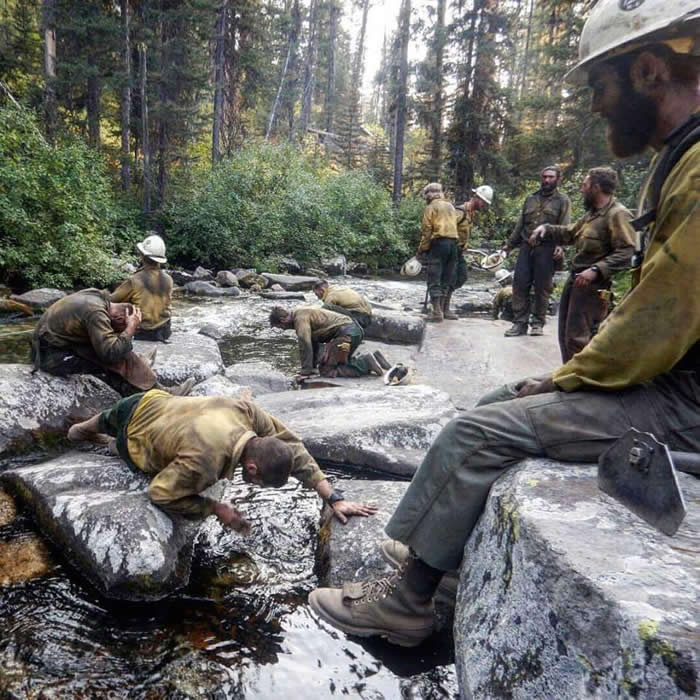
Image Source: Rat_Cat_Batman
#17. My wife at the window
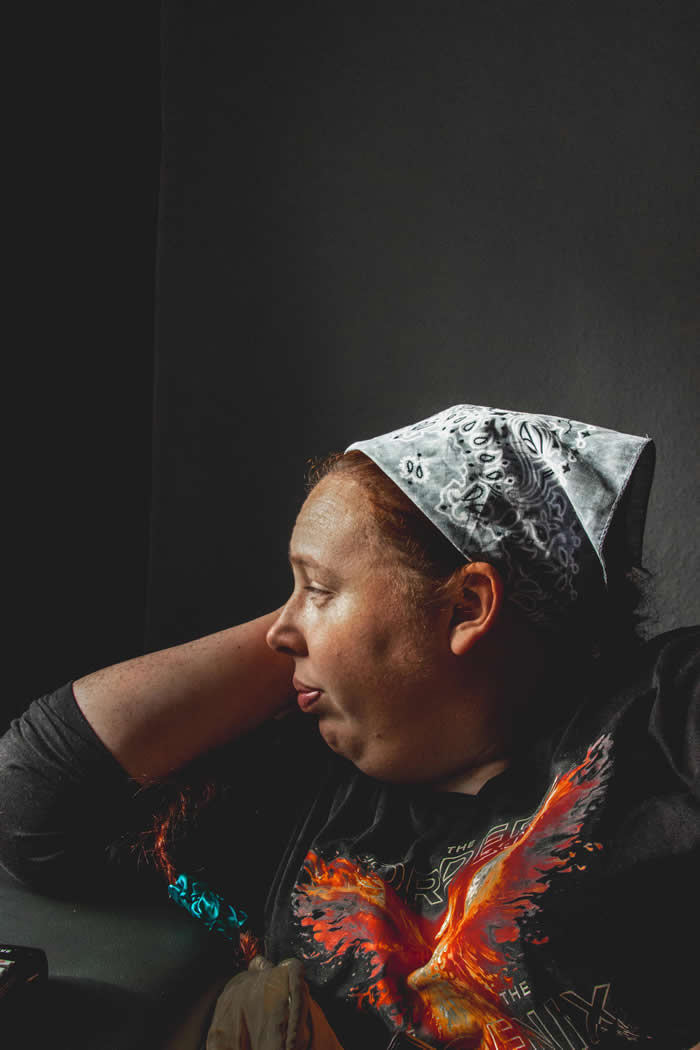
Image Source: howtokrew
#18. Chef in Siena, Italy
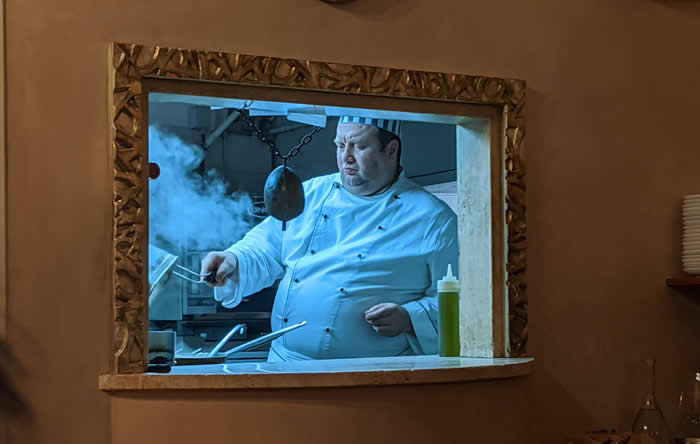
Image Source: iskanderthethief
People Who Look Like They Belong on Canvas
There’s something wonderfully strange about seeing modern people accidentally recreate the mood of classical portraiture. Clothing, gestures, expressions, and body language can all contribute. Sometimes the subject isn’t posing at all. They’re simply caught in a quiet moment that feels strangely timeless.
- Natural gestures can resemble carefully painted poses.
- Thoughtful expressions add emotional depth.
- Grouped figures can create classic pyramid-like compositions.
- Traditional clothing can strengthen the historical atmosphere.
- Still, intimate moments often feel especially painterly.
#19. Stuck my arm in the coop to sneak a pic of the hens settling down at dusk one night- “magic hour”
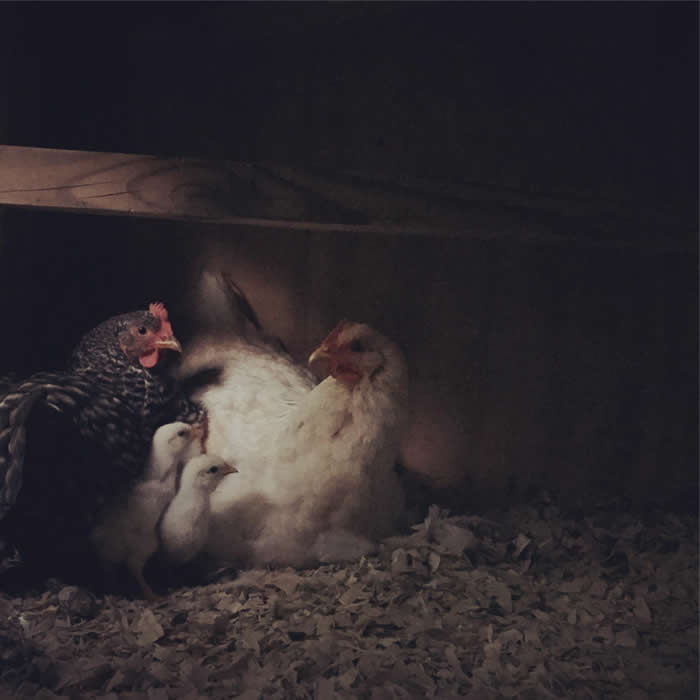
Image Source: hawws12
#20. Tibetan woman holding Bitcoin mining PSUs
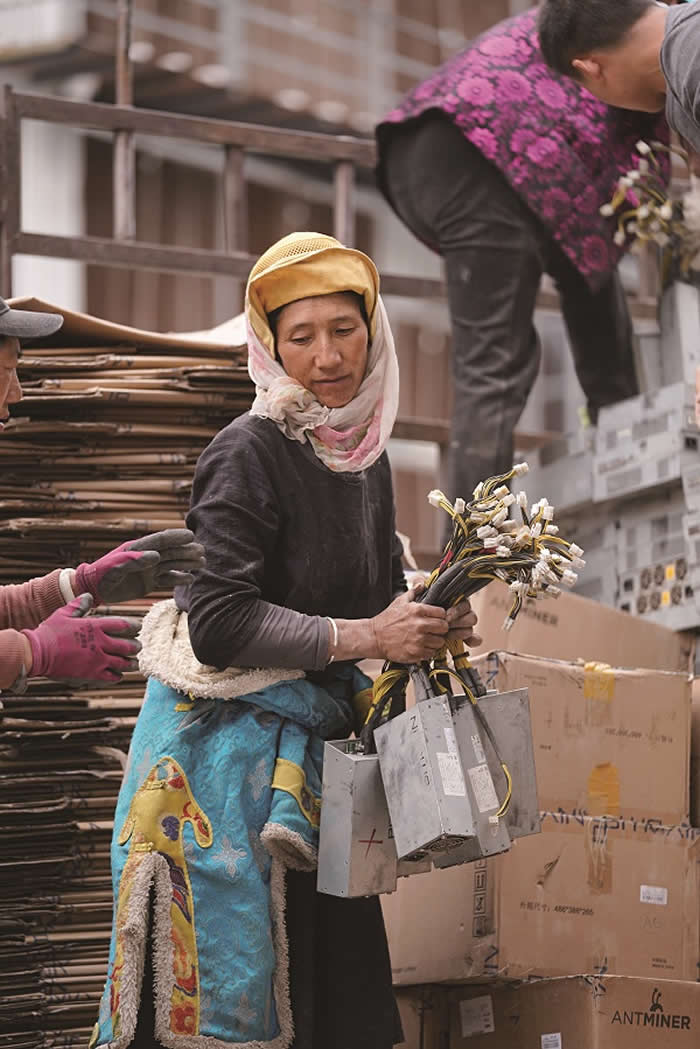
Image Source: giner_ca
#21. North American launch of the PS2
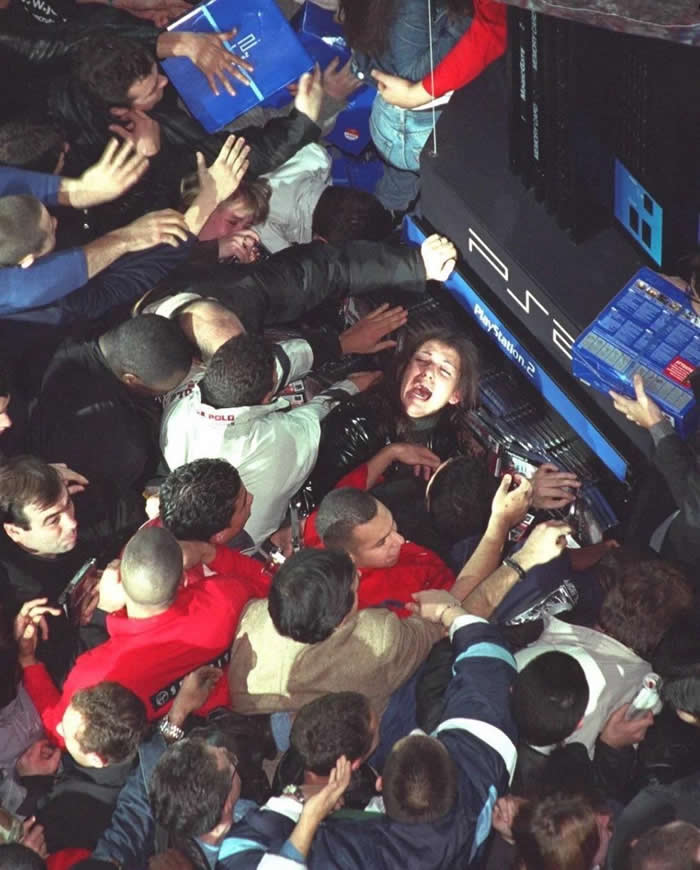
Image Source: htmaxpower
#22. An early morning “rescue” turned renaissance moment
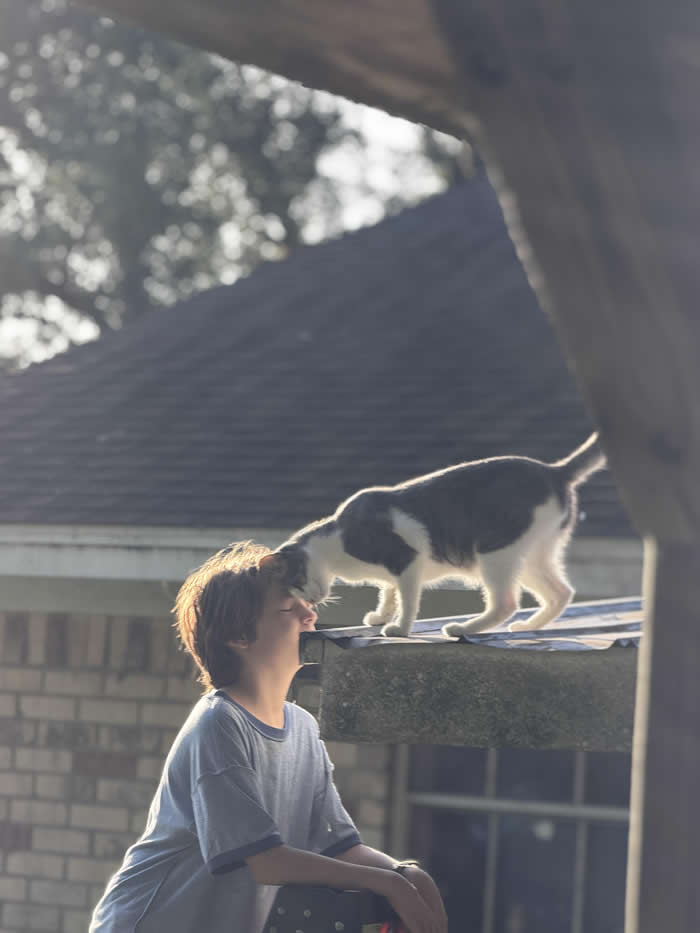
Image Source: sgtlizzie
#23. Dogs in Window
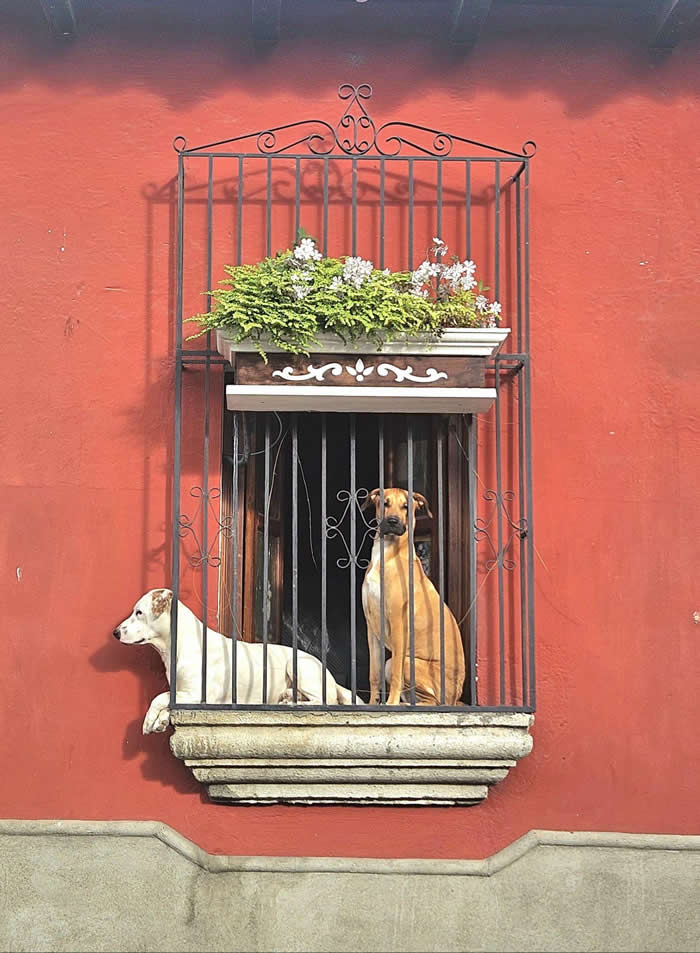
Image Source: Wurmidia
#24. Did I misunderstand this sub
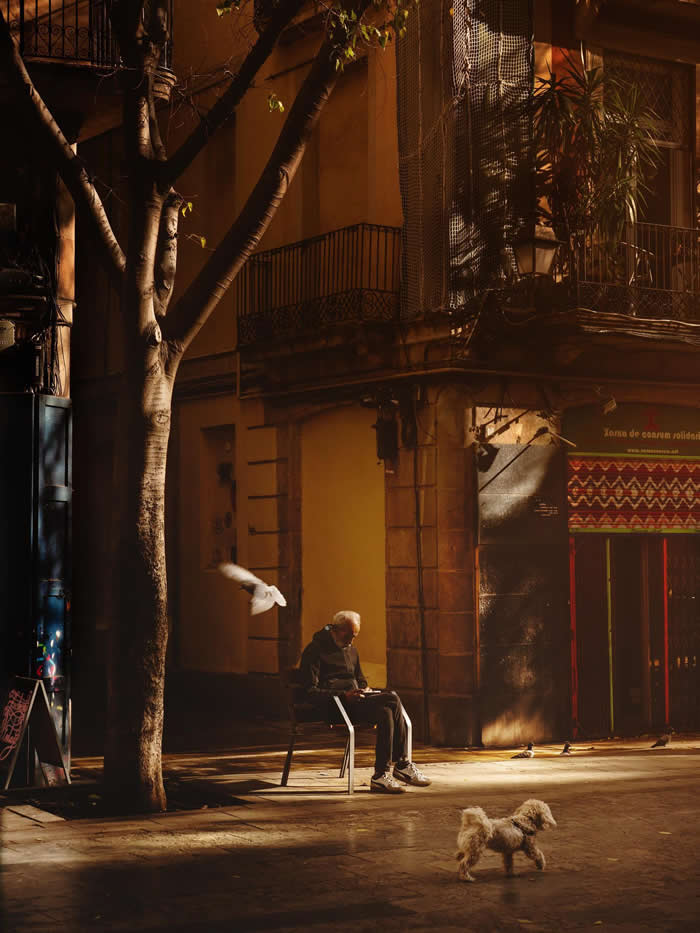
Image Source: JAKR73
Landscapes With an Old-World Soul
Accidental Renaissance isn’t just about people. Landscapes can produce the same effect when atmospheric perspective, layered scenery, dramatic clouds, and carefully balanced elements come together. Add warm sunlight or stormy shadows, and suddenly a modern photograph can feel like a forgotten Romantic landscape hanging in an old gallery.
- Layered landscapes create depth through atmospheric perspective.
- Dramatic skies add emotional intensity.
- Warm natural light can produce a classical painting-like glow.
- Foreground, middle ground, and background create strong visual structure.
- Mountains, forests, water, and architecture can become powerful compositional anchors.
#25. My mothers pet geese going down to the river for their morning swim
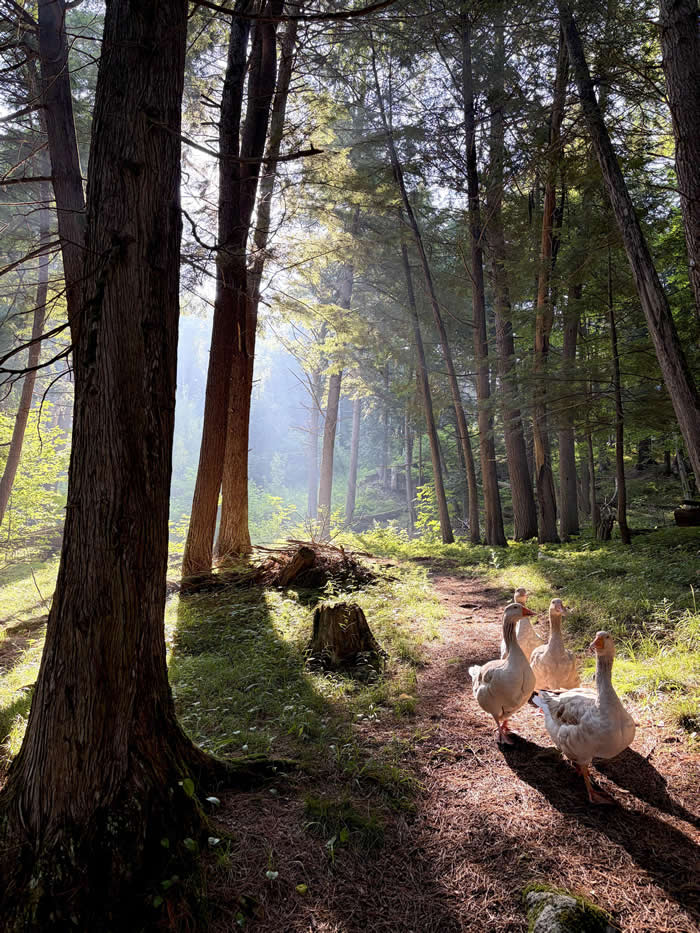
Image Source: EntranceSpare2977
#26. My parents in a church in Rome
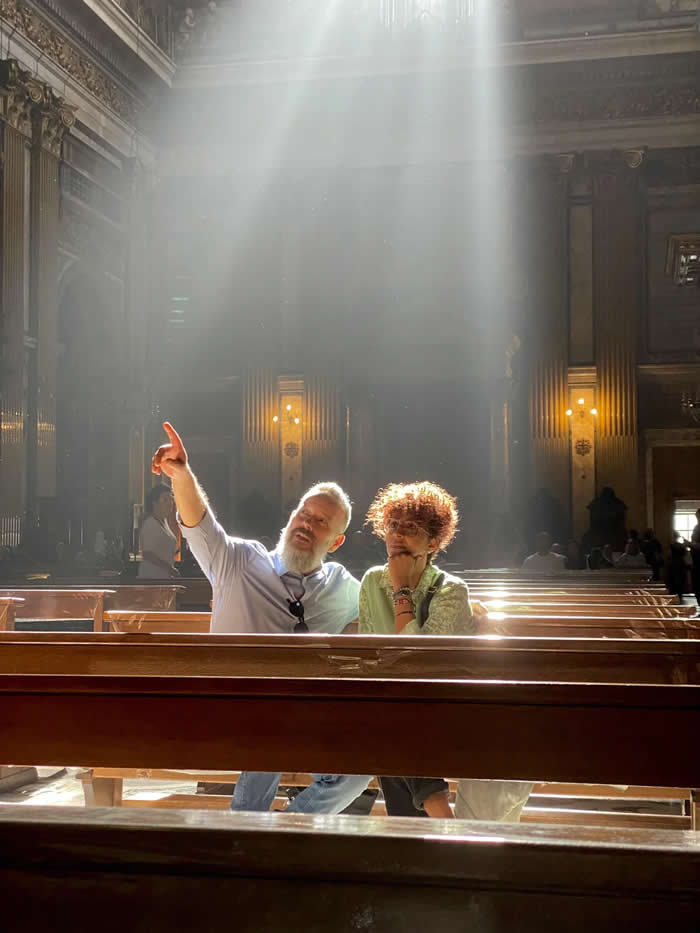
Image Source: Maverick_918
#27. My parents during a group cooking class
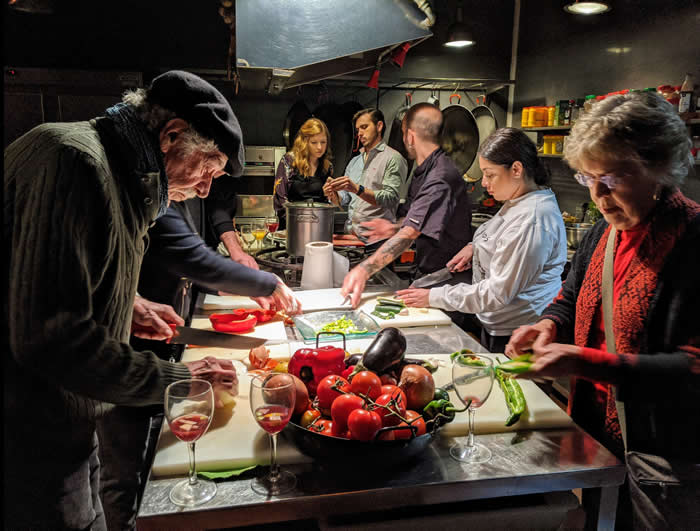
Image Source: d_amalthea
#28. Reflect
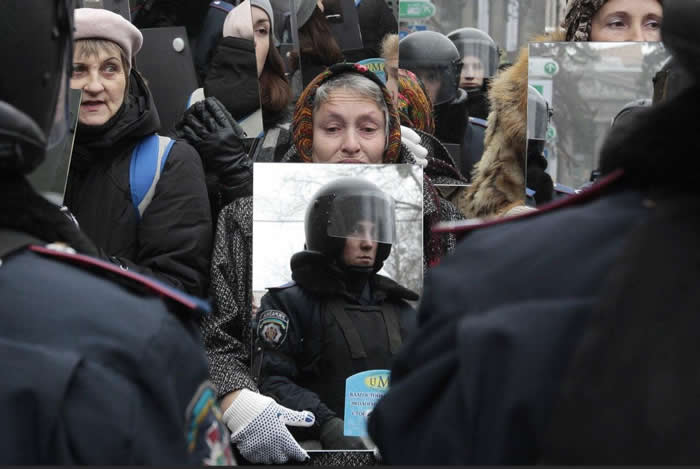
Image Source: Bozhark
#29. Bedtime for Jeff the goose
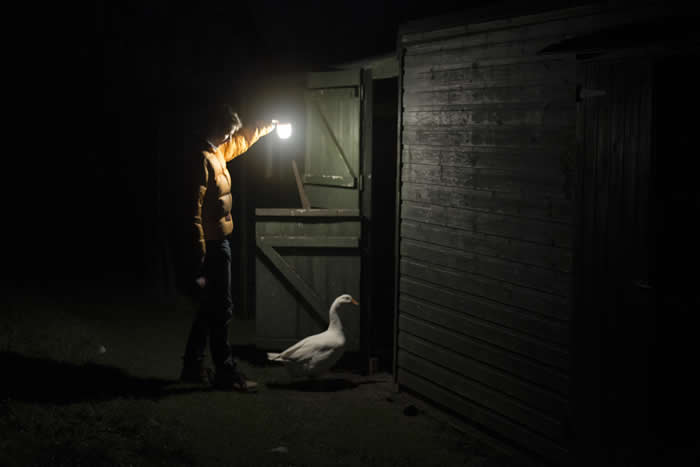
Image Source: r/AccidentalRenaissance
#30. In the train, India
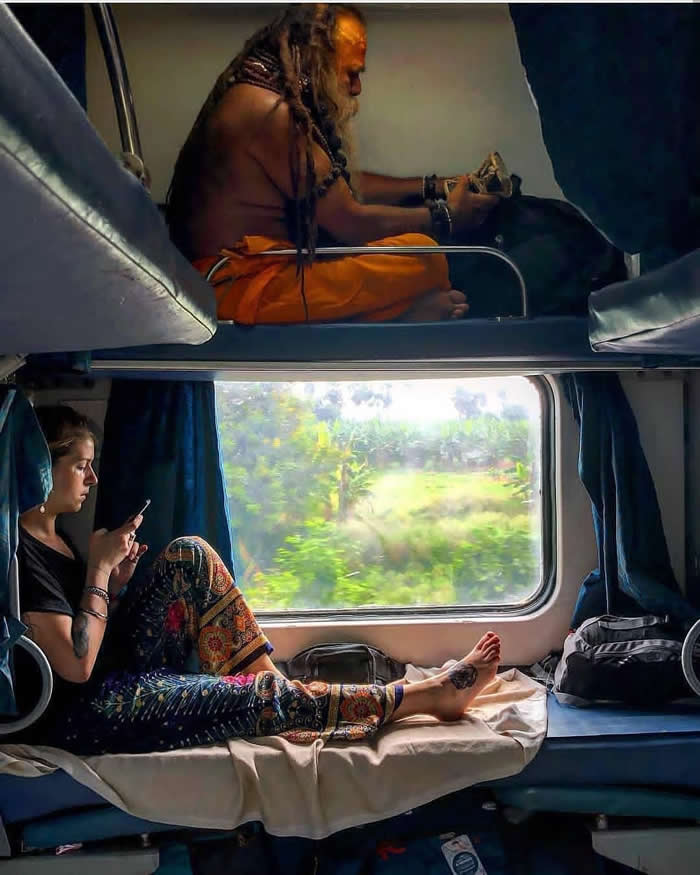
Image Source: yehbikgayehaigormint
When Photography Accidentally Becomes Fine Art
That’s ultimately what makes these photographs so much fun. They weren’t necessarily created to imitate a painting. Instead, the photographer simply found a moment where composition, light, subject, and atmosphere clicked. The result feels intentional even when it was completely spontaneous.
- Look beyond the subject and study how the frame is organized.
- Watch the light because it can completely change the mood.
- Notice shadows and highlights before looking at the finer details.
- Study body positions to discover hidden geometric patterns.
- Let the unexpected moments surprise you—that’s often where the magic lives.
#31. His face is from 1600s paintings
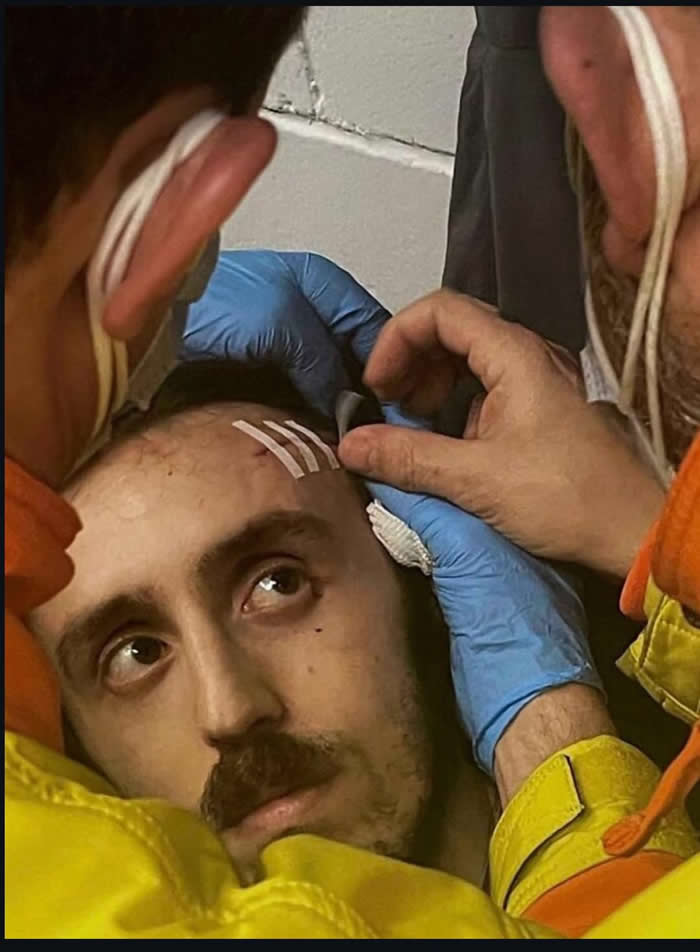
Image Source: Lilypilgrim
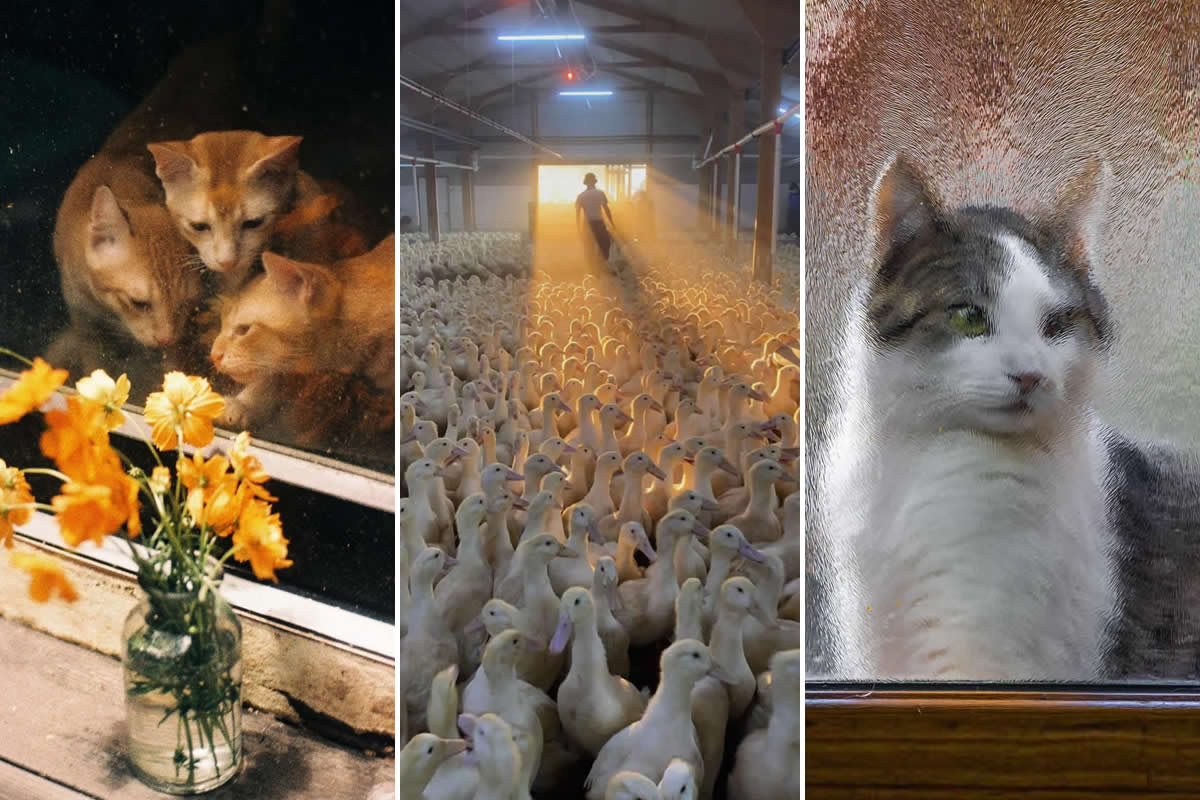
#32. Cats on expired Fuji Velvia 50
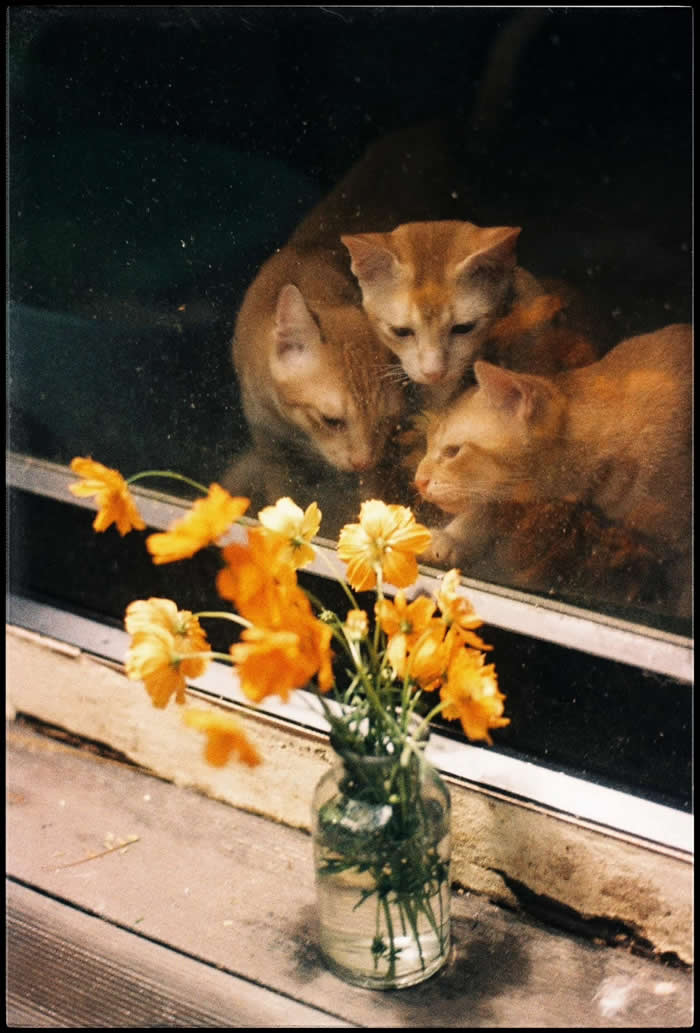
Image Source: KobraKay87
Frequetly Asked Questions:
What is Accidental Renaissance photography?
Accidental Renaissance photography refers to real photographs that unintentionally resemble artwork from the 14th through 19th centuries through similar composition, lighting, perspective, atmosphere, or subject matter. The effect can also evoke Baroque, Neoclassical, and Romantic art.
What makes a photograph look like a Renaissance painting?
Strong compositional structure, triangular arrangements, dramatic lighting, chiaroscuro, soft outlines, foreshortening, atmospheric perspective, and carefully positioned subjects can make an ordinary photograph visually resemble Renaissance or related classical paintings.
What is chiaroscuro in photography?
Chiaroscuro describes the dramatic use of strong light and dark areas within an image. In photography, this can create depth, mood, mystery, and visual drama, producing an appearance reminiscent of classical paintings that used pronounced tonal contrasts.
What is sfumato and how does it affect photographs?
Sfumato refers to soft, gradual transitions between colors and tones rather than sharply defined edges. A photograph featuring atmospheric softness, gentle focus transitions, or hazy backgrounds can create a visual feeling similar to this classical painting technique.
Can landscapes be considered Accidental Renaissance photographs?
Absolutely. Landscapes can evoke historical painting through dramatic skies, atmospheric perspective, layered scenery, balanced compositions, warm illumination, and Romantic-style moods. Mountains, forests, rivers, architecture, and natural light can all contribute to the effect.