
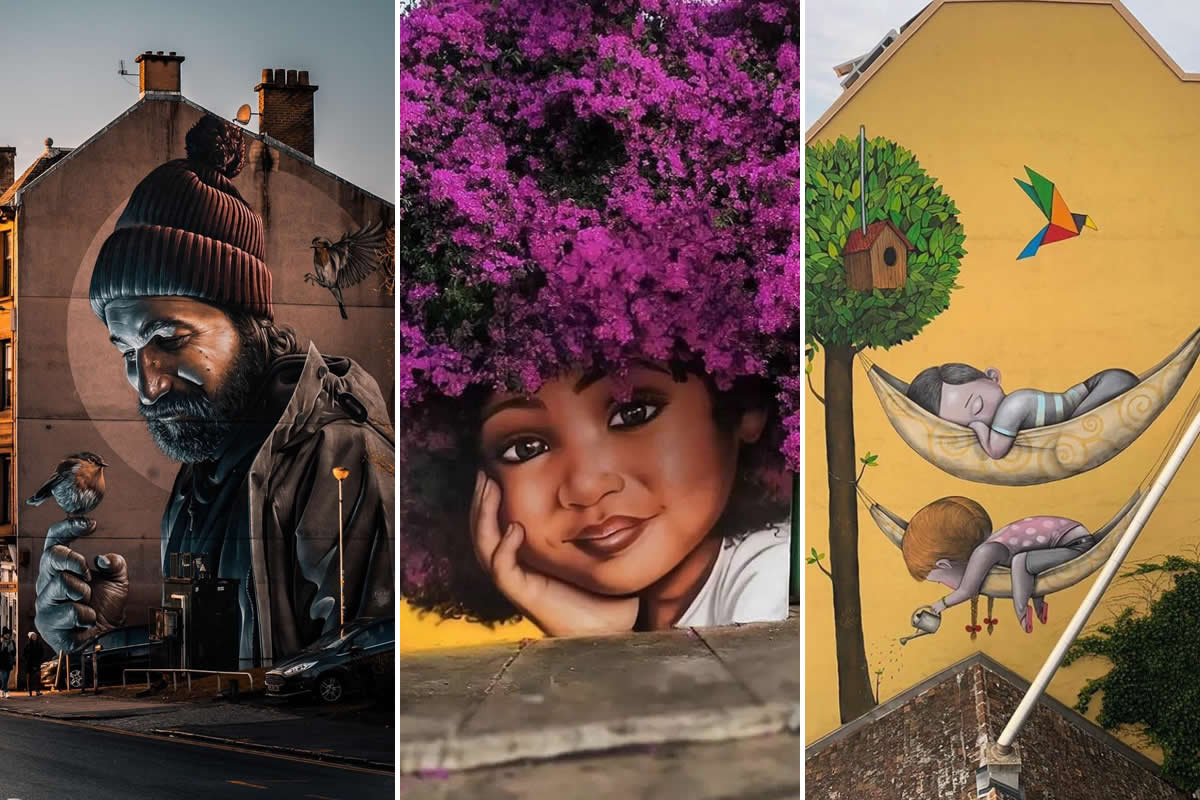
Ever walked down the same street a hundred times and suddenly noticed something you’d never seen before? Maybe it’s a giant mural hiding around a corner, a painted doorway that looks like it leads somewhere else, or a wild optical illusion that makes you stop and stare.
That’s the fun of street art. It catches you when you least expect it.
Unlike artwork sitting quietly inside a museum, street art lives right in the middle of everyday life. You might spot it while grabbing coffee, heading to work, walking your dog, or just killing time on a Saturday afternoon. The walls, buildings, sidewalks, windows, and even quirky bits of architecture become part of the creative process.
And the artists featured by Street Art News really know how to play with that idea. Some works are huge and impossible to miss. Others are packed with tiny details that reward anyone willing to look twice. Then there are the optical illusions and playful pieces that seem to interact with the real world.
So, who needs a white gallery wall?
These 36 examples show how artists can take an ordinary urban space and turn it into something surprising, funny, beautiful, or downright mind-bending. Here are five ways these street art masterpieces prove that sometimes, the best museum is simply the street outside.
#1. Melancholy by Albert Gyorgy in Romania
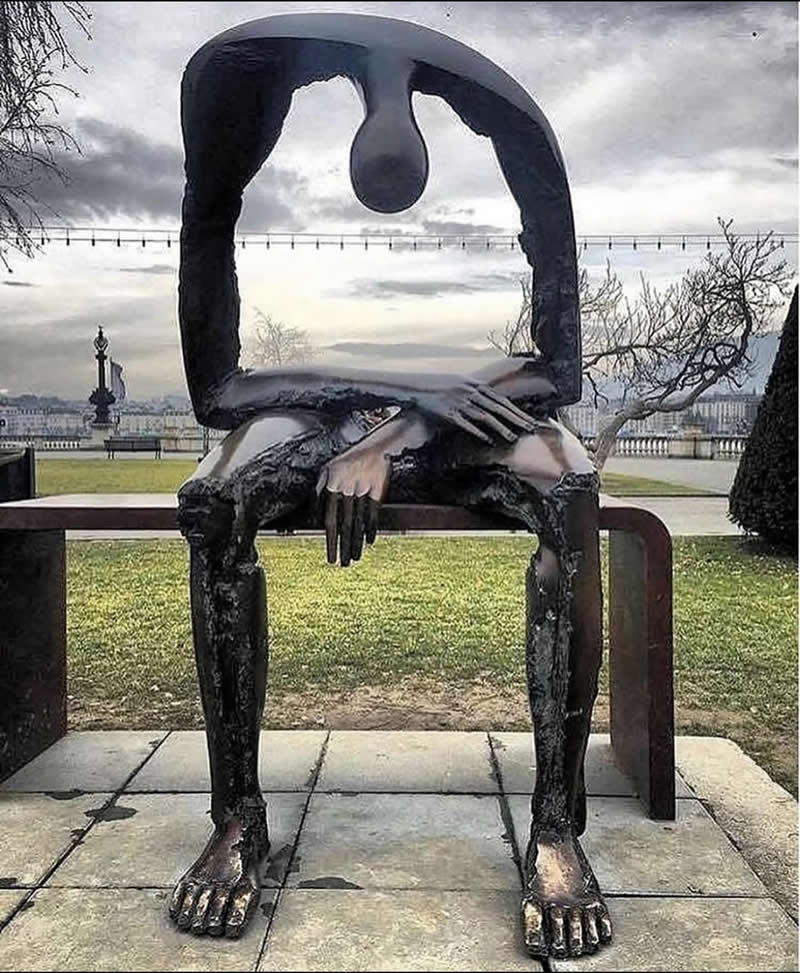
Image Source: Street Art News
#2. Art by Banksy in London
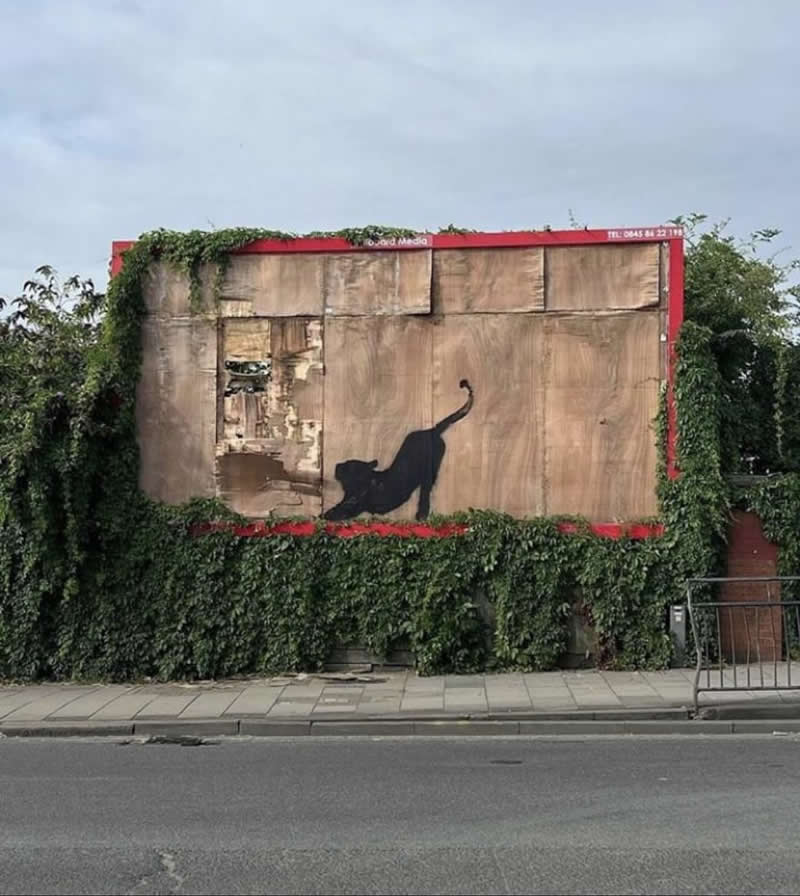
Image Source: Street Art News
#3. The work of Seth in Shanghai, China
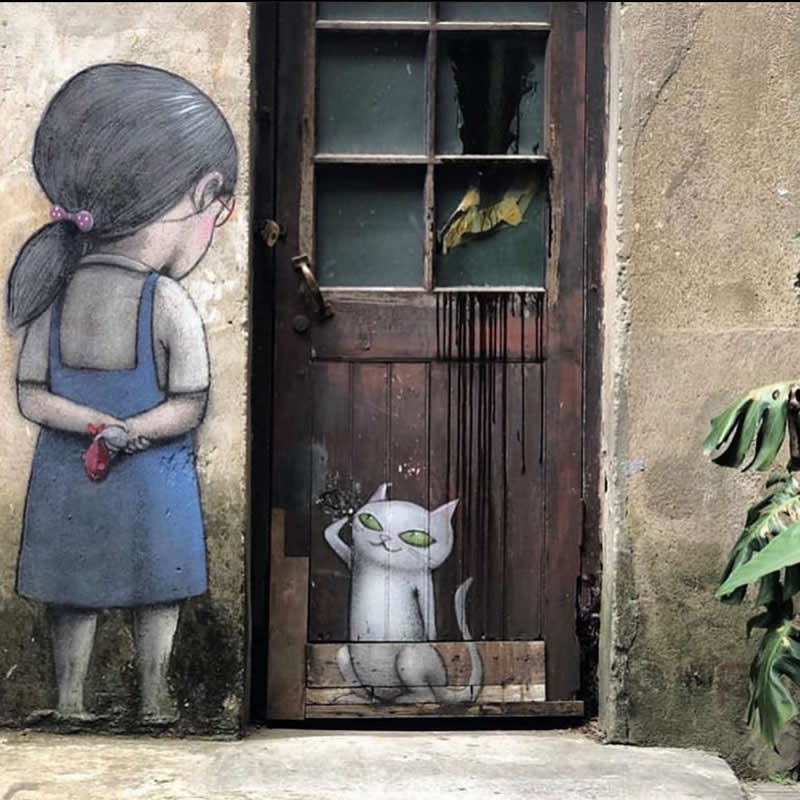
Image Source: Street Art News
#4. David stunning art work by Justin Bateman created with found stones
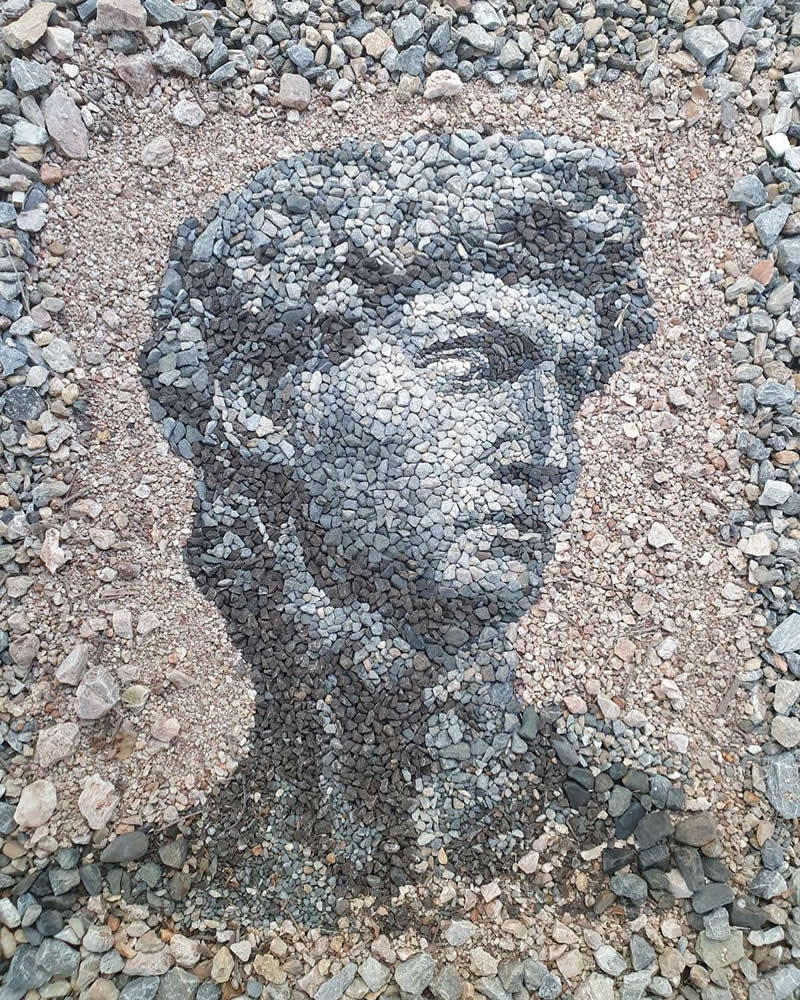
Image Source: Street Art News
#5. The work of Jon Foreman in the UK
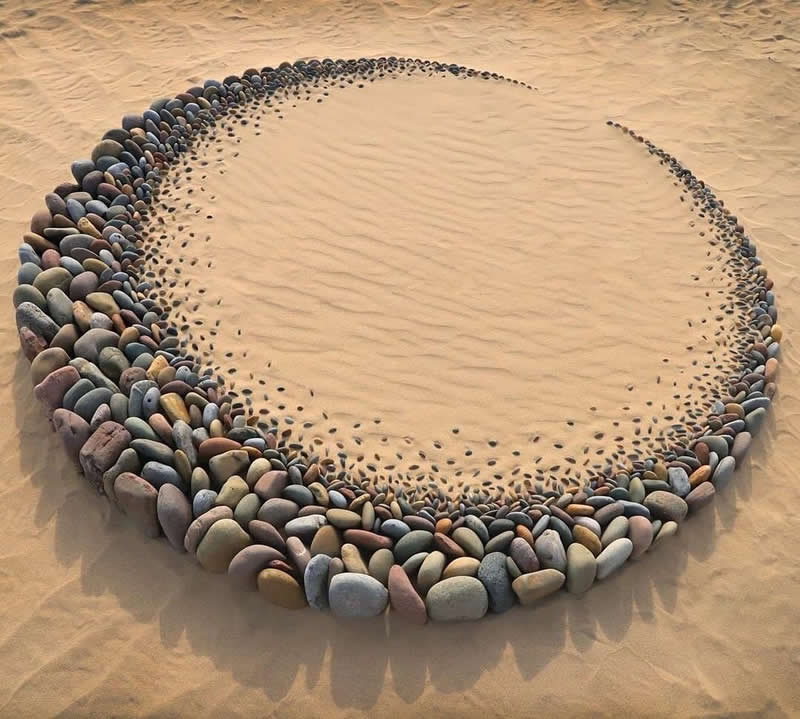
Image Source: Street Art News
#6. The work of Fabio Gomes in Trindade, Brazil
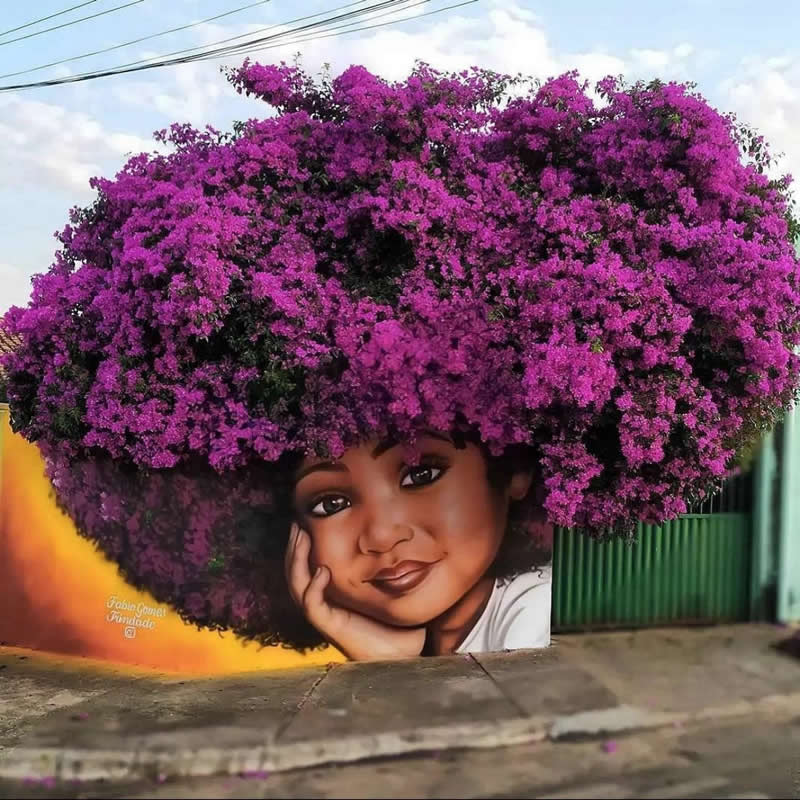
Image Source: Street Art News
Ordinary Walls, Extraordinary Ideas
A blank wall might look boring to most people, but to a street artist, it can be a giant invitation to get creative. Suddenly, that forgotten surface has a purpose.
- Blank spaces become canvases: Artists can completely change the personality of an otherwise dull building.
- Architecture adds character: Doors, windows, corners, and textures can become part of the artwork.
- Everyday surroundings matter: The location often makes the piece more interesting and believable.
- Unexpected discoveries feel special: You might stumble across incredible art without even looking for it.
- The transformation is the magic: One minute it’s a wall; the next, it’s something people photograph and remember.
That surprise is what makes street art so much fun. You aren’t walking into a museum expecting to see something beautiful. You’re simply walking down the street and boom, there it is.
#7. Wall Art by Inti Artist in Copenhagen, Denmark
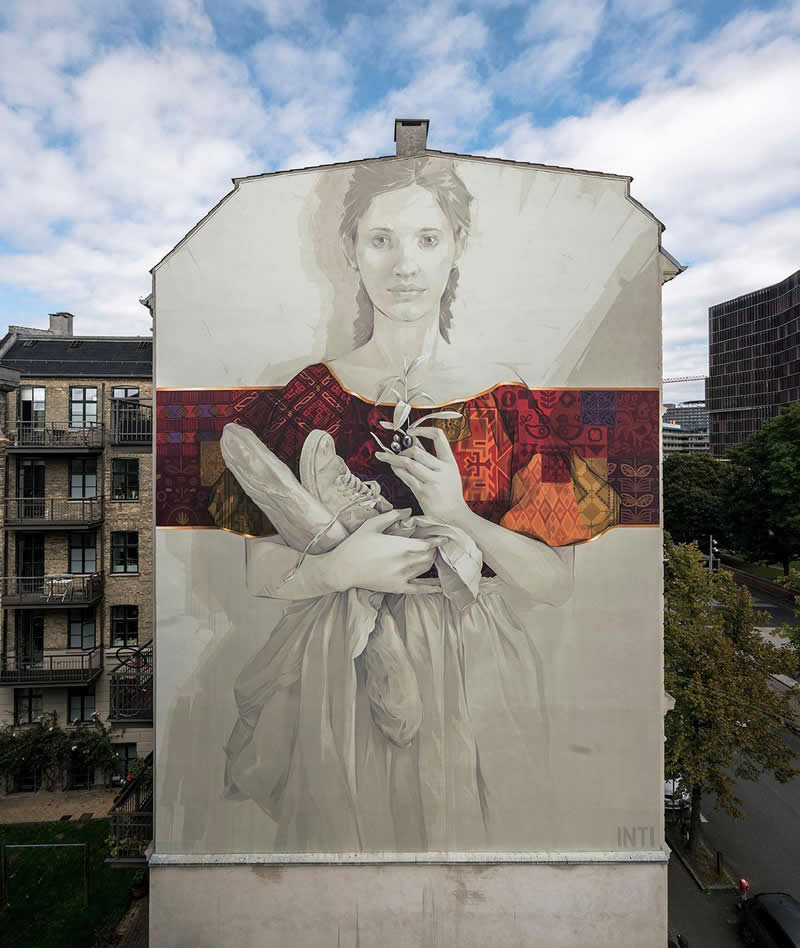
Image Source: Street Art News
#8. Wall Art by Marchal Mithouard in France
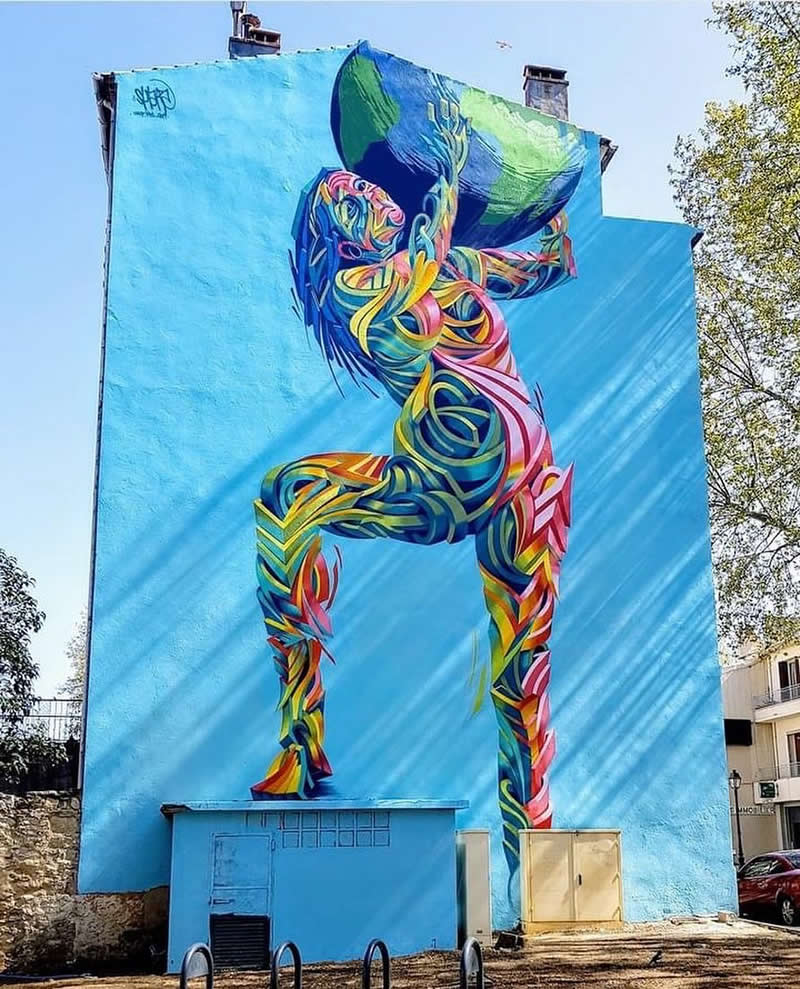
Image Source: Street Art News
#9. Wall Art by Seth in Amman, Jordan
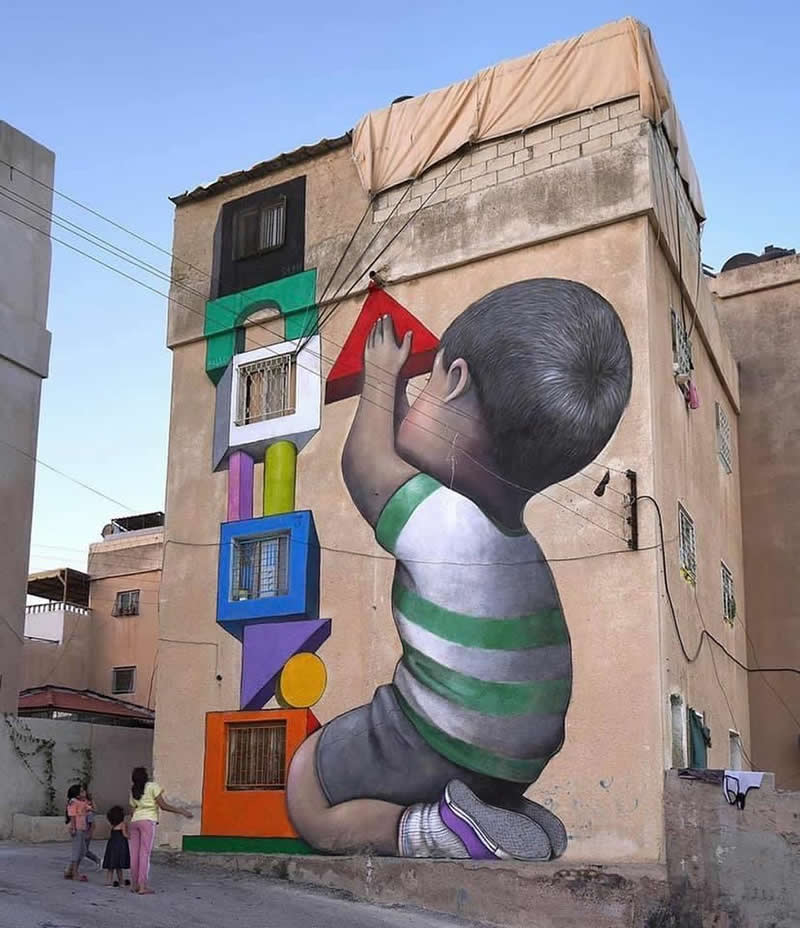
Image Source: Street Art News
#10. Art by Daniel Popper in Chicago, USA
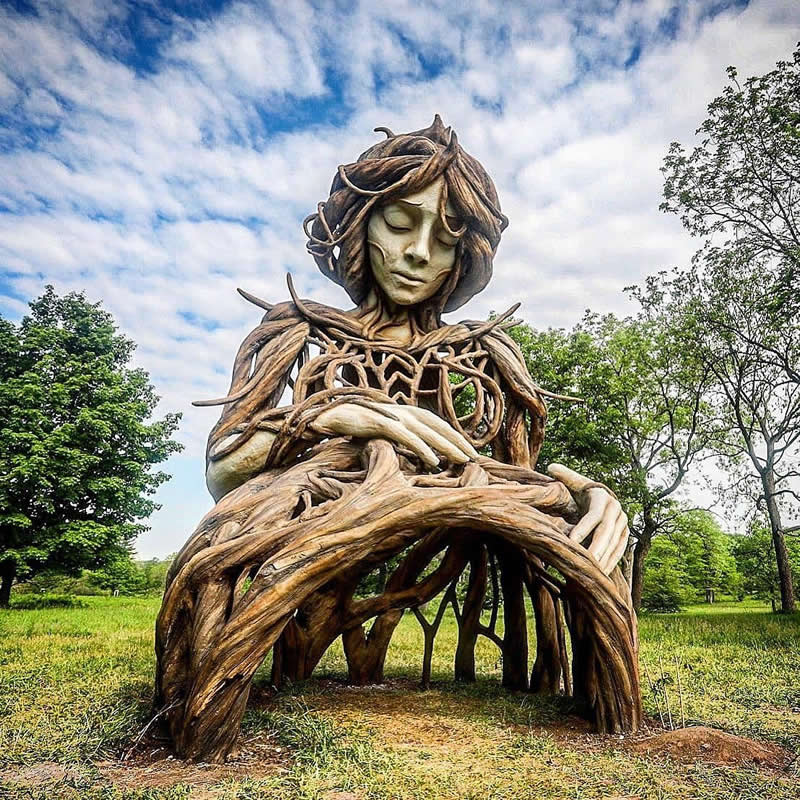
Image Source: Street Art News
#11. Art by Banksy in Reading, UK
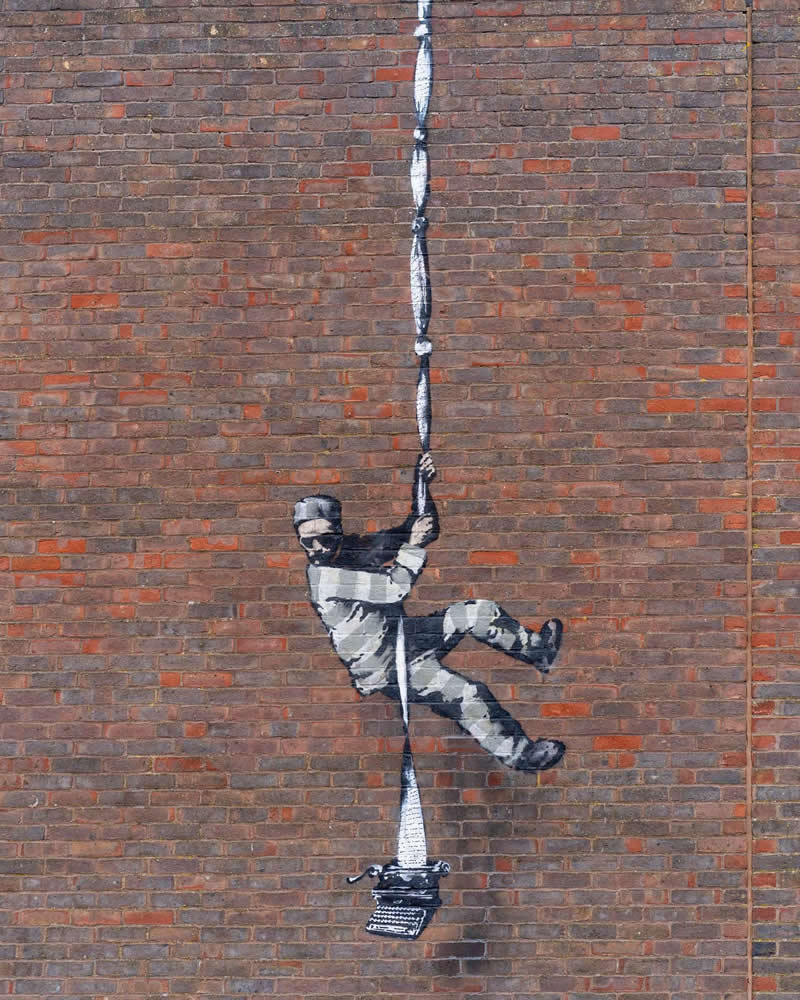
Image Source: Street Art News
#12. Bernie by Jonas Never in Los Angeles, USA
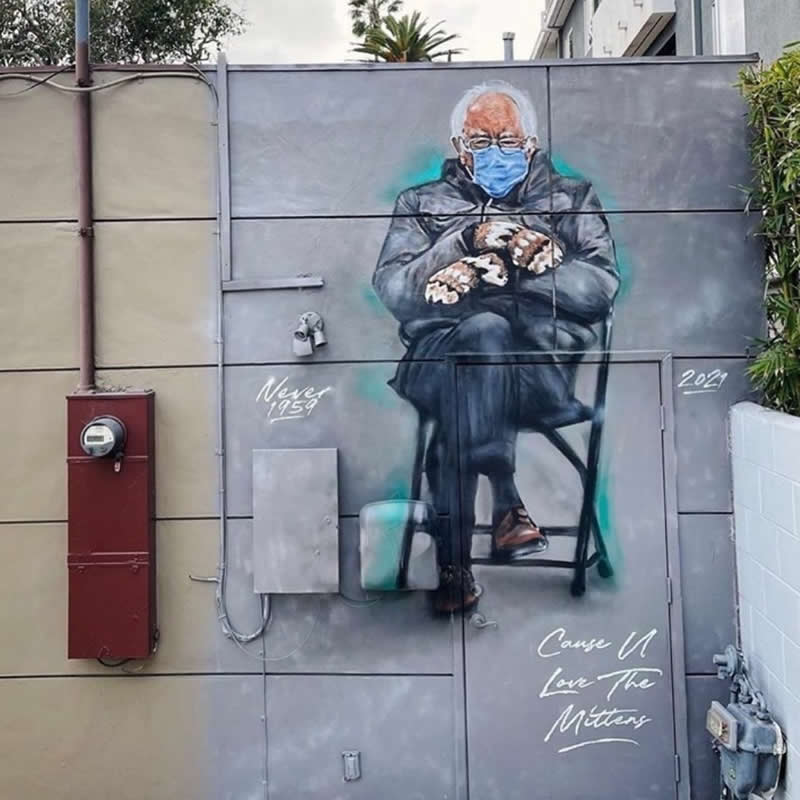
Image Source: Street Art News
Optical Illusions That Make You Look Twice
Some artists clearly enjoy messing with our perception. Their work can make a flat wall look three-dimensional, turn a sidewalk into a visual trap, or make a painted character appear to step right into the real world.
- Perspective creates believable illusions: Carefully planned angles make flat artwork appear three-dimensional.
- Shadows add depth: Smart shading can make painted objects look surprisingly real.
- The viewing angle matters: Some pieces only make sense from one particular spot.
- People become part of the artwork: A perfectly positioned person can complete the illusion.
- Photos make the experience even more fun: These pieces practically beg to be shared.
Ever seen a mural that made you stop, back up, and stare again? That’s exactly the reaction these artists are after. The best optical illusion street art makes your brain argue with your eyes, and honestly, that’s half the fun.
#13. Break Free by Disha Dua
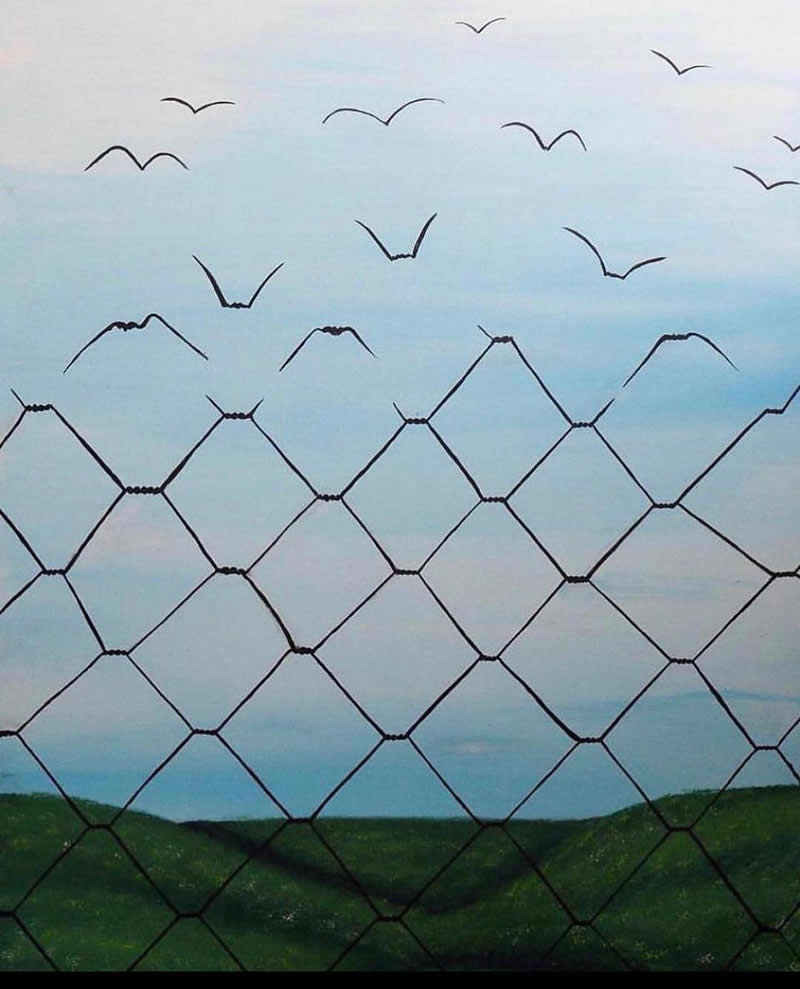
Image Source: Street Art News
#14. Art by Tamara Djurovic
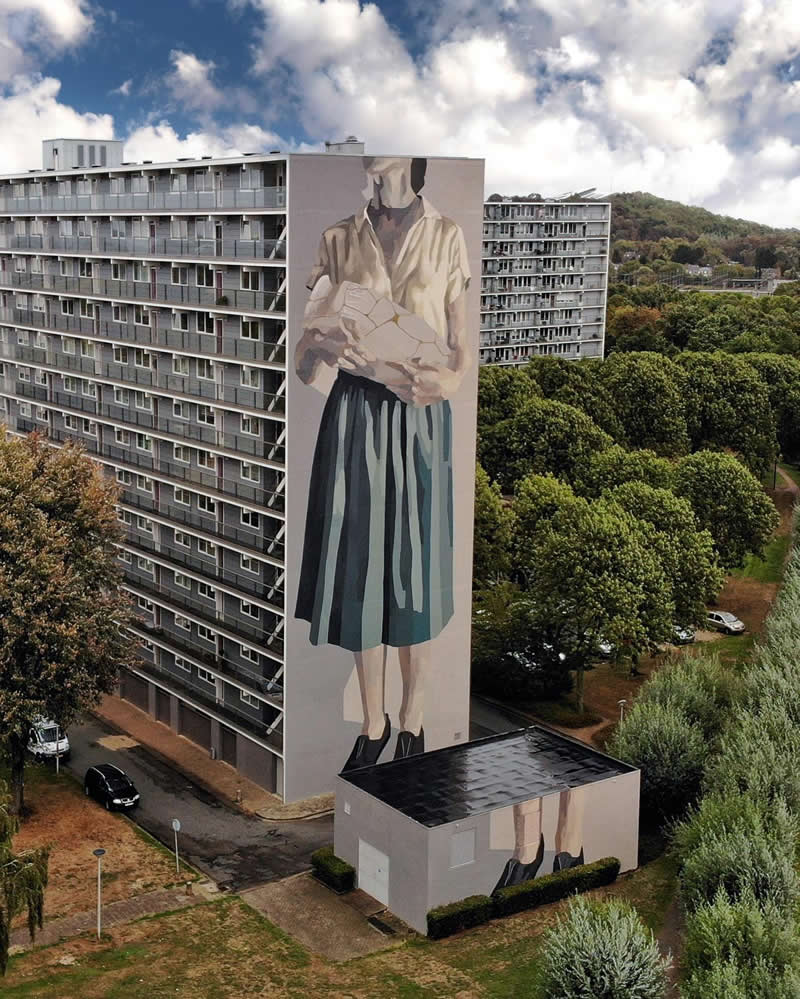
Image Source: Street Art News
#15. Beyond by Seth in Rennes, France
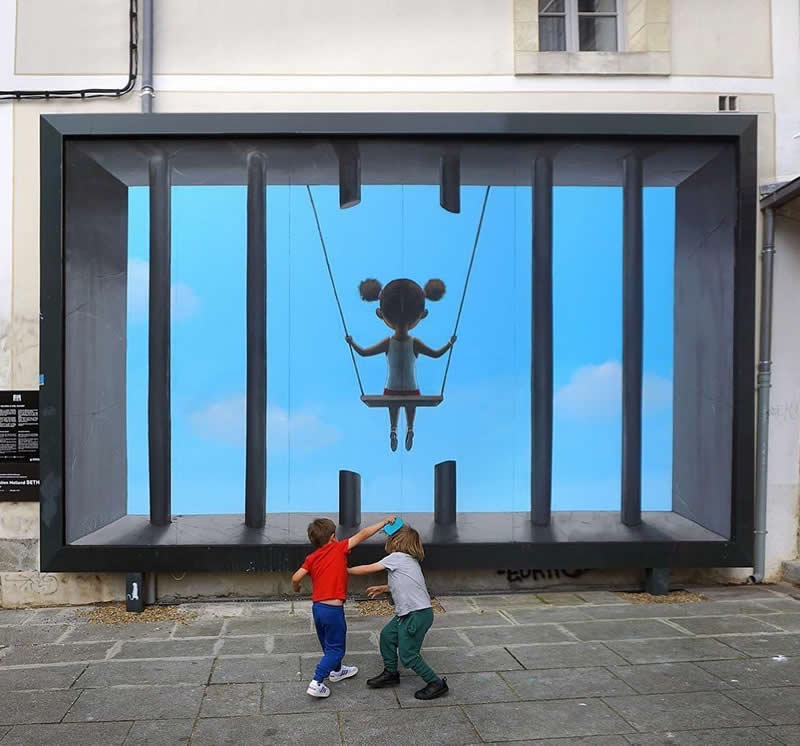
Image Source: Street Art News
#16. Wall Art by Janis Deman in Utrecht, Netherlands
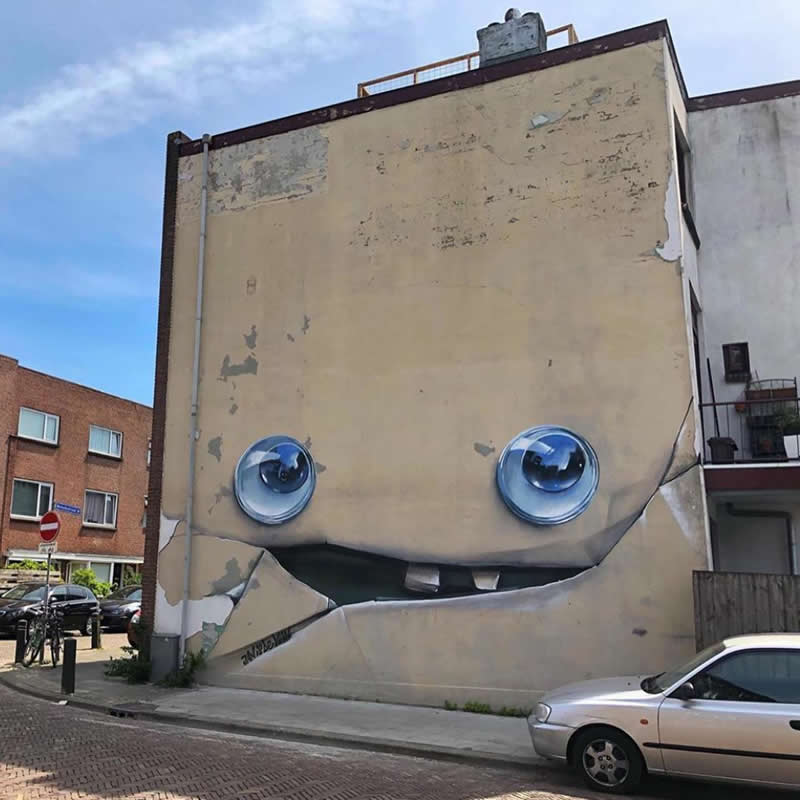
Image Source: Street Art News
#17. Street Art by David Zinn in the US
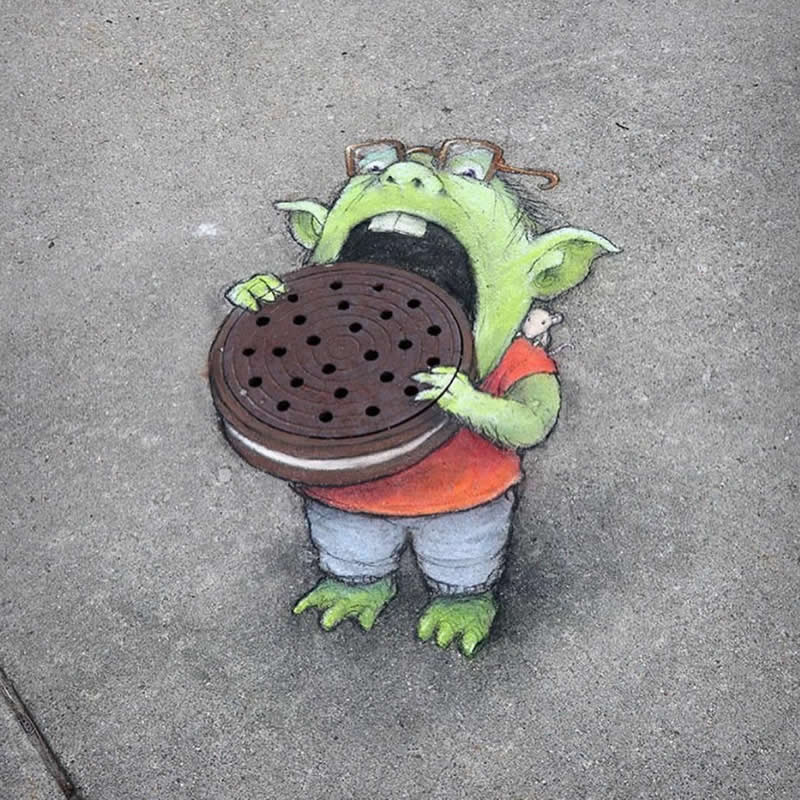
Image Source: Street Art News
#18. Art by Hijack in California
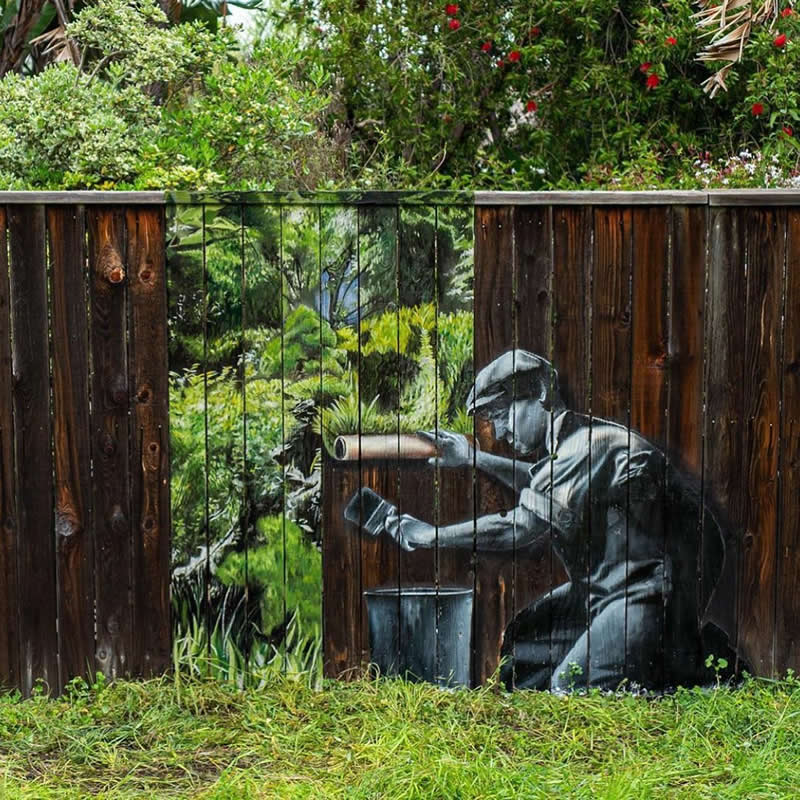
Image Source: Street Art News
Giant Murals That Change Entire Neighborhoods
There’s something powerful about a mural that takes up an entire side of a building. You don’t just see it; you feel its presence. Suddenly, an ordinary block has a landmark.
- Scale grabs attention: Huge artworks can dominate an entire streetscape.
- Buildings gain new personality: Plain structures can become recognizable destinations.
- Color changes the mood: Bright, dramatic designs can completely alter a neighborhood’s atmosphere.
- Murals tell stories: Many large pieces explore people, culture, history, or everyday life.
- They encourage exploration: A striking mural can make people stop, photograph, and explore the surrounding area.
Think about driving through a neighborhood and spotting an enormous artwork several stories high. Wouldn’t you slow down for a better look? That’s the beauty of large-scale street art: it turns something permanent and familiar into something people suddenly want to experience.
#19. Art by DFace in Madrid, Spain
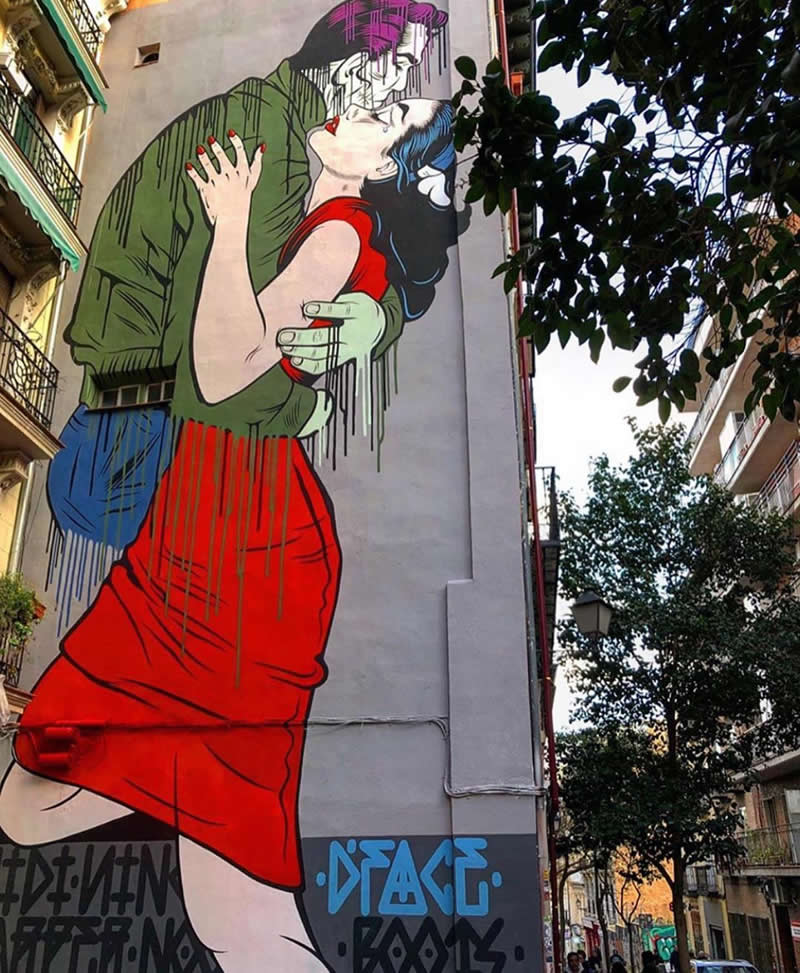
Image Source: Street Art News
#20. Creative Wall Art by Smugone in Glasgow, Scotland
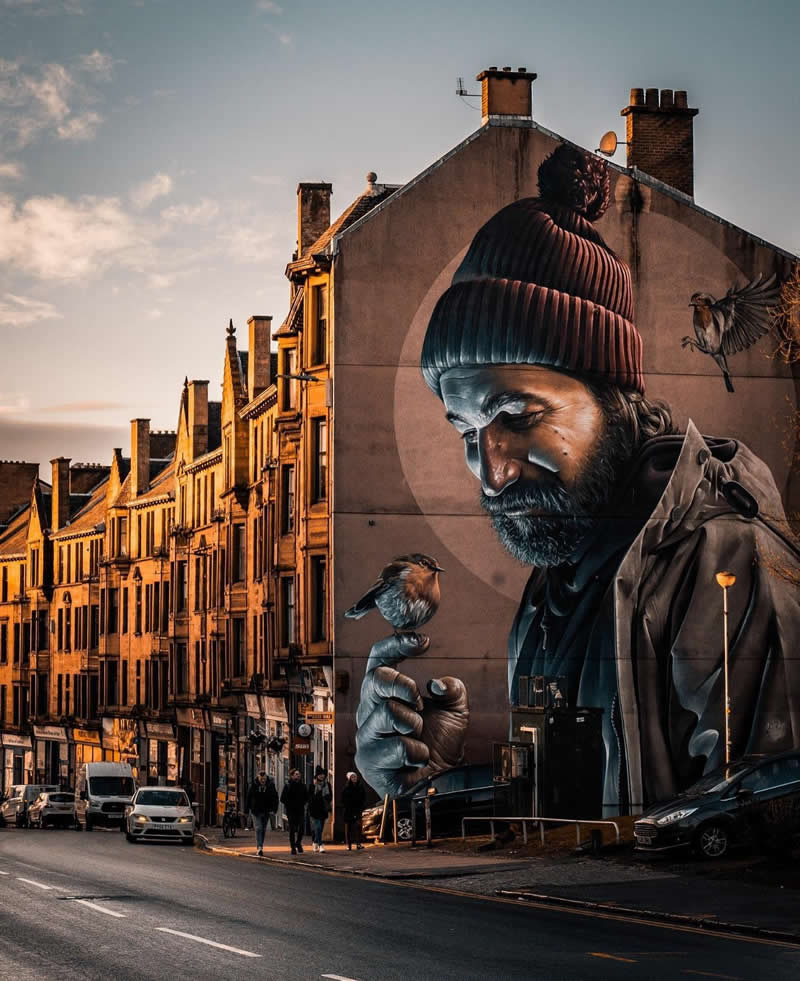
Image Source: Street Art News
#21. Art by Alex Chinneck in Milan, Italy
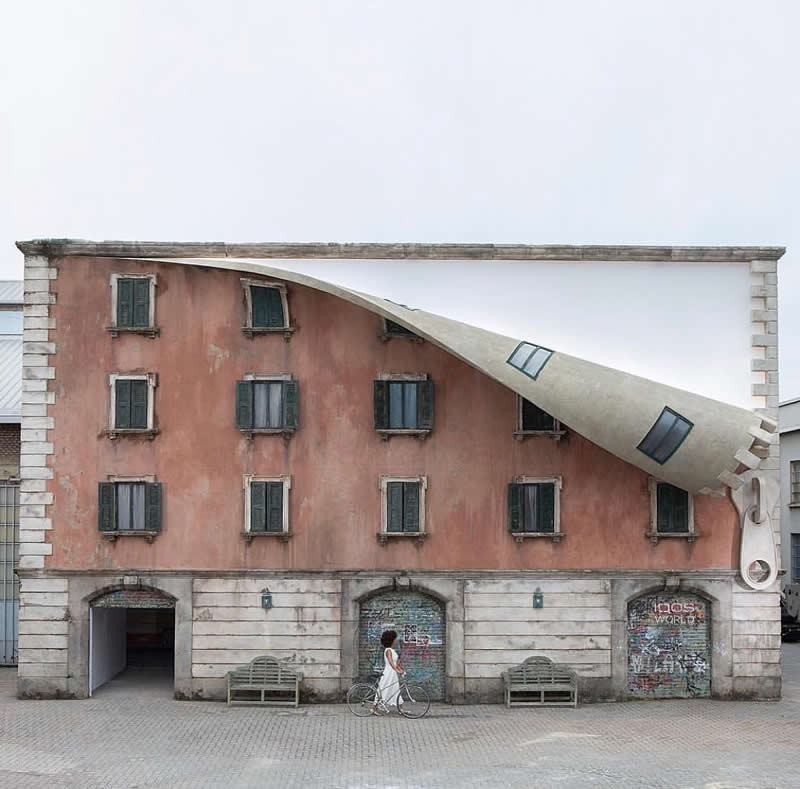
Image Source: Street Art News
#22. Art by Hijack in Los Angeles, California
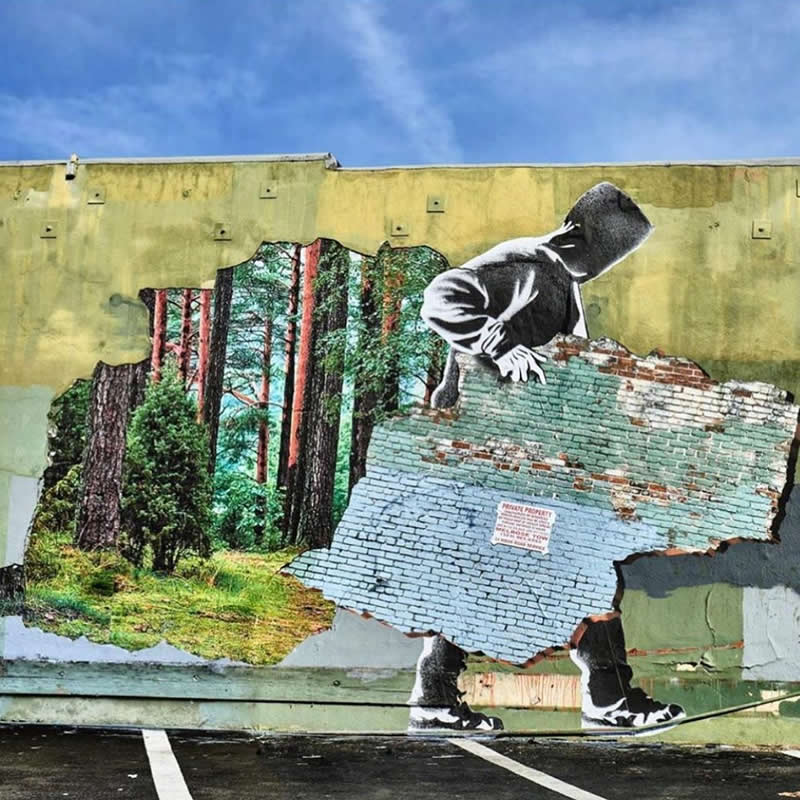
Image Source: Street Art News
#23. Art from ROA in Melbourne, Australia
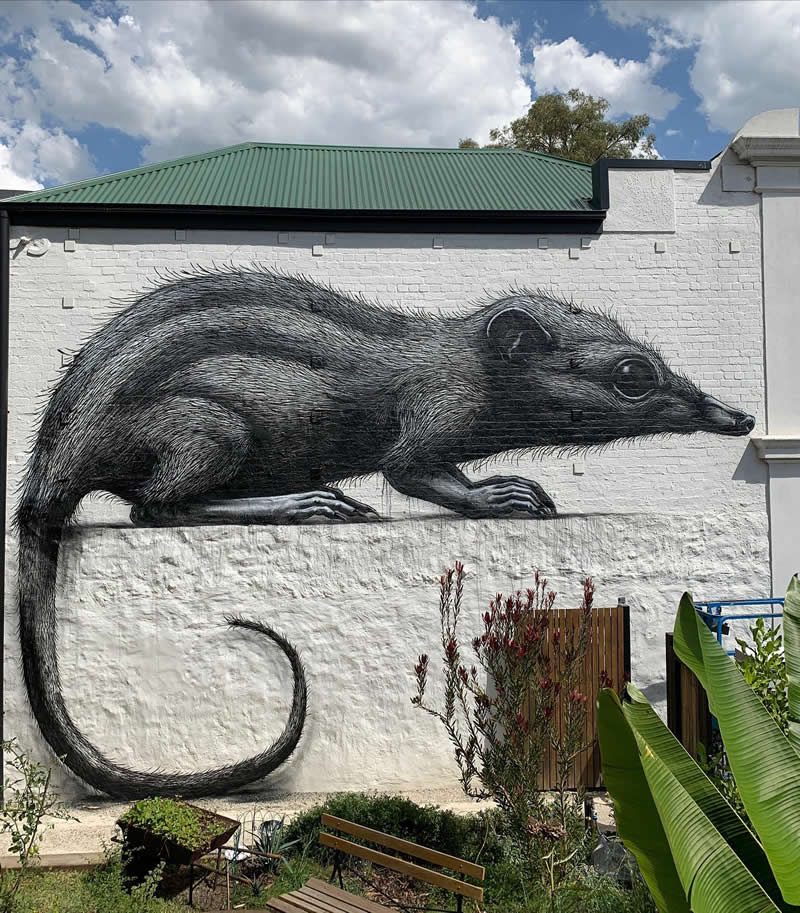
Image Source: Street Art News
#24. Art from SwiftMantis in Palmerston North, New Zealand
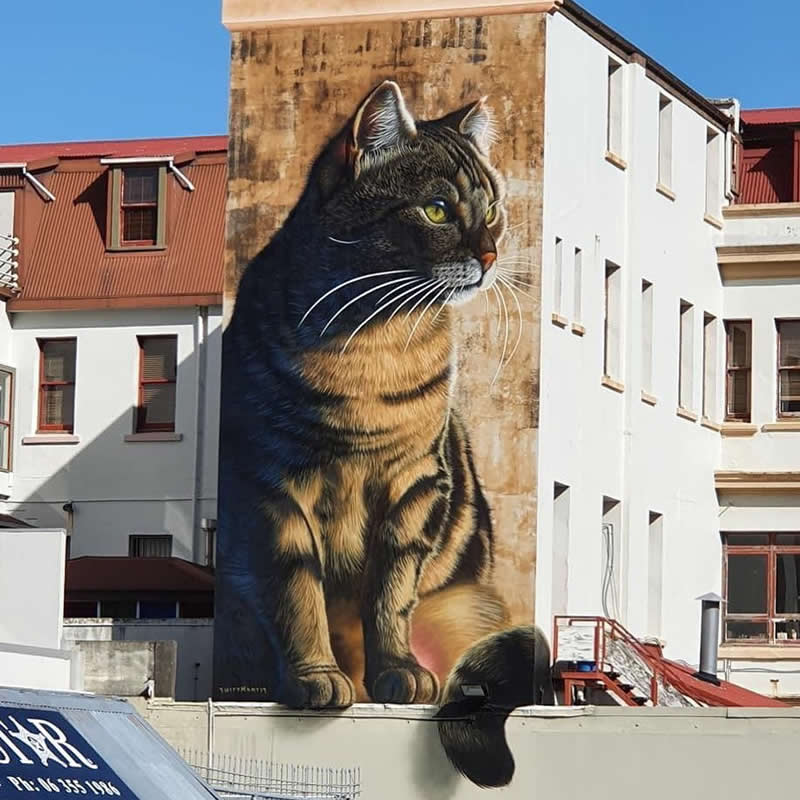
Image Source: Street Art News
When the Artwork Plays With Its Surroundings
The cleverest street artists don’t simply paint on a building. They work with the building. A pipe can become an arm. A window can become part of a character. A doorway can suddenly look like a mysterious portal.
- Architecture becomes part of the composition: The building isn’t just a background.
- Everyday objects can become artistic details: Pipes, windows, doors, and signs can play unexpected roles.
- The artwork feels site-specific: Moving the piece somewhere else might completely change its meaning.
- Reality and imagination blend together: Painted elements can appear to interact with physical objects.
- Viewers become part of the scene: Walking past can sometimes complete the visual joke.
This is where street art gets really clever. The artist isn’t working against the city; they’re having a conversation with it. And once you notice that trick, you start looking at ordinary buildings differently.
#25. Art from Seth in Brazil
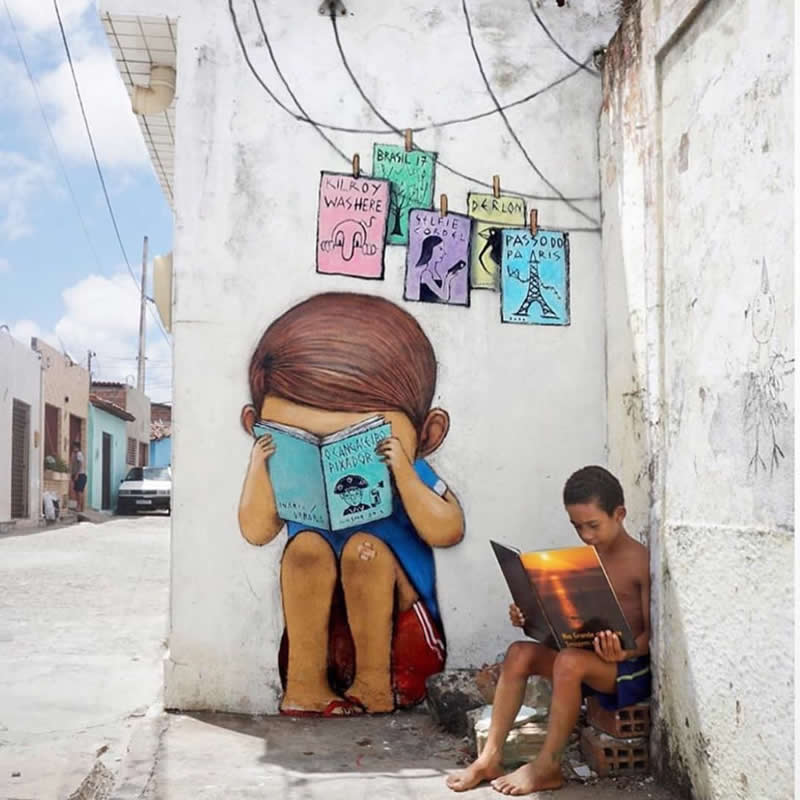
Image Source: Street Art News
#26. Popeye by Semiok in Turkey
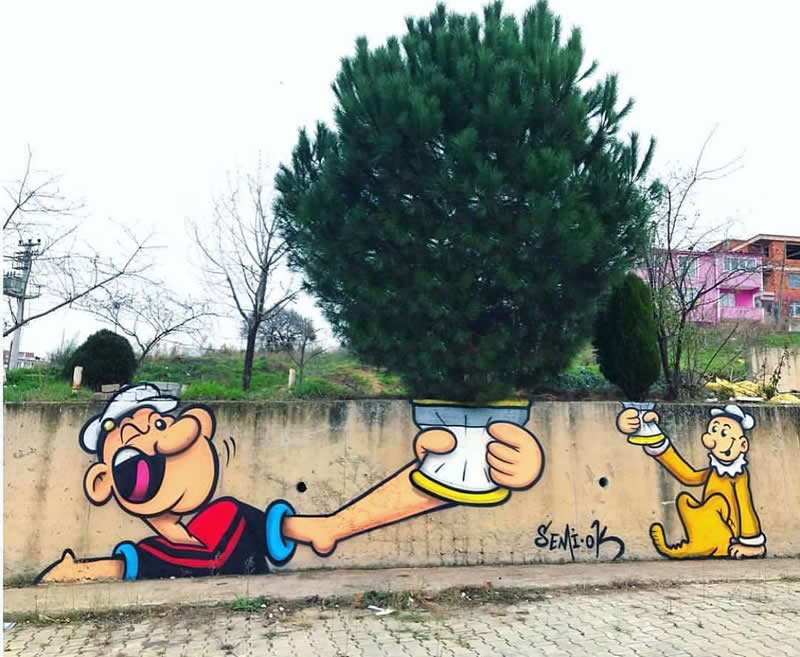
Image Source: Street Art News
#27. Art from @sophie.photographe in Grenoble, France
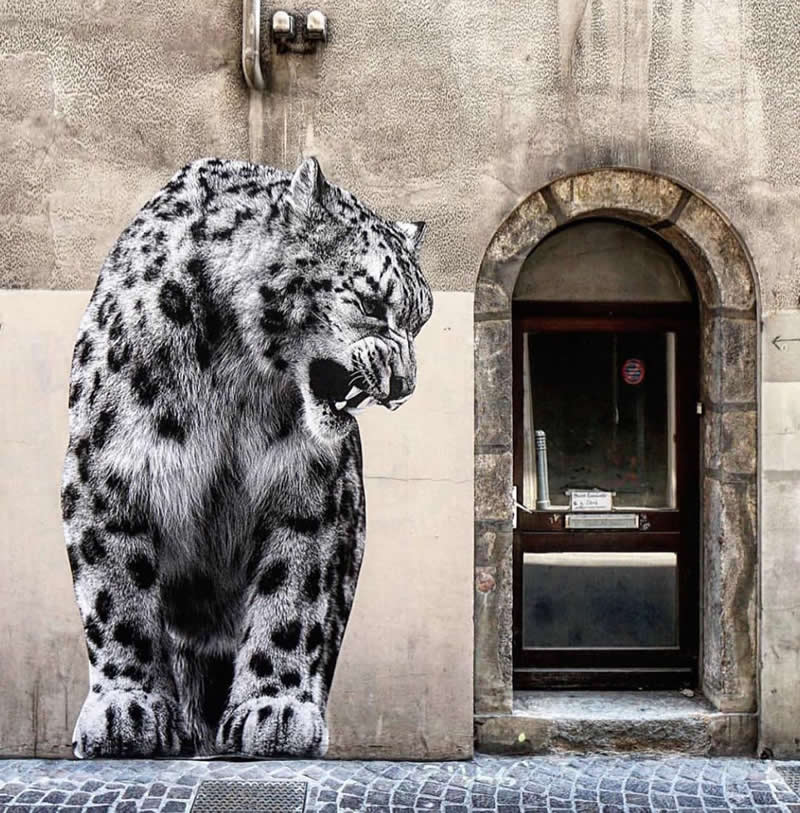
Image Source: Street Art News
#28. The work of @tombobnyc from New York City
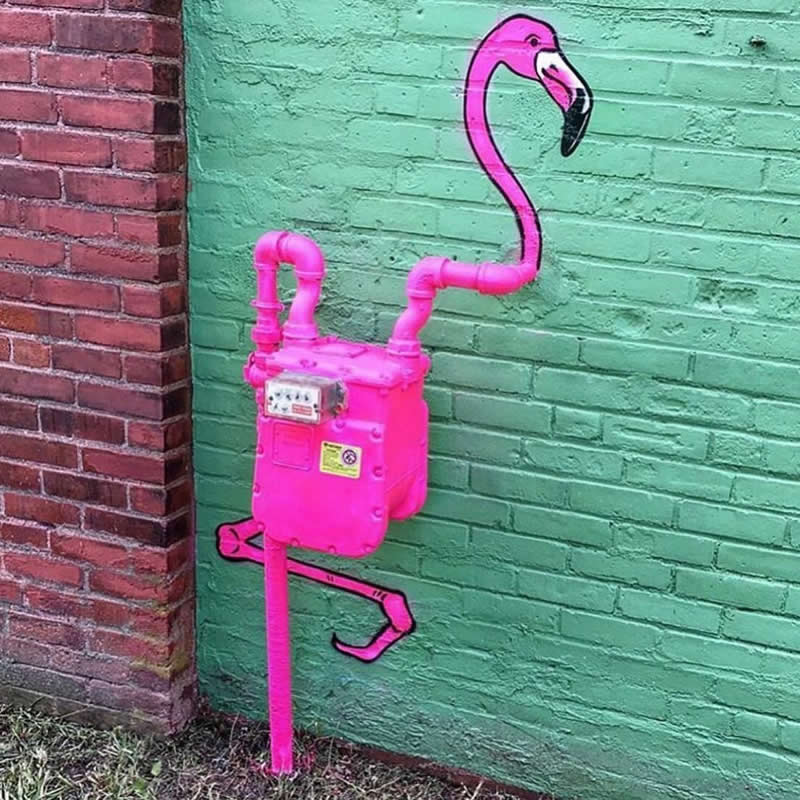
Image Source: Street Art News
#29. DAE Crew in Brooklyn, NYC
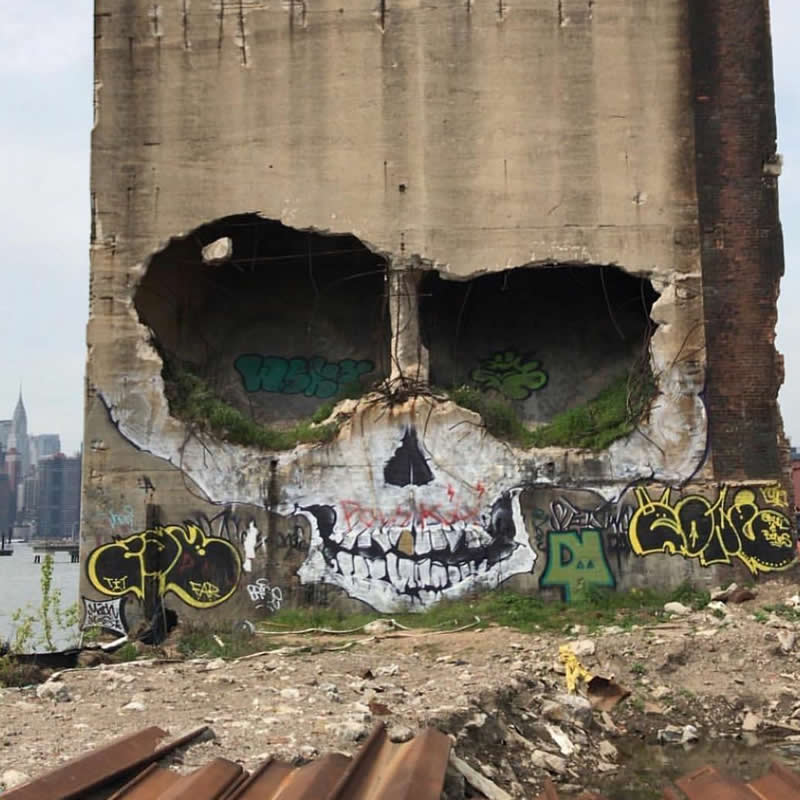
Image Source: Street Art News
#30. The Voyager stunning work by Bruno Catalano in Venice, Italy
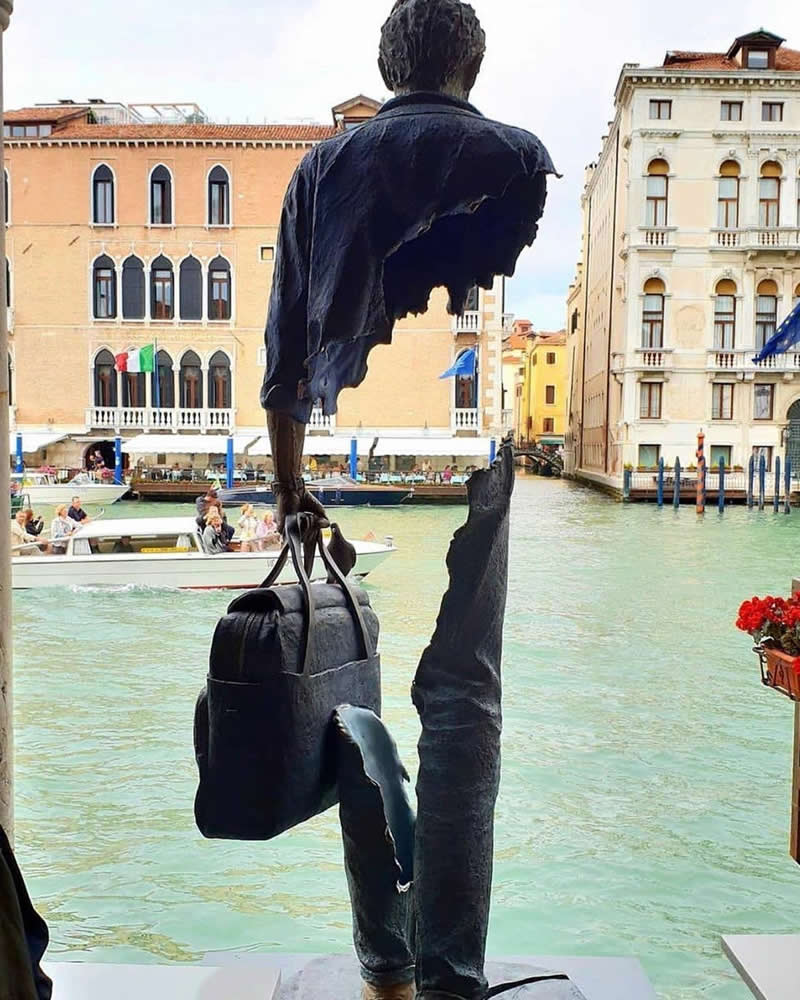
Image Source: Street Art News
Art That Makes You Stop in Your Tracks
Maybe the greatest achievement of street art is ridiculously simple: it makes busy people slow down. In a world where everyone seems to be rushing somewhere, that’s no small thing.
- It interrupts routine: A great mural can turn a boring commute into a memorable moment.
- It creates curiosity: People naturally want to understand unusual or surprising artwork.
- It sparks conversations: A strange mural can become an instant topic among friends.
- It makes public spaces feel alive: Art adds personality to streets and neighborhoods.
- It reminds us to look around: Sometimes the coolest things are hiding in plain sight.
And that’s really the charm behind these 36 stunning examples. They don’t need a fancy frame, museum lighting, or an admission ticket. They simply need a wall, a little imagination, and someone willing to see possibilities where everyone else sees concrete.
The city is the canvas. You just have to look up.
#31. Wall Art by Alex Senna in Odintsovo, Russia
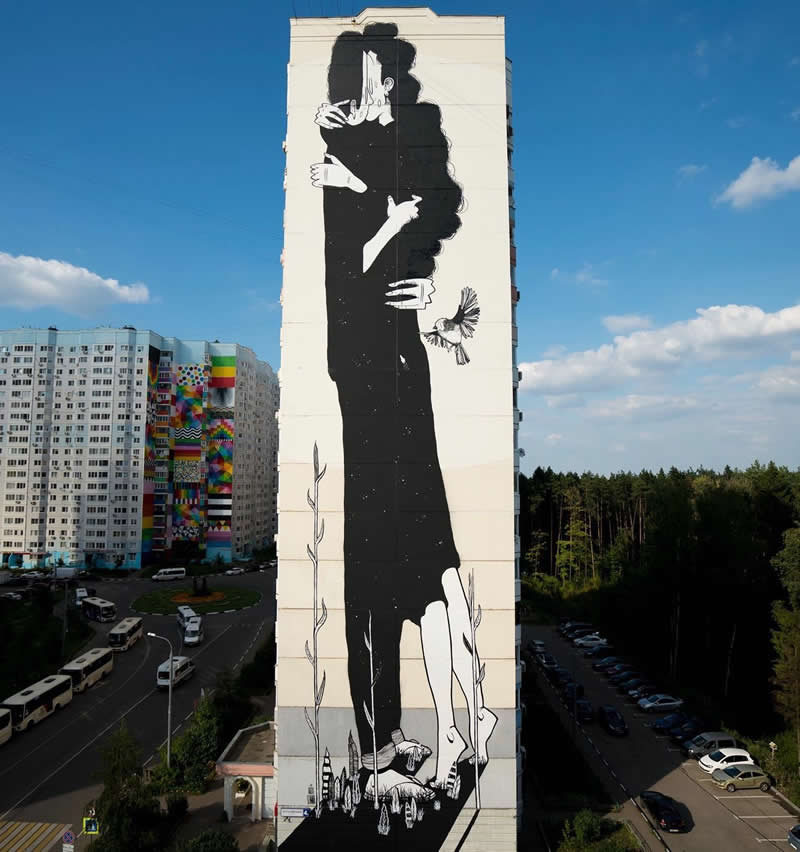
Image Source: Street Art News
#32. Colorful Wall Art from Seth Globepainter in Vienna, Austria
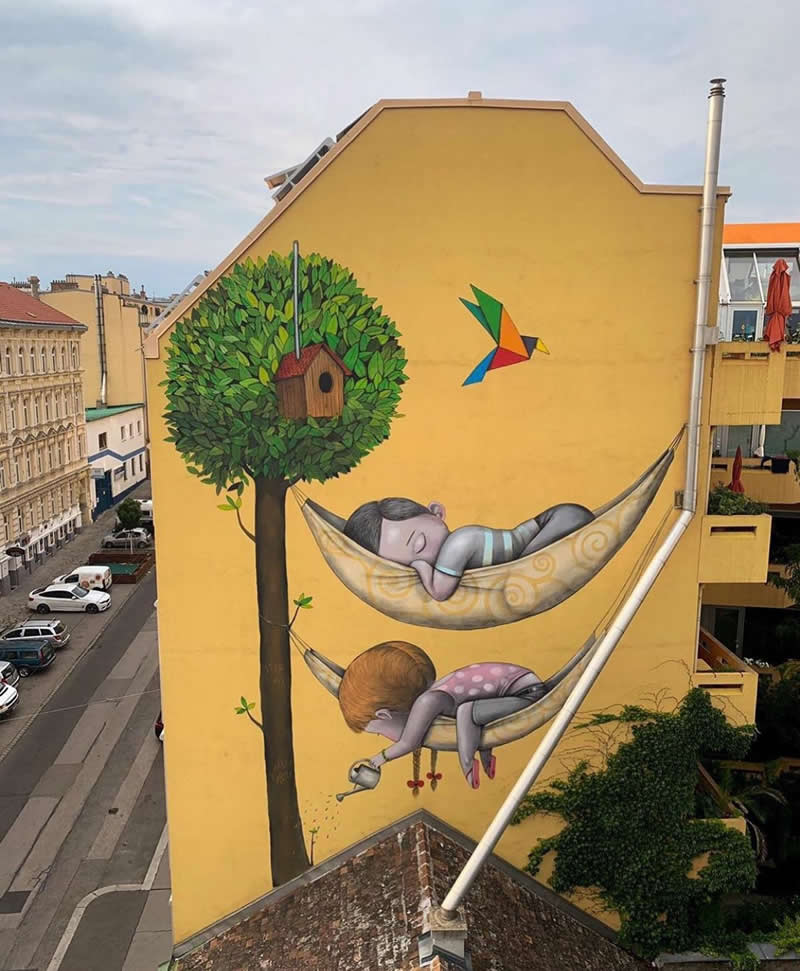
Image Source: Street Art News
#33. Art by Okuda San Miguel in Odintsovo, Russia
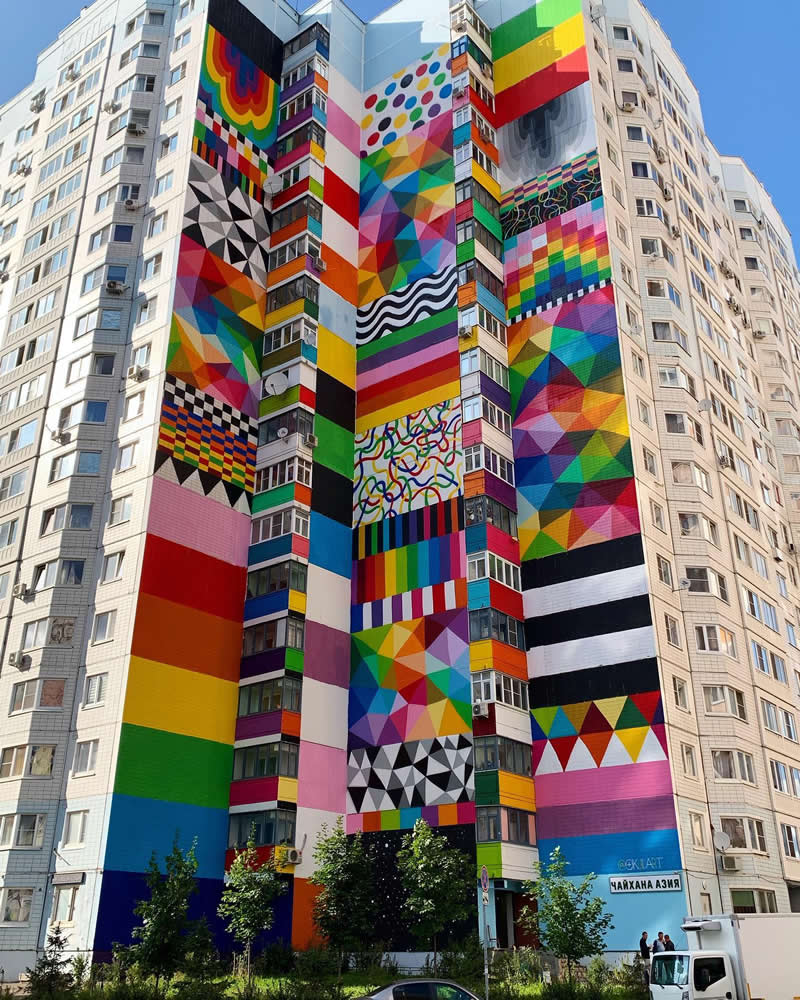
Image Source: Street Art News
#34. Brilliant Art by @achesdub in Dundalk, Ireland
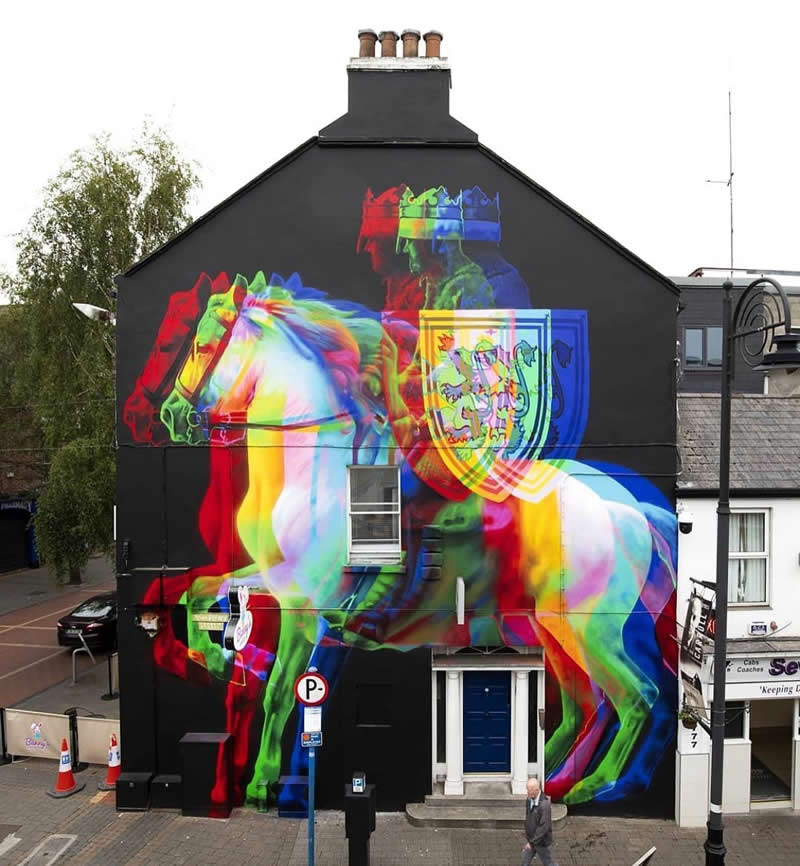
Image Source: Street Art News
#35. Wall Art from Sfhir in Malaga, Spain
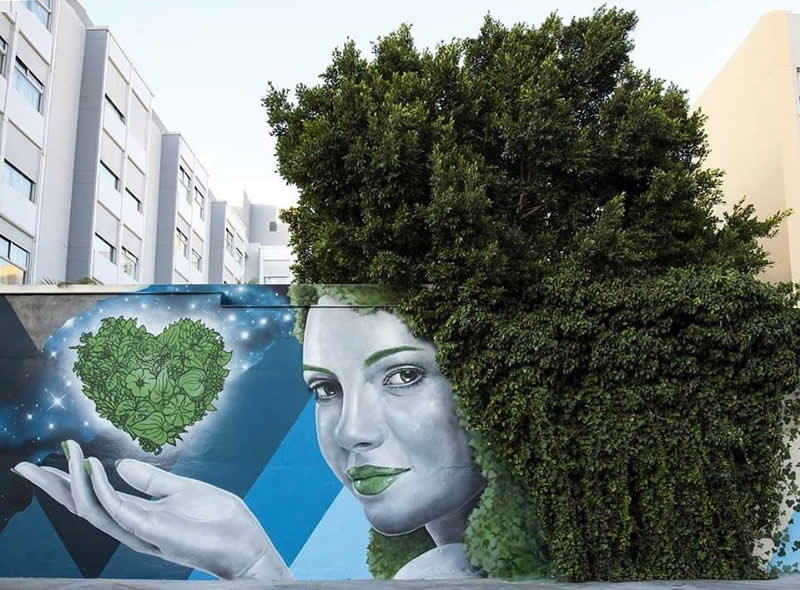
Image Source: Street Art News
#36. Colorful Art by Fintan Magee in Spain
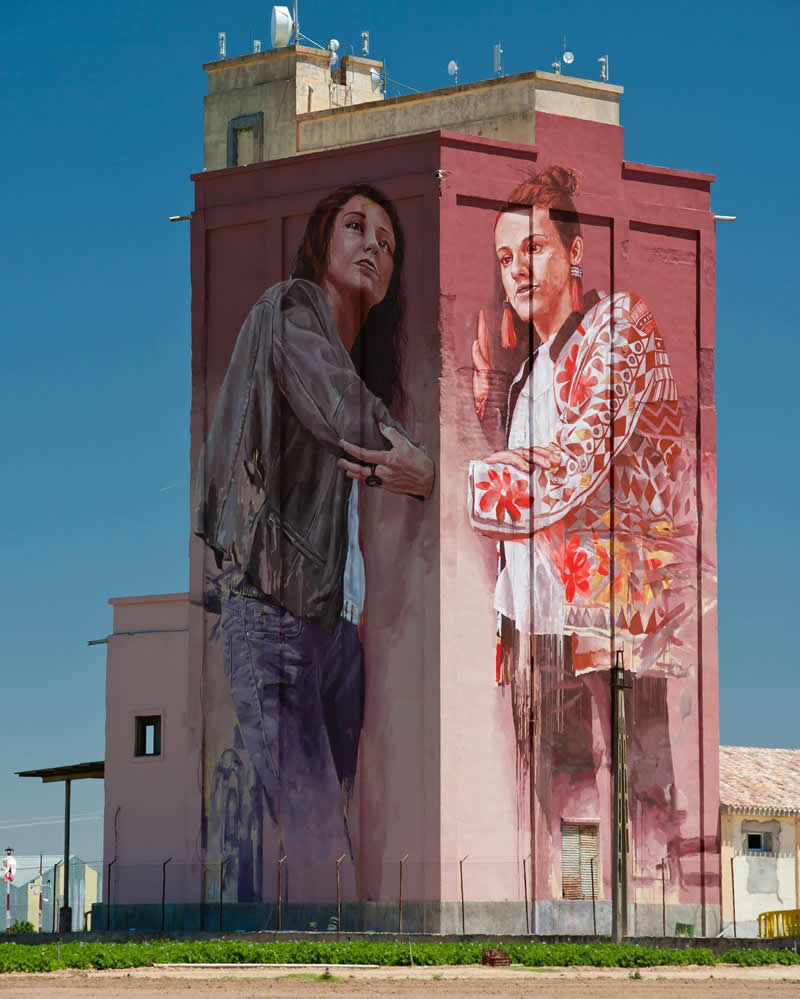
Image Source: Street Art News
Frequently Asked Questions:
What is street art?
Street art is creative artwork displayed in public spaces, including walls, buildings, streets, sidewalks, and other urban surfaces. It can include murals, graffiti, stencils, installations, optical illusions, and mixed-media works that interact with their surroundings.
How does street art transform cities?
Street art transforms cities by adding color, creativity, personality, and visual storytelling to ordinary public spaces. A neglected wall can become a neighborhood landmark, while a clever mural can make people stop, explore, photograph, and appreciate their surroundings.
What makes street art visually impressive?
Impressive street art often combines creativity, technical skill, scale, storytelling, and clever use of location. Artists may incorporate architecture, perspective, shadows, colors, or optical illusions to make their work feel connected to the surrounding environment.
Why do street artists use buildings as canvases?
Buildings offer large, highly visible surfaces that allow artists to create ambitious artwork. Windows, doors, corners, textures, and architectural features can also become creative elements, helping artists blend their designs naturally with the surrounding urban environment.
What are optical illusion street art pieces?
Optical illusion street art uses perspective, shading, proportions, and visual distortion to make flat surfaces appear three-dimensional or physically altered. When viewed from the right angle, these artworks can look like holes, doors, objects, or scenes extending into reality.