
Black-and-white photography has a way of cutting straight to the chase. Remove color, and suddenly you’re left with what really matters: light, shadow, shape, timing, texture, and the way everything sits inside those four little edges. That’s why studying classic monochrome photographs can seriously sharpen your eye.
Think about the last time you took a photo that looked amazing in person but somehow fell flat on your screen. Frustrating, right? The scene wasn’t necessarily the problem. Your composition probably was.
The great master photographers knew how to make a framework. Henri Cartier-Bresson could turn a split-second gesture into a perfectly balanced image. Fan Ho transformed ordinary streets into cinematic stages. Ansel Adams used light and tonal range almost like an architect uses structure. Vivian Maier found fascinating compositions hiding in reflections and everyday sidewalks.
And here’s the cool part: you don’t need their cameras to learn from them.
Study where they placed people. Notice how roads, shadows, windows, walls, and doorways guide your eyes. Look at their use of negative space. Ask yourself why your eye lands somewhere first.
So grab a coffee, slow down, and let’s break down 22 masters who can teach you to see the frame differently.
1. Henri Cartier-Bresson: The Decisive Moment
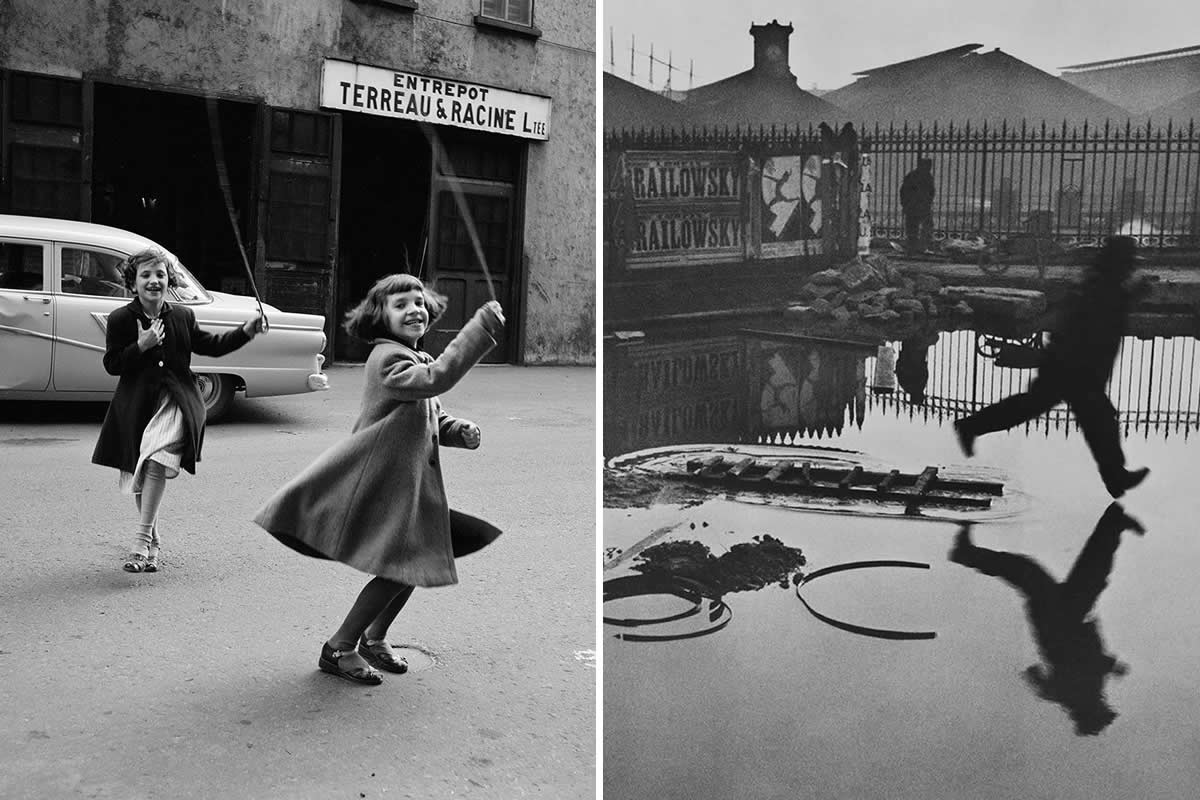
Henri Cartier-Bresson made timing and composition feel inseparable. His street photographs often combine geometry, movement, architecture, and human gestures in one beautifully balanced frame. He anticipated moments rather than simply reacting to them, proving that great street composition often begins before the shutter is pressed.
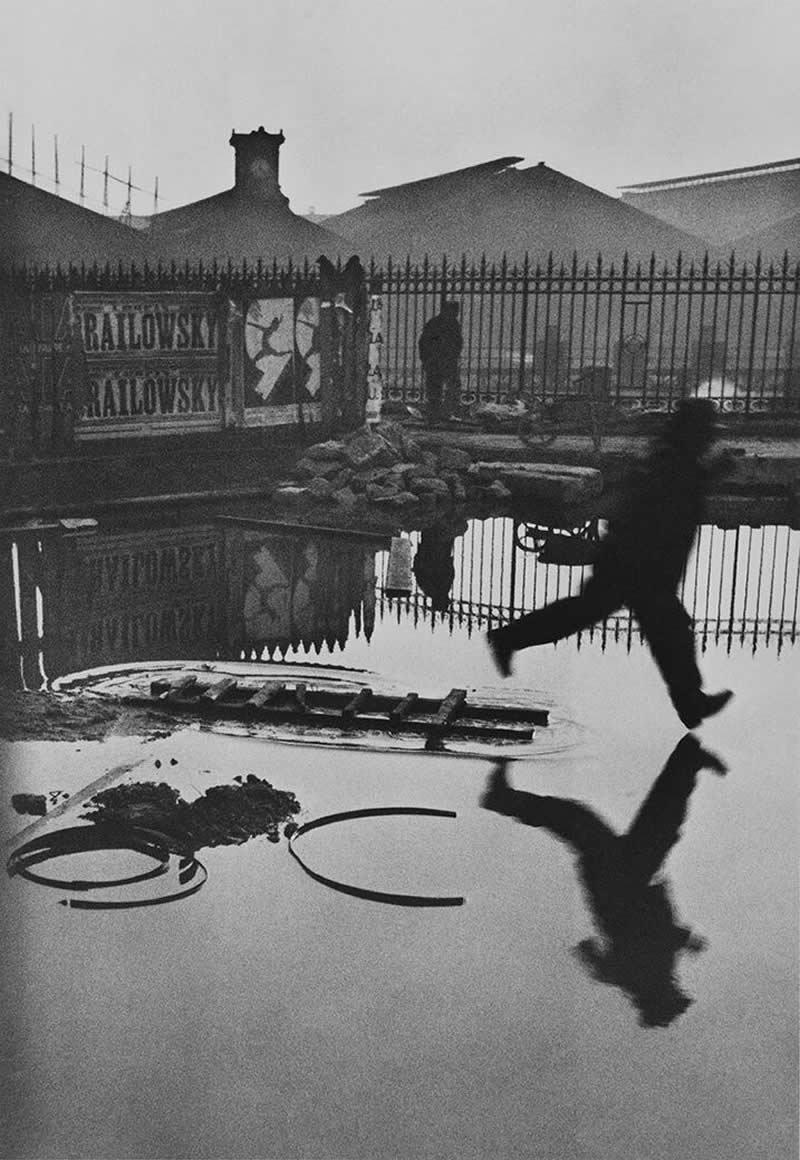
What we can learn:
- Watch before photographing.
- Anticipate movement.
- Look for geometric balance.
- Use architecture as structure.
- Wait for the decisive moment.
2. Ansel Adams: Build With Light
Ansel Adams showed how powerful composition becomes when light and structure work together. His landscapes carefully balance foreground, middle ground, and distant scenery, while dramatic tonal separation creates depth. His photographs remind us that monochrome isn’t about removing color; it’s about making light, shadow, and texture carry the entire visual story.
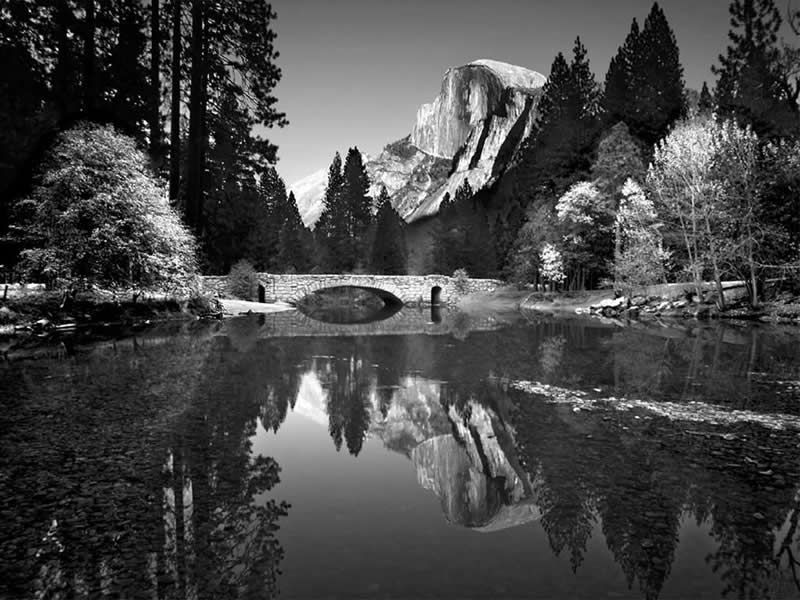
What we can learn:
- Build foreground, middle ground, and background.
- Use tonal contrast.
- Watch highlights carefully.
- Let shadows create depth.
- Compose around available light.
3. Robert Frank: Embrace Imperfection
Robert Frank didn’t always chase polished, perfectly balanced compositions. His photographs often feel raw, fragmented, and slightly uncomfortable. That tension became part of their power. Frank demonstrated that unconventional framing, awkward spacing, tilted horizons, and empty areas can strengthen a photograph when they reflect the mood or story.
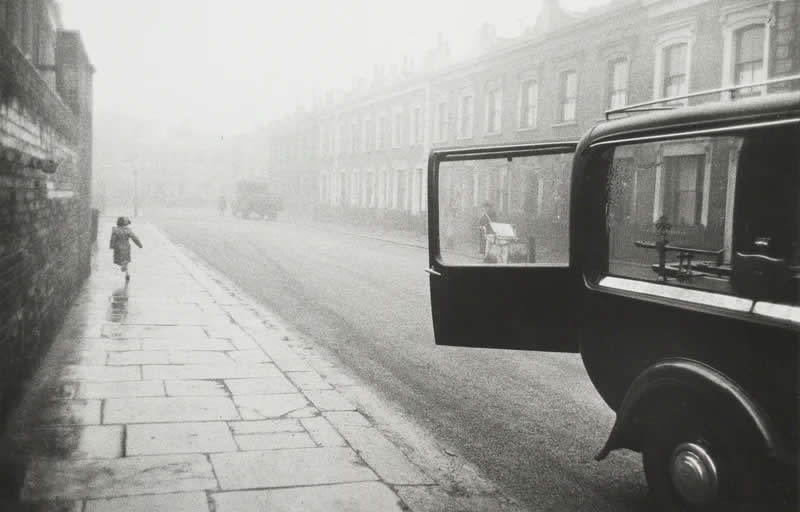
What we can learn:
- Don’t fear unconventional framing.
- Use imperfection intentionally.
- Explore negative space.
- Let tension enter the frame.
- Prioritize emotion over perfection.
4. Dorothea Lange: Make People Matter
Dorothea Lange understood how composition could amplify human emotion. Her documentary photographs often use faces, hands, gestures, and surrounding environments to build powerful visual narratives. Nothing feels decorative. Every element helps explain the person or situation. Her work proves that strong composition isn’t just about beauty; it’s about meaning.
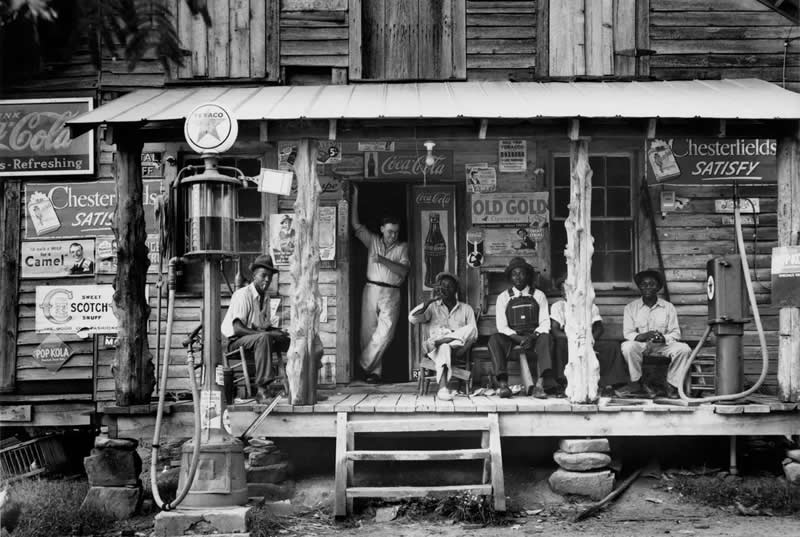
What we can learn:
- Make emotion your anchor.
- Include meaningful surroundings.
- Watch body language.
- Remove distracting details.
- Compose for storytelling.
5. Fan Ho: Find Cinema in the Street
Fan Ho could turn an ordinary Hong Kong alley into something that looked straight out of a movie. He used dramatic shadows, silhouettes, stairways, mist, and geometric structures to create depth. His frame-within-a-frame compositions are especially useful for photographers searching for stronger ways to isolate subjects.
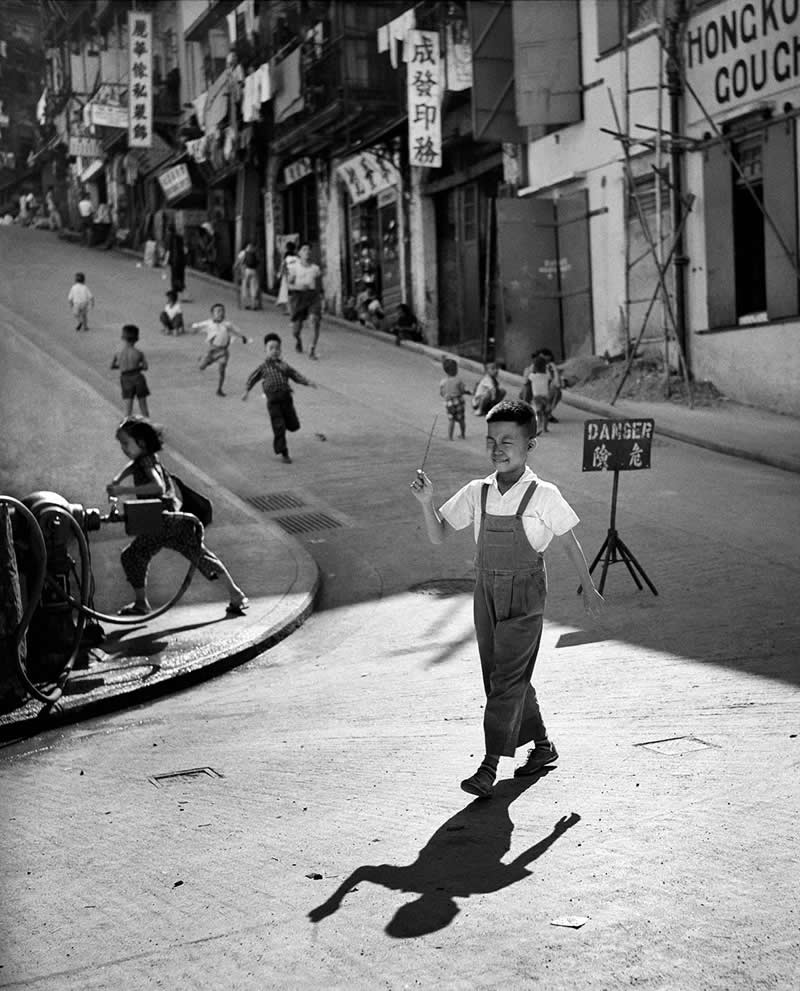
What we can learn:
- Look for natural frames.
- Use shadows creatively.
- Search for strong diagonals.
- Create multiple visual layers.
- Turn ordinary locations into visual stories.
6. Vivian Maier: See the Ordinary Differently
Vivian Maier found extraordinary compositions in everyday life. Sidewalks, shop windows, reflections, children, strangers, and passing moments became her visual playground. Her photographs often contain several layers simultaneously, encouraging viewers to explore the entire frame. She reminds us that you don’t need spectacular scenery when your observation skills are sharp.
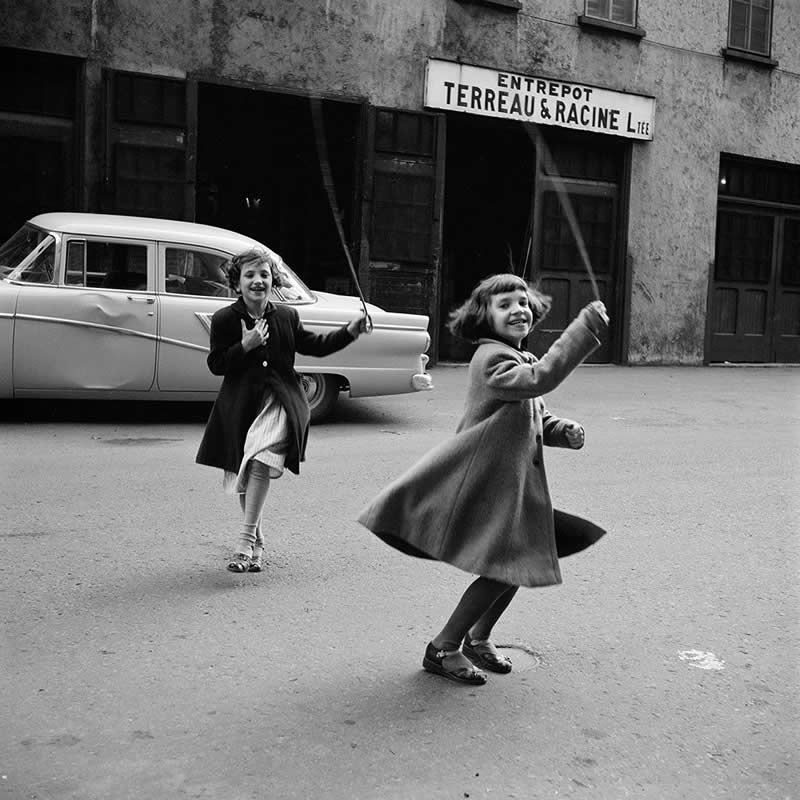
What we can learn:
- Experiment with reflections.
- Explore layered compositions.
- Photograph everyday moments.
- Use windows creatively.
- Slow down and observe.
7. W. Eugene Smith: Layer the Story
W. Eugene Smith built photographs that reward careful looking. His documentary images often contain foreground details, expressive subjects, background activity, and carefully controlled light. Instead of giving viewers everything instantly, he created frames that unfold gradually. That’s sophisticated composition: the photograph keeps revealing information the longer you study it.
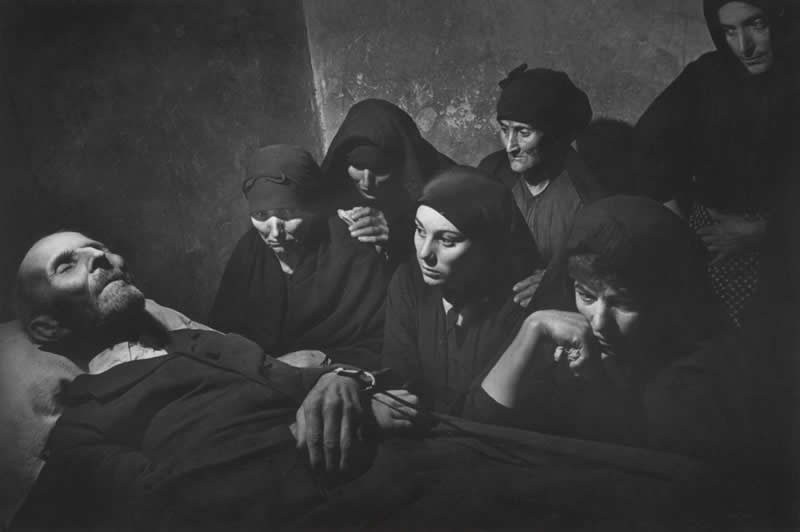
What we can learn:
- Build foreground and background layers.
- Include contextual details.
- Give viewers places to explore.
- Connect separate elements.
- Compose for narrative depth.
8. Sebastião Salgado: Think in Shapes
Sebastião Salgado’s monumental black-and-white photographs often transform people, landscapes, and crowds into powerful visual shapes. His dramatic tonal range and repeated patterns create rhythm, while individual figures interrupt those patterns and attract attention. He shows how a complicated scene can become visually simple when you start seeing shapes instead of objects.
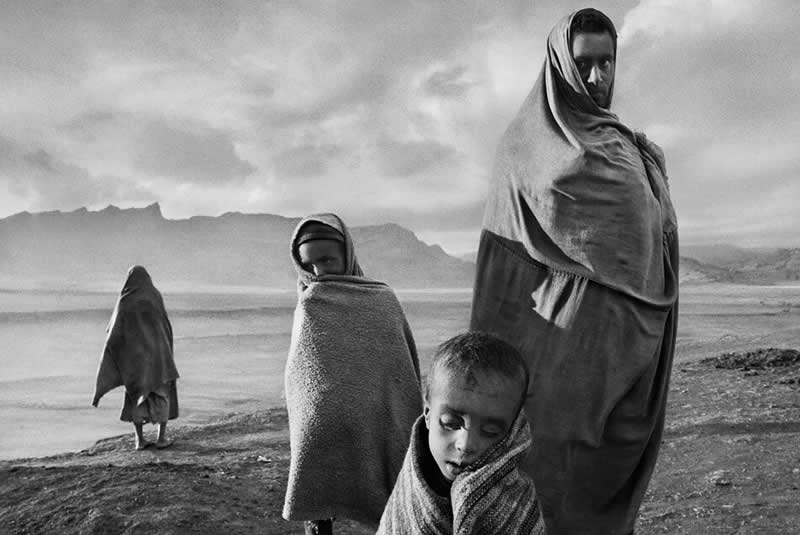
What we can learn:
- Search for repetition.
- Use visual rhythm.
- Look for large shapes.
- Create contrast within patterns.
- Simplify complicated scenes.
9. Josef Koudelka: Give Space Meaning
Josef Koudelka’s photographs frequently use expansive spaces, strong horizons, silhouettes, and geometric relationships. His subjects can appear isolated within enormous environments. That empty space isn’t wasted—it creates emotion. Koudelka teaches photographers that sometimes stepping backward produces a stronger composition than moving closer.
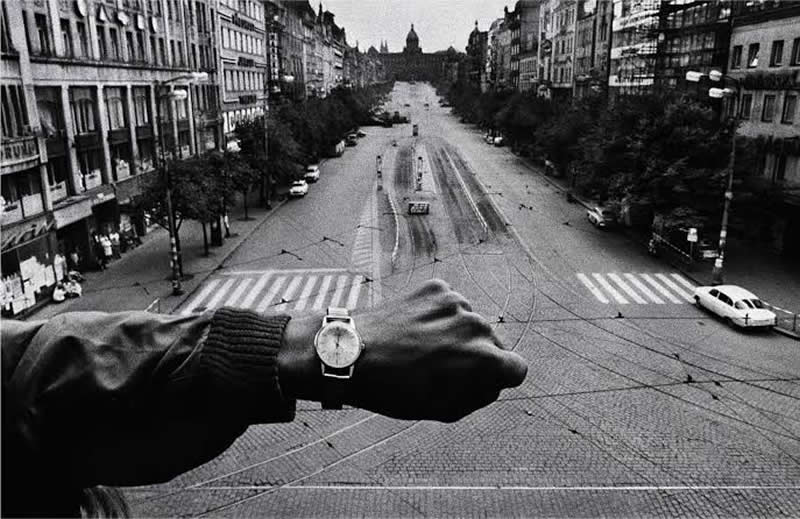
What we can learn:
- Don’t fear negative space.
- Use isolation intentionally.
- Watch horizon placement.
- Explore geometric relationships.
- Give subjects breathing room.
10. Elliott Erwitt: Let Timing Create Humor
Elliott Erwitt had a gift for finding visual jokes hiding in ordinary scenes. His photographs often depend on timing, where people, animals, architecture, and gestures accidentally create hilarious relationships. But the humor works because the composition is already strong. His work proves that serious compositional skill can produce wonderfully playful photographs.
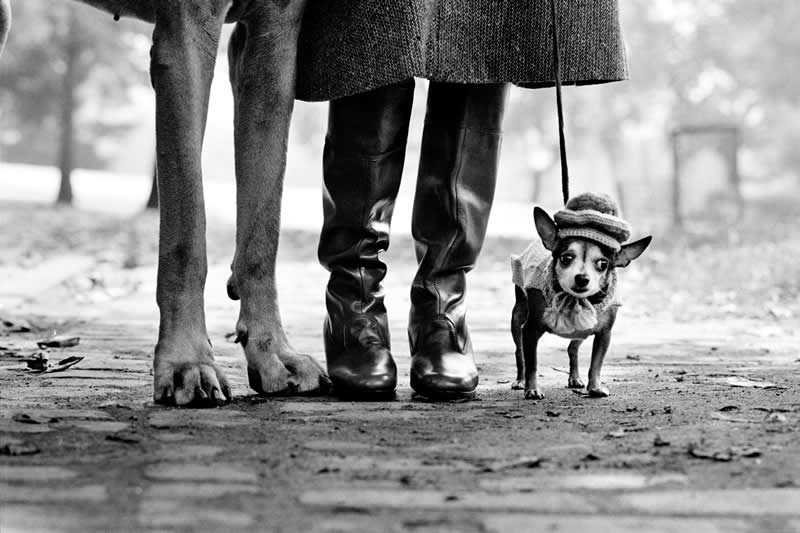
What we can learn:
- Watch for visual irony.
- Photograph relationships between subjects.
- Stay alert after the obvious moment.
- Use gestures.
- Let timing complete the frame.
11. Edward Weston: Simplify Everything
Edward Weston was a master of form. Whether photographing landscapes, peppers, shells, or human bodies, he reduced subjects to their essential shapes, curves, textures, and tones. His photographs demonstrate how powerful simplicity can be. When distractions disappear, the viewer starts noticing subtle changes in contour, light, and surface.
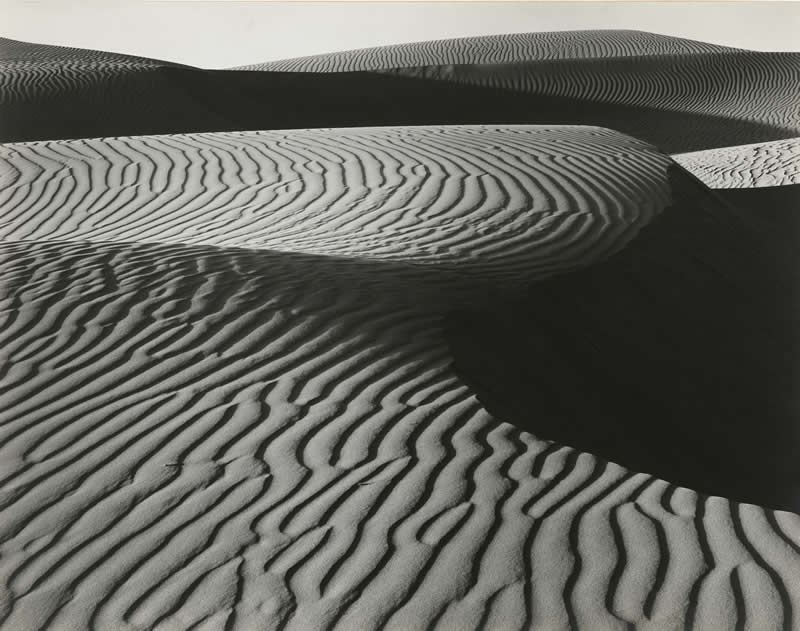
What we can learn:
- Simplify your subject.
- Study curves and contours.
- Remove unnecessary distractions.
- Look closely at texture.
- Let form dominate the frame.
12. Paul Strand: Make Geometry Matter
Paul Strand brought a graphic sensibility to photography, often finding strong geometric structures within everyday environments. His photographs demonstrate how windows, walls, streets, shadows, and architectural patterns can become compositional anchors. Strand teaches us to stop seeing buildings merely as backgrounds and start treating them as active visual elements.
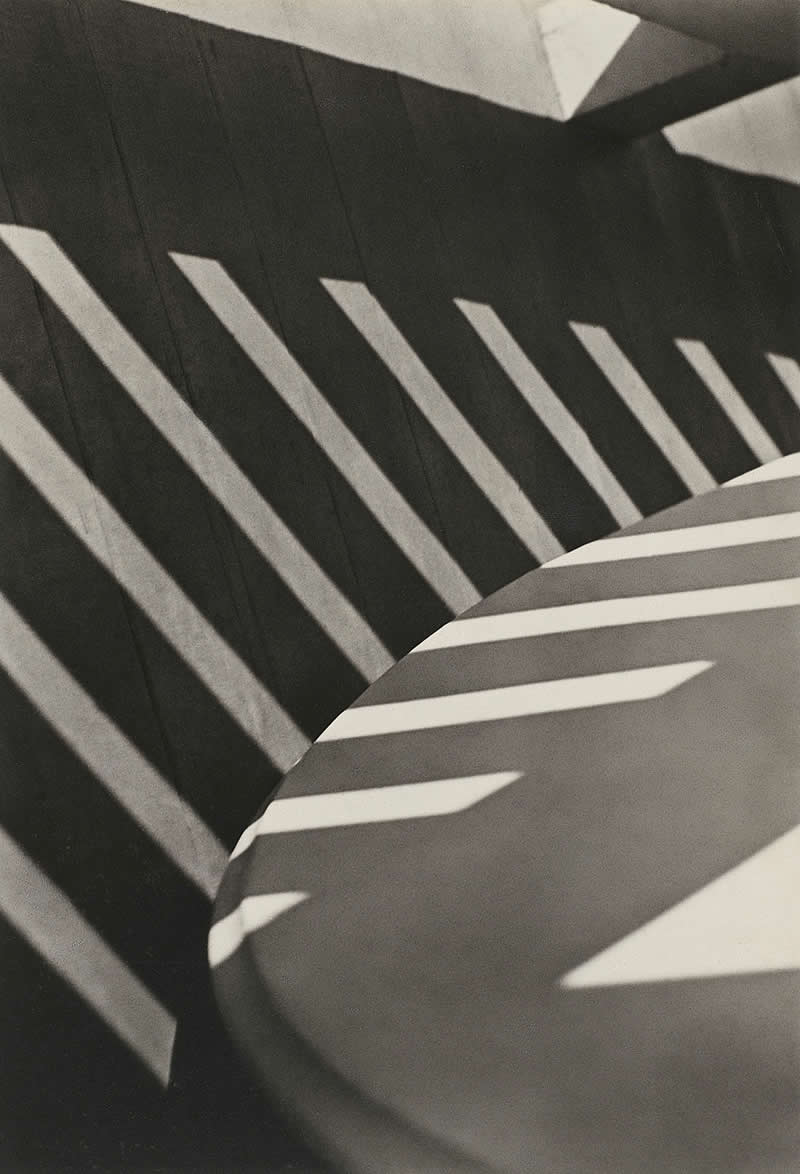
What we can learn:
- Search for geometric shapes.
- Use architecture actively.
- Look for repeating patterns.
- Explore strong verticals and horizontals.
- Simplify busy surroundings.
13. Alfred Stieglitz: Find Structure in Reality
Alfred Stieglitz helped establish photography as a serious artistic medium while exploring everything from urban life to clouds and portraits. His compositions demonstrate careful attention to tonal relationships and visual balance. He showed that everyday subjects could become compelling when photographed with intention rather than simply recorded.
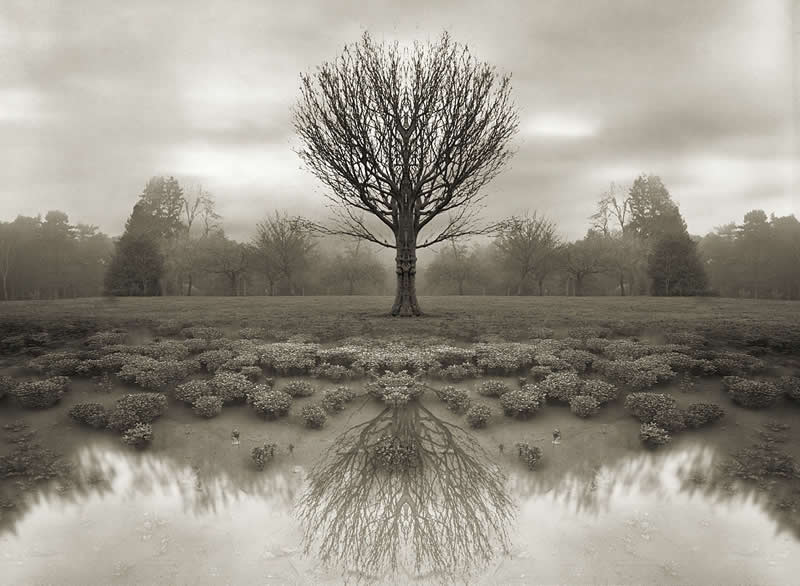
What we can learn:
- Photograph ordinary subjects thoughtfully.
- Balance light and shadow.
- Study tonal relationships.
- Look beyond obvious subjects.
- Compose with intention.
14. Diane Arbus: Make the Subject Unforgettable
Diane Arbus created portraits that can feel direct, strange, intimate, and impossible to ignore. Her compositions often place people prominently within relatively simple environments, allowing expressions and body language to dominate. The lesson isn’t about copying her style; it’s about understanding how proximity, eye contact, and uncluttered backgrounds can intensify a portrait.
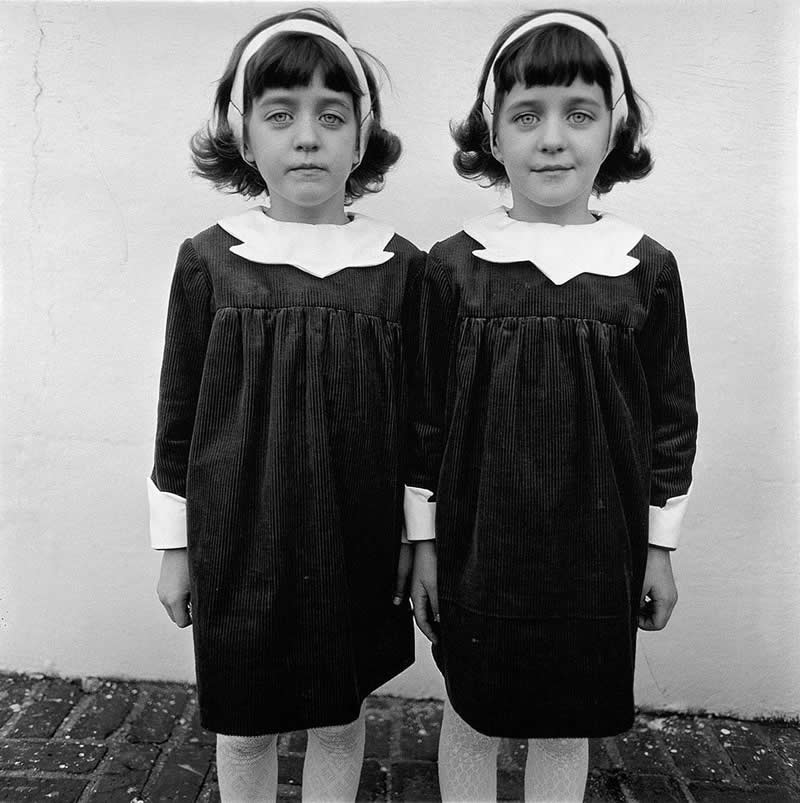
What we can learn:
- Give subjects visual importance.
- Keep backgrounds controlled.
- Watch expressions closely.
- Explore direct eye contact.
- Let personality drive composition.
15. Gordon Parks: Connect Person and Place
Gordon Parks combined portraiture, documentary photography, and social storytelling with remarkable compositional control. His photographs often connect individuals with their environments, using architecture, light, and spatial relationships to provide context. Parks reminds us that a person doesn’t exist separately from their surroundings. Sometimes the background tells half the story.
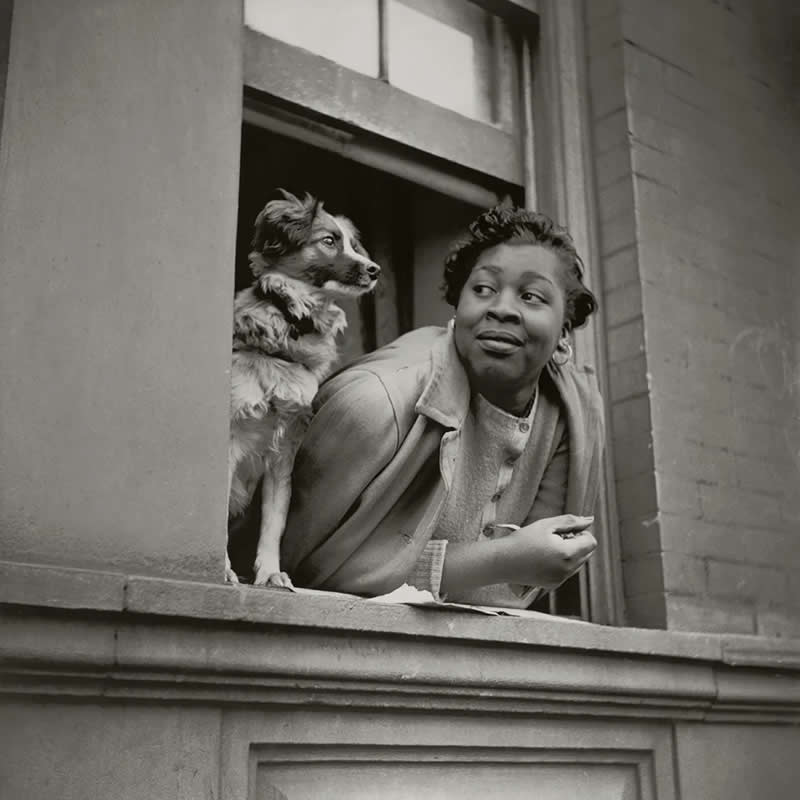
What we can learn:
- Include environmental context.
- Connect people with places.
- Use architecture meaningfully.
- Watch spatial relationships.
- Compose with social storytelling in mind.
16. Irving Penn: Make Simplicity Powerful
Irving Penn could make a simple portrait or still life feel incredibly sophisticated. His restrained backgrounds, careful placement, and controlled lighting created images where every element seemed intentional. Penn’s work is a great lesson for photographers who tend to add too much. Sometimes removing one object, one line, or one distraction is exactly what a photograph needs.
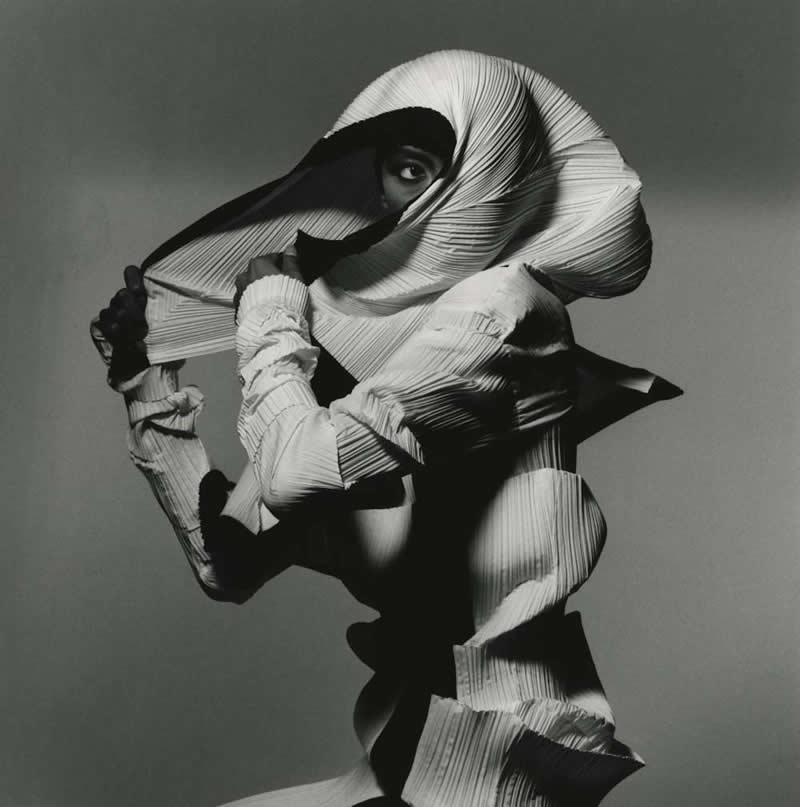
What we can learn:
- Remove unnecessary elements.
- Use clean backgrounds.
- Create deliberate spacing.
- Pay attention to edges.
- Let simplicity create elegance.
17. Richard Avedon: Use Space as a Stage
Richard Avedon’s portraits often place subjects against remarkably simple backgrounds, allowing expression, posture, clothing, and gesture to dominate. His famous white-background approach demonstrates how negative space can actually increase visual intensity. When there is nowhere for the eye to wander, the viewer confronts the subject directly.
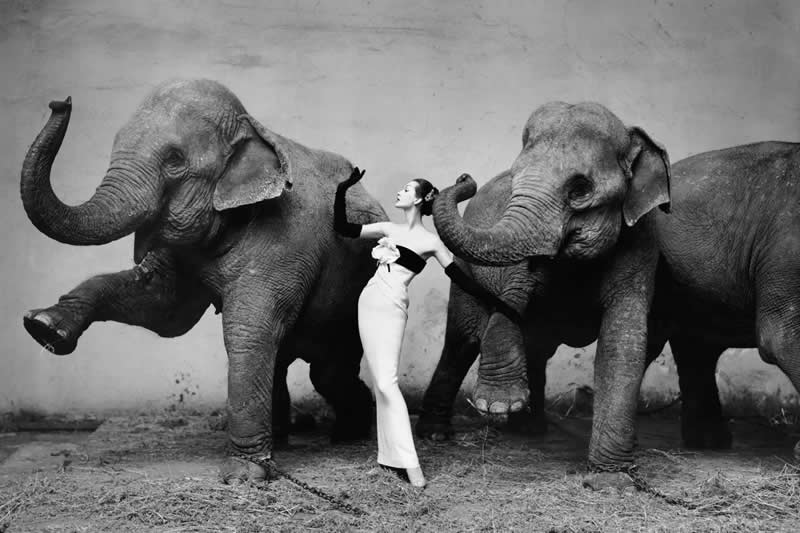
What we can learn:
- Use negative space confidently.
- Simplify backgrounds.
- Watch posture and gesture.
- Create visual isolation.
- Let the subject own the frame.
18. Bill Brandt: Push Perspective
Bill Brandt explored portraiture, landscapes, architecture, and the human body with dramatic perspectives and distorted forms. His photographs demonstrate that composition doesn’t always have to reproduce reality naturally. Wide-angle viewpoints, unusual proportions, and deep shadows can create a distinctive visual language. Sometimes changing your physical position completely changes the photograph.
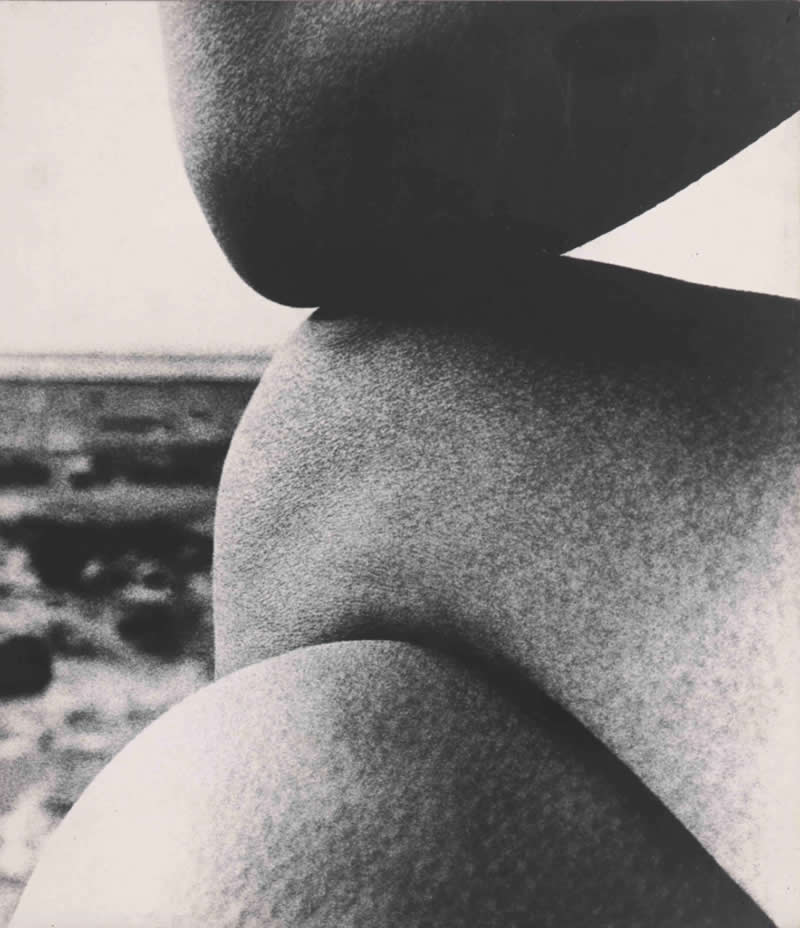
What we can learn:
- Experiment with perspective.
- Move closer or farther away.
- Try unusual viewpoints.
- Use distortion creatively.
- Let shadows reshape forms.
19. Robert Doisneau: Capture Human Connection
Robert Doisneau photographed Paris with warmth, humor, and a wonderful sense of everyday theater. His compositions often bring people, streets, architecture, and spontaneous gestures together naturally. Rather than forcing moments, he found poetry in ordinary interactions. His work is a reminder that composition can be emotional and human, not merely geometric.
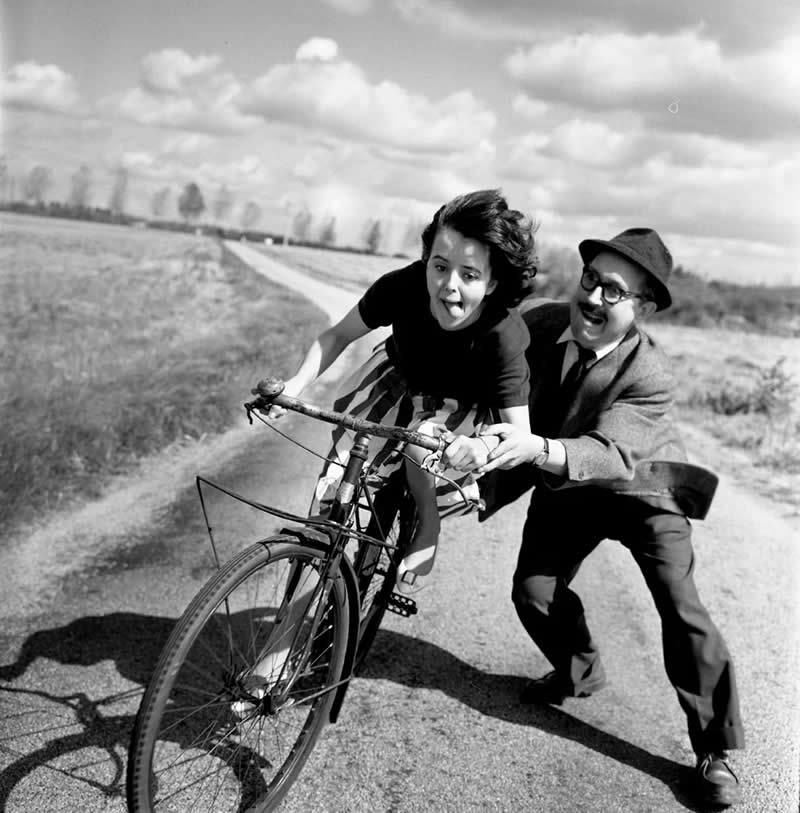
What we can learn:
- Watch human interactions.
- Look for spontaneous gestures.
- Use streets as stages.
- Combine people and architecture.
- Photograph emotion naturally.
20. Daido Moriyama: Find Energy in Chaos
Daido Moriyama’s gritty, high-contrast photographs show that street photography doesn’t have to be clean or perfectly organized. His rough compositions, grain, blur, and dramatic cropping create energy and immediacy. He demonstrates that visual disorder can become a deliberate style. The trick is knowing when chaos adds emotion instead of simply creating clutter.
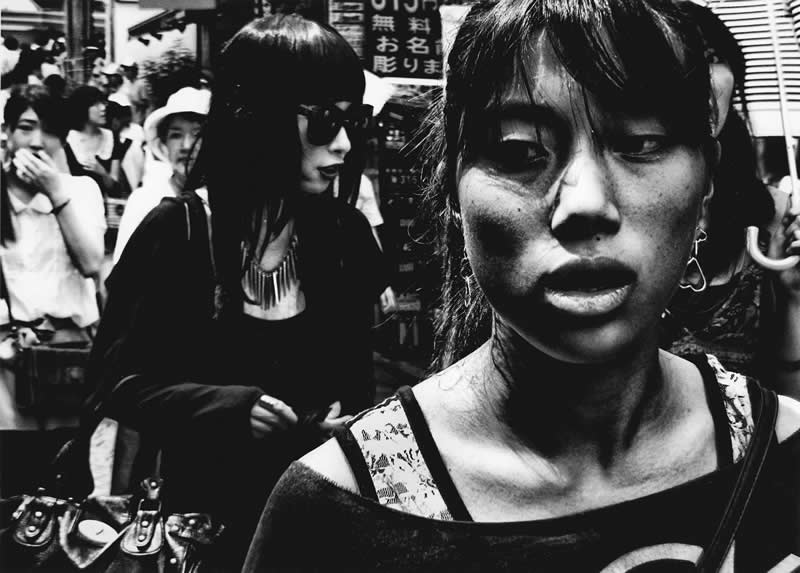
What we can learn:
- Experiment with high contrast.
- Don’t fear grain.
- Try unexpected crops.
- Photograph movement.
- Use visual chaos intentionally.
21. Minor White: Photograph With Emotion
Minor White approached photography as a way of exploring perception, symbolism, and inner experience. His carefully composed black-and-white images often transform ordinary textures, landscapes, and objects into mysterious visual statements. His work encourages photographers to look beyond literal representation. A photograph doesn’t always have to explain what something is; sometimes it should make you feel something.
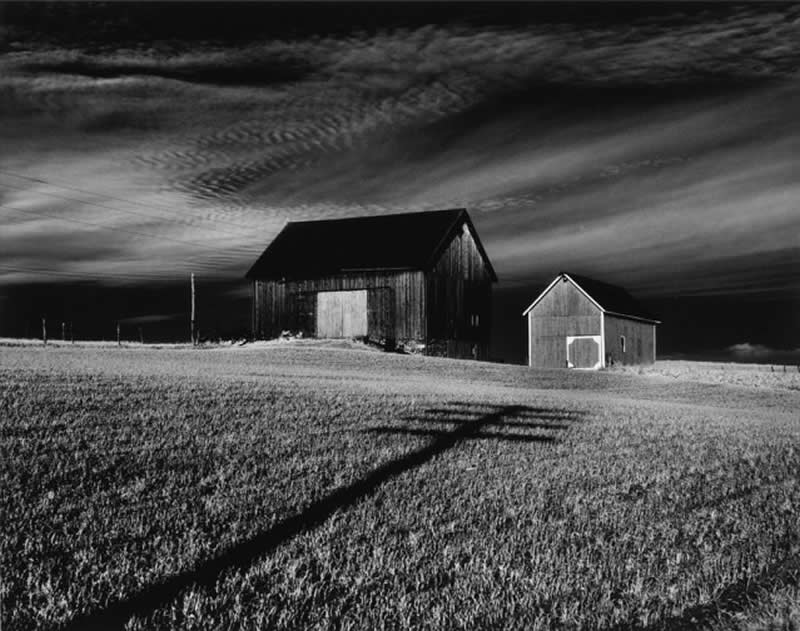
What we can learn:
- Explore abstraction.
- Photograph mood and emotion.
- Look closely at texture.
- Find symbolism in ordinary subjects.
- Let mystery remain.
22. Weegee: Make the Moment Impossible to Ignore
Weegee’s gritty New York photographs captured nightlife, crowds, crime scenes, celebrations, and street life with startling immediacy. His compositions often place viewers right inside the action. Strong foreground subjects, dramatic lighting, and tightly packed frames create urgency. His work shows that when the moment is intense, composition can make the viewer feel like they’re standing there.
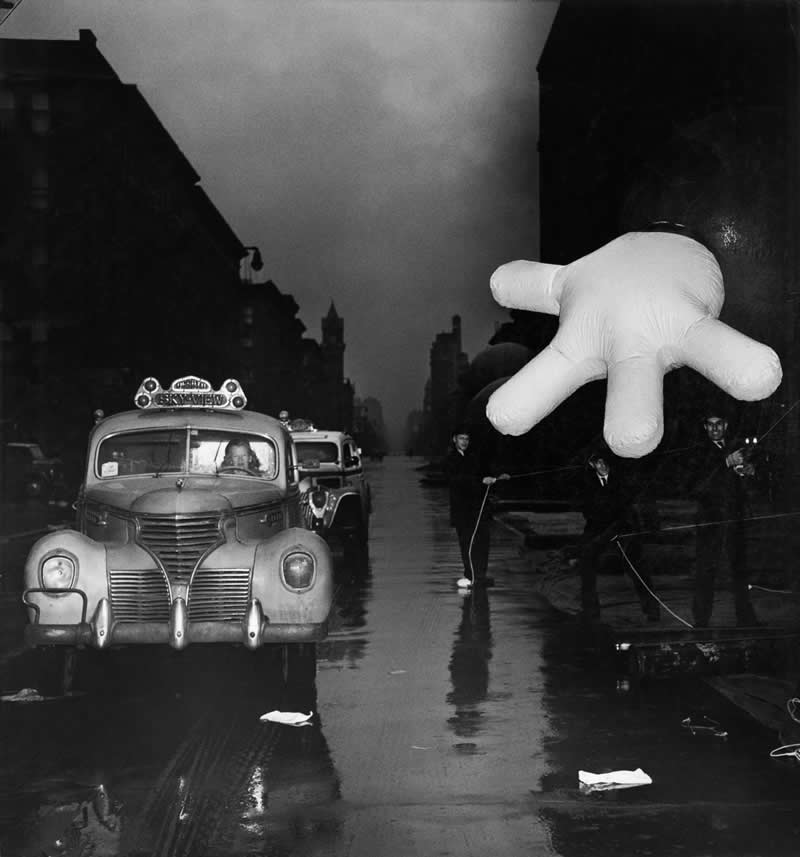
What we can learn:
- Get close to the action.
- Use foreground for immediacy.
- Look for dramatic light.
- Fill the frame when appropriate.
- Let the moment drive the composition.
Frequently Asked Questions:
What can classic photographers teach us about composition?
Classic photographers teach us to control attention through leading lines, framing, negative space, geometry, contrast, perspective, and timing. Their timeless images prove strong composition comes from observation and deliberate choices, rather than expensive cameras, complicated equipment, or elaborate photographic setups.
What is a frame within a frame?
A frame within a frame uses doors, windows, arches, branches, shadows, or architectural openings to surround a subject. This technique naturally directs attention, adds depth, separates the subject from distractions, and gives photographs stronger visual structure.
How do leading lines improve photographs?
Leading lines guide the viewer’s eyes toward important areas of an image. Roads, staircases, fences, walls, shadows, architectural edges, and pathways can create direction, movement, depth, and visual flow, making otherwise ordinary scenes feel significantly more organized and compelling.
Why is monochrome photography useful for learning composition?
Monochrome photography removes color from the equation, making photographers pay closer attention to light, shadow, texture, shape, contrast, and geometry. Studying black-and-white images can therefore sharpen visual awareness and make compositional strengths and weaknesses easier to recognize.
How can beginners practice composition like master photographers?
Beginners can study classic photographs, identify their leading lines, framing, negative space, geometry, layers, and tonal contrasts, then practice similar techniques in everyday locations. Regular observation, experimentation, and thoughtful shooting will develop stronger composition more effectively than relying solely on camera equipment.