
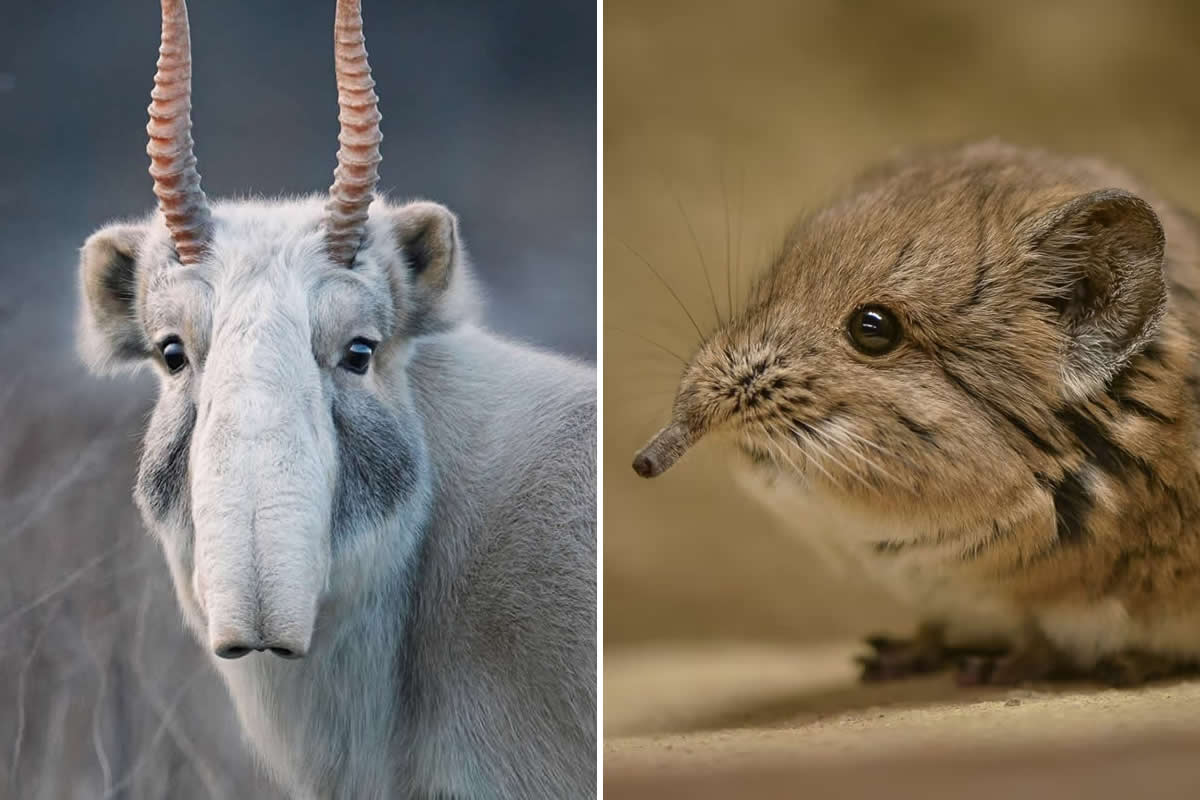
If you’re anything like me, you’ve probably spent way too much time getting fascinated by the bizarre creatures in fantasy books, sci-fi movies, or video games. Giant insects, glowing monsters, tiny dragons—you name it. The funny thing is, nature created unbelievable designs long before humans started dreaming them up. Honestly, some real animals are even stranger than the ones writers invent.
That’s exactly why collections like Weird Animals on X (formerly Twitter) are so addictive. One minute you’re looking at a fluffy mammal you’ve never heard of, and the next you’re staring at a fish that looks like it escaped from another planet. Then you start asking yourself, "How have I never seen this before?"
Our planet is packed with millions of species, yet most of us recognize only a tiny fraction of them. Hidden in dense rainforests, deep oceans, remote islands, and mountain ranges are creatures with unbelievable colors, bizarre body shapes, and survival tricks that seem almost magical. Some camouflage so perfectly they disappear into their surroundings. Others glow, mimic dangerous predators, or have features so unusual they almost look digitally edited.
This collection celebrates those wonderfully weird animals that remind us how wildly creative evolution can be. Every photo reminds us that the natural world still holds countless surprises waiting to be discovered. So slow down, take a closer look, and prepare to meet 35 extraordinary creatures that prove reality is every bit as imaginative as fiction.
#1. The surreal looking saiga is a critically endangered antelope from Central Asia. Its bizarre nose is used to filter out dust and to cool the animal’s blood in the summer. It also heats the air in winter before it gets to the lungs. (Photo: Tim Flach)
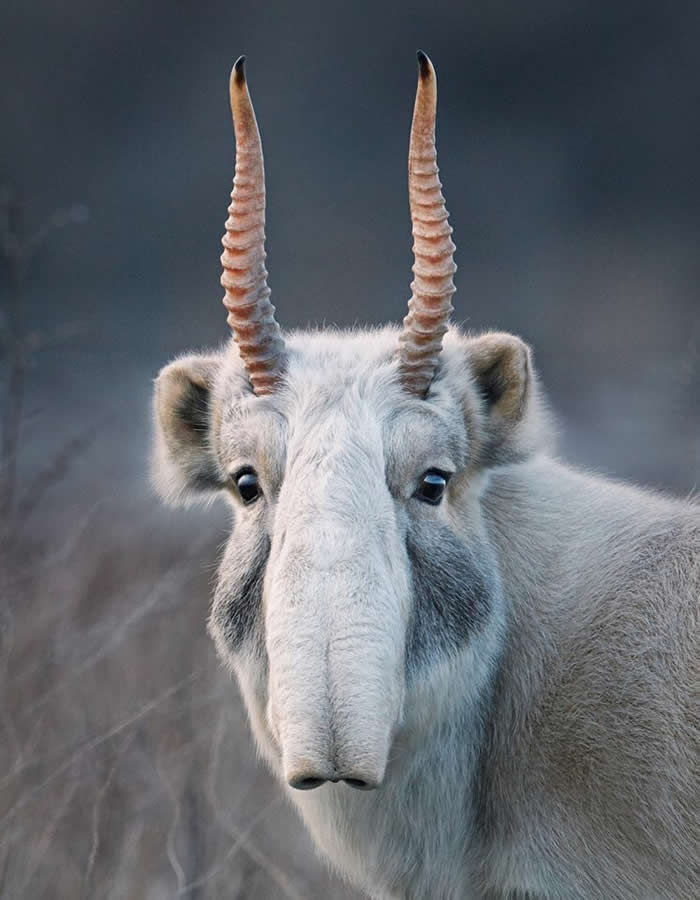
Image Source: Weird Animals
#2. The sword-billed hummingbird is the only bird with a beak longer than its body! (Photo: Luis Alcivar)
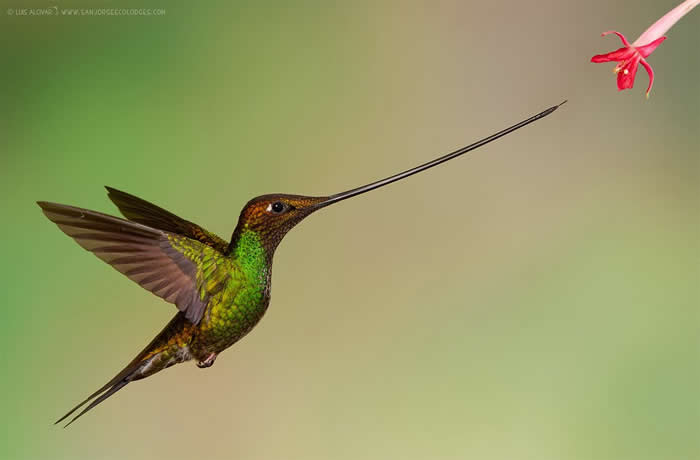
Image Source: Weird Animals
#3. An adorable yawning elephant shrew! (Photo: Steve Rawlins)
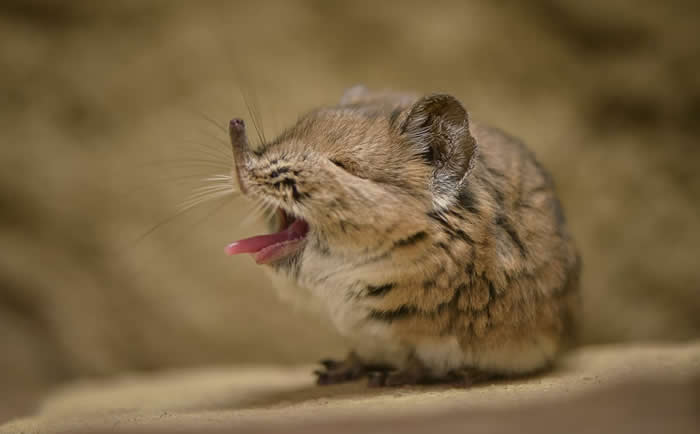
Image Source: Weird Animals
#4. The eyes of the ghost glass frog look remarkably similar to blue spot jasper stone. Like other glass frogs, this tiny amphibian also has semi-transparent skin, allowing some of its internal organs to be seen through its underside.
(Photo: @lavieestbelIe)
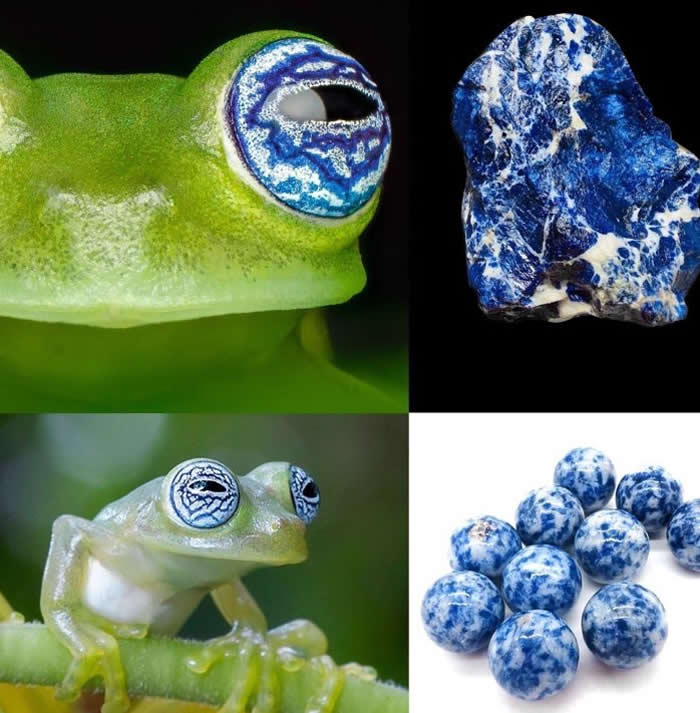
Image Source: Weird Animals
#5. The beautiful Stygian owl. This species lives in South America and parts of Central America. (Photo: Izaias Miranda Junior)
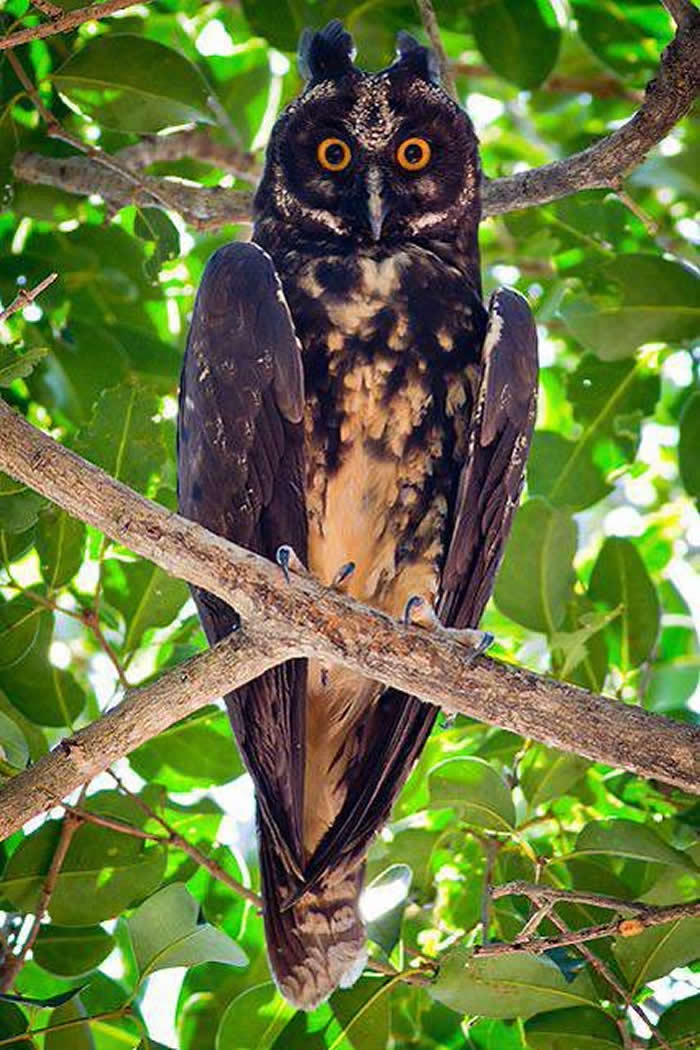
Image Source: Weird Animals
#6. The amazing antennae of a glowworm beetle – Phengodidae sp (Photo: Luisa Marina López Arias)
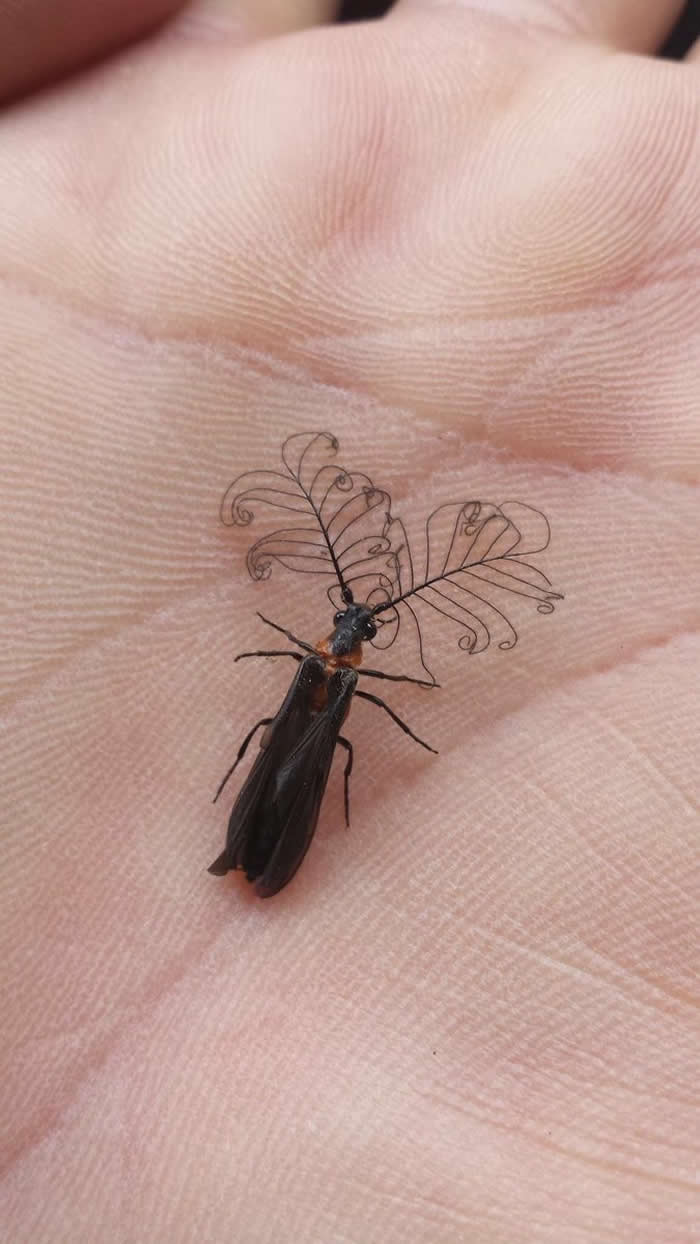
Image Source: Weird Animals
#7. Glaucus atlanticus preys on the Portuguese man o’ war and uses its venom as a defence (Photo: http://psu.edu)
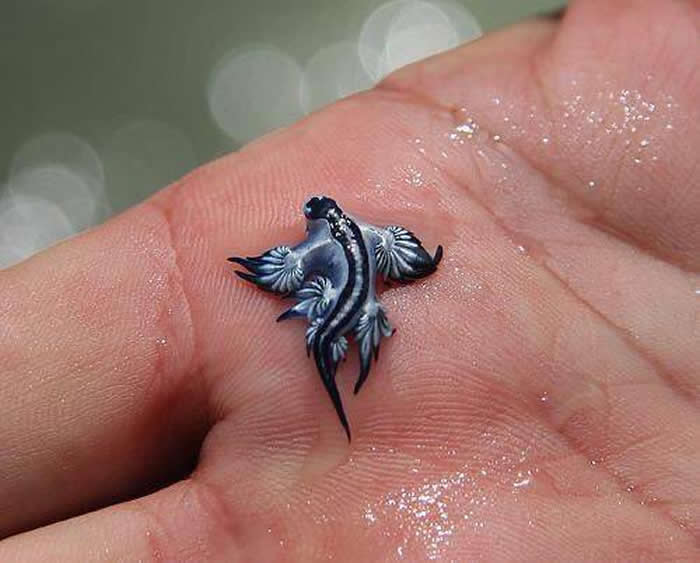
Image Source: Weird Animals
#8. Meet the Likweli (Colobus congoensis). With its orange lips and roaring calls, this newly discovered monkey managed to remain hidden in the rainforests of DR Congo until now. (Photo: Daniel Rosengren)
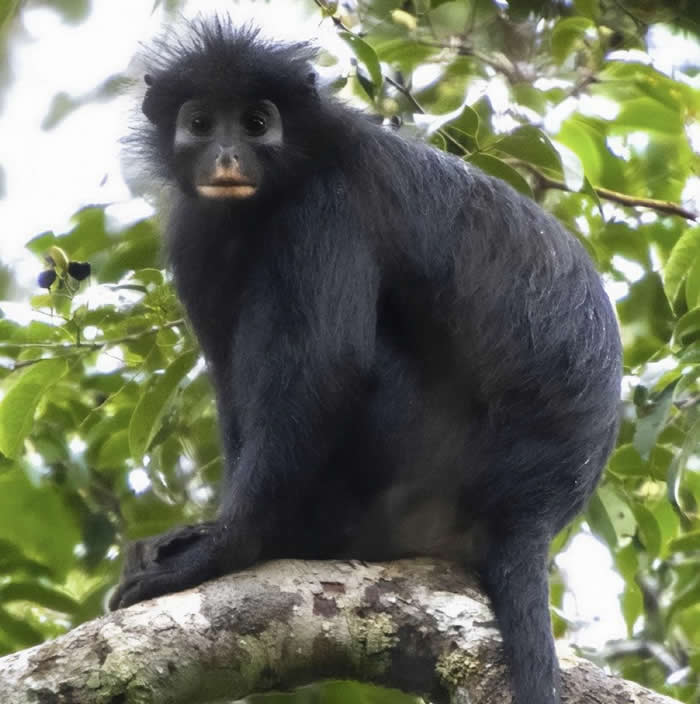
Image Source: Weird Animals
#9. Breviceps fuscus – a grumpy looking frog
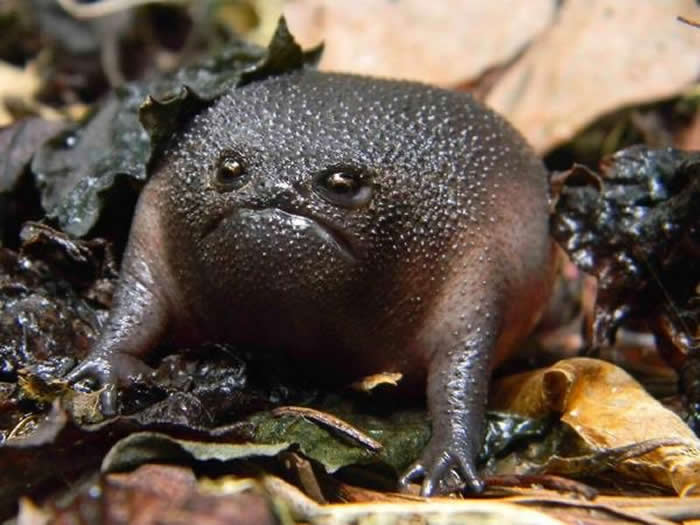
Image Source: Weird Animals
#10. Achrioptera spinosissima is a large stick insect from Madagascar. (Photo: Bruno Kneubuhler)
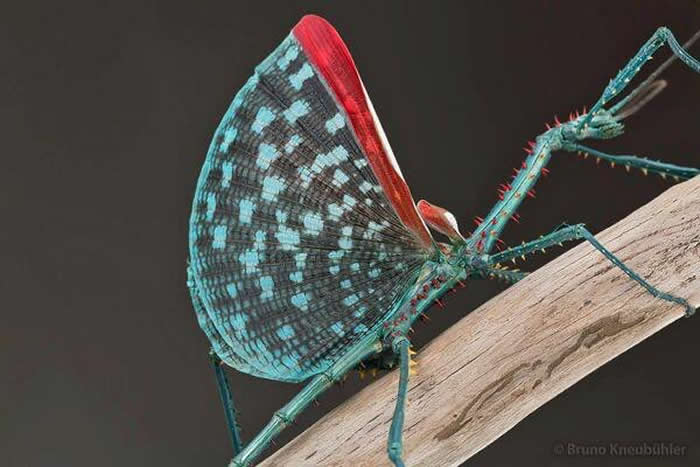
Image Source: Weird Animals
#11. With its piercing call and striking plumage, the African fish eagle is one of Africa’s most recognisable birds of prey. It hunts by snatching fish from the water with enormous hooked talons, sometimes carrying prey weighing more than the bird itself. (Photo: Yvonne in the Bush)
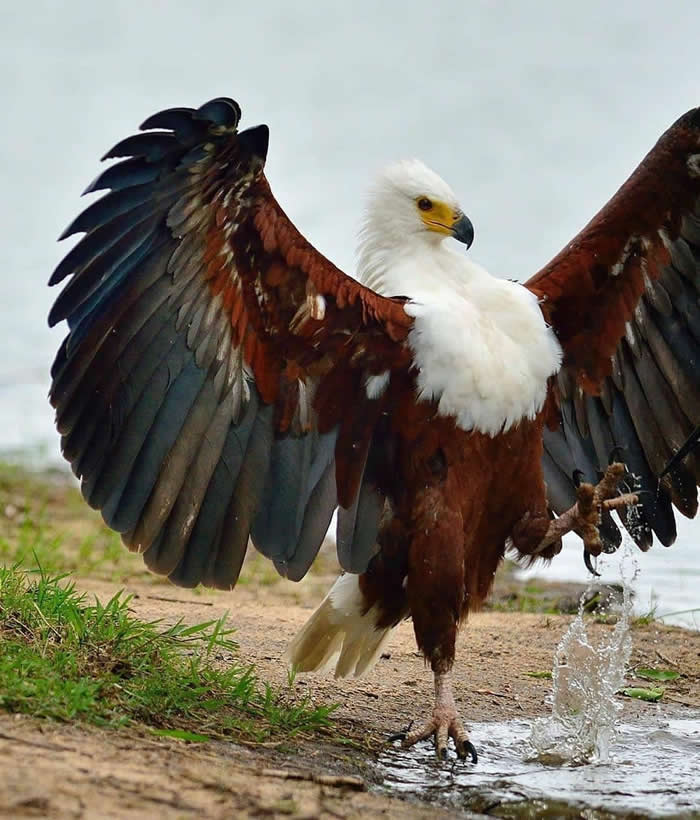
Image Source: Weird Animals
#12. The peppermint moth. (Photo: Matthew Kritzer)
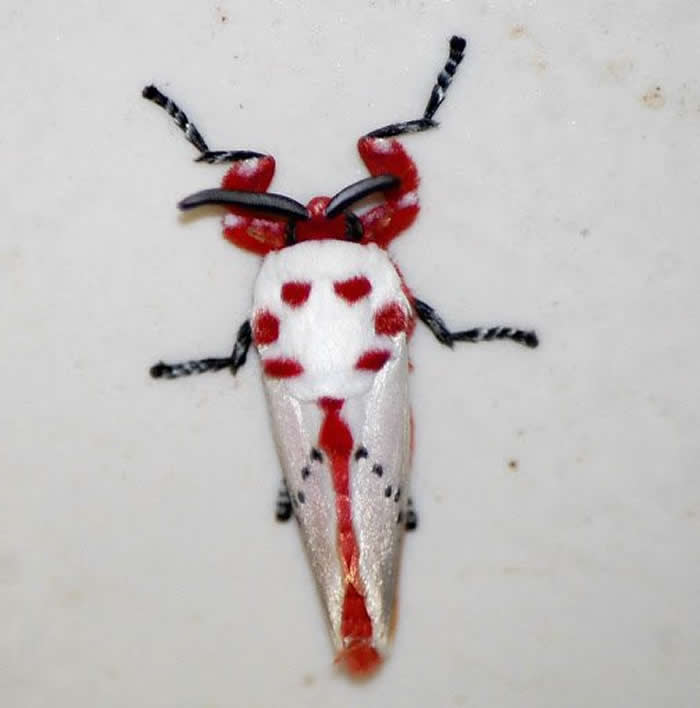
Image Source: Weird Animals
#13. The canyon bat (Parastrellus hesperus) is the smallest bat in the USA, with a wingspan of just 20cm! (Photo: @SanDiegoRefuges)
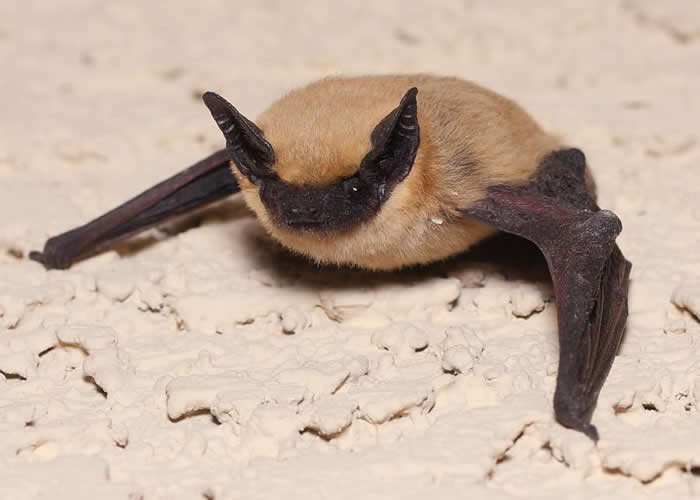
Image Source: Weird Animals
#14. The binturong or bearcat is a vulnerable species from south & Southeast Asia. (Photo: Gunther Deichmann)
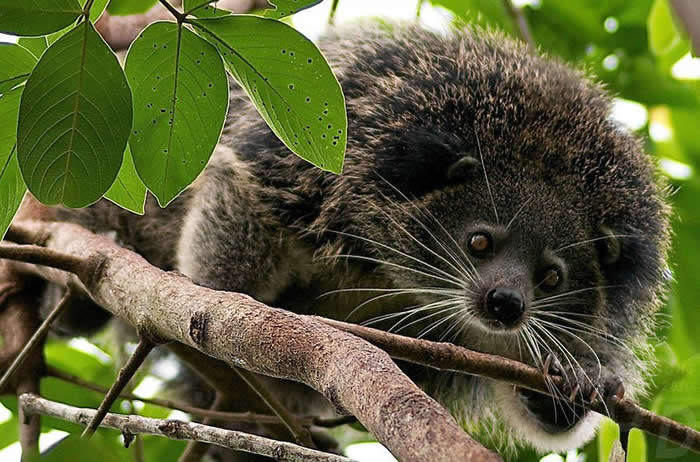
Image Source: Weird Animals
#15. The purple-crowned fairy wren. (Photo: Marc Gardner)
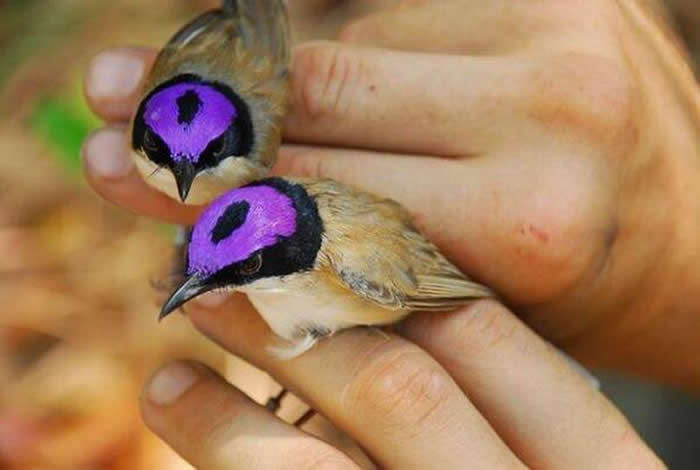
Image Source: Weird Animals
#16. The tomato frog of Madagascar puffs up & secretes a thick substance when predators try to eat it. (Photo: Maroansetra)
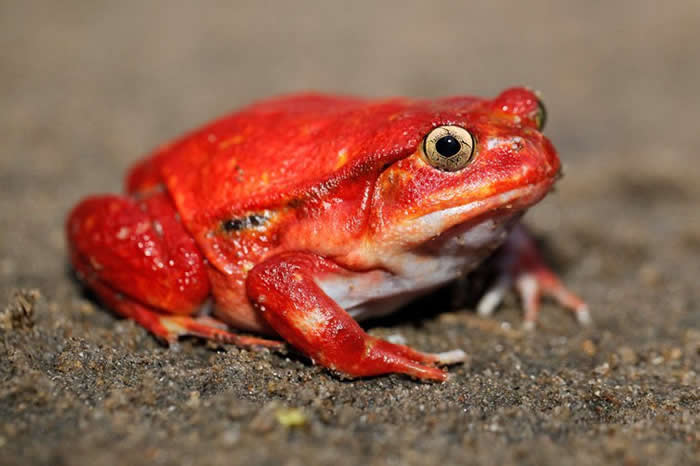
Image Source: Weird Animals
#17. The glossy ibis is a widespread species found in most warm regions of the world. (Photo: Jim Block)
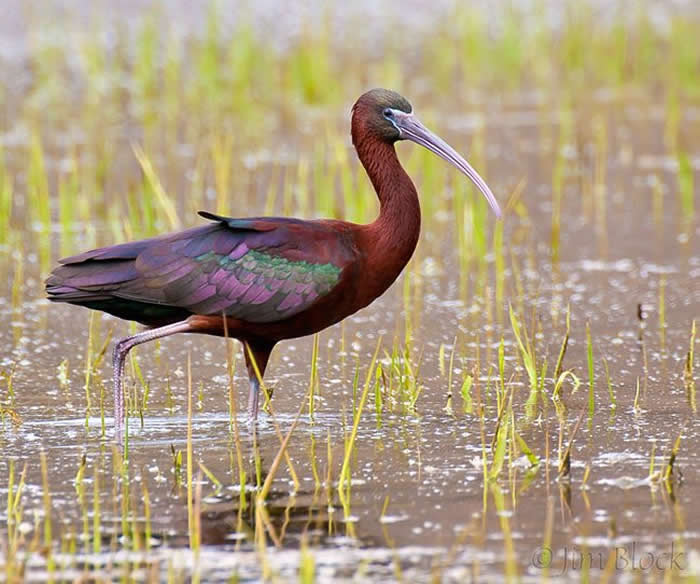
Image Source: Weird Animals
#18. The Wallachian sheep
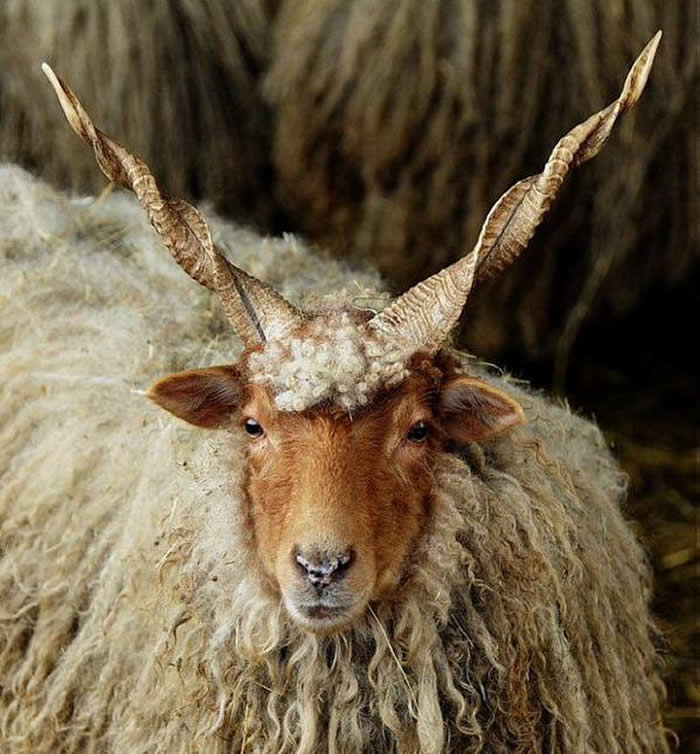
Image Source: Weird Animals
#19. Lyropteryx apollonia from the Amazon rainforest. (Photo: Kashi Kashif)
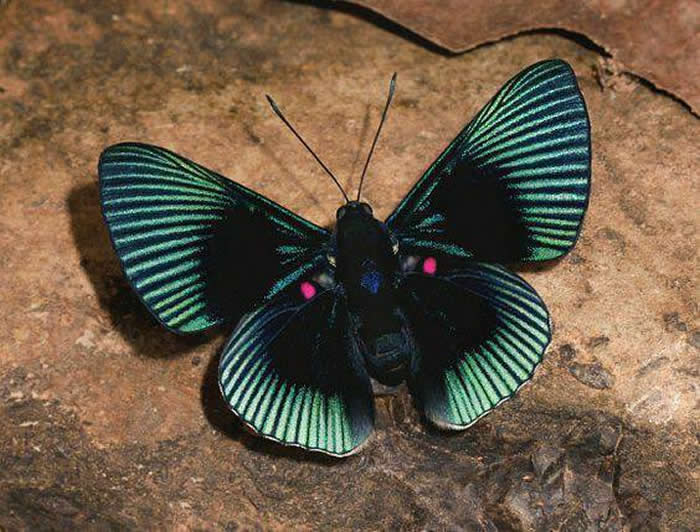
Image Source: Weird Animals
#20. An amazing ruby-topaz hummingbird (Chrysolampis mosquitus) from Colombia. (Photo: luisfdo.agudelo)
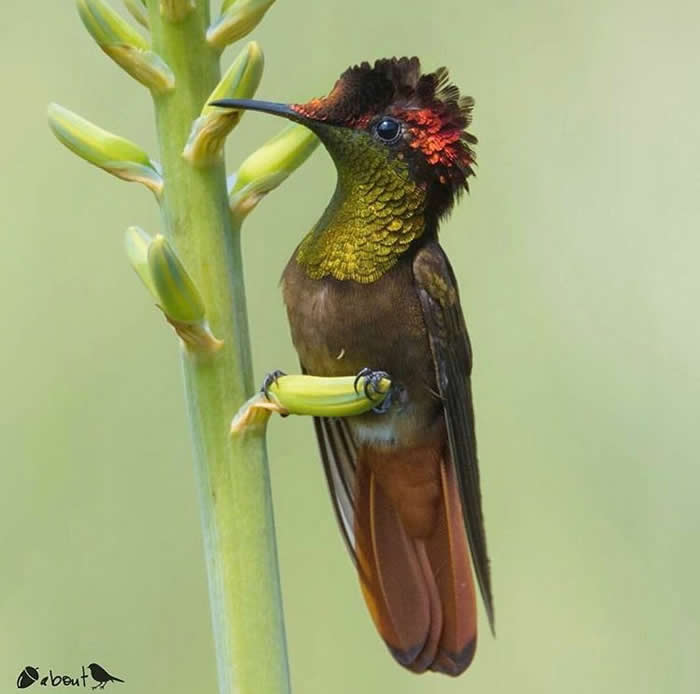
Image Source: Weird Animals
#21. Arctic hares can run at speeds of 40 miles per hour! (Photo: Adrian Imms)
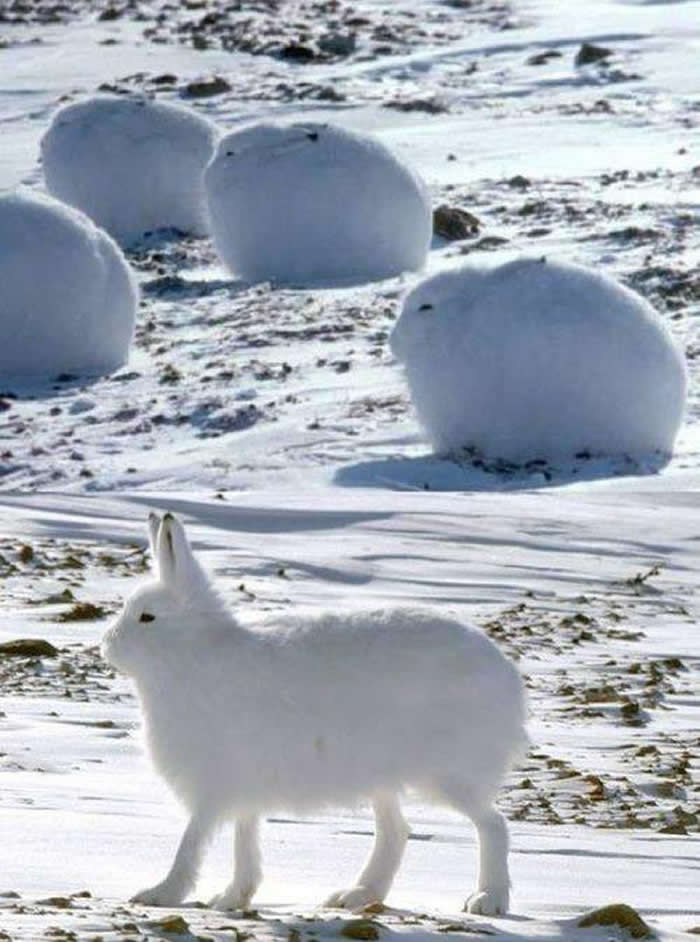
Image Source: Weird Animals
#22. Madagascar leaf-nosed snakes have bizarre nasal appendages which act as camouflage. (Photo: Mongabay)
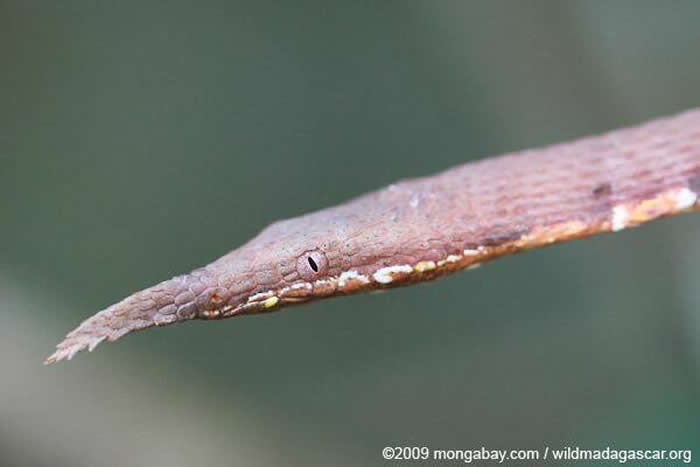
Image Source: Weird Animals
#23. A Spanish shawl nudibranch. (Photo: Jerry Kirkhart)
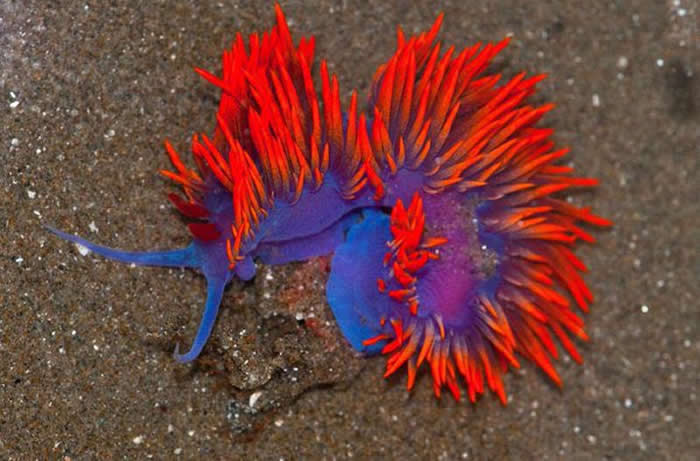
Image Source: Weird Animals
#24. The masked lapwing has large wattles on its beak! (Photo: Dennis Church)
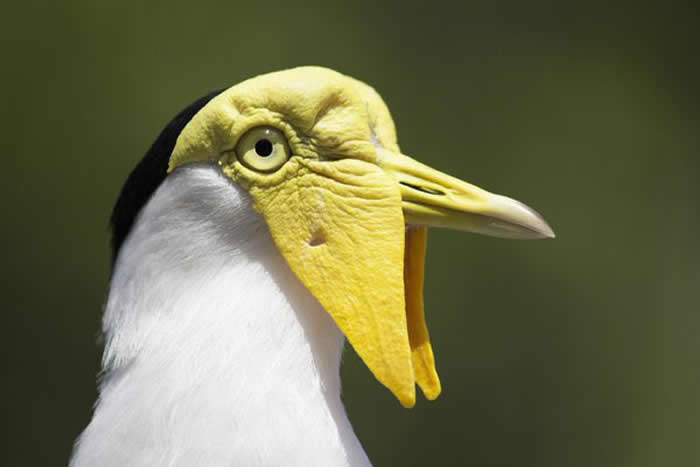
Image Source: Weird Animals
#25. The colourful scooter blenny. (Photo: carly 88)
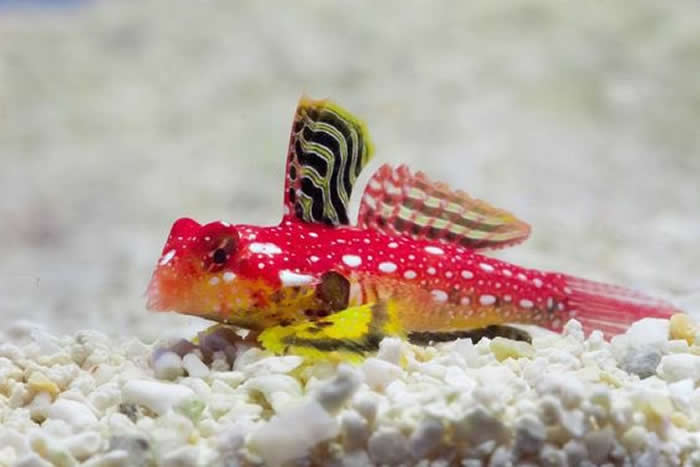
Image Source: Weird Animals
#26. A very cool nudibranch. (Photo: Iyad Suleyman)
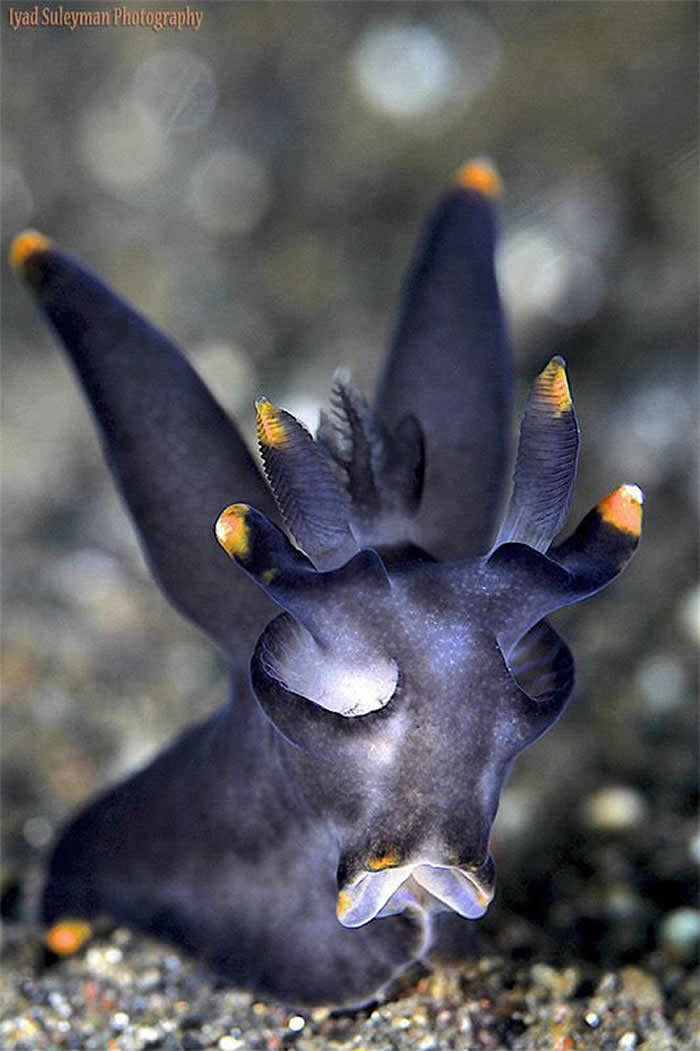
Image Source: Weird Animals
#27. The atelopus frog from Costa Rica & Panama. (Photo: naturalhistoryonthenet)
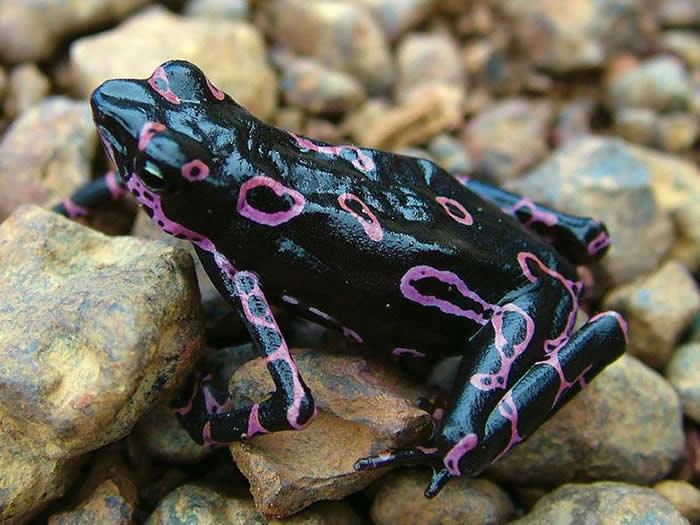
Image Source: Weird Animals
#28. The pygmy marmoset is the smallest true monkey in the world. They specialize in eating gum! (Photo: Diane Sieverson)
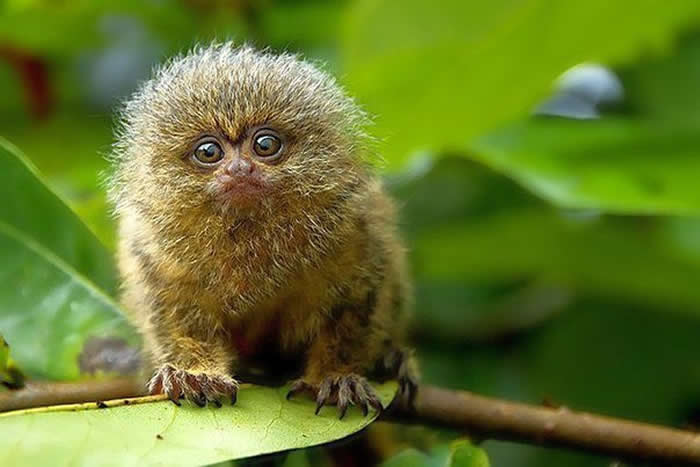
Image Source: Weird Animals
#29. The coconut octopus uses coconut shells for shelter and walks along the ocean floor with two arms! (Photo: M Johannes)
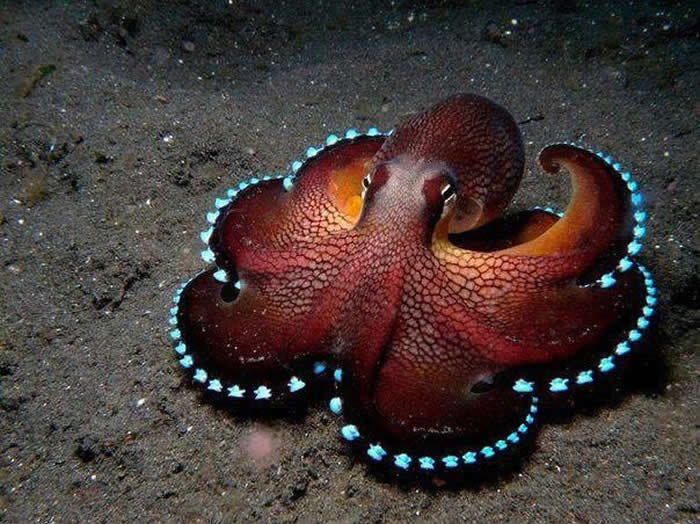
Image Source: Weird Animals
#30. Vishnou lappet moth – Trabala vishnou (Photo: Dr Namgyal T. Sherpa)
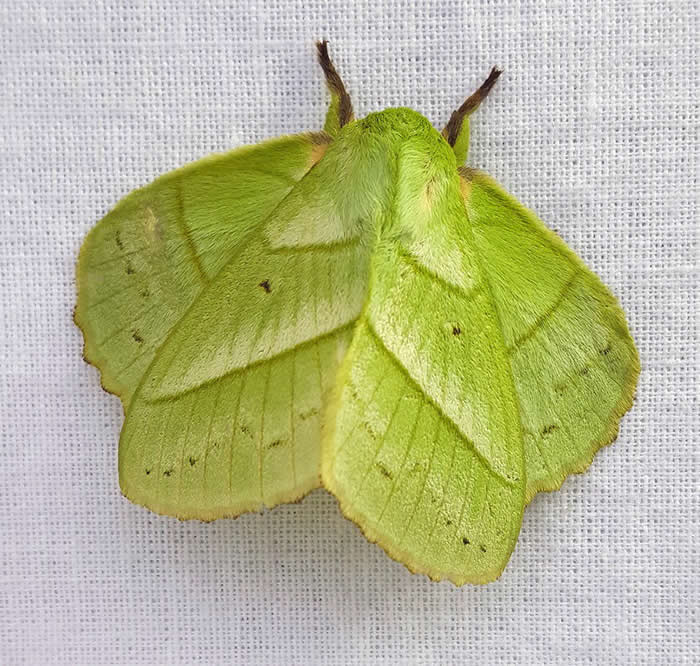
Image Source: Weird Animals
#31. Baby tapirs have mottled fur that mimics light passing through leaves to the forest floor. (Photo: Amiee Stubbs)
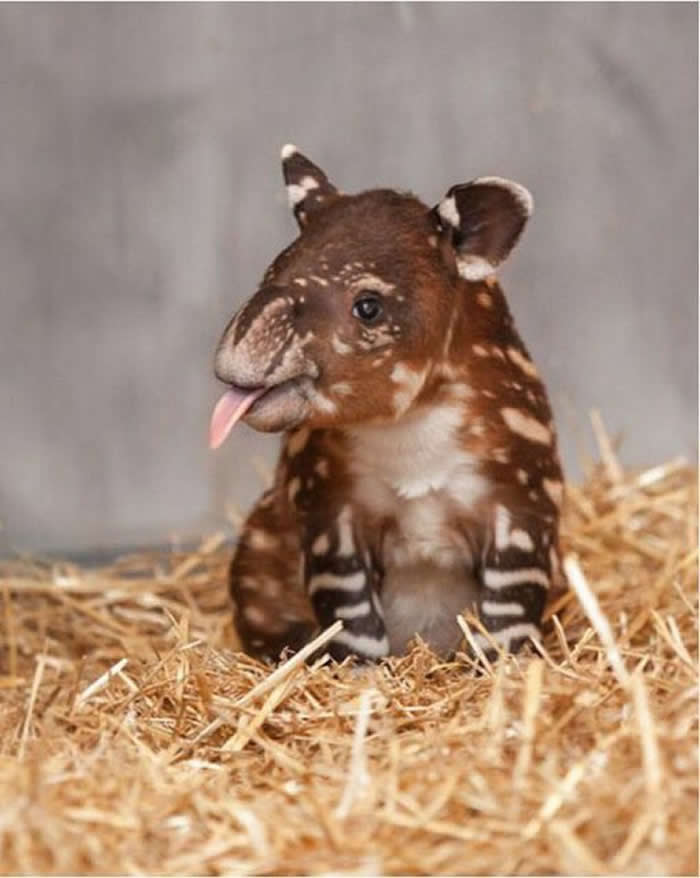
Image Source: Weird Animals
#32. Promachoteuthis sulcus is a strange creature with human-like teeth
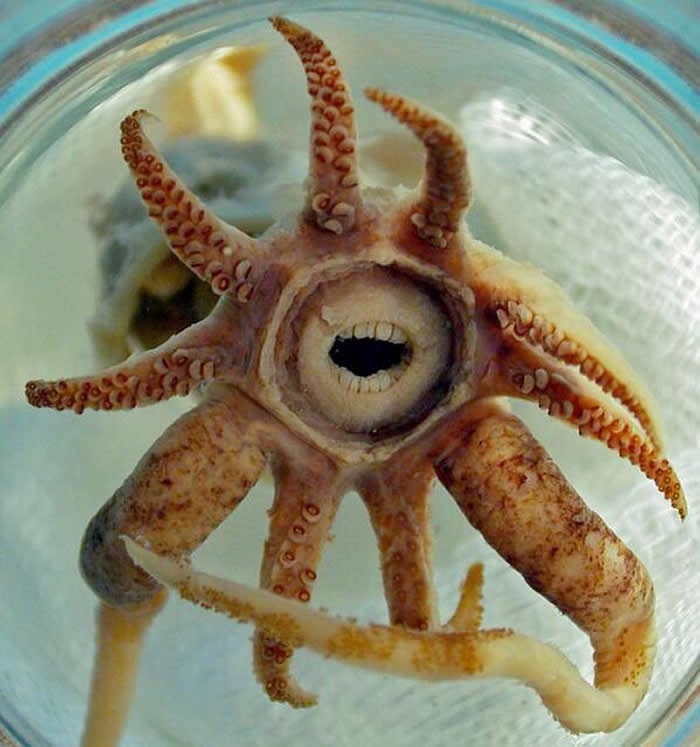
Image Source: Weird Animals
#33. A beautiful arboreal alligator lizard from Mexico
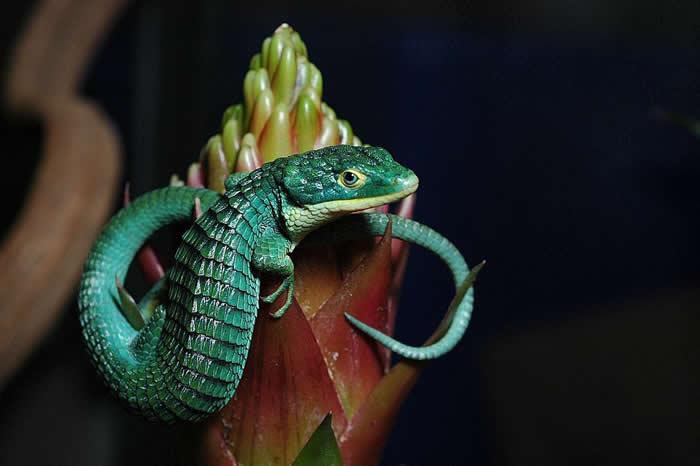
Image Source: Weird Animals
#34. Leaf-rolling weevil. (Photo: Richard Ong)
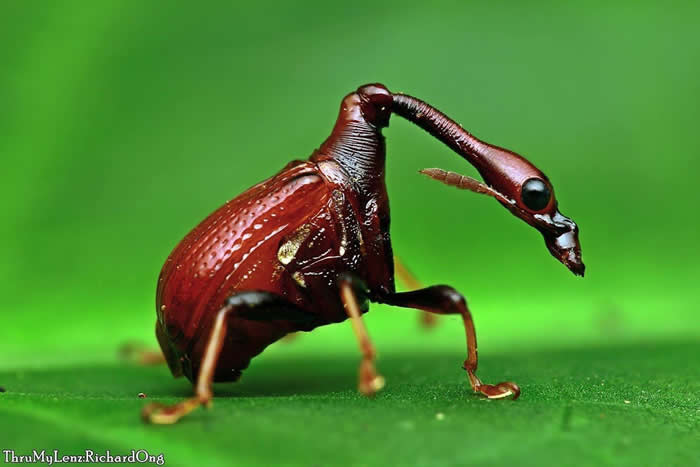
Image Source: Weird Animals
#35. Costa’s hummingbird is a magnificent species! (Photo: instagramjc_wings)
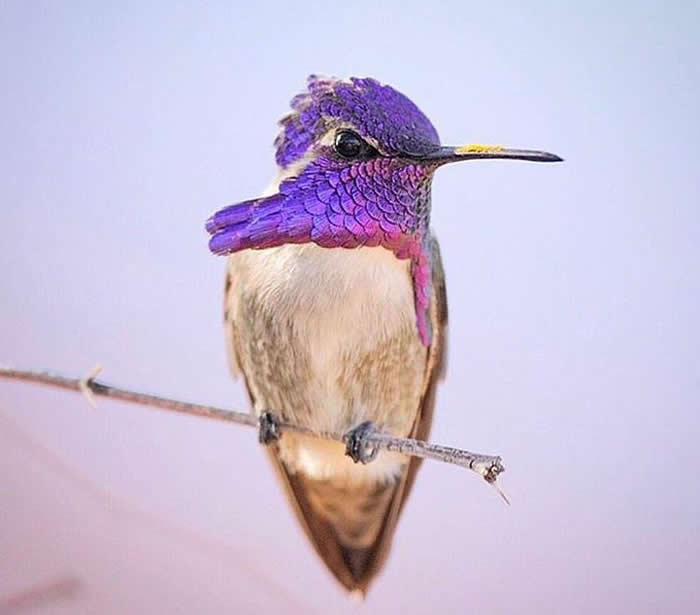
Image Source: Weird Animals
Frequently Asked Questions:
What are weird animals?
Weird animals are species with unusual appearances, behaviors, or adaptations that make them stand out. Many have evolved unique traits that help them survive across Earth’s diverse ecosystems.
Why do some animals look so unusual?
Animals develop unusual features through evolution over millions of years. Traits like camouflage, mimicry, bright colors, specialized body shapes, or unique hunting methods help them survive and thrive.
Where are most rare and unusual animals found?
Many unusual animals live in remote rainforests, deep oceans, isolated islands, deserts, and mountain regions. These environments encourage unique adaptations found nowhere else on Earth.
Are strange-looking animals dangerous to humans?
Not necessarily. Some unusual species may be venomous or defensive, but most pose little threat to people. Many are shy, elusive, and avoid human contact in their natural habitats.
Why is learning about unusual animals important?
Understanding unusual animals helps us appreciate Earth’s biodiversity and the importance of conservation. Protecting these species preserves ecosystems, supports scientific research, and helps future generations discover nature’s diversity.