Some photographs don’t just capture a moment; they capture a world. Long before smartphones and social media, photographers froze slices of history that would become priceless windows into the past. A single frame can reveal the emotion of a world-changing event, the routines of everyday people, or the faces of legends before they became icons. That’s the magic of historical photography.
This collection of 40 historical photos invites you on a journey through time, where every image has a story waiting to be discovered. You’ll witness famous people in candid moments, explore life on bustling city streets, and revisit historical events that shaped generations. Some photos highlight triumph, while others remind us of hardship, resilience, and the strength of the human spirit.
What makes these old photos so captivating isn’t just their age; it’s how relatable they still feel. The smiles, curiosity, celebrations, and struggles look familiar, proving that people haven’t changed as much as we might think. These images bridge generations, connecting today’s world with lives lived long ago. So slow down, take a closer look, and let these remarkable photographs remind you that history isn’t just something you read about; it was once someone’s ordinary day.
#1. The world’s longest manned flight was 64 days, 22 hours and 19 minutes in this Cessna 172. During this period it was refueled over 128 times by the pictured truck. The pilots: Robert Timm and John Cook from La Vegas. (1958)
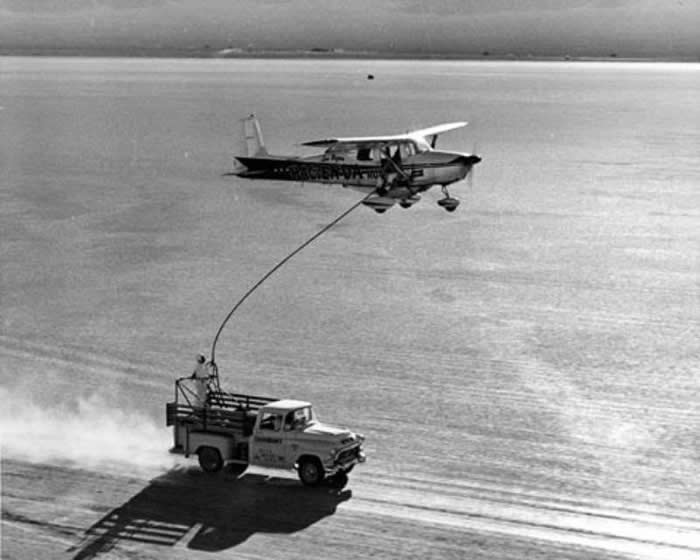
Image Source: Historic Photographs
#2. Using a two-horn listening device at Bolling Field in Washington, D.C., in 1921 before the invention of radar, to listen for distant aircraft.
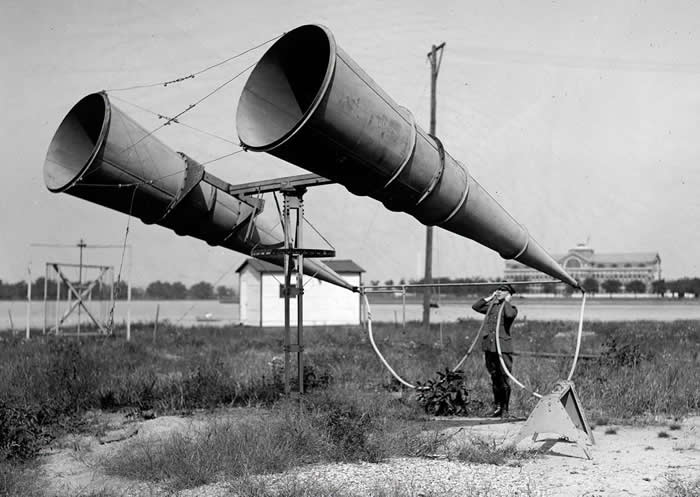
Image Source: Historic Photographs
#3. Belgium milk woman in traditional clothes using dogs to pull the cars. ( Brussels, 1890s).
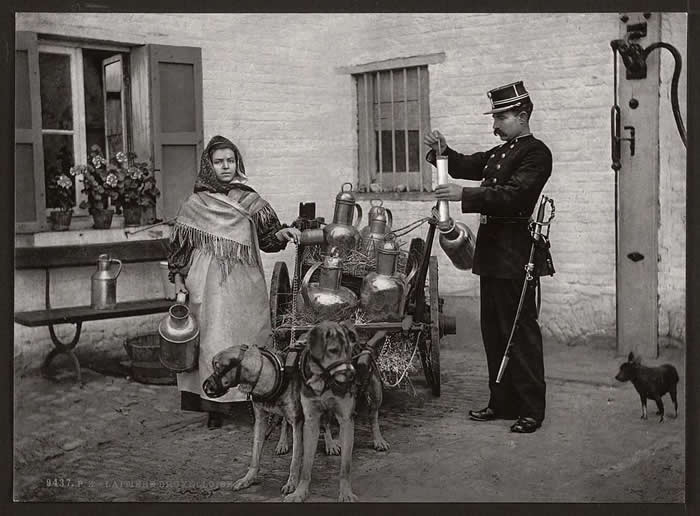
Image Source: Historic Photographs
#4. Unpacking the Statue of Liberty in 1885
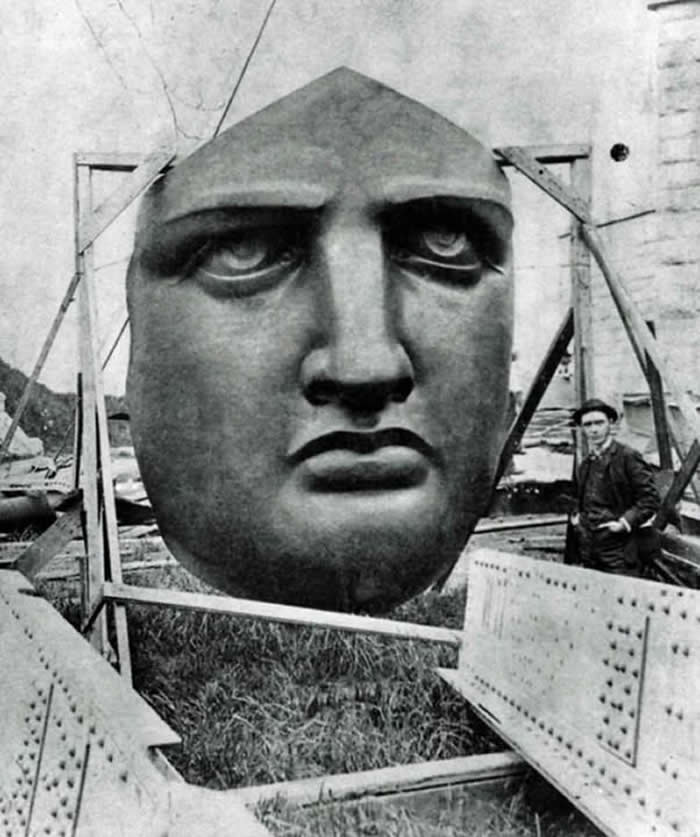
Image Source: Historic Photographs
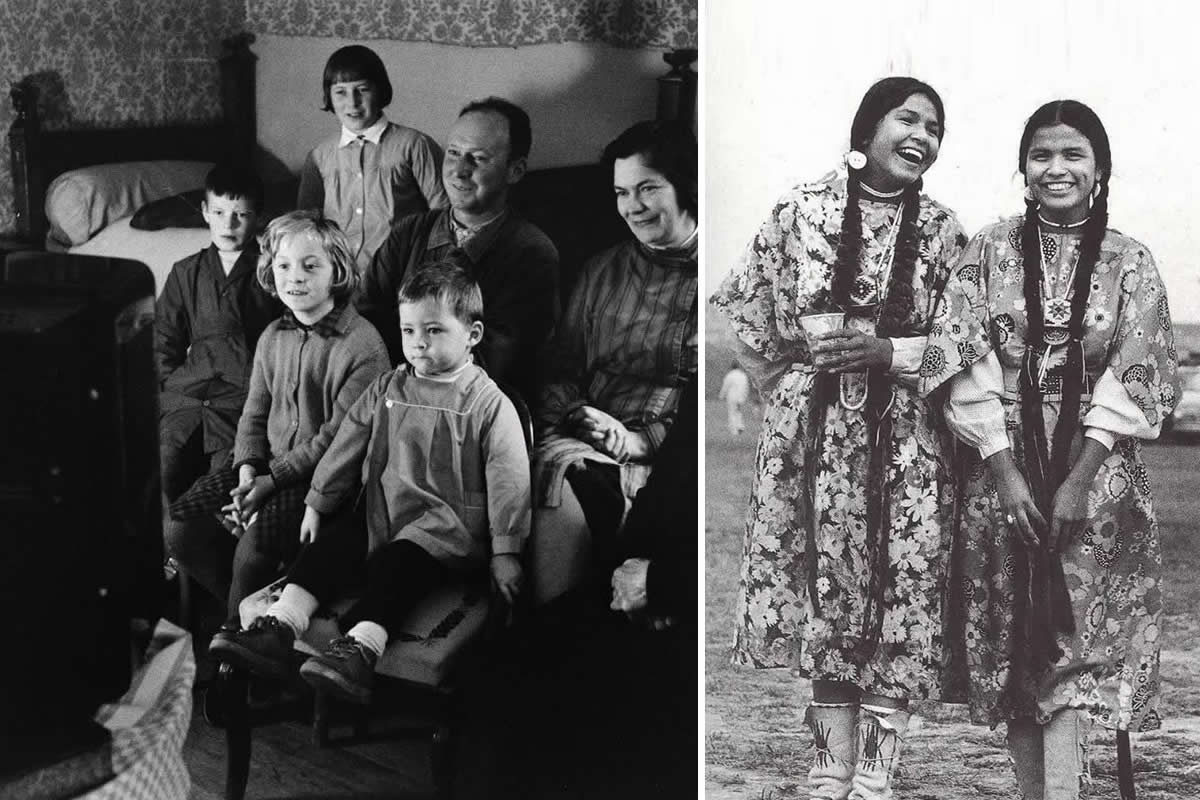
#5. Two Native American women with very long hair in Rapid City, South Dakota circa 1978. Photo by Gianfranco Gorgoni.
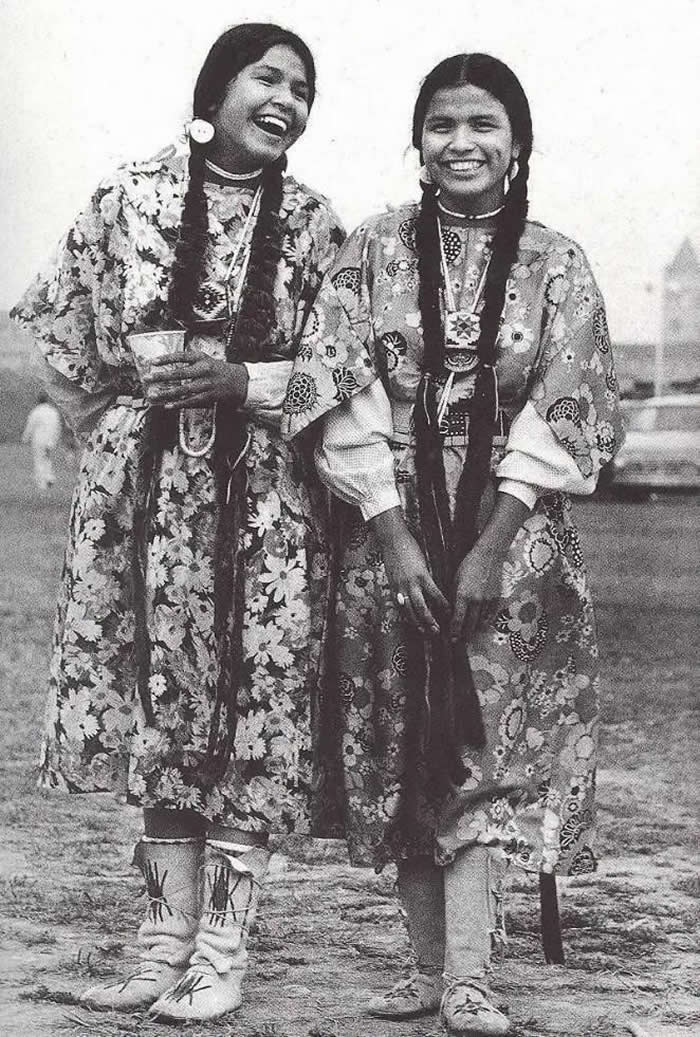
Image Source: Historic Photographs
#6. A French civilian woman pours a drink of cider for a British soldier with Bren gun in Lisieux, 1944
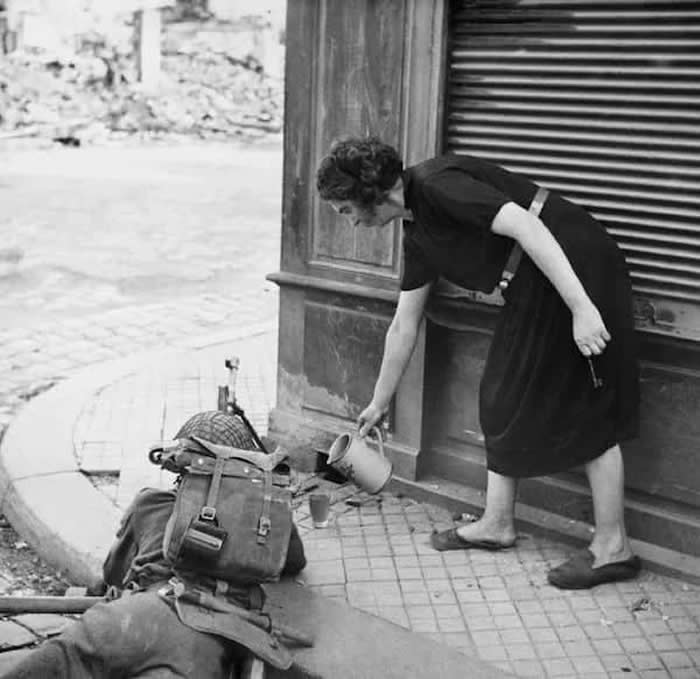
Image Source: Historic Photographs
#7. Norwich City (UK) first computer delivered to the Treasury Department for payroll. 1957.
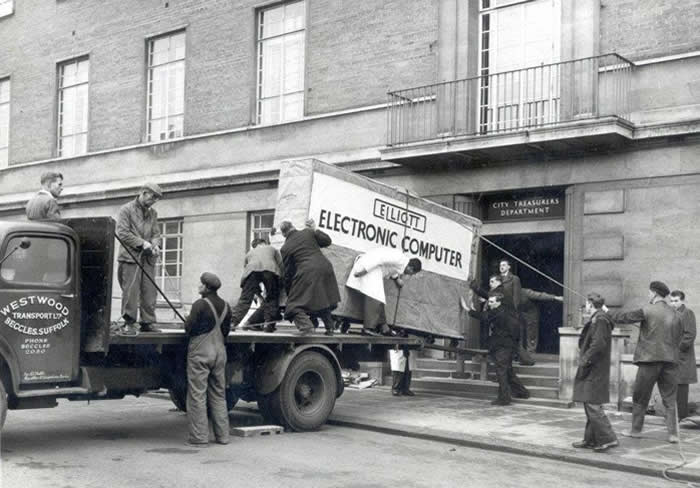
Image Source: Historic Photographs
#8. Jayne Mansfield posing with Miss Hollywood (1957)
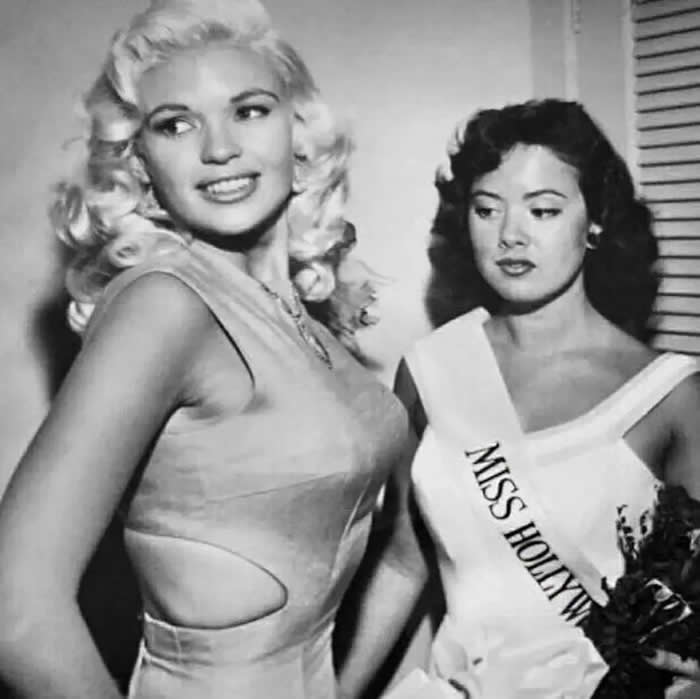
Image Source: Historic Photographs
#9. Rat Catchers, Liverpool. 1933
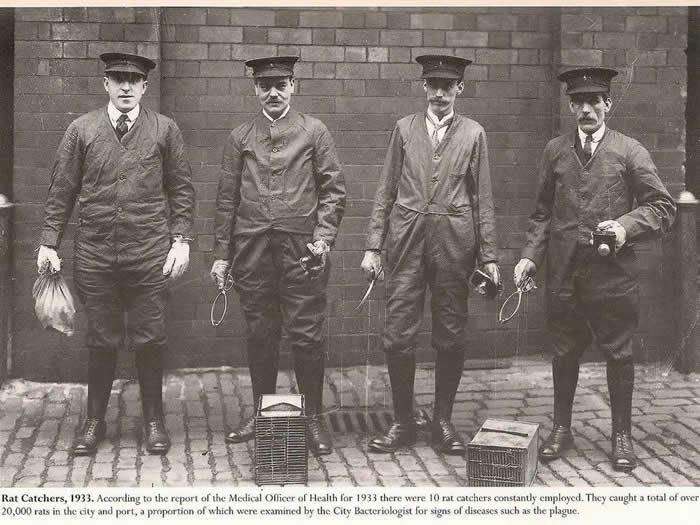
Image Source: Historic Photographs
#10. Radio pram, USA 1921. Pram provided with a radio, including antenna and loudspeaker, to keep the baby quiet.
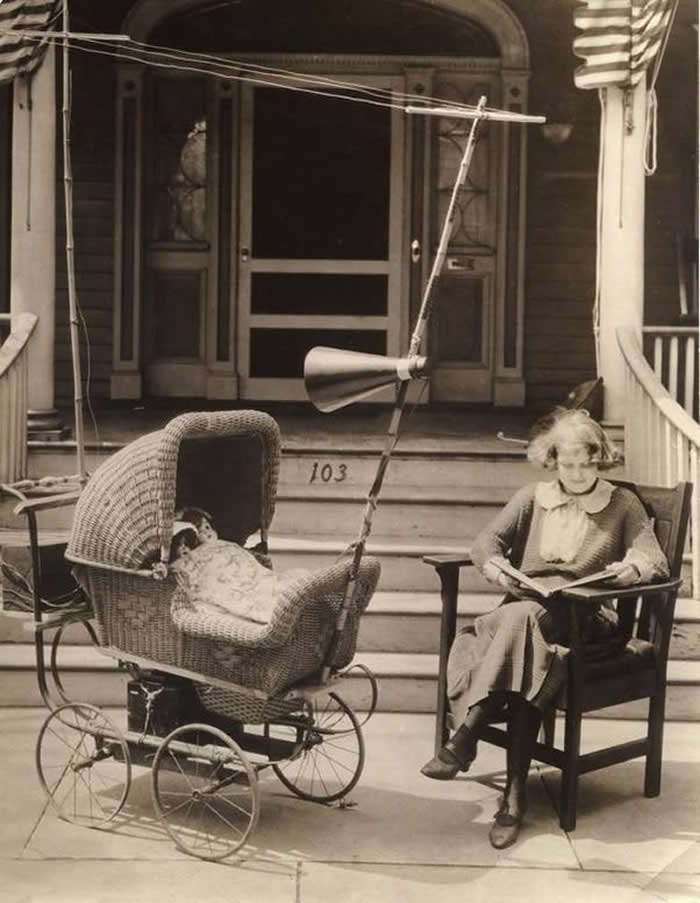
Image Source: Historic Photographs
#11. A kid’s reaction when he meets Andre the Giant, 1970s.
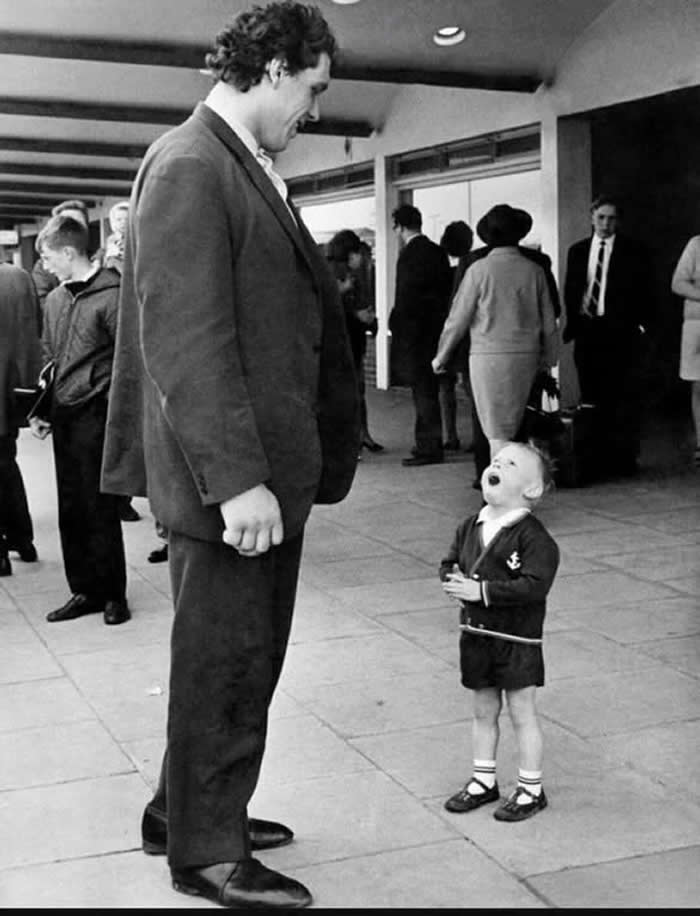
Image Source: Historic Photographs
#12. In 1946 it was considered “indecent” when people walked around in their swimsuits anywhere but on the beach itself, and at Rockaway Beach in New York you were expected to wear a robe to and from the beach. In these vintage photo, the LIFE magazine photographer Sam Shere captured the “indecent exposure” and these beachgoers seem unphased by the cops writing them tickets.
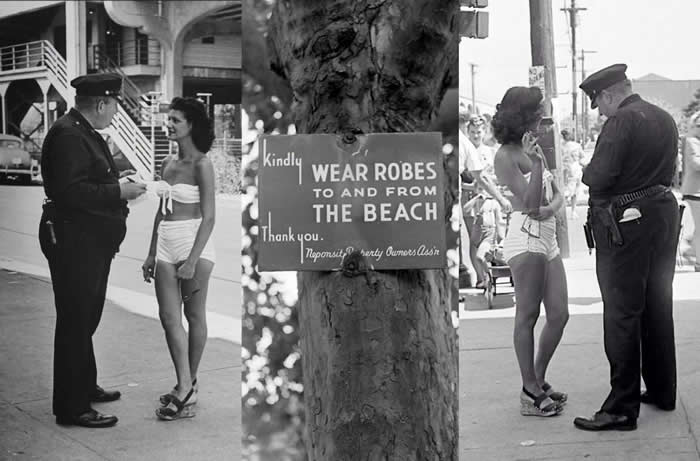
Image Source: Historic Photographs
#13. Only known picture of the Brothers Grimm, 1847
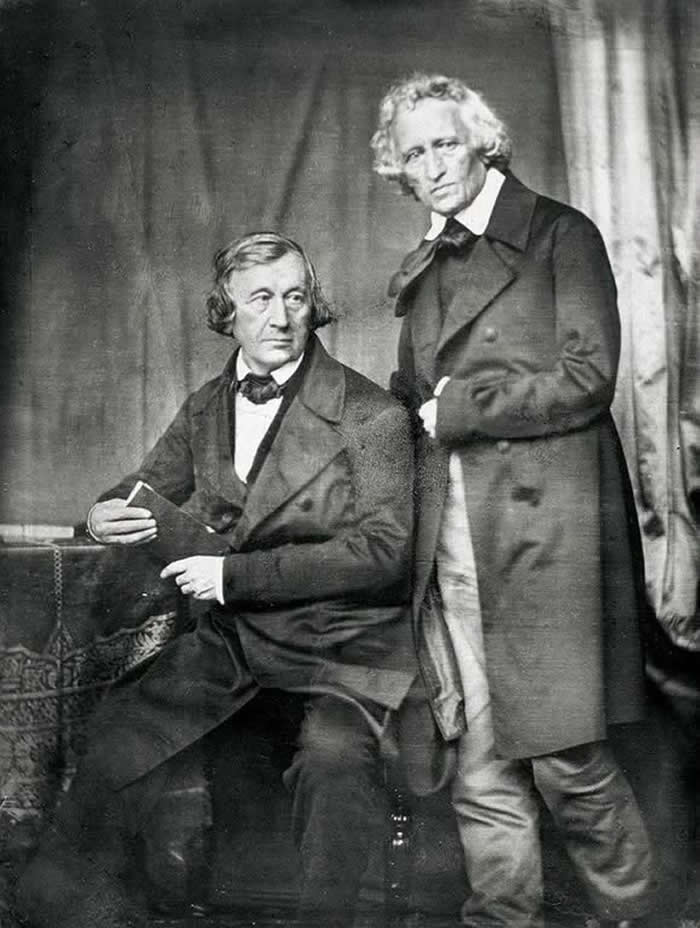
Image Source: Historic Photographs
#14. A 1948 portrait of store detectives hired by Macy’s. They posed backwards to protect their identities.
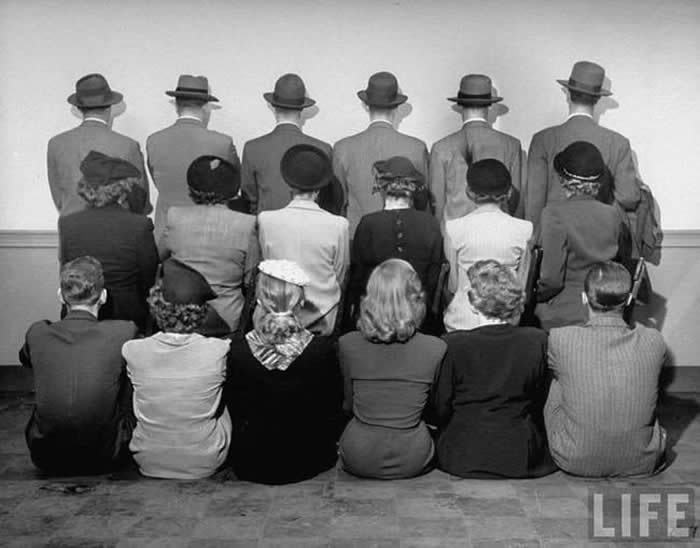
Image Source: Historic Photographs
#15. Once a Beatle: When Ringo Starr was ill with tonsillitis, Jimmie Nicol substituted him on drums for 8 concerts and lived a superstar’s life for 10 days. Here pictured, Jimmie Nicol sitting alone in the Melbourne airport, waiting for the plane that’ll take him back to obscurity. (15 June 1964)
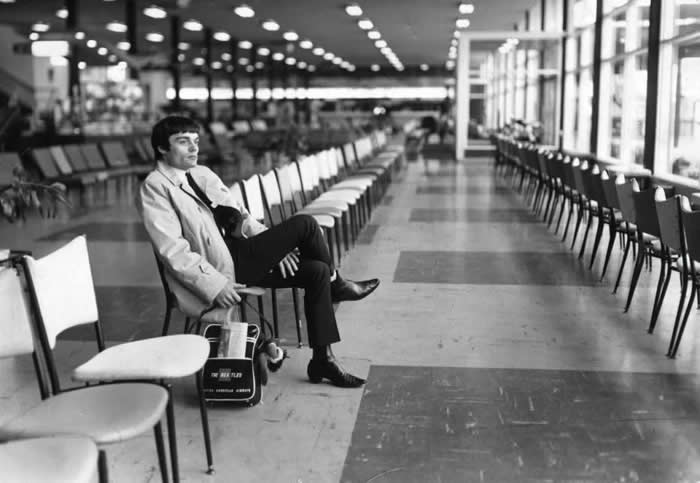
Image Source: Historic Photographs
#16. Loggers hold a cross-cut saw across a giant Sequoia tree’s trunk in California. 1917
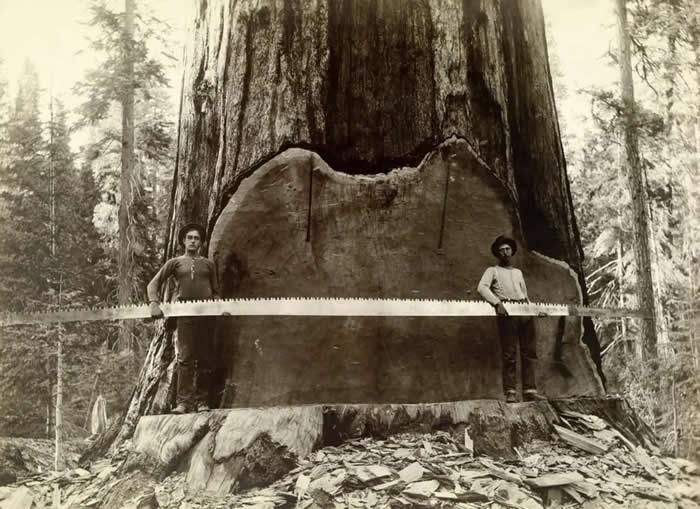
Image Source: Historic Photographs
#17. A lady a record store in the 1970s
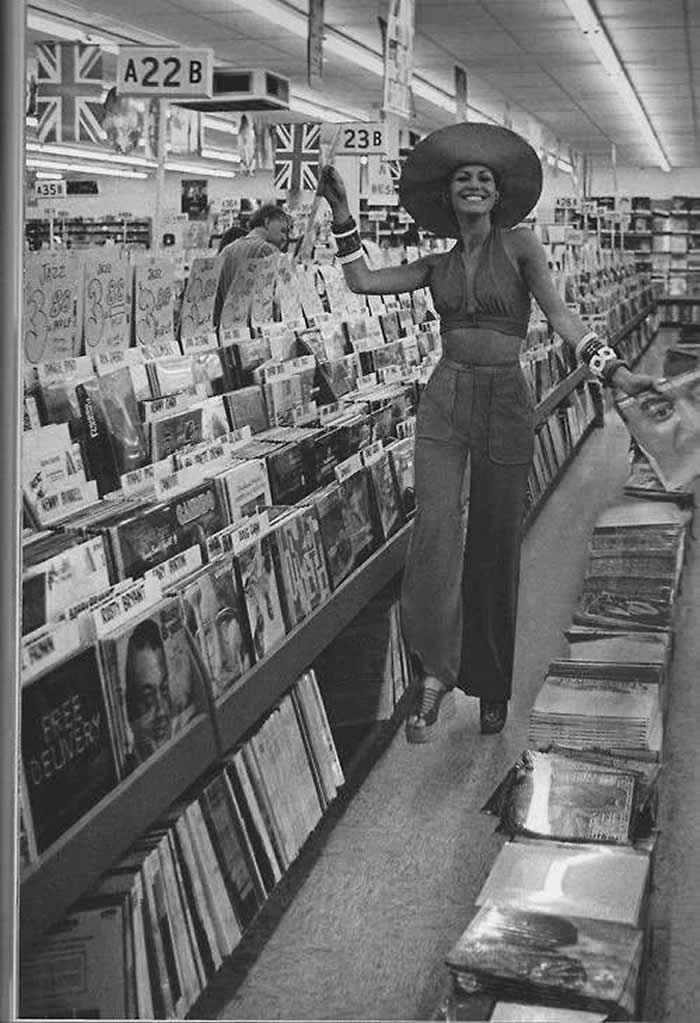
Image Source: Historic Photographs
#18. As Soviet troops approached Berlin in 1945, zoo keepers did their best to take care of Berlin Zoo’s animals. This shoebill was temporarily housed in his keeper’s home.
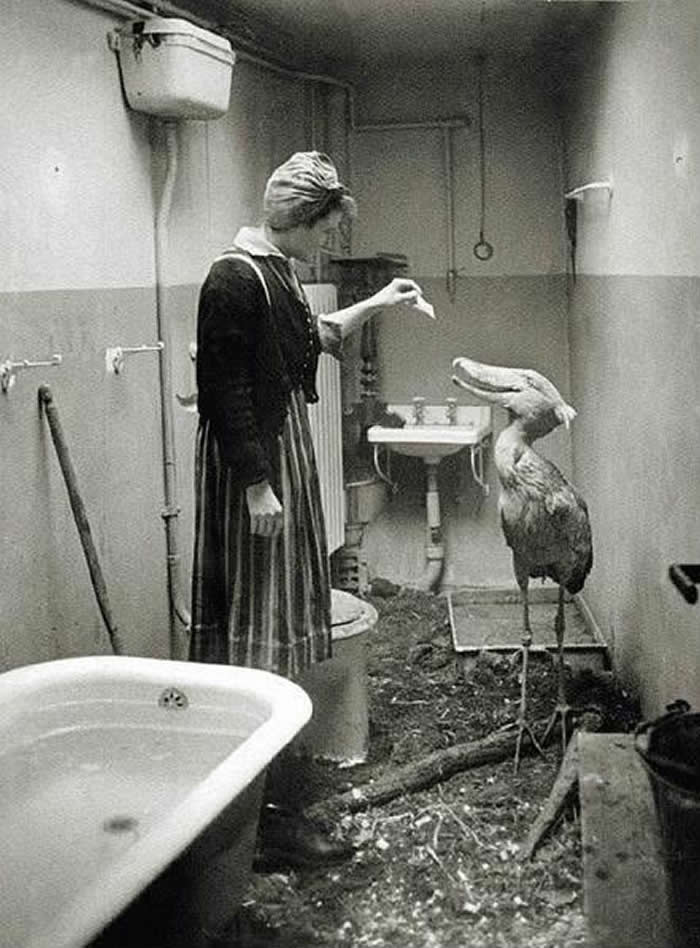
Image Source: Historic Photographs
#19. Queen Elizabeth II was born April 21, 1926, in London. She is held here by her mother, also named Elizabeth. Her father would later become King George VI.
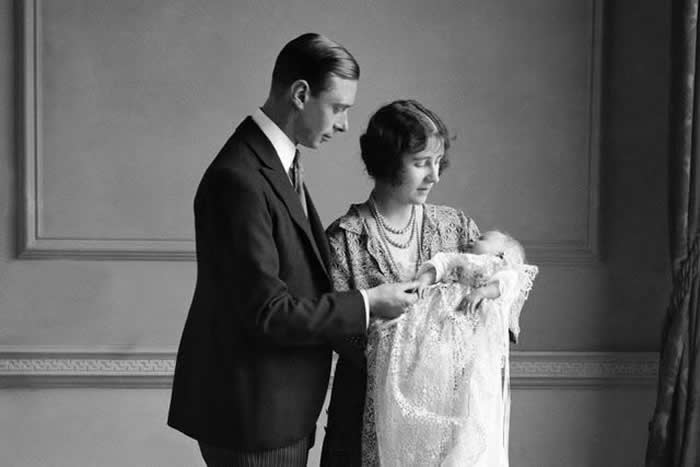
Image Source: Historic Photographs
#20. One of the first photos of the Nefertiti bust, Amarna, 1912. Found by Ludwig Borchardt on December 6, 1912.
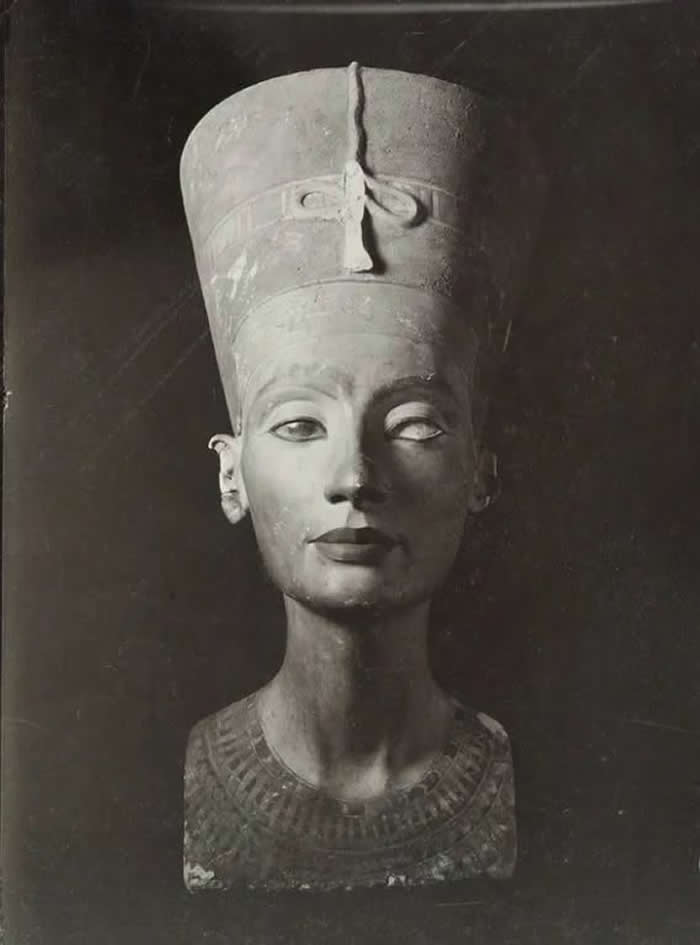
Image Source: Historic Photographs
#21. Admiral William H.P. Blandy and his wife cut into a mushroom cloud cake, celebrating the 1946 atomic tests on Bikini Atoll
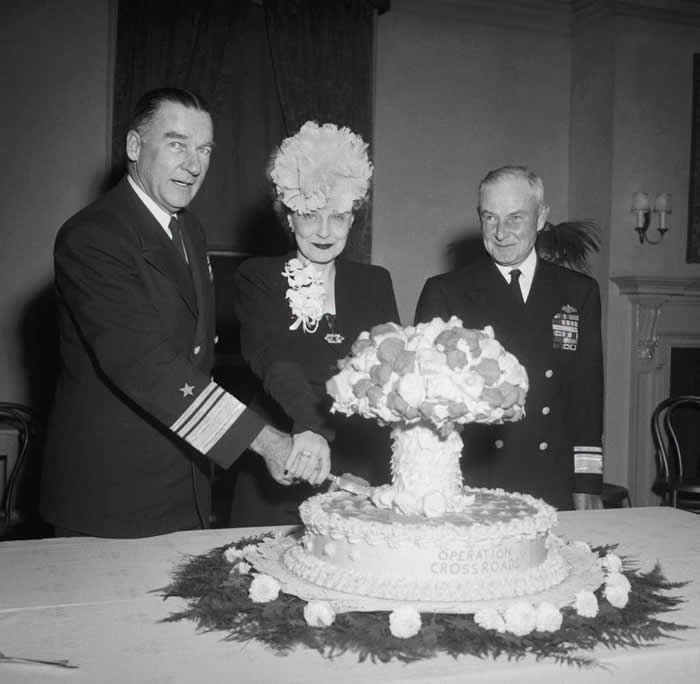
Image Source: Historic Photographs
#22. A dapper young couple and their daughter. Svinhult, Sweden in 1919.
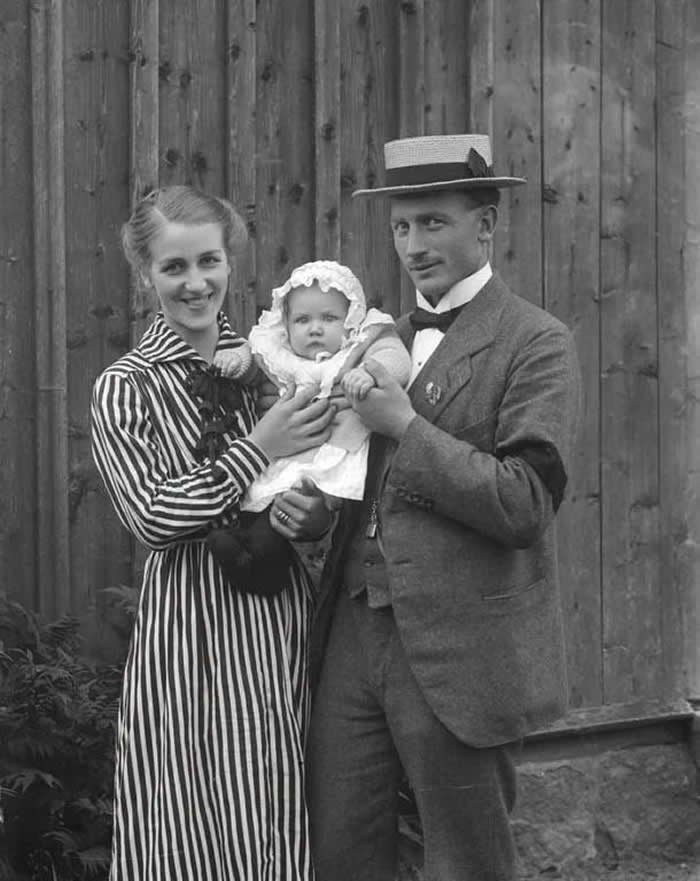
Image Source: Historic Photographs
#23. The White House was completely gutted and rebuilt between 1948-1952.
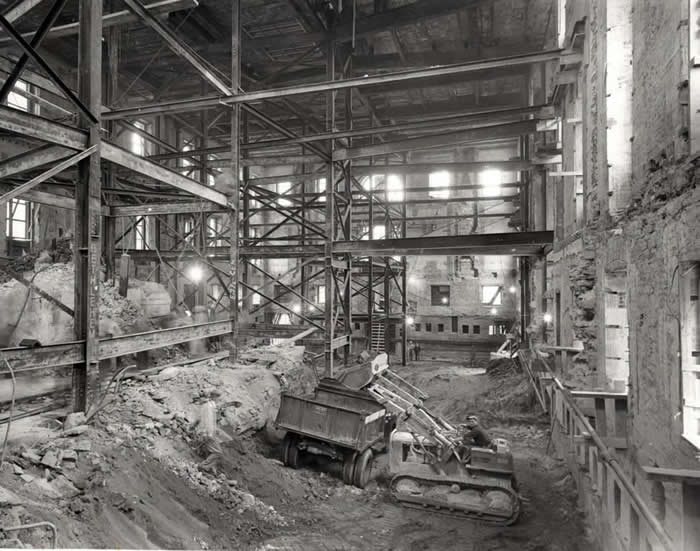
Image Source: Historic Photographs
#24. U.S. Marshalls escorting the extremely brave Ruby Bridges, 6 years old, to school in 1960. This courageous young girl is known for being the first African American child to attend an all-white elementary school in the South
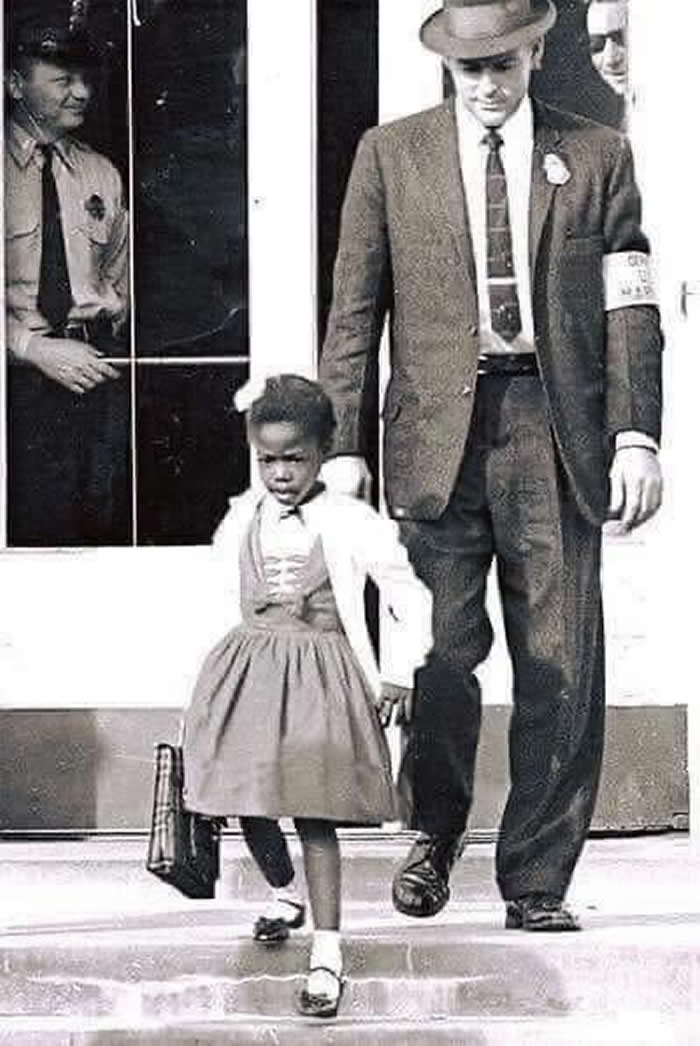
Image Source: Historic Photographs
#25. The creation of the recycling logo by G. Anderson, 23 at the time. (1970)
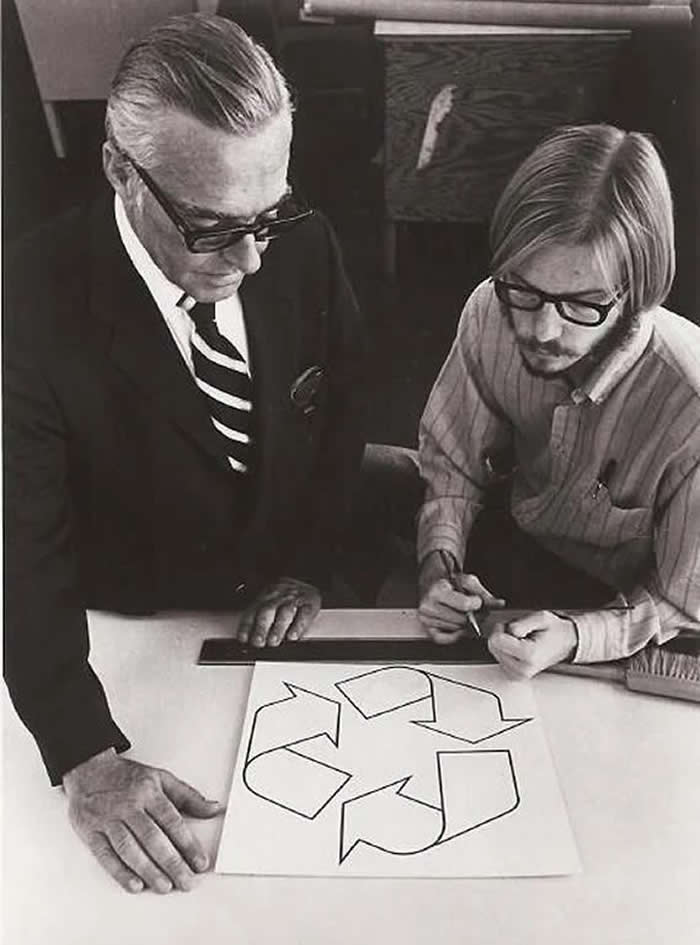
Image Source: Historic Photographs
#26. The French Army’s wine stock before the Battle of Gallipoli, 1915. (Lemnos Island, Aegean Sea. Dardanelles Campaign)
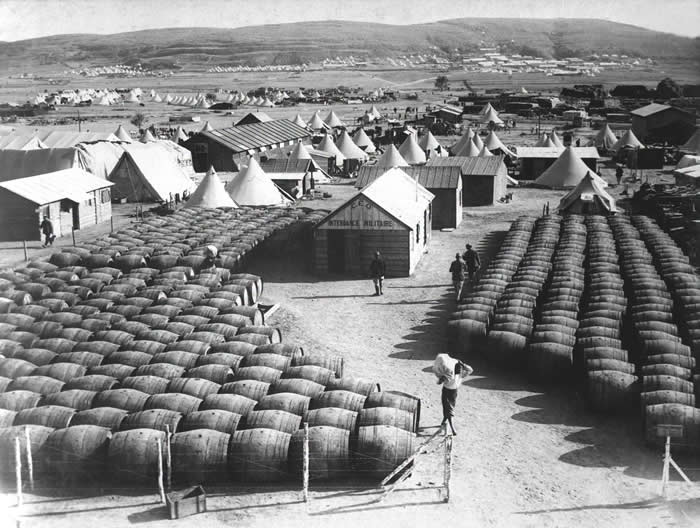
Image Source: Historic Photographs
#27. First time watching TV, Burgundy, France, 1962. Photo by Janine Niépce
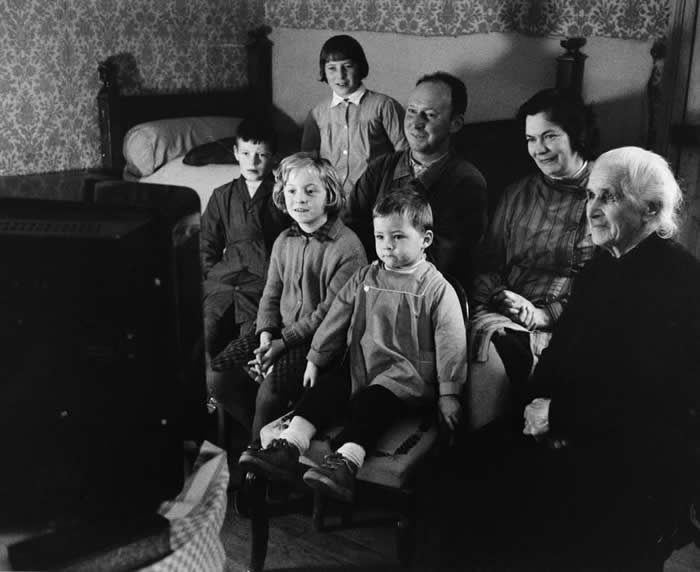
Image Source: Historic Photographs
#28. A Hookah (Nargile) Café in Istanbul, Ottoman Empire – 1885
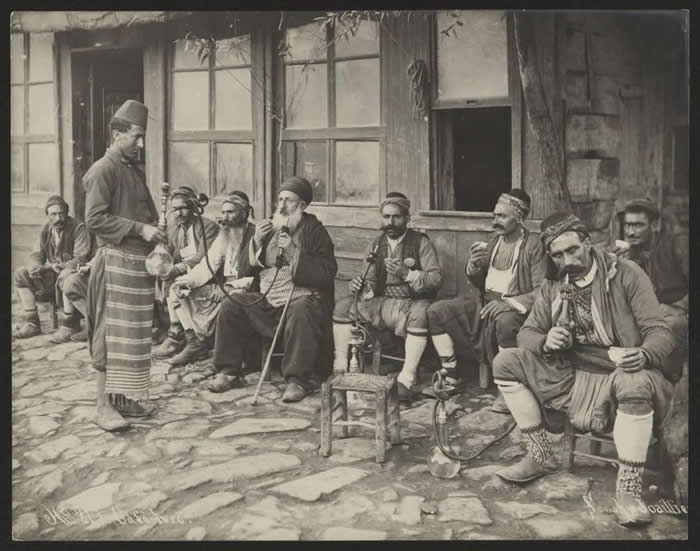
Image Source: Historic Photographs
#29. Paparazzi photographer Ron Galella would wear a football helmet around actor Marlon Brando, after Brando once sucker-punched him, broke his jaw, and knocked out five teeth in 1973.
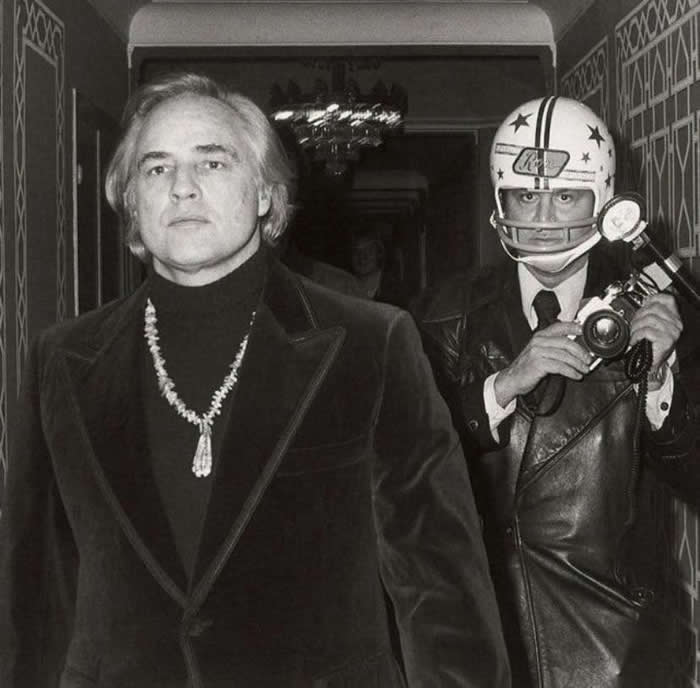
Image Source: Historic Photographs
#30. "Friends" high school year book photos. 1980s
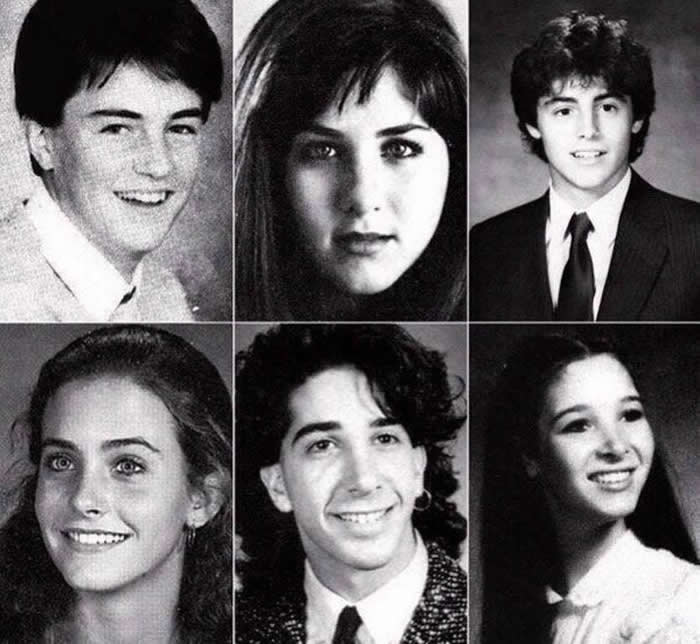
Image Source: Historic Photographs
#31. Kangaroo Jumps rebound shoes, 1935
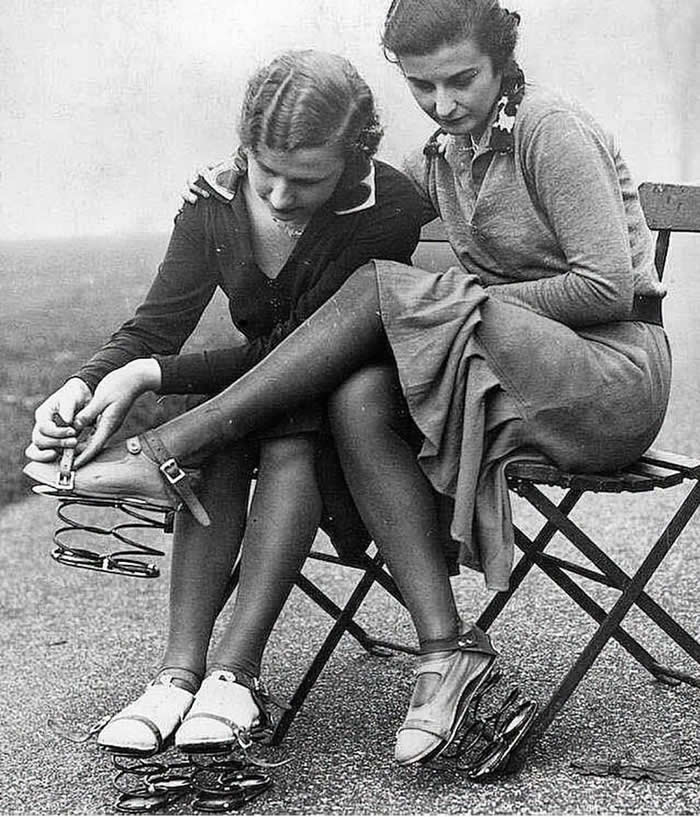
Image Source: Historic Photographs
#32. A mother tries to hold in a smile/laugh while her baby burst out laughing, Daguerreotype, circa 1850s
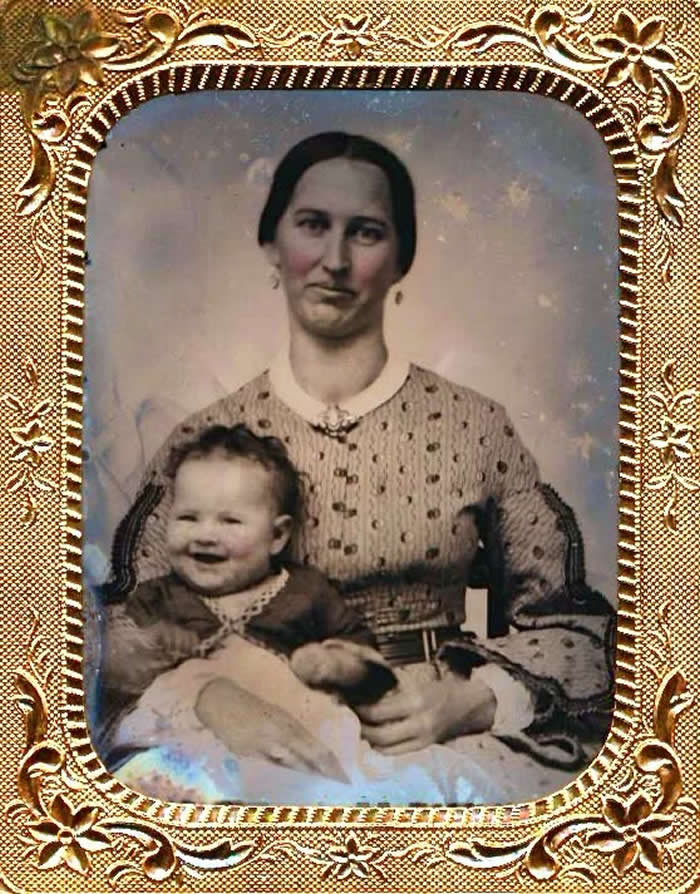
Image Source: Historic Photographs
#33. Swiss psychologist and genetic epistemologist Jean Piaget sitting in his home office, 1979. Credited as a pioneer of the constructivist theory, which suggests that people actively construct their knowledge of the world based on the interactions between their ideas and their experiences.
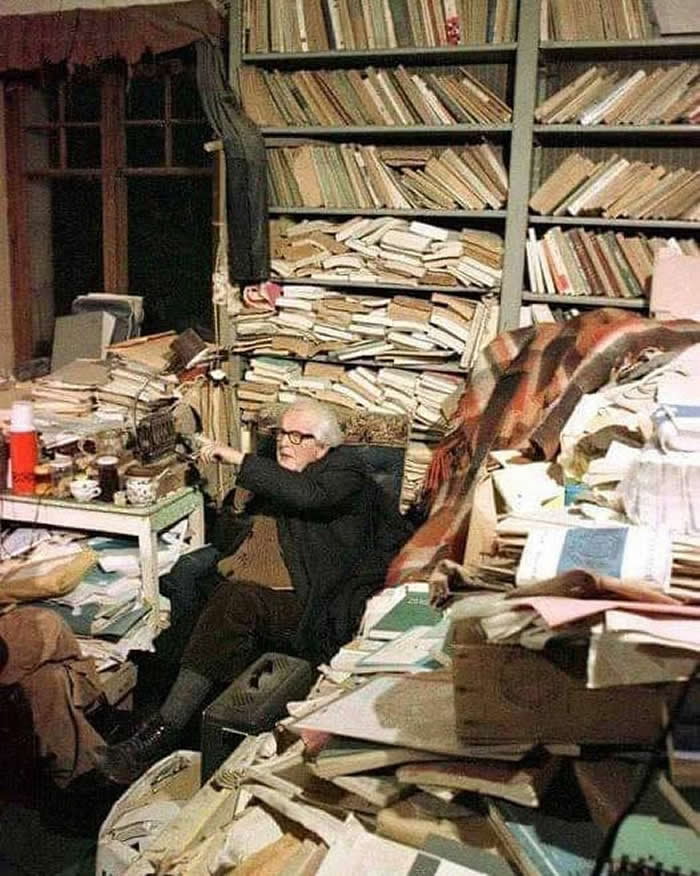
Image Source: Historic Photographs
#34. Bogart Co., a band from Finland. Fashion of the 1980s.
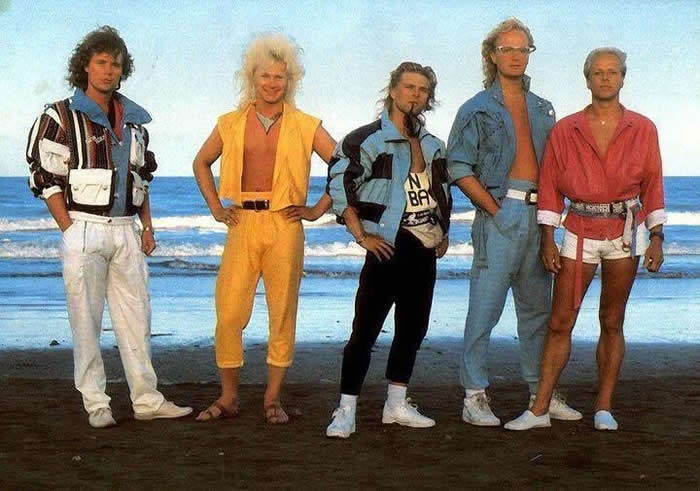
Image Source: Historic Photographs
#35. Robert Wadlow, the tallest person in recorded history for whom there is irrefutable evidence. (1940) His height was 8 ft 11 in (2.72 m) while his weight reached 439 lb (199 kg) at his death at age 22.
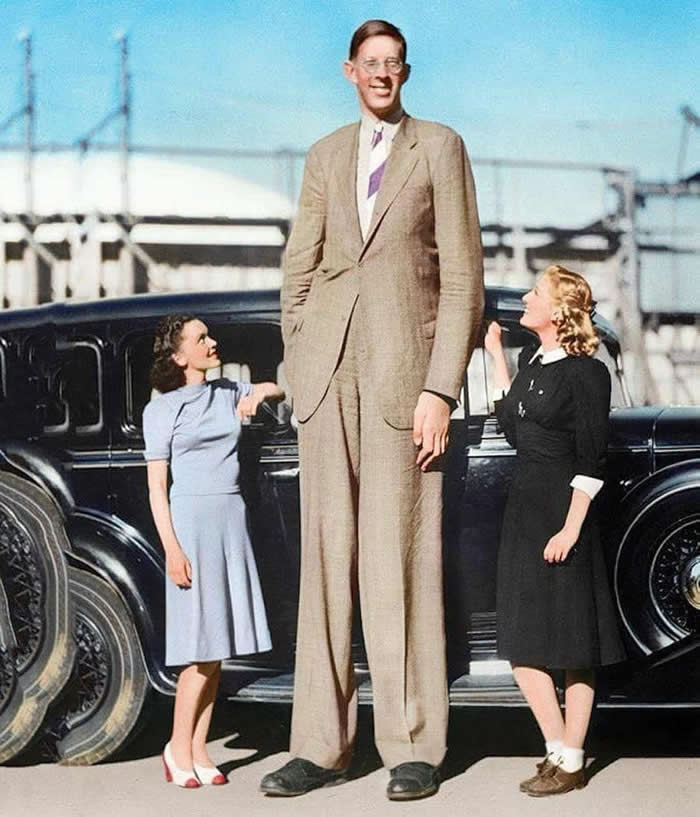
Image Source: Historic Photographs
#36. The cast of Mel Stuart’s "Willy Wonka & The Chocolate Factory". 1971
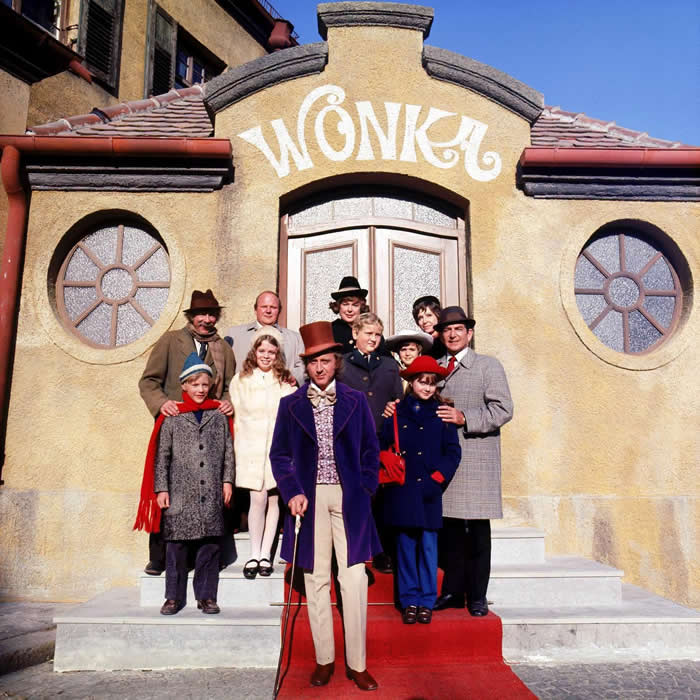
Image Source: Historic Photographs
#37. Chinese explorer Zheng He’s ship compared to Christopher Columbus’ “Santa Maria”. They both lived and sailed at the same time.
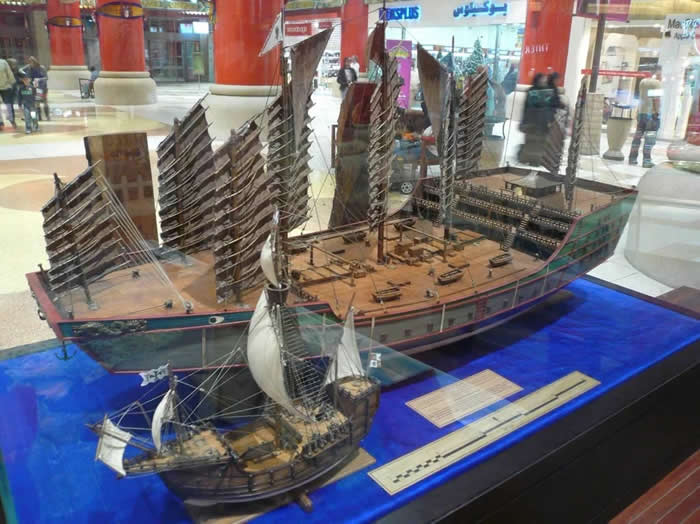
Image Source: Historic Photographs
#38. Sergeant William McGregor of the Scot’s Guards wearing his Crimean whiskers and medal. 1856. (Colorized)
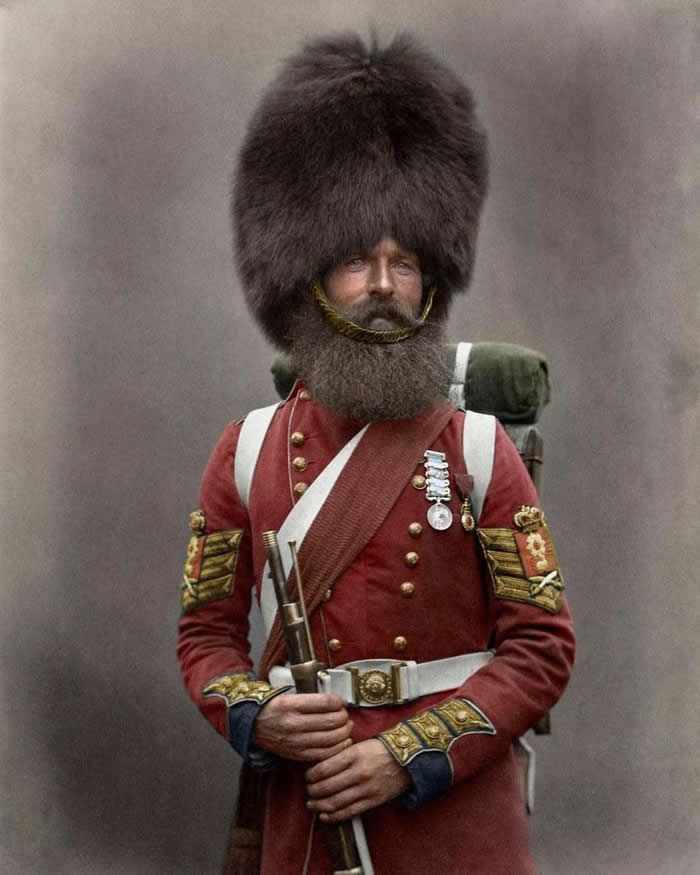
Image Source: Historic Photographs
#39. New Ford delivery, 1940s.
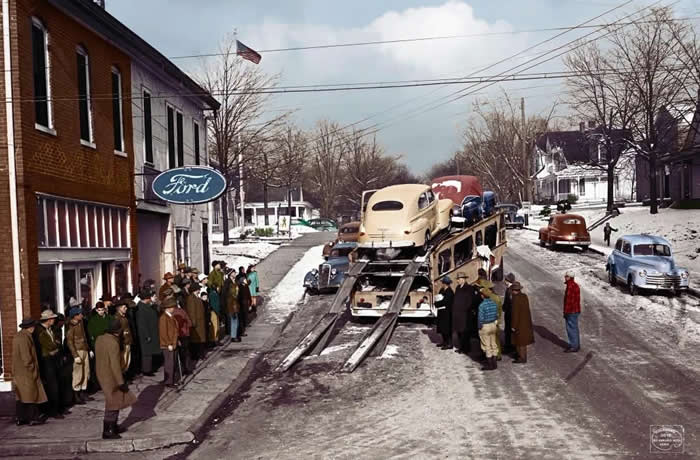
Image Source: Historic Photographs
#40. American prisoners of war stand for roll call in the courtyard of Nga Tu So prison, Hanoi, North Vietnam. March 1973.
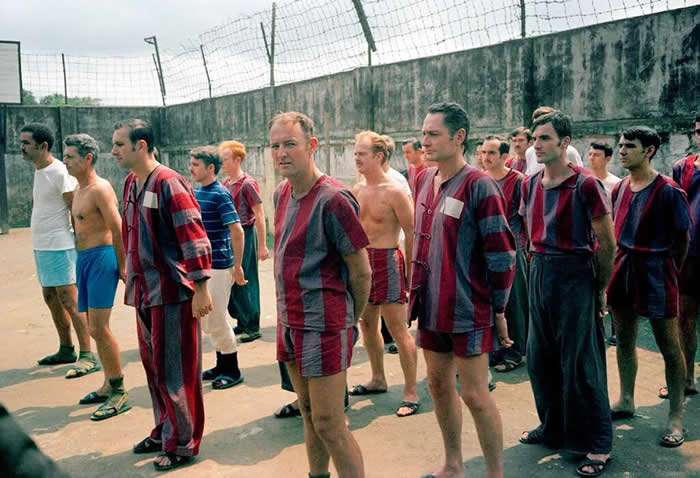
Image Source: Historic Photographs
Frequently Asked Questions:
What makes historical photos so valuable?
Historical photos preserve authentic moments that written records often cannot capture. They provide visual evidence of historical events, famous people, cultural traditions, architecture, fashion, and everyday life, helping future generations understand how people lived and how the world evolved over time.
What can we learn from old historical photographs?
Old photographs reveal social customs, technology, clothing, transportation, workplaces, family life, and major historical milestones. They give historians, educators, and curious readers valuable context, connecting them to the past through genuine visual storytelling.
Why do historical photos remain emotionally powerful today?
Historical images capture genuine human emotions such as joy, hope, grief, courage, and determination. These universal experiences let modern viewers relate to people from different generations and appreciate their struggles, achievements, and everyday lives.
How do photographers contribute to preserving history?
Photographers document significant events and ordinary moments alike, creating visual records that become historical archives. Their work preserves details that might otherwise disappear, letting future generations witness important people, places, and moments as they happened.
Why do collections of historical photos continue to fascinate readers?
Historical photo collections combine storytelling with authentic visual evidence, making history more engaging and memorable. They spark curiosity, encourage learning, and offer rare glimpses into famous events and everyday moments that shaped the world today.