
Every photo has a story. But before lightning-fast autofocus, mirrorless technology, and smartphones that fit in your pocket, photography depended on beautifully engineered cameras built with patience, craftsmanship, and imagination. June 29th is the National Camera Day is the perfect excuse to look back at the incredible machines that made modern photography possible.
These vintage cameras weren’t just tools. They traveled through world wars, documented history, captured unforgettable family memories, and inspired generations of photographers to see the world differently. Every scratch on their metal bodies tells a story. Every shutter click represents a frozen moment that might never happen again.
Some became favorites of legendary photojournalists. Others transformed photography from an expensive luxury into a hobby anyone could enjoy. A few introduced groundbreaking technology that still influences today’s digital cameras. Whether you’re a collector, a professional photographer, or simply someone fascinated by classic design, these timeless cameras remind us how far photography has come.
From the revolutionary Kodak Brownie that made photography accessible to everyday people to the iconic Leica rangefinders loved by street photographers, each camera on this list earned its place in history.
So grab your favorite drink, imagine the satisfying click of a mechanical shutter, and take a walk through more than a century of photographic innovation. These 30 vintage cameras prove that great photography has never been about megapixels—it has always been about vision.
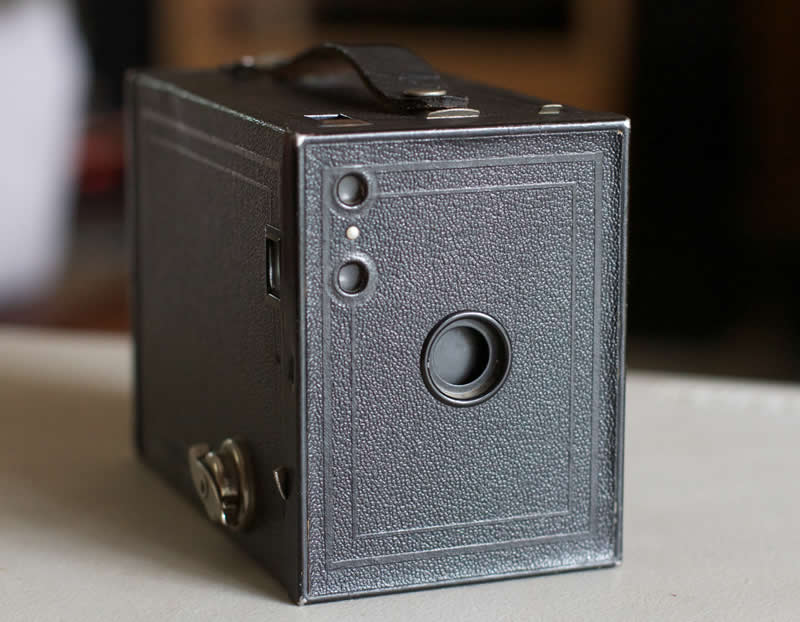
1. Kodak Brownie (1900)
The Kodak Brownie completely changed photography by making cameras affordable for ordinary families. Simple to use and inexpensive, it encouraged millions of people to document birthdays, vacations, and everyday life, helping create the culture of personal photography we know today.
Highlights:
- Introduced in 1900
- Extremely affordable for families
- Popularized snapshot photography
- Used roll film
- One of history’s best-selling cameras
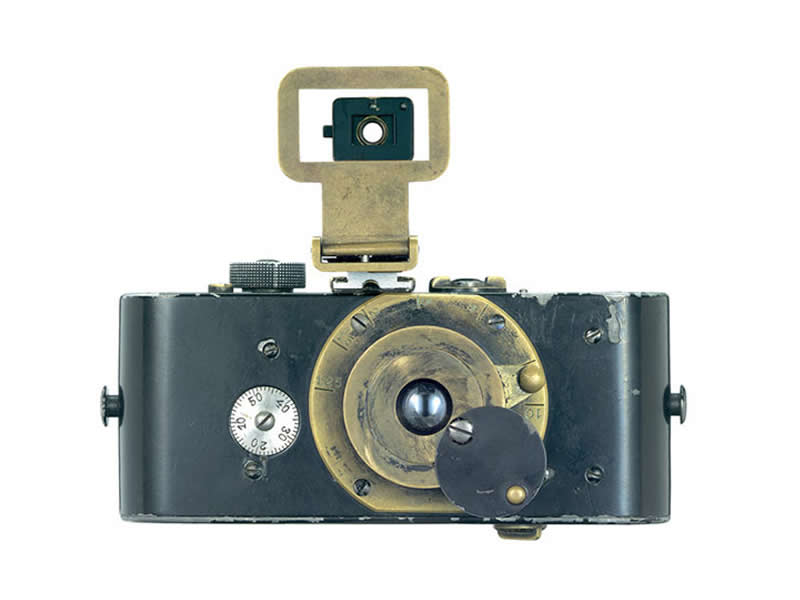
2. Leica I (1925)
The Leica I proved that small cameras could produce professional-quality photographs. Its compact 35mm design revolutionized street photography and documentary work, allowing photographers to capture spontaneous moments with speed, discretion, and exceptional image quality.
Highlights:
- First successful 35mm still camera
- Compact and lightweight
- Popular among photojournalists
- Precision German engineering
- Changed street photography forever
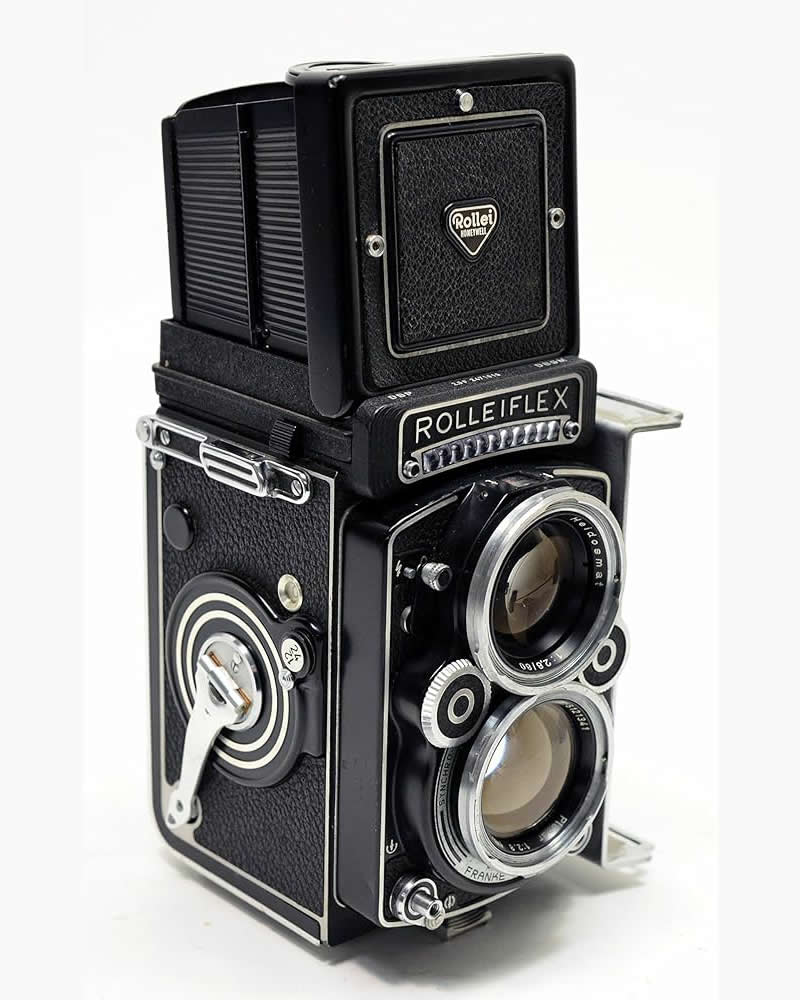
3. Rolleiflex 2.8F (1960)
Known for its twin-lens reflex design, the Rolleiflex delivered remarkable image quality with medium-format film. Looking down through the waist-level finder became an iconic shooting experience that many portrait and fashion photographers still admire today.
Highlights:
- Twin-lens reflex camera
- Medium-format negatives
- Exceptional Carl Zeiss lenses
- Waist-level viewfinder
- Favorite of portrait photographers
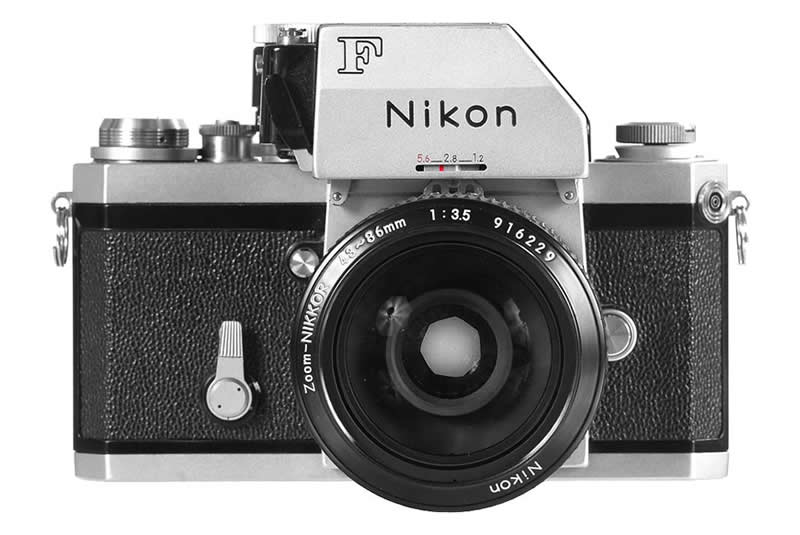
4. Nikon F (1959)
The Nikon F became one of the most influential professional SLR cameras ever made. Rugged, modular, and reliable, it accompanied countless photographers covering wars, sports, wildlife, and historical events around the globe.
Highlights:
- Legendary professional SLR
- Interchangeable viewfinders
- Durable metal construction
- Huge lens ecosystem
- Trusted by professionals worldwide
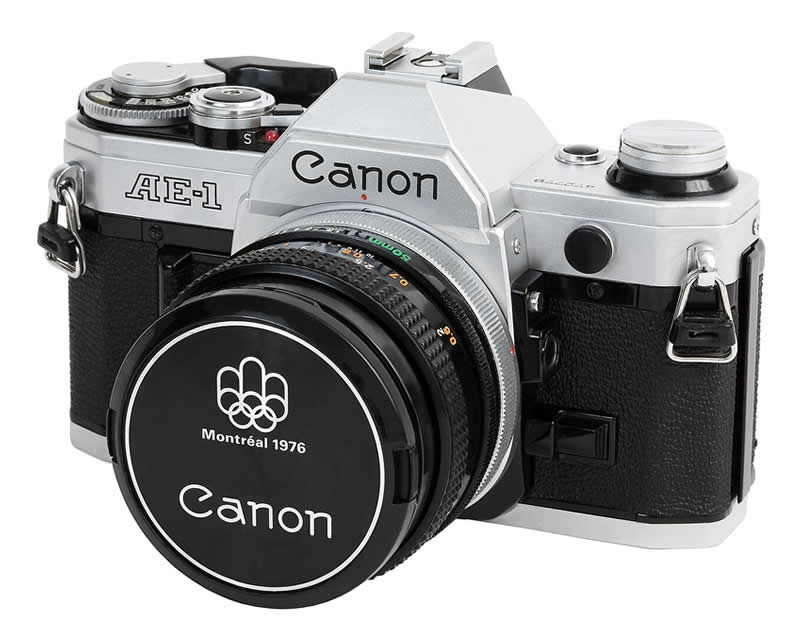
5. Canon AE-1 (1976)
The Canon AE-1 introduced electronic innovation to film photography while remaining easy for beginners. Millions of photographers learned exposure, composition, and creativity using this dependable camera, making it one of Canon’s greatest success stories.
Highlights:
- One of the best-selling SLRs
- Built-in electronic exposure
- Beginner-friendly controls
- Lightweight body
- Large FD lens selection
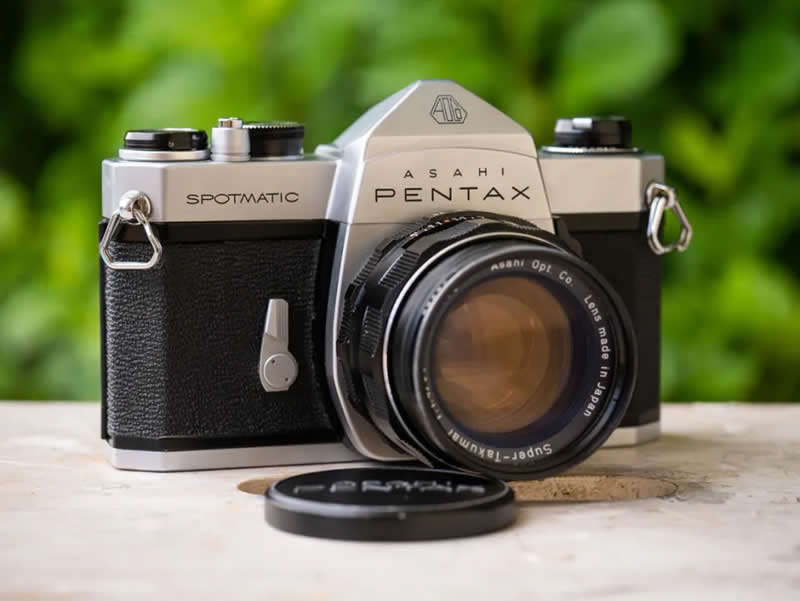
6. Pentax Spotmatic (1964)
The Spotmatic became famous for introducing through-the-lens light metering to everyday photographers. It combined reliability, outstanding Takumar lenses, and straightforward controls into a camera that photographers trusted for decades.
Highlights:
- Popularized TTL metering
- Excellent Super Takumar lenses
- Fully mechanical operation
- Compact design
- Highly respected by collectors
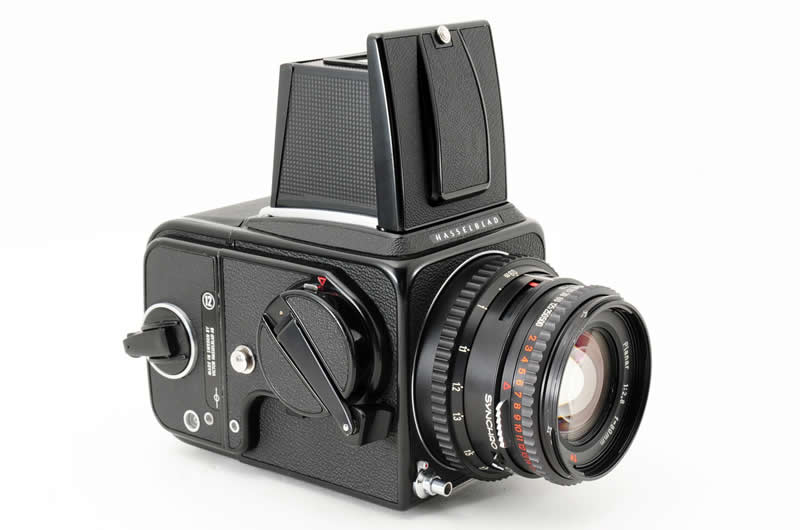
7. Hasselblad 500C (1957)
Few cameras carry the prestige of the Hasselblad 500C. Its modular design and stunning medium-format image quality made it a favorite in fashion studios, commercial photography, and even NASA’s historic Apollo moon missions.
Highlights:
- Modular camera system
- Medium-format film
- Zeiss lenses
- Used during Apollo missions
- Incredible image quality
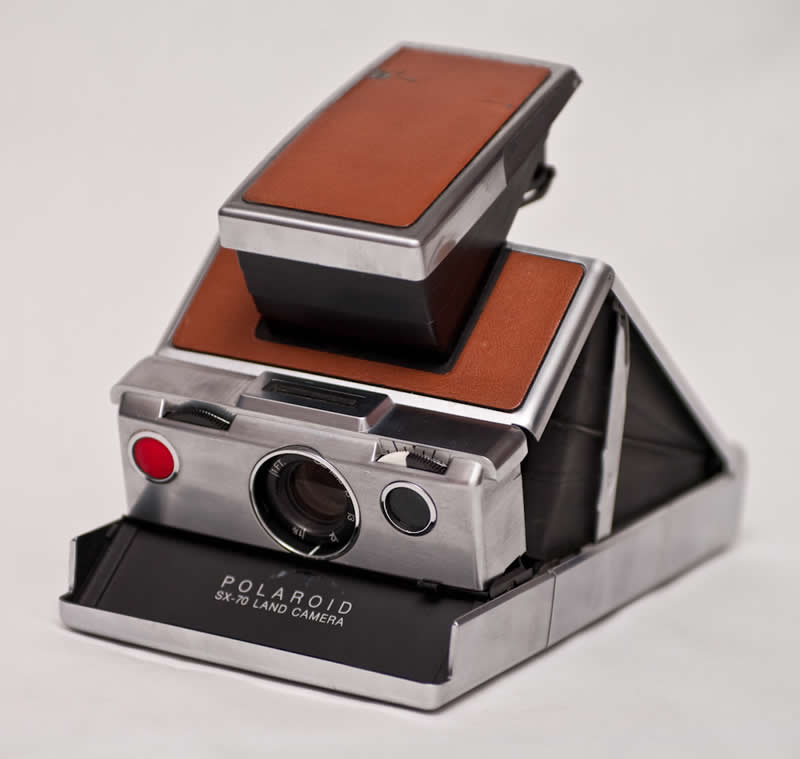
8. Polaroid SX-70 (1972)
The Polaroid SX-70 brought instant photography into the mainstream. Watching a photograph develop before your eyes felt magical, making the camera an instant hit among artists, families, and creative photographers.
Highlights:
- Folding SLR design
- Instant photographs
- Innovative engineering
- Creative artistic appeal
- Iconic industrial design
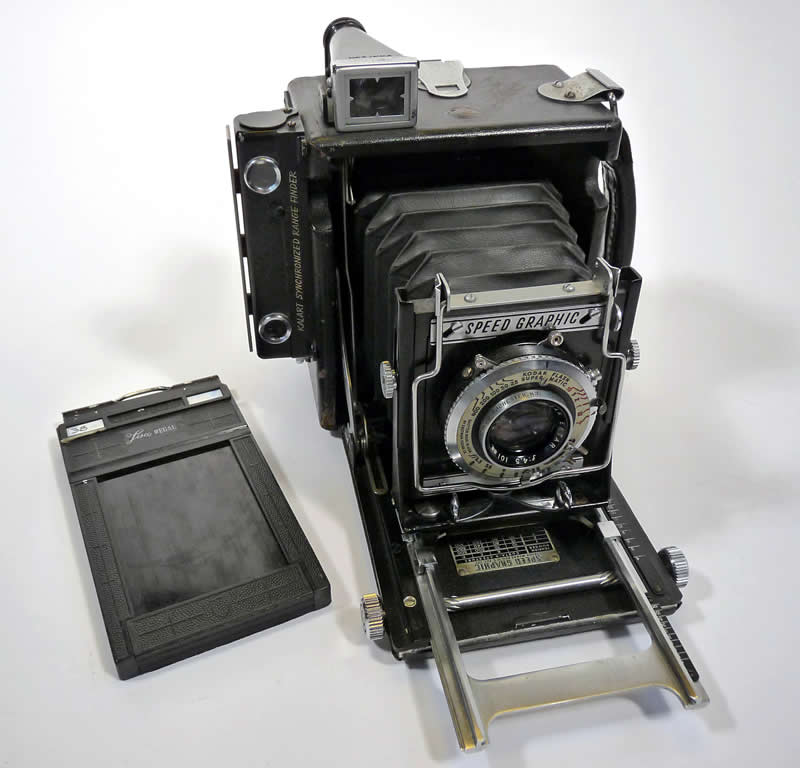
9. Graflex Speed Graphic (1912)
For decades, the Speed Graphic symbolized professional press photography. Newspapers relied on this large-format camera to document major events before compact cameras took over the industry.
Highlights:
- Classic press camera
- Large-format negatives
- Bellows focusing
- Exceptional detail
- Historic journalism icon
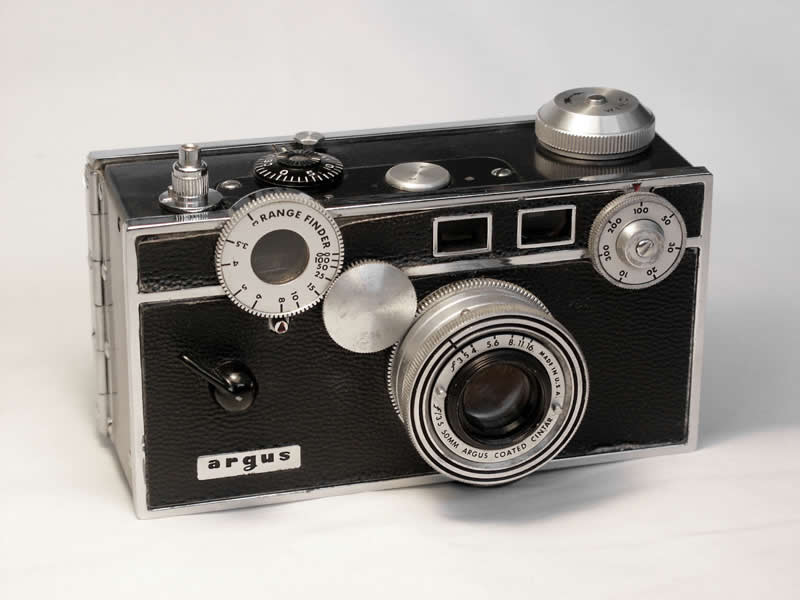
10. Argus C3 (1939)
Nicknamed "The Brick," the Argus C3 became America’s favorite affordable rangefinder. Durable construction, dependable performance, and budget-friendly pricing helped introduce countless enthusiasts to serious photography.
Highlights:
- Affordable rangefinder
- American-made classic
- Rugged construction
- Long production history
- Perfect for beginners
11. Leica M3 (1954)
The Leica M3 is widely regarded as one of the greatest rangefinder cameras ever built. Its silky-smooth operation, crystal-clear viewfinder, and exceptional craftsmanship made it the favorite of legendary street photographers and photojournalists. Even today, collectors and professionals consider it a benchmark for mechanical camera design.
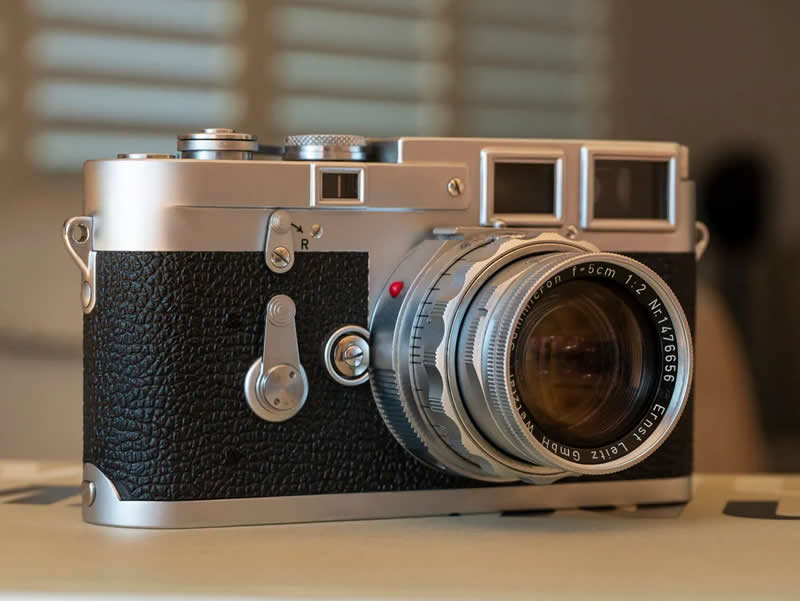
Highlights:
- Introduced in 1954
- Legendary 35mm rangefinder
- Bright, highly accurate viewfinder
- Precision all-metal construction
- Compatible with iconic Leica M lenses
12. Zeiss Ikon Contax II (1936)
The Contax II was a technological masterpiece that challenged Leica during the golden age of rangefinder photography. Featuring an advanced shutter, integrated rangefinder, and world-class Zeiss optics, it quickly became the choice of photographers seeking unmatched image quality and engineering excellence.
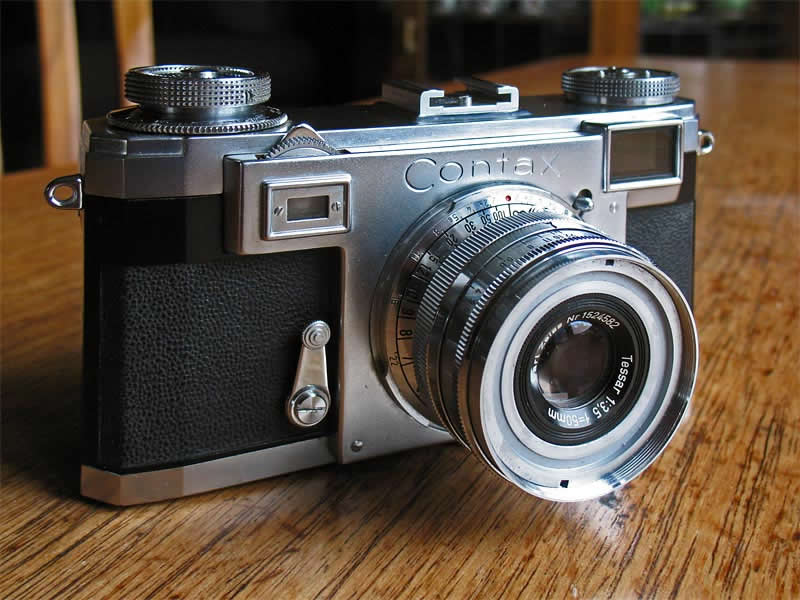
Highlights:
- Released in 1936
- Innovative built-in rangefinder
- Renowned Zeiss lenses
- Precision German craftsmanship
- Influenced future camera designs
13. Kodak Retina IIIc (1954)
Elegant, compact, and beautifully engineered, the Kodak Retina IIIc proved that folding cameras could deliver professional-level results. Its sharp Schneider-Kreuznach lenses and portable design made it a favorite companion for travelers wanting outstanding photographs without carrying bulky equipment.
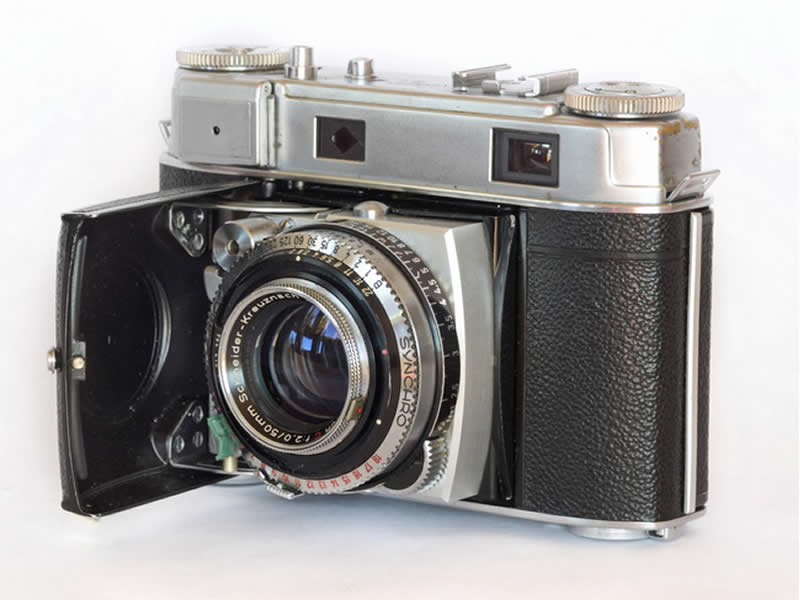
Highlights:
- Compact folding design
- Premium Schneider lenses
- Excellent travel camera
- 35mm film format
- Beautiful vintage craftsmanship
14. Olympus Pen F (1963)
The Olympus Pen F completely reimagined photography with its half-frame format, allowing photographers to capture twice as many images on a single roll of film. Stylish, compact, and innovative, it became a favorite among travelers and creative photographers alike.
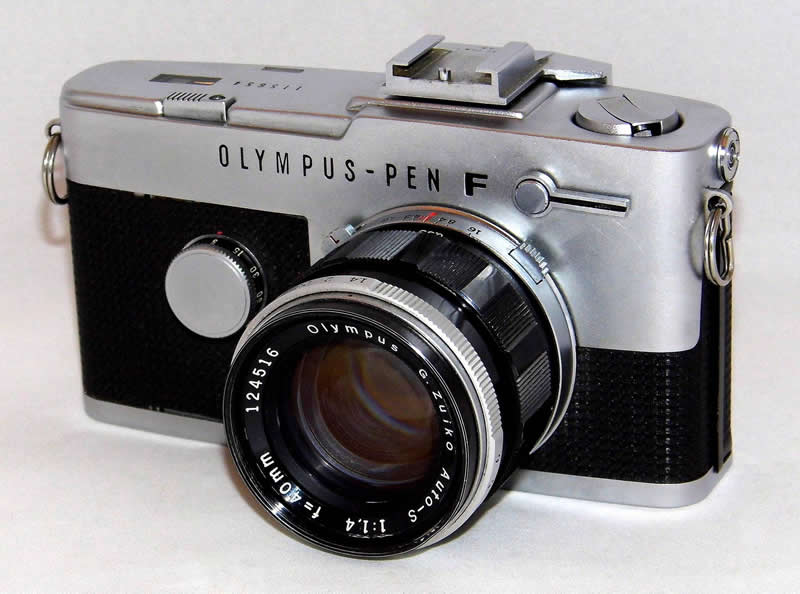
Highlights:
- Revolutionary half-frame camera
- Unique rotary shutter system
- Compact SLR design
- Double the exposures per roll
- Excellent Zuiko lenses
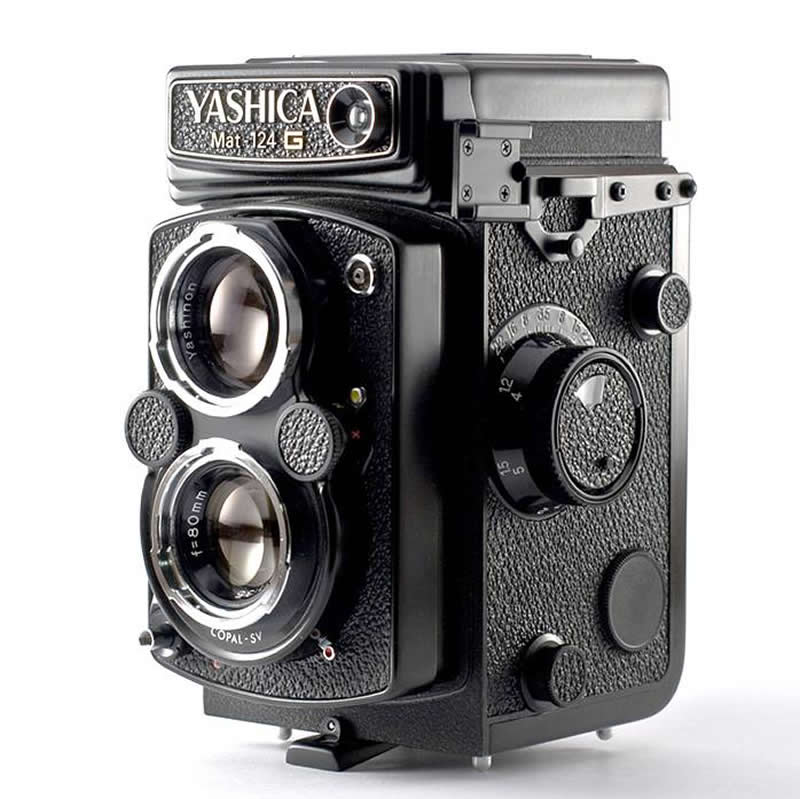
15. Yashica Mat-124G (1970)
Affordable without sacrificing quality, the Yashica Mat-124G introduced many photographers to medium-format photography. Its twin-lens reflex design delivered incredibly detailed negatives while remaining easier on the wallet than premium competitors.
Highlights:
- Medium-format TLR camera
- Sharp Yashinon lens
- Excellent value for money
- Simple manual controls
- Highly respected by film enthusiasts
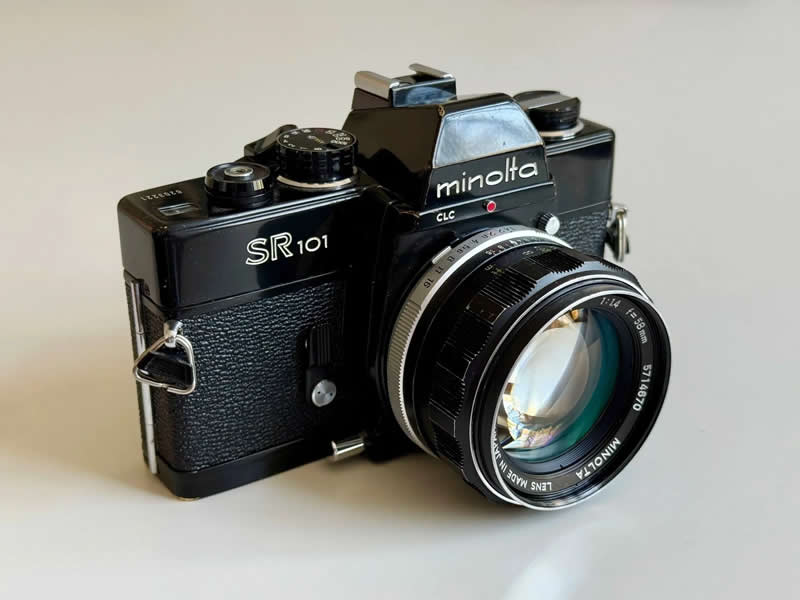
16. Minolta SR-T 101 (1966)
The Minolta SR-T 101 earned a reputation for reliability, accuracy, and ease of use. Its advanced light metering system and durable mechanical construction helped generations of photographers master exposure and confidently shoot in changing lighting conditions.
Highlights:
- Professional mechanical SLR
- Advanced TTL metering
- Rugged metal construction
- Outstanding Rokkor lenses
- Ideal for learning photography
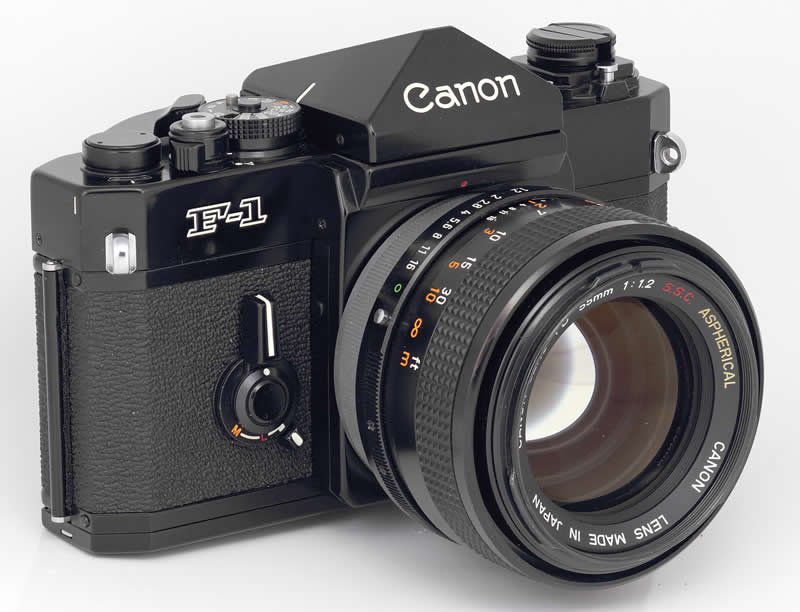
17. Canon F-1 (1971)
Designed to compete directly with Nikon’s professional lineup, the Canon F-1 became a trusted workhorse for sports, wildlife, and news photographers. Its modular accessories and dependable build allowed professionals to customize it for virtually any assignment.
Highlights:
- Professional-grade 35mm SLR
- Fully modular camera system
- Built for heavy daily use
- Extensive FD lens compatibility
- Popular among photojournalists
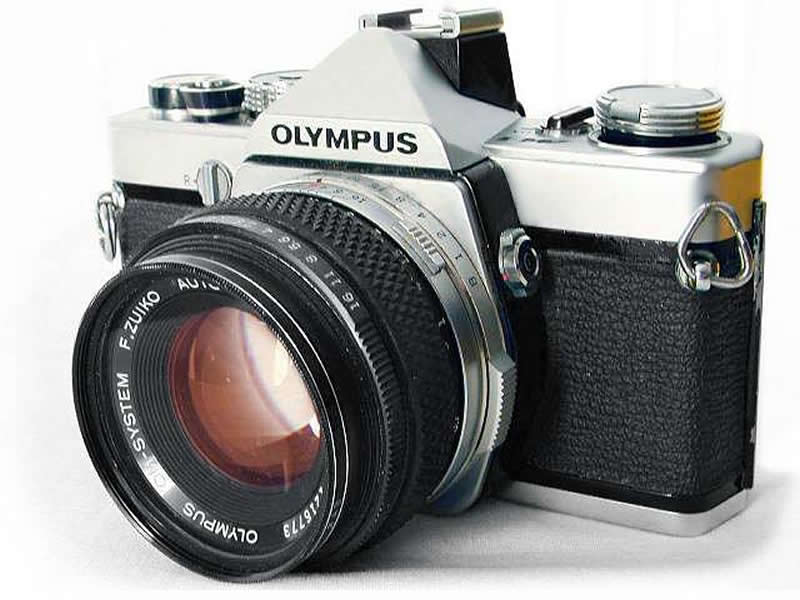
18. Olympus OM-1 (1972)
The Olympus OM-1 surprised the photography world by packing professional performance into an incredibly compact body. It proved that serious cameras didn’t have to be oversized, influencing camera manufacturers for decades to come.
Highlights:
- Compact professional SLR
- Lightweight yet durable
- Bright viewfinder
- Quiet mechanical shutter
- Excellent Zuiko lens collection
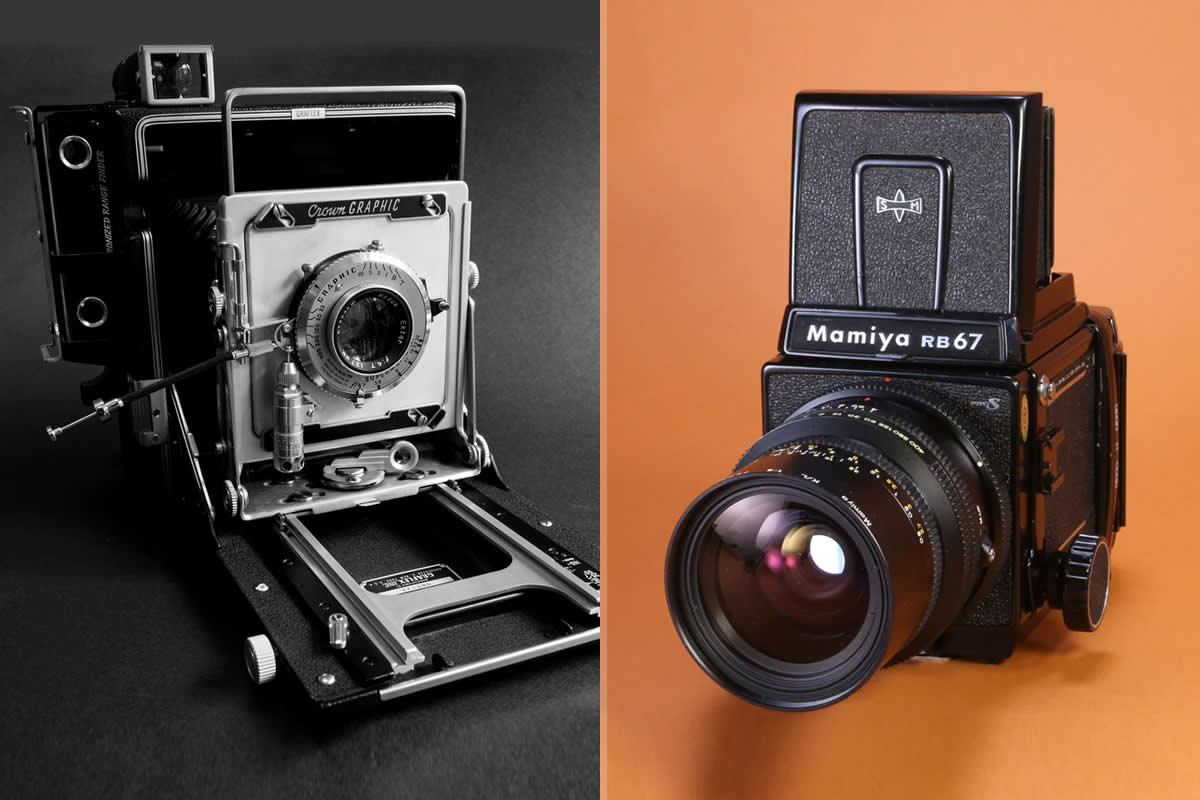
19. Mamiya RB67 (1970)
Studio photographers embraced the Mamiya RB67 for its remarkable flexibility and outstanding image quality. Its rotating film back eliminated the need to rotate the entire camera, making portrait and commercial photography far more efficient.
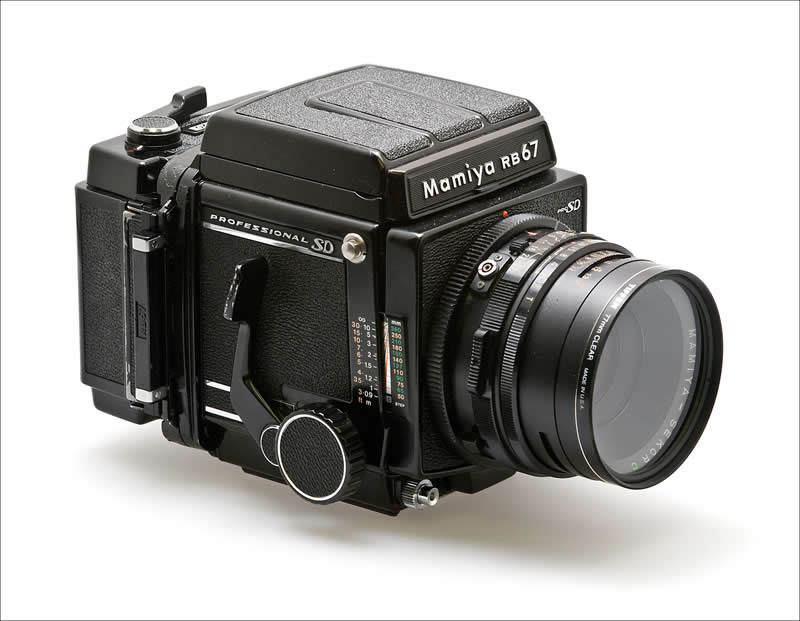
Highlights:
- Rotating film back
- Medium-format negatives
- Modular camera system
- Exceptional sharpness
- Studio photography favorite
20. Voigtländer Bessa (Original Series)
The Voigtländer Bessa combined elegant craftsmanship with practical performance, earning admiration from photographers throughout the mid-20th century. Its compact design and dependable mechanics made it a reliable companion for travel, documentary work, and everyday photography.
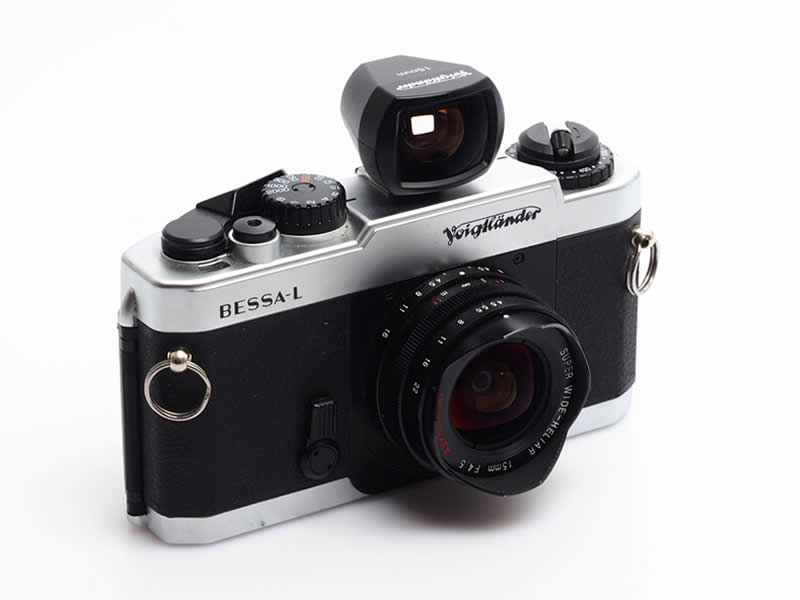
Highlights:
- Classic folding camera
- Beautiful vintage styling
- Compact travel companion
- Precision mechanical engineering
- Highly collectible today
21. Exakta Varex IIa (1956)
Long before modern SLRs dominated photography, the Exakta Varex IIa introduced photographers to interchangeable viewfinders and a highly versatile system. Its innovative engineering made it a favorite among professionals who demanded flexibility for portraits, macro photography, and scientific imaging.
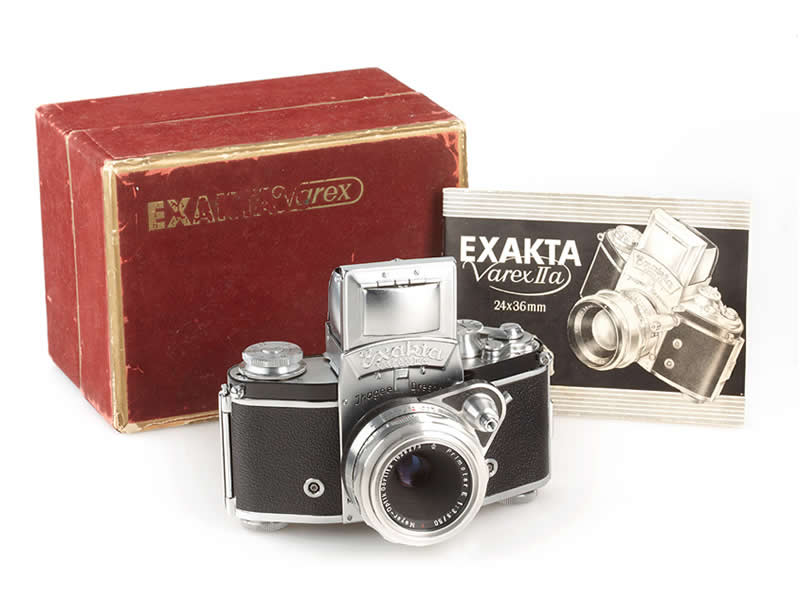
Highlights:
- One of the earliest professional SLRs
- Interchangeable viewfinder system
- Excellent for macro photography
- Robust all-metal construction
- Highly collectible among enthusiasts
22. Nikon SP (1957)
The Nikon SP represented the peak of Nikon’s rangefinder era. Built with remarkable precision, it offered multiple viewfinder framelines and outstanding Nikkor lenses, earning praise from photojournalists before Nikon shifted its focus to legendary SLR cameras.
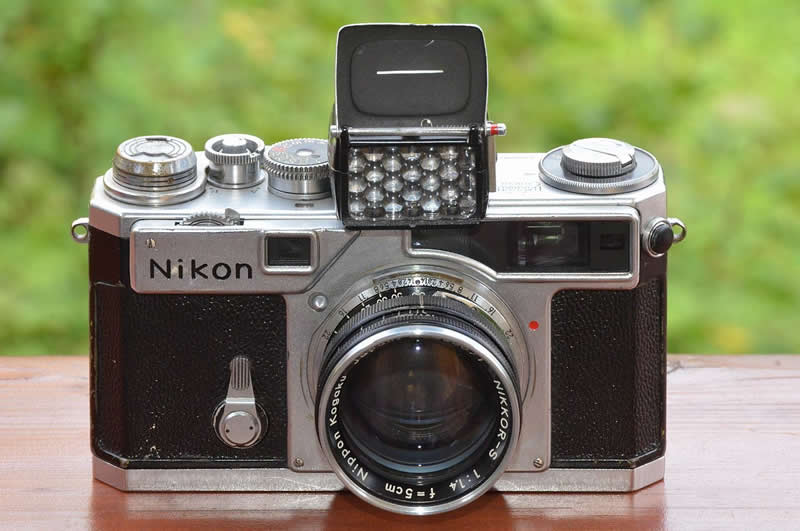
Highlights:
- Premium professional rangefinder
- Multiple built-in framelines
- Exceptional Nikkor lenses
- Outstanding mechanical reliability
- Important milestone in Nikon history
23. Rolleicord Vb (1962)
Often overshadowed by the Rolleiflex, the Rolleicord Vb delivered excellent medium-format image quality at a more approachable price. Its simple controls and dependable performance made it a fantastic entry point into twin-lens reflex photography.
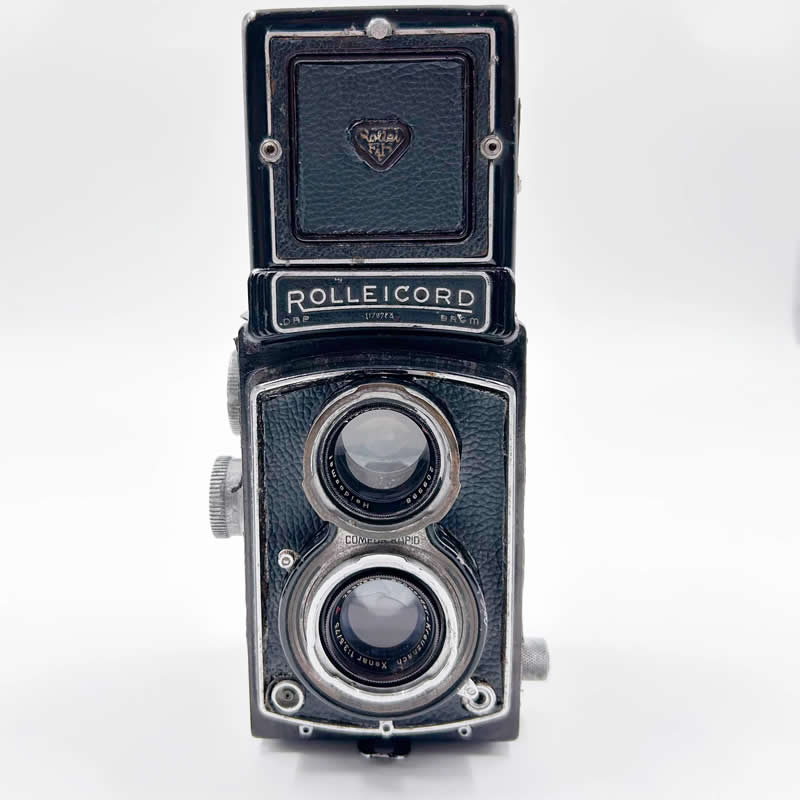
Highlights:
- Medium-format twin-lens reflex
- Easy manual operation
- Sharp Schneider lens
- Compact for its format
- Popular with hobbyists
24. Canonet QL17 GIII (1972)
Compact, stylish, and incredibly sharp, the Canonet QL17 GIII became one of the most beloved fixed-lens rangefinders ever made. Street photographers appreciated its bright lens, quiet shutter, and quick-loading film system that simplified everyday shooting.
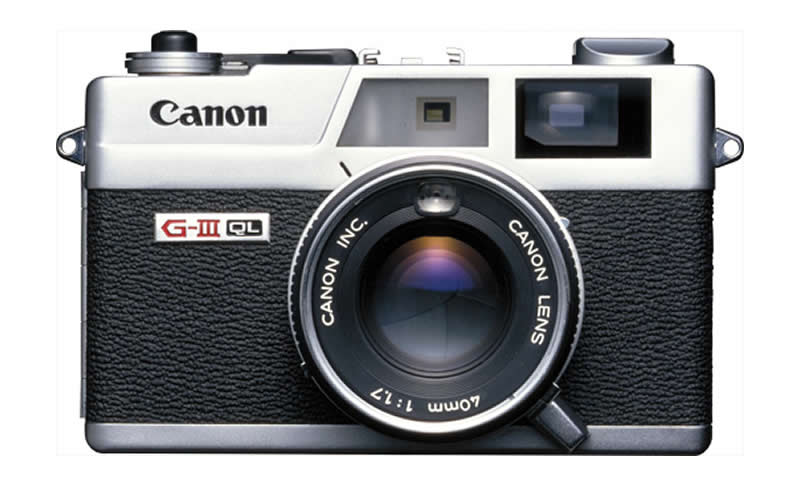
Highlights:
- Fast 40mm f/1.7 lens
- Quick Load film system
- Compact travel camera
- Excellent street photography choice
- Highly sought after today
25. Praktica MTL5 (1983)
The Praktica MTL5 introduced thousands of photography students to manual exposure and creative control. Built in East Germany, it earned a reputation for durability, affordability, and compatibility with countless M42 screw-mount lenses.
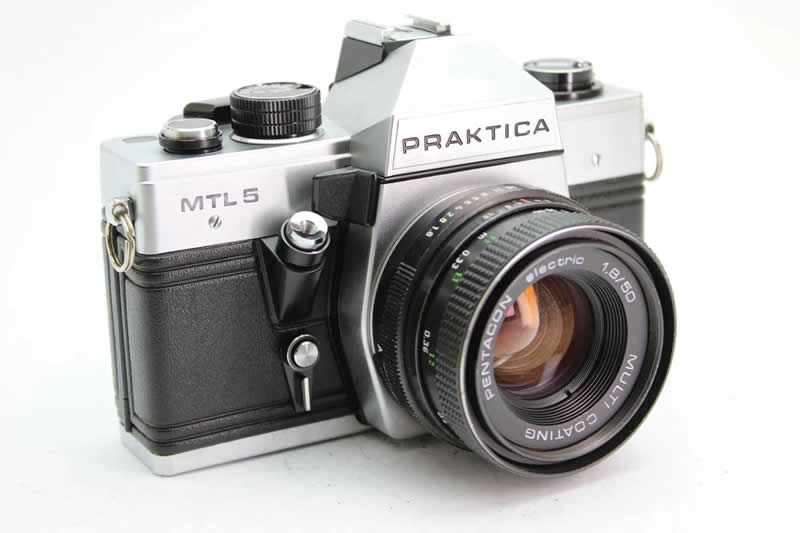
Highlights:
- Fully manual operation
- Reliable mechanical shutter
- M42 lens compatibility
- Excellent learning camera
- Rugged everyday performer
26. Fujica ST801 (1972)
The Fujica ST801 stood ahead of its time by introducing LED viewfinder exposure indicators, a feature that later became standard across the camera industry. Combined with superb Fujinon lenses, it remains a hidden gem among vintage SLR collectors.
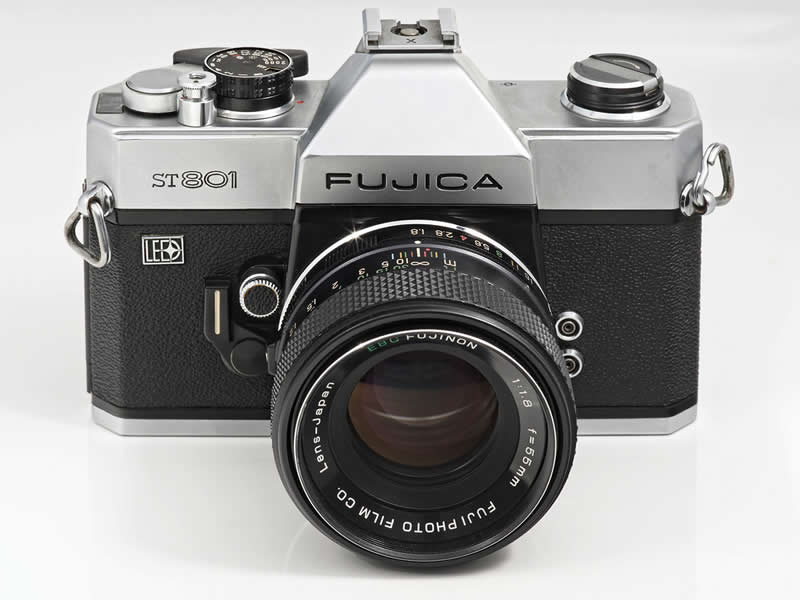
Highlights:
- Innovative LED exposure display
- Bright viewfinder
- Excellent Fujinon optics
- Mechanical reliability
- Underrated collector’s favorite
27. Miranda Sensorex (1967)
Known for its unusual styling and interchangeable prism system, the Miranda Sensorex offered photographers creative flexibility rarely found during its era. Though less common today, it remains an intriguing piece of photographic history.
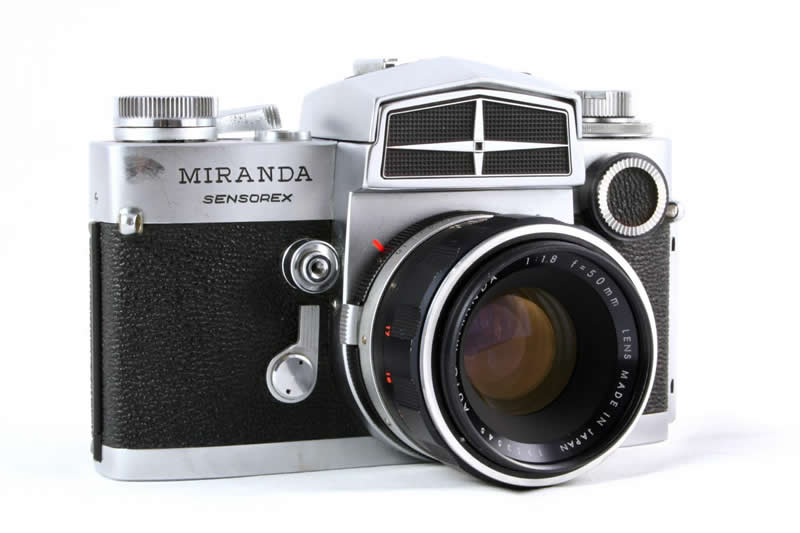
Highlights:
- Interchangeable prism finder
- Unique camera design
- Fully mechanical controls
- Compatible interchangeable lenses
- Rare vintage collectible
28. Agfa Optima Sensor (1960s)
The Agfa Optima Sensor brought automation into everyday photography. Its innovative touch-sensitive shutter release eliminated traditional shutter buttons, making photography easier and more intuitive for casual users while maintaining impressive image quality.
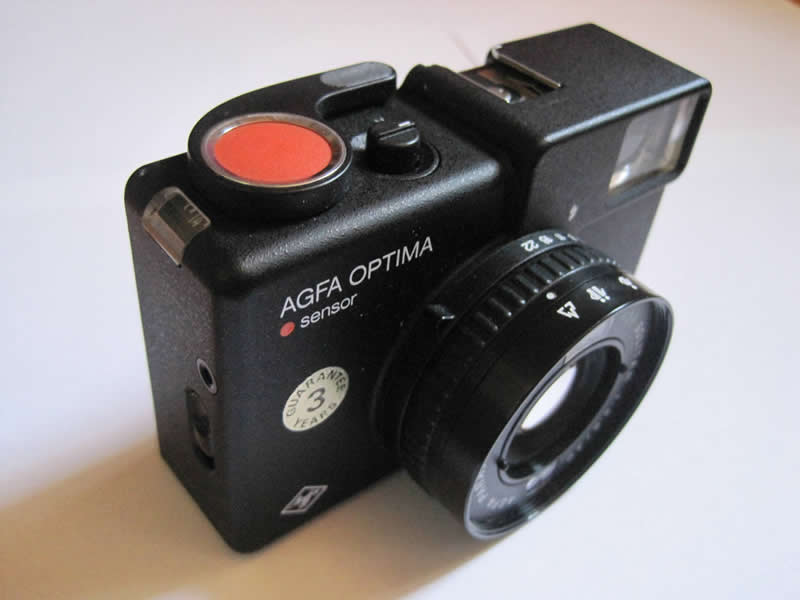
Highlights:
- Touch-sensitive shutter release
- Automatic exposure system
- Compact travel design
- Stylish European engineering
- Easy for beginners
29. Kodak Medalist II (1946)
Built like a tank and capable of extraordinary image quality, the Kodak Medalist II produced large negatives with remarkable detail. Originally designed for military and professional applications, it remains one of Kodak’s finest engineering achievements.
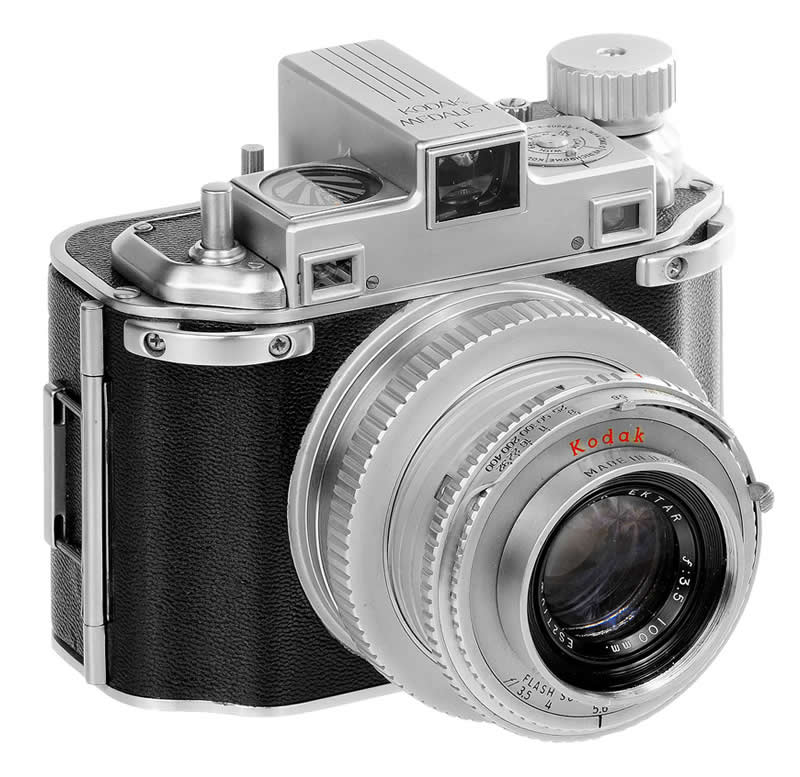
Highlights:
- Large 620 film format
- Exceptional image sharpness
- Military-grade durability
- Premium Ektar lens
- Highly valued by collectors
30. Graflex Crown Graphic (1947)
The Graflex Crown Graphic carried forward the legacy of classic press photography. Lighter than its predecessor, it became a favorite among newspaper photographers who needed portability without sacrificing the large-format image quality demanded by print publications.
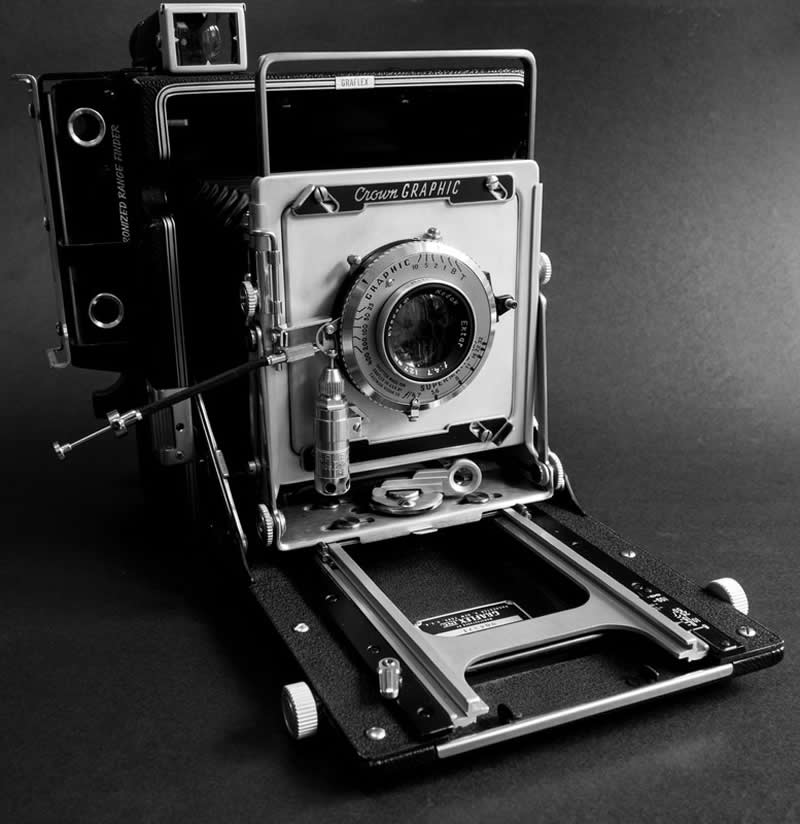
Highlights:
- Classic press camera
- Large-format photography
- Lightweight compared to Speed Graphic
- Bellows focusing system
- Historic journalism favorite
Conclusion
National Camera Day (June 29th) isn’t just about celebrating cameras—it’s about celebrating the people behind them. Every vintage camera on this list helped preserve history, capture emotion, and document moments that would otherwise have disappeared forever.
These remarkable machines remind us that photography has never been defined by technology alone. Long before autofocus, image stabilization, and artificial intelligence, photographers relied on patience, creativity, and an intimate understanding of light. They carefully adjusted focus by hand, calculated exposure without digital assistance, and waited for the perfect moment to press the shutter.
Many of today’s most iconic photographs were created using these very cameras. They witnessed historic events, explored distant landscapes, documented everyday life, and inspired generations of artists to view the world differently.
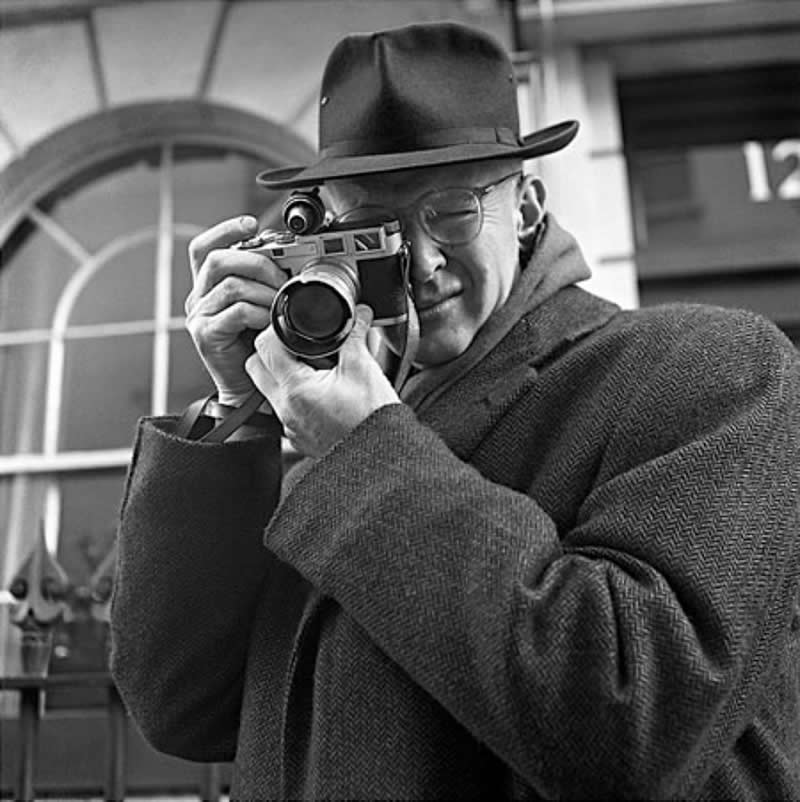
Henri Cartier-Bresson, Legendary photographer with Leica M3, c. 1957
Frequently Asked Questions
Why is National Camera Day celebrated?
National Camera Day (June 29th) celebrates the invention and evolution of cameras while honoring photography’s impact on preserving memories, documenting history, inspiring creativity, and connecting people through powerful visual storytelling across generations.
Why are vintage cameras still popular today?
Vintage cameras remain popular because they offer unique mechanical craftsmanship, distinctive film aesthetics, hands-on shooting experiences, collectible value, and a nostalgic connection to photography’s rich history that digital cameras cannot fully replicate.
Which vintage camera changed photography the most?
The Kodak Brownie is widely considered one of the most influential cameras because it made photography affordable for everyday families, transforming picture-taking from a luxury into a worldwide hobby enjoyed by millions.
Are vintage cameras still usable today?
Yes. Many vintage cameras continue to function beautifully when properly maintained. Film is still available for numerous formats, allowing photographers to enjoy authentic analog photography with classic lenses and timeless image character.
What makes a vintage camera valuable?
A vintage camera’s value depends on rarity, historical significance, condition, original accessories, brand reputation, lens quality, and collector demand. Cameras associated with groundbreaking innovations or famous photographers often command the highest prices.