
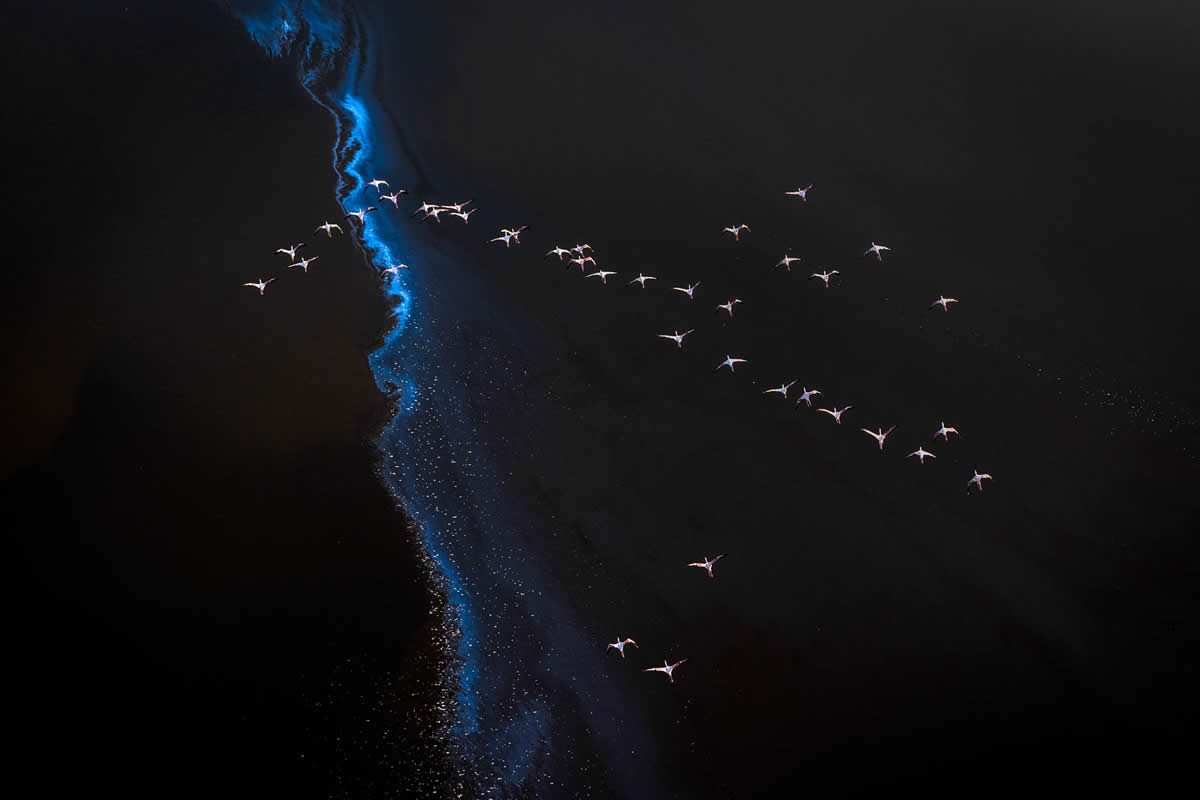
Nature has a funny way of hiding its secrets in plain sight. You can stare at a winding river, a patch of cracked desert earth, or the delicate veins of a leaf and never realize you’re looking at the same visual language repeated over and over again. That’s exactly what makes Jon McCormack’s photography so fascinating. His images don’t just show nature, they invite you to slow down and notice the patterns connecting everything.
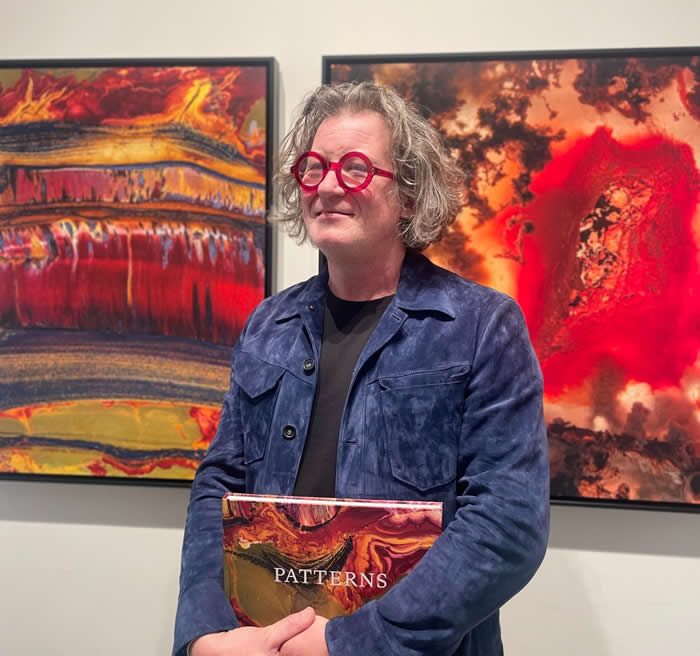
Born and raised in the rugged Australian Outback, McCormack grew up surrounded by drought, dust storms, sprawling sheep stations, and landscapes that seemed endless. Life there wasn’t always easy, but it taught him something valuable: nature is both incredibly tough and surprisingly fragile. That lesson stayed with him. Years later, it became the foundation of a career in photography dedicated to conservation and storytelling.
What makes McCormack’s work stand out is his ability to move effortlessly between scales. One moment, you’re staring at microscopic mineral formations that resemble abstract paintings. Next, you’re flying high above rivers, coastlines, and mountain ranges that appear almost identical in shape and rhythm. It’s like discovering that nature has been sketching variations of the same masterpiece for millions of years.
His latest monograph, Patterns: Art of the Natural World, explores this idea beautifully, revealing Earth’s hidden geometry through breathtaking images that blur the line between science, art, and conservation.
You can find Jon McCormack on the web:
#1. Suguta Valley, Kenya
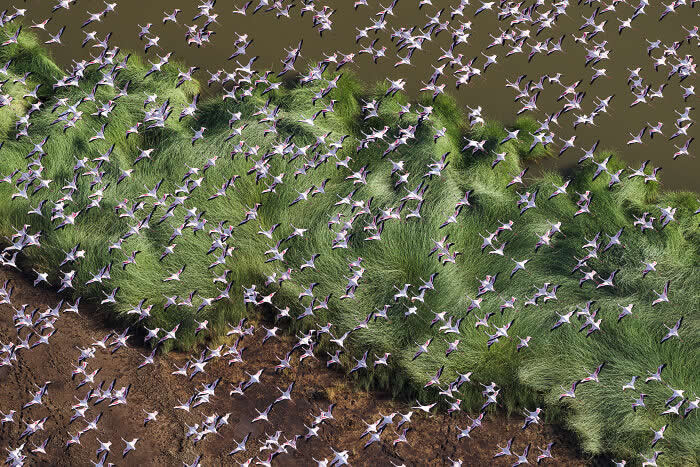
#2. Antarctic Peninsula
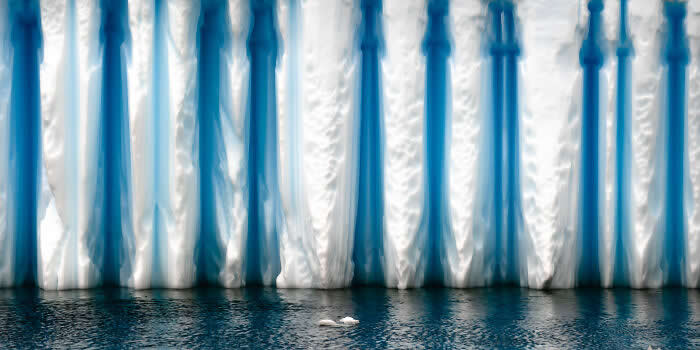
“A wind carved iceberg floats near the Antarctic Peninsula. The darker blue ice is older than the lighter ice because it is compressed and contains fewer air bubbles.”
#3. Chilkotin River, British Columbia, Canada
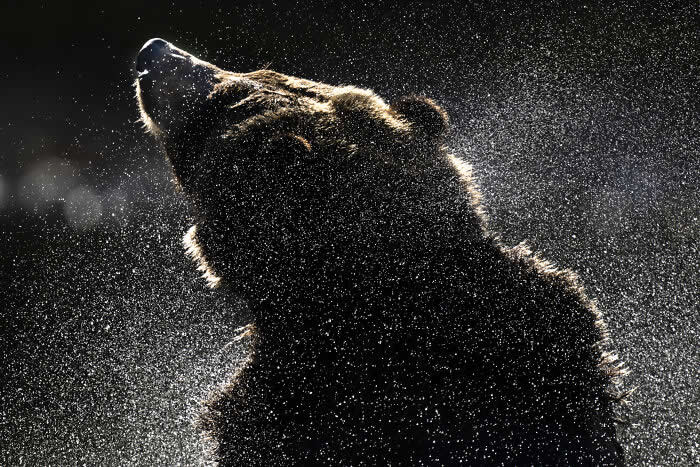
“A grizzly bear shakes off water in the Chilkotin River in British Columbia.”
#4. Lake Magadi, Kenya
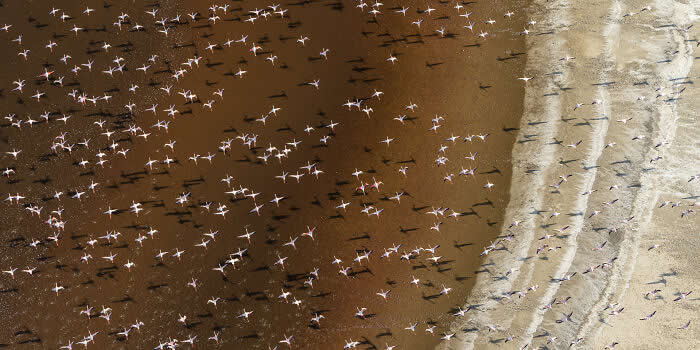
#5. Lake Magadi, Kenya
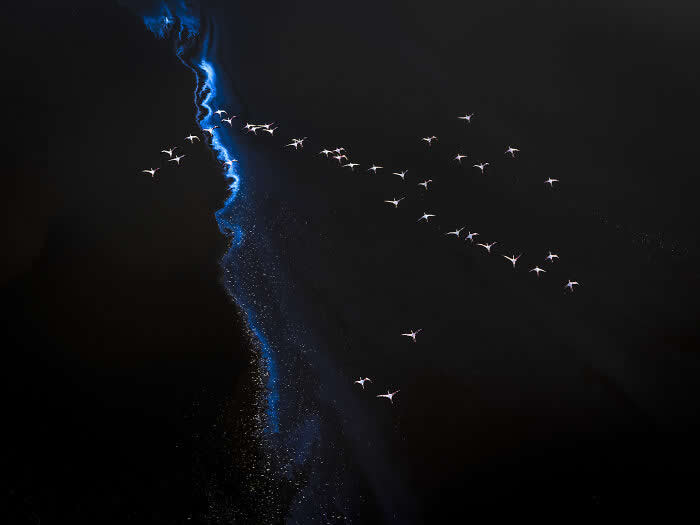
Nature’s Patterns Repeat Everywhere
One of the most remarkable things about McCormack’s photography is how it reveals recurring shapes throughout the natural world. Rivers branch like veins. Tree roots mirror lightning strikes. Sand dunes ripple like ocean waves frozen in time.
At first glance, these subjects seem completely unrelated. But through McCormack’s lens, connections start appearing everywhere. Suddenly you’re seeing nature as one giant interconnected system rather than a collection of separate landscapes.
His aerial photographs are especially powerful. Viewed from above, coastlines transform into abstract artwork, while winding waterways create compositions that look carefully designed rather than naturally formed. Yet these patterns developed over thousands or even millions of years without any human blueprint.
That’s the magic. Nature isn’t random chaos. It’s a living system built on rhythm, repetition, and balance. McCormack captures those relationships with remarkable precision, encouraging viewers to recognize the hidden order that surrounds them every day.
#6. Stack of Diatom algae.
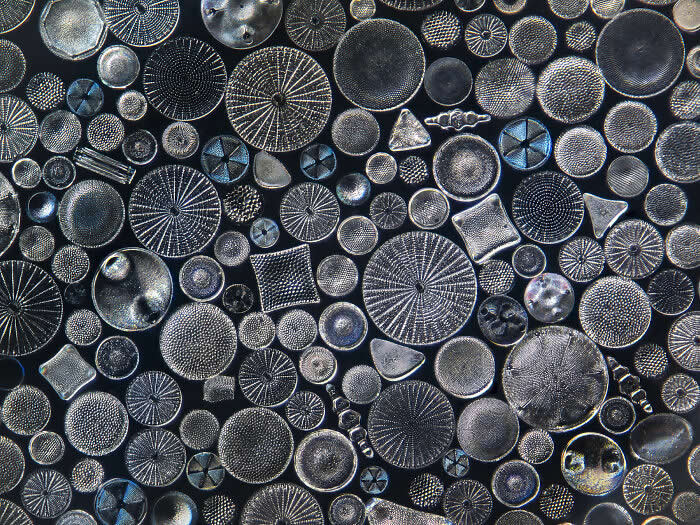
#7. Antarctic Peninsula
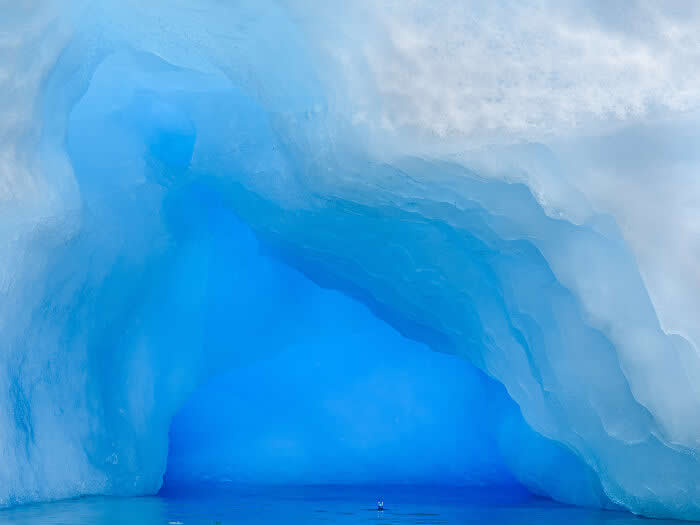
“An Antarctic Shag (a form of cormorant) in an ice cave on the Antarctic Peninsula.”
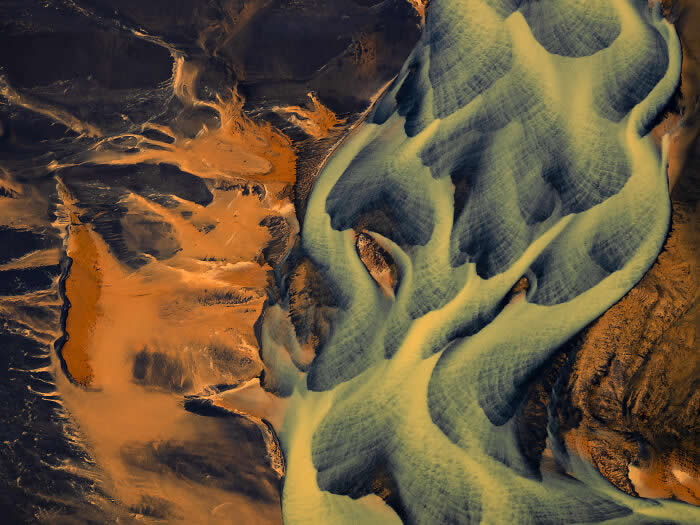
#8. Southern Iceland
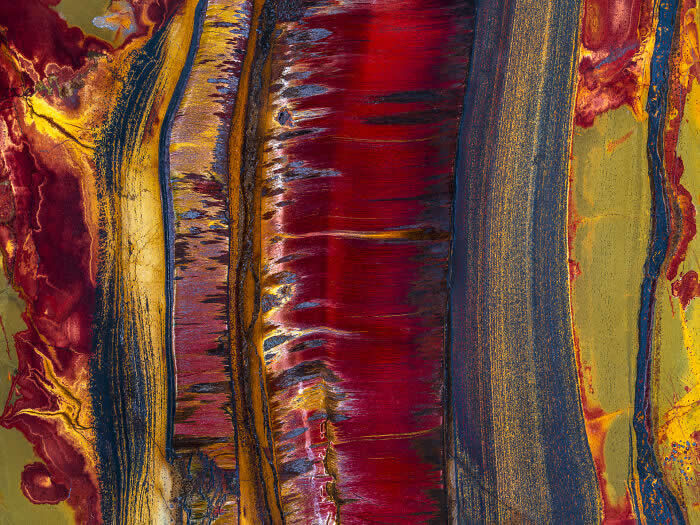
#9. Tigerite gemstone pattern
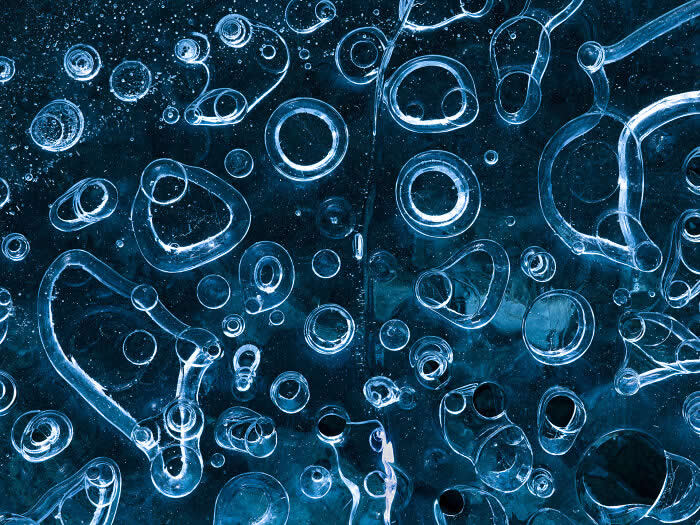
#10. Vatnajokull, Iceland
Conservation Through Curiosity and Wonder
Many conservation photographs focus on crisis, destruction, and loss. While those stories matter, McCormack takes a slightly different path. He begins with wonder.
His photographs encourage curiosity first. You become captivated by colors, textures, and shapes before realizing there’s a deeper conservation message underneath. It’s a powerful approach because people tend to protect what they love and understand.
Whether he’s documenting fragile ecosystems, threatened habitats, remote wilderness areas, or wildlife populations, McCormack presents nature as something worth celebrating rather than simply saving. The emotional connection comes naturally.
His book Patterns: Art of the Natural World reflects this philosophy perfectly. Released around Earth Day, the project explores the visual relationships that connect ecosystems across continents and scales. Even better, all proceeds benefit Vital Impacts, the nonprofit organization founded by photographer Ami Vitale, helping support environmental storytelling and conservation initiatives worldwide.
The result is photography that inspires action without ever feeling preachy.
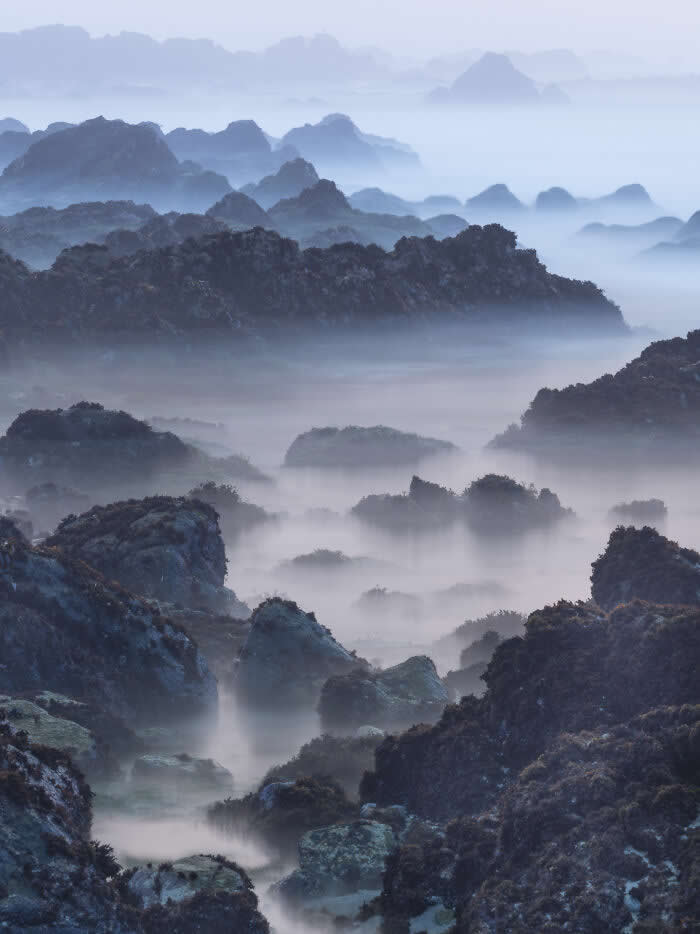
#11. Asilomar State Beach, California, USA
#12. Okavango Delta, Botswana
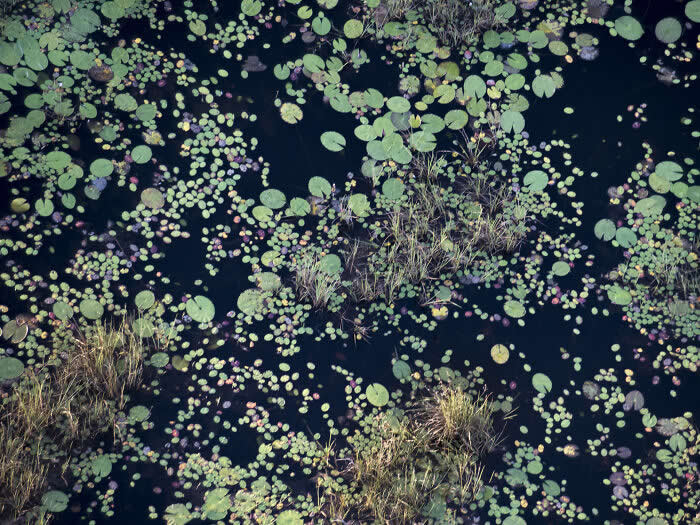
“Lilly Pads in the Okavango Delta in Botswana.”
#13. Okavango Delta, Botswana
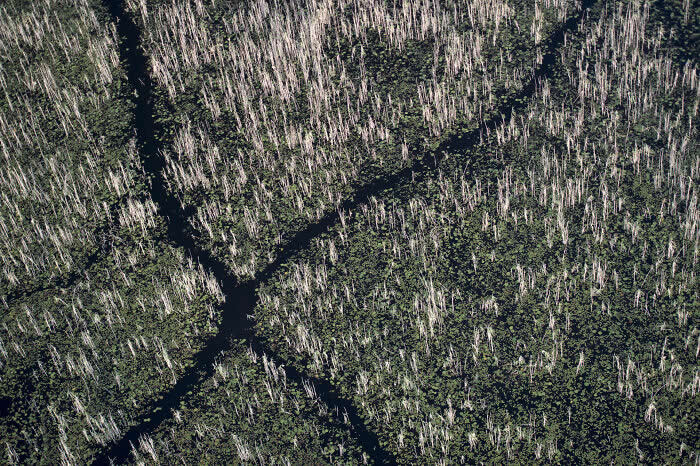
“Hippo trails in the Okavango Delta in Botswana.”
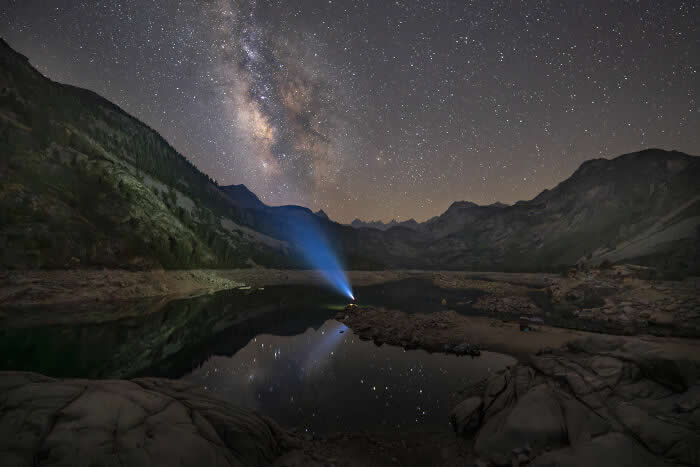
#14. Lake Sabrina, California, USA
#15. Loisaba, Kenya
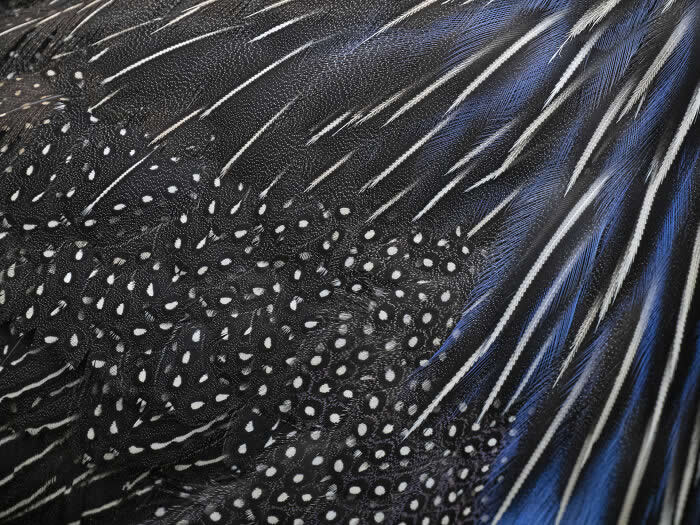
"Close-up of the distinctive plumage of the Vulturine guinea fowl."
Finding Art in Earth’s Hidden Geometry
What separates McCormack from many landscape photographers is his ability to see art where others see ordinary scenery. He approaches natural environments almost like an abstract painter searching for shapes, textures, and visual rhythms.
A frozen river becomes a brushstroke. Mineral deposits resemble watercolor paintings. Aerial coastlines look like giant sculptures carved by time itself.
This artistic perspective transforms familiar subjects into something completely fresh. Even viewers who regularly spend time outdoors may notice details they previously overlooked.
That’s why his photographs often demand a second look. Then a third. The longer you stare, the more layers reveal themselves.
In a world filled with endless scrolling and shrinking attention spans, McCormack’s images do the opposite. They slow you down. They reward patience. Most importantly, they remind us that nature is not only beautiful but endlessly complex, connected, and worthy of protection.
His work proves that conservation photography can do more than document the natural world—it can completely change the way we see it.
#16. Suguta Valley, Kenya
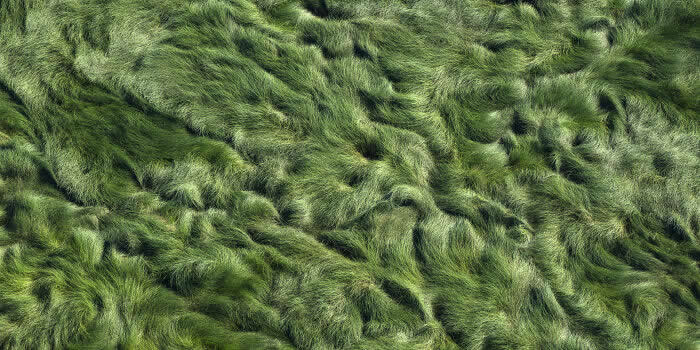
#17. Svalbard, Norway
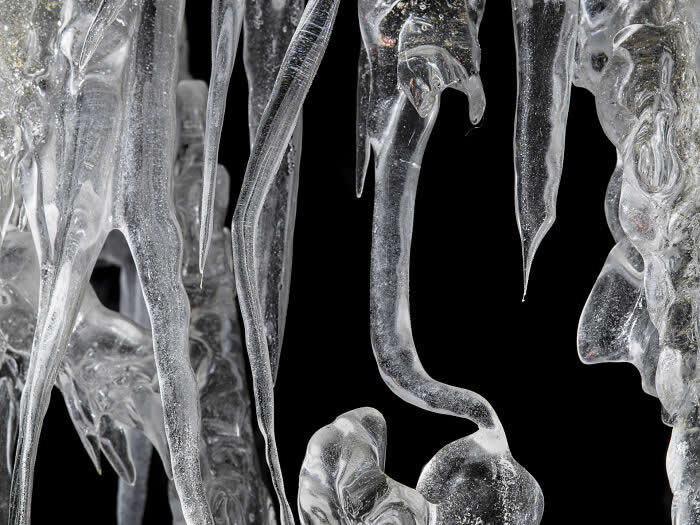
#18. Yosemite National Park, California, USA
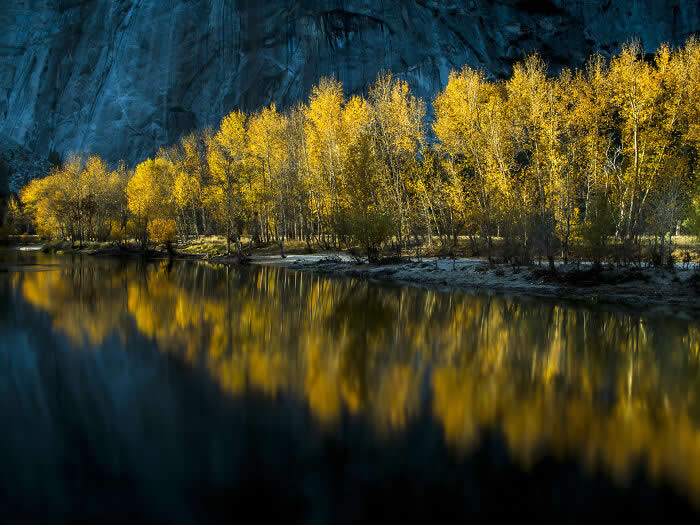
#19. Iceland
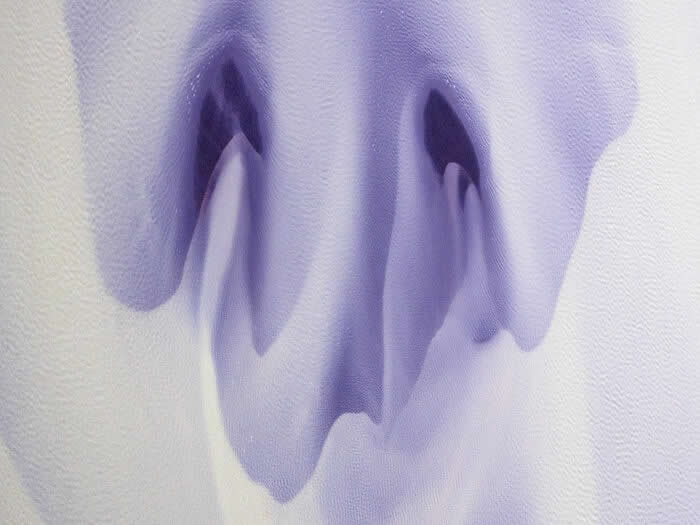
#20. Iceland
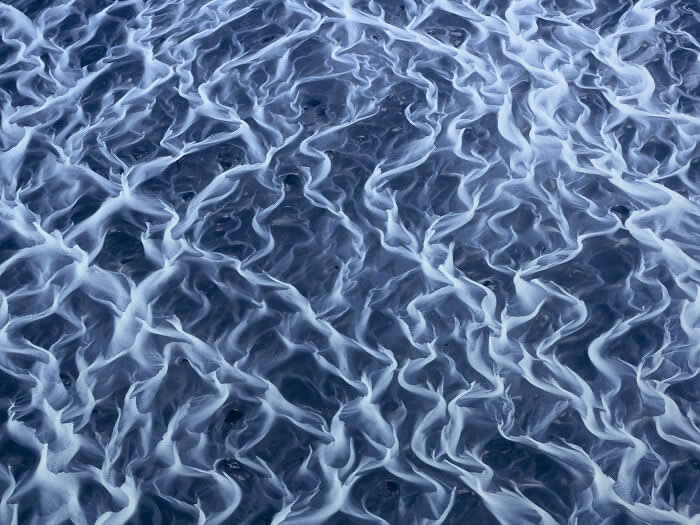
Frequently Asked Questions:
Who is Jon McCormack?
Jon McCormack is an Australian conservation and natural history photographer known for documenting nature’s hidden patterns and connections. His work spans aerial landscapes, wildlife, ecosystems, mineral formations, and abstract natural subjects that highlight Earth’s visual complexity.
What is unique about Jon McCormack’s photography?
His photography reveals recurring patterns and structures found throughout nature. By photographing subjects ranging from microscopic minerals to vast landscapes, he demonstrates how similar shapes, textures, and rhythms appear across dramatically different scales and environments.
What is Patterns: Art of the Natural World about?
The book explores Earth’s hidden geometry through a collection of photographs showing visual connections between natural systems. It combines art, science, and conservation while encouraging viewers to recognize the interconnected beauty present throughout the natural world.
How does McCormack support conservation through photography?
Rather than focusing solely on environmental problems, McCormack inspires curiosity and appreciation for nature. His images help viewers build emotional connections with wild places, encouraging conservation awareness and support for protecting vulnerable ecosystems worldwide.
What organization benefits from the proceeds of his book?
Proceeds from Patterns: Art of the Natural World benefit Vital Impacts, a nonprofit organization founded by photographer Ami Vitale. The organization supports conservation storytelling, environmental initiatives, and photographers working to create positive change through visual narratives.