
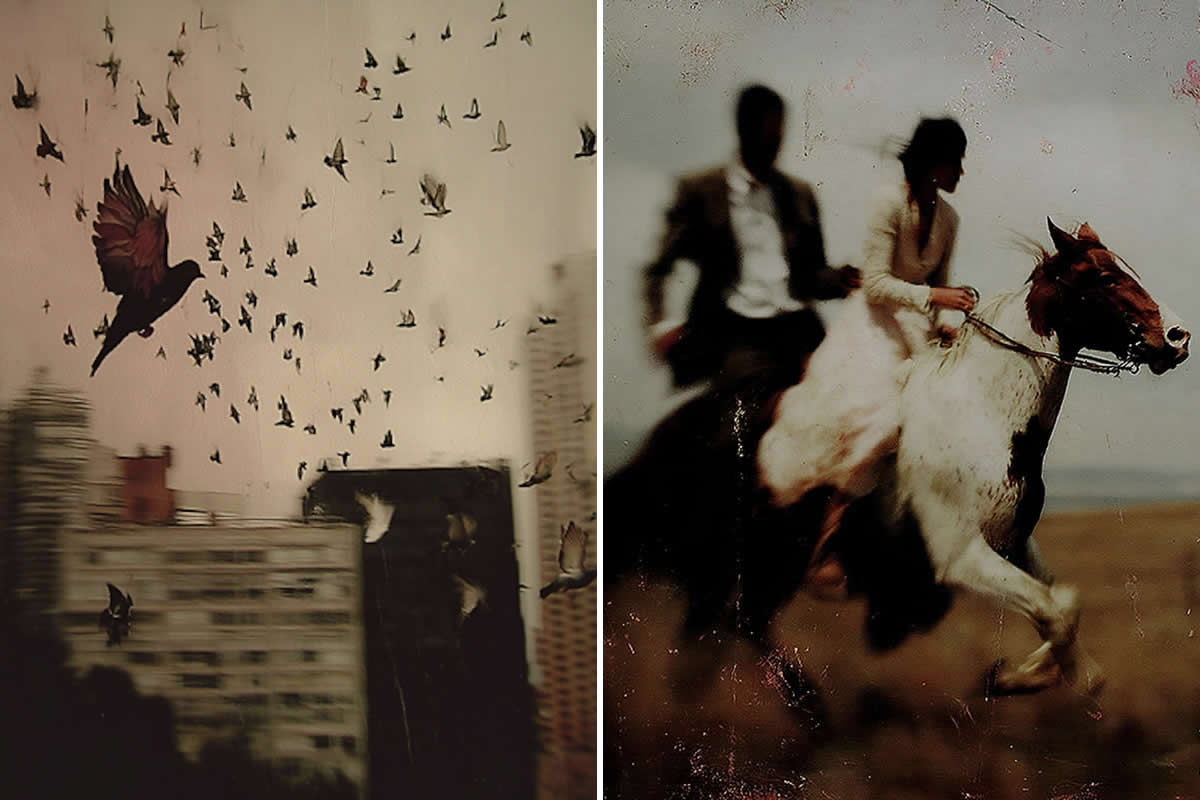
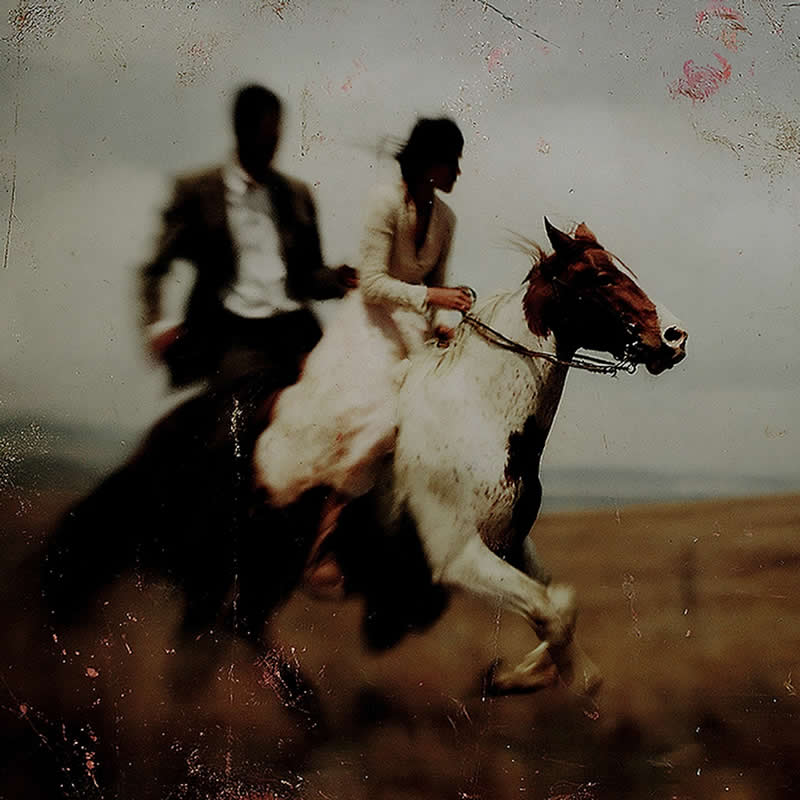
Chris Friel doesn’t photograph landscapes the way most photographers do. Instead of chasing crystal-clear detail or technically perfect realism, he transforms forests, trees, and pathways into emotional dreamscapes that feel closer to memories than actual places. His abstract photography exists somewhere between painting, movement, and atmosphere, creating images that seem to breathe with emotion. Looking at Friel’s work feels like remembering a distant moment rather than observing a frozen scene.
Born in the UK, Friel took up photography later in life, and his artistic vision was deeply shaped by partial sight loss due to a neurological condition. Rather than limiting his creativity, the experience completely redefined his view of the world. Sharpness became less important than feeling. Precision gave way to mood, motion, and uncertainty. That shift led him toward a unique visual language built around blur, movement, layered exposures, and fragmented light.
In a digital age obsessed with ultra-sharp perfection and endless visual overload, Chris Friel’s photography feels rebellious in the best possible way. His images slow viewers down. They ask people to stop scrolling, lean in, and emotionally engage with the photograph rather than simply consume it. Every frame feels personal, fragile, and deeply human. Through these 35 artistic abstract photos, Friel proves that photography doesn’t always need to document reality; sometimes it simply needs to make us feel something real.
You can find more info about Chris Friel:
#1
#2
#3
#4
#5
Photography Shaped by Vision Loss
One of the most fascinating aspects of Chris Friel’s artistic journey is how deeply his partial vision loss shaped his photography style. Instead of fighting against his changing eyesight, he embraced it as part of his creative process. That decision completely transformed his relationship with photography. Rather than focusing on sharp detail, Friel became interested in atmosphere, movement, and emotional perception.
His images often feel fragmented and fluid because they reflect how he personally experiences the world. Trees dissolve into streaks of color, pathways blur into soft textures, and light bends through motion like painted brushstrokes. What could have been seen as a limitation became the foundation of a radically original visual language.
This emotional honesty is what makes his work resonate so strongly. Friel’s photography isn’t trying to perfectly imitate reality. Instead, it explores the fragile and deeply human process of seeing itself, inviting viewers into a world shaped by memory, emotion, and imperfect perception.
#6
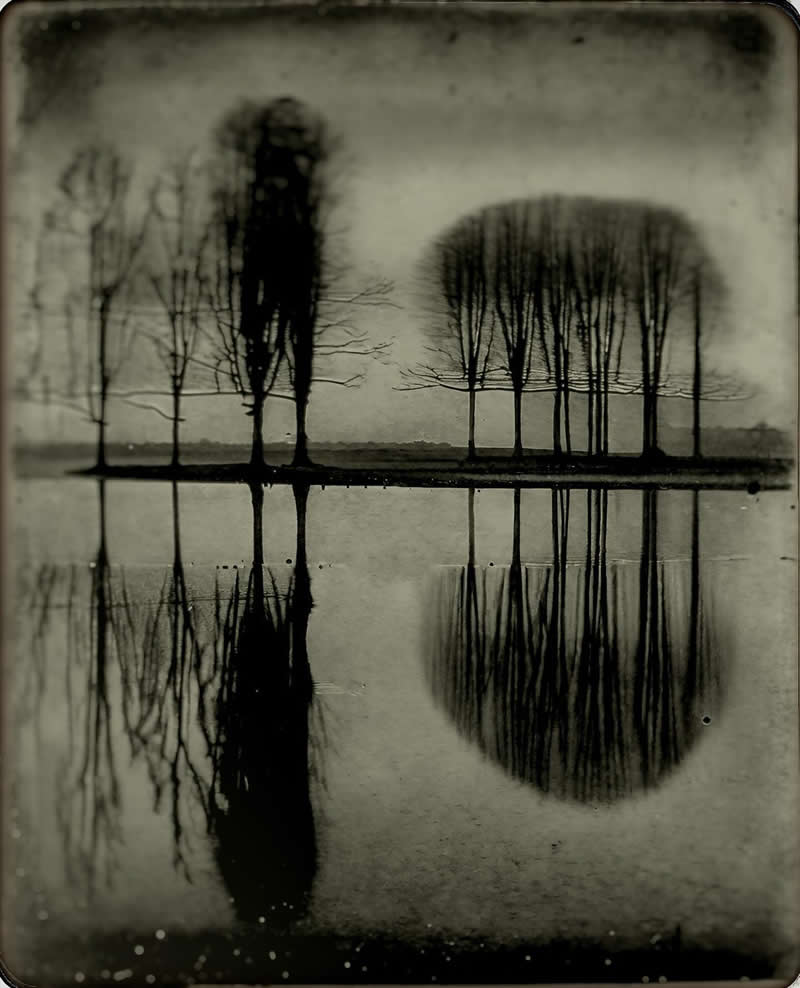
#7
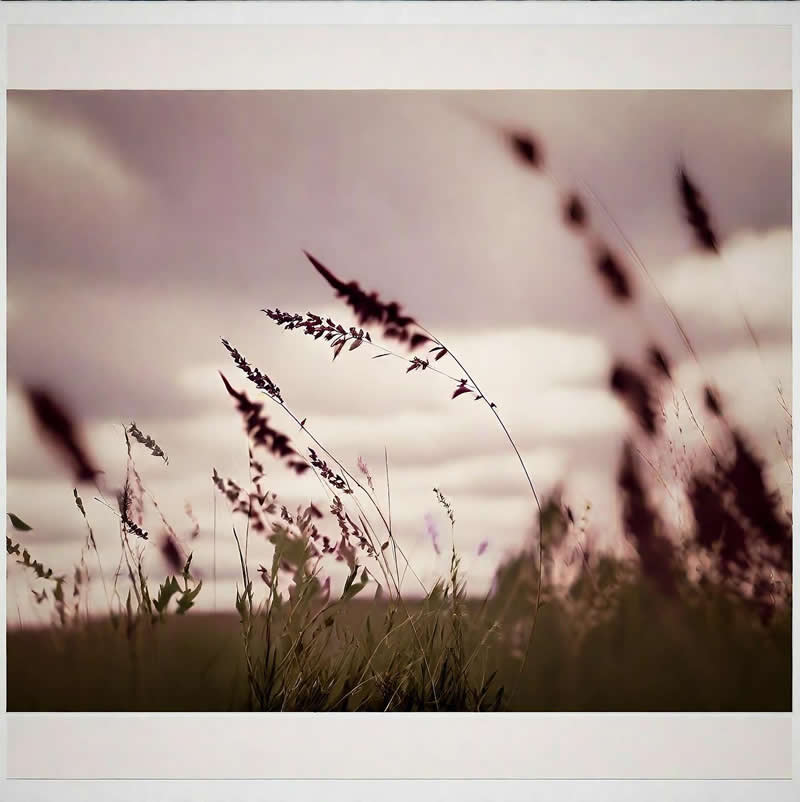
#8
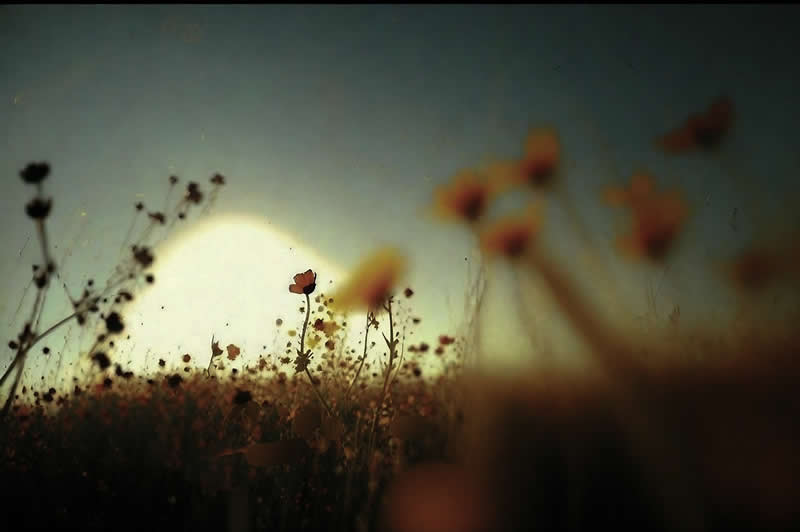
#9
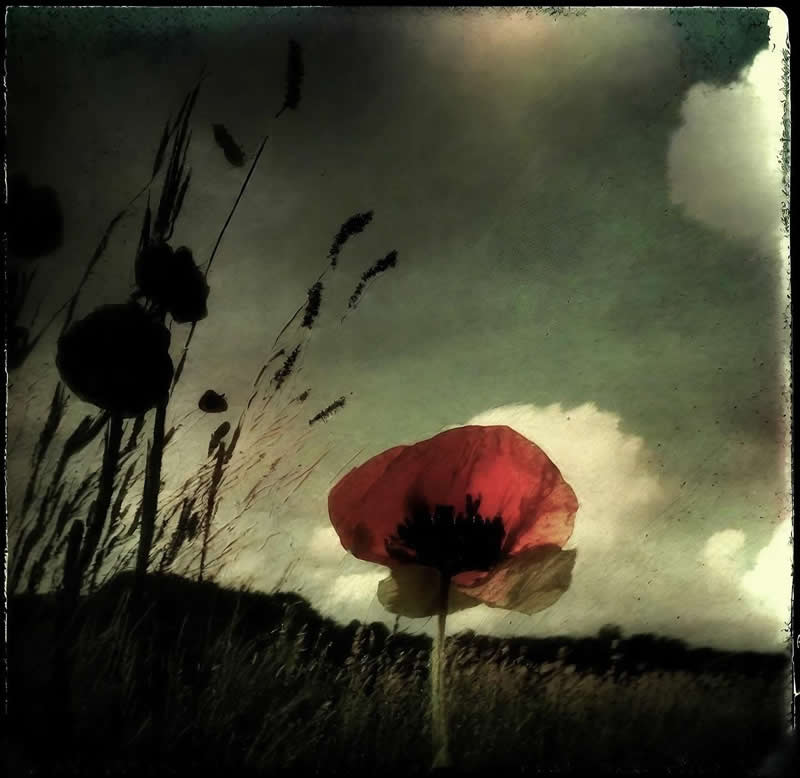
#10
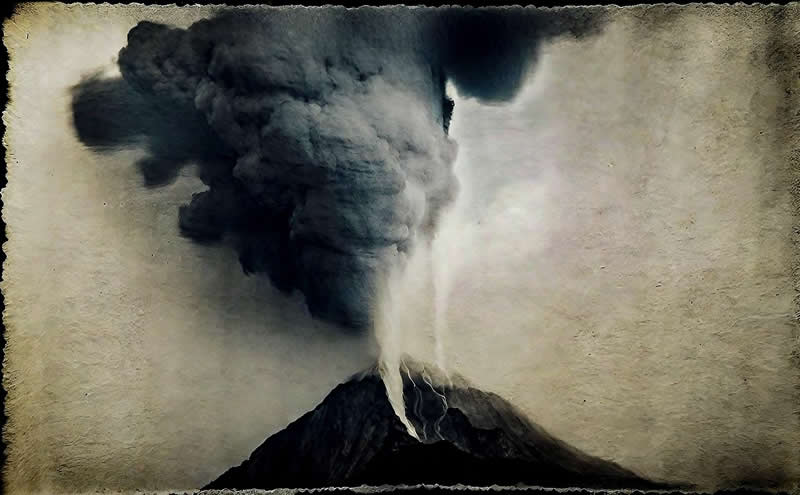
Where Photography Meets Painting
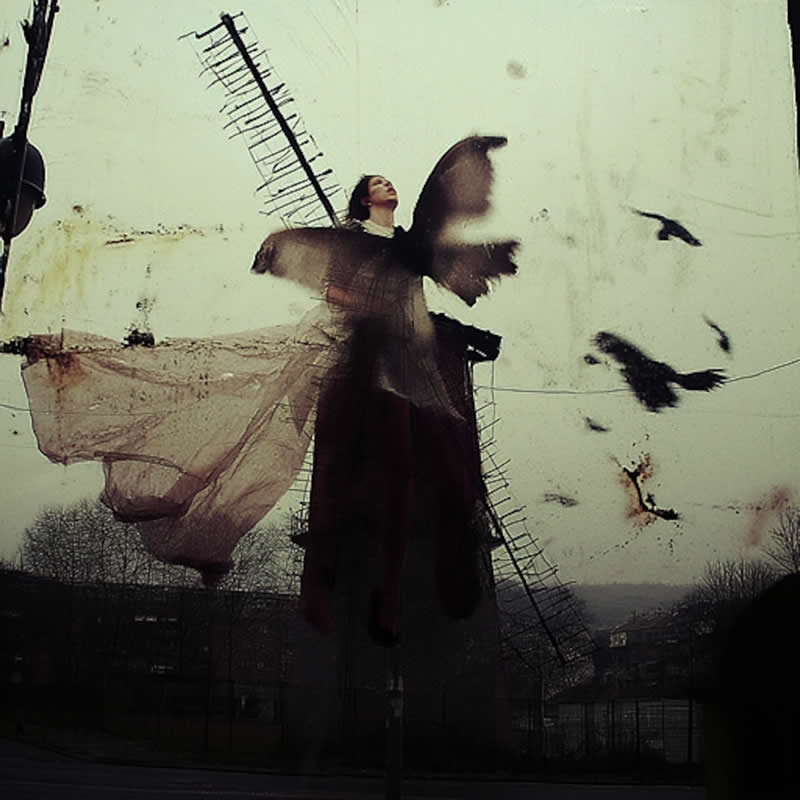
Chris Friel’s abstract landscapes often feel less like photographs and more like impressionist paintings hanging inside an art gallery. Through intentional camera movement, long exposures, and layered visual textures, he transforms ordinary forests and natural scenes into vibrant explosions of color and light. His images blur the line between photography and fine art painting, creating a feeling of complete immersion.
There are clear echoes of impressionism and abstract expressionism in his work. Instead of freezing a precise moment, Friel captures emotion and atmosphere. Light becomes brushwork. Trees become gestures. Motion replaces static detail. The result is photography that feels alive and emotionally charged.
This painterly approach challenges traditional ideas about landscape photography. Rather than documenting nature exactly as it appears, Friel reinterprets it through feeling and visual memory. His work proves that photography can move beyond representation and become something poetic, abstract, and deeply emotional at the same time.
#11
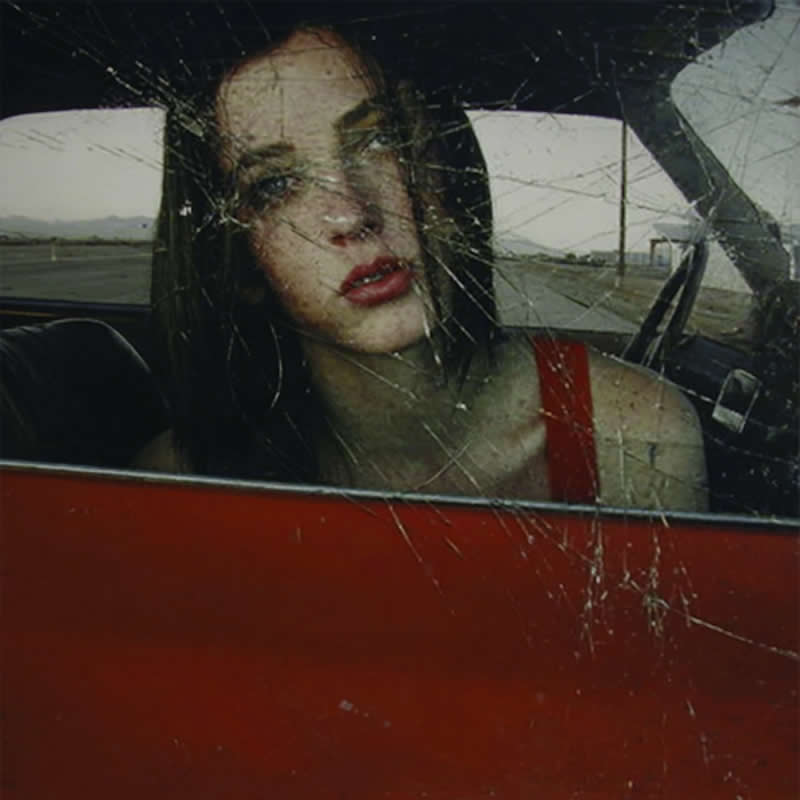
#12
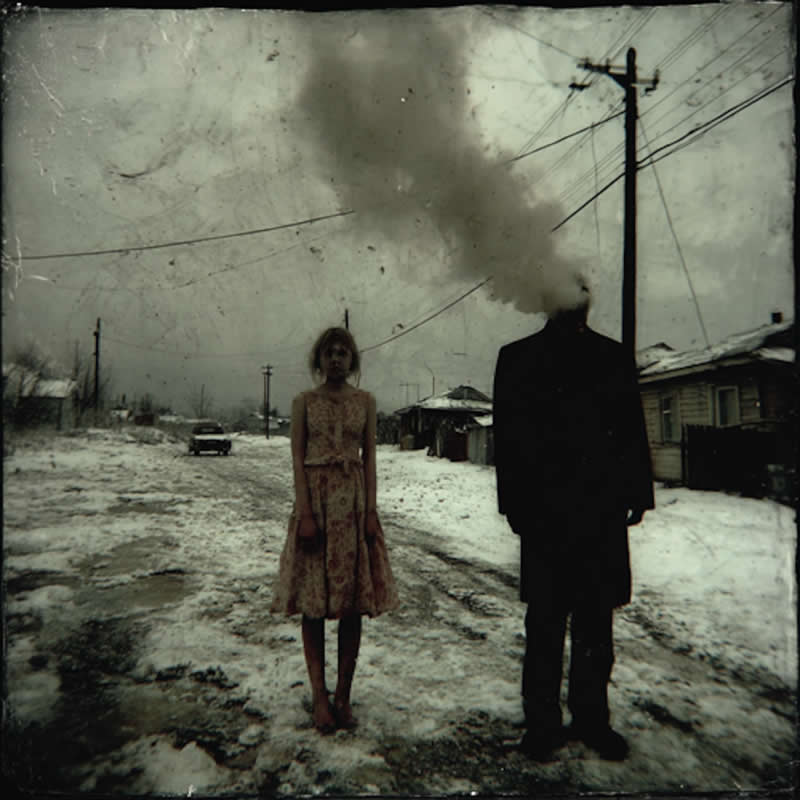
#13
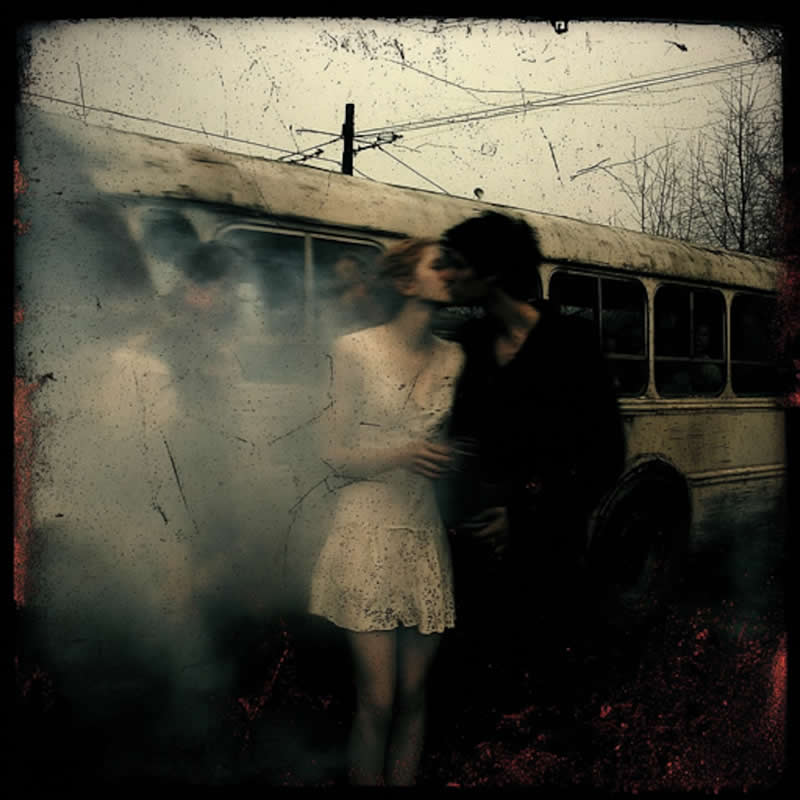
#14
#15
Rejecting the Obsession With Sharpness
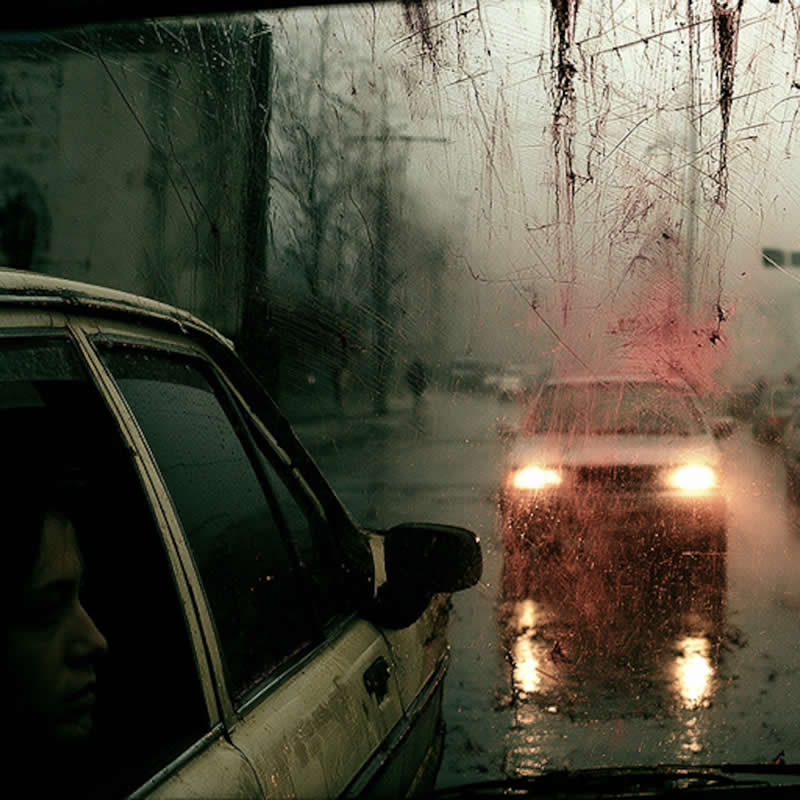
Modern photography often feels obsessed with technical perfection. Cameras are constantly judged by sharpness, megapixels, and hyper-detailed realism. Chris Friel moves in the exact opposite direction, and that’s precisely what makes his work so refreshing. His photographs embrace uncertainty, softness, and visual ambiguity without apology.
Instead of delivering immediate information, his images require patience. Viewers have to slow down and emotionally engage with the photograph. Nothing is instantly obvious, and that mystery becomes part of the experience. Friel creates space for imagination in his work, allowing people to interpret emotions and meanings in their own ways.
This quiet resistance to digital perfection gives his photography remarkable depth. In a world flooded with endless scrolling and visual overload, his abstract landscapes feel meditative and intimate. They remind audiences that photography doesn’t always need to explain everything clearly. Sometimes beauty exists inside uncertainty, silence, and incomplete perception.
#16
#17
#18
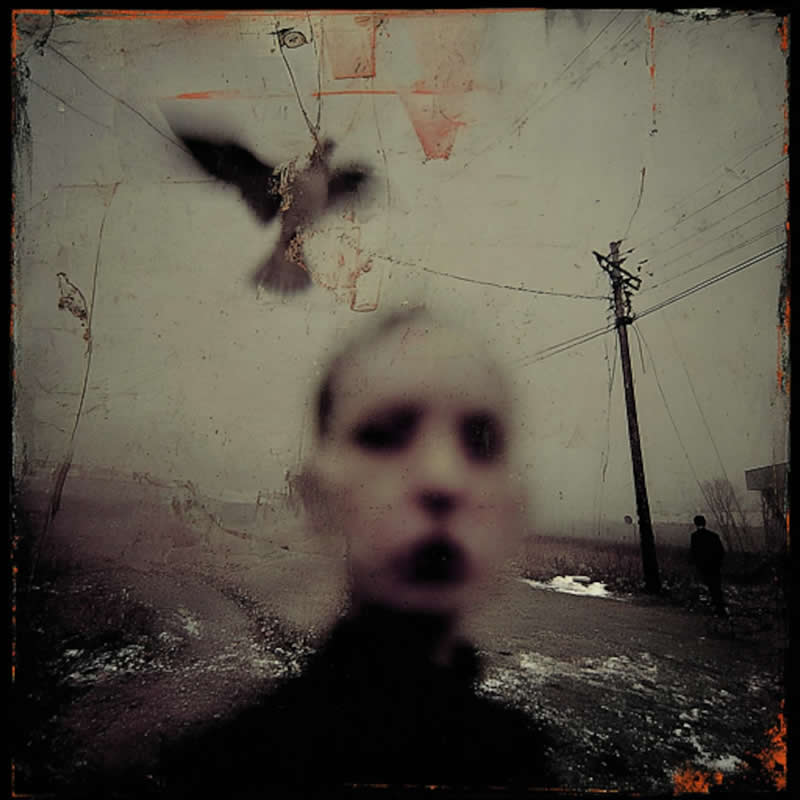
#19
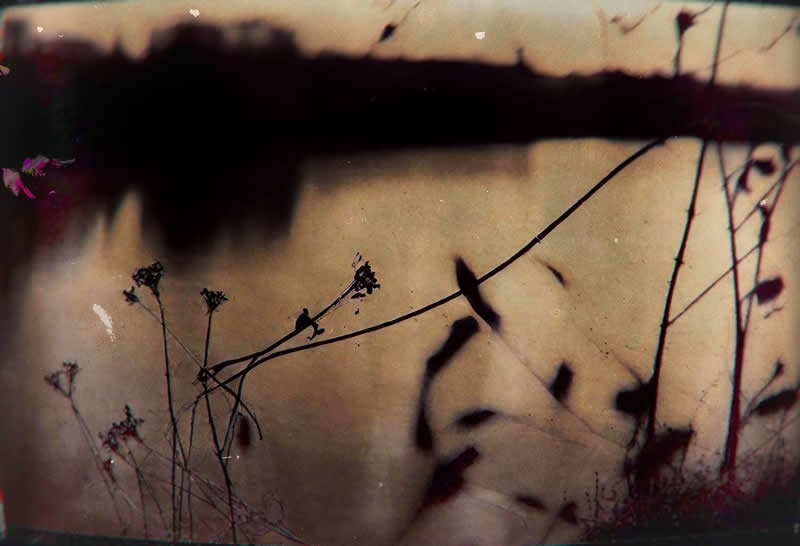
#20
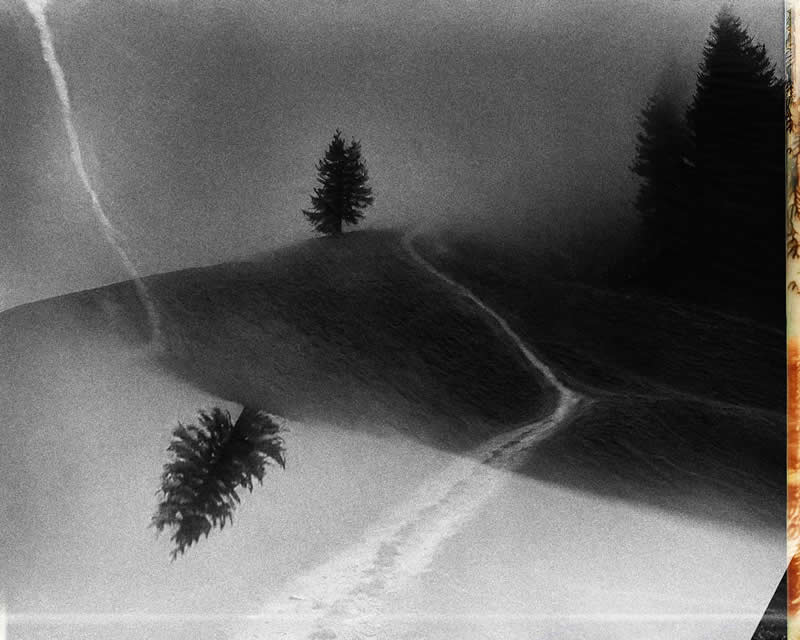
Landscapes That Feel Like Memories
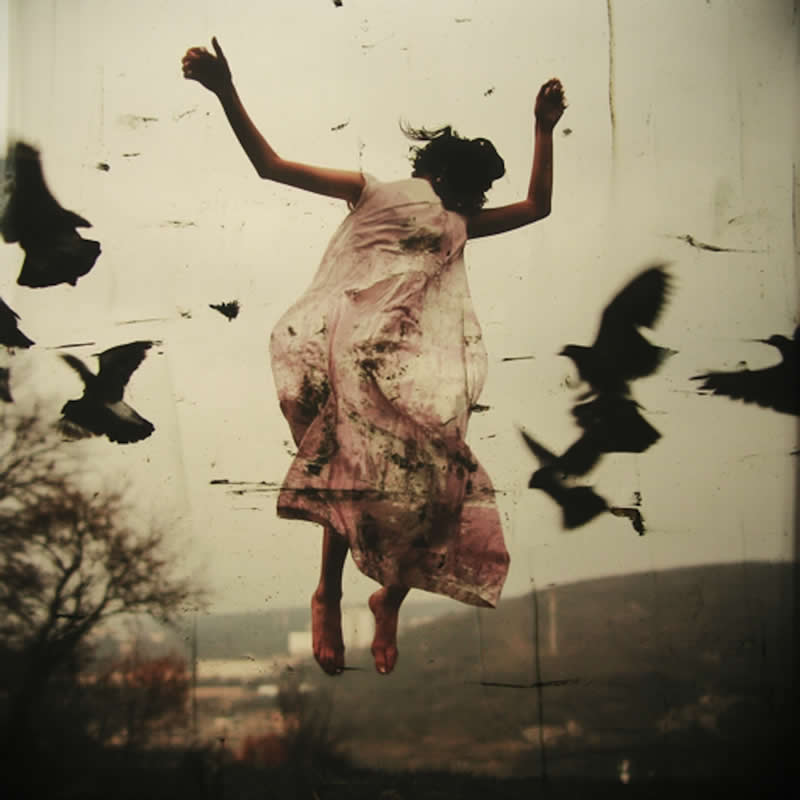
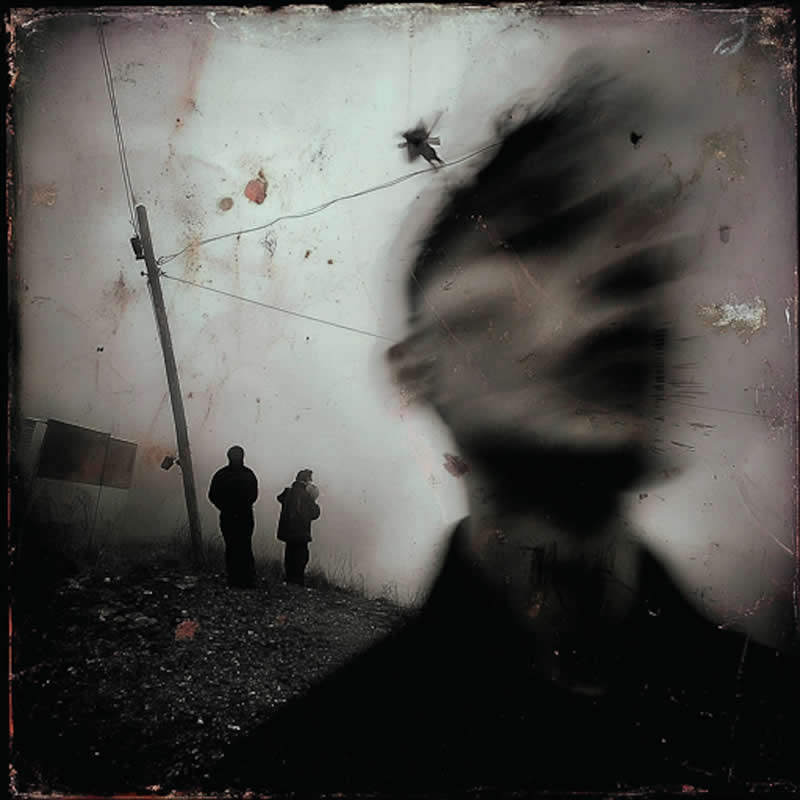
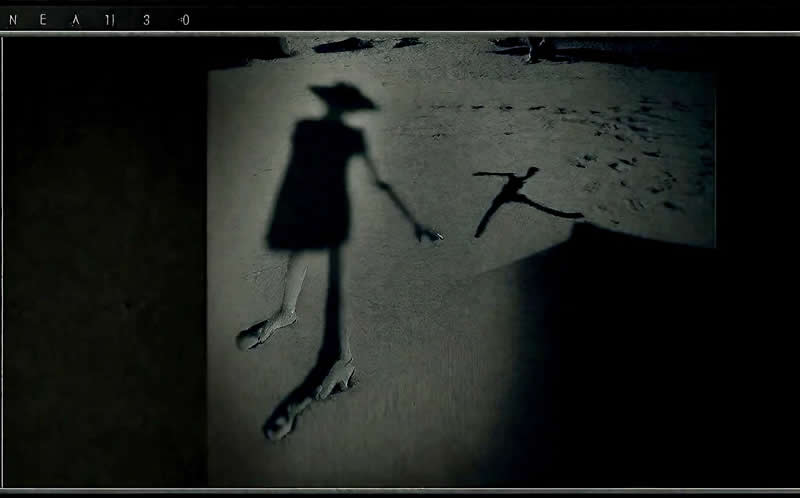
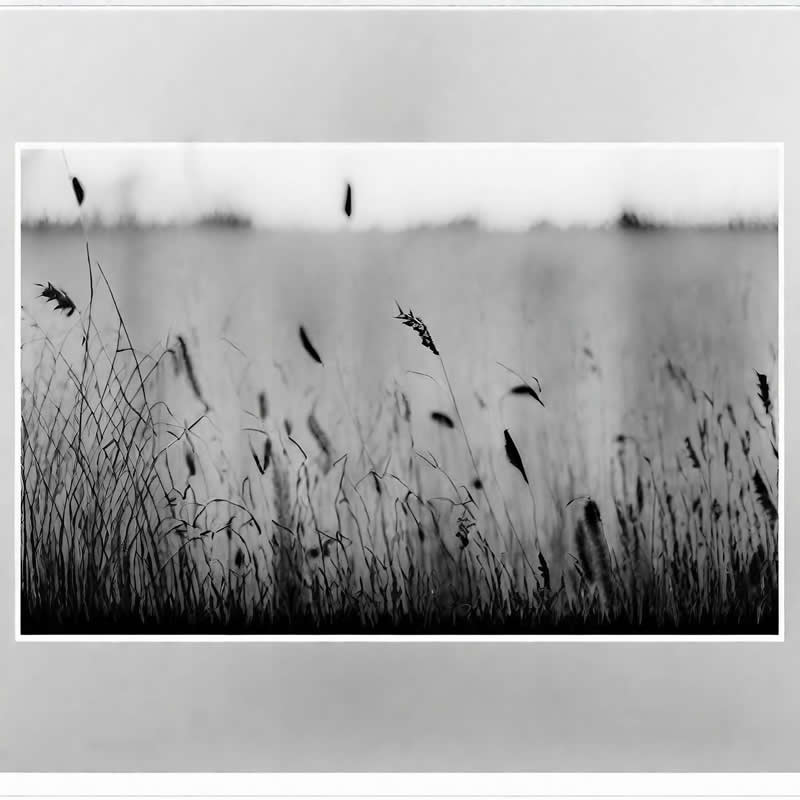
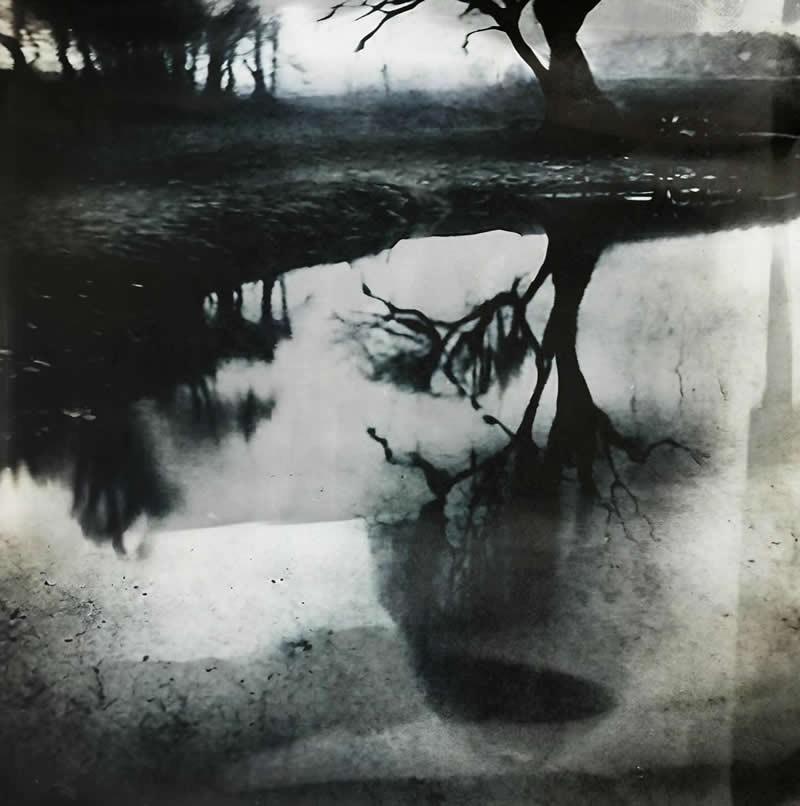
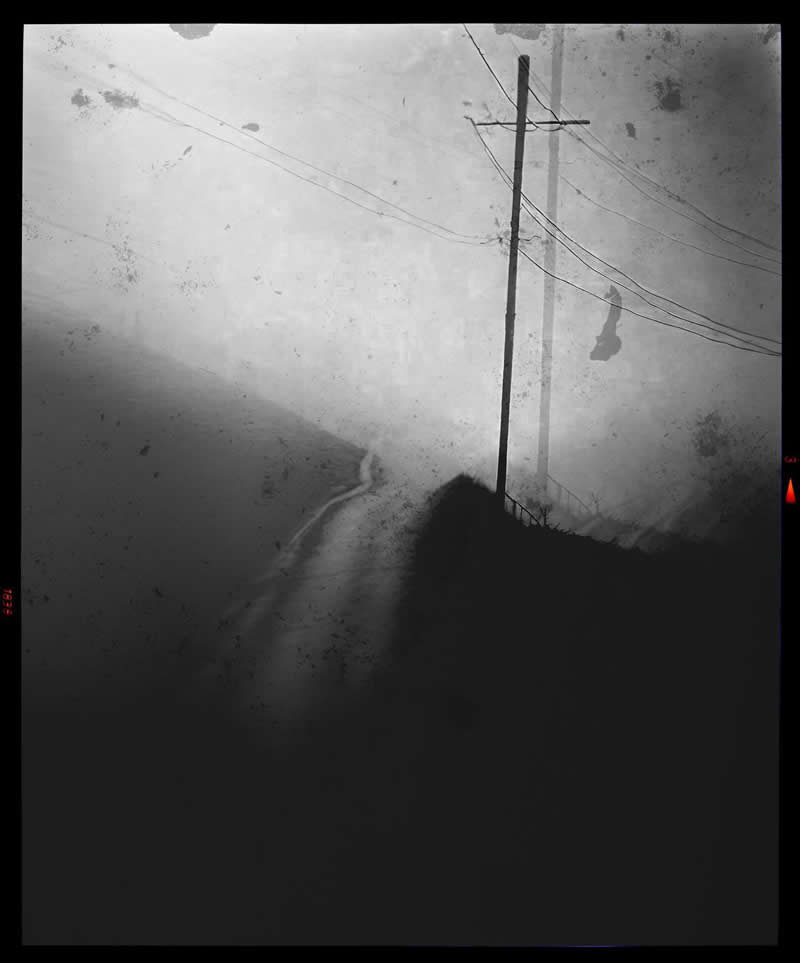
One of the most powerful qualities in Chris Friel’s work is how his images resemble memories rather than physical locations. His forests, pathways, and blurred natural scenes feel emotionally familiar, almost like fragments from dreams or distant childhood recollections. The photographs don’t behave like documents; they behave like emotions.
This memory-like quality comes from the way Friel uses movement, overlapping light, and abstraction to remove literal detail. Without exact visual information, viewers begin filling the gaps themselves. That personal interaction creates a powerful emotional connection between the audience and the image.
His photography taps into something deeply psychological. It reflects how humans actually remember places not with perfect sharpness, but with moods, colors, sensations, and fleeting impressions. Through this approach, Friel transforms landscape photography into an exploration of memory, perception, and emotional experience rather than simple visual representation.
#21
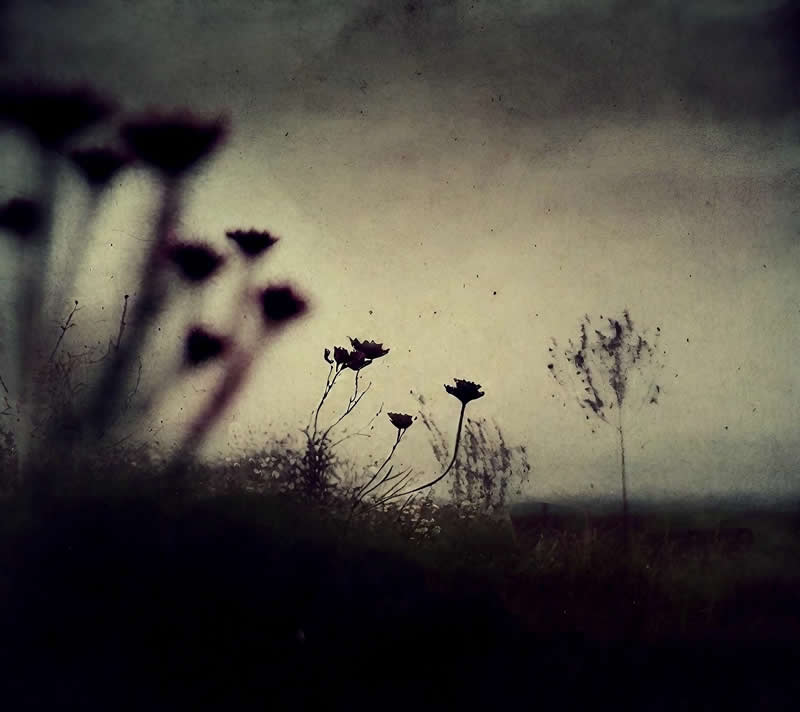
#22
#23
#24
#25
A Self-Taught Artist With a Radical Vision
Unlike many celebrated photographers connected to prestigious art schools or formal academic systems, Chris Friel developed his artistic language through self-guided experimentation and personal exploration. His journey reflects a deeply independent creative spirit rooted in curiosity rather than technical tradition.
That freedom allowed him to break conventional photography rules without fear. Instead of chasing trends or commercial expectations, he focused on discovering a visual language that honestly reflected his experience of the world. Over time, that experimentation evolved into one of the most distinctive voices in contemporary British abstract photography.
His work has since gained international recognition through festivals, exhibitions, and photography publications, yet what makes Friel important isn’t institutional approval. It’s the emotional authenticity of his images. He created something genuinely personal in an era where so much visual culture feels repetitive, fast, and disposable.
#26
#27
#28
#29
#30
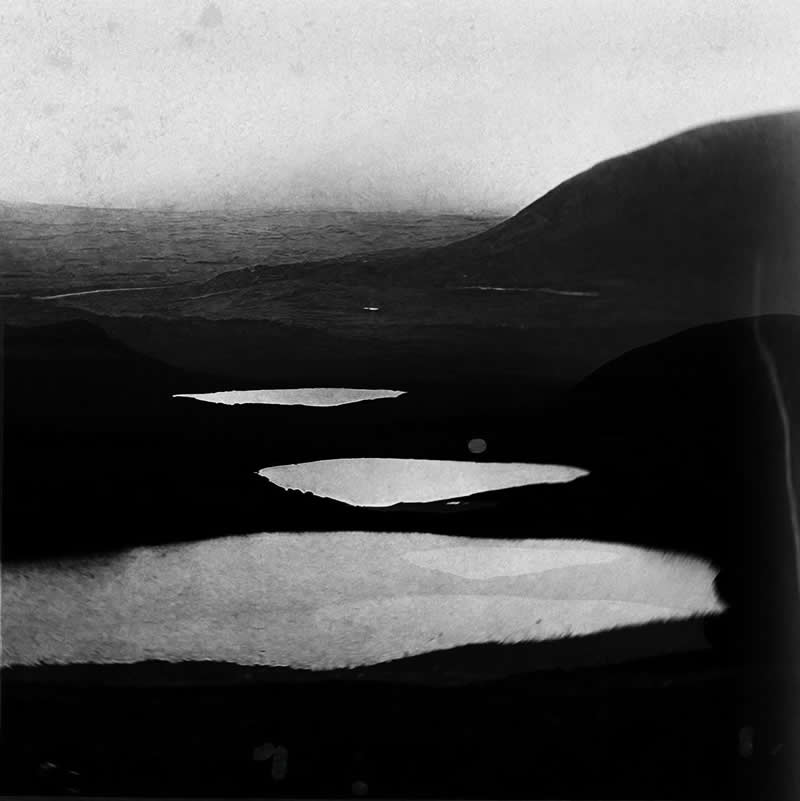
The Quiet Emotional Power of Abstract Photography
Chris Friel’s photographs don’t scream for attention. They work quietly, slowly pulling viewers into their emotional atmosphere. That subtlety is part of their power. His images create space for reflection rather than for instant gratification, encouraging audiences to feel rather than simply observe.
There’s something deeply human in the way his photographs embrace fragility and uncertainty. In a culture dominated by endless visual stimulation and rapid image consumption, Friel offers something radically different: slowness, silence, and emotional depth. His abstract landscapes invite viewers to pause and reconnect with their own memories, emotions, and perceptions.
That emotional resonance is what elevates his work beyond experimental photography. These aren’t just abstract images of forests or landscapes. They are meditations on vision, memory, and the unstable beauty of perception itself. Through light, blur, and movement, Chris Friel creates photographs that linger in the mind long after you’ve looked away.
#31
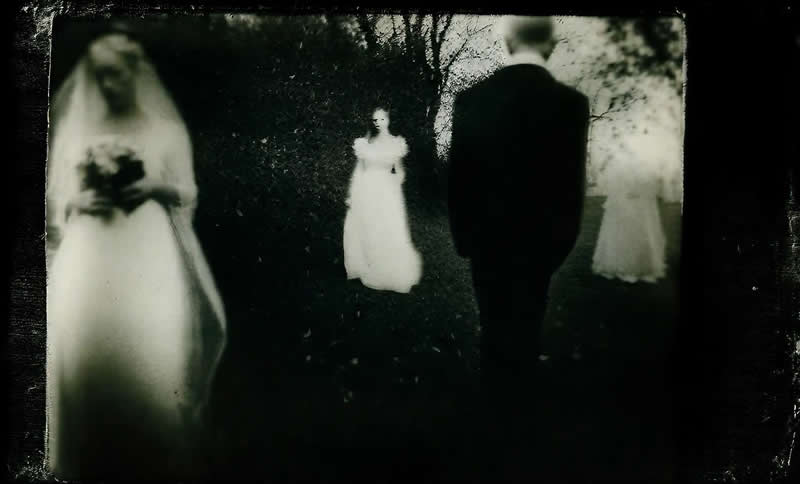
#32
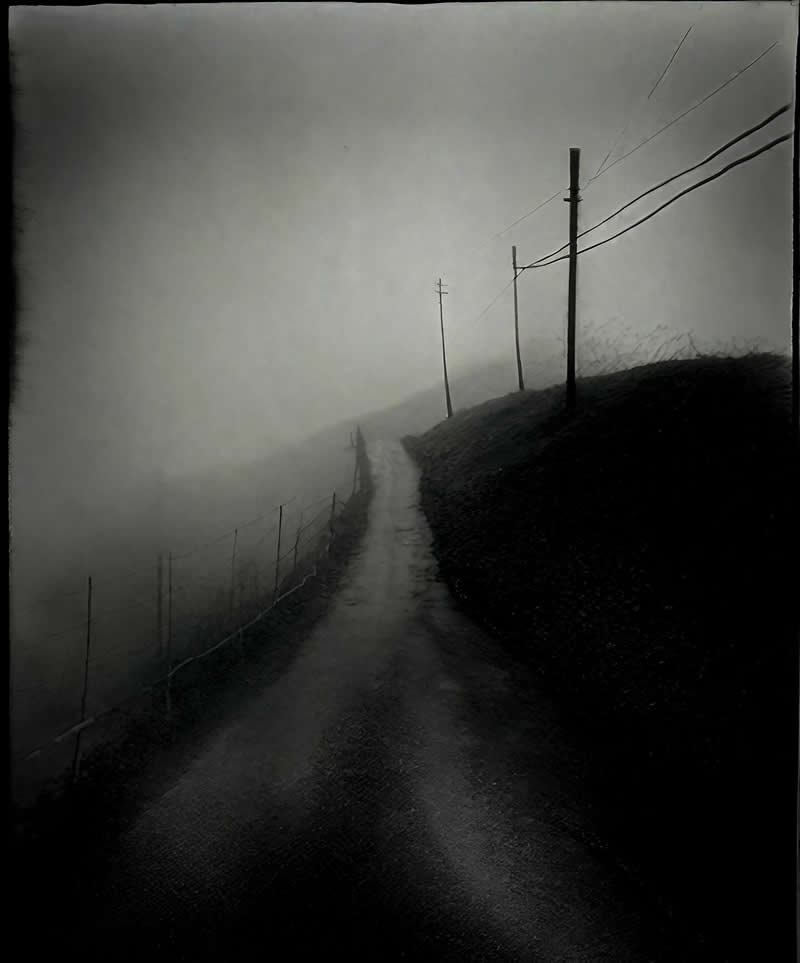
#33
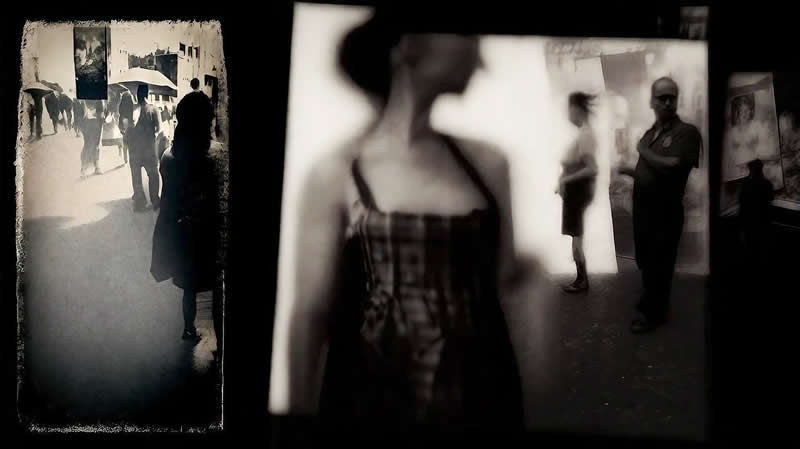
#34
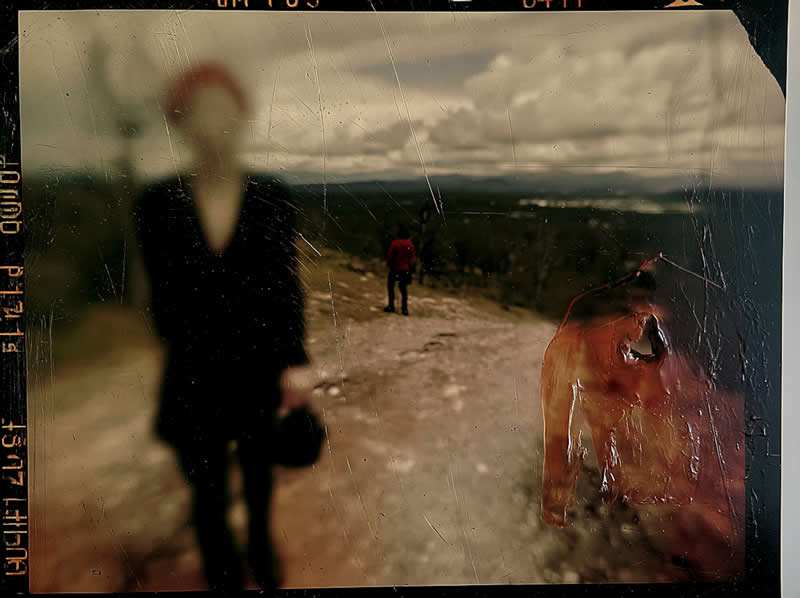
#35
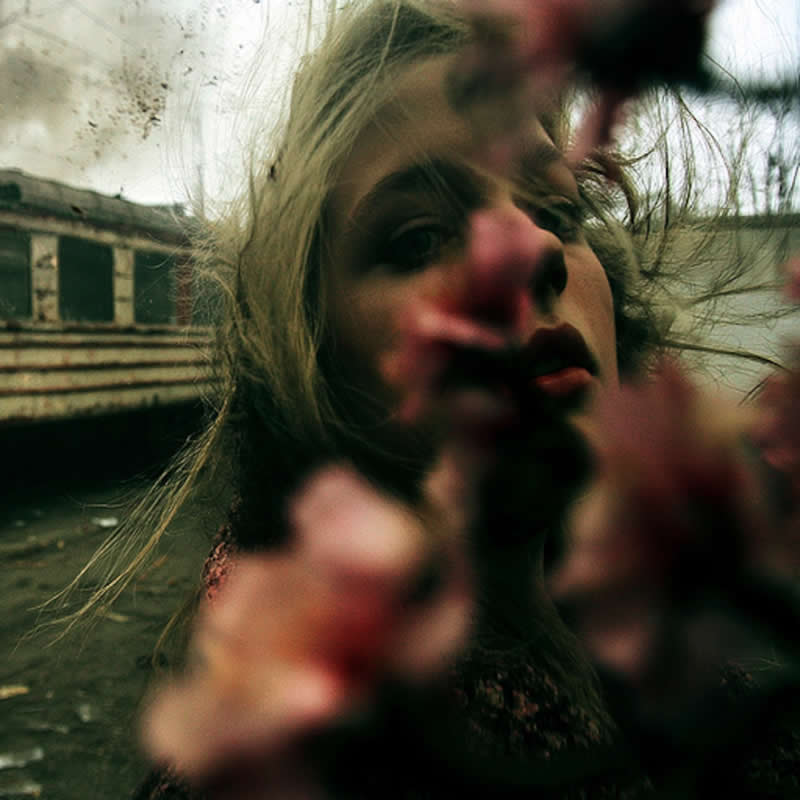
FAQs:
Who is Chris Friel?
Chris Friel is a contemporary British photographer known for his abstract landscape photography. His work blends photography, painting, and emotional perception, creating dreamlike images shaped by movement, memory, and partial vision loss, making him one of today’s most distinctive voices in artistic photography.
What makes Chris Friel’s photography unique?
Friel’s photography stands out for its abstract emotional quality, created through intentional camera movement, long exposures, and visual layering. His images reject sharp realism, instead focusing on atmosphere, perception, memory, and the emotional experience of seeing the natural world in a different way.
How did vision loss influence Chris Friel’s work?
Partial vision loss due to a neurological condition altered how Friel experienced visual reality. Rather than focusing on technical sharpness, he embraced blur, fragmentation, and movement, turning his altered perception into the foundation of his deeply personal artistic photography style.
Why does Chris Friel’s work resemble paintings?
His photographs often resemble impressionist and abstract expressionist paintings because he uses motion blur, overlapping textures, and expressive light instead of detailed realism. This painterly approach transforms landscapes into emotional and atmospheric compositions filled with movement, color, and visual rhythm.
What themes are explored in Chris Friel’s photography?
Chris Friel’s photography explores perception, memory, emotion, fragility, and subjective experience. His abstract landscapes challenge modern photography’s obsession with clarity while encouraging viewers to slow down, emotionally connect, and experience nature through uncertainty, mood, and deeply personal interpretation.