
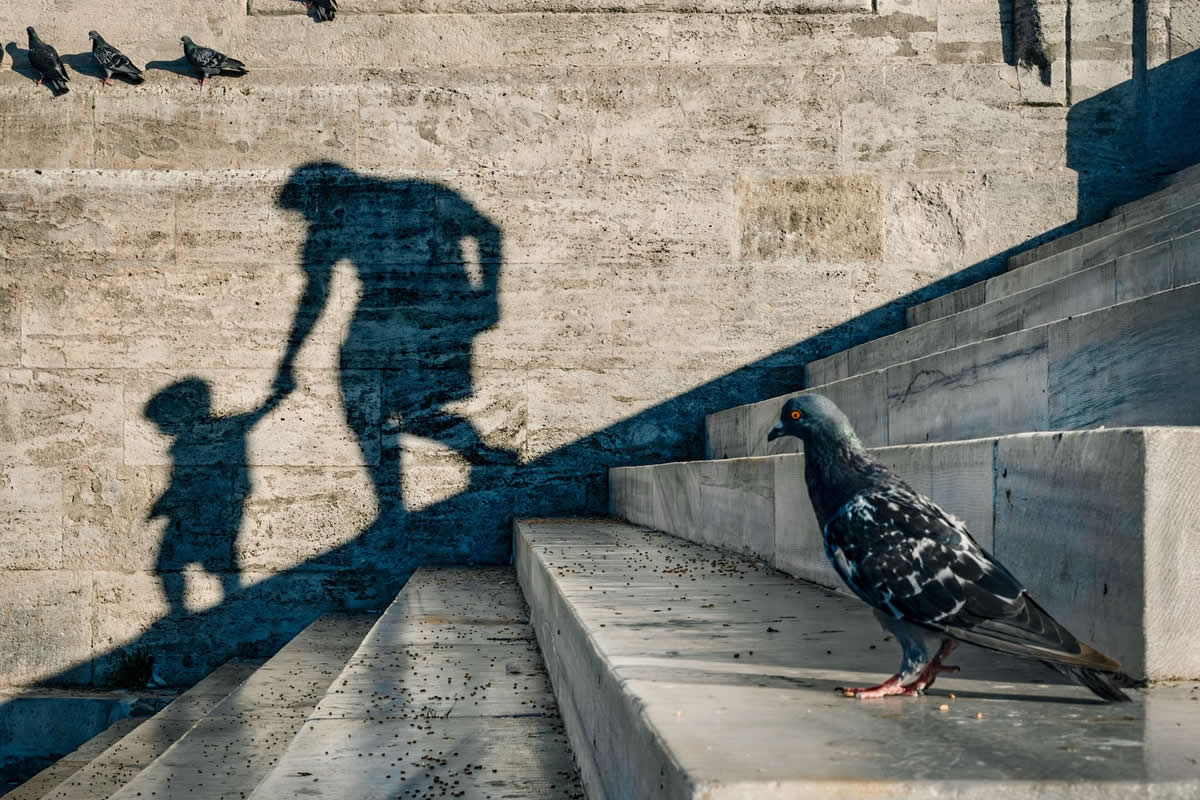
Street photography isn’t just about people, it’s about light. And more importantly, it’s about what happens when light meets shadow. That split second where a subject walks into a beam of sunlight while everything else fades into darkness? That’s the shot. That’s the magic.
The streets are basically a live stage, constantly shifting with changing light, moving people, and unpredictable moments. One minute, it’s flat and boring; the next, it’s cinematic. The trick is learning how to see it before it happens. Pros don’t just react they anticipate. They watch how light hits buildings, how shadows stretch across sidewalks, how reflections bounce off glass.
These 31 street photos aren’t just visually striking; they’re lessons. Each one shows how contrast, timing, and composition come together to create drama. From early morning glow to golden hour silhouettes, every frame tells you something about control, patience, and instinct.
And here’s the truth: gear matters, but vision matters more. You don’t need the most expensive camera to shoot like a pro. You need awareness, timing, and a little obsession with light.
Once you start noticing shadows the way pros do, the entire street transforms. Ordinary scenes become layered, dynamic, and full of story. And suddenly, every corner feels like a potential masterpiece waiting to happen.
#1
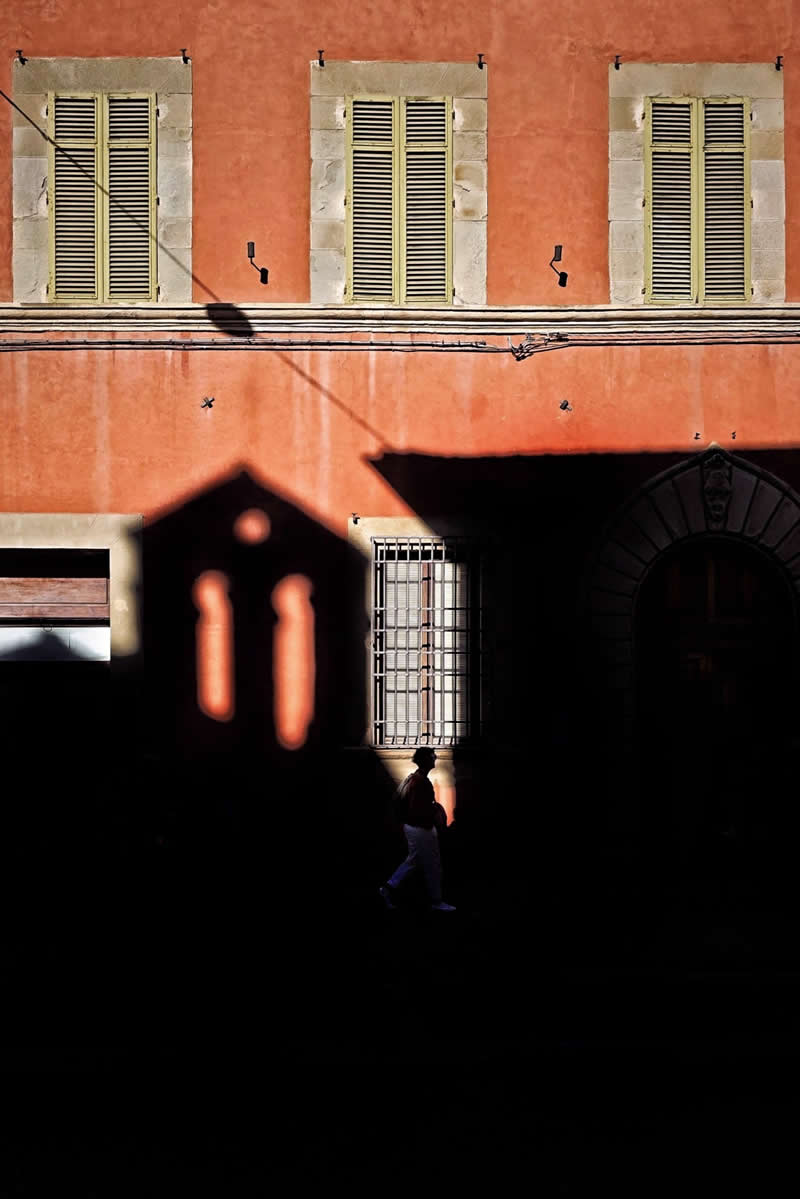
Photo by: Antonio Troise
#2
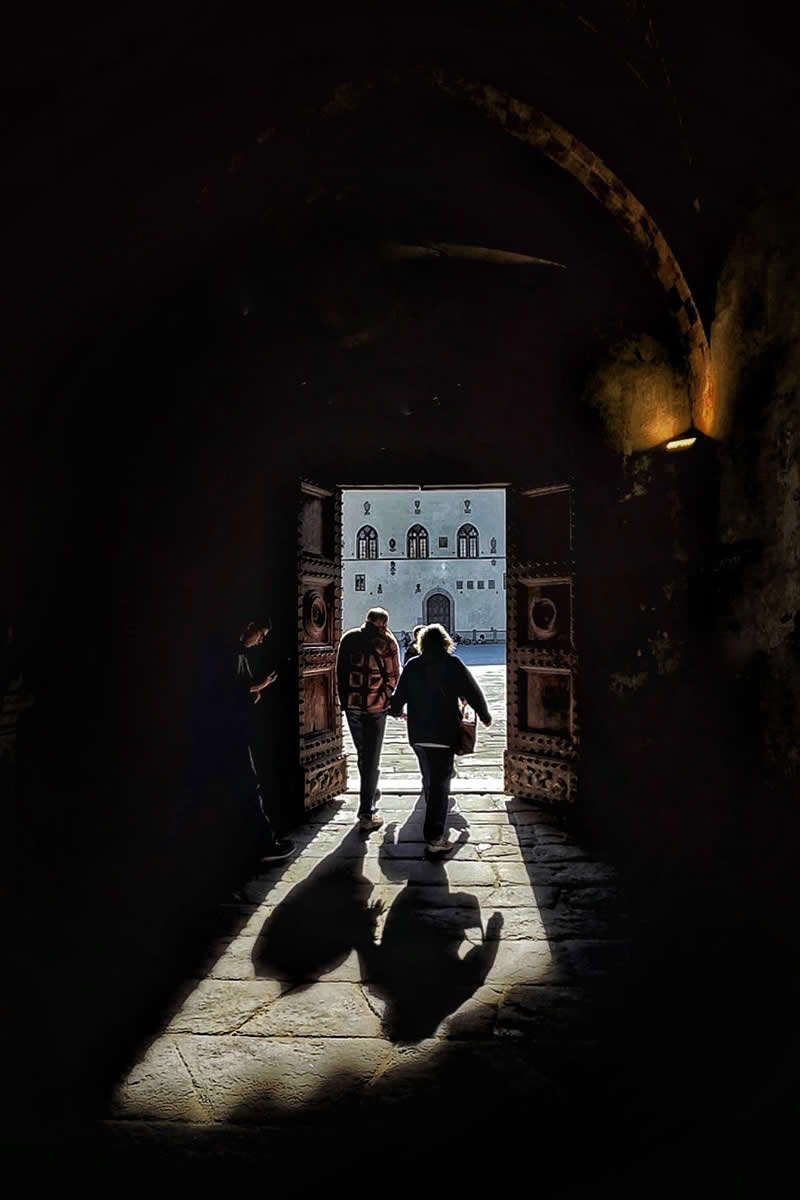
Photo by: Antonio Troise
#3
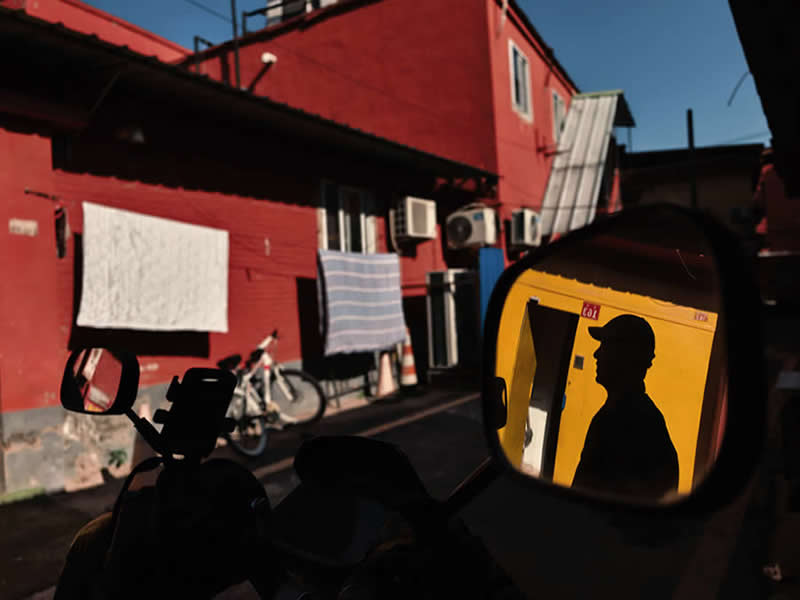
Photo by: Ke Ma
#4
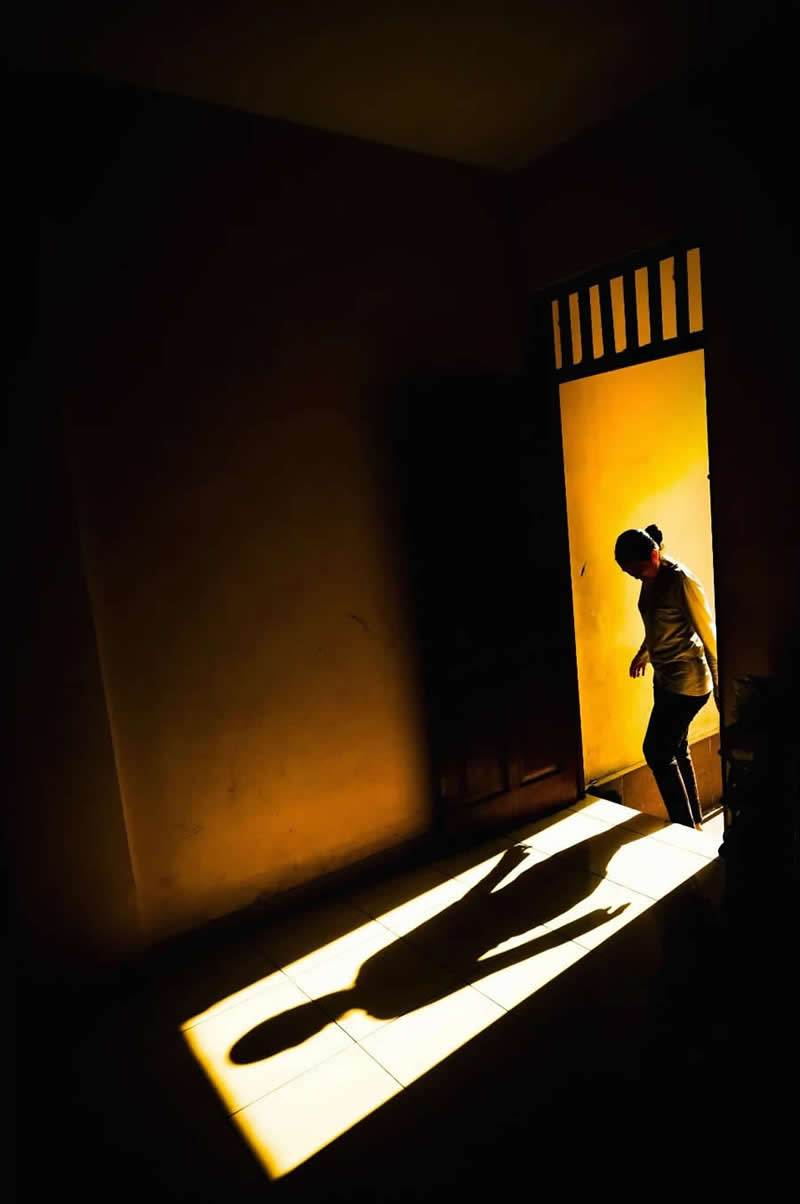
Photo by: Pukidjan
#5
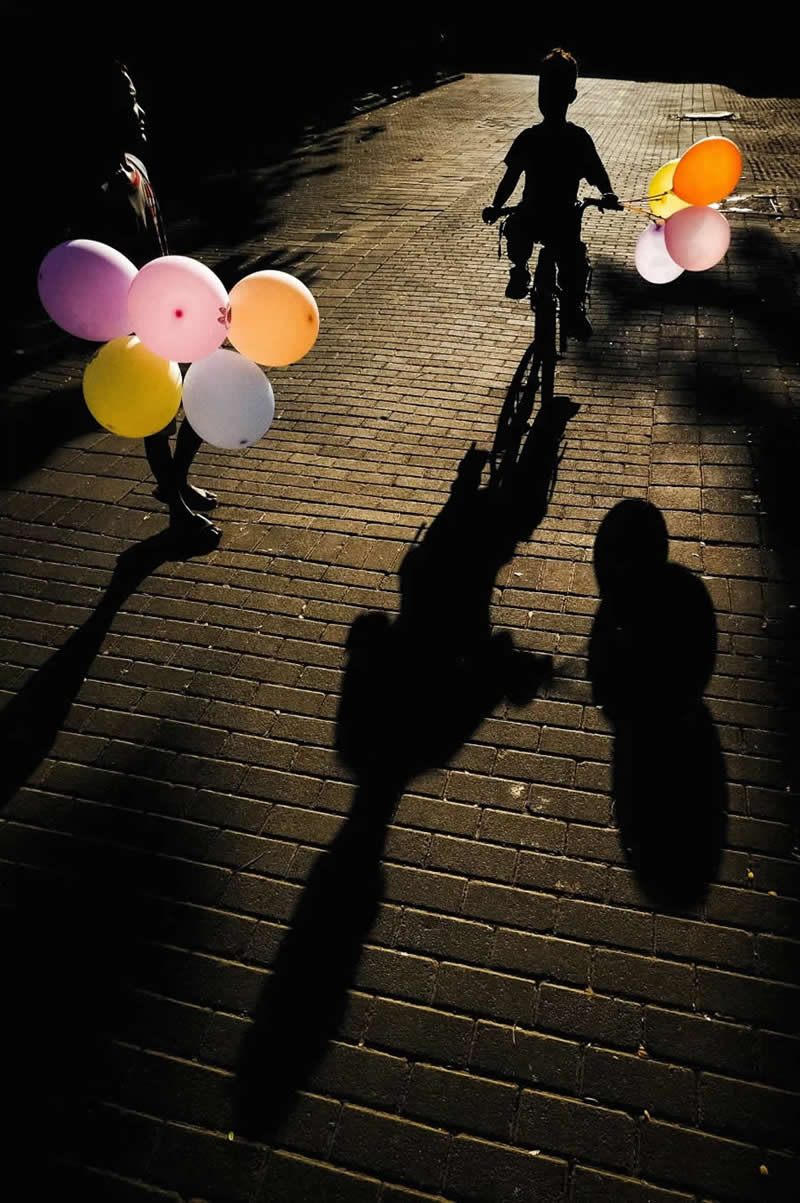
Photo by: Pukidjan
Shoot When Light is Low, and Drama is High
If you want that cinematic street vibe, timing is everything. Early mornings and late evenings, golden hour is where the magic lives. The light is softer, shadows are longer, and everything gets that natural contrast without harsh highlights.
Midday light? It’s tricky. Too flat or too harsh. But mornings and evenings give you depth. Shadows stretch across streets, creating natural leading lines and framing opportunities.
Pro tip: position yourself where light cuts through buildings or alleyways. Wait for someone to walk into that light. That’s your shot.
Don’t rush it. Let the scene build. Watch how the light moves. Once you lock into that rhythm, you’ll start predicting moments before they happen, and that’s when your photos level up.
#6
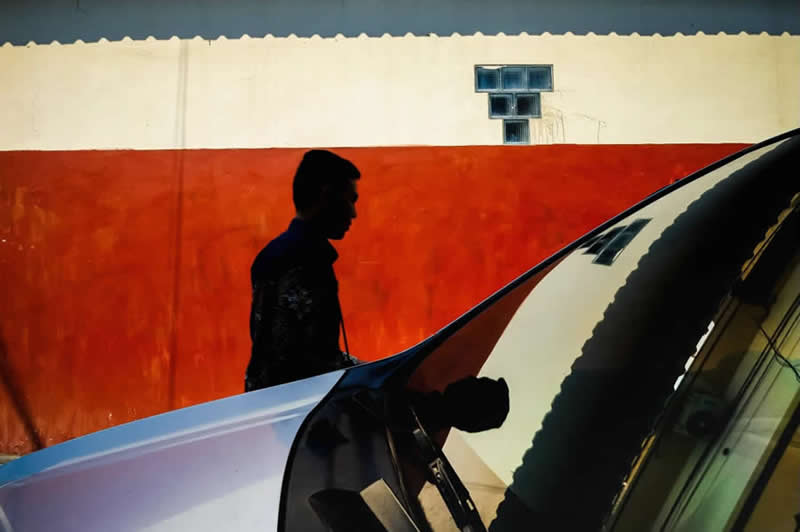
Photo by: Pukidjan
#7
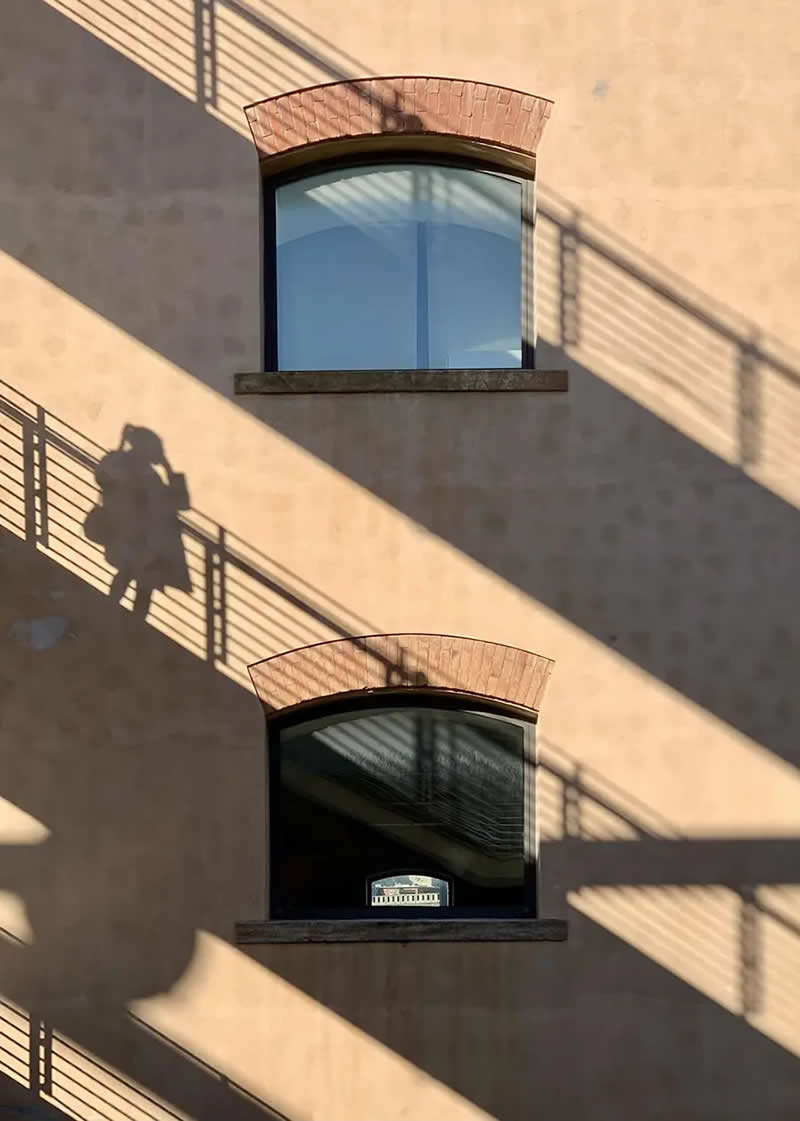
Photo by: Roy Pan
#8
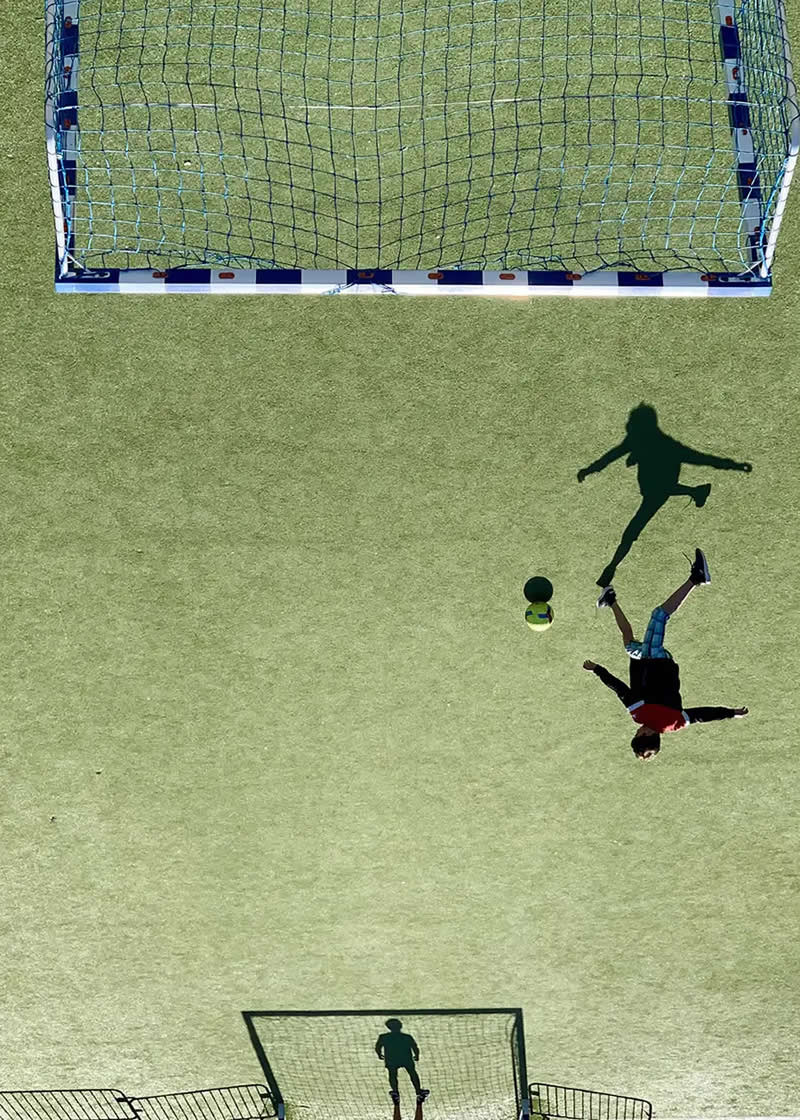
Photo by: Pasha Francuz
#9
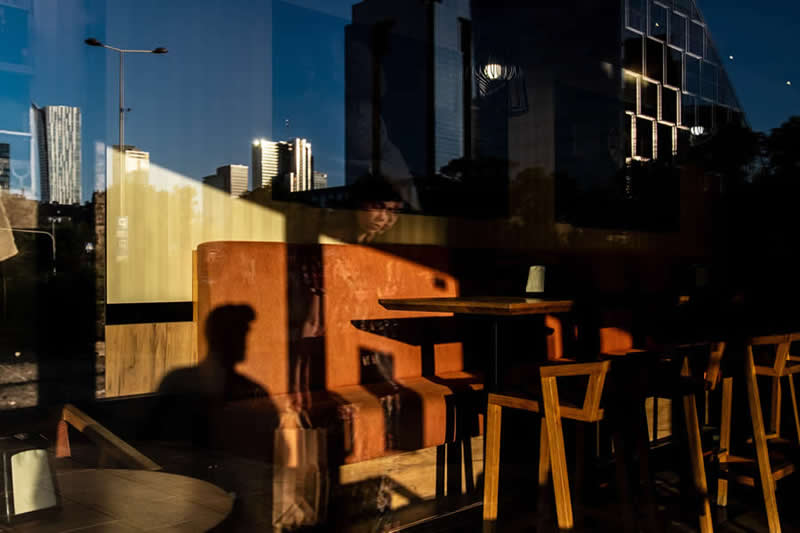
Photo by: Lukasz Korulczyk
#10
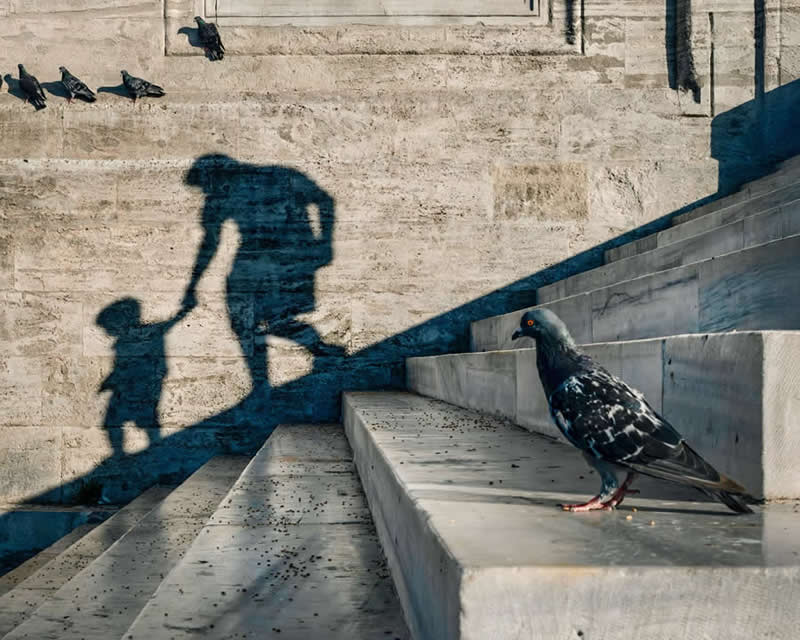
Photo by: Hakan Biyiklioglu
Dial in Your Camera Settings Like a Pro
You don’t need crazy gear, but you do need control. Start with a fast shutter speed around 1/500 or higher to freeze motion. Street scenes move fast, and you don’t want blur unless it’s intentional.
Keep your aperture between f/5.6 and f/8 for sharpness and depth. It gives you enough flexibility to capture subjects clearly while keeping the scene intact.
ISO? Keep it low in daylight, but don’t be afraid to bump it up in shadows. Grain can actually add character.
A 35mm or 50mm lens is perfect for natural perspective, not too wide, not too tight.
Set your exposure for highlights, not shadows. Let shadows go dark, that’s where the drama lives.
#11
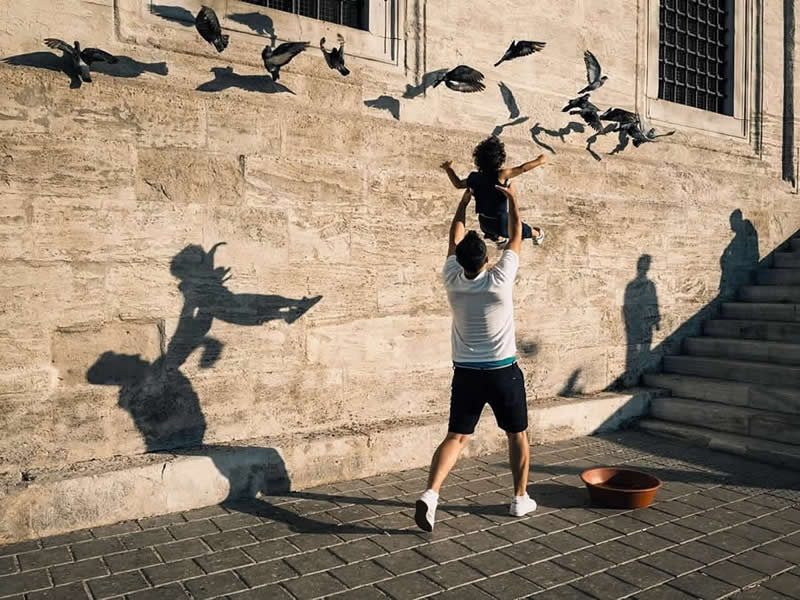
Photo by: Hakan Biyiklioglu
#12
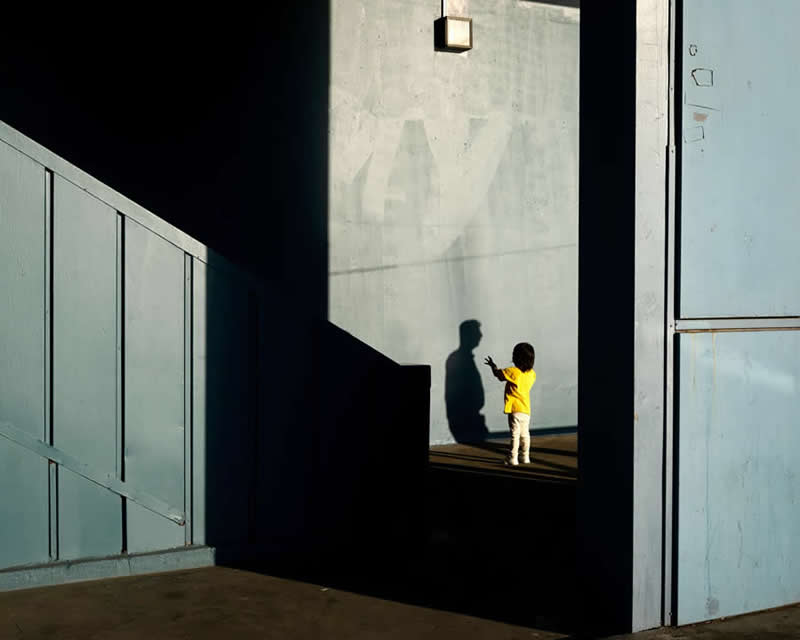
Photo by: Hakan Biyiklioglu
#13
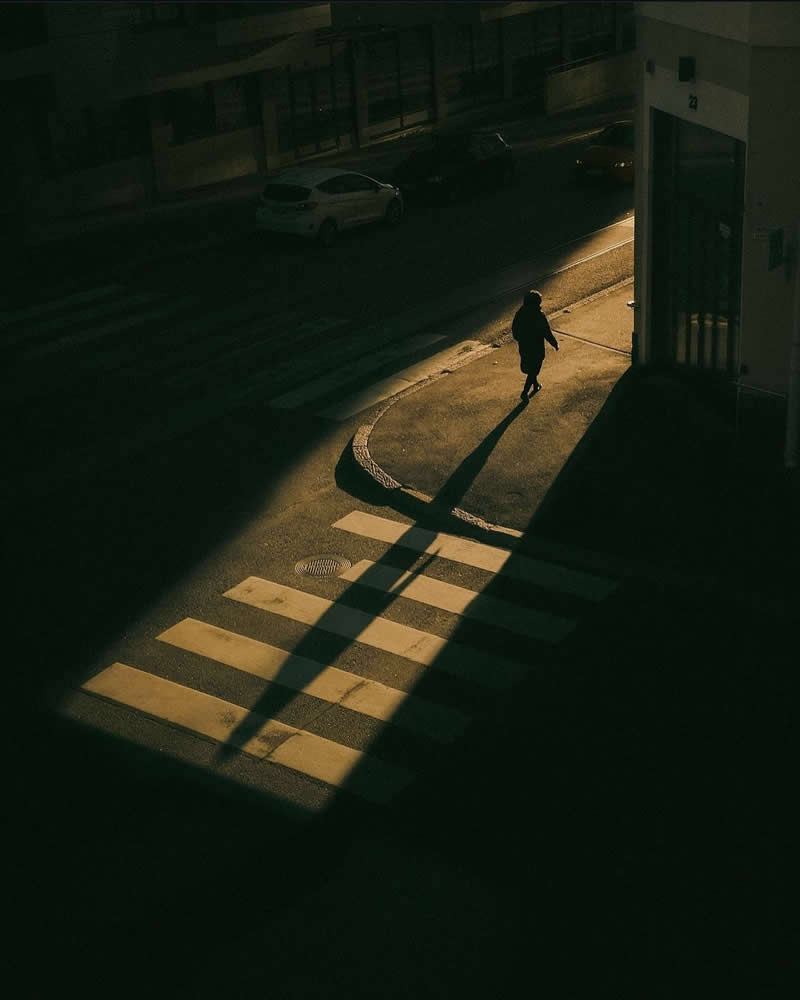
Photo by: @tommiviitala
#14
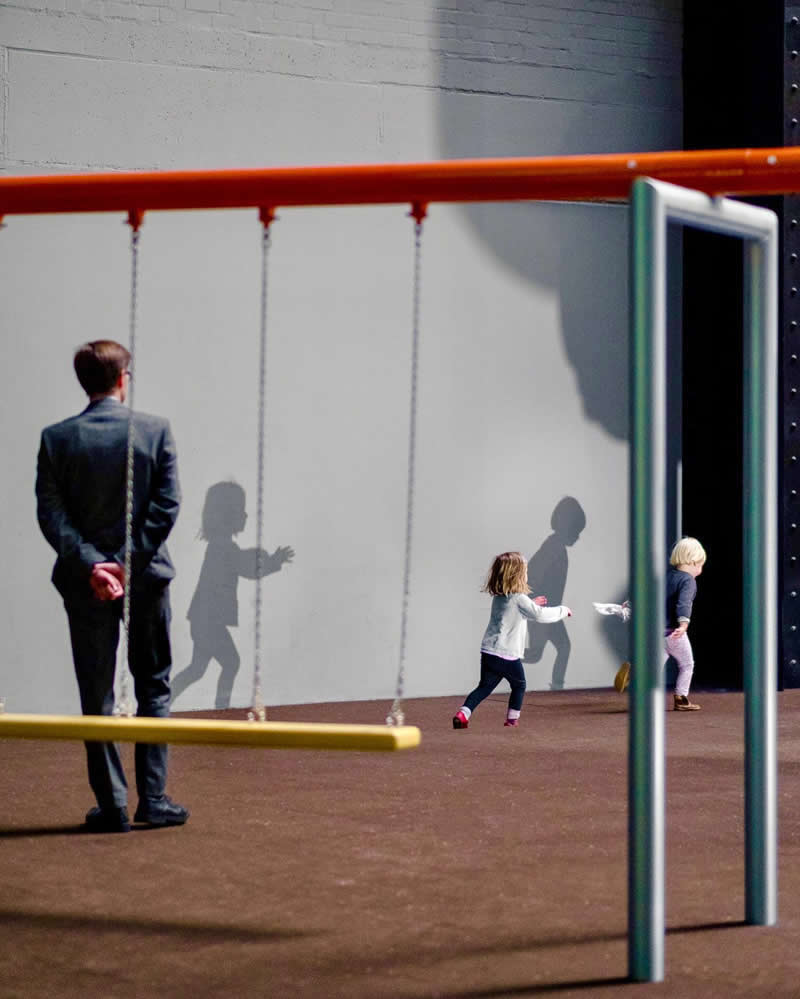
Photo by: @sixstreetunder
#15
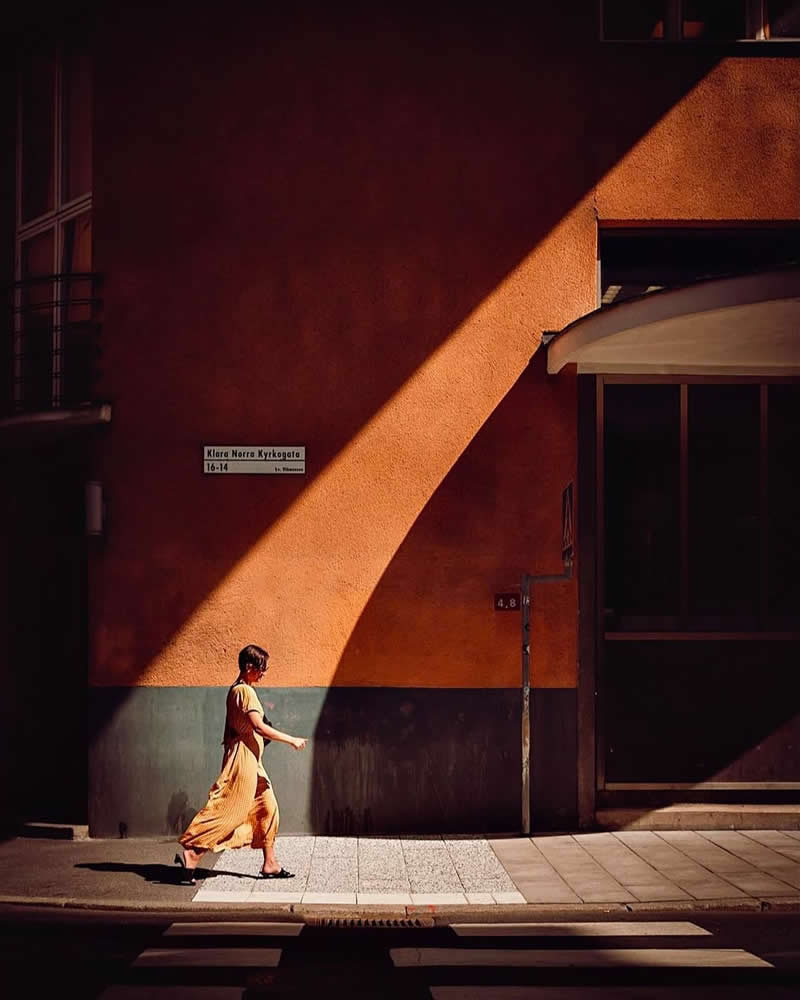
Photo by: @fredrik.axling
Composition is Everything: Frame with Shadows
Shadows aren’t just background; they’re part of your composition. Use them like shapes, lines, and frames. A shadow cutting across the street can guide the viewer’s eye straight to your subject.
Look for contrast. Bright light against deep shadow creates instant drama. Place your subject right where those two meet—that edge is where magic happens.
Think layers. Foreground shadows, mid-ground subject, background light. It adds depth and storytelling to your shot.
Also, don’t center everything. Let shadows dominate part of the frame. Negative space can make your subject pop harder.
Great street photos aren’t crowded; they’re intentional. Every element should feel like it belongs.
#16
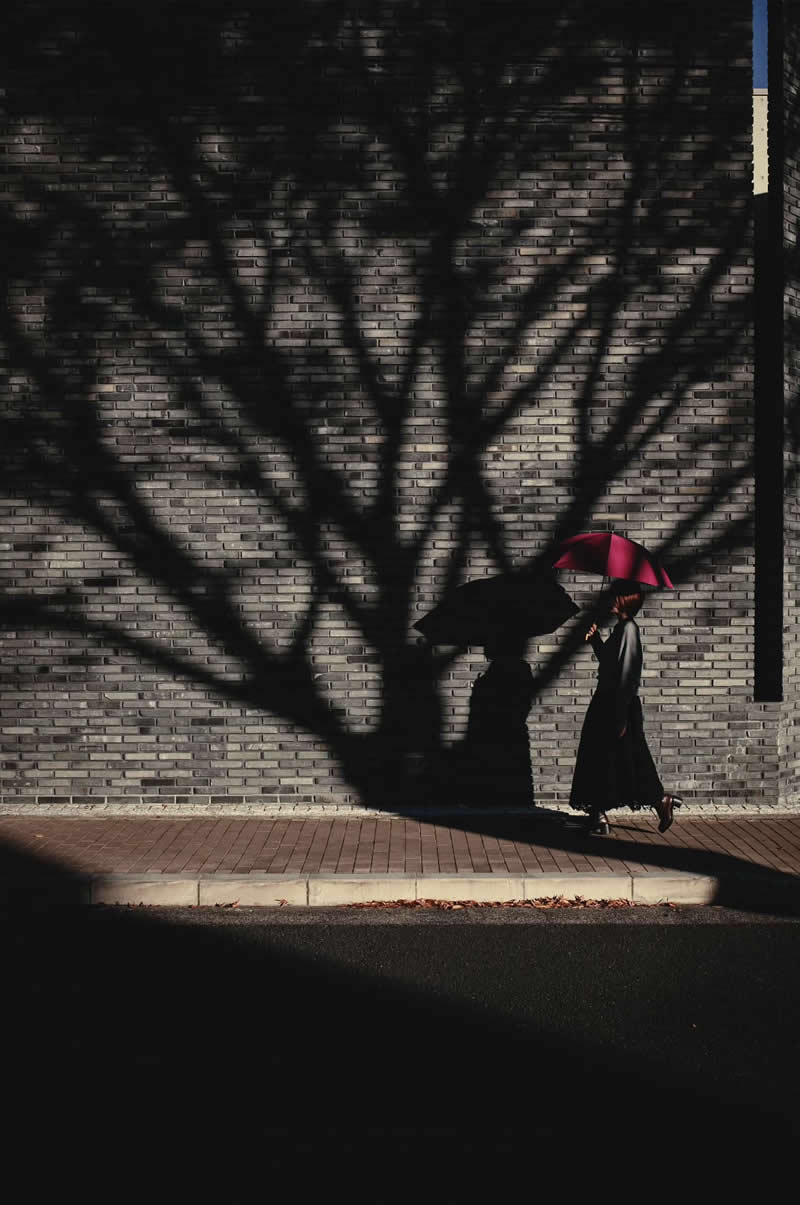
Photo by: Masa
#17
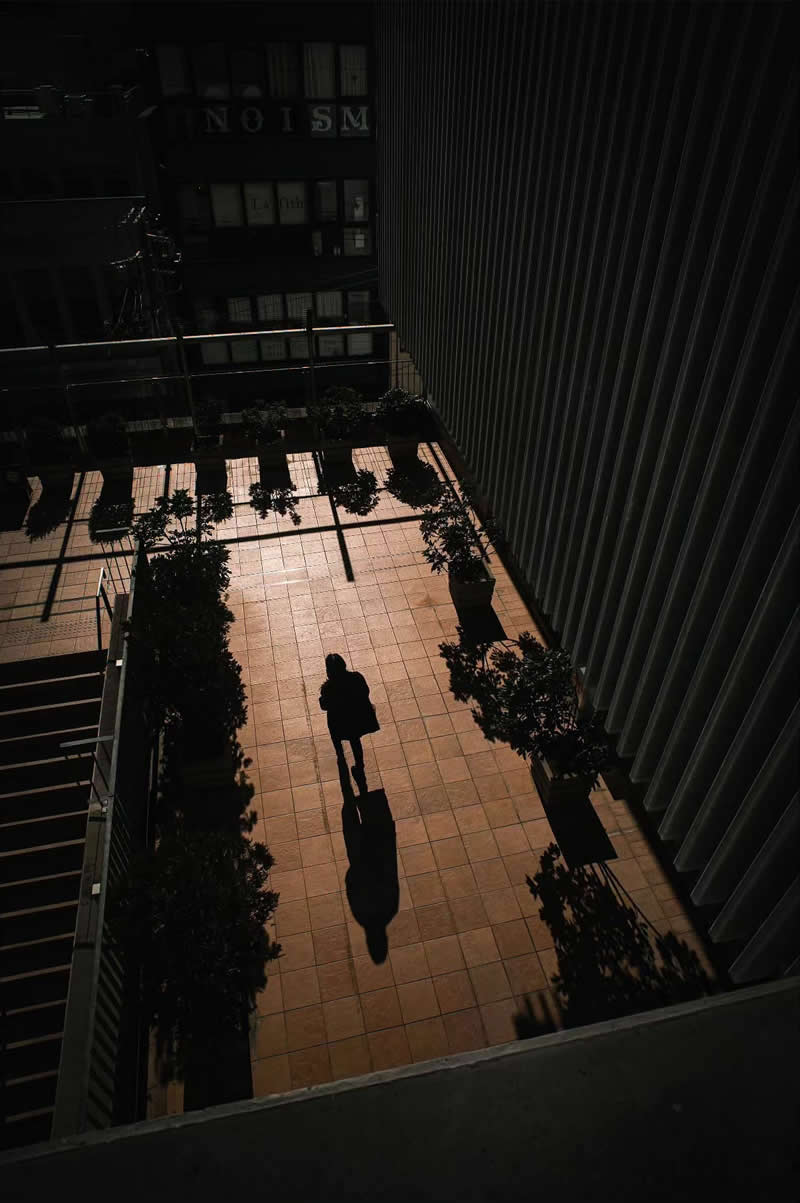
Photo by: Masa
#18
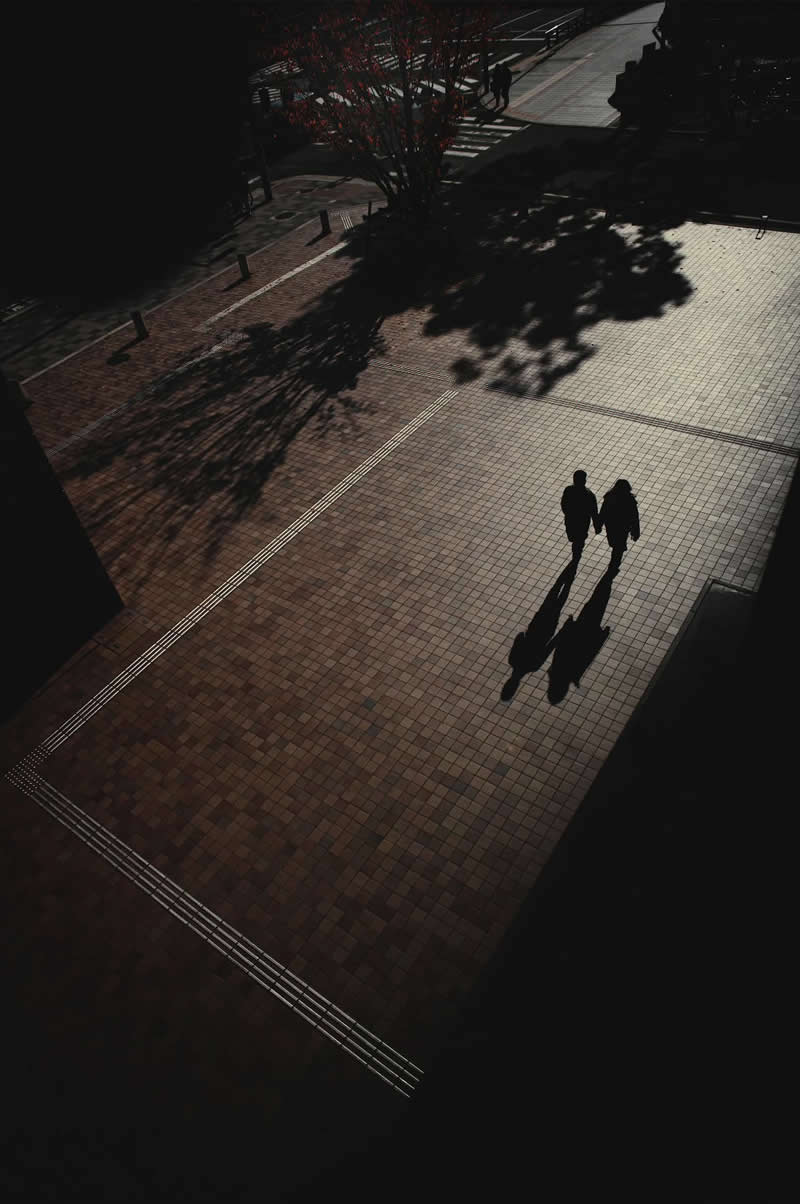
Photo by: Masa
#19
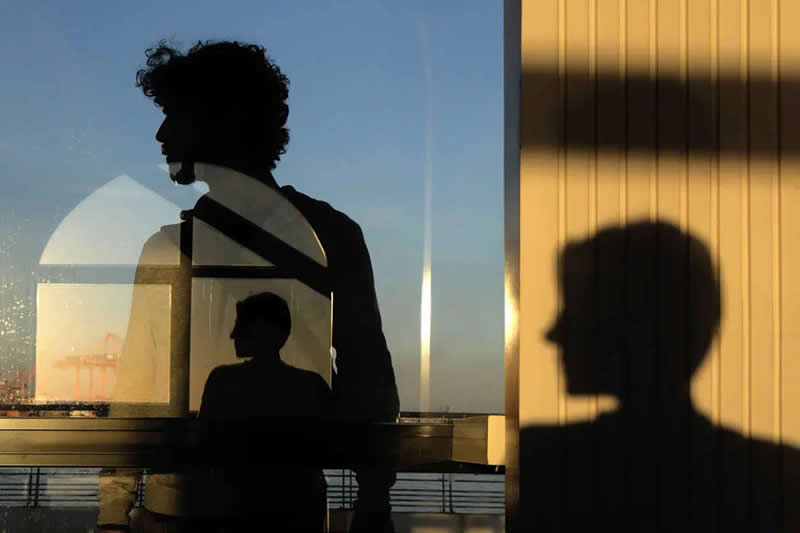
Photo by: Melahat Ünel
#20
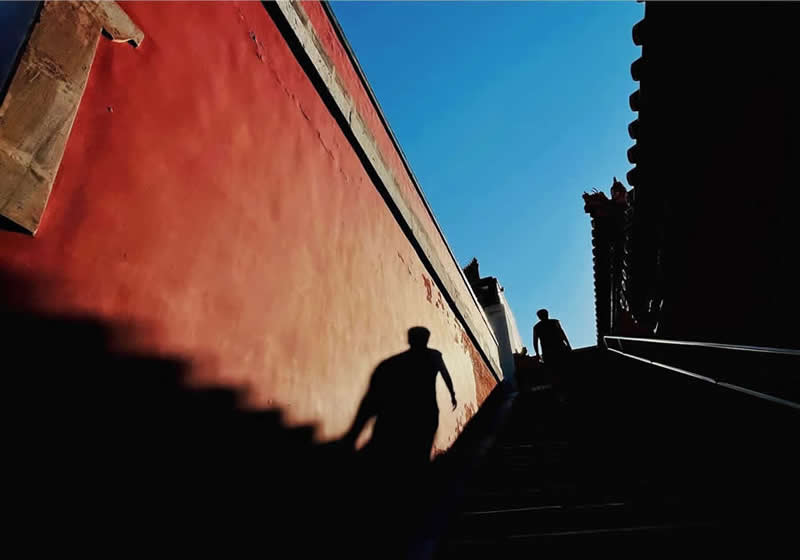
Photo by: Nikodemus Widjaja
Patience + Timing = The Perfect Shot
Here’s where most people mess up: they chase moments instead of waiting for them. Pros do the opposite. They first find a strong light-and-shadow setup, then wait for the right subject to walk in.
It’s like fishing. You don’t run after fish; you let them come to you.
Stand still. Observe. Watch how people move through the scene. Anticipate where they’ll step. When someone hits that perfect light spot click.
Sometimes you’ll wait minutes. Sometimes longer. But when it works, it really works.
Patience isn’t boring; it’s powerful. It turns random shots into intentional storytelling. And that’s what separates good photos from great ones.
#21
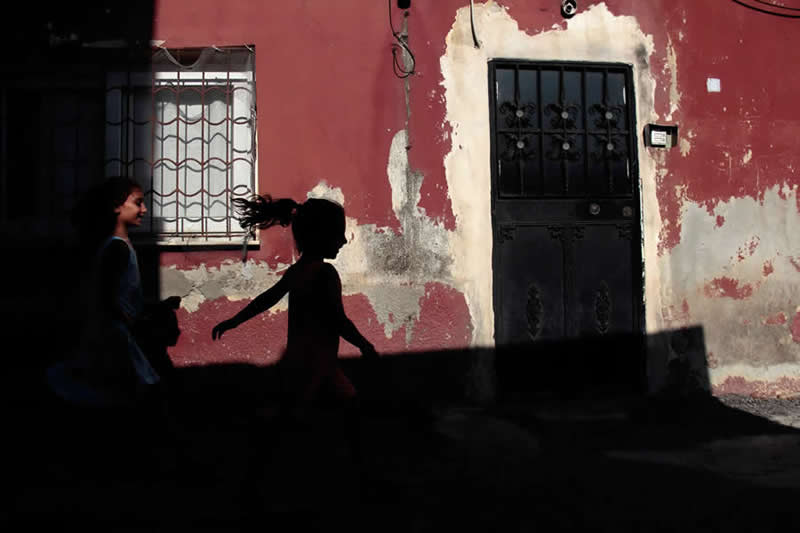
Photo by: Melahat Ünel
#22
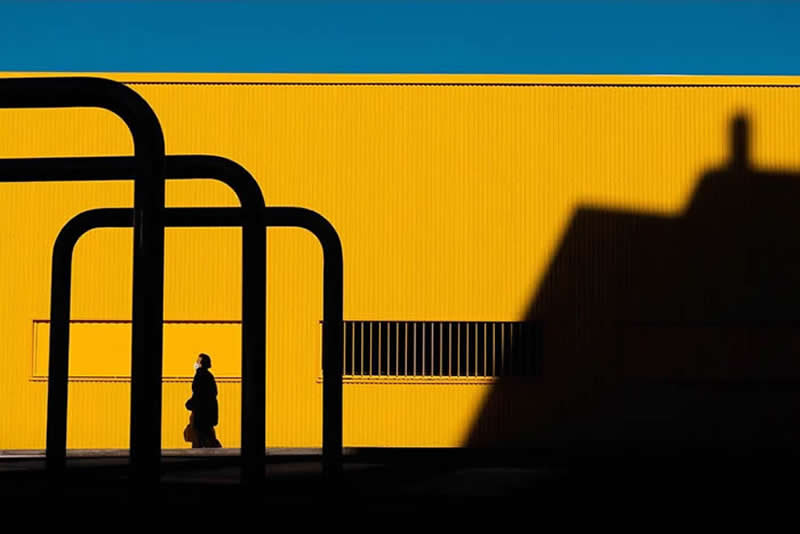
Photo by: Joaquín Pastor Genzor
#23
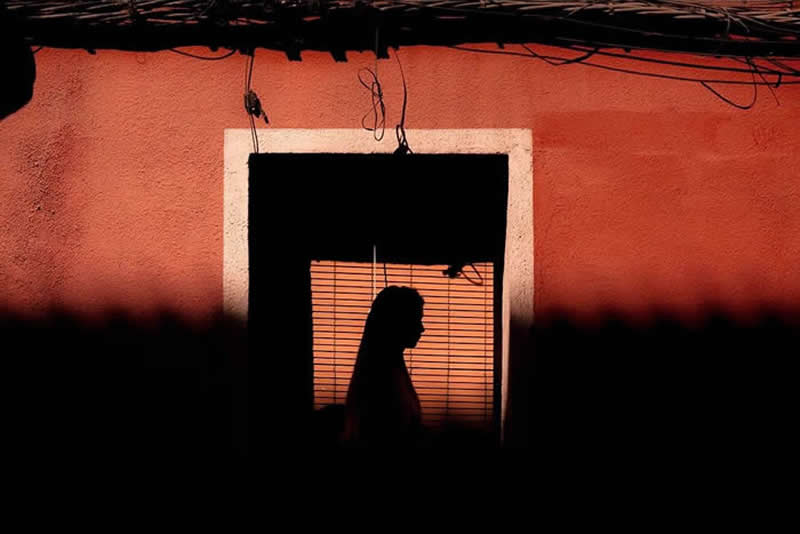
Photo by: Joaquín Pastor Genzor
#24
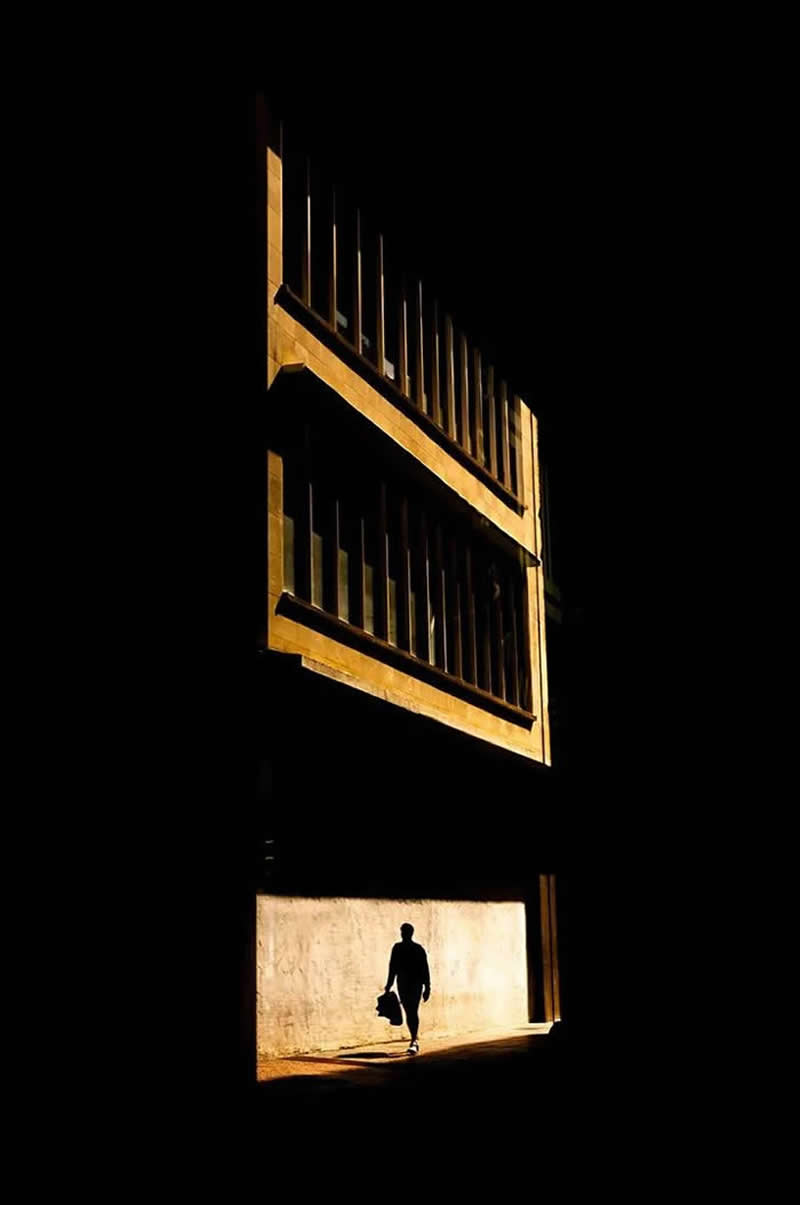
Photo by: Joaquín Pastor Genzor
#25
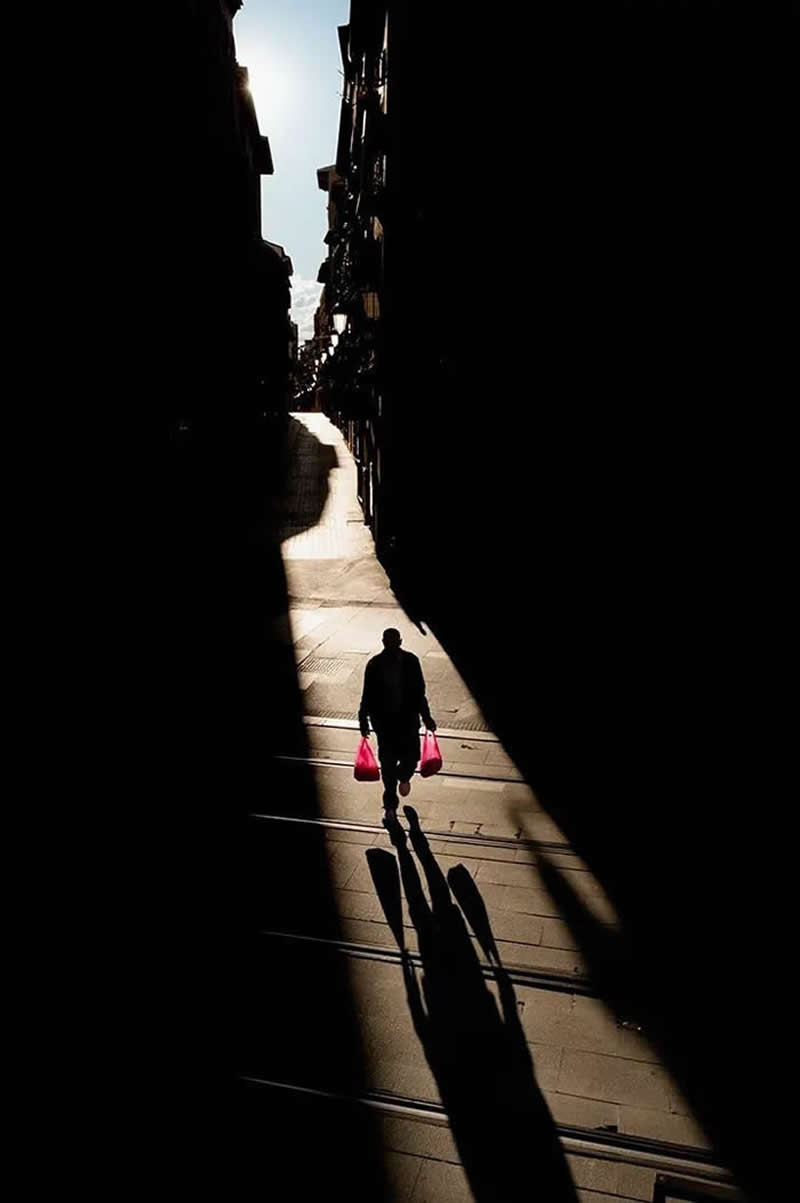
Photo by: Joaquín Pastor Genzor
Train Your Eye to See What Others Miss
Street photography is less about shooting and more about seeing. You have to train your eye to notice light patterns, reflections, textures, and tiny details most people ignore.
Look at walls, windows, roads, and signs. Architecture plays a huge role. Light bouncing off surfaces creates unexpected highlights and shadows.
Colors matter too. A bright subject in a dark shadow instantly grabs attention. Use that contrast.
The more you observe, the more you’ll start seeing scenes before they happen. That’s the goal.
Once you reach that point, you’re not just taking photos, you’re crafting moments. And that’s when your work starts looking like it came from a pro.
#26
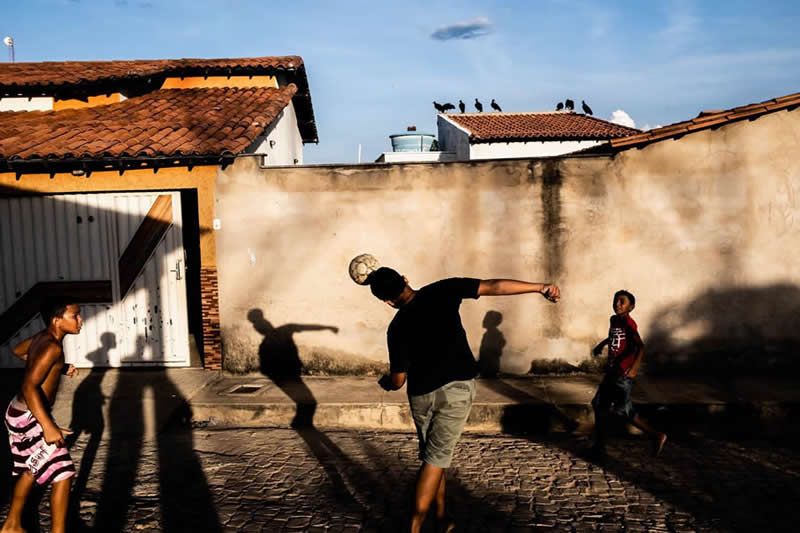
Photo by: Yago Saraiva
#27
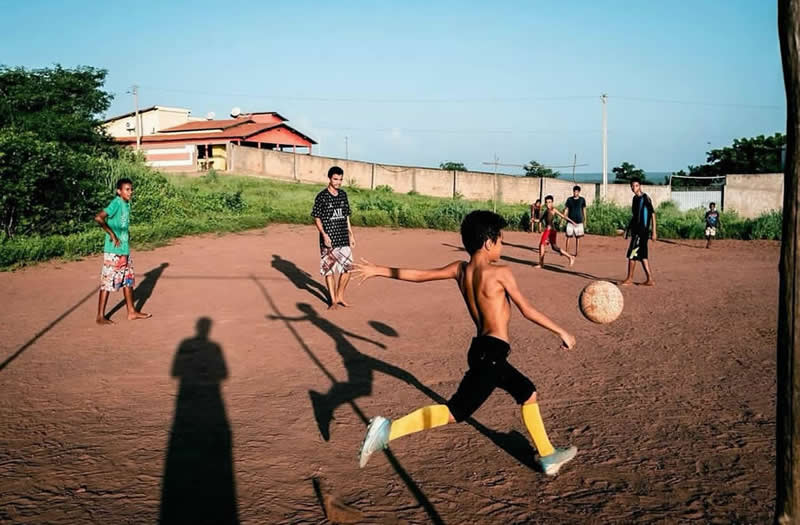
Photo by: Yago Saraiva
#28
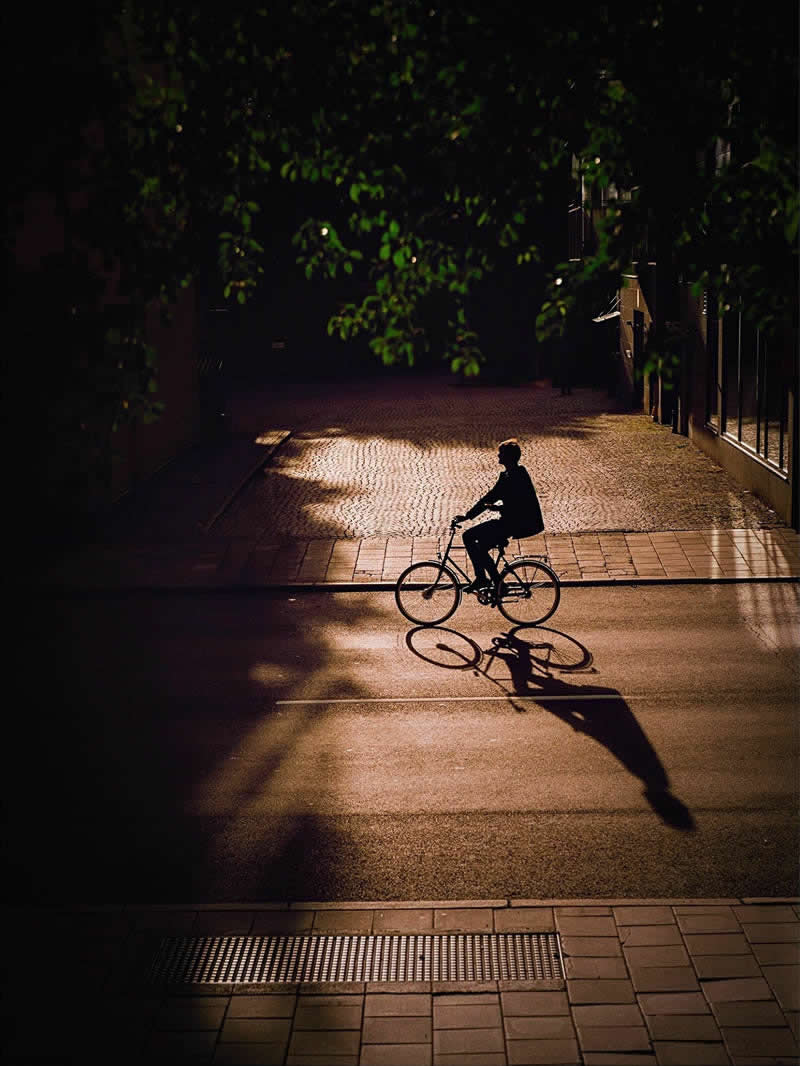
Photo by: Fredrik Axling
#29
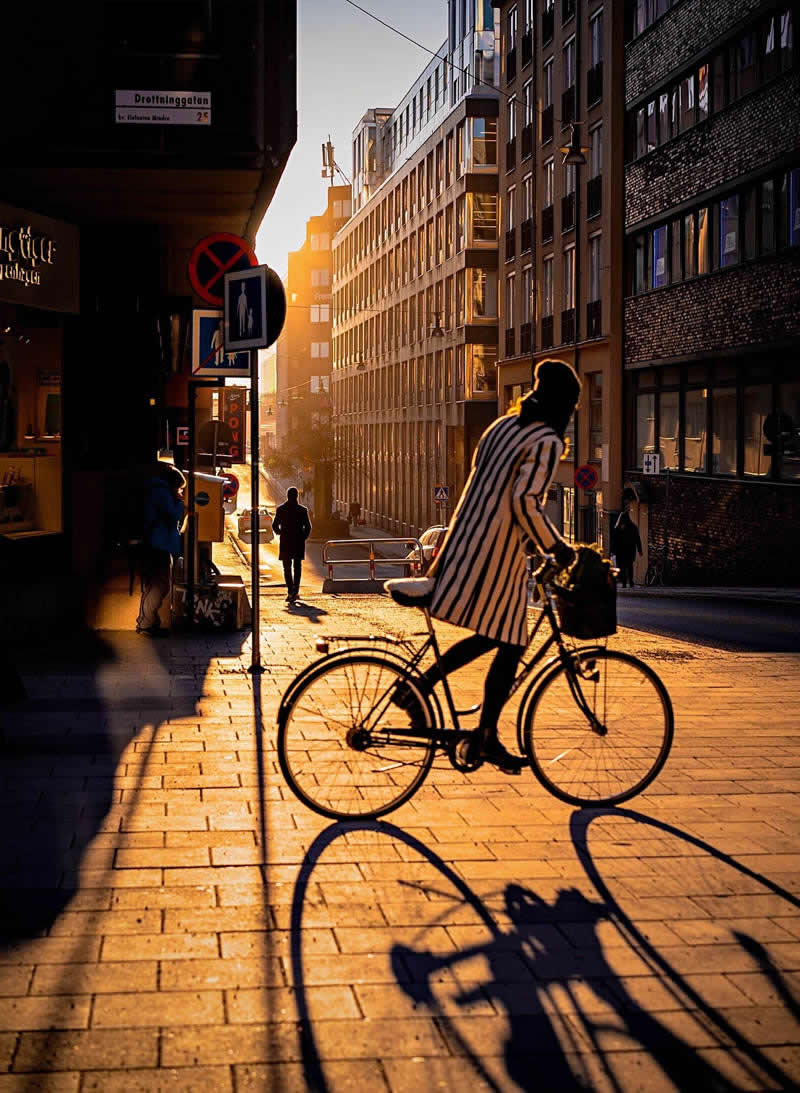
Photo by: Fredrik Axling
#30
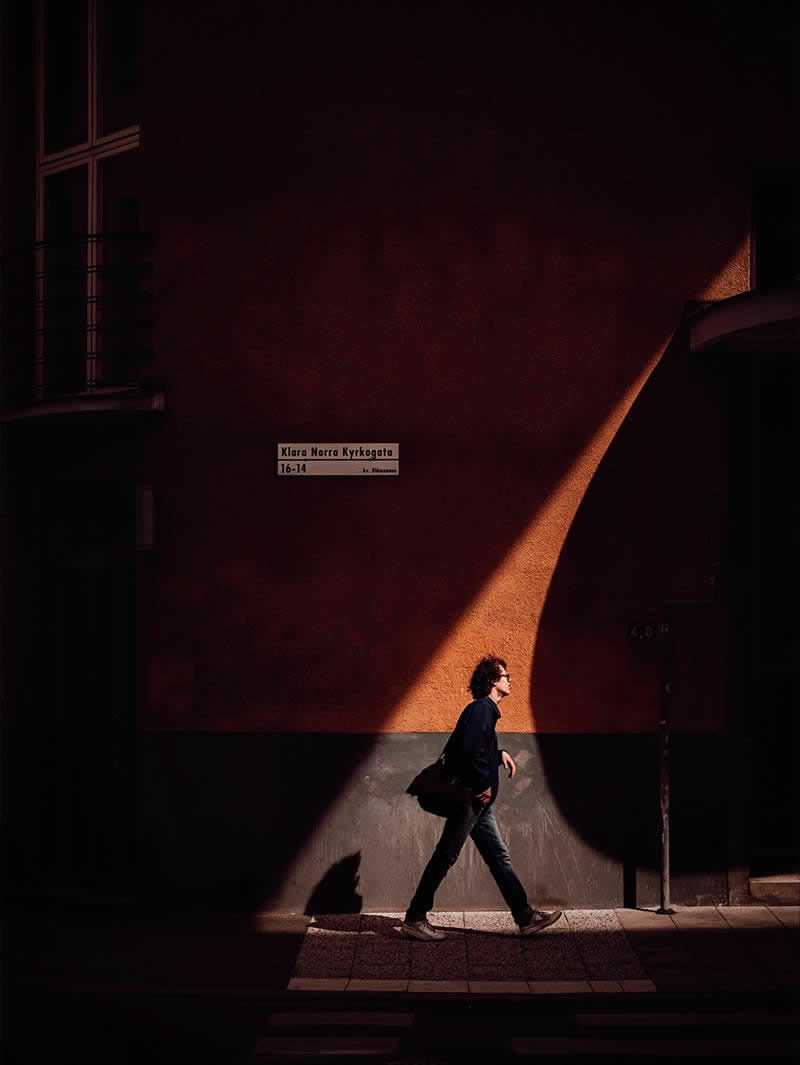
Photo by: Fredrik Axling
#31
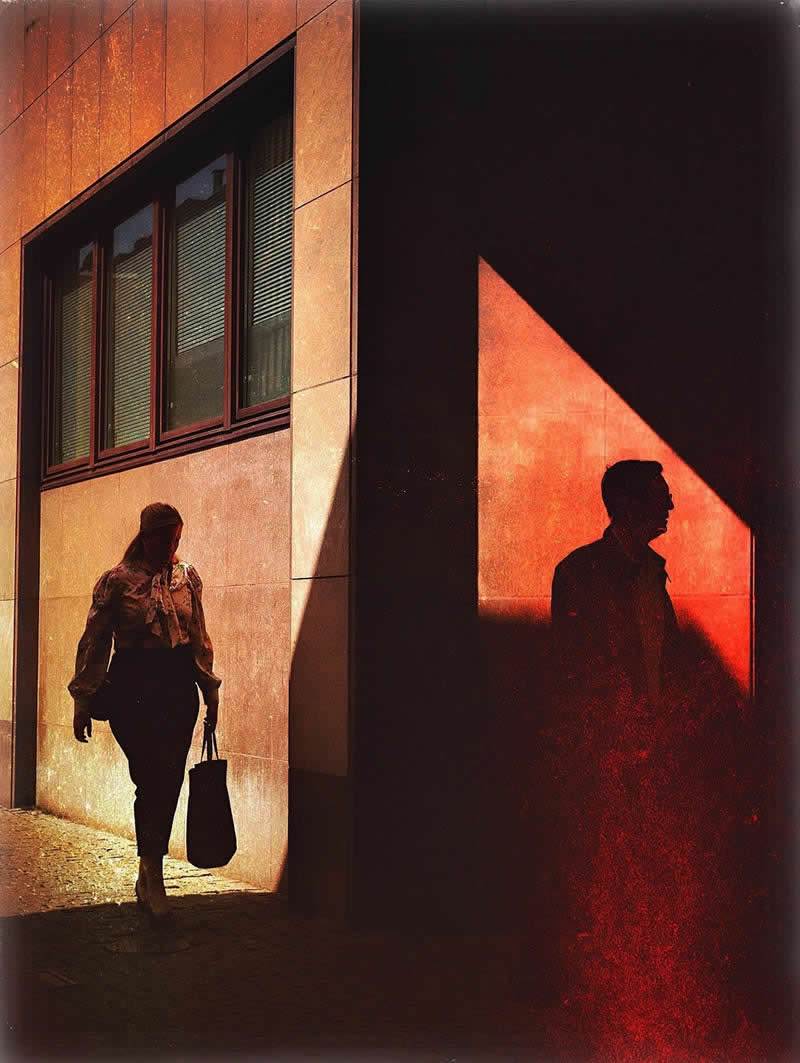
Photo by: Fredrik Axling
FAQs:
Why are light and shadow important in street photography?
Light and shadow create contrast, depth, and mood in street photography. They help highlight subjects, guide the viewer’s eye, and add drama to ordinary scenes, making images more engaging and visually powerful.
What is the best time to shoot street photography with shadows?
Early morning and late evening are ideal because the light is softer and shadows are longer. These conditions create natural contrast and depth, allowing photographers to capture more dramatic and visually appealing street scenes.
What camera settings work best for shadow photography?
Use a fast shutter speed to freeze motion, a mid-range aperture like f/5.6 to f/8 for clarity, and adjust ISO based on lighting. Expose for highlights to maintain detail and let shadows fall naturally.
How can I improve composition using shadows?
Use shadows as leading lines, frames, or shapes within your composition. Position subjects where light meets shadow to create contrast, and use negative space to emphasize the main subject for a stronger visual impact.
How do professionals capture perfect street moments?
Professionals rely on observation and patience. They study light patterns, choose strong compositions, and wait for the right subject to enter the scene, capturing moments that feel natural, balanced, and visually compelling.