
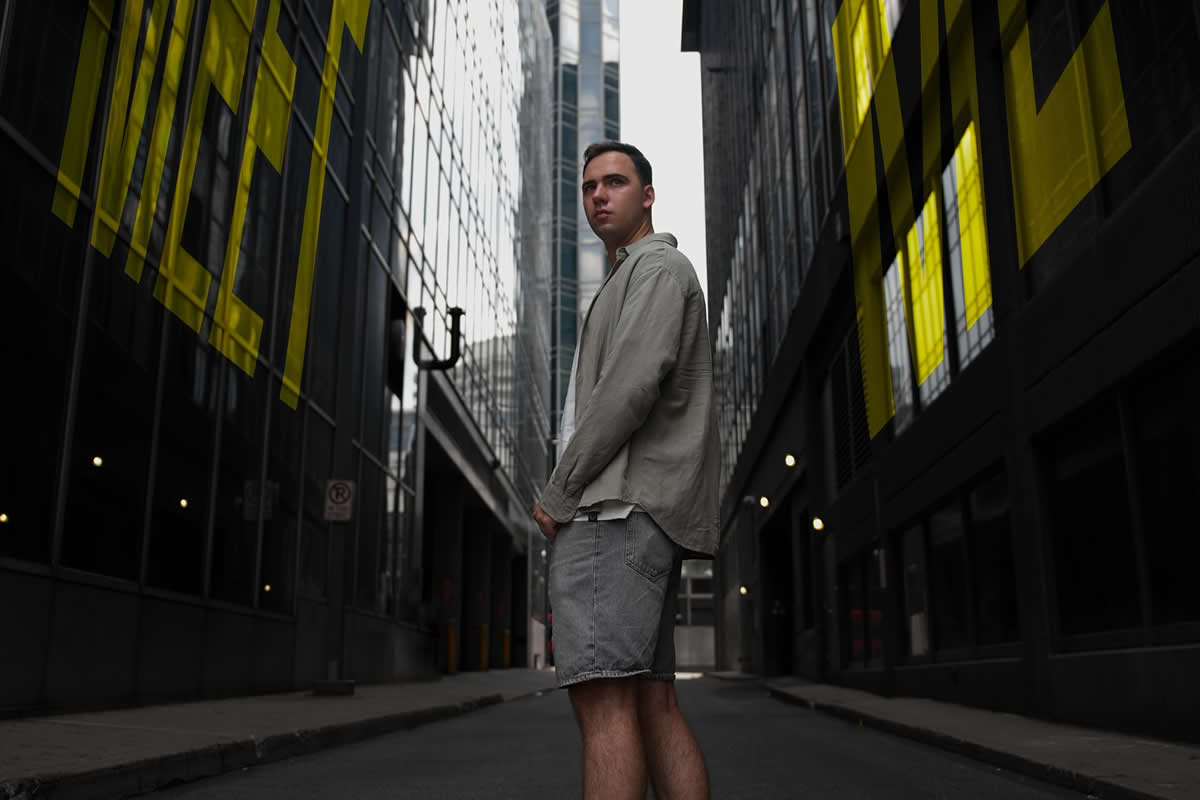
Photographer Ivan Chebotar on why technically flawless images lose.
Photographers entering their first competition tend to assume the same thing: if the shot is technically perfect, it’ll make the finals. Nail the focus. Get the exposure right. Follow the rule of thirds. That should do it – and it almost never does.
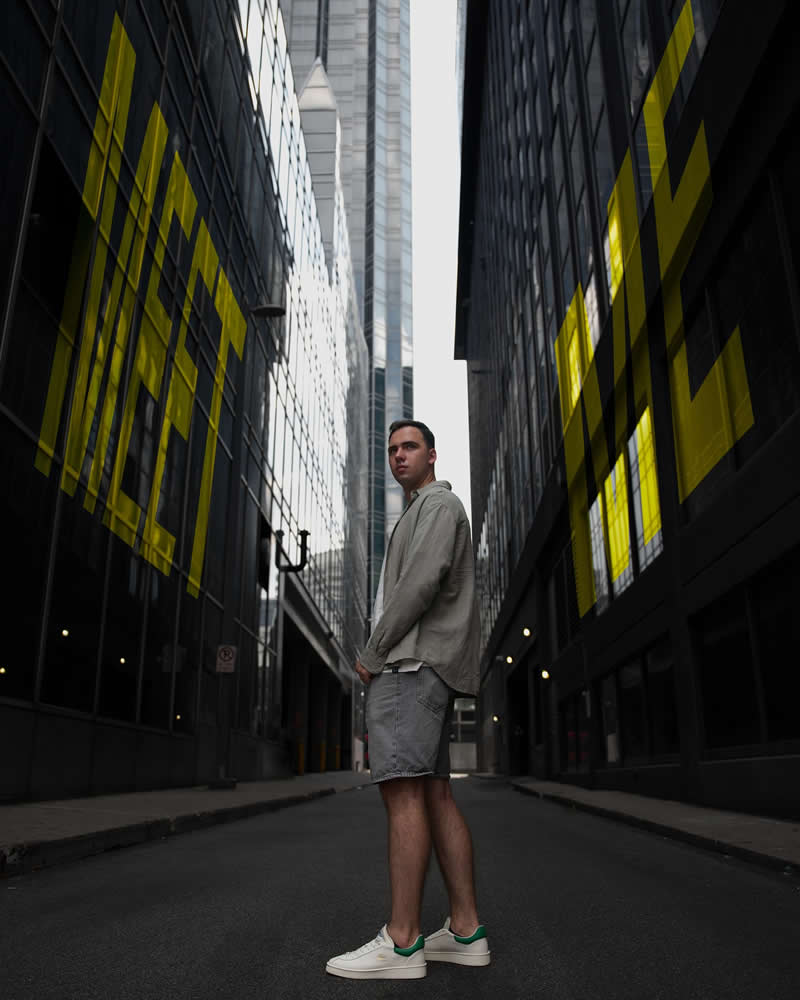
Technically polished images get cut in the first round every day. Meanwhile, photos with slight imperfections sometimes take the top prize. The difference is easier to understand if you’ve sat on both sides of the table.
Ivan Chebotar, a Ukrainian photographer and videographer based in Pittsburgh, has. In 2024 he won the Breath of Time competition and joined its expert jury. In 2025 he did it again – an award, a seat on the Time Vector jury, a group exhibition called Streets, and a certificate from the 60 Second Photographer program. Two years, two roles. The view from each side is different enough to matter.
You can find Ivan Chebotar on the web:
The First Few Seconds
When you’re moving through hundreds of entries back to back, a pattern emerges. Some images make you stop. They don’t shout or rely on flashy effects. They just hold your attention. Others – well composed, technically correct – slide past. A minute later you can’t recall what you just saw.
Chebotar describes it as the difference between a photo that merely looks good and one that feels like something. Most competition entries fall into the first category. Very few land in the second.
"You start asking whether there’s an author there – or just well-set lighting," he says. That’s the first real filter. Not technique. Not post-production. Presence. Is there a person behind the camera making a choice, claiming a moment?
Technique Gets You in the Door
Missed focus. A crooked horizon. Blown highlights in the key area. Any of those can end the conversation fast. Technical mistakes close the door before the jury ever gets to the idea. But getting the technique right doesn’t make a case for the image. It just means you’re in the conversation.
The line between "forgivable" and "fatal" is thinner than it sounds. A bit of high – ISO noise in a moody night frame might add to the atmosphere. Soft focus on the eyes in a portrait won’t fly, even if everything else is impeccable. Chebotar says juries are often willing to overlook minor flaws – if they don’t get in the way. What they won’t forgive are errors that block the viewer from seeing what matters. The real question is whether the flaw gets in the way – or quietly adds to what the image is doing.
What the Jury Is Actually Looking For
When a photographer submits several images, jurors don’t evaluate them in isolation. They read them as a statement. Is there a logic to the selection? A consistent voice? A thread of thought? Or is it simply a collection of strong standalone shots tied together only by the photographer’s name?
Chebotar says you can sense it almost immediately. A series that looks like it could have been shot by five different people sends a signal. Jurors pick up on that. And they remember it.
Themed competitions bring their own kind of fatigue. The subject is "loneliness," and here comes the empty park bench. "Time," and it’s a close-up of an old clock. "Freedom," and there’s a bird in the sky. Jurors have seen these images thousands of times. Even a beautifully executed cliché is still a cliché.
"The image has to surprise you in the way it interprets the theme-not just in how well it’s executed," Chebotar says. An unexpected take on an obvious topic lingers. A predictable answer to the brief tends to disappear.
Social media has shaped the submissions in ways that are hard to ignore now. More and more entries feel tuned to what’s trending-certain color palettes, certain portrait styles, certain ways of handling shadow. These waves move from Instagram feeds straight into competition submissions. Jurors recognize the pattern instantly. And the reaction is distant – not because the trend itself is bad, but because it often feels anonymous. Like someone trying to reverse-engineer a winning formula.
He doesn’t soften it: photographers too often submit what they think the jury wants, instead of what actually matters to them. A panel that’s reviewed hundreds of images can tell when a photo isn’t coming from a personal place. The images that make it to the finals are often the most personal ones. Sometimes odd. Sometimes technically imperfect. After two hundred frames in a row, what sticks in your memory isn’t the prettiest picture. It’s the one that had a point of view behind it.
How Judging Changes Your Own Work
Sitting on a jury does something to how you shoot. After several sessions evaluating other people’s work, Chebotar says he became tougher on his own. Less tolerant of images that are beautiful but empty. More willing to trust frames where something is happening internally, not just visually. No workshop offers that kind of clarity – when you see the entire field, its misses and its breakthroughs, you start asking yourself different questions before you press the shutter.
There’s one more thing photographers don’t like to talk about. Juries are subjective. Always. The same image, on a different day, with a different panel in a different mood, could land differently. Chebotar says this without drama. He knows it from both sides – as a competitor and as a judge.
Which leaves only one strategy that makes sense: submit work you can stand behind regardless of the outcome. The images where you’re actually present. Everything else is a lottery – with slightly better odds for photographers who are honest about what they see.
Article Written by: Ethan Cole