
Macro photography used to be a gated community. You needed expensive lenses, controlled light, and a whole lot of patience just to get invited. Not anymore. Today, your smartphone—yes, the one in your pocket—is powerful enough to dive into microscopic worlds and come back with jaw-dropping detail. This collection of 30 stunning macro photos proves exactly that.
These images come from photographers across the globe who submitted their work to the Mobile Photography Awards, a competition founded in 2011 to spotlight the creativity and talent of the mobile photo and art community. The macro category, in particular, has become a playground for visual storytellers who know how to push tiny sensors to their absolute limits.
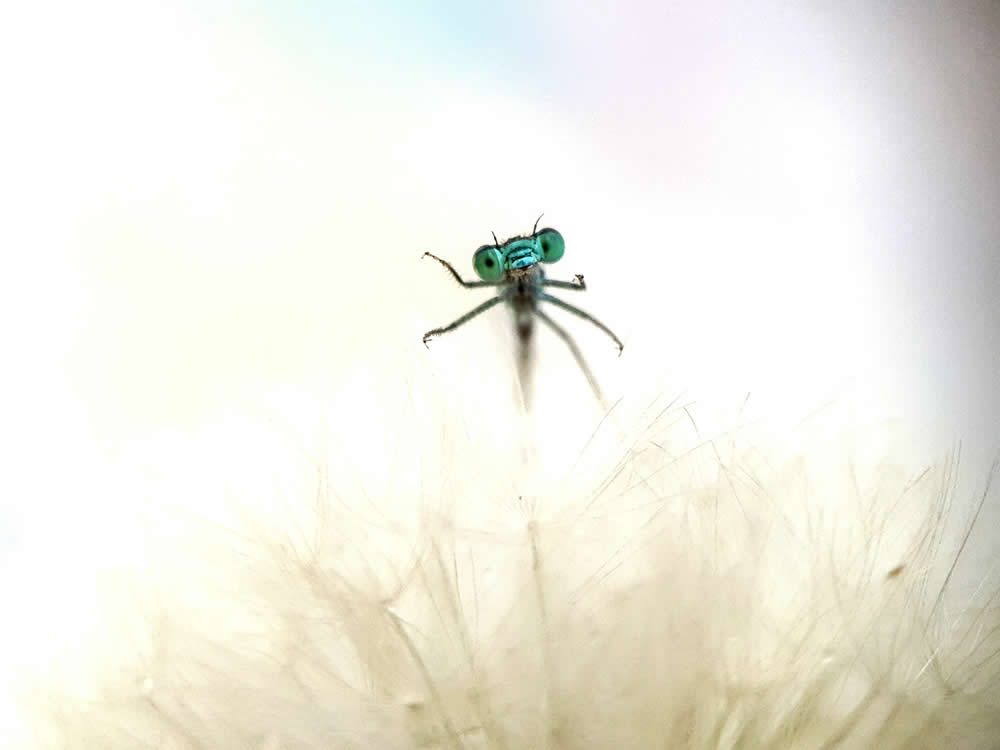
Leading the pack is first-place winner Fabio Sartori with his unforgettable image “Eyes.” Shot entirely on a smartphone, the photograph is an extreme close-up of a dragonfly, framed with dreamy, super-smooth bokeh and razor-sharp detail right where it matters. The composition pulls you in instantly—it’s intimate, cinematic, and honestly hard to believe it wasn’t captured with high-end gear.
What makes these photos hit so hard isn’t just technical skill. It’s vision. Smartphone macro photography demands you get closer, slower, and more intentional. You’re working with limited depth, unpredictable light, and subjects that don’t sit still. Every frame is earned.
Together, these 30 images flip the script on what mobile photography can do. They prove that modern smartphone cameras aren’t just convenient—they’re creative weapons. When paired with patience, curiosity, and a sharp eye, they can reveal worlds we usually walk right past. Big magic, tiny details, zero excuses.
You can find more info:
#1. 1st Place Winner: "Eyes" by Fabio Sartori
#2. "Baby Spiders" by Agnieszka Gietkowska
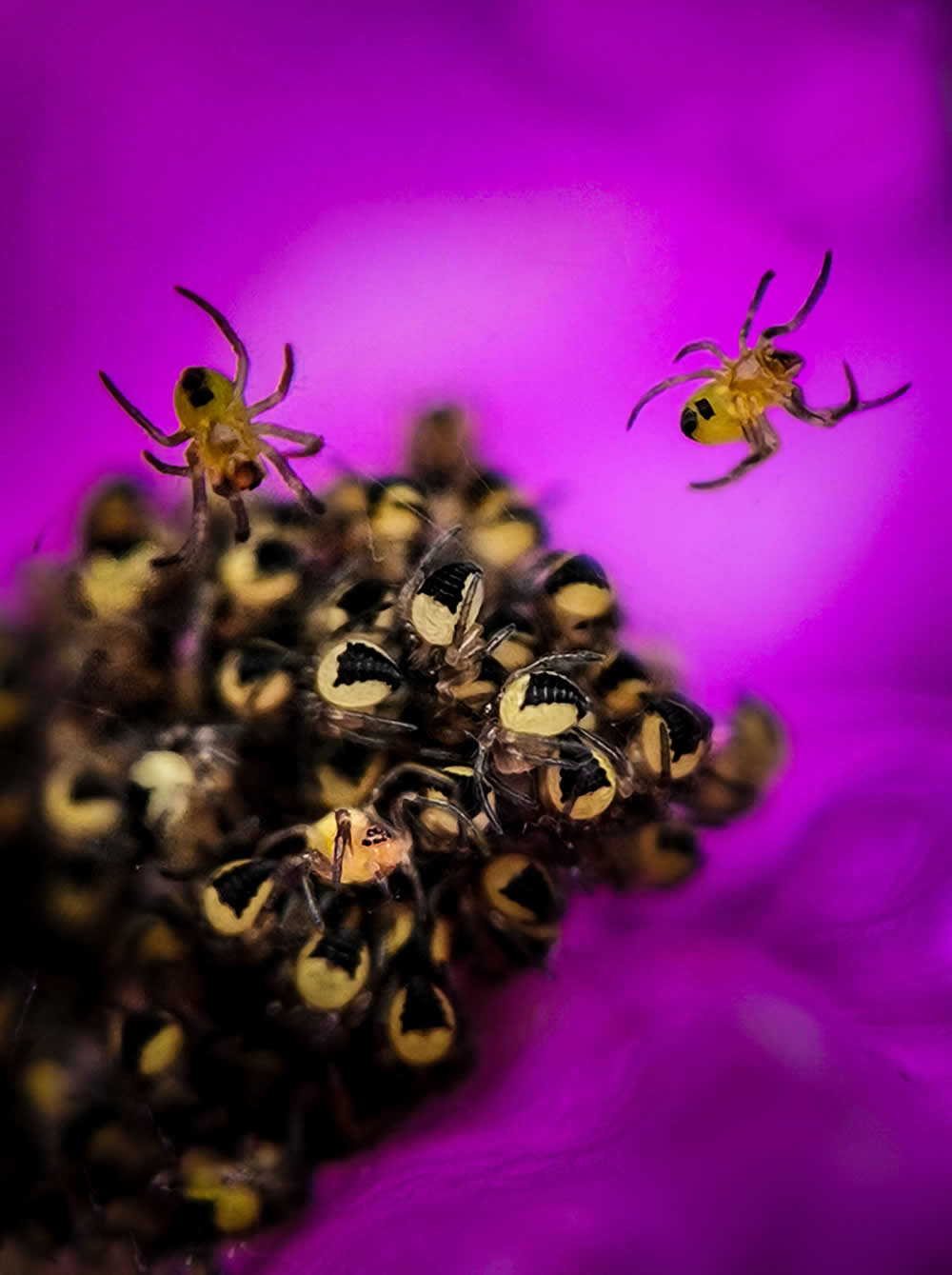
#3. "Yum!" by Paddy Chao
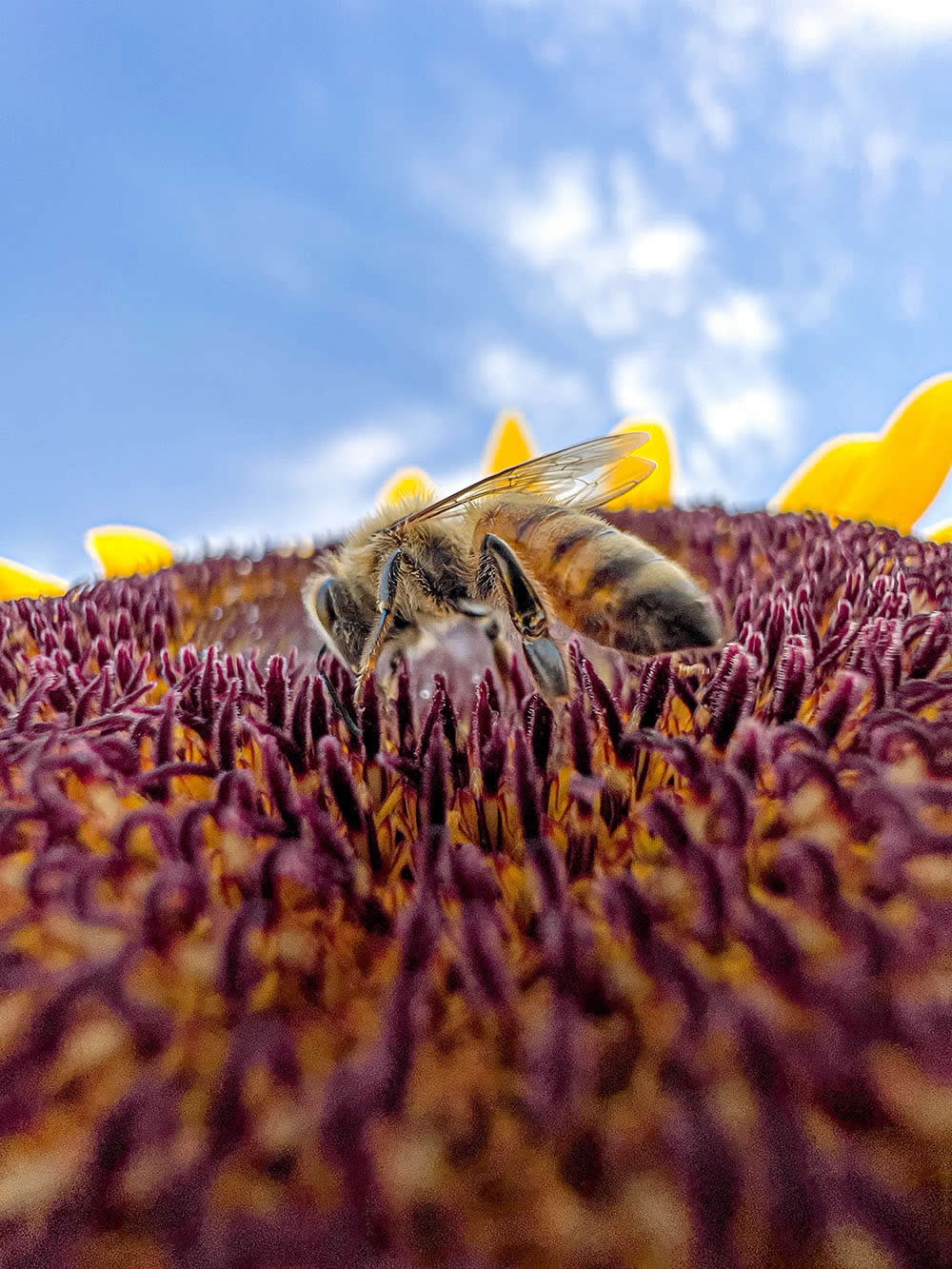
#4. "A Busy Bee" by Dominika Koszowska
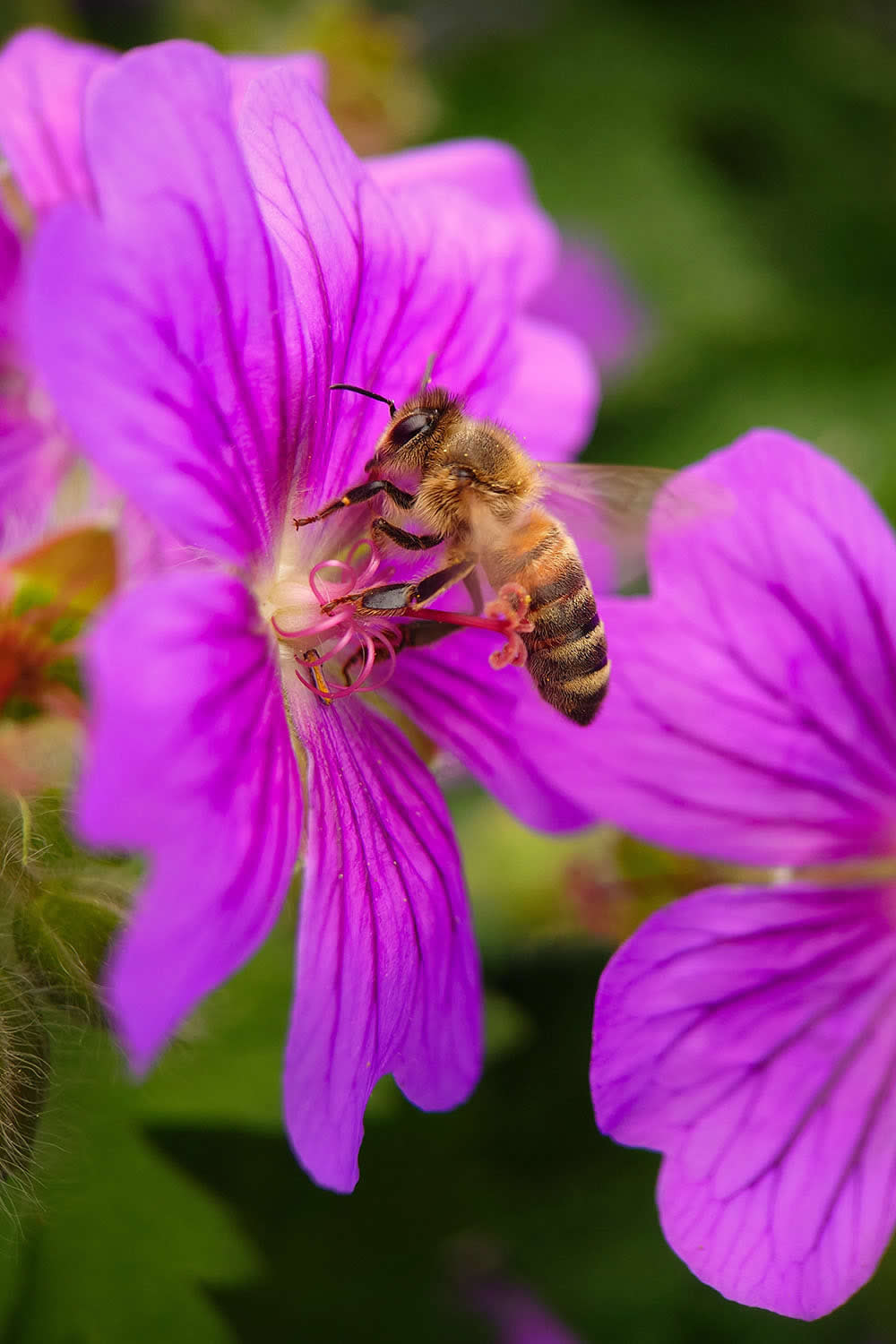
#5. "Blooming" by Yuepeng Bao
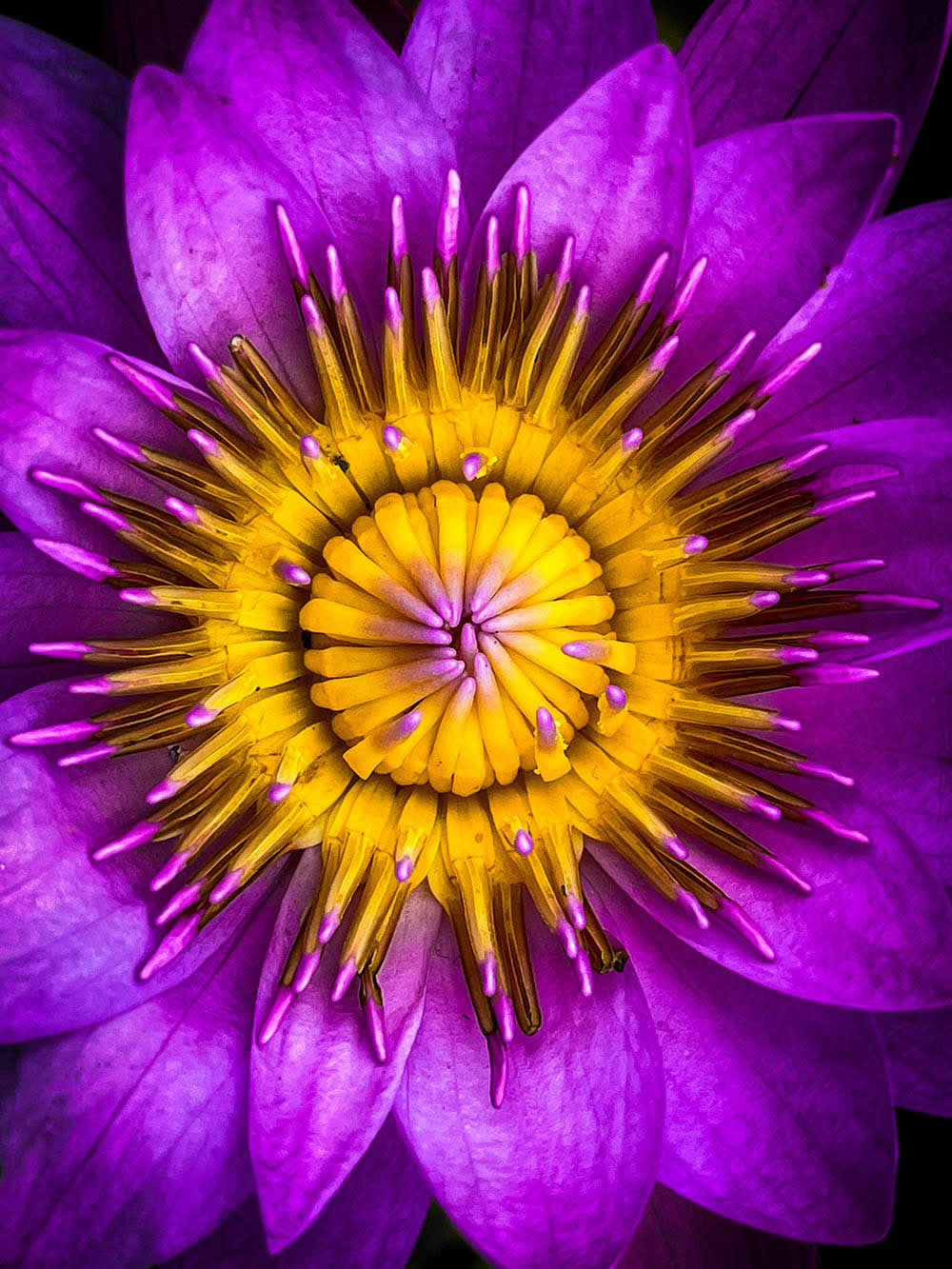
Know the Settings on Your Phone (This Is Where It Starts)
- Explore your phone’s macro mode or close-focus feature—don’t just trust auto.
- Lock focus and exposure (AF/AE lock) to avoid the camera constantly hunting.
- Lower ISO manually if possible to keep noise from killing fine details.
- Adjust exposure compensation slightly down to protect highlights.
- Shoot in RAW or Pro mode if your phone supports it for better editing flexibility.
#6. "Even Closer" by Hollyn Johnson
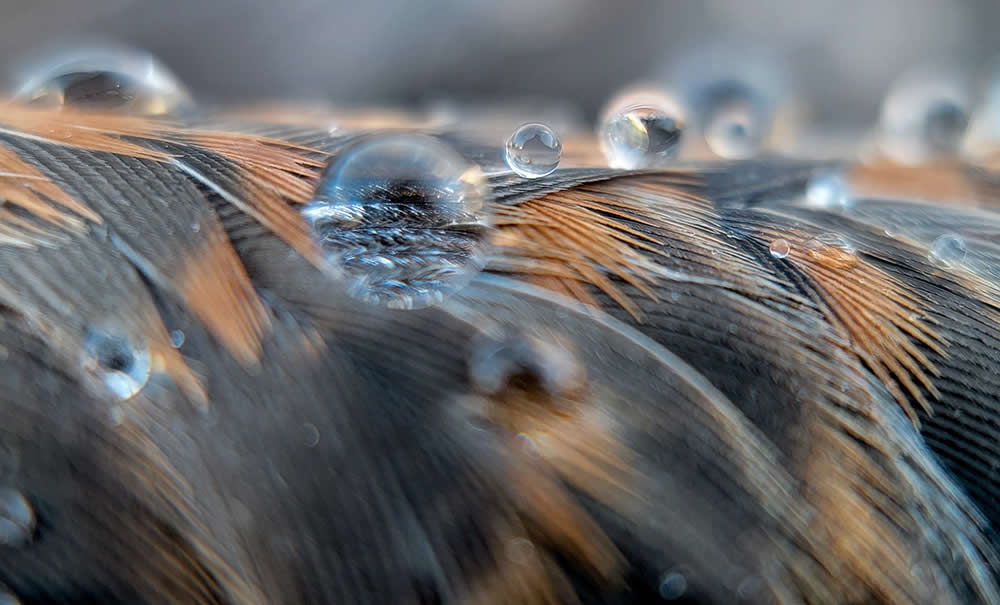
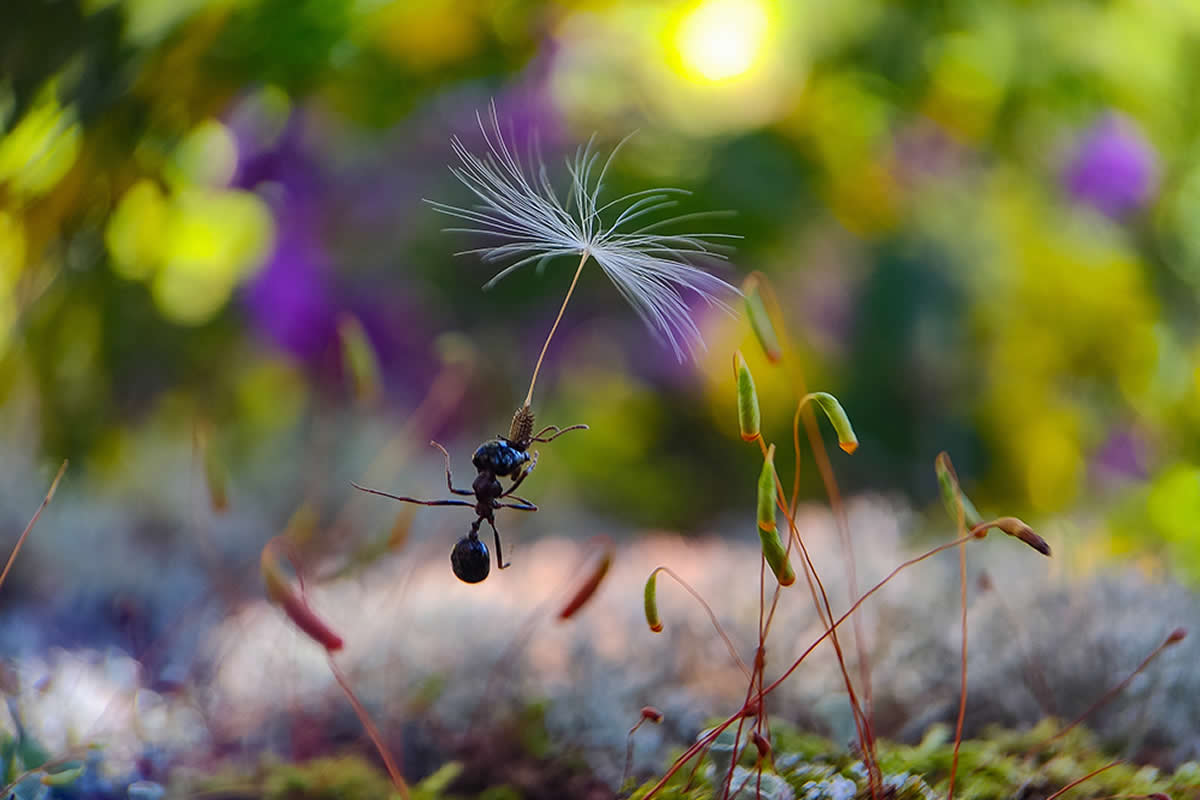
#7. "Flying Ant" by Fabio Sartori
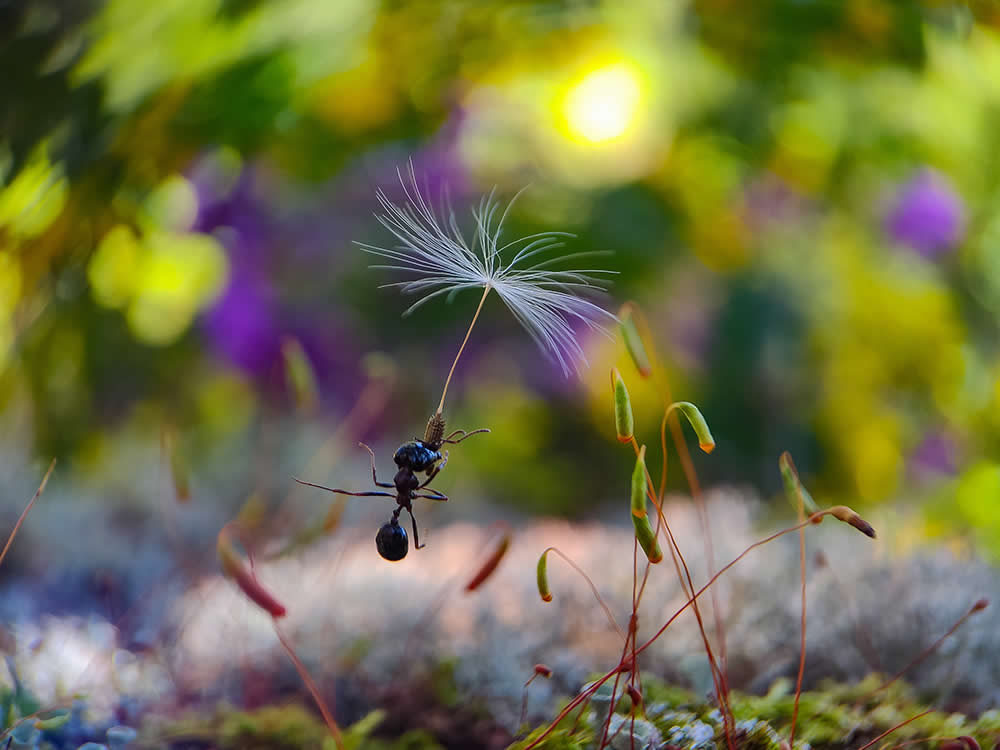
#8. "Ladybug in the Morning Dew" by Jarek Bryla

#9. "Hardworking Life" by Lock Liu
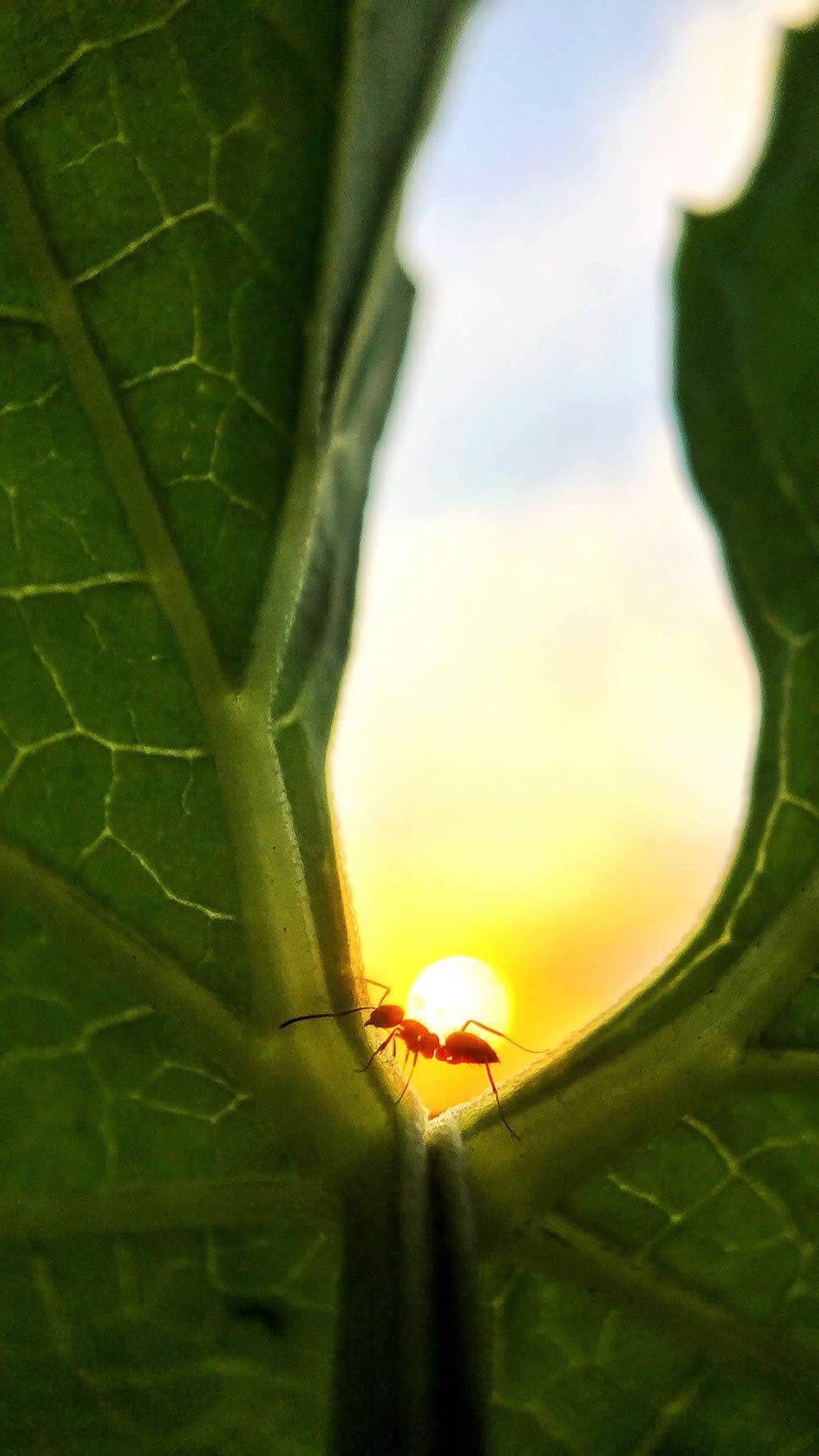
#10. "Extraterrestrial Dance" by Tojo Andriantahina
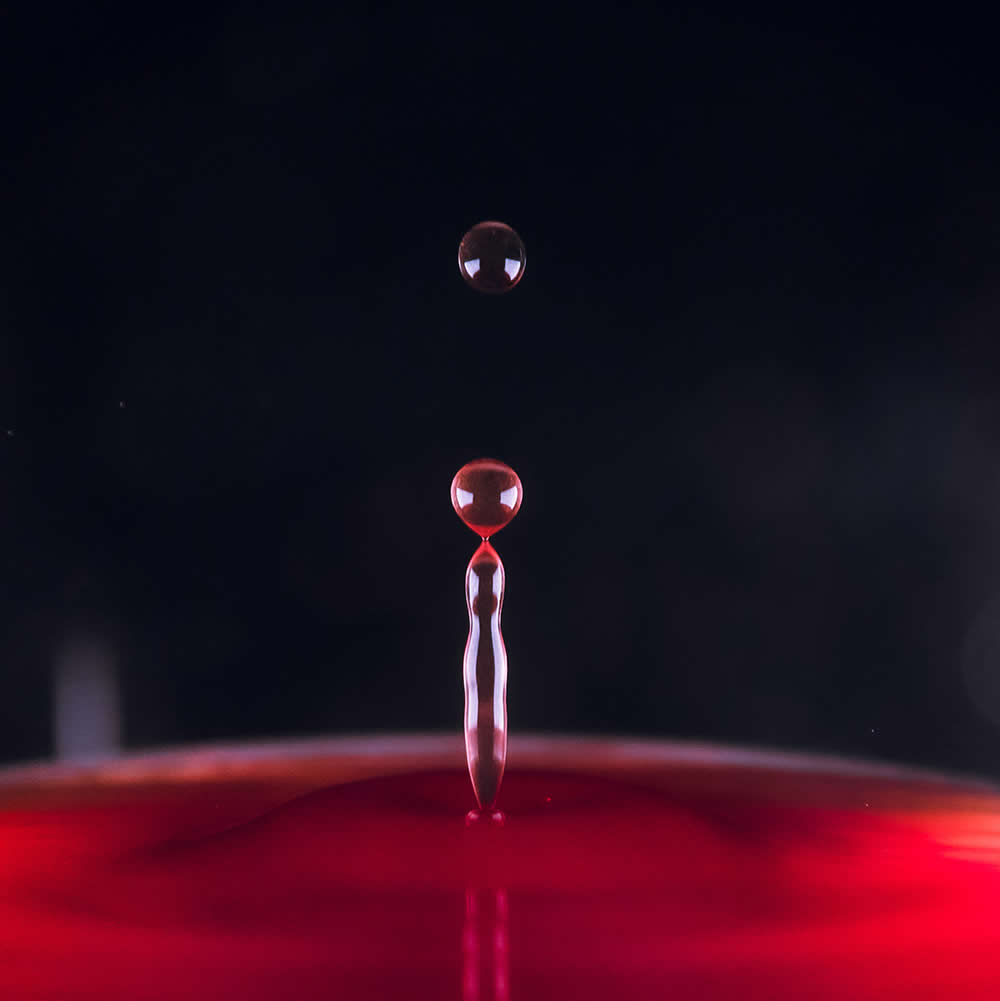
Handle Your Phone Like a Pro (Yes, Use a Tripod)
- Use a small tripod or tabletop stand to eliminate micro-shakes.
- Trigger the shutter with a timer or remote to avoid touching the phone.
- Brace your hands against a solid surface when shooting handheld.
- Keep movements slow—macro magnifies even the tiniest shake.
- Shoot multiple frames; even pros miss focus at macro distances.
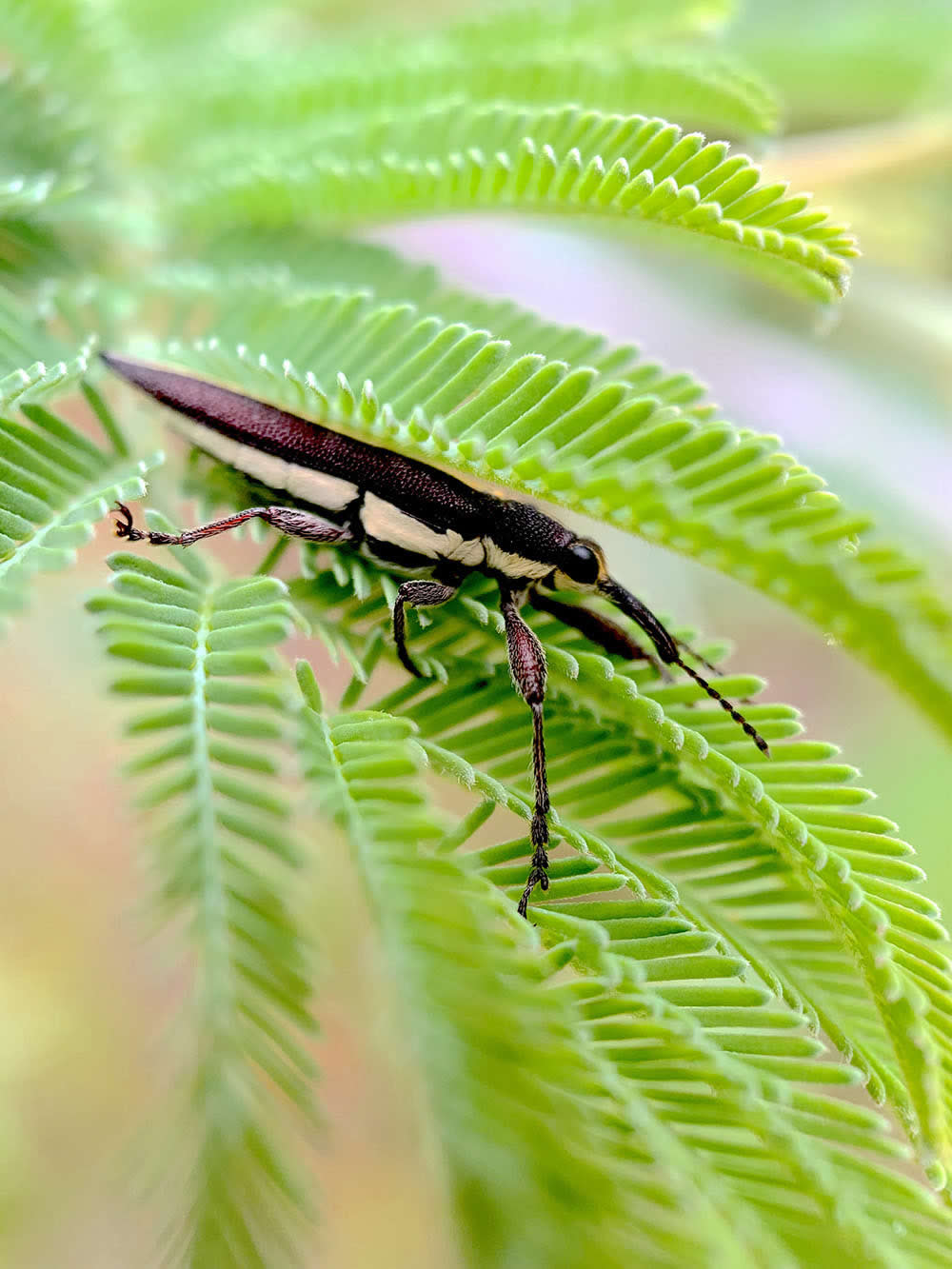
#11. "Weevil in Wattle" by Melissa Lynch
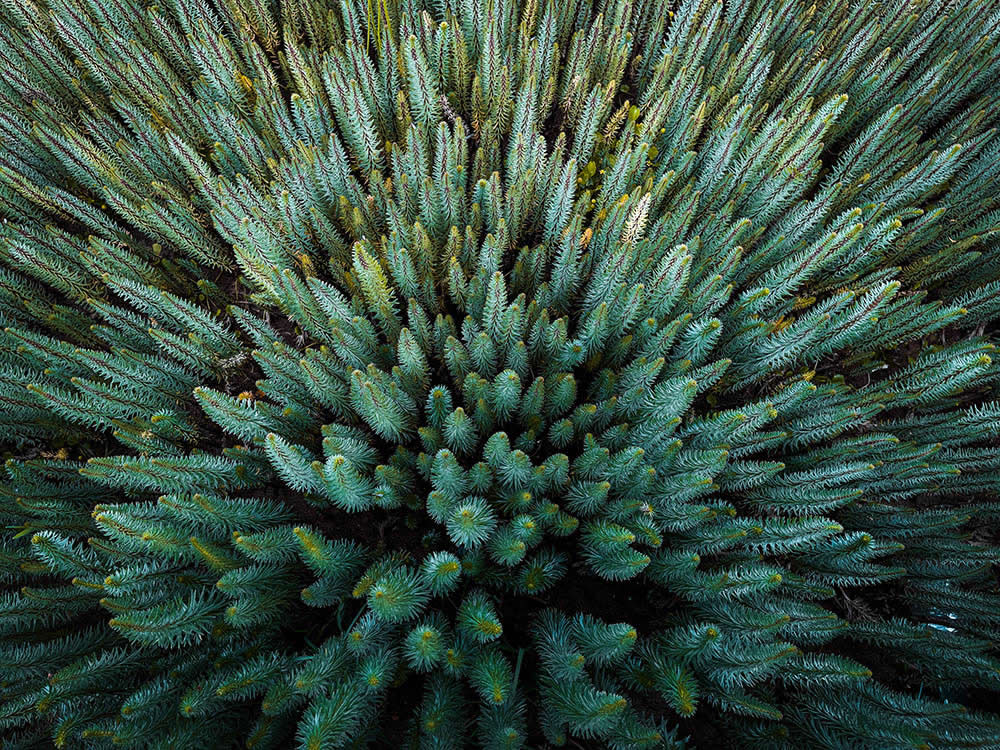
#12. "The Lost Jungle" by Yuepeng Bao
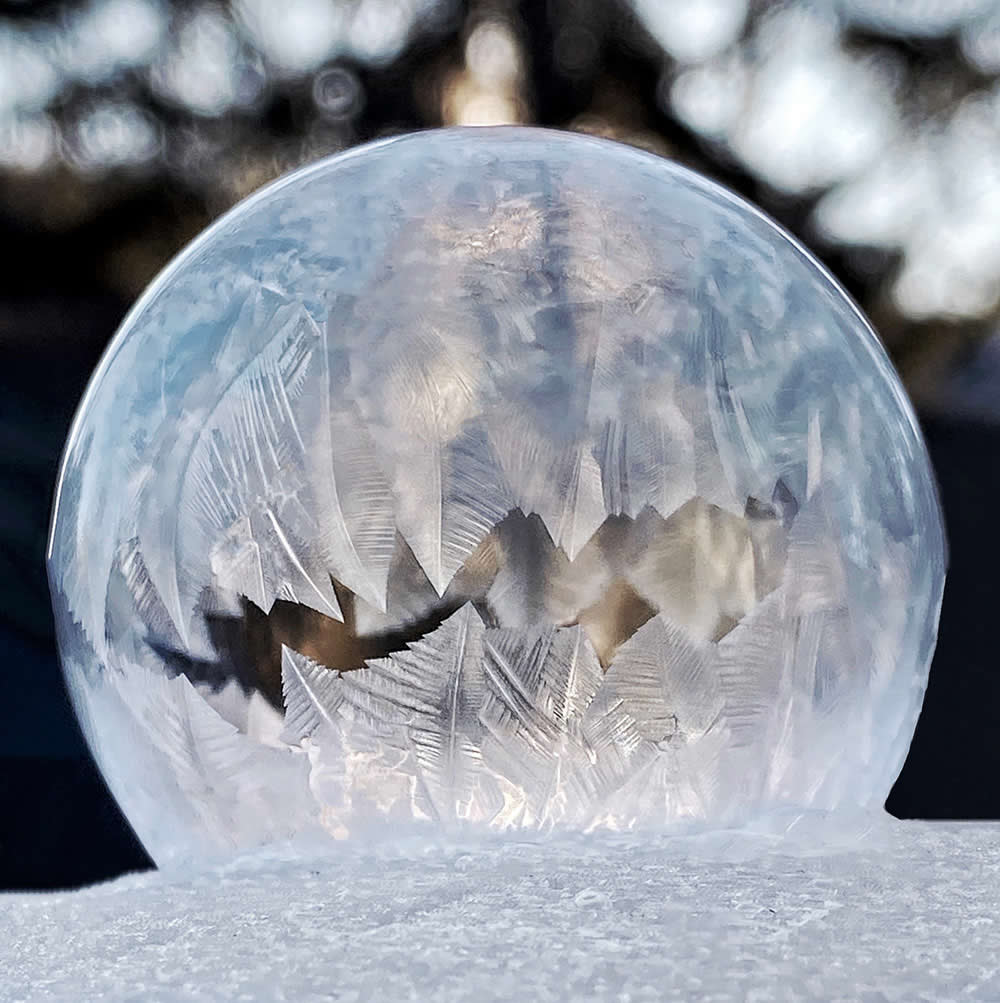
#13. "Frozen Bubble" by Eva Gryk
#14. "Miss Daisy" by Irene Oleksiuk
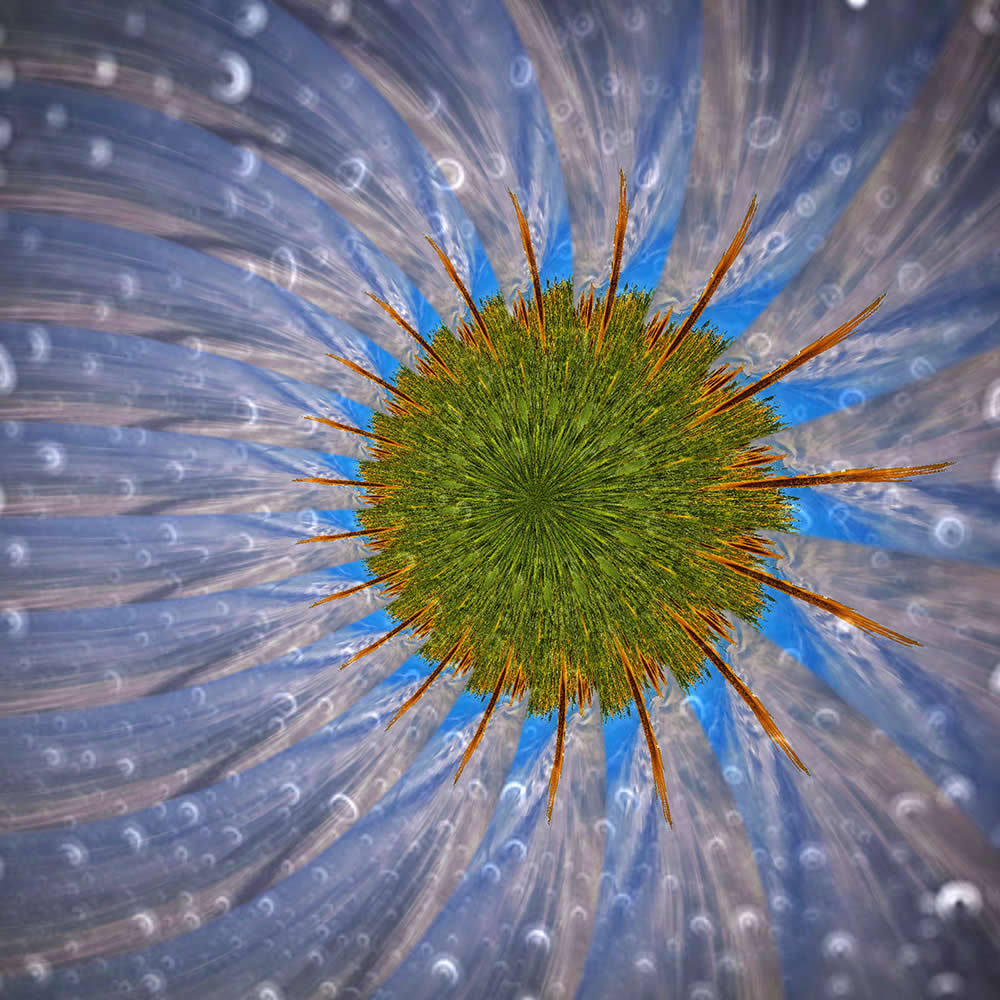
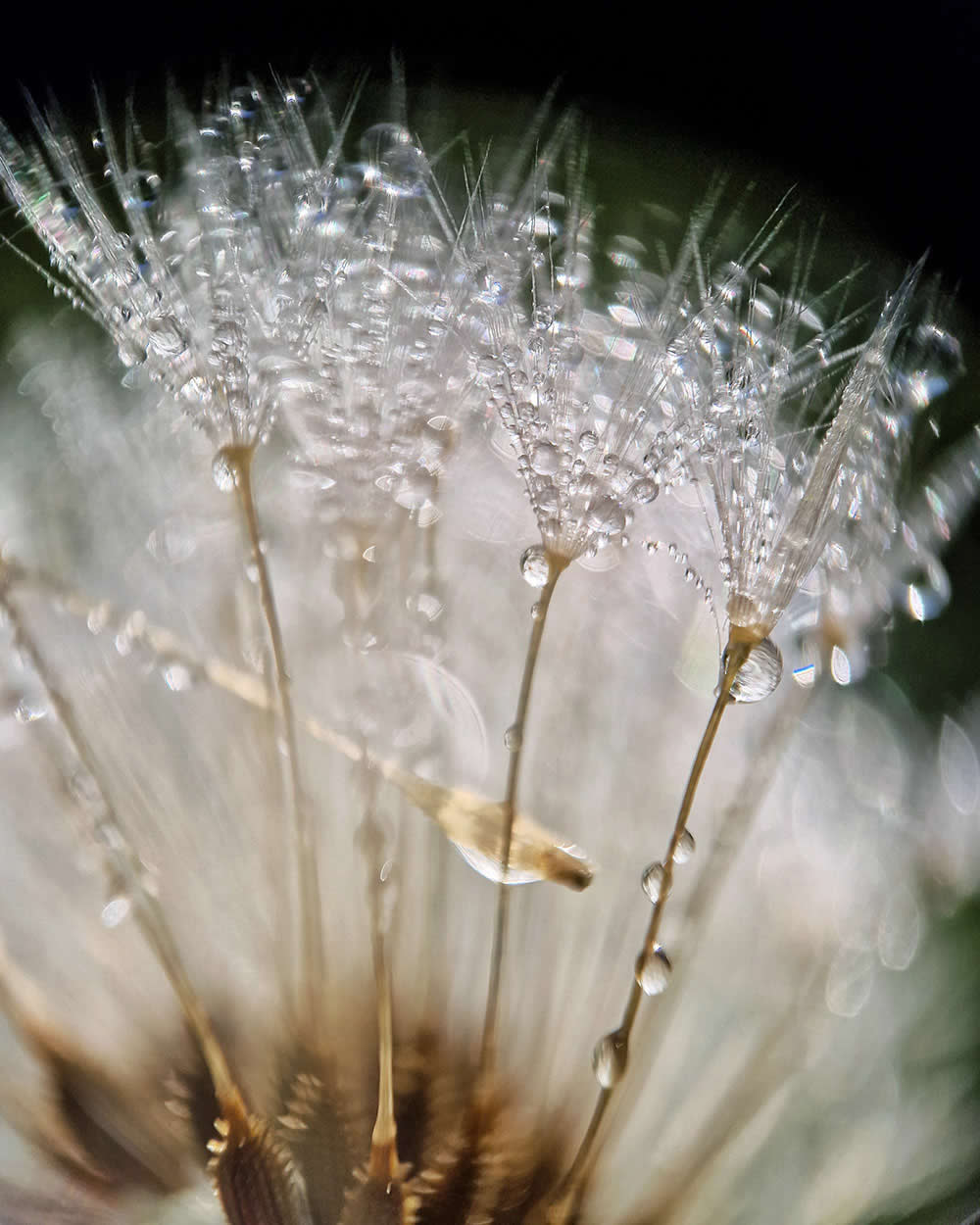
#15. "Drops of Water" by Anna Witkowska
Observe Your Subject Closely Before Shooting
- Study how your subject moves, reacts, or stays still.
- Watch how light hits textures, eyes, or surfaces from different angles.
- Get low, move sideways, or change distance before taking the shot.
- Be patient—macro rewards waiting more than chasing.
- Respect living subjects; don’t force behavior or disturb nature.
#16. "Ladybug" by Fabio Sartori
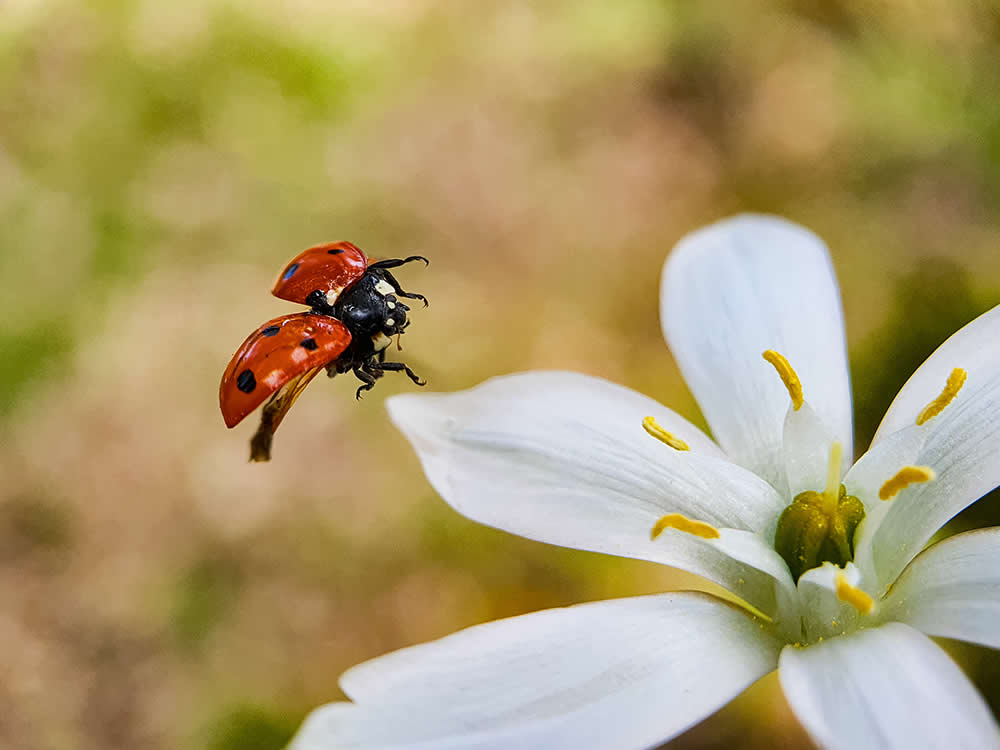
#17. "Celestial" by Margaret Shaw
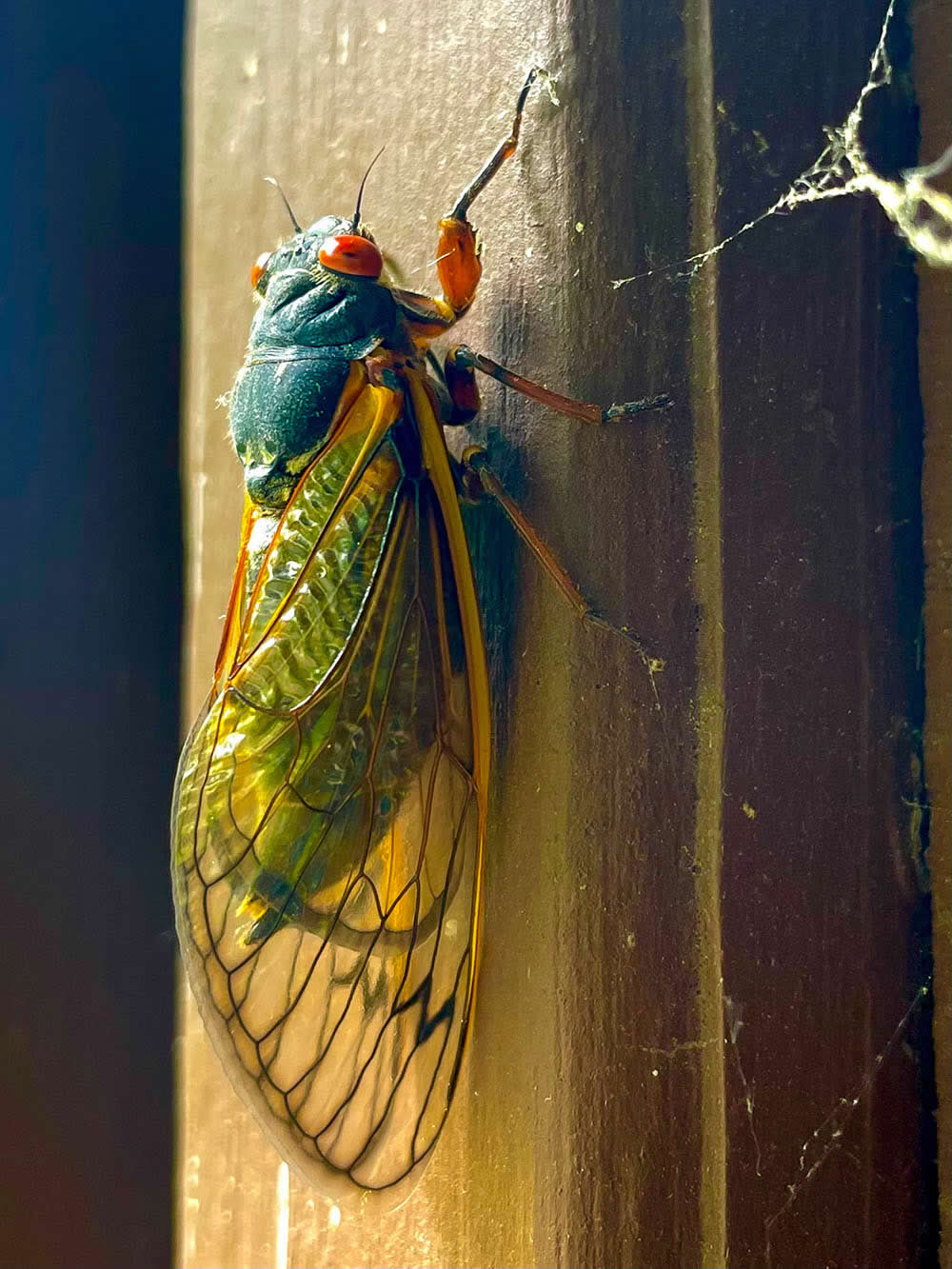
#18. "Cicada Rising" by Angelina Peace
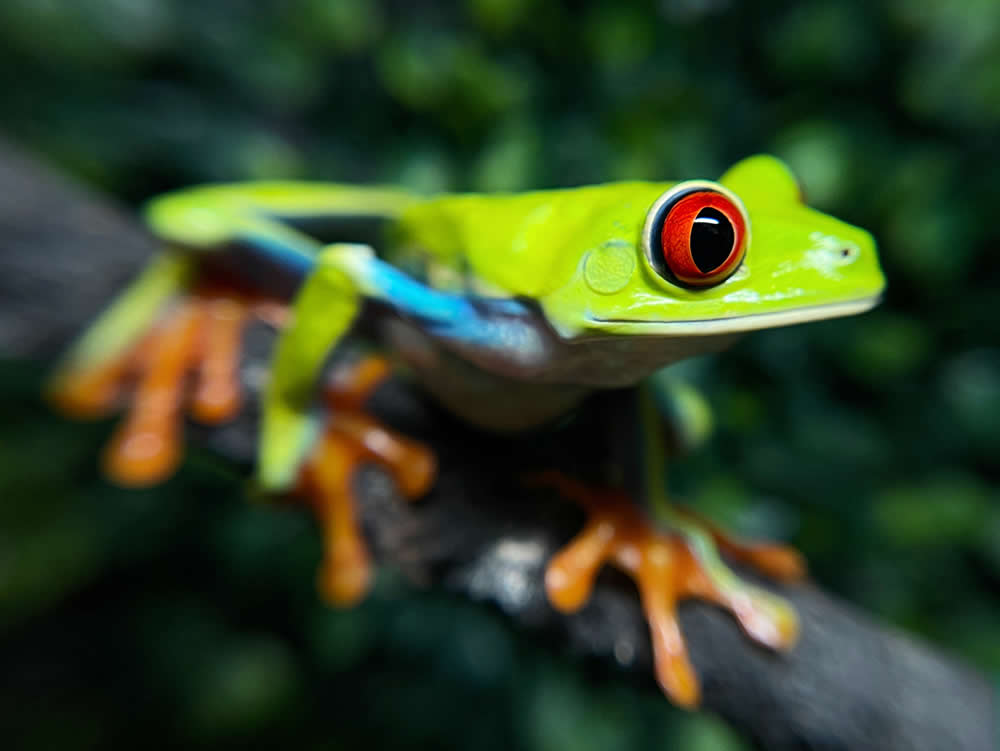
#19. "Red-eyed Tree Frog" by Benny Lau
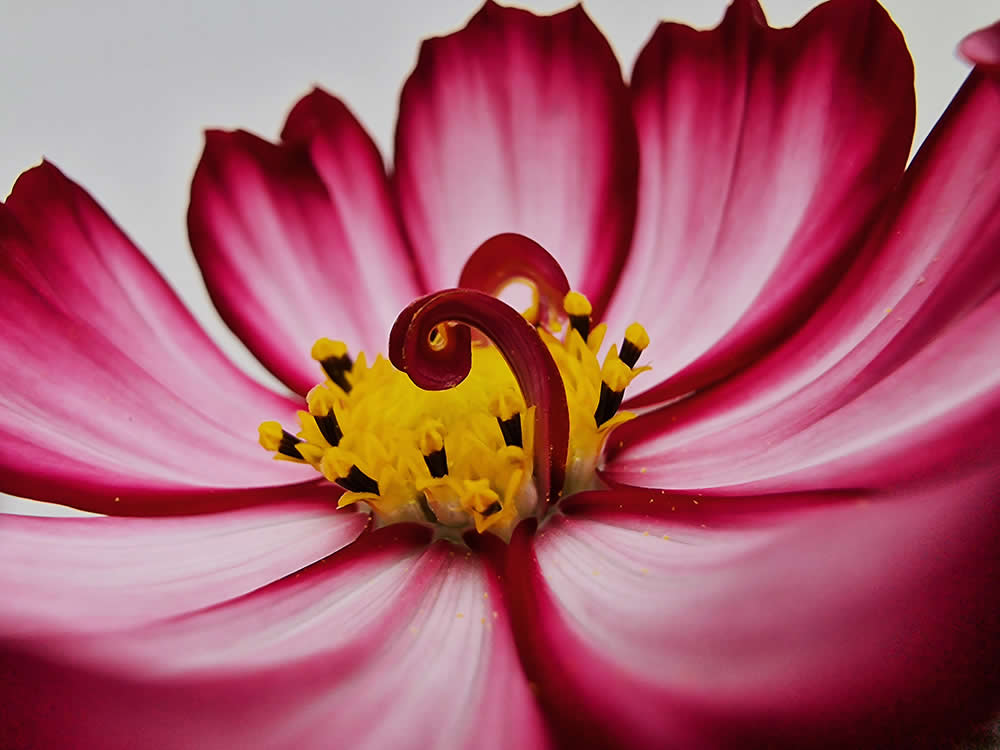
#20. "Into the Cosmos" by James Peck
Use External Macro Lenses (Smart Gear, Not Expensive Gear)
- Affordable clip-on macro lenses can dramatically improve detail.
- Test different working distances—each lens has a sweet spot.
- Clean both the lens and phone camera before shooting (huge difference).
- Avoid stacking cheap lenses; it can cause distortion and blur.
- Use external lenses selectively—sometimes native macro performs better.
#21. "Treat" by Lyudmila Beneva
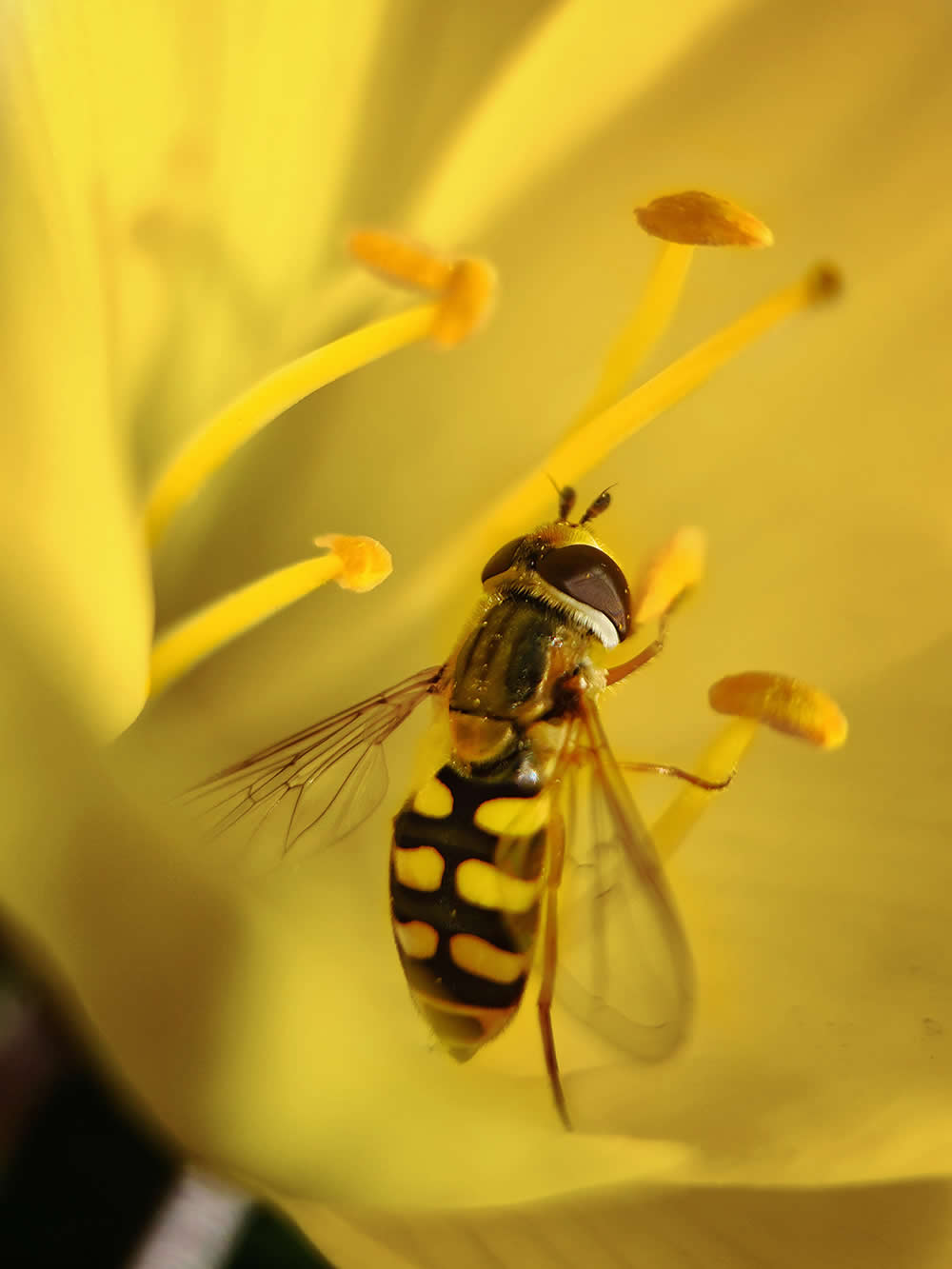
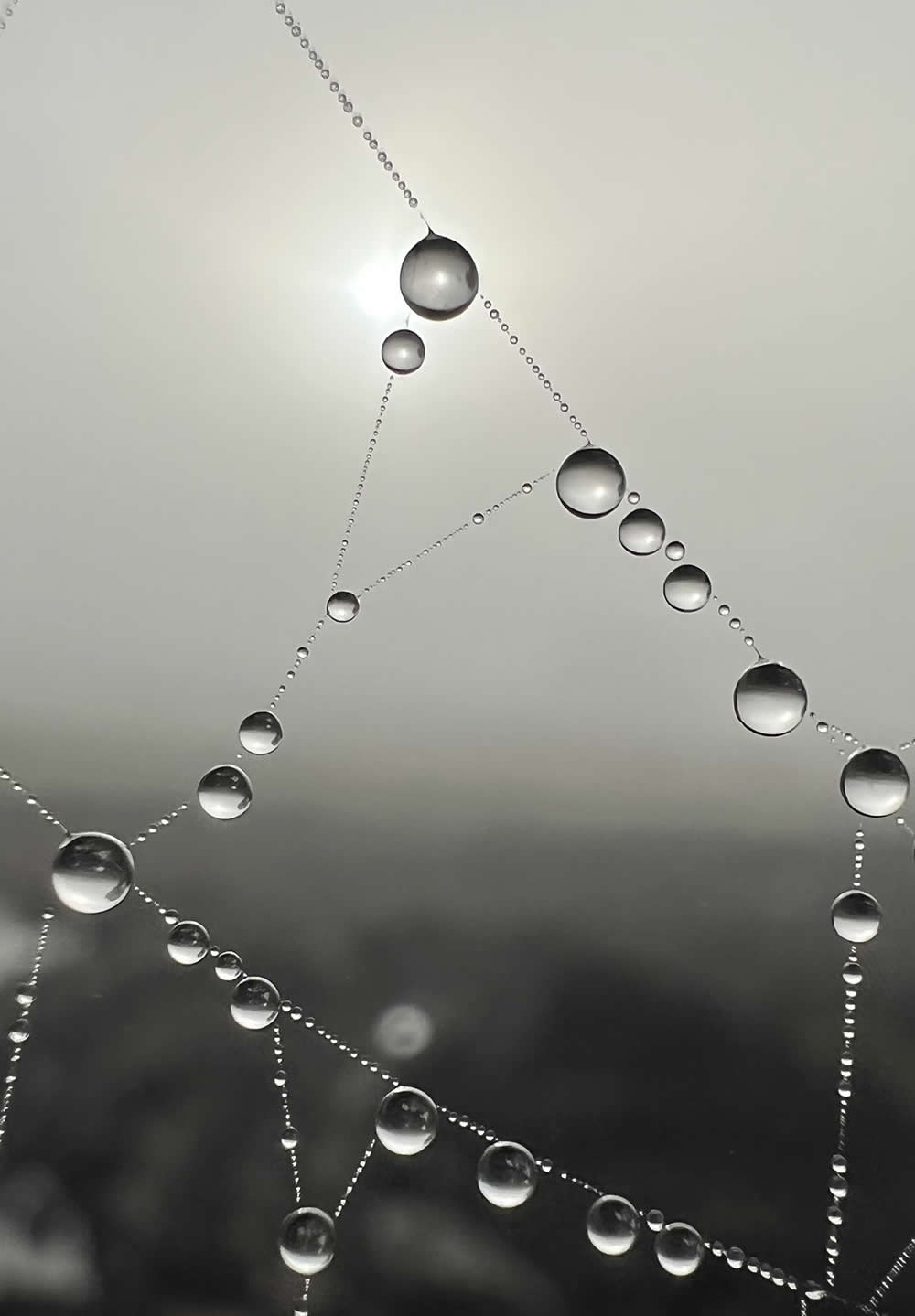
#22. "Dewdrops" by Linda Repasky
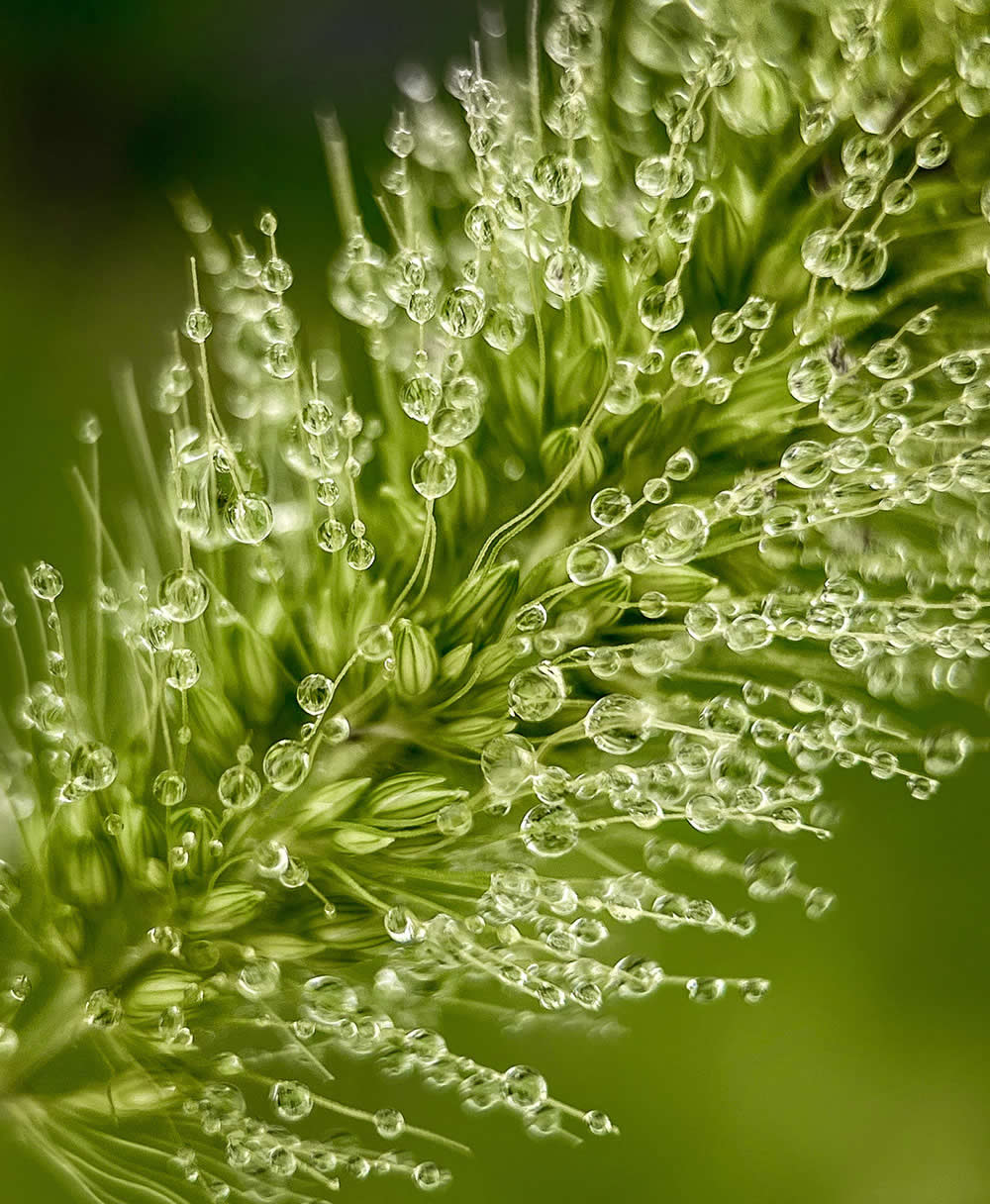
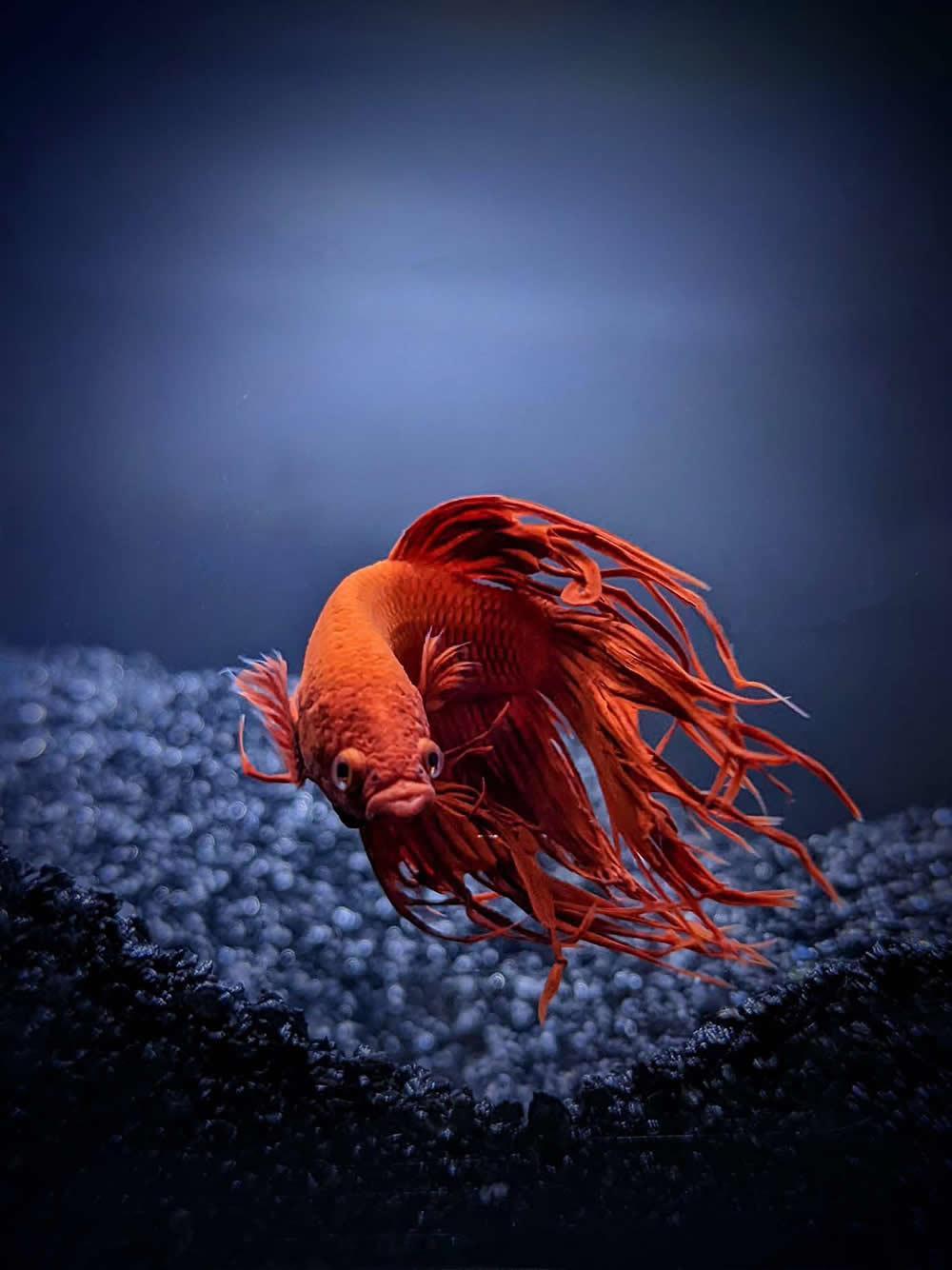
#23. "Crowntail Bettafish" by Liang Shaoqian
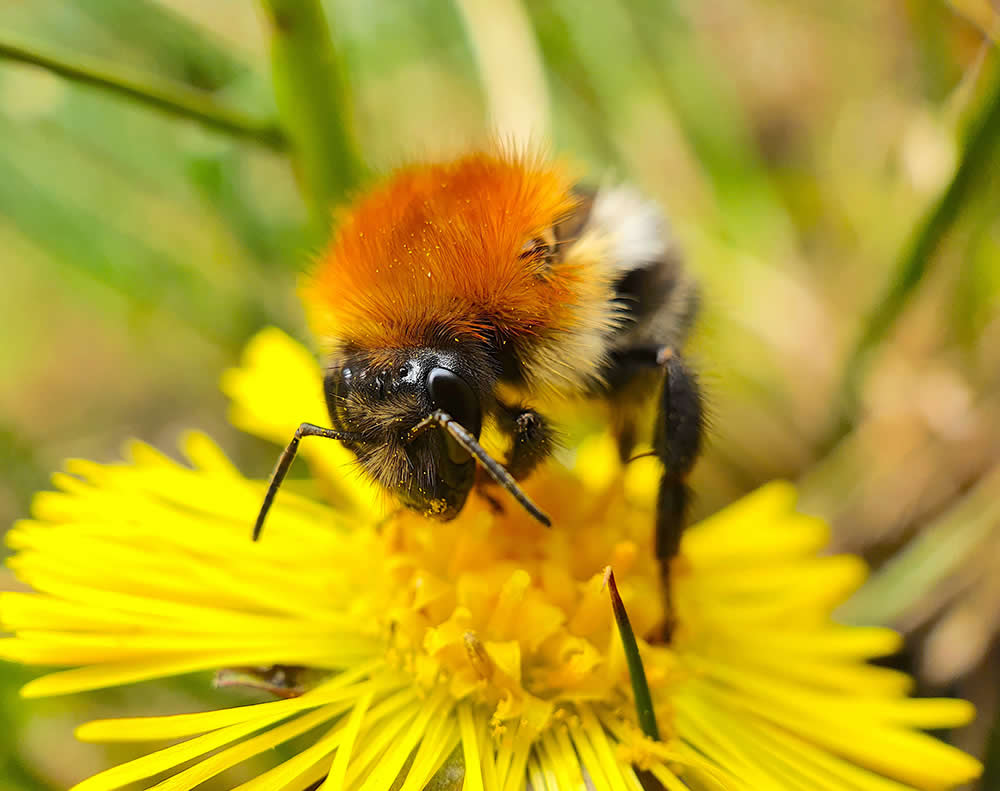
#24. "Bee Collecting Pollen" by Michal Ziemski
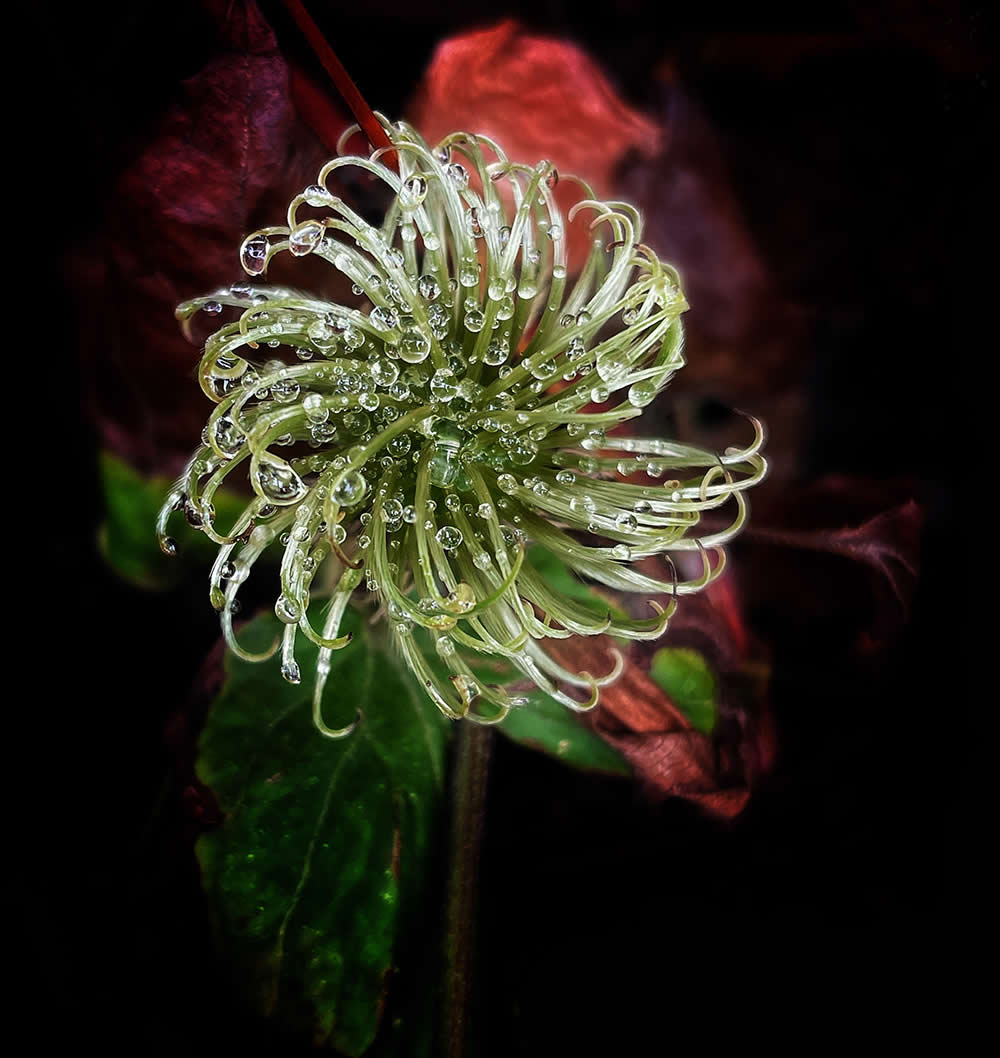
#25. "Beauty in Death" by Linda Keagle
Master the Art: Composition and Framing Matter Most
- Simplify the frame—macro chaos kills impact.
- Place the sharpest detail (like an eye or texture) intentionally.
- Use negative space to let tiny subjects breathe.
- Experiment with angles—shoot from the side, not just straight on.
- Think emotionally: ask why this tiny moment matters.
#26. "Eye to Eye" by Ellen Fritts
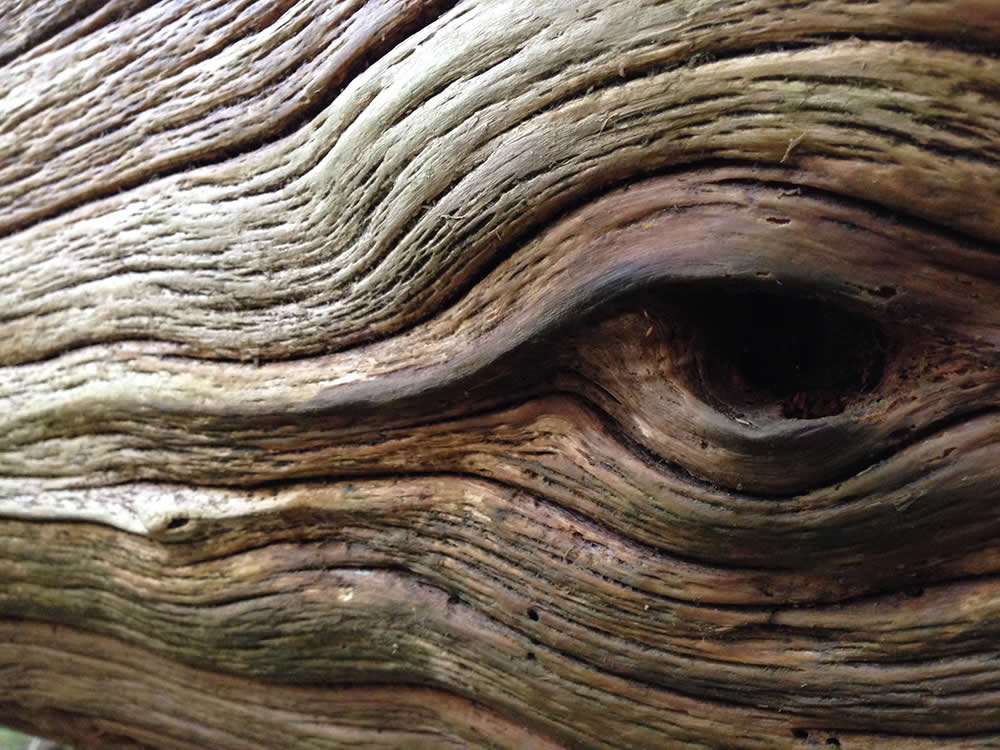
#27. "Shine" by Marta Przybyla
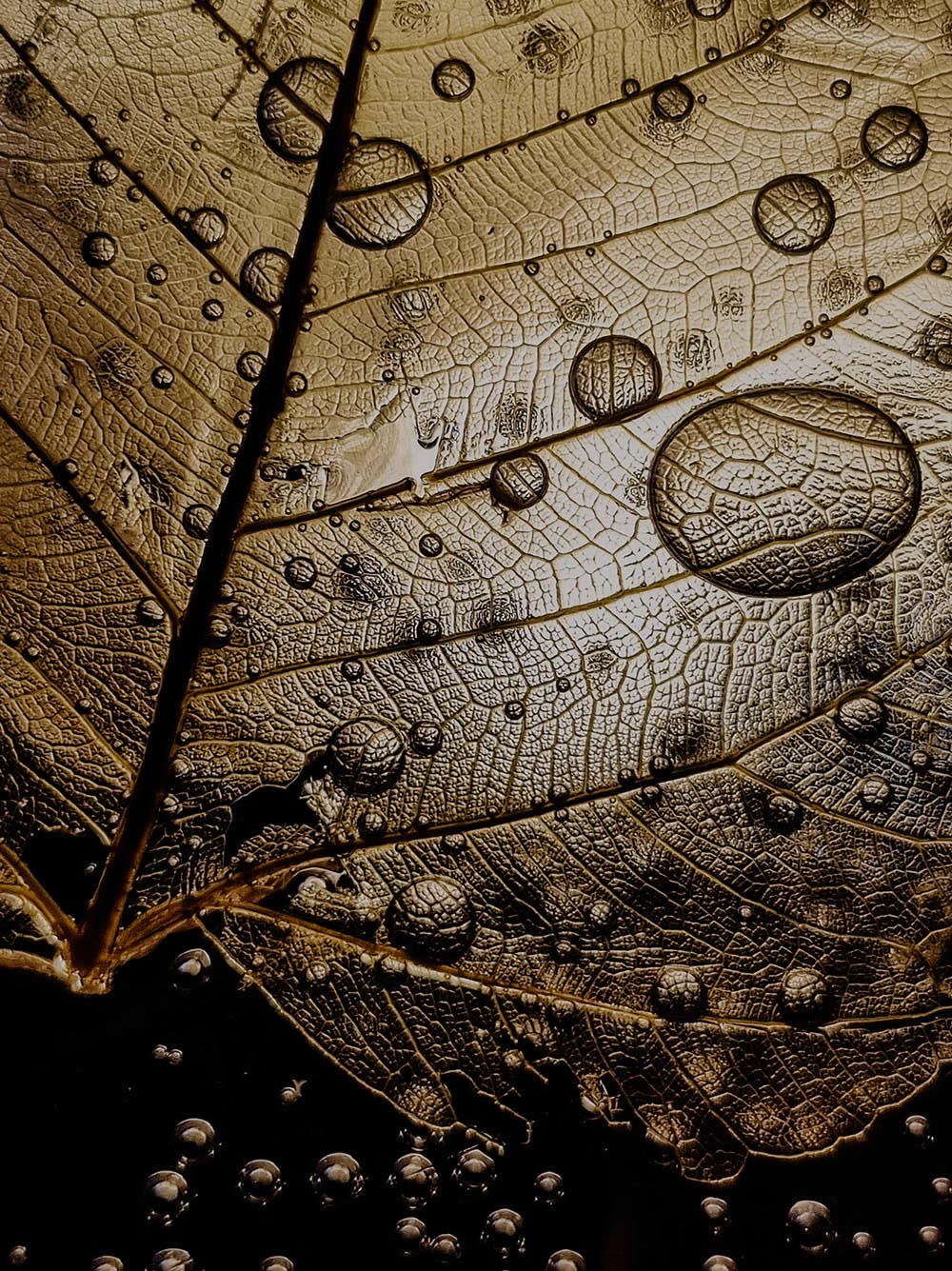
#28. "Are you Looking at me?" by Lucy Coughlan
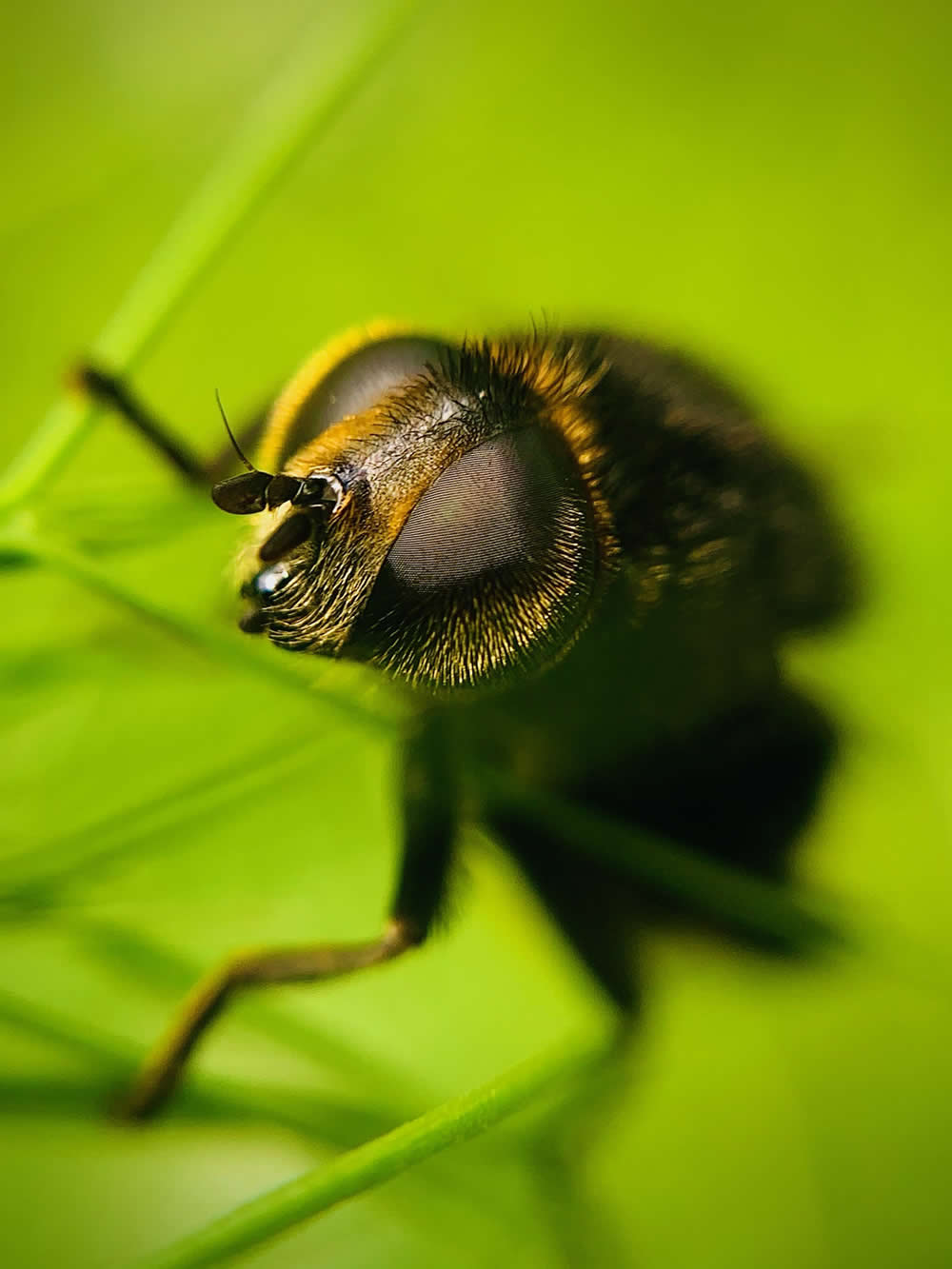
#29. "Dappled" by Linda Repasky
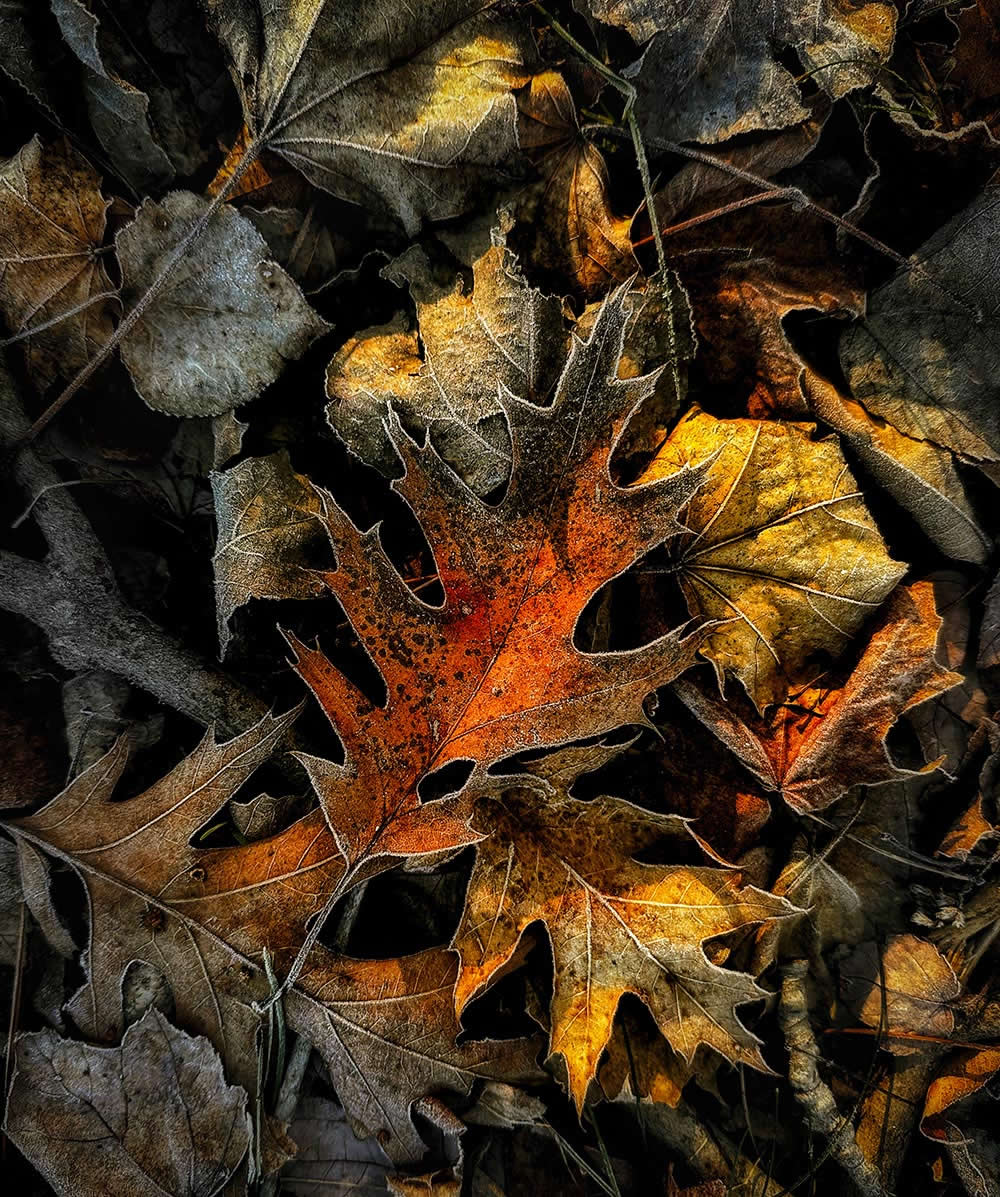
#30. "Watershed" by Delta Martin
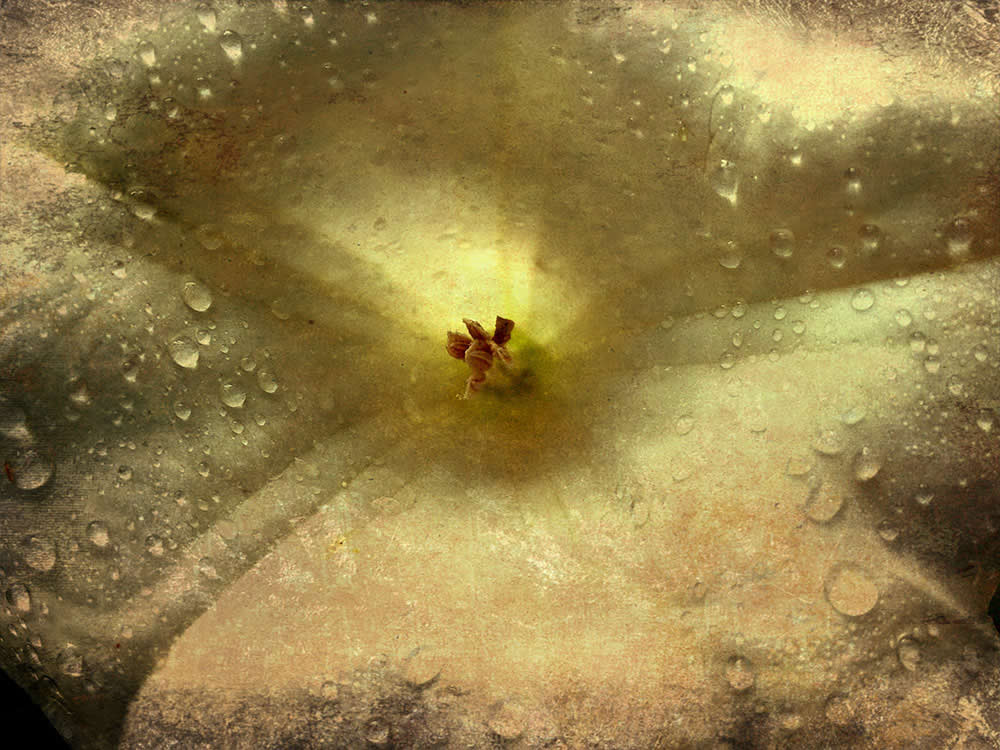
In Summary
What are the Mobile Photography Awards?
The Mobile Photography Awards is an international competition founded in 2011 that celebrates photography and digital art created using smartphones.
Can smartphones really shoot macro photography?
Yes. Modern smartphones feature advanced macro modes and computational photography that allow for extreme close-ups with impressive detail.
Who won first place in the Macro category?
Fabio Sartori won first place with his photo “Eyes,” a stunning close-up of a dragonfly captured on a smartphone.
What makes smartphone macro photography unique?
It combines portability, spontaneity, and creativity, allowing photographers to capture detailed close-ups anywhere, anytime.
Do you need extra lenses for smartphone macro photography?
Not always. Many modern smartphones have built-in macro capabilities, though external lenses can enhance results.