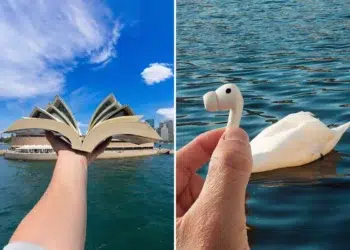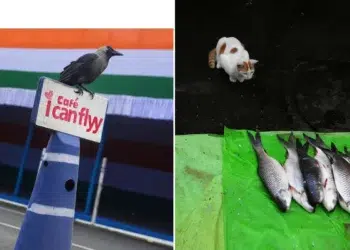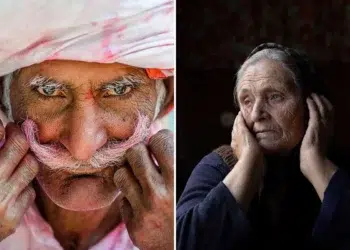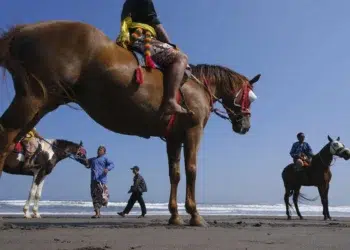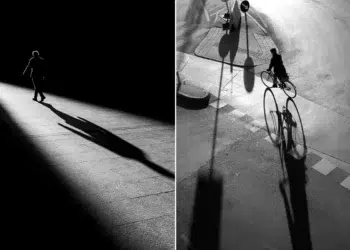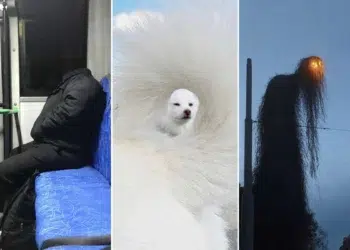

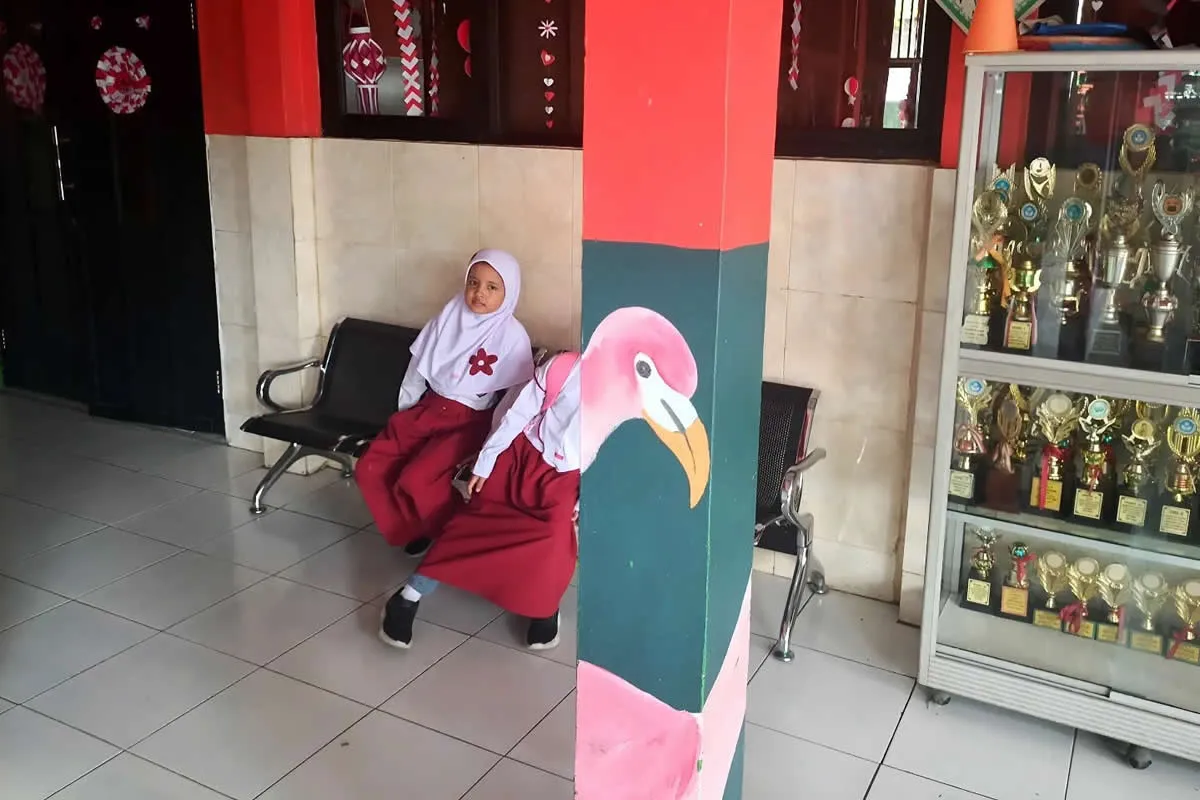
Street photography isn’t about fancy gear or exotic locations—it’s about seeing. And Ijoel Mardi Marsono sees the streets like a stage where life performs without rehearsal. For over a decade, roaming Jakarta with curiosity as his compass, Ijoel has been chasing those blink-and-you-miss-it moments when chaos, humor, humanity, and timing collide into something surreal.
What makes his work hit different is the way everyday life suddenly feels designed. A passerby aligns perfectly with a wall graphic. An animal wanders into the frame like it owns the street. Shadows slice the scene just right. Light drops in like a spotlight. Nothing is forced, yet everything feels intentional. That’s the magic—his photos don’t scream for attention, they pull you in.
Ijoel doesn’t just hunt for visuals; he hunts for symbols. His camera becomes a tool to decode human behavior, social tension, and spatial relationships. Each frame carries a quiet narrative—sometimes absurd, sometimes funny, sometimes poetic—but always layered. You’re not just looking at a photo; you’re stepping into a micro-story that unfolds the longer you stare.
Inspired by the legendary Elliott Erwitt, Ijoel embraces humor through juxtaposition and trusts instinct over perfection. His speed, patience, and compositional awareness let him catch life exactly as it is—raw, weird, beautiful, and unfiltered. These 35 perfectly timed street photos prove one thing loud and clear: when timing meets vision, the streets turn into art galleries with no walls and no rules.
You can find Ijoel Mardi Marsono on the Web:
#1
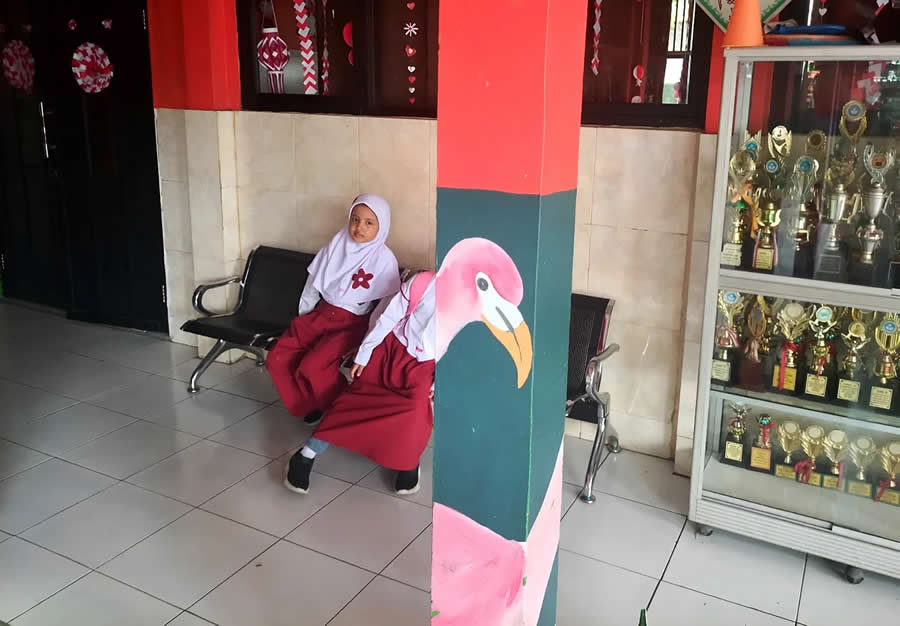
#2
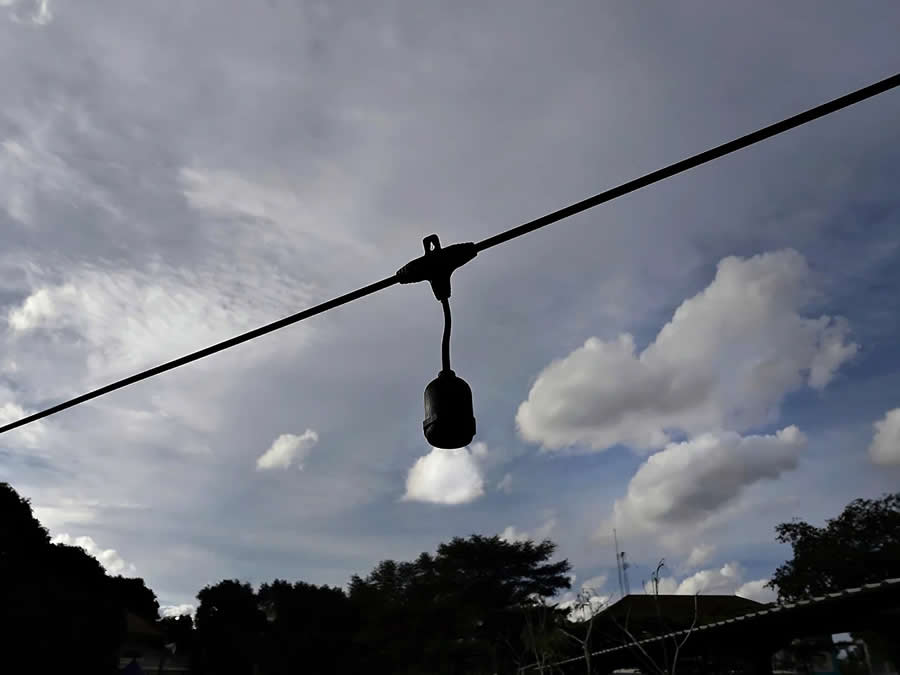
#3
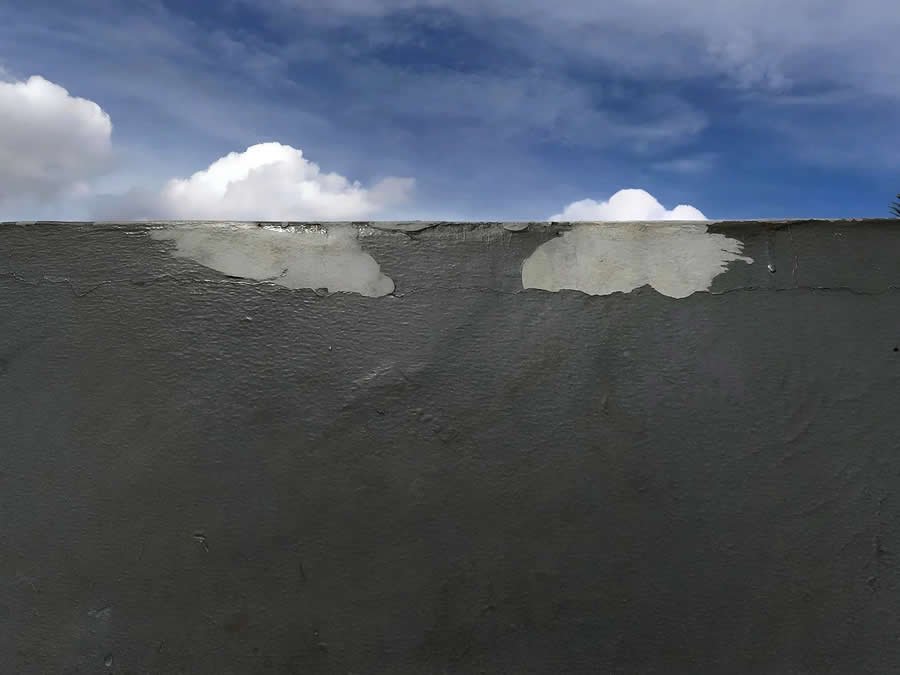
#4
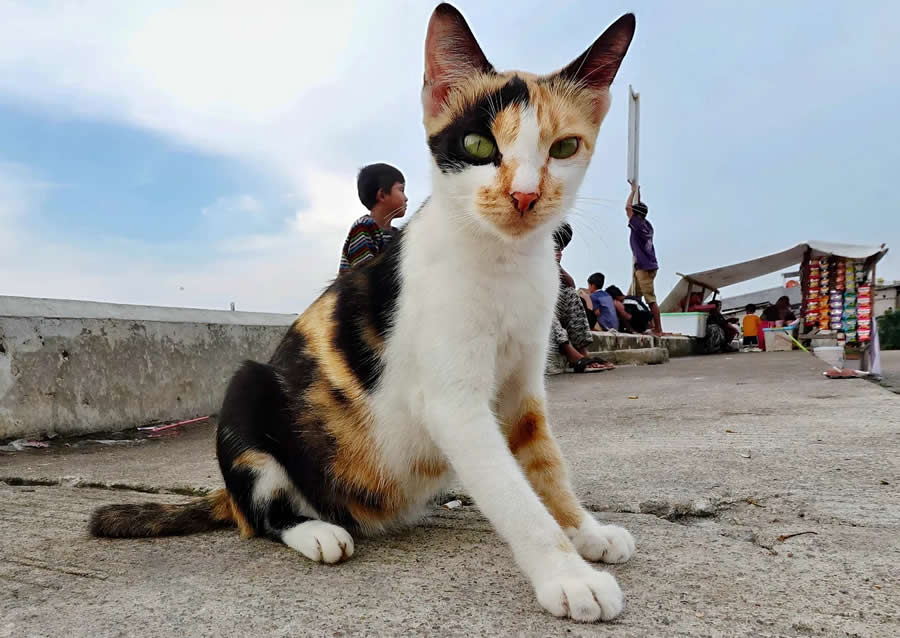
#5
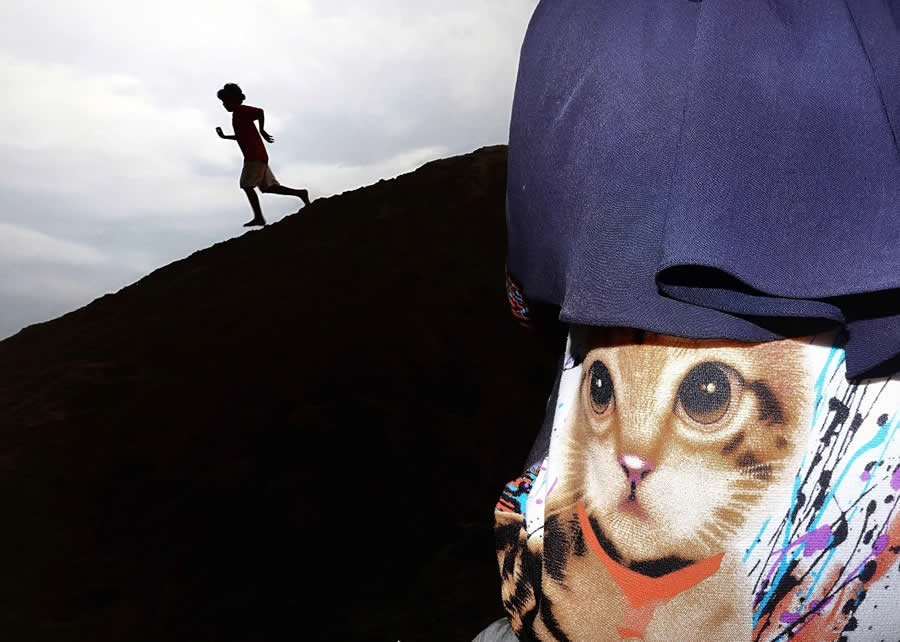
The Power of Perfect Timing: One Second Changes Everything
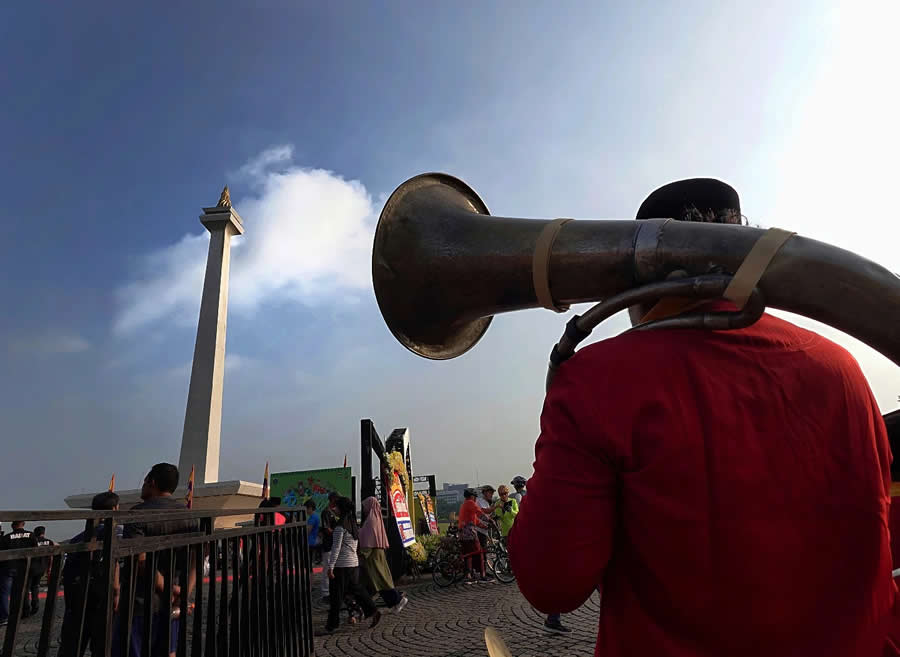
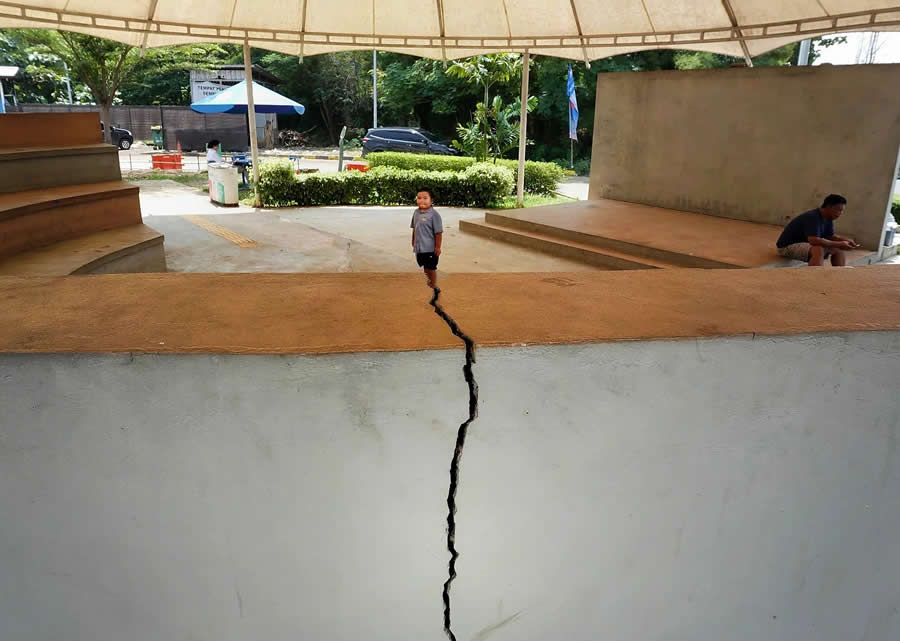
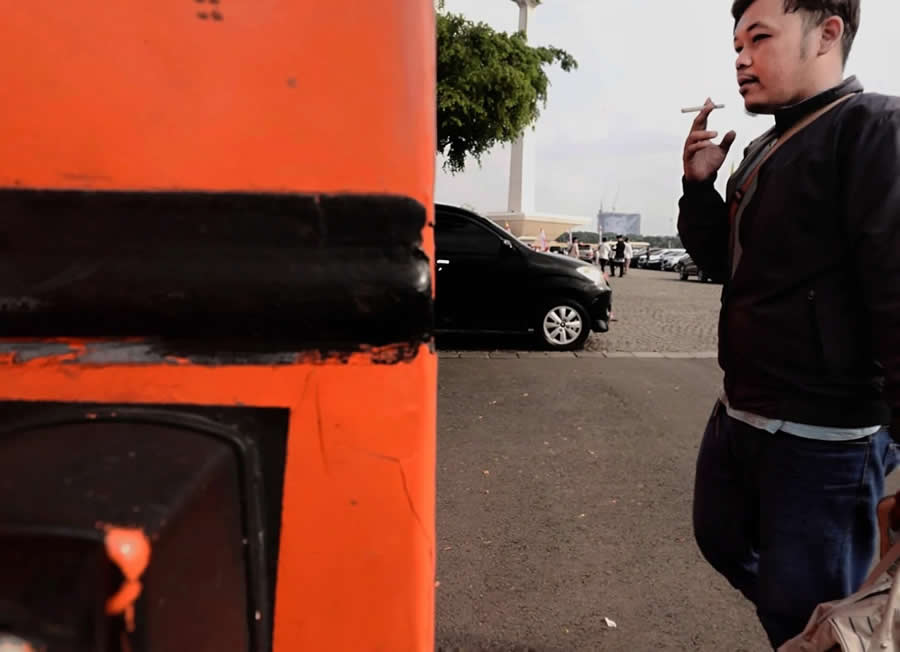
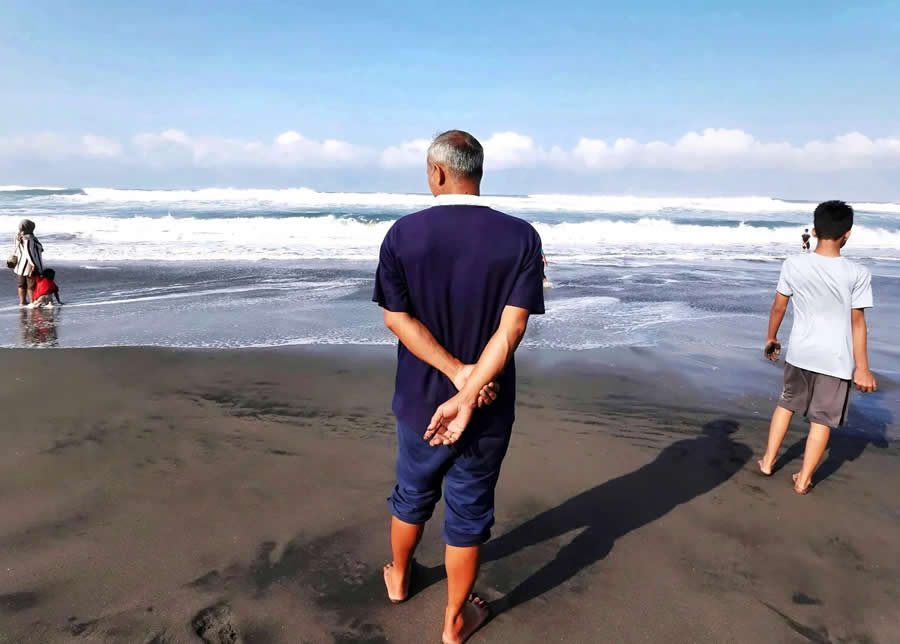
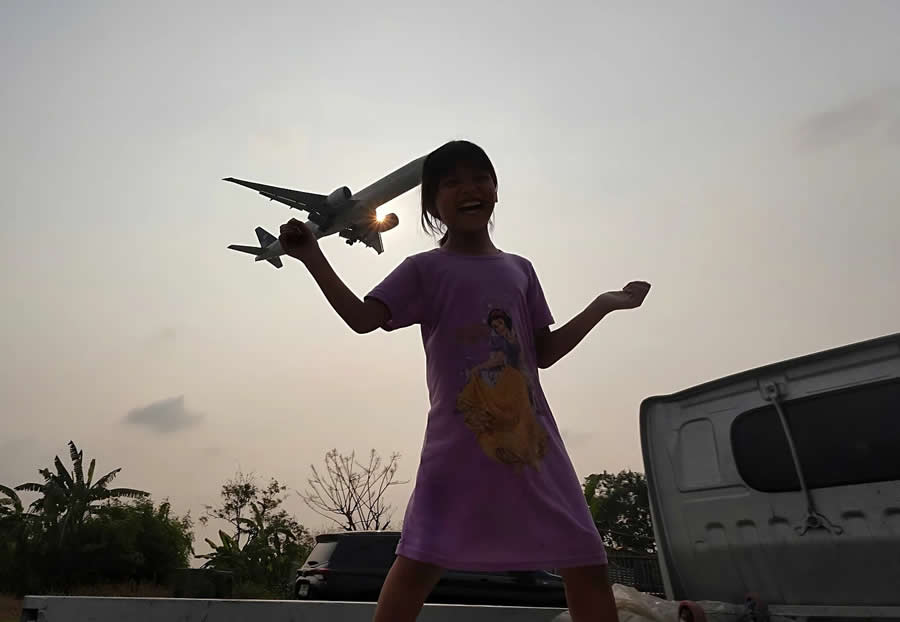
In Ijoel’s world, timing isn’t a skill—it’s survival. Street photography gives you no second takes, no retakes, no “hold that pose.” One breath too late and the moment is gone forever. What sets his work apart is how often he nails that impossible second when elements lock into place like destiny hit pause.
People, animals, shadows, and signs sync up in frames that feel unreal, yet totally authentic. These photos don’t rely on luck alone; they’re built on awareness, anticipation, and instinct sharpened over ten years of street hustle. You can feel the tension in each shot—the calm before the chaos snaps into meaning. That’s the difference between shooting the street and understanding it.
#6
#7
#8
#9
#10
Juxtaposition as Visual Storytelling, Not Just Clever Tricks
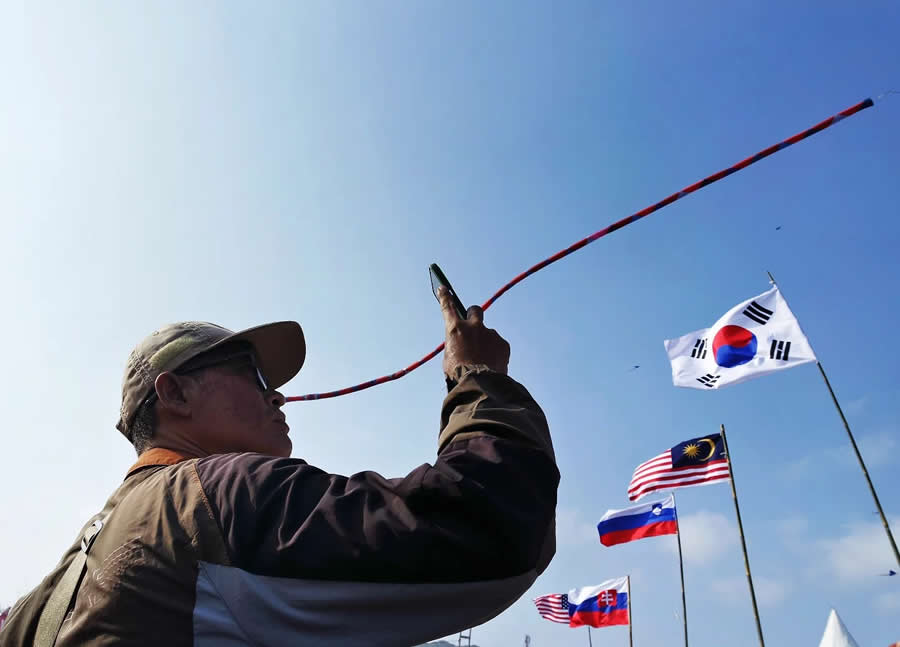
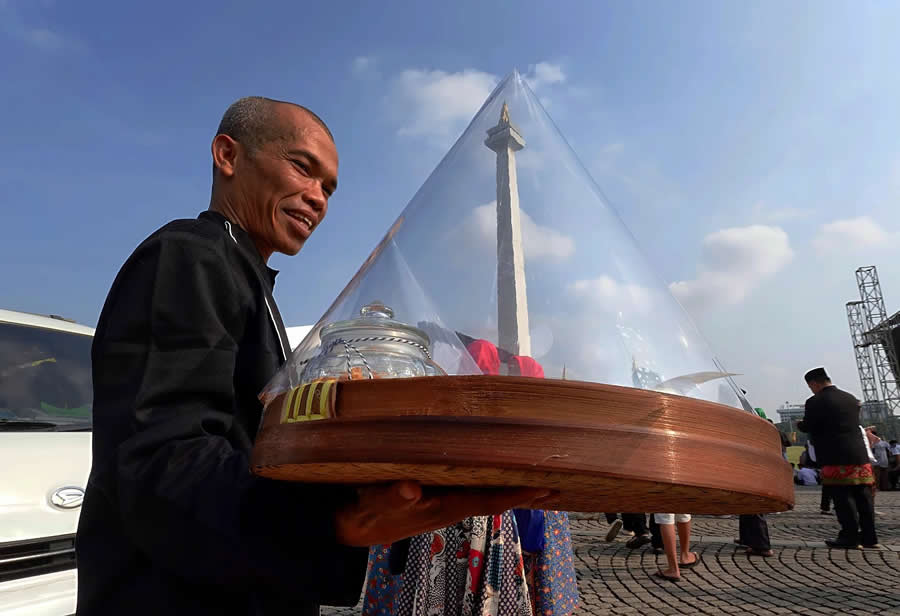
Juxtaposition is everywhere in Ijoel’s work, but it never feels gimmicky. It’s not about visual jokes—it’s about contrast that reveals truth. A human gesture mirrors a billboard image. An animal echoes human emotion. A rigid structure clashes with organic movement. These contrasts turn simple scenes into layered stories.
This approach pulls straight from classic street photography roots, yet feels fresh and modern. Humor shows up naturally, not forced. Absurdity sneaks in quietly. The best part? You often don’t notice the punchline right away. His images reward slow looking, letting meaning unfold gradually like a short film frozen in one frame.
#11
#12
#13
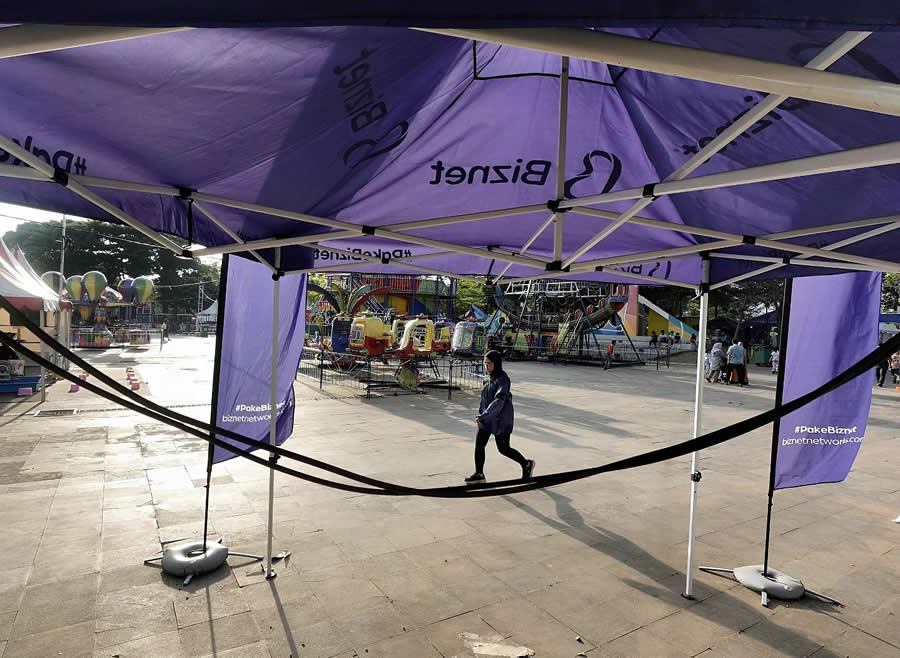
#14
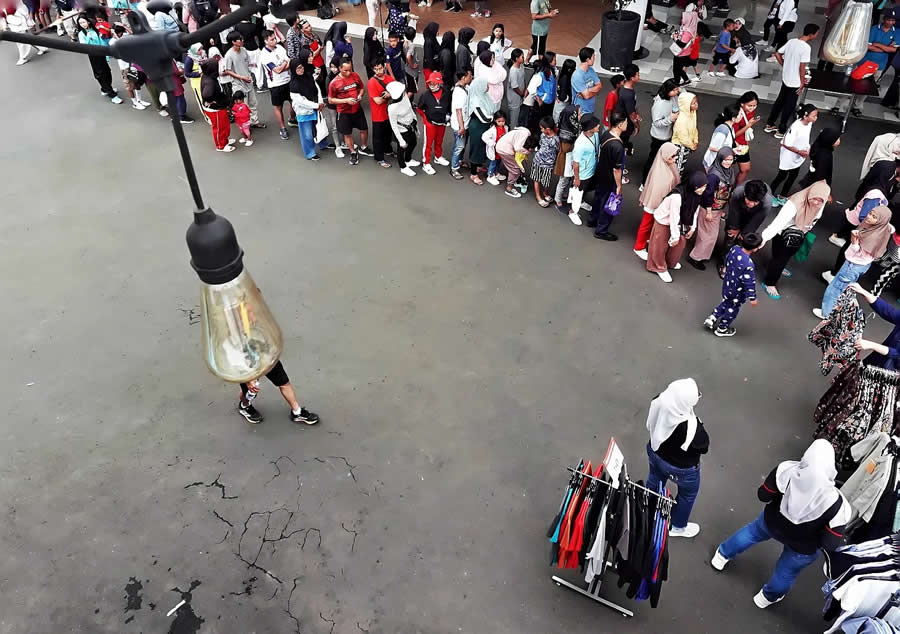
#15
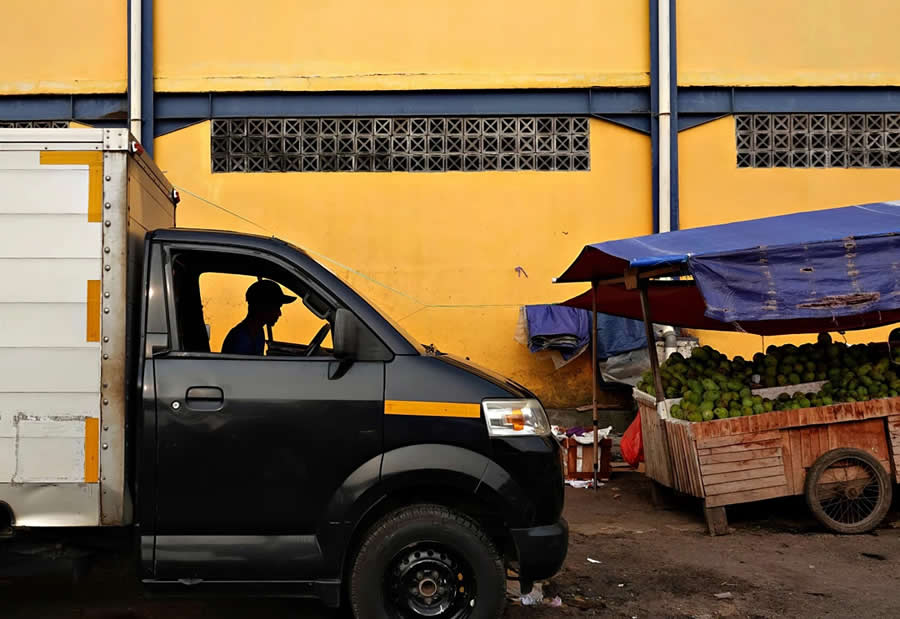
Light and Shadows: The Streets as a Natural Studio
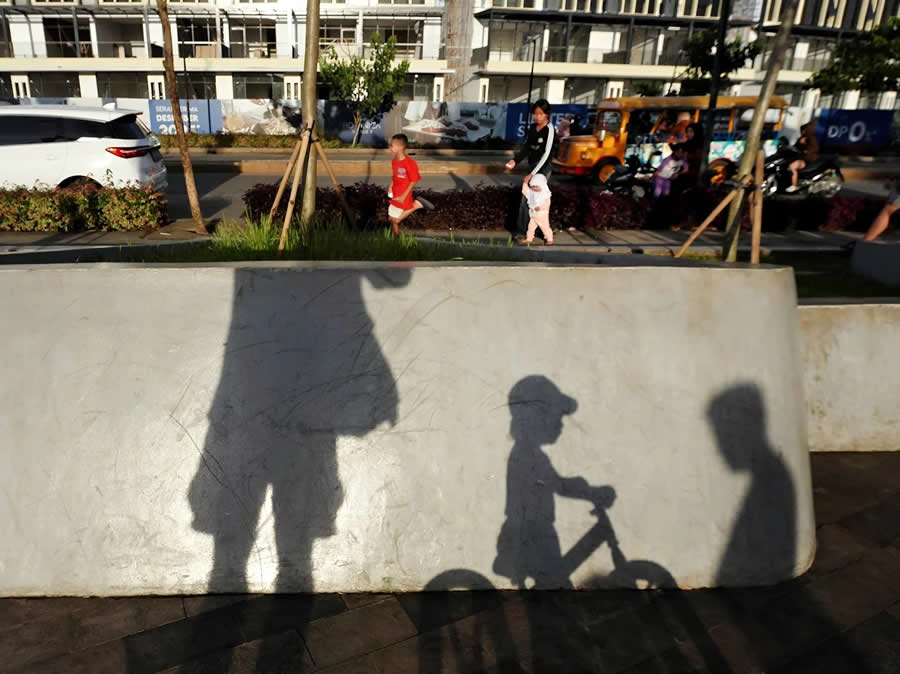
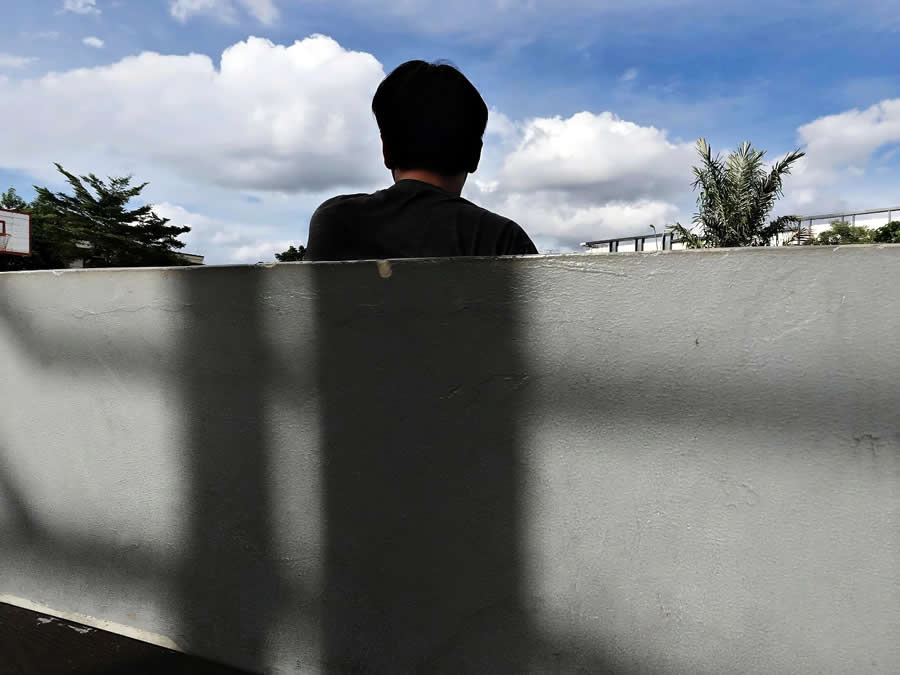
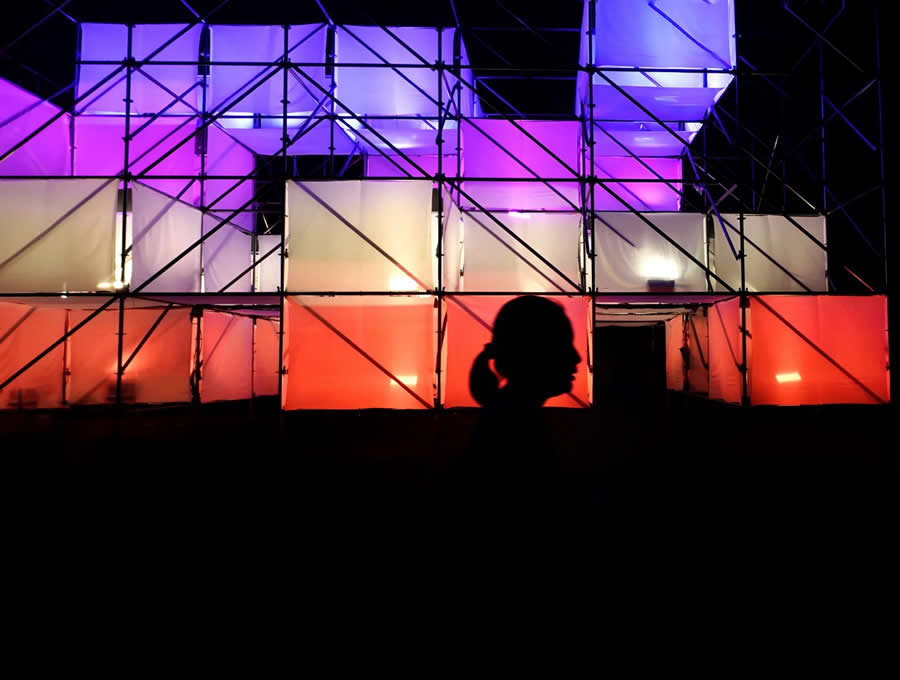
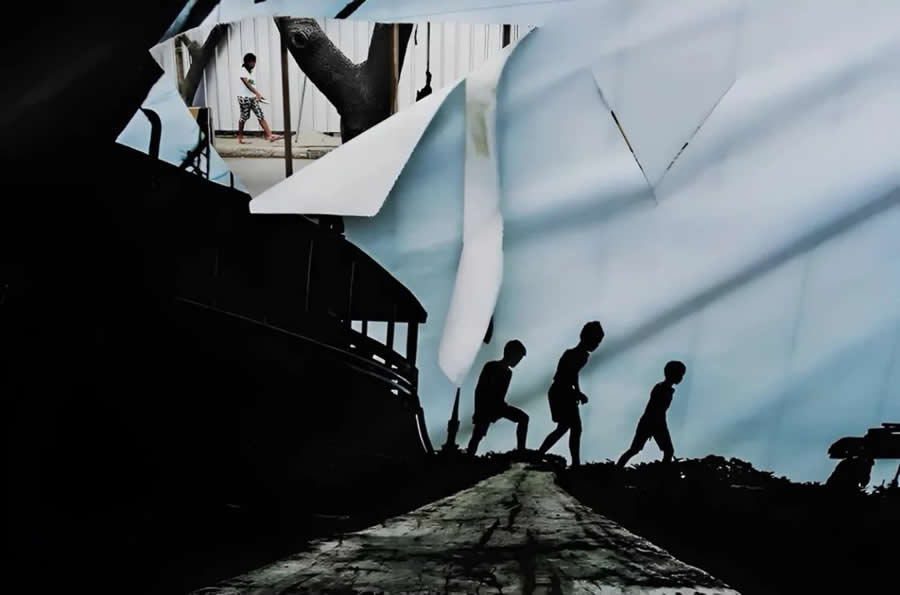
Ijoel treats light like a co-conspirator. Harsh sun, long shadows, reflections—nothing goes to waste. He uses contrast to carve drama into everyday settings, transforming boring sidewalks into cinematic stages. Shadows become characters. Light becomes emotion.
There’s no artificial setup here. This is pure street instinct—reading how light moves, where it falls, and how it interacts with people in motion. The result? Images that feel moody, graphic, and timeless. You can almost sense the temperature of the scene, the noise in the background, the energy of the street. Light doesn’t decorate the frame—it defines it.
#16
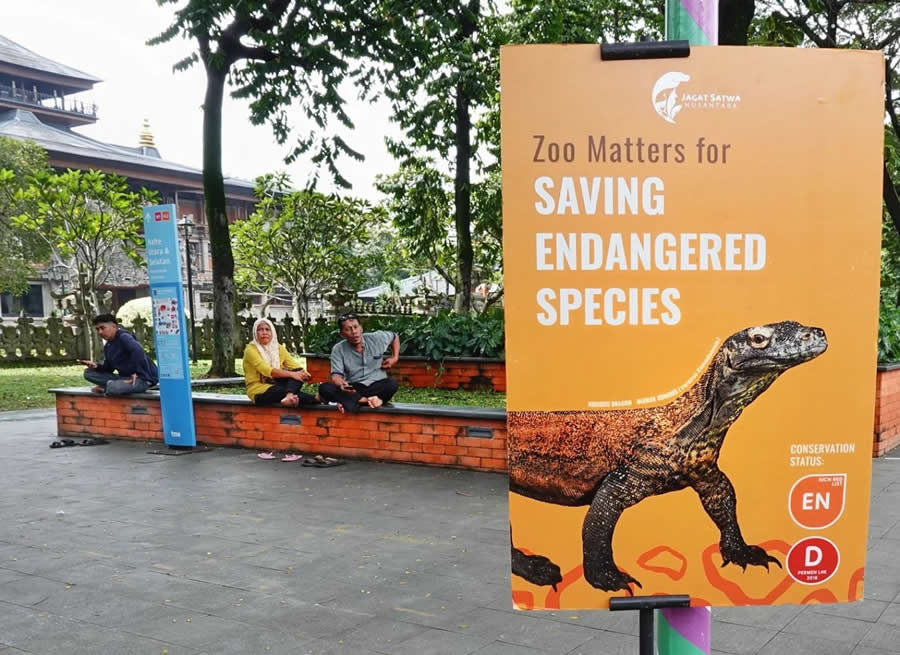
#17
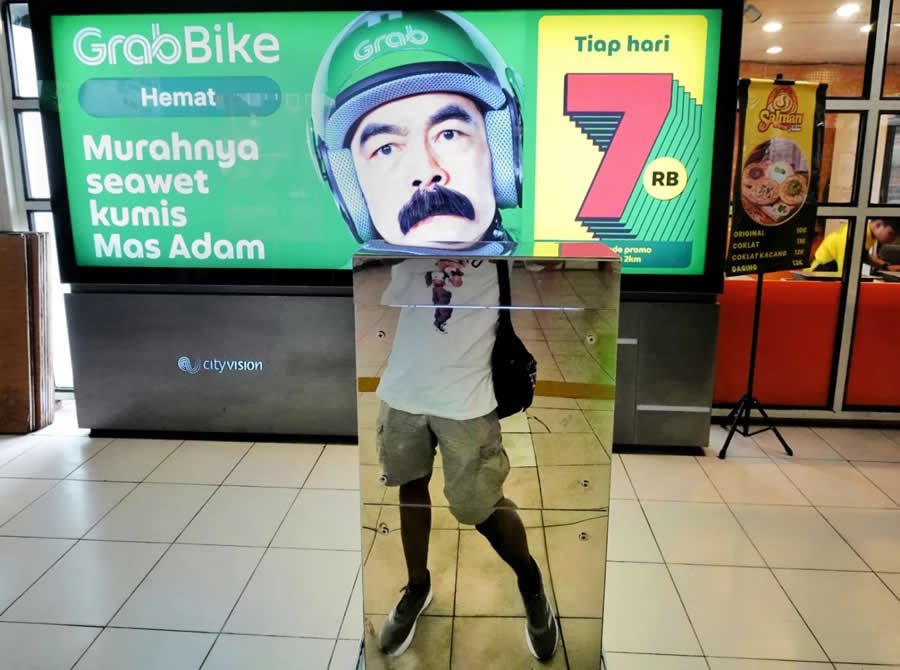
#18
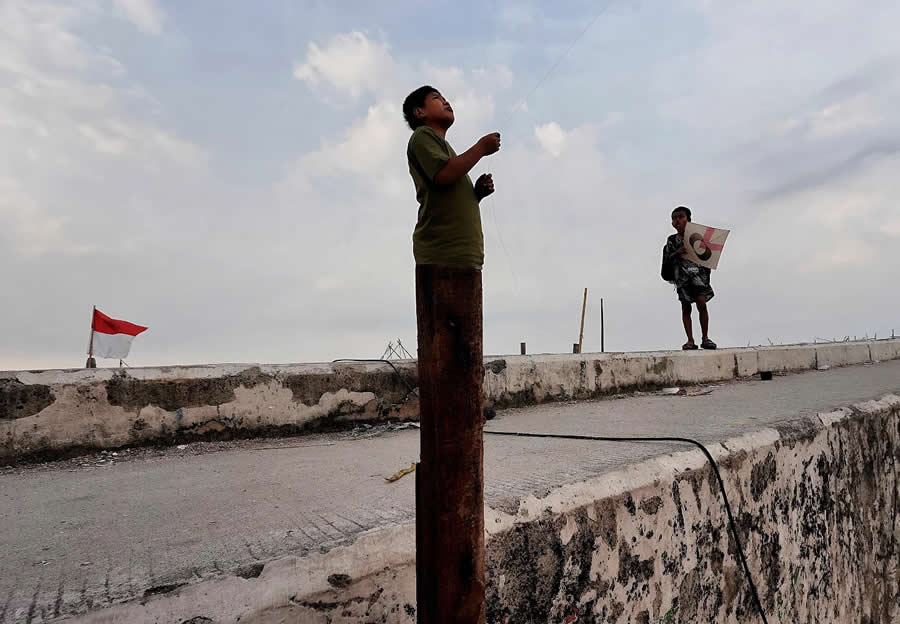
#19
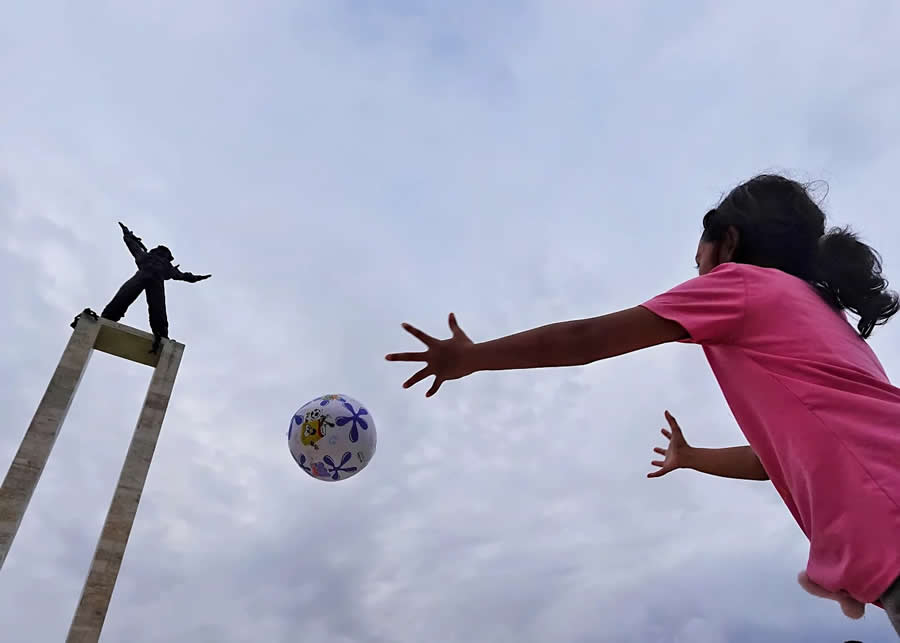
#20
Animals on the Streets: Chaos, Humor, and Unexpected Poetry
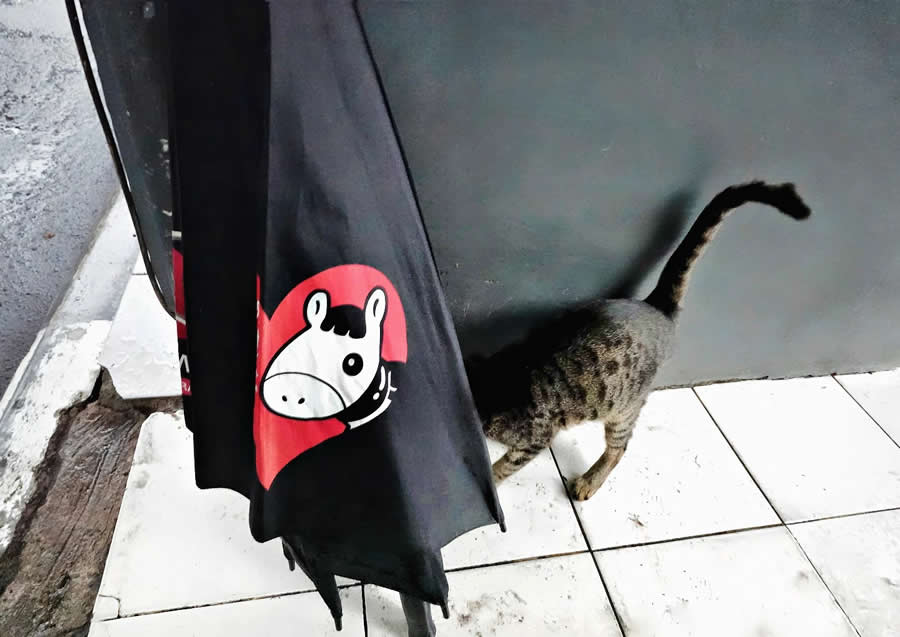
Animals play a wild, unpredictable role in Ijoel’s street universe. They wander into frames without warning, breaking human logic and adding instant humor or symbolism. A cat, a bird, a dog—suddenly the scene flips from ordinary to unforgettable.
What’s brilliant is how naturally these moments blend into urban life. Animals aren’t props; they’re participants in the visual drama. Sometimes they steal the show. Sometimes they quietly balance the composition. Either way, they inject spontaneity that no human subject could replicate. It’s street photography at its purest—life doing its thing while the photographer stays ready.
#21
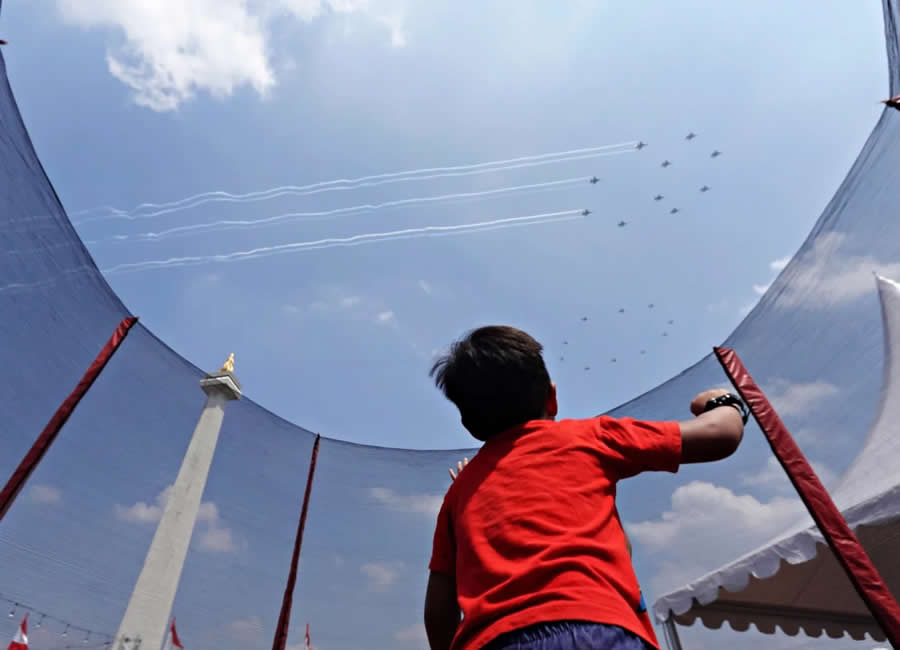
#22
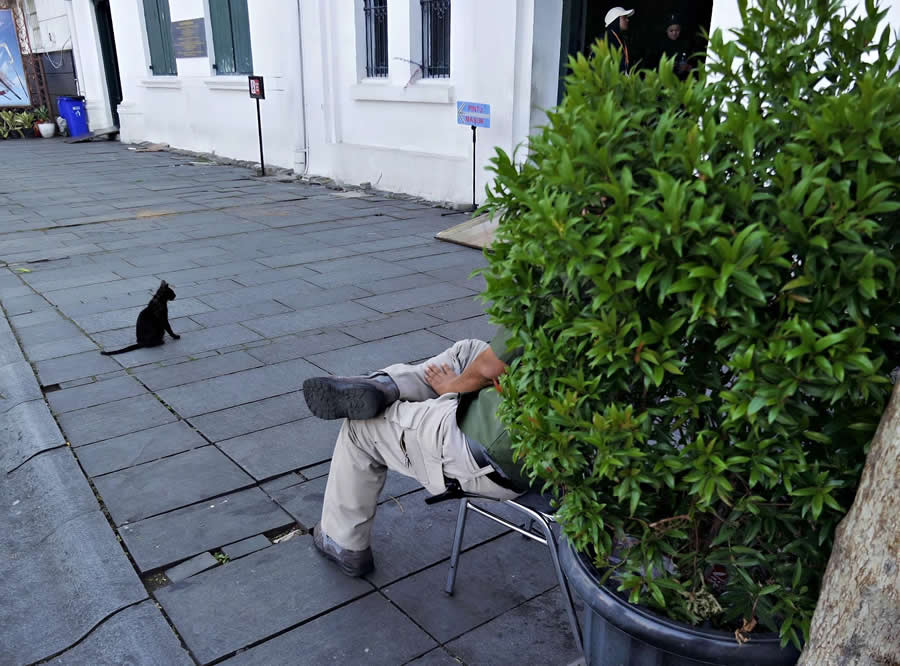
#23
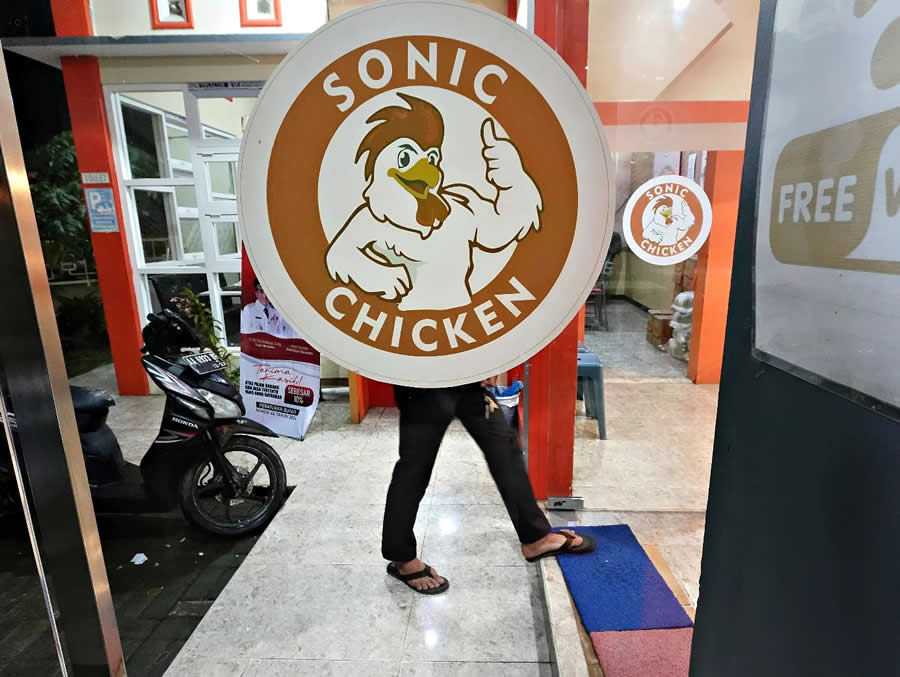
#24
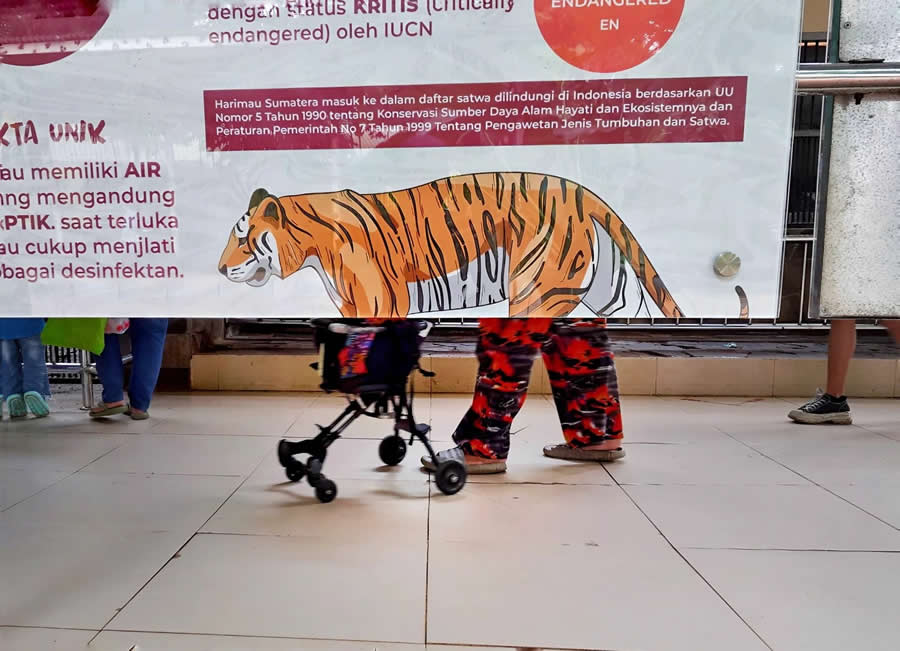
#25
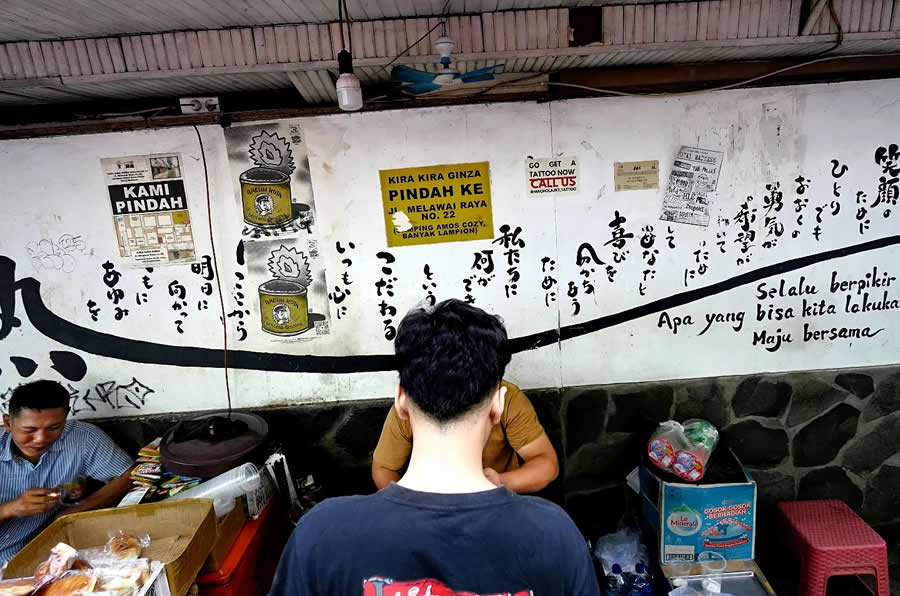
Composition and Framing That Feel Effortless but Aren’t
Every Ijoel frame looks effortless—and that’s the hardest thing to pull off. Strong lines, balanced chaos, clean layers, and perfect spacing all come together without killing the raw energy of the street. This is composition with restraint.
He understands space deeply: foreground, background, negative space, and movement all talk to each other. Nothing feels crowded, yet nothing feels empty. You can tell these images weren’t cropped into existence—they were seen that way. That level of control only comes from long hours of walking, waiting, and trusting your eye more than your camera.
#26
#27
#28
#29

#30
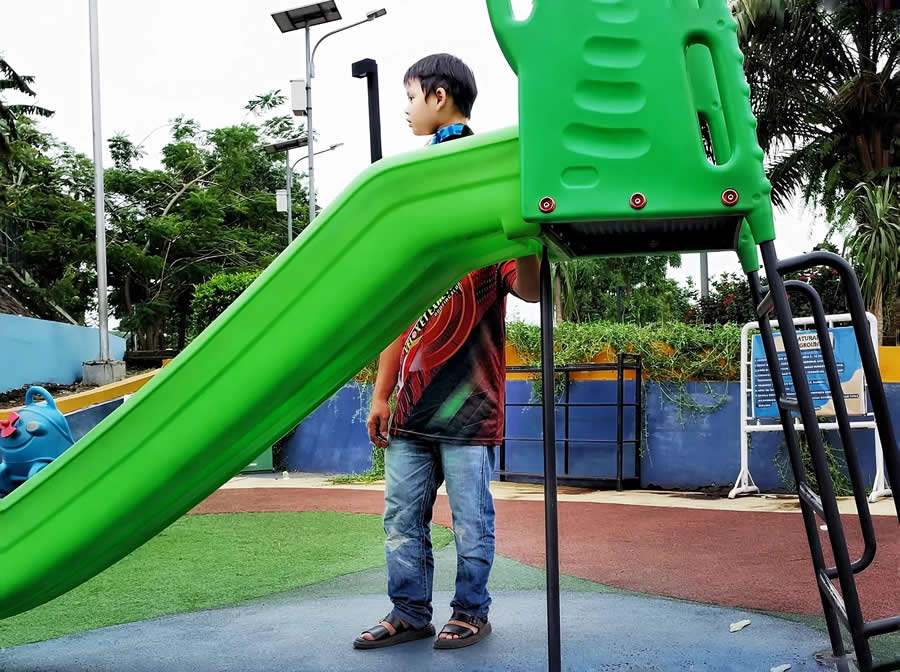
Streets as Visual Drama: Real Life, No Script
The streets in Ijoel’s photos feel alive—messy, emotional, funny, and sometimes absurd. Every frame is a mini-drama unfolding without actors or scripts. People don’t perform; they exist. And that’s exactly what makes the images powerful.
There’s honesty here. No filters, no trends, no forced aesthetics. Just real life colliding with sharp observation. His work reminds us that art doesn’t need a studio—just patience, curiosity, and respect for the unpredictability of human life. These photos prove that the street isn’t chaos—it’s organized madness waiting to be framed.
#31
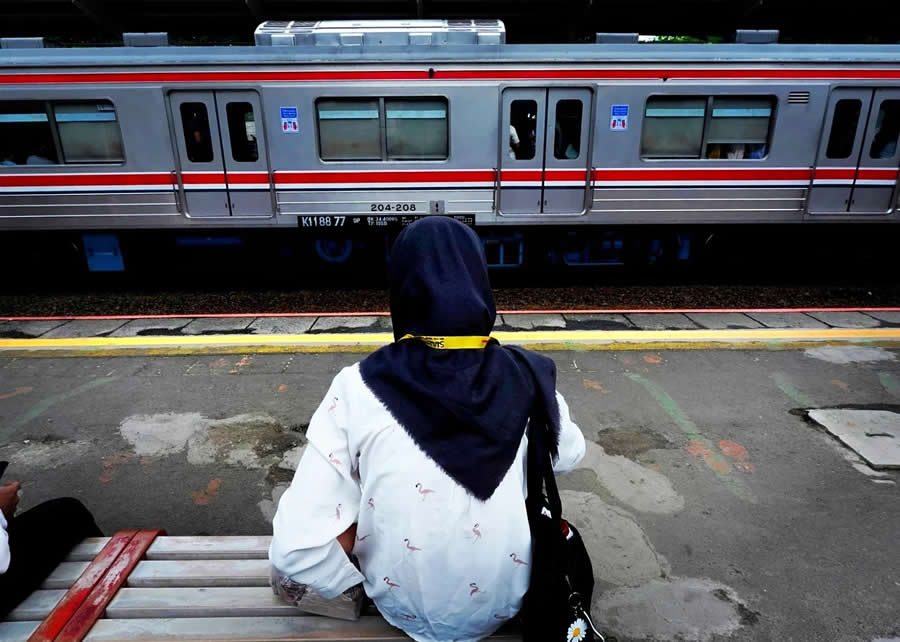
#32
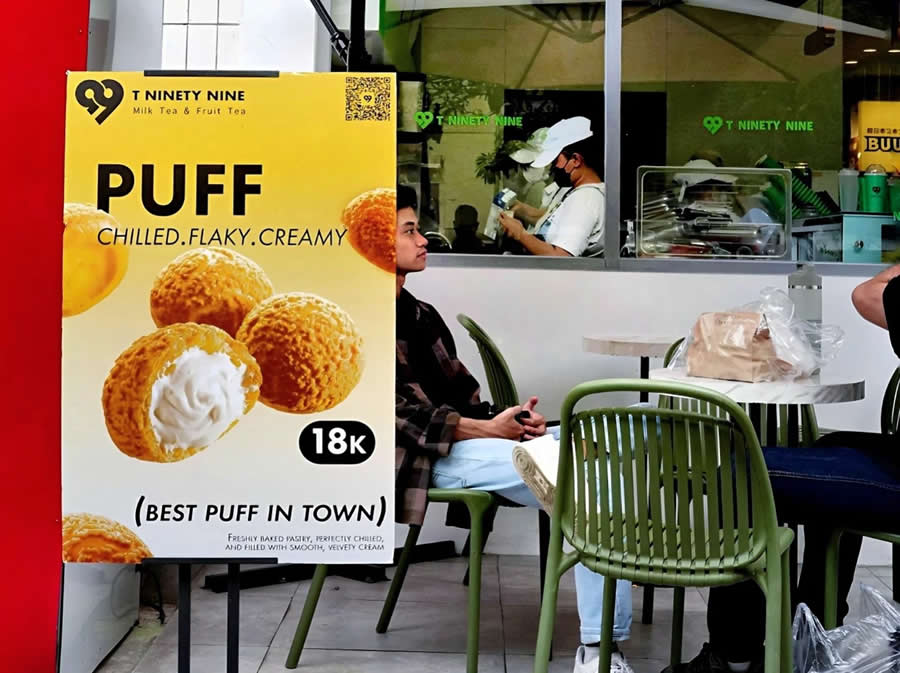
#33

#34
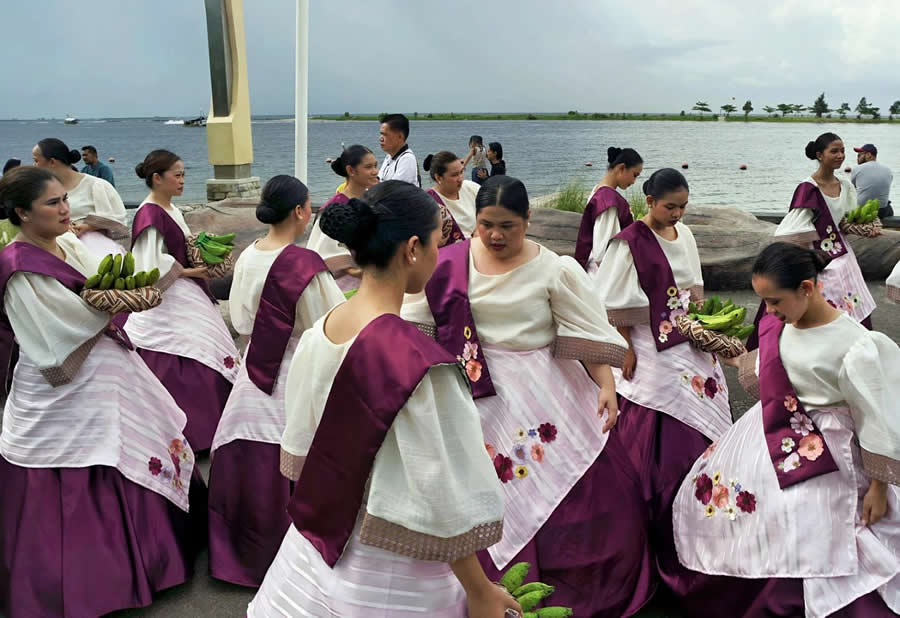
#35
In Summary
Who is Ijoel Mardi Marsono?
- He is a Jakarta-based street photographer with over 10 years of experience, known for surreal, humorous, and perfectly timed street images.
What makes his street photography unique?
- His mastery of timing, juxtaposition, symbolism, and composition transforms everyday street scenes into layered visual stories.
What themes appear in his work?
- Everyday life, human behavior, animals on streets, light and shadows, humor, absurdity, and visual drama.
Who inspired his photography style?
- He draws strong inspiration from Elliott Erwitt, especially in using humor and symbolism through precise timing.
Why is timing so important in street photography?
- Because street moments are fleeting—perfect timing allows photographers to capture unrepeatable scenes that feel magical and authentic.