

There are photographers who visit a place, and then there are photographers who belong to it. Denis Dailleux falls firmly into the second category when it comes to Cairo. His relationship with the city isn’t casual or occasional—it’s deep, obsessive, and quietly emotional. Cairo doesn’t just sit in front of his lens; it opens itself up to him. And Dailleux, with his calm presence and patient eye, listens.
Born in 1958 in Angers, France, Dailleux built a photographic language rooted in restraint. His images don’t shout. They don’t beg for attention. Instead, they pull you in slowly, almost respectfully. On the surface, his work feels serene, even simple—but beneath that calm is a demanding process fueled by self-doubt, trust, and an intense personal bond with his subjects. He waits. He observes. He never forces a moment. And somehow, the moment always arrives.
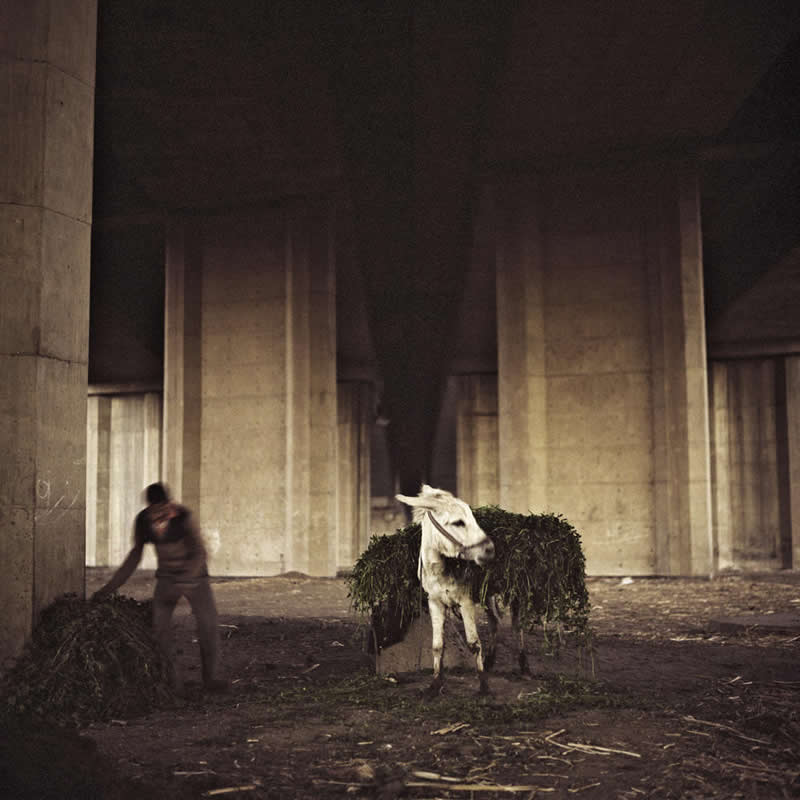
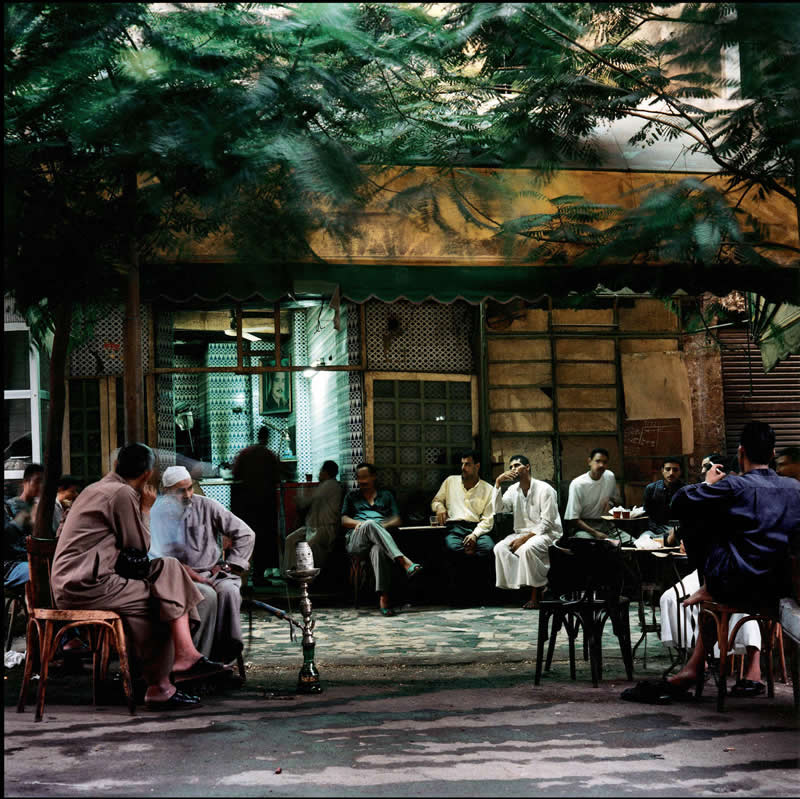
Cairo plays a crucial role in this rhythm. The city gives generously—its light, its shadows, its people, its unpolished humanity. Dailleux returns again and again, not to document landmarks or tourist fantasies, but to build relationships. His fascination lies in everyday lives: faces weathered by time, gestures heavy with meaning, moments suspended between movement and stillness.
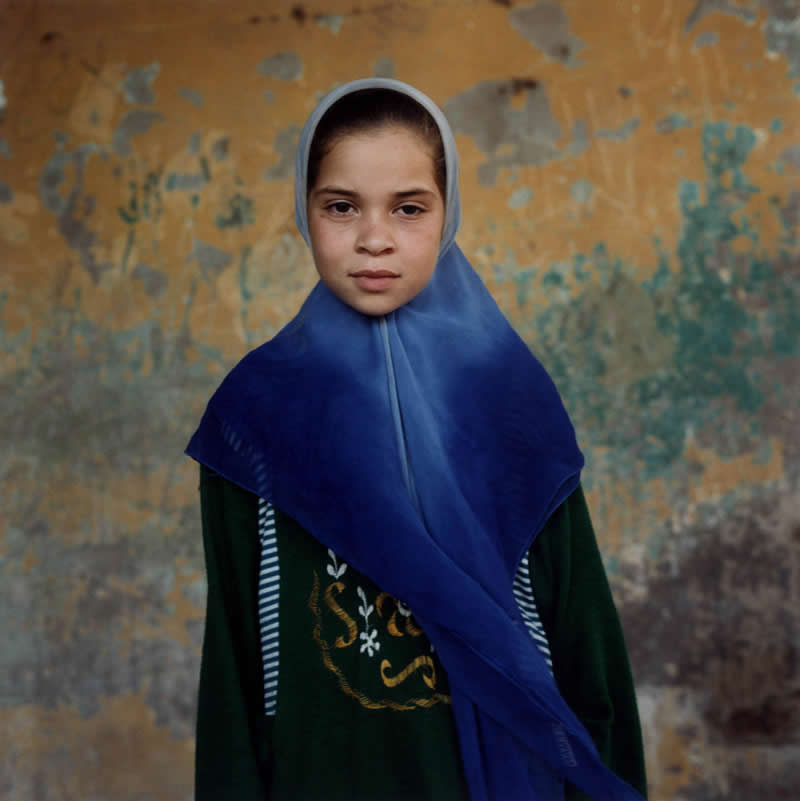
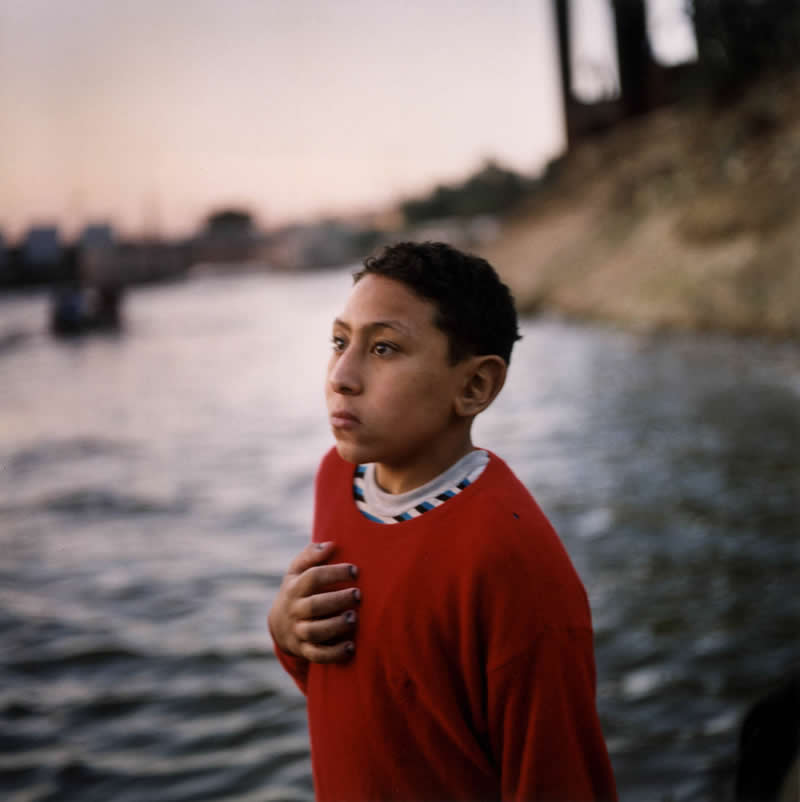
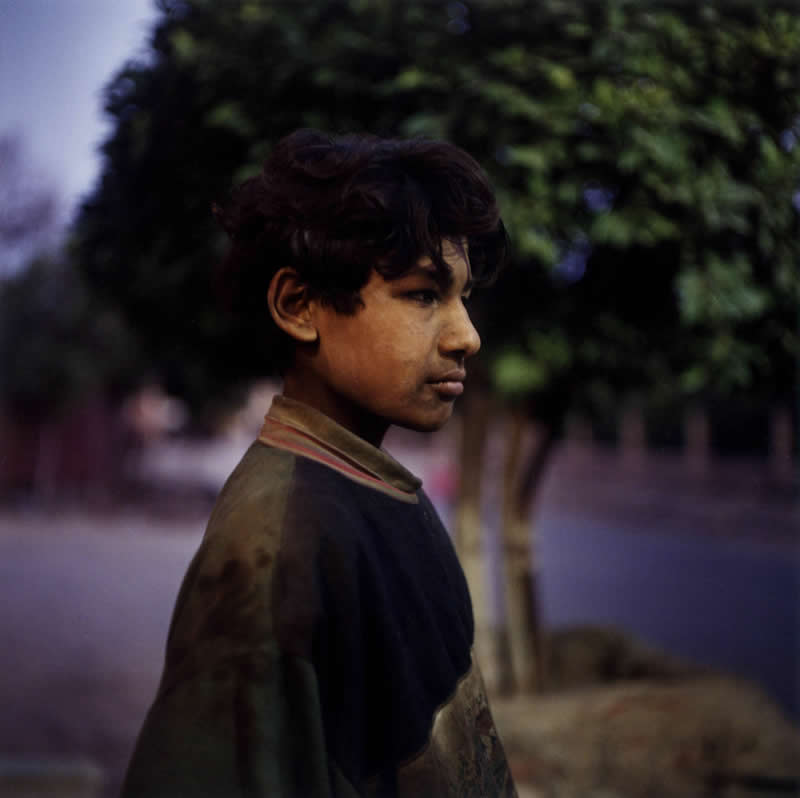
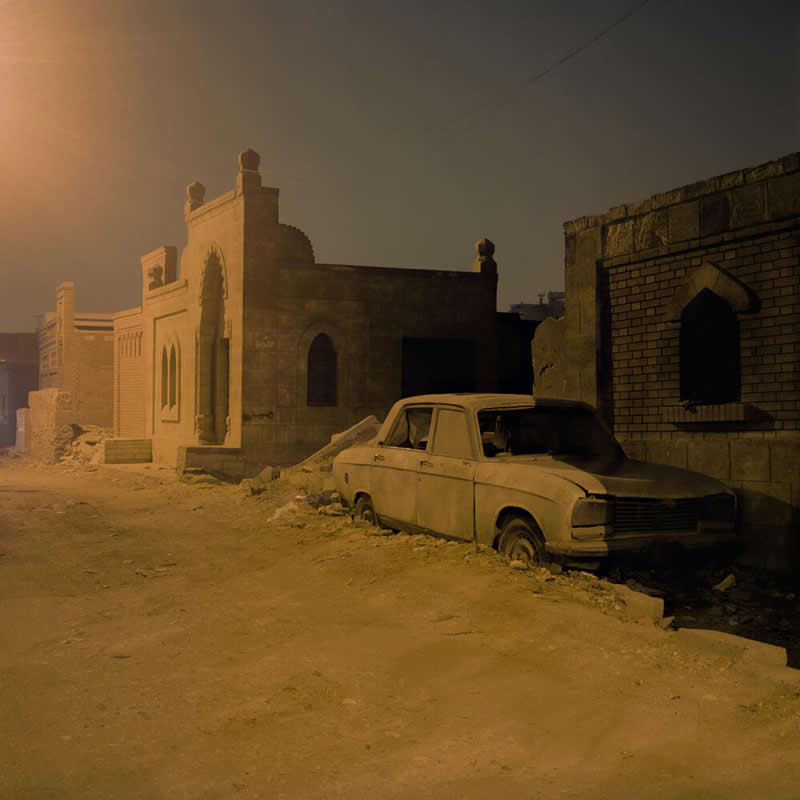
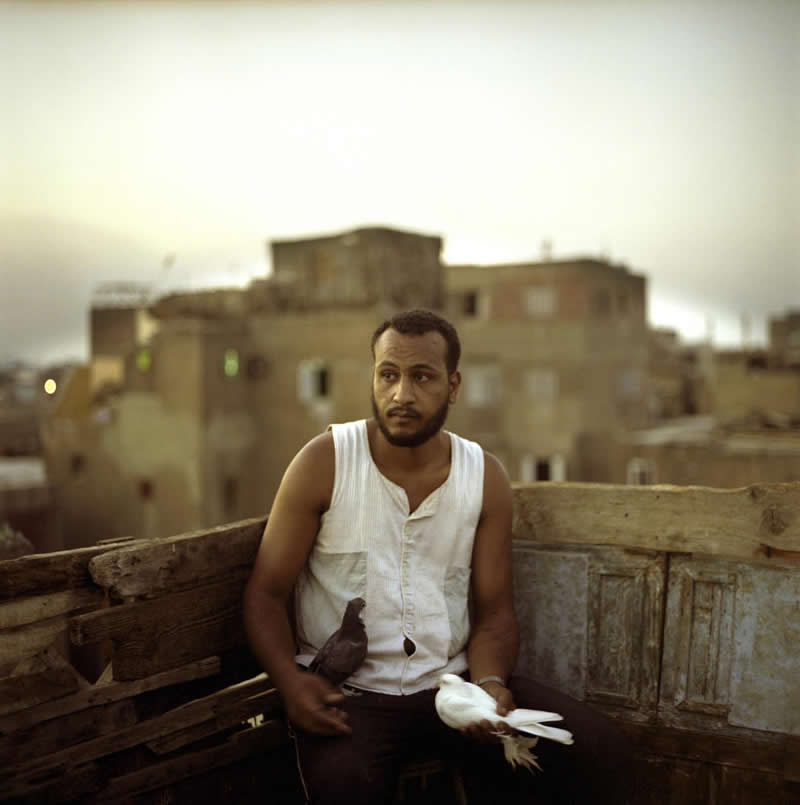
Portraiture is his home base. Whether photographing Catherine Deneuve or an anonymous resident from Cairo’s most overlooked neighborhoods, he brings the same tenderness and discretion. The result is a body of work that replaces clichés with truth. Through color photographs of rare subtlety, Dailleux creates an Egypt that feels lived-in, intimate, and profoundly human. These 26 photos aren’t just images—they’re quiet conversations.
You can find Denis Dailleux on the web:
#1
#2
#3
#4
#5
Cairo as a Living Presence, Not a Backdrop
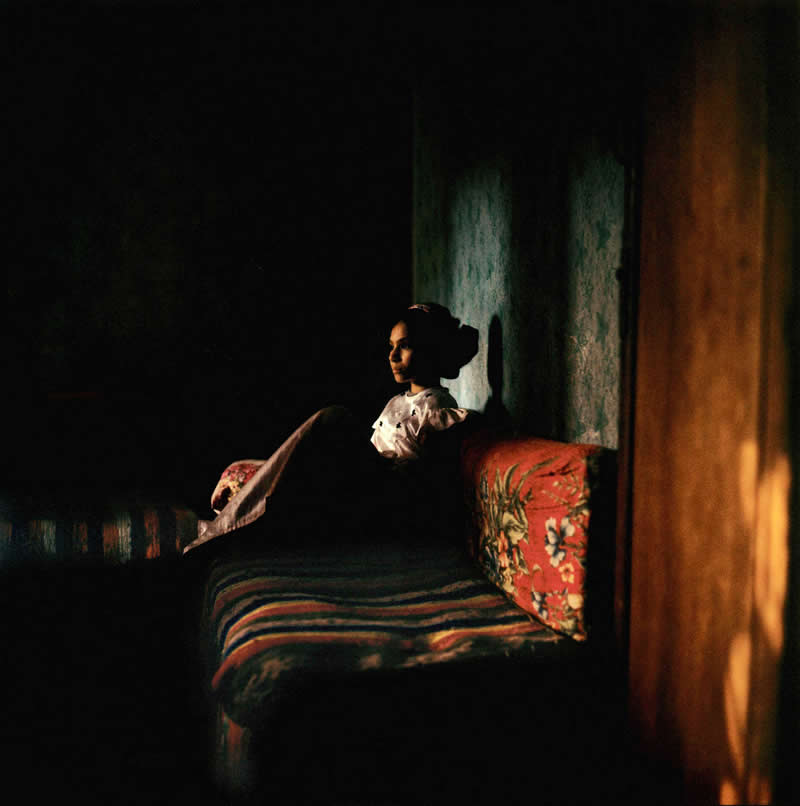
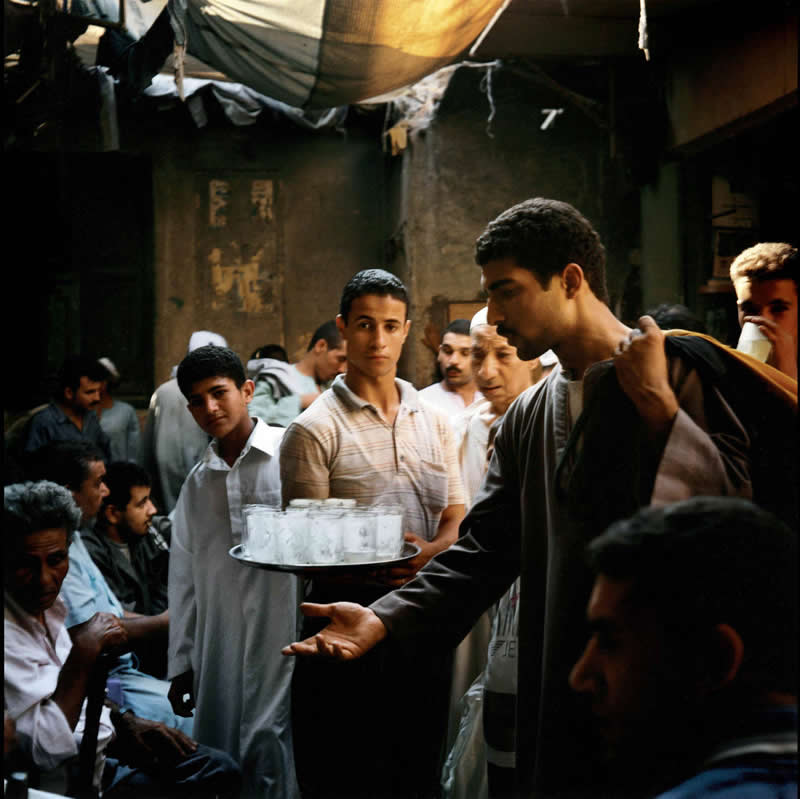
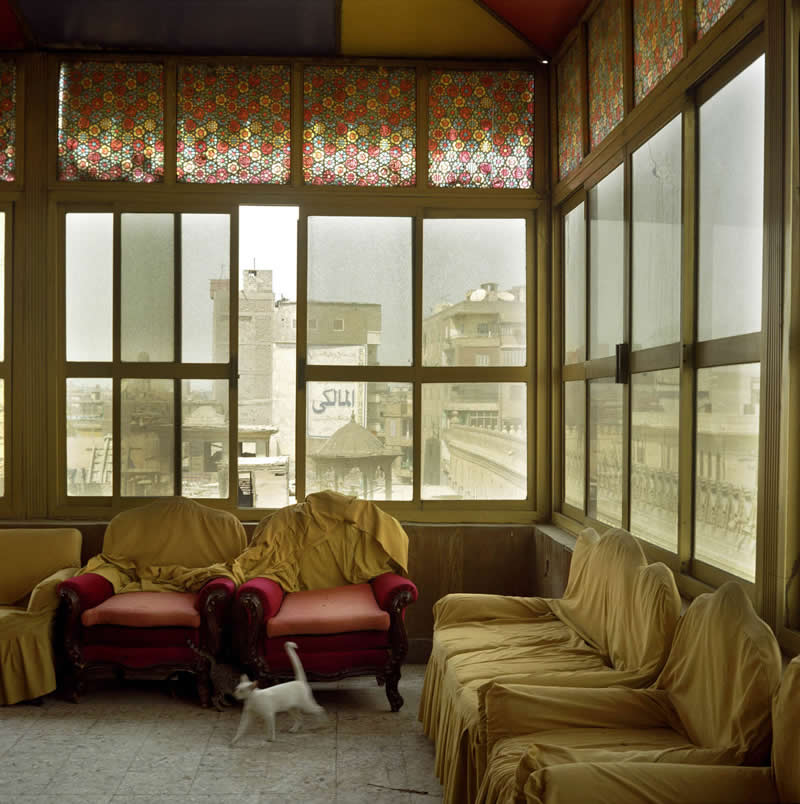
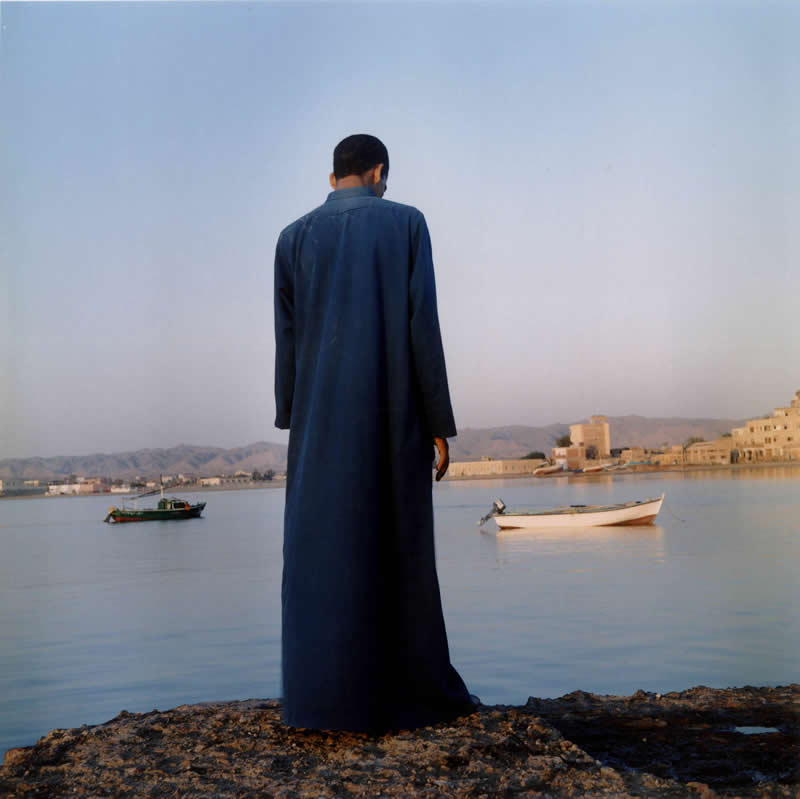
In Denis Dailleux’s photographs, Cairo doesn’t behave like a setting—it breathes, watches, and responds. The city isn’t reduced to chaos or spectacle. Instead, it appears calm, generous, and deeply aware of the photographer moving through it. Streets feel personal. Interiors feel sacred. Even crowded spaces carry an unexpected stillness.
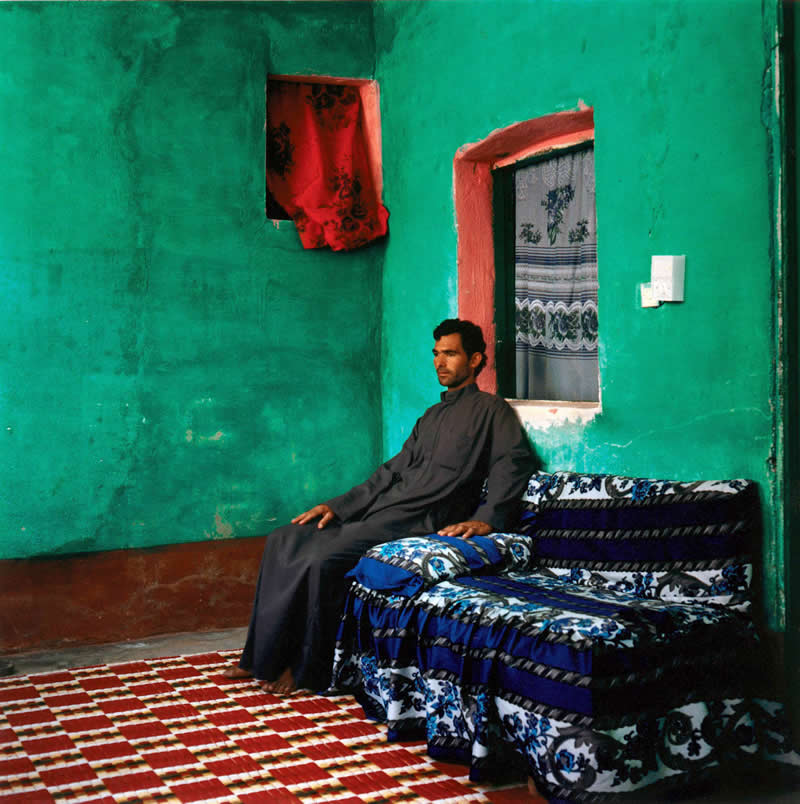
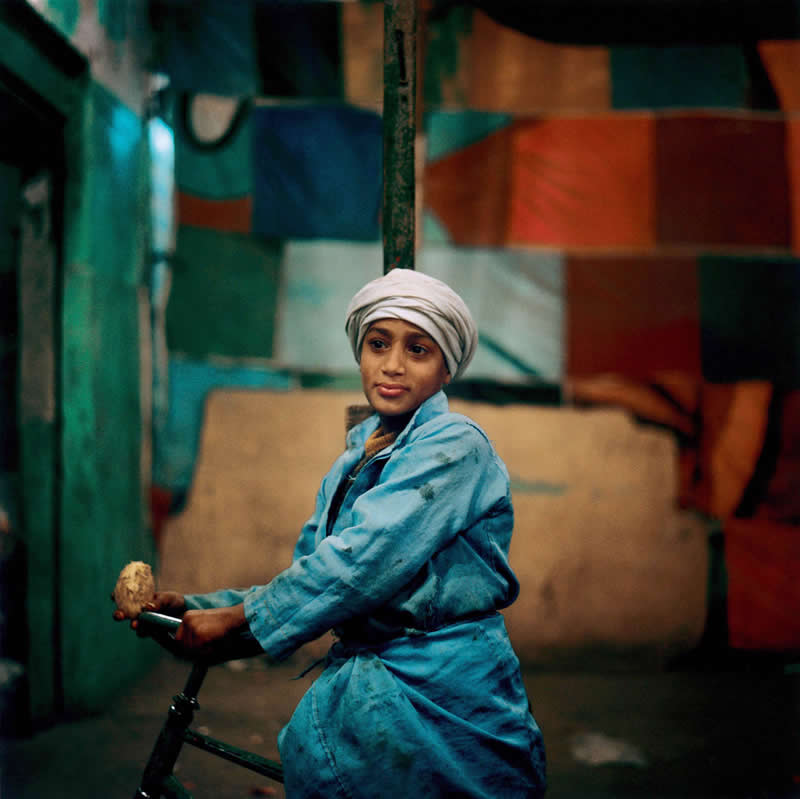
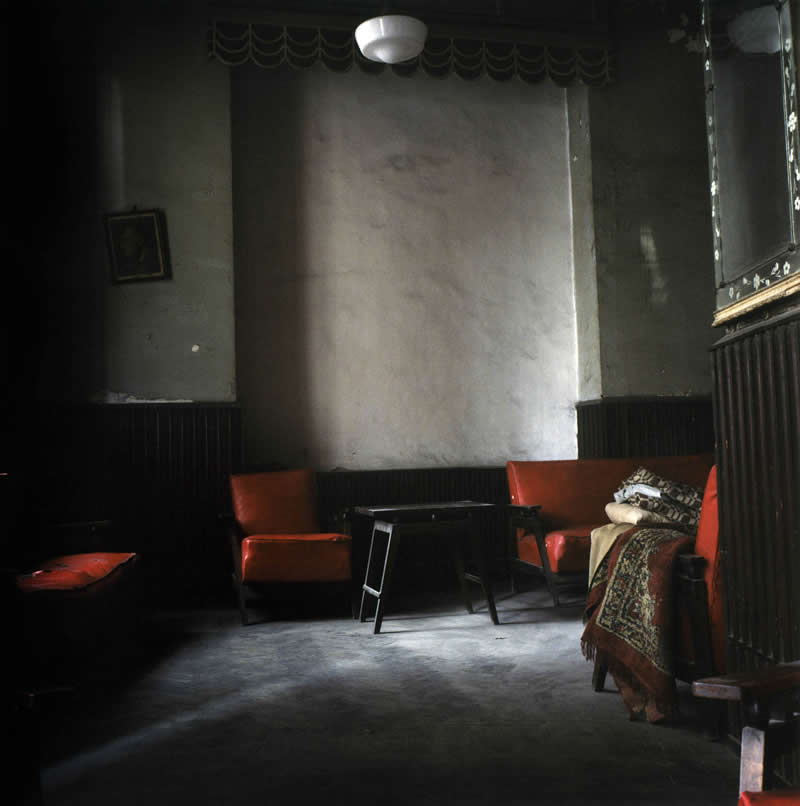
Dailleux avoids the postcard version of Egypt entirely. There are no grand statements here, no visual noise screaming for attention. What he offers instead is presence. A man leaning in a doorway. A woman caught mid-thought. A wall holding decades of sunlight. These details turn Cairo into a collaborator rather than a subject.
What makes this work hit harder is how unforced it feels. You sense trust everywhere—in the way people meet the camera without performing, and in how the city reveals itself without defense. Cairo, through Dailleux’s lens, becomes a place that allows itself to be seen honestly, without exaggeration or apology.
#6
#7
#8
#9
#10
Portraits Built on Trust, Not Control
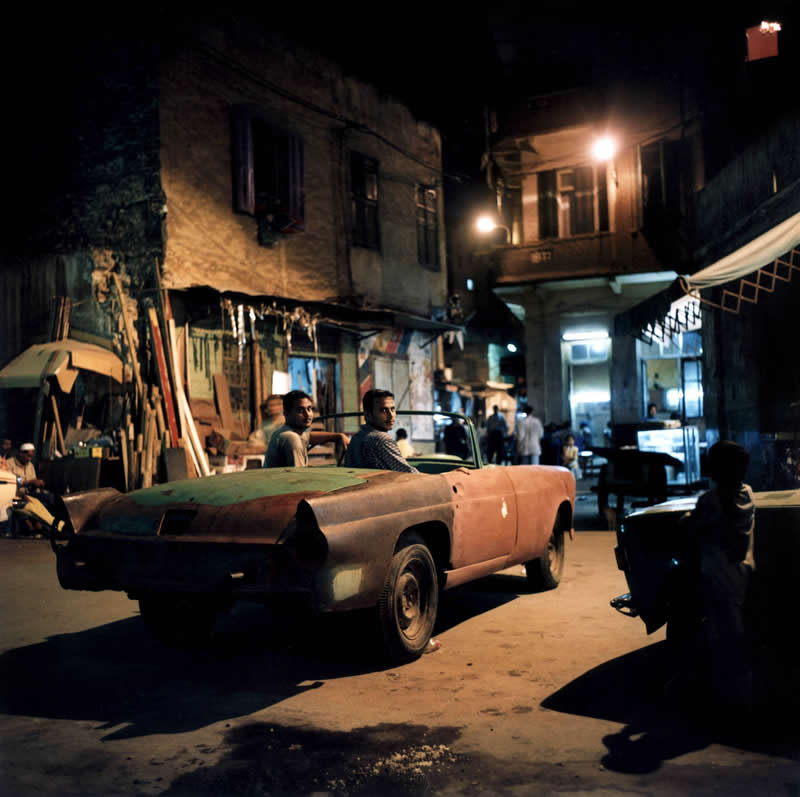
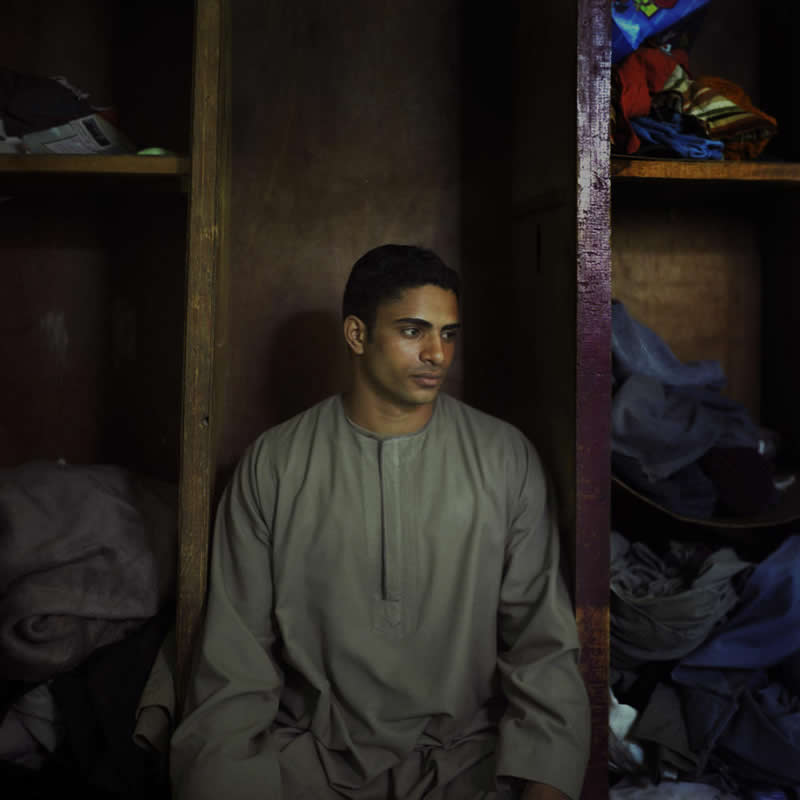
Dailleux’s portraits don’t feel taken—they feel given. His process is rooted in patience and respect, allowing subjects to decide how much of themselves they want to reveal. He never asks for emotion. He waits for it. That’s why his images feel so raw yet dignified.
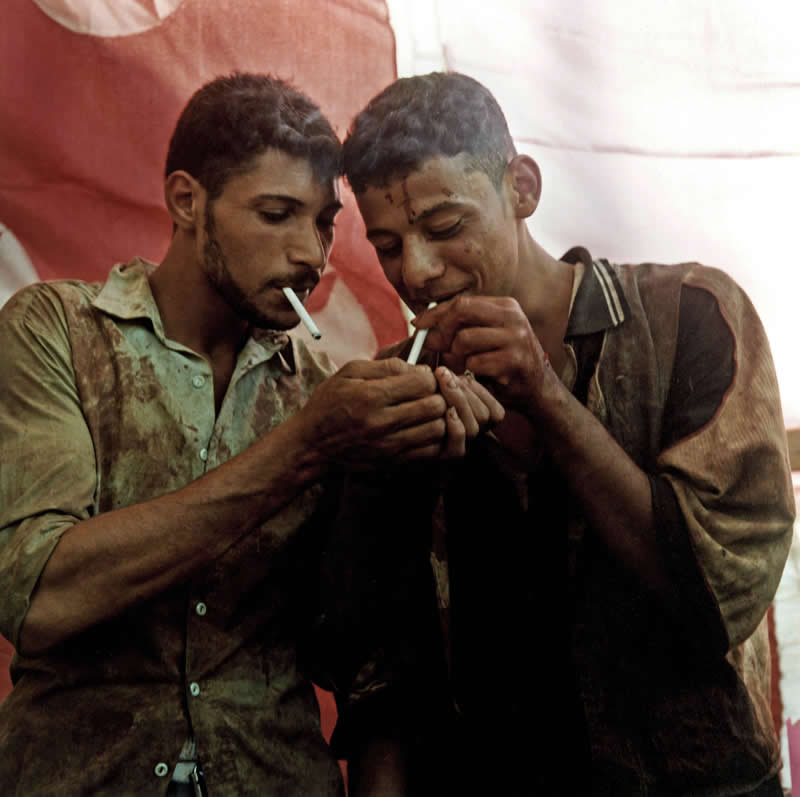
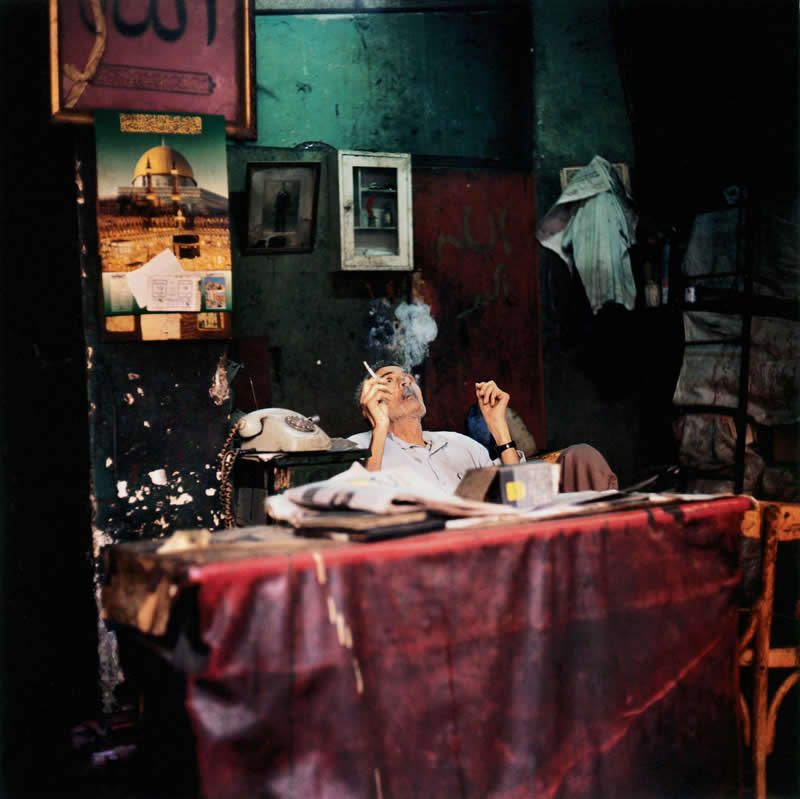
Whether photographing public figures or anonymous residents, he approaches everyone with the same humility. There’s no hierarchy in his work—only human presence. Faces are framed simply, often surrounded by silence. Eyes do the talking. Hands rest naturally. Nothing feels staged.
This approach creates portraits that linger. You don’t just look at them—you feel them. There’s vulnerability, but never exploitation. Strength, without bravado. Dailleux proves that true intimacy in photography comes from restraint, not intrusion.
#11
#12
#13
#14
#15
Light, Shadow, and the Poetry of Restraint
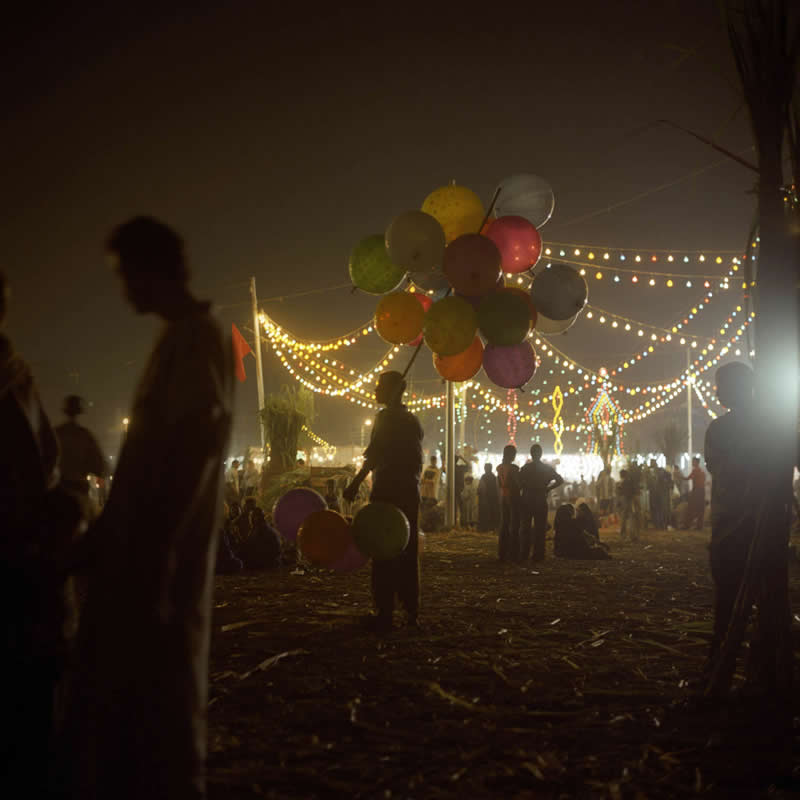
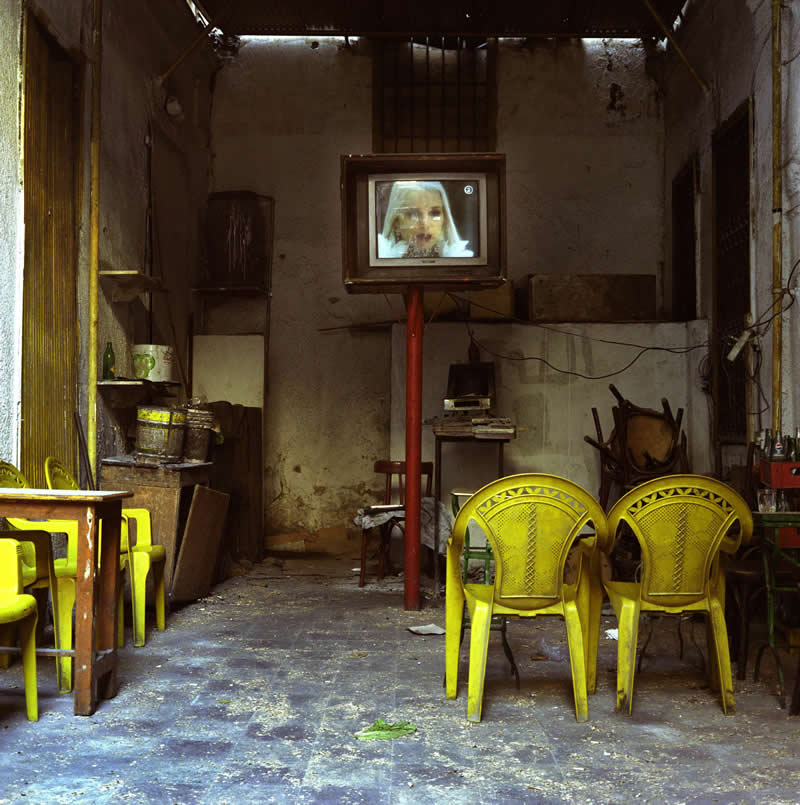
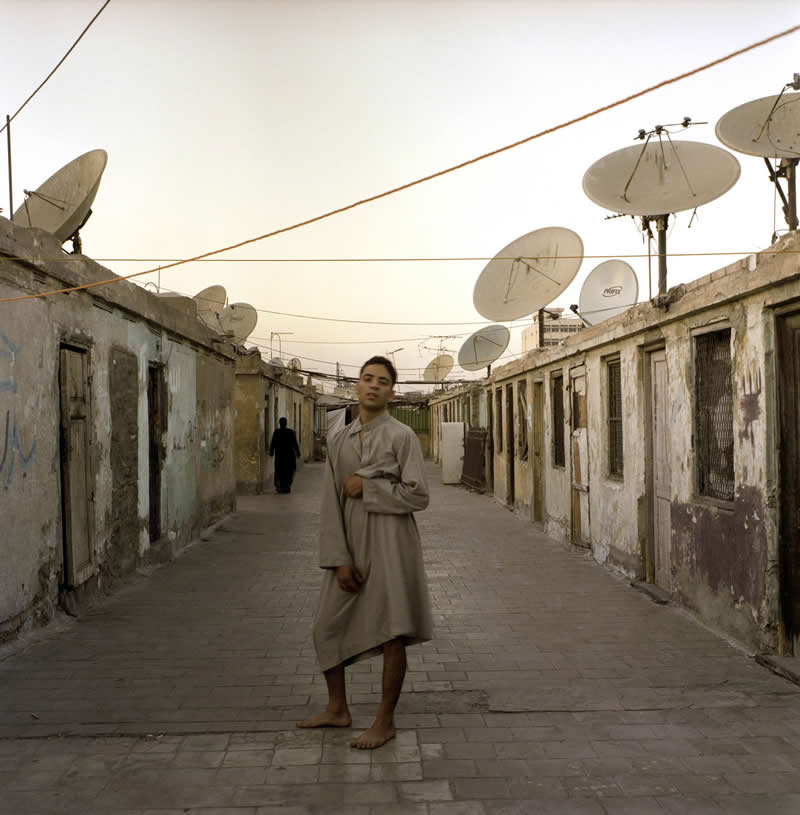
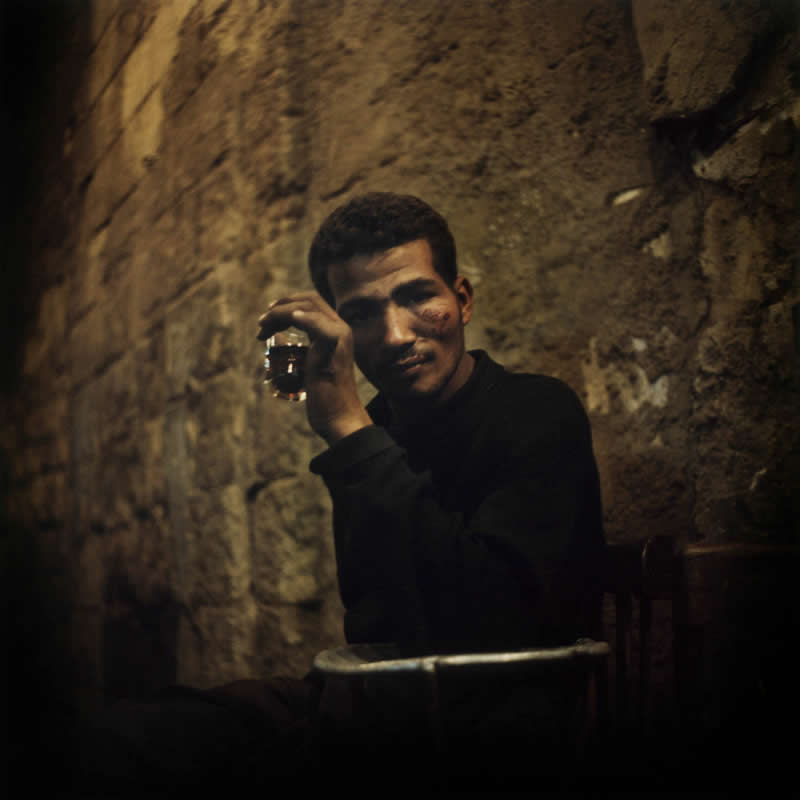
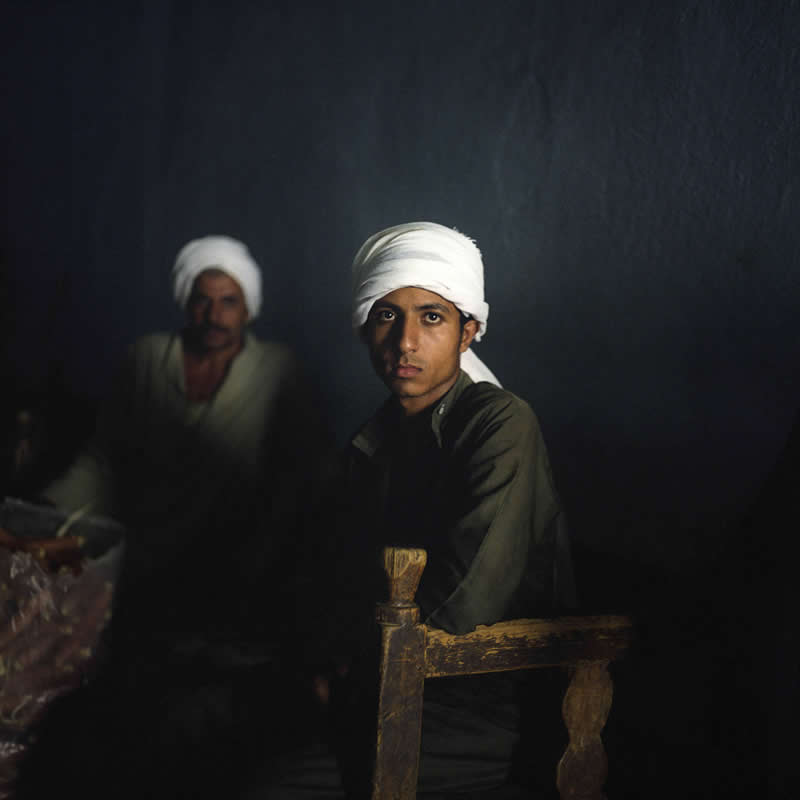
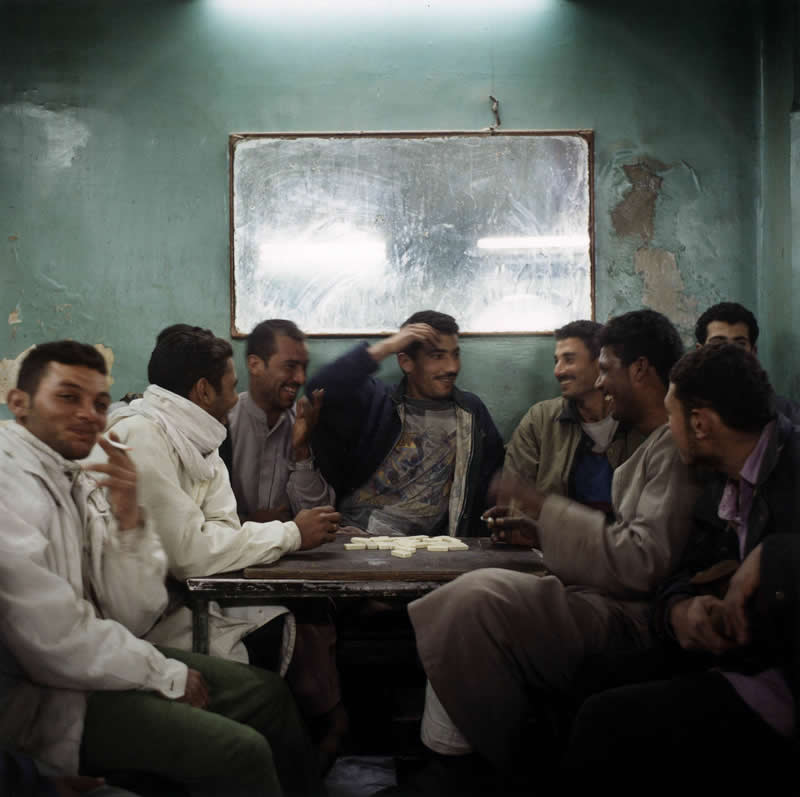
Light is everything in Dailleux’s Egypt. Soft, filtered, and almost reverent, it wraps around his subjects rather than spotlighting them. Shadows aren’t used for drama—they’re used for balance. Together, they create a visual rhythm that feels timeless.
His color work is understated, favoring muted tones over visual excess. Nothing feels decorative. Everything feels intentional.
This restraint is what separates his work from typical cultural imagery. By stripping things back, Dailleux allows emotion to surface naturally. The light doesn’t overwhelm the subject—it listens to it. And that quiet collaboration is where the magic lives.
#16
#17
#18
#19
#20
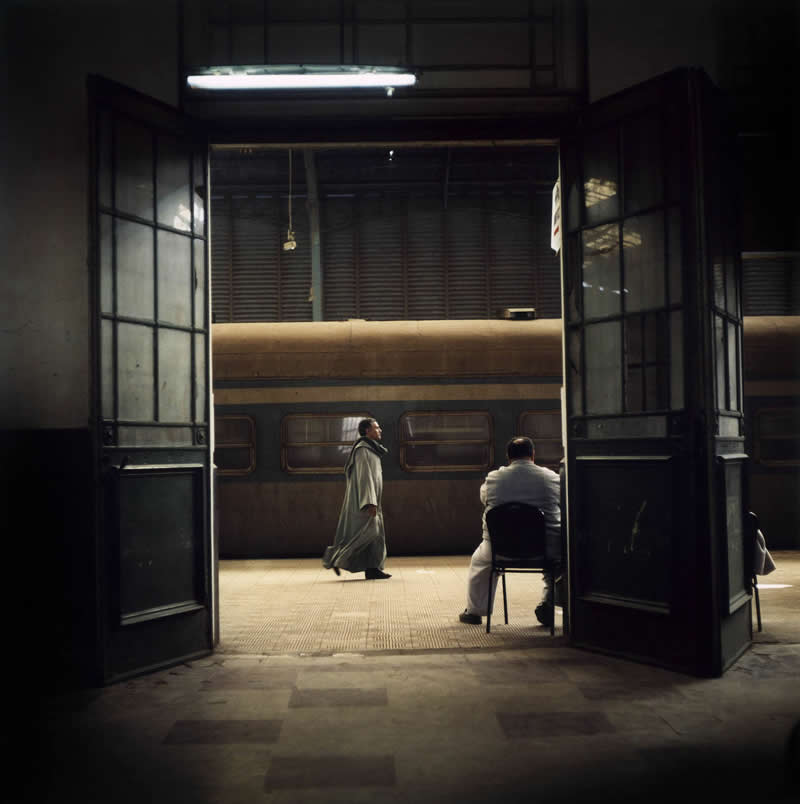
An Alternative to Clichés, A Portrait of Real Egypt
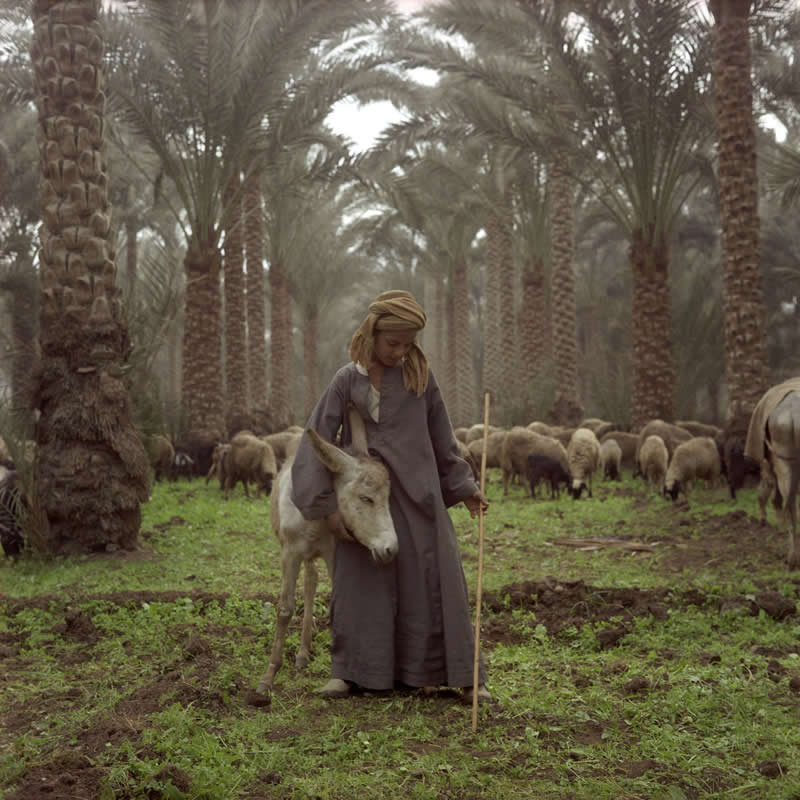
Dailleux’s Cairo stands as a direct counterpoint to the clichés that dominate visual narratives of Egypt. There’s no spectacle, no exotic framing, no simplified storytelling. What he offers instead is complexity, tenderness, and lived reality.
His images focus on people—not as symbols, but as individuals with inner worlds. This approach reshapes how we see the city. Cairo becomes less about myth and more about memory. Less about noise, more about nuance.
Over years of returning, Dailleux has built a portrait of Egypt that feels honest and enduring. It’s a reminder that the most powerful photography doesn’t explain a place—it listens to it.
#21
#22
#23
#24
#25
#26
In Summary
Who is Denis Dailleux?
- He is a French photographer known for intimate, human-centered portraiture.
What makes his Egypt photos unique?
- They avoid clichés and focus on quiet emotion, trust, and everyday life.
Why does Denis Dailleux keep returning to Cairo?
- Because of his deep emotional bond with the city and its people.
What style defines his photography?
- Subtle color, and a calm, patient approach.
What do these 26 photos represent?
- A timeless, deeply personal portrait of Cairo and its humanity.