
Some stories don’t shout—they gently tap you on the shoulder and stay with you. That’s exactly what happens when you step into the world of Diana Bagnoli. Since 2015, Diana has been quietly building a deeply human photo project that explores one powerful idea: love doesn’t care what species you belong to.
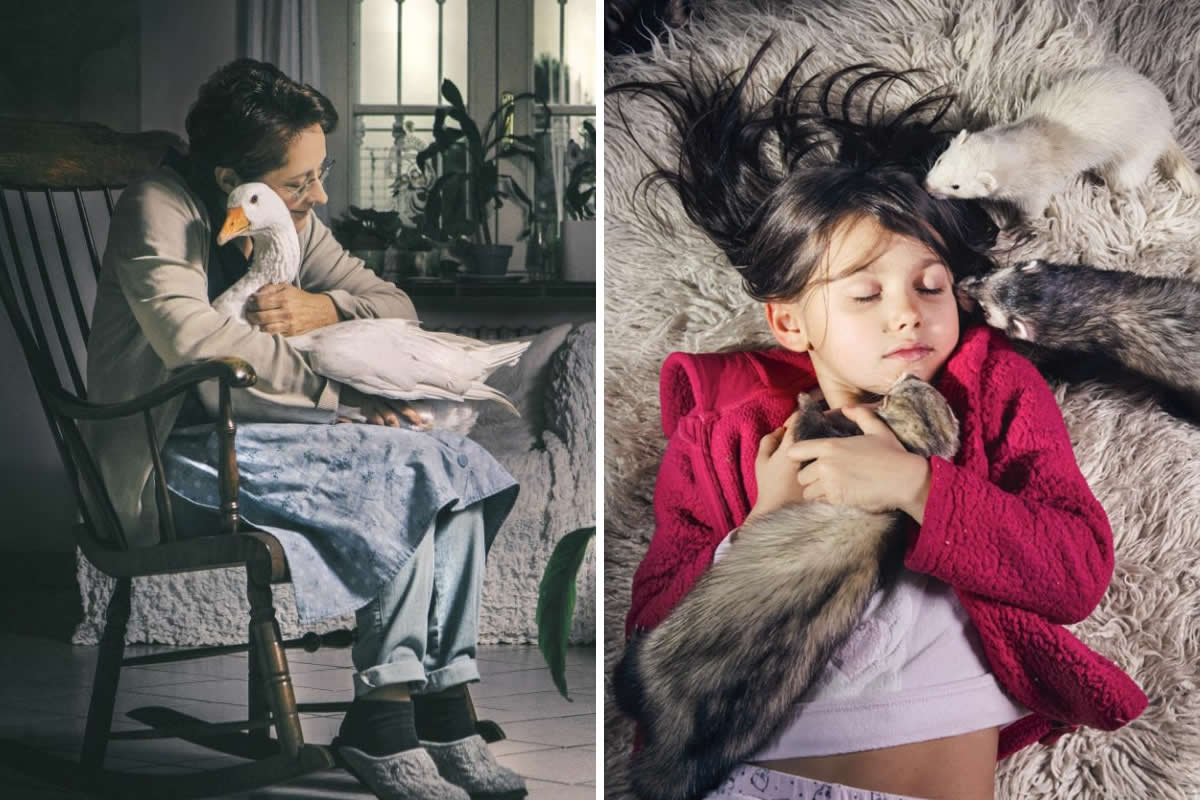
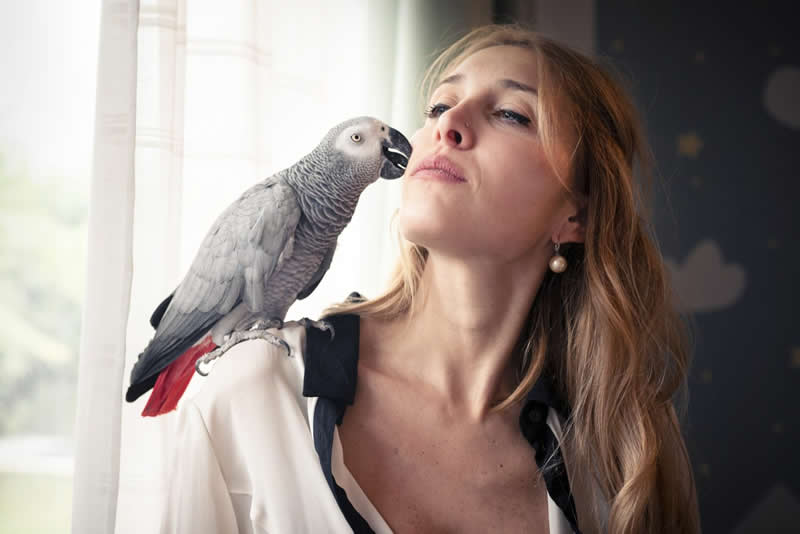
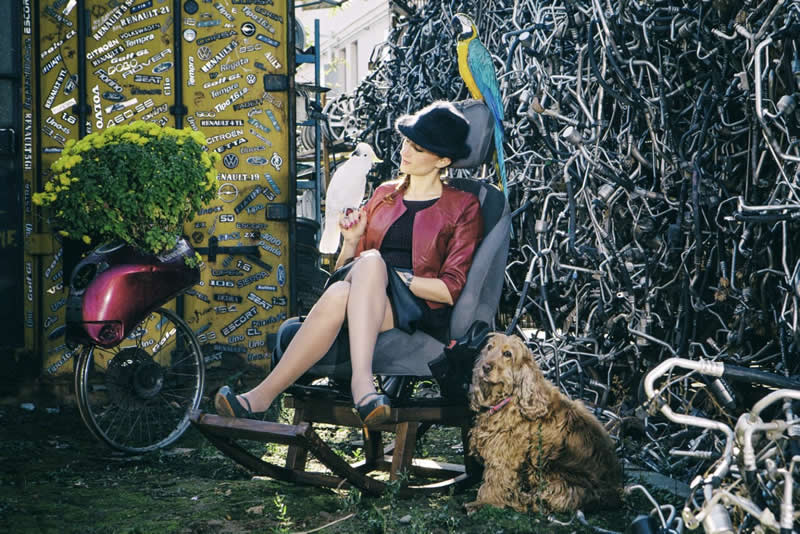
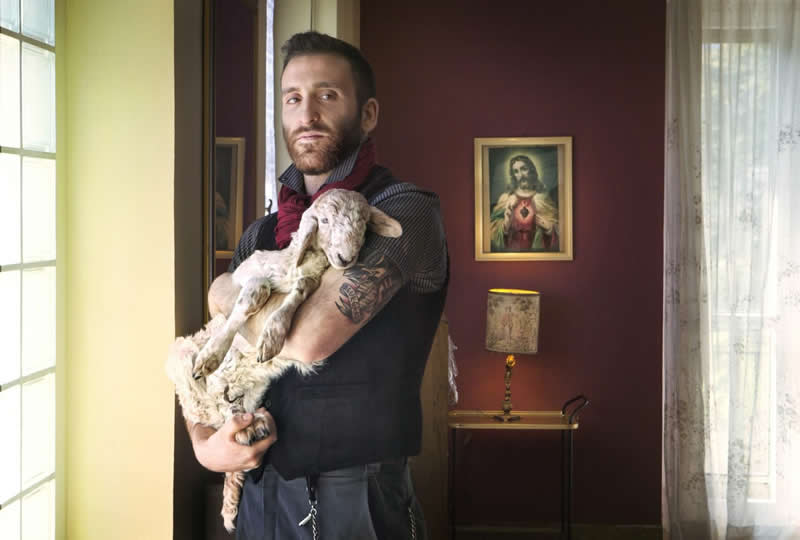
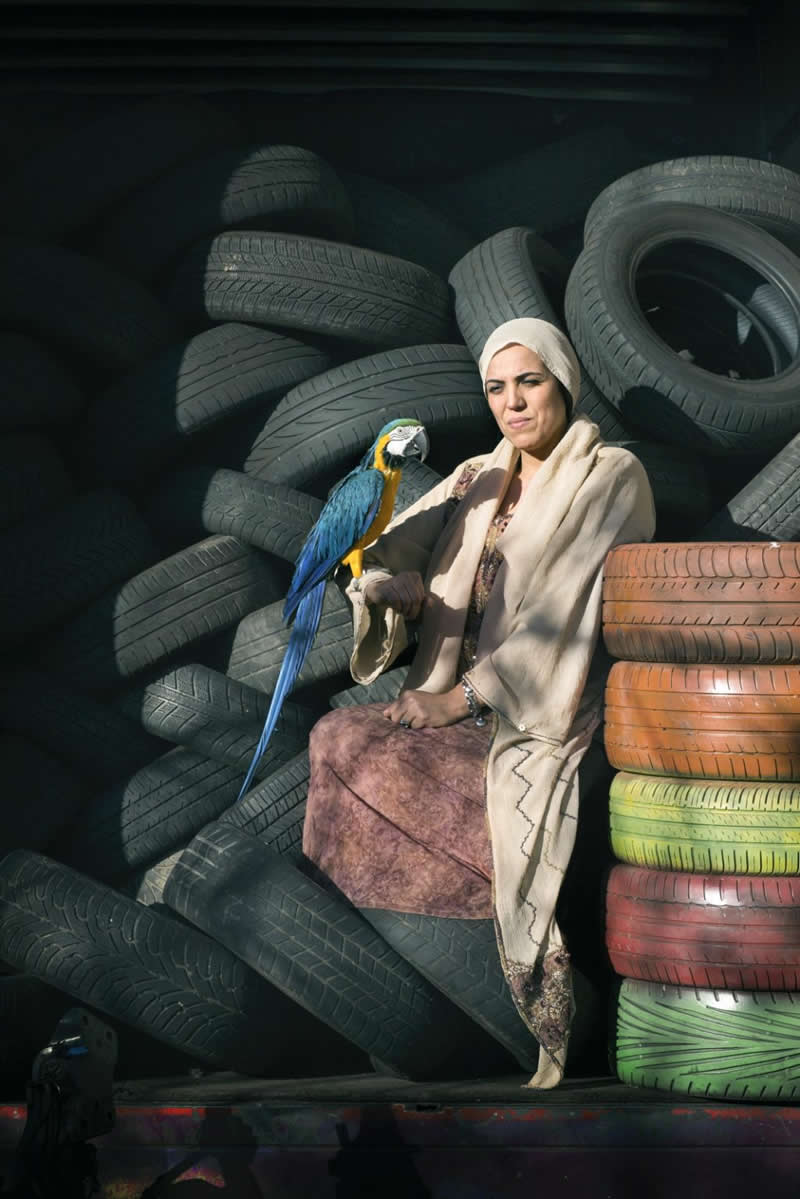
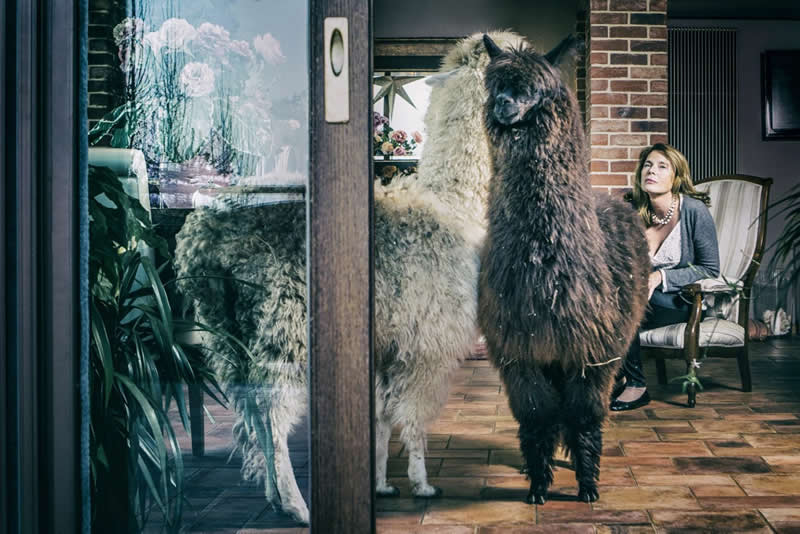
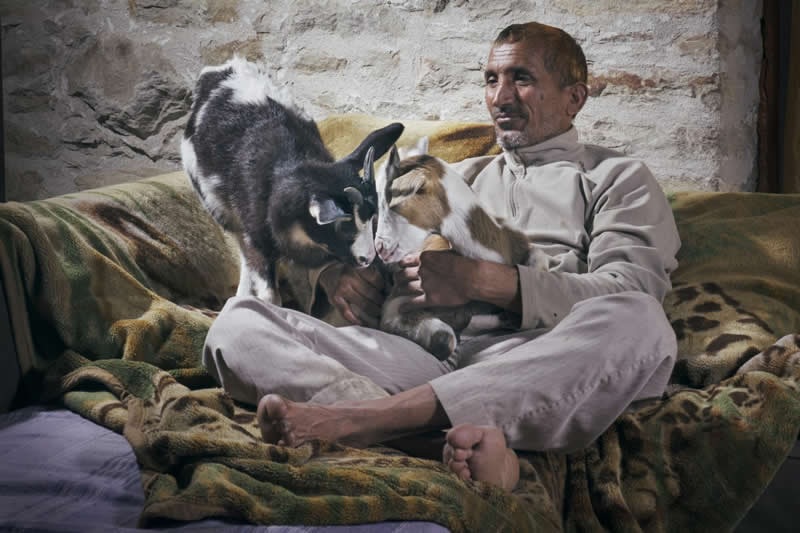
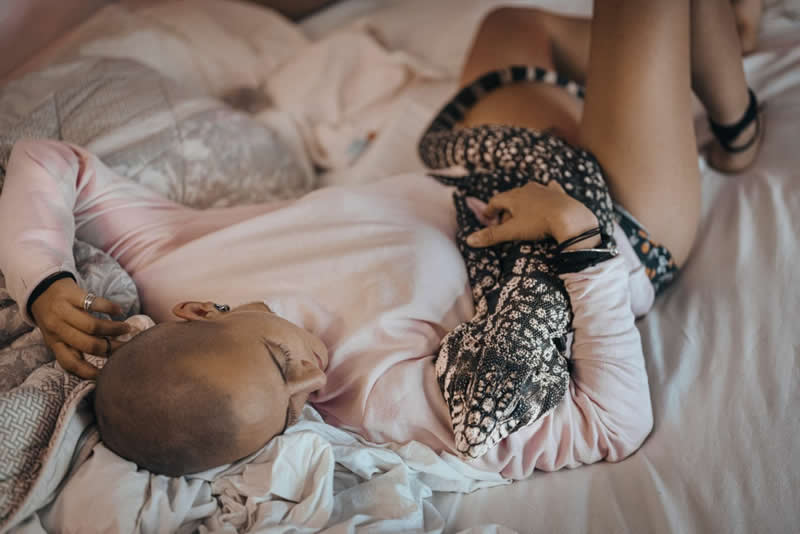
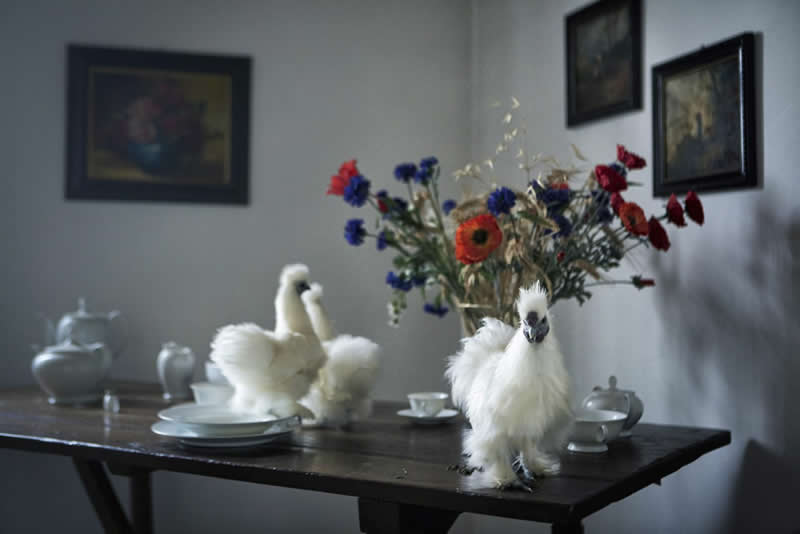
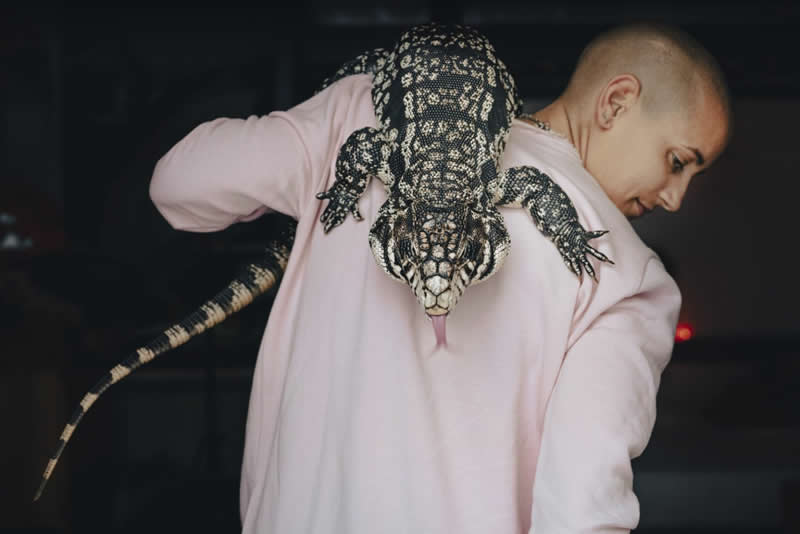
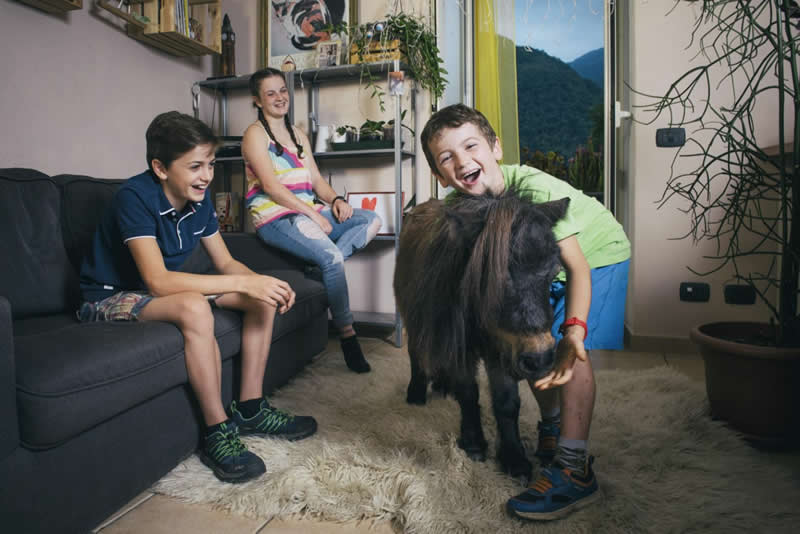
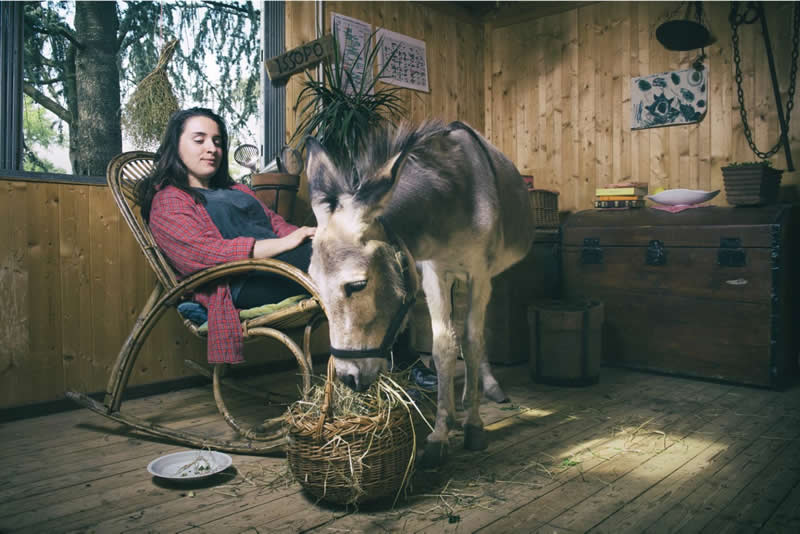
Working close to her hometown in Northern Italy, Diana began photographing people who share their lives with what society might label “unusual pets.” Not dogs. Not cats. But pigs rescued from slaughterhouses, insects raised with tenderness, animals most people overlook—or actively avoid. What surprised her wasn’t the rarity of these relationships, but how many people genuinely care, deeply and selflessly.
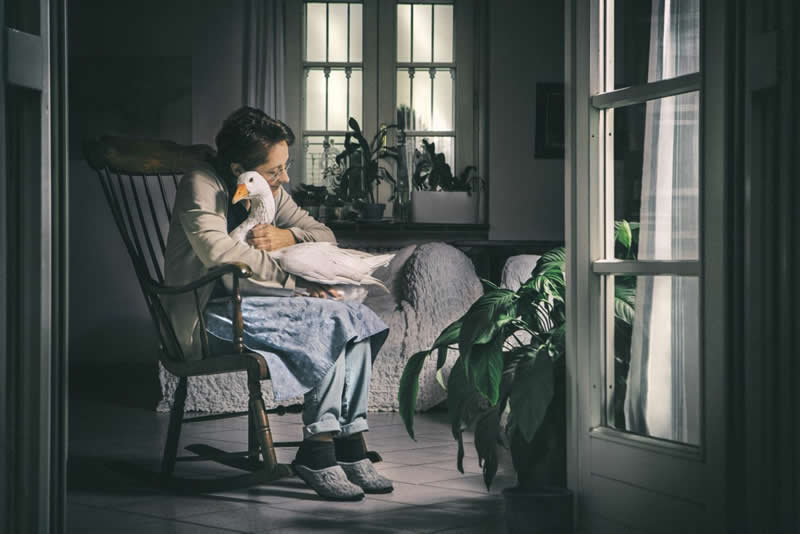
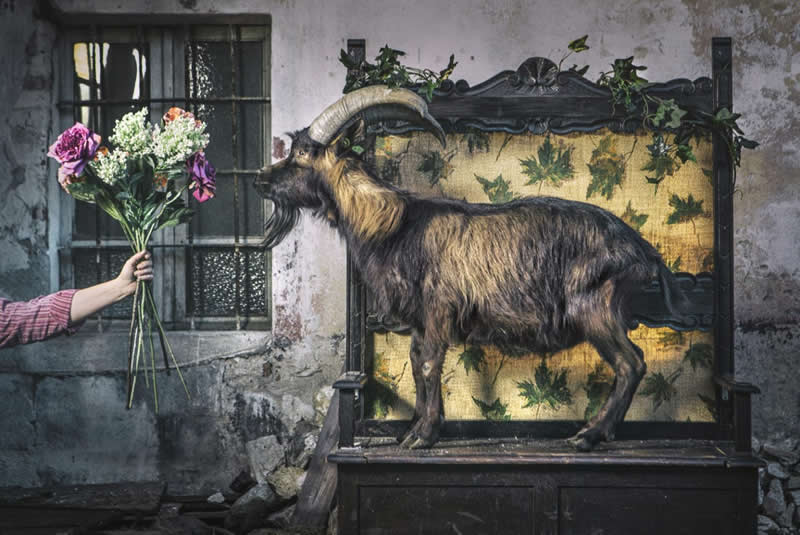
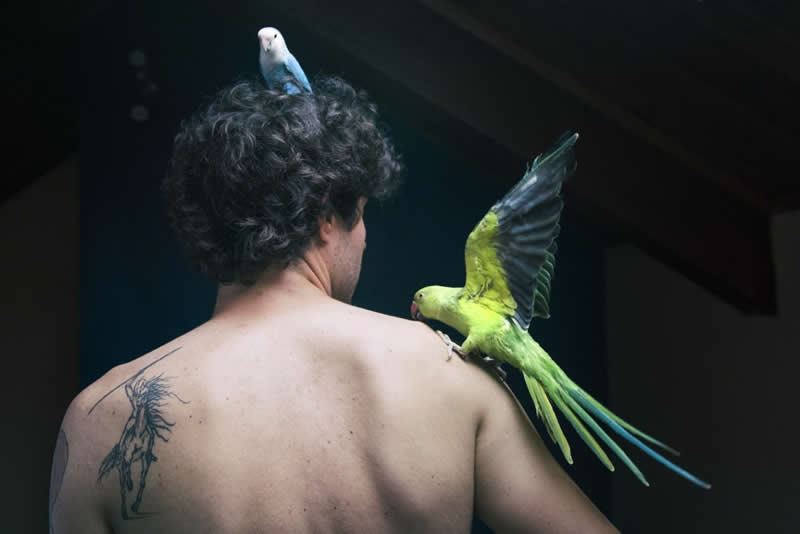
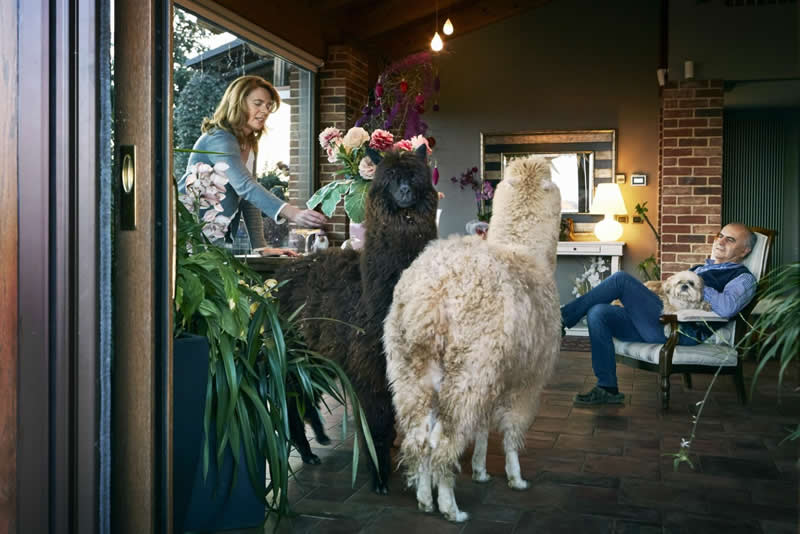
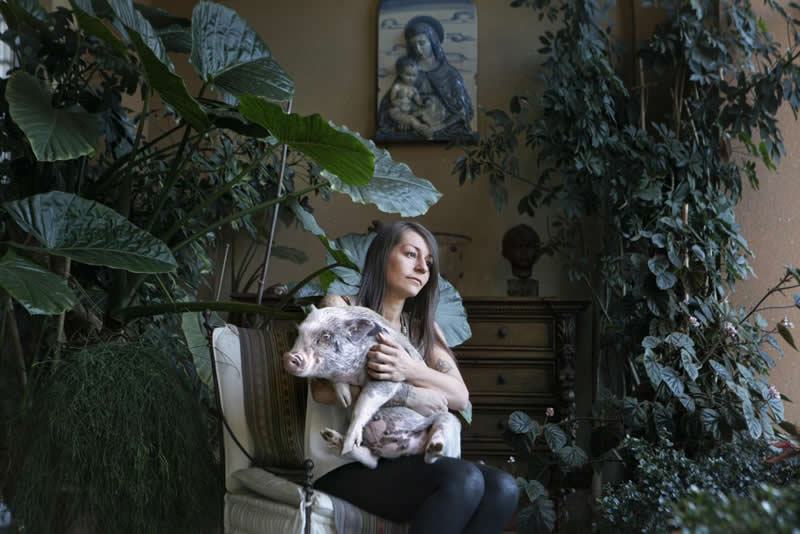
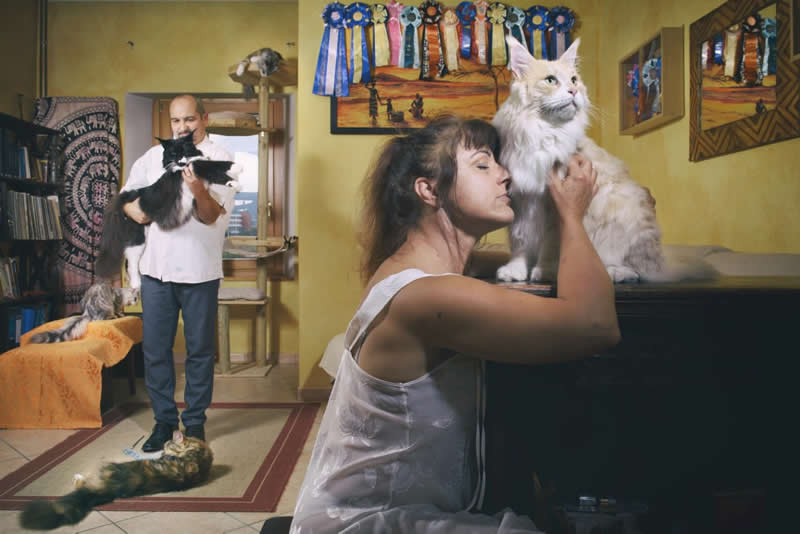
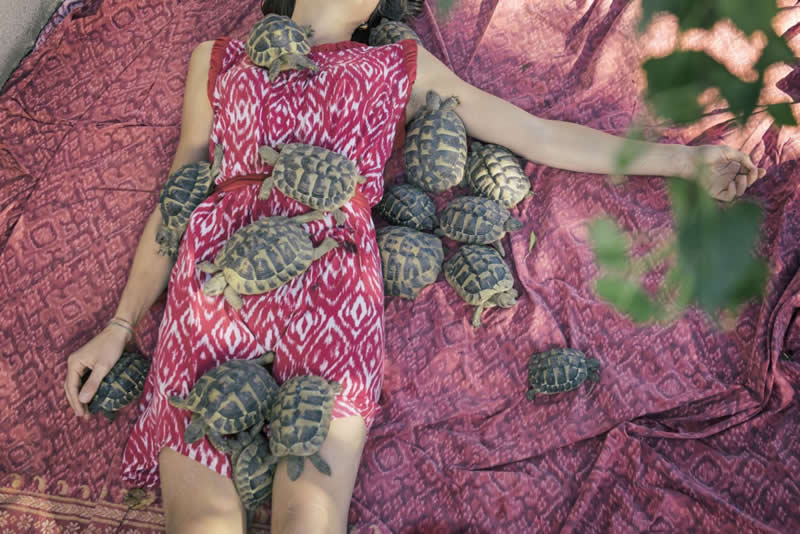
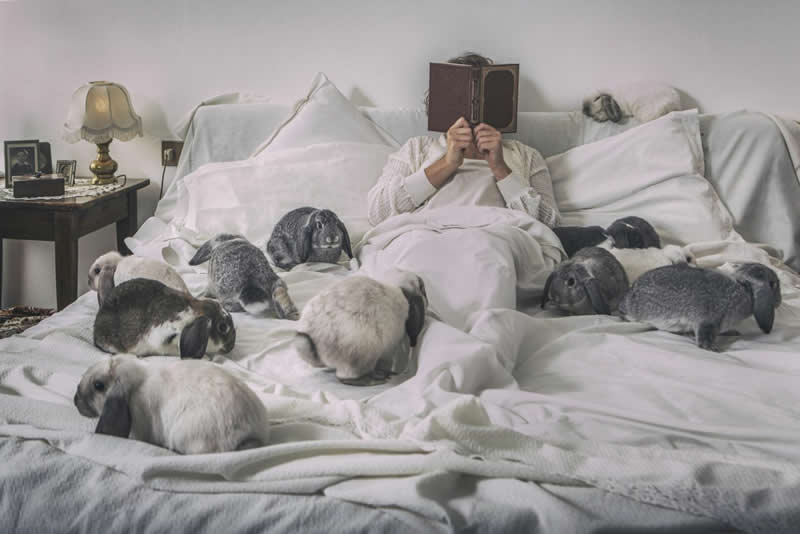
These photographs aren’t about shock value. They’re about connection. Some subjects tell stories of midnight rescues, sneaking into factories to save a pig’s life. Others speak softly about years spent learning the personality of an animal, developing a wordless language built on trust. Sometimes the human is present in the frame. Sometimes they’re not. But every image suggests intimacy, comfort, and a shared emotional space.
Diana’s background in portraiture and reportage shapes every frame. Studying photography in Barcelona, her career has always revolved around social and environmental stories—giving voice to marginalized lives, whether human or animal. Her lens doesn’t judge. It listens.
As the world slowly rethinks its relationship with nature—from food systems to conservation—this project feels timely, urgent, and oddly comforting. These 30 heartwarming photos don’t ask you to agree with every lifestyle choice. They simply invite you to feel. And once you do, it’s impossible to look away.
You can find Diana Bagnoli on the web:
#1

#2

#3
#4

#5
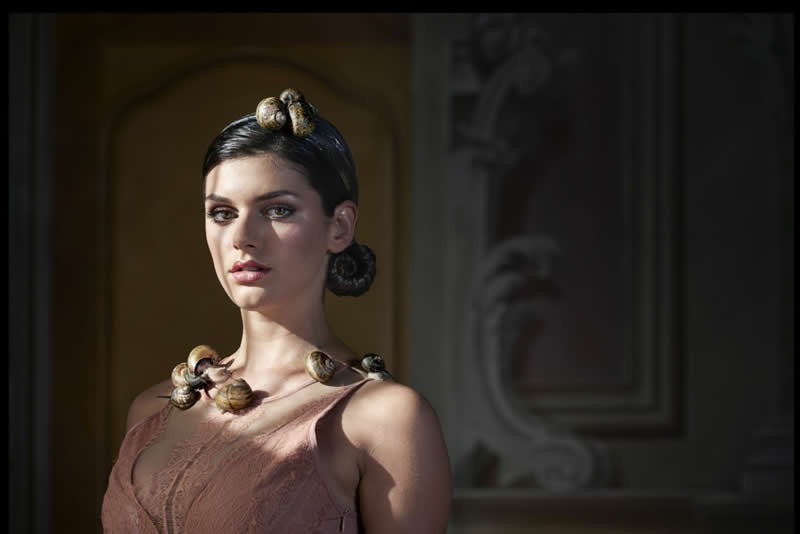
Unusual Pets, Unbreakable Bonds
What happens when companionship doesn’t fit the norm? Diana Bagnoli’s work answers that question without explaining it away. Her portraits show people and animals connected through touch, routine, and shared time—whether it’s a rescued pig lounging comfortably indoors or a human gently tending to insects with near-parental care.
These relationships aren’t performative. They’re lived-in. Many of the people Diana photographs don’t see themselves as activists. They’re just individuals who listened to empathy instead of habit. Over time, they learned how to communicate with animals others refuse to understand.
The magic lies in how ordinary these moments feel. No spectacle. No exaggeration. Just a quiet sense of belonging. Diana proves that love doesn’t need familiar shapes—it just needs patience and presence.
#6
#7
#8
#9
#10
From Sanctuaries to Silent Rescues
Diana’s journey led her into animal sanctuaries, vegan communities, and deeply personal spaces where ethics guide everyday choices. Some stories are calm and reflective. Others are raw—like activists who broke into factories at night, faces covered, hearts racing, all to save a single life.
These moments aren’t dramatized. They’re respected. Diana approaches each subject with trust, allowing people to share their truth without fear of judgment. The result is photography that feels honest, intimate, and grounded.
Her images don’t glorify heroism. Instead, they focus on compassion as a daily practice—small decisions repeated over time. In doing so, they redefine what activism can look like: quiet, consistent, and deeply human.
#11
#12
#13
#14
#15
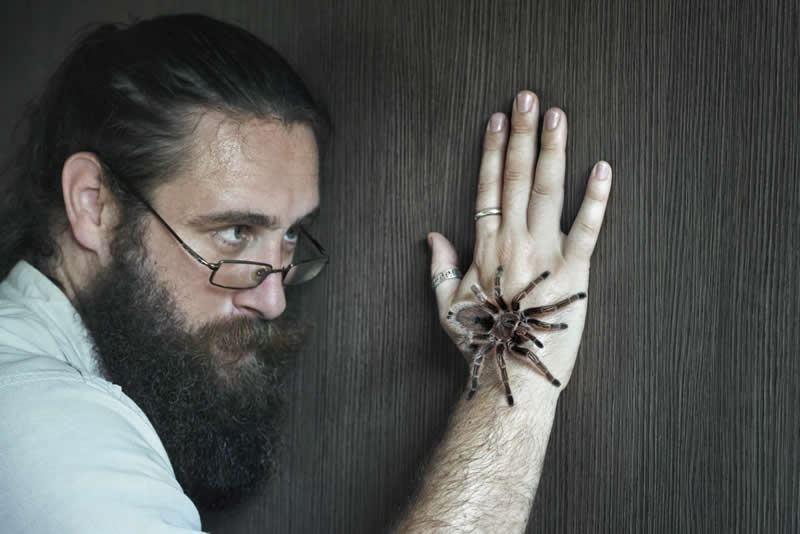
Insects, Intimacy, and Breaking Cultural Taboos
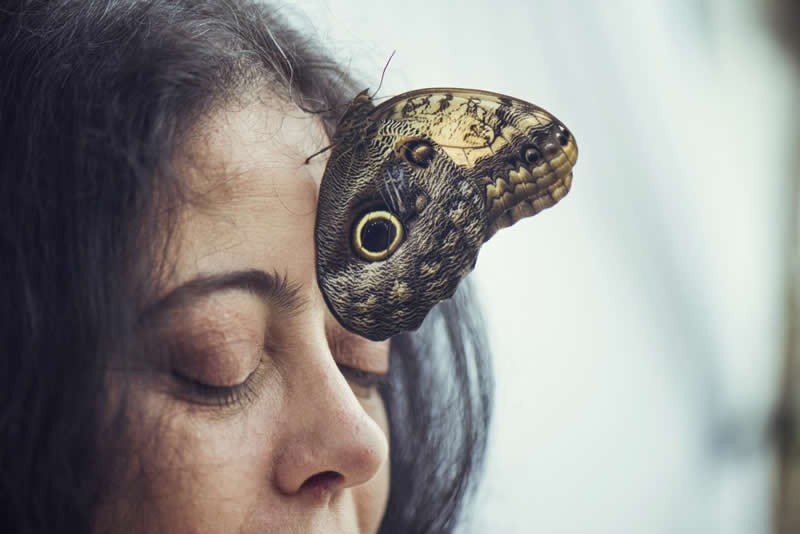
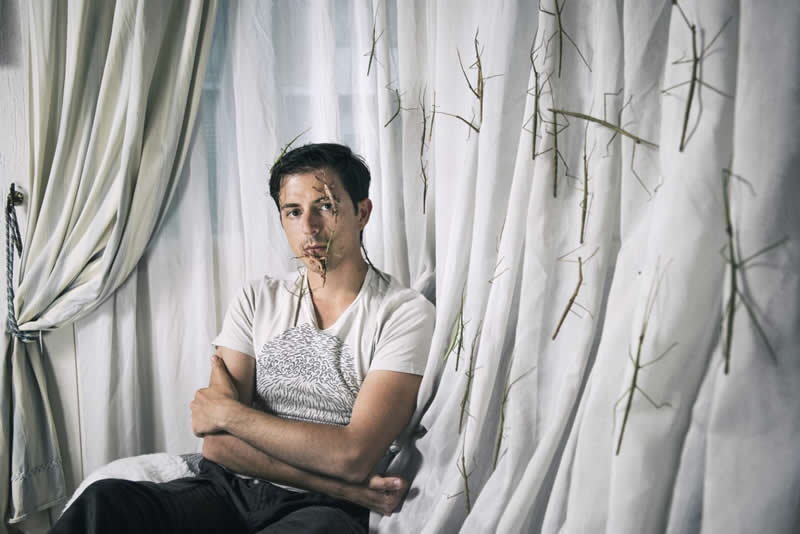
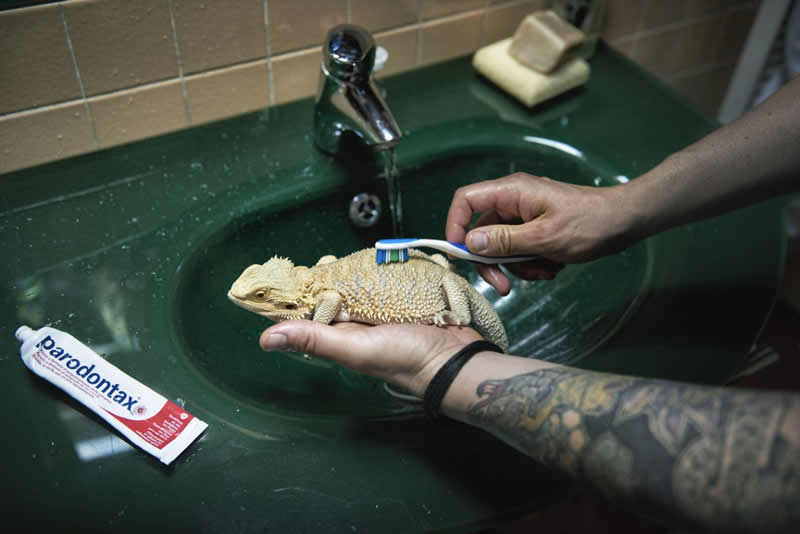
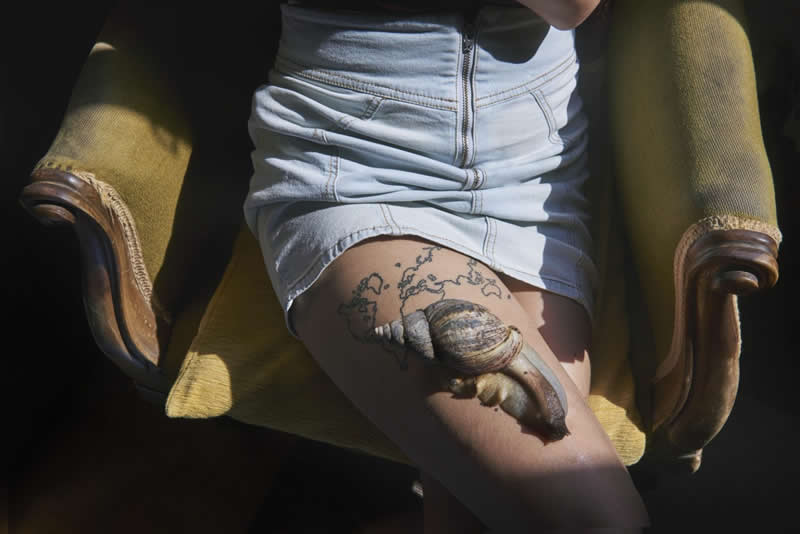
One of the most unexpected chapters of this project dives into the world of insects. While many in the West still react with discomfort, Diana discovered a growing community of insect breeders and lovers who see beauty where others see fear.
These portraits challenge repulsion with tenderness. People speak lovingly about bugs—their character, importance to the planet, and delicate role in ecosystems. According to FAO reports, insects may soon be part of global food culture, but Diana’s work goes deeper than trends.
She captures emotional connections that feel surprisingly soft. It’s not about convincing—it’s about understanding. And once you see these images, it becomes clear: respect can exist even at the smallest scale.
#16
#17
#18
#19
#20
A Career Built on Empathy and Storytelling
Diana Bagnoli’s career spans continents and causes. From being named Photographer of the Year at the FIOF Photography Awards in 2009 to documenting indigenous mysticism across five countries, her work has always centered on belief, connection, and identity.
In 2020, she received support from the National Geographic Society to document the Cuban medical brigade during the pandemic—work that later became the book Juntos. Across projects, the theme remains the same: relationships matter.
Whether photographing humans, animals, or communities in crisis, Diana approaches every story with care. Her camera doesn’t extract—it collaborates.
#21
#22
#23
#24
#25
Portraits That Speak Without Explaining
Each photograph in this series stands alone, yet together they form a quiet manifesto. Some frames include humans. Others don’t. But every image suggests interaction—an invisible thread tying worlds together.
Diana doesn’t force meaning. She allows space for interpretation, trusting the viewer to feel what’s happening. That restraint is what makes the work powerful.
In a time when images compete for attention, these photos slow you down. They remind you that connection doesn’t need labels, and love doesn’t follow rules. Sometimes, it just exists—and that’s enough.
#26
#27
#28
#29
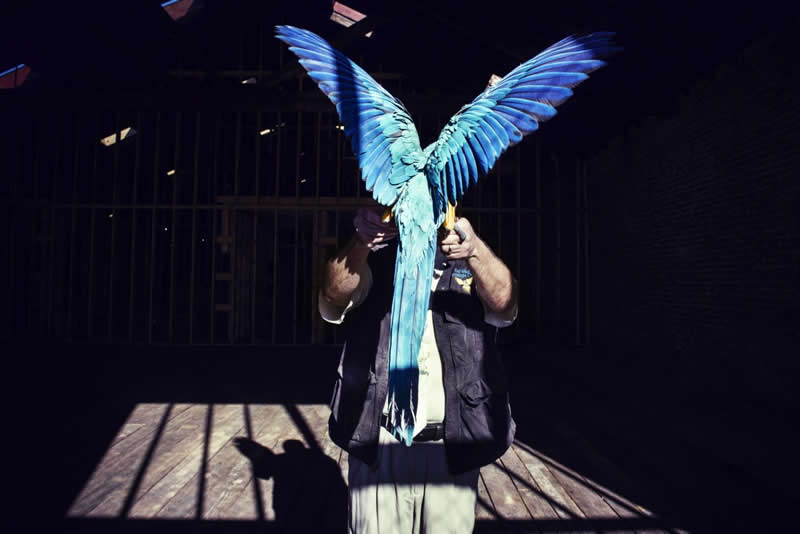
#30
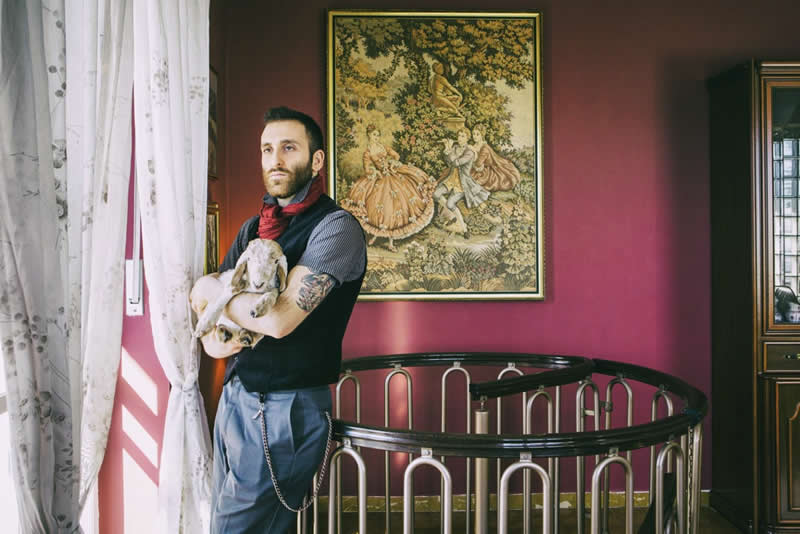
In Summary
Who is Diana Bagnoli?
- She is an Italian documentary photographer known for human-centered storytelling and social-environmental projects.
What is this photo project about?
- It explores emotional bonds between humans and unusual animals, including rescued livestock and insects.
Where was this project photographed?
- Primarily in Northern Italy, near Diana’s hometown.
Why does the project include insects?
- To challenge cultural taboos and highlight their ecological importance and emotional connections.
Where has Diana’s work been published or exhibited?
- Her work has appeared in National Geographic, The Guardian, The Washington Post, and exhibitions