
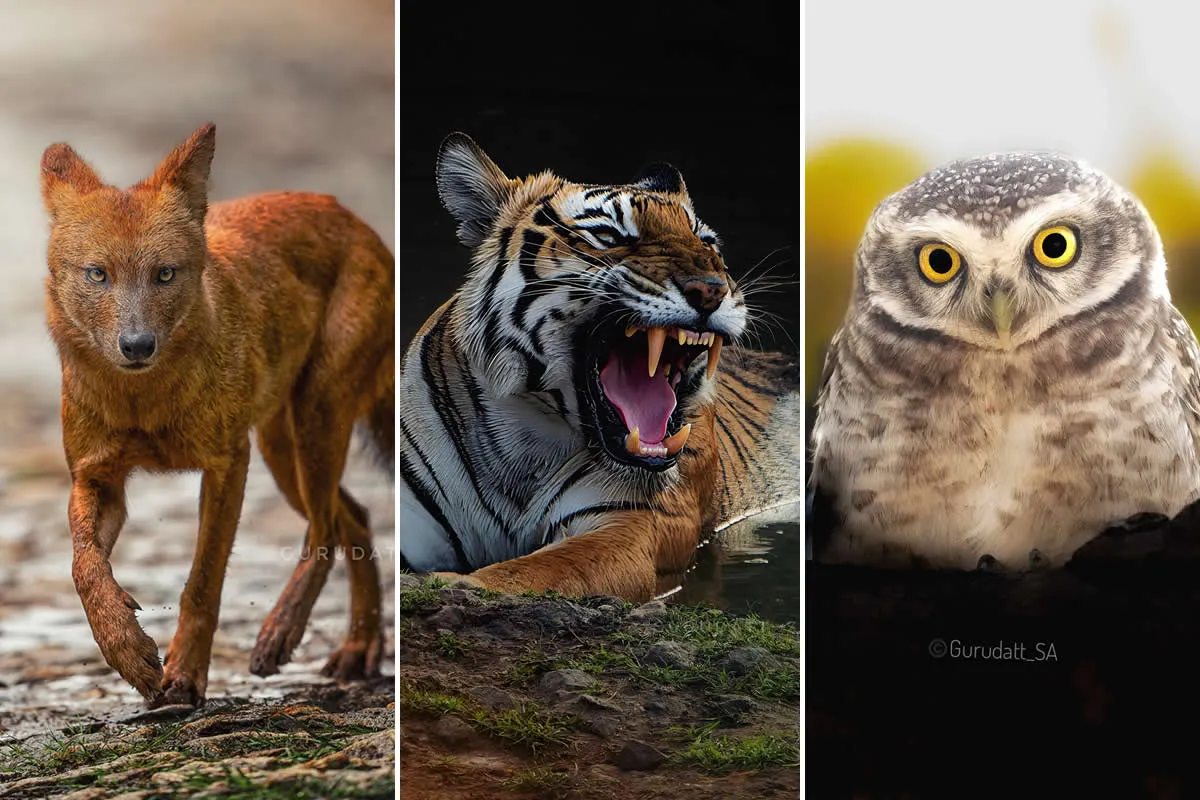
In a world obsessed with speed, drama, and instant gratification, the work of Gurudatt S A moves in the opposite direction—and that’s exactly what makes it hit so hard. His wildlife photography doesn’t scream for attention. It waits. It watches. It breathes. And then, in the quietest moments, it speaks volumes.
Based in Mysuru, Gurudatt’s closeness to some of India’s richest forest ecosystems has shaped the way he sees the wild—not as a backdrop for spectacle, but as a living, breathing space where stories unfold naturally. His images are rooted in patience, ethics, and deep observation. You won’t find forced interactions or overcooked drama here. Instead, you’ll see subtle expressions, calm body language, and those fleeting seconds when light, mood, and behavior align just right.
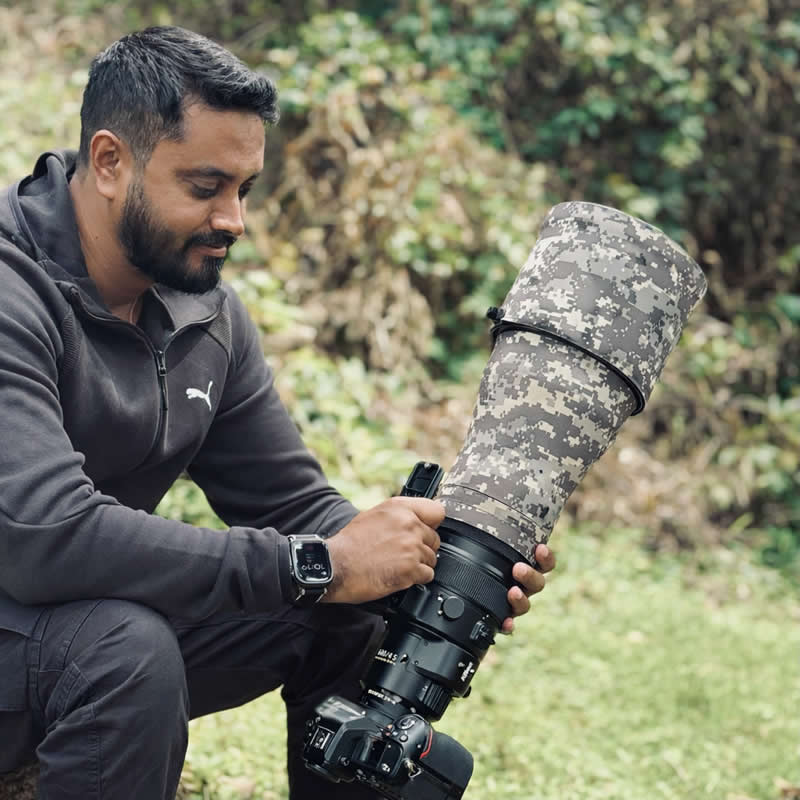
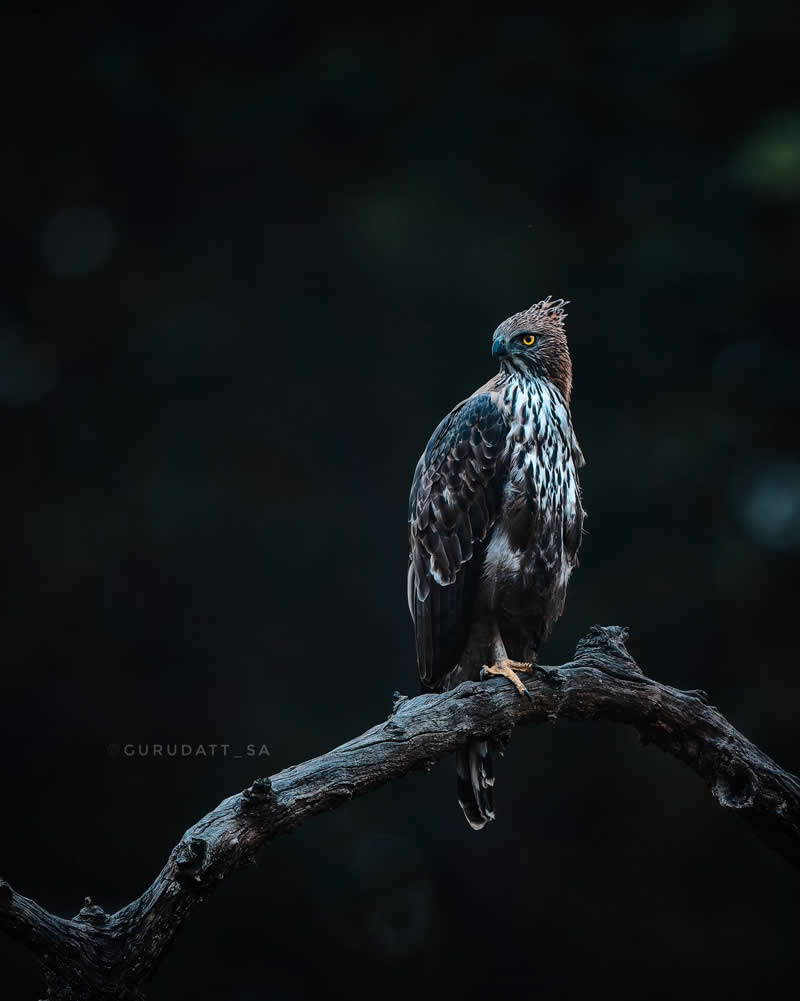
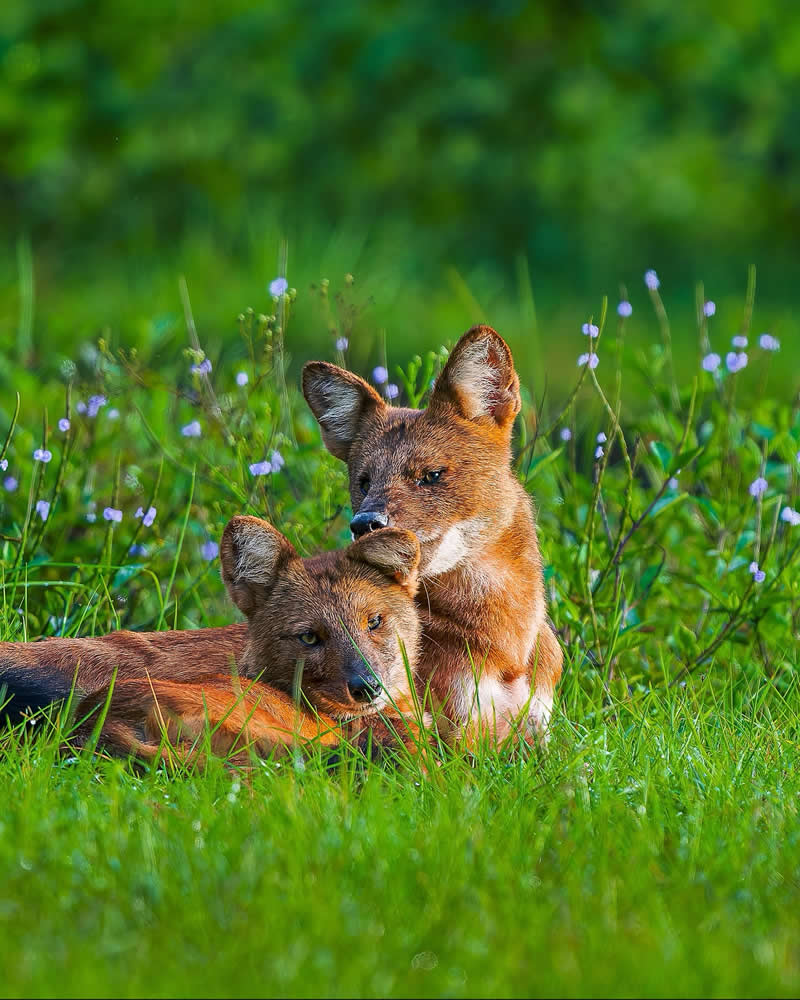
These 30 majestic wildlife photos aren’t about dominance or danger. They’re about coexistence. About respect. About understanding that the forest isn’t a stage—it’s a classroom. Gurudatt’s frames feel intimate because they’re earned through time spent waiting, learning, and blending into the environment rather than disrupting it.
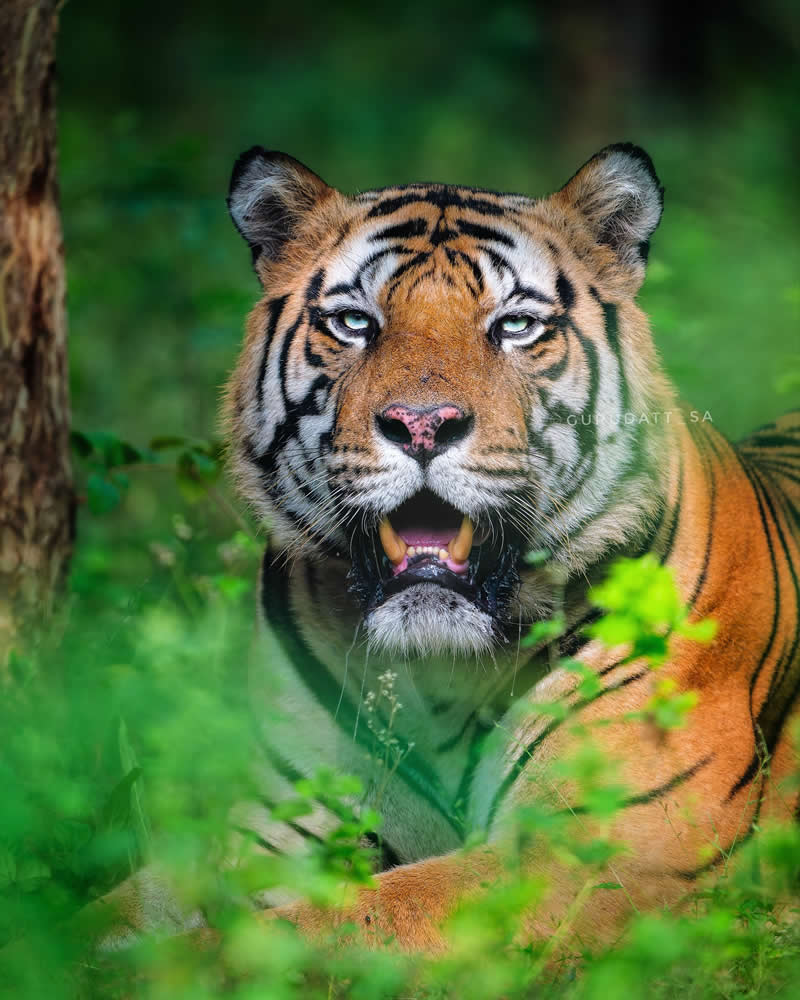
Color plays a quiet but powerful role in his work. Natural light wraps gently around his subjects, compositions feel intentional yet unforced, and framing is guided by instinct sharpened through countless hours in the field. Each image carries the mood of the forest it came from—sometimes calm, sometimes tense, often poetic.
More than just visuals, these photographs reflect the values behind them: ethical wildlife photography, conservation-first thinking, and genuine human behavior toward nature. This collection isn’t just something you scroll through—it’s something you slow down with. And in doing so, you start to see what Gurudatt sees: the magic that lives in silence.
You can find Gurudatt on the web:
#1
#2
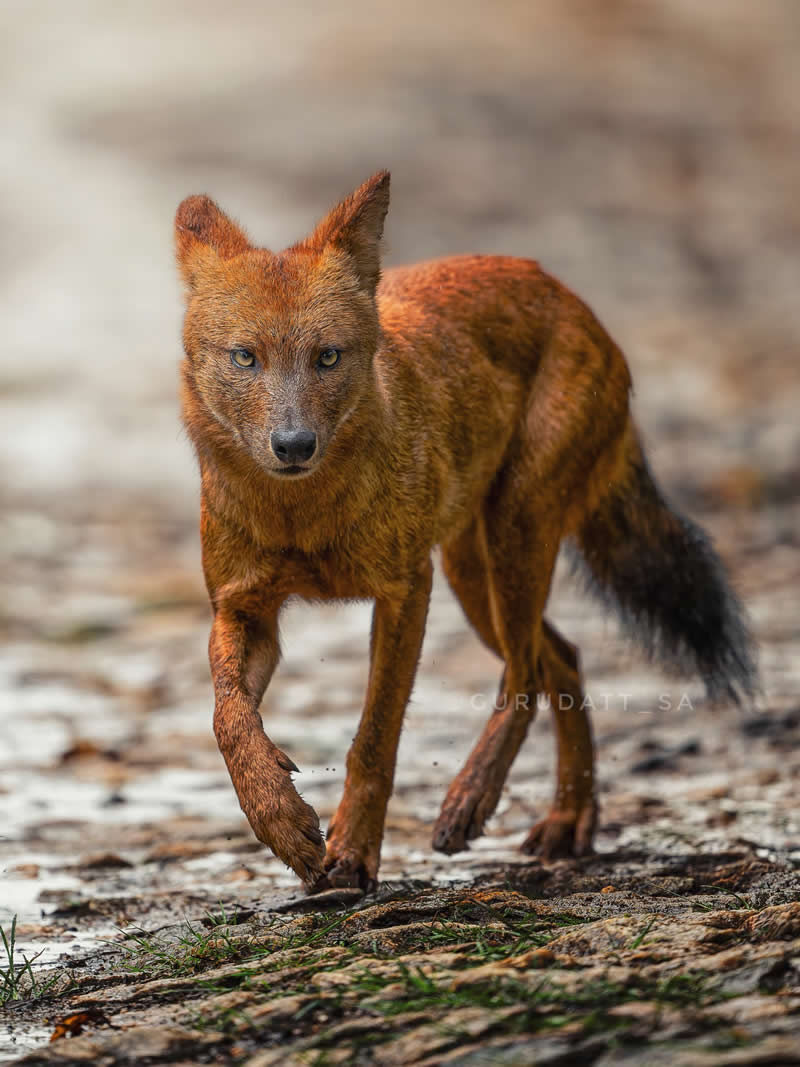
#3
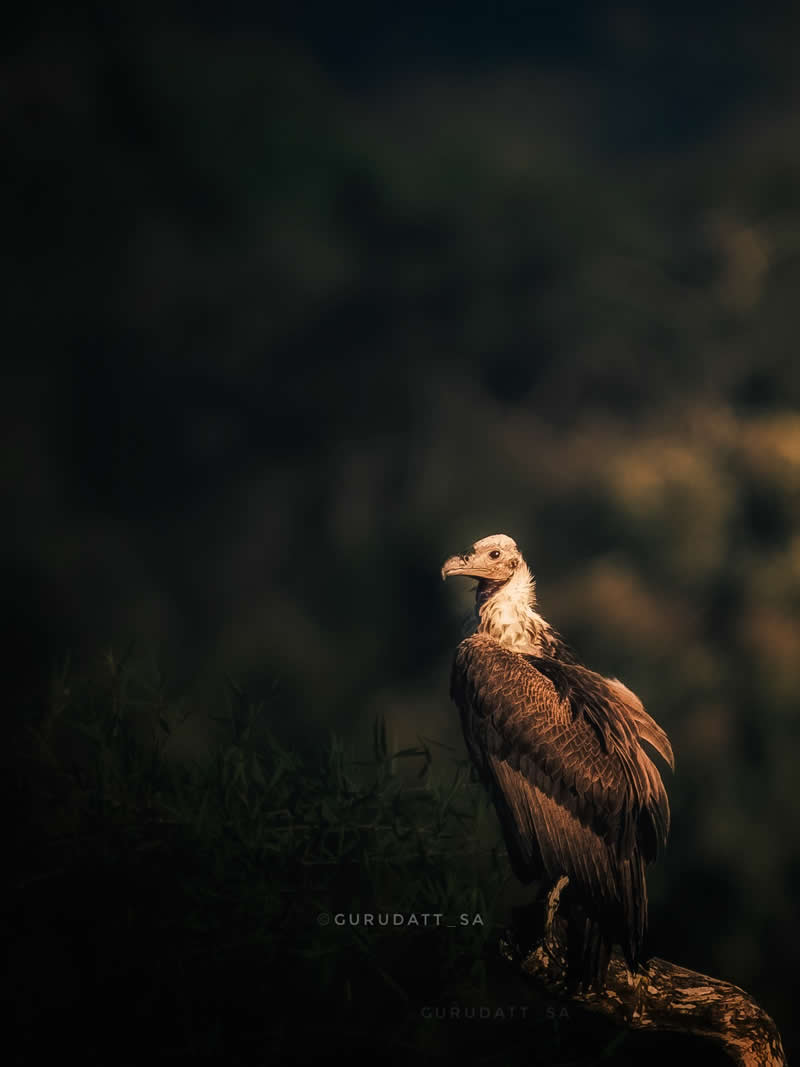
#4
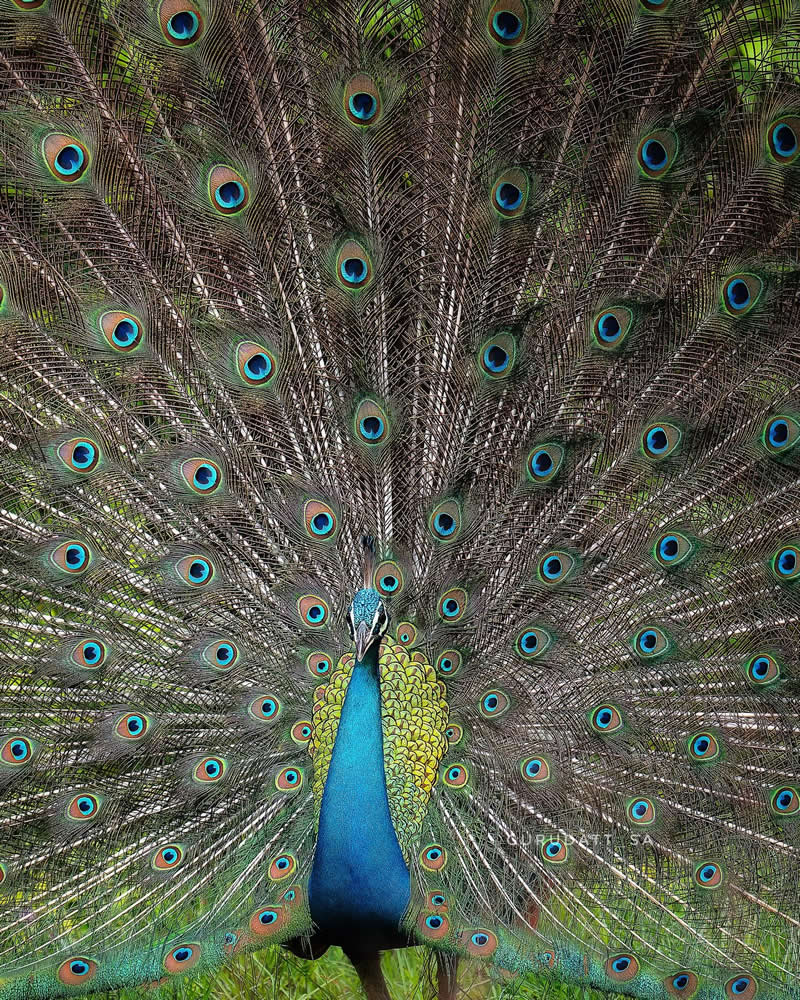
#5
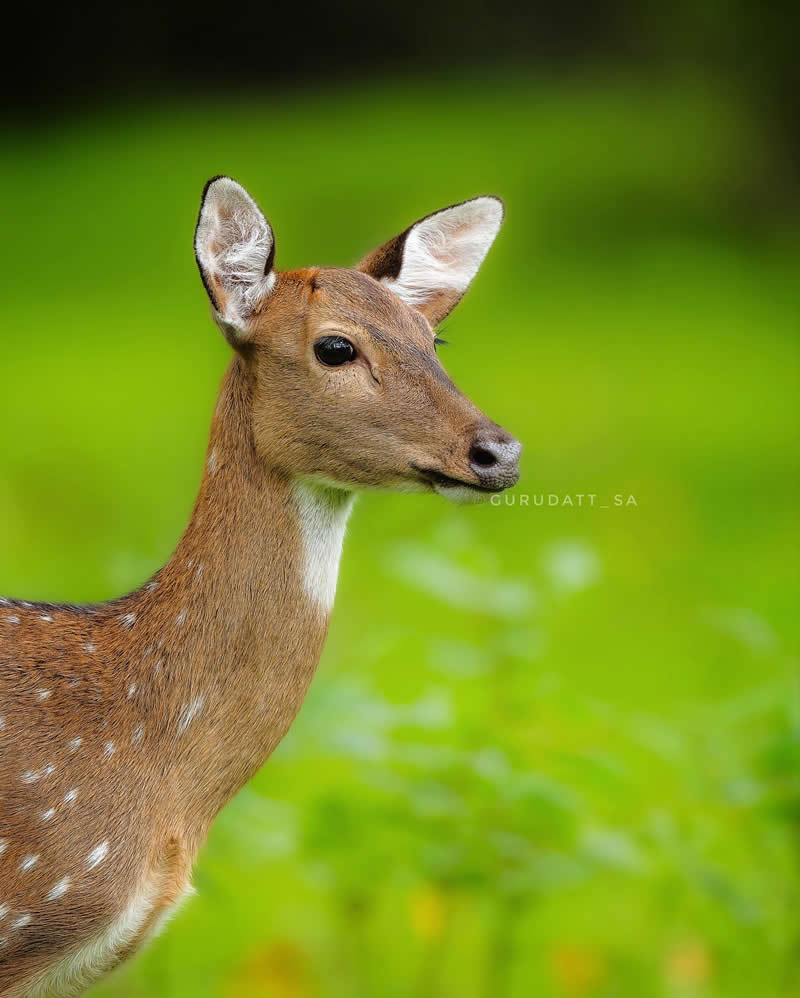
A Photographer Shaped by Forests, Not Formulas
Gurudatt S A didn’t become a wildlife photographer by memorizing rules—he became one by listening to the forest. His journey started nearly a decade ago with travel and landscapes, but the pull toward wildlife came naturally. Early on, he sought mentors and guidance, only to realize that technical settings alone couldn’t prepare him for real forest conditions.
Shutter speed and ISO matter, sure—but they don’t teach patience. They don’t teach anticipation. And they definitely don’t teach respect for animal behavior. Those lessons came the hard way: long safaris, quiet observation, missed moments, and occasional magic. Over time, Gurudatt learned that strong wildlife photographs are built long before the shutter clicks.
Today, his approach is grounded in behavior-first storytelling. Every frame reflects time spent watching, understanding patterns, and letting moments unfold on their own terms—no shortcuts, no staging, just honest work.
#6
#7
#8
#9
#10
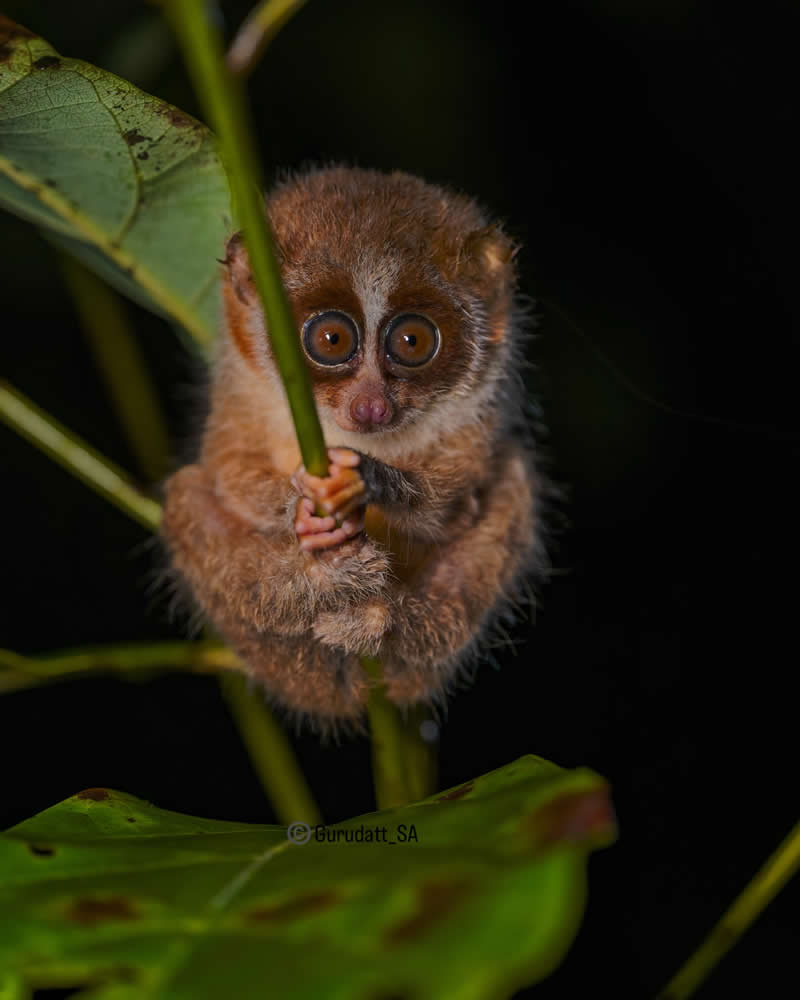
The Beauty of Stillness and Subtle Motion
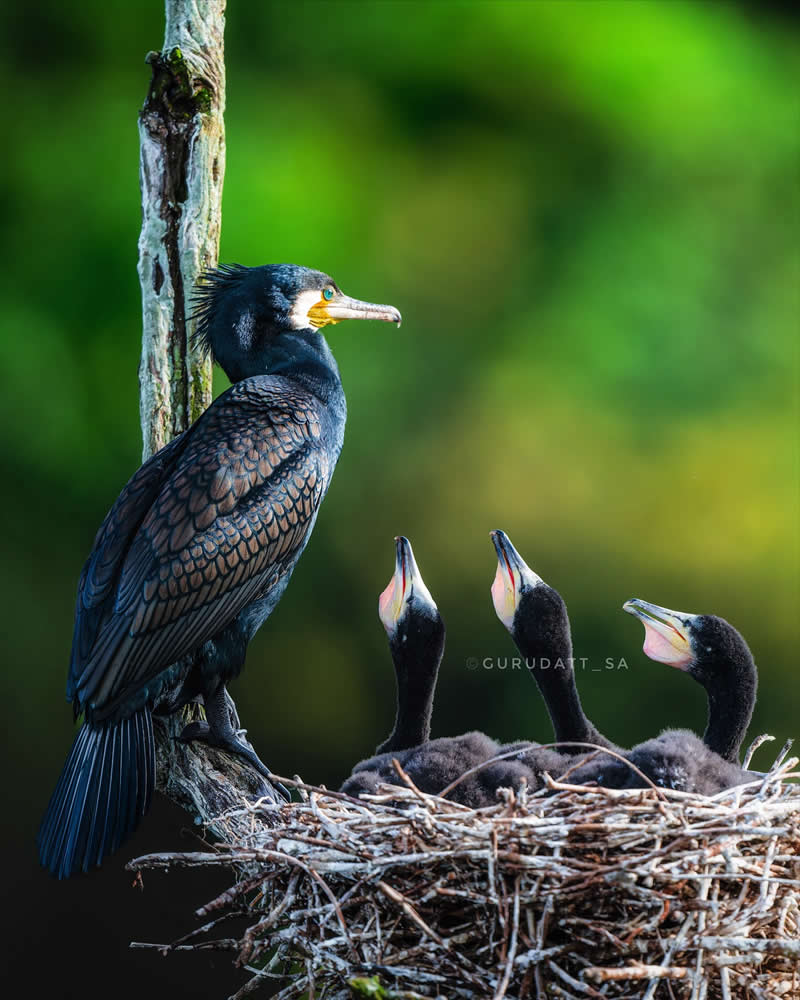
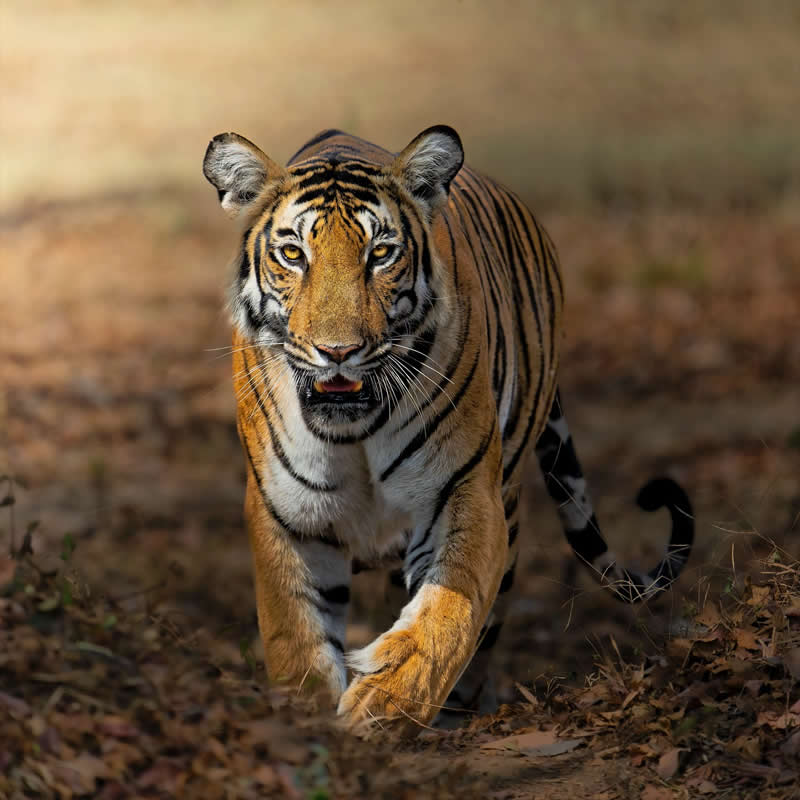
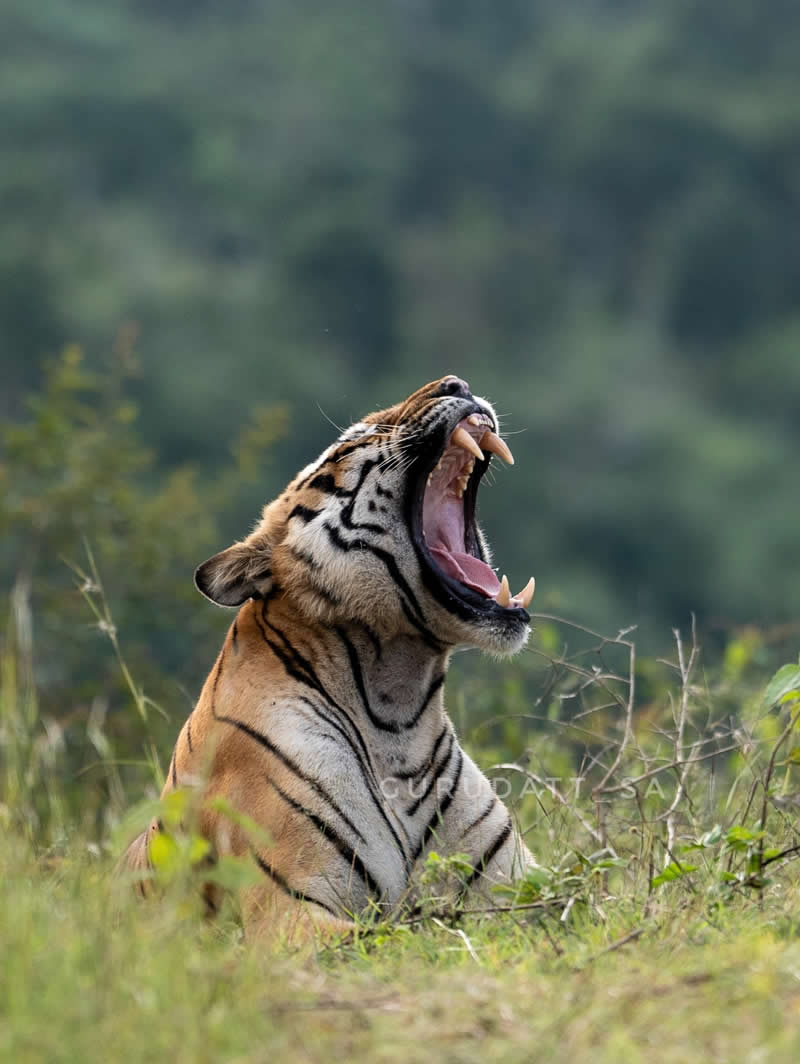
What truly defines Gurudatt’s work is his obsession with stillness. While many chase action-packed frames, he leans into the in-between moments—the pause before movement, the calm after chaos, the quiet glance that most people miss.
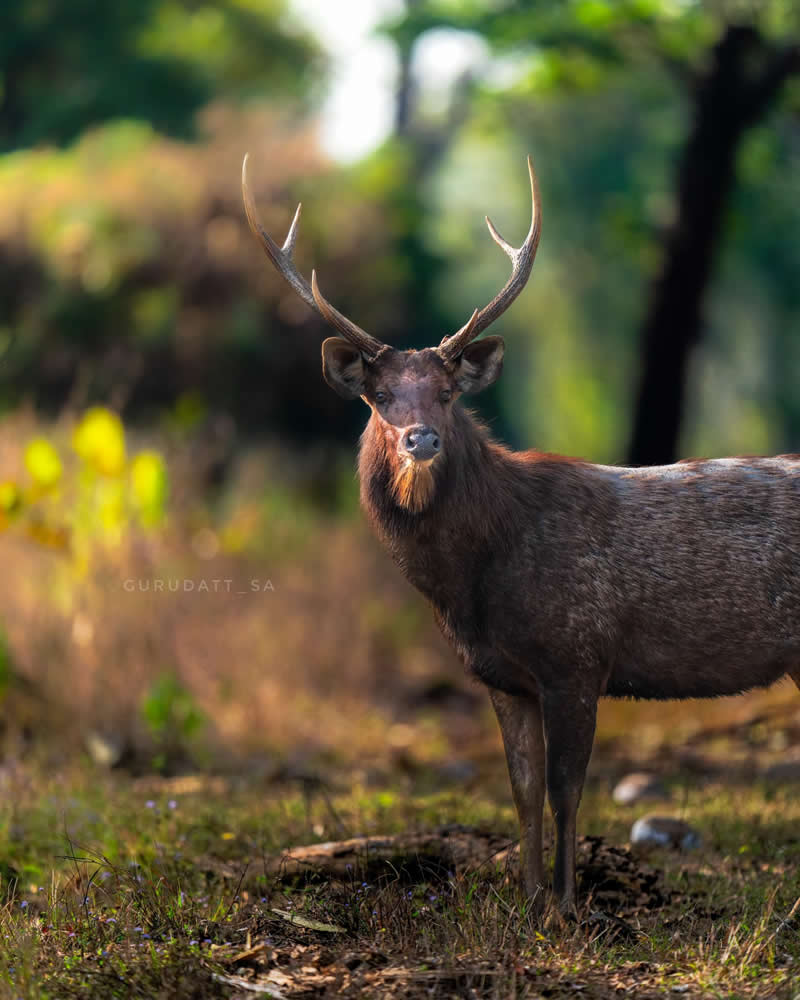
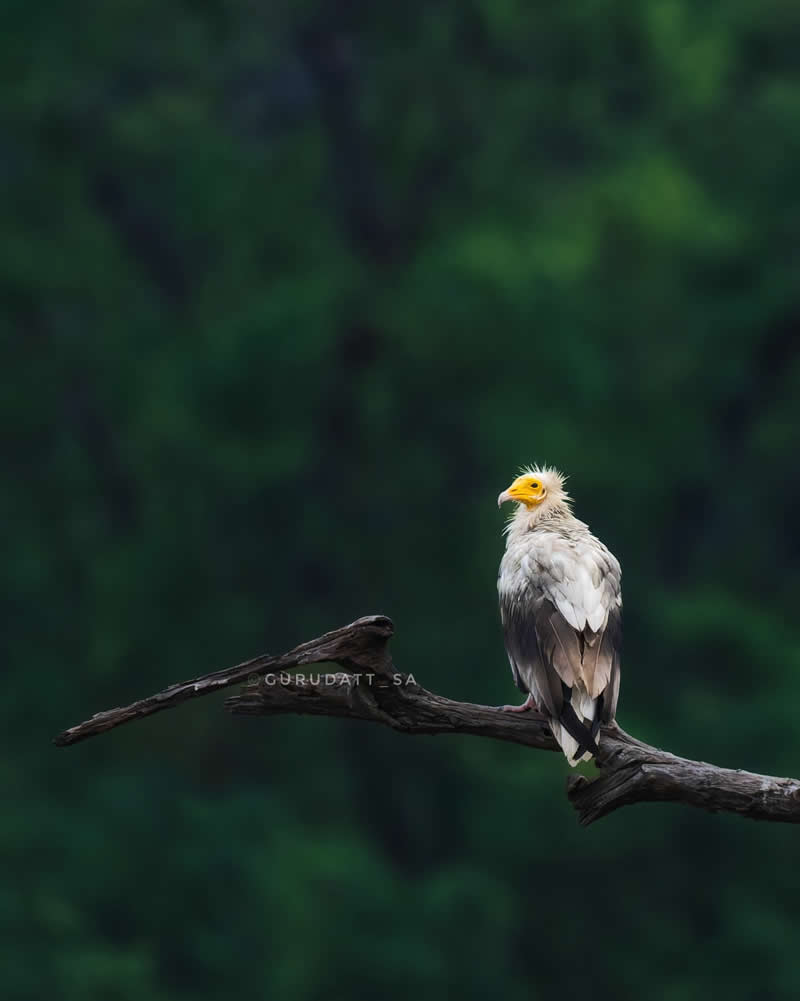
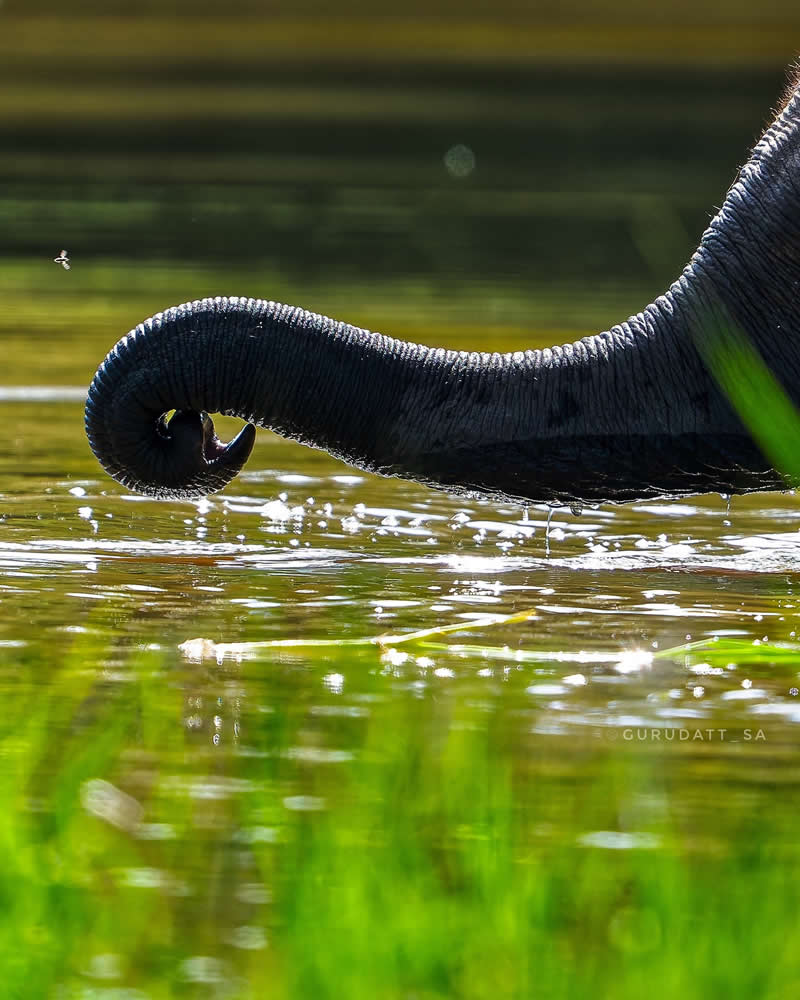
A telephoto lens, in his hands, becomes a tool for intimacy rather than intrusion. It reveals fine details: a twitch of the ear, a slow blink, the way light brushes against fur or feathers. These micro-moments are where emotion lives, and Gurudatt knows exactly when to wait and when to press the shutter.
Nature, he believes, doesn’t perform on command. Its most powerful stories unfold silently. By respecting distance and allowing animals their space, his images feel authentic, calm, and deeply human. It’s wildlife photography that doesn’t rush—and that’s its greatest strength.
#11
#12
#13
#14
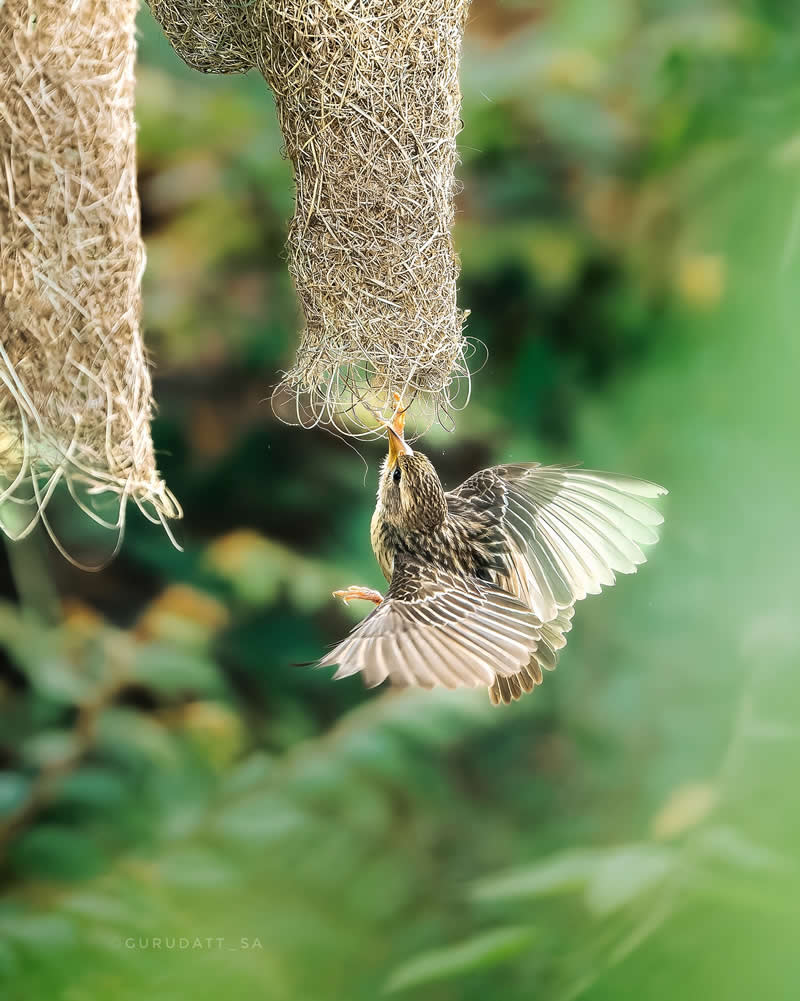
#15
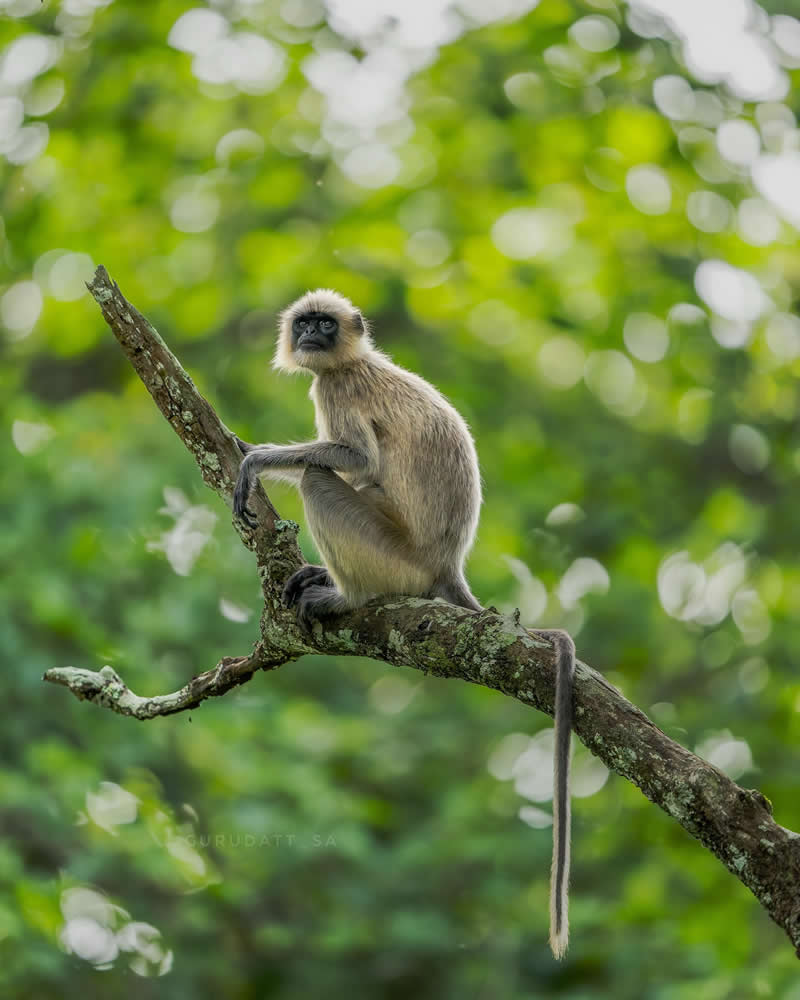
Composition, Color, and the Mood of the Wild
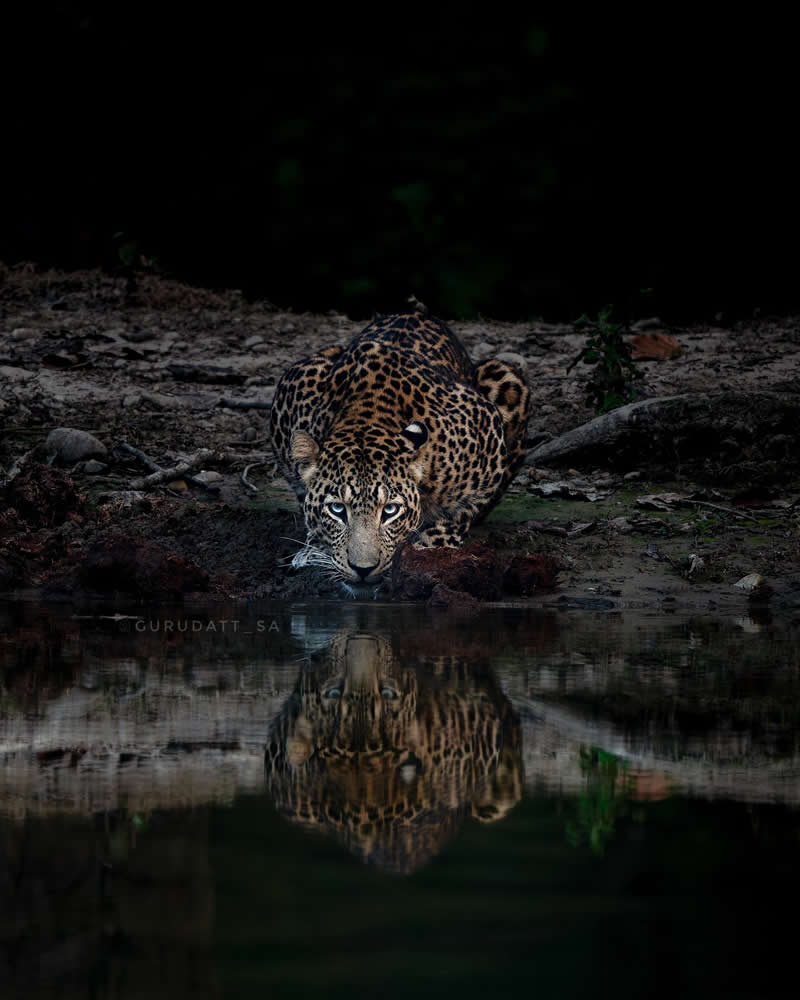
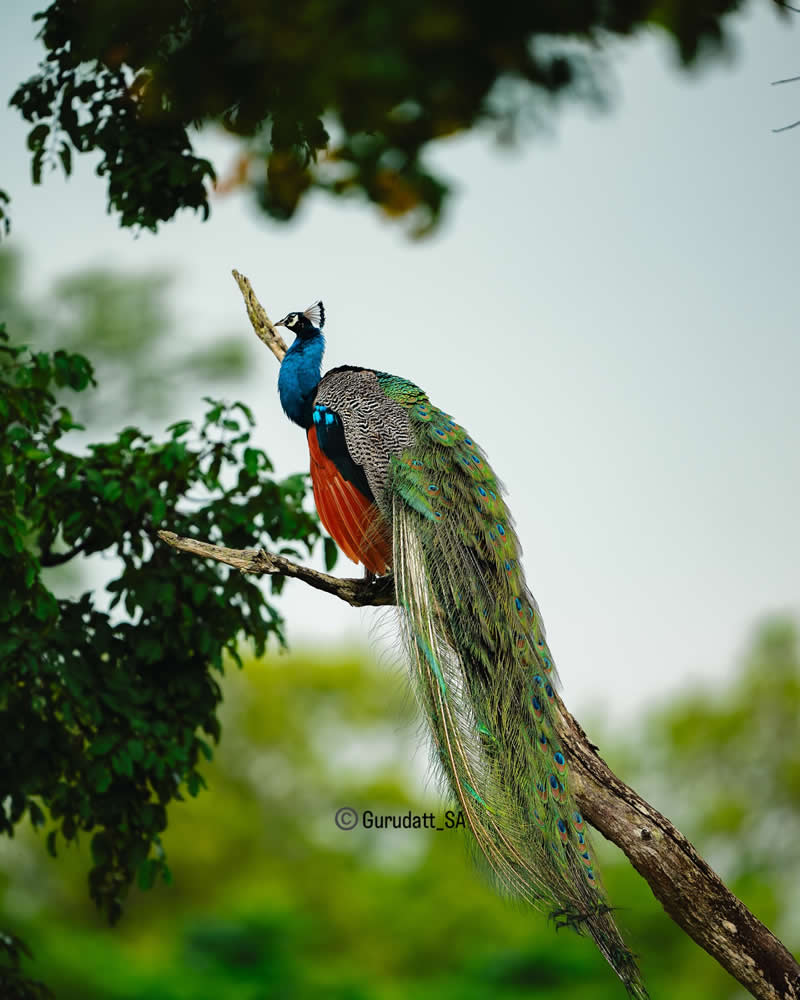
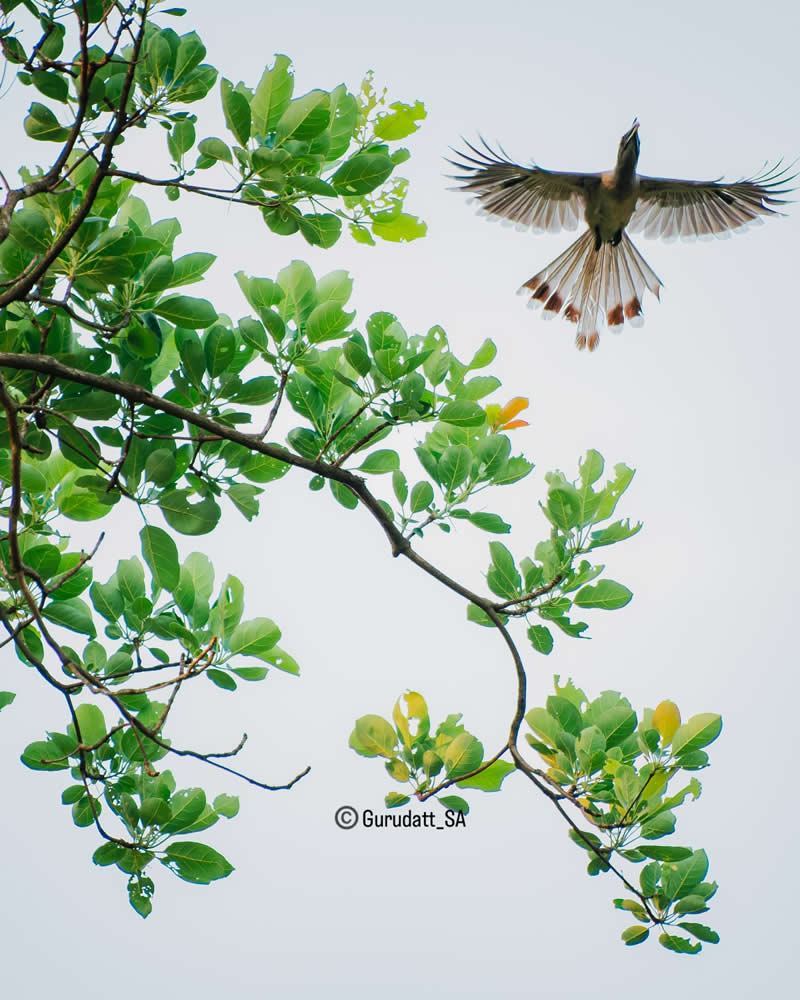
Every photo in this collection feels intentional, but never forced. Gurudatt’s compositions are clean, balanced, and guided by instinct rather than rigid rules. He uses natural elements—branches, shadows, mist, light—to frame his subjects in ways that feel organic to the environment.
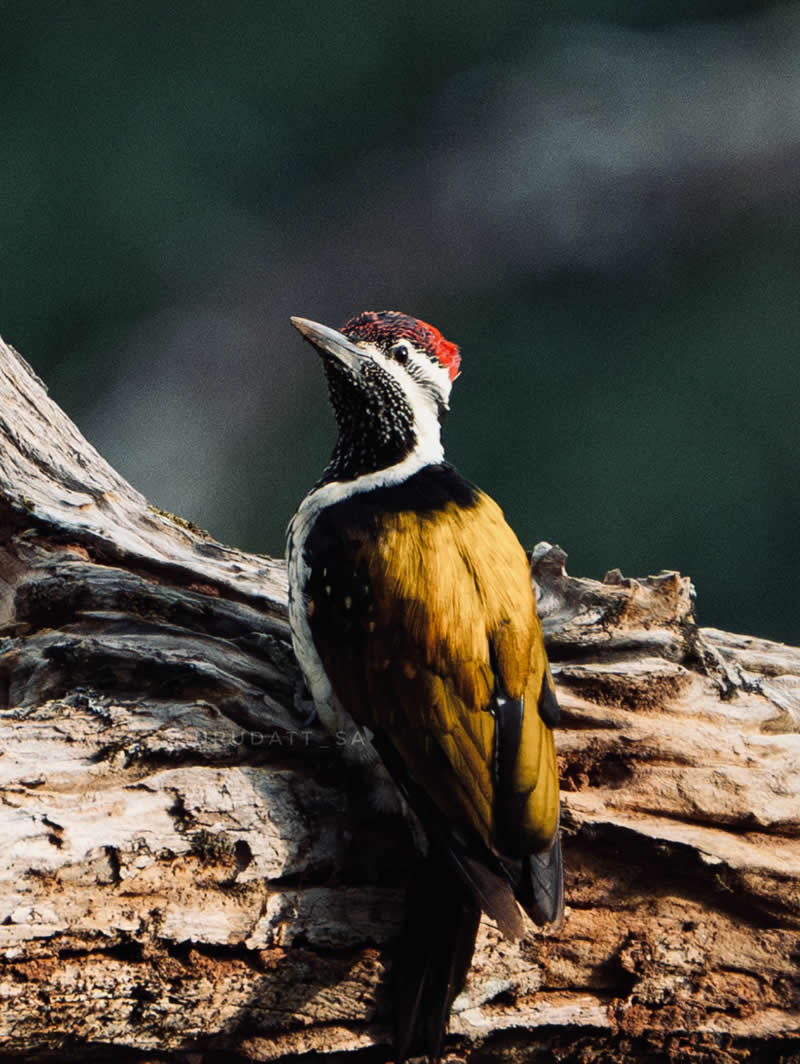
Color is handled with restraint and respect. Vibrant when the scene calls for it, muted when silence takes over. Nothing feels overprocessed or exaggerated. The goal isn’t to impress—it’s to stay true to the moment.
Light plays a massive role in shaping mood. Early mornings, late evenings, and soft forest light dominate his frames, giving the images a cinematic yet grounded feel. Together, composition and color work quietly in the background, letting the subject—and the story—take center stage.
#16
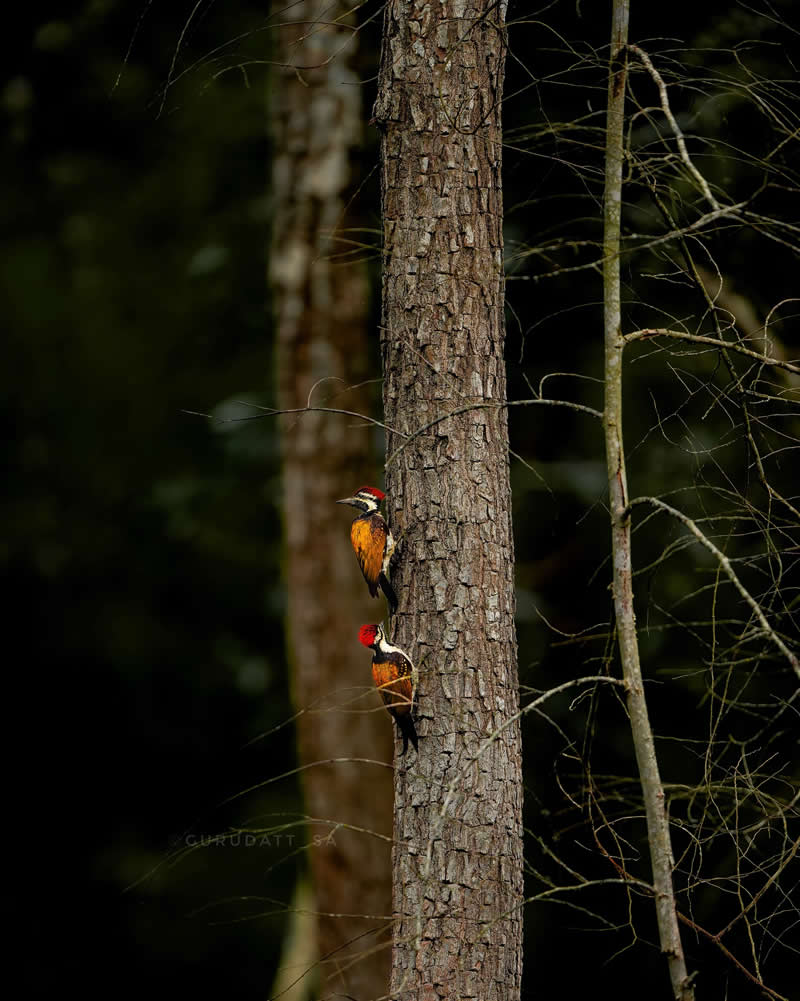
#17
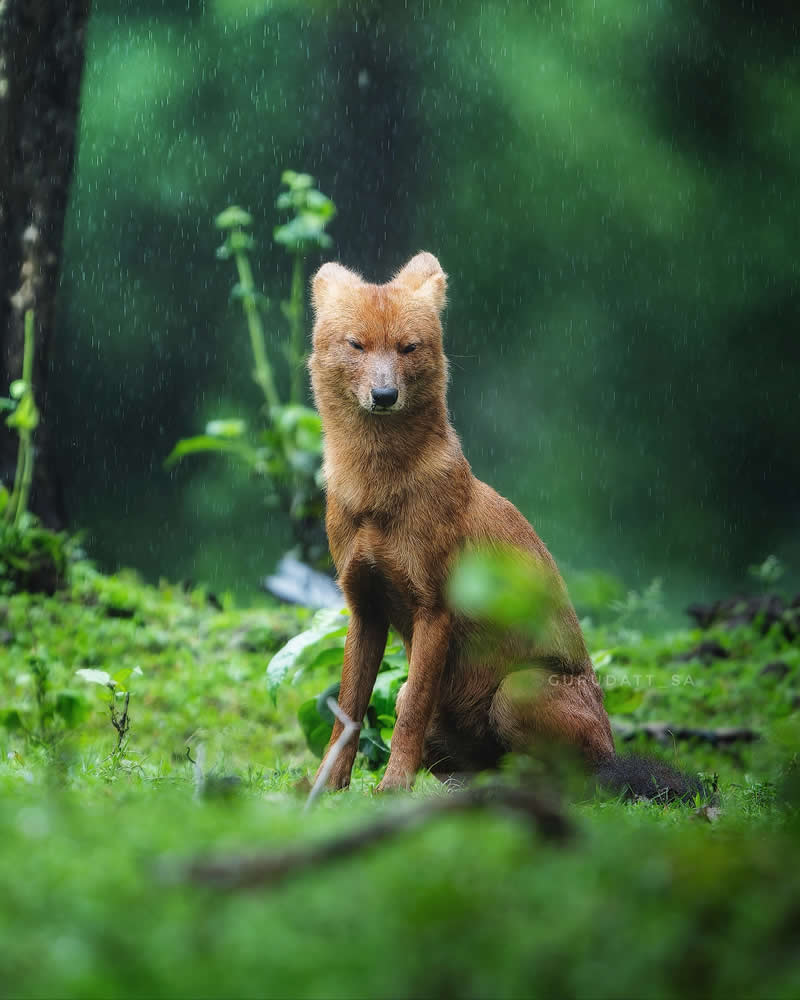
#18
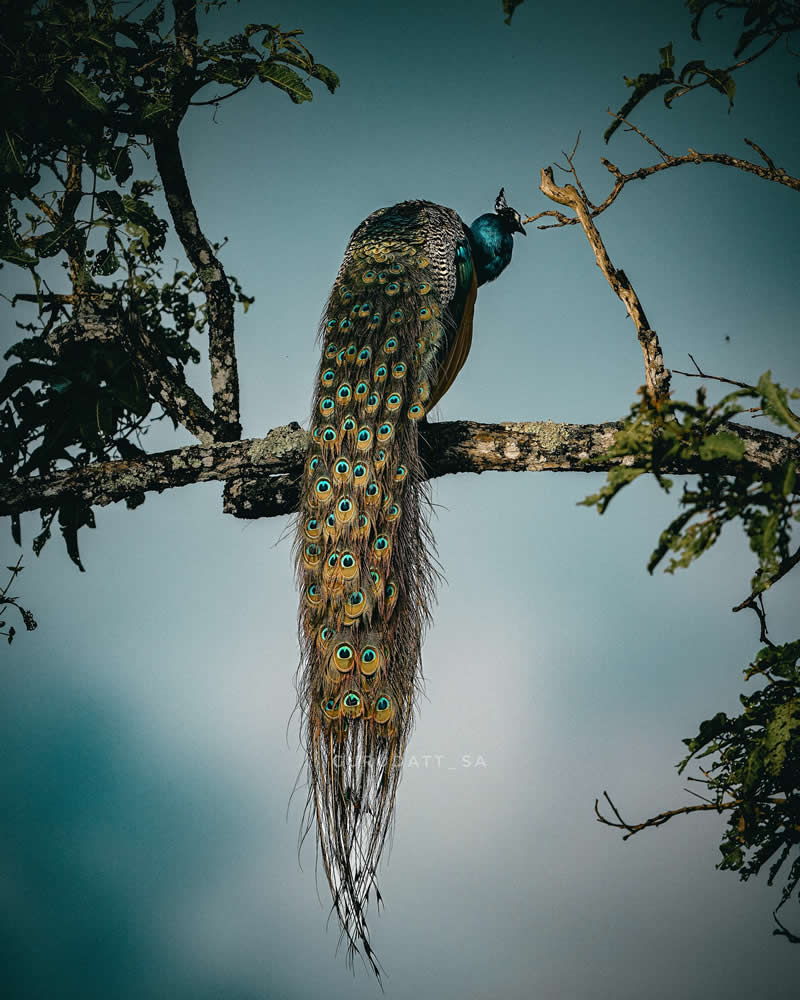
#19
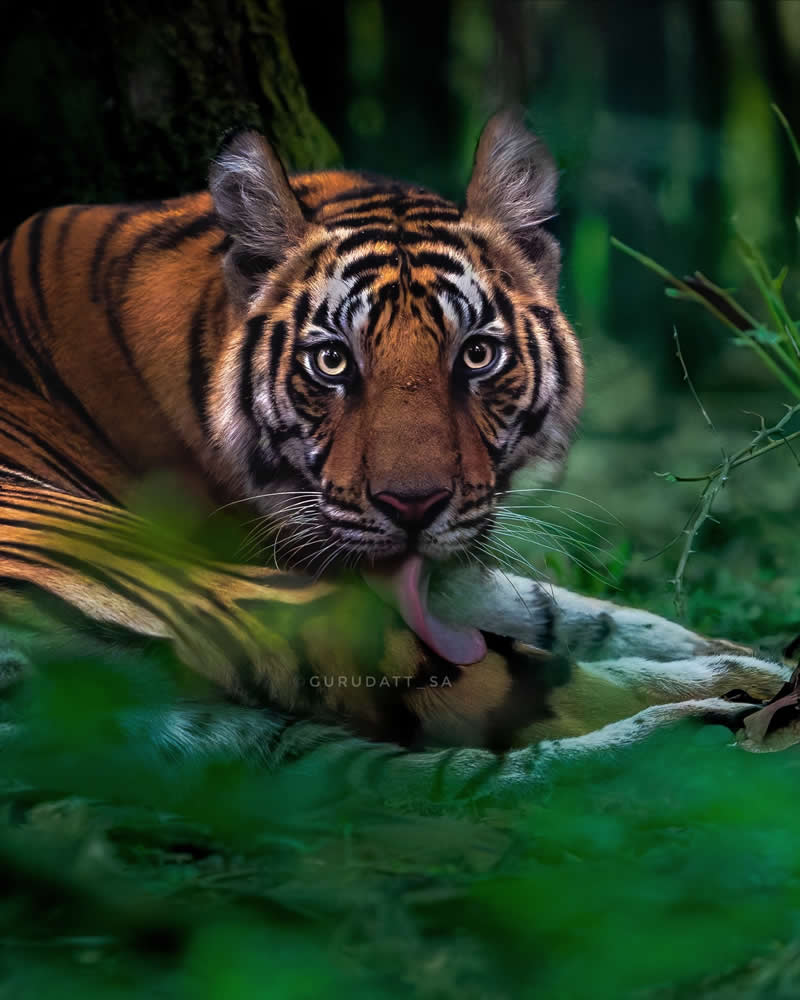
#20
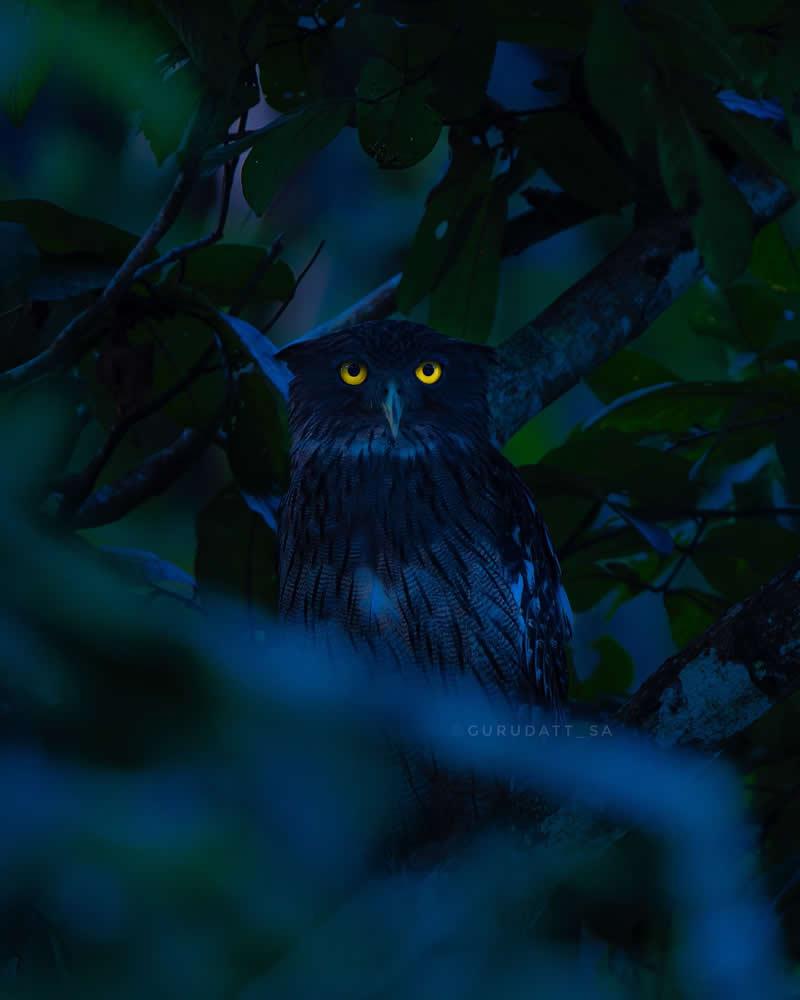
Recognition Without Losing the Soul
Gurudatt’s work has earned recognition from some of the most respected names in photography, including features by National Geographic, Nature InFocus, and leading global brands like Sony, Sigma India, and Nikon India. These milestones matter—but they don’t define him.
What stands out is how little those accolades have changed his approach. There’s no rush to chase trends or over-dramatize scenes for attention. Instead, he continues to focus on ethical storytelling, consistency, and personal growth.
Recognition, for him, is validation—not the destination. The real reward is returning to the forest, camera in hand, and continuing the quiet conversation with nature. That grounded mindset is exactly why his work continues to resonate with audiences worldwide.
#21
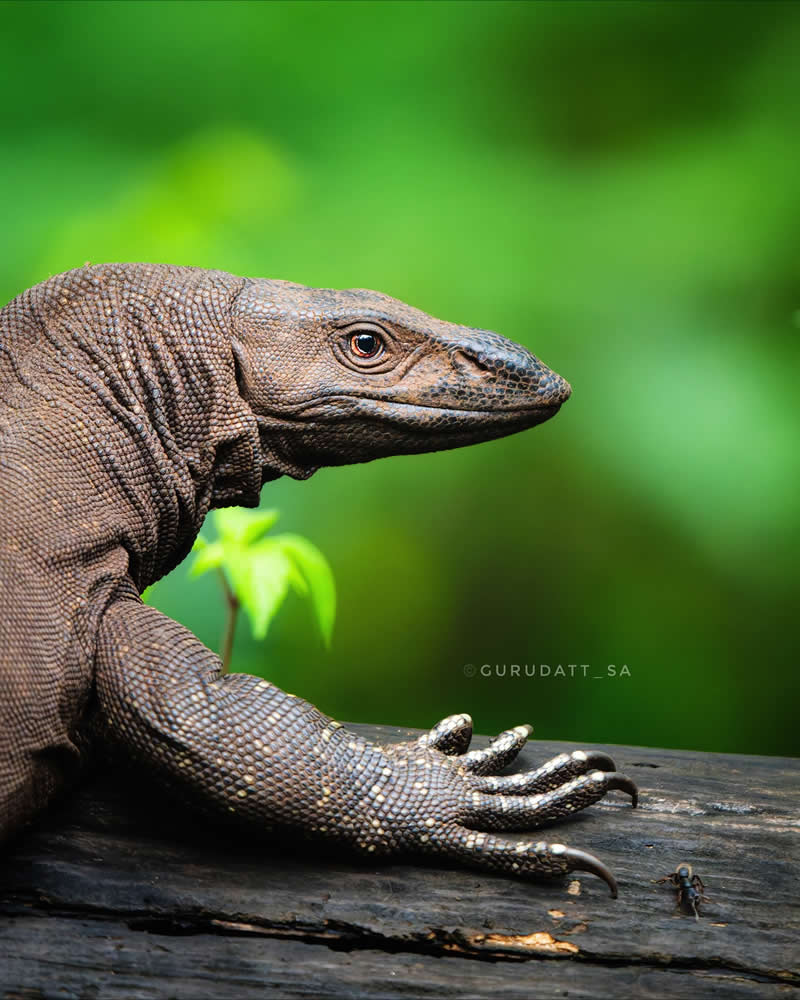
#22
#23
#24
#25
Teaching, Conservation, and Giving Back to the Wild
Beyond creating images, Gurudatt is deeply invested in nurturing the next generation of wildlife photographers. Through workshops and mentorship, he emphasizes ethics, patience, and responsible behavior in the field—values that matter now more than ever.
He inspires talent not by glorifying rare sightings, but by teaching how to observe, respect boundaries, and photograph without causing harm. Conservation isn’t a buzzword in his world—it’s a responsibility.
His greatest inspirations aren’t just photographers, but forests like Bandhavgarh, Rajaji, and Kabini. These landscapes, and the wildlife within them, continue to teach humility and presence. Through his work, Gurudatt reminds us that nature doesn’t need us to control it—only to understand it.
#26
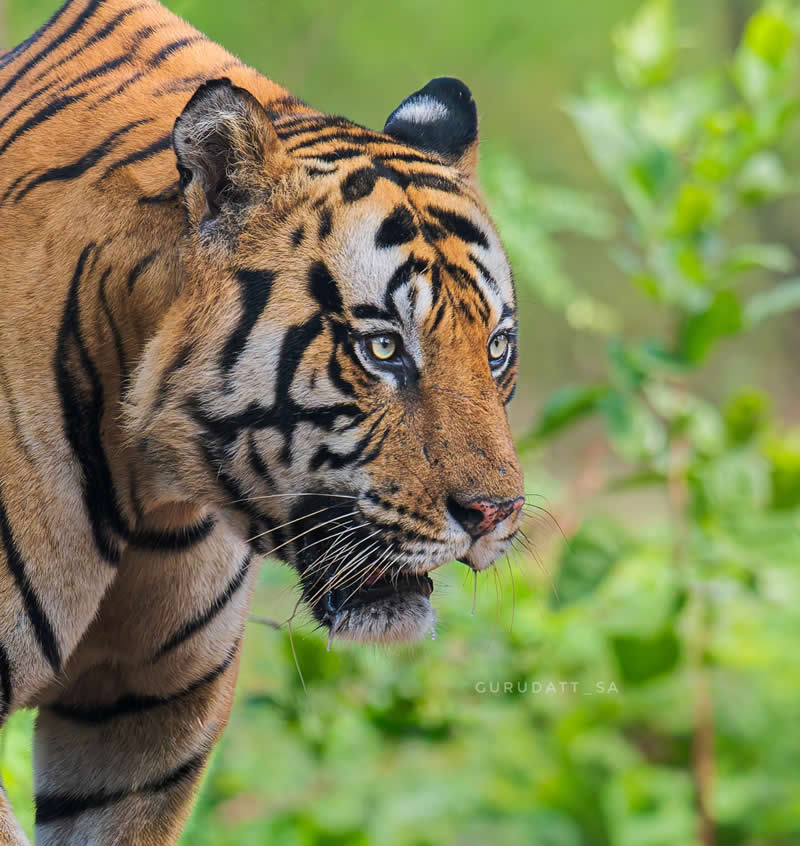
#27
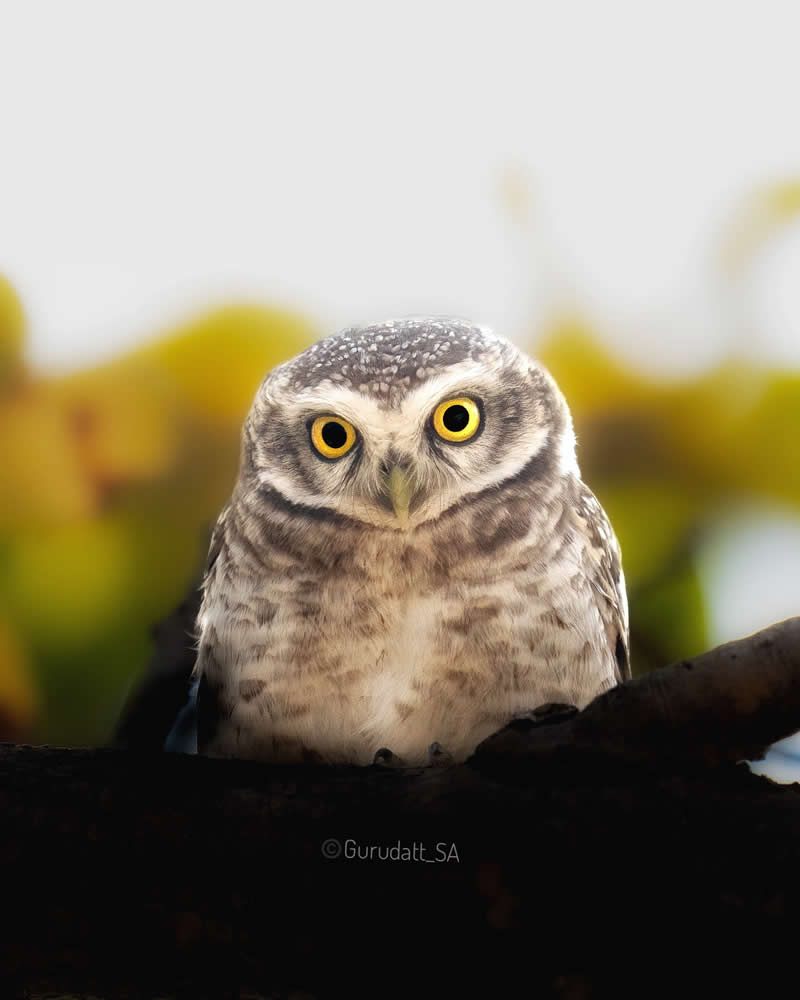
#28
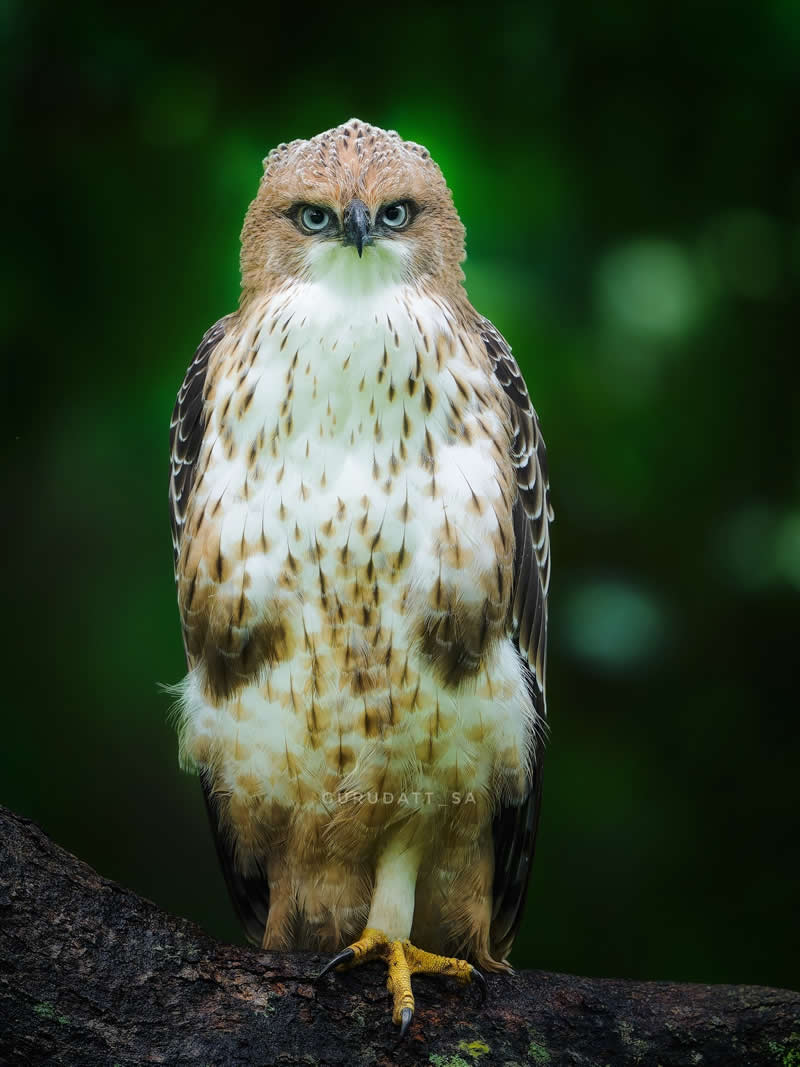
#29
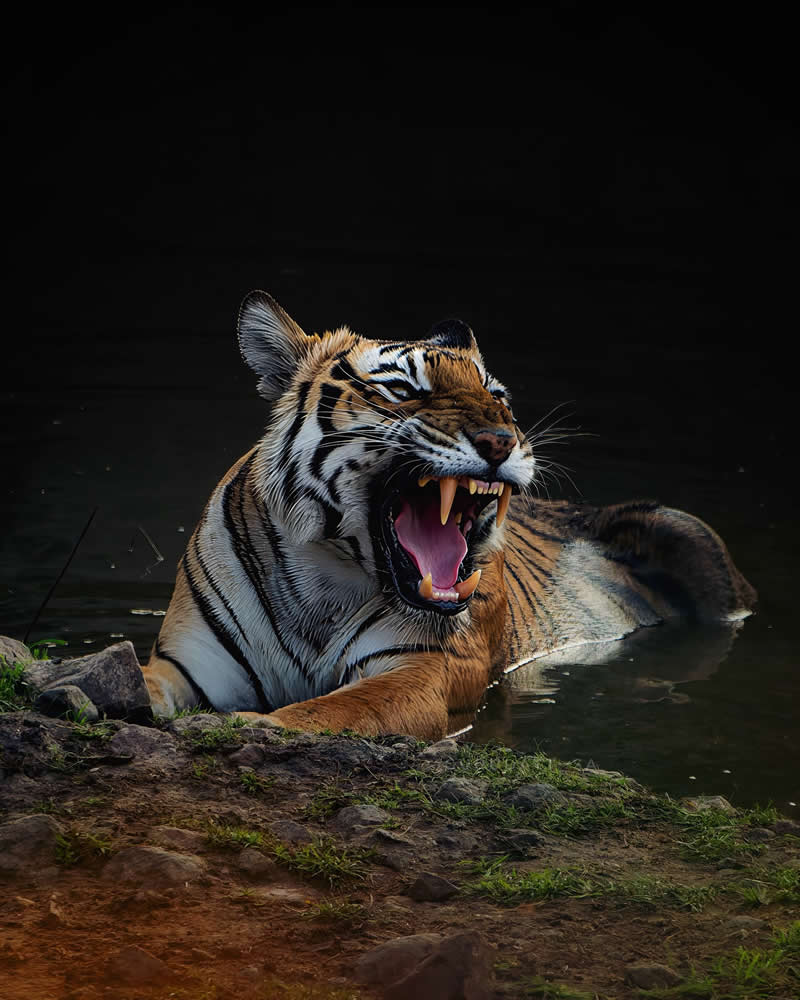
#30
In Summary
Who is Gurudatt S A?
- He is an Indian wildlife photographer known for ethical, behavior-driven storytelling and quiet forest moments.
What makes his wildlife photography unique?
- His focus on stillness, natural light, animal behavior, and ethical practices over staged drama.
Where is Gurudatt based?
- He is based in Mysuru, close to some of India’s richest wildlife habitats.
Has his work been internationally recognized?
- Yes, his work has been featured by National Geographic, Nature InFocus, Sony, Sigma India, and Nikon India.
Does he conduct workshops?
- Yes, he actively conducts wildlife photography workshops focused on ethics, observation, and storytelling.