

In a world racing toward modernity, the Dinka people of South Sudan continue to live in a rhythm shaped by nature, tradition, and ancestral memory. Through the lens of Swedish photographer Casper Hedberg, their world unfolds with rare honesty and emotional depth. His images don’t romanticize or dramatize—they observe, respect, and preserve. After more than two decades of civil war, the Dinka have returned to a way of life that has remained largely unchanged for centuries, rooted deeply in land, cattle, and community.
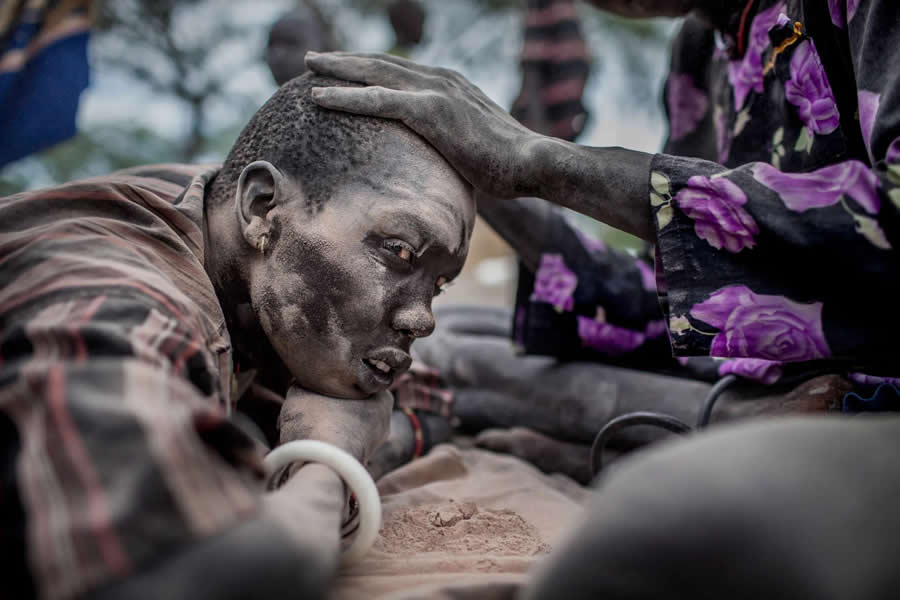
Hedberg’s work offers a powerful visual record of a culture that exists far beyond modern convenience. The vast grasslands of South Sudan stretch endlessly, framing a lifestyle shaped by movement, resilience, and survival. His photographs capture moments both intimate and monumental—children tending cattle, elders guiding rituals, fishermen navigating quiet waters, and families gathering beneath the open sky. Each image carries the weight of time, tradition, and human endurance.
What makes this body of work so compelling is its honesty. There is no spectacle, no forced drama—only life as it is lived. Hedberg’s approach is immersive and respectful, allowing the viewer to step into a world where community matters more than possessions, and where identity is deeply rooted in the land. These photographs don’t just document a people; they preserve a way of life that continues to exist against the tides of change.
You can find Casper Hedberg on the Web:
#1
© Casper Hedberg
#2

© Casper Hedberg
#3

© Casper Hedberg
#4
© Casper Hedberg
#5
© Casper Hedberg
Life Shaped by the Land and the Cattle
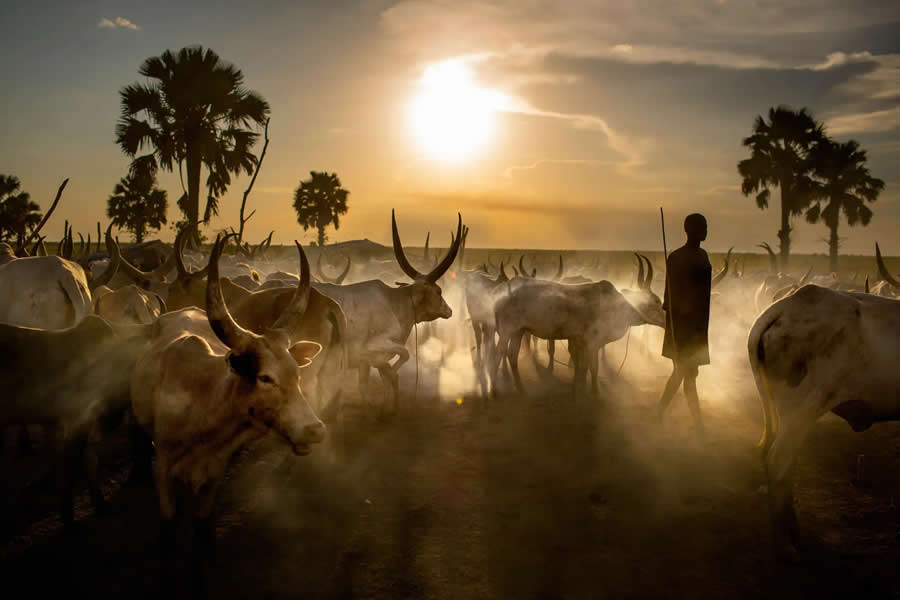
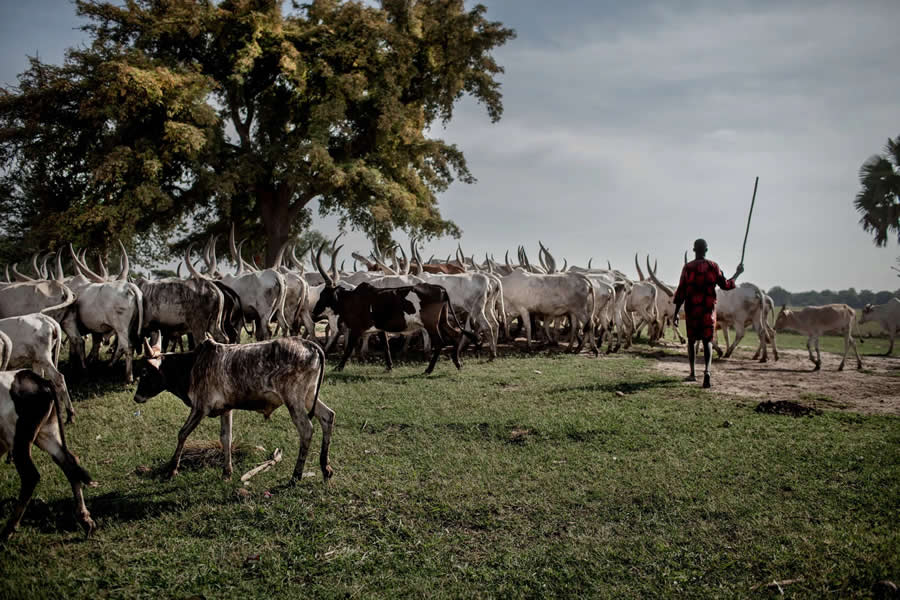
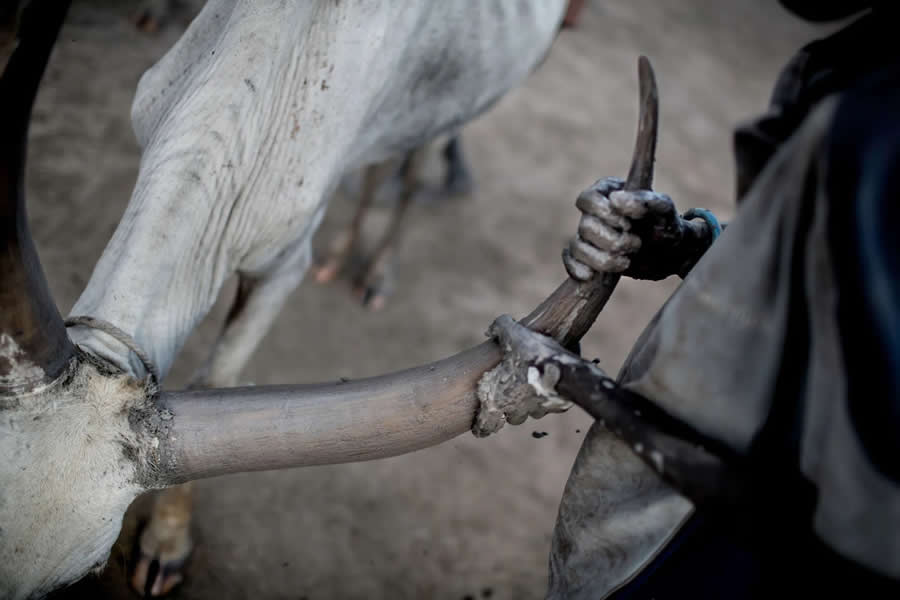
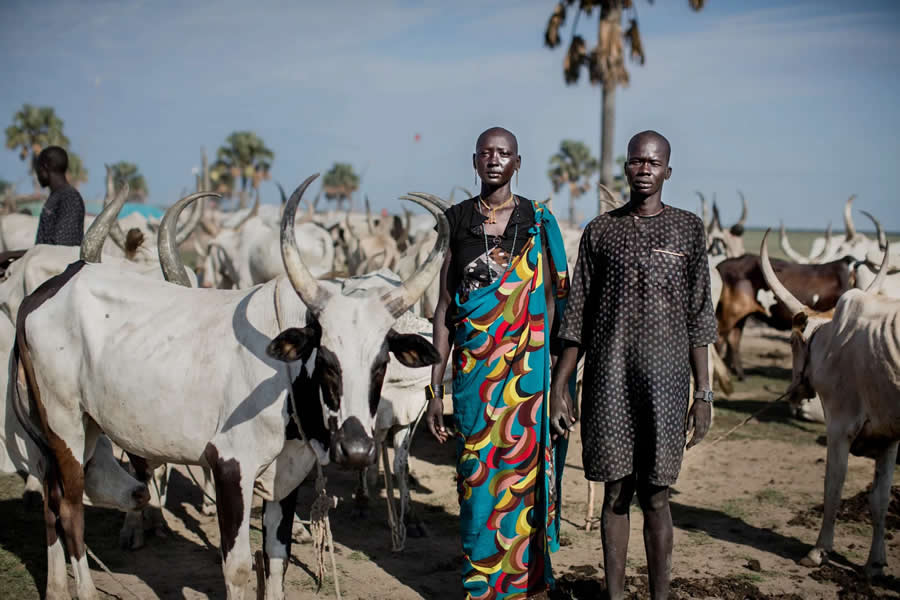
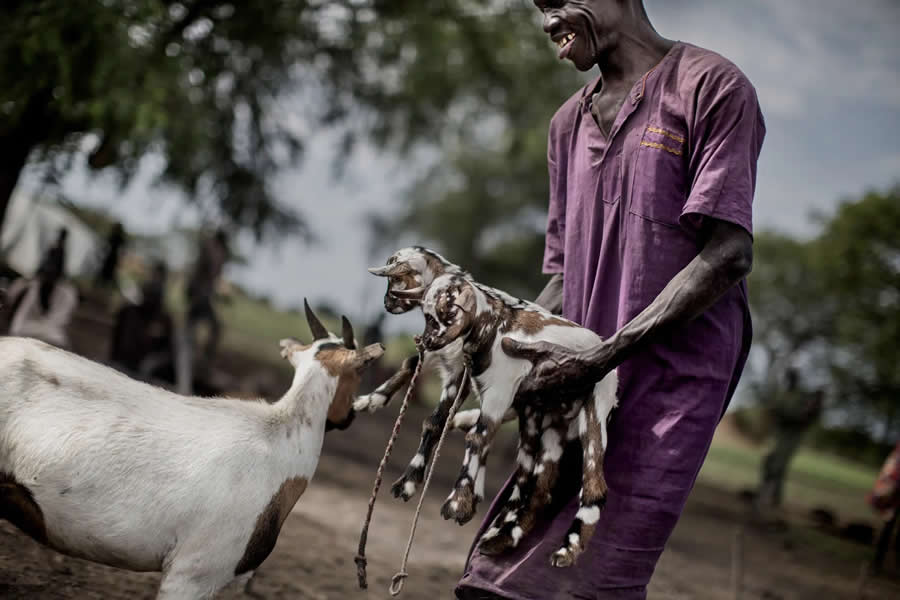
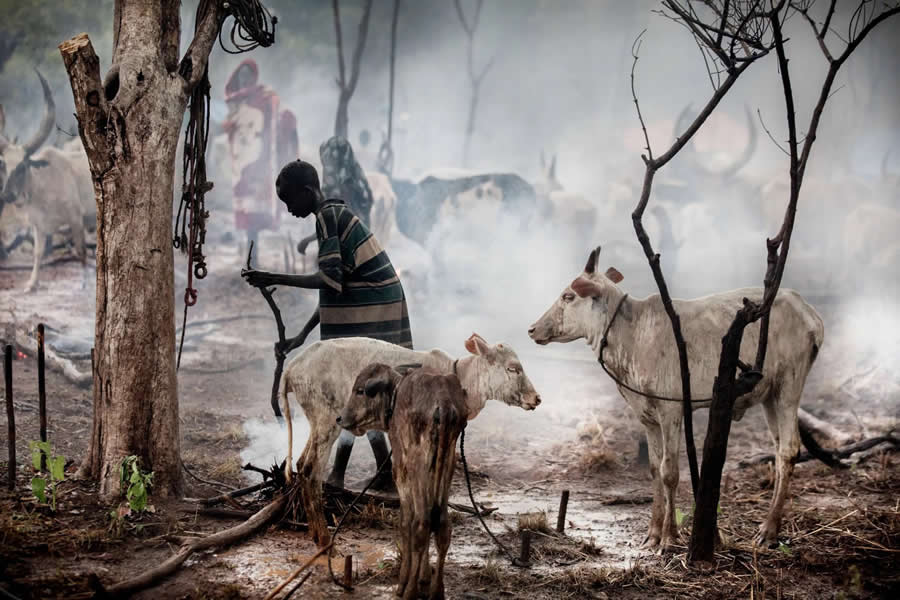
For the Dinka people, life revolves around cattle. They are more than livestock—they are wealth, family, and spiritual symbols. Hedberg’s photographs capture this profound connection with striking authenticity. Cattle are named, honored, and cared for as family members. Milk becomes nourishment, ritual, and identity. The bond between herder and herd defines daily life.
The landscape itself becomes a character in the story. Vast grasslands stretch endlessly across South Sudan, offering space for the semi-nomadic lifestyle the Dinka have practiced for generations. During the dry season, families move deep into the plains, following grazing routes passed down through time. In the rainy season, they return to higher ground near the Nile’s floodplains. Through Hedberg’s lens, this rhythm of movement feels timeless—an ancient choreography still playing out in the modern world.
#6
© Casper Hedberg
#7
© Casper Hedberg
#8
© Casper Hedberg
#9

© Casper Hedberg
#10
© Casper Hedberg
A Culture Built on Community and Tradition
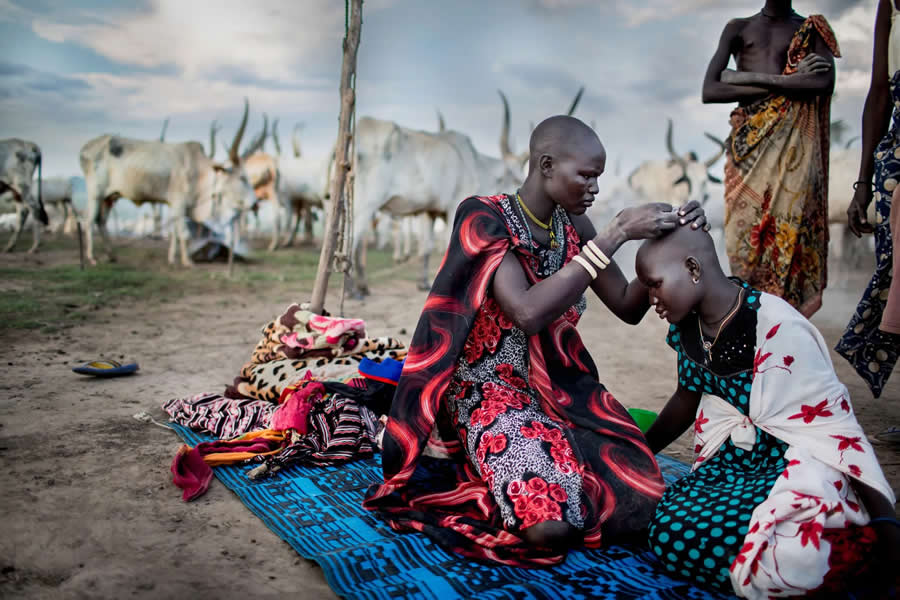
Community lies at the heart of Dinka life. Families live together in large cattle camps, forming tight-knit social structures built on cooperation and shared responsibility. Hedberg’s images show children learning traditions early, elders guiding the young, and daily life unfolding in collective harmony.
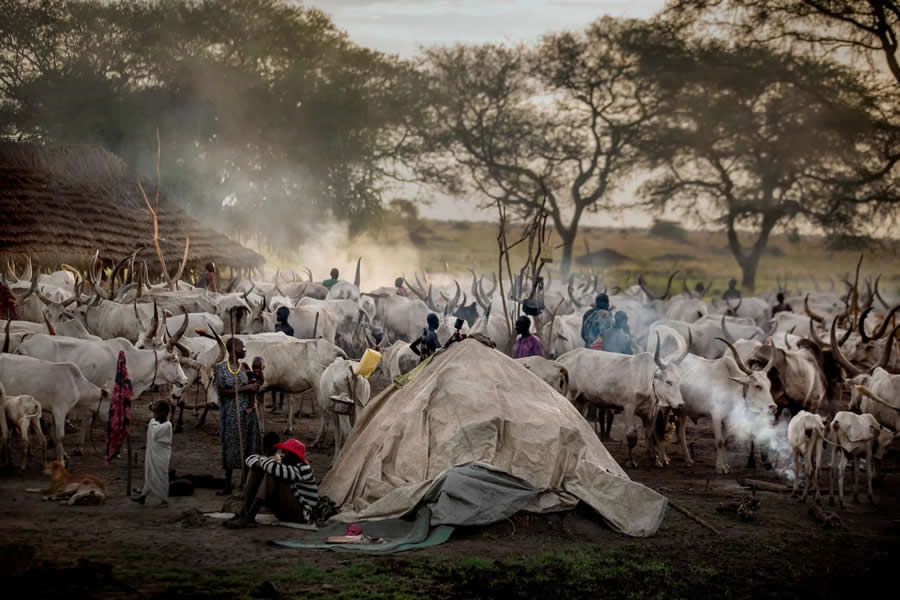
Cattle camps are alive with activity—smoke from dung fires drifts through the air, laughter echoes between huts, and the rhythm of daily chores shapes every hour. These scenes reflect a society where survival depends on unity. Even in the harshest conditions, the sense of belonging remains strong. Through his storytelling, Hedberg reveals not just a way of living, but a philosophy of life rooted in resilience and togetherness.
#11

© Casper Hedberg
#12

© Casper Hedberg
#13

© Casper Hedberg
#14

© Casper Hedberg
#15

© Casper Hedberg
The Rhythm of the Sudd: Water, Fishing, and Survival
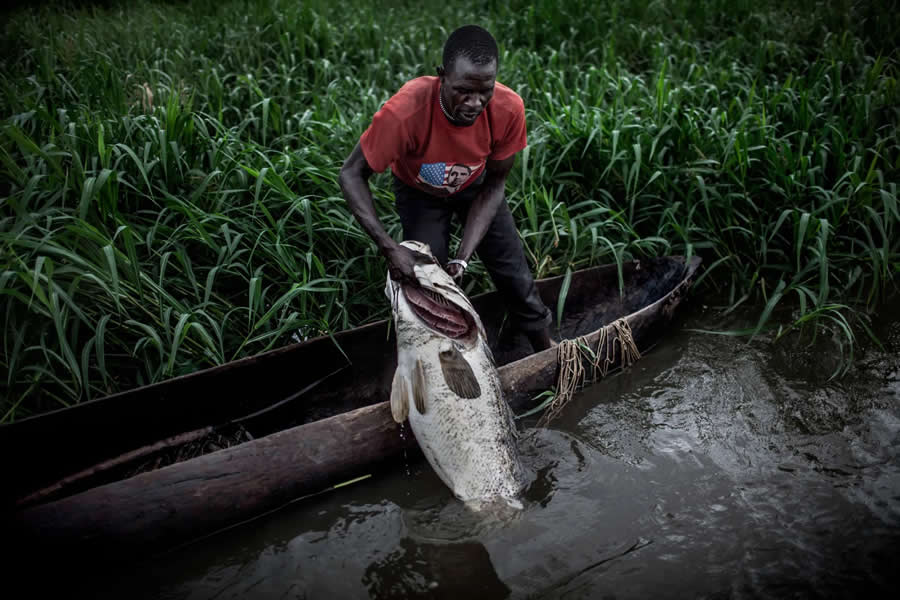
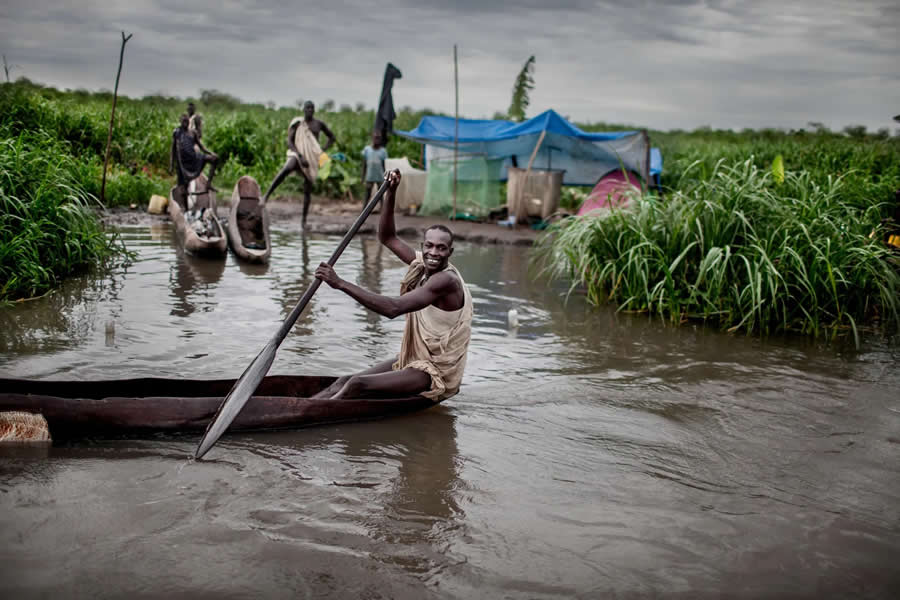
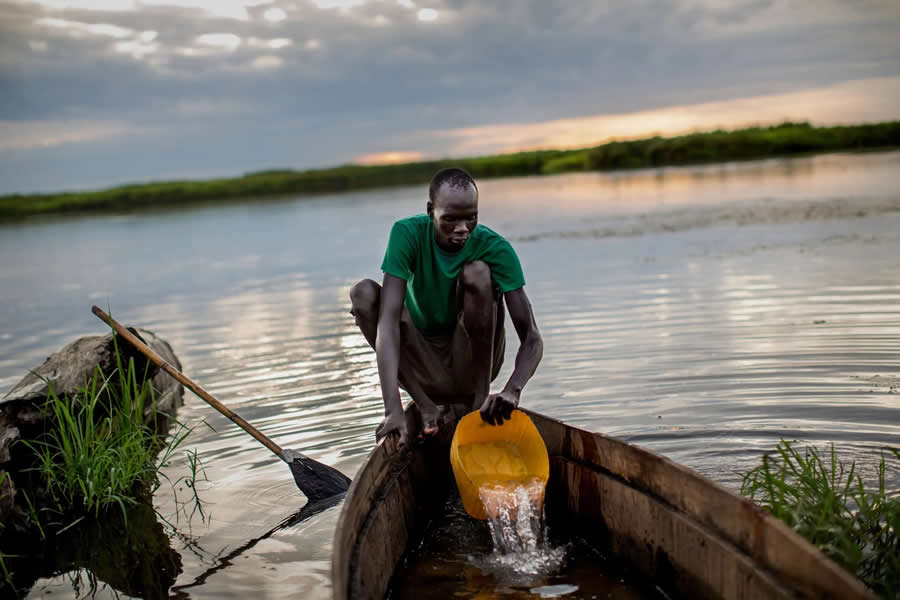
Beyond cattle herding, water plays a vital role in Dinka life. The vast Sudd wetlands provide fish, transportation, and sustenance. Traditional dugout canoes glide quietly through narrow channels, guided by generations of knowledge. Fishing with nets or spears is both a necessity and a skill passed down through families.
Hedberg’s images capture the delicate balance between humans and nature—fishermen silhouetted against reflective waters, reeds swaying in the wind, and the stillness of early mornings along the riverbanks. These scenes highlight the adaptability of the Dinka people, who have learned to live in harmony with an environment that can be both generous and unforgiving.
#16
© Casper Hedberg
#17

© Casper Hedberg
#18
© Casper Hedberg
#19

© Casper Hedberg
#20
© Casper Hedberg
Documenting a Way of Life Before It Fades
What makes this body of work especially powerful is its sense of urgency. As modernization, climate change, and global influence reach even the most remote regions, traditional ways of life face growing uncertainty. Hedberg’s photographs act as both documentation and tribute—preserving moments that may one day exist only in memory.
Through patience, respect, and deep immersion, he captures not just images, but truth. His work stands as a visual archive of resilience, dignity, and cultural identity. These photographs remind us that progress should not erase heritage, and that some stories deserve to be told slowly, carefully, and with great respect.
#21

© Casper Hedberg
#22
© Casper Hedberg
#23
© Casper Hedberg
In Summary
Who are the Dinka people?
- The Dinka are the largest ethnic group in South Sudan, known for their cattle-based lifestyle, strong community bonds, and deep cultural traditions.
What is the focus of Casper Hedberg’s photography?
- His work documents real-life stories with honesty, focusing on culture, humanity, and everyday life through a documentary lens.
Why are cattle so important to the Dinka?
- Cattle represent wealth, identity, and spirituality. They provide food, social status, and play a central role in rituals and daily life.
Where were these photographs taken?
- The images were captured across the Sudd wetlands and surrounding regions of South Sudan.
What makes this photo series unique?
- Its authenticity, respectful storytelling, and rare access to a way of life that remains deeply rooted in tradition.
Related Articles:
- Traditional Honey Hunters in Central Nepal by Andrew Newey
- Tibetan Portraits Through the Lens of Phil Borges
- Free School Under the Bridge by Aniruddha Guha Sarkar
- Bull Race Festival In Kerala By Ajayan Kavungal Anat