
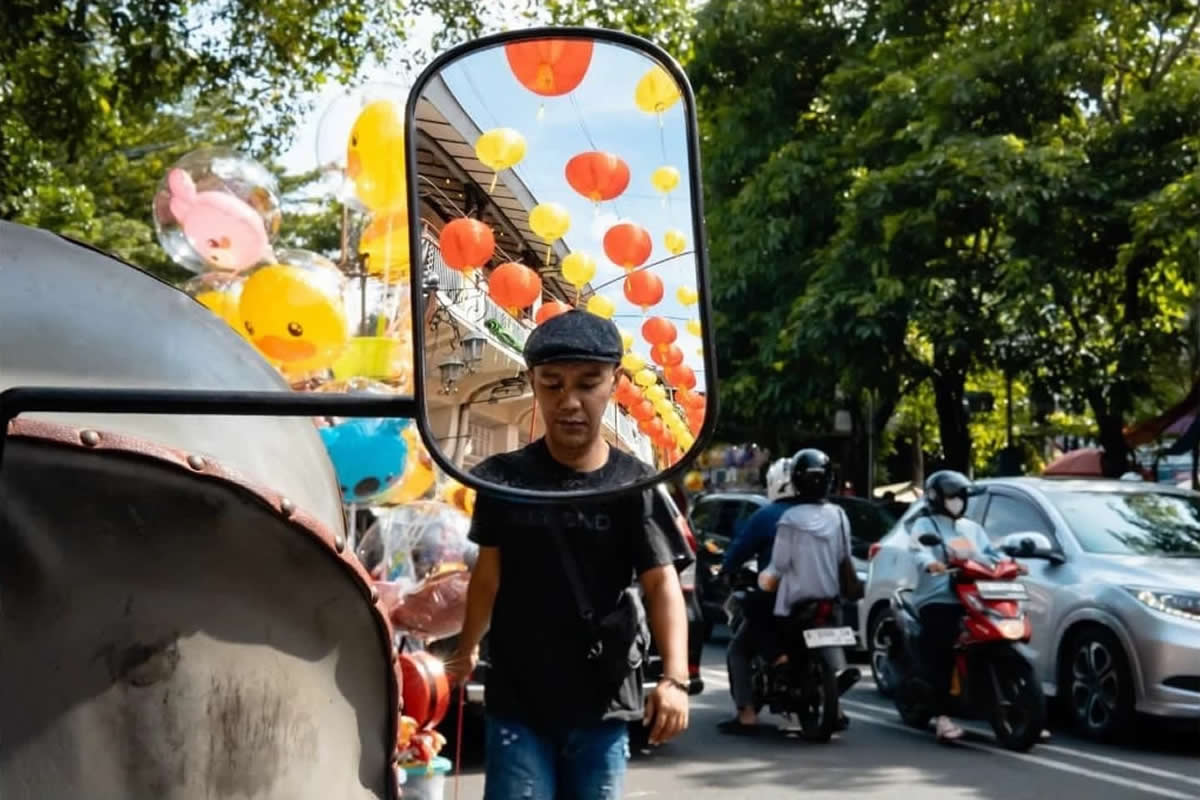
Street photography doesn’t usually announce itself. It sneaks up on you. That’s exactly how Fajar Wiji Raharjo, a street photographer based in Surakarta, Indonesia, found his way into the genre—by accident, curiosity, and a whole lot of watching the world slow down for a split second. Back in January 2024, a random social media post cracked the door open. At the time, street photography felt simple: shoot in public, keep moving, don’t overthink it. But three months later, when Fajar finally stepped onto the streets with his own camera, something clicked. The streets weren’t just backgrounds anymore—they were stages.
What followed was a deep dive into composition, perspective, and the invisible rhythm of everyday life. Fajar didn’t rush it. He watched. He waited. He joined a local street photography community, soaking up lessons, feedback, and inspiration from fellow shooters who knew the grind. Slowly, his eye sharpened. He began to see moments stacking on top of each other—signs aligning with people, shadows echoing gestures, backgrounds whispering punchlines before the subject even arrived.
That’s where the magic kicked in.
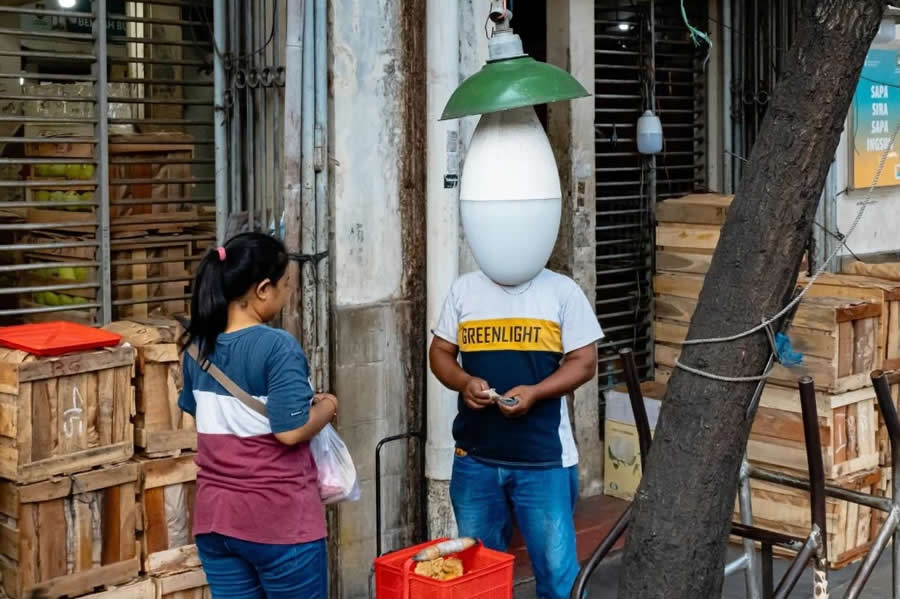
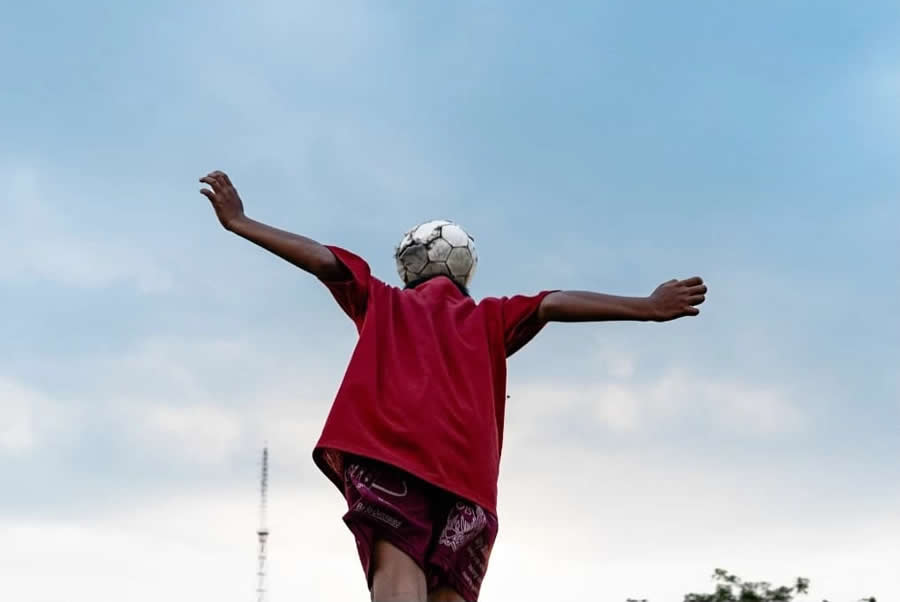
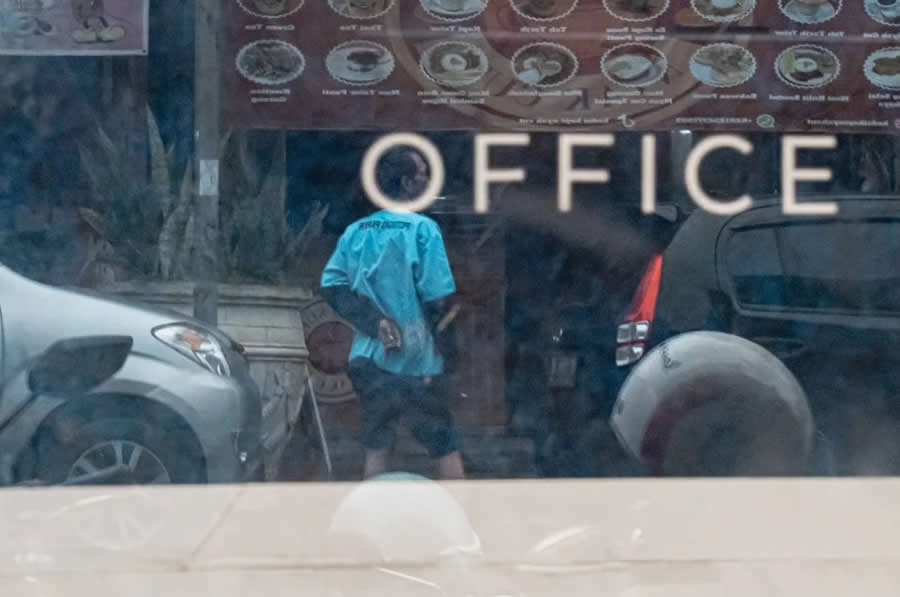
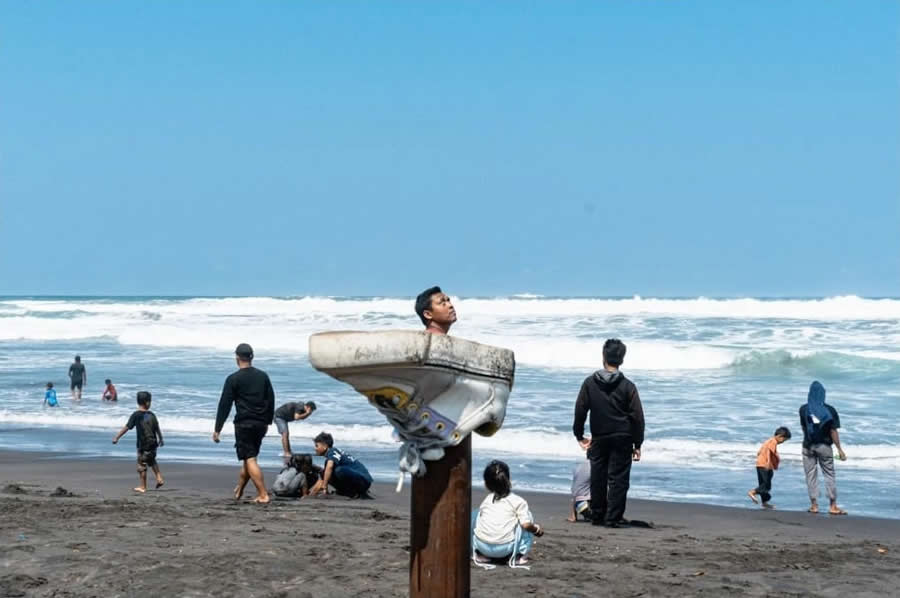
Inspired by legends like Henri Cartier-Bresson, and modern masters such as Tavepong Pratoomwong and Vineet Vohra, Fajar realized imagination is the secret sauce. Street photography isn’t just about reality—it’s about bending it. Through juxtaposition and perfect timing, he started making the impossible feel oddly natural. A visual joke here, a poetic collision there. Blink and you miss it. Look twice and you’re hooked.
This collection of 25 magical street photos is proof that daily life doesn’t need drama to be cinematic. Sometimes all it needs is patience, instinct, and someone brave enough to press the shutter at exactly the right second.
You can find Fajar Wiji Raharjo on the web:
#1
#2
#3
#4
#5
Perfect Timing: When the Streets Decide to Cooperate
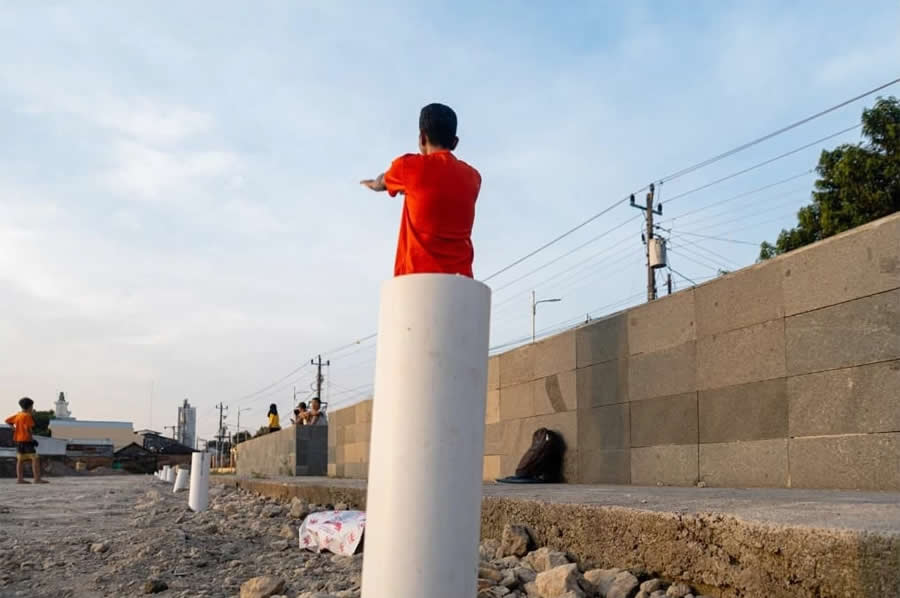
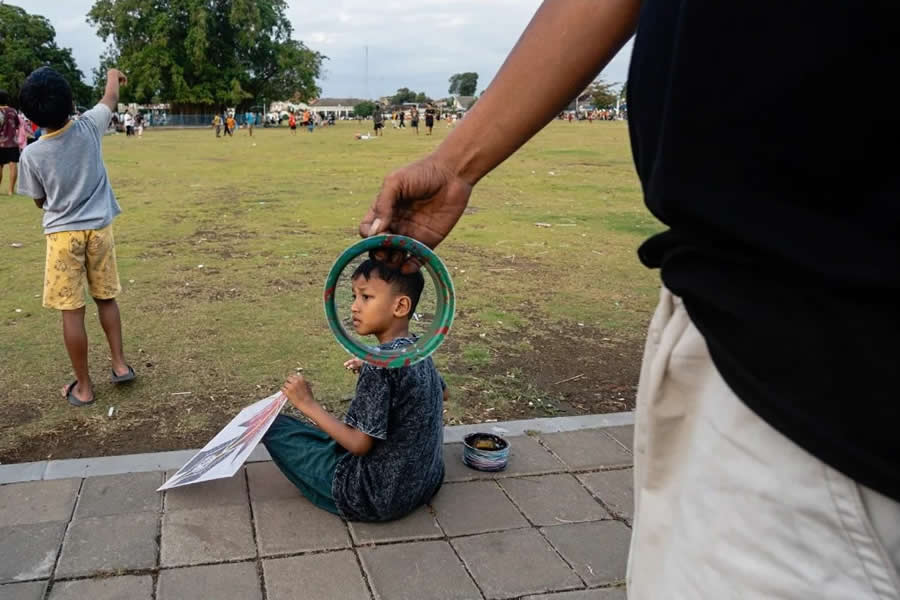
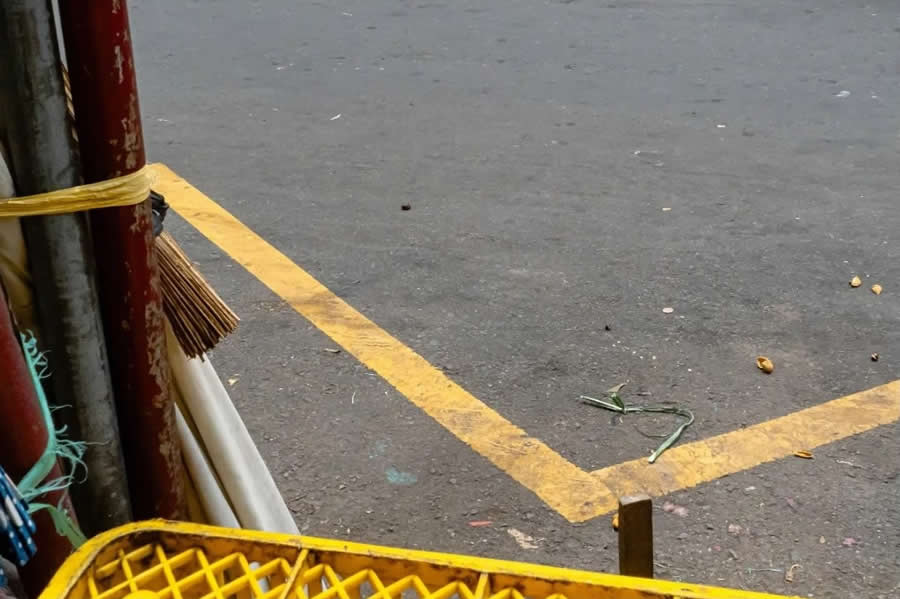
Perfect timing in street photography isn’t luck—it’s muscle memory mixed with obsession. Fajar’s images thrive in that razor-thin slice of time when everything lines up just right. A passerby steps into frame as a billboard finishes the sentence. A shadow completes a silhouette. A gesture mirrors a background shape like the city planned it that way.
These moments don’t scream for attention. They whisper. You feel them before you understand them. That’s the beauty of Fajar’s timing—it’s subtle, never forced. He waits for the scene to finish itself instead of chasing it down. The streets do the heavy lifting; he just shows up ready.
In a world obsessed with chaos and speed, these photos slow you down. They remind you that magic doesn’t happen every second—but when it does, it’s usually hiding in plain sight, daring someone patient enough to catch it.
#6
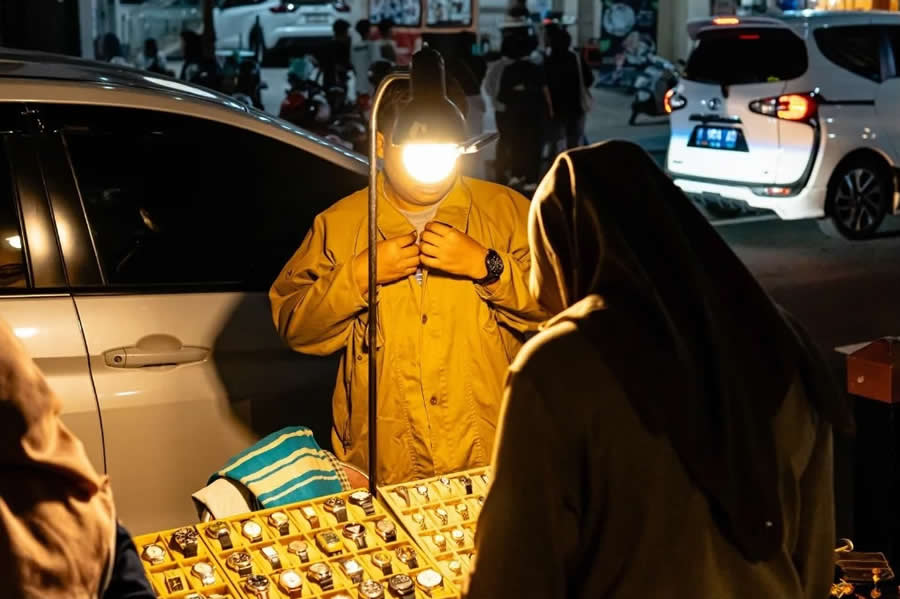
#7
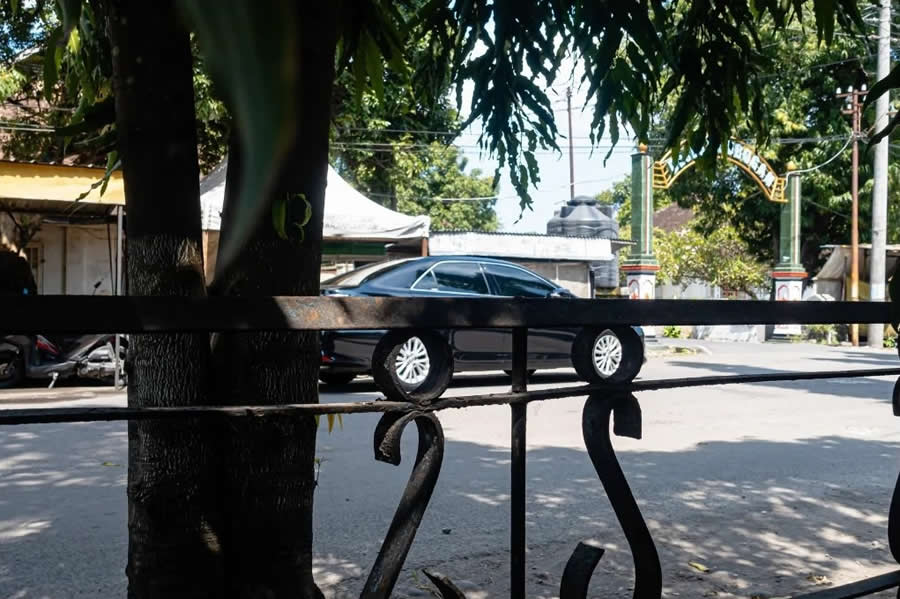
#8
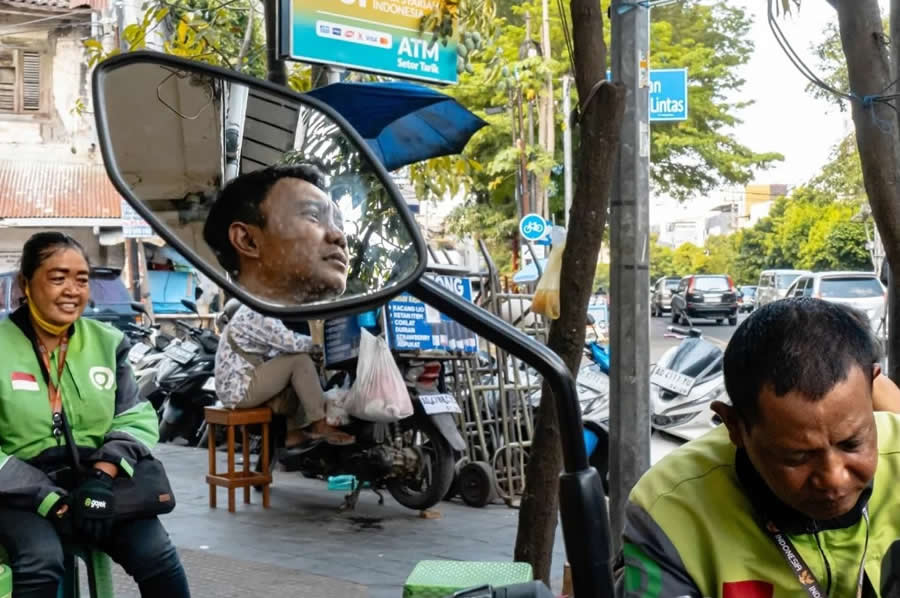
#9
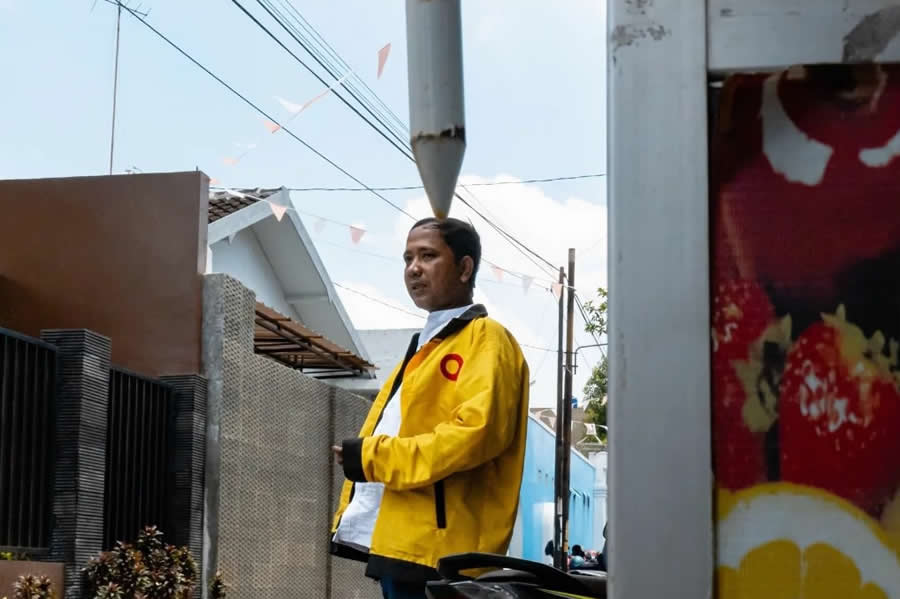
#10
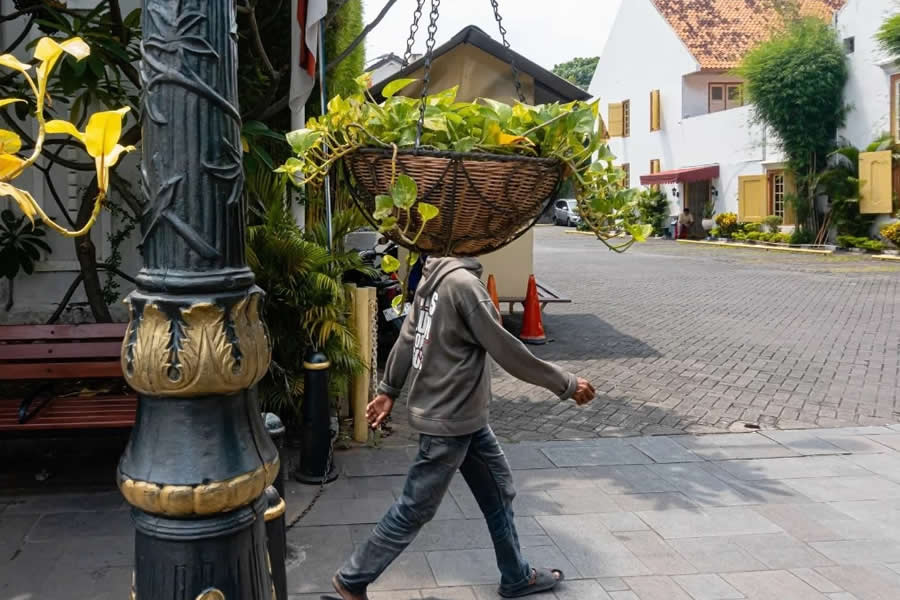
The Power of Juxtaposition in Everyday Life
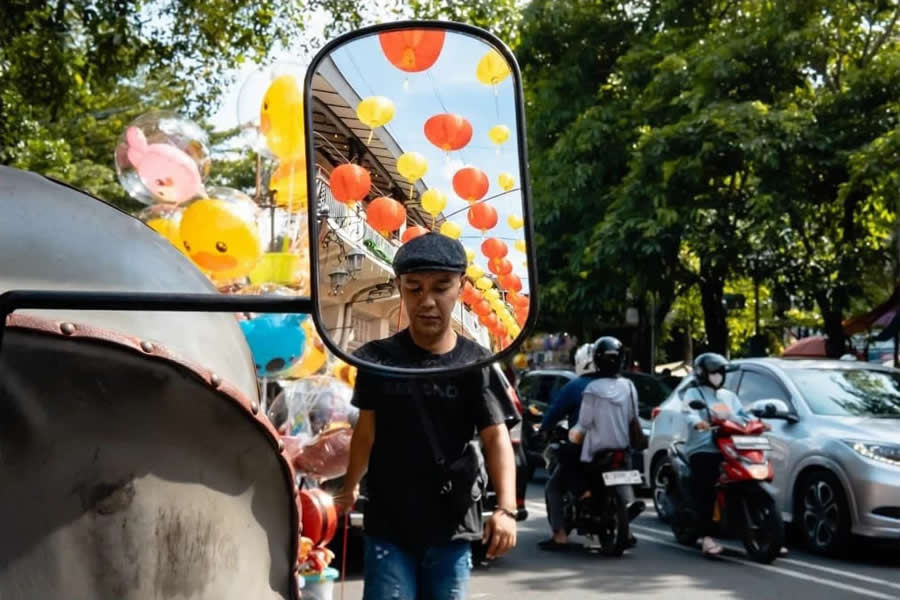
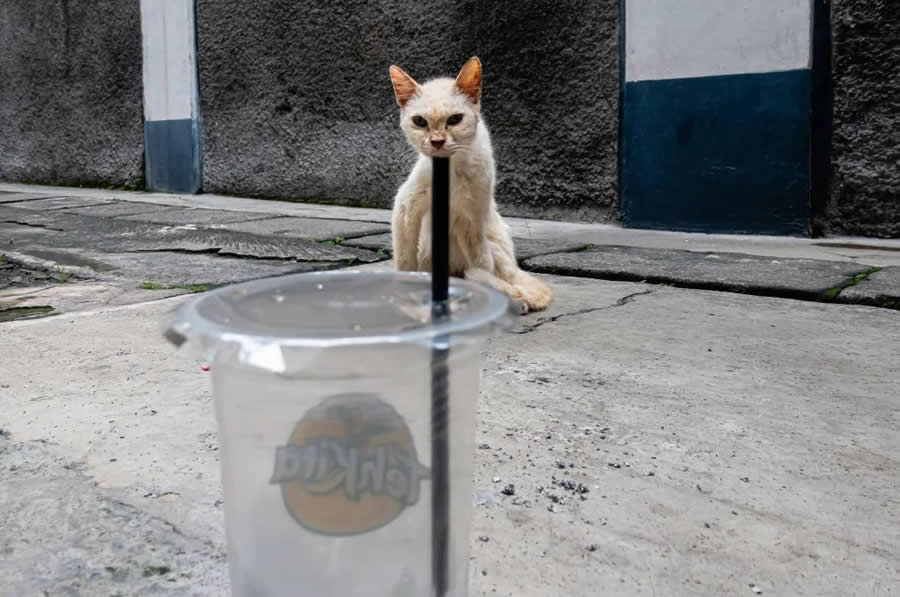
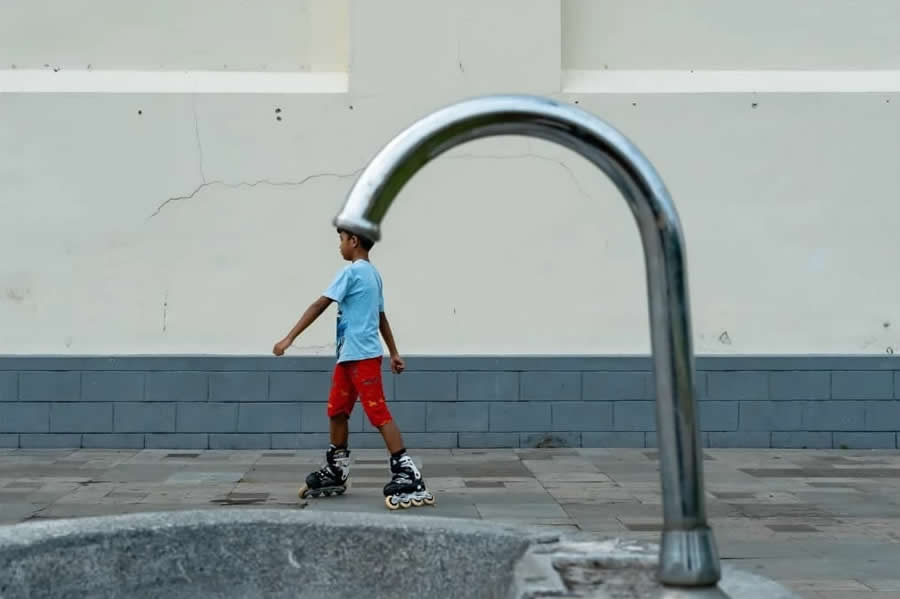
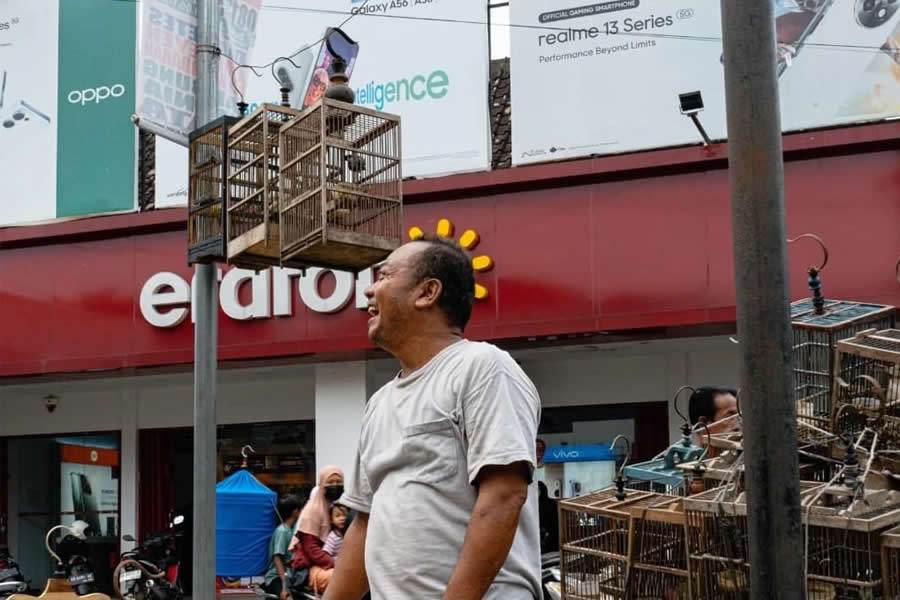
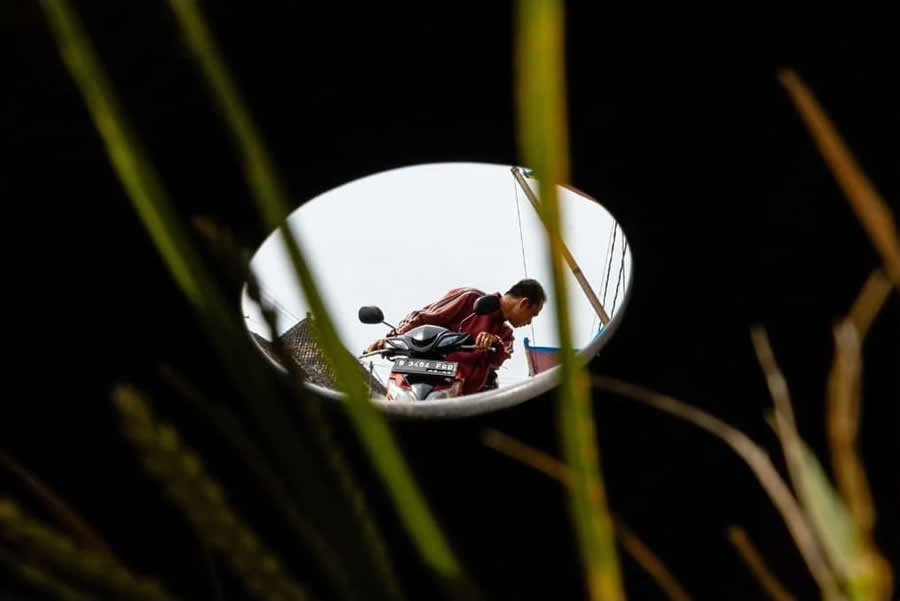
Juxtaposition is where Fajar’s imagination really flexes. He treats the street like a visual chessboard, placing elements against each other until meaning sparks. Old meets new. Motion clashes with stillness. Humor sneaks in where you least expect it.
What makes his work hit is how natural it feels. These aren’t staged tricks—they’re honest collisions pulled straight from daily life in Indonesia. A background poster talks back to a pedestrian. Architecture plays off human behavior. The ordinary becomes slightly surreal, and suddenly you’re smiling, thinking, or both.
Juxtaposition, for Fajar, isn’t about being clever just to show off. It’s about storytelling in one frame. Each photo feels like a short sentence with a punchline you didn’t see coming. That’s when street photography stops being documentation and starts feeling like art.
#11
#12

#13
#14
#15
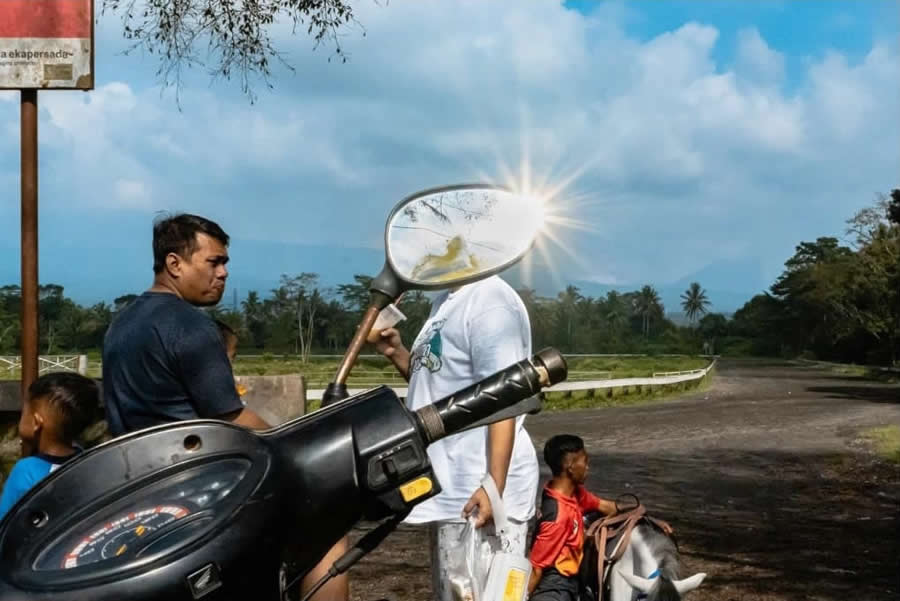
Learning the Streets: Growth Through Observation
Fajar is the first to admit he’s still learning—and that honesty shows in his work. He didn’t start with grand ambitions or fancy gear. He started by watching. By standing still. By letting scenes unfold instead of interrupting them.
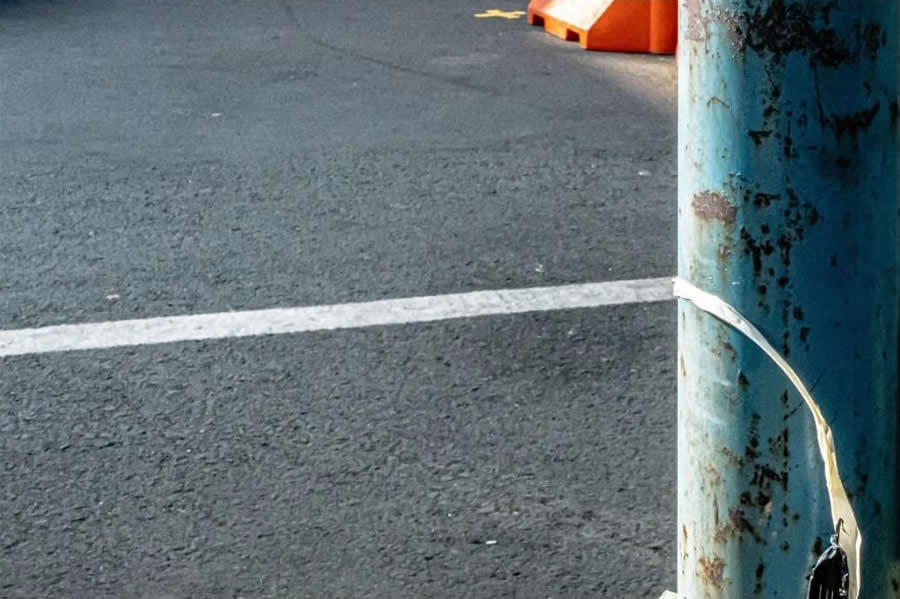
Joining a local street photography community played a huge role in that growth. Feedback sharpened his instincts. Conversations expanded his visual vocabulary. Slowly, his shots became more intentional, more layered, more confident.
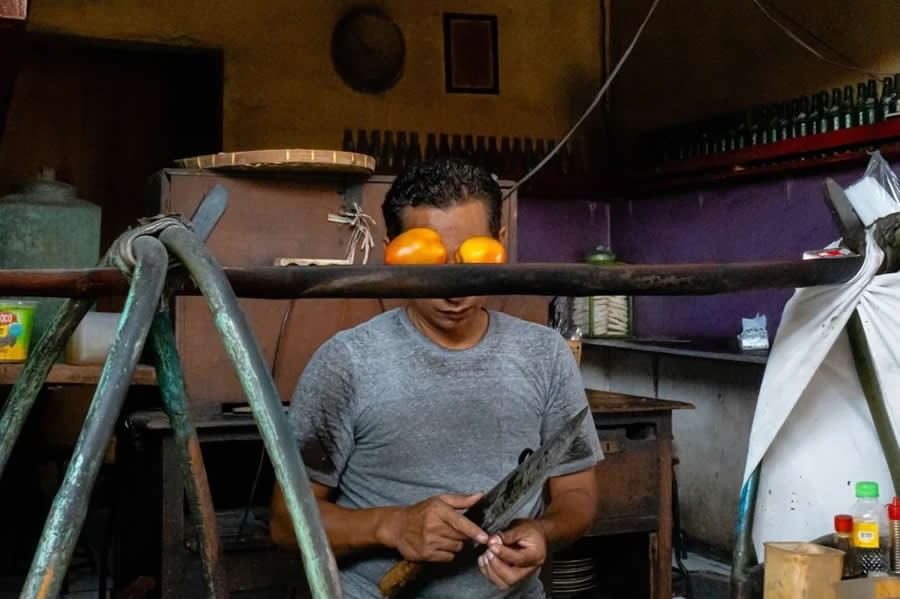
This learning mindset is what keeps his images fresh. Even after earning recognition—like landing in the Top 20 of an international APF competition among 8,000+ photographers worldwide—he stays grounded. No ego, no shortcuts. Just curiosity and respect for the craft.
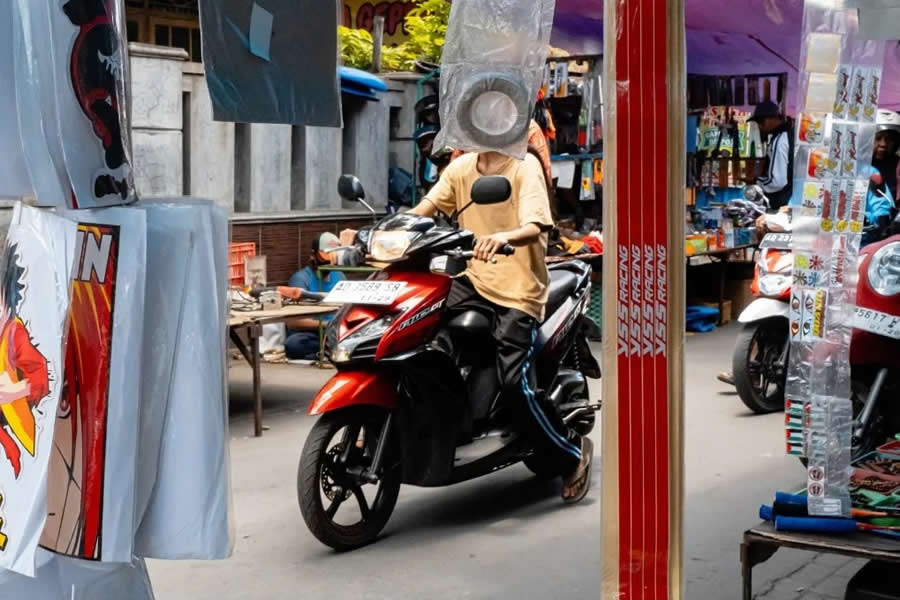
You can feel that humility in every frame. These photos don’t shout. They invite you in.
#16
#17
#18
#19
#20
Recognitions
Fajar hasn’t stacked trophies or chased titles—and honestly, that’s part of the appeal. His recognition came the street photographer way: through eyes, shares, and quiet respect. Being featured on well-known street photography Instagram pages gave his work a wider audience, proving that strong images speak louder than medals.
There’s something refreshing about that. His photos aren’t made to impress juries; they’re made to connect. To surprise. To linger in your head after you scroll past.
Influenced by masters who understand timing and visual irony, Fajar is carving his own lane—one frame at a time. These 25 images aren’t a victory lap. They’re a checkpoint. A snapshot of an artist mid-journey, learning fast, seeing deeper, and proving that the streets still have plenty of magic left for those who truly look.
#21
#22

#23
#24
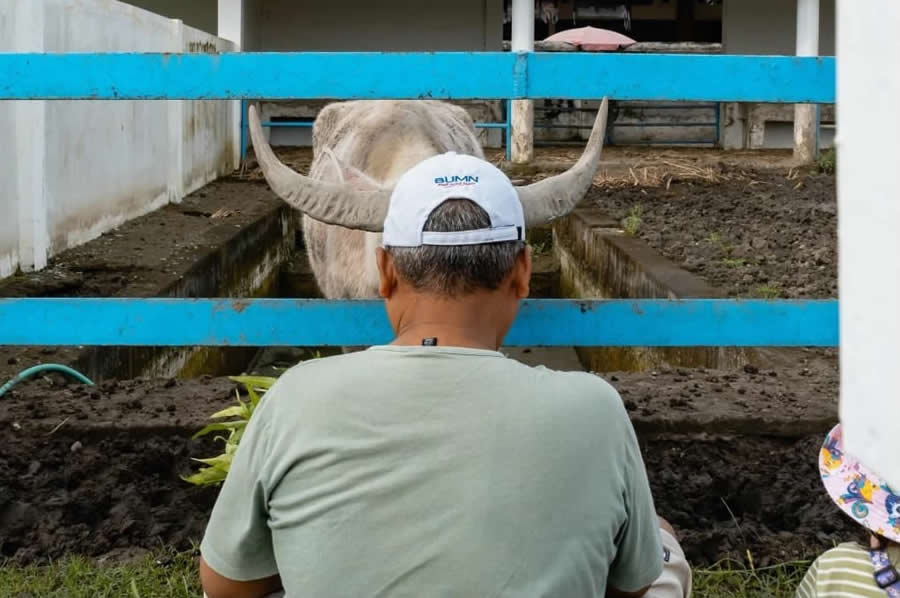
#25
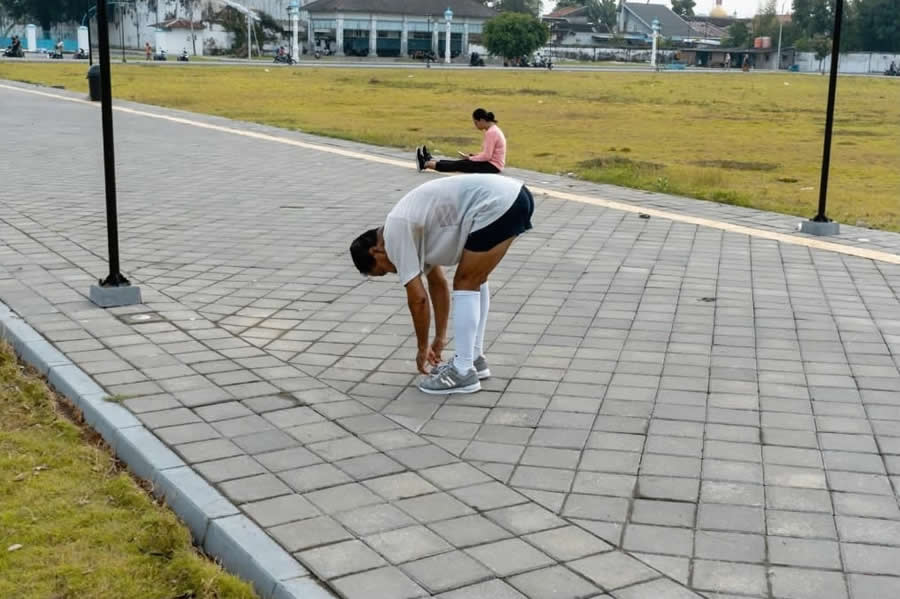
Quick Facts About Street Photographer Fajar Wiji Raharjo
Who is Fajar Wiji Raharjo?
- Fajar Wiji Raharjo is a street photographer based in Surakarta, Indonesia, known for perfectly timed images and clever visual juxtapositions.
Where is Fajar Wiji Raharjo from?
- He lives and works in Surakarta (Solo), Central Java, Indonesia.
When did Fajar Wiji Raharjo start street photography?
- He began exploring street photography in January 2024 after discovering the genre through social media.
What style of street photography does he focus on?
- His work focuses on perfectly timed moments, visual coincidence, and strong juxtaposition in everyday street scenes.
What inspires his street photography?
- He is inspired by imagination, daily life, and the works of photographers like Henri Cartier-Bresson, Tavepong Pratoomwong, and Vineet Vohra.
Where has his work been featured?
- His street photos have been featured on multiple street photography Instagram platforms, gaining local and international attention.
What makes his street photos unique?
- His ability to blend daily life with perfect timing and clever juxtaposition makes ordinary scenes feel magical and visually surprising.