
Article Written by: Mira Jensen
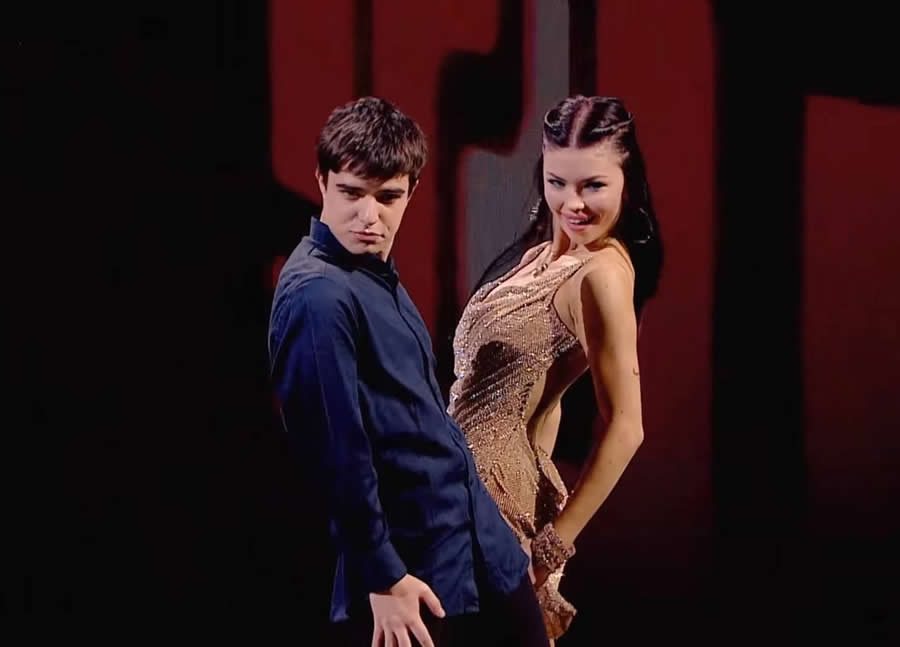
Most people see only the last two minutes of Artur Ravlyk’s work: the final round, the lights, the slow walk to the podium. What they rarely see is the system behind it – a daily formula built over years, from a small-town studio in western Ukraine to the most demanding Latin floors in the world.
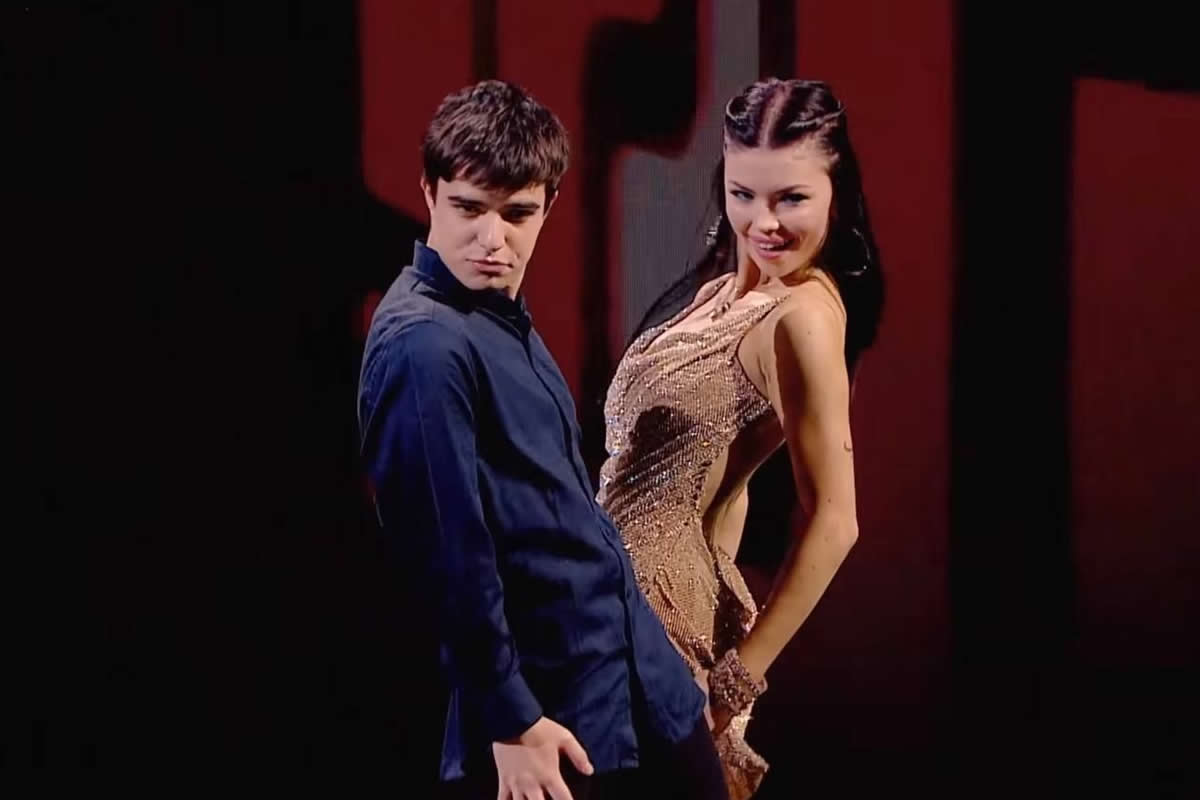
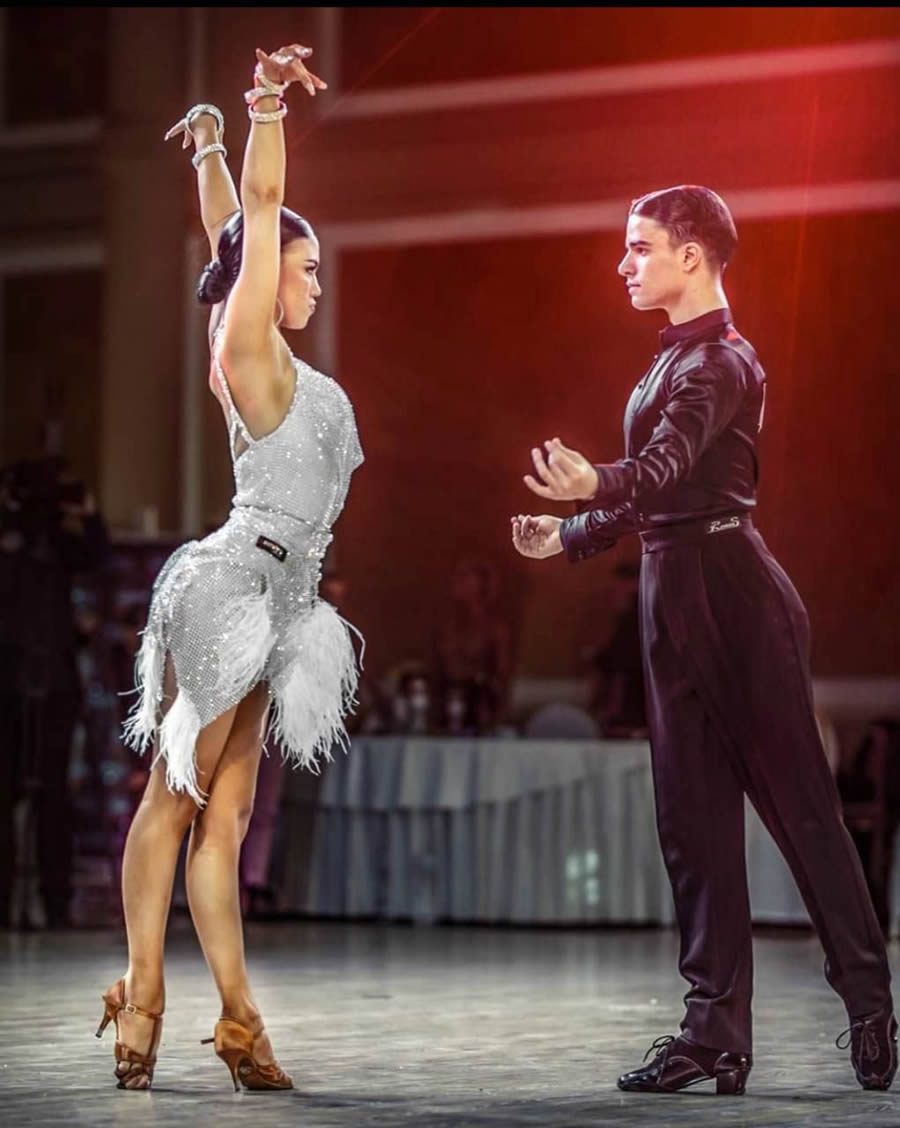
Artur Ravlyk is best known for what the results already show: titles at major international events, late-round appearances in some of the strongest fields in Europe, and a Blackpool victory that confirmed he belongs on the hardest floor in the sport. But the more revealing story is how that level was built.
From a leaking roof to world titles
Raised in Horodenka, far from famous academies, he trained in a modest hall where the roof leaked in winter and music came from a single tired speaker. Travel to competitions meant overnight buses and shared rooms. “There was no illusion that success would come because you are ‘special’,” he recalls. “If you wanted to win, you had to build the work yourself.”
Over time that philosophy turned into a clear daily structure.
The daily structure
First comes fundamentals. For at least an hour there is no choreography and no show – only mechanics. Weight, foot speed, balance and timing are drilled in the simplest figures: a single Rumba step repeated until it lands exactly on the beat; a Chacha chasse checked for pressure into the floor; Samba bounce done with a metronome so timing becomes a reflex, not just an idea.
Only after the solo work is honest does he move into partnering. Here the focus is on what the audience may not name but always feels: how weight travels between partners, how clearly the lead is sent and received, how the couple shares one centre of gravity. Routines are pulled apart and put back together. A single figure might be danced in slow motion, then at full speed, then with random stops where the couple must hold the line without losing balance or character. “If it breaks in the studio,” he says, “it would have broken in the final.”
The next block is devoted to rounds. This is not simply running dances to exhaustion. Rounds are planned almost like a performance script: entrance, first impression, musical highlights, exit. Ravlyk often runs “blind rounds” where the order of dances or the music is unknown in advance. This simulates the chaos of a real event and forces adaptation without sacrificing quality. He pays attention to heart rate, breathing and leg fatigue so that the body learns exactly what a final feels like – and how to keep expression until the last bar of Jive.
The day ends with reflection and mental rehearsal. Every session closes with notes on what worked, what broke down and what must change tomorrow. Video is used as data, not decoration: where did energy drop, which picture failed to read to the back of the room? Before major championships he runs “mental finals”, visualising the walk-on, the orchestra, the judges, and choosing in advance how he will respond. Doubts are allowed only later in the notebook, never on the floor. “Courage is not a mood,” Ravlyk says. “It’s the habit of keeping the promise you made to yourself before the music started.”
Micro-drills and mindset
Alongside this, he builds micro-drills: small, repeatable tasks that turn weaknesses into strengths. There are timing drills to slightly faster music so normal tempo feels controlled; floorcraft drills with obstacles placed on the floor; expression drills where he must improvise using only basic steps; recovery drills where a tiny mistake is made on purpose and he has to hide it, reconnect and continue as if nothing happened. These moments rarely appear on social media, but they are the quiet backbone of performances that look effortless when it matters.
Consistency, not a lucky season
Looking at Ravlyk’s record, it is easy to focus on the headlines – Blackpool, national and international championships, more than a decade at the sharp end of world-level fields. Yet what truly defines his career is not a single lucky season, but consistency. Year after year, across countries and partnerships, he appears in late rounds and delivers the standard his name promises. That consistency is not an accident; it is the natural result of treating each training day as a small championship, and each championship as proof that the system works.
About Artur Ravlyk
Artur Ravlyk is a Ukrainian-born Latin ballroom dancer and world-level competitor whose titles include major international championships and a Blackpool Dance Festival victory. Known for clean technique, musical phrasing and a disciplined training methodology, he has become a reference point for how modern Latin can balance athletic precision with genuine artistry.