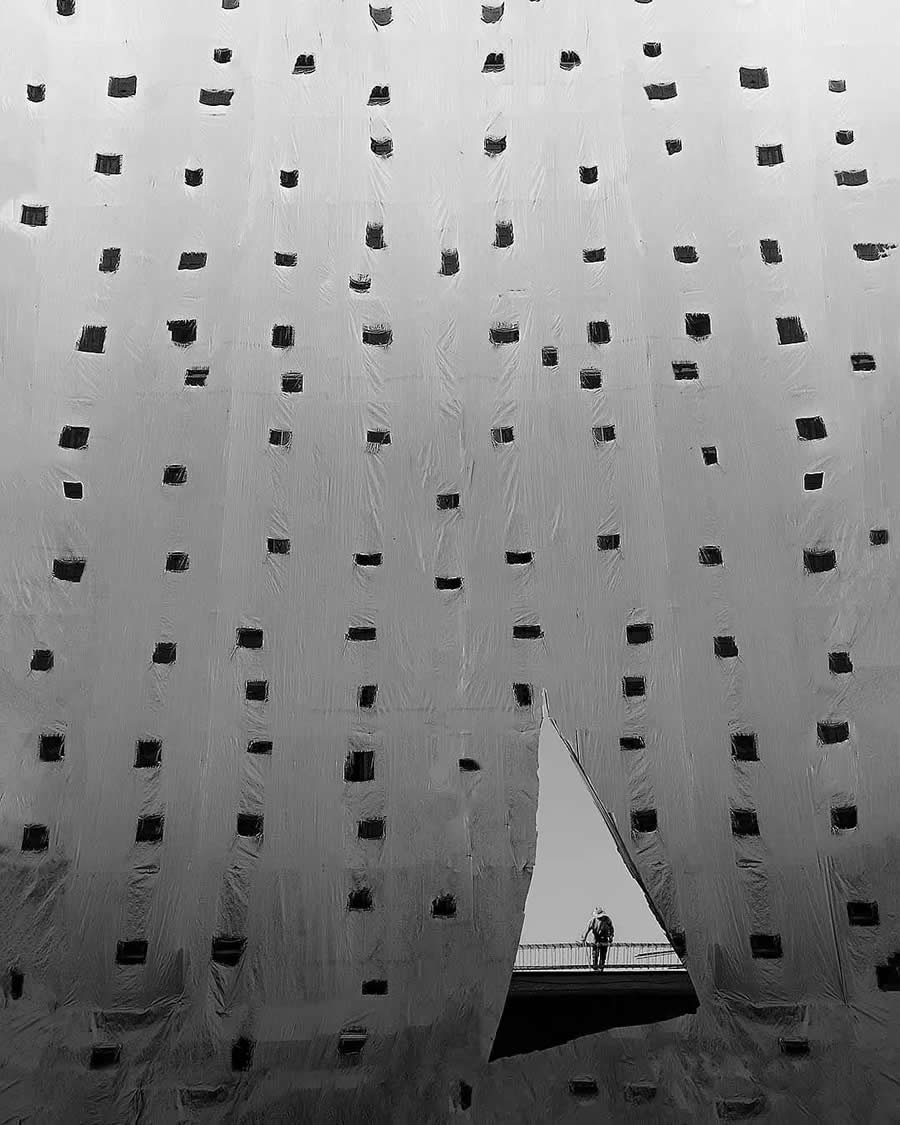

There’s a special kind of hush that settles over you when you look at an Ali Zolghadri photograph. It’s not just quiet—it’s a whole different frequency. Born in Tehran in 1993, Zolghadri has carved out a visual universe where silence isn’t empty; it’s alive, intentional, and deeply spiritual. His minimalist fine art photography doesn’t shout for attention. Instead, it leans in gently, whispering its truth with poetic restraint and an almost supernatural calm.

A self-taught artist with more than 130 international awards under his belt, Zolghadri has become one of the most compelling conceptual photographers of his generation. His work floats somewhere between reality and dream, between architecture and emotion, between solitude and connection. Whether he’s shooting stark landscapes or mathematical structures, he transforms the everyday into meditative allegories. And he does it without digital trickery—his creativity is rooted in in-camera precision and philosophical depth.
His black-and-white palette isn’t a stylistic choice; it’s a philosophy. Zolghadri strips away the noise—color, clutter, the unnecessary—and reveals what truly matters: form, space, silence. Each photo feels like a breath held just long enough to make you aware of your own heartbeat. It’s minimalism, sure, but minimalism with soul.
Represented by Simine Paris Gallery and collected worldwide through Artsy, Zolghadri continues to divide his life between Tehran and Dubai. Yet, no matter where he stands, his work always returns to one core idea: the world is loud, but meaning lives in the quiet pockets in between.
These 35 minimalist fine art photos aren’t just images—they’re meditations, invitations to slow down, and proof that silence can be the loudest storyteller of all.
You can find Ali Zolghadri on the web:
#1
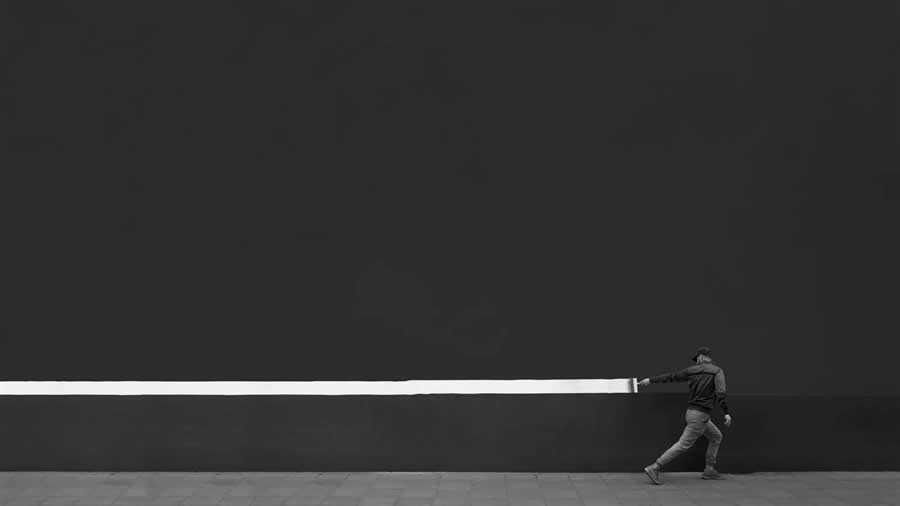
#2
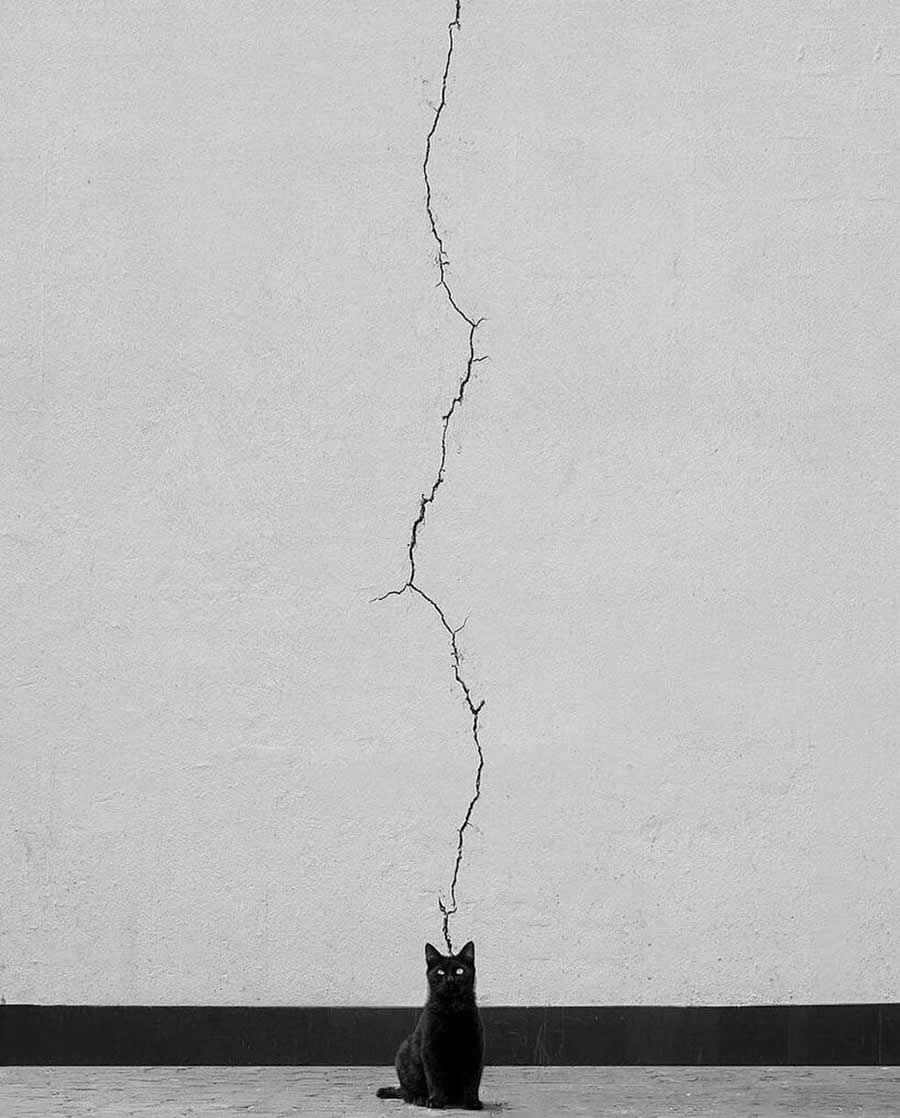
#3
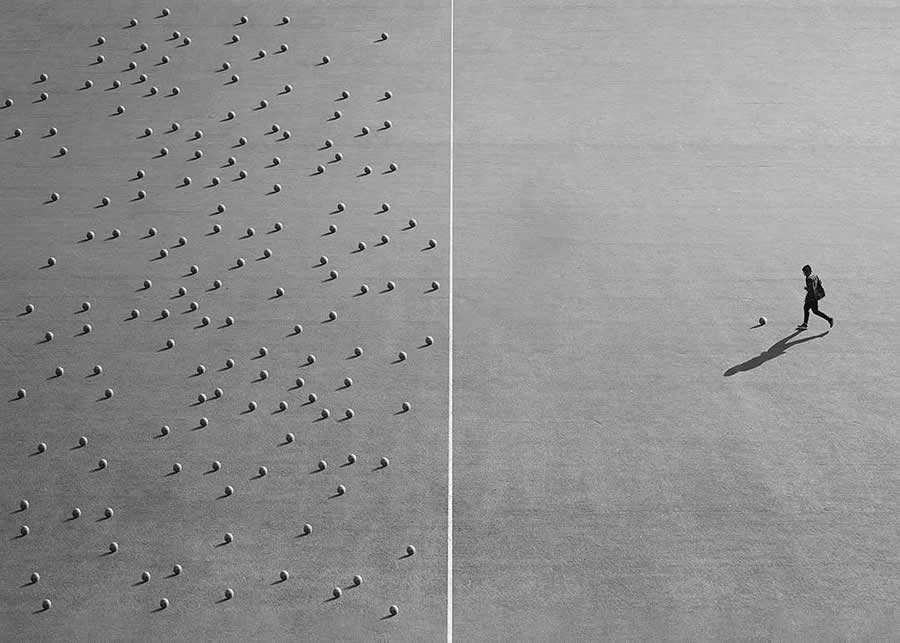
#4
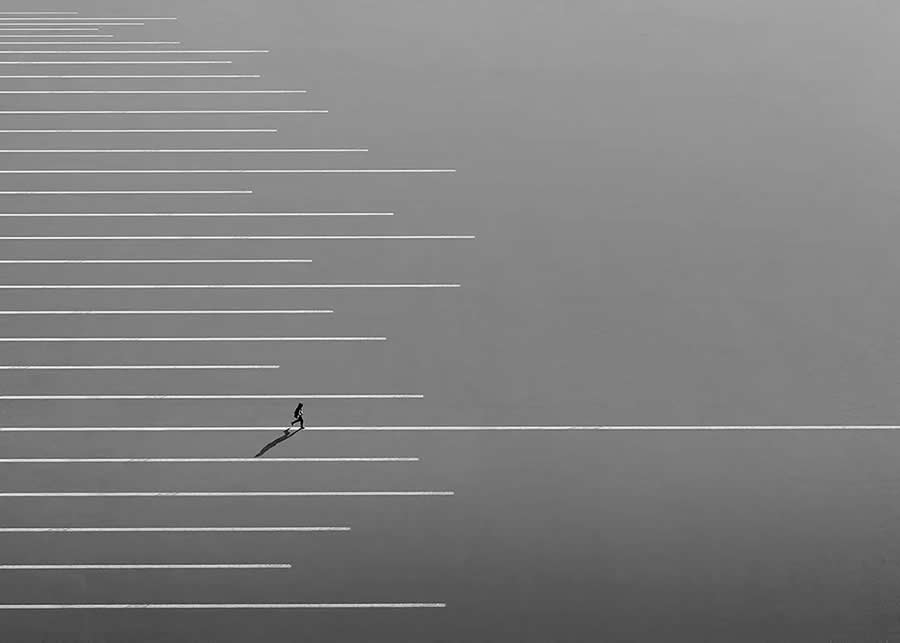
#5
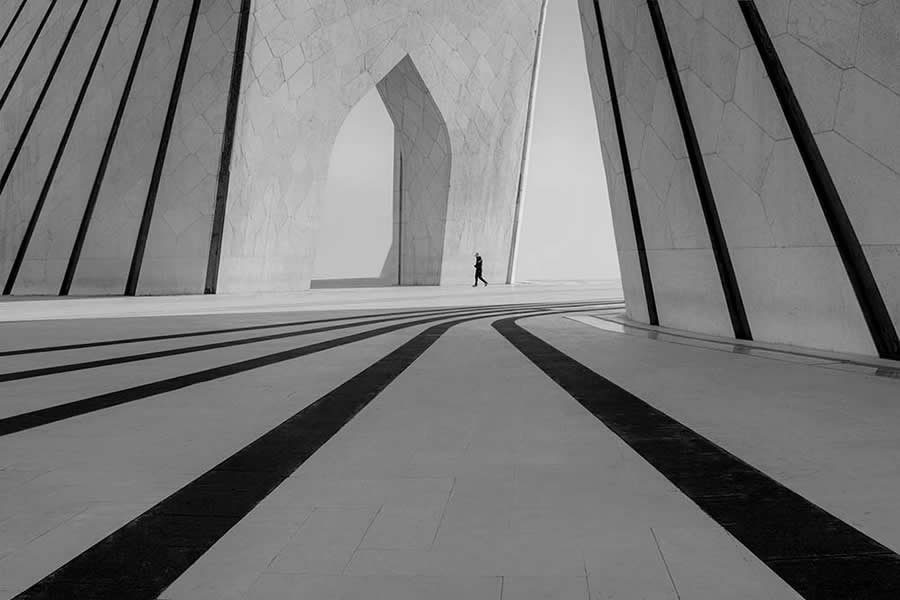
Geometry of Stillness: When Lines Become Language
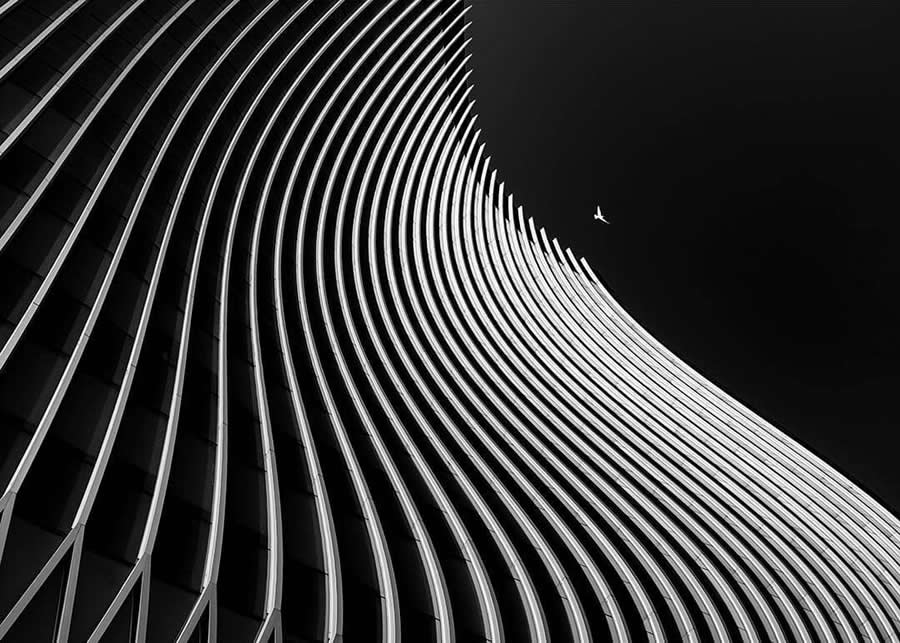
Ali Zolghadri has a gift for making geometry feel emotional—like it’s breathing right in front of you. His clean architectural lines don’t just guide the eye; they guide the mind into a calmer headspace. Through his signature minimalist framing, he strips a structure down to its soul, revealing shapes and angles that feel almost spiritual. There’s something mesmerizing about how he turns rigid forms into soft meditations, letting shadows, curves, and negative space speak louder than the subjects themselves.
Zolghadri doesn’t document buildings—he translates them. He converts steel, concrete, and sky into a quiet visual rhythm that feels like a heartbeat slowing down. Each frame is carefully reduced to the essentials, leaving only what truly matters. In this simplicity, the viewer discovers a strange serenity, a reminder that even in the most structured corners of life, silence has its own hidden grace.
#6
#7
#8
#9
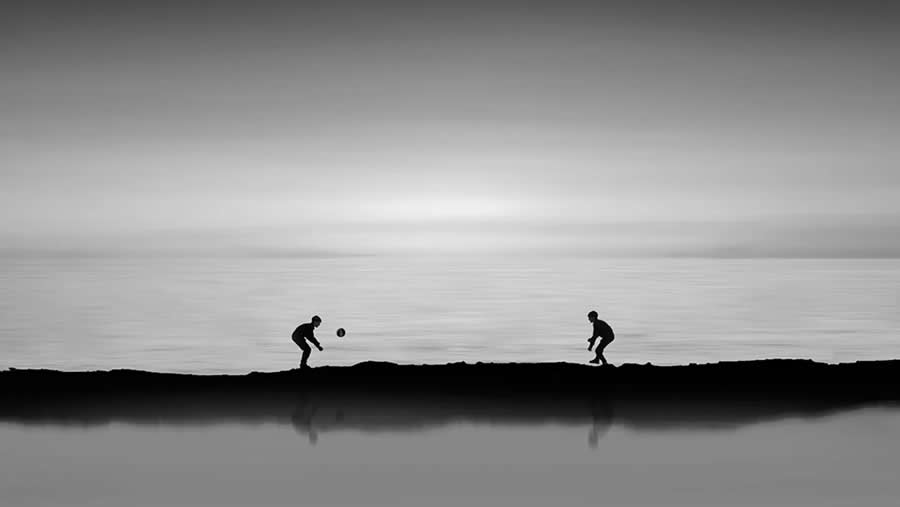
#10
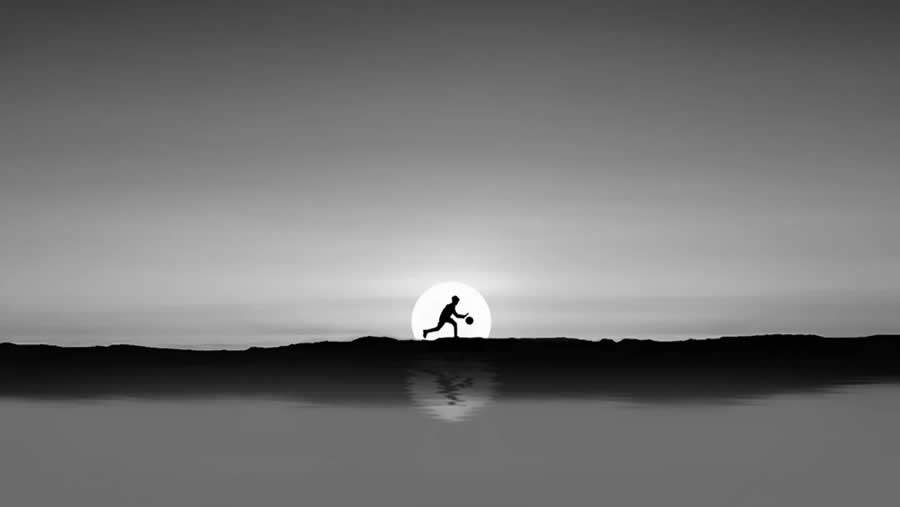
Landscapes of Quiet: Nature as a Mirror for the Soul
Zolghadri’s landscapes don’t scream “look at me.” They whisper. They pull you into wide-open spaces where the wind feels still and the horizon stretches like a soft exhale. His minimalist approach turns deserts, coastlines, and barren terrains into emotional self-portraits of solitude. There’s an unspoken dialogue happening between the viewer and the landscape—a feeling that this quiet place isn’t just out there, but also inside you.
In these scenes, nothing is cluttered. Nothing distracts. Every line, cloud, and shadow is deliberate, gently encouraging you to slow down and breathe. The surreal quality of his compositions makes the natural world feel otherworldly, yet deeply familiar. Zolghadri uses nature as a silent storyteller, revealing the beauty of emptiness and the stillness between moments. His landscapes aren’t about capturing the world; they’re about capturing the emotional resonance of simply being.
#11
#12
#13
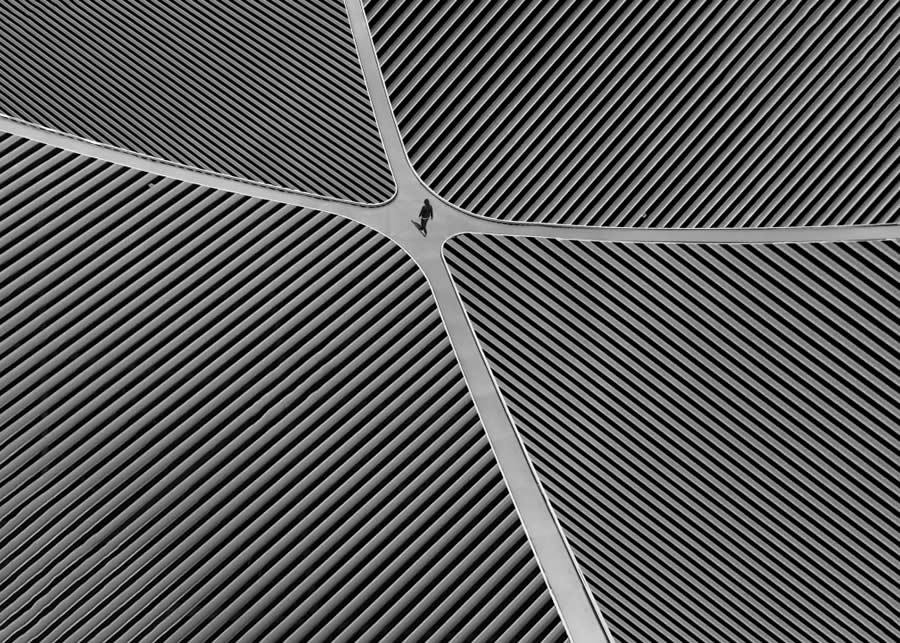
#14
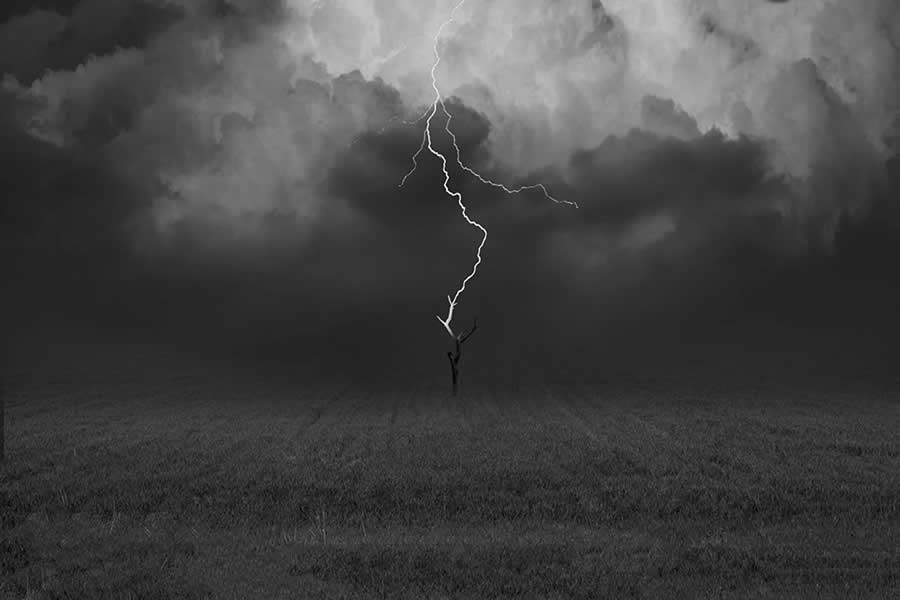
#15
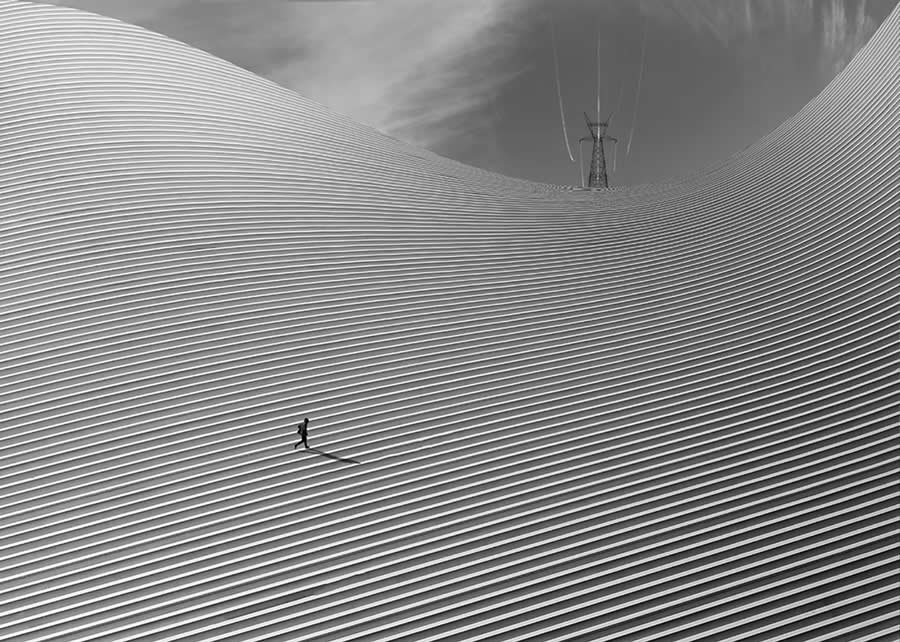
The Poetry of Solitude: Humans in Minimalist Space
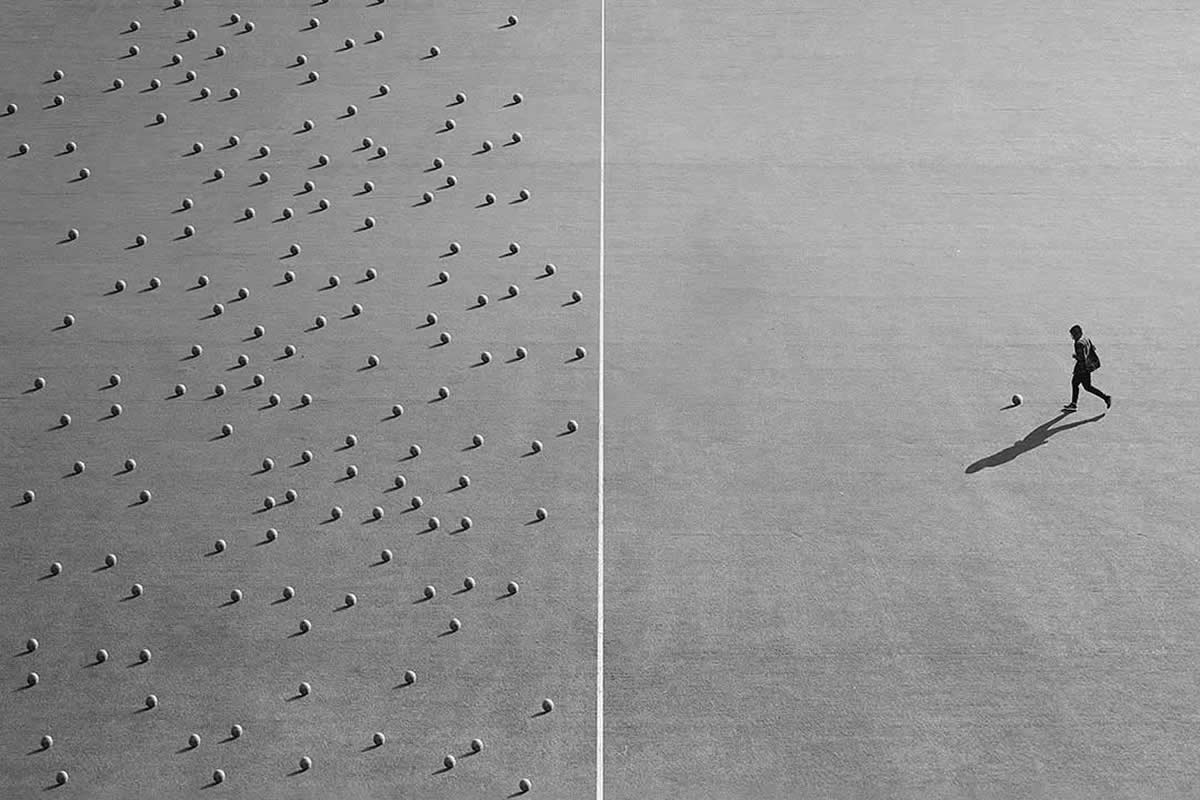
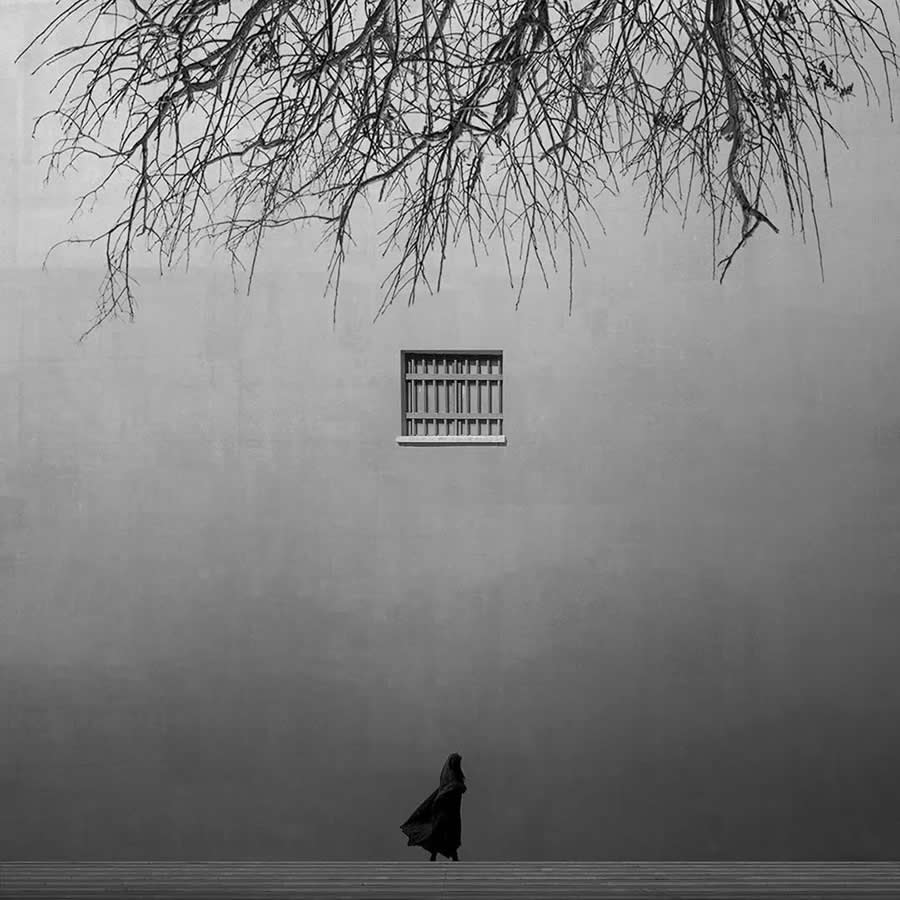
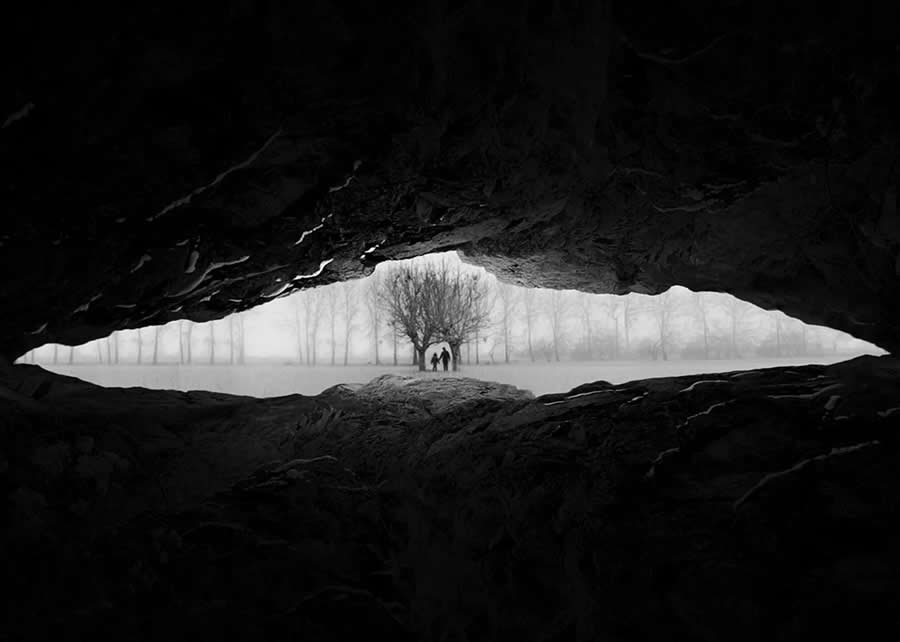
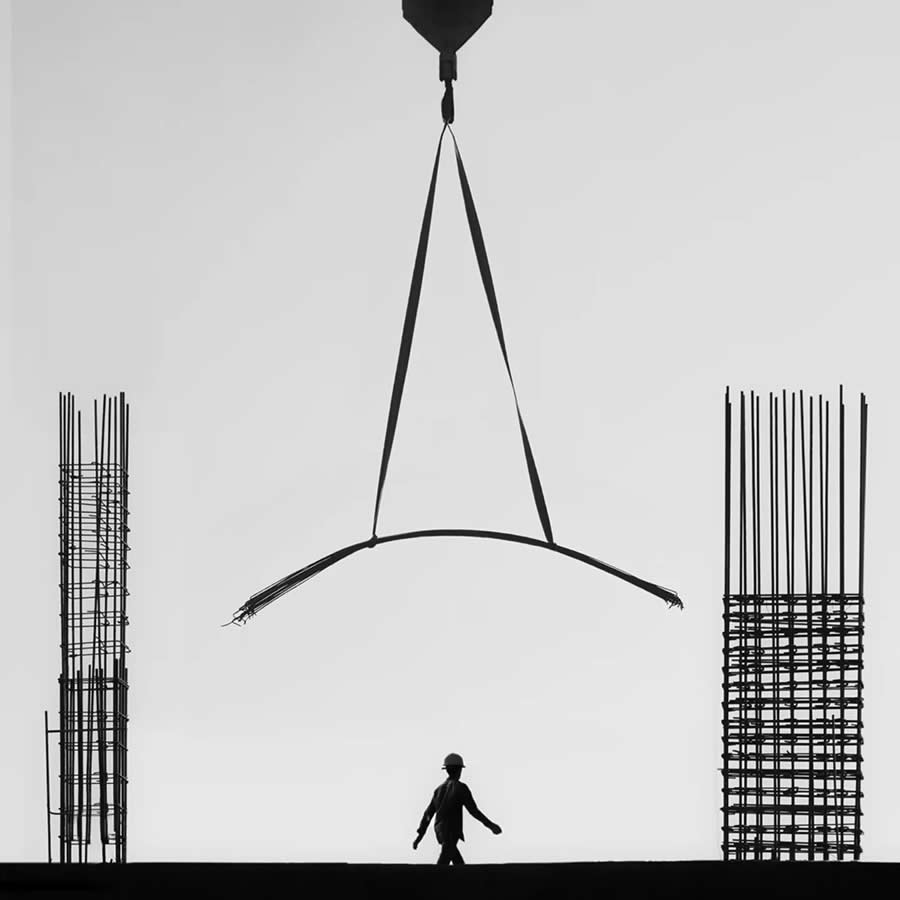
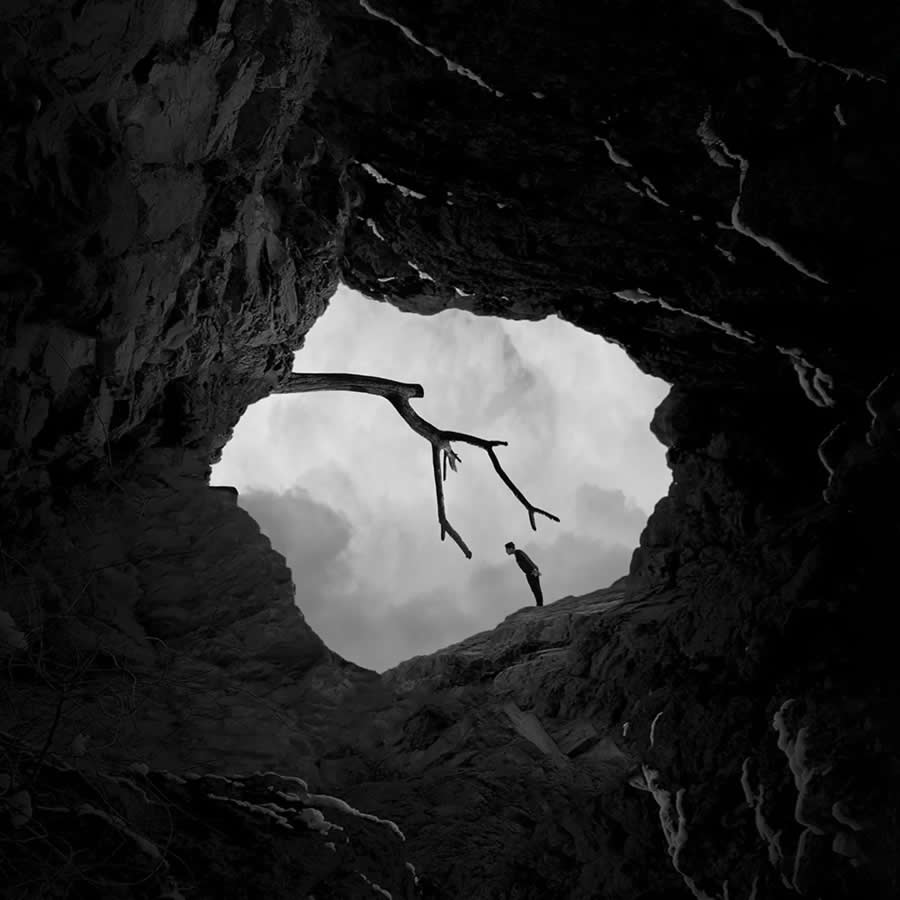
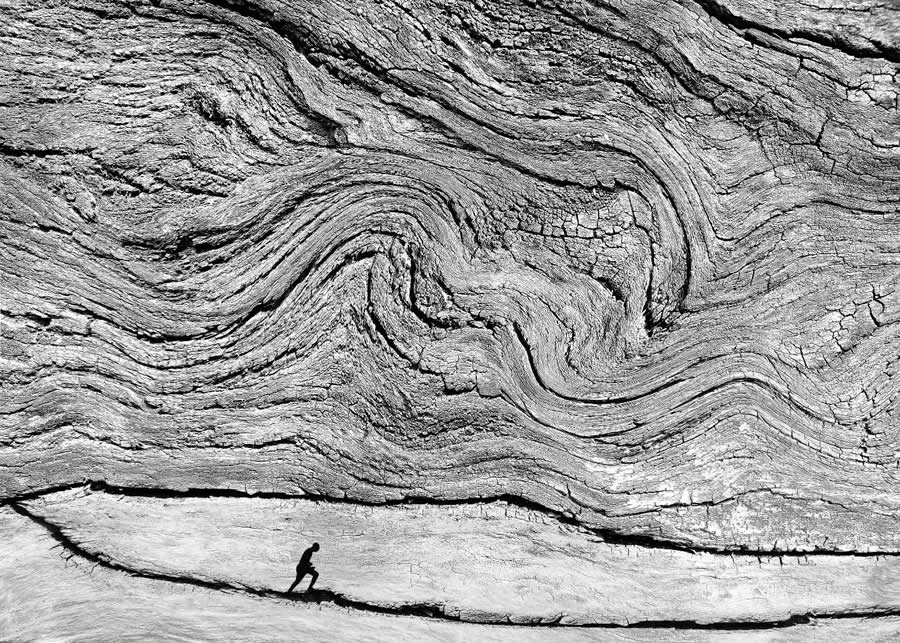
Whenever Zolghadri places a lone figure inside a vast environment, the result is pure cinematic meditation. These human-scale moments hit with unexpected emotional force. The subjects aren’t overwhelmed by the emptiness—they’re empowered by it. Solitude becomes a sanctuary instead of a burden, a quiet inner world where everything unnecessary falls away.
His minimalist compositions make the figure feel both small and infinite at the same time. The surrounding negative space becomes a metaphor for thought, introspection, and the beautifully slow moments we rarely give ourselves permission to feel. Instead of documenting life, Zolghadri builds a parallel reality—calmer, cleaner, and intensely contemplative.
These images remind us that solitude isn’t loneliness. It’s clarity. And in Zolghadri’s hands, silence becomes a companion, guiding the viewer toward an emotional truth hiding in plain sight.
#16
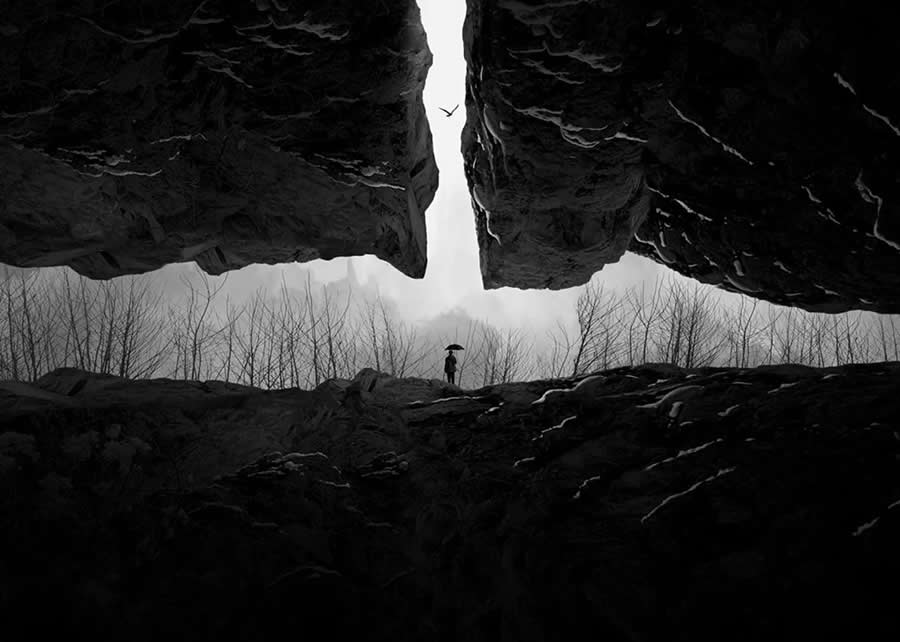
#17
#18
#19
#20
Surreal Minimalism: When Reality Takes a Deep Breath
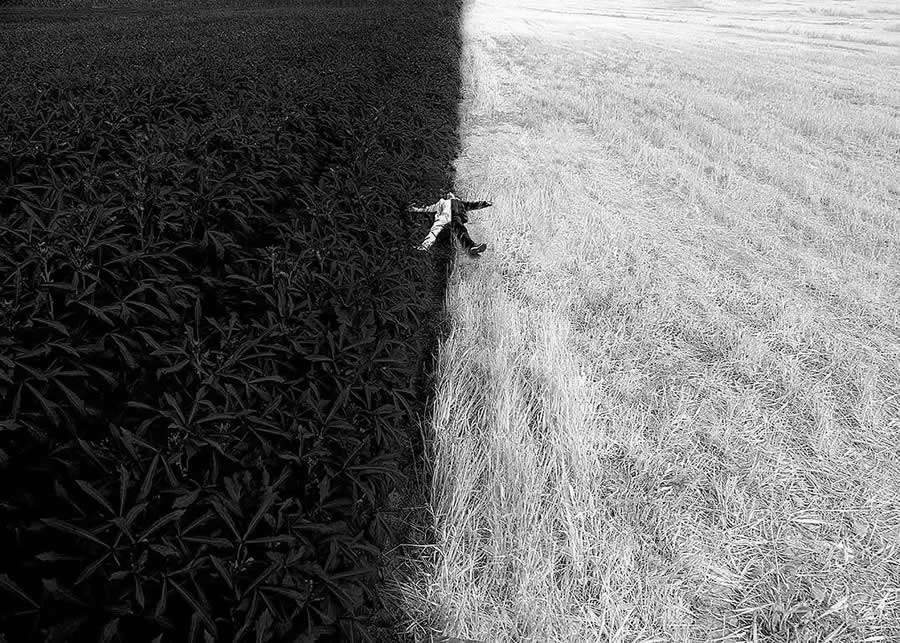
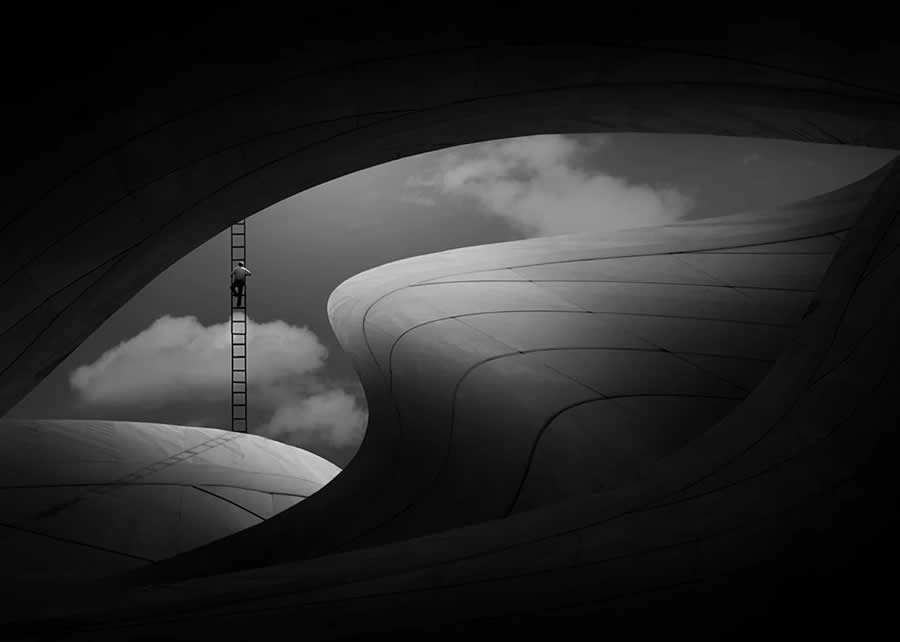
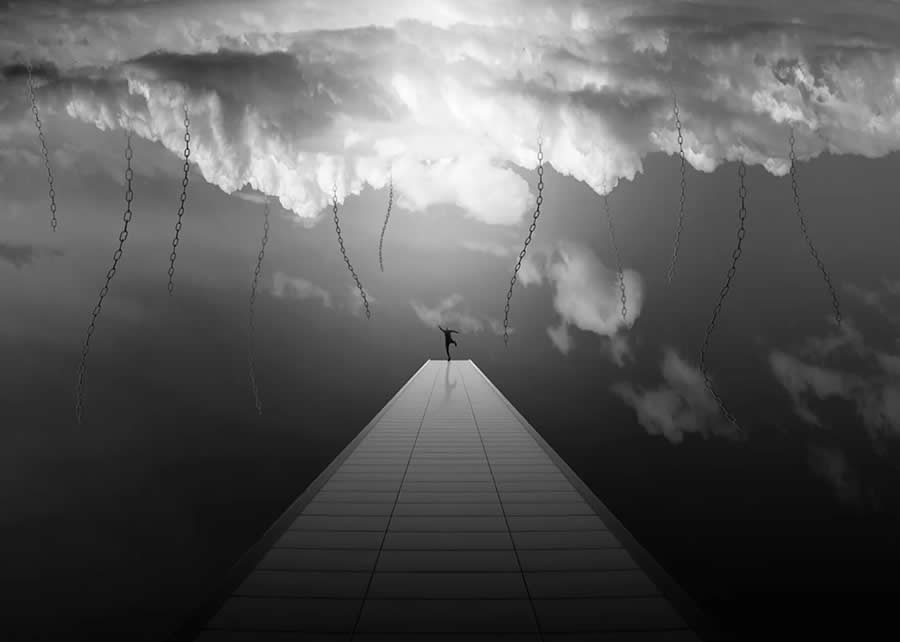
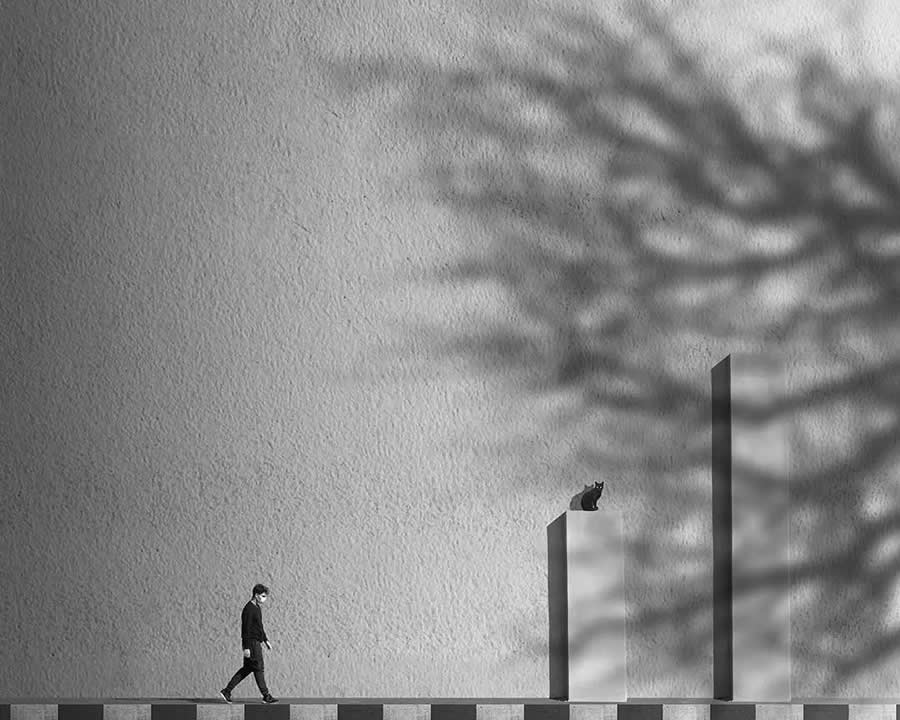
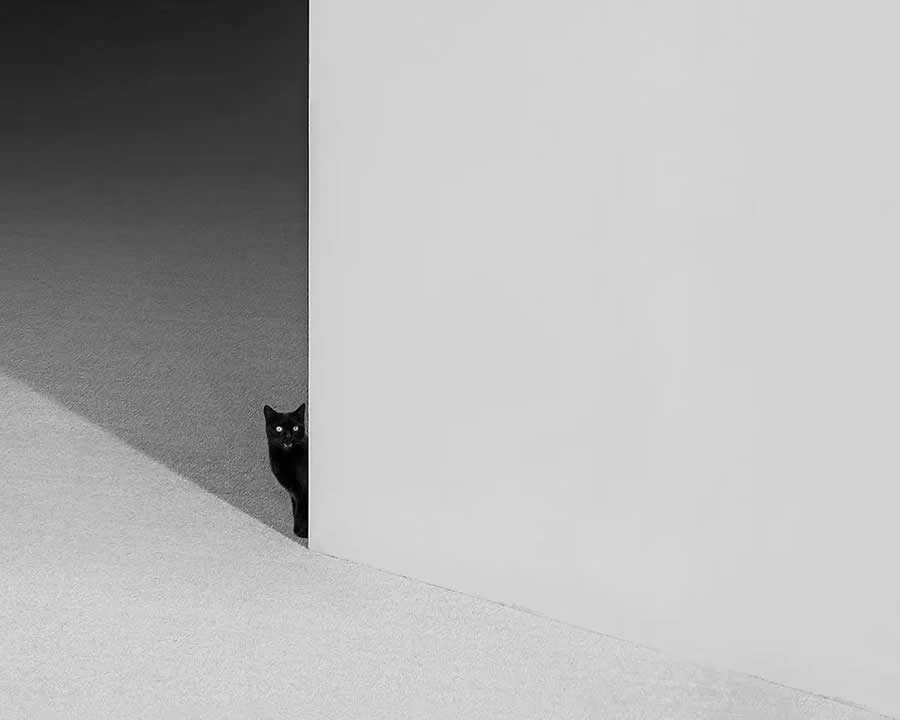
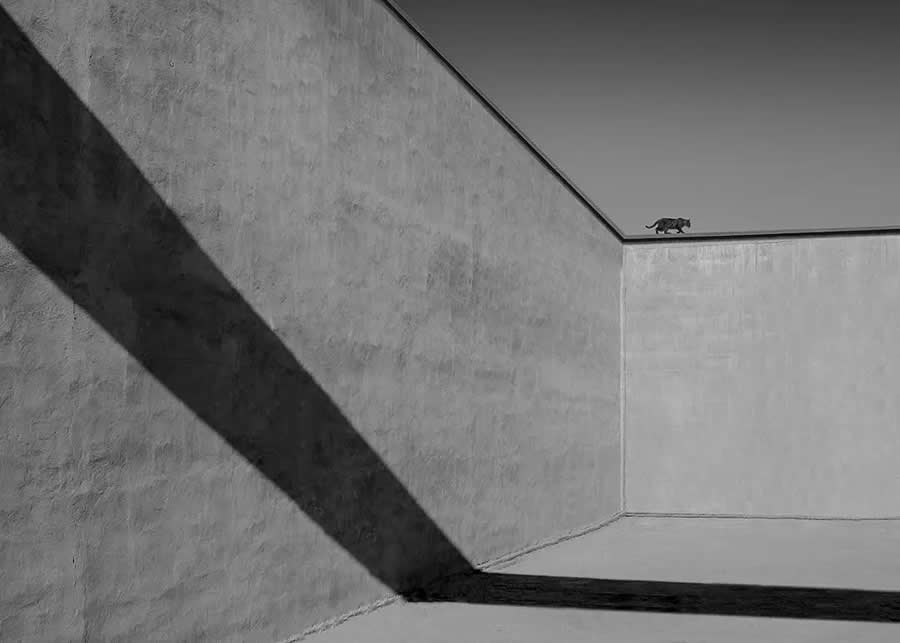
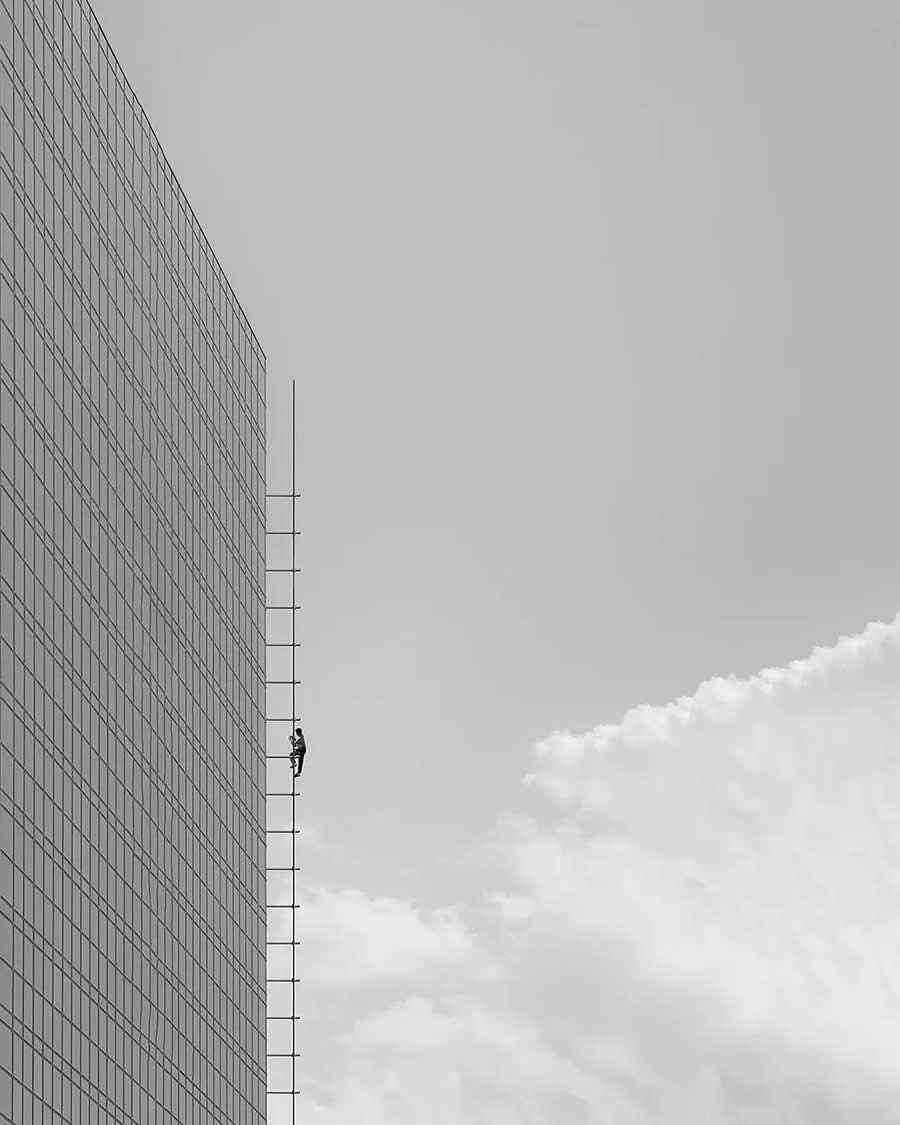
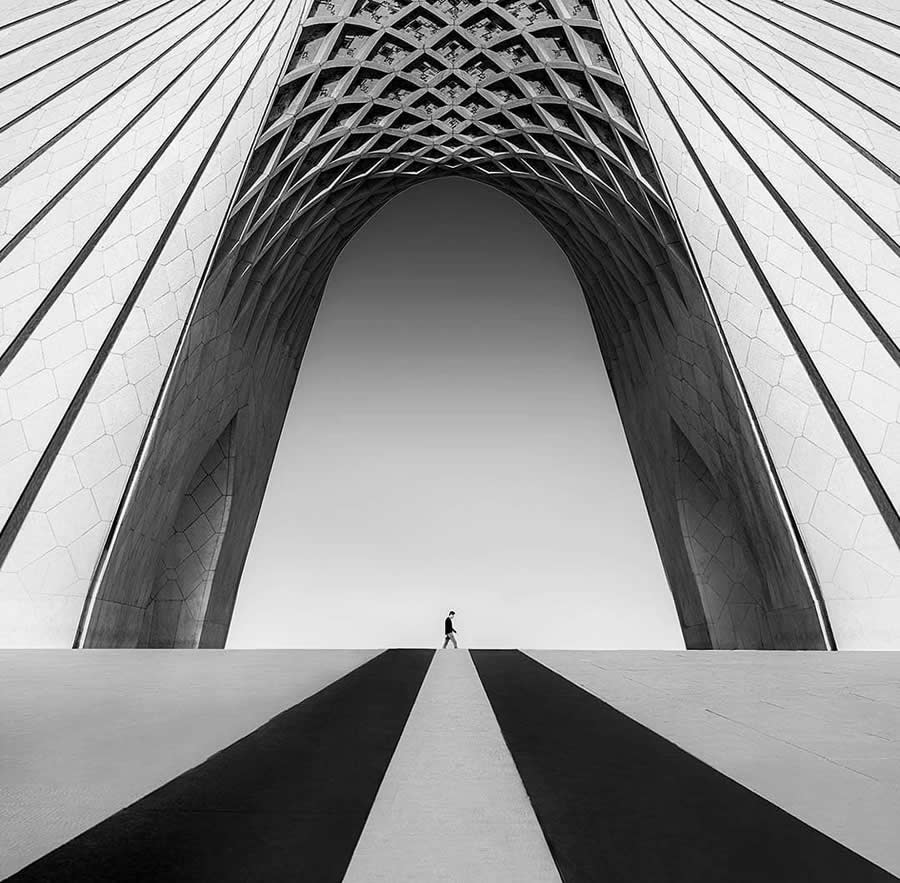
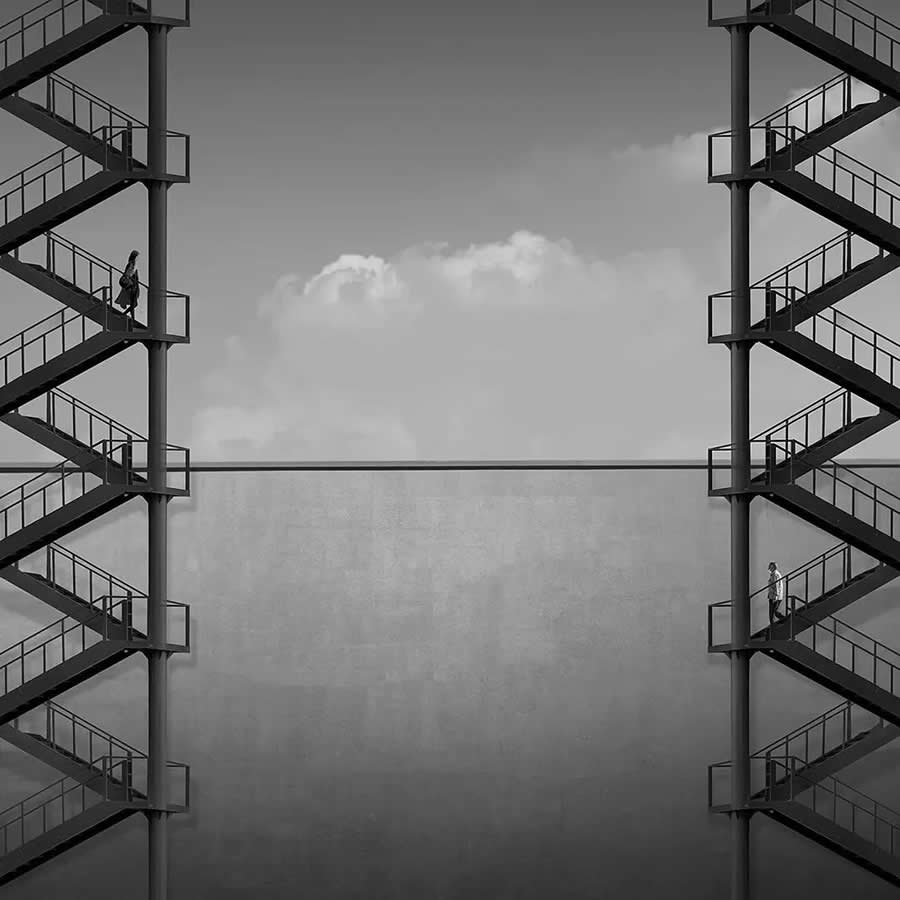
Zolghadri is a master at bending reality just enough to make you question what you’re seeing—without ever leaving the realm of authenticity. His surreal minimalism isn’t built on digital manipulation. It’s built on perspective, timing, and the ability to see beyond the obvious. A staircase can become a dream portal. A shadow becomes a character. A barren field turns into a stage for thought.
This subtle surrealism feels like meditation drifting into imagination. The images carry a softness, a dream state where silence and stillness blur the boundaries between what is real and what is felt. Nothing is chaotic; everything is intentional.
Zolghadri creates worlds where reality takes a deep breath, pauses, and reveals its poetic underside. His surreal minimalism invites the viewer not just to look, but to surrender—to stop fighting the noise of the world and slip into something gentler.
#21
#22
#23
#24
#25
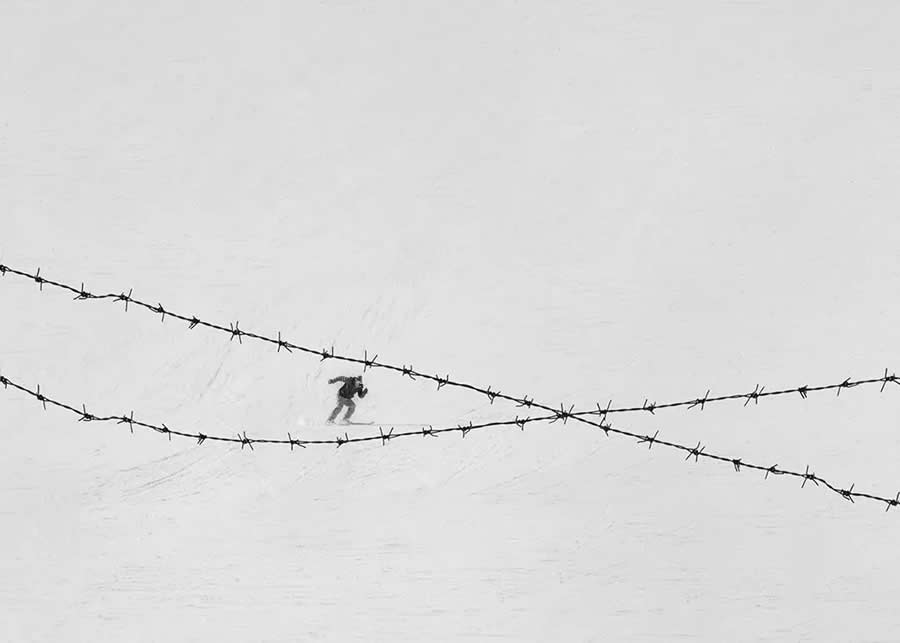
Black-and-White Philosophy: The Art of Removing Everything But Truth
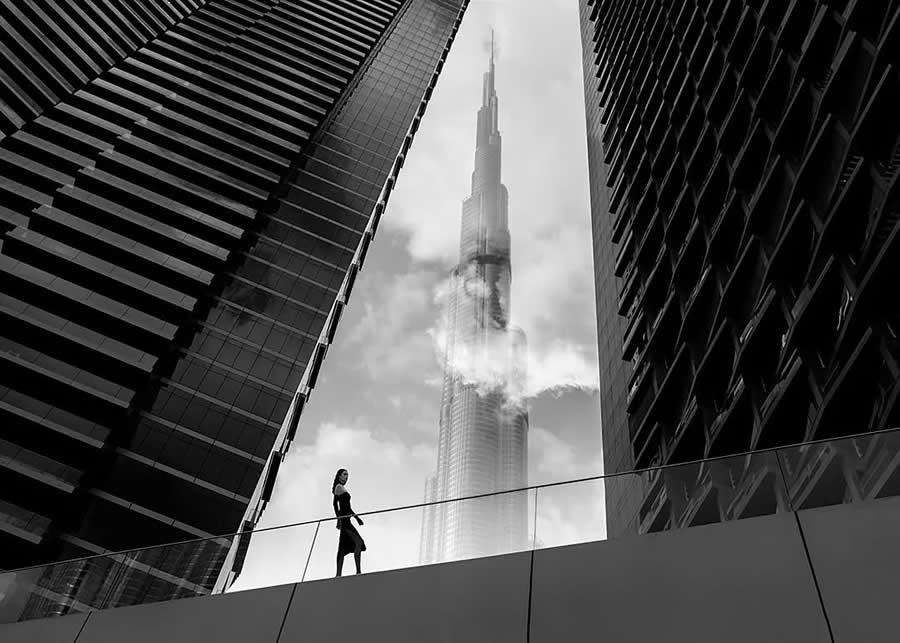
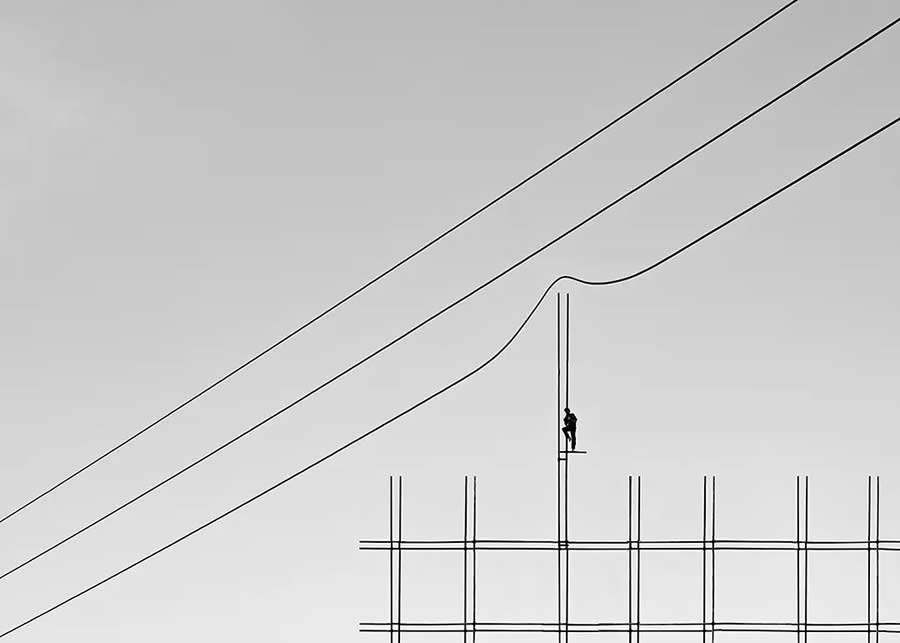
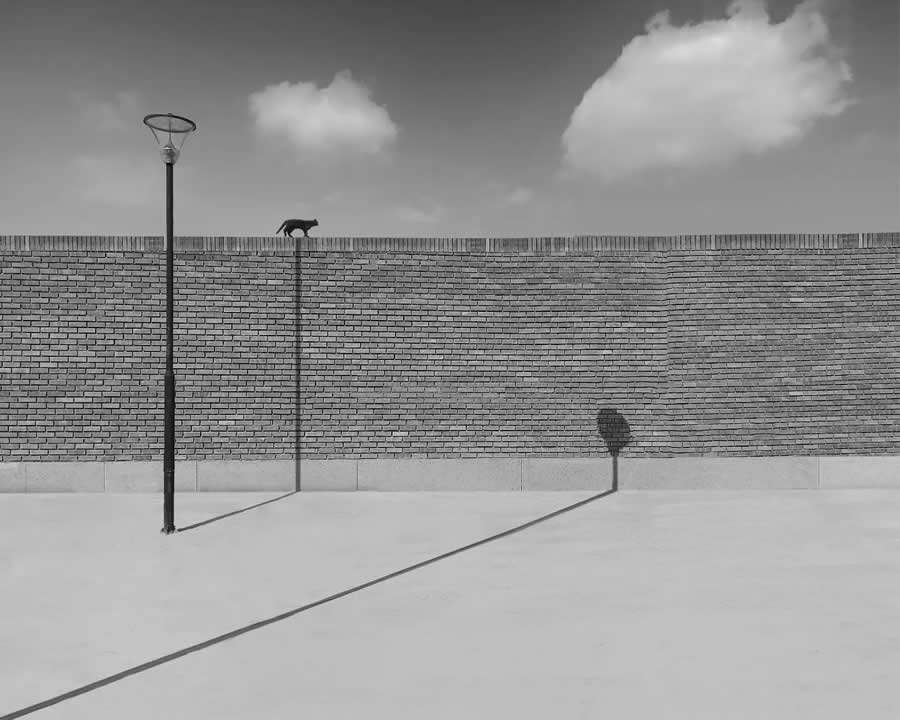
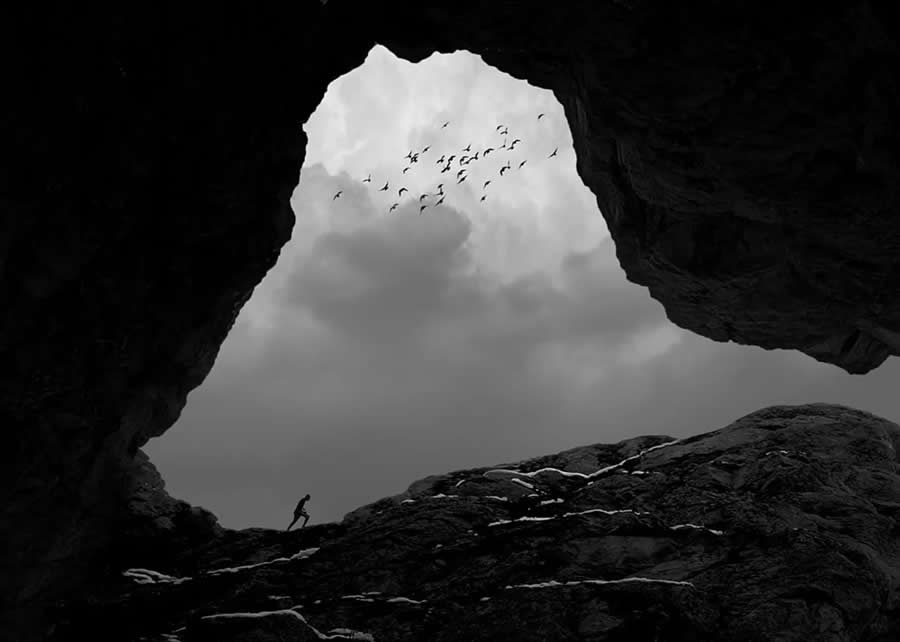
For Zolghadri, black and white isn’t a nostalgic throwback—it’s a philosophy of clarity. By removing color, he removes distraction. What remains is truth: form, shadow, emotion, and energy. His monochrome palette transforms simple subjects into timeless meditations. Light becomes a language. Space becomes a character. Silence becomes the entire mood.
Every shade of gray carries emotional weight, creating an atmosphere where the viewer feels grounded and awakened at the same time. His images feel like visual koans—simple on the surface, profound underneath. It’s this restraint, this deliberate reduction, that makes his work hit so deeply.
Zolghadri doesn’t photograph the world as it is; he photographs the world as it feels when you strip it down to its essential pulse. His black-and-white vision becomes an invitation to see more clearly, to feel more deeply, and to meditate on the beauty of less.
#26
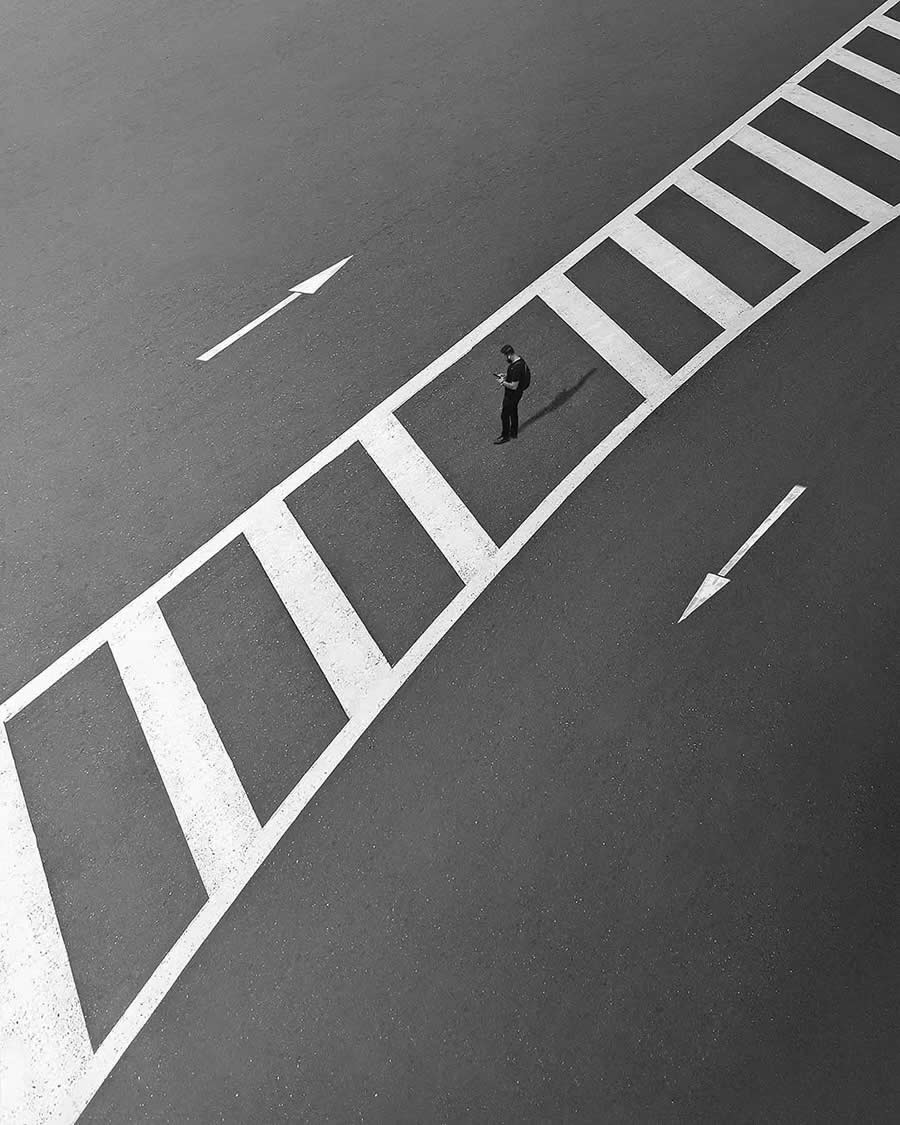
#27
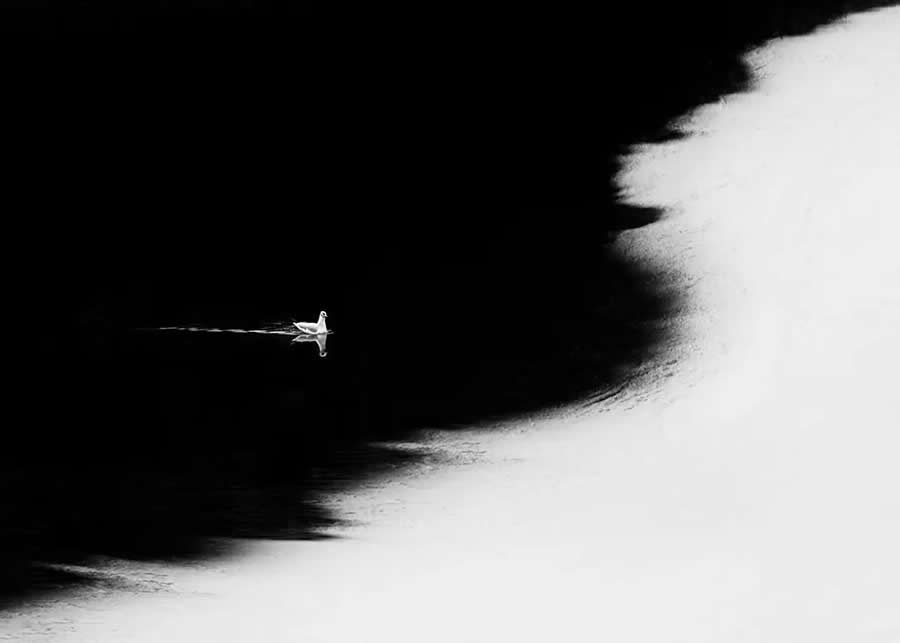
#28
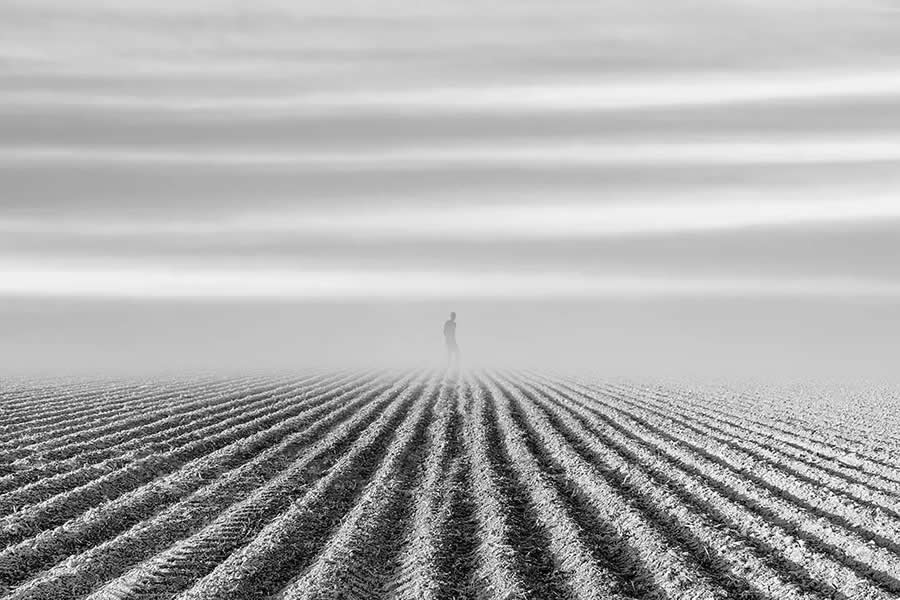
#29
#30
#31
#32
#33
#34
#35