
When Gen Li saw Avatar in IMAX 3D back in 2009, it didn’t just leave an impression; it rewired something. For the first time, he understood that visual effects weren’t just spectacle. They were emotional scaffolding. They were a story.
At the time, he was studying automation engineering. No storyboard sketches. No art school pedigree. Just math, logic, and a growing sense that the structures he was building could apply to something bigger than a factory floor.
That realization became the throughline of his career: how to build systems that serve story not just to work, but to feel.
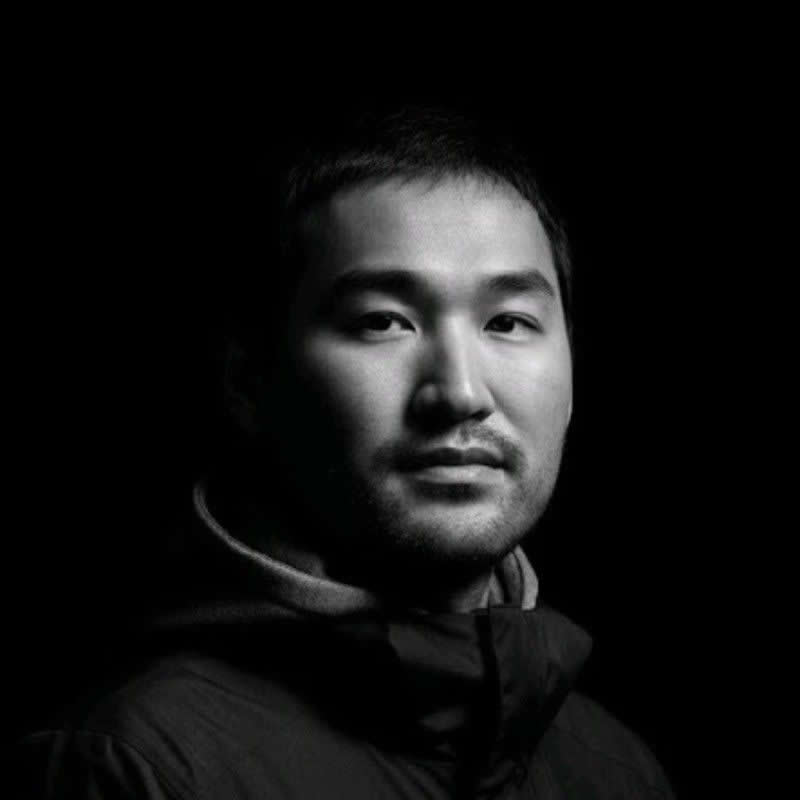
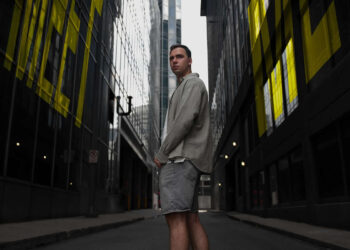
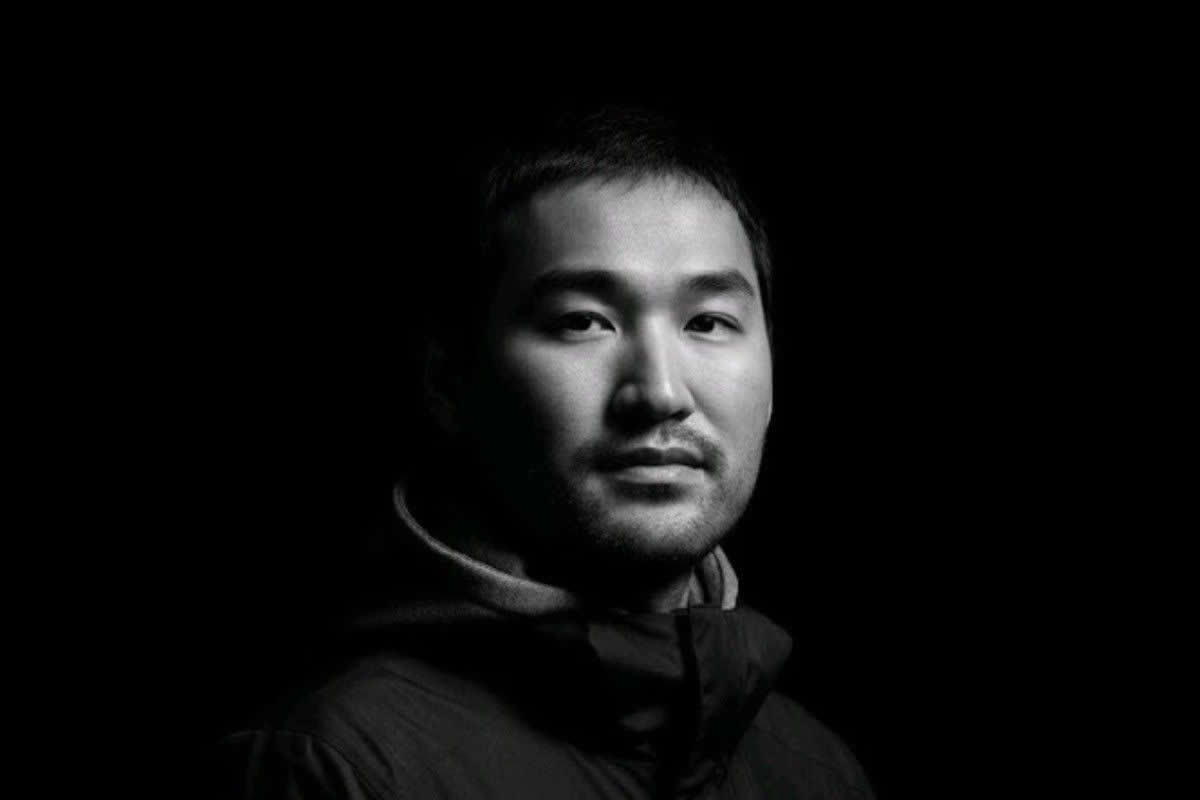
Image by Gen Li on LinkedIn
Seeing the Shot Beneath the Simulation
Coming from an engineering background gave Gen a different entry point into VFX. He didn’t start by chasing cool visuals; he began by building scalable frameworks.
Early in his career at FuseFX, he wasn’t just delivering fire or smoke simulations. He was architecting modular systems, crowds that lit themselves, atmospheres that responded to tone shifts, and custom rigs that could be dropped into a sequence without breaking continuity.
The goal wasn’t speed for speed’s sake. It was consistency, adaptability, and creative freedom, the kind that lets teams pivot when a sequence changes at the eleventh hour, which it always does.
And it happened a lot.
“Some of the most important shots came late,” he recalls. “A scene would change, the mood would shift, and suddenly the original FX pass no longer worked. That’s when I’d get called in.”
When It Mattered Most
One of those moments occurred during a key sequence in American Sports Story. The tone was off. The FX weren’t helping. The clock was ticking.
Gen sat with the edit, replayed the performance, and rebuilt the FX around the emotional core of the moment, not just what needed to happen visually, but what needed to land.
It worked.
From that point forward, supervisors began trusting him not just as a technician but as a creative partner. The person they turned to when a moment had to resonate and the tools weren’t quite getting it there.
There wasn’t applause. Just a quiet nod, a quick handoff of the next problem shot. But that’s how trust builds post-frame by frame, fix by fix, until people stop explaining and start handing you the most challenging work.
The System That Told a Story
That philosophy crystallized into one defining project: a procedural muzzle-flash system for Mr. and Mrs. Smith.
At first glance, it was just a utility tool to simulate gunfire, light the room, and move on. But Gen saw more.
“Even a muzzle flash affects tone,” he says. “Too weak, and it breaks realism. Too stylized, and it feels like another genre. There’s a sweet spot where it enhances the scene without drawing attention to itself.”
So he built a system with enough control. Artists could adjust shape, bloom, particulate trails, and luminance decay, each tied to camera angle, lens length, or narrative intensity. Whether the scene called for gritty realism or heightened action, the system delivered.
It wasn’t about FX perfection. It was about FX that respected the story.
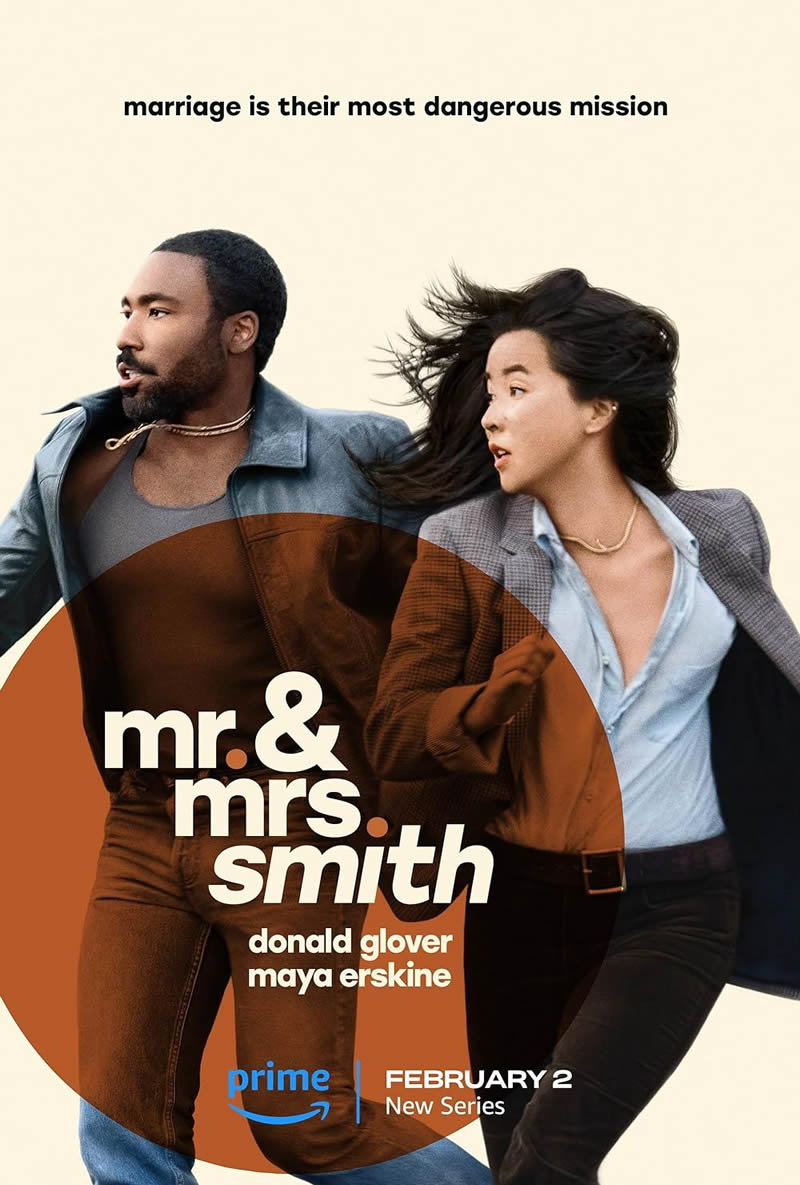
Promotional poster for the Prime Video series Mr. & Mrs. Smith.
Adapting Through Chaos
The 2023 Hollywood strikes created an unpredictable production landscape. Projects halted. Deadlines collapsed inward. When they returned, there was less time and more pressure.
But Gen had already built for that. His FX rigs and procedural templates weren’t just pretty; they were resilient. Entire sequences could shift, and his systems could flex without having to start from zero.
In those final delivery weeks when notes came in late and the edit was still moving, his setups became lifelines. Teams didn’t just meet deadlines; they held the tone.
Still, the industry was evolving. Fast.
That’s when Gen turned toward AI, not as a shortcut, but as a new kind of collaborator.
Building the Brains of Future Pipelines
Today, Gen works at a major tech company through TEKsystems, splitting his time between FX development and AI training.
On one side, he’s building simulations in Houdini and Solaris, and prototyping visual tools in USD that feel cinematic and production-ready.
On the other hand, he’s helping train a large language model specifically for VFX workflows, structuring data, validating pipelines, and ensuring that what the model learns actually reflects the chaos, nuance, and artistry of real-world post-production.
It’s not just about teaching a model what “a fire sim” is. It’s about embedding visual intuition into the next generation of creative tools.
What’s Next: A Studio for the Hybrid Era
Gen’s long-term vision? A boutique studio where artists can work fast without losing the emotional thread. A place where procedural systems and AI tools live side-by-side, not replacing craft, but enhancing expression.
To get there, he’s sharpening his technical edge in Houdini, USD, and simulation workflows, while also pushing into generative models and synthetic data. But through it all, the throughline remains:
VFX isn’t about showing off. It’s about storytelling clarity.
For Artists Navigating What’s Next

If you’ve been in the industry a few years, you might feel it: the ground shifting. Tools are evolving faster than you can adopt them. Deadlines are getting tighter. Creative ambition colliding with pipeline reality.
Gen Li’s journey offers something tangible to hold onto:
- You don’t have to pick between technical precision and narrative voice.
- You don’t need to start over; just start thinking in systems.
- The future isn’t about automation replacing artistry. It’s about building more innovative tools that give you more time to make the moments that matter.
This isn’t about reinvention. It’s about realignment. Staying curious. Getting strategic. And remembering that even a single flash frame, if crafted with care, can carry the full weight of a story.
Explore more of Gen Li’s work at genlifx.com, or view his FX reels on Vimeo. For more artists blending tech and storytelling, head to 121clicks.com. And if you’re navigating your own hybrid path in VFX, let Gen’s journey be a reminder that the future belongs to those willing to build, adapt, and stay curious.
About the Author
Elena Hartman is a writer and editor focused on the intersection of storytelling, technology, and creative craft. With a background in post-production and a lifelong obsession with behind-the-scenes workflows, she writes to spotlight the people shaping how stories get made frame by frame, pixel by pixel.